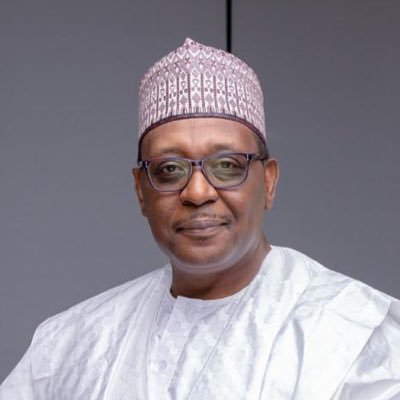
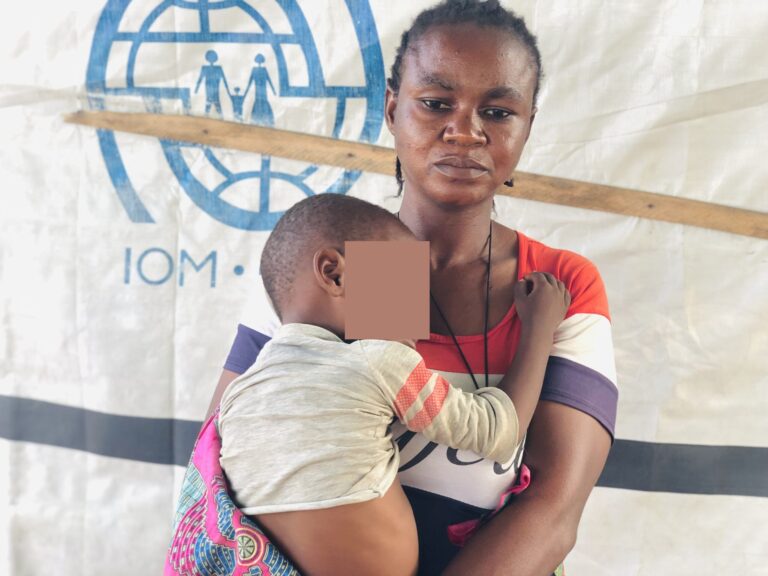
NIGERIA’s Minister of Health and Social Welfare, Muhammad Ali Pate, said the country is on track to provide health insurance coverage for 44 million citizens by 2030 as part of efforts to reduce out-of-pocket spending and achieve Universal Health Coverage (UHC).
Pate disclosed this in a statement released on Saturday, noting over 2.4 million Nigerians were newly enrolled in 2024 alone, bringing the total number of insured citizens to about 20 million.
He said the new target of 44 million by 2030 would mark a transformative leap toward ensuring access to affordable and quality healthcare for all Nigerians.
“In 2024, Nigeria broke its enrollment record with more than 2.4m new people insured, bringing total coverage to about 20m Nigerians. With new policy tools in motion, we are on course to reach 44m by 2030. This is the surest path to reducing out-of-pocket expenditure, which still represents about 70% of total health spending.
“Social health insurance schemes now account for 90% of all enrollments nationwide. A major constraint in care quality has been the low capitation fee for enrollees. For years, the capitation stood at ₦750 per person. We have doubled it to ₦1,450 to ensure providers are properly equipped to deliver consistent, high-quality care. Fee-for-service rates have also been increased by 380%, based on actuarial evidence aligning cost-reflective rates with quality requirements,” Pate said.
He described out-of-pocket payments as the dominant source of healthcare expenditure for most Nigerians.
Since 2023, he said nearly 120,000 health workers have been trained and 2,500 doctors, nurses, midwives, and community health extension workers recruited to strengthen frontline services.
He also announced the introduction of the One Hour Referral Authorization Code, designed to eliminate delays in patient referrals by ensuring that authorization from insurers to healthcare providers is issued within one hour.
Pate said in a bid to enhance oversight, lHe has directed the National Health Insurance Authority (NHIA) to begin covert mystery shopping across hospitals to monitor service delivery and ensure that enrollees are not denied treatment.
The results of these reforms, according to the minister, are already visible, adding that hospital utilization surged from fewer than 10 million visits in 2023 to more than 46 million by the second quarter of 2025.
“The evidence is clear. From fewer than 10m hospital visits in all of 2023, more than 46m visits were recorded by the second quarter of 2025. Reforms in the Basic Health Care Provision Fund @TheBHCPF and the NHIA are delivering measurable gains in patient confidence and service utilization.
“As enrollment expands, benefits multiply. Wider adoption of health insurance enhances quality, strengthens accountability, and protects households from financial hardship. These achievements reflect President Tinubu’s vision of a health system that serves all Nigerians, regardless of income or status,” he said.
The ICIR had, on September 30, reported that the country’s out-of-pocket spending accounts for 75 per cent of total health expenditure, leaving millions of Nigerians vulnerable to financial shocks when seeking medical care.
The report also warned that the system was not on track to achieve UHC, with a service coverage index of just 38.4 per cent.
NIGERIA loses over $9 billion annually to illegal mining, with a substantial portion tied to the gold sector. This investigation reveals how a significant share of gold extracted from the northwest is funnelled into terrorism financing. In Zamfara’s gold-rich underworld, Kachalla Mati, successor to slain bandit kingpin Halilu Sububu, reportedly rakes in ₦300 million weekly from illicit mining fields. The gold is smuggled across borders, where it either generates cash to procure weapons or is directly bartered for firearms, intensifying instability across northern Nigeria.
Thirty-five years ago, Hussaini Isah scraped alluvial gold from the earth of Dan-kamfani, in northwest Nigeria, without looking over his shoulder. Today, he digs deep underground, hunted by fear and surrounded by violence and destruction that have engulfed many parts of Zamfara State.
This gold form Maru is said to be 23karat; high in purity according to gold dealers at the Gusau Pollo market in Zamfara.
Back in those days, they camped in forests, worked till dawn, and lived off gold mining. “It was a hard job, but it provided our daily living,” he said. That life has now been disrupted, as armed bandits terrorise gold-rich communities in the northwest and parts of north central Nigeria, killing locals and forcing artisanal miners such as Isah into near-slavery.
For years, Nigeria’s northwest region has faced persistent insecurity, driven by bandits who exploit weak governance and porous borders. Initially fuelled by farmer-herder conflicts, these groups have evolved into organised criminal networks heavily reliant on cattle rustling, kidnapping for ransom, robbery and extortion to sustain their operations. However, since 2022, the artisanal and small-scale gold mining (ASGM) sector has turned into a key source of financing, fuelling large-scale violence and instability and stimulating a demand for firearms and ammunition.
While the Nigerian Government have deployed the military to disrupt their activities, bandits often regroup, raze villages, displace hundreds of thousands of people and defy authority. The scale of the violence, as revealed in a joint report by the Global Initiative Against Transnational Organised Crime (GI-TOC) and ACLED, found that between 2018 and 2023, banditry deaths in Zamfara and Kaduna states reached above 4,758, surpassing fatalities fuelled by violent extremist groups in the country’s northeast region.
Gold, a portable and untraceable source of wealth, offers bandits influence and control. As economic and political instability shakes governments worldwide, the global demand for it as a haven surged to a staggering 4,606.2 metric tons in 2024. In regions like Nigeria, where formal mining oversight is weak, this creates an avenue for bandits to become major players in the sector.
Constitutionally, the Federal Government has exclusive control over solid minerals, even though the sector contributes less than 1 per cent to the national GDP. However, revenue has seen a positive rise, with a 16 per cent increase from ₦345.40 billion ($226 million) in 2022 to ₦401.87 billion ($263 million) in 2023, the highest in a decade, according to an audit report by the Nigeria Extractive Industries Transparency Initiative (NEITI). Yet experts warn this represents only a fraction of its true potential, as illegal mining continues to bleed government resources.
To formalise the sector and track the flow of Nigeria’s gold, the Minister of Solid Minerals Development,Dele Alake, announced in July that over 3,000 artisanal cooperatives had been registered. Alongside this effort, the Presidential Artisanal Gold Mining Initiative (PAGMI) was launched in 2019, aiming to buy gold from artisanal miners under the National Purchase Programme to ensure revenue is remitted to the government. But for Isah and many artisanal miners across Anka and Maru in Zamfara, as well as Birnin Gwari in Kaduna, bandit control over mining communities has made these initiatives impenetrable, leaving huge deposits of gold in the control of non-state actors.
In this investigation, bandit leader, Kachalla Mati, said to be the successor of slain bandit kingpin, Halilu Sububu, boasted of extracting gold worth ₦300 million (US$196,000) weekly. A large part of it is either exchanged for weapons or sold in black markets within the Sahel, and the proceeds, used to procure firearms. The gold eventually ends up in Dubai, the United Arab Emirates, which has become the world’s second-largest gold trading hub, and a go-to selling point for Nigeria’s illicit gold. These illicit transactions increase bandits’ influence and access to firearms that spread and sustain instability in northern Nigeria.
Exported riches, vanished gold
Before 2022, there was little evidence to link armed bandits to the gold mining sector because the intense labour made their involvement unlikely. Moreover, banditry had thrived on cattle rustling, kidnapping for ransom, and community levies. But as mass displacements and military action slashed those revenues, bandits turned to artisanal gold mining, taking over major sites and forcing locals to work under their control.
To speak with gold miners, the reporter travelled to Birnin Gwari, in Kaduna State, where the immediate past governor, Nasiru El-Rufai, once boasted had more gold than South Africa. Incidentally, it is also the epicentre of Kaduna’s banditry.
Journeying through the 126-kilometre stretch Kaduna-Birnin Gwari highway was laced with anxiety. Not long ago, it was considered one of northern Nigeria’s deadliest routes because it was bandit-infested. However, a peace pact between bandits and government authorities in early 2025 made the road ‘relatively safe.’Despite this assurance, uncertainty often engulfs road users, especially since peace pacts with bandits have not always been sustainable.
A few minutes into the often-desolate Kaduna-Birnin Gwari Road that stretches into vast, ungoverned territories, the scale of Nigeria’s prolonged insecurity and widespread displacement was strikingly evident. Haunting traces of abandoned farming communities, such as Unguwar Yako, Tsohuwar Udawa, and Manini, loomed quietly overgrown by shrubs that offer a sobering reminder of the lives that once lived there. Residents had been forced to relocate as a result of constant attacks and abductions by armed bandits.
Due to the pothole-ridden road and limited or non-existent telecommunication services, the journey from Kaduna to Birnin Gwari extends twice as long as the typical one-and-a-half-hour drive. Yet, after three hours, the reproter arrived in the town of Birnin Gwari, a place that has remarkably resisted bandit attacks.
The process of washing to extract the gold.
To meet with artisanal gold miners, the reporter, in the company of local vigilante men, who help fortify the community, travelled the 16km bumpy, untarred road to Bugai mining site. Buzzing with activity, in a wide pit, mud-covered youths were seen working in sync. Shovels in hand, they dug and heaved soil to the edges. Nearby, others washed and processed the freshly dug gold-bearing earth.
“It is our right to mine. This is how we hustle, especially since what we are doing is not illegal,” said Mohammed Bello, a senior artisanal miner. But Nigeria’s Minerals and Mining Act, 2007, which provides requirements for mining, categorises Bello and many of his colleagues as illegal miners since they have no registration with the government.
Bandits had visited that mining site less than 10 months before this interview in May, said Jafar Ibrahim, another miner. He recalled their ultimatum: “Hand over the gold or be killed. We complied, surrendering ₦2 million ($1,300) worth of gold,” he said. But he acknowledged that bandits’ provocation had declined since the peace pact with the government.
Over 300 kilometres from Birnin Gwari, artisanal gold miners in Maru and Anka of Zamfara State equally depend on the informal sector to survive. For three decades, Isah worked across mining fields in Anka, finding just enough gold to cater for his family. Now working under bandit-controlled fields, he said the gold is dug in large quantities, and the quality appears good.
While gold dealers praise Anka’s gold, they claim it is second in purity to that of Maru, where purity could reach 23 karats and, occasionally, 24k, its purest form. For a smooth business transaction, locals use three measuring units for excavated gold: Per cent, digo and gram. Digo is a Hausa term that loosely translates to a drop. Gold dealers explained that 10 per cent makes up a digo while ten digo make up one gram of gold.
At the Pollo Market in Gusau, gold from parts of Nigeria and surrounding African countries is sold.
And so, local dealers often have to pile up gold in little quantities to reach a substantial gram before they move it to bigger selling points, such as the Pollo Market in Gusau, Zamfara State. From there, the gold makes its journey to Abuja and to Dubai. Aliyu Adamu Almajiri, spokesperson for Zamfara’s Gold Buyers and Sellers’ Cooperative, confirms that gold from the market travels to Dubai and weekly transactions in the market are about ₦250 million (US$164,000); a sharp drop from before the insecurity.
But gold dealers are not the only ones eyeing Dubai. From underground mines, bandit-controlled gold finds its way to global black markets, fuelling a far-reaching terror economy.
Explaining their role, bandit leader Kachalla Mati said gold from his controlled mining fields in Anka is stockpiled for weeks, then smuggled through the Nigeria/Niger border into the Sahel. Through this route, the gold indirectly makes its way to Dubai.
Although less prominent than Sububu, Mati is said to command scattered mining camps in Dan-kamfani, Kawaye, and Duhuwa, operating across the Bagega and Wuya wards of Zamfara’s Anka.
In one of two recorded interviews through an intermediary for this investigation, the bandit leader revealed that he extracts between 40 to 50 solos daily from a single mining site. A solo is a heap of gold-layered sand filled in cement bags. At the first scheduled interview conducted in Hausa, Mati, who was nursing a gunshot wound to the leg, ignored a question about how he sustained the injury but said overall, he makes between ₦200-₦300million ($130,000- $196,000) from gold mining weekly. He, however, added that a huge part of the gold is sold outside Nigeria.
Pressed for the specific countries, Mati got irritated: “It is not your business where we sell our gold, you want to alert the security agents, right?” After he calmed down, he boasted: “If we want to, we sometimes sell it here (Zamfara), we send our boys, and sometimes people from the city bring the money to us, sometimes, we send it to Dubai.”
Though he did not clarify how the gold journeys from Nigeria to Dubai, SWISSAID’s 2024 report On the trail of African gold shows that a large chunk of Nigeria’s undeclared gold, especially from the ASGM sector, is smuggled out and directly or indirectly ends up in the UAE. The report reveals a wide gap between Nigeria’s declared and non-declared gold production from ASGM, with declared production gauged at 1.96 tonnes in 2022 and non-declared estimated at between 14.3 and 15.6 tonnes per year in the early 2020s. It further explained that undeclared gold from Nigeria reaches the UAE directly through the airports, while smuggled gold, like that of Mati, makes its way to Dubai through Niger, Togo and Mali.
Illicit GOLD Supply Chain based on the investigation.
Many studies align with this argument, especially since Bamako, Mali’s capital, serves as a major regional hub offering favourable export terms for illicit gold mined around the Sahel, for smuggling to the UAE. Mali hosts around 140 gold comptoirs or gold trading posts, even though most operate outside formal registration, making it a key gateway for laundering gold into the UAE and into the global supply chain.
The Nigerian Government acknowledges this problem and, in 2023, pushed for joint regulations with the UAE to curb illegal trade and boost mutual economic gains.
“We dig; armed bandits gain”
Across Zamfara and Kaduna states, artisanal miners share a common story: bandits first appeared as curious observers, then gradually seized control of mining fields and forced locals to work. While bandits generally avoid physical labour, Isah said they take control of fields and treat miners like slaves. “They beat us and sometimes shoot to kill,” he said and described working in week-long shifts, with each day yielding heaps of gold-layered sand.
The situation is the same in Maru, where Kabiru Dahiru said some bandits give out entry tickets to miners on shifts. He described the ticket as a piece of paper with the name of the bandit leader written on it. “It provides protection for us against abduction by other bandits. When they see it, they know we are going to work for another bandit, and they let us pass,” he said.
But not all bandits are local. Miners often overhear bandit leaders introduce partners from Niger and Burkina Faso who leave mining sites with as many solos as their motorcycles can carry. “If we mine 10 solos, they might spare one to share among 10 of us,” Isah said, “but often,” he added, “their boys could intercept us and seize it.”
Bandits’ interference in the gold mining sector forced artisanal miners to change locations, but often, they see no change in bandit tactics. Jafar Ibrahim, a native of Tsafe in Zamfara, fled to Birnin Gwari, while Ibrahim Lawal and many artisanal miners fled Maganda village of Birnin Gwari, but said that in many areas where gold abounds, bandits have a grip on the area.
Lawal, who is the Chairman of artisanal miners in Maganda, said in some instances, bandits wait for them to dig, wash, and process, then seize the gold. “Sometimes they ambush us on the road and then move the gold to Farin Ruwa or Nachibi, where they refine it,” he said.
Having fled Maganda, Lawal and many of his colleagues now dig for scrapes through the rocky terrain of Rima, 10 km away from Birnin Gwari town.
Gold from Bugai mining site in Birnin Gwari, Kaduna State
But beyond preying on artisanal miners, Ashiru Usman, the Chairman of artisanal gold miners in Birnin Gwari, explained that gold-rich communities of Maganda, Layin Mai Gwari, Janruwa, Tsohuwar Garin Birnin Gwari, Farin Ruwa, Naccibi, and Saulawa have all been overrun by bandits. “Bandits have made these high-yield sites inaccessible,” he said. “Many miners have now relocated closer to Birnin Gwari town for safety.”
How bandits tighten control
Efforts to conduct one-on-one interviews with artisanal miners in bandit-controlled Bagega and Wuya wards in Anka were frustrated by the high risks. Therefore, five artisanal miners, including Isah, were convinced to travel to Anka town for the interview, but only three showed up.
Nonetheless, on the day of the interview, the 110-kilometre journey from Gusau to Anka was almost suspended after news made rounds that bandits had laid an ambush on the 71-kilometre Maiinchi/Anka route, a corridor that runs through Zuru in Kebbi State. Security advisers described the route as one of Zamfara’s perilous, subject to random attacks due to the existence of several cattle routes frequented by bandits.
It was a Wednesday morning in May, and tension rose sharply after the Kwanan Maiinci Y-turn, which veers travellers off the Gusau–Sokoto Road towards the isolated Maiinchi-Anka road. The desolation offered little reassurance, and for a while, the vehicle went into silence. Every second weighed heavily on the heart, save for the sight of seven scattered checkpoints, manned by armed community vigilante groups.
Roughly 26 kilometres to Anka, a Police post became visible, and later, a military checkpoint followed, then finally, a full military formation, which residents said helps fortify the town against bandit infiltration.
Aerial view of gold mining activities in Zamfara State
Anka town has, in the last eight years, provided refuge for thousands of displaced persons, from nearby villages of Duhuwa, Kawaye, Zakkuwa in Bagega ward, as well as Dan-kamfani, Dorowe, Jakkuka and Kurukuru in Wuya ward. To consolidate control, bandit attacks are often ruthless. Aisha Abubakar, a 35-year-old housewife, recalled how the attack on Dorowe forced out over 3,000 displaced persons who are now taking refuge at the Anka emir’s palace IDP camp.
“They killed about 26 people that day,” she recalled, saying the dead included two of her brothers, four nephews and four brothers-in-law. It was the same for Rahama Abubakar and Fatima Garba, residents of Kurukuru and Jakkuka villages, who fled their communities alongside hundreds of residents. For those who dared to return, the consequences are often fatal, said Rahama, who recounted a recent killing of seven villagers who returned to assess their maize farms.
Reinforcing the complexity of the situation, the women doubted that the attacks on their communities were linked to the rich deposits of gold buried beneath the earth. “Bandits took over Dan-kamfani and the mines, but the people were allowed to stay and work for them,” argued Fatima. “They let them have enough gold to buy food. If they’d asked, we’d equally have stayed willingly.”
Experts align this position to cooperate with bandits in exchange for protection, as a tactic employed by non-state armed groups to gain legitimacy among locals and present themselves as protectors.
But even in their perilous circumstances, the spirit of defiance persists among some residents.
As the vigilante commander in Zamfara, Rabiu Bawa knows the cost of defending such communities. “Just recently, I wanted to restructure my men, and I was very upset because many of them had been killed in a clash with bandits,” Bawa said, his voice heavy with grief.
Middlemen in the shadows
Muhammadu Abubakar, a gold dealer in Anka, transitioned from artisanal mining to gold trading within a decade. Local dealers like Abubakar are often the first point of contact once gold is extracted and processed. “We weigh the gold and pay the miners. Sometimes I buy between 10 to 20 grams of gold in a month,” Abubakar said, adding that other dealers may buy more.
Though there is no way of knowing if gold from bandits makes its way into their hands, Abubakar and his colleagues at the Pollo Market insist they never purchase gold from bandits. They, however, admitted that the criminal groups operate through middlemen.
Like many organised criminal networks, bandits rely on intermediaries for smooth operations. These middlemen play a vital, yet shadowy role in gold processing, transportation and sales to the movement and exchange of firearms and ammunition.
But this investigation found that the middlemen involved in the gold trade are often distinct from those operating in the arms trade, even though they are, in most cases, within the same communities and their paths may cross.
In Maru, Zamfara State, an artisanal miner goes into a mining tunnel
To evade detection, middlemen in the gold sector embed themselves within local communities, as explained by Isah and corroborated by other artisanal miners. He said some of them own private gold processing centres and serve as couriers of gold and cash for bandits. His account was re-echoed by Rabiu Bawa, the vigilante commander in Zamfara, who explained that when in need of cash, bandits use agents to transport gold to dealers at Gusau’s Pollo Market.
But the shadowy nature of agents is deeply entrenched in the protection they get from bandits, explained security and intelligence expert, Kabiru Adamu, who said apart from protecting gold fields, bandits also protect agents to move freely between locations.
Subsequently, to protect their interests and ward off security agents and rivals, bandits require weaponry, said Adamu, Managing Director of Beacon Consulting, a renowned firm providing enterprise risks and security management solutions in Nigeria and the Sahel. Interactions with personnel from the Nigerian Immigration Service and Customs officers stationed at the Nigeria/Niger border reveal that trafficked weapons coming into the country are mostly tracked through Jibia, in Katsina State.
“Jibia is about 40km from Gusau, and if they can come in undetected, the weapons move to parts of Zamfara and other states, especially Kaduna and Niger States,” said an immigration officer who requested anonymity.
The role of middlemen in the sector is driven by the emergence of a war economy, much like the northeast at the height of Boko Haram’s insurgency, explained a Brigadier General, Sani Kukasheka Usman (rtd), the Consultant Director of Corporate Affairs and Information Services (DCAIS) at the Nigerian Army Resource Centre (NARC), Abuja who said bandits exploit societal deprivation to smuggle and transport firearms and ammunition.
“Sometimes transporters of arms are recruited consciously or unconsciously,” he said. “Take, for example, someone living in poverty. If you hand them a parcel to deliver, they might not ask questions until they’re arrested.” Usman, a former Director of Army Public Relations, said while fear forces some to act as intermediaries for bandits, others are driven by greed.
From gold to guns
Increased demand for weapons among non-state actors has placed Nigeria in the 5th spot on the 2025 Global Terrorism Index, trailing behind Burkina Faso, Pakistan, Syria, Mali and Niger. The Sahel region, geographically straddling Nigeria, remains the global terrorism epicentre, accounting for over half of all global terrorism deaths. With competition over the region’s mineral resources, especially gold, contributing to ongoing instability in Mali and Burkina Faso, it not only exposes northern Nigeria to the regional patterns of insecurity but situates Nigeria among key hotspots of violence and arms trafficking, facilitating both importation and domestic production of weapons in West Africa.
No doubt, Nigeria’s porous borders, with about a thousand illegal entry and exit points stemming from Benin Republic, Chad, Niger Republic and Cameroon, remain a critical factor in arms smuggling, said General Usman.
Sources of firearms for bandits.
The country’s vulnerability to global insecurity was re-echoed by the then Chief of Defence Staff (CDS), Christopher Musa, in July, when he said Nigeria harbours 40 per cent of the over 500 million illegal small arms and light weapons circulating in West Africa. He noted that the weapons, smuggled from conflict zones in the Sahel and North Africa, have empowered terrorists, bandits and ethnic militias, escalating violence in northern Nigeria.
However, apart from smuggled firearms, the Federal Government acknowledges a wide range of weapons used by non-state actors, including bandits were sold to them by corrupt security agents. Speaking on this, Adamu, the intelligence experts said that though a bulk of the weaponry is smuggled through the land and sea borders, other sources include local manufacturing points where weapons such as the AK-47 are fabricated, as well as those sold by corrupt security officials.
Shedding light on Nigeria’s local weapon manufacturing dynamics, Usman noted that the illegal sector has grown “remarkably innovative, capable of fabricating nearly every type of weapon.”
Therefore, to increase their capacity for violence, bandits rely on foreign and domestic channels for firearms, funded substantially by gold extracted from Nigeria’s informal mining operations. These weapons, Adamu explained, help bandits protect mining sites against the Nigerian authority and other rival groups as well as gain more influence and control.
One figure who embodied this nexus of illicit gold mining and arms acquisition was slain bandit leader Halilu Sububu. Before he was killed in a military ambush in September 2024, Sububu was described by Murtala Rufai, a Professor of History and International Studies at Usmanu Danfodio University, Sokoto, as a key arms supplier to bandit groups and reportedly controlled mining sites across Zamfara, Katsina, and Kaduna. Whether Sububu funnelled gold profits into gun deals or outrightly swapped the metal for weapons remains unclear. What is certain, however, is that since his death, a new player, Kachalla Mati, has stepped in to fill the void.
Isah, who worked under mining sites controlled by Sububu and now under the control of Mati, said bandits often boast of how gold proceeds are used to purchase advanced weaponry, including Rocket-Propelled Grenades.
When questioned about these claims, Mati initially dismissed the inquiry as too sensitive. He later confirmed that proceeds from gold were used for various purchases, including weaponry. “Some firearms could even bring down a plane,” he said and added, “There are African countries where weapons are sold in shops.”
For international weapon transactions, Mati said gold, treated as a foreign currency, is stockpiled over several weeks and then smuggled across borders into Niger or Mali. There, it is sold, and the proceeds are used to buy weapons that are later trafficked back into Nigeria.
Offering a glimpse into how these transactions unfold, he said trade in weapons within Nigeria operates on a cash-based system using Naira. He explained that bandits sell their gold through intermediaries in local markets to raise cash used to acquire firearms either from fellow bandits, gun runners, or local fabricators.
In one instance, Mati recounted how a gun runner from Plateau State was intercepted by security forces while transporting a weapon to his group. Without identifying the type of weapon, he reinforced how middlemen trafficking firearms and ammunition across state lines are typically motivated by upfront deposits, with the rest paid after delivery. “We agreed to pay N1 million, and an advance of N800,000 was paid via POS (Point of Sale), but the driver was arrested,” he said.
In search of gold in Birnin Gwari, Kaduna State
Providing perspective into the pricing of AK47, a widely used assault rifle among Nigeria’s security forces and a favourite for non-state actors, he said new foreign versions cost between ₦5 and ₦6 million ($3,266-$3,920) while the locally fabricated versions cost around ₦500,000 ($326). Mati said bandits equally expand their arsenals from attacks on Military and Police armouries and ambushes on security forces, adding that such versions of AK47 are sold among bandits, between ₦500,000 to ₦1million ($326-$653), depending on their condition.
Ammunition, the bandit leader said, is typically sold in “mudu,” a metal grain measuring bowl popular in Nigeria. A mudu, according to him, costs anywhere between ₦800,000 to ₦1.1million ($522-$720), depending on type and market situation.
His insights on the price of a new foreign AK47 rifle are in line with a recent argument by Nigeria’s National Security Adviser (NSA), Nuhu Ribadu, who said the price of the foreign AK47 had reached N5 million in 2024, against less than N500,000 in 2023 and therefore making the rifle out of reach of bandits.
But Adamu challenges the notion that weapon prices determine their availability, arguing that bandits rely on diverse revenue streams to procure firearms. He blamed the Nigerian government for doing little to curb bandits’ access to weapons and ammunition and warned that attention must shift beyond Libya to include Sudan as a growing source of weaponry.
“Even ammunition is easily accessible to bandits, and this is evident in the way they shoot recklessly,” he said.
Swapping gold for guns
Since 2021, the Nigerian government has responded to the activities of armed banditry with a series of aggressive measures, including military interventions, a sweeping ban on mining activities and a declaration of a ‘no-fly zone’ on Zamfara to halt what it suspected as the swap of gold for arms by bandits. Though this suspicion has lingered for years, no concrete evidence has emerged to confirm how this transaction is conducted and with whom.
Mati, however, gave a glimpse into these transactions, boasting that under Sububu, bandits exchanged gold for arms with partners from Mali and Burkina Faso. He, however, said that since he assumed leadership, he has now established links with firearm dealers from Algeria.
“What we do is to exchange the gold for weapons,” he said. “We will not give them money; we give them the gold and they give us the guns,” Mati clarified, revealing the mechanics of the barter system in which gold is exchanged directly for firearms.
Building on his earlier explanation of black-market firearm pricing, he added that the cost of each firearm is negotiated, and once agreed, gold is exchanged based on its equivalent value as payment for the weapon. Based on this explanation, with high-quality gold selling at ₦155,000 per gram at Gusau’s Pollo Market in May, it would require between 33 to 39 grams, valued at over ₦5 million to purchase a new foreign-brand AK-47 rifle. And for Mati, who boasts of raking in approximately N300m weekly from his mining operations, that is equivalent to 60 AK-47 rifles from a week’s gold production.
Explaining further, he said the Algerian partners come with their own gold measuring device, “that one that makes that ‘dit, dit’ sound,” adding that once the gold is exchanged, any outstanding balance is settled at a later transaction. During the interview, Mati claimed that the weapons are delivered in batches and in May, he said about 40 firearms had arrived from Algeria, but when asked to reveal them, he became suspicious and refused the request.
Artisanal miners and local gold dealers use these tools to measure gold.
Experts agree that the connection between gold and firearms is a driving force behind banditry in Nigeria’s northwest. Adamu explained that though gold mining increases the capacity for bandits to access firearms and ammunition, bandit influence is equally derived from gaps in governance, which they exploit to take over Nigeria’s many ungoverned spaces.
We reached out to the Nigerian Government through the National Counter Terrorism Centre, under the office of the National Security Adviser and the National Coordinator, Maj. Gen. AG Laka agreed to an interview but later ignored repeated requests. The Minister of Information, Mohammed Idris Malagi, also did not respond to several interview requests on the findings of this investigation.
Though the Nigerian military is currently conducting an ongoing operation against bandits in the northwest, the spirit to fight for their freedom remains a burning desire among civilians. “If not for their guns, we’d fight back,” said Ibrahim Lawal, Chairman of artisanal miners in Maganda. As a resident and artisanal gold miner, Lawal understands that every ounce of gold seized by bandits increases their access to firearms and strengthens their grip on communities. “The best way to tackle this,” he said, “is for the government to cut off their access to weapons and take full control of the mining sites.”
Beneath the bloodstained earth of northwest Nigeria, sources say Mati and other bandits continue to wield power over mining fields. However, Isah has since relocated from Dan-kamfani to Giwaye, near Anka town, where he is scraping a living from the soil. “The gold is not much here,” he said, “but it is better than slaving for bandits.”
Names of artisanal miners used in this report have been changed to protect their identities.
This article was developed through a mentorship programme with the Global Initiative Against Transnational Organised Crime (GI-TOC) and La Cellule Norbert Zongo pour le journalisme d’investigation en Afrique de l’Ouest (CENOZO), as part of the “Support to the Mitigation of Destabilising Effects of Transnational Organised Crime (M-TOC)” project. The M-TOC project is commissioned by the German Federal Foreign Office (GFFO) and implemented by the Deutsche Gesellschaft für Internationale Zusammenarbeit (GIZ) GmbH and GI-TOC from 2024 to 2025. This article is totally independent and does not necessarily express the views of GI-TOC, CENOZO, GIZ or GFFO.
INTERNALLY displaced women in Benue State are facing life-threatening conditions as they struggle through pregnancy and childbirth in overcrowded camps. This story examines how insecurity, poor healthcare, and extreme poverty are endangering maternal health and deepening the suffering of displaced mothers.
Janet Terkimbir’s voice trembled as she recalled a harrowing night in May 2025, when labour pains tore through her body.
Eight months pregnant and living in the crowded Agagbe Internally Displaced Persons (IDPs) camp, she crawled across the dusty floor of the mud-walled shelter, clutching her belly and gasping for breath.
Other women rushed to her side, trying to offer comfort, but there was little anyone could do. No hospital was within her reach, no doctor, no trained midwife.
Médecins Sans Frontières (MSF), a humanitarian organisation that once provided minimal assistance, had long withdrawn.
Before dawn, Terkimbir was soaked in sweat and weak from exhaustion. Her labour stretched into the morning, and the pain became unbearable. When the baby finally came, it wasn’t breathing.
Janet Terkimbir
Originally from Tse Adekule, a village in Gwer West Local Government of Benue State, Terkimbir had fled her home after armed men attacked, killing several residents and raping some women.
At Agagbe camp, which she now calls home, she has spent years living with the scars of that attack, but losing her baby in such a harrowing way reopened every wound.
“I suffered through the pregnancy with nothing. I thought at least the child would survive, but now the child is gone,” she said, her voice heavy with grief.
Her experience reflects the plight of hundreds of displaced women who face pregnancy and childbirth under harsh conditions in the IDP camps.
At Agagbe camp, Orhena Mzamber lost three babies in one night. She didn’t know she was carrying triplets because she never attended antenatal care. When her water broke, she was rushed to Naka General Hospital, but by the time doctors carried out an emergency operation, all three babies were dead.
“They said it was too late,” Mzamber recalled. “I didn’t even know I was pregnant with triplets.”
Now 32, she lives at the camp with her four surviving children. Her husband was killed when armed men suspected to be herders attacked her village, Tse Kpar, a community in Gwer West LGA, and she has been raising her family in grief and poverty ever since.
Orhena Mzamber lost three babies in a single day
Insecurity, maternal health on a collision course
Nigeria is said to be the world’s most dangerous nation in which to give birth. According to the most recent UN estimates for the country, compiled from 2023 figures, one in every 100 women dies in labour or in the following days. This puts Nigeria, Africa’s most populous nation, at the top of a league no country wants to head.
In 2023, Nigeria accounted for well over a quarter – 29 per cent – of all maternal deaths worldwide. That is an estimated total of 75,000 women dying in childbirth in a year, which works out at one death every seven minutes.
Findings show that for displaced women in Benue, these national statistics take on an even harsher reality. Interviews with women in Daudu and Agagbe IDP camps reveal stories of lost pregnancies, stillbirths, and declining health—all worsened by the absence of functional healthcare facilities.
Humanitarian organisations that once filled the gap have either scaled back or withdrawn due to insecurity, leaving thousands of women to face childbirth with little more than hope.
For years, Benue has been one of the epicentres of brutal violence in north-central Nigeria, marked by systematic killings, mass displacement, and the destruction of entire communities.
Crowded Agagbe IDP camp, Benue
The victims are largely agrarian communities, whose livelihoods have been shattered by incessant attacks primarily from armed herder militia groups.
What began as resource-based disputes over land and water access has transformed into large-scale criminal violence, underpinned by climate pressures, rapid population growth, ethnic-religious tensions, and, more importantly, state failure.
According to the International Organisation for Migration (IOM), more than 500,000 people have been internally displaced in Benue. Women and children, especially pregnant and nursing mothers, are the most vulnerable.
The Benue State Emergency Management Agency reported that as of June, 4,685 people were registered in IDP camps across the state, including nearly 3,000 women, with at least 122 pregnant.
The figure could be higher now due to the recent attack in Yelwata, which displaced an additional 18,000 people.
Displacement crisis
The dire conditions within the camps compound the impact of this growing displacement crisis. Poor infrastructure and limited access to basic health services, especially reproductive healthcare, remain persistent challenges.
Women are left without adequate care to prevent or manage complications during pregnancy and childbirth—leaving them at a significantly higher risk of maternal morbidity and mortality.
A study by the United Nations Children’s Fund (UNICEF) in Borno IDP camps found that women risk losing their newborns during night deliveries, when medical support is absent.
The report stressed that safe childbirth requires not only medical care but also a sense of peace and stability, conditions that displaced pregnant women rarely experience in conflict zones.
Daudu IDP camp
Nigeria’s struggle with maternal health is not new. In 2001, the country joined other UN member states in adopting the Millennium Development Goals (MDGs), which included reducing maternal deaths by three-quarters by 2015. That ambition later shifted into the Sustainable Development Goals (SDGs), which aim to bring the global maternal mortality ratio to fewer than 70 per 100,000 live births by 2030. Yet, Nigeria remains one of the most dangerous places in the world to give birth.
The 2023–24 Nigeria Demographic and Health Survey (NDHS) shows that the under-five mortality rate stands at 110 deaths per 1,000 live births, meaning one in every nine Nigerian children dies before their fifth birthday.
Infant mortality is 63 per 1,000 live births, and neonatal mortality, deaths within the first 28 days, stands at 41 per 1,000.
In Benue State, under-five mortality is 53 per 1,000 live births, while neonatal mortality is 19 per 1,000. These figures remain far from the SDG targets of reducing neonatal deaths to 12 per 1,000 and under-five mortality to 25 per 1,000 live births. Maternal mortality is still unacceptably high, with Nigeria recording 512 deaths per 100,000 live births—more than seven times the global goal.
Stories of losses
Janet Aondaveer was at the burial ground with her husband when horror struck again.
They had gathered in Gudu, Guma LGA, to bury relatives killed by armed herders when gunshots rang out. Terrified, Aondaveer fled with her husband, carrying little more than fear and the child growing in her womb.
Now 28, she has four children, two of whom were born in Daudu IDP camp, where she currently lives.
Her first camp-born baby arrived safely in a general hospital, but three months later, malaria claimed the child’s life. With no steady access to medicine or healthcare, Aondaveer could only watch as her baby faded.
At a burial in Gudu, Guma LGA, Janet Aondaveer fled with her husband when gunmen struck again, escaping with little more than fear and the child growing in her womb. Now 28, she lives in Daudu IDP camp with her four children, two born there.
“I felt helpless,” she said. “Maybe if we were still at home, if I had food and support, my baby wouldn’t have died.”
The loss haunts her. She often wonders how different life might have been if she had her own house, proper meals, and quick access to medical help. In the camp, survival is a daily fight.
When she became pregnant again, Aondaveer said she nearly lost her own life. Sharp pains late in the pregnancy led to an emergency delivery.
Although the baby came out alive, she bled so heavily that it took urgent intervention to save her.
“Maybe I wouldn’t be here now if they hadn’t rushed me,” she recalled. That delivery was supported by Médecins Sans Frontières (MSF). But after the group pulled out of the camp, no organisation filled the gap. Her husband has carried the burden ever since.
For Margaret Timothy, another resident of Daudu IDP camp, the deepest wound came with the death of her newborn.
Originally from Nasarawa State, the 30-year-old mother of five has lived in the camp for seven years. She gave birth to two children there, the first without complication. But the second delivery was different.
Margaret Timothy
As labour dragged on, the pain grew unbearable. Neighbours rushed her to the hospital, where doctors performed surgery. By the time it was over, the baby was gone.
“I was operated on, but the child was already dead,” she said softly. “Since that day, I’ve not been the same.”
Margaret tries to stay strong for her surviving children, but the grief lingers. “Sometimes, when I see other women holding their babies, I remember mine and it breaks me,” she said. “I forget myself sometimes while walking. My mind drifts.”
According to the International Journal of Gynaecology & Obstetrics, Nigeria ranks third globally for preterm births, recording about 774,100 cases annually. The journal notes that preterm deliveries are far more common among women who do not attend antenatal care (ANC), a gap that contributes significantly to neonatal deaths in the country.
The World Health Organisation (WHO) recommends at least eight ANC visits during pregnancy to improve outcomes for both mother and child. Yet, a 2024 study by the National Library of Medicine revealed that only 20.3 per cent of Nigerian women meet this standard.
For displaced women like Mzamber, who carry their pregnancies under harsh conditions in overcrowded camps, even a single ANC visit can feel out of reach.
Without money for transport or access to functioning health centres, proper maternal care remains a distant dream—and the risks of losing their babies remain heartbreakingly high.
Maternal health at breaking point in Benue IDP camps
In camps like Agagbe, childbirth often happens under shocking conditions, sometimes in toilets or beneath crude shelters.
With no skilled medical staff available, traditional birth attendants now oversee hundreds of deliveries each month. In one month alone, more than 200 births were recorded in Agagbe, a staggering number given the lack of basic facilities.
The federal and state governments have tried to plug some of these gaps by sending relief materials and limited medical support. But with new waves of displacement adding pressure, these interventions fall short.
Speaking with our reporters, the Information Officer of the Benue State Emergency Management Agency, Terma Ager, said the government has signed a Memorandum of Understanding (MoU) with several health centres near IDP camps to provide basic healthcare services for displaced women.
Ager admitted, however, that the situation is worsening. “The increasing wave of violent attacks across the state has deepened the humanitarian crisis, putting additional pressure on the government,” he said.
He also acknowledged that the withdrawal of humanitarian groups such as Médecins Sans Frontières (MSF), due to funding shortages, has left significant gaps in healthcare provision.
He stressed that the state government alone cannot meet the growing needs of displaced populations and appealed for stronger support from the federal government and international partners to bridge the humanitarian gaps.
Experts raise alarm, call for urgent intervention
A consultant obstetrician and gynaecologist, Qudus Lawal, raised concerns over the worsening reproductive health crisis in Benue’s IDP camps.
“It’s unfortunate that globally and locally in Nigeria, crises keep displacing people from their homes. And this, as you rightly mentioned, leads to reproductive and general health issues that limit the well-being of people,” Lawal said.
He stressed that even in non-crisis settings, Nigeria’s healthcare system faces significant challenges, but displacement makes the situation far worse for women.
According to him, maternal mortality, lack of skilled birth attendants, and limited emergency services in overcrowded camps are driving preventable deaths.
“The alternative would be that those within camps go to surrounding communities to get services, but this is not always feasible,” he noted.
“There are also higher risks of sexual assault, rape, and unwanted pregnancies in camps. Unsafe abortions are rampant, which can lead to death and other complications.”
Lawal also highlighted increasing cases of sexually transmitted infections and the heavy mental toll of displacement.
“Health is not just the absence of disease,” he explained. “It has to do with mental, physical, and social well-being. Mental well-being is also affected for those in IDP camps.”
On poor access to prenatal services, he warned that weak camp clinics are worsening childbirth outcomes. “It affects the childbirth process, increases the risk of mortality, and affects the subsequent care that children receive after delivery,” he said.
Lawal recommended better planning in camps, stronger referral systems, and telemedicine to connect women with skilled health professionals. He also warned that reduced support from international partners such as MSF would worsen the crisis unless governments intervened.
“They [IDPs] have no place else to go,” he said. “The government should fast-track resettlement, revamp security to allow them to return home, and in the meantime, coordinate with NGOs and local partners to ensure quality health services are delivered.”
Grace Rimamnunra, a consultant public health physician at the Benue State University Teaching Hospital, raised grave concerns over unsafe delivery conditions that expose women and newborns to infections.
“Pregnant women are at risk of getting infected during delivery, and their babies too can get infected with neonatal sepsis,” she said, pointing to unsanitary environments, lack of sterile tools, and untrained birth attendants as major drivers of complications.
Rimamnunra also warned of rising cases of vesicovaginal fistula (VVF) caused by prolonged, obstructed labour without skilled care or timely emergency interventions.
To address these issues, she emphasised the urgent need to strengthen the primary healthcare facilities surrounding IDP camps.
“The government can build up security to enable the IDPs to return to their villages,” she suggested. “NGOs can help supply commodities at the primary health care facilities around the camp to enable proper hospital care. Health care workers can carry out free medical outreaches in the camps as their community service.”
This reporting was completed with the support of the Centre for Journalism Innovation and Development (CJID)
THE Stringer Foundation has announced a call for application for its investigative journalism fellowship, aimed at supporting bold, high-impact investigative reporting that holds power to account and gives voice to the under-reported.
The organisation said early-career investigative journalists globally are invited to apply, as participants will receive multi-year funding and “comprehensive support” to pursue investigations of significance, especially in spaces where journalists work under threat, with limited institutional backing, or face challenging environments.
“At a time when truth is under attack and independent journalism is threatened, brave journalists need support more than ever. Many courageous journalists work with limited institutional backing and in isolation as they document human rights violations, corruption, and abuses of power. Our global community sustains courageous journalism’s positive impact on the world, and inspires journalists to come together in serving society,” it said.
It also explained that applicants must be willing to commit to a multi-year fellowship period and the support structure that comes with it.
The call strongly emphasises independent, courageous journalism under threat or isolation.
THE Niger State Police Command has confirmed the arrest of Abubakar Mokwa, a postgraduate student at Ibrahim Badamasi Babangida University (IBBU), Lapai, following a complaint of alleged cybercrime.
Although the police did not disclose who filed the complaint, media reports linked Mokwa’s arrest to his recent critical comments about Niger State Governor Mohammed Umaru Bago on social media.
The police spokesperson, Wasiu Abiodun, on Friday, October 24, in a short statement to The ICIR, said Mokwa was arrested by officers from the Lapai Division after a complaint was lodged against him for offences bordering on cyberbullying, cyberstalking, and other cyber-related crimes.
“The Niger State Police Command received a criminal complaint bordering on cyber bullying, cyber stalking and other Cybercrime related offences against one Abubakar Isah Mokwa 29yrs of Mokwa, and a post graduate student of IBBUL.
“Hence, he was invited and arrested by the Lapai Div on 23rd October, 2025 at about 11pm and transferred to the State Police Command Headquarters, Minna,for further investigation in respect of the criminal complaint. However, the suspect is in custody and further development will be made public,” he wrote.
When The ICIR asked further to confirm if the arrest was linked to his comments against Bago, Abiodun failed to respond.
Reports from the university community said Mokwa was picked up from his off-campus lodge in Lapai late Thursday night.
The ICIR gathered that before his arrest, he had posted several critical messages about Bago on Facebook.
In one of his posts, he challenged the governor to uphold his alleged campaign promise of delivering Baro Port.
However, this is not the first time the Bago administration has faced accusations of cracking down on critics and journalists.
In August 2025, the Niger State government ordered the suspension of Badegi 90.1 FM, an independent radio station in Minna, over alleged criticism of the governor.
The ICIRreported that the governor issued the order during an expanded All Progressive Congress (APC) caucus meeting at the Government House in Minna, accusing the station of inciting violence and stirring public unrest.
He instructed security forces to seal off the station, recommended the revocation of its broadcasting licence, and ordered that its owner, Shuaibu Badeggi, be profiled.
PRESIDENT Bola Tinubu has sacked Nigeria’s service chiefs and replaced them in a major shake-up of the nation’s security hierarchy.
The announcement, made on Friday, October 24, by the Special Adviser to the President on Media and Public Communication, Sunday Dare, said the move was part of the administration’s efforts to strengthen Nigeria’s national security architecture.
According to the statement, Olufemi Oluyede, an Army General, was appointed the new Chief of Defence Staff, replacing Christopher Musa.
The President also named W. Shaibu, a Major-General, as the new Chief of Army Staff.
S.K. Aneke, an Air Vice Marshal is the new Chief of Air Staff, and I. Abbas, a Rear Admiral, was announced as the new Chief of Naval Staff.
The statement noted that E.A.P. Undiendeye, a Major-General, would retain his position as Chief of Defence Intelligence.
“President Tinubu expressed profound appreciation to the outgoing service chiefs for their “patriotic service and dedicated leadership,” while urging the newly appointed military leaders to justify the confidence reposed in them.
“The president charges the newly appointed service chiefs to justify the confidence reposed in them to further enhance the professionalism, vigilance and comradeship that define the Armed Forces of Nigeria. All appointments take immediate effect,” the statement read.
THE Nigerian Police Force on Friday, October 24, re-arrested human rights activist and former presidential candidate Omoyele Sowore moments after a Kuje Magistrate Court granted him bail.
According to SaharaReporters, which first reported the incident, chaos erupted outside the courtroom as officers, led by Ilyasu Barau, working at the DC-CID, FCT Command, allegedly attacked Sowore and dragged him into a waiting police van.
The platform quoted witnesses who said the officers pounced on Sowore while his lawyers were still perfecting his bail conditions.
Background
The Kuje Magistrate Court had earlier on Friday granted Sowore and 13 others bail after they were arraigned for violating a restriction order on protests around major government buildings in Abuja.
They were charged with inciting public disturbance and breach of peace following the #FreeNnamdiKanuNow protest on October 20, 2025.
Those granted bail included Aloy Ejimakor, lawyer to detained IPOB leader Nnamdi Kanu, and Prince Emmanuel Kanu, Nnamdi Kanu’s brother. The court set bail at ₦500,000 each, with two sureties in like sum.
Police had arrested Sowore on Thursday, October 23, at the Federal High Court in Abuja, where he was attending Kanu’s terrorism trial.
AS internet and telecommunication innovations continue to reshape how news is produced and consumed, a new digital news platform, Pinnacle Daily, was launched on Wednesday, October 15, 2025. The digital newspaper aims to leverage modern technology and audience-driven strategies to deliver accurate, reliable, and engaging news content.
Here are some photographs that capture the moment.
L–R: Abimbola Adeseyoju, chairman, Pinnacle Digital Resources Limited; Isiaq Ajibola, former managing director, Daily Trust Newspaper; and Farouk Aliyu, former member, House of Representatives, at the unveiling of Pinnacle Daily.Media executives at the unveiling of Pinnacle Daily in Abuja.Isiaq Ajibola, former managing director, Daily Trust Newspaper, delivering his keynote address during the official launch of Pinnacle Daily in Abuja.Eric Teniola, representative of the chairman of the occasion and former governor of Ogun State, Olusegun Osoba, delivering a goodwill message at the launch of Pinnacle Daily in Abuja.L–R: Adedeji Adekunle, Program Director, Nigeria Media Innovation Program (NAMIP) / Media Development Investment Fund (MDIF); Azu Ishiekwene, Managing Director, Leadership Newspapers; Zainab Okino, Chairman, Editorial Board, Blueprint Newspaper; Musikilu Mojeed, CEO/Editor-in-Chief, Premium Times; Angela Agoawike, Founder, Omalicha FM Radio; and Bobai Martins, COO, Pinnacle Daily, the panelist at the Pinnacle Daily launch in Abuja.Panelists at the Pinnacle Daily launchDayo Aiyetan, CEO of Pinnacle Daily, delivering his goodwill message at the launch of the newspaper in Abuja.
A MAGISTRATE Court in Kuje, Abuja, has granted bail to publisher and human rights activist, Omoyele Sowore, following his arraignment for violating a court order restricting protest around some government’s institutions in Abuja.
Sowore was arrested on Thursday, October 23, for leading the protest for the release of the detained leader of the Indigenous People of Biafra (IPOB), Nnamdi Kanu.
Also granted bail were 12 other persons, including Kanu’s lawyer, Aloy Ejimakor, Kanu’s brother, Prince Emmanuel Kanu.
They were all arrested in connection with the recent #FreeNnamdiKanuNow protest in the Federal Capital Territory on Monday, October 20.
The court granted each of the defendants bail in the sum of ₦500,000, with two sureties in like sum. They were charged with inciting public disturbance and breach of peace in Abuja.
While Ejimakor, Prince Kanu, and the other protesters were arrested during the demonstration and remanded at the Kuje Correctional Centre, Sowore was apprehended three days later, on October 23, at the premises of the Federal High Court in Abuja, where he had gone to attend Kanu’s ongoing terrorism trial.
The #FreeNnamdiKanuNow protest, organised by Sowore and other activists, called for the immediate release of Kanu, who has been in detention since 2021 despite several court rulings ordering his freedom. The protesters gathered around the Nigerian Communications Commission (NCC) headquarters before security operatives dispersed them.
The ICIR reported that police officers, alongside other security agencies, fired teargas and gunshots into the air to break up the protest, causing panic in parts of the Central Business District. Several demonstrators, including Ejimakor and Prince Kanu, were arrested and taken into custody.
Three days later, police officers approached Sowore at the Federal High Court and informed him that he was under arrest. Witnesses said the officers claimed they were acting on the directive of the FCT Commissioner of Police, Miller Dantawaye.
Members of Sowore’s legal team, led by human rights lawyer Tope Temokun, demanded an explanation, but the police whisked him away in a waiting vehicle.
Sowore and Ejimakor’s arrests drew condemnation from civil rights advocates. Human rights lawyer Inibehe Effiong described the arrests as an embarrassment to the judicial system, insisting that Sowore’s presence in court was lawful and that the police action undermined the rule of law.
Kanu has been in detention since his re-arrest in Kenya in 2021 and his controversial return to Nigeria. He was first arrested in 2015 on charges of treasonable felony and granted bail in 2017 but fled after a military raid on his residence in Abia State.
Although the Court of Appeal discharged him of terrorism charges in 2022, the Federal Government appealed the decision, and he remains in the custody of the State Security Service. His ongoing trial has continued to draw attention and protests from supporters who accuse the government of ignoring multiple court rulings in his favour.
THREE prominent Nigerians died in accidents caused by hit-and-run drivers within a spate of 11 days in October 2025.
The ICIR reports that such tragedies could be more within the period, as road accidents are commonplace on the nation’s roads.
Renowned labour activist, Abiodun Aremu, a director in the service of Lagos State Government, Serifat Talabi, who was killed four days to her retirement, and a lecturer at the Federal University Lokoja, Emmanuel-Olowonubi Oluwakemi, were the major citizens whose death, through hit-and-run drivers, went viral on social media and caused outrage during the period covered by this report.
Reckless driving, poor road safety enforcement, unroadworthy vehicles, and dilapidated roads have largely been blamed for most road accidents in the country.
Abiodun Aremu
On Sunday, October 12, Aremu, a prominent labour activist and Secretary of the Joint Action Front (JAF) was struck by a speeding vehicle while crossing the road to his home in Ota, Ogun State around 6 p.m.
Eyewitnesses said the 65-year-old was rushed to a nearby hospital, where doctors battled to save him before he was confirmed dead.
Prominent activist, Mike Aremu killed by hit and run driver
The death of Aremu, who was described by his fellow activists as “one of Nigeria’s greatest revolutionaries,” sent shockwaves through the nation’s labour movement.
Until his death, Aremu was deeply involved in pro-labour activism, youth education, and Pan-African solidarity movements. His colleagues vowed to continue his work for social justice, even as they called for stricter road safety enforcement to prevent similar tragedies.
Serifat Talabi
The Lagos State Civil Service was also thrown into mourning following Talabi’s death on October 18. Until her passing, she was the Director of Procurement at the Lagos State Residents Registration Agency (LASRRA).
Talabi was knocked down by a hit-and-run driver on the Lagos–Ibadan Expressway near the Redeemed Christian Church of God Camp in Ibafo, Ogun State, just four days before her retirement and 60th birthday.
Lagos state senior civil servant, Serifat Olubukola Talabi
She had already sent out invitation cards for her birthday thanksgiving and retirement ceremony scheduled for October 22. Her colleagues described her as a humble, dedicated worker whose sudden death left the entire agency in shock.
The Lagos–Ibadan Expressway, where she was killed, has witnessed hundreds of accidents involving pedestrians, motorcyclists, and motorists. In August 2025, a motorcyclist and his passenger were killed by a truck driver who fled after the tragedy.
Emmanuel-Olowonubi Oluwakemi
Barely a week after Talabi’s tragic death, another tragedy struck in Lokoja as the Federal University Lokoja (FUL) community was thrown into mourning after a trailer crushed Oluwakemi, a lecturer in the Department of Theatre Arts, to death along Felele Road in Lokoja, the Kogi State capital.
The incident occurred just days after the university held its 9th convocation ceremony. The late lecturer, fondly called “Mother of Theatre Arts” by her students, was reportedly returning home when the accident occurred near Crusher Junction, a location notorious for frequent crashes.
University lecturer, Emmanuel-Olownubi Oluwakemi Mercy
Her death has reignited concerns over the safety of the Felele–Crusher axis, where students and commuters have repeatedly lost their lives due to reckless driving and heavy-duty vehicles flouting traffic regulations.
In 2023, the Kogi State government banned trailers from using the road during the day following multiple fatal accidents, but the government has failed to enforce the ban, as tanker explosions and vehicle collisions continue to claim lives in the area.
Social media has been flooded with tributes from students and colleagues describing the late lecturer as a warm, dedicated teacher whose death has left a painful void in the university community.
In July 2025, a protest erupted in Sagamu, Ogun State, after a Toyota Camry driver, reportedly driving at high speed, crushed a bystander, Jide Oyeleke, to death on Ewusi Road.
Eyewitnesses alleged that the driver, believed to be one of a group of suspected “Yahoo boys,” lost control and rammed into the victim. The crash sparked a protest the following day, as residents demanded the installation of speed breakers to prevent further loss of life.
The Ogun State Traffic Compliance and Enforcement Agency confirmed that the victim’s remains were deposited at the Olabisi Onabanjo University Teaching Hospital morgue, while the vehicle was seized by the police.
All these deaths continue to attract outrage from the deceased families and other Nigerians, who believe that the victims’ deaths only added to a chain of injustice in the country.
They are also furious over the government’s failure to enforce road safety laws, fix several poor roads across the nation, and ensure erring drivers face the law.
Road accidents’ data in Nigeria
Road accidents and crashes are a commonplace in Nigeria. According to the Federal Road Safety Commission (FRSC), road crashes claimed 5,421 lives in 2024.
There were 9,570 crashes within the year, out of which 31,154 sustained injuries.
Similarly, between January and 2025 this year, at least 3,400 were killed in such crashes, with 22,162 others sustaining varying degrees of injuries in 6,858 reported crashes across the nation.