THE Edo State commissioner of police, Phillip Ogbadu, has dismissed reports that a kidnapped U.S.-based Edo prince, Dennis Abuda, whose corpse was discovered after the payment of an undisclosed ransom, died from gunshot injuries.
Speaking as a guest during the Sunrise Daily aired on Channels TV on Friday, Ogbadu suggested that the deceased might have been hypertensive and probably died from shock and distress, as no gunshot wound was found on his retrieved body.
“There was no open injury on the body of late Abuda. It appears that the victim was hypertensive, but the hospital is yet to give us a report on that. The shock and the distress are part of the things that made him to die easily, but whatever happened, it is the kidnappers that are responsible for the death,” Ogbadu said.
Previous accounts of the incident claimed that the deceased was shot dead by his abductors after it was discovered that he had become too weak to cope with the long walk into the forest.
Ogbadu also stated that although six suspected kidnappers operating along the Benin-Lagos bypass had been arrested by the command, stressing that the actual kidnappers of the Edo prince were killed in a gunfire exchange with the police which occurred in the bush when his team, along with other security operatives, local hunters and vigilante group launched a manhunt on them.
“We actually went into the bush with the vigilante and with all other security agencies that accompanied us and while we were doing the combing, we intercepted one of them and one of the victims identified him as the person that collected the ransom. He now led us to the camp,” Ogbadu explained.
“While we were approaching the camp, they started firing and it was a free-for-all fight. In the process, four of them were brought down. Further combing of the bush led us to the recovery of the corpse of this man (Dennis Abuda) that was on his way to the airport,” he added.
Speaking further, the police boss added, “Actually, it is very unfortunate that we have this incident but right now, all the kidnappers that operate on that route, we have been able to arrest many of them. We have six of them in our custody while the actual kidnappers were killed in the exchange of gun-fire at the camp.”
A video has now surfaced online in which the late Abuda was seen spraying dollars while dancing to songs accompanied by sounds produced from local musical instruments during a celebration. This might have given credence to police commissioner’s hunch that “his kidnap appears to have some connotations of internal connection, as if they knew him before.”
Reacting to the news of his death, chairman of the Nigerians in Diaspora Commission, Abike Dabiri-Erewa, through a statement signed by head, media, public relations and protocols, Abdur-Rahman Balogun, condoled with the Abuda family, describing the death as “very unfortunate, sad and callous.”
Meanwhile, the Fugar Progressive Union, the apex socio-cultural umbrella body of all Fugar people worldwide, has called for a thorough investigation into the death of Abuda who until his unfortunate death was President of the Fugar America Foundation.
In a statement signed by its national secretary, Solomon Obommighie, the union urged all relevant security agencies operating in the state to unravel the mysteries surrounding his death, even as it urged the state government to strengthen security in EdoState.
“We also appeal to the Governor of Edo State to continue to work with the relevant stakeholders to strengthen the security network to protect Fugarians, Fugar and the entire citizens of the state from the incessant attacks by these criminal elements,” the statement read.
Late Dennis Abuda reportedly left Fugar in Etsako Central Local Government Area in the early hours of Saturday, 30th January 2021, and was headed for Lagos to catch a flight back to the U.S. when his vehicle was accosted by the kidnappers. He and three others were abducted. The other three abductees were said to have been released after ransom payments were made.
THE 2020 Nigeria Media Capacity Development Report has unveiled numerous opportunities for journalists practising in Africa’s most populous nation.
Such opportunities range from grants to awards that are available for Nigerian pen pushers.
At the launch of the report, media professionals, publishers, editors, and civil society organisations lent their voices on the need to strengthen the practice of journalism in the country.
The report entitled ‘Nigeria Media Capacity Development Report 2020’ was compiled by the Media Career Development Network (MDCN) and launched on Friday.
Giving his remark at the virtual launch of the report, Lekan Otufodunrin, executive director, MCDN, said the report was geared towards providing journalists with necessary information to boost their career and journalistic practice in the country.
He noted that the report was basically a catalogue database of opportunities in the media industry that would help enhance the career of journalists.
“This is a time journalists are going through a lot of challenges and they need a lot of support. This report has catalogued the database of media NGOs.
“Journalists will no longer have an excuse not to know but to maximise the support they can access to enhance their career.”
Dayo Aiyetan, executive director, International Centre for Investigative Reporting (The ICIR), commended the MCDN team for the initiative, adding that the report would not only open the eyes of the Nigerian journalists to the limitless opportunities in the industry but also help media NGOs to discover the areas of training that had not been covered.
“Colleagues often complain about lack of opportunities for journalists, but this report has proved that there are several opportunities for journalists, even in Nigeria.
“The significance is not just that it provides data about journalism, media career development and training programs, it will also help to discover the areas of training that have not been covered by media NGOs in Nigeria.”
Also speaking at the launch, Olayinka Oyegbile, a veteran journalist, said the report would help journalists and media practitioners in accessing relevant information on career development.
“The report will enable journalists to have access to the opportunities for training and fellowships that are available and most importantly, help them to build the relevant capacity ahead of the opportunities.”
Also present at the two-hour virtual launch were media professionals, proprietors and editors of media organisations, directors of media NGOs, young journalists as well as student journalists.
The Nigeria Media Capacity Development Report 2020 Overview
The Nigeria Media Capacity Development Report 2020, which is the brainwork of the MDCN, is said to be first of what will be an annual publication, documenting various programmes and activities held by media organisations and individuals.
The maiden edition launched compiled the programmes and activities held in 2020 by media organisations and media NGOs.
Notable among over 20 organisations whose programmes were catalogued in the report were; International Centre for Investigative Reporting (The ICIR), Wole Soyinka Centre for Investigative Reporting (WSCIJ), International Press Centre (IPC), Premium Times Centre for Investigative Reporting (PTCIJ) and African Women in Media (AWIM).
The report also contains feedbacks from participants and beneficiaries of the various programmes and projects, particularly on what they learnt and suggestions for improvement.Also included in the report were attestations by journalists who maximised the opportunities in 2020, student journalists’ reviews, awards, insightful interview quotes on capacity development by accomplished journalists, funders, database on media NGOs and support organisations and how people could maximise capacity development opportunities in 2021.
THE federal government has announced that the ban earlier placed on Emirates carrier from Nigeria has been lifted.
This was contained in a letter signed by Musa Nuhu, director-general of Nigerian Civil Aviation Authority (NCAA), late Friday.
Earlier on Friday, the Presidential Task Force (PTF) on COVID-19 had directed an immediate suspension of Emirates Airlines operations until the needed infrastructure and logistics were put in place.
Nuhu said in the statement that Emirates had informed the NCAA in writing that the UAE government had given the airline approval to suspend the pre-departure RDT requirement for passengers travelling on their flight to Dubai.
“Consequent upon the foregoing, the PTF directed the NCAA to lift the suspension placed on Emirates Airlines flights into Nigeria effective from February 5. The public is hereby informed as follows: Emirates Airlines no longer requires passengers to carry out pre-departure RDT,” the statement read in part.
Nuhu also noted that the PTF and other regulatory bodies on COVID-19 had not approved any laboratory to carry out RDT for incoming or departing passengers.
The ICIR had on Friday reported that the NCAA suspended outbound Emirates flights to Dubai due to failure to comply with the stipulated regulations by the federal government.
NCAA had said that Emirates had continued to engage in airlifting passengers from Nigeria using rapid antigen tests conducted by laboratories which were not approved by regulatory authorities on COVID-19.
The ICIR also reported the implications of the suspension placed on outbound Emirateairlines to Dubai due to the number of Nigerians visiting the UAE capital for businesses and tourism.
Cameroonian nationals seeking refuge in Calabar, south-south Nigeria, still have a lot to worry about, from extortion by local security officials to their home country asking for their deportation after labelling them ‘terrorists’.
FRANCIS Nelson (not real name) has mixed feelings about the safety of his family in Nigeria despite running away from the jungle boots of President Paul Biya’s troops on Dec. 18, 2017.
In Calabar, Cross River State, Southsouth Nigeria, where he lives under asylum with his wife and a son, the fear of an imminent arrest and repatriation to Cameroon rattles his mind every night. A supermarket owner back in Southern Cameroon, Nelson lost his grocery store to the crisis.
Since Oct. 1, 2017, when fighting broke out in the Anglophone Cameroon, where the English-speaking minority declared independence from Francophone Cameroon under the name Ambazonia Republic, more and more Southern Cameroonians have fled the country, seeking asylum in Nigeria.
Attacks and raids on villages in Southern Cameroon by military personnel have intensified since the 2018 election when then 85-year-old President Paul Biya, won another re-election—his seventh term in office.
There was an air of uncertainty over them—the event of June 10, 2018, when refugees filed out for food distribution at the Cross River State Emergency Management Agency (SEMA) office and a letter came from the Cameroon Consular addressed to the director-general of the agency asking that the refugees be arrested. Nelson, a father of one, says this has kept his countrymen in constant fear.
“A letter came from the Cameroon Consulate to the SEMA Director General stating that we who were there as refugees are not refugees but terrorists, that we should be arrested and sent back to Cameroon. When this information got to us, we were afraid, there was panic among us,” he recalls.
That in a way is a nightmare—Nelson says, but the nightmare got compounded when Nigerian security personnel restricted the movement of refugees within the country despite an Identity Card issued by the National Commission for Refugees, Migrants and Internally Displaced Persons (NCRMIDP).
Refugees, he says, now provide veritable means of extortion for the security officials.
“Freedom of movement of refugees has been a problem. We can’t move from town to town freely. Even with your yellow card, certificate of asylum issued by the National Commission for Refugees, they still stop them and tell them that they are not supposed to move within the country. Most times they extort money from them – sometimes, people pay as much as N30, 000. It is a big challenge,” he says.
A Protection Officer at the UNHCR office in Calabar who admitted there have been reports of such arrests and extortions told The ICIR that the agency is holding a series of meetings with the leadership of Nigeria Police, Immigration and the Nigerian Army so that they can recognize the ID card issued by the Refugee Commission.
The allegation is not a one-off experience. Seven Southern Cameroonians who just escaped into Calabar were arrested by men of 13 Brigade of the Nigerian Army. But for the intervention of the Refugee Agency, they would not have been released, Nelson says.
He says the seven were suspected to be Anglophone combatants, “because of their dressings.”
“The clothes they wore were not very clean because they had travelled through the bush out of fear. When they got here, they didn’t have any other dress to change to, they were looking dirty and they came in a group, so they thought they were combatants.”
Intimidation comes from all angles for them; they allege that men of the Nigerian Immigration Service also declined to recognise the Identity Card issued by the Refugee Commission.
“The Immigration intimidates us most often, they claim not to recognize us, sometimes we have to call the UNHCR staff,” says a representative of the refugees in Adagon Refugees Resettlement, Ogoja Local Government who did not want to be named for his safety.
But the refugees are unhappy that their plights have not received deserved attention from the international community and the media. Quite frankly too, talks about the crisis between Francophone and Anglophone Cameroons have not gained prominence among world leaders.
The refugees’ representative, a former French-English translator in Cameroon, wonders why “nobody in the international community is talking about their plights.”
“I think Paul Biya has a very strong Mafia among the AU and they are doing everything in his favour.”
According to him, the recent victory of Biya in the general election dashed their hope of any quick resolution of the crisis.
“We thought the opposition would win the election because that would have offered some hope of dialogue and perhaps a settlement.”
The return of Biya has led to more clampdown in the country− his immediate actions show that he is not working towards any immediate resolution, he says. “Last night, a journalist was arrested and those that are in detention, we don’t know what he plans to do with them.”
He lamented that major international media have not given their crisis the required attention.
“When you look at other revolutions going on across the world, they are prominent in the news, but you don’t hear about the Southern Cameroon issue,” he observes.
“The big international media have not given it prominence in their reportage; is it because we are black? The battle is only fought on Facebook by Facebook warriors.”
Tens of thousands of Southern Cameroonians have fled the country in the wake of the clampdown by the Francophone Cameroonian government since the former declared independence under the name Ambazonia Republic.
‘Over 30,000 Southern Cameroonians Currently In Nigeria’
Over 30,000 of them are currently under asylum in Nigeria−Cross River, Benue and Taraba states−according to the National Commission for Refugees, Migrants and Internally Displaced Persons and UNHCR.
One of the makeshift homes constructed by the UN agency for the refugees
On a daily basis, the population of Southern Cameroonian refugees in Nigeria keeps multiplying, said a senior official at the NCRMIDP.
He reveals that the Commission registers refugees, issues them identity cards and “the refugees keep coming as the crisis continues.”
Many more are running away from their homes as government forces keep arresting dissidents and setting villages ablaze especially after the president won the election for the seventh time.
Data obtained from the office of UNHCR revealed that there were 23,620 refugees as of Oct. 31, 2018, in Cross River State. Of these figures, 10,386 of them were male while 13,234 were female. While there were 333 births since January that year. The number of children among the refugees stood at 11,514, according to the UN agency.
By the middle of Oct. 2018, there were about 28,000 of the refugees registered by the Nigerian refugee commission, an official revealed. “We have close to 28,000 registered refugees,” he says, “but the registration is ongoing if we give you a figure today it may increase tomorrow.”
“This is not necessarily the true reflection of incoming, they are still coming. There are some who do come and do not report here but just settle in the nearby village,” adds the official who also pleaded for anonymity.
However, as of early November, a top staff of the UNHCR who would not want his name mentioned revealed that the figure has moved to 30,000.
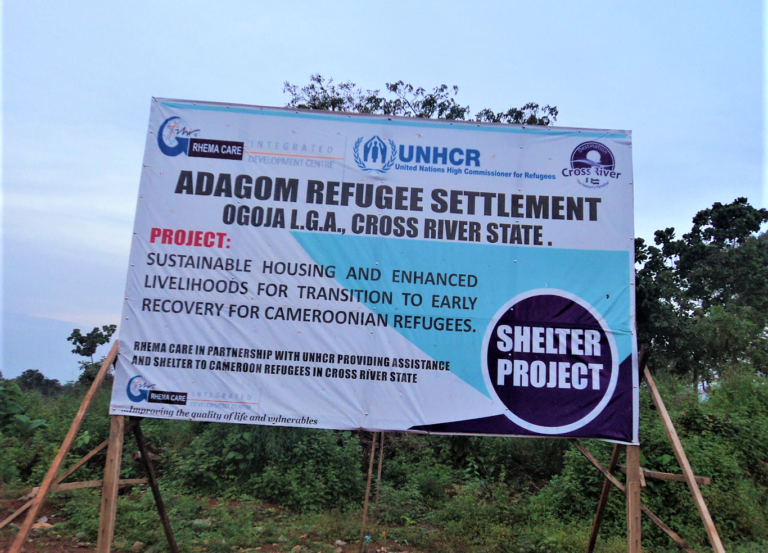
Of the over 30,000 refugees, 5000 of them are currently at Adagom Settlement in Ogoja and over 60 per cent of them are children of school age, some of whom are separated and unaccompanied. Those identified are kept with foster parents in the settlement.
When Will This End?
No morning is normal for Peter Bidget (not real name) after gendarmeries in 2017 killed her father and arrested her husband — he is kept in a prison in Buea.
Building a new home at the refugees’ camp
October 7, 2017—at 3 pm, a helicopter loaded with government forces landed in Daddi village in Akwaya, Manyu division. Everyone in sight was shot at and killed, Bridget, a mother of two, narrates.
Ever since, she keeps wondering if she will ever see her husband again, or if her life will ever remain the same. “Right now, I don’t know how he is doing, I know that the situation with him is not an easy one,” she says with wet eyes.
“My husband was arrested by the gendarmes on his way from the farm because he didn’t know what was happening in the village.”
On other days, she feels terrified by the memories of what has happened in her village and again, the recurring fears that the government may come after those of them under asylum in Nigeria.
In Calabar where she hopes that life can again be better for her, Bridget admits coping has been somewhat herculean with two kids and an elderly mother to cater to.
“When will this end?” she asks, staring helpless and hopeless into the ceiling of the brightly lighted room she is sitting. And as if this journalist can help alleviate our pains, she quips, “Please if there is any way you can help me, you do.”
Like the mother of two, life is becoming more hopeless for Monday Henrietta (not real name) and her four kids.
A look of anguish sweeps across her face at the thought of the fate of her husband whose whereabouts has been unknown after he escaped arrest by government troops on June 9, 2017. After two arrests and two detentions with her six-week-old baby, she escaped through the forest to Nigeria via Ikom, Cross River State.
Each time she was detained, Henrietta spent between five and 10 hours in detention for two days when her husband could not be located. “I was arrested and detained for two days,” she says, “I wasn’t thrown into the cell because of the baby.”
Her baby ended up with a respiratory infection after those two days of exposure at the veranda of the military detention facility.
“That exposure let my baby contract a respiratory disease diagnosed by Dr Ebnagha of District Hospital, Manfe,” she recalls.
The couples and their children were living in Manfe, Manyu, South West Region, but Monday, her husband was on the targets’ list of the government for his involvement in the struggle for independence.
He was a member of the opposition party, People’s Action Party in 2011 and was arrested on Jan. 21, 2017, by gendarmerie on allegations of hostility against the nation.
But the mother of four is still uncomfortable despite being in Nigeria because, according to many of the refugees, the Cameroonian Consular in Nigeria has designated them terrorists.
There are claims of arbitrary arrests of refugees by Cameroonian forces. Every day, she wakes up with the fear of arrest and extradition by the Cameroonian government.
“I’m still afraid to attend meetings or interact for a long time and the fact that the Cameroon Consular office is in Calabar which I know and convinced they are working with the Cameroon government.”
“They may be sending spies to monitor refugees’ movements and activities so that they can arrest and extradite us,” she says as her voice cracks with fear.
Tears And Hopelessness
After sleeping on a mat throughout the period of her pregnancy, 23-year-old Lucy finally gave birth to a healthy baby boy sometime mid-Oct. 2018 at a hospital in Ogoja. “I slept on the mat until I gave birth,” she says.
With a three-week-old baby in a Refugee Settlement and among over 30,000 Southern Cameroonians under asylum in Nigeria, the crisis back home casts a bleak shadow over her future and that of her newborn.
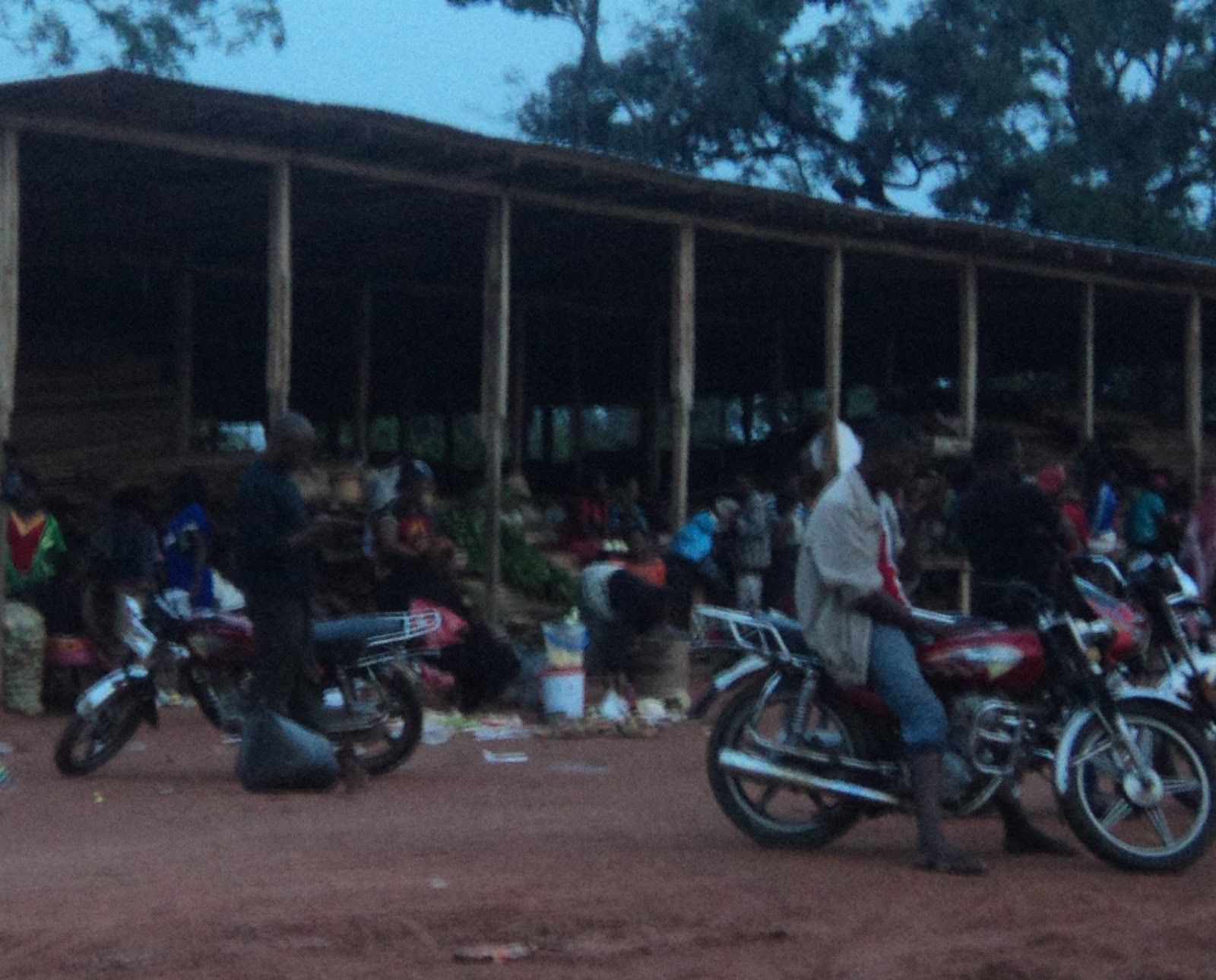
Moving on with life, a market at the refugee camp
For her, it was miraculous that she gave birth to a healthy baby without complications because, according to her, she did not attend any ante-natal clinic during pregnancy – and living conditions at the settlement made the prospect of any easy delivery doubtful.
But Lucy was lucky; she and her baby are healthy, though help from the United Agency for Refugee did not get to her when she was in labour pains and eventually delivered a baby at a hospital.
She couldn’t get a mattress from the agency, because, “mattress is given based on the family size,” an official of the UNHCR said. “It’s one mattress per a family of five and below, the rest are mats.”
With her baby, she shares the temporary shelter that has just a mat and a blanket with her younger sister. Her shelter is among the 140 just constructed by the UNHCR.
The young mother was writing a final Advanced Level examination to proceed to the university when she and her family fled their home.
After a perilous journey through forest and river, Lucy in early-stage pregnancy made it to Nigeria on Nov. 17, 2017. Her father was not so lucky— he died in the forest of shock, the second day of their escape from home.
With the help of fishermen, she alongside her mother and sister sailed safely to Nigeria. “It was very critical running with pregnancy, but I had to manage because there was no option,” she says of her ordeals running to Nigeria particularly with pregnancy.
“We had to run to the bush that night. We slept there that night. Four of us, my father, mum and my sister- it was heavily raining. The next day we tried running to cross the border area but we could not make it. I was pregnant then. The next day, I lost my father, he had a shock.”
Suckling her three-week-old son in front of a temporary shelter provided by the UNHCR, Lucy speaks of how her father was declared wanted by the Biya-led government and how critical it was for her running with pregnancy from the gendarmes.
At Umojok in Southern Cameroon, her father was accused by the Francophone Cameroonian government of fortifying young boys with a local bulletproof called “Odeshi.”
Amidst sobs, she says the accusation against her late father – keeping young men who had crossed to Nigeria for Odeshi in his compound to fight government forces – was unfounded.
“Odeshi is a secret cult whereby boys put marks on their body, it is called gun proof. That was what I heard which was a lie; my father did not do such a thing,” the 23-year-old says.
For her and her baby, surviving at the settlement where UNHCR is just helping to erect structures to accommodate the refugees has been very challenging. She lives on handouts from passersby; ´a day never passed me by without food to eat.”
Often, passersby offer her money to eat and take care of her baby. Much of the distributions by the Refugee Agency did not get to her even during pregnancy and labour, she claims.
Meanwhile, late-night delivery of pregnant women has become a frequent occurrence at the settlement despite the absence of adequate means of transportation to a nearby health facility. There were 15 deliveries in the last two months at the settlement, an official of the camp said.
“Some of the babies died; some died after delivery while some were stillbirth due to poor health care services at the settlement.”
There are other new arrivals who are pregnant and without tents yet. “They sleep in the hall and they eventually deliver, we have some cases of them. They are forced to sleep on the floor and their newborn babies,” he says.
Birthrate at the settlement is overwhelming the refugee agency which has stopped distribution of baby kits to nursing mothers because there is a shortfall in the provision of such too. The leadership of the refugees revealed that the agency no longer distributes baby needs to nursing mothers in the settlement.
“Before they were doing their provisions to make sure that they provide for baby needs, but now, they no longer set their eyes to that direction. When a woman is pregnant, they no longer care to say take these baby kits, even one single thing,” one representative alleges.
“It’s something I cannot actually explain, but when we questioned them, they said, the provision is not there and sometimes, they said the birth rate is too high, they don’t encourage such situations within the settlement.”
Save the Children, an organisation that focuses on child protection, child poverty, education, health, was involved in the provision of baby kits for pregnant women and nursing mothers among the refugees, but has not resumed such gesture since refugees moved to Adagan Settlement in Ogoja. What was provided by the Southern Cameroonians in the Diaspora at the inception of the settlement has also been exhausted.
This investigation was conducted in 2018. But there have been a little improvements. As of Feb. 2020,the total Cameroonian refugee population in Nigeria according to the UNHCR was about 60,000. In a report, the agency said that some of the refugees arrived across the border with gunshot wounds. Quoting the new arrivals, it added that most of them come from areas near the border and have trekked across the savannahs forests to reach Nigeria.
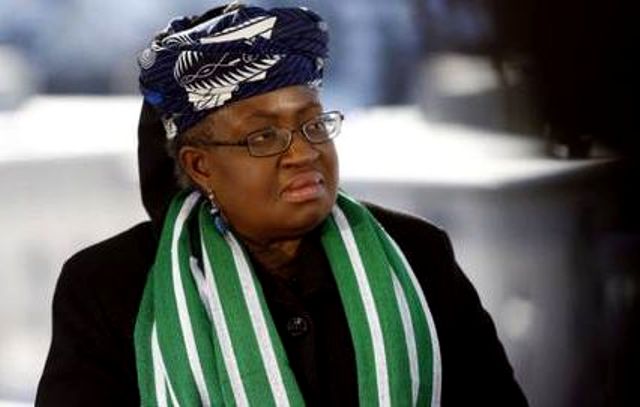
NGOZI Okonjo-Iweala, former Nigeria’s finance minister, has expressed excitement over the backing she got from the United States to lead the World Trade Organisation (WTO).
This is coming shortly after the US government led by Joe Biden and Kamala Harris endorsed her for the top job.
Okonjo-Iweala made this known through her Twitter handle on Friday night, commending President Muhammadu Buhari and Nigerians for their support.
“Grateful for the expression of support from the US today for DG @WTO. Congratulations to Madam Yoo of Rep. Korea for a hard fought campaign. Thank You President Muhammadu Buhari @MBuhari &all Nigerians for your unflinching support. Thank you friends. Love to my family.Glory to God,” she tweeted.
Buhari had, sometime in October 2020, assured Okonjo-Iweala that he would do all within his power to ensure that she became director-general of the WTO.
According to the statement by the US Trade Representative office on Friday, Okonjo Iweala received what the US government expressed as a ‘strong support.’
The statement cited her ‘wealth of knowledge in economics and international diplomacy’ and ‘proven experience managing a large international organisation’ as big assets.
It will be recalled that The ICIR had earlier reported that Iweala’s opponent Yoo Myung-hee withdrew her bid to lead the WTO, paving the way for Okonjo-Iweala to be in pole position to land the top job as the only remaining candidate.
Yoo, who is the current minister of the South Korean Ministry, issued her withdrawal in a statement endorsed by the South Korean Ministry of Trade, Industry and Energy on Friday.
According to the statement, “The United States takes note of today’s decision by the Republic of Korea’s Trade Minister Yoo Myung-hee to withdraw her candidacy for Director General of the World Trade Organization (WTO).
“The Biden-Harris Administration is pleased to express its strong support for the candidacy of Dr. Ngozi Okonjo-lweala as the next Director General of the WTO.
“Dr. Okonjo-Iweala brings a wealth of knowledge in economics and international diplomacy from her 25 years with the World Bank and two terms as Nigerian Finance Minister.
“She is widely respected for her effective leadership and has proven experience managing a large international organization with a diverse membership.”
If Okonjo-Iweala emerges as WTO DG, it means that she would not only be the first African to hold the seat but also the first woman to ever become the DG of the 164-member organisation.
Once confirmed by the WTO, Okonjo-Iweala is expected to lead the WTO from 2021 to 2025.
THE Nigerian government on Friday issued a suspension to outbound Emirates flights from Nigeria due to the airline’s non-adherence to the stipulated protocol of the Presidential Task Force (PTF) on COVID-19.
The federal government’s suspension of the outbound Emirates airline was contained in a circular signed by Musa Nuhu, director-general of the Nigerian Civil Aviation Authority (NCAA), on Thursday.
Nuhu said Emirates had continued to engage in airlifting passengers from Nigeria using rapid antigen tests conducted by laboratories which were not approved by regulatory authorities on COVID-19.
“Based on the foregoing and to enable the Nigerian government to put in place the needed infrastructure and logistics for COVID-19 RDT testing for departing passengers, the PTF has directed that Emirates Airlines should either accept passengers without RDT pending when the infrastructure and logistics are put in place or suspend its flights to and from Nigeria until such a time when the required infrastructure and logistics are fully established and implemented,” the letter read in part.
The Rapid Diagnostic Test (RDT) is a medical diagnostic test that is quick and easy to perform but mostly used for emergency medical screening while the Polymerase Chain Reaction (PCR) test is performed to detect genetic material from a specific organism. Due to its rigorous process, PCR tests are said to be more reliable than the RDT.
However, the Nigerian government stated in the circular that Emirates Airlines had not been in compliance with the two options given by the PTF.
NCAA stated that records obtained from the Nigerian Airspace Management Agency (NAMA) indicated that Emirates Airlines operated its flights from both Murtala Mohammed International Airport, Lagos,and Nnamdi Azikwe International Airport, Abuja.
Following the Nigerian government’s 72-hour suspension to outbound Emirates flights from Nigeria, no fewer than 300 businesses and tourists would suffer the consequences.
Dubai, capital of the United Arabs Emirates (UAE), has been a tourist attraction to many Nigerians over the years. Apart from tourism, Nigerians who are involved in importing and exporting businesses also visit the UAE capital in large numbers.
According to Data obtained from Dubai’s Department of Tourism and Commerce Marketing, Nigeria ranks 14 of the top 20 countries that visited the UAE capital in 2020.
The Data states that between January to December 2020, 81,000 Nigerians visited Dubai despite the COVID-19 pandemic.
While there are no publicly available data to show the number of daily travellers from Nigeria, The ICIR can confirm that as of the time of filing this report, the last Emirates aircraft that left Murtala Muhammed Airport had a capacity of over 300 passengers.
These passengers were visiting the UAE capital either on business or on tourism.
Hadi Sirika, minister of aviation, did not respond to The ICIR‘s calls and messages on the fate of passengers already booked to travel to Dubai through the airline
ADEGBOYEGA Oyetola, Osun state governor, has released an additional sum of N708 million to further offset pension arrears of retired officers of the State civil service.
Four weeks after The ICIR published a special report that exposed the travails of the retired Osun pensioners; the state government had in December 2020, released the sum of N1 billion naira for the settlement of the pensioners.
Another batch of funds worth N200 million was also released to the pensioners in the first week of January.
This latest release was contained in an issued statement by Festus Olowogboyega Oyebade, the state head of service, on Friday.
According to the statement, “the sum of Five Hundred and Eight Million Naira (N 508,000,000) of the released sum was approved for the payment of retired civil servants, while an additional sum of One Hundred and Fifty Million Naira (N 150,000,000) was approved for the payment of retirees under the contributory pensions scheme.”
He added that an additional N50 million has also been approved for the payment of gratuities of retired officers under the old pension scheme.
He noted that the list of beneficiaries of the approved sum has been pasted on the notice board of the ministry of information and civic orientation, the state’s pension bureau and the office of the head of service.
The governor assured all workers, both serving and retired that all efforts will be made to always give their welfare the priority it deserves.
NGOZI Okonjo-Iweala, Nigerian economist and former minister for finance, could be on course to clinch the director-general position of the World Trade Organisation (WTO) following the withdrawal of South Korean opponent, Yoo Myung-hee.
Yoo’s withdrawal is contained in a statement issued by the South Korean Ministry of Trade, Industry and Energy on Friday. She is the current minister of the South Korean Trade Ministry.
South Korean Minister of Trade, Yoo Myung-hee.The South Korean minister said she had been ‘in consultations with major countries, including the United States’.
Before her announcement, Okonjo-Iweala and Yoo had been the remaining candidates of the eight from various continents who showed interest in leading the WTO following the decision of Roberto Azevedo, former WTO DG, to stepped down from his post in August- a year before the end of his tenure.
Earlier in October 2020, the panel of three senior WTO ambassadors had told Okonjo-Iweala that she had a wide margin of support and was best poised to command a consensus from the organization’s 164 members.
Sherwin Bryce-Pease, United Nations bureau chief of the South African Broadcasting Corporation (SABC), reported that the WTO General Council chair had recommended Nigeria’s Ngozi Okonjo-Iweala to be the next DG of WTO.
However, Bryce-Pease said the Trump-led US government had insisted that the South Korean candidate remained its candidate for the position, This led to a stalemate in the process.
Consequently, the General Council shifted the decision to elect the next director-general of the WTO to November 9th , but the process is yet to be concluded.
How change in US government might have influenced Yoo’s withdrawal
There are indications that the recent change in government in the United States might have influenced the withdrawal of the South Korean candidate.
Bloomberg reports that Yoo’s withdrawal followed advice from ‘dozens’ of former U.S. government officials who urged Joe Biden, incumbent US President, to endorse Okonjo-Iweala for the post.
Candidates for World Trade Organisation DG selection process CREDIT: The ICIR
The Biden-led US government has appointed many individuals of Nigerian and African descent into his cabinet since assuming power on January 20, 2021.
Although a Nigerian, Okonjo-Iweala also holds US citizenship which could further influence the new US government to support her bid.
If Okonjo-Iweala emerges as WTO DG
If the former Nigerian minister of finance is appointed DG of the WTO, she would not only be the first African to hold the seat but also the first woman to ever become the DG of the 164-member organisation.
Okonjo-Iweala combines experiences as a development economist, and finance/international development expert.
She graduated with a degree in Economics from Harvard University in the United States (US) and also earned a doctorate degree in Regional Economics and Development from Massachusetts Institute of Technology (MIT), also in the US.
The development economist also has 15 honorary degrees from top universities around the world, including Yale, Brown, and the University of Pennsylvania.
Beyond her Ivy League education, Okonjo-Iweala has served twice as Nigeria’s finance minister, after a successful career in the World Bank, rising to the level of Managing Director.
One of her achievements as a minister in Nigeria was the debt relief package which she helped Nigeria to secure from the Paris Club.
CHIDI Odinkalu, a professor of law and former chairman of the National Human Rights Commission (NHRC), has said that the announcement of former service chiefs as Nigerian ambassadors does not grant them immunity from criminal charges.
Odinkalu said this on Thursday in a series of tweets in reaction to the appointment of the former service chiefs as ambassadors by President Muhammadu Buhari.
Speaking on concerns by some Nigerians that the service chiefs were appointed in order to escape prosecution from the International Criminal Court, Odinkalu said there was no such immunity yet.
The former NHRC chairman said to enjoy the immunity that came with ambassadorship, another sovereign country had to accredit them.
“Briefly, this isn’t exactly good news for the former service chiefs. To begin with, to enjoy Sovereign Immunity (that’s what it’s called) in international law, they have to be accredited to another sovereign as Nigeria’s ambassadors. Carrying a diplomatic passport isn’t enough,” Odinkalu said.
He added that due to allegations levelled against some of the former service chiefs, a few credible countries would not accredit them.
Odinkalu noted that, for example, a member-state of the Organisation for Security and Co-operation in Europe (OSCE) would likely not take the former service chiefs as ambassadors.
“In any OSCE country, for instance, any effort to deploy them as ambassadors would almost be guaranteed to end up in a raucous domestic and diplomatic mess and will be resisted seriously. In all likelihood, they will not pass muster with those countries,” he stated.
According to him, the prosecutor of the International Criminal Court had already decided to initiate formal processes for an investigation into atrocities in Nigeria, including possible or alleged crimes by the Nigerian Army under the command of both Tukur Buratai, former chief of army staff and Abayomi Olonisakin, former chief of defence staff.
On Thursday, Femi Adesina, special adviser to President Buhari on media and publicity, announced that all the former service chiefs who ‘resigned’ only 10 days ago had been nominated to the Senate as non-career ambassadors.
The retired service chiefs include: Olonisakin; Ibok-Ete Ibas, former chief of naval staff; Sadique Abubakar, former chief of air staff; and Mohammed S. Usman, former chief of defence intelligence.
During their watch as Nigerian Service Cheifs, there were several allegations of high-handedness by military officers.
In November 2020, the International Criminal Court confirmed that it received petitions over the killings of peaceful protesters during the #ENDSARS protests by men of the Nigerian Army. Buratai, particularly, was accused of ordering the killings of Shiites and young members of the Indigenous People of Biafra (IPOB).
WITH just five cases of COVID-19 in Kogi State but about 32,880 infections so far in the 10 bordering states, is Kogi not a high-risk state?
On Tuesday, the Presidential Task Force (PTF) on COVID-19 warned against travelling to Kogi State after classifying it as ‘high-risk.’
Mukhtar Muhammad, national incident manager of the PTF, who made the announcement, said Kogi was not testing.
“We have states where data is not coming forth. If you don’t test, your data will not be analysed, and if your data is not analysed, we won’t know the level of the pandemic in your state,” he said.
“Notable among the states that have not been reporting adequately are Yobe, Jigawa, Zamfara and Kebbi and, of course, Kogi that has not been reporting at all.”
Muhammad also mentioned that states that were not testing were at much higher risk than states currently known as ‘high burden states.’ He indicated that such states without tests had no testing facilities and isolation centres.
However, the state government rejected the high-risk tag given to it by the PTF. Kingsley Fanwo, commissioner for information and communication in the state, said that the PTF and NCDC’s intention was to drive away investors from the state.
“Despite their unreliable figures, Kogi emerged as the preferred investment destination of Nigeria in the last quarter of 2020. They felt embarrassed, and the best way to hit back is to create a picture of health crisis in the state.”
According to him, Kogi was the first state to procure face masks in thousands and distributed them to all the councils and the first to set up a team to combat the spread of the virus.
“We set up isolation centres with state-of-the-art equipment. We have done sensitisation more than any other state. So, if we don’t believe that Covid-19 exists, we won’t be doing all we are doing to ensure it doesn’t ravage our state.
“What we said and are still saying is that Covid-19 is not worth all the marketing going on just for a few to make billions; that we do not have to suffer innocent Nigerians while a few smile to the banks,” the commissioner said.
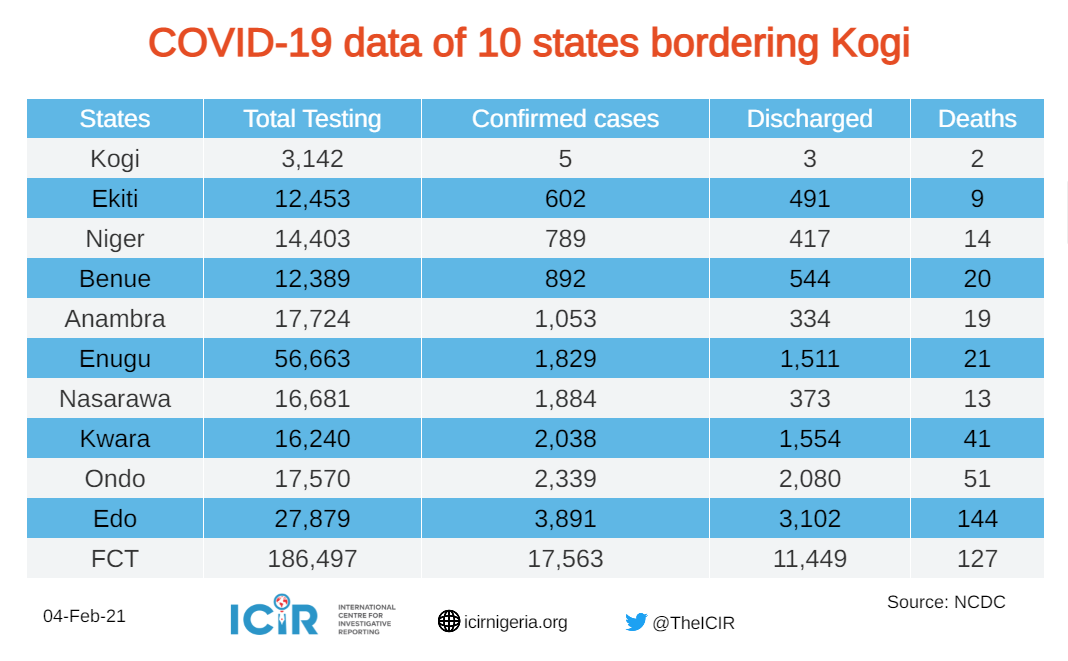
Analysing COVID-19 data of states bordering Kogi shows that the state has conducted the lowest number of tests when compared with neighbours. It also has the lowest number of infections in the country.
Kogi, a state of almost 3.5 million people, has tested a meagre 3,142 samples (about 0.089 percent of the population), the national situational report published January 22 by the Nigerian Centre for Disease Control (NCDC) showed.
The bordering states with their total tests are FCT- 186,497; Enugu- 16,392; Edo- 27,879; Ondo-17,570; and Kwara- 16,240.
Other states are Niger- 14,403; Ekiti- 12,453; Benue- 12,389; Nasarawa- 16,681, and Anambra- 17,724.
Covid-19 cases of 10 states bordering Kogi
The PTF, in October 2020, lamented how about 26 states, including Kogi, were yet to achieve the target of testing one percent of their populations. It also said only Lagos and the FCT had so far achieved this target.
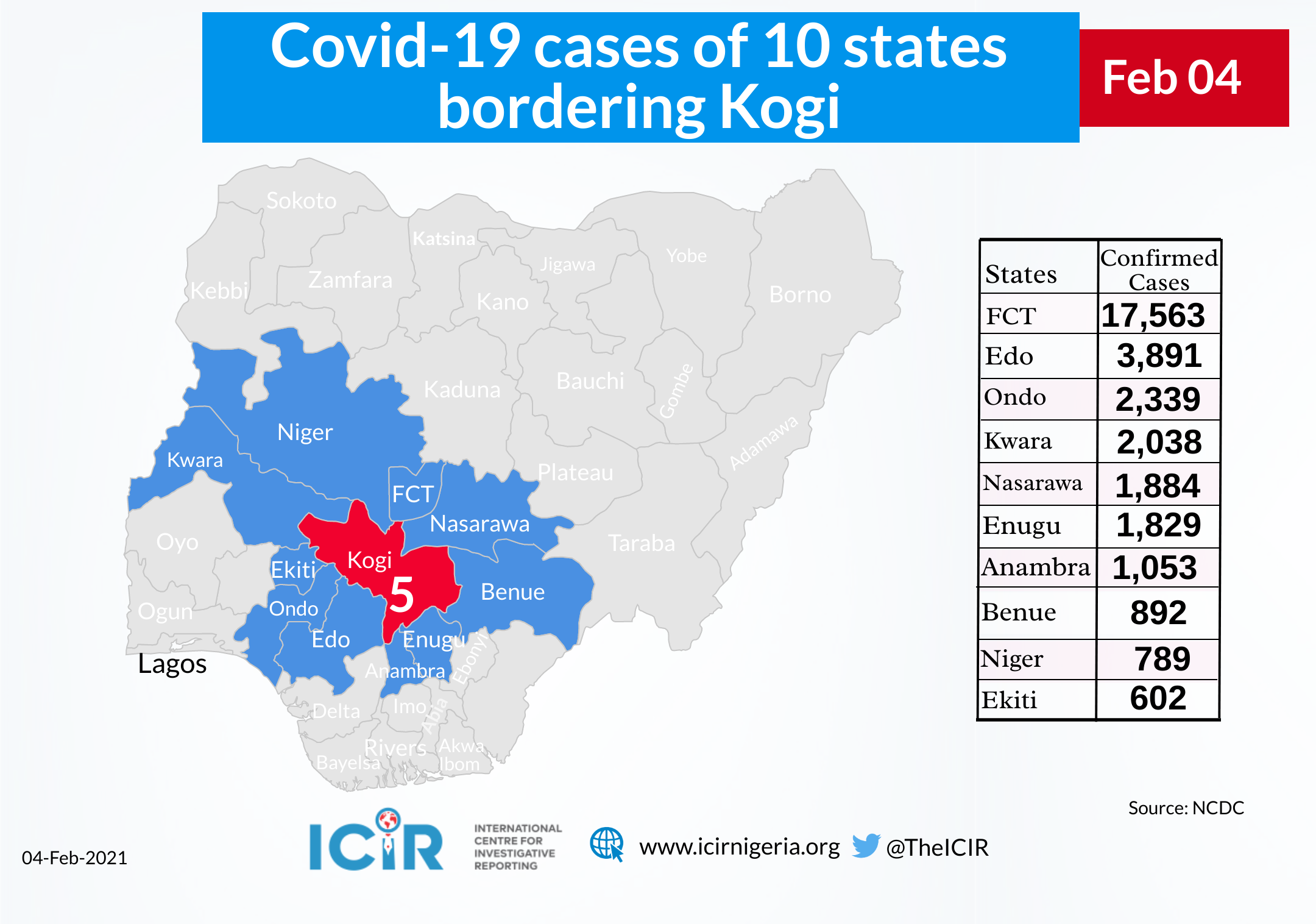
As of 03 February, a total of 32,880 cases of COVID-19 had been recorded in the 10 states bordering Kogi. Only five cases have been recorded by the North-Central state since the first index case was reported in Nigeria on February 27, 2020. Even as the second wave of the pandemic bites, Kogi is yet to record another case since it reported its last case in June 2020.
Of the 10 bordering states, FCT, which is about 212 kilometers away, has recorded 17,243 confirmed cases. Others are Edo- 3,862; Ondo-2,339; Kwara- 2,003; Nasarawa- 1,871; Enugu- 1,829; Anambra- 1,053; Niger- 789; Benue- 848, and Ekiti- 587.
Covid-19 cases of 10 states bordering Kogi
While states are solely in charge of their coronavirus management and response, the NCDC supports and receives daily infection information.
However, these figures’ reliability has raised concerns due to several loopholes and challenges, including state officials not turning in enough test samples.
Health experts believe the virus must have infected more people than reported due to limited testing and low contact tracing mechanism. They say the situation can also mask the severity of localised outbreaks in slums and crowded cities with large clusters of people.
Yahaya Bello’s fictitious claims
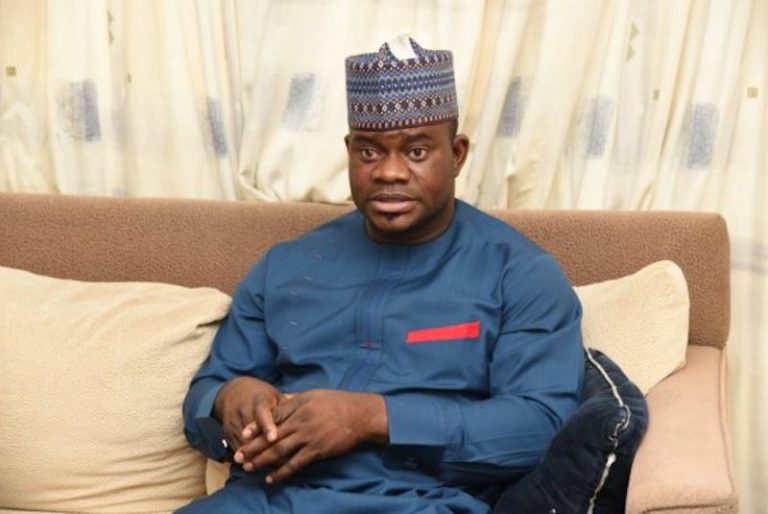
Yahaya Bello, Kogi State governor, has, on numerous occasions, rejected the existence of the virus and was seen lately discouraging a crowd of supporters from taking COVID-19 vaccines.
He had told the cheering crowd, without evidence, that vaccines introduced to combat the virus was intended to kill people.
“…They want to use the (COVID-19) vaccines to introduce the disease that will kill you and us. God forbid!” he said.
“These vaccines are being produced in less than one year of COVID-19. There is no vaccine yet for HIV, malaria, cancer and for several diseases that are killing us… We should draw our minds back to what happened in Kano during the polio vaccines that crippled and killed our children. We have learned our lessons.
“If they say they are taking the vaccines in the public, allow them take their vaccines. Don’t say I said you should not take it, but if you want to take it, open your eyes before you take the vaccines.”
He had also, in his new year broadcast, said his administration would not respond to the second wave of COVID-19 with ‘mass hysteria.’
Yahaya Bello is a danger to the health security of the country- Professor Tomori
Professor Oyewale Tomori, a professor of virology and chairman of Expert Review Committee on COVID-19, said Yahaya Bello, governor of Kogi State, was a danger to the country’s health security. Tomori said this in an exclusive interview with The ICIR.
He pointed out that the governor was uncaring because he did not care about his people, did not care about their good health, did not care about their welfare, and was a danger not only to the people of Kogi but also to the entire country.
“We waited too late to do that. It is right for the PTF to have declared the state a high-risk state. The day he started denying the existence of the disease is when the state should have been declared that, but it is never late than never,” he said.
Tomori, chairman, Ministerial Advisory Committee on COVID-19, classifies the governor as one of the country’s most dangerous people.
“If the governor says there are no cases of COVID-19 in his state, has he forgotten that some cases that were recorded in the FCT originated from his state?”
“Some Youth Corps members that were deployed to the state tested positive, but he denied it. Why is he so afraid of testing?” he asked
Tomori explained that disease was not a static thing as people would always move, go out, come in, and infect others. “Is it that people in Kogi state are so good at wearing their masks?” he asked. He said the governor often gave a false impression that Kogi had just five cases almost one year after the country recorded its first case.
The Redeemers University’s pioneer vice-chancellor also blamed the federal government for not ensuring that states accounted for the COVID-19 fund that was disbursed to them all. He said, “I recall that each state got 1 billion naira, so what has Kogi State done with the money if there are no COVID cases in the state?” he asked.
In its response, the state government had accused the PTF and NCDC of scaring away investors from the state, Tomori, in his response, asked if it was only Kogi that needed investors in its state.
“What has investors got to do with the health of the people? We are talking about the life of your people, and you are talking about business. The economy can be revived later. If there is no life, there is no livelihood,” Tomori said.
Tomori was unhappy that Nigeria would often make little investment in health because of its inability to yield immediate revenue, but stressed that any health disaster often destroyed all the economy built over the years.
He said he was glad that the Governors’ Forum dissociated itself from Yahaya Bello’s comment and that the PTF had taken the right decision now. “Everyone from every angle should condemn this governor for what he is doing,” he noted.
The NCDC was contacted for reactions on the state government’s response to the declaration. China Cindy, a clinical epidemiologist at the NCDC, did not respond to questions posed to her, saying she was not authorised to speak to the press.
“I am a public servant, and we have a protocol. You need to get permission for an interview to be granted,” she told the reporter on the phone.
She gave the reporter contact details of Chukwuemeka Oguanuo, who is in charge of external communications and media at the NCDC, but calls placed to his line did not connect and a message sent to him did not get a response.