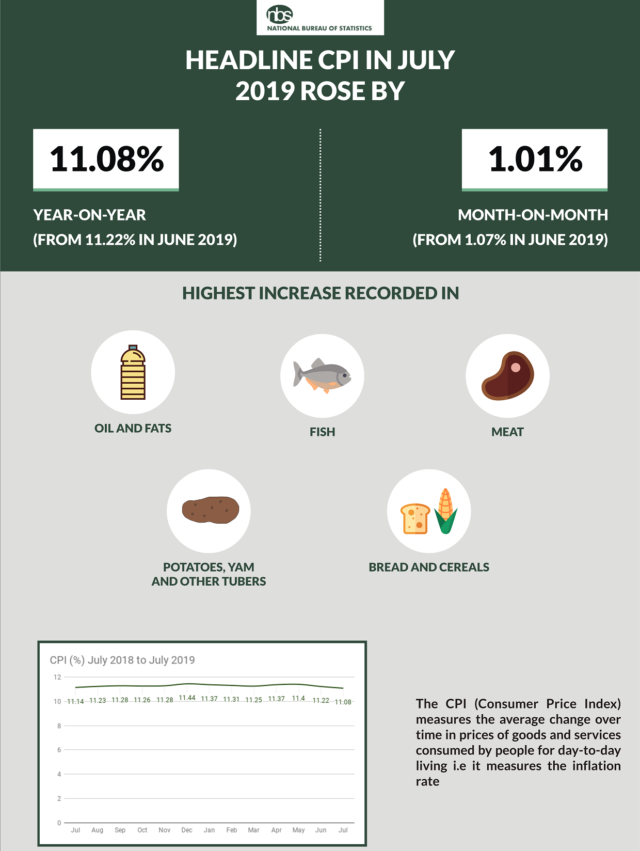
THE stat released by the Nigeria Bureau of Statistics on Friday shows that the consumer price index, (CPI) which measures inflation came down to 11.08 per cent year-on-year in July 2019 at a 0.14 per cent point, lower than 11.22 per cent rate recorded in June of the same year.
Based on data derived every month from 10,534 informants spread across the country who provide the NBS with price data on 740 goods in the market of goods and services regularly priced the CPI is computed monthly.
Increases were recorded in all Classification of Individual Consumption according to Purpose (COICOP) divisions that yielded the Headline index.
The COICOP which analyse individual consumption expenditures incurred by households, non-profit institutions serving households and general government showed that on a month-on-month basis, the Headline index increased by 1.01 per cent in July at a 0.06 per cent rate lower than the 1.07 per cent rate recorded in June.
Source: NBS Infographics
Whereas urban inflation rate increased by 11.43 per cent (year-on-year) in July, down by 0.18 from 11.61 per cent recorded in June 2019, the rural inflation rate increased by 10.64 per cent in July down by 0.23 per cent from 10.87 per cent in June.
On a month-on-month basis, the urban index rose by 1.07 per cent in July, down by 0.03 from 1.10 per cent recorded in June 2019, while the rural index also rose by 0.96 per cent in July 2019, down by 0.09 from the rate 1.05 per cent recorded in June.
Corresponding twelve-month year-on-year average percentage change for the urban index is at 11.64 per cent in July less than 11.65 per cent reported in June, and, corresponding rural inflation rate in July is at 10.97 per cent compared to 10.99 per cent recorded in June, showing an increase 0.02 per cent.
The percentage change in the average composite CPI for the twelve months period ending July 2019 over the average of the CPI for the previous twelve months period was 11.29 per cent.
Experts, however, stipulate reduction in the prices of food items in anticipation of the harvest season. This is expected to tip the market scales leading to a favourable economic outcome for the Naira.
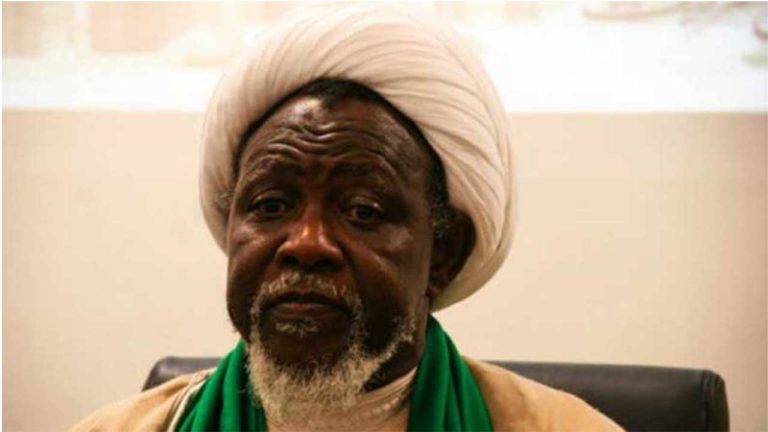
THE embattled leader of the Islamic Movement of Nigeria (IMN), Sheikh Ibrahim El-Zakzaky and his wife Zeenat has arrived the Nnamdi Azikwe International Airport (NAIA), Abuja.
They arrived at about 12 noon aboard the Ethiopian airline.
The cleric who came in via the international terminal of the airport with other government officials was, however, held up by the security operatives and driven away shortly after arrival by the Department of States Security (DSS).
The accused persons earlier resolved to return to the country from India on claims that the Federal Government had frustrated their efforts to get medical doctors of their choice to attend to them.
El-Zakzaky and his wife were released on a temporary basis to seek medical treatment in India following the request of the defence counsel, Femi Falana, a human rights lawyer
Spokesperson of the Islamic sect, Ibrahim Musa also confirmed his arrest by the DSS operatives after his return to the country.
He earlier disclosed on Thursday the planned return of El-Zakzaky from the Madena Hospital back to the country.
“Following lack of a breakthrough in the impasse that ensued in the treatment of Sheikh Ibraheem Zakzaky in New Delhi, it is now confirmed that the Sheikh is on his way back to Abuja, Nigeria. He is scheduled to leave 17hrs Nigerian time,” says Musa.
“In a video message sent by the Sheikh himself, he said that they were given two alternatives; either to commence the treatment on their own terms i.e the government’s terms or they will be sent back. And that it has been announced to them that they will be sent back and he is praying to Allah that may it be the best option for him and for everybody.
“It is clear to us that the Nigerian government interference and the scuttling of the whole process rather than supervision as ordered by the court is the direct course of the impasse.”
The 23 Industrial Development Centres (IDCs) spread across Nigeria are derelict and abandoned despite the Federal Government’s plan to use the facilities to boost small-scale local business in the country. YEKEEN Akinwale who visited centres in Lagos, Port Harcourt, Abuja and Kano brings the concluding part of the report about the dilapidated condition of the multi-million naira infrastructure. Edited by Ajibola AMZAT
Lagos Centre— empty, underutilised
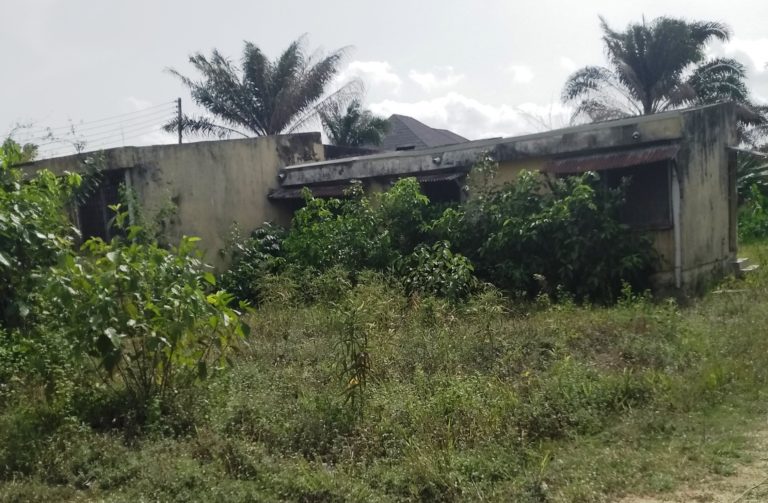
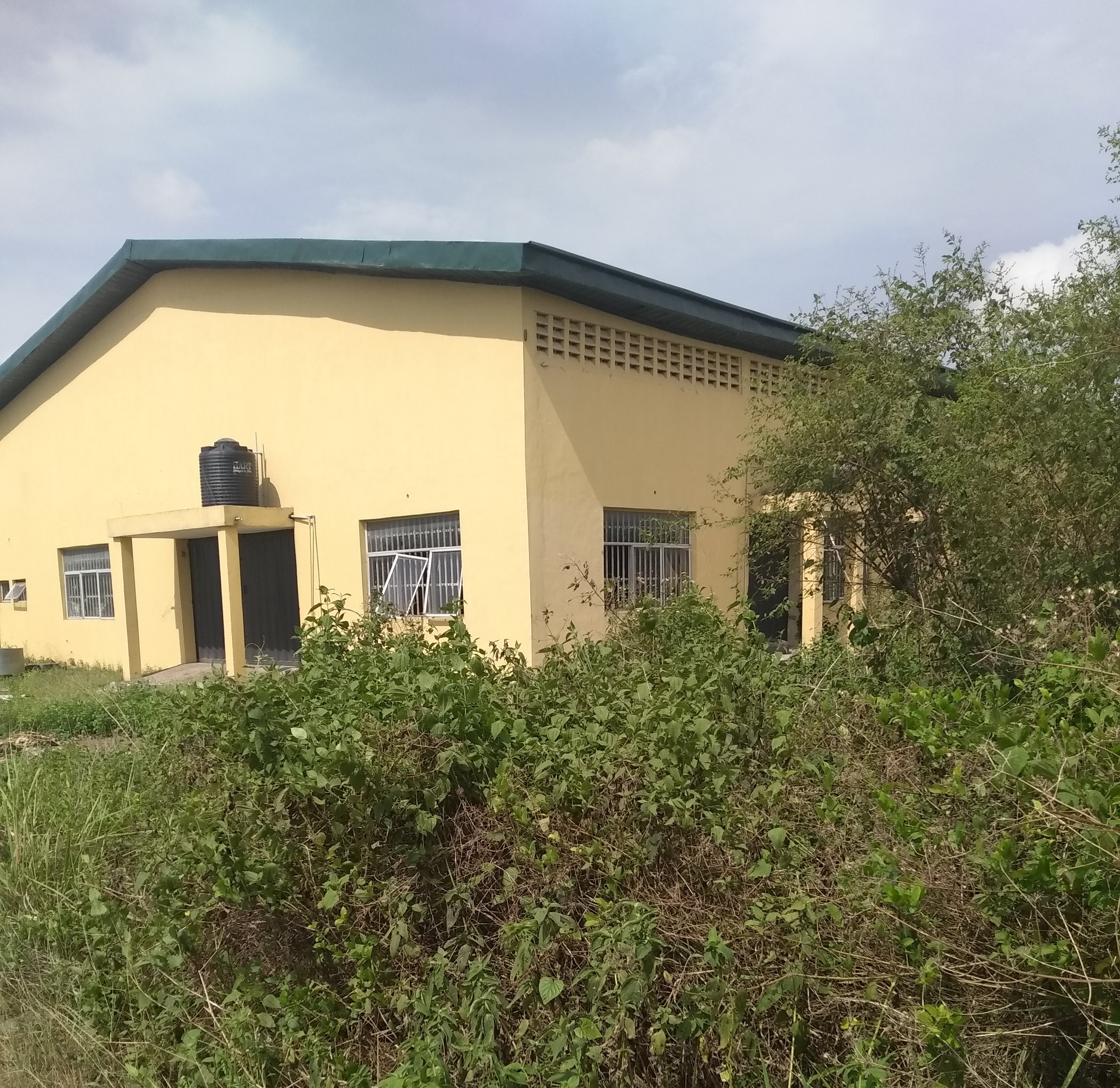
Renovated 4-in-1 workshop at Lagos IDC, but empty and overtaken by weeds. Photo Credit: YEKEEN Akinwale
Lagos IDC is not better than that of Port Harcourt—there are only three entrepreneurs operating there— one produces custard powder, another produces food seasoning and the third one cuts and supplies polythene bags, The ICIR observed.
Though the facility has the capacity to accommodate more than 20 operators, no new allocations have been given to SMEs applicants who had written down their names seeking space to start businesses.
Ogbeh, an elderly man who secures the centre and also doubles as its gateman keeps a ragtag record of intending allotees.
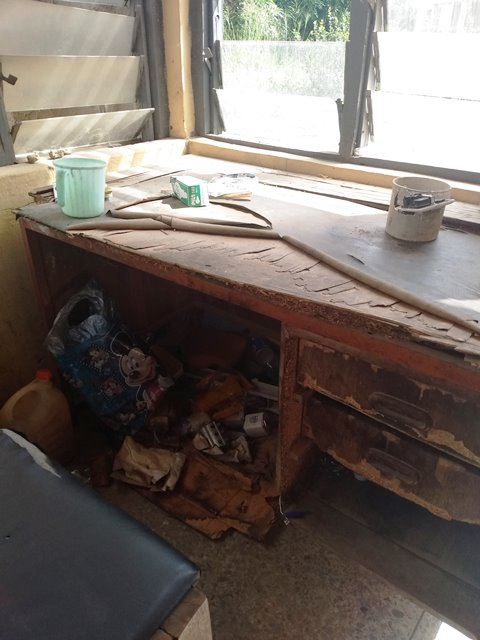
He operates from a ramshackle office with broken table and chair—dust covered the broken furniture.
The decrepit office where Ogbeh operates from as the security house at Lagos IDC. Photo Credit: YEKEEN Akinwale
Besides keeping eyes on the centre, Ogbeh also operates a vegetable garden and farm on the unused part of the centre.
Bringing out an old notebook containing some names and phone contacts, he said, “this is the list of people who came to drop their names and phone numbers for space.”
There are two other female workers at the centre—a coordinator—who heads the centre was not around.
There were no signs the centre was working. While the two women informed this journalist that application for allocation of space had closed, they warned against giving money to anyone who parades him or herself as an agent of the centre.
One of them who later identified herself as the “accountant” of the centre lamented that some unscrupulous individuals have been attempting to swindle unsuspecting members of the public.
“See, don’t give anybody money for allocation because it is done from Abuja. We have closed accepting application for space,” she said. “We are waiting for Abuja.”
According to her, about 40 people have applied for space allocation after former occupants were asked to vacate the centre some years ago.
With no signpost and definite address, locating Lagos IDC by a visitor is a near-impossible task. Like other centres in Port Harcourt, Kano and indeed, Abuja, only a handful of residents know about it.
But the new yellow paint on the fence gave an impression of a centre that is still in operation.
Tucked somewhere in Raoni Estate, Ibese road, Ikorodu, Lagos State, commercial motorcycle riders who are reputed to know the nooks and crannies of Lagos could not locate the centre. On Google map, the centre appears on Ibese road, but there is no landmark to identify it.
Abandoned building at the Lagos IDC. Photo Credit: YEKEEN Akinwale
A resident who seems to know about the centre directed the reporter and said the structure is old and dilapidated.
“I was posted there in 2016 by the Lagos State government under its youth empowerment scheme for an internship,” said the young man who declined to give his name.
“But I didn’t stay there because what I wanted was a job and not an internship,” adds the middle-aged man who works at an event centre at the area.
According to him, the centre has a number of old and abandoned buildings when he last visited the place.
Right inside, however, except for chapping and tweeting of birds, the centre was as quiet as a graveyard.
To the left-hand side of the centre stands a recently painted story building designated 4-in-1 workshop. There are no tools or machines in its large hall, but a signpost at its entrance reads “Rehabilitation of 4-in-1 Workshop. Far aloof from the workshop stands another recently renovated residential apartments. The renovations were awarded to two different companies: Headway World Standard Services Limited and Fiserv International Limited.
Further findings by The ICIR revealed that the two companies belong to the same persons. A company search conducted at the Corporate Affairs Commission (CAC) showed the ownership of the companies as the same individuals. This amounts to contract splitting and a violation of the Procurement Act.
Officials at SMEDAN headquarters declined to supply the contract sum and the procurement documents for the two contracts.
Other chalets at the Centre were under lock and key albeit dilapidated. The facility is currently underutilised, overgrown by weeds with painted but not used structures, new transformer supplied by SMEDAN.
Abuja—space racketeers call the shot
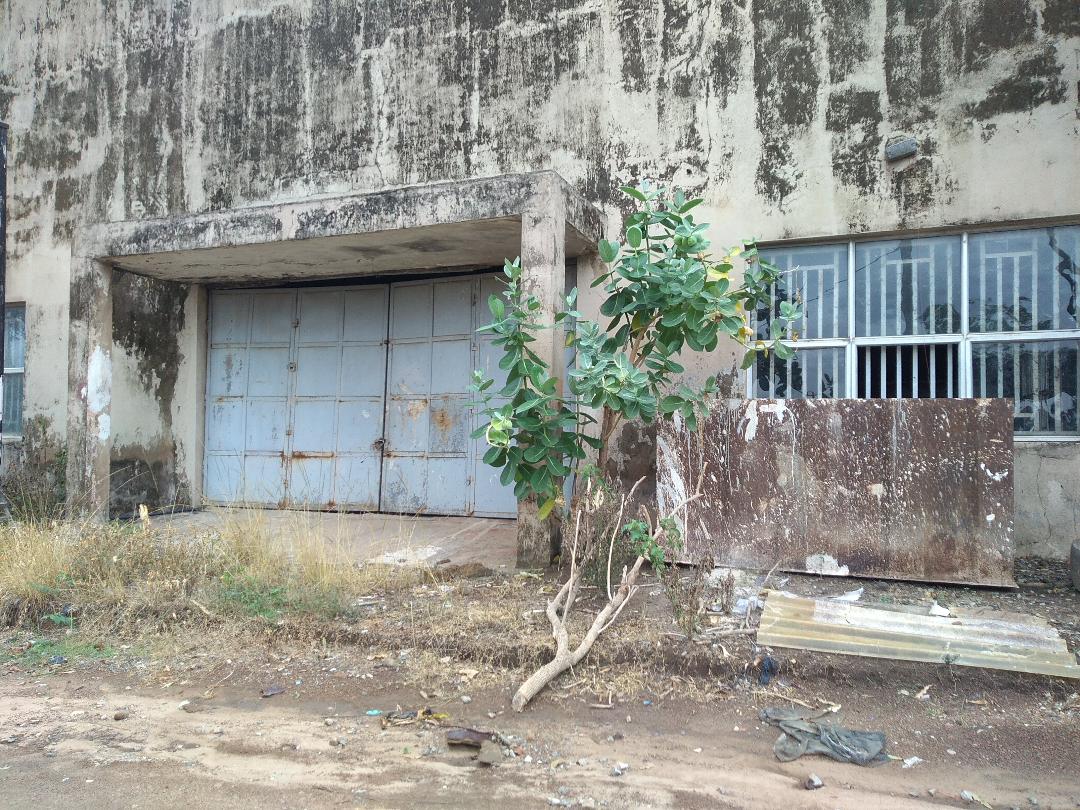
The 4-in-1 workshop at the Abuja IDC is under lock and key. Photo Credit: YEKEEN Akinwale
Management of SEMDAN insists that occupants of Abuja Industrial Development Centre are using the facility for free.
“All the people in Abuja IDC here are staying there free of charge,” says Mohammed, SMEDAN’s spokesperson. “Some of them have been there since the IDC was created. They are still there using the facility.”
But this is in spite of allegations of space racketeering involving officials of the agency. For instance, a budding entrepreneur, Jane Adugbo (not real name) told The ICIR of her futile attempts to get a space for her grain nuts business.
She applied for space at the agency’s headquarters in Abuja but was told that there was no space.
“All I want is a place to start up and do my things and take-off from there.”
Since 2018 that she has been making efforts to secure a space allocation, bureaucratic bottleneck and racketeers have frustrated her dreams.
“I first visited the SMEDAN head office in Garki in June 2018 to enquire about the centre,” she recalled. “I met officials of the Engineering Department who confided in me that there was space at the centre but only the DG could give approval, after which they would be directed to allocate.”
She said a senior officer in the department confided in her that the Director-General gave approval to a business owner not long, “So go and try your luck too,” the official advised her.
As instructed, Adugbo wrote to the Director-General of SMEDAN seeking space at the centre.
“The DG gave an instruction on my letter to the Engineering Department which is saddled with space allocation,” she said.
But that was the last she heard about her letter.
“I later got to know during follow up that the centre coordinator insists there is no space at the centre, even though there are locked up and uncompleted structures at the centre,” a frustrated Adugbo laments.
“It is frustrating that the government keeps mouthing support for entrepreneurs but does not take it a step further by ensuring that the right thing is done.
“The vice president recently launched a one-stop-shop for MSMEs in Abuja but that shop cannot address the major need of entrepreneurs – factory space – because the one provided by the government has been hijacked by a wicked cabal that calls the shots and allows one business monopolize the use of the centre.”
She alleged that officials of SMEDAN who are the custodians of the IDC take money from entrepreneurs to allocate them spaces. “Those who cannot afford to pay are told there are no spaces,” she said.
Mohammed, however, rose in defence of the agency. He argued that the agency was not aware of any underhand dealings going on at the centre. “We are not aware of any underhand dealings going on at Abuja IDC,” he said.
According to him, the occupants of the centre were left there to operate since they provided the structures they operate in.
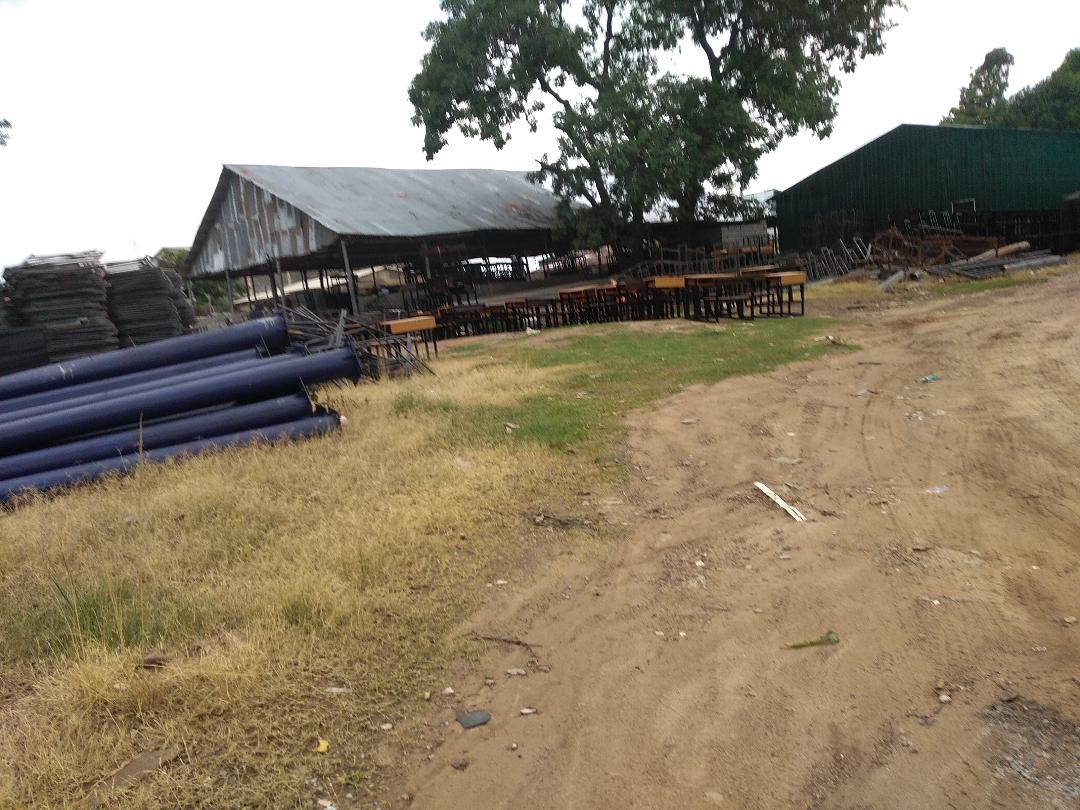
Sample of some of the works produced by the occupants of the Abuja IDC. Photo Credit: YEKEEN Akinwale
“We didn’t drive them. Some of them constructed the structures they are using, since we don’t have money for rehabilitation, they are the ones that brought electricity. The industrial generators supplied to the centre are not working,” he disclosed.
On allegation against some officials demanding money for space to be allocated, Mohammed said, “Nobody has ever complained to us that some people asked them for money.”
“Before you can even get land there, you have to come to the office here. It’s the Director-General that has the final say on allocation of space.”
Investigations by The ICIR, however, revealed that government officials who manage the place, headed by a coordinator, have turned themselves into a cell that determines who gets what as far as space allocation is concerned. They operate through syndicates.
It was found out these occupants who were allocated space for free but no longer produce have sub-let their spaces to other businesses for amounts ranging between N250, 000 and N400, 000 per annum. This is done with the connivance of the centre officials.
A local snacks supplier confided in The ICIR that she paid money to an allottee to allow her use the facility to get certification from regulatory bodies, after which she left at the expiration of her ‘tenancy.’
During a recent visit to the centre, it was evident that the facility lacks the basic facilities required for an industrial centre.
No water, electricity, or support equipment. Even those who get space allocations are expected to construct semi-permanent structures with their own funds.
As a result of the deplorable state of the centre, including the administrative block, the civil servants there do not bother to go to work. Several times this journalist visited; only a security man was on hand to attend to clients.
Again, the SMEDAN spokesman said those officials at the centre are those from the Ministry and a very few staff of the agency.
“As we said, we inherited these IDCs from Ministry of Industry, Trade and Investment, those staffers are from the Ministry and very few of our staffers too are there to show that we own the IDCs,” he said.
“Some of them still attend to people who go there for information.”
He said only one person was allocated space since SMEDAN took over the IDC and the beneficiary has since stopped going to the centre.
Asked if there is a possibility of a new applicant getting an allocation, he said, “The problem is like what I said about Lagos.
“ Why we are not giving them space now; suppose we give them space now and in the next one or two months, after he has installed his machines, and we now say they should pack out because of the conversion to industrial clusters.”
“I want you to understand that these IDCs were not under the purview of SMEDAN before. They were under the purview of Federal Ministry of Industry, Trade and Investment. Most of the people that occupy those places were allocated spaces by the Ministry. SMEDAN has never allocated space. We are even trying to drive those that are there now and organise the centres into clusters.”
This investigation was supported by the International Centre for Investigative Reporting (ICIR) and the Ford Foundation.
THE Senior Special Assistant to the President on National Assembly Matters, Ita Enang, says the Nigerian Correctional Service Act would empower the rejection of addition inmates, whereby the prison is filled to capacity.
This assertion follows President Muhammadu Buhari’s approval of the bill to change the name of the Nigerian Prisons Service, now referred to as Nigerian Correctional Service.
Enang said the Act guaranteed that persons with an expeditious trial or awaiting trial, probably due to the laxity of the magistrate or overcrowding of the magistrate court, can be transferred to correctional facilities.
The Nigeria Prisons Service, in a report, as of July 22, estimated inmates population by convicts and awaiting trial persons to be 73, 995 inmates: Males, 72,504 and females, 1,489.
While the total number of those awaiting trial amounted to 50, 427, the total of convicted inmates were 23,568.
Enang says the Nigerian Correctional Service bill beyond the change of name, was enacted to also ensure inmates and workers were in the good human condition.
He said such human conditions thrive within the carrying capacity of the prisons, even as the question of overcrowding has been resolved by the Act.
“In the event that the prison has exceeded its maximum capacity, the State Comptroller shall notify the Chief Judge of the State or the State Criminal Justice Committee
“Upon receipt of the notification the Chief Judge or the State Criminal Justice Committee shall within a period not exceeding one month take necessary steps to rectify the overcrowding,” the bill said.
He said inmates would have the platform to learn various desirable skills, of which parts of the proceeds generated from the practised skills would be given to the inmate and part, to the correctional facility.
Enang said alleged corrupt practices in terms of ration will be eliminated, as service retains a percentage of what they generate in addition to budgetary provision to work with.
Giving a background of the bill, Enang said The Nigeria Prisons Service bill was passed by the 8th senate, which ceased to exist in June.
“This bill was transmitted to him on July 20th and was assented to on August 14th, so Mr President signed within the 30 days period.
The time doesn’t begin to run from the dates the bills were passed. It is 30 days from the date when the bill was transmitted to him,” he said.
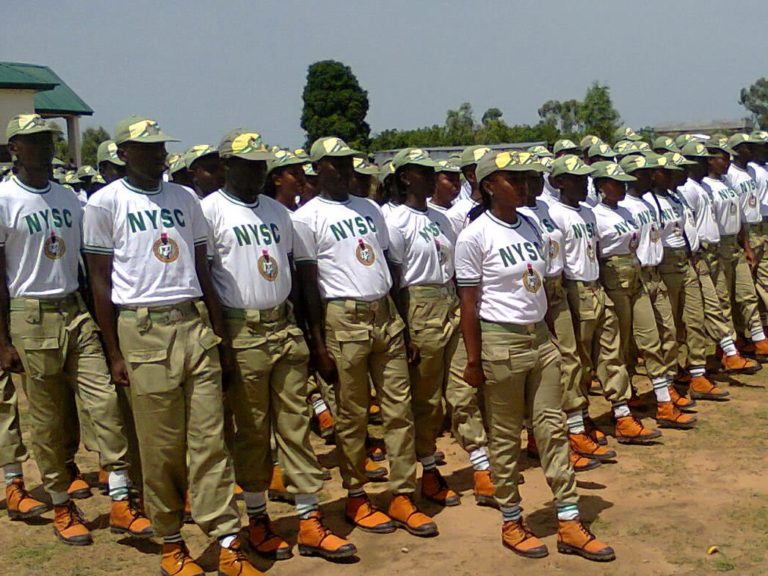
THE National Youth Service Corps (NYSC) has said more than 4.6 million graduates have participated in the scheme since inception in 1973.
The director-general of the scheme, Shuaibu Ibrahim, said this on Thursday in Abuja while giving the scheme’s scorecard.
Ibrahim said the scheme has achieved so much in fostering unity and contributing to national development over the years.
He said the educational development of the country has also been positively impacted by the presence of corps members as teachers in schools.
“Since inception, 4,664,804 Nigerians have participated in the NYSC scheme. The scheme has done a lot to foster unity and integration through the policy of posting of corps members to other states than their state of origin,” he said.
“Educational development of the country has been positively impacted through the posting of corps members to schools.
“The level of literacy has also been improved among the populace through the activities of the corps Mass Literary Group which has the mandate of reducing illiteracy, especially among adult non-formal level to the barest minimum,’’ he said.
Ibrahim said the NYSC has also contributed to strengthening healthcare delivery through posting of corps members to public hospitals as paramedics.
He added that over one million corps members have also benefited from the scheme’s Skills Acquisition and Entrepreneurship Development (SAED).
“The SAED was established in 2012 with the mandate to drive the scheme’s collaboration with various stakeholders toward addressing the problem of graduate youth unemployment.
“The scheme is collaborating with national and international organisations toward providing material, technical and financial support for the programme.
“So far, 1,132,409 corps members have been sensitised and over 70,000 have undergone various forms of skills training,” he said.
Ibrahim said that the NYSC was determined to strengthen the relationship with the media to maintain its positive visibility.
Adenike Adeyemi, NYSC’s Director of Press and Public Relations, said that the NYSC had become a household name due to its relationship with the media.
“As an organisation that values its critical stakeholders, we have continued to enlist the support of our media partners to showcase the scheme’s efforts and contribution towards advancing our dear country to a greater height,” she said.
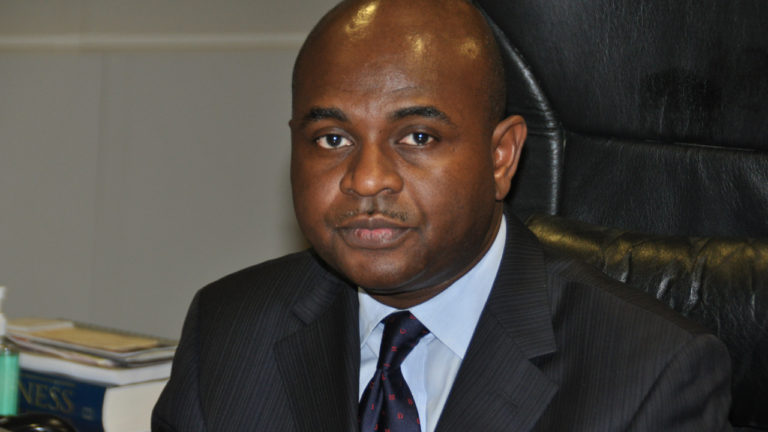
FORMER Central Bank of Nigeria deputy president, Professor Kingsley Moghalu who contested against President Mohammadu Buhari in the 2019 presidential election has criticised the ban on forex for the importation of food into the country by the president.
On Wednesday during an interview, Moghalu said that the apex bank does not require the formal and explicit approval of the president in order to carry out its duties.
“That is another way of saying that the president himself or any political authority outside the bank should not be giving the bank direct instructions.”
The professor’s assertion came on the wake of President Buhari’s order to the Apex bank on Tuesday in Daura, Katsina State, where he hosted the All Progressives Congress (APC) governors to Eid-el-Kabir lunch.
The president said the foreign reserve will be conserved and utilized strictly for diversification of the economy, and not for encouraging more dependence on foreign food import bills considering the “steady improvement” in agricultural production and attainment of “full food security” in Nigeria.
But Moghalu, who cited Article 1 of the CBN Act (2007), –In order to facilitate the achievement of its mandate under this Act and the Banks and Other Financial Institutions Act, and in line with the objective of promoting stability and continuity in economic management, the Bank shall be an independent body in the discharge of its functions.
He maintained that “the issue here is not whether or not CBN should allow access to forex for food imports. It is about whether such an economic policy of a central bank should be imposed by a political authority.”
Nigeria’s entire economy appears to have been sub-contracted to our central bank, including industrial and trade policy. In the process the economy has fared poorly and the Bank has lost its independence. This is sad!
However, he noted that the President can exercise his powers by approving on three key areas of the financial institution.
“This is a fundamental principle of central banking around the world over the last four decades. There are only three instances in the operations of the Central Bank where the Central Bank requires the direct approval of the president.
“First is the approval of the annual account of the Central Bank. The president must approve it. Second is the approval of currency designs.”
“For the Central Bank to issue the coin of the realm as we say (naira notes), the president has to approve those designs and proposals.
“Thirdly, any external investment by the Central Bank itself as an institution has to be approved by the president. Outside of these three specific instances, the Central Bank does not require the approval of the president in order to perform its job.”
SHEIKH Ibrahim El-Zakzaky, leader of the Islamic Movement of Nigeria (IMN) and his wife, Zeenat are expected to return to Nigeria tonight from a medical trip they took to India.
Spokesperson of the Islamic sect, Ibrahim Musa disclosed this on Thursday stressing that El-Zakzaky was leaving the Madena Hospital back to the country.
“Following lack of a breakthrough in the impasse that ensued in the treatment of Sheikh Ibraheem Zakzaky in New Delhi, it is now confirmed that the Sheikh is on his way back to Abuja, Nigeria. He is scheduled to leave 17hrs Nigerian time,” says Musa.
“In a video message sent by the Sheikh himself, he said that they were given two alternatives; either to commence the treatment on their own terms i.e the government terms or they will be sent back. And that it has been announced to them that they will be sent back and he is praying to Allah that may it be the best option for him and for everybody.
“It is clear to us that the Nigerian government’s interference and the scuttling of the whole process rather than supervision as ordered by the court is the direct course of the impasse.”
The leader of the Islamic group had earlier decried poor treatment meted out to them while at the Indian hospital.
In a report, a top member of the sect, Yahaya Soje also identified threats from the security operatives.
“The security officials refused to allow the doctors he requested to treat him and his wife. As I am speaking with you now they are preparing to return to Nigeria this night.”
The couple left the Nnamdi Azikwe International Airport (NAIA), Abuja to arrive in India last Tuesday with their relatives, security operatives and government officials.
On Monday, 186 doctors from seven countries petitioned President Muhammadu Buhari, expressing their concerns over the poor health condition of the Islamic cleric and why he should get urgent medical treatment. They claimed the clergy is suffering from severe medical problems including lead deposit in his system.
Few of the other ailments include glaucoma, symptoms of Ischemic heart disease, which could lead to Myocardial infarction, severe cervical spondylosis which has resulted in nerve root compression and causing insomnia.
The Kaduna State Magistrate Court on 5th August granted El-Zakzaky temporary approval to seek medical treatment in India after several attempts by his counsel, Femi Falana, a Senior Advocate of Nigeria (SAN) and his followers demanding his release.
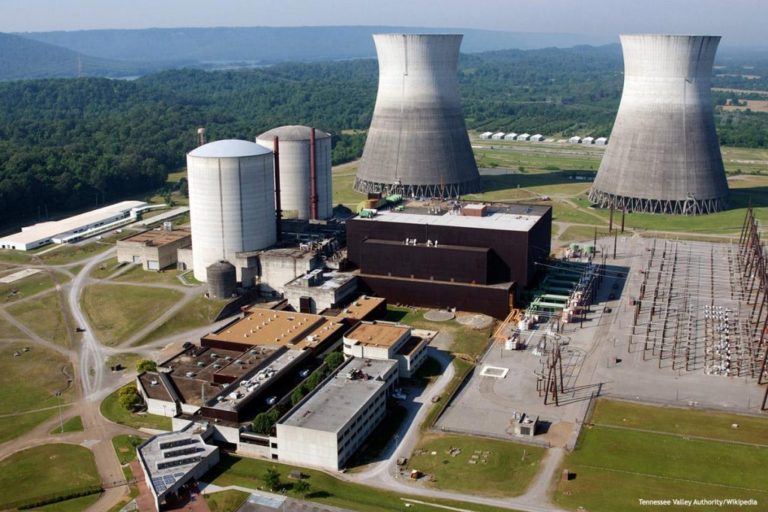
ON Wednesday, Environmental Rights Action/Friends of the Earth Nigeria, ERA/FoEN, urged the Nigerian government to desist from its agreement with the Russian owned company, Rosatom, to build nuclear power stations, citing safety concerns.
The group’s Head of media, Philip Jakpor, who disclosed this in a statement in Lagos cautioned the Nigerian government that building nuclear power plants to boost power generation might result in likely mishaps difficult to control similar to the Arkhangelsk region nuclear explosion in Russia.
“We restate our aversion to throwing nuclear plants into the energy mix in Nigeria. The explosion in Russia even with their expertise is enough indication that it is not the path to go,” the statement read.
On August 8, Russian scientists were working on miniaturised sources of nuclear energy when a rocket engine exploded which led to a spike in radiation levels and mass evacuation of communities near the facility.
The explosion had killed five people and caused radiation readings in neighbouring cities which was over 20 times above their normal level in half an hour
“The details are scary enough. We reject the nuclear option for power generation because they are dangerous and we do not have the capacity to manage the potential disaster a nuclear breach may cause, “it states.
In 2017, Russia’s state-owned Rosatom and Nigeria signed a Memorandum of Understanding, MOU, for the construction and operation of a nuclear power plant and research centre in Kogi, Akwa Ibom, and Abuja.
The decision and the process involved in choosing the sites has been criticized by civil society groups and communities in Itu, Akwa Ibom State warning that siting the nuclear plant in their community does not have their endorsement.
The agreement provides for the construction of a centre with the two-circuit pool-type reactor of the Russian design and a nominal power rating of 10 MW in Sheba-Abuja.
Four nuclear plants that Rosatom will build will cost about $80billion, with the first plant expected to be ready by 2025, while the others are due to be completed by 2035.
Akinbode Oluwafemi, Deputy Executive Director of the group, advised the authorities to thread with caution by taking the host communities along in its decision.
“Once again we have another reason to ask the Nigeria government to halt the nuclear misadventure spearheaded by the Nigeria Atomic Energy Commission, NAEC, without the consent of Nigerians,” he said.
Oluwafemi explained that with the global community’s drive to pursue clean and safe energy options including wind and solar technologies, Nigeria was still stuck with nuclear power that neither clean nor safe nor cheap.
“We have not shown sufficient capacity to manage our hydro and gas-fired plants, yet we are plunging into the uncharted waters of nuclear power. This plan should stop immediately,” he affirmed.
The 23 Industrial Development Centres (IDCs) designed and built to service small and medium scale enterprises (SMES) in Nigeria are derelict and abandoned despite Federal Government’s plan to use the facilities to boost small scale local business in the country. YEKEEN Akinwale who visited centres in Lagos, Port Harcourt, Abuja and Kano reports about the dilapidated condition of the multi-million infrastructure built across the country.
Edited by Ajibola AMZAT
THE Nigeria’s Industrial Development Centres (IDCs) in Abuja, Lagos, Port Harcourt, and Kano have been taken over by miscreants, farmers and herders, and the supervisory agency, Small and Medium Scale Enterprises Development Agency of Nigeria (SMEDAN) is not unaware of this, but could only do little or nothing, The ICIR can report.
Though the Federal Government made repeated promises to rehabilitate the moribund 23 industrial centres across the states after admitting in 2016 that they have been abandoned and dilapidated for too long.
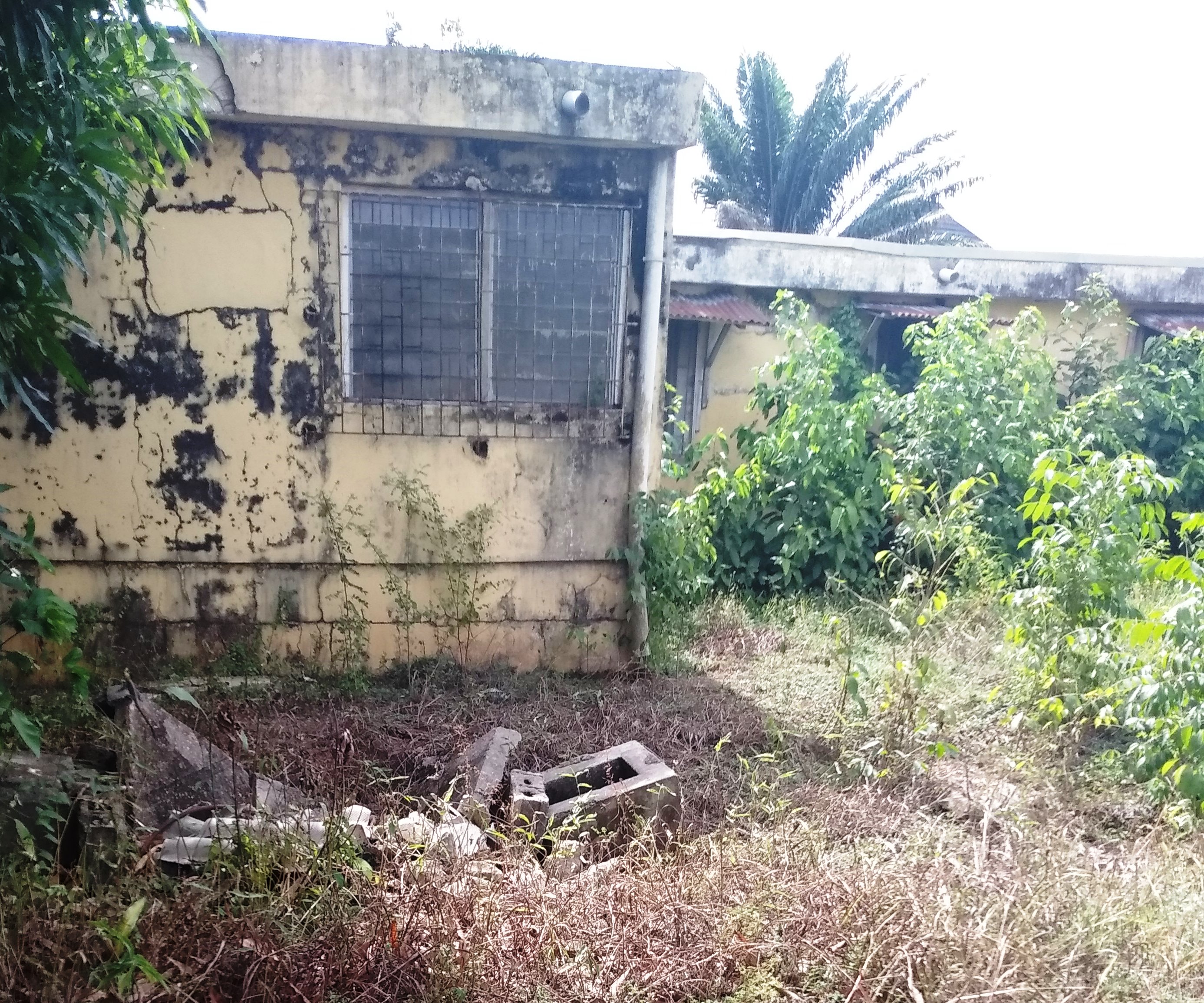
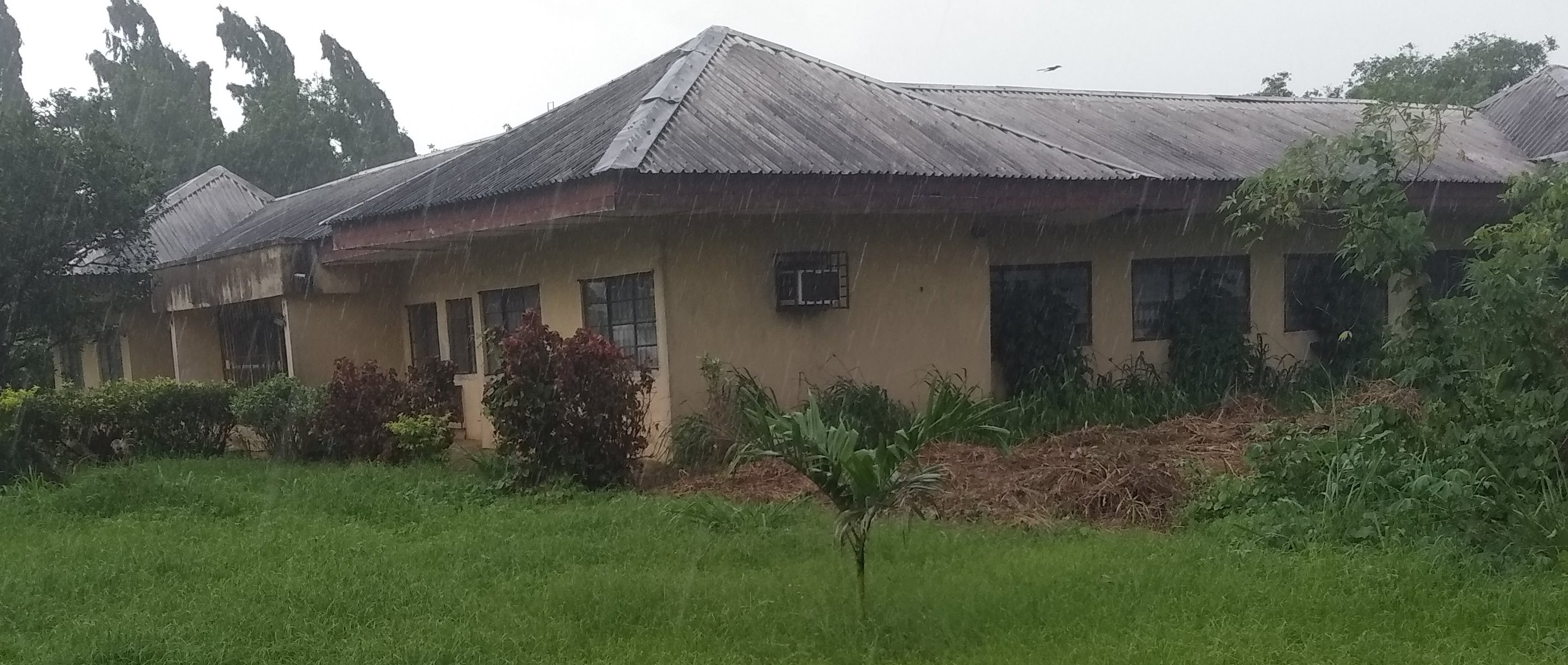
Abandoned: One of the administrative blocks at Port Harcourt IDC Photo. Credit: YEKEEN Akinwale
The 23 industrial centres established by past government were to serve as a support system for Small and Medium Scale Entrepreneurs (SMEs) in the country but none of them functions currently.
The first IDC was established in Owerri in 1965 by the former Eastern Nigeria government, Ministry of Trade and Industry, and was taken over in 1970 by the Federal Government including the one in Zaria, Northern Nigeria, which was established in 1969.
The emergence of the centres followed the Nigerian government’s yearning to strengthen SMEs in the country. The centres were established and located where the country has a comparative advantage of natural resources.
Experts who carried out feasibility studies recommended that the government should concentrate on five areas namely; woodwork, metalwork, automobile repair, textiles, and leatherwork.
When establishing the centres, the Federal Government spent huge funds providing workshops, machines, offices, and vehicles.
Though the centres were previously under the Ministry of Industry, Trade and Investment, they were later handed over to the Small and Medium Enterprise Development Agency of Nigeria (SMEDAN) in 2011.
However, due to years of neglect by the government, the centres are currently wasting away.
The current administration under President Muhammadu Buharilaunched an MSMEs clinic across the states to fast-track development of SMEs but did not articulate any action plan in the clinic for the revival of the supporting centres.
Visits to the centres in 2017 by the Senate Committee on Industry did not yield any results despite lamentations by members of the committee about the sorry state of the centres.
The IDCs wereestablished to provide extension services to the SMEs in such areas as project appraisal for loan application, training of entrepreneurs, managerial assistance, product development, production planning and control, as well as other extension services.
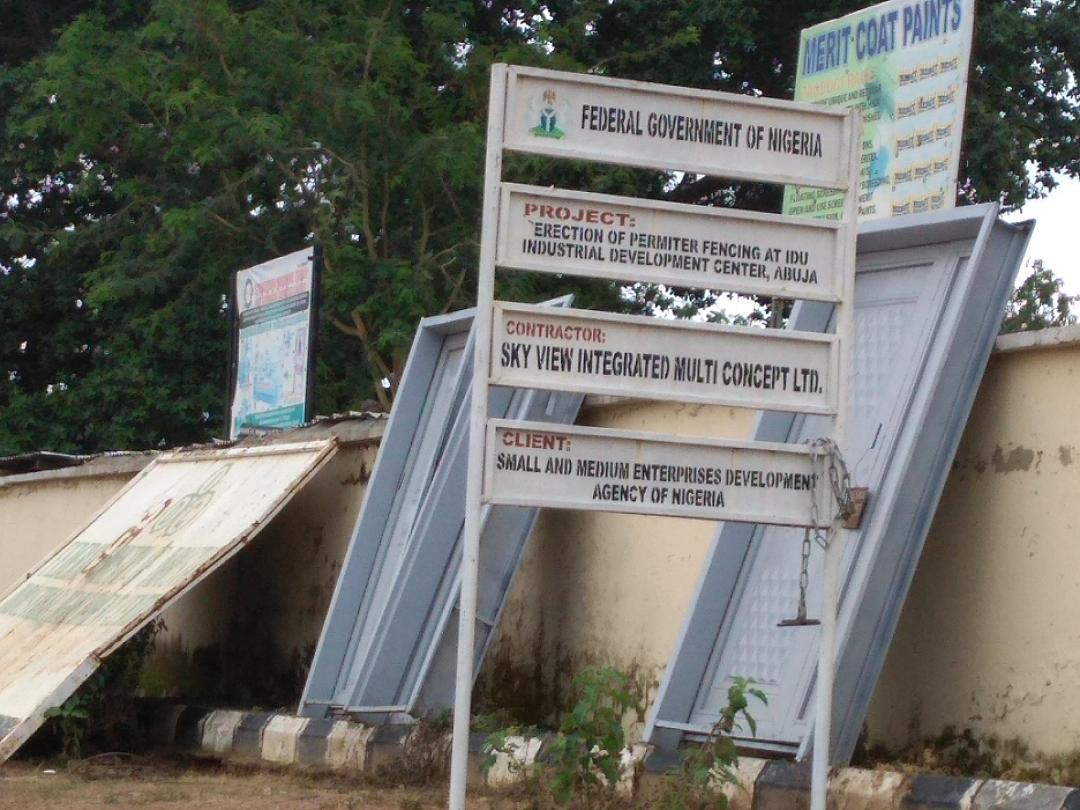
In 2017 and 2018 budgets, SMEDAN allocated N600 million to rehabilitate 12 centres. The amount was spent to construct fences around some of the facilities and to complete other renovation works.
SMEDAN has spent N600million on the rehabilitation of the IDCs between 2017 and 2018. Some of the works include erection of perimeter fences around the centres. Photo Credit: YEKEEN Akinwale
According to Ibrahim Kaula Mohammed, the Head Corporate Affairs Department at SMEDAN, the agency inherited the dilapidated centres from the Ministry of Industry, Trade and Investment.
“When we inherited these IDCs, that’s how almost all of them were, dilapidated,” Mohammed told The ICIR in an interview.
On why the agency has failed to revive the centres and allowed them to deteriorate, Mohammed, said, “We didn’t receive any kobo at this agency for IDCs in terms of budgetary allocation until 2017. Any improvement you see on any IDC is only from 2017 and 2018.”
The agency, in 2017, fenced the premises of IDC Benin, Katsina, Ikorodu, Owerri and Abuja. In Zaria it did a general renovation of the 3-in-1 workshop. At the IDC Idu, Abuja the roof was renovated.
In 2018, he said the agency bought complete automotive component of waste to wealth equipment in Idu, Zaria and fenced Kano, Makurdi, Jos and Abeokuta centres.
Despite all this spending, he said the IDCs would be demolished any time soon. A viability study has shown that despite the rehabilitation —they will be replaced with what is now known as industrial clusters.
SMEDAN and Africa Development Bank (AfDB) carried out a study of all the IDCs, which comes in two stages: Outline Business Case (OBC) and Full Business Case (FBC).
The ICIR gathered that the OBC has been completed and submitted to the AfDB which has the final say to go ahead with the second stage, FBC.
He said the management would engage auditors to examine the work.
“That is what is remaining and we have done procurement in that respect. An auditor has been selected. It is now for AFDB to agree with what we have done. Once AfDB is satisfied with all the processes, we would now sign a contract with the auditor,” he added.
For the second part of the AfDB case, the FBC is going to demolish all those workshops (even those rehabilitated) because that is what the consultant who carried out the study proposed.
Renovated staff quarter at Lagos IDC, but will be demolished under the proposed industrial cluster. Photo Credit: YEKEEN Akinwale
Based on the proposal, there would be a vertical cluster that would accommodate more SMEs.
The spokesperson said the concept all over the world is an industrial cluster— a group of interrelated business in one place making use of a common facility and infrastructure.
Six centres—Abuja, Lagos, Sokoto, Port Harcourt, Owerri and Maiduguri are said to be in the pilot stage of the proposed industrial clusters.
Mohammed said all the 23 IDCs are viable, according to the study.
“But we cannot start with the whole 23, we have assigned the cluster type to each of the six. The selection is based on the competitive advantage of each of the states,” he said.
Lagos will focus on Fast Moving Goods (FMGs), while Port Harcourt will focus on chemicals and oil products because of the availability of petroleum there.
In Nigeria, small scale businesses constitute 85 per cent of all firms operating in the economy, Hassan Ayinde and Olaniran Olawale wrote in “Developing Small Business Entrepreneurs through
Assistance Institutions: The Role of Industrial Development Centre, Osogbo, Nigeria,” published in the journal of the Canadian Center of Science and Education.
Like in most other developing countries, small scale businesses employ the largest number of workers. It is the official policy of the government to develop the economy and fight poverty through the development of small scale businesses.
Four times SMEDAN promised to rehabilitate the industrial centres and failed
A file picture of Dikko Radda, DG of SMEDAN
In January 2016, a former Director-General of SMEDAN, Bature Masari, said the agency was working towards theupgrade and conversion of its IDCs to enterprise centres and MSME cluster parks in an effort to facilitate the speedy development of MSMEs to enhance economic empowerment and employment generation.
He gave the names of the IDCs slated for conversion to include those in Ogun, Ondo, Bauchi, Edo, Kano, Borno, Niger, Cross Rivers, Osun, Rivers, Sokoto, Adamawa State, and Kaduna states.
Bature also disclosed that IDCs in Enugu, Abuja, Lagos, Kwara, Plateau, Katsina, Imo, Akwa Ibom, and Taraba States would be converted into Enterprise Zones because of their size to offer common facilities and workspaces to MSMEs in those states.
He said SMEDAN was into partnership with Osun and Kano state governments for the redevelopment and upgrade of IDCs in Oshogbo and Tiga respectively where huge funds were being committed by the two state governments on the upgrade and conversion of the facilities.
Though when this reporter visited Kano IDC there was no sign of any redevelopment. Like other centres, it was deserted and dilapidated.
Bature pointed out that while the Tiga IDC was in the process of being converted to a world-class leather cluster park, more than N200 million has so far been expended on the improvement of facilities and rehabilitation of the Oshogbo IDC by the Osun State government under an MOU with SMEDAN.
Since then, nothing has happened to the centres; but the empty promises by the government did not stop.
This was despite Nigeria’s growingunemployment rate which stood at 23.1 per cent of the workforce in the third quarter of 2018, up from 18.1 per cent a year earlier, according to the National Bureu of Statistics, NBS.
“As of Q3 2018, the calculated unemployment rate was 23.1 per cent, the underemployment rate was 20.1 per cent, and the combined unemployment and underemployment rate was 43.3 per cent,” the NBS report stated.
In his message at the opening ceremony of the Lagos Leather Fair, the new DG of SMEDAN, Dikko Radda, like his predecessor said the agency wascollaborating with Kano State Government to redevelop a N12 billion IDC in Tiga town of the state into a world-class leather cluster park and training centre, but with Public-Private Partnership (PPP) with stakeholders of the leather industry, including potential investors to embrace the project.
He spoke through the agency’s Director of Engineering, Technology, Innovation and Infrastructure, David Abu Ozigi. That was in June 2017.
Ironically, Kano IDC in Tiga town is currently a grazing field to herders’ cattle. There are no signs of any new investment at the centre when it was visited by The ICIR.
A year after— precisely, June 2018, Radda, again, announced that the Federal Government had put in motion the process of rehabilitating all the IDCs across the country.
Radda whose office supervises all the 23 IDCs in Nigeria said the government had plans totransform the centres into world-class enterprise clusters for rapid economic development geared towards job and wealth creation.
He disclosed that SMEDAN in collaboration with the African Development Bank (AfDB) carried out a study of the viability of the centres. The bank, according to him, sponsored the study at a cost of more than $600,000 for the six months period; the report of which he disclosed had been submitted to the government.
While nothing has been done since then, Radda would also in November of the same year re-echo that the Federal Government had put in motion the process of rehabilitating all the IDCs.
He was leading members of the Senate Committee on Industries on an oversight function to the Owerri Centre, and said the agency hadcommissioned a study in collaboration with the AfDB) on how to rehabilitate the centres.
“I believe that by the end of June, the project with the bank will come to a conclusion. What we are waiting for is the submission of the full business scale for six out of the 23 centres,’’ he said.
Kano IDC—receives only empty promises—now a cattle grazing field
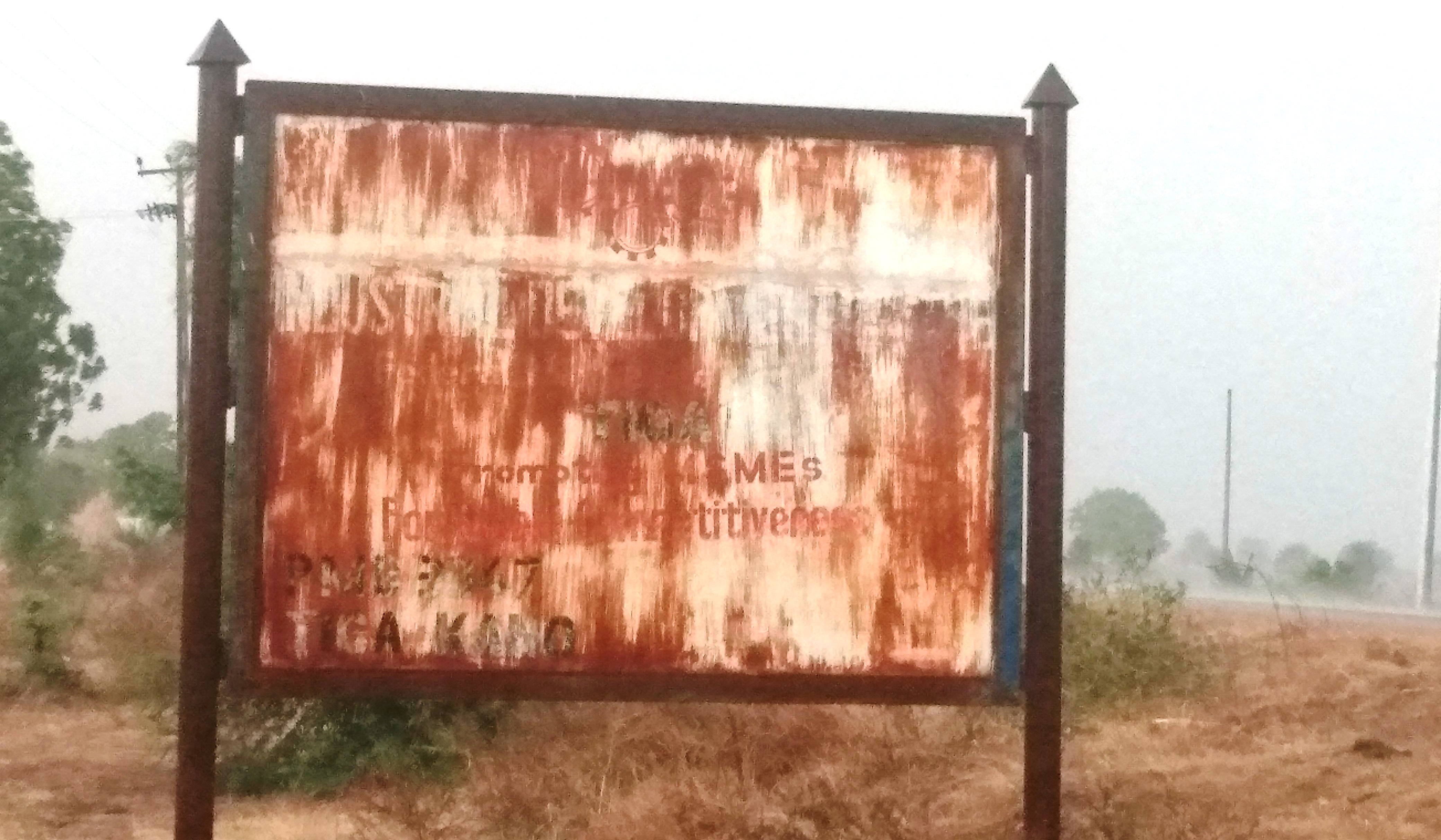
Faded signpost of Kano IDC at Tiga. Photo Credit: YEKEEN Akinwale
Kano Industrial Development Centre in Tiga town off Kano, Zaria road collapsed in 1999, says Ahmad Yaro, an Administrative Staff at the centre.
Yaro is one of the remaining six workers at the IDC as it is called by people of Tiga. The centre was established in 1982 but suffered a great setback when the Federal Government under former President Olusegun Obasanjo ordered a downsizing of the civil service.
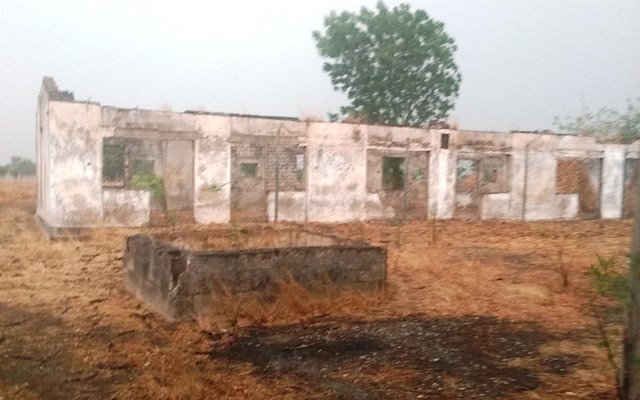
Inside its wide expanse of land were cattle grazing on dried grasses while structures with blown roof stood derelict. Offices were covered in dust, ceiling, doors and windows were broken. There were no signs of life on the premises.
A dilapidated structure at the Kano IDC, no activities taking place at the centre. Photo Credit: YEKEEN Akinwale
“At the initial stage of my appointment, here was booming but all of a sudden, everything crumbled during 1999 rightsizing and downsizing activities of the Federal Government,” Yaro recalled with nostalgia.
“No activity has taken place here since 1999,” he added.
Asked about the machines at the centre, Yaro said, there were machines but they were not functioning because they were all obsolete.
According to him, six employees are currently working at the centre, including its Coordinator whose office is in Zaria, Kaduna State.
Due to the peculiarities of Kano for leather production, the IDC was intended to be a hub for leatherwork, but Yaro said the centre which also ought to carry out business appraisal has not witnessed any productive activities for years.
This is despite claims by SMEDAN that the Tiga IDC was in the process of being converted to a world-class leather cluster park.
That’s not the only thing that is wrong with the centre, its location is also part of the reasons for its abandonment. The Centre is located the outskirts of Kano, making it difficult to access. the location is hundreds of kilometres away from the heart of Kano city.
After spending more than two hours searching for the industrial centre, this reporter got help from an official of the Kano State Chambers of Commerce and Industry who gave a hint of its location. He simply said the IDC is located in Tiga town —but without giving a specific address or a landmark.
Before then, officials of Industrial Training Fund (ITF) in the city could not even make sense of the name Industrial Development Centre when asked. None among those asked had heard of it before, likewise artisans along Hadeija road in the city.
Situated on Kilometre 1 along Tiga Hydro Electric Power Project, Kano IDC stood forsaken by the roadside. It is a shadow of its old self.
The signpost that welcomes visitors has long faded. Only eagle-eyed visitors could see it from afar.
At Port Harcourt —Farmers now resident in the industrial complex
Hidden signpost of Port Harcourt IDC. Photo Credit: YEKEEN Akinwale
Farmers are the ones tending the abandoned Rivers State IDC located in Port Harcourt. While the Federal Government continue to sloganeer about rehabilitation without taking action, those interested in crop production are not allowing its fertile soil to waste away.
The centre has been long abandoned, overtaken by weeds and parts of it already converted to farms by some people who tend the facility.
The reporter saw four farmers taking rest in one of the workshops after the day’s work. It had just rained that afternoon, and the farmers were snacking on pawpaw.
Apparently, the centre has not worked or used for any industrial purpose in a long while. The ICIR was reliably informed that equipment—mostly fabricating machines— installed at the centre were never used up till most of them were vandalised, stolen, or became obsolete.
A farmer peeling pawpaw at the Port Harcourt IDC. Photo Credit: YEKEEN Akinwale
The roof of the workshops is partly blown off by storm while an old Volkswagen car sits in the middle of the hall. The large workshop is littered with remnants of obsolete wooden and metal works equipment. The entire premises is covered with overgrown grasses.
Tired of idleness, staff at the centre, it was learnt, have stopped coming to work. When there is training to be organised, trainees are usually taken elsewhere due to lack of appropriate machines for practical work, The ICIR learnt.
Asked about the procedure to secure a space allocation by an entrepreneur, one of the men taking shelter in the large workshop responded that no one has been given any space in a long time.
“We have not received any information from Abuja about the allocation of space to anybody,” he said.
He insisted that order must come from Abuja before anything can be done.
“Here, we cannot do anything, we don’t have that power to do anything and nobody has been given any allocation here as you can see,” he says.
The Centre has been abandoned for so long that no local seems to know its location in Port Harcourt, including those who live around or operate businesses along NTA Road, Ozuoba where it is located. Nobody could say the type of activities that take place within the large premises.
“The place is called ‘Industrial Gate’,” says a middle-aged woman who roasts ripe plantain adjacent the centre, though there are no signs of any industrial activities taking place there at the time.
Only a few locals know it as ‘Industrial Gate’—the large almost faded signpost rests somewhere on the fence near the pedestrian gate, covered by trees nearby which make it hardly noticeable for passers-by.
Sam Egwu, a former Chairman Senate Committee, once likened the centre to a mechanic workshop when he led members of the committee on an oversight function visit. He said the visit showed that the IDC only exists in name.
This investigation was supported by the International Centre for Investigative Reporting (ICIR) and the Ford Foundation.
For the Nigerian Left, the strongest lesson of what may now be called Nigeria’s #RevolutionNow—that is, the August 5 mass protests organized by some young fragments of the movement—may be formulated as a warning: If Nigeria survives long enough from the current battering of the country’s ruling class, variants of what was attempted on August 5 may be attempted again and again until a spark leads to a national conflagration or a successful popular revolution resulting from a better conceived, planned and executed strategy.
Such a successful popular revolution will present to every Left entity—organization or individual—the choice of joining the revolution as an active participant, thereby ending this long stalemate. An implicit premise of this proposition is that Nigeria’s present ruling class has refused to, or indeed cannot mobilise the social forces necessary to pull the nation out of its ever-expanding crisis.
One may start the story of #RevolutionNow by recalling the 2019 general elections conducted earlier this year. The official result of the presidential contest showed that President Muhammadu Buhari of the APC won while the other presidential candidates, including Omoyele Sowore of the Leftist AAC, lost. This point should be conceded.
However: It is a long-established and tested principle of political strategy that in a non-democratic setting such as Nigeria, a Left-wing formation or a formation with a Leftwing leadership may organize itself, its programmes and its activities in distinct but connected levels, or in concentric circles.
This simple principle “prima facie” explains and justifies, ideologically and historically, the link between Sowore’s presidential contest and his “involvement in” or “leadership of” #RevolutionNow. Sowore himself may not be acutely aware of this. But Sowore’s lawyer, radical human-rights lawyer, Femi Falana, should theoretically be aware of the principle. In any case I have seen that Falana endorses its application in the present case if the term “revolution”, as used in #RevolutionNow, is demystified and given its factual, true and contextual meaning.
We may briefly go to some background: Omoyele Sowore was the president of the students’ union of the University of Lagos for a period during the long military dictatorship of mid-1980s to late 1990s. He was a radical, Left wing and popular students’ leader. He also commanded attention in the national students’ movement. He was however ideologically and organizationally outside the Marxist core that maintained and exercised hegemony in the national students’ movement during that period. It was a measure of its success in strategy and tactics that on several campuses, this Marxist core managed to strongly “influence” students’ politics without insisting that the official leaderships be revolutionary Marxists.
Now, how do we assess #RevolutionNow? We may begin by asserting that proclamations of revolutions are not new. In fact, in certain circumstances, a proclamation is necessary, if not mandatory—if it is a “people’s revolution” or a “revolution of the people.” But this proclamation is made not to herald a revolution-in-general (which the masses ought to have known) but to announce the start of a new stage, such as armed struggle.
For historically tested reasons, a proclamation is made not before the commencement of the new stage. On the other hand, in order not to confuse the people and put them in prolonged suspense, a proclamation is not delayed for too long after the commencement. The proclamation of the start of a new stage is made after the first definitive acts—if these are deemed successful.
It is this tradition of proclamation of people’s revolution that right-wing coup makers copy and bastardise. The content, tone and language of a revolutionary proclamation make the statement indelible in the history of the liberation of the people. Finally, it should be obvious that at the point of making a proclamation, the leadership should be unreachable.
Does #RevolutionNow, in its broad ideological and political amateurishness, have precedents in Nigeria? Yes, it has precedents in Nigeria. Have I taken part in the organization and leadership of any? Yes, I have taken part in more than one. Which one is the freshest in my memory? The “revolution” of January 1975 in Lagos: that is in pre-internet and pre-social media Nigeria. Were mistakes committed in it? Yes, grave mistakes were committed—although these were not the fundamental reasons the “revolution” did not succeed in its illusory ultimate objective!
Those old enough may remember that between late 1974 and early 1975 there was a wave of strikes and mass protests throughout the country—but especially in Lagos which was then the federal capital of Nigeria. The general issues included corruption, “bad governance” and the shifting of the promised date for disengagement of the military from governance. But the particular national issue was the long-awaited wage reviews. Among the radical groups which participated in the struggle was Anti-Poverty Movement of Nigeria (APMON), a revolutionary Marxist formation, a mass mobiliser with an unknown operational base and a shadowy leadership.
At the start of the struggle I was transiting from being a graduate student to being a lecturer in the Department of Mathematics, University of Lagos. Comrade Bene was a graduate student of Botany in the same university. Bene and I were both in the leadership of APMON. In addition, I was the Secretary of APMON and my office in the department was APMON’s coordinating centre—unknown to anyone outside the leadership. I was 28 and Bene was 27. In crisis periods, the link between this coordinating centre and members of APMON’s leadership outside the campus and outside Lagos was provided by the late Comrade Tony Engurube, a revolutionary Marxist of Ijaw parentage but very fluent in Yoruba, French and a certain Swedish language—in addition to English, of course.
One evening, during the particular struggle under reference, we stumbled on a rough document carrying what was claimed by the author or authors to be a proposed wage structure for the army. The figures were scandalously high. An emergency meeting of APMON’s leadership was called the next day. The unanimous decision of this fateful meeting was that the production of an agitational publication in support of striking dock workers and medical doctors should be stopped for the “uncovered” military wage structure to be added as an appendix.
About 400 copies of the revised publication were to be produced and distributed covertly at strategic locations in Lagos. The decision was carried out immediately. That was it! The publication, to use a modern language, became “viral” within 72 hours. The effect was electrifying. My banker-senior brother with whom I was squatting in Lagos came back from work to show me a paper “some people” were distributing in Lagos Island! We both shouted!
Security agents poured out in search of “subversive” and “unpatriotic” people, “enemies of the nation”. Another emergency meeting of APMON’s leadership was called. However, the decision this time was not unanimous. But the majority opinion—which was supposed to be binding—was that the organization had achieved its realizable maximum objective and should suspend all public and private agitation, with or without the “document”.
As the meeting was dispersing, it could be observed that some comrades were still not happy with the decision. They believed that the “revolution” was nearing victory and required only a final push! In fact, earlier that day, a particular comrade, with some APMON cadres, had gone to Nigeria’s land border with Benin Republic at Idi-Iroko to urge border guards not to allow certain senior state functionaries to escape from the country!
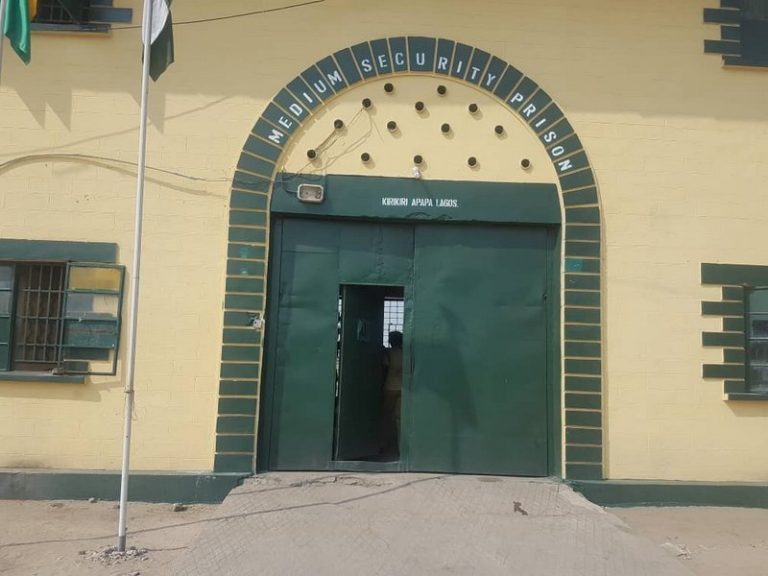
Three days later, soldiers swooped on him as he was agitating at Lawanson Bus Stop! And two days later, two comrades, one from a well-known Ondo family, and myself, not knowing that we had been uncovered and were just being lured and trailed, drove into the military police headquarters at Apapa. We went there in a prestigious Volvo car to secure the release of our detained comrade! The gates closed behind us for six months.
Madunagu, mathematician and journalist, writes from Calabar, Cross River State, Nigeria.