Home Blog Page 619

What does recent escalation of mass kidnappings in Nigeria tell us?

0

By Kingsley L. MADUEKE, Lawan Danjuma ADAMU and Ladd SERWA

A spate of abductions in Nigeria is heightening tensions in the countryWhat has happened, who is responsible, and what does it say about where Nigeria is headed? 

Since the end of February, over 500 people have been kidnapped in a series of mass abductions in Nigeria’s North East and North West regions. On 29 February, suspected Boko Haram members abducted at least 200 people, primarily women and children, in the North Eastern state of Borno. In the North West, at least three incidents of mass abductions not linked to Boko Haram have occurred in quick succession since 7 March, when gunmen raided a school and abducted pupils en masse in the Chikun area of Kaduna. Two days later, on 9 March, gunmen abducted 15 children from an Islamic school in Sokoto. With authorities and communities still reeling in the aftermath of these incidents, on 12 March armed bandits reportedly struck Kaduna again – this time in Kajuru – taking with them 61 people. 

Coming about month before the 10th anniversary of the highly publicised kidnapping of 276 schoolgirls by Boko Haram in Chibok in Borno, this recent spate of incidents marks a dramatic spike in mass abductions, which had not been seen in the country since the abduction of at least 60 train passengers in July 2022. 

Who are the perpetrators? 

Kidnapping has been a major source of revenue for both violent extremist organisations in the North East and bandit groups in the North West. Incidents involving armed bandits deserve special attention because, as relatively more recent actors, they are more poorly understood, but also because they have likely been behind three of the four incidents occurring in March. 

While none of the mass abductions to date have been claimed by specific groups, it is likely that either Islamic State in West Africa Province (ISWAP) or Jama’atu Ahlus-Sunnah Lidda’Awati Wal Jihad (JAS), violent extremist organisations operating predominantly in the North East, are behind the February abduction in Borno. By contrast, armed bandit groups  a loose collection of rural gangs operating under different leaders  are likely to behind the remaining three abductions in the North West. 

While in the North West there have been (often temporary) alliances between some armed bandit groups and violent extremist groups – mainly JAS, Ansaru and ISWAP, who have increasingly set up camps in the North West – the different groups remain distinct entities 

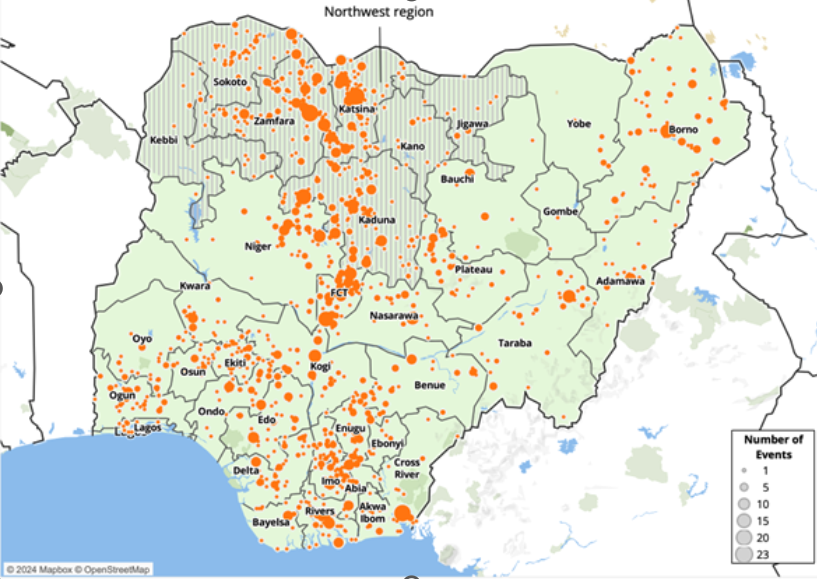
Abductions in Nigeria, January 2019 to 8 March 2024. (Source: ACLED analysis and monitoring)

Bandit operations have made the North West the epicentre of abductions in Nigeria, as reflected in the map above. According to ACLED data, between 2019 and 2023, there were 662 recorded kidnapping-related events in the North Westabout 169 per cent more than the 246 events recorded in the North East during the same period. 

The North West experienced notable year-on-year increases in kidnapping-related events from 2019 to 2022. Over this period, kidnapping was the economic mainstay of armed bandit groups, replacing cattle rustlingwhich had provided the bulk of bandit revenues between 2011 and 2019, but which became less lucrative as cattle stock were depleted and herders relocated to safer areas, prompting bandits to seek alternative financing streams.  

However, there was a decline in kidnappings in 2023 compared to the previous year, which has been sustained in 2024 to date. The reason is likely to be the declining profitability of the kidnapping sector, as affluent targets either fled the region or were impoverished by previous ransom payments.  
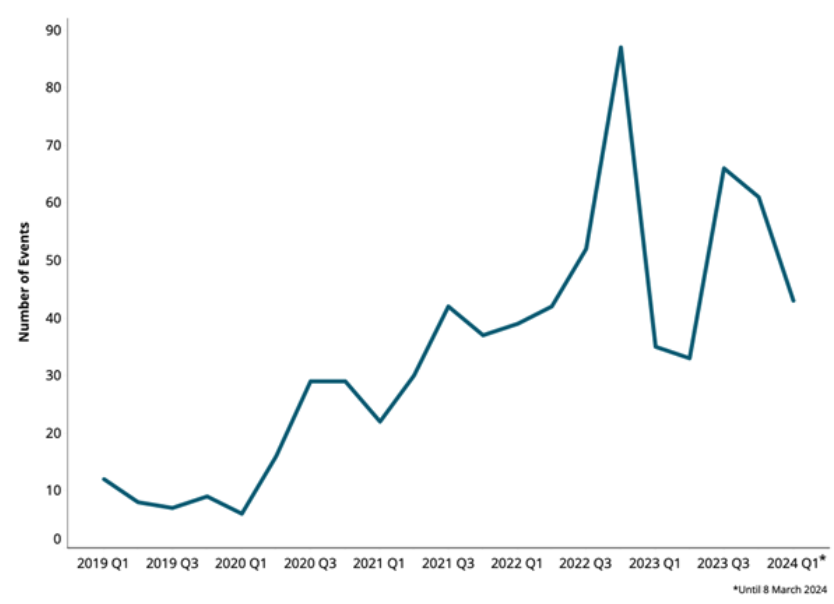
Abductions in Nigeria’s North West, 2019 to 8 March 2024.(Source: ACLED analysis and monitoring)
Abductions in Nigeria’s North West, 2019 to 8 March 2024. (Source: ACLED analysis and monitoring)

Since 2019, to offset declining revenues from kidnapping, armed bandit groups have increasingly relied on the imposition of levies on farming communities and on the artisanal gold mining sector.  

Drivers behind the resurgence of mass kidnappings 

The resurgence of mass kidnappings is likely to be attributable to the declining profitability of individual kidnappings for ransom; the strategic use of Ramadan to pressure the government into paying ransoms; the desire to gain bargaining leverage for the release of detained members of armed bandit groups; and the killing of an armed bandit leader in February 2024. 

Mass abductions, although more difficult to coordinate, are more lucrative. They also carry the possibility of government ransom payments, which does not usually happen in individual cases. Mass abductions, particularly of women and schoolchildren, place significant pressure on the government, both domestically and internationally, to secure the release of the victims. Though the governments public position is that it does not pay ransoms, there are reports that state actors have paid ransoms to armed bandits and violent extremist groups in the past. 

The timing of the spate of mass abductions – coming at the start of the Muslim Ramadan month of daytime fasting  may have been chosen to exert public pressure on the government in a region that is predominantly Muslim. It may also be linked to the fact that this period is often very expensive, and bandit groups are in even greater need of financial resources. 

Alternatively, the perpetrators may aim to use the abducted pupils as leverage for the release of incarcerated members, in line with precedent. For instance, the Katsina state government exchanged detained armed bandits for kidnapped victims in 2019, and there are unconfirmed reports that the federal government planned to release some armed bandits in exchange for kidnapped victims of the train attack in 2022.  


READ ALSO:


Finally, according to a Kaduna-based journalist interviewed for this analysisthe Kuriga abduction on March 7 may be connected to the government killing in February of a prominent bandit leader, Isyaku Boderi, previously behind the kidnapping of at least 30 students of the Federal College of Forestry in Kaduna in 2021. Security forces believed he was planning an abduction of students at the time of his demise.  

Looking forwards 

The recent surge in mass kidnappings could indicate a sustained uptick in the frequency of such incidents. With state forces stretched thin across various conflict zones in the country, the limited state presence in rural and remote areas makes the rural population vulnerable targets for armed bandit attacks. Unfortunately, as armed bandits gain funding from kidnappings, they can acquire more sophisticated weapons and carry out bolder assaults. Without measures such as intelligence gathering to preempt armed bandit attacks and ensure the adequate security of schools in remote and rural areas, the current policy of reactive military actions is unlikely to change this vicious circle.   


*This analysis highlights findings from a forthcoming report that explores the activities of armed bandit groups operating across Nigeria’s North West, focusing on how these groups engage in illicit economies – including kidnapping – as key sources of revenue. The report is part of a collaboration between ACLED and the Global Initiative Against Transnational Organized Crime, titled ‘Non-state armed groups and illicit economies in West Africa. 

This report is republished with from Global Initiative
Clip of Salama Mohamed speaking about abuse on a podcast is NOT about her divorce

0

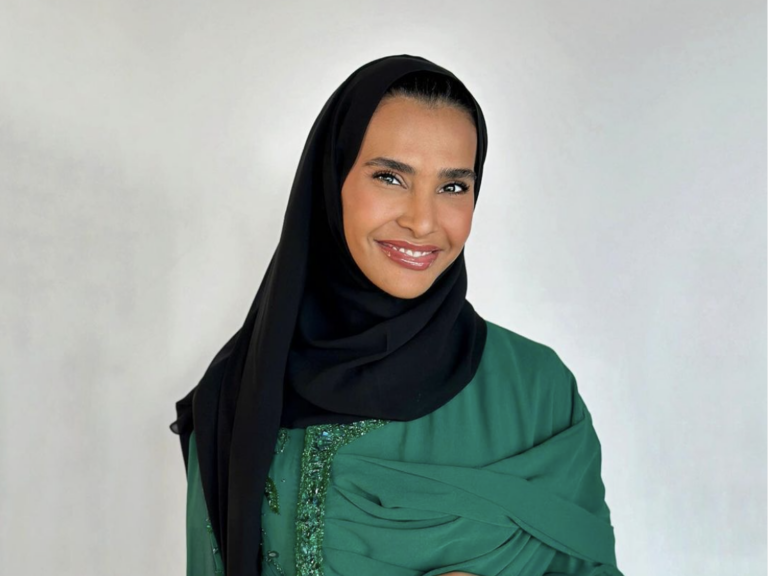
A viral clip from a podcast featuring Salama Mohamed, an entrepreneur and content creator based in the UAE, has been circulating on the internet, particularly TikTok.

In the viral clip where she was speaking about her being abused, TikTok users claimed she stated that the abuse was the reason for her divorce.

Different versions of the clips from the full podcast have been shared on TikTok, which can be seen here, here and, here , but the captions saying she was talking about being abused in her marriage.”

Salama Mohamed is married to Khalid Al-Ameri with two kids; the duo are well known for their comic social media content centred around family and marriage. While there have been speculations from fans that the couple have been divorced, the latter are yet to make any statement/announcement concerning the issue.

The clips started making rounds on the internet from the third/fourth week in March 2024 and has garnered close to one million views on some accounts that has a considerable amount of viewership.

CLAIM

Salama Mohamed was abused in her marriage with Khalid leading to divorce.

THE FINDINGS

Findings by The FactCheckHub shows that the claim is MISLEADING!

Photo collage of the claims extracted from TikTok; Insert misleading verdict

The FactCheckHub traced the full podcast/interview on Hikmat Wehbi Podcast on YouTube which was aired on Tuesday March,  5 2024. In the full podcast which was over an hour, Mohamed was speaking about the challenges she faced as a child growing up with vitiligo, her social media presence, her business and being a mother.

The clip that was being shared of her being abused began at 10:39, the interviewer asked if her being in comedy started from a place of trauma and she responded in the affirmative while sharing insights of her childhood in which she was speaking about how she was traumatised and abused as a child. She further said seeing her children happy makes her sad as she did’nt have that kind of childhood.

“My life was’nt easy, it was not just vitiligo… Sometimes, when my kids Khalifah and Abdullah are playing fighting with each other, screaming and laughing all day you know as kids normally play. They’re having fun, sometimes i just slip away and go to my bedroom, and i just go under the cover and cry… as i think to myself that there was never one day where i did’nt go through many kinds of abuse and ‘abuse’ is the nice way to say it. It was torture literally…”

She also did not say anything regarding if she and her husband were divorced or not as speculated by social media users.

THE VERDICT

The claim that Salama Mohamed was abused in her marriage leading to a divorce is misleading; the video is being shared out of context. In the viral video, she was speaking about her being abused in her childhood and not in her marriage. She also did not mention if she was divorced or not.

This report is republished from the FactCheckHub.

GWR: FG, Davido, Adekunle Gold, others drum support for Tunde Onakoya

The Federal Government has thrown its weight behind chess master Tunde Onakoya’s bid to surpass the Guinness World Record for the longest chess marathon without losing a game.

Similarly, prominent and other Nigerians have declared their support for him and wished him well in his ambition.

Among those rooting for his success are Vice President Kashim Shettima, Lagos State Governor Babajide Sanwo-Olu, artistes Davido and Adekunle Gold, and the 2023 presidential candidate of the African Action Congress, Omoyele Sowore.


Read Also:

Chess in Slums rehabilitates children living in Oshodi

Onakoya set to break Guinness World Record for longest chess marathon

Areas minister of sports needs to address in Nigeria sports


 Shettima shared a post on his official X account showing his support.

“We are not only proud of the ambition of the chess maverick, Tunde Onakoya (@Tunde_OD), in his attempt to break the Guinness World Record for playing chess for 58 hours without losing a game, but also of his humanitarian interventions and his representation of Nigeria on the global stage through this game of brilliant minds.

“Mr. Onakoya is a symbol of excellence and resilience that distinguish Nigerians both at home and abroad, and we stand with him in spirit as he captivates the world from Times Square, New York City. Go, make history, and inscribe our name in gold, his post read.

Also, the governor of Lagos state backed the ambition on behalf of the state, describing Tunde’s Guinness World Record attempt as a daring move.

“Every grand victory starts with a single, bold move akin to a daring gambit—a bold move to redefine possibilities.

“@Tunde_OD; Lagos is rooting for you as you attempt to break the Guinness World Record for the longest chess marathon at Times Square in the heart of New York.

“Taking the story of the phenomenal work you started in Lagos with young children to a global stage is a powerful testament to how greatness can emerge from anywhere,” he stated in his post.

The ICIR reports that Davido, his wife Chioma, and other 30BG crew members went to the chess location in Times Square, New York, to support Tunde.

In an online video, Davido is seen hugging the Nigerian chess master.

Similarly, Adekunle Gold showed his support with his presence, cash donations and gadgets needed for the live streaming of the game.

Sowore was also present at Times Square to support Onakoya.

Onakoya embarked on the challenge on Wednesday, April 17.

According to him, he aims to play for 58 consecutive hours and raise $1m to support the aspirations of millions of children in Africa who lack access to education.

Onakoya has played for over 40 hours and raised more than $40,000.

Currently, the record title is being held by Hallvard Haug Flatebø and Sjur Ferkingstad, two Norwegians who broke the record in 2018 after playing for 56 hours, 9 minutes and 37 seconds.

Okuama : Army releases Delta monarch detained over killing of 17 soldiers

0

THE Nigerian Army has released the monarch of the Ewu Kingdom, Clement Ikolo, who was detained over the killing of 17 soldiers in his kingdom in Delta State on March 14.

The traditional ruler was earlier declared wanted by the Defence Headquarters (DHQ) alongside seven others for their alleged involvement in the killing of the soldiers in the Okuama community of Ughelli South Local Government Area (LGA) of the state.

He was freed on Friday, April 19, after a briefing by the Director of Army Public Relations, Onyema Nwachukwu, at Army Headquarters in Abuja.


Read Also:

The monarch was released in the presence of the Senator representing Delta North, Ede Dafianone, who acted as his surety.

The ICIR reported that the Delta State Police Command handed Oghenerukevwe to the military.

The state police public relations officer, Bright Edafe, confirmed the development to newsmen on Friday, March 29.

The monarch surrendered himself to the police on Thursday, March 28, shortly after he was declared wanted by the military over the soldiers’ killing.

The monarch, while speaking with reporters before he turned himself in, denied allegations of being involved in the killing, noting that it was against his Catholic belief.

The ICIR reported that President Bola Tinubu awarded scholarships and houses to the slain soldiers’ children and families during their funeral at the National Military Cemetery in Abuja.

He vowed to ensure the soldiers’ killers were brought to justice.

The military authorities said the slain officers were on a peace mission to the warring towns of Okuama and Okoloba communities when they were attacked.

The ICIR, in an investigation published on Saturday, April 13, revealed the hidden truth that led to the soldiers’ death.

According to the report, a feud between an illegal oil bunker, Endurance Okodeh alias Amangbein and a sophisticated cartel of illegal oil bunkers led to the killing. 

Nascon suspends proposed merger deal with Dangote

0

NASCON Allied Industries Plc said it had put on hold the proposed merger deal with Dangote Sugar Refinery Plc following the Securities and Exchange Commission’s (SEC) disapproval.

The company disclosed this in a statement on Thursday, April 18 signed by its secretary, A. A. Samuel.

It said the merger was suspended on the grounds of the non-operational status of Dangote Rice Limited.


Read Also:


“Nascon Allied Industries Plc hereby notifies the Nigerian Exchange Limited and the investing public, that further to its announcement of August 30, 2023, in respect of the proposed merger of Dangote Sugar Refinery Plc, Nascon and Dangote Rice Limited, a decision has been taken to suspend the said merger at this time.

“The suspension is due to the comments and recommendation of the Securities and Exchange Commission centred around the current non-operational status of Dangote Rice Limited. Nascon wishes to express its appreciation to all its stakeholders and will keep the public informed of any developments as they arise,” Nascon said.

The group head of corporation communications at Dangote Industries Limited, Anthony Chiejina, corroborated that the suspension was at the behest of the regulatory authority and made no further comments.

The ICIR reports that the deal was earlier proposed as an internal restructuring to be executed through a scheme of mergers in which Dangote Sugar was supposed to offer cash consideration and share consideration to shareholders of NASCON and Dangote Rice.

The consideration offered was 11 ordinary shares of 50 kobo each in Dangote Sugar, credited as fully paid-up shares, for every 12 NASCON shares of 50 kobo each, which totals 2,428,651,847 new ordinary shares of the company (Dangote Sugar).

There was also a 14 ordinary shares offer of 50 kobo each in Dangote Sugar, credited as fully paid-up shares, for every one ordinary share of N1.00 kobo each in Dangote Rice share, which totals 2,775,792,508 new ordinary shares of Dangote Sugar.

Seven Nigerian banks face N14.18trn claims from court cases

SEVEN commercial banks in Nigeria face several court cases amounting to N14.18 trillion claims against them.

The ICIR analysis of some banks’ audited annual reports and financial statements for the year ended December 31, 2023, revealed that the banks included Access Holdings, Zenith Bank, United Bank for Africa (UBA), Guaranty Trust Holding Company (GTCO), Stanbic IBTC Holdings, Fidelity Bank, and Wema Bank.

It showed that the number of court claims against the banks surged by 460.47 per cent compared to N2.53 trillion claims in 2022.


Read Also:


The findings indicated that the court cases were related to alleged errors, omissions, and breaches of agreement.

Access Holdings is currently involved in 267 court cases: UBA, 1,649; GTCO, 1,546; Stanbic IBTC, 416; Fidelity Bank, 72; while Zenith Bank and Wema Bank did not disclose the numbers.

Despite the banks’ insisting the court cases would not impact their financial positions, shareholders’ responses suggest the claims could wipe out their total equity.

Total equity is the value left in a company after subtracting total liabilities (what the banks owe) from total assets (what the banks own).

The ICIR reports that Access Holdings has the highest claims, amounting to N11.3 trillion against it, representing 79.69 per cent of the amount claimed against the seven banks.

With only N2.19 trillion total equity, Access Holdings stated that it had already made a provision of about N3.46 billion for the claims despite insisting that the numerous court proceedings would not adversely affect its financial position.

Zenith Bank followed with N1 trillion claims against it; UBA, N986.247 billion; GTCO, N599.2 billion; Stanbic IBTC, N275.274 billion; Fidelity Bank, N11.74 billion; and Wema Bank, N9.47 billion.

Relative to 2022, Zenith Bank faced N967 billion; UBA, N666.12 billion; GTCO, N609.5 billion; Stanbic IBTC, N264.84 billion; Fidelity Bank, N12.06 billion; and Wema Bank, N8.33 billion court claims.

Why court cases against banks are rising

A legal expert, Rose Adima, told The ICIR that banks recorded high court claims in 2023 for several reasons.

According to her, there was a sharp rise in fraud cases against deposit money banks in Nigeria, amounting to about N5.79 billion in losses in the second quarter of 2023, representing a staggering 1,125 per cent rise compared with N472 million lost in the first quarter of that year.

“Naturally, bank customers will not take this lightly with the banks. Banks were sued to recover the deposits of customers affected by fraud.”

She also attributed the surge in court claims against the banks to the lack of appropriate legal advice banks receive to settle legitimate customer claims.

“It is found that banks need to seek appropriate legal advice or get the wrong ones when deciding whether or not to prosecute specific customer claims. At the end of the trial, banks are made to pay higher monetary damages/compensation as atonements for their wrongs. This was the case in 2023.”

Adima said banks’ unbridled compliance with regulatory bodies’ demands and staff incompetence also expose them to defamation claims and breach of contractual relationships.

“In most cases, banks need to check whether the demands of regulatory agencies like the Central Bank of Nigeria (CBN) and the Economic and Financial Crimes Commission (EFCC) comply with the law before acceding to their requests. This sometimes backfires, as customers go after the banks and the regulatory authorities.”

She added, “Some incompetent bank staff have incurred liabilities for the banks due to their incompetence in handling operational matters.”

Banks’ indictment on financial fraud

In March this year, the EFCC indicted the banks as being involved in about 70 per cent of the financial crimes in Nigeria.

The EFCC chairman, Ola Olukayode, disclosed this at the 2023 annual retreat and general meeting of the Association of Chief Audit Executives of Banks in Nigeria (ACAEBIN) in Abuja.

He said the banking sector was increasingly becoming a cesspool of fraudulent activities and noted that banking fraud was inside and outside-related.

Inside-related fraud comprises outright selling customers’ deposits, authorising loan facilities, forgery, and other unhealthy and criminal practices. In contrast, outside-related ones include hacking, ATM fraud, and conspiracy.

In the review year, for instance, Access Bank reported 6,634 fraud and forgery cases that resulted in N8.61 billion, with N6.15 billion incurred as an actual loss. This represents a 40 per cent increase from N1.44 billion the bank incurred in 2022.

While Fidelity Bank posted 3,079 fraud and forgery cases worth N3.83 billion, with an actual loss of N2.094 billion, Wema Bank recorded 1195 fraud and forgery cases worth N1.14 billion, which resulted in an actual loss of N685.595 million.

To curb the menace, the EFCC boss suggested that ACAEBIN monitor banks’ financial activities, compare actual and budgeted revenue with expenses, and carry out periodic reviews and checks, among other things.

Call for special commercial court

There have been worries within the financial corridors about rising cybercrime losses, even as bankers anticipate a special commercial court to deal with backlogs of financial-related cases.

In November 2023, the President of the Chartered Institute of Bankers of Nigeria (CIBN), Ken Opara, suggested the creation of a specialised court to exclusively deal with commercial and financial cases as opposed to having divisions within the existing court structure when he spoke at a programme organised by the CIBN in collaboration with the National Judicial Institute (NJI) in Abuja.

He said cases needed to be speeded up and that much work was to be done in setting up a special court for commercial and financial cases that would handle financial matters.

Shareholders express worries

The National President of New Dimension Shareholders, Patrick Ajudua, told The ICIR that shareholders are worried about the magnitude of court cases involving banks.

He said, “Yes, litigation can arise from normal business transactions, but much depends on the bank’s ability to use out-of-court settlement if both parties agree.”

He stressed that the implication of always resorting to court resulted from the mounting claims against the bank, which could seriously affect the shareholders’ fund.

“So, we employ the bank to always seek alternative dispute resolution to minimise the cost of litigation,” Ajudua maintained.

Also, the national chairman of the Progressive Shareholders Association of Nigeria (PSAN), Boniface Okezie, said some cases might be frivolous and not prosecuted.

“I am not bothered knowing fully well that some die or fissile out as the case may be, while some will make some impacts; there is nothing to worry about,” he said.

Okezie noted, however, that court cases are compelling banks to make some provisions available in their books.

“It is not every case that banks will incur costs, but we must also advise them (banks) to make sure they carry out their assignments with their customers with ultimate care so as not to incur the wrath of those customers who may be at fault and would be the first to drag the banks to courts, hoping to make fraudulent claims on the banks and believing that if they do so, they will win, and the courts will award those costs to them.

“I will also advise them to approach reputable law firms to prosecute such cases, not necessarily SANs (Senior Advocate of Nigeria) where they will spend big money as fees; that is where the spending starts,” he urged.

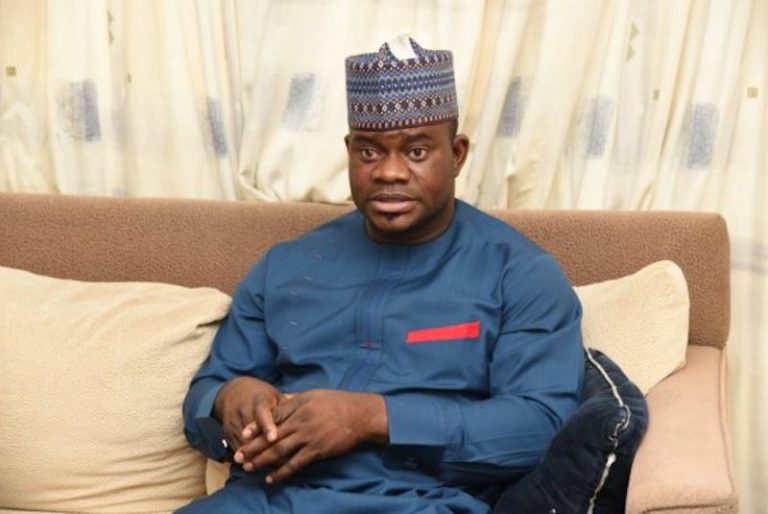
EFCC declares Yahaya Bello wanted over alleged N80.2bn fraud

0

THE Economic and Financial Crimes Commission (EFCC) has declared the former governor of Kogi State, Yahaya Bello, wanted over alleged N80.2 billion fraud.

The anti-corruption agency revealed this on its verified Facebook handle on Thursday, April 18. 

The photograph of the former governor was displayed with the inscription ‘WANTED’ in the notice.


Read Also:

The agency said it wanted Bello for offences relating to economic and financial crimes amounting to N80.2 billion and requested anybody with information as to his whereabouts to report to the commission or the nearest police station.

This is coming a few hours after the commission told the Federal High Court in Abuja that it would do everything possible to arrest and prosecute Bello over his money laundering case.

The EFCC said it would execute the arrest warrant issued against the former governor, even if it would involve using the military.

The EFCC lawyers, led by Kemi Pinheiro, a senior advocate, said this at the Federal High Court in Abuja.

Pinheiro faulted Bello for failing to make himself available for his scheduled arraignment.

The lawyer told the court that the EFCC’s spirited attempts to arrest Bello on Wednesday to get him to enter a plea to the charges against him “were frustrated by a person with immunity.

Even though he was not present in court on Thursday, Bello informed his lawyers, led by Abdulwahab Mohammed, a senior advocate, to petition the court to revoke an arrest order against him. 

After the case was called, the trial judge, Emeka Nwite, questioned Bello’s lawyer about his client’s whereabouts.

Responding, Mohammed informed the court that the ex-governor had obtained an injunction on February 9 from a Kogi State High Court, which he said barred the EFCC from inviting, detaining, or prosecuting him regarding the current case against him.

Mohammed refused the EFCC’s attempt to serve him a copy of the charge in court, claiming he lacked the right to consent to the procedure.

Recall that operatives of the EFCC stormed the Abuja home of Bello on Wednesday, April 17, to arrest him.

The planned arrest was over the alleged sleaze he perpetrated in office.

However, the arrest was unsuccessful, as reports suggest that the Kogi State governor, Ahmed Usman Ododo, smuggled out the former governor.

Ododo drove into Bello’s residence while the EFCC surrounded the building Wednesday afternoon.

According to reports, the development forced the commission’s operatives to leave Bello’s residence.

Gunshots allegedly rented the air while the former governor was being smuggled out of the premises by his successor, widely believed to be his kinsman.


Nigeria’s trans fat policy could prevent 260,000 deaths – study

0

A STUDY by the George Institute for Global Health has revealed the potential health benefits and cost savings associated with Nigeria’s trans fat elimination policy.

According to the research findings, enforcing regulations to eliminate trans fats from the Nigerian food supply could save about 260,000 deaths from heart disease and an estimated $520 million in healthcare expenditures over the population’s lifetime.

The World Health Organization, WHO, defines trans fat, or trans-fatty acids, as unsaturated fatty acids that come from either natural or industrial sources. Naturally occurring trans fat comes from ruminants (cows and sheep), while industrial trans fats are non-essential substances formed in an industrial process, found in certain vegetable oils, and used to make processed, fried, and street foods, such as suya.


Read Also:

Deadly snacks: How trans fats in popcorn endanger lives

CSO advocates hike of SSB tax from N10 to N130/litre

Trans-fat is a slow poison in our food chain, food activists raise the alarm, call for regulation


According to WHO, cardiovascular diseases are the leading causes of mortality in the world, with significant risk factors including poor dietary choices, sedentary lifestyles, and the consumption of tobacco and alcohol. 

Among other dietary factors, consumption of trans fat increases the risk of death from any cause by 34 per cent, coronary heart disease deaths by 28 per cent, and coronary heart disease by 21 per cent. 

The George Institute for Global Health study, which emerged from a comprehensive analysis conducted by health experts, showed that trans fat elimination in Nigeria could be cost-saving and improve the population’s health while generating net savings.

It showed that Nigeria is the second African country to embrace a best-practice trans fat elimination policy, but its implementation is still pending, leaving many lives at risk.

“In 2023, Nigeria followed South Africa as only the second African country to adopt a best practice (on) trans fat elimination policy and is now working to implement regulations. The cost-effectiveness model assessed the impact of limiting industrially produced trans fats to less than two per cent of total fats in all foods, fats, and oils in the Nigerian food supply. 

“The research also found that the policy could prevent or postpone 67,000 cases of heart disease within the first ten years. This equates to a total of 260,000 deaths and 480,000 cases of heart disease prevented across the entire lifetime of the population,” the study said.

The lead author and senior research fellow at the George Institute, Matti Marklund, said although trans fat intakes in Nigeria might be considerably lower than in many other countries, their analysis indicated that its trans fat policy could still save thousands of lives in just a matter of years.

While also highlighting that industrial trans fats are responsible for around 500,000 premature deaths globally from heart disease every year, mostly in low- and middle-income countries, only 53 countries have best-practice trans fat policies in place, the majority of which are high-income countries, leaving approximately half of the world’s population exposed to health risks.

Dike Ojji, a professor and Head of the Cardiovascular Research Unit at the University of Abuja and a senior author of the research, said, “Governments must act swiftly to address the rising burden of cardiovascular disease that endanger the health of populations, care services, and economies across Africa. We hope the mounting evidence supporting the elimination of trans fats will encourage other African nations to emulate Nigeria’s best practice policy.”

We may use military to arrest Yahaya Bello – EFCC

0

THE Economic and Financial Crimes Commission (EFCC) has told the Federal High Court in Abuja that it would do everything possible to arrest and prosecute the former Governor of Kogi State, Yahaya Bello, over his money laundering case.

The EFCC said it would execute the arrest warrant issued against the former governor, even if it would involve using the military.

EFCC lawyers led by Kemi Pinheiro, a senior advocate, said this at the Federal High Court in Abuja on Thursday, April 18.


Read Also:

 Pinheiro faulted Bello for failing to make himself available for his scheduled arraignment.

 The lawyer told the court that the EFCC’s spirited attempts to arrest Bello on Wednesday to get him to enter a plea to the charges against him “were frustrated by a person with immunity.

“We have to arraign him in court even if we have to use the military. Immunity is only attached to a person and not the building.

“The law allows to break down walls to arrest an evading defendant. Section 284 says all persons are to obey the service of charge.

“A former president of the United States was charged to court and has been appearing for trial. He did not file all sorts of things to frustrate the case,” the EFCC’s lawyer stated.

Even though he was not present in court on Thursday, Bello informed his lawyers, led by Abdulwahab Mohammed (SAN), to petition the court to revoke an arrest order against him. 

After the case was called, trial judge Emeka Nwite questioned Bello’s lawyer about his client’s whereabouts.

In response, Mohammed informed the court that the ex-governor had obtained an injunction on February 9 from a Kogi State High Court, which he said barred the EFCC from inviting, detaining, or prosecuting him regarding the current case against him.

He informed the court that despite the EFCC’s ongoing appeal of the decision, the anti-graft agency had proceeded to charge the defendant “in defiance of that subsisting court order.”

Mohammed informed the court that his client had already submitted a preliminary objection contesting the legality of the trial and arraignment.

“What happened at Zone 4 Abuja yesterday, where they laid siege to the house of the former governor while he was in Lokoja waiting for judgement in his fundamental right enforcement suit, was unfortunate,” the lawyer stated.

In the meantime, he refused the EFCC’s attempt to serve him a copy of the charge in court, claiming he lacked the right to consent to the procedure.

Mohammed claimed there had been no attempt by the prosecution to serve the defendant personally with the charge.

Recall that operatives of the EFCC stormed the Abuja home of Bello on Wednesday, April 17, to arrest him.

The planned arrest is likely over the alleged sleaze he perpetrated in office.

However, the arrest was unsuccessful, as reports suggest that the Kogi State governor, Ahmed Usman Ododo, smuggled out the former governor.

Ododo drove into Bello’s residence while the EFCC surrounded the building Wednesday afternoon.

According to reports, the development forced the commission’s operatives to leave Bello’s residence.

Gunshots allegedly rented the air while the former governor was being smuggled out of the premises by his successor, widely believed to be his kinsman.

An EFCC official could be overheard speaking with someone suspected to be his superior on the phone, stating that Bello was inside Ododo’s car, which departed, as reported by The Cable.

Blackout persists in Nigeria, despite tariff hike

MOST  Nigerian cities are still unable to have improved power supply, despite tariff hikes of over 200 per cent and expected premium services for Band A customers.

Earlier this month, the Nigerian Electricity Regulatory Commission (NERC) announced a tariff increment of over 200 per cent for Band A customers who use power for an average of 20 hours daily.

The tariff was increased from N68 to as high as N200/kilowatt-hour, while subsidy would remain for those consuming less electricity.


Read Also:


The tariff increment has, however, failed to solve epileptic power supply concerns even for the Band A customers, many of whom have complained to The ICIR about blackouts in their respective areas.

To state the least, Nigeria, with over 200 million population, is still generating below 5,000 megawatts of electricity, which could not serve a significant portion of the population.

According to the National Electricity System Operator data, the power generated on Wednesday, April 17, was 3,495.04 megawatts.

“We get an average of 16 hours per day and now pay for higher services. It’s not still satisfactorily enough,” a Band A customer in Abuja, Bridget Okorie, told The ICIR.

Another Band A customer, Oluchi Nwofor, said the power supply in her residence had improved, noting that it’s not up to 20 hours a day.

“We don’t get up to 20hrs per day yet. We have also escalated the complaints through the Abuja Electricity Distribution Company complaints channel. They have assured us it would be sorted out soon,” Oluchi said.

Currently, most of the 11 distribution companies are working to upgrade their feeders and move more customers to Band A, which would bring more money into their businesses.

This development has led to priority being given to Band A premium customers at the expense of other bands. Many of these customers complain of a drop in their power supply in their respective residences.

“Since this tariff hike issue started, we have only had an average of five hours of light. It’s not steady; it’s more of 20 minutes on, 20 minutes off,” Margareth Usman, a customer in Band C, told The ICIR.

Another resident of Arab Road in Kubwa, who was previously classified under Band A, complained about the downgrading of their transformer feeder to Band B.

“We used to get an average of 20 hours of light per day before the Band A tariff hike. Now, it’s not so again. We get a maximum of 12 hours of light per day. I learned they downgraded our feeder to Band B,” Matthew Ogala, a resident of the Kubwa Arab road, told The ICIR.

DisCos overwhelmed by Consumer complaints, invest in feeders

Most Distribution Companies(DisCos) are currently overwhelmed with customer complaints following their inability to meet up with the 20-hour-per-day power supply for Band A users.

Jos Disco, as seen below, has apologized to customers in its franchise areas under Band A for not meeting the 20-hour power supply.

On the other hand, those who were classified in other bands are struggling for improved power access as DisCos gradually shifts attention to Band A customers through ‘power feeder upgrades’ to make more profits.

For instance, the Kano Electricity Distribution Company (KEDCO) has confirmed investment in network expansion and improvement in power supply, though all customers are expected to enjoy such an expansion.

Eko DisCo is also improving its feeders to migrate more customers into Band A.

The ICIR gathered that Enugu DisCo has also contacted customers for a consumer awareness programme to resolve complaints about poor power supply and tariff hikes.

Grid collapse and the need for grid automation

The national grid has already witnessed six collapses this year, raising concerns about managing more loads as DisCos upgrades their feeders to accommodate more customers into Band A.

Energy experts say grid stability is still a concern, with more people being migrated to Band A unless there is automated grid management.

“The national grid management system has remained analogue and opaque. An automated grid management system as costly as it may be will have given better results, “Kunle Kola Olubiyo, President of Nigeria Consumer Protection Network, told The ICIR.

TCN  says grid management is being automated gradually

As a result of an incessant grid collapse, TCN said the company had recently deployed a generation dip/loss detection system, which plays a key role in detecting and responding to sudden dips in power generation across the network.

The TCN said this would help with the real-time monitoring and analysis of grid performance.

“Its intuitive interface allows for the setting of parameters, continuous monitoring of power generating stations, and comprehensive reporting functionalities, enabling swift response to grid disturbance,” the TCN said in an official statement issued on Wednesday, April 17.