Home Blog Page 766

Kano special constabulary not police officers – PSC

0

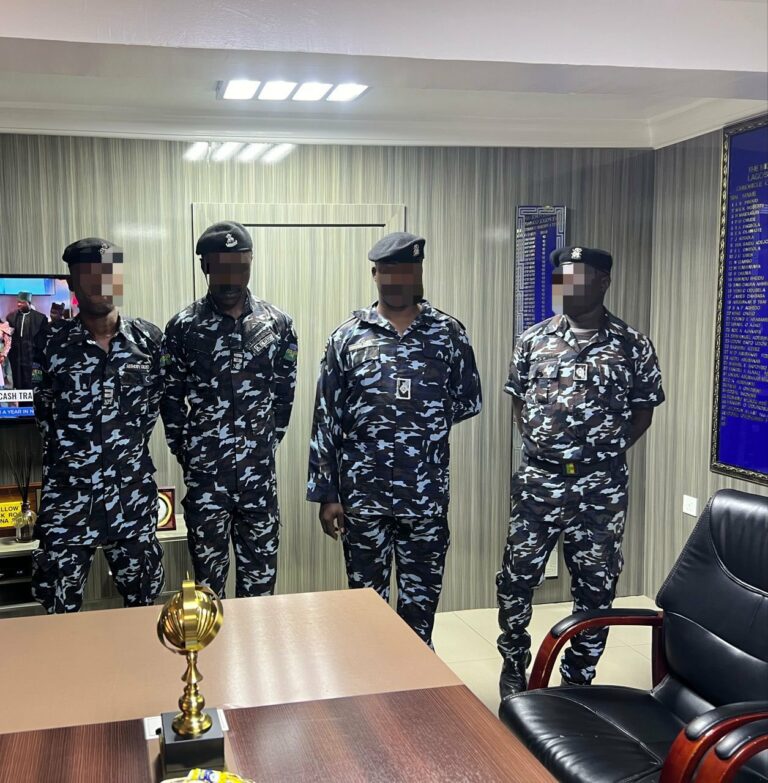
THE Police Service Commission (PSC) has said the Special Constabulary in Kano are not Police officers and would not be recognised as such by the Commission and the Federal Government.

Nonetheless, the Commission said as the country battled to break criminals’ hold on the nation, the constabulary actions were legitimate and protected by the Police Act.

In a statement by its spokesperson, Ikechukeu Ani, on Thursday, October 19, the PSC said it was in touch with the Kano State Police Command and was aware that the use of the constabulary was to support the Police in building a crime-free Kano State.

The statement followed the controversy trailing the recruitment of repentant criminals as constabularies, who do a similar job as the Police.

“It is necessary to state that the men and women recruited as special constabulary are posted to work in their locality where they will be in a better position to fish out the criminals terrorising the place.

“Some of the repentant influential youths previously used in the past as political thugs and abandoned have realised that crime does not pay and have voluntarily offered themselves to assist in the fight for a crime-free state.

“The Commission is also aware that the Kano Special Constabulary has received adequate training and are working in their local government areas as required by law but under strict supervision of the State Police Command.

It added that their engagement was to promote sustainable peace, economic growth and development of the state.
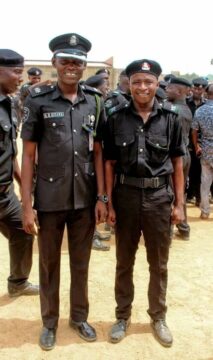
L-F: Alleged notorious criminal Nasiru Abdullahi and the spokesperson of the Kano Police Command, Abdullahi Kiyawa.
L-F: Alleged notorious criminal Nasiru Abdullahi and the spokesperson of the Kano Police Command, Abdullahi Kiyawa. PC: X

According to the statement, the Commission’s chairman, Solomon Arase, will continue to partner with the Police to ensure improved security of lives and property in the country. 

He revealed that the Commission, in collaboration with the Inspector General of Police, will guarantee that the constabularies’ uniforms are distinguishable from those of the Nigeria Police Force to prevent identity crises and specify their distinct functions within the country’s security framework.

The ICIR reported that the recruitment of repentant criminals as constabularies by the Kano state government sparked outrage among Nigerians on social media.

Several Nigerians, particularly on X, expressed dismay over recruiting individuals with criminal records and shady pasts to police communities.

On Monday, October 16, The ICIR saw pictures of Nasiru Abdullahi, popularly known as Chile Maidoki, donning a Kano State constabulary uniform alongside the State Police Command Public Relations Officer, Abdullahi Kiyawa.

Sometime this year, Abdullahi and two other notorious criminals were declared wanted by the Kano State Police Command with a bounty of N100,000 each.

A subsequent statement by the command confirmed that he surrendered himself to the Police upon hearing the bounty placed on his head.

Also confirming the recruitment, a report shared by Nigeria Police Force spokesperson Ademuyiwa Adejobi via his X handle revealed that 50 repentant thugs were selected from the 222 thugs that decided to embrace peace offered by the State Command’s Commissioner of Police, Muhammad Usaini Gumel.

Muoghalu recommends 50% salary cut for political class, condemns flamboyancy

0

FORMER Deputy Governor of the Central Bank of Nigeria (CBN), Kingsley Muoghalu, has recommended 50 per cent salary cut for Nigeria’s political class while also condemning their flamboyant lifestyle despite Nigeria’s economic distress.

Muoghalu stated this while featuring on Channels Television’s magazine programme “Politics Today” on October 17.

Nigeria has hugely relied on borrowing to fund its budget amid fiscal crisis, with the latest being $1.5 billion from the World Bank. Muoghalu believes such borrowings should not be reciprocated with the flamboyant life of politicians and the buying of costly imported jeeps amid Nigeria’s economic crisis.

“I recommend a 50 per cent cut in salaries for all political office holders. Also, all excessive demonstration of power stands condemned with the current economic distress we are going through,” he said.

He added that Nigeria’s political class must seriously consider what posterity will say of them when making crucial decisions.

According to Muoghalu, the general cost of governance must come down to avert further fiscal troubles amid rising borrowing.

He stressed that the tone of a good governance culture had to be set by President Bola Tinubu and spread through the other levels of government, including the National Assembly.

He argued that the solution to Nigeria’s economic problems lay in the broader culture of governance, which creates an inclusive sense of nationhood where everyone has a shared sense of purpose.

He said that issues of political economy, nationhood and culture of waste and corruption had to stop for Nigeria to move forward.

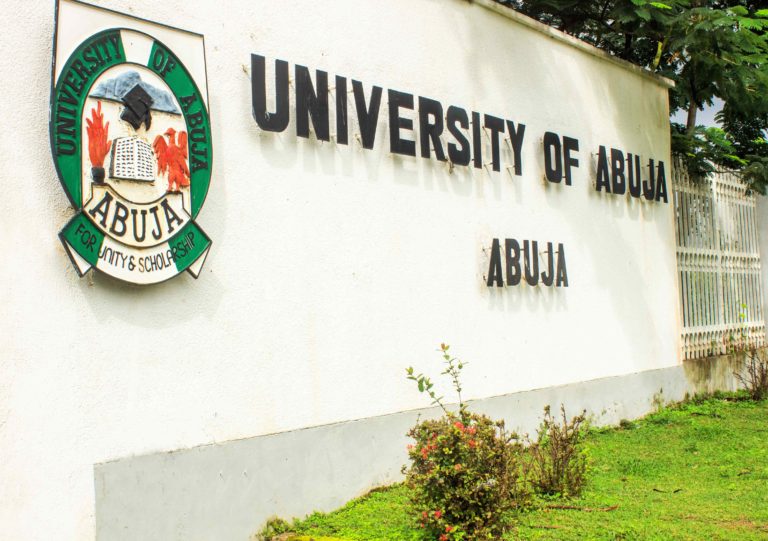
Experts weigh implications of drug test on prospective UniAbuja students 

0

SOME drug control experts have commended the move by the University of Abuja to mandate every prospective student to undergo drug tests and submit the result as part of the admission process.

While acknowledging the university’s initiative, the experts who spoke to The ICIR in exclusive interviews argued that addressing drug abuse requires a multi-faceted approach beyond drug testing.

They emphasised the need for educational programmes, counselling services, and community support.


Read Also:

On Wednesday, October 4, The Vice-Chancellor of UniAbuja, Abdul-Rasheed Na’Allah, said every prospective student of the university must undertake a drug test and present its result before the admission process could be complete.

He said this while speaking at the 27th pre-convocation briefing on October 4 in Abuja, noting that the institution was working with the National Drug Law Enforcement Agency (NDLEA) to rehabilitate students who were involved in drug abuse so they do not become a nuisance after graduation.

A Drug control expert and the Coordinator of Alternative Development for the National Drug Law Enforcement Agency, Jonah Kolo, lauded the development, adding that there were a few other universities that had adopted the policy a long time ago. 

According to him, the directive aligned with NDLEA’s view of handling drug abuse in society.

“What these universities are trying to do is quality control. Because everywhere in the world, you cannot market a bad product. And if the quality is not checked from the production point, then by the time it gets to the market, what happens is that it gives the producer a bad name. So it’s a kind of practice they are trying to adopt to filter out the bad heads. They want to prevent drug users from coming into their universities.”

He stressed the implications of having drug users in the universities, noting that oftentimes, they were involved in violent activities like cultism and gang fights, ultimately distorting the academic calendar.

Kolo stated that beyond mandating students to undergo drug tests, the university also needed to focus on capacity building and foster partnerships with relevant stakeholders, such as NDLEA and off-campus hostel landlords.

Also speaking about the directive’s implications, Olusina Ajidahun, a resident doctor trained in Internal Medicine, argued that the university management should raise more awareness about drug abuse and rehabilitate those ensnared in drugs.

According to him, students, knowing that they might be subjected to drug tests, could stay off drugs for weeks to have a clean result.

“In as much as it is a good gesture to deter people from taking drugs, that should not be the only solution because drug people always experiment with stuff. What they need to do is to create more awareness around drug abuse and also do rehabilitation for addicts because a lot of people are struggling. 

He also argued that deferring a student’s admission or suspending the student was not a solution to drug control, noting that people found using drugs need counselling and rehabilitation. 

“We need more awareness on social media, drug control campaigning by media and social influencers and content creators, and more rehab centres in Nigeria.”

Meanwhile, some parents of UniABuja students, speaking with The ICIR, welcomed the initiative and expressed optimism that it would significantly reduce drug abuse among young people in society.

“The drug test is a welcome development because nobody will want his/her child to come to school and become a nuisance at the end of the day. It is a good initiative if only they can take it up,” said Akin Samson, one of the parents.

Another parent, Uzor Ifesinachi, lauded the initiative. “It’s good. My child does not indulge in drugs, but when you see the youths of today, you’ll marvel at what they do. There are many children out there who take drugs. Some of them don’t even hide the habit. That’s what they do, and they eventually join cultism and become ‘Yahoo Yahoo Boys’ (fraudsters and money ritualists).”

FCTA to shut down illegal motor parks over one-chance menace

0

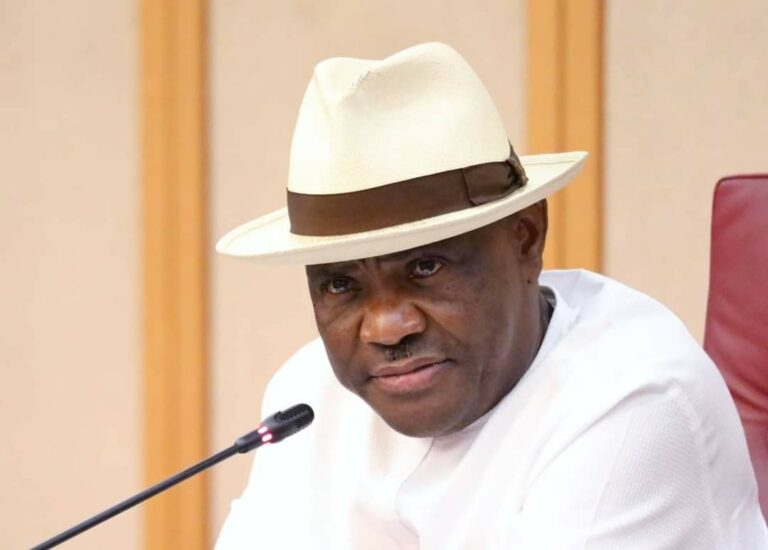
THE Federal Capital Territory Administration (FCTA) has vowed to shut down illegal motor parks operating in the nation’s capital over the menace of ‘one-chance’ robbery.

The FCT Minister, Nyesom Wike, disclosed this on Thursday, October 19, while speaking with journalists in his office in Abuja.

The minister blamed the increasing crime rate in the capital city on illegal motor parks and abandoned buildings used as hideouts by criminals.

He also noted that the FCTA had received numerous reports regarding kidnappings and ‘one-chance’ incidents recently.

Addressing the measures initiated by the FCTA to ensure the safety of lives and property in the capital city, Wike said a joint task force was formed last week to combat criminals operating as one-chance robbers.

“In most cases, we don’t even let the public know what has been done. I can tell you the security agencies have done quite a lot. If not, by now, the FCT would have been a different thing.

Wike noted that the FCTA “discovered that most of the areas that they (criminals) stay are shanties and uncompleted buildings, and that is why we say we cannot allow these uncompleted buildings where criminals have made their place of abode. Bring down all these uncompleted buildings which have turned to shanties, and they will have nowhere to hide.”

He explained that the government formed a joint task force last week to address the problem within the city.

“Just last week, we set up a task force on those states that we have borders with and one-chance. A joint security task force including the SSS, the police, the army, the navy. They have identified the way they will operate. To tell you that we are concerned, that is why we have to set up this joint task force for one-chance and border control.”

Meanwhile, the minister warned that all illegal motor parks would be closed.

The ICIR reports how ‘one chance’, a criminal group disguised as commercial drivers and commuters, dispossesses passengers of their belongings, including laptops, money, phones and other valuables. Many of them conduct their illicit business, using point-of-sale machines to empty victims’ bank accounts, using force.

Driving in cabs in groups of two, three or four, the criminals are usually armed with weapons such as guns, knives, hammers and other harmful objects.


READ ALSO:


In February, 2022,  The ICIR reported how the FCT’s failing transport system worsened residents’ security challenges.

The insufficient number of commercial vehicles in the city, despite the Abuja Urban Mass Transport Company Limited (AUMTCO), leaves passengers at the mercy of private car owners who convey them to their destination for a fee.

Fake transporters (one-chance drivers) take advantage of the situation and patrol the city, picking up unsuspecting passengers and dispossessing them of valuables.

DisCos recieved over 325,000 complaints in Q2, 2023, says NERC

THE second-quarter report released by the Nigerian Electricity Regulatory Commission NERC showed that the distribution companies (DisCos) cumulatively received 325,898 customer complaints in the 2023 second quarter.

The figure represents an increase of 76,215 (30.52 per cent) compared to the 249,683 complaints received in 2023 in the first quarter.

“In total, the DisCos resolved 313,442 complaints corresponding to a 96.18 per cent resolution rate (91.76 per cent recorded in 2023 second quarter).

“Metering, billing, and service interruption were the prevalent issues of customer complaints, accounting for more than 75 per cent of the total complaints during the quarter”, the report said.

The regulator also disclosed that Electricity Distribution Companies (DisCos) in Nigeria collectively remitted a total sum of ₦185.36 billion in the second quarter of 2023.

NERC, in the report released on October 17, also disclosed that the cumulative upstream invoice payable by DisCos was ₦194.69 billion, consisting of ₦154.04 billion for generation costs from the Nigerian Bulk Electricity Trading (NBET) and ₦40.65 billion for transmission and administrative services by the Market Operator (MO).

The Commission said, out of this amount, the DisCos collectively remitted a total sum of ₦185.36 billion (₦152.48 billion for NBET and ₦32.88 billion for MO) with an outstanding balance of ₦9.32 billion.

“This translates to a remittance performance of 95.21 per cent in 2023 second quarter compared to the 67.43 per cent recorded in 2023 first quarter”, it said.

Why I didn’t leave Super Eagles despite 29% pay cut – Peseiro

0

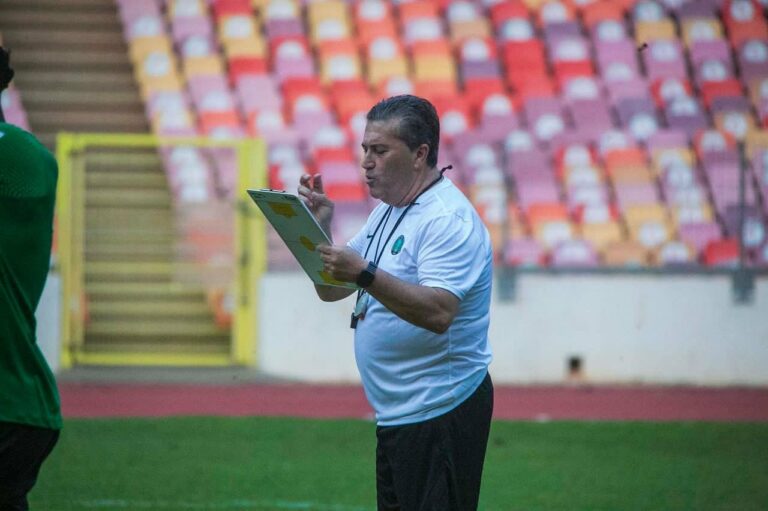
NIGERIA’S senior men’s football team, Super Eagles’ coach Jose Peseiro has revealed why he chose to extend his contract despite a 29 per cent pay cut.

The ICIR had reported the Portuguese, whose initial contract with the Nigeria Football Federation (NFF) was agreed on $70,000 a month when he was employed in 2022, later agreed to receive $50,000 after the contract expired in May 2023.

Explaining why he renewed his contract, the Super Eagles tactician said his players urged him to continue his job when talks of his contract renewal stalled in September.

“The players pushed me to stay because they believe we can win (the AFCON),” the 63-year-old Portuguese coach told SkySports.

His renewed contract with the country’s apex football administration also puts him in charge of the Eagles B team.

The Portuguese, who has been mandated to lead the Eagles to at least the semi-finals at the 2023 African Cup of Nations, AFCON, expressed optimism about winning the tournament title billed to be held in Cote d’Ivoire next January.

“We can win it. The players know it. They come with the same energy and belief to fight for the Super Eagles,” he added.

The three-time African champions last won the AFCON in 2013. led by late coach Stephen Keshi.

They are drawn against hosts Ivory Coast, Equatorial Guinea and Guinea-Bissau in the first round in group A.

Nigeria’s reserves fell by $717mn in September – CBN

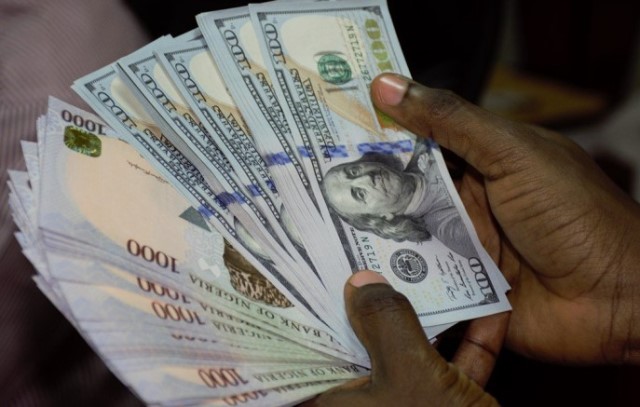
AVAILABLE data from the Central Bank of Nigeria (CBN) has shown that the country’s gross official reserves fell significantly by $717 million, from $33.9 to $33.2 billion, in September 2023.

This development marked a decline compared to the previous month, which saw a modest increase of 2 million to almost $34 billion.

Except for August 2023, the gross official reserves have steadily declined for 12 consecutive months.

This year alone, the reserves have decreased by roughly $ 3.8 billion, resulting in an average monthly decline of $427 million.

The consistent decline in the gross official reserves reflects the heightened demand pressure for forex amidst a severe supply deficit.

Analysts say the government’s loss of money from oil theft and inability to meet the Organisation of Petroleum Exporting Countries (OPEC) quota are major problems affecting dollar supply in Nigeria.

“We have huge demands for dollars now in the economy; the Central Bank of Nigeria must do everything possible to increase the supply side of foreign exchange to meet demands,” a development economist, Chuka Mbonu, said.

On October 12, 2023, the CBN restored the 43 prohibited items prohibited from access to foreign exchange eight years after, a move seen to usher in a single exchange rate while putting pressure on demand for dollars.

Aminu Gwadabe, the national president of the Association of Bureaux De Change Operators of Nigeria (ABCON), said the CBN should emphasize intervention in the retail end sector to where the spike is most pervasive through the efficiency of the BDCs to enable it to close the official and parallel market rates gaps.

To enhance the buffers, the CBN should pursue a paradigm shift from demand measures to supply measures to boost the needed liquidity in the market,” he said.

Lagos CP orders DPO’s removal over extortion

4

THE Lagos State Police Commissioner, Idowu Owohunwa, has ordered the immediate removal of the Divisional Police Officer of the Meiran Police Station in the state over extortion.

A statement by the command spokesperson, Ben Hundeyin, on Wednesday, October 18, accused the DPO of infractions summed up as “leadership dereliction and supervisory ineptitude.” 

The Punch had reported that a phone engineer, Ibrahim Saliu, alleged that some policemen attached to the Meiran Police Station extorted N200,000 from him on Saturday, October 14.

Saliu recounted that the trouble began when the Police apprehended him and his brother, Olaiya Murtala, for failing to produce an identification card or receipts for the iPhones found with his brother.

Saliu said he had dispatched his brother to his store with six iPhones. However, during a random stop-and-search, the Police intercepted them and escorted them to the station.

He further alleged that the DPO and his officers connived to extort him after removing the warranty stickers on his phones.

“The DPO took the iPhones, removed the warranty stickers on them, and declared that my brother and I are thieves and armed robbers.

“The next thing I heard was the DPO giving them an order to detain us and that we would be locked up for stealing and armed robbery. We were surprised that we started begging,” he said.

Saliu added that the DPO instructed them to pay N500,000 cash before they could be released. 

Despite their pleas, Salihu and his brother eventually negotiated and settled for N200,000, as demanded by the Police. 

Reacting to the incident via X, the command spokesperson noted that the Lagos Police Commissioner ordered the immediate removal of the DPO for leadership dereliction and supervisory ineptitude, adding that all the officers involved had been identified and were undergoing trial.

Senate confirms Olukoyede, Hammajoda as EFCC chairman, secretary

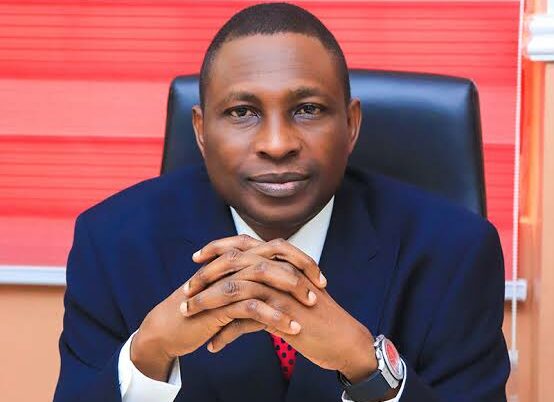
THE Nigerian Senate has confirmed the appointment of Ola Olukoyede as chairman of the Economic and Financial Crimes Commission (EFCC).

The Senate also confirmed Muhammad Hammajoda as the Commission’s secretary.

The appointments of Olukoyede, a former secretary of the Commission, and Hammajoda were confirmed after President Tinubu wrote the Senate on Tuesday to request that they be confirmed as soon as possible.

Olukoyede promised to fight corruption in Nigeria without fear or favour and in accordance with the law.

Besides, he said he would prioritize crime prevention over law enforcement.

On Wednesday, the Senate also confirmed Halima Shehu as the national coordinator and chief executive officer of the National Social Investment Programme Agency (NSIP).

The ICIR reported that President Tinubu appointed Ola Olukoyede as the EFCC chairman.

The president’s Special Adviser on Media and Publicity, Ajuri Ngelale, disclosed his appointment via a statement on Thursday, October 12.

Ngelale also disclosed that thatTinubu approved Hammajoda’s appointment as the Commission’s Secretary.

Olukoyede’s appointment follows the resignation of the suspended Executive Chairman of the EFCC, Abdulrasheed Bawa.

He is the first head of the EFCC from Nigeria’s south since its creation 20 years ago.

The ICIR reports that none of the previous five substantive Chairmen of the Commission finished their tenure. They were all sacked. The incumbent National Security Adviser, Nuhu Ribadu, is the Commission’s pioneer chairman.

Olukoyede’s appointment has drawn criticism, with many contending that he is unqualified to be the EFCC chairman.

The ICIR, in this report, highlighted the opinion of some lawyers who faulted his appointment.

Troops recover arms from IPOB in Anambra, raid illegal refinery in Imo

THE Nigerian Army has arrested one person and recovered arms in a camp belonging to the proscribed Indigenous People of Biafra (IPOB) and its affiliate, the Eastern Security Network (IPOB/ESN). 

This is according to a  statement released on Tuesday, October 17, by the Director of Army Public Relations, Onyema Nwachukwu.

“Combined troops of 302 Artillery and 14 Field Engineer Regiments of the Nigerian Army, conducting operations against terrorists, have on Monday 16 October 2023 captured two locally made artillery projectile launchers from fighters of the Indigenous People of Biafra and its armed affiliate, Eastern Security Network (IPOB/ESN),” the Army statement read.

According to Onyema, the artillery weapons, armed with projectiles, were seized alongside other items as troops swooped on the dissident fighters, who fled the scene upon sighting troops’ advancement.

“In the operation, one combatant of the dissident group was arrested, and several items, including 48 rounds of 7.62 mm NATO ammunition, four mobile phones, one handheld communication radio, and a substance suspected to be cannabis, among others, were recovered by the troops.”

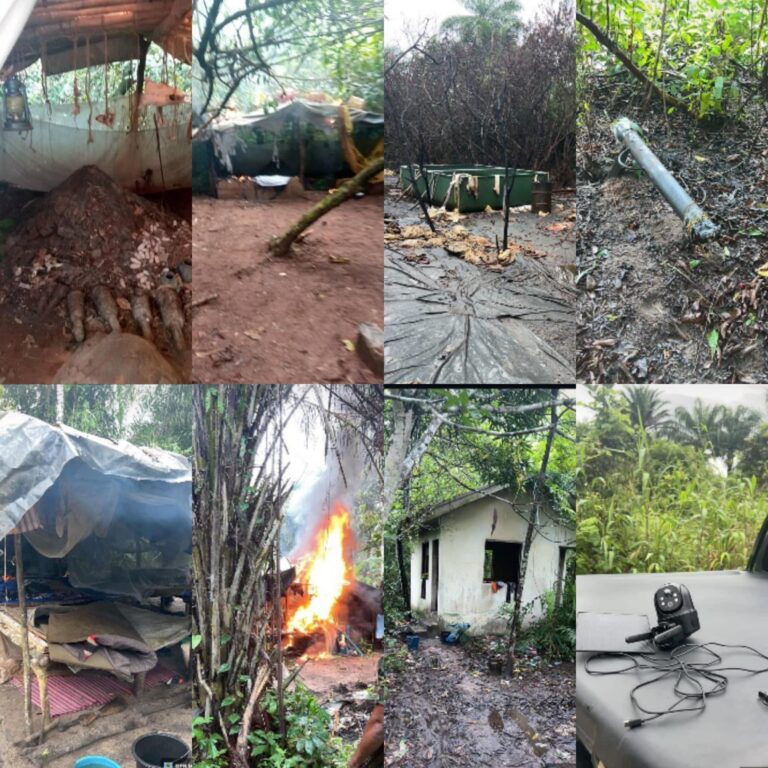
He said the 34 Artillery Brigade troops also conducted an offensive against oil thieves in Oguta Local Government Area of Imo State.

“Troops recovered several items from the camp, including one crude oil cooking oven, three reservoirs, several connecting hoses and pipes, three mobile phones, one power generating set, three pumping machines, one CCTV camera mounted on a tree top, a substance suspected to be cannabis and some fetish objects,” he said.

He added that the troops in a similar operation conducted the same day uncovered and destroyed an illegal refining site with several drums and crude oil ovens laden with stolen crude oil.

Also destroyed by the troops was a dug-out pit containing about 50,000 litres of crude oil and 57 sacks of illegally refined automation gas oil. “Surprisingly, the sacks of illegally refined products were surreptitiously concealed in a community health centre at Egbema Shell and Egbema West, respectively, in Ohaji/Egbema Local Government Area of Imo State.”

He quoted the Chief of Army Staff, Lieutenant General Taoreed Lagbaja, as reiterating the Nigerian Army’s resolve to maintain peace in the nation.

The ICIR reported how insecurity in Nigeria’s South-East region, majorly due to  IPOB and its affiliates’ activities, led to the deaths of more than 1,700 people between January 2021 and June 2023.