Home Blog Page 783

ICRC, NIPC, NOA top 2023 FOI ranking

THE Infrastructure Concession Regulatory Commission (ICRC), Nigerian Investment Promotion Commission (NIPC) and National Orientation Agency (NOA) have emerged as the top three winners of the 2023 National Freedom of Information (FOI) compliance ranking.

The ranking was done by a coalition of civil society organisations including the International Centre for Investigative Reporting (ICIR), Public-Private Development Centre (PPDC), Right to Know (R2K), Media Rights Agenda (MRA) and BudgIT.

The coalition ranked 238 ministries, departments and agencies (MDAs) and assigned points based on their level of responsiveness to FOI requests sent by the coalition members and proactive disclosure of relevant information to the public.

In 2011, former President Goodluck Jonathan signed the FOI Act into law to make public records and information more freely available and accessible.

The ICIR reports that more than a decade after this law was signed, some MDAs still flout the law by not responding to requests. 

According to the Act, the public institution to which the application was made is expected to make available the information requested within seven days.

However, the ranking of MDAs by the coalition is done annually to commemorate the United Nations’ International Day for Universal Access to Information, marked on September 28.

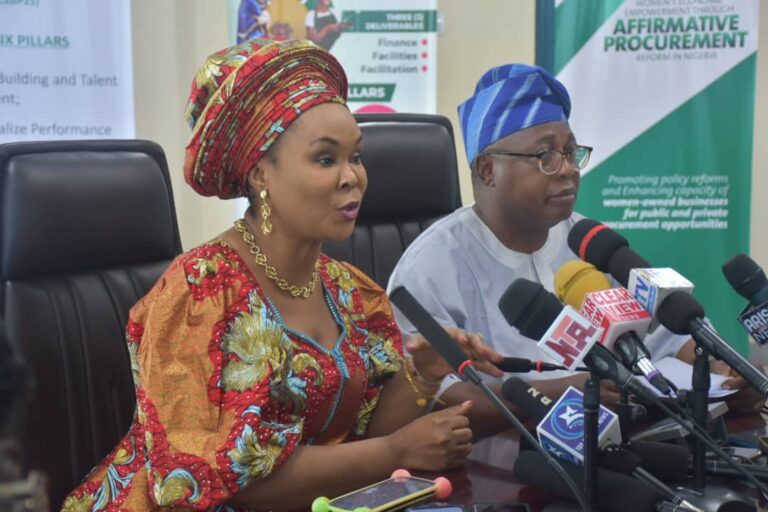
Speaking at the award presentation, the National Coordinator Open Government Partnership, Gloria Ahmed, said access to information was a  critical tool to help the government succeed. 

Ahmed added that with the advent of technology, it became easier to publish information and MDAs must tag along this development.

She said, “We must do everything to protect and expand the online space in accessing information. The FOIA is 12 years, and it is expected that the Act grows to reflect its age and exhibit added features.”

Also, Jonathan Ebe, a data analyst of the Public and Private Development Center, said the ranking by the coalition was part of an advocacy to promote access to information from the Federal Government MDAs.

Proactive disclosure

The coalition also ranked the MDAs on the proactive disclosure of information on the institutions’ websites.

Some of this information includes the information relating to the receipt or expenditure of public or other funds of the institution, the names, salaries, titles, and dates of employment of employees and officers of the institution.

Others are the name of every official and the final records of voting in all proceedings of the institution; files containing applications for any contract, permit, grant licences or agreements; 

The list includes the reports, documents, studies, or publications prepared by independent contractors for the institution; a description of the organisation and responsibilities of the institution, including details of the programme and functions of each division, branch and department of the institution; and others. 

According to the ranking, two institutions had full proactive disclosure of public information in 2023, representing an 81 per cent decline in the 2022 results, while 32 institutions achieved partial proactive disclosure on their website.

The ICIR reported how the Nigerian Investment Promotion Commission emerged as the winner in 2021 and the Bureau of Public Service Reform as the winner in 2022.

Nature of corruption in primary healthcare

0

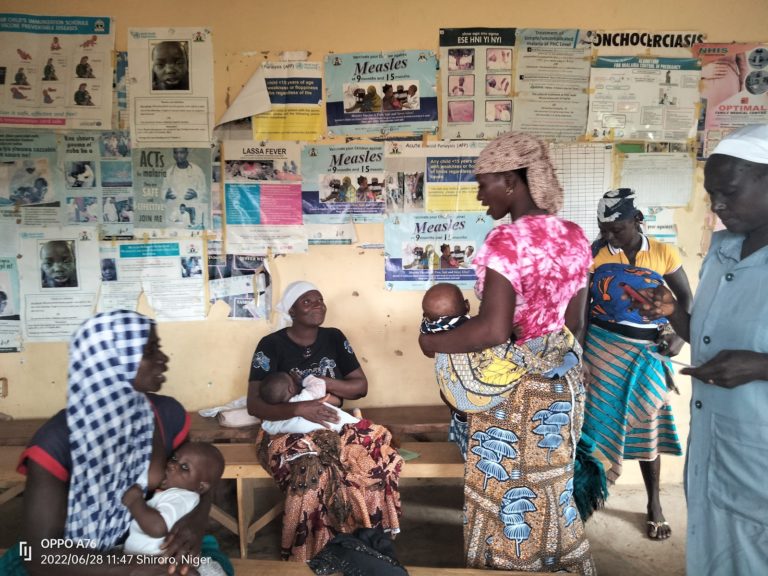
IT is only when corruption is eliminated from primary healthcare that it can contribute to achieving Universal Health Coverage (UHC).

“To gain firsthand experiences of corruption in primary healthcare, we spent over 320 hours in several primary healthcare centres (PHCs) and in offices of institutions that oversee PHCs. We complemented this work by closely engaging community members about how they are treated in primary healthcare facilities.  We also amassed evidence from over 2000 interactions with diverse stakeholders on health sector corruption in PHCs in Nigeria using qualitative and quantitative research methods. Based on what we found, we can confidently say that corrupt practices are common and prevalent in primary healthcare, and until they are addressed, Nigeria will struggle to  achieve Universal Health Coverage (UHC)” – Researchers in the area of accountability and transparency in health (from the Accountability in Action Project), at the Second of a Series of Webinars on Health Sector Corruption organised by the Global Network for Anticorruption, Transparency and Accountability in Health (GNACTA), a WHO Initiative to establish and improve accountability and anticorruption in health.


The nature of corruption in primary healthcare

When corruption is mentioned in Nigeria, everyone immediately thinks about the politicians. The focus is mostly on “grand corruption”, which entails carting away huge sums of money and using political positions to gratify undue private interests.

It is least common to find persons looking the way of “petty corruption” because they usually do not make the headlines, are often committed by persons not in highly placed positions and tend to be normalised as acceptable behaviour.

Sadly, the overlooked petty corruption could be worse than grand corruption, obstructing how people access key social services, including primary healthcare.

Now, imagine the absence of a health worker in a remote health facility at a critical time when a pregnant woman in the neighbourhood goes into labour. Consider also that a poor woman may be prevented from getting life-saving routine vaccines for her baby because she cannot afford N200 to give to the health worker for a supposedly free immunization. Can you also imagine that this N200 naira may be enforced by an officer-in-charge (OIC) of a facility who can only retain her place by sending remittances to those who put her in charge of a very viable health facility? And not sending such remittances would mean redeployment to a less viable health facility.

Nigeria’s health sector is listed among the most corrupt sectors in the country, and the sector is characterised by a lot of petty corruption at the frontline and managerial levels. From our study, corruption at the frontline, particularly in primary healthcare, manifests mostly as absenteeism, employment-related infarctions, informal payments and use of placeholders in PHC facilities.

It is usually reinforced by several factors, which include negligence/irresponsibility of authorities, unclear/absent rules and regulations, weak empowerment of citizens to participate in the development of health programmes and policies, and a lack of a health-focused anticorruption approach informed by research evidence.

These lapses must be addressed if primary healthcare must be free from corruption and to live up to its purpose of offering quality and timely health services to the grassroots.

Spending too much money on a corrupt primary health sector will not guarantee Universal Health Coverage

By UHC, we mean that quality healthcare is available to every one according to their needs, and no one needs to be denied access to healthcare services because of lack of money or ‘break the bank’ to have access to quality healthcare.

To many, UHC is realisable when money is spent to build and equip many health facilities, enrol citizens in health insurance, employ more health workers, etc. While investment is critical to attain UHC, spending more money on a defective system where corruption is the order of the day certainly amounts to being wasteful.

Corruption in PHCs is more concerning for Nigeria because the country spends only about five per cent of its annual budget on health at the federal level, compared to countries like South Africa and Rwanda, which spend within the region of 15 per cent of their annual budget on health. What this means is that if there is any country that should be mindful of wastage of allocated resources to the health sector, Nigeria should be leading in front. So, it is plausible to say that Nigeria is not getting value from the modest amounts it spends on health, and this must be addressed.

Relatively plenty money for small health – time to balance the scale!

By relatively plenty, we only refer to the diverse sources of funding for health in Nigeria, including standard budgetary appropriations. Currently, US$2.1b has been allocated to the health sector by the federal government, which is in exemption of appropriations to the health sector by state governments and the huge sums provided to the sector by donors and the private sector.

Albeit there is a need for more health investments in Nigeria, but what is currently obtainable should be enough for the country’s health system not to be ranked in the bottom-ten, and the country’s UHC index not nosediving into poor scores of about 38-40 per cent.

A Lancet publication mentioned some countries, such as India, similar to Nigeria in population, health spending, and poverty levels, yet doing better in health outcomes.

So, what is wrong with Nigeria?

The Basic Health Care Provision Fund (BHCPF) instance

Across the over 8500 wards (the least governance unit) in Nigeria, one facility was selected by the government for funding through the BHCPF scheme.

This funding comes from one per cent of the consolidated revenue of the government, which evidence criticised as being too small, rather favouring four per cent. Through this funding, the selected primary healthcare centres will be revamped and very poor people in the wards are expected to be enrolled for free health services that fall within the basic minimum package of health services.

Note that as of June 2022, about N29 billion (US$38m) was recorded to have been disbursed to the selected health facilities. However, there are concerns that the current value of health services in primary healthcare and partly in secondary level does not match the investments so far due to corruption and weak accountability.

From our field encounters, we can confidently report a few inappropriate experiences:

  • (a) awareness regarding the BHCPF has been low, and its modus operandi weakly understood among service users.
  • (b) contrary to the BHCPF operation that should provide 100 per cent free eligible health services to enrollees, we found some enrollees happily paying ‘reduced prices’ for such eligible services in PHCs.
  • (c) some of the BHCPF-funded health facilities are locked.
  • (d) kickbacks from disbursed funds are shared between some facility managers and authorities, etc.

Based on these few experiences, we are concerned that the value of the disbursed BHCPF to the PHC system and its end users is grossly undermined.

Recall that experts argued that one per cent of the government’s consolidated revenue for BHCPF was too small, yet even the one per cent value is threatened by petty corruption at the points of service delivery. 

Anticorruption in primary health is a matter of urgency

We cannot continue to look away while scarce health resources that should benefit low- and middle-income earners in particular are pilfered. There is some low-hanging fruit that we can aim at to improve the situation:

  • (a) dedicated rules and regulations specifically applicable to primary healthcare staff.
  • (b) breakdown of policies and programme operations in non-technical ways and terms for the public.
  • (c) dedicated hotlines for the public to report unfair treatment and corruption experienced in PHCs, and treating such reports with urgency.
  • (d) intense discussions between policymakers and academia for setting up an anticorruption agenda and accountability framework for the health sector.
  • (e) establish and/or strengthen facility- and community-based monitoring mechanisms and
  • (f) paying attention to the needs of health workers to improve job satisfaction, etc. Without these mechanisms, Nigeria stands a great risk of completely losing its primary healthcare to corruption, with very telling consequences for citizens.

Contributors and acknowledgement

(1) Dr Prince Agwu (2) Dr Tochukwu Orjiakor (3) Dr Aloysius Odii (4) Ms. Pamela Ogbozor (5) Prof Dina Balabanova (6) Prof Obinna Onwujekwe (7) Accountability in Action Research Team (8) SOAS-ACE Research Consortium (9) Medical Research Council (10) GNACTA (11) Foreign, Commonwealth, & Development Office (FCDO) (12) Health Policy Research Group, University of Nigeria

For correspondence: obinna.onwujekwe@unn.edu.ng; prince.agwu@unn.edu.ng 

Eid-ul-Maulid: FG declares Wednesday public holiday

0

THE Federal Government has declared Wednesday, September 27, 2023, a public holiday to mark Eid-ul-Maulid.

In a statement signed by the Ministry’s permanent secretary, Oluwatoyin Akinlade, on behalf of the Minister, Tunji-Ojo, on Monday, the minister urged Nigerians, especially the youths, to imbibe the spirit of love, patience, tolerance and perseverance, which he said were the virtues that the Prophet Muhammad (SAW) exemplified.  

He added that doing so would guarantee peace, security and harmony in the country. He encouraged Nigerians to embrace hard work and a peaceful disposition towards others, irrespective of faith, social class and ethnicity.       

The Minister also implored Nigerians to work with the government of President Bola Ahmed Tinubu to create a progressive and admirable country that all people could be proud of.

Tunji-Ojo congratulated all Muslims at home and abroad for witnessing this year’s commemoration of the Prophet’s birth.


SERAP’s survey exposes infrastructural deficits, poverty in Niger Delta

0

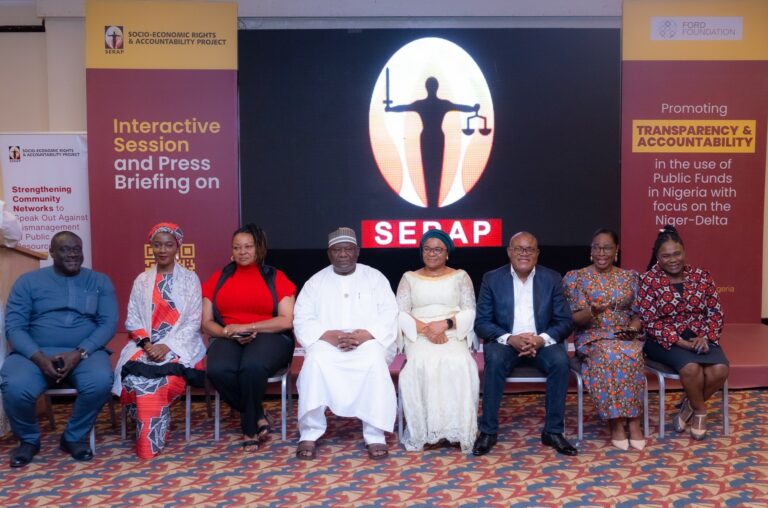
A SURVEY by the Socio-Economic Rights and Accountability Project (SERAP) has revealed substantial infrastructural deficits, poverty and exploitation in the Niger Delta region.

Addressing media managers and leaders from the region in Lagos State recently during the presentation of a survey report on Promoting Transparency and Accountability in the Use of Public Funds in Nigeria with a Focus on the Niger Delta, SERAP faulted many oil firm’s activities causing hardship for people in the region.

Olubunmi Afinowi, an environmentalist, doctorate holder and lecturer at the University of Lagos, led the research and presented the survey’s findings.

She said the report examined the economic activities conducted in the region through an empirical study, including the economic, social and environmental effects of such activities.

The study focused on the activities of oil and gas companies in the region, specifically the upstream sector, where crude oil exploration and production occur.

It looked into how the Nigerian government responds to the social, economic and environmental injustices, remediation and reparation by the oil companies operating in the region.

Besides, it interrogated the level of transparency and accountability by the government, its agencies, and oil companies.

The report highlighted some of the region’s challenges, including unemployment, lack of healthcare facilities, access to water and hygiene, insufficient roads and transportation infrastructure, and lack of healthcare facilities. 

According to the report, as of 2021, due to the global COVID-19 pandemic, the nation had 1.7 million barrels/day production. The country’s crude oil and natural gas reserves were about 36.9 billion barrels and 203.1 trillion cubic feet, making the nation a leading producer and exporter of oil and gas in Africa.

“The oil and gas sector accounts for about nine per cent of Nigeria’s GDP and about 90 per cent of its export value. In 2019, earnings from the sector contributed to about 65 per cent of the government revenue.”

The region comprises Ondo, Edo, Delta, Bayelsa, Rivers, Akwa-Ibom, Cross River, Abia, and Imo States. 

The states have 185 local government areas, over 800 oil-producing communities and about 900 oil-producing wells, said the survey.

The study found that the NDDC (Niger Delta Development Commission) had about 14,800 projects at various stages – 5,034 ongoing, 5,575 completed, 2,443 newly awarded, and 669 recently commissioned. 

Of these projects, 1,412 are in Bayelsa, 3,516 in Rivers, and 2,967 in Delta State.

Participants in the study comprised ministries, departments and agencies (MDAs), civil society organisations (CSOs), oil and gas firms and community members.

Eighty-six per cent of participants from oil and gas companies said the living conditions of the communities were deplorable, and 85 per cent of CSOs held the same opinion. Sixty-six per cent of participants from MDAs held the view that oil exploration activities had negatively impacted the communities. 

“Most participants from the host communities lamented the absence of infrastructure within their communities. As noted in this survey, the most available infrastructure were schools and primary health care centres, while the most lacking were electricity, safe running water and other infrastructures.” 

The report called for a decentralised governance system entailing participation from all stakeholders, ranging from community members to pressure groups, CSOs, oil and gas companies and relevant MDAs.

It urged the government to mandate oil firms to submit and make public an independent sustainable development assessment of their activities with other annual reports.

It also suggested that the government enforce civil and criminal liability for any party that fails to fulfil its obligations or is complicit in corrupt practices while handling community development projects.

The report said the Nigeria Extractive Industries Transparency Initiative reports (NEITI) required oil companies to make statutory provisions for social expenditure to the Niger Delta Development Commission (NDDC) and the Nigerian Content Development and Monitoring Board (NCDMB), and non-mandatory contributions, which take the form of contributions towards community developments in their host communities.

“According to NEITI, in 2020, oil companies made a total contribution of US407.13 million. The mandatory contribution amounted to US367.15 million (90.18 per cent), while the non-mandatory contributions totalled US39.98 million (9.82 per cent).”

The ICIR reports that many participants, especially the Niger Delta leaders, questioned how the government utilises the funds.

Niger Delta challenges as survey shows

The region is vulnerable to the adverse effects of climate change due to geographical and social vulnerabilities. There is also a high susceptibility to coastal inundation and erosion, salination of fresh water, river flooding, storm surges, and species migration, among others, the survey shows. 

It adds that these impacts will likely exacerbate existing socio-economic and environmental challenges and create new ones.

“There is also the challenge of insecurity due to agitations for better living conditions, long-term neglect and disregard of the region by the government and the international oil companies.

“These agitations led to the springing up of various interest groups, some of which had to resort to various forms of violence to drive home their demand.”

Region’s leaders frown at challenges

The Ebenanowean of the Ogulagha Kingdom in Delta State, Joseph Timiyan (Rtd Capt.), said SERAP “is known for anticorruption and transparency work.”

Represented by Lanry Adenika, the monarch said Niger Delta had been known for its outspokenness. He noted that the region’s stance on speaking out always made it easy for its people to point out corruption.

“When they see what they don’t like, they will point it out to correct things. The people do not like the rot, so they point it out.”

He advised SERAP to look beyond the Niger Delta for corruption, which he said was rife in all parts of the nation.

He also challenged the institution to be objective always.


READ ALSO:


River State Governor Siminalayi Fubara aligned with the Delta monarch’s position and said the costs of executing projects in the region were more than in other parts of the country.

Represented by the Commissioner for Finance, Isaac Kamalu, he objected to some of the survey’s findings but said it was a good step towards addressing the Niger Delta challenges.

He called for more intervention in the region and challenged the Federal Government to not wait for the people to continue suffering until the area’s oil resources were drained.

Tribunal dismisses Rhodes-Vivour’s suit, affirms Sanwo-Olu governor

0

THE Lagos Governorship Election Petitions Tribunal has dismissed the petitions brought by Gbadebo Rhodes-Vivour and the Labour Party challenging the victory of Babajide Sanwo-Olu in the March 18 governorship election.

In a judgement delivered on Monday, September 25, the tribunal dismissed Rhodes-Vivour and LP’s petitions, describing them as lacking in merit.

The tribunal focused on the parties’ initial objections before delivering its ruling. It reaffirmed its prior ruling that the Federal High Court had jurisdiction over the nomination of candidates because it was a pre-election matter.

Additionally, it was decided that the petitioner did not present enough evidence to substantiate his claim that Sanwo-Olu’s election was illegitimate due to alleged fraud or other violations of the Electoral Act.

The court discounted the oral testimony of four subpoenaed witnesses called by the petitioner, Rhodes-Vivour, by relying on the decision of the Presidential Election Petition Tribunal in the petition of Peter Obi and three others.

The court said that violating the Electoral Act’s rules, the four witnesses, like the ten Obi had subpoenaed before the Presidential Election Court, had no witness statements and were never named when the petition was filed.

However, the Tribunal decided in the petitioner’s favour when it determined that he had the authority to file the case.

Subsequently, the court dismissed Gbadebo’s petition and affirmed Sanwo-Olu as the duly elected governor of Lagos State.

The ICIR reports that Rhodes-Vivour had petitioned the court to declare the governor’s election invalid based on ineligibility, fraud, and violation of the Electoral Act 2022’s rules.

The LP candidate claimed in his petition that most of the valid votes cast did not legitimately elect Sanwo-Olu.

According to the LP candidate, most valid votes were not in Sanwo-Olu’s favour at the election.

The petitioners also contested Sanwo-Olu’s running mate, Obafemi Hamzat’s eligibility, claiming he had renounced his Nigerian citizenship and sworn allegiance to the US, becoming a citizen of that nation.

The ICIR reported that the tribunal had earlier dismissed the suit of the Peoples Democratic Party (PDP) candidate in the March 18 election, Olajide Adeniran.

In a judgement delivered on Monday, September 25, the court dismissed Adeniran’s petition.

In a unanimous judgement by Mikail Abdullahi on behalf of the three-person panel, the tribunal held that the PDP’s petition and its governorship candidate lacked merit.

The Independent National Electoral Commission (INEC) had declared Sanwo-Olu the winner of the governorship election.

Sanwo-Olu got 762,134 votes to beat Gbadebo Rhodes-Vivour of the LP, who scored 312,329 votes, while Adediran came third with 62,449 votes.

Nigeria records 11,587 suspected cases of diphtheria in 10 months

0

NIGERIA has reported a surge in diphtheria cases, with 11,586 suspected cases reported across 18 states, including the Federal Capital Territory (FCT), between December 2022 and September 24, 2023.

A statement by the Federal Ministry of Health and Social Welfare (FMOH&SW) on Monday, September 25, stated that since December 2022, the country had declared the re-emergence of the disease and confirmed 7,202 of the suspected to be positive.

The ministry also said it was aware of the mounting concern regarding the recent outbreak across several states in the nation, adding that the Nigeria Centre for Disease Control and Prevention (NCDC) and National Primary Health Care Development Agency (NPHCDA) had continued to respond to the disease outbreaks across different states in the country.

The confirmed cases, totalling 7,202, were spread across 105 Local Government Areas (LGAs), resulting in 453 reported deaths.

Kano leads as the state with the most cases, having reported 6,185 confirmed cases. The state was followed by Yobe (640), Katsina (213) and Borno (95).

Others are Kaduna  (16), Jigawa (14), Bauchi (8), Lagos (8), FCT (5), Gombe (5), Osun (3), Sokoto (3), Niger (2), Cross River (1), Enugu (1), Imo (1), Nasarawa (1) and Zamfara (1). 

According to the statement, 5,299, representing the majority of the confirmed cases (73.6 per cent) occurred among children aged one – 14 years, with those aged 5-14 bearing most of the brunt of the disease.

NCDC had earlier attributed the first outbreak and the high fatality rate to delays in diagnosis and the absence of diphtheria antitoxin during the early stage of the outbreak.

The NCDC said that despite the availability of a safe and cost-effective vaccine in the country, most confirmed diphtheria cases were unvaccinated.

80 per cent of confirmed cases unvaccinated 

The Health Ministry averred that given the escalation of the outbreak, 80 per cent of confirmed cases in the ongoing outbreak were unvaccinated.

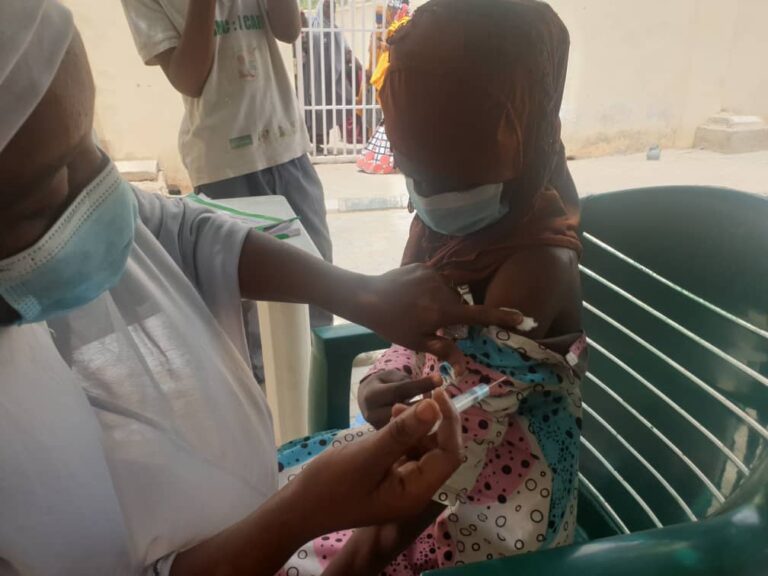
Diphtheria, caused by a toxin produced by Corynebacterium diphtheriae, is a vaccine-preventable disease covered by one of the vaccines provided routinely through Nigeria’s childhood immunisation schedule. 

According to the Health Ministry, a historical gap in vaccination coverage is a driver of the outbreak, given the most affected age group (5–14year-olds) and results of the nationwide diphtheria immunity survey that shows only 42 per cent of children under 15 years old are fully protected from diphtheria.

Meanwhile, Health Minister Muhammad Ali Pate has set up a national emergency task team co-chaired by the Executive Director of the National Primary Healthcare Development Agency (NPHCDA) and the Director General of the NCDC for higher-level coordination of outbreak response efforts.

“This includes ensuring optimal collaboration of all relevant health stakeholders in this fight. Other prominent members of the task force include the director of Public Health-FMOH, representatives from the Federal Ministry of Information, the World Health Organization (WHO), the United Nations Children’s Fund (UNICEF), USCDC, USAID, GAVI, the Vaccine Alliance, other non-governmental organisations and development partners,” the statement added.

The Minister also ordered the intensification of routine diphtheria immunisation and reactive vaccination campaigns in 33 local government areas (LGAs) across five states – Bauchi, Katsina, Yobe, Kano, and Kaduna by the NPHCDA.

He also directed mobilising procurement of vaccines and essential logistics for three large-scale outbreak response campaigns in 56 LGAs across seven priority states – Bauchi, Borno, Jigawa, Kaduna, Kano, Katsina and Yobe.

The Ministry, therefore, called on the parents to ensure that their children are fully vaccinated against diphtheria with the three doses of diphtheria antitoxin-containing pentavalent vaccine given as part of Nigeria’s childhood immunisation schedule.

On September 16, The ICIR reported that the country witnessed a second wave of diphtheria outbreak. 

2023/24 NPFL kicks off Sept. 30 as prize money rises by 50%

0

THE 2023/2024 Nigerian Professional Football League (NPFL) will begin on Saturday, September 30.

The League’s Chief Operating Officer, Davidson Owumi, announced this in a letter addressed to all Club Chairmen and General Managers on Monday.

He also disclosed a 50 per cent increase in the league’s prize money – from the N100 million paid in the previous year to N150 million in the new season.

In addition to the winners’ ₦150 million prize, the 20 participating clubs would receive N10 million each as start-off grants from a pool of ₦200 million.

“We are therefore expecting the clubs to, as a matter of urgency, forward their respective account details to the NPFL secretariat for the transfer of the said amount as the season is set to commence on Saturday, September 30, 2023”, he stated.

He added, “After due deliberations by the chairman and our strategic partners, it was agreed that the prize money, since that is what connotes the true value of the league, be reviewed upwards to ₦150million”.

The letter also addressed some of the marketing concerns and assured the clubs that the NPFL Board would always take decisions and enter into contracts that serve the best interest of the league and the clubs.

“Be rest assured that we will at all times be guided by the very best interest of our league and, by implication, the participating clubs.

“We remain very hopeful that they or other prospective partners will show up since talks are still ongoing. Any success achieved will enlarge the economic frontiers of the league and, by extension, the clubs as we progress”, he said.

The ICIR reported on September 6 how the NPFL postponed the league because of its board’s general meeting.

FCCPC summons Erisco Foods for arresting customer

0

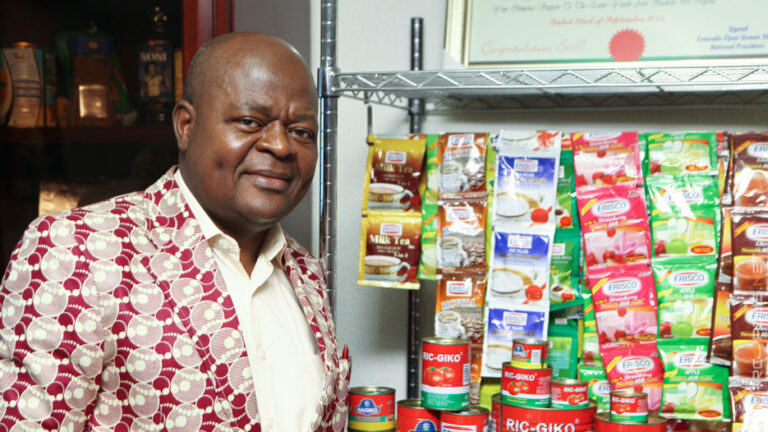
THE Federal Competition and Consumer Protection Commission (FCCPC) said it had summoned Erisco Foods Limited over the arrest of a customer, Chioma Egodi Jnr.

The Executive Vice Chairman of FCCPC, Babatunde Irukera, disclosed this on his X (formerly Twitter) handle on Monday, September 25.

Irukera tweeted, “Update: @fccpcnigeria operatives have confirmed arrest & transfer of the case to Abuja by the Police Force. She was no longer at the station on arrival. Working to determine exact current location & engaging Force HQ in Abuja. Summons being issued to @EriscoFoodsLtd.” 

Erisco Foods is an indigenous company manufacturing tomato paste, seasoning, rice, milk cubes and more.

Egodi posted her review of the Nagiko Tomato Mix, one of the three tomato pastes of the company’s products, on her Facebook page.

The review seems not to have gone down well with Erisco Foods, resulting in her arrest.

According to the post, on September 17, Egodi posted that she purchased a tin of Nagiko Tomato paste and discovered the product contained “too much’ sugar.

On September 18, she further posted that the company was attacking her for allegedly de-marketing their product.

In a swift reaction, Erisco Foods faulted the claim that the Nagiko Tomato product contained an unhealthy amount of sugar and, therefore, was not fit for human consumption.

It tagged Egodi’s product review as “untrue and unfounded” and determined to take all necessary action against its brand.

“Our initial reaction was to ignore and disregard the post, which was obviously intended to mislead our esteemed customers and discredit the image of Erisco Foods Limited, as previously instigated by some elements and indigenous manufacturer of 100% natural tomato paste.

“Considering, however, that Erisco Foods Limited has built a reputation as a credible organization committed to due process and the good of humanity, we have decided to bring the said publication to the attention of relevant authorities,” the statement read in part.

Egodi’s arrest had attracted many comments on the post, questioning the rationale behind her arrest.

An X user named Arya Stark is OBIdient, commented, “This is one of the things we enjoy in abroad. Or will request a review after purchase; if you’re not satisfied, they mostly refund your money with an apology. In Nigeria everything na intimidation, just know couple of politicians.”

Another X User, Maestro, condemned the arrest.

“One would think that this was an easy fix case, but then, Chioma, a consumer the same day, has been moved to Abuja for an honest review about a product. I heard she is a nursing mother. The police as an institution form part of the core of citizens’ perception,” Maestro tweeted.

When filing this report, the post has generated over 365,000 views, 1600 reposts, 1400 likes and 300 comments.

FG to deploy whistleblowers, mobile courts to fight GBV

0

THE Federal Ministry of Women’s Affairs has said it would engage whistleblowers and create mobile courts to combat Gender-Based Violence (GBV) in Nigeria.

The ministry also vowed to enforce the Violence Against Persons Prohibition (VAPP) Act.

The Minister of Women Affairs Uju Kennedy-Ohanenye disclosed this during a press briefing on Monday, September 25.

She said the efforts were part of the ministry’s new approach to tackling issues around GBV.

The mobile courts will be established in all states, she stated.

“We don’t want advocacy anymore before mobile courts because we’ve been advocating, spending money, and it’s yielding nothing. Something like female genital mutilation was within five states before now. A lot of billions have been spent trying to curb it, but as we speak, it has increased to nine states. So what does that tell you? The method was not working and is still not working,” the minister said.

She said while the ministry would continue to carry out advocacy programmes, local means would be deployed, including the engagement of town criers to disseminate information in native languages so that citizens in rural areas would be more aware of the consequences of their actions.

The ICIR reports that the Federal Government has repeatedly promised to establish specialised courts to hasten the trial of SGBV in Nigeria, but there has not been enough action to match the promises.

Speaking at the briefing, Director of Press and Public Relations Olujimi Oyetomi spoke on other changes being made by the ministry.

“Sanitary towels which we give from time to time to some students in some schools are not sustainable. We have decided to change this to setting up sanitary pad production ventures.

“Gas cylinders being shared with rural women is also not sustainable because the ministry is concerned with who refills the gas stoves for the rural women after the first refill is finished. The gas cylinder is going to be changed to charcoal burners and biogas. This decision is cost-effective as the cost of one gas cylinder buys many charcoal burners and biogas clean stoves,” Oyetomi stated.

Women were also encouraged to form cooperative groups and register with the ministry to help them access production machines with which they could earn a living and contribute to the country’s economic growth.

Kennedy-Ohanenye promised to look into cases of breast-ironing within the Federal Capital Territory (FCT) and address them.

A report published by The ICIR revealed that pre-teen girls in the FCT are tortured and made to endure breast ironing to make them look unattractive due to the fear of rape and other forms of sexual abuse.

Tribunal affirms Sanwo-Olu Lagos Governor

0

THE Lagos State Governorship Election Petition Tribunal has affirmed Governor Babajide Sanwo-Olu’s victory in the March 11 gubernatorial poll.

In a judgement delivered on Monday, September 25, the court dismissed the petitions of Olajide Adeniran Jandor of the Peoples Democratic Party (PDP).

In a unanimous judgement read by Mikail Abdullahi on behalf of the three-person panel, the tribunal held that the PDP’s petition and its governorship candidate lacked merit.

The court subsequently dismissed Adediran’s case.

Before considering the issues for resolution, the court focused on the parties’ objections before ruling.

The tribunal ruled it had the authority and capability to hear the petition.

Ruling on another issue bothering on whether Sanwo-Olu and his running mate Obafemi Hamzat had received legitimate nominations to run in the elections from their party, the All Progressives Congress (APC), the tribunal said the matter was a pre-election matter unrelated to the conduct of the disputed polls.

It cited relevant sections of the Constitution, the Electoral Act, and similar matters decided by courts.

On the matter of the allegedly forged certificate presented by Sanwo-Olu, the tribunal noted, among other things, that the petitioner, who testified in his petition that Sanwo-Olu did not attend the Community Grammar School, Ijebu-Ife, where the certificate originated from, and claimed the school’s principal was still alive, failed to bring the school’s principal or any other staff members to testify about the certificate.

The tribunal said the petition lacked merit and was dismissed accordingly.

“I affirm the election and return of Babajide Olusola Sanwo-Olu as the duly elected governor of Lagos state. Parties are to bear their cost,” the court ruled.

The tribunal has adjourned and will soon resume ruling on the Labour Party’s plea.

The Independent National Electoral Commission (INEC) had declared Sanwo-Olu the winner of the governorship election.

Sanwo-Olu got 762,134 votes to beat Gbadebo Rhodes-Vivour of the LP, who scored 312,329 votes, while Adediran came third with 62,449 votes.