Home Blog Page 890

WAEC arrests 20 school officials for aiding examination malpractice

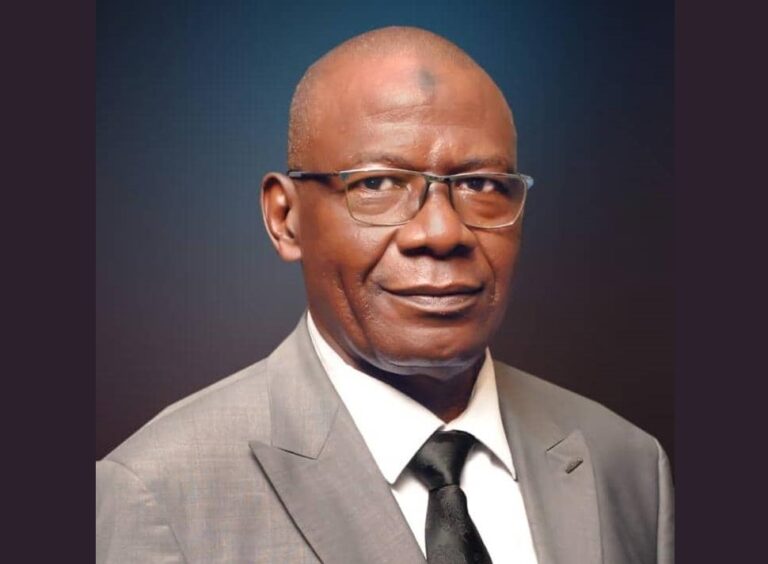
THE West African Examination Council (WAEC) has said 20 school officials have been arrested for allegedly aiding and abetting examination malpractice in the ongoing West African Senior School Certificate Examination (WASSCE).

The Head of the Council’s National Office (HNO), Patrick Areghan, made this known to newsmen in Lagos on Friday, June 9.

Areghan revealed that the Council has also identified 56 operators of rogue websites involved in examination malpractice.

He highlighted various forms of malpractice that have been observed, including candidates copying in the examination hall, examiners dictating answers or writing them on the chalkboard for candidates, smuggling of materials in and out of the hall, and collusion.

“Now, let me tell you confidently that so far, we have identified 56 of these rogue website operators and those who patronise them, and we are going to pick them up,” he said.

“The materials that candidates see on these rogue websites are all fake, as most times, the operators resort to photoshopping.

“They can just superimpose 2023 on top of a paper of 2020 and use it to deceive them.

“By the time they get to the examination hall, they become blank, as everything will become strange to them.”

Areghan assured that the Council has compiled the number of arrests made nationwide and would ensure that justice is served.

He added that the Council has forged a strong collaboration with the Nigeria Police Force and other military formations in the country.

Areghan noted that examination malpractice has been a longstanding issue worldwide, and urged ministries of education, governments, and schools to fulfil their responsibilities in safeguarding the education system from imminent collapse.

In the same vein, he called on governments to provide necessary teaching facilities like laboratories and libraries, recruit qualified teachers, and ensure effective monitoring and supervision of schools.

He stressed the importance of maintaining discipline, covering the syllabus, and making the WAEC syllabus readily available to teachers and students.

Areghan also advised parents to equip their children with the necessary materials, encourage their education and refrain from funding illegal activities such as purchasing non-existent examination questions.

Areghan reiterated the significance of education as the foundation of society and a vehicle for development. He emphasised that the quality of assessment determines the quality of education, which, in turn, affects the level of development and the overall quality of a country.

“I have said it over and over again. Education is the bedrock of society. It is the vehicle to development. The quality of assessment in any nation determines the quality of education and the quality of education determines the level of development and the quality of that country,” he said.

Earlier this year, 13 secondary schools were de-recognised by WAEC for their involvement in examination malpractice. The schools were found to have allowed students to cheat in the West African Senior School Certificate Examination (WASSCE).

Similarly, in 2020, while the examination was ongoing, WAEC arrested 12 people for allegedly selling fake WASSCE results sheets. The suspects were arrested in Lagos and Abuja.

In 2020, WAEC withheld the results of over 200,000 candidates for examination malpractice. The candidates were found to have cheated in the WASSCE by using mobile phones, writing notes on their bodies, and copying from each other.

Also, in 2021, the Council withheld the results of over 170,000 candidates for examination malpractice. The candidates were found to have cheated in the WASSCE by using mobile phones, writing notes on their bodies, and copying from each other.

Plateau govt revokes Lalong’s appointments

PLATEAU State government has revoked some appointments made by former governor, Simon Lalong.

The state governor Caleb Mutfwang announced this in a statement by his Director of Press and Public Affairs, Gyang Bere, on Friday, June 9.

“All appointments into the state civil service made from October 1, 2022 to date are hereby suspended with effect from same date, subject to review in line with due process.


READ ALSO:
Police confirm 87 killed, 39 injured in Plateau attack

24 die in Plateau, Bauchi road accidents

Three killed as gunmen attack Plateau community


“All those who have retired but are yet to vacate their offices or duty posts, either because of extension or contract appointment, are to hand over any government property in their possession and vacate office immediately,” the statement said.

The governor also directed that civil servants who were promoted to the post of Permanent Secretaries from January 2023 till date should return to their previous offices.

The statement said the decision was based on abuse of public service rules by the previous administration.

The governor also cited indiscriminate and irregular employment of staff into the state and local governments by Lalong’s administration as another reason for rescinding the appointments.

“All civil servants due for retirement but are yet to tender their letters of retirement or notice of retirement should do so forthwith and proceed on retirement immediately,” Mutfwang ordered.

Before the end of his administration, Lalong made some last minute appointments of permanent secretaries and employment of civil servants.

Barely 48 hours to the end of his tenure, he appointed Rauta Dakok as the new Head of Service of the state.

Until her appointment, Dakok was the Permanent Secretary (General Administration) in the Office of the Head of Service.

Lalong also swore in 10 new permanent secretaries in January, saying the appointments were to improve on service delivery and create employment opportunities.

Survey: 40 Nigerian organisations slammed with frivolous lawsuits in one year

A survey conducted by The ICIR on Strategic Lawsuits Against Public Participation in Nigeria has revealed that 40 organisations have been sued for reporting or advocating about issues of public concern in the last 12 months. 

The survey, which had 141 respondents comprising media organisations, journalists and civic advocates, further showed that some of these affected organisations received up to 10 lawsuits within one year.

The suit would require the organisation to either reveal its source of information, retract a report published or pay a ‘damage fee’ running into millions of naira. The data showed that only 14 out of the 40 organisations (35 per cent) have the capacity to defend themselves against frivolous suits.  


READ ALSO:
Stakeholders kick against frivolous lawsuits against journalists, activists


In Nigeria, there have been several attempts to clamp down on the media and civic space. In 2020, The ICIR reported how 160 journalists were attacked in two years. This placed the county at 115th of 180 countries on the Global Press Freedom Index. 

Two years after, the country had dropped to 129 out of 180 countries in the press freedom ranking compiled by Reporters without borders. Also, The ICIR reported how 63 journalists and three media houses suffered diverse forms of attacks in 2022. 

According to the Committee to Protect Journalists database, at least 33 journalists have been jailed, while 12 journalists have been killed between 1992 and 2023 despite the proclamation of press freedom in 1993. 

Analysing the survey

Of the 40 organisations that were sued, 23 representing 57.5 per cent had the capacity to defend themselves against these frivolous suits; 13 out of which had an organisation size of 1-100 employees.

Meanwhile, the survey also showed that 13 out of the 40 organisations, due to lack of resources, could not pursue some of the lawsuits filed against them, with 69.2 per cent having lesser than 100 employees. 

Aside from the organisations sued, five organisations were threatened by the police and state actors within the same month in view. However, only two had the capacity to defend themselves. 

The survey showed that the majority of threats or lawsuits (representing 91.1 per cent) were given to journalism organisations. 

Also, the suits against organisations with an employee size lesser than 100 were more than those with a larger employee size (101 and more). 

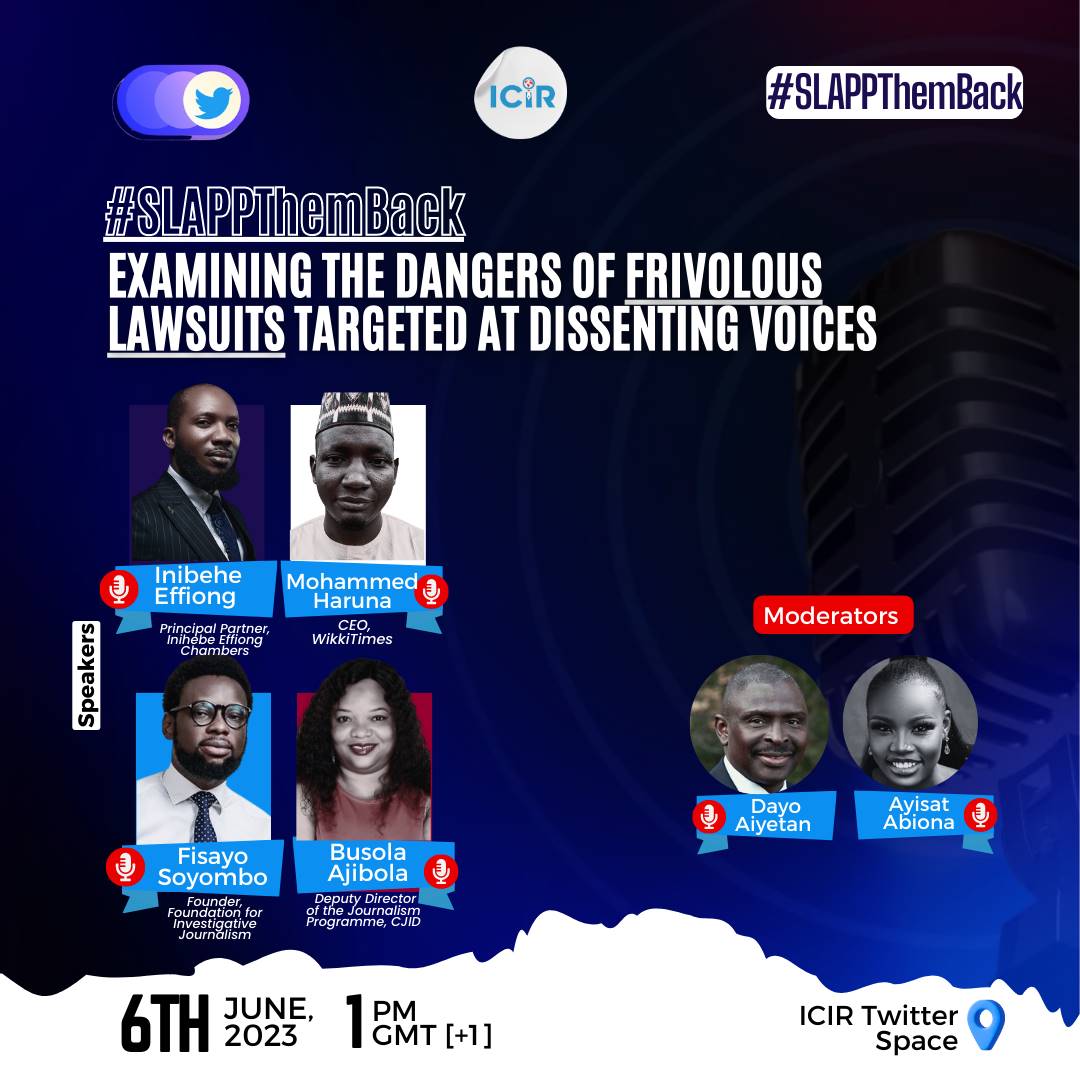
To this end, The ICIR held a Twitter space where stakeholders kicked against the attempt by state actors to silence the civic space by slamming them with frivolous lawsuits. 

Speaking on the space, the Deputy Director of the Journalism Programme at the Centre for Journalism Innovation and Development (CJID), Busola Ajibola, said collaboration and cross-checking of investigative reports would protect journalists from frivolous lawsuits.

promotional flyer of The ICIR #SLAPPThemBack Twitter space.

Also, a human rights lawyer and principal Inebehe Effiong Chambers, Inibehe Effiong said that the Cybercrime Act, particularly Section 24, needed to be reviewed as he advised media houses to get legal practitioners to offer them advice on investigative pieces before publishing them.

However, from the survey, the organisation recommended that reports published should be balanced and fair, adding that there is more need to collaborate with lawyers and civic organisations to fight against frivolous suits.

How Boko Haram is carrying out recruitment in Nigeria — Researcher

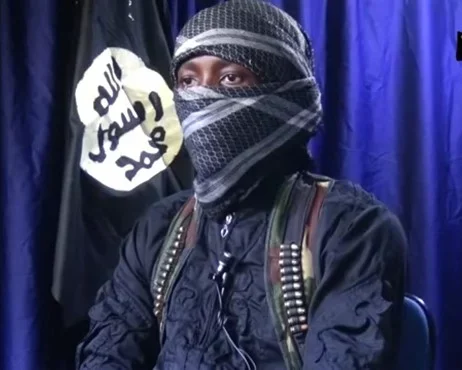
MALIK Samuel, a researcher at the Institute for Security Studies (ISS), South Africa, has provided firsthand perspectives on the primary factors driving the recruitment of new members by the Boko Haram terrorist organisation in Nigeria’s North-East.

Samuel, who also worked as a journalist, told The ICIR in a phone interview on Thursday, June 7, that while there could be other factors, the group’s recruitment strategy was primarily based on religious ideology and the conscription of new members.

Shedding more light on the group’s recruitment strategy, he noted that at its early stages, people were given two options: being killed or joining the terrorist group.

“Beyond the preaching by the organisation, Boko Haram also got many of its members by force,” he said.

“During the peak of the crises, when they were chased away from Maiduguri into communities and remote villages, the raids and attacks on these affected places also saw people forcefully recruited. People were given the option of either joining or getting killed. And in many instances, young men saw their parents being slaughtered either because of their refusal to join or their parents refusing them to. In many cases, some of these fighters had no choice but to join the group.”

He stated those young men were not the only ones conscripted, children in their early teens and primary school ages were also forcefully taken away from their parents and villages into the Sambisa forest for radicalisation by Boko Haram.

Samuel listed other factors, such as economic prosperity and protection from being killed by Boko Haram and security operatives, as reasons people join the dreaded terrorist group.

“Apart from religious preaching and forceful adoption, the prospects of economic prosperity drove the recruitment exercise of Boko Haram. People were being incentivised- a lot of young boys were given money and motorcycles. And for people, who had no jobs or money, they were employed and given money. Some were given N200,000, N50,000 and then motorcycles. People saw these economic prospects and voluntarily joined because the group met their basic needs.”

“Protection was another reason. Some of these people joined the group to protect themselves and their loved ones from being killed by the group. I had mentioned earlier that people were given the option of either joining or getting killed. And those who have seen people killed for refusing to join had no option but to join. Usually, when the terrorists carry out raids on communities and villages, they spare families of their fighters, who are usually in the bush or somewhere else fighting.”

“Similarly, people also joined to seek protection from security operatives and the government’s responses to Boko-Haram’s activities. Initially, when the conflict started, many people, including young men, were arbitrarily raided by security operatives and tagged Boko Haram members. Families and friends of those that were extra-judicially killed by Nigerian security operatives had to join the Boko Haram to seek revenge and for their personal protection.”

RELATED:

‘Repentant Boko Haram’: A look at Operation Safe Corridor deradicalisation and rehabilitation camp

Samuel cited an example of a young man that fled to Cameroon after the terrorists had made several attempts to force him to join. The young man, whose name he did not give, later joined the group after the Nigerian military raided his village and extra-judicially killed his friend, who, until his death, had refused to join Boko Haram.

He also noted that some others later joined the group to avenge injustices done to them after they regained their freedom, having been wrongfully accused and detained by Nigerian security operatives.

“Some of these arbitrarily arrested people were kept in military detention without any access to their family members or tried in any law court. So, when some of them were released, one could still feel the anger of being unjustly arrested and detained. And they vowed to take revenge against the military,” he added.

Samuel called on the government to engage in a holistic dialogue involving religious leaders, parents of young people in villages and Civil Society Organisations (CSOs), towards peacebuilding to end the war.

He also commended the various initiatives, including the Operation Safe Corridor of the immediate administration of President Muhammadu Buhari.

Operation Safe Corridor is a Nigerian government-led initiative to rehabilitate and reintegrate former members of extremist groups, particularly those associated with Boko Haram. Read a detailed report here.

Samuel called for more community engagement before integrating the deradicalised former members of the group into the society.

“The programme is a good initiative, but the government needs to do more in engaging communities where these former terrorists have lived and wreaked havoc to forgive and accept them in their midst. The government must carry the communities along and ensure they were healed from the pains caused by these now repented terrorists.”

CMPA canvasses preventive approach in anti-corruption campaign

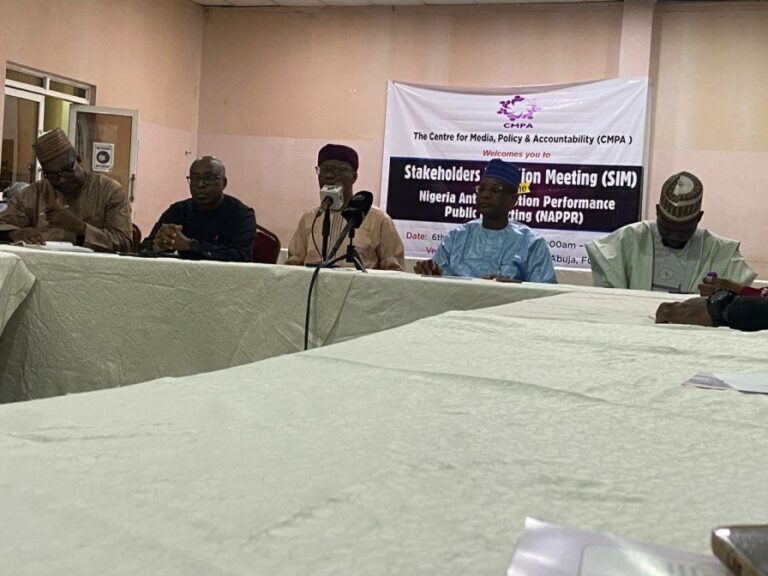
A NON-governmental organisation, Centre for Media, Policy and Accountability (CMPA) has called on government and other stakeholders to address the high level of corruption in the country through preventive measures.

Speaking on Tuesday, June 6 at a one-day stakeholders’ inception meeting in Abuja, Executive Director of CMPA and Project Manager, Suleiman Suleiman, stressed that, rather than concentrating on investigation of corruption cases, government should address the problem by enacting policies, laws and conventions.

He argued that corruption could be easily addressed through the adoption of proper preventive measures rather than tackling it through investigation.

“It is better to prevent corruption from happening rather than allow it to happen because what happens is that corruption always empowers. For example, if I am working in a government organisation or private sector and I am into corrupt activities, what normally happens is that I will become more powerful because I will get money to mess up the system, the police or anybody.

“So it is easier for anti-corruption agencies to fight by preventing it which can be done through anti-corruption laws, policies, public enlightenment and campaigns.”

The Executive Director of CMPA said the political participation of citizens is a viable way to address corruption in Nigeria, adding that bad governments are elected when citizens refuse to exercise their franchise and participate in political activities.

Suleiman added that the organisation has been collaborating with anti-corruption, agencies, other civil society organisations and the media in the campaign against corruption.

He also stressed the need for civil society and media organisations and other relevant stakeholders to create standardised ways to report corruption and human rights violations in the country.

“A key part of our project is what we called the anti-corruption community in Nigeria; we want to create that sense. It has always been there but we want to sharpen it. Anti-corruption work is done by various stakeholders who want to work together and collaborate with each other. Among these stakeholders are anti-corruption agencies and associate anti-corruption agencies like EFCC, ICPC, Code of Conduct Bureau and some non-governmental organisations.

“But they are not the only one working on corruption, even the civil society also do anti-corruption works as well, they provide research, they do advocacy. They do many things to reduce corruption in the country. People like CDD, PLAC etc they may not be anti-corruption agencies because they lack governmental structure but they are stakeholders because they are also involved in anti-corruption work.”

He added that their expected outputs include understanding Global Anti-Corruption Performance Indicators, developing Anti-Corruption Performance Reporting Skills for ACAs, developing Anti-Corruption Performance Reporting Skills for COs and developing Anti-Corruption Performance Reporting Skills for media.

“Now on the NARPPR project itself, various anti-corruption agencies do all kinds of anti-corruption works sometimes they do the detection of corruption, they receive petitions from the citizens they do research, and they do investigations of course anti-corruption cases. They also do risk analysis, they do system study and risk assessment of where corruption is absolutely taking place in the country.

“They also tried to sanction which involve corruption law enforcement agents like prosecuting those who have cases in court to answer, forfeiting their assets or even doing anti-corruption law to prevent corruption from happening.”

Similarly, the Country Director, McArthur Foundation Nigeria, Kole Shettima said that corruption is a menace which is threatening the existence of lives and living conditions of Nigerians.

Shettima stressed the need for journalists and concerned stakeholders to address the issues relating to corruption and accountability.

“It is about life and death; it is about people living without having access to water or going long distances to get medication; it is about women trying to deliver, it is about children going to school and is being beaten by the rain. It is about food that everyone must have but many of us are dying hungry. It is about ordinary citizens trying to live and struggle as human beings.

“For some of us who are in the position of power and authority have decided to be united by taking over all these processes. This issue about corruption and accountability is a life and death issue in Nigeria.”

Highlighting the negative implications of shoddy projects, he noted that poor execution of projects by contractors could lead to disaster and unplanned hazards.

“It is the fact that the government will allocate resources to build roads, somebody will not build those roads, somebody will leave a shoddy road and then there will be an accident and people will die as a result of that accident.

“It is about the fact that you check your loved ones, a pregnant woman – nine months old takes her to the hospital and the fact that she cannot get basic medication and you see her dying just because the state of medication that has been provided by the government have been pocketed or someone has decided not to come to work or a security guard who is supposed to go and switch on the generator has decided not to do it.

“And in the process when there is no light this woman may die so this whole anti-corruption is not just about the big organisations. It is about life and death. We must see this on the principle that we are trying to improve the quality of life of our own citizens. We are trying to improve the lives of all citizens of our children.”

He as well noted the importance of contractors executing projects according to the specification of the project signed and budgeted.


READ ALSO:


Lamenting the poor state of education in Nigeria, Shettima bemoaned the recruitment of unqualified teachers, adding that such recruitment exercise basically affects the children of the poor and vulnerable.

“It is relatively disappointing that we have teachers who cannot teach and who cannot be trained training our children but they employ them for the children of the poor.”

Stressing that the fight against corruption required the three arms and three tiers of government to function properly, the Executive Secretary of the Presidential Advisory Committee Against Corruption (PACAC), Sadiq Radda charged journalists and stakeholders to improve on their accountability and anti-corruption reporting.


Five Nigerian musicians nominated for 2023 BET Awards

FIVE Nigerian musicians have been nominated for the 2023 edition of the Black Entertainment Television (BET) Awards.

Burna Boy, Wizkid, Tems, Ayra Starr and Asake were nominated for awards in different categories.

The prestigious BET Awards is dedicated to honouring excellence in black entertainment and will take place at the iconic Microsoft Theater in Los Angeles, California, United States, on Sunday, June 25.

This year’s edition of the awards promises a vibrant showcase of talent from around the world, and special spotlight will be on Nigerian stars who have garnered immense attention in major categories.

Leading the Nigerian contingent with an impressive four nominations is Burna Boy, an artist who has achieved tremendous international acclaim and secured numerous national and international accolades in recent times.

The Grammy Award winner was nominated for Best International Act, Best Male R&B/Pop Artist, Video Director of the Year, and Viewers’ Choice, showcasing his versatility and widespread appeal.

Tems received nominations in three categories – Best Female R&B/Pop Artist, Best Collaboration and Viewers’ Choice.

Wizkid, the recipient of the ‘Best Collaboration’ award in 2022, has once again been nominated in the same category for the track ‘Call Me Everyday,’ featuring Chris Brown.

Ayra Starr and Asake are both celebrating their debut BET Awards nominations. Ayra Starr was nominated in the Best International Act category while Asake made the shortlist in the Viewers’ Choice: Best New International Act category.

Over the past few years, Nigerian music has garnered widespread international acclaim, and the nominations for the BET Awards serve as a testament to the immense talent and dedication of the country’s artists.

Previous Nigerian Winners of BET Awards

2Baba (formerly known as 2face Idibia) – Best African Act: Africa (2011)

D’banj – Best African Act: Africa (2011)

Ice Prince – Best International Act: Africa (2013)

Davido – Best International Act: Africa (2014)

Wizkid – Best International Act: Africa (2012, 2017)

Burna Boy – Best International Act: Africa (2019, 2020 and 2021)

Full list of the 2023 BET Awards nominations

Album of the Year:

“Anyways, Life’s Great” – GloRilla

“Breezy” – Chris Brown

“God Did” – DJ Khaled

“Her Loss” – Drake & 21 Savage

“Mr. Morale & The Big Steppers”- Kendrick Lamar

“Renaissance” – Beyoncé

“SOS” – Sza

Best Female R&B/Pop Artist:

Ari Lennox

Beyoncé

Coco Jones

H.E.R.

Lizzo

Sza

Tems

Best Male R&B/Pop Artist:

Blxst

Brent Faiyaz

Burna Boy

Chris Brown

Drake

The Weeknd

Usher

Best Group:

City Girls

Drake & 21 Savage

Dvsn

Flo

Maverick City Music & Kirk Franklin

Quavo & Takeoff

Wanmor

Best Collaboration:

“Big Energy” (remix) – Latto & Mariah Carey feat. DJ Khaled

“Boy’s A lLar Pt. 2” – Pinkpantheress & Ice Spice

“Call Me Every Day” – Chris Brown feat. Wizkid

“Can’t Stop Won’t Stop”- King Combs feat. Kodak Black

“Creepin’” – Metro Boomin, The Weeknd & 21 Savage

“F.N.F. (Let’s Go)” – Hitkidd & GloRilla

“Tomorrow 2” – GloRilla & Cardi B

“Wait For U” – Future feat. Drake & Tems

Best Female Hip Hop Artist:

Cardi B

Coi Leray

GloRilla

Ice Spice

Latto

Megan Thee Stallion

Nicki Minaj

Best Male Hip Hop Artist:

21 Savage

Drake

Future

J. Cole

Jack Harlow

Kendrick Lamar

Lil Baby

Video of the Year:

“We (Warm Embrace)” – Chris Brown

“2 Million Up” – Peezy, Jeezy & Real Boston Richey feat. Rob49

“About Damn Time” – Lizzo

“Bad Habit” – Steve Lacy

“First Class” – Jack Harlow

“Kill Bill” – Sza

“Tomorrow 2” – GloRilla & Cardi B

Video Director of the Year:

A$AP Rocky for Awge

Benny Boom

Burna Boy

Cole Bennett

Dave Free & Kendrick Lamar

Director X

Teyana “Spike Tey” Taylor

Best New Artist:

Ambré

Coco Jones

Doechii

Flo

GloRilla

Ice Spice

Lola Brooke

Dr. Bobby Jones Best Gospel/Inspirational Award:

“Bless Me” – Maverick City Music & Kirk Franklin

“Finished (Live)” – Tamela Mann

“I’ve Got Joy” – Cece Winans

“Kingdom” – Maverick City Music & Kirk Franklin feat. Naomi Raine & Chandler Moore

“New” – Tye Tribbett

“One Moment From Glory” – Yolanda Adams

“The Better Benediction (Pt.2)” – PJ Morton feat. Lisa Knowles-Smith, Le’Andria Johnson, Keke Wyatt, Kierra Sheard & Tasha Cobbs Leonard

Viewer’s Choice Award:

“About Damn Time” – Lizzo

“Break My Soul” – Beyoncé

“First Class” – Jack Harlow

“Jimmy Cooks” – Drake feat. 21 Savage

“Kill Bill” – Sza

“Last Last” – Burna Boy

“Super Freaky Girl” – Nicki Minaj

“Wait For U” – Future feat. Drake & Tems

Best International Act:

Aya Nakamura (France)

Ayra Starr (Nigeria)

Burna Boy (Nigeria)

Central Cee (UK)

Ella Mai (UK)

K.O (South Africa)

L7nnon (Brazil)

Stormzy (UK)

Tiakola (France)

Uncle Waffles (Swaziland)

Viewer’s Choice: Best New International Act:

Asake (Nigeria)

Camidoh (Ghana)

Flo (UK)

Libianca (Cameroon)

Maureen (France)

MC Ryan SP (Brazil)

Pabi Cooper (South Africa)

Raye (UK)

Werenoi (France)

BET Her:

“About Damn Time” – Lizzo

“Boy’s A Liar Pt. 2” – Pinkpantheress & Ice Spice

“Break My Soul” – Beyoncé

“Her” – Megan Thee Stallion

“Lift Me Up” from “Black Panther: Wakanda Forever” – Rihanna & Ludwig Göransson

“Players” – Coi Leray

“Special” – Lizzo

Best Movie:

“Black Panther: Wakanda Forever”

“Creed 3”

“Emancipation”

“Nope”

“The Woman King”

“Till”

“Whitney Houston: I Wanna Dance with Somebody”

Best Actor:

Amin Joseph

Brian Tyree Henry

Damson Idris

Daniel Kaluuya

Demetrius ‘Lil Meech’ Flenory Jr.

Donald Glover

Michael B. Jordan

Best Actress:

Angela Bassett

Coco Jones

Janelle James

Janelle Monáe

Keke Palmer

Viola Davis

Zendaya

YoungStars Award:

Akira Akbar

Alaya High

Demi Singleton

Genesis Denise

Marsai Martin

Thaddeus J. Mixson

Young Dylan

Sportswoman of the Year Award:

Alexis Morris

Allyson Felix

Angel Reese

Candace Parker

Naomi Osaka

Serena Williams

Sha’Carri Richardson

Sportsman of the Year Award:

Aaron Judge

Bubba Wallace

Gervonta Davis

Jalen Hurts

LeBron James

Patrick Mahomes

Stephen Curry

Unification of exchange rates will check illegal economic activities – ABCON President

THE president of the Association of Bureau De Change Operators of Nigeria (ABCON), Aminu Gwadabe, shares, in this interview with EHIME ALEX, his views on the proposed exchange rates unification, fight against money laundering and terrorism financing, and the impact CBN’s suspension on BDCs has had on the economy


The ICIR: What are your concerns about the Federal government’s plan to unify the foreign exchange rates?

Gwadabe: The Association of Bureau De Change Operators of Nigeria (ABCON) endorses the position of President Bola Tinubu on the unification of the multiple exchange rates in the markets. Multiple exchange rates are grounds for rent-seeking, currency substitution, foreign exchange hoarding position, dwindling reserves, and naira volatility. In recent years, naira volatility underpinned our slow economic growth. It is important to end multiple exchange rates to achieve a market clearance rate.

We, therefore, urge the new administration that to achieve the desired intention, there is the need to collaborate with our members in securitising diaspora remittances to deepen liquidity in the retail end of the market, where volatility and spikes have threatened our effective economic planning and policies.

Bureau de change (BDC) operators have continued to be potent and effective transmission mechanisms of the apex bank in helping to close the gap between the official and unofficial exchange rates.

In fairness to the CBN, both officially and unofficially, we have been meeting to resolve the issue. We all identified the root cause, which is the dwindling foreign reserves, as most of our proceeds from oil are being used for subsidy. Foreign investors have lost confidence in the economy and are exiting the market. Proceeds from the non-oil sector are still very poor. The diaspora remittances are not captured because of the multiplicity of exchange rates.

We have been collaborating with the central bank, but the way to go is reforms, not generalisation or criminalisation of the BDCs. No society is perfect! We make mistakes, ponder, think and make corrections. We are open to reforms and have discussed them with the CBN.

You can’t have a sector you are using to inject liquidity into the retail market to checkmate volatility and discourage informal market activities, and you shut it down completely

You can’t have a sector you are using to inject liquidity into the retail market to checkmate volatility and discourage informal market activities, and you shut it down completely. No economy will continue to grow with a massive difference between the official and market rates of about 65 per cent. It is not possible! We have been talking and sending proposals to the CBN.

The ICIR: It’s almost two years since the Central Bank of Nigeria stopped providing foreign exchange to the BDC operators. What is the latest on that suspension?

Gwadabe: By July 27, it will be two years since the apex bank suspended the distribution of United States dollars to our members. However, that decision came without any alternative or option. We are not against the policy. It is not sacrosanct that the CBN must fund the BDC sub-sector.

It is not sacrosanct that the CBN must fund the BDC sub-sector.

However, some reasons made that window to be available for the BDC. First, the licence of the BDC, from 1986 to date, is to formalise the informal market, which is very dominant in our economy. It is to prevent the hawking of foreign currencies and the prevalence of fake currencies. And most importantly, it is to address liquidity issues in the retail market, because the only way to reduce the gap between the formal and informal markets is to inject liquidity into the sector.

For instance, if the retail end of the market cannot meet the demand of $200 or $1000, let’s say for a person travelling, it becomes more apparent in the system.

The ICIR: How has the suspension impacted the operation of the DBCs?

When we were fully operational, we had about 5,000 licensed operators, and the sub-sector was capitalised to the tune of N300 billion-N400 billion. We were paying our taxes and employed no less than 30,000 to 40,000 staff.

So, the impact of that suspension is enormous in terms of losses. Many of us have lost our capital. When we were suspended, the exchange rate was about N495 to a dollar, but now it is about N770. Imagine if you had about N35 million capital then, now the volume of transactions you can do with it has almost reduced by 50 per cent.

We were paying our taxes and employed no less than 30,000 to 40,000 staff.

The suspension has also created an inefficient informal market because most of the transactions handled by the BDCs have entirely moved to an informal sector (black market), leading to instability and high volatility in the exchange rate. The suspension has almost caused embarrassment for nearly everybody. These are some of the unintended consequences.

For our members, it has been challenging. But we align with the position of the new government; we align with exchange rate harmonisation, as the multiplicity of exchange rates is the ground for spikes and volatility in the market, which come with a lot of illegal economic activities. Is it round-tripping, hoarding, or speculation? I must say that some of our members could not bear it, so we lost some of them due to frustrations and depression.

In other countries, the BDCs are the pick-up agent for diaspora remittances. But what we see here is a monopoly of a few players.

There had been many times the CBN came up with suspension of sales of dollars to the BDC, but they often opened other windows for us. But not this time around. In other countries, the BDCs are the pick-up agent for diaspora remittances. But what we see here is a monopoly of a few players. We didn’t even receive the proceeds from the diaspora remittances as they left at the destination of origin without coming to their expected destination, and the funds were then diverted to prohibited items.

The ICIR: What has been ABCON’s collaboration with the CBN on anti-money laundering activities?

Gwadabe: The aspect of money laundering and terrorism financing is one of the concerns of the CBN. We have done a series of training together. Last year, the CBN trained most of our members and supervised them in their advisory roles.

As we speak, CBN examiners are all over the country, trying to meet with our members who still have their offices on rendering returns and other relevant obligations of their licences.

The ICIR: Does ABCON have a mechanism for penalising its members who default on money laundering or terrorism financing activities?

Gwadabe: The naira is weakened not because of the purchase of dollars but because of the graft of any income pursuing it. I mean the unending corruption that puts pressure on our local currency.

The financial action task-force (FATF) that sets measures against money laundering and terrorism financing has grey-listed Nigeria. What that means is that if we don’t improve on our anti-money laundering and counter-terrorism financing (AML/CFT) measures, we are going to be delisted from that group, a global inter-governmental agency that sets the standard against money laundering and terrorism financing.

The naira is weakened not because of the purchase of dollars but because of the graft of any income pursuing it.

This is where we are. We have been grey-listed, we either get out of that list, or we will be blacklisted completely. Blacklisting us will mean that Nigeria, which has a penchant for borrowing money, will not have the loans it would have borrowed to fix infrastructure and other projects. It also means that our credit card, letter of credit, on behalf of our manufacturers and other companies that need to import their contents will not be recognised for import settlement.

Because of the dominant nature of cash transactions by the BDC, the operators are sometimes exposed to criminal attacks, including armed robbery, and the whims of politicians.

As a self-regulatory organisation, we have adopted and embraced technology to modernise the manual aspect of our operations. This is one of the first things we did to improve our conventional way of operations. We take record-keeping as one of the critical requirements of BDC activities. The BDC is a reporting entity like the banks, reporting to the CBN, financial intelligence unit, and sometimes the National Drug Law Enforcement Agency (NDLEA). We also collaborate with the Police and the Economic and Financial Crimes Commission (EFCC).

We train our members on the global practices, market trends, vulnerabilities, and risks of our business, which include interest rates, products, exchange rates, and other threats, to mitigate risks. We adopted Saaz Masters, an online real-time technology that enables any of our members to send returns to the CBN. We integrated our members with the Nigerian Inter-Bank Settlement System (NIBSS), which enables us to check information about the customer before carrying out any transaction. We prioritise on customers’ due diligence and know your customer (KYC).

The ICIR: The CBN created the RT200 initiative last year to target, at least, $200 billion from non-oil exports in the next five years. Exporters repatriated $1.7 billion through the RT200 in the first quarter. What impact can this have on the foreign exchange market?

Gwadabe: The RT200 is a laudable initiative, but the only thing that can make us self-sufficient is increasing the standardisation, packaging, and yield of our primary products. How significant is that quantum of the $1.7 billion? Our foreign reserves of $35 billion will only last or cover six months of imports. It means we must meet up with huge buffers that can cover two, three, or 10 years of import. We must improve our commodity’s payment terms; our exports should be more than our imports, not the other way around.

To add flesh to the RT200 scheme is to de-risk the export sector. Like the BDC, the export sector has been criminalised and have a lousy perception that many people don’t want to buy Nigerian goods because the good is seen as substandard and fake. So, the government has to de-risk the export market the way it de-risked agriculture.

Before the CBN intervened in the agricultural sector using the Anchor Borrowers Programme, most financial institutions did not want to fund that sector as they saw it as risky. It should be that if I export my goods, I should have an assurance that the government has insured it, and that my proceeds will come back to me.

Government should, besides other things, reduce the documentation required for export by bringing all the different agencies into a central processing area as done in other climes like Lome and Togo. We need to borrow from some of these practices to reduce the challenges associated with our export commodities.

The ICIR: What does the ABCON propose for this new government?

Gwadabe: The first is to stop the generalisation and criminalisation of the BDC sub-sector. This affects the perception and image of the country, not the leaders alone.

We need to de-risk and stop de-marketing the sector, so that Nigerians, even foreigners can have confidence in the foreign exchange market.

Second, the regulated spread of the BDC is not achievable. You cannot peg my margin (profit) at N2/dollar, which is less than 0.0125 per cent, when in other climes, the margin is about 10 per cent and, at minimum, six per cent.

Another challenge is the multiplicity of the exchange rate. If you tell the BDCs to buy from customers at N465, when its competitor and the unlicensed informal market, who are outside and have no office, buy from customers at N750, would you care to transact with the BDCs?

Third, one of the major sources of BDC is the CBN window; it accounts for 80 per cent of the BDCs transactions, and now it has been removed.

Another challenge is the multiplicity of the exchange rate. If you tell the BDCs to buy from customers at N465, when its competitor and the unlicensed informal market, who are outside and have no office, buy from customers at N750, would you care to transact with the BDCs? These are some of the challenges that should be looked into. There is a need for a local content bill that would modernise and transform the BDCs to compete globally. Call it Western Union, Ria, or Money Gram, these companies are not owned by Nigerians but by foreigners. It will be good for the new government to prioritise this.

In the United Arab Emirates, the BDCs take care of 90 per cent of the foreign currency cash needs of banks. What of India? Over $30 billion in diaspora remittance is being operationalised through the BDCs. The new government should ensure they make the BDCs a part of the financial inclusion we are yet to achieve.

I am calling on the government to bring us back into business. And for my members, the challenges are real –  two years without doing business. So, let us pause, learn, unlearn, and relearn. Let us embrace technology and ensure we have all the measures against money laundering, and terrorism financing. And finally, our members should not allow themselves to be used by politically exposed persons but ensure they know their customers, do customers’ due diligence, keep records and render returns.

How Nigeria Health Watch integrated ‘sojo’ into national media organisations — MD

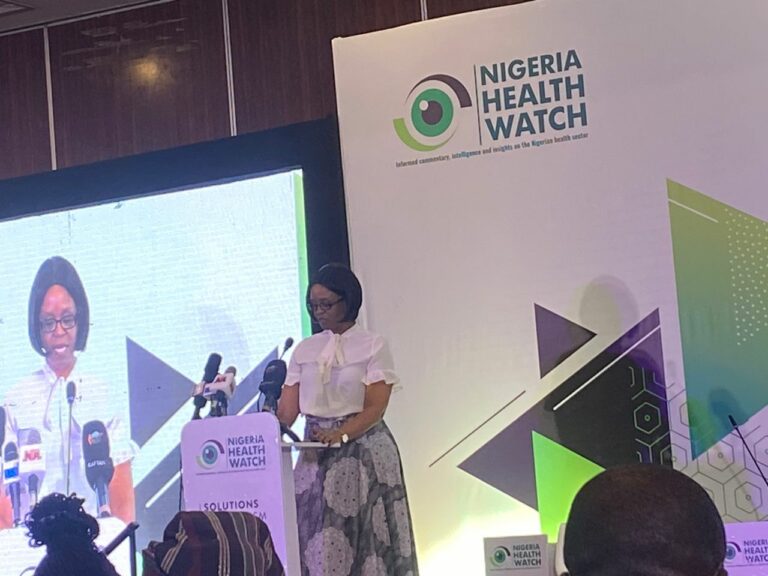
THE Managing Director, Nigeria Health Watch, Vivianne Ihekweazu, has said solution journalism, also known as ‘sojo’, would remain part and parcel of journalism practice in Nigeria.

She said from the inclusion of sojo as a course in journalism training institutes to dozens of media houses creating solutions journalism desks, the news gathering and reporting business was gaining more momentum in Nigeria.

She stated these in Abuja on Thursday, June 8, at the close-out ceremony of the Solution Journalism Africa Initiative (SJAI), which provided training and funding for media houses and journalists to produce sojo reports.

At the event were representatives of media organisations that benefitted from the project, media managers, editors and other eminent journalists.

The programme began in 2021 and supported 30 media organisations, forming three cohorts of newsrooms and engaging over 90 journalists.

The media outlets engaged in the project include The ICIR, the News Agency of Nigeria, Premium Times, FRCN, Daily Times, Sparkling FM, KissFM Abuja, Business Day, NTA, Humangle, Daily Trust, Guardian, Thisday, and others. 

These organisations produced over 250 solutions-focused stories during the period, with over 100 of them indexed in the Solutions Story Tracker

It also supported 15 fellows across media outlets through training and the production of solutions stories.

“In an era where problem-focused reporting has become the norm, the SJAI project, since its inception in 2021, has been a beacon of change, empowering newsrooms and journalists across Nigeria to investigate and report on how people are responding to various social problems. This shift towards solutions journalism has been instrumental in addressing the growing trend of news avoidance by audiences, as highlighted by the Reuters Institute for Journalism.

“Through the collaboration between Nigeria Health Watch and Science Africa, with the generous support of SJN (Solutions Journalism Network), this project has trained and supported newsrooms and freelance journalists, enabling them to produce impactful stories that inspire change and offer hope to our communities,” Ihekweazu said.

She explained that the project’s impact was visible in the outputs of the media houses it engaged, adding that the stories produced from the project “made a tangible difference.”

Ihekweazu noted that the scope of the project was expanding, covering universal health coverage, water, sanitation, and hygiene, non-communicable diseases, maternal and child health, nutrition, education, sexual and reproductive health and rights, health technology, drug abuse, immunisation, and more.

The Managing Director, News Agency of Nigeria (NAN), Buki Ponle, spoke glowingly of how the initiative helped his organisation.

NAN was the first media outlet to endorse the project.

Similarly, the project coordinator at the Nigeria Health Watch, Chibuike Alagboso, said solutions journalism would continue to shape the thinking of many Nigerians on events country.

He said the public often got bored with negative stories, which give only a little space to problem-solving stories in the media.

Several journalists took turn to speak at the event, which closes tomorrow, June 9, with a party.


Govt agents behind most attacks on Nigerian journalists — NGE

THE Nigerian Guild of Editors (NGE) has said government agents, including security operatives and other state actors, are the worst perpetrators of violence against journalists in the country.

The NGE said the number of attacks on journalists by non-state actors is not as high as those carried out by agents of the government.

Secretary of the NGE, Iyabosa Uwagiaren, made the assertion while speaking at a media training in Abuja themed: ‘Protecting Press Freedom, Ensuring Journalists Safety’, on Thursday, June 8. He said the continuous attacks, intimidation and harassment of journalists threaten press freedom in Nigeria.

The training was organised by the Center for Journalism Innovation and Development (CJID) in collaboration with the International Center for Investigative Reporting (ICIR).

According to the NGE scribe, attacks on journalists are often carried out by security personnel and other state actors whose role is to protect citizens.

Uwagiaren noted that security agencies have a huge role in lessening attacks on journalists.

“Press freedom is under threat globally, including Nigeria. Journalists and editorial support workers are attacked, intimidated, harassed and even killed for their constitutional responsibility. Section 22 of the Nigerian Constitution says the media or the press shall at all times hold public officers accountable to the people.

“Most of the attacks against journalists are carried out by security agencies. While non-state actors are involved in attacks against journalists, most attacks are carried out by security operatives and state actors.”

He maintained that journalists are always susceptible to attacks while trying to hold power holders accountable.

To address the problem, Uwagiaren called for the creation of good laws to promote and protect press freedom, as well as advocacy against attacks on journalists in the country.

“Advocacy is a key tool and will reassure those responsible to put press freedom higher on their political agenda and take active action.”

In the same vein, he assured that the NGE would work to protect and fight for the interests of journalists alongside other media organisations, noting that it is essential that journalists discharge their duty free from violence and impediment.

Uwagiaren added that the NGE would partner with the CJID to ensure the safety of Nigerian journalists

“Let me assure you, we will partner with the Center for Journalism Innovation and Development (CJID) in due course for the safety of Journalists.

“When we take the security of journalists into account in all our programs, we must take concrete strategies to react not only when journalists are kidnapped or killed but also to prevent criminal action against journalists from happening,” he said.

Also speaking at the event, CJID project officer, Media Freedom, Benedicta Akpede, expressed concern about increased attacks on journalists.

She noted that despite the advocacy done over the years, “the number keeps increasing”

“In the first quarter of 2023 alone, we have recorded 45 attacks against journalists. This is higher than what was recorded in the half of 2022.

“We have recorded or tracked 21 journalists killed over the years. The sad thing is that the people responsible for these attacks go unpunished.

“Most attacks were a result of the presidential and governorship election. There were arrests, physical assaults, equipment damage, sanctions and the Strategic Litigations Against Public Participation (SLAPPS),” she said.

Similarly, the Executive Director of The ICIR, Dayo Aiyetan, advised media organisations in the country to be law-abiding in order to be less susceptible to targeted attacks.

He warned media organisations against the evasion of taxes.

“Media organisations should always pay tax and comply with all tax regulations so they won’t hold you against it. When there’s an issue, that’s the first thing they’re always after.”

He also advised that media organisations should provide support to their journalists who have been victims of attacks.

Tinubu signs bill increasing judges’ retirement age to 70

PRESIDENT Bola Tinubu on Thursday, June 8, assented to a bill to increase the retirement age of judicial officers in the country to 70 years.

A statement released by the State House Director of Information, Abiodun Oladunjoye, said the President pledged that his administration would strengthen the judiciary and empower judicial officers.

Titled ‘Constitution of the Federal Republic of Nigeria, Alteration Bill No. 20 (Uniform Retirement Age for Judicial Officers), 2023’, the bill became the first to be signed into law by Tinubu since he assumed office on May 29.

Although legislation already pegged the retirement age of justices of the appeal and supreme courts at 70, the law as well extended the retirement age of High Court judges from 65 to 70 years.

The legislation will as well make uniform the pension rights of judicial officers of “superior courts of record” specified in Section 6(5) of the 1999 Constitution (as amended).

The National Assembly had earlier directed its Clerk, Amos Ojo, to transmit the Constitution Alteration Bill 20 which approves a uniform retirement age for judicial officers in Nigeria to the President for assent on Tuesday, May 2.

However, TheCable reported that the former Attorney-General of the Federation, Abubakar Malami, advised former President Muhammadu Buhari to decline assent to the bill.

In a memo dated May 23 and addressed to the Office of the Chief of Staff to the President, Malami said the bill appeared to be “far-reaching, unduly wide” and “ambiguous”, adding that it made no “justification” for the extension of retirement age and benefits for judges.

He further disclosed that the approval could lead to further agitation for the extension of the retirement age of justices of the Supreme Court and Court of Appeal.