Home Blog Page 892

Malaria still endemic in Nigeria despite multibillion naira funding

DESPITE multi billion naira funding from foreign donors and National strategic plans to reduce the spread, communities, particularly in the FCT, are still battling malaria cases while also complaining that they have not been receiving help from the Government to combat this disease. Misappropriation of funds, lack of state ownerships, and poor budget releases are the reasons identified as The ICIR’s Mustapha Usman reports.


Nigeria has been grappling with the burden of malaria, continuously reporting the highest rates of cases and fatalities globally for several years. Despite the implementation of a national malaria strategic plan in 2015, aimed at reducing the disease to pre-elimination levels and achieving zero malaria-related deaths by 2020, the country has persistently maintained its position as the nation with the highest prevalence of the disease.

The plan was to also provide 80 per cent of the targeted population with appropriate preventive measures by 2020.

Three years after the target year, Nigeria remains top of the countries with the highest recorded cases of malaria.

The ICIR visited three suburbs in the FCT to inquire about government interventions and the availability of vaccines for malaria, the common answer among the residents in these communities was that they had never received intermittent treated nets (ITNs), intermittent preventive treatment for malaria during pregnancy, or access proper healthcare.

The National Malaria Elimination Programme (NMEP) defined ITN as a factory-treated net that does not require any additional treatment and can, in most cases, can only be obtained from mass distribution by government agencies or concerned non-governmental organisations (NGOs). The ITNs repel and kill mosquitoes, thus providing protection against mosquito bites and reducing the transmission of malaria parasites.
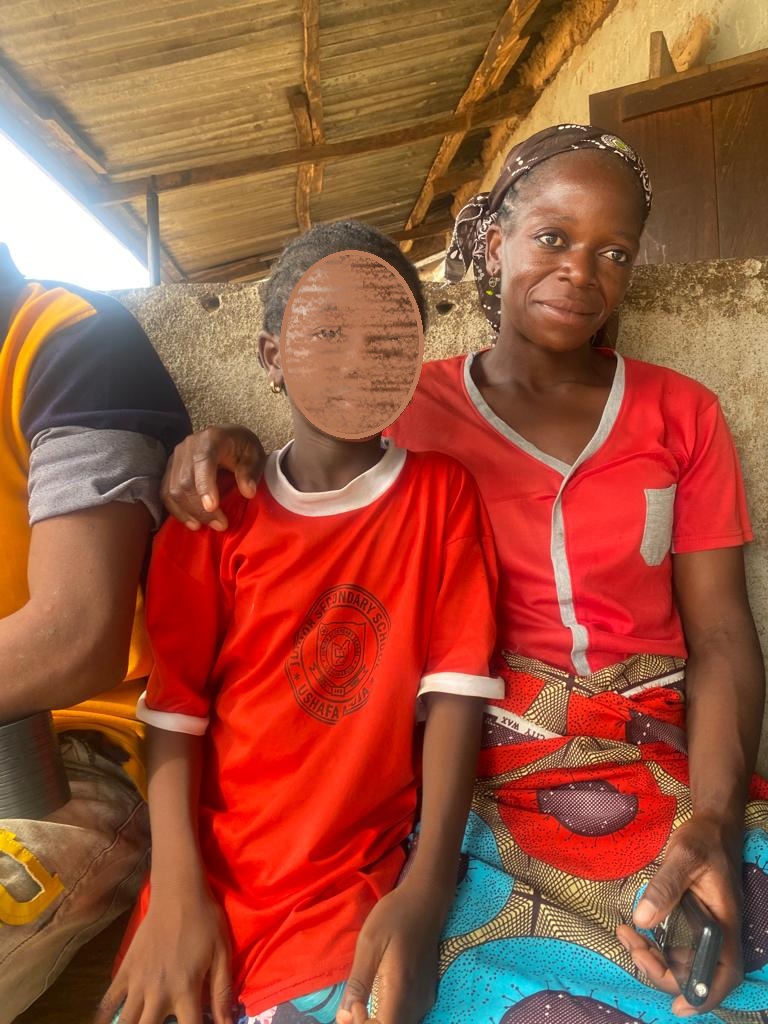
Hassana and her daughter Helen

Umaru Hassana, 40 years lives in Sumakpa community, a suburb of the Katampe area in FCT, with her husband and three children. The family sleep in a room with an old, defective door, and has never slept under a mosquito net.

Early this month, April, Hassana’s daughter, Helen, fell ill with malaria. She experienced high fever, and her body temperature soared, prompting the family to rush her to Dr. Bello Hospital in Mpape, a journey of approximately 30 minutes by bike.

Upon getting to the hospital, Hassana discovered that her daughter was suffering from yet another Malaria case and had to spend up to N10,000 from her hard-earned profit for hospital bills.

She explained to The ICIR that it was the second time that she would be taking Helen to the hospital despite the long distance and bad road. Before getting to the hospital, one has to cross through several bodies of running water amidst other road difficulties.

“We they get problem for sickness o, we no get hospital for here, we dey carry ourselves go Mpape, a private hospital called Dr Bello hospital. Even this month, this one (pointing towards her daughter, Helen) we carry go hospital,” Hassana said.

Sumakpa Community Secretary Amos Jerry confirmed that the community in the past 15 years has not received any government intervention to combat the ravaging malaria in the community. According to him, the community lacks a public health centre; most times, rely on a makeshift pharmacy and ‘God’s intervention.’

The situation of this community mirrors Tuda Gani a community, in Dei -ei-about 42 kilometres away from Sumakpa-as few residents who spoke to The ICIR confirmed that they have not been sleeping under ITNs because they have never been provided one.

Muhammad Aishatu, 27, recovered from Malaria a week ago as at the time of the interview, her eyes were still red, her face pale, and her voice hoarse as she narrated her ordeal. 

“Malaria is a normal thing here, there’s hardly a week where any of my family won’t have fever or feel cold. And before now, when the heat was still much, all of us used to sleep outside. I can’t really remember the last time they brought the mosquito nets around here, but I know that it has been long because I was still a teen then,” she said.

Caused by parasites that are transmitted to people through the bites of infected female Anopheles mosquitoes, malaria is a preventable and curable major public health issue affecting millions of Nigerians.

While individuals of all ages are susceptible to the disease, children and pregnant women are particularly vulnerable and prone to experiencing complications. This heightened susceptibility puts them at a higher risk of severe illness and increases the likelihood of mortality, especially among children under the age of five.

Aside from the National malaria strategic plan (NMSPs), in the last decade, Malaria control in Nigeria has witnessed a mass campaign for the replacement of insecticide-treated nets (ITNs), intermittent preventive treatment of malaria during pregnancy and continued funding from foreign donors. This is, of course, expected to improve the prevention of Malaria in the state; however, misappropriation of funds, poor releases and marginalisation of some communities are major factors contributing to this burden.

Trends of Malaria in Nigeria

Malaria transmission rates vary across regions in Nigeria, with higher prevalence generally observed in the northern states compared to the southern states, according to the 2021 National Malaria Indicator Survey (NMIS).

The 2021 Nigeria Malaria Indicator Survey (NMIS) revealed that malaria prevalence fell from 42 per cent in 2010 to 27 per cent in 2015, then to 23 per cent in 2018 and finally to 22 per cent in 2021.
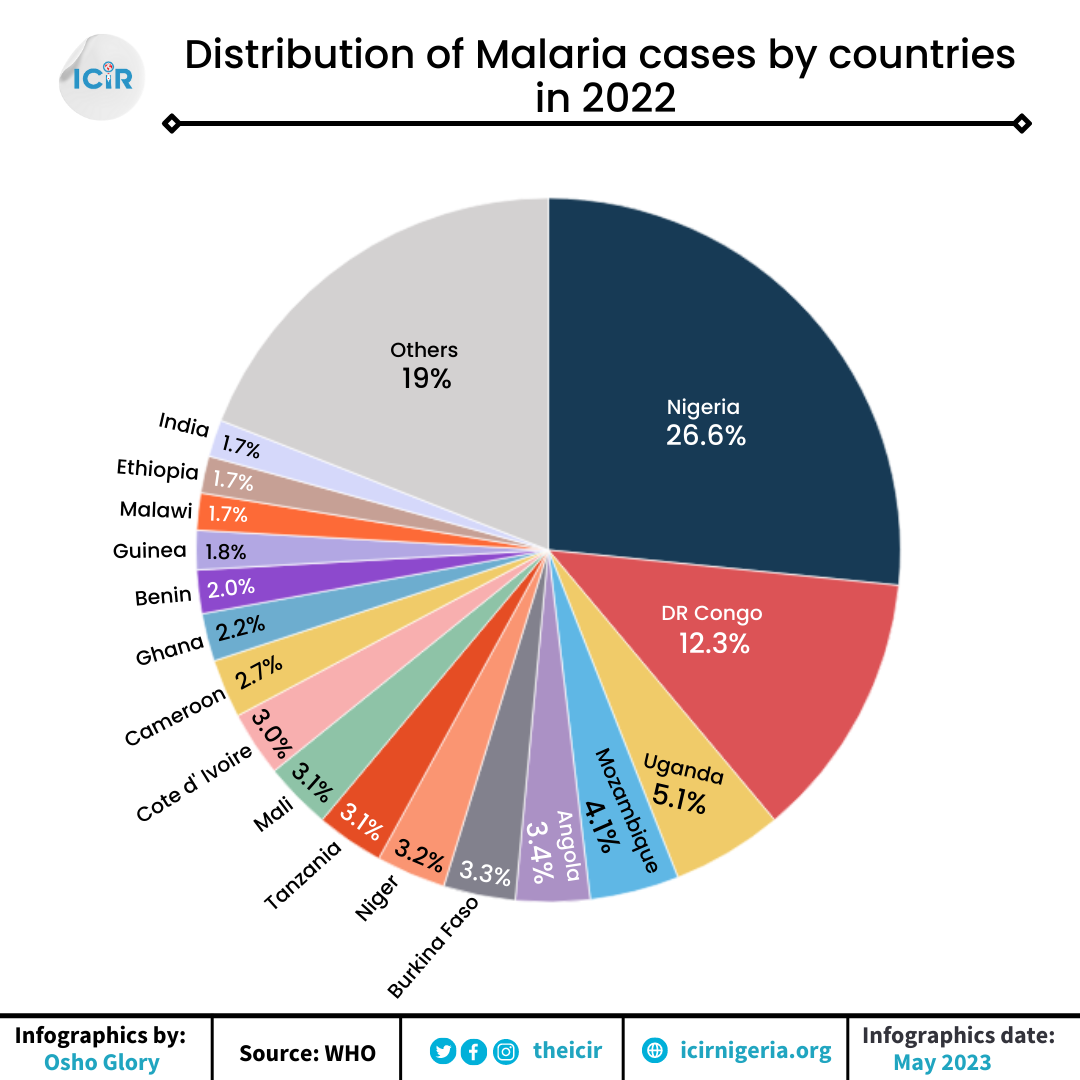
Infographics showing the distribution of Malaria by countries according to 2022 WHO report
Infographic showing the distribution of Malaria by countries according to 2022 WHO report.

However, the 2022 World Malaria Reportthe latest report on the disease – shows that the country contributes about 27 per cent (26.6) of the global burden of the disease. The report also shows that Nigeria accounts for about 31.3 per cent of deaths from malaria, the largest globally.
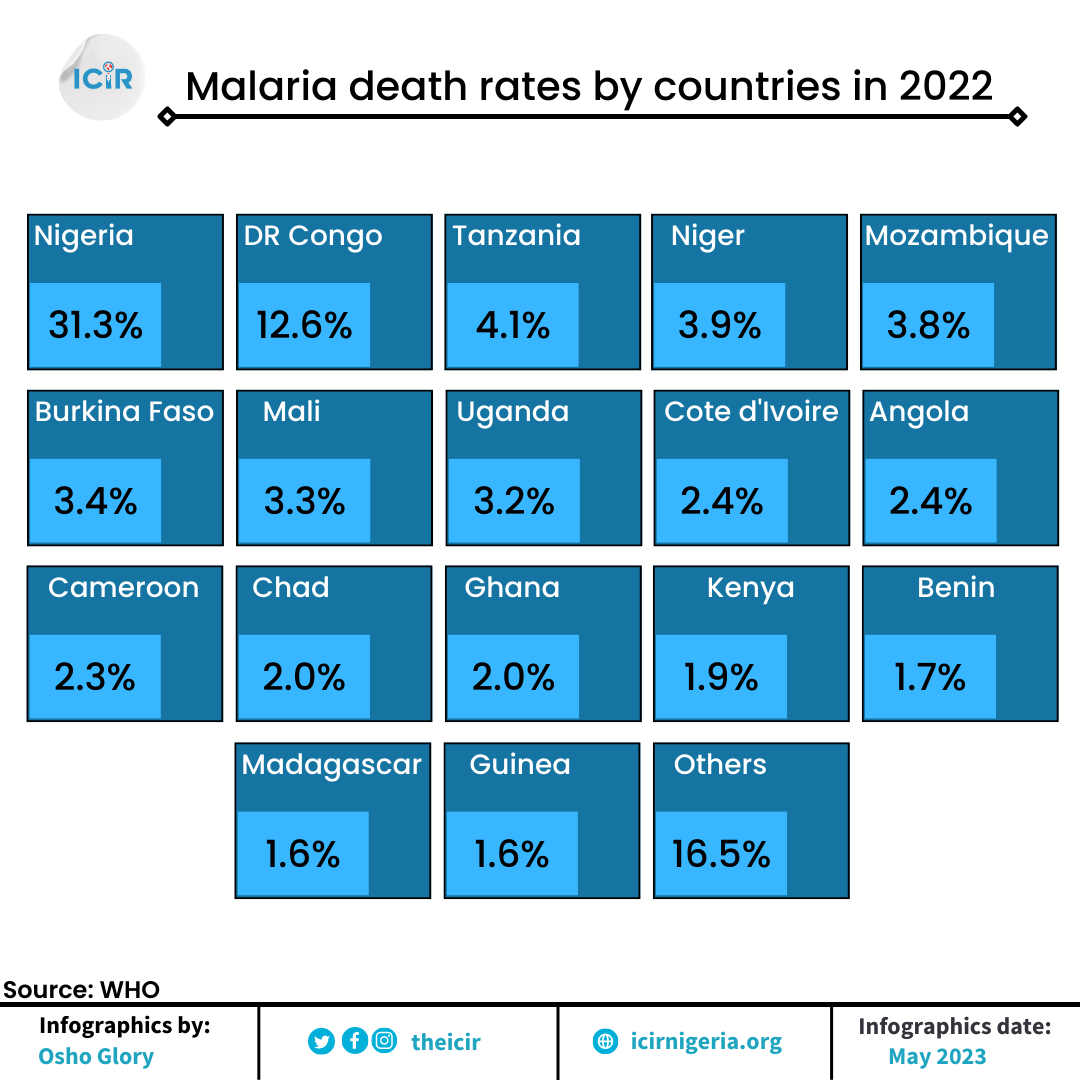
Infographic showing the country with the highest malaria death rate, according to WHO 2022 report
Infographic showing the country with the highest malaria death rate, according to WHO 2022 report.

According to the United States government, malaria is a major public health problem in Nigeria, accounting for more cases and deaths than any other country in the world. The US report stressed that malaria is a risk for 97 per cent of Nigeria’s population.

”The remaining three per cent of the population live in the malaria-free highlands. There are an estimated 100 million malaria cases, with over 300,000 deaths per year in Nigeria. This compares with 215,000 deaths per year in Nigeria from HIV/AIDS. Malaria contributes to an estimated 11 per cent of maternal mortality,” the US add.

The Nigeria Malaria Elimination Program Coordinator, Perpetua Uhomoibi also said that the endemic disease accounts for 60 per cent of outpatient visits to health facilities, 11 per cent of maternal deaths (4,500 per year), and 25 per cent of infant deaths (children under a year old).

Budgets, foreign donation for malaria

The allocation of the budget for health by federal government, as a proportion of total investments, has consistently remained low (averaging between 5-7 per cent). This percentage is consistently below the recommended 15 per cent set by African Heads of State during the Abuja Declaration of 2001. 
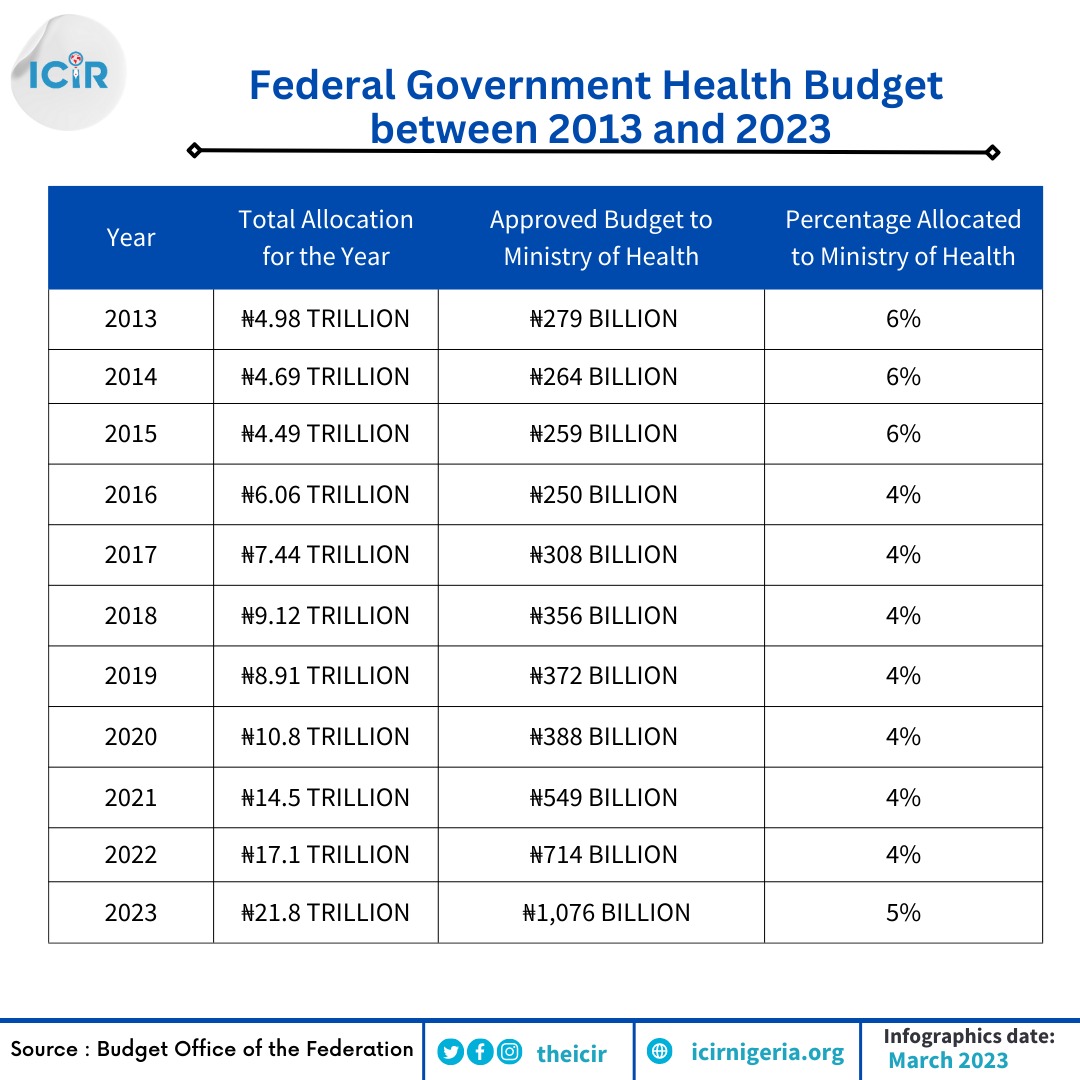
FG Health budget from 2014 to 2023
FG Health budget from 2013 to 2023.

Checks by The ICIR revealed that the Malaria related allocations in the National Health budget had increased from 0.019 per cent in 2016 to 6.327 per cent in 2023.

However, NMEP, the body solely responsible for the elimination of malaria, saw a decline in the portion of the budget allocated to them from the Federal Ministry of Health budget between 2016 to 2019, according to the 2019 Malaria Programme Review.

The budget decreased from 0.003% in 2016 to 0.0003% in 2019, representing a ten-fold decrease.  This reduction, according to the review, has widened the funding gap for the Malaria Strategic Plan.
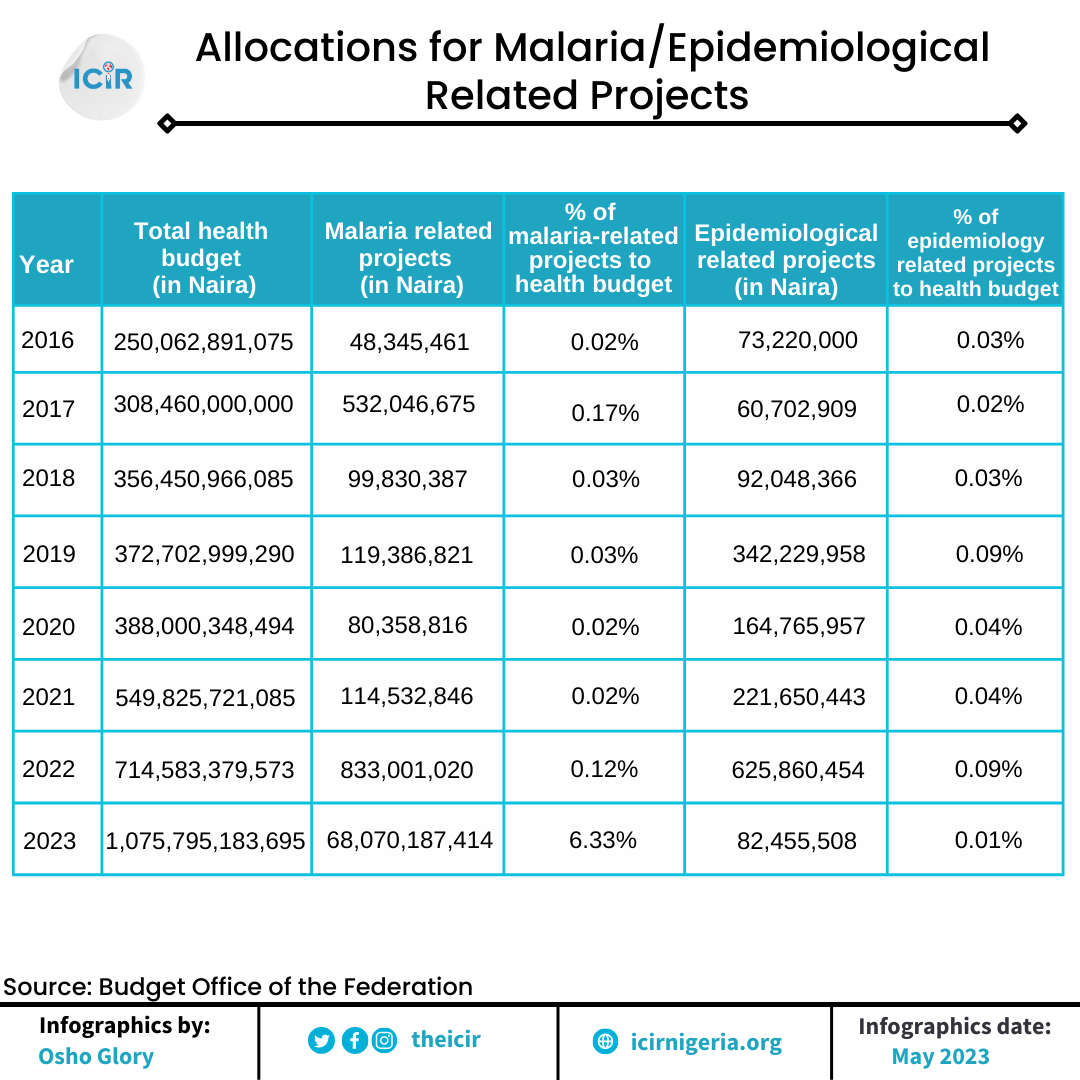
Infographic showing the percentage allocations for malaria/epidemiological related projects (2016 - 2023)
Infographic showing the percentage allocations for malaria/epidemiological related projects (2016 – 2023)

Also, the Federal Government has consistently failed to earmark a significant amount to epidemiology and disease control-related projects as the highest amount the country has ever allocated for epidemics was in 2019 when it approved N625, 860,454 million, translating to 0.09 per cent of the health budget and that was in 2019.

Meanwhile, apart from the National and state budgets for epidemic responses, Nigeria has benefitted from other sources of funding for Malaria, which include the Global Fund, US President’s Malaria Initiative, UK Department for International Develop, The World Bank, World Health Organization and UNITAID. 

For instance, the World Bank, between 2006 and 2019, committed a total of $180 million to a Malaria Booster Programme for seven states in Nigeria – Gombe, Kano, Jigawa, Adamawa, Anambra, Rivers and Akwa Ibom. Although the money was given primarily to the states, part of it was to go into some activities on the national level.

Also, Nigeria was also allocated over US$1.5 billion for the 2017-2019 and 2020- 2022 funding cycles, meaning that it is one of the single biggest recipient of Global Fund grants.

In February 2023, Global Fund approved nearly $1 billion for Nigeria to continue its fight against tuberculosis (TB), malaria, and HIV/AIDS for the next three years. Out of approximately 110 countries, Nigeria got the highest grant of $933,156,931, covering 2023 to 2025.

The fund adds to almost $3 billion that the country has received since 2003. The Global Fund boasts of providing 63 per cent of all international financing for malaria programmes and has invested more than US$16.4 billion in malaria control programs as of June 2022.

Since the start of the COVID-19 pandemic in 2020, it stated that it awarded over US$4.2 billion to 108 low- and middle-income countries and 21 multi-country programmes to fight COVID-19 and protect lifesaving malaria, HIV and TB interventions.

Similarly, USAID PMI, DFiD, Unicef, WHO, UNITAID were also part of the foreign donors that funded Nigeria in its fight against Malaria. 

The ICIR gathered that USAID PMI donated N73,230,000 in 2014 and N75,000,000 in both 2015, 2016, and 2017 for the malaria intervention project. Also, DFiD funded the Malaria treatment and intervention project in Nigeria in 2014 with N89,272,524 and while Nigeria got N2,967,421 in 2015.

Malaria interventions

In 2021, the NMEP implemented its Nigeria Malaria Indicator Survey (NMIS) across the country, including the FCT. The survey asked questions about the intermittent preventive treatment of malaria during pregnancy, fever management in children and the usage of intermittent treated nets, popularly known as mosquito nets.

The NMEP, is a division of the Department of Public Health of the Federal Ministry of Health which is responsible for policy formulation, coordination and regulatory roles on all matters that concern Malaria control and elimination in Nigeria. Its pursuit of universal access to prompt malaria diagnosis, effective treatment and universal coverage with preventive interventions made it to develop a very ambitious plan in 2014 targeting Elimination.

The result shows that 56 per cent of the households own at least one insecticide-treated net (ITN), translating to half of the examined population, while 25 per cent of households own enough ITNs to cover all households’ members.

According to the report, 50 per cent of the sampled pregnant women aged 15-49 slept under an ITN, while 31 per cent of women within that age bracket said they received three or more doses of Intermittent preventive treatment. 

This figure revealed that there is still a significant problem in preventing malaria in the country, particularly in FCT, where only 29 per cent of the household population sleep under an ITN.

The low  percentage could be traced to many residents not having access to the nets, as it was noted that the last time an ITNs were distributed in FCT by the government was in 2011.

Households that own at least one ITN increased from 8 per cent in 2008 to 69 per cent in 2015 before decreasing to 56 per cent in 2021.

Another key finding by NMEP was that only 41 per cent of children under age five nationwide sleep under an ITN.

On May 7, Ramatu Bolanle, a resident of Gida fulani community of Dei-Dei, was in a PHC to complain about the sickness of her five-year-old son when this reporter approached her. The attending doctor had directed her to do a malaria test, which came out positive. 

Bolanle explained to The ICIR that she suspected that the cause of the malaria was mosquito as she has been sleeping outside of her house without nets because of the heat.

This situation represents one of the numerous unreported instances in which children experience preventable illnesses, despite the government’s claims of significant investments and interventions in addressing such issues.

Some other factors contributing posing as challenges for intervention is the widespread extortion of citizens through the sale of free anti-malaria drugs to patients at primary health centres (PHCs) across the country.

Corruption in Malaria intervention project 

While there has been a slight reduction in the number of people affected with malaria and deaths recorded over the past few years, there are projections that Nigeria could have achieved even a lower number of cases if the 2015 strategic plan had been successful and adequate funding were allocated for the project. 

The 2019 Malaria Programme Review (MPR), stated that the country was unable to accomplish the objectives outlined in the National Malaria Strategic Plan and attributed the failure to the government’s inadequate allocation of funds for combating the disease.

In 2022, the Global Fund, in its audit, accused the National Agency for Control of AIDS (NACA) and the Lagos State Government of misappropriating $19.6 million worth of COVID-19 procurement grants through shady contract awards.

That was also not the first time the Global Fund would accuse Nigeria of misusing its grants. In 2016, the Fund accused NACA and NMEP of misappropriating the grants they got. The Global Fund consequently suspended them as its grant recipients, and as of 2021, NACA was yet to clear itself of the 2016 indictment before the Nigerian government.

Need to tackle malaria

Tackling malaria in Nigeria requires a comprehensive approach from all levels of government, according to a public health physician and CEO of TalkHealth9ja, Laz Ude Eze.

He noted that although there has been some progress recorded in the past few years, he said the progress is not proportionate to the investment made by the government.

“Malaria cases in Nigeria are too high. Though some progress has been made towards malaria control, but they’re not proportionate to the humongous investments made so far. All hands must be on deck if we must end malaria.”

Speaking on whether Nigeria needs to improve its strategic plan to attain zero cases of malaria, Eze explained that Nigeria has a challenge of poor implementation. 

“Nigeria has always developed a good strategic plan but has a challenge of poor implementation. Many of the subnational governments don’t do their jobs efficiently,” he said.

This report is supported by The Nigeria Health Watch.

Benue: PDP condemns revocation of Ortom’s appointments by new govt

THE State Working Committee of the Peoples Democratic Party (PDP) in Benue State has described the nullification of recent appointments in the civil service by the new state governor, Hyacinth Alia, as insensitive and unlawful.

The committee condemned the development, saying the decision to revoke appointments made in the state civil service by former governor Samuel Ortom’s administration has denied some Nigerians the rights and privileges guaranteed them under the state’s labour laws

The ICIR had earlier on Wednesday, June 7, reported that new governor of Benue State Hyacinth Alia, of the All Progressives Congress (APC), revoked last-minute appointments by former governor Ortom.


READ ALSO:
Benue govt revokes Ortom’s last-minute appointments

Ortom raises alarm over renewed plot to pass grazing reserves bill

Benue residents asses Ortom’s performance set agenda for Alia

Presidency, Ortom trade blames over Benue killings

Why FG should suspend national census — Ortom, Middle Belt Forum


Alia nullified appointments made from May 2022 and reversed postings and transfers in the State Civil Service from October 2022 and directed affected staff to return to previous positions.

“All Civil Servants and or persons appointed Permanent Secretaries from the month of January 2023 to date should revert to their previous positions forthwith,” a statement released by the governor’s spokesperson, Tersoo Kalu, said.

Reacting to the development at a press conference in Makurdi on Wednesday, the state acting PDP chairman, Isaac Mffo, kicked against the directive, stating that the civil servants affected were given lawful appointments into the state civil service having fulfilled all statutory requirements.

“The directive by Governor Alia, which was conveyed to the public via a statement through his Chief Press Secretary this morning (Wednesday), quashed all appointments, promotions and postings made in the state civil service from May 2022 to the time of his assuming office.

“But of particular concern to us as the leading opposition in the state is the directive that ‘All recent appointments into the State Civil Service made by the outgone administration from May 2022 to date are hereby nullified with immediate effect.

“The insensitivity in the Benue State Governor’s action becomes more glaring when viewed against the backdrop of the untold hardship which Nigerians were subjected to under the recently expired Buhari regime in the forms of catastrophic economic mismanagement and such insecurity as directly threatened the country’s sovereignty,” Mffo said.

Alia had earlier sacked all political appointees under the Ortom administration serving in the various ministries, departments and agencies (MDAs) of the state government.

The appointees were directed to hand over to the most senior civil servants in their offices.

UNICEF, NYSC, NPC sign pact on digitalised birth registration in Nigeria

0

THE United Nations Children Fund (UNICEF), the National Youth Service Corps (NYSC) and the National Population Commission (NPC) have signed an agreement that will ensure the digital registration of 12 million under-five children in 22 Nigerian states.

Signing the pact in Abuja, on Wednesday, June 7, the organisations said the partnership is aimed at providing a robust framework to implement a comprehensive and efficient digitalised birth registration process nationwide.

In a statement mailed to The ICIR by UNICEF, the parties said they were committed to promoting birth registration through the NYSC, stimulating increased demand for birth registration services in health facilities and at the community level. 

“The signing of a Memorandum of Understanding (MoU) solidifies the commitment of the three organisations to collaborate and support the digitalised birth registration process in 22 states and the Federal Capital Territory (FCT),” part of the statement stated.

It stressed that by leveraging their existing resources and facilities, the organisations would make the programme to benefit families, parents, caregivers, communities, households, state and local government areas, in addition to at least 12 million under-five eligible children who will be registered as primary beneficiaries.

The collaboration will deploy constructive engagement with local government chairpersons, and traditional and religious leaders, leveraging their support to enhance the digitalised birth registration process.

Speaking on the collaboration, the Director General NYSC, Dogara Ahmed, Brigadier General, said the corps would deploy 850 corps members as coordinators and supervisors, to ensure effective monitoring and supervision of the birth registration process across 22 states and the FCT.

Ahmed described the collaboration as a vital initiative, adding, “Together, we will strive to achieve comprehensive data collection and availability, supporting increased birth registration coverage in our respective local government areas.”

On his part, the NPC Chairman, Nasir Isa Kwarra, said the commission would recruit ad hoc birth registrars at the ward level and ensure the availability of registration materials to the programme’s coordinators and supervisors.

” By distributing protocols, checklists, FAQs, and informational materials, we aim to engage local government chairpersons, traditional and religious leaders, and communities to promote the importance of birth registration. Together, we will generate and analyse digitalised birth registration data at the LGAs and wards, ultimately increasing birth registration coverage.”

Similarly, UNICEF will bring its expertise to support the digitalised birth registration services in the focus states.  

“Our primary focus will be on providing technical assistance and evidence-based interventions,” stated its representative in Nigeria, Cristian Munduate. 

Munduate added, “By integrating birth registration into routine health service delivery, conducting the digitalised birth registration process, and increasing awareness through state and community-level campaigns, we aim to ensure that every child has access to and benefits from the essential health and birth registration interventions they deserve.”

In 2019, The ICIR reported the NPC telling Nigerians the plan to digitalise birth registration in the country was ongoing.

In another report by this organisation that year, The ICIR exposed how NPC officials milked mothers dry over birth registration.

The ICIR also reported in 2021 how Nigerians still paid for birth certificate despite claims by the NPC that the certificate was free.

1.6 million people suffering from hunger in Katsina — UNICEF

3

ABOUT 1.6 million residents of Katsina State are suffering from hunger, according to the United Nations Children’s Fund (UNICEF).

Katsina is the home state of Nigeria’s immediate past President, Muhammadu Buhari.

UNICEF said out of the 1.6 million Katsina residents suffering from hunger, 63,000 are currently battling with acute food insecurity.

According to the organisation, these people are spread across the 34 local governments of the state.

The UNICEF Chief, Kano Field Office, Rahama Mohammed Farah, disclosed this on Tuesday, June 7, during an advocacy meeting with Governor Dikko Umar Radda at the Katsina State Government House.

Farah also noted that out of the state’s two million under-five children, 1.2 million were stunted, 574,200 moderately wasted, 250,151 severely wasted and 1,376,000 suffer from anaemia.

“1.6 million people in Katsina State are hungry, of which 63,000 are suffering from acute food insecurity. This is based on the Multiple Indicator Cluster Surveys (MICS) which was done in 2021.”

However, Farah noted that UNICEF is ready to work with the state government to ensure that 1,637,197 children aged between six to 59 months receive two doses of vitamin A supplements to tackle malnutrition.

UNICEF had earlier identified Katsina as one of the states with the highest level of malnutrition.

Katsina, Buhari’s home state, is also the state with the second highest number of malnourished children in the North-West.

In 2022, UNICEF predicted that nearly 25 million Nigerians would risk acute hunger between June and August 2023 (lean season) if urgent action is not taken.

The organisation said the increase in the estimated number of people at risk of food insecurity is a result of insecurity, climate change, inflation and rising food prices. It noted that access to food has been affected by persistent violence.

“The food security and nutrition situation across Nigeria is deeply concerning. I have visited nutrition stabilisation centres filled with children fighting to stay alive. We must act now to ensure they and others get the lifesaving support they need,” the Resident and Humanitarian Coordinator for Nigeria, Matthias Schmale, said.

Bolt, Uber drivers go on strike over ‘low fares’, demand 200% hike

0

BOLT and Uber drivers, under the aegis of the Amalgamated Union of App-based Transport Workers of Nigeria (AUATWON), have commenced a nationwide strike occasioned by welfare concerns following the hike in the cost of petrol.

The strike which commenced on Wednesday, June 7, was to protest against what they described as ‘low fare increase’ by the ride-hailing transport companies, Bolt, Uber and others.

In line with the strike, the drivers are to shut down service on all ride-hailing applications from Wednesday.

The development followed failure of ride-hailing companies to agree with the driver’s demand for a 200 per cent hike in fares and a 50 per cent reduction in commission, respectively, to level up with the recent hike in the petrol pump price.

Following the increase in the fuel pump price, The ICIR observed that Bolt and Uber drivers have been charging riders additional fees besides what was  displayed by the apps.

The Nigeria National Petroleum Company Limited (NNPCLtd) hiked the fuel pump price after President Bola Tinubu declared in his inaugural address that fuel subsidy has been removed.

The development led to a sharp rise in the cost of transportation on different routes as commercial cab drivers transfer the additional cost of petrol on passengers.

Meanwhile, in the statement released to announce the commencement of the strike on Wednesday, the Bolt and Uber drivers union noted that the rate increase implemented by the app-based companies only represents 25 to 30 per cent. According to the statement, the increment was far less than the 200 per cent hike demanded by members, in addition to 50 per cent reduction in commission.

The drivers said they can no longer tolerate any dictatorial acts by any company, noting that the union has tried its best to organise a round table meeting with the management of the ride-hailing companies but got no response.

Parts of the statement read, “The union’s technical team is versed with the operation and technicality of ride-hailing companies and, on our calculations, any app company can break even charging below five per cent even though the union recommended a flat commission of 10 per cent or 50 per cent off their current commission during our last meeting, as we believe this will help us to cope with maintenance costs, spare parts and various overhead cost and the current fuel increase.

“We can no longer tolerate any act of dictatorial practices by any app company because we are workers and as an organised union, we have written several letters to these companies for a round table discussion where we can look at various areas of concern and dialogue but they have remained adamant with a deliberate intention to avoid responsibility.

“So, as a result of this insensitivity, the union is directing all its members across the nation to shut down their service on all ride-hailing applications from Wednesday, June 7, 2023, in protest against every dictatorial practice and lack of concern for welfare and security of App-Based Transport Workers of Nigeria.”

Virology institute opens research centre to improve health services

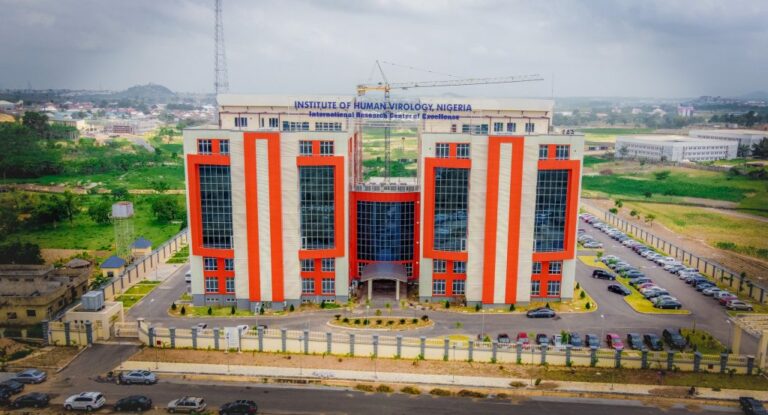
THE Institute of Human Virology Nigeria (IHVN) has commissioned a research centre in its bid to improve quality health services and capacity building in Nigeria.

The Programme Implementation Centre which was funded by the US Centers for Disease Control and Prevention, USAID, Global Fund, and the World Bank, will facilitate the execution of public health projects.

Speaking at the Commissioning on Tuesday, June 6 in Abuja, the Chief Executive Director of IHVN, Patrick Dakum, said the campus will provide health service implementation, capacity building and research.

Noting that the centre will ensure equitable access to quality health services through innovative and evidence-based services, Dakum stated that the facility is equipped with ultramodern tools and equipment.

“The institute provides world-class laboratories like a biorepository with liquid nitrogen facilities, a genomics resource centre, clinical pathology, molecular diagnostics, chemistry and haematology, and microbiology laboratories.”

He further disclosed that the centre would host a Clinical Trials Unit to enable the effective conduct of investigation on drugs and vaccine where the negative effects are ascertained.

“It also hosts a Clinical Trials Unit, which will be a home for conducting clinical trials that specifically state how vaccines or drugs work in our population and the adverse effects observed,

“These projects provide HIV and TB prevention, care, and treatment services and nutrition services in more than 20 states in the country,” he added.”

Highlighting the importance of concerted efforts and partnership, the Chairman of the Board of Directors of IHVN, Umaru Shehu noted that accessing quality healthcare delivery required the intervention of Nigerians, communities, government at various levels, and international partners.

He further assured that the centre would mitigate the spread of emerging diseases.

“So, the commissioning of the IHVN Campus gives us hope that we can curb today’s emerging diseases of public health concern. I feel fulfilled because I have been a witness and participant in Nigeria’s efforts at stopping epidemics like Smallpox, Polio, Ebola, HIV, and COVID-19. So this is a major contribution to Nigeria’s healthcare efforts.

“Other things being equal, I predict that with facilities such as the ones you find on this Campus, Nigeria will soon become the destination for medical tourism, clinical diagnostics, treatment, and care for people with infectious and non-infectious diseases,” Shehu added.

He also expressed optimism in the attitude of young Nigerian scientists and researchers towards effective utilisation of the facilities.

“I see more young scientists inspired and emboldened by the facilities on this Campus to develop and execute research projects under the mentorship of more experienced investigators at the Institute’s International Research Center of Excellence.”

[UPDATED] Road traffic crashes: Dangerous states to drive in Nigeria

NIGERIA is one of the countries with the highest rate of fatalities from Road Traffic Crashes (RTCs) globally. Within the country, the FCT and some other states consistently record high RTC cases annually.

On Sunday, June 19, 2022, an 18-seater bus carrying 19 travellers had been journeying to Kano from Lagos when it crashed into a stationed truck and went up in flames at Gidan-Mangoro, along the Minna-Bida road, Niger state.

The accident occurred in the early hours of the day. Before a rescue team arrived, 18 passengers had been burnt beyond recognition and died at the spot, leaving just one occupant badly injured.


READ ALSO:


Since the travellers’ identities could not be ascertained, a mass burial was organised at the Gidan-Mangoro burial ground, and the corpses were laid to rest.

Niger is one of the states that make up North-Central Nigeria, a region which has proven to be a high-risk zone for motorists, according to data from the Nigeria Bureau of Statistics (NBS).

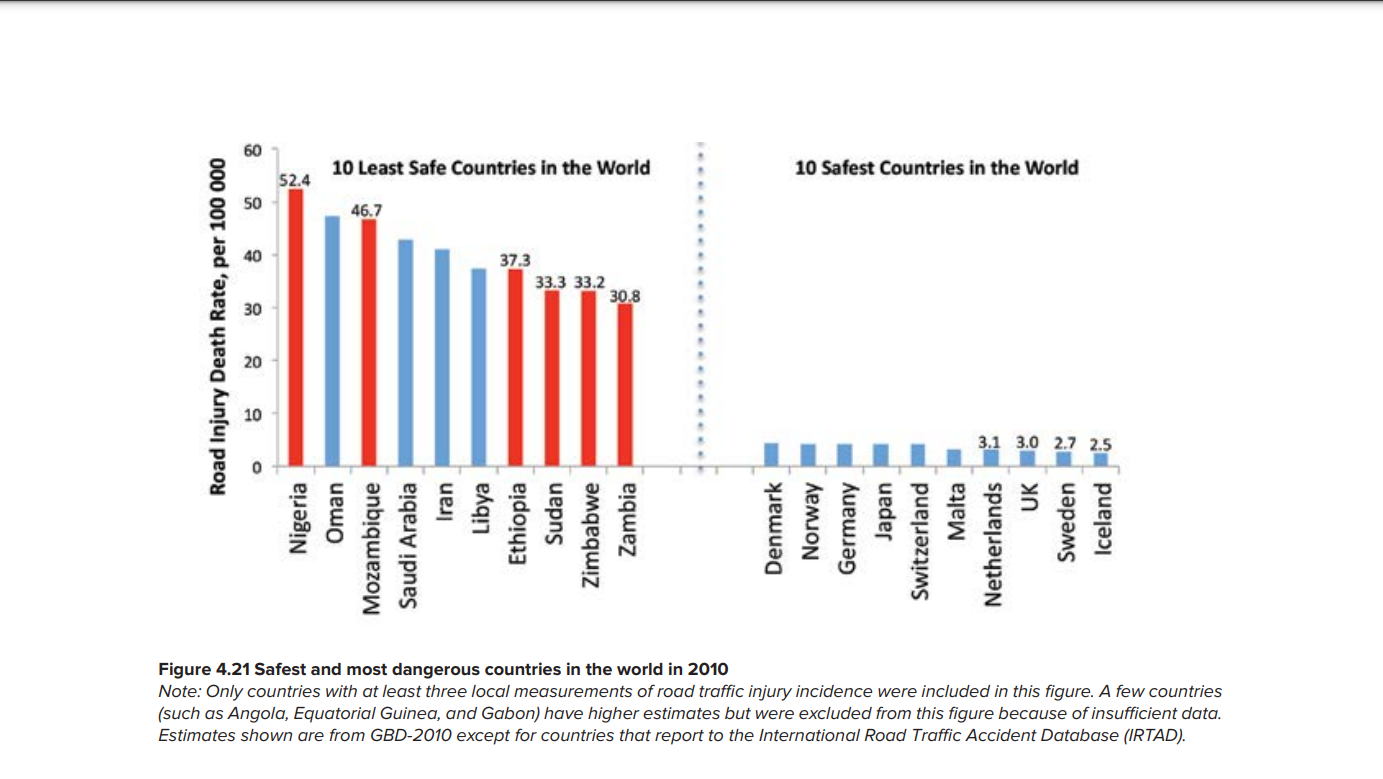
Generally, Africa is infamous for having the world’s highest road accident death rates. Nigeria tops the list of countries with the most fatalities from traffic crashes, according to a 2014 report by the Global Road Safety Facility (GRSF).

The GRSF is a global multi-donor fund hosted by the World Bank, which seeks to help governments develop road safety management capacity and scale up its delivery in low- and middle-income countries (LMICs).

According to 2014 GRSF report, Nigeria has the highest road injury death rate (52.4 per 100,000 people) of any country globally. Mozambique has the third highest death rate (46.7 per 100,000). These rates are more than 15 times the death rates in Sweden, UK, and the Netherlands, which have among the lowest death rates globally. Four countries (Nigeria, Ethiopia, South Africa, and Sudan) together account for half the road injury death toll of sub-Saharan Africa.
According to the 2014 GRSF report, Nigeria has the highest road injury death rate (52.4 per 100,000 people) of any country globally. Mozambique has the third-highest death rate (46.7 per 100,000). These rates are more than 15 times the death rates in Sweden, UK, and the Netherlands, which have among the lowest death rates globally. Four countries (Nigeria, Ethiopia, South Africa, and Sudan) together account for half the road injury death toll of sub-Saharan Africa.

Nigeria also has the highest road injury death rate (52.4 per 100,000 people) of any country in the world, and together with Ethiopia, South Africa, and Sudan, accounts for half the road injury and death toll of sub-Saharan Africa, according to the report titled ‘Burden of Road Injuries in Sub-Saharan Africa’ states.

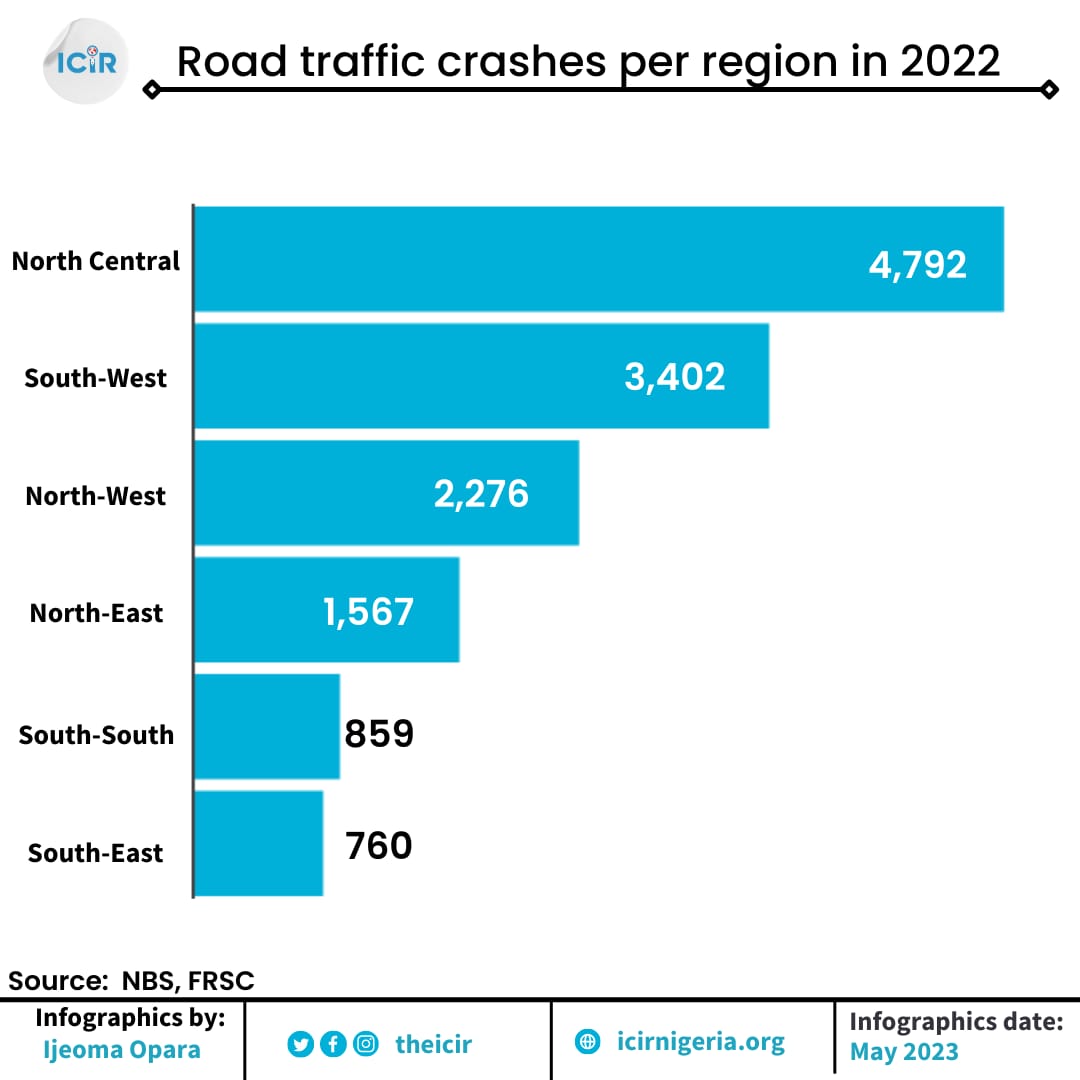
Data from the NBS and the Federal Road Safety Corps (FRSC) websites show that there were 13,656 crashes in 2022. Of this figure, the North-Central region accounted for 4,792, over 35 per cent of the total cases across the country.

The region also accounted for more than 31 per cent of road accidents in 2021, with 4,056 out of 13,027 crashes recorded.

Also, 6,456 people were killed due to crashes in 2022, of which 1,824 deaths were recorded in the North-Central.

While the North-Central region is generally a high-risk zone, Nigeria’s Federal Capital Territory (FCT) accounts for most of the crashes and deaths within the region in 2022.

FCT leads cases of traffic accidents in 2022

Across the country, the FCT recorded the highest number of RTCs in 2022. While there were 1,117 cases in 2021, crashes in the FCT rose to 1,803 in 2022, a 61 per cent increase.

Almost 18 per cent of road traffic accidents recorded across the country in 2022 occurred within the FCT, according to data from NBS and FRSC.

The NBS also identified speed violations as Nigeria’s leading cause of road accidents.

The ICIR reported that the FCT led as the city with the highest RTC cases in 2015 with 1293 crashes, in 2016 with 1,373 crashes and in 2017 with 1,106 crashes.

The FCT also topped RTC cases in 2018 with 1,051 and in 2019 with 972 cases.

Sign light violations, dangerous driving, route violation, and wrongful overtaking are some of the other leading causes of road traffic crashes in the FCT and the entire North-Central region.

Corps Public Education Officer (CPEO) of the FRSC Bisi Kazeem also confirmed to The ICIR in a report that overspeeding and violation of traffic rules are significant causes of accidents in the North-Central region.

“It has been noticed that drivers and other road users tend to comply with traffic laws whenever they see FRSC personnel on the road. The corps management decided to ensure adequate personnel deployment to ensure compliance and enlighten the motoring public when they go against established regulations,” Kazeem said.

While motorists in North-Central Nigeria face higher risks of road crashes, their counterparts in the South-East are least likely to be involved in auto accidents.

In 2022, the South-East accounted for only 760 traffic crashes in Nigeria. The South-South also had low RTC cases, with 859 crashes.

Road traffic crashes per region in 2022

Other dangerous states in 2022

South-Western Nigeria follows closely as one of the regions with the highest RTC cases in 2022, with 3,402 crashes during the year under review.

Ogun state recorded the most traffic crashes in the South-West, with 1,243 cases in 2022.

Nasarawa, Kaduna, Oyo, Lagos, and Niger states also recorded high cases of traffic crashes, with 959, 875, 659 and 609 and 543 cases in 2022.

These states and the FCT have consistently recorded high RTC cases. In 2021, The ICIR reported that FCT, Kaduna and Niger were responsible for more than half the deaths from road accidents in Nigeria.

Laws on speed limits are being implemented – FRSC

Despite high rates of RTCs recorded in Nigeria, the GRSF report says road injuries and deaths are severely underreported in Nigeria

“Road injury deaths are severely underreported in most sub-Saharan countries. Our estimates are often six times those of official government statistics. In Nigeria, they are 14 times the official statistics of the national road death toll,” the report states

The ICIR reached out to the FRSC CPEO, Bisi Kazeem, to ascertain efforts being made to curb speed violations in the FCT and across Nigeria.

He says “Some of the steps being put in place to address speed violation are: deployment of speed calming at strategic junctions, compulsory enforcement of installation of speed limiting device in commercial vehicles, deployment of radar gun at strategic locations, special patrol operation targeted towards speed, drug and alcohol test for drivers”.

Kazeem also noted that weekly rallies and public education and enlightenment activities are usually carried out at motor parks, along with enforcement against indiscriminate parking, to check over speeding within the FCT.

According to a report, by the French Institute for Research in Africa, Nigeria, the number of registered vehicles in a given location can determine the frequency of traffic crashes within the area.

Data from the FRSC website shows that in 2022, Lagos, Ogun and FCT, three states that consistently top cases of traffic crashes in the North-Central and South-Western regions, also had the highest number of National Driving License (NDL) registrations, which suggests a high driving population.

Lagos had a total of 255,187 new registrations in 2022. Ogun followed with a distant 79,034, while FCT had 73,092.

Although the FCT had the highest number of RTCs out of the three states in 2022, despite having the least NDL registrations, this may be linked to the better road network in the FCT than the other states, as the report also states that good roads tend to result in over speeding, a leading cause of traffic crashes in the FCT.

“In the North, FCT (Abuja) has one of the best road networks in the country. Yet good roads also entail over-speeding and a high risk of fatal accidents,” the report stated.

Cover image by Tumisu from Pixabay

Note: This report was updated to include the last five paragraphs

Benue govt revokes Ortom’s last-minute appointments

0

BENUE State government has revoked last-minute appointments by former governor Samuel Ortom.

The state governor governor Hyacinth Alia announced the decision through his Chief Press Secretary (CPS) Tersoo Kula, on Wednesday, June 7.

Alia also reversed postings and transfers in the State Civil Service from October 2022 and directed affected staff to return to previous positions.


Read Also:

The nullified appointments include those made by Ortom’s administration from May 2022.

“All Civil Servants and or persons appointed Permanent Secretaries from the month of January 2023 to date should revert to their previous positions forthwith,” a statement released by the governor’s spokesperson said.

Retired Civil Servants who are yet to vacate office were also ordered to exit their duty posts with immediate effect.

“All those who have retired but are yet to vacate their offices or duty post either because of extension or contract appointment are to proceed on retirement forthwith. All Civil Servants due for retirement but are yet to tender their letters of retirement or notice of retirement should do so forthwith and proceed on retirement immediately,” Alia directed.

Shortly before his exit as governor, Ortom appointed five new Permanent Secretaries, among others, into the State Civil Service, whom he said were chosen based on sound character, commitment to duty, discipline, fair representation and reward for excellence in service.

The All Progressives Congress (APC) in Benue state had challenged the new appointments, which were made a few weeks before Ortom’s exit from government.

The APC claimed that the intention behind the selection was to strategically position the officials to impede the take-off of the new administration.

The party urged the appointees to reject Ortom’s appointment offer.

“Those who refuse to heed to this warning and take up such appointments will be treated as saboteurs and enemies of Benue people by the incoming administration of Alia,” the Benue APC Publicity Secretary Daniel Ihomun warned.

However, Ortom, through his CPS Nathaniel Ikyur, defended his actions, saying he reserved the right to make appointments until a new government is inaugurated.

Sub-Saharan Africa accounts for 80% of global population without electricity

A NEW report, “Tracking SDG 7: The Energy Progress Report,” has revealed that 567 million people in sub-Saharan Africa, including Nigeria, had no electricity in 2021.

That year, the population accounted for over 80 per cent of the global population without electricity.

The ICIR reports that Wordometer, a credible data collating platform, currently puts Africa’s population at 1.4 billion, meaning that nearly one-third of the continent might not have electricity that year.

The report also shows that 675 million people are currently without electricity, and another 2.3 billion rely on harmful cooking fuels worldwide.

The report by the International Energy Agency (IEA), the International Renewable Energy Agency (IRENA), the United Nations Statistics Division (UNSD), the World Bank, and the World Health Organization (WHO), was released on Tuesday, June 6. 

It shows that the world is not on track to achieve the Sustainable Development Goal (SDG) seven for energy by 2030.

This year marks the halfway point for achieving SDGs by 2030. SDG seven seeks to ensure access to affordable, reliable, sustainable and modern energy. The goal includes:

  • Reaching universal access to electricity and clean cooking.
  • Doubling historic levels of efficiency improvements, and
  • Substantially increasing the share of renewables in the global energy mix.

“Attaining this goal will have a deep impact on people’s health and well-being, helping to protect them from environmental and social risks such as air pollution and expanding access to primary health care and services,” part of a statement issued by WHO on the report on Tuesday said.

The statement notes that to meet SDG seven targets and to ensure that people fully benefit from the socio-economic gains of the shift to sustainable energy, it is necessary to structurally reform international public finance and define new opportunities to unlock investments.

“The report also finds that mounting debt and rising energy prices are worsening the outlook for reaching universal access to clean cooking and electricity. Current projections estimate that 1.9 billion people will be without clean cooking and 660 million without electricity access in 2030 if we do not take further action and continue with current efforts.”

According to the findings, the gaps will negatively impact the health of the most vulnerable populations and accelerate climate change. 

The report will be presented to top decision-makers at a special launch event on July 11 2023 at the High-Level Political Forum (HLPF) on Sustainable Development, ahead of the second SDG Summit in September 2023 in New York.

In 2020, The ICIR reported how citizens paid more for darkness than electricity in Nigeria.

In another report that year, this organisation revealed how poor electricity supply killed businesses in one of the country’s states.

On May 25, The ICIR reported how the lack of electricity caused clashes and killings between communities in Benue State.

UK supports Nigeria’s health workforce with £2m

0

The United Kingdom (UK) has committed two million pounds to strengthen Nigeria’s health workforce towards achieving universal health coverage (UHC).

The money is part of funds approved by the UK to support health workforce in Nigeria, Ghana and Kenya.

It targets strengthening the countries’ health workforce’s capacity to achieve universal health coverage.

The grant will cover two years to support to the Nigerian government in optimising the health workforce’s performance, quality, and impact through evidence-informed policies and strategies.

Announcing the fund in a statement on Tuesday, June 6, through the World Health Organization, the British High Commissioner to Nigeria, Richard Montgomery, a doctor, said, “A skilled, well-motivated and adequate health workforce is critical for Nigeria to end preventable deaths and build resilience against global threats.

“This UK International Development funding aligns with the Nigerian health workforce strategic plan and will help the country upskill its workers, and improve health outcomes in the long run.”

Similarly, the WHO said it welcomed the fund, provided by the United Kingdom’s Department of Health and Social Care.

“The strength of every health system reflects the capacity and adequacy of its health workforce, which are necessary to deliver quality services to address population health needs,” said WHO Representative in Nigeria, Walter Kazadi Mulombo, a doctor.

Mulombo explained that for a resilient and effective health system, Nigeria must have adequate numbers of health workers who are fit for purpose, motivated to perform, and equitably distributed across the subnational levels to enhance equity in access to their services by the population in need. 

“Through the UK government’s generous support through WHO, we will deploy the technical support from the three levels of the organisation to support the development of evidence-based policies and strategies, capacity building and management for improved planning and management of Nigeria’s health workforce,” Mulombo stressed.

The two-year human resource for health (HRH) project aims to support the government at national and sub-national levels and support regulatory bodies, professional associations, and other key stakeholders to develop transformative strategies for scaling up the quantity and quality of health workers, including competency-based curricula development and reviews. 

It will help to align investment in HRH with the current and future needs of the population and health systems; strengthen the capacity of institutions, including regulatory bodies, for effective public policy stewardship, leadership and governance.

It will also optimise health workers’ retention, support equitable distribution and performance, and strengthen the management of health workforce data for monitoring and accountability. 

“The project will draw on the technical capacity of WHO to strengthen health systems, including experience of implementing similar projects with appreciable results in the past. Implementation at sub-national levels with a focus on 6 states of Cross River, Enugu, Jigawa, Kaduna, Kano, and Lagos, will build on the presence and technical support being provided to State governments through the 37 WHO sub-national offices in Nigeria.”

The statement noted that the Nigerian health system, like many countries in the global south, has faced challenges in having a resilient health system that could provide quality health services, promote health and prevent diseases. 

It added that the challenges had been further exacerbated by the recent COVID-19 pandemic, which directly impacts the availability of health workers to provide quality services across the country. 

The ICIR reported how many health workers leave Nigeria for other countries that offer better welfare packages and where health infrastructures are more available.

Before COVID-19, the newspaper reported how the UK employed at least 12 Nigerian doctors weekly.

Multiple reports by The ICIR, including those on the Federal Medical Centres, Jalingo, Makurdi, and the Modibbo Adama University Teaching Hospital, Yola, Adamawa State, revealed the rapidly depleting number of doctors and other health workers in Nigerian hospitals.

In 2021, this organisation reported how Nigeria lost nearly 9,000 doctors to the UK and other countries.


READ ALSO:


In a report in November 2022, The ICIR reported how citizens decried the country’s health workers shortage.

In 2022, The ICIR’s investigations in several primary health care centres (PHCs) in two states in the country revealed an acute shortage of health workers and the poor state of the PHCs.

Two of the reports are here and here.