

When 25-year-old Murjanatu Bello went into labour four years ago, armed bandits had invaded her village in Tungar Liman, Anka Local Government Area of Zamfara State. The attackers had stormed the community in the dead of night, firing gunshots that sent terrified residents fleeing into the bush.
While many fled their homes, Bello, whose water had already broken, remained hidden inside her room. She had hoped a neighbour would help her deliver the baby. But the untimely arrival of the gunmen had forced the neighbour, alongside Bello’s husband and other residents to flee their homes. Bello was therefore forced to endure the ordeal of childbirth alone, hidden in the inner chamber of her home until the gunmen departed.
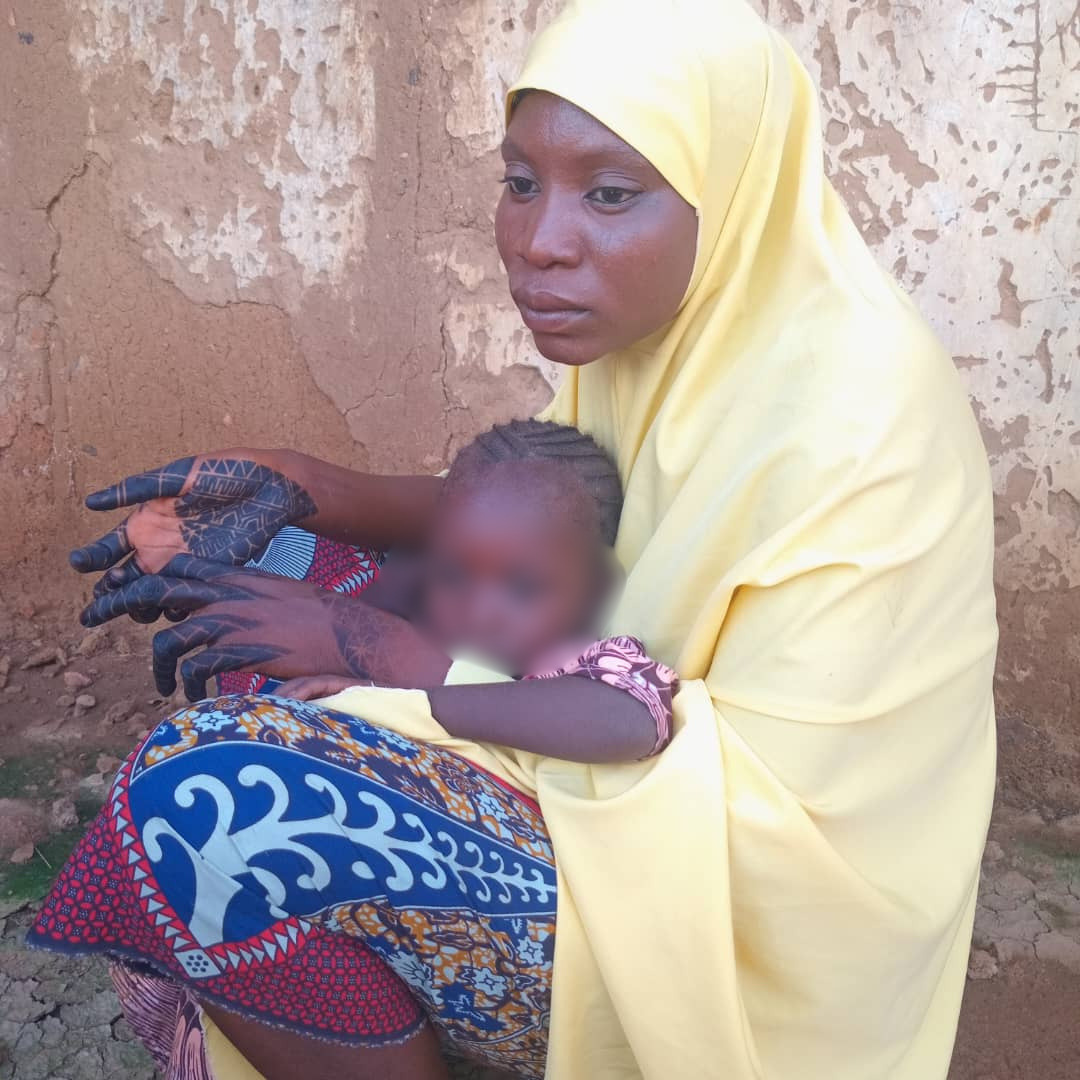
“The Yan Bindiga (bandits) arrived our village at about 4 a.m. when I was in labour,” she recalled. “All the people fled. There was no one to help me. I gave birth alone… I didn’t think I would survive.”
After delivery, Bello could not access regular medical care, as her community remains deserted by health workers. “We have not had any health workers for almost six years,” she said, adding that her experience reflects a general feeling among other women regarding medical intervention from the government.
What this meant for the now mother of three is that she is unaware of the Basic Health Care Provision Fund (BHCPF), a Federal Government initiative designed to ensure free healthcare for vulnerable Nigerians. Her experience mirrors that of hundreds of women in Zamfara and environs, where years of insecurity, crumbling health infrastructure and medical staff shortages have turned childbirth into a life-threatening ordeal.
Many women who spoke to The ICIR across Anka, Shinkafi, and Talata Mafara Local Government Areas of the state explained that government-owned Primary Healthcare Centres (PHCs) have shut down, while those active are devoid of health practitioners. This, according to the women exposes them to child vaccination and family planning challenges.
Healthcare delivery in crisis
Over the years, Zamfara State has faced security challenges, ranging from insurgent attacks to banditry. Many communities across about 14 LGAs have been displaced, with residents of Maru, Anka, Shinkafi, Maradun, Zurmi, Gusau, and Bungudu LGAs being the worse affected.
Kidnapping across Nigeria has transitioned into a self-sustaining ransom economic industry prominent in northern Nigeria including Zamfara which has recorded a plethora of abduction of medical practitioners and disruption of healthcare delivery.
According to data analysed by The ICIR, 18,079 persons were killed and 8,043 abducted between May 29, 2023, and May 2, 2025. Further analysis reveal that Borno State topped the list with 4,710 persons killed, followed by Zamfara with 2,659, and Katsina with 2,010.
Within the same period, Zamfara recorded the highest number of abductions, with 2,370 persons kidnapped. Kaduna followed with 951 abducted persons, while Katsina recorded 690 cases. Other states with high abduction figures include Borno with 578, Sokoto with 546, and Niger with 510. The Federal Capital Territory also recorded 313 abductions, while Kogi and Benue posted 227 and 212 cases respectively.
Reports show that barely 200 of the more than 700 Primary Health Care Centres (PHCs) across Zamfara State remain functional as at 2025, while the rest have been abandoned due to persistent insecurity. In communities such as Kadaddaba and Tungar Liman in Anka Local Government Area, as well as Ruwan Gizo in Talata Mafara Local Government Area, residents told The ICIR that they now depend on untrained volunteers and traditional medicine for survival.
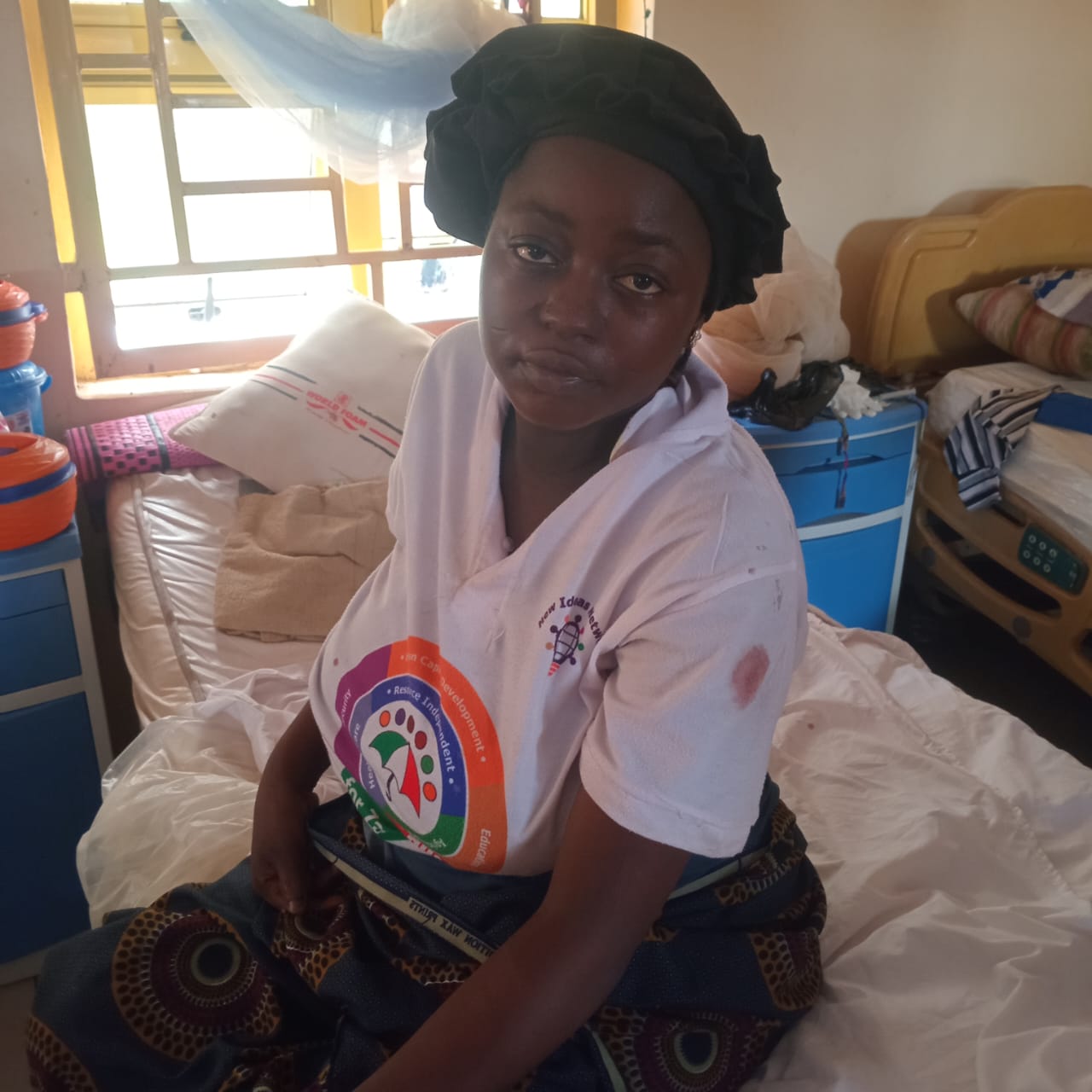
Twenty-one-year-old Marwanatu Abubakar, from Kadaddaba village in Anka, recently lost her baby during childbirth. She had a complicated pregnancy that led to a caesarean section in a medical facility several kilometres away from her village. “It was my second pregnancy, but I had to undergo a caesarean section, and the baby was already dead when it was removed.”
Until she travelled to Anka town, where medical practitioners attended to her, she had not received any antenatal care and had relied on self-prepared herbal medicine to ease the body pains she suffered. “There was a time I was ill for a week and there was no paracetamol in our village. This is because we do not have health workers as we are struggling with insecurity,” she said.
Kadaddaba, like many parts of Anka, has been crippled by insecurity. Frequent bandit attacks have forced health workers to abandon their duty posts, leaving residents at the mercy of themselves and untrained volunteers.
For women like Marwanatu Abubakar, pregnancy has not only become a life-threatening situation, but access to contraceptives and vaccines have become a challenge since organisations such as Médecins Sans Frontières (MSF) left the area.
‘I’m the only female health worker left’
During The ICIR visitation to Ruwan Gizo ward of Talata Mafara Local Government in November, 2025 Amina Bello, 45, was one of the last health volunteers remaining in the centre.
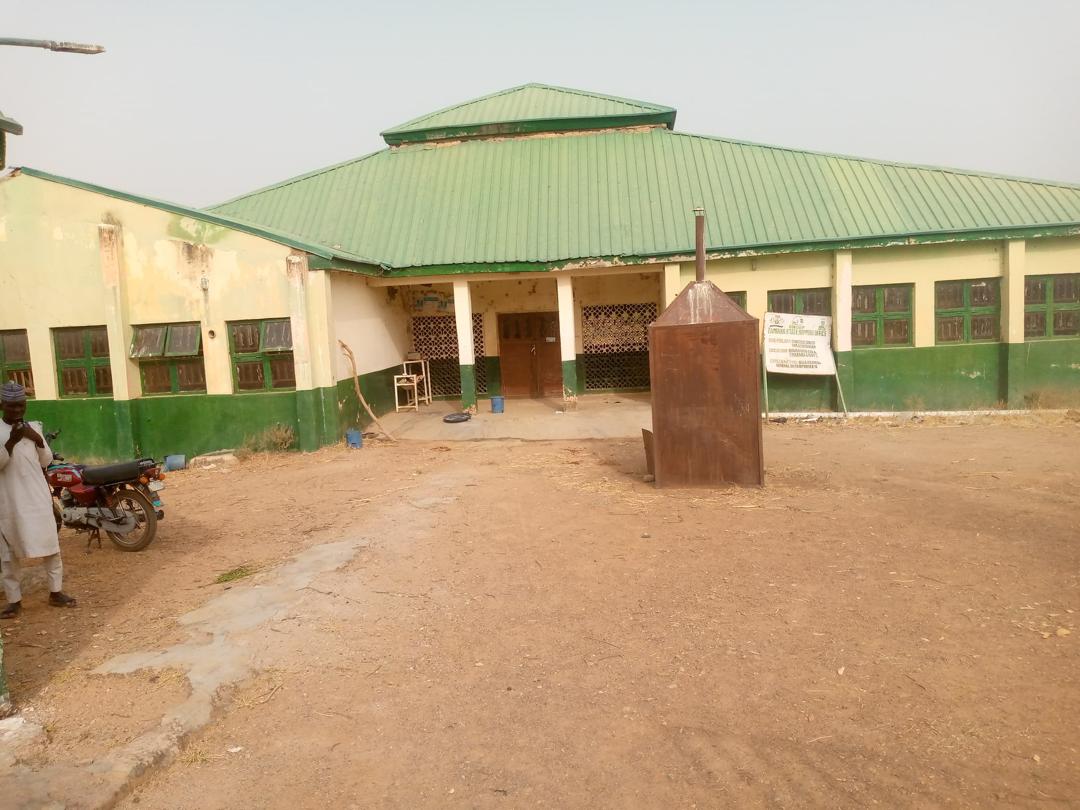
At the time she joined the PHC a few years ago, she was part of a small team of nurses and midwives. However, she now works alone delivering babies with limited tools in a community where most health workers have long fled.
Bello explained that she remains the only hope for pregnant women in labour, though she also fears for her safety. “We used to have many female nurses and midwives,” she said. “Now, no one cares for pregnant women during delivery. I’m the only one left, and we don’t have equipment.”
Her colleague, Haliru Yahaya, a staff member at the Ruwan Gizo PHC, added that the facility no longer conducts antenatal care (ANC) because the midwives fled after repeated attacks. “We try our best with volunteers,” he said. “Two years ago, the town was completely deserted. Now, there’s a little peace, but we don’t have enough manpower to handle the workload,” he said.
The ICIR gathered that basic immunisations have become a logistical nightmare in the centre as villagers often risk ambushes just to get their children vaccinated.
Speaking to this reporter, Bashir Yusuf, a volunteer staff at the centre observed a decline in the number of pregnant women who visited the centre due to insecurity along the roads. Another staff member, Adamu Musa corroborated this, saying insecurity has made their routine duties dangerous. “If there is no peace, you can’t work effectively,” he said. “We need medicine and help. We can’t continue like this.”
Health workers on the run
In April, 2025, the Coordinating Minister of Health and Social Welfare, Prof Muhammad Pate, said over 16,000 Nigerian doctors have left the country in the last five to seven years.
Although he noted that the mass exodus was to seek better pay, The ICIR through interviews with medical professionals also gathered that insecurity has become a primary driver of mass exodus of medical professionals from the country.
In September 2024, the Nigerian Association of Resident Doctors declared a seven-day warning strike over the abduction of their colleague, Ganiyat Popoola, a registrar in the Department of Ophthalmology at the National Eye Centre, Kaduna. The medical practitioner was abducted on December 27, 2023, along with her husband and nephew. While her husband was released in March 2024, Popoola and her nephew had remained in captivity until October 2024.
Before then, in June 2022, a medical doctor, Muhammad Mansur, working at the General Hospital Dansadau, in Maru Local Government Area of Zamfara State and two female employees of the hospital were abducted by gunmen. The hospital workers were abducted around Mashayar Zaki community on the Magami, Dansadau road in the state.
Still in Zamfara State, a health worker, alongside over 20 farmers had been kidnapped at a roadblock set up by bandits in Bukuyum Local Government Area (LGA) in November 2023. It was followed by the 2024 abduction of a Consultant with the Federal Medical Centre, Gusau, Oyaromade Abidemi at his residence in Mareri, a community in Gusau, the state Capital. Again, in May 2025, ravaging gunmen abducted Abdullahi Dangulbi, another medical doctor with Anka General Hospital while travelling near Tashar Kalgo village in Talata Mafara Local Government Area.
No room for family planning
The ICIR reports that although contraceptive prevalence and family planning have relatively increased from 3.3 per cent in 2011 to 5 per cent in 2016, and 20 per cent in 2023-2024, reports still show that Nigeria’s health indicators, such as life expectancy, immunisation coverage, and maternal and infant health, are still behind, with Nigeria’s health system being rated as one of the worst globally for several years.
In several communities in Zamfara, residents who spoke with The ICIR noted that they do not have access to family planning due to attacks on medical professionals and facilities.
The Nigeria Demographic and Health Survey (NDHS) 2024 shows that Nigeria’s overall demand for family planning stands at 41 per cent, while Zamfara State records 37.3 per cent, reflecting lower demand compared to the national average. Ironically, the survey found that 16.4 per cent of married women in Zamfara currently use modern contraceptive methods, slightly above the national figure of 15 per cent. The report attributed the slow pace of progress in family planning uptake to poor awareness campaigns, inadequate sensitisation, and insecurity.
Narrating her experience, Hauwa Abubakar, 40, from Ruwan Gizo, said she has never heard of family planning. “Even when we go to hospitals, we don’t see health workers,” she explained adding that the women in her community sometimes rely on herbs after labour.
Data behind the deaths
For Rashida Sani, childbirth was part of the horror she would not want to experience again. The 34-year-old mother of seven, who now lives in a refugee camp in Anka town, was displaced from her home in Makakari village, Zamfara State.
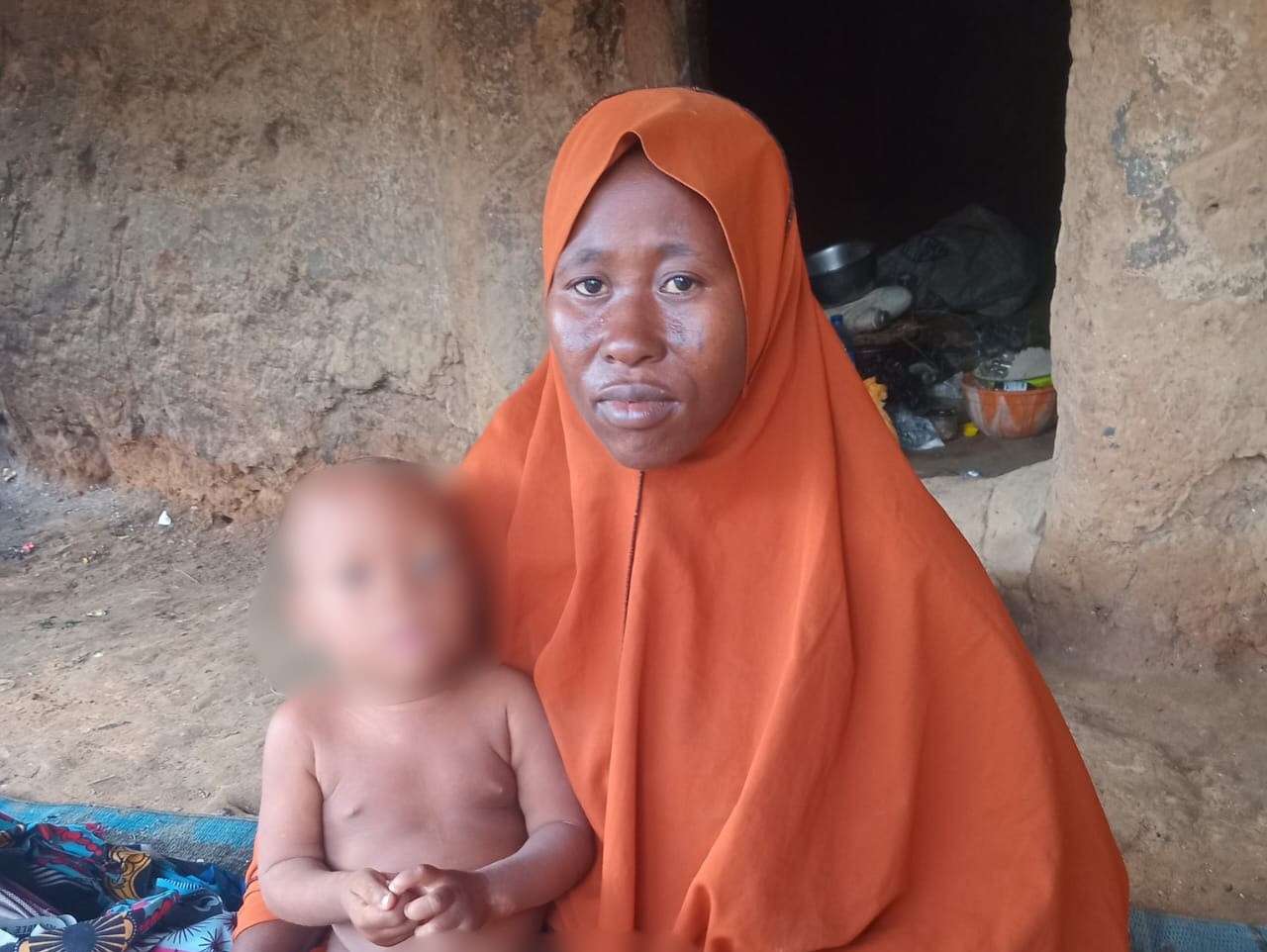
During her last pregnancy, Sani explained that she bled for over two weeks, with no medical professional to tend to her.
“I actually faced a lot of challenges when I was pregnant,” she recalled. “We don’t have qualified doctors and there are security problems. I bled for two weeks non stop even after using traditional medicine. by the time I was brought to Anka General Hospital, I didn’t know where I was,” she narrated.
Sani’s case reflects the struggles of hundreds of women who have been cut off from life-saving maternal care due to persistent violence and a collapsing health system.
These figures, The ICIR reports, are below the Sustainable Development Goals (SDG) target of 70 per 100,000 by 2030.
Disruption in healthcare puts children at risk
A public health expert and resident doctor at the department of Community Medicine and Public Health University of Abuja Teaching Hospital, Adewale Adeleye, explained that prolonged insecurity in Zamfara and other parts of northern Nigeria has created a health emergency for women and children.
Adeleye said the breakdown of healthcare services has left thousands of families without access to skilled birth attendants, vaccines, and nutrition support, adding that insecurity has displaced many families, driven health workers from rural communities and is forcing pregnant women to deliver at home under unsafe conditions. “When health workers cannot reach communities because of attacks or road blockages, pregnant women are forced to deliver without skilled attendants,” he said.
The disruption has also affected immunisation and nutrition programmes, exposing children to preventable diseases such as measles and polio. “Malnutrition among children is a major challenge, especially within the first 1,000 days of life. Without proper nutrition, their immune systems weaken, making them more prone to infections and early death,” Adeleye noted.
He urged government and humanitarian organisations to strengthen mobile health outreach and incentivise workers in conflict areas. “We must bring healthcare to the people through community-based health workers, safe vaccination points, and flexible funding that allows facilities in insecure areas to respond quickly to emergencies,” he added.
Zamfara launches safe delivery initiative
Meanwhile, the Zamfara State Government has outlined ongoing interventions aimed at strengthening maternal healthcare services amid concerns over weak health infrastructure in rural communities affected by insecurity.
In December 2025, the state Ministry of Health launched a Safe Delivery Initiative to improve maternal and newborn healthcare services across the state. The Commissioner for Health, Nafisa Maradun, said the programme is designed to upgrade delivery rooms, improve antenatal and postnatal care, and equip facilities with essential drugs and skilled birth attendants.
The state government said the pilot initiative begins with four health facilities in Gusau and Maru Local Government Areas, noting that the state plans to expand to 23 facilities across all 14 LGAs.
Efforts to get a fresh response and reaction to our findings from the Zamfara State Commissioner for Health were unsuccessful, as calls, text messages and WhatsApp messages sent to Maradun had not been responded to as at press time.
This story was supported by MSI Nigeria Reproductive Choices

Mustapha Usman is an investigative journalist with the International Centre for Investigative Reporting. You can easily reach him via: musman@icirnigeria.com. He tweets @UsmanMustapha_M