
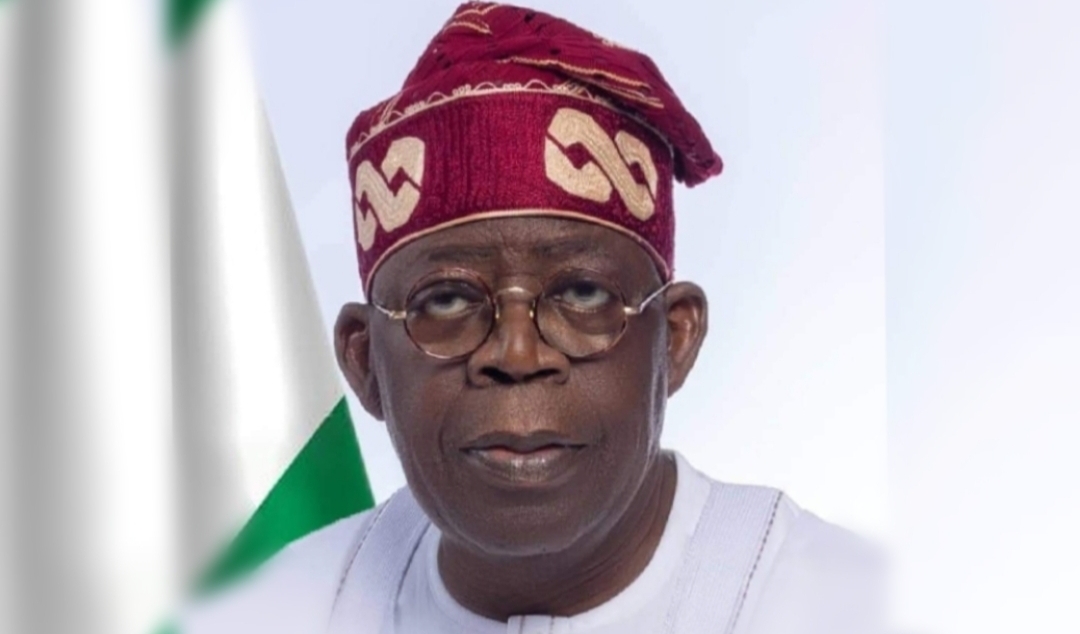
TWO years into his presidency, Bola Ahmed Tinubu began appointing ambassadors to Nigeria’s diplomatic missions in January 2026. This followed rising diplomatic pressure from the United States after threats issued by President Donald Trump.
In late October 2025, Trump accused Nigeria of failing to protect Christians from violence by extremist groups, warning that the US military could take “fast” military action if Nigeria did not crack down on attacks against Christians. Trump also ordered the US Department of Defense to prepare options for intervention, raising fears of a major diplomatic crisis between the two countries. The Nigerian government rejected the accusations, insisting that violence in the country affects both Muslims and Christians and is driven by insurgency and criminal banditry rather than state-sponsored religious persecution.
Despite the denial, the threat increased international scrutiny of Nigeria’s security situation and strained relations with Washington. Analysts and officials had observed that Nigeria’s failure to appoint ambassadors made the country vulnerable during the crisis.
Without a Nigerian ambassador in Washington, the government lacked a high-level diplomat to counter US narrative about religious persecution or lobby American policymakers, leaving a diplomatic vacuum that weakened Nigeria’s ability to influence US policy and respond quickly to Trump’s allegations.
Swift response to US diplomatic vaccum
On January 23, 2026, Tinubu approved the posting of three ambassador-designates, reversing an earlier announcement that had included a fourth nominee for Turkey following a mix-up. The three ambassadors were designated to key nations, including the United States, France, and the United Kingdom, in a move that signalled an effort to enhance Nigeria’s global diplomatic footprint.
Tinubu directed the Ministry of Foreign Affairs to formally notify host governments under diplomatic protocols on the approval of three ambassadors, with the former Director-General of Nigeria’s National Intelligence Agency (NIA) Ayodele Oke posted to France.
A former security service head and national security adviser, Lateef Kayode Are was posted to the United States of America, and former Nigeria’s Ambassador to South Korea, Amin Mohammed Dalhatu was posted to the United Kingdom as High Commissioner.
However, several high-profile nominees, including Femi Fani-Kayode, Reno Omokri, are among 65 other nominees awaiting their postings months after their confirmation by the Senate.
In December 2025, the Senate Committee on Foreign Affairs screened and approved non-career ambassadorial nominees forwarded by Tinubu which included former ministers, Femi Fani-Kayode and Abdulrahman Dambazau, former presidential aide Reno Omokri, former Enugu State Governor Ifeanyi Ugwuanyi, former presidential aide Senator Ita Enang, and former Independent National Electoral Commission (INEC) Chairman, Yakubu Mahmood.
After assuming office in September 2023, the Tinubu administration recalled all Nigerian ambassadors, but replacing them proved slow. This attracted criticisms following prolonged gaps in diplomatic representation that weakened Nigeria’s international influence, and hampered bilateral cooperation.
For nearly 28 months, Nigeria’s more than 100 diplomatic missions across the world operated without substantive ambassadors, with chargé d’affaires and senior diplomats managing embassies.
According to a report by Reuters, the delay was linked partly to funding issues and security background checks on potential nominees.
In November 2025, Tinubu forwarded an initial three nominees which included Are, Dalhatu, and Oke to the Senate for confirmation.
Just days later, he sent an additional 32 names, consisting of 15 career diplomats and 17 political who are non-career nominees. Additional names were subsequently transmitted, bringing the total number of nominees to about 65 individuals.
Despite confirmation, many of the envoys have not yet been assigned to specific countries.
Diplomatic sources say postings typically require several additional steps like presidential assignment to specific missions, agreement from host countries meaning approval of the envoy by the receiving government, formal letters of credence, deployment by the Ministry of Foreign Affairs.
Without agreement from host countries, ambassadors cannot formally assume their posts.
Some analysts also argue that the short time before the next general election cycle could complicate acceptance by certain countries, as ambassadors typically serve longer diplomatic terms.
We are awaiting diplomatic clearance -Presidency
The Presidency says Nigeria will soon announce the postings of newly appointed ambassadors, explaining that the delay is due to diplomatic procedures requiring the approval of host countries.
The spokesperson to President Bola Ahmed Tinubu, Bayo Onanuga, told The ICIR in a phone conversation on Thursday, March 5, that the list of ambassadors and their postings has already been prepared and may be released as soon as the necessary diplomatic clearances are received.
“There’s nothing delaying. He has already done it. If you understand the way the presidency works, you cannot just announce the postings of those people. You need to get the concurrence of the countries where our ambassadors are going to. I can tell you that the list is ready, the postings are ready and maybe tomorrow we are going to release it. Maybe tomorrow. I have the list of the postings. We are waiting for words from those countries where our ambassadors are going,” Onanuga said.
Responding to concerns about the prolonged gap before new appointments of new ambassadors were made, Onanuga said Nigeria’s diplomatic missions remained functional even without ambassadors, noting that officials such as consuls-general and other senior diplomats continued to manage Nigeria’s foreign missions.
“Even though the envoys were recalled, you still have another line of diplomats there in charge of the affairs. So, it’s not only when you appoint an ambassador that you have the embassy running.
He downplayed suggestions that the absence of an ambassador, particularly in the United States, complicated Nigeria’s diplomatic engagement during recent tensions involving President Donald Trump.
“It’s not only when you appoint an ambassador that you have the embassy running. The president of the country is the first ambassador of the nation, followed by the foreign affairs minister,” Onanuga said, adding that the government had continued to conduct diplomatic engagements despite the absence of ambassadors.
Delay can weaken Nigeria’s diplomatic influence- Diplomat
A former diplomat and public affairs analyst, Iliyasu Gadu, said the prolonged absence of ambassadors could weaken Nigeria’s diplomatic influence.
“When they recalled the ambassadors in October 2023, the main reason given was the cost of maintaining those embassies. They were being recalled so that they could streamline the offices and the embassies and then send fresh ambassadors after doing the due diligence. We had only chargé d’affaires, that’s people in charge of affairs.”
He added that the absence of an ambassador in strategically important countries could limit Nigeria’s ability to influence discussions or respond to emerging diplomatic issues.
Gadu also explained that appointing ambassadors does not automatically mean they can assume their posts, as host countries must first approve them through a diplomatic process known as agrément.
“They have to do their own checks through intelligence investigations thoroughly. To represent a country abroad is not a small deal. You have to be able to know the kind of person that’s coming. Perhaps if some countries now do not allow people with questionable security background.
Secondly, if they have issues regarding health, this might also constitute delay. Under the process, the sending country submits the credentials and background of the proposed envoy to the receiving country, which then conducts its own checks before granting approval.
“They have to look at their academic records, business records and past utterances. In some cases, countries also carry out intelligence checks. If they are not satisfied, they can reject the nominee without giving reasons,” he added noting that the process could take between three and six months depending on the investigations conducted by the host country,” he added.
Gadu advised the Nigerian government to rebuild its diplomatic engagement with foreign partners after the long period without ambassadors.
According to him, the government must strengthen funding for foreign missions and restore the operational capacity of Nigerian diplomats abroad.
He also urged the government to consult experienced diplomats to help reposition Nigeria’s foreign policy and strengthen its presence in global affairs.
“A lot of things are happening in the world now and Nigeria does not seem to be present in some of these developments,” he said.

Nanji is an investigative journalist with the ICIR. She has years of experience in reporting and broadcasting human angle stories, gender inequalities, minority stories, and human rights issues. She has documented sexual war crimes in armed conflict, sex for grades in Nigerian Universities, harmful traditional practices and human trafficking.