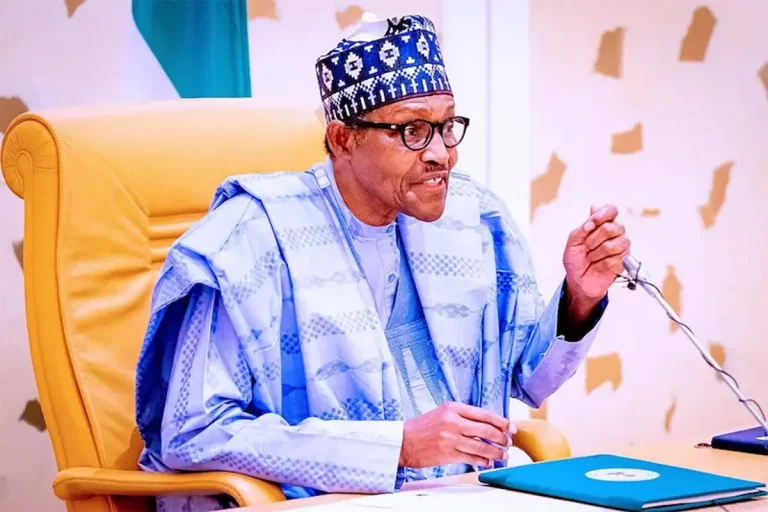
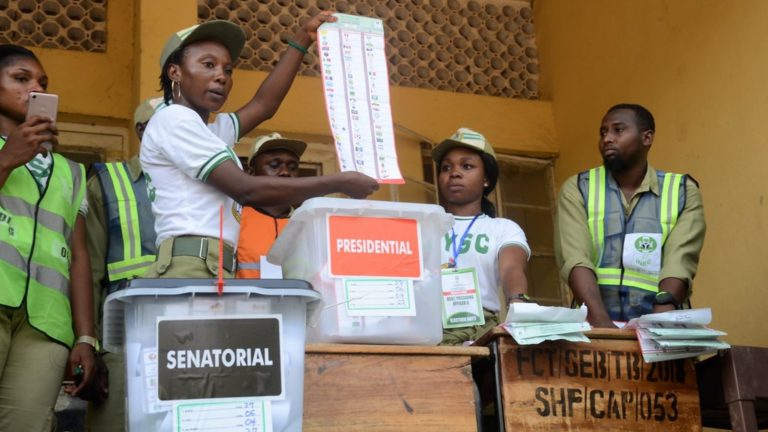
PRESIDENT Muhammadu Buhari has summoned an emergency meeting of the Council of State over escalating crises in the country ahead of the general elections.
The meeting will hold in the State House, Abuja, on Friday, January 9.
Those expected to brief the Council include the Chairman of the Independent National Electoral Commission (INEC), Mahmood Yakubu, the governor of the Central Bank of Nigeria (CBN) Godwin Emefiele and the Inspector General of Police (IGP), Usman Alkali Baba.
The meeting is coming on the heels of a national crisis that resulted from the scarcity of naira notes.
Fuel scarcity is also being experienced across the country.
The scarcity of naira notes and fuel have been identified as threats to the success of the forthcoming general elections.
It is expected that the meeting will come up with recommendations that will help to reduce tension before the elections and avert further escalation of the national crises.
One of the duties of the National Council of State is to advise the executive on policy decisions.
Membership of the Council comprises the President, the Vice President, Secretary to the Government of the Federation, the Chief Justice of Nigeria, former presidents, former heads of state, former Chief Justices of Nigeria, President of the Senate, Speaker of the House of Representatives, governors of the 36 states of the Federation and the Attorney General of the Federation, among others.
This is part of a transnational investigation spanning five countries – Nigeria, Kenya, Cameroon, Uganda and Zimbabwe.
Read the main story HERE. Read the Nigeria story HERE.
‘It is your man who is doing this’, shouts the woman, standing tall and pointing her finger.
She’s speaking at a community meeting in Mawanga, Nakuru County, in central-western Kenya, and the man she is talking about is a local political candidate for one of Kenya’s main political parties. She’s referring to a recent spate of rapes and murders of women in the neighbourhood.
In June 2022, three months before Kenyans went to the polls, five women were murdered in Mawanga in the span of two weeks. All suffered the same horrific fate; first raped, then killed and then their bodies set on fire. Those suspected of committing these crimes are known associates of the candidate in question. The woman whom she has been pointing at, a public supporter of the candidate, sits quietly in her chair.
Murder and rape
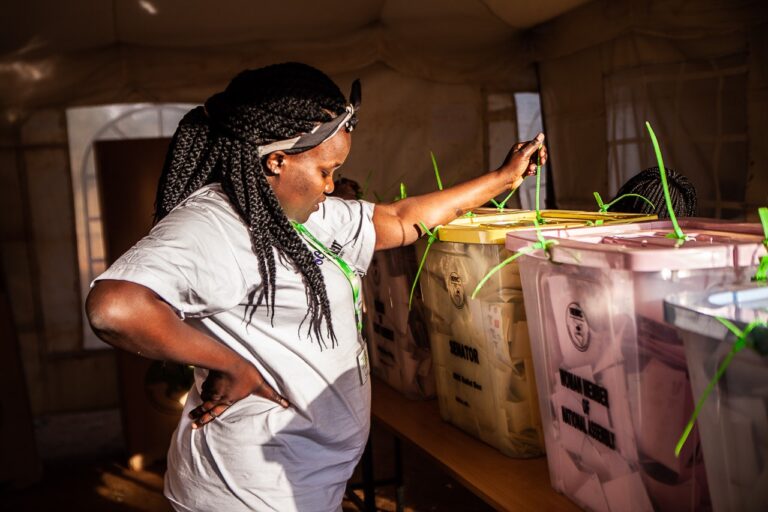
Both murder and rape have long been used to manipulate elections and intimidate the public in Kenya, targeting community activists and opponents of powerful candidates.
A count after the previous elections in 2017 suggested that 92 murders and 201 rapes could be linked to the polls in that year.
According to the Kenyan National Human Rights Commission, the Kenyan police force is accused of participating in these acts. A Human Rights Watch report said that there had even been “gang-rapes by men in uniform in opposition strongholds” in the run-up to the 2017 vote.
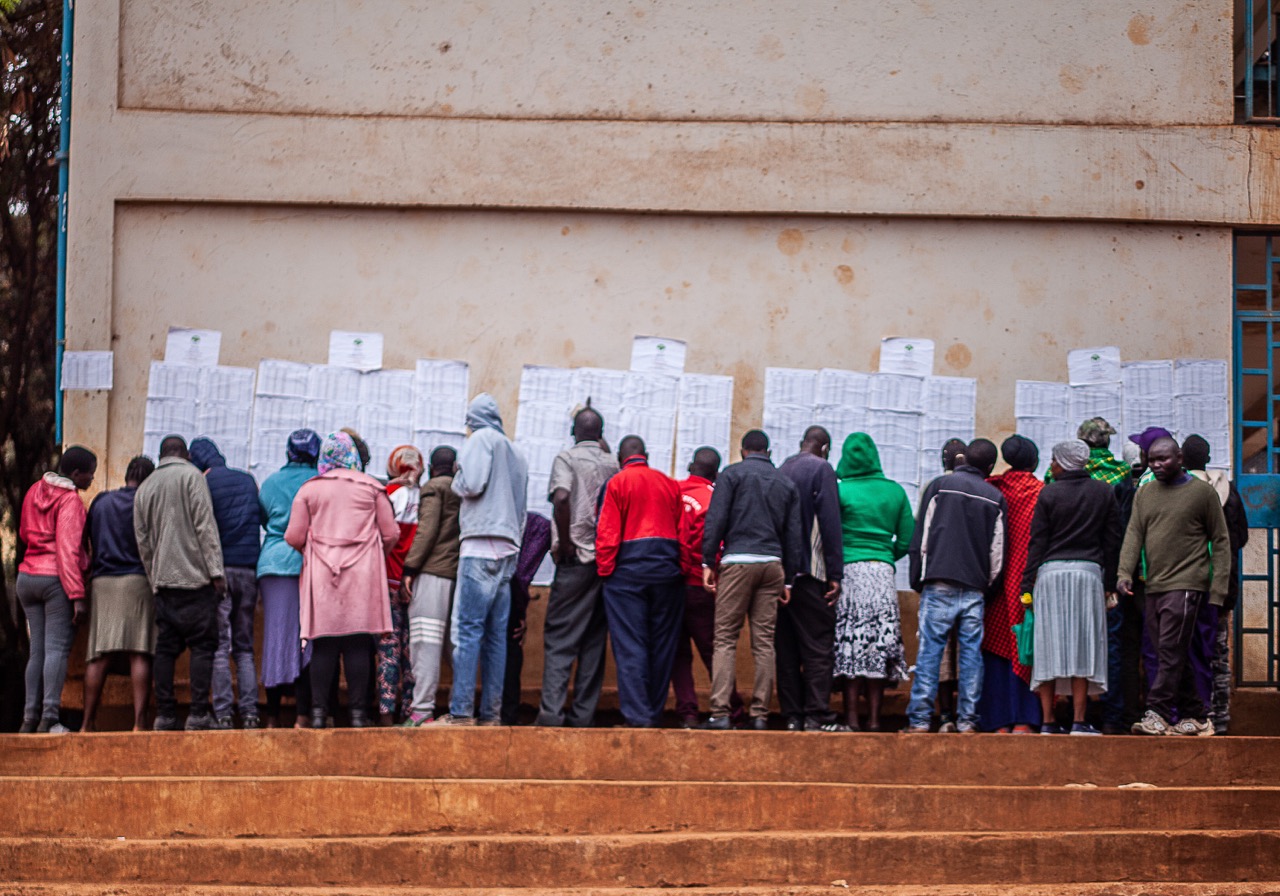
Voters look for their names on the voter’s roll at the Olympic Primary School polling centre in Presidential candidate Raila Odinga’s home constituency of Kibera ahead of the Kenyan general election. Photo by Samson Otieno
That allegation was strongly denied by police leadership as ‘utter falsehoods’, but many other reports also implicated the police in incidents of extreme violence at the time, with multiple journalists reporting cases of physical assault by police officers, politicians or political operatives.
The mysterious murder of Christopher Msando, ICT manager at the Independent Electoral and Boundaries Commission (IEBC) the parastatal tasked with overseeing elections in Kenya, also still haunts the memories of those elections.
Msando’s strangled body was found in a forest a few days before the voting, with one of his arms showing deep cuts. Before his death, he had often joked about having a chip in his arm which granted him access to the election’s digital systems.
Choosing ‘a caring and committed representative’ was risky
According to most observers, the 2022 elections have been more free and peaceful.
Speaking in an interview, Ramadhan Rajab of Missing Voices Kenya, an NGO that traces extrajudicial killings by the security forces, attributed this development to ‘various peace initiatives by civil society’ in communities. But some stories from voters, community activists and elections officials also indicate a growing trend among stakeholders and the public to ensure that democracy works.
The recent vote’s lower incidence of violence is in part attributed to citizens who kept their heads, exercised their duties, and remained peaceful even in the face of perceived fraudulent and repressive activities.
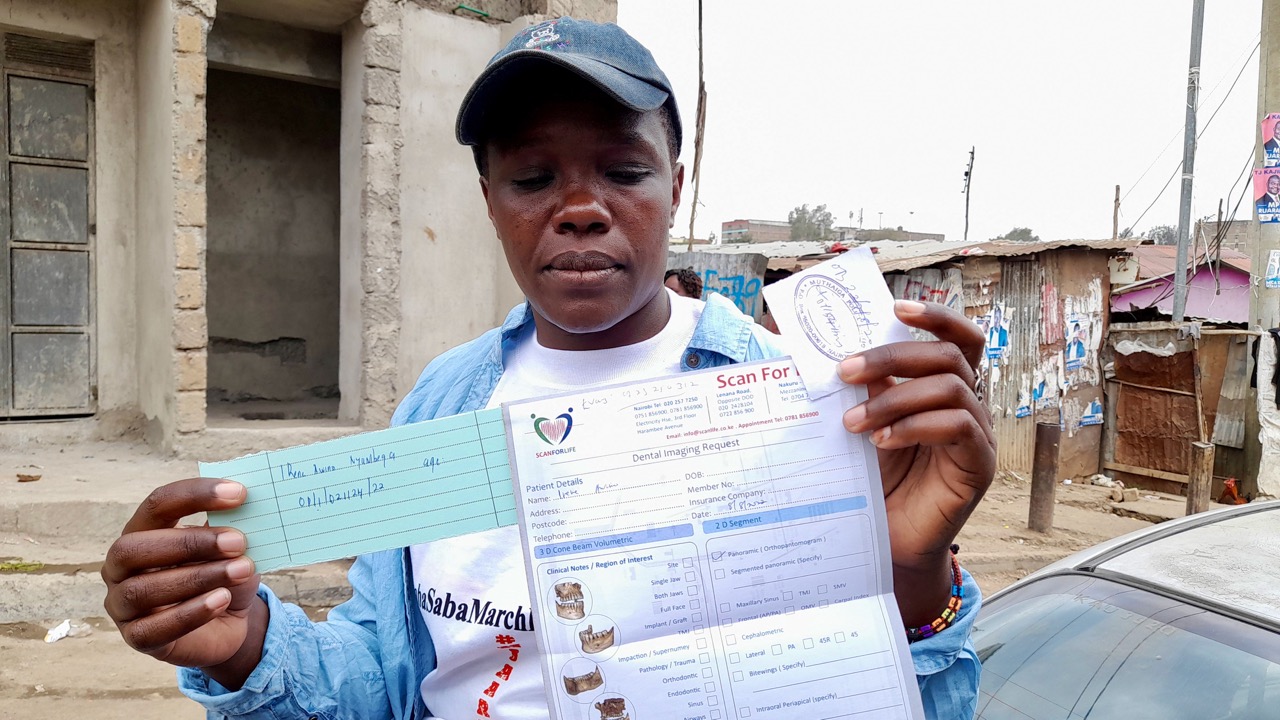
Nairobi resident and community leader Irene Nyambega, for example, stood firm despite being threatened and assaulted by a local neighbourhood watch group in her Mathare neighbourhood for displaying a poster of her preferred candidate in her window.
‘The group leader, whom I know as Abiola, asked me several times why I was supporting somebody “who does not come from the same tribe” and I said it is my right.’ Eschewing tribalism, Nyambega had chosen to support the candidate she felt would make ‘a caring and committed representative’. She refused to take the poster down.
A few nights later, she heard shouting outside her home, with a voice loudly stating that those supporting candidates ‘outside’ of the community’s dominant tribe needed to be ‘cleansed out of the neighbourhood’.
“When I came outside I found Abiola and his group. He said that tonight he would be beating somebody up. Before I could ask him what he meant, he slapped me while the other group of men held my arms so I wouldn’t fight back. My daughter was standing near me, crying.”
Fortunately, a group of female neighbours came to her rescue, and the men left. On the night before polling day, Nyambega could not sleep out of fear.
“People were hitting objects outside my door and sounding horns”, she recalls.
But the same group of women who had earlier come to her aid again came to help, and together they made a plan. “Instead of waking up early, as would have been routine, we gathered the strength later and then went as a group to the polling station, then dashed back home.’”
Irene Nyambega, who was a victim of violence during Kenya’s 2022 elections, displays the complaint forms she submitted to the police. Photo by Ngina Kirori
A request to alter forms
Similar bravery was displayed by Wajir County’s local IEBC presiding officer, Mohammed Kanyare, who was tasked with overseeing ballots in a remote area of north-eastern Kenya.
Writing in an official report to the IEBC, Kanyare describes how on August 10, 2022, while headed to the tallying centre on foot to submit the results from his polling station, he was stopped by somebody in a car. The driver, Kanyare wrote, asked him to get into the car with him. When the elections officer refused, the man then asked him to ‘just alter’ one of the forms he was carrying. Kanyare again refused and continued to walk.
He reached the tallying centre safely and was preparing to submit his results to the national returning officer when suddenly the lights went out. In a moment of chaos, he recalls glimpsing a person who ‘looked like a policeman’, who approached and shot him in the leg. The wound was so severe that Kanyare’s leg later had to be amputated, but his courage protected the integrity of the elections in Wajir County.
In Embakasi East, on the outskirts of Nairobi, a similar event would claim the life of elections officer Daniel Musyoka. On the eve of the final tally, on August 10, 2022, colleagues described Musyoka abruptly looking ‘disturbed’ before locking himself in one of the rooms in the polling station office. He would not emerge until 4 a.m., when he went home.
After returning to the office at 9 a.m., the elections officer went out to receive a phone call. CCTV footage shows him speaking to a motorbike operator nearby at around 9.50 a.m. This was the last time he was seen alive.
Herders found his body in a gulley while grazing their cows more than 50km away in Kajiado county, near the Kenya-Tanzania border. The post-mortem examination revealed the cause of death as strangulation.
The elections authority denounced the ‘forceful recruitment of voters’
In the words of the IEBC chief who spoke at his funeral, Musyoka was known to be a ‘competent professional’ who was ‘committed to free and fair elections’.
Whether he had been asked, like Kanyare, to alter election forms, and whether that was the reason for his ‘disturbed’ behaviour the night before, remains a mystery. But at a later press conference, the IEBC itself cited his death and Kanyare’s injury as examples of the 33 attempts it counted by politicians and their operatives to ‘either bribe, intimidate or threaten elections officials’ in the elections of 2022.
The total tally of attempts by individuals exerting ‘undue influence’ such as bribery or ‘forceful recruitment of voters’ during the same polls as recorded by the commission was 73.
Among these was one case of ‘unwarranted arrest’ of a voter education coordinator (held in a room at the national tallying centre by officers of an anti-terrorist police unit for three days), and several (unsuccessful) attempts to break into offices where computers with sensitive data were housed.
on August 15, during the unveiling of the general election results, the IEBC’s own leadership had also been attacked by political operatives who stormed the stage, punching officials and even hitting some with chairs.
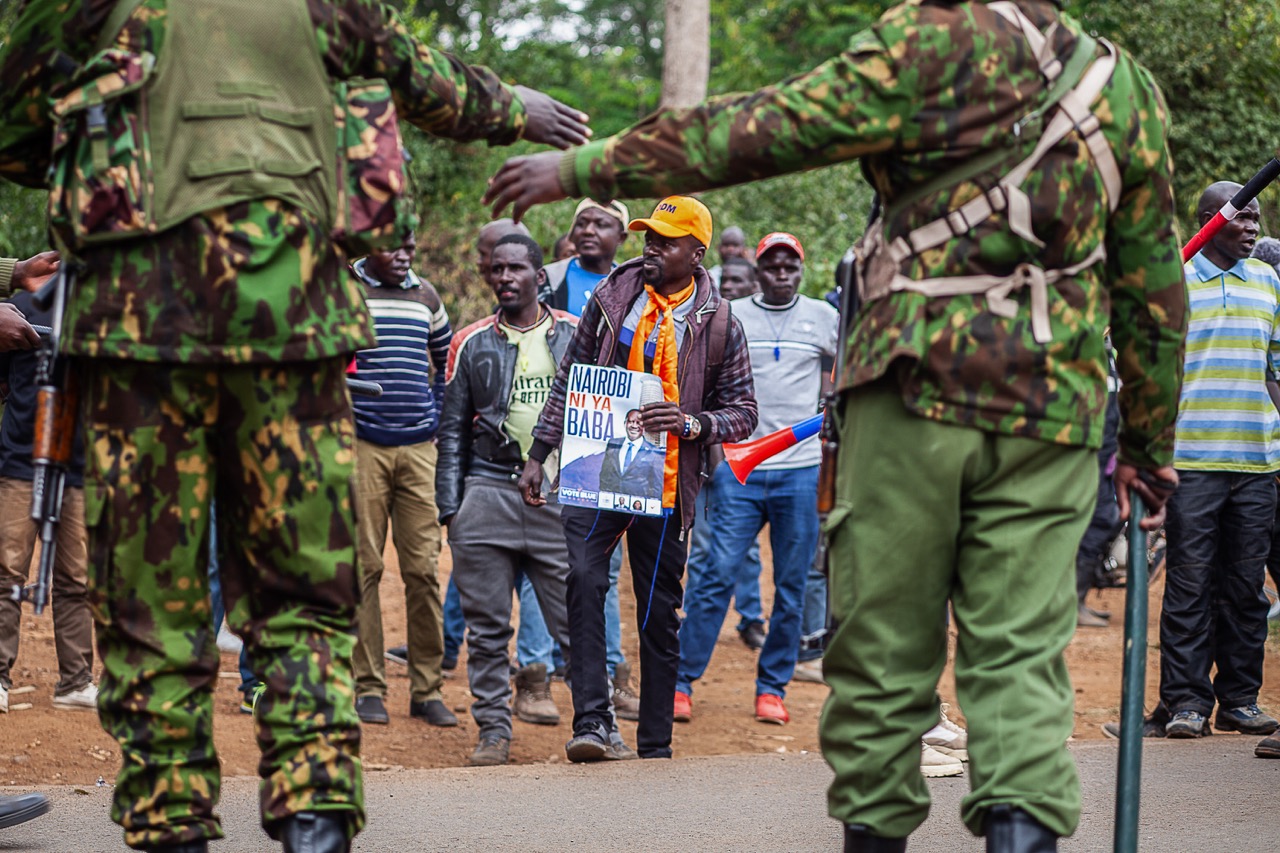
A Kenyan police officer gestures toward Odinga supporters, instructing them to move away from the main election headquarters, Bomas of Kenya, on August 15, 2022. Tensions were rising as the country awaited the results of the presidential election. Photo by Samson Otieno
The very anger of these political figures might also indicate that something is changing in Kenya. In several areas where dominant candidates engaged in campaigns of intimidation, voters ended up electing their opponents regardless. This was the case in both Wajir County and Embakasi East. Even in Nakuru County, the area in which five women were murdered in a campaign of intimidation, a relatively unknown opposition candidate stunned the main candidates by seizing on public outrage to win by a large margin.
An independent mindset
Another sign that democracy may be ascendant in Kenya is the sheer number of independent candidates that voters have to choose from.
Six thousand (6000) independents stood throughout Kenya at the 2022 elections, an increase of 50 per cent from 2017. Of these, 102 were elected to the 290-strong County Assembly, which represents Kenya’s 47 counties, a new record according to the registrar of political parties.
Thirteen independents were also elected to Kenya’s national assembly out of a total of 349 seats, and one gained a seat in the 47-strong Senate.
Overall it’s a small but significant shift in Kenya’s political landscape, where dynasties and regional strongmen have dominated the political establishment in Kenya for decades, taking turns to govern in a patronage system that rewards friendship and loyalty instead of spending on services like health care and education. ‘I want to be different from those politicians who deem (being in politics) as a lucrative venture’, says Ndung’u Ithuku, who stood as an independent in Kabete, also just outside Nairobi.
‘In my campaign, we went door to door instead of spending money on branded vehicles, hype and other political goodies,’ Ithuku did not win this time but is, he says, ready to contest again in 2027.
The President proposed to disband the feared police unit
It even seemed a message of change had reached newly elected President William Ruto.
After promising in his acceptance speech that his administration would look into cases where citizens had faced ‘intimidation, threats and in some cases murder’ during the electoral cycle, he proposed to disband the feared Special Service Unit (SSU).
The SSU is an elite paramilitary unit believed to be responsible for hundreds of extrajudicial killings in the country, whose victims are often posthumously labelled as criminals or terrorists.
On several occasions, sacks containing dead bodies with their hands bound behind their backs have been found in rivers in Kenya, and in his announcement, Ruto tacitly admitted that this was at least in part the work of the SSU.
Police chief Amin Mohamed himself later confirmed the unit’s disbanding, saying that the decision would mean ‘no more extrajudicial killings in the country.’
Real change for the better remains slow, however.
Like in the other countries in this investigation, the Kenyan state has purchased surveillance spyware that allows it to read messages and emails, and listen in on phone calls.
Speaking in 2021, civil society activist Suhayl Omar said that ‘the Kenyan government relies heavily on surveillance of its citizens to crack down on any form of opposition”. By July 2022 that complaint still did not yet seem outdated when, a month before elections, activists and other social media users expressed concern about a Communications Authority decree to reregister SIM cards or face fines or imprisonment.’
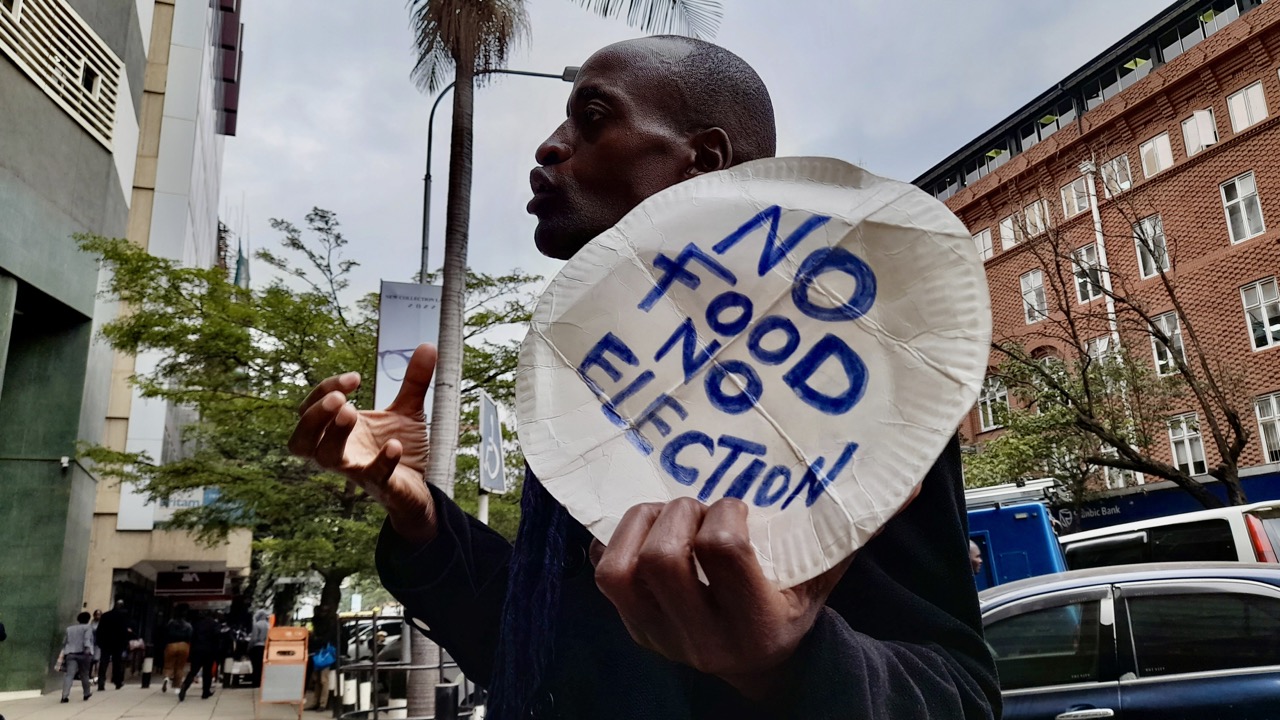
A man protests over rising food insecurity during Kenya’s 2022 election cycle. Photo by Ngina Kirori.
None of the countries currently competing for contracts with the Kenyan government seem to be particularly concerned about new President William Ruto, however. This is despite his role in the post-election violence fifteen years ago in which over a thousand Kenyans died.
Ruto’s actions and tribalist rhetoric during the period led to him being charged with crimes against humanity at the International Criminal Court (ICC), and though the charges against him were dropped in 2016, the court refused to acquit him, saying that a new prosecution could be opened in the future should fresh evidence be submitted.
This threat hanging over the new president’s head was recently connected to two more mysterious deaths. On October 26 last year, prominent Kenyan lawyer Paul Gicheru, who was facing his own ICC charges after being accused of witness tampering on behalf of William Ruto, was found dead in his Nairobi bedroom with foam coming out of his mouth. Gicheru had been about to testify in that witness tampering case.
Three months earlier Christopher Koech, a witness in Gicheru’s case, collapsed while on his motorbike in Kakamega county. He was also reportedly found to have foam coming out of his mouth. They are added to a bleak tally of eleven other witnesses connected to Kenya’s new president who have died since charges were announced against him in 2011.
_
Changed priorities
Meanwhile, President Ruto recently ordered another notorious unit, the General Service Unit, into Nairobi to counter a surge in violent crime. Missing Voices has documented another 23 murders and seven disappearances since August.
Prosecution of offences committed by security forces also remains extremely rare and Kenya’s courts have reported a backlog of 60,000 of such cases. The murder of Christopher Msando in 2017 still has not reached a courtroom, despite a key witness declaring themselves ready to testify. A much-needed Witness Protection Agency, nominally in the making for years now, remains crippled by a lack of funds.
The lack of real institutional progress has civil society in Kenya clamouring for more support from Western donors for its pro-democracy and anti-corruption efforts, though there’s little success.
“Priorities seem to have changed”, says the leader of one civil society organisation, who asked to remain anonymous. “Several reports we compiled on misuse of public funds have been met with silence, very little action and reduced funding.”
Asked why he thinks this is so, he replied that Western partner countries “are more concerned about doing business with the Kenyan government” nowadays, especially “with regard to contracts that might otherwise go to China and the East”.
TCivil society sources also claim to be affected by Kenya’s 2014 rating upgrade, which saw the country’s ranking upgraded to “Lower-Middle Income”. This makes it ineligible for various forms of support, including grassroots support, which is reserved for countries ranked as low-income.
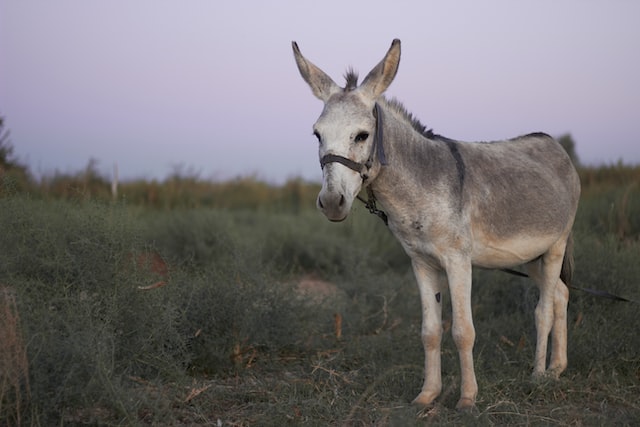
In recent years, there’s been a huge, rising demand for donkey hides in China, where they are used to make an ancient health-related product called ejiao. Ejiao is made from collagen that’s been extracted from donkey hides mixed with herbs and other ingredients to create medicinal and health consumer products. It’s believed to have properties that strengthen the blood, stop bleeding and improve the quality of both vital fluids and sleep.
Ejiaosells for about US$783 per kilo and the Chinese market for it has increased from about US$3.2 billion in 2013 to about US$7.8 billion in 2020. This recent rise in demand is driven by several factors, including rising incomes, popularisation of the product via a television series, and an ageing population (age is a key demographic driving demand). In addition, ejiao is sometimes prescribed by doctors and the cost can newly be covered by health insurance.
Ejiao. HelloRF Zcool/Shutterstock
The demand for ejiao has led to a shortage of donkeys in China and increasingly worldwide. Countries in Africa have been particularly affected.
Africa is home to the highest number of donkeys in the world: about two-thirds of the estimated global population of 53 million donkeys in 2020. Exact figures on how many hides are exported to China aren’t available due to a growing illicit trade, but there are indications. A study of South Africa’s donkey population, for instance, suggests that it went from 210,000 in 1996 to about 146,000 in 2019. This was attributed to the export of donkey hides.
In a recent paper I examined the trends, issues and prospects for the Africa–China donkey trade. My information came from interviews, literature and news reviews in English and Chinese.
My findings are that the scale of the donkey trade, both illicit and legal, poses a challenge for many countries in Africa, especially in terms of its impact on the most marginalised communities. Besides donkey welfare, a big part of the challenge is how affordable donkeys are locally. Donkeys have a valuable, ancient role as a workhorse and losing access to them creates a huge problem for poor households. The other part of the challenge is regulatory. Only when the donkey hide trade is fully regulated – and export numbers are able to be very limited – might the trade work without adverse consequences for the poor.
This was also highlighted by a recent survey of the East African Community which found that the region was not ready for the mass slaughter and unregulated trade of donkeys. Millions of vulnerable East Africans rely on donkeys for a living and are at risk of losing out through the donkey skin trade.
Donkeys are one of the simplest, most sustainable and affordable means of transporting people, goods and farm inputs and outputs from home to farm to market and vice versa, as well as to water wells and other places. Even in harsh environments donkeys can travel long distances with a heavy load, limited fluids, and without showing signs of fatigue. They are a durable household asset.
Donkey ownership increases productivity and lessens hard work by, for example, reducing the loads women must otherwise carry themselves. In Ghana, for instance, owning a donkey was found to save adults about five hours of labour a week, and children 10 hours a week. The presence of a donkey also freed girl children to go to school.
Donkeys can also carry heavy loads of firewood and water. This means people need to make fewer trips. This frees up labour and time for other income generating activities, such as sowing someone’s farm for money.
The value of having a donkey in the household is evident. The loss of a donkey to a household in rural Kenya is associated with an increased risk of poverty – children drop out of school, and there’s less water security and more economic fragility. This makes the donkey trade a sensitive topic.
Government responses
Rising Chinese demand for donkeys has elicited a variety of responses by governments across Africa.
Tanzania, for example, attempted to create a formal donkey industry and trade. But, in 2022, authorities banned it because legal supply couldn’t keep up with demand. Female donkeys typically produce only a few foals each in a lifetime.
In Kenya, public outrage – largely due to the rise of donkey prices and diminishing supply – led to a ban on exports in February 2020. Kenya’s donkey exporters, however, took their case against the ban to Kenya’s High Court in June 2020, and won.
Elsewhere, countries such as Botswana, Burkina Faso, Mali, Niger, Senegal and Tanzania banned donkey exports. Others, such as South Africa, banned or limited the donkey trade with requirements for established slaughterhouses and related quotas.
However, the implementation of donkey bans varies according to the strength of the regulatory capacity in each country – and how easy it is to smuggle things across borders.
In South Africa’s case, export quotas have merely sent the trade underground. This leads to more donkey theft. Illicitly traded hides from South Africa are typically from donkeys that are slaughtered inhumanely in the bush or in sub-standard slaughterhouses in Lesotho. Then they are exported to China.
Poverty also fosters the trade, which in turn can lead to further impoverishment. Donkey owners, needing a short-term income windfall, will sell their animal. It may then be slaughtered and traded illegally and lead to diminished income-earning opportunity in the medium and long run.
The ejiao industry in China is well organised and resourced. A handful of major firms and one province dominate the industry in China, and they are represented by the Shandong Ejiao Industry Association.
A China-Africa donkey hide trade may be possible if African countries get organised, form associations and establish a dialogue with the Shandong Ejiao Industry. The aim would be to work out sustainable mechanisms, prevent damage to local interests and help to counter the illicit trade.
In parallel to this, it would be important for animal welfare agencies in China to raise awareness of the illicit and damaging impact of the illicit donkey hide trade.
For now, I believe that the trade is premature. Better regulatory standards are needed by China’s ejiao industry such that illegally traded and stolen donkey hides are not part of the industry. Deeper cooperation across African countries would also help to preserve the ancient role of the donkey in supporting trade and the continent’s most vulnerable and geographically isolated groups.
The Association of Corporate Affairs Managers of Banks (ACAMB) has called for calm from Nigerians, saying that the current transaction glitches affecting the currency swap policy would soon be resolved.
The association’s president, Rasheed Bolarinwa, told The ICIR today that the banks were working with the Central Bank of Nigeria (CBN) to address the negative impact of the policy on Nigerians.
Bolarinwa said, “The ACAMB empathises with Nigerians on the unintended hardships being faced in the process of the ongoing rollout of redesigned naira notes and enhanced cashless policy.
“Nigerian banks are working with the CBN to ensure that customers have access to cash through ATMs and other channels, as well as over the counter in the banking halls.”
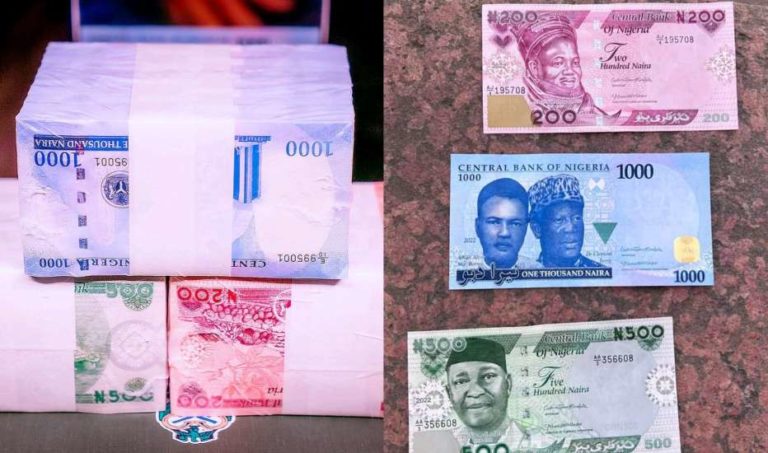
Nigerians have been going through excruciating pains trying to access cash from the deposit money banks and point-of-sale (PoS) centres since the CBN introduced new N1000, N500 and N200 notes into circulation on December 15, 2022.
The apex bank explained it was redesigning the three notes with a view to mopping up unregulated money outside the banking vault, which it estimated was up to 80 per cent of the money in circulation.
The gaps in supply of the new notes and demand by the people has created sharp practices in the banking system, and more than 100 per cent hike in the transaction cost for withdrawal through PoS.
Scarcity of cash has also resulted in some Nigerians vandalising banks’ properties, as well as in protests on the streets.
Bolarinwa, condemning the attacks on bankers and banking facilities, said, “Vandalising banks and attacking bankers is not right. The banking public should know that the banks cannot hoard money when they have it in their vault since they are also in business.”
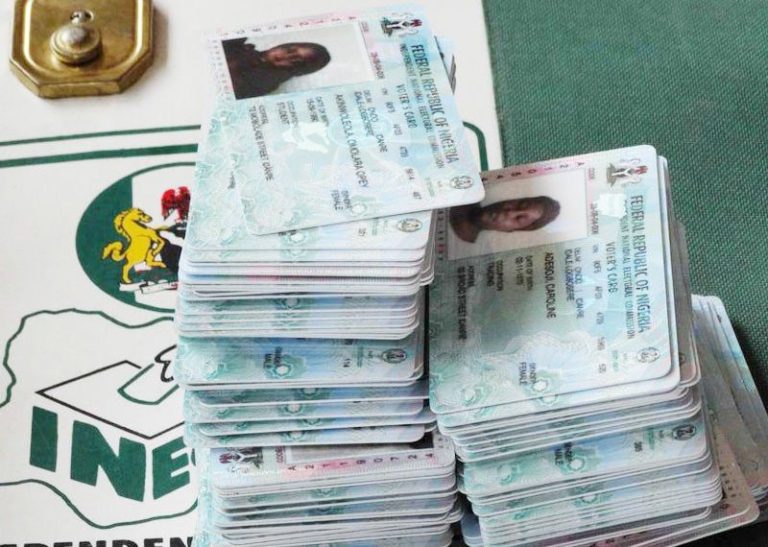
According to her 6.7 million (6,708,451) persons have collected their PVCs out of the 7.6 million (7,637,402) registered voters in the state.
The figure represents 87.8 per cent of the registered voters.
Tadese stressed that 928,951 PVCs have not been collected as of the February 5 deadline, representing over 12 per cent of registered voters.
According to her INEC received 6,570,291 PVCs, out of which 5,747,651 were collected during the first batch, while in the second batch, it received 1,067,111 PVCs, out of which 960,800 have been collected.
The Commission had on January 8, announced the extension of PVCs’ collection for the 2023 general elections from January 29 to February 5.
The presidential and National Assembly elections will hold on February 25 while the governorship and State House of Assembly polls will hold on March 11.
On that day in October 2020, there were grim images of blood, wailing, and anguish on the faces of young people at the Lekki toll gate, images that showed no regard for ethnicity, religion, political access, or status—the common fault lines traditionally manipulated by the political elite to divide, discourage, and weaken the resolve for self-determination in young people.
Twenty-one-year-old Oke was not even at the crime scene; he was in his house when stray bullets killed him, three hours after tweeting, “Nigeria will not end me.”
The Endsars shooting was the ultimate declaration of disregard: it clearly said to young people, “I don’t care about you; I am not willing to hear what you have to say; and you are not important to me.”
One might argue that this perspective is wrong or that the incident was an exception and not the norm, but a survey conducted by researchers on 800 randomly selected young people in the country indicated that 95 per cent of the respondents believed that Nigeria does not value its youth. 87.9 per cent agreed that Nigerian youths are alienated from the Nigerian project, while 85.9 per cent reported that the youths are not seen as developmental agents.
The Mandela Institute for Development Studies (MINDS) 2016 report stated that 75 per cent of young people think the country is headed in the wrong direction. This is 2023; those numbers haven’t changed at all; if anything, they’ll be much worse.
If it were two regular individuals who thought so little of each other, we might not worry. It is their business, we would conclude. Rather, this bad blood is between our government and the majority of its productive and economically active citizens. We are all victims. This is our business.
For the context of this article, we would adopt the MINDS report’s definition of youth as persons between the ages of 18 and 45. This is culturally relevant to the socio-political realities in the country that inform this conversation.
Except for pockets of outrage like ENDARS, Nigerian youth have not really challenged or bucked the political hegemony that captured this nation in the fourth republic, despite our well-documented frustrations. Instead, we have interacted emotionally rather than systematically with these frustrations. This has contributed to the rise of the “self-help” culture, that is covered in more detail in the second article of this series.
Engaging systematically is to influence and interact with the power bases that determine the who, how, where, and when—which is the domain of governance. In a democracy, this practice can be referred to as “politics.”
Wikipedia defines it as the set of activities that are associated with making decisions in groups or other forms of power relations among individuals, such as the distribution of resources or status.
Politics is the substructure that dictates the movement of other institutions in a society.
Elections are a feedback mechanism created to regulate, check, and ensure that the activities of politics are representative of society and its stakeholders. Balancing all these is the burden of civic participation.
Civic participation enables citizens like us to recognise elements, individuals, and ideologies in the exercise of governance that are beneficial or detrimental to our aspirations and empowers us, through elections, to retain or banish them from our politics. It is an effective self-regulatory mechanism if everyone performs their function.
This is a missing piece in the unsolvable puzzle that is Nigeria’s democracy.
Everybody, especially the youth, does not perform their function; voter turnout in election cycles has steadily declined from a high of 69 per cent in the 2003 presidential election to between 30 – 40 per cent, despite a substantial increase in the number of registered voters. For context, 75 per cent of the 93 million voters registered to vote in the 2023 general election are between the ages of 18 and 49. If 50 per cent of them came out to vote, the country would record the highest voter turnout of any election since 1999.
If we further investigate other indicators of civic engagement aside from voting, such as engaging representatives and elected officials, participation in budgeting, paying taxes, participating in community development and peer group activities, volunteering, following the news and gathering civic knowledge, tracking government projects like what PROMAD is doing through its FollowTheProjects initiative, participating in public hearings, etc. The reality gets starker.
It is hypocrisy that we expect politics to represent us when we will not represent it and to account for us when we have refused to keep it accountable.
Moralisation does not work here; only interest does, as politics is amoral. It is important for youths to participate in elections and governance because we represent a significant portion of the population and have the potential to bargain for influence as we are both its biggest beneficiary and its biggest victim. The popular saying “those who will carry the burden of poor decisions should have a say in the load” is apt.
It is not enough to agonise, endure tears and deprivation, or stay angry at the older generation and failed politicians, but to also have a renewed faith in our democracy. The power of numbers would shift participation, engagement, and policy consideration in our favour; effectively wielding this power in setting the tone of national discourse will make us a stronger stakeholder and force in governance.
By participating in elections, we can vote for candidates who align with young people’s values and priorities and who are committed to addressing the issues that affect us.
Continuous civic engagement will broaden our influence and help to increase young people’s representation in decision-making positions, resulting in policies and programmes that are more responsive to the needs of the youth population on priority issues of education, employment, and economic opportunities, as well as on other social issues such as healthcare, affordable housing, and security.
Furthermore, youth participation in governance can help promote transparency, accountability, and good governance, as our voices and votes will hold elected officials accountable for their actions and ensure that they work in the population’s best interests.
It also allows us to have a say in the decision-making processes that affect our lives and the needs and aspirations of our communities. Young people can also develop important skills and gain valuable experience that will help us become leaders in our own right. We can learn about the democratic process, how to advocate for our interests, and how to work effectively with others to bring about change.
We will be naive if we do not recognise the harsh context, the attendant push factors, and their impact on young people’s participation. Despite this, we must always keep in mind that bad actors will always exist, undemocratic concentrations of power will always form and need dissolving, cliques and cabals will need challenging, and civil-service empires will need to be deconstructed.
The only tool that can effectively weaken their effect and sanitise our politics enough to continuously deliver good governance is a society with self-rule built on young people’s active citizenship and strengthened by political knowledge and civic dialogue, as opposed to a passive and resentful youth population. Nigeria’s democracy is emerging; it will not stay static but will either shrink when you abstain or expand as you actively participate.
There is a caveat: the practice of democracy can be excruciatingly slow and sometimes unfair; people can be messy, selfish, stubborn, and violent; reaching consensus can be impossible; things will not always go your way when you want them or how you want them. All of which is not a problem of democracy but of its actors.
These problems, regardless of their impact, can only be solved by even more democracy and civic participation, not less. Apathy, anger, frustration, and feelings of betrayal devoid of constructive civic participation will not serve the cause of development. Until we learn that “self-help” alone is not sustainable and, worse, useless, the painful sores that feed our outrage will continue to fester and never heal.
When we do not participate in elections and governance, our future will be decided by the people who do. If you are aware enough to fear that future, then you are aware enough to take the initiative to prevent it. Participating in elections and governance is a proven approach.
Civic participation is how young people can take the lead in building the Nigeria we want. It is how we can become tomorrow’s leaders right now.
*Akinleye is the Impacts and Communications Assistant, PROMAD
Contributors: Kingsley Agu, Director, Community Engagement, Connected Development (CODE); and Iyanuoluwa Bolarinwa, Assistant manager, Intl. Growth, BudgIT Foundation.
This article is an excerpt from the third in a six-part series of public conversations on youth civic participation under “Accelerating Youth Civic Participation in the FCT.”
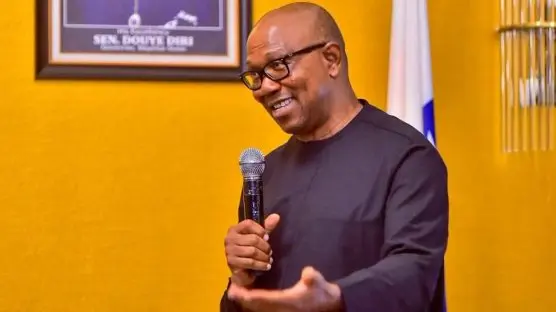
THE presidential candidate of the Labour Party (LP) for the 2023 elections, Peter Obi, has urged Nigerians to salvage their country, which he said had suffered enough.
Obi made the call at a book launched in his honour on Tuesday, February 7, in Abuja.
The book “Peter Obi: Many Voices, One Perspective” explored the life and ideals of the former Anambra State governor.
The LP candidate, who showed up briefly at the event because of his “other engagements”, appealed to Nigerians to support his presidential bid.
“We urge all of you to support us, especially in these final days, to reach the end of this race. Nigeria has suffered enough. This is a great country that can be turned around. We can’t succeed without your intervention.”
Describing the upcoming presidential poll as “an existential election”, Obi warned that if the nation got its leadership choice wrong at the poll, the aftermath would be unpredictable.
He urged the citizens to give him their votes to enable him to offer the good leadership they desired.
The book launchers used the platform to raise money for the candidate’s campaign.
When filing this report at the event venue, the organizers raised less than N50 million.
Influential personalities from the South-East, including actor and lawyer Kenneth Okonkwo and Peter Okoye, popularly known as P-Square, dominated the event.
The ICIR reports that Peter Obi is among the four leading presidential candidates in the coming election.
He is contesting against the All Progressives Congress (APC) Bola Tinubu, Peoples’ Democratic Party’s Atiku Abubakar, New Nigeria’s Peoples Party (NNPP) Rabiu Kwankwaso and other nearly other dozen candidates.
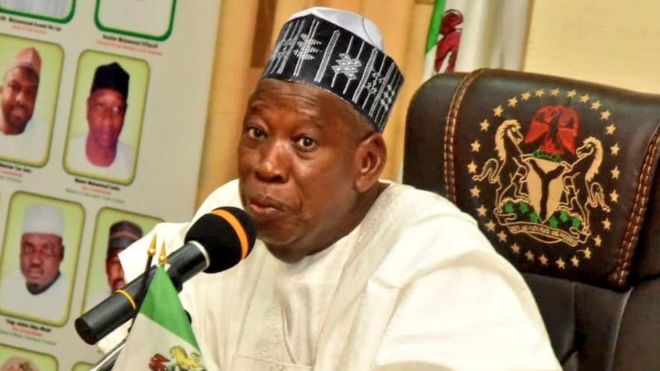
KANO State governor Abdullahi Ganduje has said some opposition political parties are seeking to disrupt the democratic transition while hiding behind the naira redesign policy introduced by the Central Bank of Nigeria (CBN).
The governor made the claim in a statement issued by the state Commissioner for Information, Mallam Muhammad Garba.
Reacting to the suit filed by four political parties seeking non-extension of the deadline for withdrawing old naira notes from circulation, Ganduje accused the parties of secretly working with the Peoples Democratic Party (PDP) to sabotage the country’s democracy.
He also described the CBN’s new naira policy as a harsh and insensitive one, implemented despite it’s rejection by most Nigerians.
“It is unfortunate that the CBN and its collaborators are insisting unnecessarily on the imposition of an unreasonable time frame for the old Naira notes to cease to be legal tender, in total refutation of the apparent national shortage in the necessary technological infrastructure for the process.
“The rigid insistence on the implementation of these harsh, inhuman and insensitive cash policies to the point of neglecting their widespread rejection by the vast majority of Nigerians, including the National Assembly and all state governors, is an ominous agenda for the undermining of the nation and consequent scurrying of a smooth transition to a freely and fairly elected successive administration,” he said.
THE Federal Government has accused opposition political parties of politicising the current scarcity of the naira at the expense of Nigerians.
Four political parties – Action Alliance (AA), Action Peoples Party (APP), Allied Peoples Movement (APM) and National Rescue Movement (NRM) – had filed a motion which sought to restrain the Federal Government from extending the naira swap deadline.
Justice Eleojo Enenche of the Federal Capital Territory (FCT) high court on Monday, February 6, restrained the Federal Government and the Central Bank of Nigeria (CBN) and 27 commercial banks from extending the deadline on the use of old naira notes pending the determination of the suit.
Reacting to the development, the Minister of Information, Lai Mohammed, said opposition parties are not mindful of the plight of Nigerians due to the cash crunch.
Speaking at the 23rd edition of the PMB Administration Scorecard Series (2015-2023), on Tuesday, Lai Mohammed described the move by the opposition parties as unscrupulous.
According to him, the action of the political parties is a clear evidence that the opposition has turned the naira redesign policy into a political game, leaving Nigerians to suffer.
said: “Recall that after his (Buhari’) meeting with the Progressives Governors’ Forum on Friday, President Buhari urged the citizens to give him a seven-day window to resolve the currency crunch that has emanated from the implementation of the naira redesign policy.
“Unfortunately, on Monday, some opposition political parties ran to court to obtain an injunction restraining Mr President and the CBN from extending the February 10 deadline for Nigerians to exchange their old notes for new ones.
“These curious actions by the parties concerned are clear evidence that the opposition has turned this whole issue into a political game, preferring to make Nigerians suffer more on the altar of unconscionable political gamesmanship.
“Or how else can one explain that these unscrupulous opposition parties do not want any action that could reduce the pains being experienced by Nigerians?
“How else can one explain that they have decided to legally hamstring Mr President, in particular, from providing any relief for Nigerians suffering from the cash crunch?”
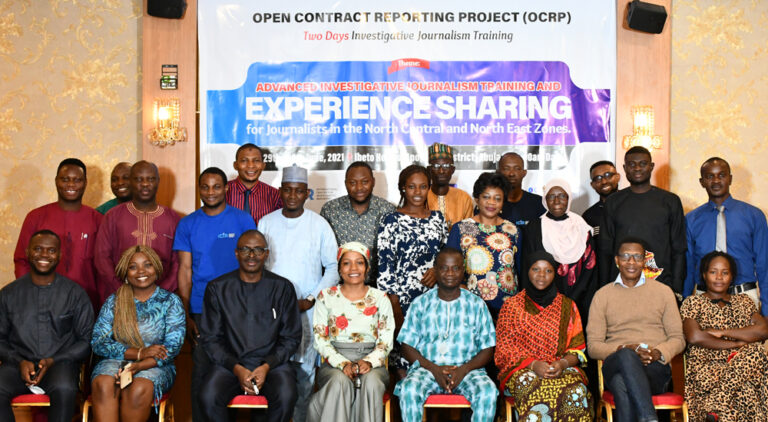
THE International Centre for Investigative Reporting (ICIR) is inviting applications from suitable and qualified journalists for the second phase of its Open Contract Reporting Project (OCRP).
The OCPR is an accountability reporting project of the Centre that seeks to promote fiscal transparency and accountability in the budget and procurement processes in Nigeria.
The project aims to build capacity and provide mentoring and financial support for selected journalists to work with The ICIR to undertake investigative and data-driven reports on budget and procurement issues.
The application is for journalists in media houses at state and local government levels across print, electronic and digital media in the six geopolitical zones of Nigeria.
The ICIR would work with selected journalists for the remainder of the project. Candidates with a minimum of three years experience as practicing journalists working in print, electronic and online media from across the six geo-political zones can apply.
Successful applicants will be expected to report on open contract issues in their respective states. Freelancers with a track record of accountability reporting are also welcome.
Applicants must provide proof of prior critical reporting in the last 12 months.
Being a gender-inclusive organisation, the Centre strongly encourages qualified female journalists to apply.
The organiser says, “In the last five years, the Centre has worked to build the capacity for journalists to effectively investigate and report on budget and procurement issues, thus strengthening open contracting processes and engendering effective service delivery for the welfare of the citizens, particularly at the sub-regional level.
“In its second year, the OCRP is a three-year project funded by the John D. and Catherine T. MacArthur Foundation under its On-Nigeria Anti-Corruption Programme and would last until 2024.”
The deadline for the submission of applications is February 27, 2023. Interested applicants can apply here.