Home Blog Page 147

Kebbi Stadium: Reps to probe $25m grants amid growing allegations against NFF

0

THE House of Representatives has resolved to investigate the alleged mismanagement of financial grants totaling $25 million allegedly received by the Nigerian Football Federation (NFF) from FIFA and the Confederation of African Football (CAF) between 2015 and 2025.

Lawmakers adopted a motion of urgent public importance on Tuesday, sponsored by Adedayo Adesola (Lagos) and Felix Nwaeke (Rivers), demanding a full probe into the NFF’s handling of international football grants. 

The motion, titled “Misuse of FIFA and CAF Grants by the Nigerian Football Federation,” expressed concern that years of alleged financial irregularities within the NFF contributed to the decline in the performance of Nigeria’s national teams.

Reacting to this, the lawmakers argued that repeated financial irregularities and lack of transparency within the federation had undermined public trust and contributed to Nigeria’s poor football performance.

Citing examples, Adesola recalled that in 2016, FIFA raised an audit query over the handling of a $1.1 million development grant by the NFF, noting that $802,000 of the amount lacked proper documentation.

He added that this prompted the former Sports Minister, Solomon Dalung, to order an independent audit and asked the NFF to account for receipts and disbursements.

“The House notes that between 2018 and 2019, NFF officials (including the then president, (Amaju Pinnick) faced public criticism and were subject to EFCC and ICPC probes and court actions tied to alleged mismanagement of various funds and sponsorship,” he said.

Adesola also referenced an alleged $1.2 million grant that the NFF said to have used for the construction of the Birnin Kebbi Stadium, describing the facility as ‘substandard’ and unworthy of the amount claimed to have been spent.

“One of these monies, a $1.2 million, is the subject of a news item currently trending on social media, which NFF allegedly used to construct Birnin Kebbi Stadium.

“We are concerned that a physical inspection of the stadium in Birnin Kebbi showed that it is a substandard facility in terms of quality and quantity, which cannot justify the sum of $1.2 million claimed to have been spent on the project by the NFF.”

He compared the stadium with a similar project in Kenya, where the same amount was used to build a modern, fully equipped sports complex.

He stressed that with the Africa Cup of Nations and World Cup qualifiers approaching, there is an urgent need for accountability to prevent further waste of public funds.

Following deliberations, the House unanimously adopted the motion and resolved to establish a special investigative committee to review all NFF financial transactions since 2015. 

The committee is expected also summon the NFF leadership to present detailed records of receipts and expenditures related to the FIFA and CAF grants.

The ICIR report that the move by the House came days after FIFA shared photos of the Birnin Kebbi Stadium project on its official social media pages.

The photo of the partially completed Birnin Kebbi Stadium quickly went viral, drawing outrage and speculation from fans, who questioned how such a project could represent progress under the FIFA Forward Programme, an initiative meant to promote grassroots football development.

In December 2023, Kebbi State Governor Nasir Idris reportedly inaugurated the FIFA/NFF-supported stadium project, stating that it was intended to “boost the morale of youths in the state.”

He stated that the project cost $1.183 million, adding that the state government provided four hectares of land and paid N19 million in compensation to the affected landowners.

Recall that in May 2023, FIFA had highlighted the Kebbi project as part of its dedication to developing grassroots football, noting on its InsideFIFA website: “It is no surprise, then, that Birnin Kebbi, the capital of Kebbi, was chosen back in 2020 as the site for the construction of an artificial football pitch now available for young boys and girls to use.

“Meanwhile, a second pitch is under construction in Ugborodo… these two ambitious projects have received around USD 2 million in funding from FIFA through its Forward Programme,” its statement added.

Senate to screen new service chiefs Wednesday

0

THE Senate is set to screen the newly appointed service chiefs nominated by President Bola Tinubu on Wednesday.

In a letter read by Senate President, Godswill Akpabio, during Tuesday’s plenary, Tinubu urged lawmakers to grant “expeditious consideration” to the nominees.

The President appointed Olufemi Oluyede, a general, as Chief of Defence Staff; Waheedi Shaibu, a major general, as Chief of Army Staff.

He also named Idi Abbas, a rear admiral as Chief of Naval Staff; Kennedy Aneke, an air vice marshal, as Chief of Air Staff; and Emmanuel Undiendeye, a major general, as Chief of Defence Intelligence.

Akpabio referred the president’s request to the committee of the Whole for screening and confirmation, slated for Wednesday.

The development comes just 48 hours after Tinubu held a closed-door meeting with the new service chiefs at the Presidential Villa in Abuja, which marked his first formal interaction with the military leadership since last Friday’s major reshuffle.

The ICIR reported that the president sacked Nigeria’s service chiefs and replaced them in a major shake-up of the nation’s security hierarchy on October 24.

Tinubu said the shake-up was “in furtherance of the efforts of the Federal Government to strengthen the national security architecture.”

He urged the new appointees to justify the trust placed in them by upholding professionalism, vigilance, and unity within the Armed Forces.

The administration expressed confidence that, once confirmed, the new appointments would strengthen inter-agency collaboration and enhance the fight against insurgency, banditry, and other security threats across the country.

NEMA receives 153 stranded Nigerians from Chad

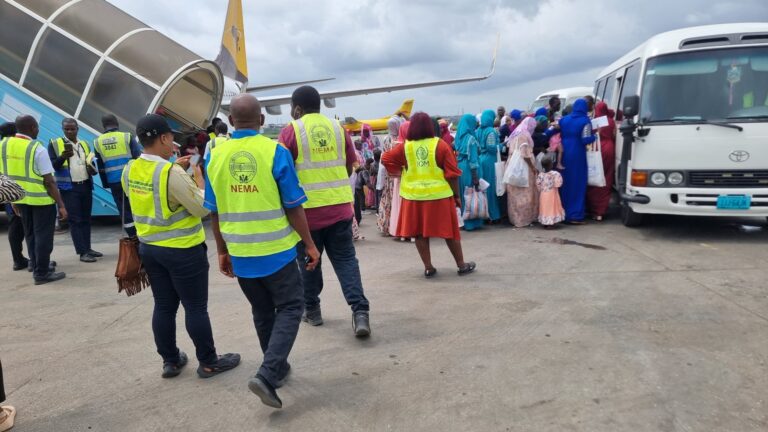
The National Emergency Management Agency (NEMA) has said it had received 153 Nigerians who returned from Chad under the Assisted Voluntary Return Programme, coordinated by the International Organisation for Migration (IOM) in partnership with the Federal Government.

In a statement posted on X on Tuesday, NEMA’s Lagos Operations Office said the returnees arrived at the Cargo Terminal of the Murtala Muhammed International Airport, Lagos, on Sunday, October 27, 2025, around 12:15 p.m.

“The breakdown of the returnees includes 105 adults (63 males and 42 females), 45 children (25 males and 20 females), and 3 infants (all females),” part of the statement read.

The agency said upon arrival, officers of the Nigeria Immigration Service (NIS) conducted biometric registration and documentation to ensure accurate profiling and facilitate the smooth reintegration of the returnees into the country.

“In line with the Federal Government’s commitment to ensuring the safe, dignified, and humane return of citizens, the returnees were provided with immediate humanitarian assistance, including food and potable water, medical care and ambulance services, luggage handling and logistics support, as well as general coordination and counselling services,” the agency said.

The agency noted that the exercise was jointly coordinated with IOM and the National Commission for Refugees, Migrants, and Internally Displaced Persons (NCFRMI).

The ICIR reports that the development comes just three days after NEMA received 150 Nigerian returnees from Agadez in Niger Republic.

These latest returnees add to NEMA’s repatriation of Nigerians from neighbouring countries this year. In July, NEMA’s Kano Operations Office received 139 Nigerians who were repatriated from Agadez, Niger Republic. 

The agency received 148 Nigerian migrants from Sudan in September as part of ongoing efforts to ensure the safe repatriation of citizens from abroad.

For years, Nigeria’s northern borders with the Niger Republic have remained notoriously porous, making cross-border movement both frequent and largely unregulated. 

From Lagos, Ogun, Oyo, Niger, Kwara, Kebbi, and Sokoto states bordering Benin Republic, to Cross River, Benue, Taraba, Adamawa Borno states bordering Cameroon, and Katsina, Jigawa, Yobe, Zamfara, Sokoto, Kebbi, and Borno which share border with Niger, as well as Borno bordering Chad, Nigeria has hundreds of porous borders, making illegal migration easy for residents of the neighbouring countries.

The ICIR reported in 2024 that citizens of Niger and Nigeria travelled with little to no documentation between the two nations. 

11 tourists, pilot killed as plane crashes in Kenya 

0
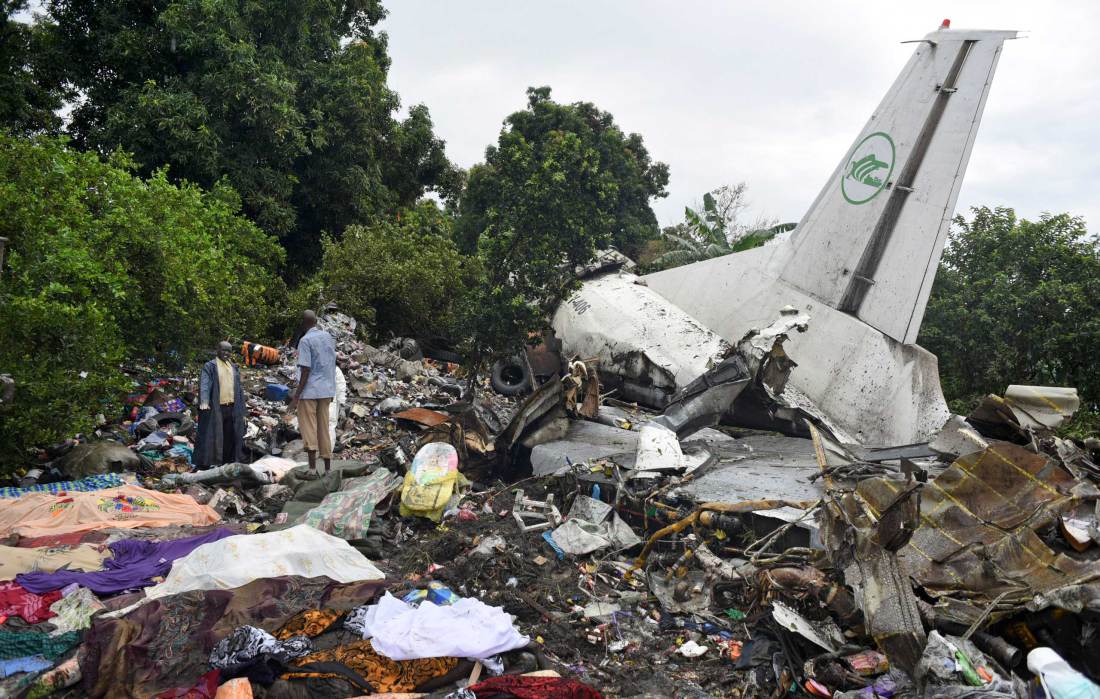
A SMALL passenger aircraft belonging to Mombasa Air Safari crashed early Tuesday morning in Kwale County, Kenya, killing all 11 people on board, including eight Hungarian tourists, two Germans, and a Kenyan pilot.

Authorities said the aircraft, a Cessna Caravan-type plane, was flying from Diani airstrip on Kenya’s southern coast to a private airstrip near the Maasai Mara National Reserve, one of East Africa’s top safari destinations, when it went down in a hilly, forested area about 40 kilometres (25 miles) from Diani.

Officials said the crash occurred at about 8:35 a.m. local time after the pilot failed to maintain radio contact with air traffic control shortly after takeoff. Attempts by the control tower to reach the plane went unanswered for more than 30 minutes before search teams located the burning wreckage in the thick vegetation of Shimba Hills.

According to Kwale County Commissioner Stephen Orinde, the plane “burst into flames on impact,” leaving no survivors. Witnesses told reporters they heard a loud explosion followed by thick smoke rising from the area.

“We heard a huge bang and ran towards the direction of the sound. When we arrived, there was nothing left of the plane — it was completely burnt,” one resident told The Associated Press.

Officials from the Kenya Civil Aviation Authority (KCAA) and the Ministry of Transport said investigations were underway to determine the cause of the accident. Early reports suggest poor weather conditions and heavy coastal rainfall may have contributed to the crash.

The Kenya tragedy adds to a growing list of fatal plane crashes across the world in the past year, raising concerns about aviation safety and the operational integrity of small regional airlines.

In July 2025, a Russian passenger plane operated by Angara Airlines crashed in the Amur region near the China border, killing all 40 people on board. The aircraft reportedly lost contact with air traffic controllers while approaching Tynda Airport and went down during its second landing attempt. Emergency officials later confirmed that the An-24 aircraft was “completely destroyed.”

Just months earlier, in December 2024, at least 35 people died after an Azerbaijan Airlines jet with 67 passengers crashed near the city of Aktau in western Kazakhstan. The plane, flying from Baku to Grozny, reportedly deviated from its route due to dense fog and attempted an emergency landing three kilometres from the airport. Although 28 passengers survived, most of the victims were seated near the front of the plane, where the impact was strongest.

NOA launches N22.5 million animation award to promote national values

0

THE National Orientation Agency (NOA) has announced the launch of a new national animation award valued at N22.5 million to inspire creative storytelling that promotes Nigeria’s cultural identity, unity, and shared values.

The agency’s Director-General, Lanre Issa-Onilu, disclosed this during the official unveiling of the competition in Abuja.

He said the award was part of the broader Nigerian Identity Project aimed at re-awakening citizens’ commitment to national values.

He explained that the initiative is anchored on the National Values Charter (NVC), a policy framework that outlines seven national promises and seven citizens’ codes intended to guide civic behaviour, public service ethics, and collective responsibility.

“The National Values Charter defines who we are as a people and the principles that hold us together. Through this animation award, we are calling on Nigerian creators to interpret and communicate these ideals in ways that resonate with today’s audiences,” Issa-Onilu said.

According to him, the 2026 edition of the award will run under the theme “Who is a real Nigerian?”, which seeks to challenge citizens and storytellers to explore themes of resilience, integrity, optimism, and creativity, attributes that the NOA said represented the essence of the Nigerian spirit.

Participants are required to produce short animated films of no more than three minutes in length, utilising any of the major techniques in the field — 2D, 3D – or stop-motion.

The top three winners will receive N10 million, N7.5 million, and N5 million, respectively. Their works will also enjoy nationwide broadcast and digital exposure for three months after the 2026 Lagos International Festival of Animation (LIFANIMA) Award Night, where winners will be officially celebrated.

Issa-Onilu noted that the competition is open only to Nigerian citizens and aims to provide both financial and professional support for young animators. He said it was part of the agency’s effort to “connect the values of patriotism and innovation through the language of visual storytelling.”

The initiative reflects NOA’s ongoing shift toward digital and visual media in its campaigns to promote unity and responsible citizenship. The agency, which operates under the Federal Ministry of Information and National Orientation, has increased the use of radio dramas, documentaries, and social media content in recent years to reach younger audiences.

The ICIR reported that the NOA had been repositioning itself to address the country’s civic and identity challenges, including misinformation, declining trust in public institutions, and low participation in civic duties.

The National Values Charter, introduced in 2024, outlines a social compact between government and citizens, focusing on accountability, inclusiveness, and service to the nation. It emphasises ideals such as respect for the rule of law, community development, and pride in Nigeria’s diversity.

Issa-Onilu said the animation competition would serve as a “cultural mirror,” helping Nigerians rethink what it means to live by these shared principles.

“Our stories should inspire us to act with integrity, empathy, and optimism about our collective future,” he said.

Entries for the 2026 award are expected to open later this year, with a panel of judges drawn from Nigeria’s creative and academic communities. The NOA said shortlisted animations would also be used for educational and public enlightenment campaigns across television and online platforms.

By encouraging creators to interpret national values through visual art, the agency hopes to make civic education both appealing and relatable to new generations.

Nigerian int’l airfares to attract extra $11.5 security charge from December 1

0

AS the festive season approaches, inbound and outbound international air travellers in Nigeria will face a new tax regime, with $11.5 security levy set to take effect from December 1, 2025.

In a notice to airlines, the Nigeria Civil Aviation Authority (NCAA) reportedly explained that the initiative was in partnership with the Nigeria Immigration Service (NIS), and the levy was intended to establish a “single window” system for all airport agencies, with the collection set to run for 20 years.

“The APIS charge will be collected as a point of sale and will be levied on all tickets issued from December 1, 2025, for each passenger departing from or arriving in Nigeria. The lifting airline is responsible for remitting the APIS charge to the NCAA,” the notice read.

The NCAA explained that the new levy under the Advance Passenger Information System (APIS), raised Nigeria’s security charge to $31.50 per flight ticket and was projected to generate about $46 million annually.

The ICIR  reports that the new levy is expected to further raise the cost of international travel for Nigerian passengers. 

“Therefore, all airlines (including Nigerian carriers) operating international flights into and out of Nigeria are required to take immediate steps to update ticketing and reservation systems to reflect the new APIS charge, as invoicing for the charge will commence from 1st December 2025 for tickets issued to passengers from 01DEC2025 for travel to and from Nigeria,” the NCAA said.

According to the agency, the system is designed to enhance passenger tracking, strengthen border control, and offer airlines a cost-recovery framework for maintaining the system.

It further noted that the $11.5 levy would streamline passenger clearance at Nigerian airports by collecting and processing passenger data before arrival. 

The NCAA maintained that the levy was in line with international best practices and complied with standards set by the International Civil Aviation Organisation (ICAO).

The authority exempted infants, diplomats, airline crew on duty, passengers in transit or transfer within 24 hours, and those re-routed involuntarily due to technical issues or weather conditions from the new levy. 

The average inbound or outbound passenger in Nigeria will now pay roughly $150 in various taxes, charges, and levies.

The agency explained that each inbound and outward passenger had been paying $20 and five per cent as security and Ticket Sales Charge (TSC), respectively, to NCAA, while FAAN received $100 as Passenger Service Charge (PSC).

Again, coalition alerts ICPC to ‘immediate danger’ faced by whistleblower held by Katsina Police

0

THE Coalition for Whistleblower Protection and Press Freedom (CWPPF) has called on the Independent Corrupt Practices and Other Related Offences Commission (ICPC) to urgently intervene and protect Mubarak Bello, a whistleblower being persecuted by the Katsina State Police Command.

In a letter dated October 24, 2025, and addressed to the ICPC Chairman, Musa Aliyu, a senior advocate, the coalition urged the commission to immediately offer full protection to Bello, whom it described as being in “immediate danger” following his arrest and detention by the Katsina State Police Command.

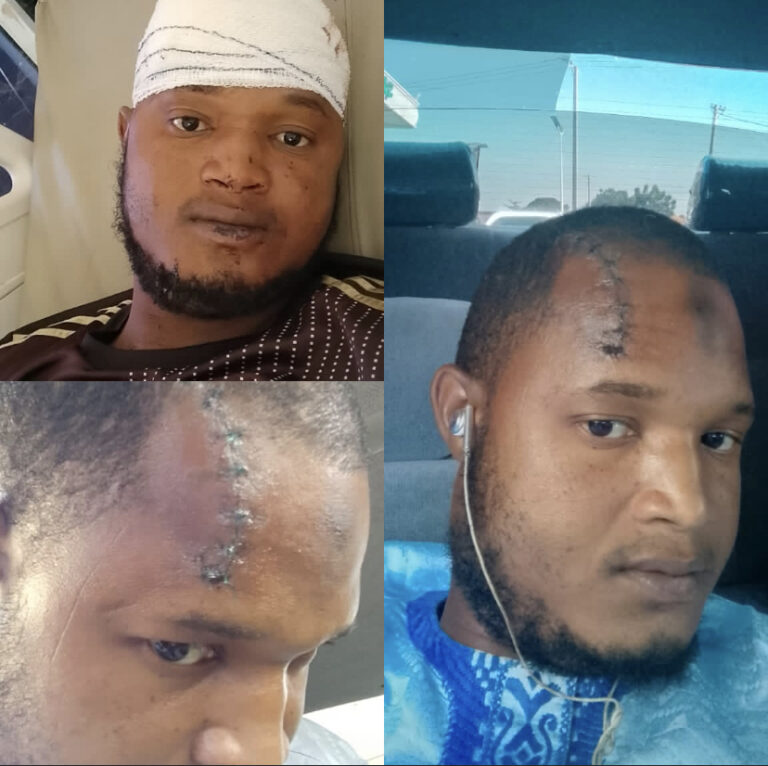
Bello, an entrepreneur who operated a business centre within the Katsina Police headquarters, had for years exposed an alleged ghost-worker payroll fraud involving officers in the command. His disclosures, backed by petitions to anti-graft agencies including the ICPC, Economic and Financial Crimes Commission (EFCC), and the Attorney General of the Federation, prompted an initial investigation by the ICPC.

Earlier in September, The ICIR reported that the coalition petitioned the Inspector-General of Police (IGP), Kayode Egbetokun, demanding Bello’s release and protection. 

The ICIR reported that Bello was arrested over accusations of unlawful possession of firearms, impersonation, and use of a fake police ID card. However, investigations by The ICIR revealed that Bello’s police identity card had been issued as part of a fraudulent recruitment process he later exposed. 

The ICPC had also confirmed inviting key suspects, including senior officers CSP Bashir Abubakar and ASP Yakubu Ibrahim, but they reportedly refused to appear for questioning. Despite the commission’s request, the police hierarchy under the IGP had yet to release the indicted officers.

Meanwhile, in its latest letter to the ICPC, the coalition accused the police of unlawfully detaining Bello and subjecting him to harassment and torture in retaliation for exposing the alleged payment fraud involving personnel of the Katsina Police Command.

“We note with every sense of responsibility that if no critical oversight institution of state wades into this case to protect the whistleblower, he might die from the injuries from the atrocious attacks continually unleashed on him by some elements in the police. To that extent, we are regrettably constrained to write to you to take immediate steps to offer full protection to this whistleblower, in view of the obvious and immediate danger around him at this time,” the coalition wrote.

The coalition emphasised that the ICPC, as one of the key agencies managing Nigeria’s Whistleblowing Policy under the Presidential Initiative on Continuous Audit (PICA), had both the legal and moral duty to protect whistleblowers from reprisals.

It reminded the commission that under Section 12 of the whistleblowing policy, individuals who disclose wrongdoing in the public interest are entitled to full protection from retaliation. 

It further cited Article 33 of the United Nations Convention Against Corruption (UNCAC), which obligates member states, including Nigeria, to protect whistleblowers from harm.

Describing the police’s actions as “uncivilised and anti-democratic,” the coalition urged Aliyu to use his office to ensure Bello’s immediate protection and halt what it called “ongoing police reprisals.”

“It is indeed a shame that the Nigeria Police Force that ought to act as a rehabilitative institution has continued to show itself as a retaliatory agent in the whistleblowing process. This uncivilised anti-democratic behaviour must stop.

 It is for this reason that we urge you most passionately to quickly deploy the powers of your office to put an immediate stop to the ongoing police reprisals against Bello, who incidentally places his only hope of rescue from his vicious persecution on the ICPC,” the coalition added.

NHRC records over 370,000 human rights complaints in September

THE National Human Rights Commission (NHRC) reported that it received 371,622 complaints of human rights violations in September, with the North-Central region leading and accounting for 153,967 cases.

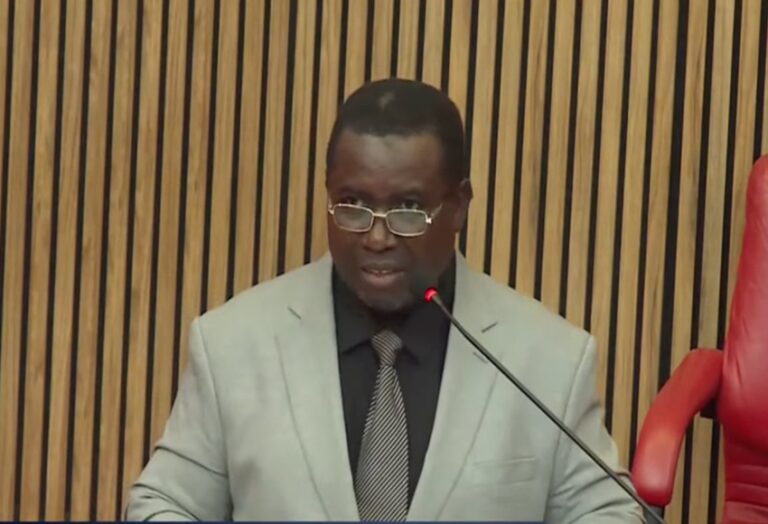
This was revealed by the Executive Secretary of the commission, Tony Ojukwu, on Monday in Abuja at the presentation of the 2025 September Dashboard report.

“In September, the commission received a total of 371,622 complaints on human rights violations from across our state offices. These complaints cover violations such as denial of access to justice, unlawful arrest and detention, domestic and sexual violence, torture, and discrimination, among others,” Ojukwu said.

He revealed that the North-West followed the North-Central with 73,167; North-East, 69,973; South-East, 46,409; South-South, 14,144; and the least, South-West, 13,962.

Ojukwu explained that the NHRC’s offices allowed an honest look at the state of human rights across Nigeria nationwide, and worked diligently to investigate, mediate, and where necessary, refer cases for further action.

“Not merely as figures or trends, but as reflections of lost lives and shirked liberties. The observatory provided a broader view of emerging patterns of abuse nationwide,” he added.

He noted that the September observatory revealed persistent and evolving threats to human rights across all six geo-political zones in the country.

“The North-Central recorded the highest number of incidents, mainly linked to banditry, kidnapping, and road accidents.

“The North-West and North-East followed closely with cases of terror attacks, abductions, and sexual violence.

“The Southern zones experienced a mix of domestic violence, police abuses, mob actions, and fatal road accidents. Overall, violations of the right to life accounted for the majority of incidents, reflecting the toll of insecurity and preventable violence in our country,” he added.

Ojukwu identified Niger, Kwara, Plateau, Kogi, and Borno as the states most affected in September, noting that each experienced multiple forms of violence and insecurity.

He also decried the growing violations of children’s rights, including cases of child abandonment and child labour.

“Child labour has become a major aspect of our violation of children’s rights.

“Some say it is a result of the economic situation in the country; children are forced to engage in economic activities but remember that we are a nation of laws.

“It is not just a national law; it is customary international law that children should not be subjected to inhuman and degrading treatment,” he said.

He expressed concern over reports of 336 killings, 361 kidnappings, and 144 accidental deaths.

Ojukwu also raised alarm about the emergence of a new terror group in Nasarawa State known as Wulowulo, warning that it must be curtailed before it escalates into a major security threat.

He further noted a rise in incidents of religious genocide, especially the killings recorded across the two northern regions.

“If people cannot exercise their right to practice religion peacefully and in dignity, then we are losing the most important fabric of our lives,” he said.

Sowore regains freedom after 4 days in detention

0

FORMER presidential candidate and activist, Omoyele Sowore, has regained his freedom after spending four days in custody in Abuja.

Sowore, publisher of Sahara Reporters, was detained after leading a protest demanding the release of the detained leader of the Indigenous People of Biafra (IPOB), Nnamdi Kanu.

His release came after he and 12 others, including Kanu’s lawyer, Aloy Ejimakor, and Kanu’s younger brother, Emmanuel Kanu, met the bail conditions granted by a Kuje Magistrate’s Court in the Federal Capital Territory. The court had earlier ordered that each defendant post a bond of ₦500,000 with two sureties in like sum.

Sowore confirmed his release on Monday, October 27, through a post on his X handle, where he described his detention as illegal. He wrote, “Leaving Kuje Prison in Abuja after being detained there illegally for four days.”

Sowore was arrested on October 23 at the Federal High Court in Abuja, where he had gone to attend Nnamdi Kanu’s trial.

Witnesses said police officers led by Ilyasu Barau of the Federal Capital Territory (FCT) Criminal Investigation Department approached the activist outside the courtroom and informed him that he was under arrest.

Members of his legal team, led by human rights lawyer Tope Temokun, demanded an explanation, but the officers insisted they were acting on the orders of the FCT Commissioner of Police, Miller Dantawaye. Sowore was then taken away in a police vehicle.

The arrest came three days after the October 20 protest in Abuja, where Sowore and other activists demanded Kanu’s release.

Security operatives fired teargas and gunshots into the air to disperse the protesters, leading to the arrest of Ejimakor, Kanu, and several others. They were charged with inciting a disturbance and breaching public peace.

The Nigeria Police Force later defended the arrest, saying Sowore led the protesters into areas restricted by a court order.
Force spokesperson, Benjamin Hundeyin, told journalists that Sowore’s name appeared repeatedly in the statements of those earlier arrested, identifying him as the leader of the protest.

Hundeyin said the police had an obligation to arrest him, adding that “it would be unfair to charge others and exempt the person they claimed led them into restricted areas.”

The police said the protesters violated an existing court order prohibiting demonstrations around sensitive government facilities in Abuja, including the Presidential Villa, National Assembly, and Eagle Square. The order, according to the police, was issued to prevent disruptions and possible security breaches in those areas.

The #FreeNnamdiKanuNow protest was organised by Sowore and other rights groups who demanded the immediate release of the IPOB leader. Kanu has been in the custody of the State Security Services (SSS) since 2021 after his arrest in Kenya and subsequent return to Nigeria under controversial circumstances.

The ICIR reported that during the protest in Abuja, police and military personnel used teargas to disperse demonstrators, causing panic around the Central Business District. The protest also led to increased security presence across major entry points into the city, including Nyanya, Karu, and Kubwa.

Re-arrest while perfecting bail

After the Kuje Magistrate’s Court granted bail to Sowore and the other defendants on October 24, police operatives stormed the court premises and re-arrested him before his release papers were completed. Witnesses said officers led by Barau attacked and dragged Sowore into a waiting police van, creating panic within the court premises.

Human rights lawyer Inibehe Effiong condemned the re-arrest, describing it as an affront to judicial authority. Civil society groups, including the Take It Back Movement, also demanded his immediate release, insisting that Sowore’s activism was constitutionally protected.

Cybercrime case over comment on Tinubu

Even as he regained his freedom, Sowore is expected to appear before the Federal High Court in Abuja on November 5 for arraignment in a separate case filed by the Department of State Services.

According to court documents, the SSS filed a five-count charge against him, alongside X and Meta, owners of Facebook, accusing him of violating the Cybercrimes (Prohibition, Prevention, etc.) Amendment Act, 2024.

The charges stemmed from a social media post in which Sowore allegedly referred to President Bola Tinubu as “a criminal.” The SSS said the post was intended to cause public disorder and disaffection toward the president.

The case, earlier scheduled for hearing on October 27, was adjourned to November 5 because the presiding judge, Mohammed Umar, was sitting in another division of the court.

Elections must be won at polling units, not in courtrooms – INEC chairman

0

THE Chairman of the Independent National Electoral Commission (INEC), Joash Amupitan, a senior advocate, has said Nigeria must end the culture of deciding election outcomes in courtrooms rather than at polling units.

Amupitan reportedly said this on Monday, October 27, at the 56th Annual National Conference of the Nigerian Association of Law Teachers (NALT), held at the University of Abuja. 

Although the INEC boss stated that reducing election-related court cases might not please everyone, he insisted that restoring public confidence must take priority.

“We cannot continue to allow the courts to determine our elections. Elections must be won at the polling units, not in the courtroom,” he was quoted as saying.

Amupitan stressed that the trend of post- and pre-election litigations had become a burden on Nigeria’s democracy and must be addressed through reforms.

The INEC chairman, who was sworn in by President Bola Tinubu on October 23, 2025, decried what he described as “litigation by other means,” referencing the more than 1,000 pre-election cases filed ahead of the 2023 general elections.

He said genuine reform must begin with political parties, insisting that many of the litigations arose from the failure of parties to follow their constitutions and respect the Electoral Act and Nigerian Constitution.

“If political parties obey their constitutions, respect the Electoral Act, and align with the Nigerian Constitution, the avalanche of pre-election cases will collapse,” Amupitan said.

He explained that his goal waks to make electoral law “an instrument of change, not chaos,” adding that credible elections were possible when political actors embraced integrity.

He urged the National Assembly to strengthen existing electoral laws to enhance transparency and internal democracy within political parties, noting that restoring public trust in elections must take priority over political convenience.

His remarks came against a backdrop of repeated judicial involvement in determining winners of elections in Nigeria, with courts-based petitions having become a permanent feature of Nigeria’s electoral system, as highlighted by observers who reported that all seven presidential elections since 1999 ended up in the courts.

At his swearing-in on October 23, Tinubu, who was also affirmed the winner of the controversial 2023 presidential poll by the Supreme Court, urged Amupitan to safeguard the integrity of Nigeria’s elections and strengthen the institutional capacity of INEC.

“Our democracy has come a long way. In 25 years, we have consolidated and strengthened our democratic institutions, particularly our electoral system, through innovation and reforms. We have learned a great deal along the way and have improved significantly from where we were many years ago,” the president said.

He tasked the new chairman with ensuring that Nigeria’s electoral system remains “robust, resilient, and safeguarded against official setbacks,” while promoting free, fair, and credible elections.

The ICIR reported that during his Senate screening on October 16, Amupitan had also pledged to uphold INEC’s independence and conduct a comprehensive audit of the commission’s operations, particularly focusing on the logistical and technical failures recorded during the 2023 general elections.

He said the audit would help identify operational lapses and restore public trust in the electoral system.