Home Blog Page 161

White house kicks as Trump misses Nobel Peace Prize 

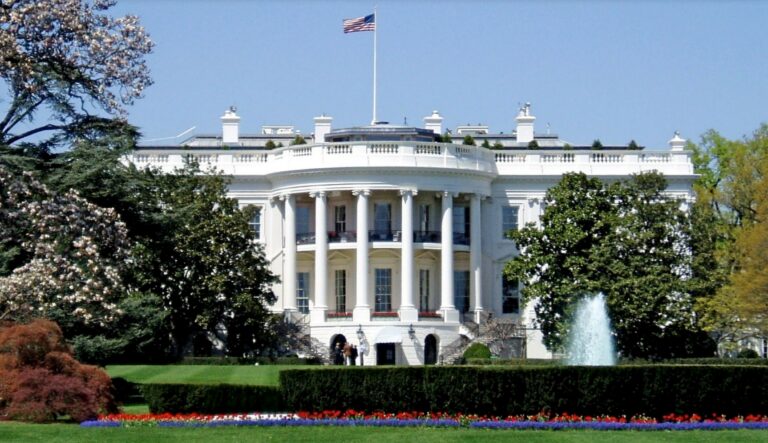
THE White House has criticised the decision of the Nobel Peace Prize  committee for naming Venezuelan opposition leader Maria Corina Machado, the winner of the 2025 Nobel Peace Prize over United State President Donald Trump.

White House spokesperson Steven Cheung in a post on X said that President Trump will continue making peace deals, ending wars, and saving lives, and accusing the Nobel Committee of choosing politics over peace.

“President Trump will continue making peace deals, ending wars, and saving lives. He has the heart of a humanitarian, and there will never be anyone like him who can move mountains with the sheer force of his will. The Nobel Committee proved they place politics over peace,” Cheung said.

Machado, a 58-year-old industrial engineer, was announced winner on Friday for fighting dictatorship in the country when she was blocked in 2024 by Venezuela’s courts from running for president and thus challenging President Nicolas Maduro, who has been in power since 2013.

Maduro, whose 12 years in office have been marked by deep economic and social crisis, was sworn in for a third term in January this year, despite a six-month-long election dispute, international calls for him to stand aside and an increase in the U.S. reward offered for his capture.

“When authoritarians seize power, it is crucial to recognise courageous defenders of freedom who rise and resist,” the Norwegian Nobel Committee said in its citation.

Machado is the first Venezuelan to win the Nobel Peace Prize and the sixth from Latin America.

In the run-up to this year’s award, Trump repeatedly declared that he deserved to win but experts on the award said Trump was very unlikely to win as his policies were seen as dismantling the international world order the Nobel committee cherishes.

Trump, who claimed to have ended eight wars since beginning his second term in office on January 20, 2025, had earlier stated that it would be a “big insult” to the United States if he did not receive the Nobel Peace Prize.

The head of the Nobel Committee, Watne Frydnes, declined to specify what it would take for Trump or any other individual to win the prize in the future, or whether efforts to end the conflict in Gaza could result in an award in 2026.

The committee made its final decision before the announcement on Wednesday of a ceasefire and hostage exchange deal, which marked the first phase of Trump’s initiative to end the war in Gaza.

The Peace Prize is the fifth Nobel announced this week, following those for literature, chemistry, physics, and medicine. 

The Nobel Peace Prize, valued at 11 million Swedish crowns approximately $1.2 million, presented in Oslo on December 10, the anniversary of the death of Swedish industrialist Alfred Nobel, who established the awards in his 1895 will.

Sowore rallies Jonathan, Atiku in fresh push to free Nnamdi Kanu

0

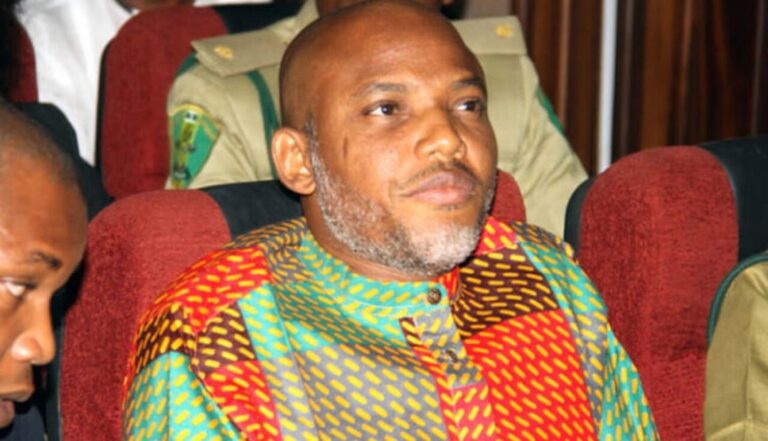
HUMAN rights activist and former presidential candidate of the African Action Congress (AAC), Omoyele Sowore, has met with former President Goodluck Jonathan in Abuja to discuss the continued detention of Mazi Nnamdi Kanu, leader of the proscribed Indigenous People of Biafra (IPOB).

In a statement posted on X (formerly Twitter) on Friday, October 10, Sowore said Jonathan “agreed that there is an urgent and compelling need to address this matter decisively and justly.”

“I thank him sincerely for recognising the importance of resolving Kanu’s case in the interest of peace, fairness, and national healing,” Sowore wrote.

He added that Jonathan had promised to meet with President Bola Tinubu to discuss the matter.

According to Sowore, the former president’s position aligns him with “a growing list of Nigerians who have called for justice in Nnamdi Kanu’s case,” which he said already includes former Vice President Atiku Abubakar, human rights lawyer Femi Falana, senior advocate, and former Kaduna Central senator Shehu Sani, among others.

Sowore maintained that Kanu remains in detention “because he took up the just cause of confronting the long-standing issue of marginalisation in Nigeria.”

“Like other ethnic and regional activists whose politically motivated cases have been withdrawn or dismissed, Nnamdi Kanu should also be released without further delay,” he stated.

The activist also called on political, traditional, and religious leaders across Nigeria, including Labour Party’s Peter Obi, Anambra State Governor Charles Soludo, Abia State Governor Alex Otti, and Ebonyi State Governor Francis Nwifuru, to join in demanding Kanu’s release.

Background

Nnamdi Kanu, leader of IPOB, was first arrested in 2015 on charges including treasonable felony and incitement. 

He fled the country after being granted bail in 2017, but was later re-arrested in Kenya and repatriated to Nigeria in June 2021 under controversial circumstances.

Since then, he has remained in the custody of the State Security Services (SSS), despite multiple court rulings ordering his release or the discontinuation of his trial.

In October 2022, the Court of Appeal discharged and acquitted Kanu of terrorism charges, ruling that his extraordinary rendition from Kenya violated international law. 

However, the federal government appealed the decision at the Supreme Court, which later ordered that his trial resume at the Federal High Court in 2023.

The ICIR reports that Kanu is facing a seven-count charge bordering on terrorism, treason, incitement, and defamation of Nigerian authorities. In a recent ruling, Justice Omotosho dismissed his no-case submission, holding that the prosecution had established a prima facie case warranting that he open his defence.

His trial has been marked by repeated adjournments, judicial recusals, and controversies surrounding his detention conditions and access to medical care.

The court is expected to decide on the next phase of proceedings after the submission of the Nigeria Medical Association’s (NMA) medical findings on October 16.

UN warns Madagascar to avoid unnecessary force against protesters

THE United Nations (UN) has urged authorities in Madagascar to refrain from using excessive force against protesters, following violent clashes with police during a Gen Z-led protest in the capital, amid two weeks of ongoing unrest that has turned deadly.

The United Nations’ human rights office made the call in a post on social media on Friday, October 10, having received troubling reports of continued violence against protesters by the gendarmerie. A gendarmerie is a military or paramilitary force with law enforcement duties among the civilian population.

“We’re receiving troubling reports of continued violence against protesters by the gendarmerie,” it said.

The ICIR reported that protesters in Madagascar have been protesting for the past few weeks on the streets despite President Andry Rajoelina dismissing his cabinet in an attempt to calm unrest that had already left 22 people dead and over 100 injured.

But a day earlier, police had fired tear gas and rubber bullets on thousands of demonstrators, part of the “Gen Z” movement against the government, ignited by anger against power and water shortages in the impoverished Indian Ocean island.

Media reports indicate that the latest UN appeal followed incidents in which at least six people were injured, and AFP reported seeing a man lying unconscious after being chased and brutally beaten by security forces, who deployed armoured vehicles to disperse the demonstrators.

Madagascar’s security forces announced on Friday that they had implemented “strict measures,” alleging that the protesters sought to “terrorise the population” and “encourage looting.”

According to the United Nations, on September 29, the demonstrations were met with a heavy police crackdown, leaving at least 22 people dead and over 100 injured, even though the government dismissed the figures as unverified and “based on rumours or misinformation”.

President Andry Rajoelina said on Wednesday that there were “12 confirmed deaths and all of these individuals were looters and vandals”.

Rajoelina has reinforced his stance by appointing a military officer as prime minister on October 6 and selecting the initial members of his new cabinet from the armed forces, public security, and police, declaring that the country “no longer needs disturbances.”

The ICIR reported that the police in Madagascar declared a dusk-to-dawn curfew after violent protests by Gen Z on Friday, September 26, sparked by recurring power outages and water shortages.

In Antananarivo, hundreds of mostly young protesters took to the streets, but the demonstration was forcefully broken up as police fired rubber bullets and tear gas to disperse the crowd.

Drawing inspiration from “Gen Z” protests in Indonesia and Nepal, the youth-driven movement is challenging entrenched misgovernance, driven by frustration over persistent water and power outages in the impoverished Indian Ocean nation.

The fight for whistleblowers and the law Nigeria urgently needs

0

By Crispin ODUOBUK

ON a bright morning in Abuja, Ntia Thompson walked into his office with a fragile hope. Weeks earlier, the courts had ruled in his favour, recognising the injustice he had endured. Yet the reality remained stark.

Once an Assistant Director in the Servicom Unit of the Directorate of Technical Cooperation in Africa (DTCA), an agency under the Ministry of Foreign Affairs, he had been reassigned to the library. As benign as that might sound, that reassignment was actually a professional exile for the patriotic act of exposing corruption.

Thompson’s ordeal is only one thread in a larger tapestry of Nigeria’s whistleblower persecution. These are rare citizens who dare to reveal wrongdoing but are too often repaid with punishment rather than protection.

Against this bleak backdrop stands the African Centre for Media and Information Literacy, AFRICMIL. Through its Corruption Anonymous project, AFRICMIL has waged a relentless battle to defend truth tellers for nearly a decade, while also pressing for a whistleblower protection law, which Nigeria urgently needs.

The limits of policy: insufficient for lasting change

Nigeria’s whistleblower policy, introduced in 2016, was launched with fanfare. It promised financial rewards and a channel to report corruption without fear. Yet its fatal flaw has always been its lack of legal teeth. A policy can be bent, ignored or subverted by those it seeks to restrain. A law, by contrast, binds institutions with the weight of the state.

In the absence of such legislation, the policy has too often been a trap. It lures honest Nigerians into exposing fraud, only to leave them vulnerable to reprisals ranging from harassment to dismissal to even death threats.

Profiles in courage

While anonymity is typically encouraged to protect whistleblowers, some of those who have chosen to go public with their experiences deserve to be acknowledged and celebrated.

For example, consider the case of Aaron Kaase, a principal administrative officer at the Police Service Commission when he blew the whistle on the misappropriation of over N275 million meant for staff training. Instead of action against those implicated, Kaase was suspended, charged to court and eventually dismissed. Though the National Industrial Court later ruled in his favour and ordered his reinstatement, the scars remain. His career stalled, his family life was deeply unsettled, and the victory felt hollow.

Murtala Aliyu Ibrahim, an internal auditor at the Federal Mortgage Bank of Nigeria, discovered fabricated financial reports and contract fraud. His reward for reporting these wrongs was a punitive transfer to a distant posting, followed swiftly by dismissal. For years he endured persecution before eventually receiving an integrity award, a bittersweet recognition that could not erase the personal and professional damage he had suffered.

Ntia U. Thompson, the Assistant Director who exposed the diversion of 229,000 dollars in the Ministry of Foreign Affairs, was charged with insubordination, forced into retirement and then reinstated. His reinstatement, however, came with demotion and professional marginalisation. Today he continues to live as a cautionary tale of how Nigeria treats those who dare to expose corruption.

Joseph Babatunde Akeju, a respected Chief Lecturer at Yaba College of Technology, exposed a scandal involving N1.6 billion. He was dismissed on the eve of his retirement, stripped of the dignity of closing a long career with honour. His case demonstrates the cruelty of a system that would rather crush integrity than confront corruption.

In each of these cases and several others not mentioned here, the pattern is unmistakable. Whistleblowers expose wrongdoing, institutions retaliate harshly, and AFRICMIL is left to pick up the pieces through legal action, petitions and public advocacy. Victories, when they come, are often partial and compromised, leaving the whistleblower bruised and marked as a troublemaker.

The law Nigeria needs

Recognising the limits of firefighting one whistleblowing case at a time, AFRICMIL has broadened its focus to the judiciary. Its National Interactive Forum for Federal High Court judges held in September 2025, alongside partners such as TAP iNitiative and the National Human Rights Commission, highlighted the role of the bench in filling the vacuum until a comprehensive law is enacted. Judges were urged to confer protection on whistleblowers, uphold their anonymity, and deter retaliation against those who speak the truth in the public interest.

To be clear, while these are vital interim measures, they are no substitute for a law. Other African countries, including Ghana, South Africa and most recently Senegal, already have dedicated whistleblower protection statutes. Nigeria’s continued reliance on a limited policy framework sends the wrong signal to both citizens and investors.

A robust law would change the calculus. It would establish clear procedures, protect those who make disclosures in the public interest, and guarantee remedies and damages for those targeted. Such a law would not only shield individuals but also strengthen Nigeria’s credibility in the global fight against corruption.

It is worth noting here that AFRICMIL’s leadership in this battle resonates beyond Nigeria’s borders. In partnership with the Platform to Protect Whistleblowers in Africa (PPLAAF) and other allies, it has been part of a regional push to secure whistleblower protection across West Africa, where thirteen countries still lack such laws. This was exemplified by the First Sub-regional Conference on Whistleblowing and Whistleblower Protection in West Africa, which AFRICMIL and partners held in Abuja in November 2024.

The highpoint of the conference was the inauguration of the Whistleblowing Advocacy Coalition of West Africa (WACOWA), a coalition of civil society organisations and other stakeholders dedicated to promoting whistleblowing and whistleblower protection in ECOWAS states. By building coalitions and sharing lessons, AFRICMIL has helped position whistleblowing as a legitimate pillar of governance reform across the region.

Protecting the truth tellers

The future of Nigeria’s war against corruption depends on its willingness to protect those who risk much to tell the truth in the public interest. AFRICMIL’s work reveals the human cost of silence and the power of advocacy in securing justice. The National Assembly has a duty to pass a robust whistleblower protection law, supported by vigilant judges and an informed public.

Such reform is not charity but a demand of justice, a necessary pillar of good governance. Until then, the stories of Kaase, Ibrahim, Thompson, Akeju and of course Joseph Ameh and Yisa Usman whose victimization are still a subject of litigation in the courts, remind us that for every fractured victory, many truths remain locked away, and corruption thrives in the shadows.

The call to action is clear: Nigeria cannot build a transparent and prosperous future while those who expose corruption are left to walk alone. Protecting whistleblowers is not a luxury, it is a necessity. If Nigeria truly wishes to extinguish corruption, it must first protect its truth tellers. Anything less is complicity.

Crispin Oduobuk is a Senior Programme Officer for Policy and Advocacy at the African Centre for Media and Information Literacy, AFRICMIL.

Makinde questions Umahi over secrecy in Lagos-Calabar coastal highway cost

0

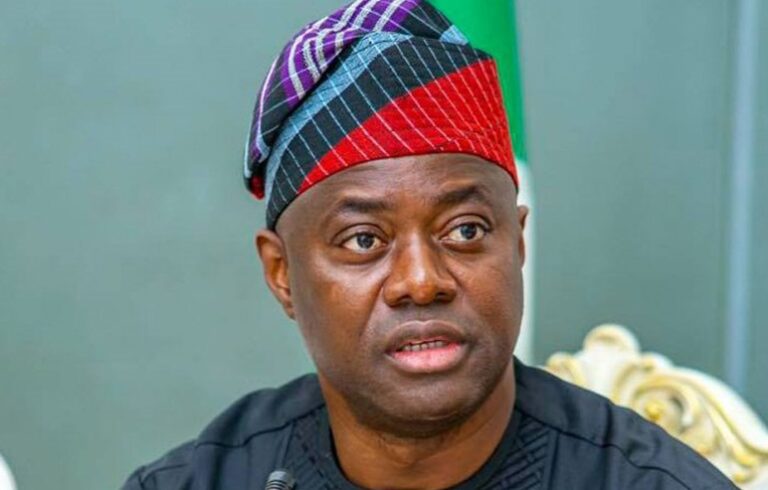
THE Oyo State Governor, Seyi Makinde, has criticised the Federal Government over its failure to provide clear details on the cost of the Lagos-Calabar Coastal Highway, a multi-trillion-naira project approved by President Bola Tinubu.

Speaking at a stakeholders’ engagement on the 2026 budget in Ibadan, on Friday, October 10, Makinde faulted the Minister of Works, David Umahi, for evading questions about the project’s kilometre-by-kilometre cost when asked during a live television interview with Arise TV, Rufai Oseni, earlier in the week.

Makinde said the refusal to disclose details of the project cost raised public concern over transparency and accountability.

“They asked the minister how much the coastal road costs, and he began to dance around the question.

“When we constructed the Oyo-Iseyin road, it was about ten billion naira for thirty-five kilometres — roughly two hundred and thirty-eight million per kilometre. The Iseyin-Ogbomoso road cost forty-three billion naira for seventy-six kilometres, about five hundred million per kilometre. It is simple arithmetic,” Makinde said.

Umahi had clashed with an Arise TV presenter, Oseni, on Tuesday, October 7, after refusing to provide a detailed cost analysis of the project. Umahi maintained that comparing costs per kilometre was misleading since terrain, materials, and engineering designs differ along sections of the route.

“This project has not been fully designed, and the soil report is not yet complete.Each kilometre varies in cost because of the terrain and structures involved, ” Umahi said during the interview.

He said construction was ongoing across five states — Lagos, Ogun, Ondo, Akwa Ibom, and Cross River — and insisted that the government was following proper procedures to ensure value for money.

Coastal Highway remains controversial

The 700-kilometre Lagos-Calabar Coastal Highway has generated intense public debate since its commencement. The ICIR had reported that the project began amid criticisms over the demolition of the Landmark Beach Resort and other businesses worth an estimated two hundred million dollars along the Lagos coastline.

Public pressure forced the government to suspend work along parts of the Lagos corridor after concerns about environmental impact, property rights, and compensation for affected communities. The Works Ministry later announced a redesign of the route to protect telecommunications infrastructure and historical settlements along the Okun-Ajah axis.

The government said the project approval passed through the Bureau of Public Procurement and the Federal Executive Council, but critics, including former vice president Atiku Abubakar and Labour Party presidential candidate Peter Obi, questioned the process and priority of the massive infrastructure project at a time of economic hardship.

Federal Government secures $747 million loan

Despite the controversies surrounding its procurement and bidding processes, the Federal Government on July 2025 announced that it had secured a seven hundred and forty-seven million-dollar syndicated loan to finance the first phase of the highway from Victoria Island to Eleko Village in Lagos.

According to the Ministry of Finance, Deutsche Bank led the financing, with participation from the African Export-Import Bank, ECOWAS Bank for Investment and Development, and other international lenders. The loan, structured under an Engineering, Procurement, Construction, and Financing contract, is being implemented by Hitech Construction Company Limited.

Minister of Finance Wale Edun described the funding as a sign of investor confidence in Nigeria’s economic reforms, while Umahi said it underscored the government’s commitment to completing the coastal highway as a strategic national asset.

The Lagos-Calabar Coastal Highway, estimated at N15 trillion, is expected to link the South-West with the Niger Delta through nine states. The project, being constructed in concrete, is part of the administration’s Renewed Hope Infrastructure Agenda.

However, The ICIR had reported that the project’s procurement process violated open competitive bidding requirements and lacked full disclosure on bidders at the Infrastructure Concession Regulatory Commission portal.

Several stakeholders, including business owners, environmental experts, and economists, have urged the government to balance its infrastructure ambitions with transparency, accountability, and due process to prevent waste and ensure the project’s long-term sustainability.

World Mental Health Day: Bridging gaps in Nigeria’s crisis response

0

AS Nigerians join the rest of the world to mark this year’s Mental Health Day, the 2025 theme — “Access to Services: Mental Health in Catastrophes and Emergencies” — resonates deeply with the nation’s realities.

In a country battling conflict, displacement, natural disasters, and long-standing deficits in mental health infrastructure, the day offers a timely opportunity to reflect, reexamine, and recommit to scaling up mental health services for the most vulnerable.

“Mental health awareness in Nigeria is growing, but gaps remain wide,” Saadatu Adamu, founder of Secure the Future Initiative (SDF), told The ICIR.

She said Nigeria is still at that awareness space, hence the need to continue to create awareness is very important stressing that cultural misconception is key.

Adamu argues that stigma, misunderstanding, and lack of literacy around mental health keep many silent.

“When you talk about mental health, people still misinterpret it, forgetting that mental health is our daily drive,” she said.

She called on media, education systems, and community networks to help normalise conversations and remove barriers to seeking care.

In official circles, there is recognition of the need for greater commitment. Grace Ogunleye, Assistant Director, Ministry of Health, described World Mental Health Day as a “vital reminder of the urgent need to make mental health a national priority.”

She emphasised that Nigeria has made strides — including the passage of the National Mental Health Act (2021) and establishment of a national suicide prevention framework — but much work remains to translate law into accessible services.

Ogunleye added that the World Mental Health Day serves as a vital reminder of the urgent need to make mental health a national priority in Nigeria.

“It provides an opportunity to raise awareness, challenge stigma, and advocate for stronger policies and investment in mental,” she stated.

A look at what data says

A stark illustration of Nigeria’s mental health burden comes from the Federal Ministry of Health’s National Mental Health Programme. In May 2025, its coordinator revealed that nearly 30 per cent of Nigerians experience a mental health condition in their lifetime.

He noted that the treatment gap exceeds 80 per cent, meaning the vast majority of those affected do not receive professional support.

Similarly, in June, the United Nations Office on Drugs and Crime (UNODC) said over 3 million Nigerians suffered from drug use disorders.

This was disclosed by the UNODC’s Country Representative, Cheikh Ousman Toure, at the National Drug Law Enforcement Agency (NDLEA) headquarters in Abuja on Wednesday, June 18, 2025, while declaring weeklong activities to commemorate this year’s World Drug Day.

He was represented by the Deputy Head of UNODC in Nigeria, Danilo Campisi. 

He put the national drug use prevalence at 14.4 per cent, nearly three times the global average. The organisation added that the abuse of opioids, especially tramadol, had reached alarming levels.  

According to the UNODC, the situation is not just a health crisis; it is a development, security, and peace-building concern.

The organisation highlighted the link between drug trafficking and other crimes, including human trafficking, illegal mining, and environmental destruction, noting that the illicit drug trade often finances violent extremist groups

Need for action

Rural areas and marginalised communities are particularly underserved, with few psychiatrists and mental health facilities located in these zones.

This year’s theme draws attention not just to these preexisting gaps but to how they are exacerbated in times of crises.

In Nigeria’s northeast, prolonged conflict has displaced thousands, many of whom carry psychological scars from trauma, grief, loss, and insecurity.

Beyond conflict, Nigeria also faces climate-related disasters like flooding, erosion and seasonal storms that has displaced communities and leave mental health consequences in their wake.

In those moments, experts say, the need for psychological first aid, crisis counselling, and access to ongoing care becomes acute.

But in many affected areas, health facilities are damaged or inaccessible, and trained mental health professionals have been displaced as well

To tackle mental health issues in emergencies, access must include crisis training, mental health literacy programs, and bridging referral systems so that people in distress do not fall through the cracks.

Children, older persons, people with pre-existing mental conditions, women and girls, persons with disabilities, and frontline workers require special attention.

Nigeria’s displacement settings, in particular, call for tailored interventions: for instance, trauma counselling in camps, safe spaces for survivors, child-friendly psychosocial activities, and referral pathways for severe cases.

In urban centres too, crises such as sudden job loss, public health emergencies, or community violence trigger mental stressors. The mental health system must be prepared not only for large-scale disasters but for everyday emergencies.

Hope not enough 

There are glimmers of hope. Some nongovernmental actors and private initiatives like the International Red Cross, Secure the Future Foundation and others are piloting community mental health services, peer support models, and digital counselling platforms.

Yet, sustainable progress depends on stronger public sector investment. Nigeria’s mental health allocations remain low. To close the treatment gap, government must do more and infrastructure, training, medicines, supervision, referral networks, and consistent supply chains must improve experts say.

World Mental Health Day 2025 also provides an advocacy entry point. Observers say Media houses, civic groups, religious institutions, and schools can help to promote messages that challenges stigma and misinformation.

Some say the voices of people with experience must be included to show that recovery is possible and help is not shameful.

“On this day, Nigeria must remember that mental health is not a luxury but an integral part to human dignity, social stability, and national development,” an analyst said.

In crisis settings and everyday life alike, dignified mental health care should be viewed as essential infrastructure.

 

Tinubu mourns late diplomat, statesman Christopher Kolade

0

PRESIDENT Bola Tinubu has paid tribute to the late statesman Christopher Kolade, describing him as one of Nigeria’s finest minds who dedicated his life to national service.

In a statement by the State House on Thursday, October 9, Tinubu said he received the news of Kolade’s death with sadness, calling him ‘an inimitable’ broadcaster and ‘boardroom guru’ who was one of ‘Nigeria’s intellectual treasures.’

Kolade, who passed away peacefully on Wednesday, October 8, 2025, at the age of 92, was a distinguished diplomat, academic, and corporate leader. 

His family confirmed his passing in a statement on Thursday, October 9, expressing gratitude for his incredible life of faith and service.

“We are thankful for his incredible life of faith and service, and are grateful for God’s abundant blessings,” part of the statement read.

Born on December 28, 1932, in Erin-Oke, Osun State, Kolade reportedly began his career in broadcasting and rose to become Director-General of the Nigerian Broadcasting Corporation. He later served as Chief Executive and Chairman of Cadbury Nigeria Plc, after first joining the company in 1978 as Administration Director and subsequently becoming the Managing Director.

He also represented Nigeria as High Commissioner to the United Kingdom and later contributed to academia as a key figure at the Lagos Business School, where he taught courses in corporate governance, leadership, and conflict management.

He later became the Pro-Chancellor and Chairman of the Governing Council of Pan-Atlantic University and also served as the Chancellor of McPherson University in Ogun State.

Tinubu praised Kolade’s lifelong commitment to transparency and accountability, while also describing him as “a patriot and an uncompromising advocate of good governance.”

The president also commended Kolade’s philanthropic work through the Christopher Kolade Foundation, particularly his support for sickle cell patients and youth education initiatives.

“He served Nigeria dutifully, with honesty and great dedication. From working as a colonial-era education officer to serving as Nigeria’s high commissioner to the United Kingdom and director-general of the Nigerian Broadcasting Corporation, Dr Kolade left ineffaceable stamps of distinction in every endeavour, whether in the boardroom, on panels, or public office.

“I recall his many humanitarian interventions through the Christopher Kolade Foundation, especially his support for sickle cell patients, a cause to which he donated a chunk of his earnings.

“Dr Kolade’s passing is agonising, yet we must celebrate his life and legacy. He lived an exemplary life and immortalised himself in his uncommon service to our nation and humanity,” Tinubu said in a statement.

Council of State approves Amupitan as new INEC chairman

0

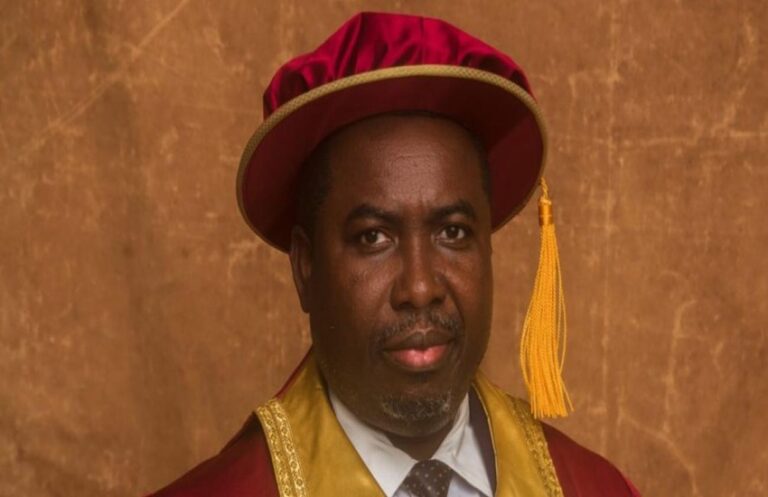
THE National Council of State has approved the appointment of Joash Ojo Amupitan, a Professor and a senior advocate, as the new Chairman of the Independent National Electoral Commission (INEC), following the completion of Professor Mahmood Yakubu’s ten-year tenure.

The approval came after President Bola Tinubu presented Amupitan’s name during the Council’s meeting held on Thursday, October 9, at the Presidential Villa, Abuja. The announcement was made in a statement by the Special Adviser to the President on Information and Strategy, Bayo Onanuga.

According to the statement, the Council unanimously endorsed Amupitan’s nomination, describing him as a man of integrity and experience. Governor Ahmed Usman Ododo of Kogi State, who attended the meeting, said the nomination was well-deserved and historic, as Amupitan is the first person from Kogi State to be nominated for the position.

Tinubu is expected to forward the nominee’s name to the Senate for confirmation, in line with constitutional provisions.

Amupitan, 58, is a Professor of Law at the University of Jos, Plateau State, where he currently serves as the Deputy Vice-Chancellor (Administration). He hails from Ayetoro Gbede in Ijumu Local Government Area of Kogi State.

A Senior Advocate of Nigeria since 2014, Amupitan has spent over three decades in academia, specialising in Company Law, Law of Evidence, Corporate Governance, and Privatisation Law. He has held several key positions at the University of Jos, including Dean of the Faculty of Law (2008–2014), Chairman of the Committee of Deans and Directors (2012–2014), and Head of the Department of Public Law (2006–2008).

Beyond the university, he serves as the Pro-Chancellor and Chairman of the Governing Council of Joseph Ayo Babalola University in Osun State. He sits on several corporate and educational boards. He has authored several widely used legal texts, including Corporate Governance: Models and Principles and Evidence Law: Theory and Practice in Nigeria.

Born on April 25, 1967, Amupitan studied at Kwara State Polytechnic and the University of Jos, where he obtained his Bachelor’s Law, Master’s and PhD degrees. He was called to the Nigerian Bar in 1988.

His appointment follows the exit of  Mahmood Yakubu, who handed over to National Commissioner May Agbamuche-Mbu on October 7 after completing his second term. Yakubu, appointed in 2015 and reappointed in 2020, oversaw two general elections and several off-cycle polls.

Under Yakubu, INEC introduced key technological reforms, including the Bimodal Voter Accreditation System (BVAS) and the INEC Result Viewing (IReV) portal, aimed at enhancing election transparency. However, the 2023 general elections drew widespread criticism from civil society groups and election observers over challenges in result transmission and logistical lapses.

In a previous report, The ICIR reported that despite the commission’s reforms, many Nigerians expressed concerns about electoral accountability, voter suppression, and the lack of effective prosecution of electoral offenders. The report highlighted how institutional weaknesses and political interference continue to undermine confidence in the electoral process.

SSANU, NASU stage nationwide protest, accuse FG of failing to honour agreements

0

THE Senior Staff Association of Nigerian Universities (SSANU) and the Non-Academic Staff Union of Educational and Associated Institutions (NASU), under the Joint Action Committee (JAC), on Thursday, held a nationwide protest to demand the immediate implementation of long-standing agreements reached with the Federal Government.

The demonstration, which took place at the Yakubu Gowon University (formerly the University of Abuja), was simultaneously held across various university campuses nationwide.

According to reports, the unions held protests in Abuja, Lagos and Kwara state.

The protest followed Wednesday’s emergency branch congresses across campuses after both unions directed their members to mobilise for what they described as a “massive one-day protest” against the government’s inaction.

In a circular dated October 6, titled “Commencement of Protest Actions” and jointly signed by NASU General Secretary, Peters Adeyemi, and SSANU National President, Mohammed Ibrahim, the unions had directed all branches in federal and state-owned universities to fully participate in the action.

According to the circular, the decision followed a series of unproductive meetings with the Joint Consultative Committee set up by the Minister of Education to address their demands. The committee, which met twice, on September 19 and October 6, 2025, failed to achieve any significant progress despite extensions of previous ultimatums.

The unions said they had initially issued a seven-day strike notice on September 15, which was later extended by two weeks, but no resolution was reached by the October 6 deadline.

At the Abuja protest venue, SSANU Chairman of Yakubu Gowon University, Comrade Nurudeen Yusuf, and NASU Chairperson, Sadiya Ibrahim Hassan, accused the government of neglect, insincerity, and breaching collective agreements since 2022.

Yusuf, while addressing journalists,  said the protest became necessary after “several appeals, warnings, and ultimatums” to the government were ignored.

“This gathering aims to shed light on the escalating crisis in the university sector impacting our members. Regrettably, the government’s unfulfilled promises have necessitated this public statement to caution all stakeholders in our universities and inter-university centres, as the status quo is unsustainable for our educational system due to the government’s insincerity about the plight of members of NASU and SSANU,” Yusuf was quoted to have said.

NASU Chairperson, Sadiya Hassan, criticised the government’s approach of setting up new committees instead of implementing existing recommendations, saying it had deepened mistrust between both sides.

“The last meeting we had with the government was on October 6, following an earlier one on September 22, instead of addressing the issues, another committee was set up called the Expanded Yayale Ahmed Committee.

“These issues do not require new committees. The government already has all the facts and figures. The first step should be to release the withheld salaries and arrears as a show of good faith,” she explained.

Demands

The unions’ demands include what they described as the unfair sharing of the ₦50 billion earned allowances, prolonged delays in renegotiating the 2009 FGN/NASU/SSANU agreements, and the non-payment of two months’ outstanding salaries.


They also pointed to unpaid arrears from the 25 and 35 per cent salary increments, along with the government’s failure to remit third-party deductions for May and June 2022.

Others are non-payment of the two months’ withheld salaries from 2022, failure to remit third-party deductions, and the alleged government’s neglect of the welfare of non-teaching university staff.

Nigerian universities face shutdown

The development came amid growing discontent within the academic community. Earlier in the week, on October 6, Academic Staff Union of Universities (ASUU) president Chris Piwuna, in a letter to all branches, mobilised branches for strike as its ultimatum to the government enters its final week. 

He noted that despite earlier engagements with the Ministers of Labour and Education, there had been no meaningful progress on issues such as the implementation of the renegotiated 2009 FGN-ASUU agreement, revitalisation funding for public universities, and the payment of earned academic allowances and withheld salaries.

ASUU warned that failure by the government to act could trigger the first industrial action under President Bola Tinubu’s administration.

Police arrest 12 suspects in connection with Arise TV anchor Somtochukwu’s death

0

THE Federal Capital Territory (FCT) Police Command has arrested 12 suspects in connection with the killing of Arise News anchor and producer, Somtochukwu Christelle Maduagwu, and a security guard, Barnabas Danlami, during a robbery attack in Abuja.

According to Arise TV, in a post on its website on Thursday, October 9, the suspects were apprehended following a coordinated operation by the Scorpion Squad, led by Assistant Commissioner of Police (ACP) Victor Godfrey. The arrests were based on digital and reconstructive intelligence provided by Giga Forensics, a subsidiary of EIB Stratoc.

Maduagwu, 29, was killed in the early hours of September 29, 2025, during a robbery at her residence in the Gishiri area of Katampe District. She was found unconscious after reportedly jumping from the third floor of her apartment in an attempt to escape the armed men. Police officers responding to a distress call rushed her to the Maitama General Hospital, where she was confirmed dead.

Arise TV, in the post, said four suspects — Shamsudeen Hassan, Abubakar Alkamu, Sani Sirajo, and one other — were first apprehended through the tracking of phones stolen from the apartment. Eight other suspects were later arrested while allegedly planning another robbery in Maitama.

Those arrested include Hassan Isah, Abubakar Alkamu (alias Abba), Sani Sirajo (alias Dan Borume), Mashkur Jamilu, Suleiman Badamasi (alias Dan-Sule), Abdul Salam Saleh, Zaharadeen Muhammad, Musa Adamu, Sumayya Mohammed, Isah Abdulrahman, and Musa Umar.

During interrogation, Hassan confessed to shooting the security guard while trying to gain access to the building. Sirajo claimed he attempted to hold Maduagwu as she fell but could not. The suspects also confessed to sharing ₦200,000 each from the proceeds of the robbery.

Items recovered from them included a fabricated AK-47 rifle, 36 rounds of live ammunition, a pump-action gun, a locally made pistol, two cartridges, four mobile phones belonging to the victims, knives, a cutlass, and nine torchlights.

The report said investigations are ongoing to apprehend other fleeing members of the gang. Commissioner Adewale commended the operatives for their swift action and assured residents that the command would sustain its operations against violent crime in the territory.

An effort to get confirmation of the details from the FCT Police Command was unsuccessful as WhatsApp messages sent to its spokesperson, Josephine Adeh, were not responded to.

Arise News, in an earlier statement, described Maduagwu as “a vibrant voice that engaged and connected with our viewers,” adding that her death was “a devastating loss to the media community.”

Her killing sparked outrage and renewed fears about worsening insecurity in the nation’s capital.

Security analysts who spoke with The ICIR said Maduagwu’s death underscores the need for stronger intelligence-led policing and community collaboration to tackle the growing wave of violent crimes in the Federal Capital Territory.

In a report published by The ICIR, residents of Abuja’s suburbs such as Katampe and Mpape complained of recurring armed robberies, kidnappings, and “one-chance” attacks despite official claims of improved security.

The report documented multiple incidents, including the murders of Freda Arnong and Greatness Olorunfemi in similar attacks on commuters.