Home Blog Page 1869

Money legally earned can become illicit financial flow if illegally applied, says ICPC chairman

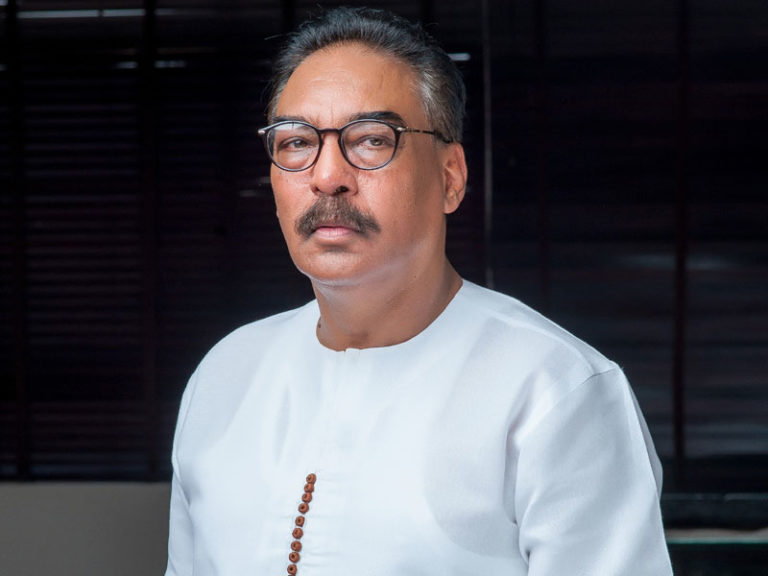
FUNDS earned legally can become illicit financial flows (IFFs) if they are illegally applied, according to Bolaji Owosonaye, chairman of the Independent Corrupt Practices and other related offences (ICPC).

Owosonaye said this during the review of ‘Report on Illicit Financial Flows (IFFs) in Relation to Tax’ launched on Wednesday at the ICPC headquarters in Abuja.

“Money legally earned could become an illicit financial flow if it is illegally applied. For example, if you work legally, but decide to travel out of Nigeria, the rule is that you cannot take cash above a certain amount without declaring it to the Customs. So, if you choose to take above that limit, even though the money is legally earned and is your money, because you are trying to move it illegally, it becomes tainted.

“If you succeed in crossing Customs and you arrive at your destination on the other side, they would treat the money as illicit because you have moved it illegally,” said Owosonaye.


Read Also:


Muhammed Nami. chairman of the Federal Inland Revenue Service (FIRS), during his presentation, pledged that the agency would continue to partner with anti-corruption agencies and all stakeholders in curbing illicit financial flows in Nigeria.

Nami said IFFs, through tax fraud to offshore accounts, had caused significant damage to the Nigerian economy.

He said the FIRS had identified that tax fraud and IFFs took the shapes of payment of expatriates’ staff emolument and remuneration as well as failure to declare for personal income tax purposes. He noted that laundering of funds sourced illegally through real estate transactions was one of them.

Another form of IFF done through tax would be the transfer of money out of Nigeria through unapproved channels such as virtual currencies as well as mispricing of goods and services transfer between interrelated Nigerian companies, he added.

Matthew Gbonjubola, head of International Tax Department at FIRS, while delivering the report, said weak democratic structures, opacity of financial system, cash economy, weak regulatory framework, unstructured tax incentives, skewed tax treaties, crypto assets and professional enablers were  factors fueling IFFs in commercial transactions.

Abiola Sanni, a professor of taxation & fiscal matters at University of Lagos, recommended partnerships with reputable tertiary institutions on capacity building with regard to public sector contracts- from the award to enforcement stage- by exposing gatekeepers to issues on IFFs while developing appropriate incentives.

He noted that the reports could be enriched with statistical data to drive home some of the salient issues raised.

Sanni also suggested prosecution of erring officers involved in failed contracts, where there was proven evidence of complicity, to serve as deterrent to others, adding that the full weight of the law should be brought against violators of extant laws and regulation as the federal government was doing in the case of P&ID’s case.

Auwal Musa Rafsanjani, executive director of Civil Society Legislative Advocacy Centre (CISLAC), said there should be an emphasis on the need for international collaboration because IFFs often happened with the consent of some foreign parties.

He added that there should be increased synergy among government institutions, stakeholders, civil society organisations and the media in order to properly tackle IFFs in Nigeria.

Our administration will not provide free land for ranching – Makinde

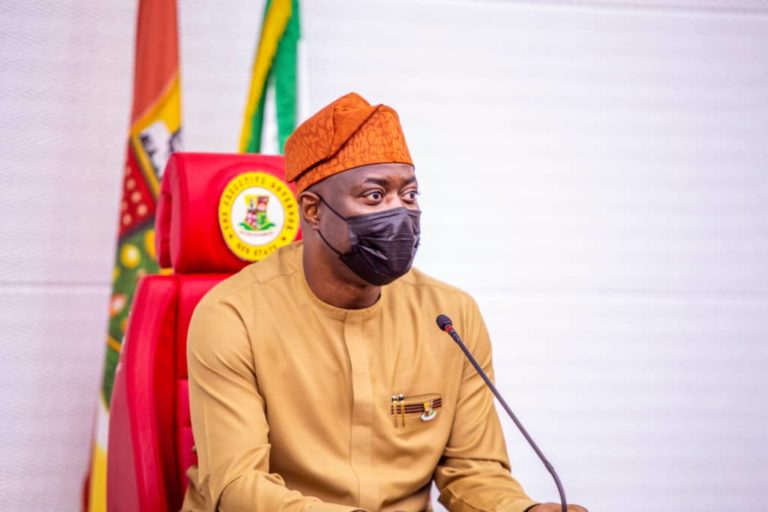
SEYI Makinde, Oyo State governor, says his administration will not provide free land for ranching in the state.

Makinde stated this in a tweet on Wednesday to clarify an earlier tweet made on Tuesday shortly after meeting with Governor AbdulRahman AbdulRazaq, his Kwara State counterpart. He maintained that ranching was a private business and it should be seen as such.

The governor, after meeting with AbdulRazaq on Tuesday, had said that Oyo State would adopt the National Livestock Transformation Plan (NLTP) which was already being implemented in Kwara State.

“We also agreed that the National Livestock Transformation Plan which is already being implemented in Kwara State would be implemented in Oyo State leading to further collaborations between both states on economy and security,” he had said.

Read AlsoPolice invite Ondo community leaders to Abuja over alleged threat to herdsman

The tweet generated a lot of reactions, with many users questioning whether the plan was not an implementation of Rural Grazing Area (RUGA) settlements which many Nigerians had, in the past, kicked against.

https://twitter.com/OgbuefiNnayelu2/status/1367045488516685825?s=20


Reacting, the governor stressed that the state would not implement the whole of the National Livestock Transformation Plan, but only the aspects it found beneficial.

“My attention has been drawn to this tweet regarding the implementation of the National Livestock Transformation Plan during the joint security meeting, yesterday. For the avoidance of doubt, when I said we would implement the plan, I didn’t mean a wholesale implementation.

“We will be taking aspects which are beneficial for our state. As I have stated on several occasions, our position in Oyo State is that ranching is a private business and should be carried out as such. Our admin won’t be providing land for free to private investors for ranching.”

The National Livestock Transformation Plan (NLTP) is an initiative of the National Economic Council headed by Vice President Yemi Osinbajo with all the state governors as members. It is a comprehensive policy plan designed to accelerate the pace and scope of change in Nigeria’s agricultural system.

The NLTP aims to build an ecosystem for livestock production, peaceful coexistence, economic development and food security.

Each state is responsible for a suitable delivery mechanism for the NLTP. Basically, each state decides on what works for it.

The plan has six pillars through which it aims to transform the livestock production system in Nigeria along a market-oriented value chain, while ensuring an atmosphere of peace and justice.

It contains six key pillars which include economic investment, conflict resolution, justice and peace, humanitarian relief and early recovery, human capital development and cross-cutting issues such as gender, youth, research and information and strategic communication.

Why 386 soldiers resigned from Nigerian Army in Q2 of 2020 -Reps

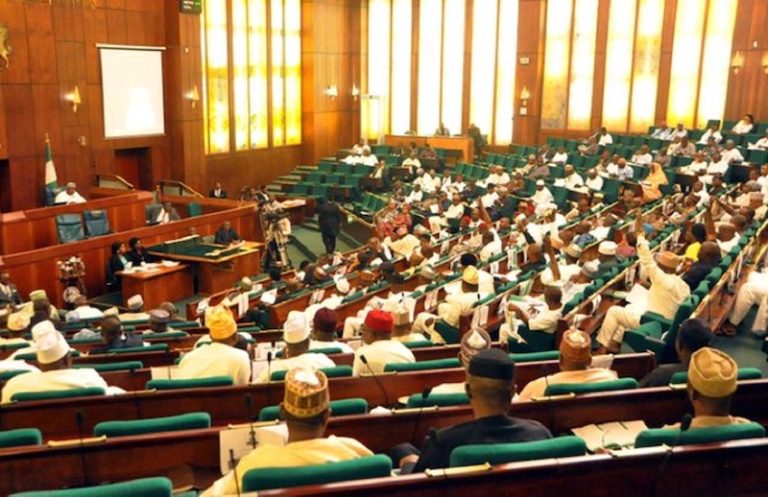
A report by the Committee on Army of the House of Representatives has confirmed that 386 soldiers resigned from the Nigerian Army in the second quarter of 2020.

During the adoption of the report on Tuesday, Abdulrazak Namdas, who chaired the committee, said that the resignations were not related to the ongoing war against insurgency in the North-East but the lack of interest and medical reasons.

It noted that another reason some officers resigned was to take up traditional titles.

“The total number of soldiers who voluntarily discharged from the service in the second quarter of 2020 is 386, which is well over the 365 figure previously assumed. Out of this number, 356 soldiers voluntarily resigned from the Nigerian Army for loss of interest; 24 resigned in order to take up traditional titles, while six were discharged on medical grounds.

“Some soldiers may not be committed to the service, hence they sometimes evade duties and/or responsibilities they consider too tough, which ultimately leads to voluntary discharge,” the report said.

“Some soldiers, who voluntarily resigned, served in the front lines or were actively engaged in any combat operations; some of them performed other duties at various Army formations across the country.

“Based on the facts available to the committee, there was no mass resignation from the Army; individual soldiers resigned on their own from their units.”

A total of 356 soldiers of the Nigerian Army were reported to have resigned from the service in July 2020, a development that sparked controversy from various quarters.

Read AlsoI am not aware 300 students were kidnapped in Zamfara – Army spokesperson

The soldiers were said to have tendered their resignations at the time because they had lost interest in the job due to poor welfare and claims that the army were not well equipped to battle insurgents.

This caught the attention of the lawmakers who deliberated on the matter and mandated the House Committee on Army to carry out a thorough investigation into that on July 14, 2020.

According to the House of Representatives Committee report on Tuesday, the welfare of soldiers across Army formations “has been a recurrent challenge over the years,” stating that though there was an improvement in their welfare packages, “soldiers still stressed on an urgent need for the Army to do more.”

It noted that the Nigerian Army should improve on the welfare of their personnel, especially those on battlefields or other combat operations to further make the soldiers more committed to their jobs and to the nation at large.

Boko Haram says it killed 78 farmers in Zabarmari because they arrested, handed member to Nigerian Army

“That there should be effective monitoring or follow-up in the delivery of the welfare packages in all the army formations to ensure that they reach out to all the beneficiaries (the soldiers) in a fair and equitable manner.

“That the army should continuously embark on an orientation of soldiers – both old and new – about the reality of their jobs and the need to be committed to their country. This will reduce the number of soldiers leaving the army due to loss of interest.”

According to the report, the number of disengagements was far lower than the enlistment in the army in the last five years.

It stated that about 6,752 personnel were disengaged and 25,655 were enlisted, adding that not all the soldiers who voluntarily resigned were actively involved in combat operations.

FG grants approval for establishment of SIM swap centres across LGAs

THE federal government has approved the establishment of centres for the replacement of Subscriber Identification Module (SIM) cards across all local governments in the country. 

The approval was contained in a statement jointly signed by Ikechukwu Adinde, director of public affairs, Nigerian Communications Commission (NCC), and Kayode Adegoke head  of corporate communications, Nigeria Identity Management Commission (NIMC), concerning the resolution of the Ministerial Taskforce on NIN-SIM registration on Wednesday.

According to the statement, the resolution was made during the task force’s meeting held on Friday, February 26, 2021, chaired by Isa Pantami, minster of communication and digital economy.


Read Also:


The task force also gave approval for the extension of the tenure of NIN Enrolment Agent Licenses for Mobile Network Operators (MNOs) from one to five years in consideration of their satisfactory performance.

It was resolved that the technical committee complete the development of a new SIM issuance strategy that could not be compromised.

The statement further read that a multi-sectoral ad hoc committee be tasked to complete the review of the processes for new SIM activations for legal residents staying in Nigeria for fewer than 24 months.

Pantami charged the NCC, working with the NIMC and MNOs, to come up with a framework for the establishment of SIM Swap/Replacement Centres in each of the 774 LGAs in the country, beginning with critical and feasible locations.

The committee members were to be drawn from NCC, NIMC, Nigeria Immigration Service and the Association of Licensed Telecoms Operators of Nigeria (ALTON).

It was further resolved that service centres in important and critical locations in LGAs upgrade the centres to a level where they could qualify as SIM Swap Centres in order to reduce the challenges associated with the SIM Swap/Replacement process for the citizens.

The ICIR had reported the travails of some Nigerians caught between the ban on SIM swap and activation of a new SIM card in Nigeria. A ban was placed on SIM replacement and activation in Nigeria as part of a measure to curb insurgency in the country.


Police appeal for calm as gunmen kidnap expatriate in Ekiti

THE Ekiti State police command has appealed to residents of the state following the kidnapped of an expatriate by some suspected gunmen along Igbemo Ekiti in Irepodun/Ifelodun Local Government Area of the state on Tuesday.

The Police Public Relations Officer in the state, Sunday Abutu, told The ICIR in a statement that the police in collaboration with other security agencies are trailing the kidnappers to rescue the victim.

“Ekiti State Police Command regrets to inform the good people of Ekiti State that a kidnapping incident occurred today being 02/03/2021 at about 9:30 am along Igbimo-Ekiti Road where an expatriate was kidnapped. Our Operatives are already trailing the kidnappers and shall ensure they are arrested,” the statement said.

“The Ekiti State Commissioner of Police enjoins everyone to be calm and avoid any form of apprehension as the Command will do everything possible to rescue the victim and arrest the culprits.

Read AlsoOver 881 students kidnapped under Buhari’s administration

“A team of detectives, RRS and Safer highway team in collaboration with the Amotekun Corp, the vigilantes and the local hunters have since been deployed to ensure the rescue of the victim.”

The statement also implores any person with useful information that could lead to the arrest of the suspects and other criminals in the society to inform the nearest police station or call or text 0806 233 5577 / 09064050086.

The latest abduction comes three months after a similar incident in Ekiti State.

In November last year, an expatriate working a road construction was abducted and released after two weeks.

Police ban unauthorised use of covered number plates

Meanwhile, the state police command has announced the ban of unauthorised use of covered number plates because of its threat to security in the state.

It has also banned the blaring of a siren and the use of revolving lights by unapproved persons.

$2,000 Resident Permit: AGF drags feet over petition on controversial contract between Nigerian govt, CONTEC

“Undoubtedly, this in recent time, has pulled a great threat to the security of the State as some criminal elements hide under these guises to carry out their criminal intentions.

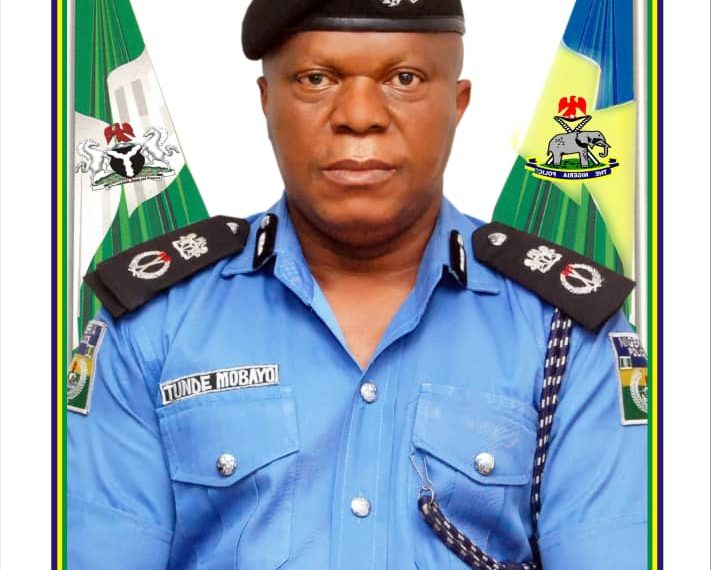
“To this end, the Ekiti State Commissioner of Police, CP Tunde Mobayo in compliance with the directive of the Inspector-General of Police, IGP Adamu Mohammed, has warned against the unauthorized/illegal use of siren, revolving light, covered plate numbers and the use of unregistered spy plate numbers,” he said.

Why petrol queues re-surfaced in Abuja, Lagos

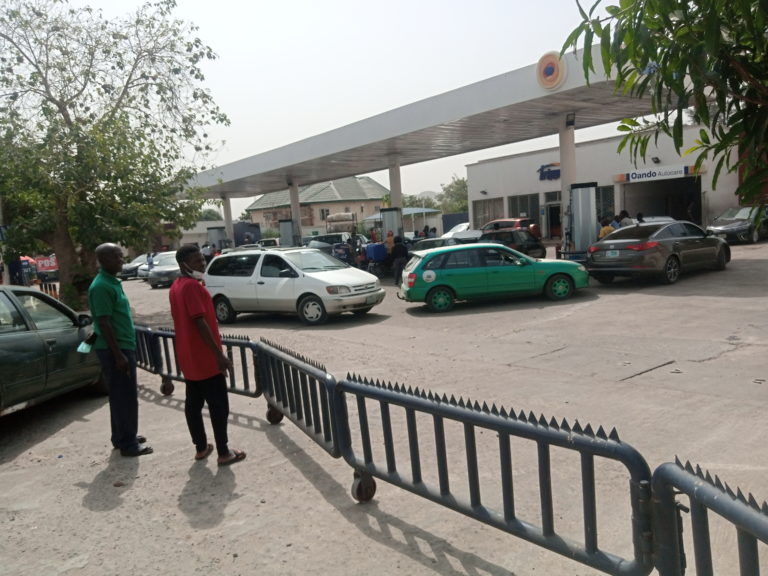
AT A. A Rano filling station in Nyanya, Abuja, on Tuesday, motorists jostled for petrol, also known as Premium Motor Spirit (PMS). Attendants at the petrol station cut off sales to customers with containers so they could attend to vehicles and ease traffic.

An attendant at the petrol station, who identified herself as Sarah, told The ICIR that the station had been out of petroleum products until  Monday when they received supplies. She noted that a litre of petrol was being sold at 162.5 naira.

“We have not been selling petrol for a couple of days because we ran out of petrol, but we got supplies on Monday and we are selling at the normal price,” she said.

Findings by The ICIR on Tuesday revealed that queues by motorists for petrol grew worse in Abuja and its outskirts, including the neighbouring Nasarawa State, as few filling stations dispensed PMS during the weekend.

Some of the filling stations visited by The ICIR included: Total petrol station at Wuse Zone 6; Oando petrol station at Wuse Zone 4; Total Petrol Station at AYA, and Sani Brothers petrol station at Nyanya.

They were all open to customers except Sani Brothers, Nyanya, which did not have petroleum products at the time of filing this report.

However, there were huge price increases at the black market in Wuse as seen by The ICIR, with operators selling petrol in small 10-litre containers at between 3,000 to 3,500 naira.

In Lagos, a number of petrol stations were selling at 170 naira in Apapa and Surulere axis as of Tuesday evening.

Speaking to The ICIR, Dipo Oladeinde, an energy  reporter, attributed  petrol scarcity to hoarding of petroleum products by oil marketers in a bid to do brisk business.

“It is not likely that there is lack of supply of petrol at the depot,” he said.

“The petrol stations are hoarding the petroleum products because if the anticipated pump price increase is implemented, then they would make more profit after hoarding their current reserves of petrol- bought at lower prices,” he said.

Though petrol queues resurfaced within Nigeria’s major cities last week, the Nigerian National Petroleum Corporation (NNPC) still insisted that it had enough to keep the country afloat for 40 days.

In March 2020, Nigeria announced it had ended the costly fuel subsidies, and said in September that it was no longer responsible for fixing pump prices. This  saw petrol pump price increase from 145 to 165 naira per litre.

Why Is Petrol Scarce?

The immediate cause of petrol scarcity is not clear, but the NNPC in a press statement, through its spokesperson Kennie Obateru, on Monday, attributed the scarcity to product hoarding or arbitrary increase of pump price by marketers, induced by panic buying.

In February 2020, the NNPC had extended its one-year contract with 15 oil firms until June to exchange more than 300,000 barrels per day in a crude oil for petrol swap deal. This was set to expire in October 2020.

The swap deal supply, also known as Direct Sale, Direct Purchase (DSDP), supplies nearly all of Nigeria’s petrol and some of its diesel and jet fuel in exchange for barrels of crude oil.

In February. petrol marketers had planned to disrupt the loading of petroleum products at private depots in Lagos and other parts of the country in protest against a new payment method.

The new payment method adopted by the Petroleum Products Marketing Company (PPMC), a subsidiary of NNPC, would allow oil marketers that could pay for 200 trucks to load their supplies before those payinf for one or two trucks, but players said it would give an edge to major oil marketers in the sector.

The new payment method, called PPMC Customer Express, was suddenly imposed on marketers and the NNPC expected immediate compliance from oil marketers.

Shina Amoo, chairman of the Independent Petroleum Marketers Association of Nigeria (IPMAN), Ore Depot, in an interview, had said the process became cumbersome for oil marketers.

“The new payment requires various prerequisite documents like the renewal of bulk purchase, renewal of licence and several other documents that are not readily available.

“Within a few days of this new payment method, some northern big marketers have used the situation to shortchange independent marketers in the South-West. With this, fuel scarcity is imminent,” he had said.

Timeline of Petrol Hike From 2016

The pump price of petrol has registered inconsistent figures since 2016,  putting Nigerians on the edge.

In May 2016, the pump price of petrol was increased to 145 naira per litre, up from 86.50 naira where the previous government of Goodluck Jonathan had left it.

In March 2020, the pump price of petrol was reduced to 125 naira from 145 naira per litre.

In May 2020, the Petroleum Products Pricing Regulatory Agency (PPPRA) announced a new pump price band of between 121.50 to 123.50 naira per litre. There was a price increase in July 2020, to  140.80 – 143.80 naira per litre.

In August 2020, it was again increased to between 145.86 and 148.86 naira, and was further raised on September 2, 2020, to 151.56 naira.

The ex-depot price of petrol equally rose from 147.67 naira per litre to 155.17 naira per litre in December 2020. At the moment, petrol  is sold between 160 naira to 165 naira at fuel stations.

The current landing cost of the importation of petrol is estimated at 180 naira per litre, which is 15 naira higher than the pump price at 165 naira. Experts say no business can afford to import fuel when its landing cost is below the selling price in the economy. This explains why the NNPC remains the only entity that imports fuel–with large sums as subsidies.

With the petrol pump price currently hovering between 162 to 165 naira per litre across the country, there will likely be further price increases, especially as Nigeria becomes serious with deregulation of the sector.

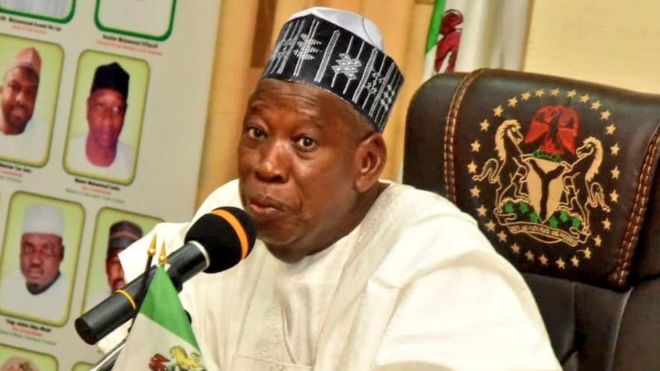
Ganduje continues clampdown on dissenting aides

When Abdullahi Ganduje dismissed his media adviser, Salihu Tanko-Yakassai, popularly known as Dawisu, for publicly criticising President Muhammadu Buhari and the All Progressives Party (APC), it was the second time the Kano State governor would clampdown on dissenting appointees.

Yakassai was sacked shortly after authoring a viral post on Twitter in which he asked Buhari to resign for failing to address insecurity in the country.

But earlier, in April 2019, Ganduje had also dismissed Mu’azu Magaji, his commissioner of works and infrastructure, for celebrating the death of late Abba Kyari, former chief of staff to President Muhammadu Buhari.

Kyari, a very powerful official in the Buhari administration, died from complications related to coronavirus on April 17, 2020.

Before his unexpected demise, Kyari was believed to wield enormous powers – in fact he was seen as even more influential than the president.

But the commissioner, Magaji, appeared to be among many Nigerians who rejoiced over the former chief of staff’s demise, going by posts he reportedly made on Facebook and Twitter.

One of Magaji’s posts read, “Win win … Nigeria is free and Abba Kyari dies in epidemic… The martyrdom of man is perfect!”

In another post, Magaji observed that the Office of Chief of Staff to the President was too powerful and suggested that it should be broken into two.

He wrote, “For the good of Nigeria and Mr President… the CoS (Chief of Staff) office should be split… A PPS (principal private secretary) and a humble manager of his office as CoS… It is currently too powerful for a non-elected official.”

Magaji added that Kyari was only a support staff member in the Presidential Villa and as a result, his death should not be such a big deal.

“Nigeria is bigger than any individual… While praying for the president’s late support staff… Ours is to prevent a repeat of his non-accountable domineering era!

“In institutional democracy, no individual is bigger than the state… Our interest is to get equity and capacity in the highest position of power. It’s not personal!

“I am not a hypocrite and I won’t pretend! While at personal level I pray Allah grant Abba Kyari Jannah…I sincerely believe Nigeria needed a better CoS period!,” Magaji said.

Ganduje sacked Magaji immediately the posts went viral on the social media.

A statement by Muhammadu Garba, commissioner of information, explained that Magaji was sacked for making ‘unguarded utterances.’

“Governor Umar Ganduje has relieved the appointment of the commissioner of Works and Infrastructure, Mu’azu Magaji with immediate effect following his unguarded utterances against the person of the late Chief of Staff to the President, Malam Abba Kyari,” the statement said.

The statement added, “As a public servant, the commissioner ought to have respected the profanity of the office by refraining from any act capable of rendering the office to disrepute.

“The action of a public servant, personal or otherwise reflects back on the government and therefore, the Ganduje administration would not tolerate people in official capacities engaging in personal vendetta or otherwise.

“Late Abba Kyari had led a life worthy of emulation by serving his country to the best of his ability.”

Ganduje reportedly reappointed Magaji as chairman, project committee on industrialisation and pipelines, about six months after dismissing him as commissioner.

I have no regrets dethroning Sanusi as emir of Kano -Ganduje

The governor also pointed to ‘unguarded utterances and comments’ as reasons for sacking Salihu Tanko-Yakasai just a day after he criticised Buhari and the APC over the high level of insecurity in the country.


Reacting to a series of abductions of students in the northern part of the country, the media aide had tweeted: “Clearly, we as APC government, at all levels, have failed Nigerians in the number one duty we were elected to do which is to secure lives and properties. Not a single day goes by without some sort of insecurity in this land. This is a shame! Deal with terrorists decisively or resign.

“Just last week it was #freeKagaraboys, today we have anew hashtag #RescueJangebeGirls, who knows tomorrow what hashtag we will come up with? Perhaps one for ourselves when we get caught up in one of these daring attacks.

“This is sad and heartbreaking, I feel helpless and hopeless. I completely agree. Hypocrisy is in our DNA. Imagine what’s happening in the North now under GEJ or OBJ, what you will hear is he’s the enemy of the North and Muslims, but here we are, being ravaged by all sorts of insecurity but no collective rage…”

Ganduje had also suspended Dawisu for criticising Buhari in the wake of #EndSARS protests that rocked the country in October 2020.

Dawisu had attacked the president for keeping mute in the wake of attacks on protesters by soldiers during the protests.

In a tweet on his Twitter handle, Peacok @dawisu, he had said, “I have never seen a government with zero empathy like that of President Muhammadu Buhari. So many times when his people are going through a difficult time and expect some sort of tap on shoulder to reassure them that he is in charge, but he fails to do so. The ‘I don’t care attitude’ is on another level.

“To speak to your own people over issues that are bedevilling them has become something like a favour you are doing to them.

“Over and over again, you cannot spare five minutes to address the nation to calm them down, the same people you went to the 36 states to beg for their votes, it is heart-breaking.”

Read AlsoBlasphemy: Nigerians knock Ganduje, say he does not have a single shred of religious legitimacy

The media aide was reinstated after a two-week suspension, before he was eventually sacked after his latest episode of ‘unguarded utterances and comments’ against Buhari and the APC.

He was relieved of his job while in the custody of the State Security Service (SSS), which had arrested him for criticising Buhari and the APC over rising level of insecurity in the country.

  • Dawisu regains freedom

Meanwhile, in a post on his Twitter handle on March 2, 2021, Dawisu announced that he had regained his freedom from DSS detention.

In the tweet, he expressed appreciation to all those that added their voice to calls for his release.

  • Ganduje, a controversial governor

The Kano State governor, who was elected on the platform of the APC in 2015, gained notoriety when, in October 2018, a newspaper, Daily Nigerian, published a video which showed him pocketing wads of American dollars in what was said to be bribe payments from public works contractors.

In the video recorded in 2017, in what Daily Nigerian said was a sting operation aimed at beaming a spotlight on the governor’s alleged penchant for contract racketeering, Ganduje could be seen collecting the dollars before rolling them into the pockets of his white ‘babanriga‘ dress.

Ganduje claimed the video was fake, and dragged the newspaper to court.

Despite the video and widespread perception that he was corrupt, Ganduje in August 2020 drew angry reactions from Nigerians on the social media when he claimed that his administration had zero-tolerance for corruption.

The governor told Kano State’s Public Complaint and Anti Corruption Commission that any corrupt individual should not go unpunished in the state.

Eyebrows were raised when, in spite of the allegations of corruption hanging on his neck, the APC Caretaker and Extra-Ordinary National Convention Planning Committee named Ganduje head of its National Campaign Council for the Edo State governorship election.

The People’s Democratic Party (PDP), Nigeria’s opposition party, capitalised on the situation by playing the ‘Ganduje dollar’ video at the popular Ring Road in Benin, capital of Edo State. The PDP candidate, incumbent Godwin Obaseki, eventually defeated Osagie Ize-Iyamu in the governorship election.

In December 2020, the East Carolina University in the United States denied appointing Ganduje as a visiting professor, saying that a letter received by the Kano State governor from a member of its faculty was unauthorised by the appropriate officials.

It would also be recalled that, earlier in August 2020, Ganduje had expressed his readiness to sign the execution warrant of a 30-year-old man, Yahaya Sharif-Aminu, who was sentenced to death by hanging by a Kano Upper Shari’a Court, after he was convicted of making blasphemous remarks against Prophet Muhammad, under Section 382 (b) of the Kano State Penal Code Law 2000.

Ganduje said that he would not hesitate to sign the execution order at the expiration of the 30-day grace if the convict failed to appeal the judgment.

He said at a stakeholders forum, “If the 30 days elapses and the convict has not appealed, and there is no evidence that he had appealed, I will not waste time in signing the warrant for the execution of the man who blasphemed our Holy Prophet of Islam. Lawyers just told us that the case could go up to the Supreme Court. So if that happens, I will not waste time to abide by the verdict right away.”

But a Kano State High Court saved the musician, Sharif-Aminu, from Ganduje’s wrath when, on January 21, 2021, it quashed the death sentence passed by the Upper Sharia Court and ordered a retrial of the matter.

* Ganduje’s spokesman refuses to respond to questions

Meanwhile, Ganduje’s spokesman refused to respond to questions when The ICIR sought official comments over the governor’s penchant for clamping down on dissent.

The ICIR’s correspondent also wanted to know if it was the governor that notified the State SSS to arrest Dawusi.

Abbar Anwar, chief press secretary to the Kano State governor, said he would get back to The ICIR, but he did not fulfill his promise as of the time of filing this report.

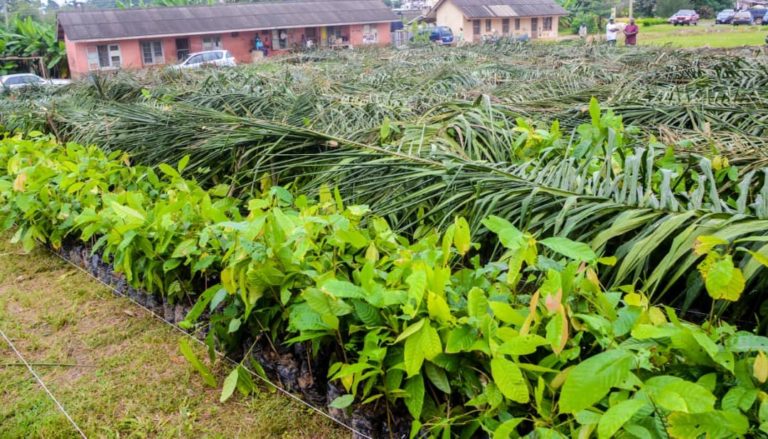
Nigeria’s cocoa farmers to receive 5m seedlings in 2021

AFTER distributing 10 million cocoa seedlings in 2020, the Cocoa Research Institute (CRIN)  says it will disburse additional five million seedlings to farmers in 2021.  

ABDULLAHI Ja’o, board chairman, disclosed this during a meeting of board chairmen of all agricultural research institutes on Tuesday in Abuja.

Ja’o said since he joined the research institute around 2019, at least seven million cocoa farmers had benefitted from across the country, including cocoa farmers in Adamawa State.

“I can say that we have very early yielding varieties, capable of yielding fruits in three years, instead of the 10 years and five years maturing years before now.”

Read Also: Study faults FG’s agricultural insurance scheme for farmers

He explained that the seeds were given freely to genuine cocoa farmers.

The research institute was able to identify the actual farmers and ensure they benefitted from the support of the Federal Ministry of Agriculture and Rural Development (FMARD), he noted, expressing concerns about farmers’ poor access to market and preservation.

“It is annoying to see someone carry his cocoa bags everywhere from one buyer to two another, trying to get a better price,” he said. “Sometimes, they (buyers) will keep you at a place and ask farmers to continue to check-back.”

Earlier, Prof. Garba Sharubutu, executive secretary of the Agricultural Research Council of Nigeria (ARCN), had acknowledged that the CRIN was not getting the right attention until lately when the federal government gave a grant to the institute to develop the cocoa value chain.

He said there were currently early maturing varieties of the commodity, wheat and palm oil seedlings which had been produced but yet to be taken over by off-takers.

According to him, people would rather invest in early profiting ventures such as taxi business, point of sales (POS) machine business, rather than agriculture.

Sokoto receives largest chunk of FG’s N123.3bn grant to states

However, he said the federal government should consider supporting graduates of colleges of agriculture in the country through the Anchor Borrowers Programme (ABP), rather than distributing funds to individuals claiming to be farmers and needed loan support.

Shurabutu argued further on the need for internships for graduates of agricultural science. This, he emphasised, would prepare the students ahead of real investment in the agric sector upon graduation.

“We have done a proposal and sent to the minister for us to build vocational training centers in the 52 colleges of education. This will further help us drive the vision of attaining food sufficiency in Nigeria.”

Recall that in the 1960s, agriculture was the mainstay of Nigerian economy until the transition to oil. For years, experts have advised the federal government to diversify its economy rather than completely rely on oil.

$2,000 Resident Permit: AGF drags feet over petition on controversial contract between Nigerian govt, CONTEC

SIX months after receiving a  petition over a controversial contract that involves a $2,000 resident permit issued to expatriates visiting Nigeria for work-related activities, the office of the Attorney General of the Federation (AGF) is yet to act.

The AGF’s feet dragging over the ill-considered agreement the federal government had signed with the Continental Transfer Technique Limited (CONTEC) has led to loss of revenue to Nigeria.

In August last year, Muhammed Babandede, the immediate past NIS Comptroller-General petitioned the AGF and Ministry of Justice, requesting the office of the chief legal officer to wade into the alleged fraudulent agreement the Federal Ministry of Interior signed with CONTECC on a strategic partnership where the private company was to function as a technical partner for the production of the Combined Expatriate Residence Permit and Alien Card (CERPAC).

CONTEC is owned by Irish-Indian businessman, Benoy Berry, an ally of the former president, Olusegun Obasanjo. The firm was registered in Nigeria on July 26, 1984, as a warehouse of data of foreigners living in Nigeria. Its mandate was “to provide new and highly secure documents for the identification of foreign residents,” and maintain “the central database of all foreign national movements into and out of the country, flagging undesirable aliens and maintaining security in the country.”

But the officials of the NIS and other security-minded bureaucrats found the agreement injudicious, saying it infringes on the Immigration Act.

The Service has raised concerns over a possible data breach of the foreigners, and expressed frustration over outsourcing the production of resident permits at huge revenue loss to the nation. The former immigration boss insisted that the NIS has capacity to solely produce CERPAC.

For that reason, it submitted a petition to the office of the attorney general for the review of the contract, but nothing appeared to have been done.

On February 18, The ICIR contacted Umar Gwandu, Special Assistant to the President in the Office of the AGF, seeking an update about  NIS’s petition. Gwandu asked this reporter to send him questions. When the questions were sent, he replied with a terse response: ‘received’. And no additional information was given.

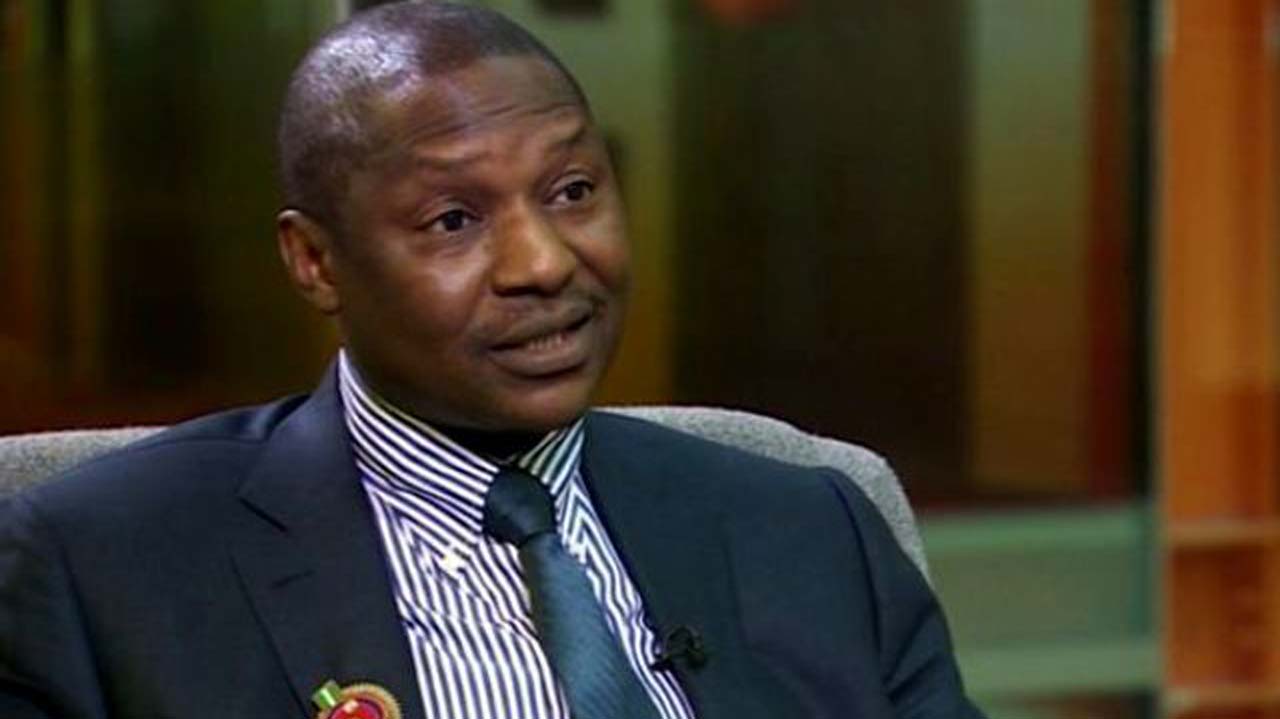
ABUBAKAR Malami
ABUBAKAR Malami, Attorney General and Minister of Justice

On February 24, a reminder was sent to him but he did not reply. On March 1, another reminder was sent for the third time in two months. Then, he said the matter was still under review.

“The action of the attorney-general of the federation and minister of justice, and by extension, the federal government of Nigeria is always guided by holistic appreciation of the law and public interest in analysing the situation at hand. The office of the attorney-general of the federation and minister of justice will consider the essence of time, as per taking decision is concerned,” he said.

Last year, Babandede raised an alarm about how the firm sought to seize the Nigerian National Petroleum Corporation (NNPC) building over the controversial contract. He stressed the need for the government to reconsider its decision.

“We can do without them. This job (issuing resident permit), we can do it. It is not rocket science,” he stressed.

While speaking before the joint committee on finance and national planning, he said: “Nobody should defend CONTEC as a company to do business in Nigeria. This is a company that took us to court, this is a company that wanted to seize our property, including our mission and NNPC building. Two thousand dollars for a resident permit, we can make that resident permit with $500, $1,500 can go to the federal government, we ‘throw away’ the company, and the government will make more money,”

In 2019, the Economic and Financial Crimes Commission (EFCC) probed N72.07 billion realised by the firm over Nigeria’s resident permits issued to foreigners, and accused the company of underpayment of taxes – Withholding Tax, and Value Added Tax (VAT).

Read AlsoHow Nigeria Immigration clearly violates the constitution by seizing EndSARs promoter’s passport

What is CERPAC?

CERPAC is a compulsory document required by foreigners to live and work in Nigeria. Though students and missionaries have been excluded from the levy increase, it is believed that the increase would discourage the influx of expatriates from coming to Nigeria to work.

It is renewable annually, or biennial depending on the validity given period. Stakeholders have decried the fee increase which most people considered as too sudden.

But with the $2, 000 levy, industries which require services of foreign nationals might be forced to consider local experts.

More so, if experts must be engaged by interested firms, it also implies such experts might have a short stay in the country due to the cost, hence, firms are made to do technological transfer to the locals.

Indirectly, the process would boost local capacity and knowledge base while over-reliance on expatriates would reduce.

Background on CONTEC

According to a legal document submitted to England and Wales High Court (Commercial Court) in November 2009, the agreement between CONTEC and the Federal Ministry of Internal Affairs was signed on May 25, 1999.

It was renewed under the leadership of Abdurahman Dambazau, a former minister in charge of the internal affairs ministry, now known as interior ministry.

Based on the pact, CONTEC is to produce and supply electronic residence cards for the ministry. And this card is to be used by the NIS. As such, NIS is the implementing partner for the project.

In December 2018, the residence permit fee was increased by 100 per cent after CONTEC wrote to the interior ministry, asking for an upward review of the fee from $1,000 to $2,000. The firm argued it was expanding its offices across the country to facilitate easy registration for the permit.

But in its reply, in a letter dated December 13, 2018, with a reference number FMI/PSO/012/1/15, the ministry approved the request.

The $2,000 levy is to remain till 2021, while the NIS would continue to be the implementing partner.

“I am directed to acknowledge the receipt of your letter of 11th December 2018 on the above subject and inform you that the Honourable Minister has approved the review of CERPAC fees from $1000 to $2000 with immediate effect. This review does not, however, affect missionaries/students CERPAC fees,” the letter read in part.

“With this approval, there will be no further review of CERPAC fees until after three years from the period the implementation of the new CERPAC fee comes into effect.”

The letter addressed to the firm’s Chairman, was reportedly signed by Dr. M.B Umar, a former Permanent Secretary of the interior ministry on behalf of Dambazzau.

Since the upward review of the fee,  the NIS, lawmakers and Nigerians have kicked against the contract.

“Some companies bring in labourers in their hundreds and register them as experts/professionals but pay them as labourers while they remit most of the money to their countries,” the former minister asserted while justifying the increase. “Many of them do not employ Nigerians to mix so that our people take up management positions after some time.”

Babandede though supported the increased levy, queried the rationality of the agreement, insisting that the Immigration Service has the capacity to produce the permit at a lower cost.

Falana files lawsuit, says contract contravenes Immigration Act, Order 5  

In March 2019 Femi Falana, Human Rights Lawyer took the Interior ministry and CONTEC to court, describing the agreement as illegal and fraudulent.

Besides, Falana questioned the constitutionality of the CERPAC contract and the sudden increase of resident permit fee from $1,000 to $2,000. He argued it is the statutory responsibility of NIS to determine and collect CERPAC fee payable by all expatriates, rather than outsourcing the contract to CONTEC.

He sought a restraining order and court injunction suspending the company from further carrying out the duty but the NIS.

In November 2019, Judge Rilwanu Aikawa, Lagos Division of the Federal High Court nullified the $2,000 upward increase. He also described the contract as unconstitutional.

Femi Falana Alex Ogbu
Femi Falana (SAN)
File Photo for Illustration Purpose

“While Section 102 of the Immigration Act provides for private sector participation in the development and provision of infrastructure, there is no provision as far as I can discern which allows for the participation of the private sector in the collection of residence permit or visa fees,” Aikawa said in his verdict.

“Any law, a statute or provision thereof that runs riot and violent to the provision of the Constitution or is in conflict with the Constitutional is null and void to the extent of the inconsistency,” Aikawa insisted.

January last year, the federal government approached the appeal court and sought to set aside the judgement secured by Falana. Besides, they argued that Falana was not an expatriate and was not engaged by any expatriate to challenge the resident permit levy.

Ahead of the outcome from the appeal court, the minister of interior and NIS, in a different application sought a stay of execution. Nevertheless, the CONTEC agreement also negates Executive Order 5 which discourages foreigners from executing services that could be provided locally by Nigerians. Executive order five is to promote local contents.

Food ban will worsen Nigeria’s socio-economic problems, Arewa tells northern farmers

THE Arewa Consultative Forum (ACF) has condemned the decision of the Amalgamated Union of Foodstuff and Cattle Dealers (AUFCDN) to ban all foods supplies to the southern region of the country.

The ACF said such a decision would further polarise and complicate socio-economic and political problems facing the country today.

In a statement on Tuesday in Kaduna, Audu Ogbe, ACF national chairman, called on the union’s leadership to put a halt to the embargo, stressing that Nigeria was not at war with itself.


Read Also:


“The Arewa Consultative Forum (ACF), shares the concerns of Nigerians over the decision of the Amalgamated Union of Foodstuff and Cattle Dealers to stop movements of needed food from the north to the south,” he said.

“We call on the leadership of the union to put a halt to their so-called embargo and blockade.

Audu Ogbe

“Nigeria is not at war with itself and such drastic action is not necessary.

“It will only further complicate the socio-economic and political problems facing our country today.

“The members of the union are said to have suffered severe losses during the #EndSARS riots and the recent violence in Sasha in Oyo State targeted against northerners.

“We believe that whatever may be the difficulties of their members in operating in other parts of the country, ACF leadership led by me is willing to help them solve these by talking to security agencies and the government.

“There is no need to mount a blockade by one section of the country against the other.

“Whatever may be our differences, the ACF as an ardent believer in free trade believes that goods should be allowed to move freely.

“This extreme measure is not progressive and even counterproductive. This is not the way to go.”

Grievances

The body commenced an indefinite strike following the government’s failure to address the alleged killings of its members in various parts of the country.

The union is also demanding payment of compensation of 4.75 billion naira to its members, being losses incurred during the #ENDSARS’ protest, including the razing of their properties at Shasha market in Oyo State.

According to The Punch, the union was also stopping its members from moving cattle and foodstuffs to the country’s southern region.

Many trailers transporting cows, tomatoes, onions, pepper, grains and other commodities have been prevented from leaving a border town in Niger State to the southern part of the country.

A recent video of a long line of trailers stopped by the union had circulated on social media recently.

The trucks, conveying agricultural goods owned by Fulani cattle merchants, were reportedly stopped from entering Jebba town, Kwara State border town with Niger State on their way to the South-West last Thursday.

It was gathered that the stoppage might have to do with the threat by the national body of Miyetti Allah Cattle Breeders Association of Nigeria to stop its members from supplying and selling cattle to the South if some governors effected the alleged eviction of Fulani herdsmen.

Kabiru Salisu, financial secretary of the AUFCDN, said a task force set up by the union was enforcing the strike in Niger State and other areas.

He said the government had not reached out to the union on its demands, hence the strike, which he said was indefinite.

“There is a task force that we set up to enforce the directive by the union that there would be no transportation of cattle and foodstuffs to the South with effect from Thursday. So, the union set up the task force to prevent sabotage,” he said.

“In the communiqué we issued, we said the strike would start yesterday (Thursday), and so, we have started the strike. Now, there is no loading of commodities to the South, but those who attempted to violate the directive were stopped in Niger State.”

Also, confirming the stoppage of cattle and foodstuffs to the South last Friday, coordinator of Miyetti Allah in Kwara State, Aliyu Mohammed, said the development was factual.

Mohammed also claimed that his members were being killed.

‌”We are not doing anything wrong and yet our people in the forests are being killed for no just cause,” he said.

The Middle Belt Forum has kicked against the action, describing it as a criminal act.

In a statement signed by Pogu Bitrus, its national president last Friday, the group said the issue was capable of throwing Nigeria into choas.

It called on the Nigerian government to address the issue.