Home Blog Page 190

Police spokesperson Adejobi redeployed to Delta State  

0

THE Nigeria Police Force (NPF) Public Relations Officer, Olumuyiwa Adejobi, has been redeployed to the Delta State Police Command as Deputy Commissioner in charge of Operations.

The Nigeria Police Force has yet to officially comment on the reasons for his redeployment, but Channels Television reported that his transfer was a strategic posting.

The ICIR also reached out to Adejobi via phone calls, SMS, and WhatsApp messages, but he neither picked up nor responded as of press time.

Adejobi, who only recently rose from Assistant Commissioner of Police (ACP) to DCP, has been the voice and image of the Nigeria Police Force since February 2022. 

He was appointed in acting capacity after the exit of Frank Mba and was later confirmed by former Inspector General of Police, Usman Alkali Baba (Rtd).

His redeployment came on the heels of several human rights abuse allegations against him. 

In February this year, a legal and human rights firm, Deji Adeyanju & Partners, petitioned the United States Embassy to impose a visa ban on him over allegations of rights abuses and suppression of free speech.

The petition accused Adejobi of using his position to justify police brutality and intimidate critics, citing cases where citizens were detained after making online remarks critical of the government or security agencies. 

According to Adeyanju, a TikToker, Destiny Ekhorutomwem, was arrested for cyberbullying under Adejobi’s directive and allegedly subjected to harsh bail conditions before collapsing in custody. Other cases involved the arrest of a nurse, Olamide Thomas, and the detention of Charles Uche Ihedioha for social media posts.

Adejobi’s public remarks have also attracted controversy in the past. 

The petitioner noted that in March 2023, he tweeted that ‘hurling insults at police officers carrying out their legal duty is criminal,’ a statement critics said encouraged authoritarian policing. 

Similarly, in February 2024, as kidnapping cases surged nationwide, he dismissed many reports as ‘staged’ or ‘fake’, drawing backlash from families of victims and human rights advocates.

“Most of the kidnapping cases we read online are not real. They are either staged and faked. We analyse security situations based on empirical facts and figures.

“These are different concepts or crimes that we need to understand, and the psychology of the perpetrators. No sentiment, but realities. Open your mind to discussions and explanations of experts and security operatives for better understanding,” he posted.

Adejobi had served as Police Public Relations Officer in Ogun State; Zone 2 Headquarters, Lagos; and Lagos State Command.

Fresh boat accident kills 29 in Niger State

0

ABOUT 29 people lost their lives in a boat accident that occurred in the Malale area of Borgu Local Government, Niger State, on Tuesday, September 2.

The incident reportedly happened in the Gausawa community at about 11:30 am.

According to reports, the boat was carrying over 90 passengers, including women and children. It was coming from Tugan Sule in Shagunu ward and was heading to Dugga for a condolence visit when tragedy struck.

Confirming the incident, the Director General of the Niger State Emergency Management Agency (NSEMA), Abdullahi Baba Arah, said the mishap was a result of overloading and a collision with a tree stump.

Baba Arah said 50 people were rescued alive, while two people were still missing.

“Search and rescue operations are ongoing for possible recovery of missing persons,he stated.

He added that the deceased victims have since been buried.

The ICIR reports that this is the second boat accident in Niger State in 2025. The first one occurred in July and was due to a tree stump.

Boat mishaps are frequent on Nigeria’s waterways, often caused by a lack of life jackets, overcrowding and poorly maintained vessels, particularly during the rainy season when rivers and lakes overflow their banks.

On Friday, August 29, the National Inland Waterways Authority (NIWA) confirmed a boat mishap at the Jaranja River in the Shagari Local Government Area of Sokoto State.

The incident, the third within a month in the state, claimed two lives, while nine injured victims were rescued in the tragedy.

The accident occurred barely a week after four people died in a boat mishap at Kojiyo village in Goronyo Local Government Area of the state.

In the accident, which occurred on August 17, 41 passengers were rescued and five declared missing.

Recall that another incident occurred at Faji Community in Sabon Birni Local Government Area of the state on August 22.

In December 2024, the head of operations for NEMA in Kogi State, Justin Uwazuruonye, confirmed that 54 bodies were recovered from a boat accident involving about 200 traders in the state.

Uwazuruonye pointed out that the lack of a passenger manifest made it challenging to ascertain the exact number of people on board.

Similarly, in August 2024, at least 16 farmers lost their lives in Sokoto State after a wooden canoe conveying them across a river to their rice fields capsized.

Also on July 29, 2025, six young girls drowned in north-western Jigawa State when the boat transporting them home from farm work overturned midstream.

Just two days earlier, on July 27, another tragedy struck in central Niger State, where at least 13 people were killed in a separate boat accident.

ICIR trains SPARK 2.2 fellows

0

THE International Centre for Investigative Reporting (ICIR) has concluded a two-day virtual training for journalists selected to participate in its Strengthening Public Accountability for Results and Knowledge (SPARK 2.2) investigative reporting fellowship.

The training, held from September 2 to 3, 2025, brought together journalists from seven states – Anambra, Oyo, Ogun, Niger, Kano, Jigawa, and Nasarawa – where the SPARK project is currently being implemented.

Declaring the workshop open, ICIR’s Executive Director, Dayo Aiyetan, underscored the Centre’s commitment to deepening accountability reporting in Nigeria, noting that investigative journalism remained critical in highlighting governance and development challenges.

Aiyetan thanked the International Budget Partnership (IBP) for supporting the project, noting that while this phase runs for four months, The ICIR’s partnership with IBP was continuous.

He noted that the programme was not just about investigating and exposing corruption but also examining the systemic issues and shortcomings that often led to journalists’ findings on the field.

“Like agricultural inputs not getting to women famers. Is it state government’s policy or federal government’s policy? For example, issues like transportation issues that make thing hard for small holder women farmers or cultural barriers inhibiting women farmers. We need to look at those systemic issues leading to negative outcomes that we find,” he said.

He added that the issues were not only about how policies affect women but also agelong imbalances in some government policies which make it hard for women to access government’s support.

Also speaking at the training, The ICIR Senior Programmes Officer, Chukwudi Iwuoha, said the initiative sought to equip reporters with the skills to investigate and highlight governance lapses affecting women and children in marginalised communities.

He explained that the fellowship would concentrate on two areas in each focus states.

On healthcare, Iwuoha said journalists were expected to assess the implementation of the Basic Health Care Provision Fund and the Midwives Service Scheme, while exposing systemic, political, and infrastructural barriers limiting service delivery in rural areas.

In agriculture, he noted that the project would examine the struggles of smallholder women farmers, including poor access to credit, inputs and extension services, as well as cultural and gender-related obstacles.

“Journalists will undertake fieldwork to document real-life experiences, generate data, and tell compelling stories that not only expose problems but also highlight solutions,” Owuaha stated.

According to him, expected outcomes of the fellowship include increased public awareness of systemic failures, promotion of best practices, stronger accountability in policy implementation, and amplified voices of women and marginalised groups.

Participants at the training were taken through practical sessions covering key aspects of investigative journalism.

Day one featured sessions on the fundamentals of investigative reporting, fact-checking, gender-sensitive reporting, multimedia storytelling, and working with documents.

Facilitators included The ICIR Editor, Victoria Bamas, Programme Director at Daily Trust Foundation, Theophilus Abbah, and IBP representatives, with sessions designed to equip fellows with technical skills to strengthen the quality and impact of their reports.

Day two of the workshop built on what was done on the first day, focusing on sourcing information, advanced multimedia techniques, interviewing methods, and critical conversations around journalists’ safety and professional ethics.

The training ended with a charge to participants to apply the skills gained in producing data-driven, people-centred stories that not only expose systemic barriers but also drive accountability in governance.

The SPARK 2.2 fellowship, supported by the International Budget Partnership, is part of ICIR’s long-term efforts to build a network of investigative journalists dedicated to addressing pressing governance challenges in Nigeria.

The initiative, which began with SPARK 1 and later advanced to SPARK 2, is now in its second phase of implementation under SPARK 2.2, expanding its focus and deepening its impact on governance and accountability reporting in Nigeria.

Under the maternal healthcare component, participating journalists will investigate systemic barriers limiting access to services, as well as gaps in the implementation of the Basic Health Care Provision Fund (BHCPF) despite continued government investment.

In agriculture, the fellowship will examine the struggles of smallholder women farmers (SHWFs), including limited access to credit and farming inputs, income constraints, and gender-based challenges that affect their productivity and economic empowerment.

The project will adopt a systems-level, gender-sensitive approach to uncover the root causes of these challenges and produce data-driven reports that drive accountability.

Amid ICPC probe, National Library denies allegations of wrongdoing

0

THE National Library of Nigeria (NLN) has dismissed allegations of procurement fraud, employment racketeering, and victimisation of staff raised in a petition confirmed by the Independent Corrupt Practices and Other Related Offences Commission (ICPC).

Despite ongoing investigations by the ICPC, a statement by Orvell Dio, Assistant Director of Information and Public Relations, described the allegations as a smear campaign orchestrated by disgruntled individuals seeking to discredit the National Librarian, Chinwe Veronica Anunobi.

The response followed The ICIR report, which revealed that the ICPC is probing the agency after petitions from staff unions accused its leadership of contract inflation, abuse of procurement rules, and the sale of employment slots. 

The report also detailed alleged staff victimisation, diversion of public funds, and phantom projects. It also noted how insiders said corruption and mismanagement have become entrenched, leaving staff disillusioned and afraid to speak out. 

Central to the allegations was the procurement of two JAC Frison 4×4 pickup vehicles for N62.6 million in 2022, with the petitioners claiming the vehicles were bought from a supplier not listed in the BPP waiver and at an inflated cost, with a forged invoice allegedly inserted into the procurement file.

The petitioners indicated that this amount was inflated by N14 million when compared against independent market rates for identical vehicles. In the document attached to the petition, the union got an invoice for the two vehicles from the same vendor to be N48.3million, including VAT. Each car was sold for N22,500,000 and VAT of 7.5 per cent on the two vehicles for N3.3 million.

Responding to this, the library insisted that three companies, Elizade Nigeria Ltd, Lanre Shittu Motors, and Globe Motors, were approved by the BPP, and all were invited to bid. 

It said Elizade’s quotation for JAC pickups was cheaper than Lanre Shittu’s Hilux, prompting the agency to purchase the two vehicles instead of one while staying within its ₦63.5 million budget.

The petitioners had stated that while the contract was awarded at N62,649,710, the actual market cost for the two vehicles from the same vendors, including 7.5 per cent VAT, was N48.3 million, a difference of N14.35 million.

But Dio initially said the cost of the project was estimated to include all the statutory deductions which, according to him, amount to about 13 per cent of the total contract sum.

However, going by the document attached to the petition, after statutory deductions of about 13 per cent (N8.14 million) by the Office of the Accountant-General, the contractor would have received approximately N54.51 million. This still leaves a gap of N6.21 million between the petitioners claimed cost and the net amount paid to the supplier.

The petition further accused the leadership of the library of job racketeering, with employment slots allegedly sold for as much as N2 million, often to individuals from the South-East, contrary to federal character rules. 

This, The ICIR noted, was dismissed in the report. 

It has, however, further maintained that appointments were screened and approved by the Federal Character Commission, adding that no job slots were sold on its behalf.

On payments into staff personal accounts, the library claimed the funds paid to a senior staff, I.O. Kalu, was a ‘non-personal advance’ noting that the funds were duly retired after the campaign. 

Dio had initially justified the payment, saying the reason for making payments into staff accounts was that some projects are best executed by in-house staff and do not need to be outsourced to contractors.

The agency also denied claims of phantom projects, stressing that over 6,200 materials have already been digitised and uploaded to its public repository, while its library software is a subscription-based version, not free software as alleged.

This was again contrary to what insiders said, as they claimed that the digitisation of weak and rare materials was done by staff of the library.

Despite widespread claims by petitioners and insiders who spoke to The ICIR, the Library insisted that no staff member was being victimised.

Recall that The ICIR reported that the ICPC confirmed four victims of this alleged harassment, noting that it has communicated the cases to the Ministry of Education for possible protection of the whistleblowers.

How local governments can foster grassroots development in Nigeria

THE Local Governments are the closest tier of governance to the grassroots in Nigeria. They provide communities with the opportunity to influence how they are governed, ensuring that local needs are addressed through direct representation.

This closeness fosters inclusiveness in governance, enabling citizens to participate in decision-making and building stronger, more responsive institutions at the local level.

Local governments were created as the third tier of government, specifically to bring development nearer to the people. Yet, despite their importance, many Nigerians remain unaware of the roles and responsibilities of their LGAs.

This lack of awareness often shifts attention disproportionately to state governors and the federal government, creating unnecessary pressure on higher tiers of administration.

The ICIR highlights the constitutional duties of local government councils and their leaders, shedding light on why they matter so much to grassroots development.

Structure of local government in Nigeria

Nigeria has 774 LGAs spread across its states. Each LGA is governed by a council, headed by a chairman who serves as the chief executive, supported by elected councillors.

Each LGA is further divided into wards, with councillors representing these subdivisions. Together, they form the legislative arm of the local council, making laws and regulations at the grassroots level.

In essence, LGAs stand as the third tier of government, directly beneath the states and the federal government.

What the constitution says

The 1999 Constitution, in Section 7 (Chapter I, Part II), provides the legal framework for the establishment, structure, composition, finance, and functions of local governments.

It guarantees a system of democratically elected councils and mandates each state to pass laws defining the operation of LGAs within its boundaries.

The constitution also clearly demarcates local government areas, taking into account traditional affiliations and community interests.

Beyond governance, LGAs are required to contribute to the economic planning and development of their states. To achieve this, each state is expected to establish an Economic Planning Board, providing a platform for LGAs to feed into broader state development initiatives.

Importantly, the constitution affirms the rights of citizens: anyone qualified to vote in State Assembly elections is also entitled to vote and contest in LGA elections, reinforcing democratic participation at the grassroots.

Funding 

The constitution’s Fourth Schedule obliges both the National Assembly and State Houses of Assembly to make statutory allocations of public revenue to local governments. This provision ensures that councils have adequate financial resources to perform their duties effectively.

Functions of LG councils

The Fourth Schedule outlines the duties of LGAs, dividing them into exclusive (primary) and concurrent (shared) functions.

Exclusive functions

LGAs are directly responsible for:

  • Recommending contributions to state economic planning.
  • Collecting local rates and radio/television licence fees.
  • Establishing and maintaining cemeteries, burial grounds, and homes for the destitute or infirm.
  • Licensing non-mechanised transport (such as bicycles, wheelbarrows, carts, and canoes).
  • Establishing, maintaining, and regulating markets, motor parks, slaughterhouses, and public conveniences.
  • Constructing and maintaining local roads, streetlights, drains, parks, gardens, and open spaces.
  • Naming roads and numbering houses.
  • Providing sewage and refuse disposal services, as well as other public health functions.
  • Registering births, deaths, and marriages.
  • Assessing privately owned houses and tenements for levying rates, in line with state law.
In addition, LGAs regulate:
  • Outdoor advertising and hoardings,
  • Movement and keeping of pets,
  • Shops and kiosks,
  • Restaurants, bakeries, and food premises,
  • Laundries,
  • Licensing and regulation of liquor sales.

Concurrent functions

LGAs share certain duties with state governments, including provision and maintenance of primary, adult, and vocational education; development of agriculture and natural resources (excluding minerals); provision and maintenance of health services, and any other functions assigned by state legislation.

Role of a local government chairman

As the chief executive of the council, the local government chairman leads the executive arm, oversees resources, and implements policies that impact daily life at the grassroots.

In short, the chairman is pivotal to the effectiveness of local governance and community development.

 LG autonomy

On Thursday, July 11, 2024, the Supreme Court delivered a landmark ruling affirming the financial autonomy of Nigeria’s 774 local governments.

The federal government had challenged the long-standing practice of state governors controlling council funds.

In its judgement, read by Justice Emmanuel Agim, the apex court declared it unconstitutional for states to withhold or manage allocations meant for LGAs. It ordered that all council funds be paid directly into their respective accounts.

The ruling marked a turning point in the push for stronger local government autonomy — a demand that has grown louder over the years as state interference has been blamed for the underperformance of LGAs nationwide.

With the Supreme Court judgement, LGAs in Nigeria are now expected to receive more funds, as their allocations will come directly from the Federation Account rather than through state governments, which have long been accused of diverting the bulk of the money and leaving councils with only a fraction.

Why local governments matter

When Nigerians talk about governance, the spotlight always falls on Abuja or state capitals. Yet the government tier that affects citizens most directly is the one nearest to them — the local councils. Understanding the responsibilities of LGAs is critical because they hold the key to grassroots development.

Properly functioning councils can address community-specific issues such as waste management, roads, education, and healthcare, directly improving the quality of life.

Sadly, councils are too often overlooked. The next time you encounter a broken streetlight, an overflowing refuse dump, or a blocked drainage channel, remember that is your local council’s job.

The way forward

If adequately empowered and held accountable, LGAs could transform communities and accelerate Nigeria’s development.

Recognising their constitutional role is the first step towards restoring confidence in grassroots governance and driving meaningful development across Nigeria.


Outrage trails mob killing of woman in Niger State

0

NIGERIAS have strongly condemned the mob killing of a young woman in Niger State over alleged blasphemy against the Islamic faith.

Recall that the Niger State Police Command spokesperson, Wasiu Abiodun, confirmed the incident in a statement, stating that the victim, identified only as Ammaye, was set ablaze by the mob before security reinforcements could intervene.

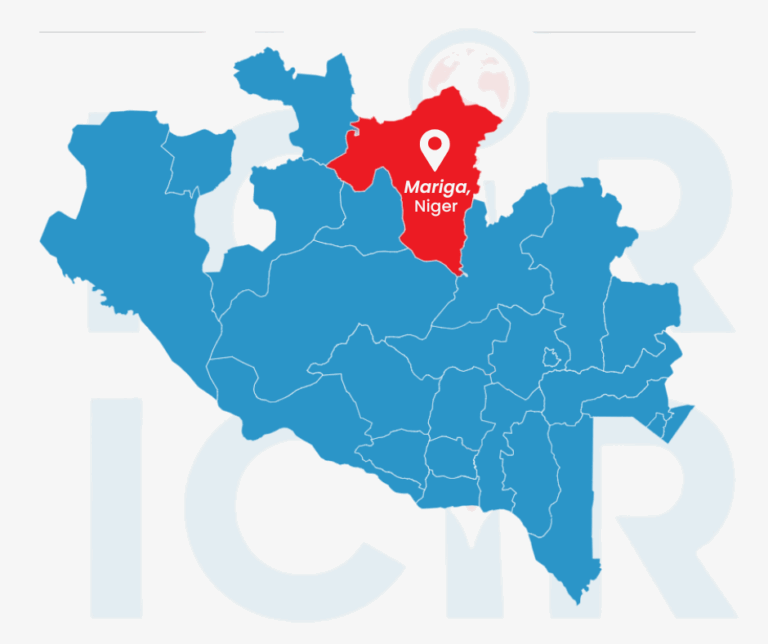
Abiodun explained that the incident occurred on August 30 at about 2:00 p.m. in Kasuwan Garba, Mariga Local Government Area, where Ammaye, a devoted Muslim and popular food vendor, reportedly had a heated exchange with a young man identified as her nephew.

Reports indicate that the young man jokingly told Ammaye he wished to marry her to “fulfil the Sunnah,” meaning the teachings of the Prophet Muhammad after which she allegedly made remarks that were deemed blasphemous.

The remarks reportedly angered youths in the neighborhood, prompting them to take the matter to the palace of the District Head of Kasuwan Garba. There, Ammaye was interrogated and allegedly repeated what she said earlier.

The District Head reportedly handed Ammaye over to security operatives for further investigation, but a mob of irate youths overpowered them, demanding her immediate execution.

Abiodun stated that before reinforcements could arrive, the mob, consisting of young men, had stoned Ammaye to death.

The spokesman added that while normalcy had since been restored to the area, the Police Command strongly condemned the act of jungle justice and assured that efforts were underway to identify, arrest, and prosecute all those involved in the crime.

However, Nigerians have taken to social media to express outrage over the incident. They are also demanding justice for the deceased.

An X user, official Big Milly, called for the perpetrators’ arrest. 

Another user, GB Master, queried, “Why should someone go to this length to protect their God?”.

ILearntthat wrote “This is painful. Even where ‘blasphemy’ is alleged, no Nigerian has the right to take another’s life. Section 33 of the Constitution is clear: right to life is non-negotiable. Once we accept mob rule, we all lose.”

IB Bright opined that “Jungle justice kills many innocent people but injustice in Nigeria kills many innocent people too. May her gentle soul rest in peace if she’s truly innocent.”

Jasper Aniet Louis penned his thoughts this way, “According to the religion of peace, how is killing in a man’s name related to the word peace?” 

Kelvin Eze wrote, “Only God can judge souls, not man with wicked hearts.”

Izuhuwu expressed shock with the killing. “Yet again! In a supposedly democratic nation,” he reasoned.

Recall that a similar case was reported in Sokoto State involving Deborah Samuel, a 200-level Home Economics student of Sokoto State College of Education, who was lynched and burnt by a mob of Muslim youths in May 2022.

She was accused of blasphemy against the Prophet Muhammed on a student’s WhatsApp group.

Despite the global outrage that followed her killing, with the United States Government describing her death as one driven by hatred, the Nigeria Police Force failed to arrest the key suspects one year later.

Meanwhile, the Sokoto State Government and Police Command in the state kept mute over the prosecution of some of the arrested suspects.

One billion people with mental disorders at risk over underfunding – WHO

0

THE World Health Organization (WHO) has warned that global progress on mental health is faltering, with most countries allocating only two per cent of their health budgets to the issue.

The global health body noted that the percentage had not changed since 2017. 

The agency, in a statement on Tuesday, September 2, said this “chronic underfunding” had left more than one billion people worldwide living with mental health disorders without adequate care.

It warned that conditions such as anxiety and depression were placing immense human and economic burdens, with insufficient global investment threatening progress in care delivery.

The findings, captured in two reports, World Mental Health Today and the Mental Health Atlas 2024, showed that while many countries have strengthened mental health policies since 2020, glaring gaps remain in financing, service delivery, and legal protections. 

According to the WHO Director-General, Tedros Adhanom Ghebreyesus, a doctor, Transforming mental health services is one of the most pressing public health challenges.”

He added that “Investing in mental health means investing in people, communities, and economies – an investment no country can afford to neglect. Every government and every leader has a responsibility to act with urgency and to ensure that mental health care is treated not as a privilege, but as a basic right for all.”

WHO estimated that depression and anxiety alone cost the global economy about US$ 1 trillion yearly, mainly through lost productivity. 

Suicide, described by the agency as a devastating outcome of mental health neglect, was said to have claimed an estimated 727,000 lives in 2021. It is also one of the leading causes of death among young people worldwide.

“Despite global efforts, progress in reducing suicide mortality is too low to meet the United Nations Sustainable Development Goal (SDG) of a one-third reduction in suicide rates by 2030. On the current trajectory, only a 12 per cent reduction will be achieved by that deadline.

“The economic impact of mental health disorders is staggering. While health-care costs are substantial, the indirect costs – particularly in lost productivity – are far greater. Depression and anxiety alone cost the global economy an estimated US$ 1 trillion each year,” the statement added.

Also, according to WHO’s 2024 mental health atlas report,  while high-income nations spend as much as US$ 65 per person on mental health, low-income countries spend as little as US$ 0.04. 

It also noted that the global median number of mental health workers remained at just 13 per 100,000 people, with severe shortages in poorer nations.

Median government spending on mental health remains at just two per cent of total health budgets – unchanged since 2017. Disparities between countries are stark; while high-income countries spend up to US$ 65 per person on mental health, low-income countries spend as little as US$ 0.04. The global median number of mental health workers stands at 13 per 100 000 people, with extreme shortages in low and middle-income countries,” WHO added. 

Eid-ul-Mawlid: FG declares Friday, September 5, public holiday

0

THE Federal Government has declared Friday, September 5, as a public holiday to commemorate Eid al-Mawlid, the birthday of Prophet Muhammad.

This was announced in a statement on Tuesday by the Permanent Secretary of the Ministry of Interior, Magdalene Ajani, on behalf of the Minister, Olubunmi Tunji-Ojo.

Tunji-Ojo congratulated Muslims in Nigeria and beyond on the occasion and urged them to uphold the Prophet’s virtues of peace, love, humility, tolerance, and compassion, noting that these values were essential for building a united and progressive nation.

He also appealed to Nigerians of all faiths to use the celebration as a moment of reflection and prayer for peace, security, and stability in the country. He said such collective efforts would strengthen national harmony and drive sustainable development.

“The celebration of Eid-ul-Mawlid offers us yet another opportunity to strengthen the bonds of brotherhood, promote peaceful coexistence, and imbibe the Prophet’s teachings of mutual respect and selfless service to humanity,” the statement quoted him as saying.

The minister further encouraged citizens to remain law-abiding, vigilant, and supportive of government programmes aimed at improving the lives of Nigerians.

He wished Muslim faithful a joyous and peaceful Eid ul-Mawlid celebration.

BPE to list 2 Discos, GenCo in NGX, privatise 91 FG assets

0

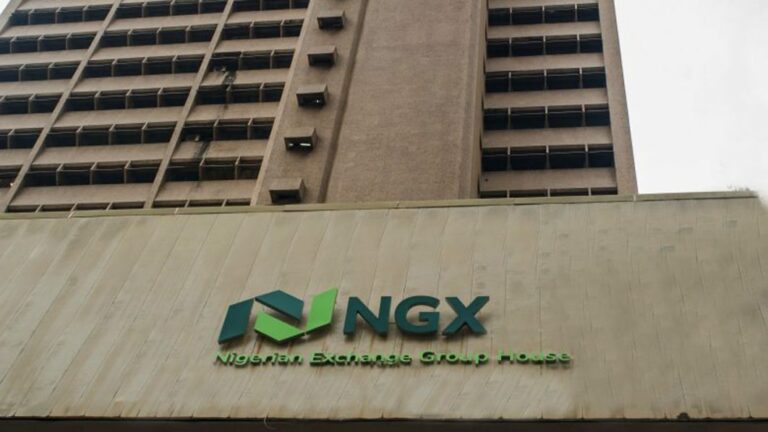
THE Bureau of Public Enterprise (BPE) has announced plans to list two electricity distribution companies (DisCos) and one generation company (GenCo) on Nigerian Exchange Limited.

The BPE also informed of an ongoing arrangement to privatise 91 government enterprises.

The ICIR reports that listing a company in the Nigerian Exchange Limited offers numerous benefits which include access to capital, increased visibility, diversified shareholder base, improved corporate governance, and enhanced credibility.

The Director General of BPE, Ayodeji Gbeleyi, made these remarks during a press briefing in Abuja on Tuesday, September 2.

According to him, the move became necessary to attract investment into the sector.

He, however, did not mention the names of the agencies to be listed on NGX and privatised.

Of the enterprises earmarked for privatisation or commercialisation, 16 are in the oil and gas sector, including refineries; 12 operate in agriculture; 20 in aviation; and 28 are in other public enterprises.

“There are 91 public enterprises that are still outstanding within the purview of the Public Enterprises Act. You may want to know the estimated values and why we want to sell,” Gbeleyi said.

Nigeria’s power sector has been unable to manage its liquidity crisis despite numerous supports from global lending institutions comprising mainly of the World Bank and the African Development Bank (AfDB).

Despite privatisation in 2013, the Nigerian government did not stop intervening financially in the power sector, with recent pledge to settle N4 trillion owed generation and distribution companies a case in point.

The ICIR reported that the World Bank has been supporting Nigeria’s power sector through the Power Sector Recovery Programme (PSRP), which has seen about $500 million lent to support the ailing sector.

Besides, a discussion on $1.5 billion loan is ongoing between the global bank and the Nigerian government for the sector to address metering access and improving power infrastructure.

NNPCL appoints Odeh, Adewunmi to head Communications, Relations offices

0

THE Nigerian National Petroleum Company Limited (NNPCL) has announced the appointment of two  executives, Andy Odeh and Morenike Adewunmi, to key  communications positions.

Odeh assumes the role of Chief Corporate Communications Officer, while Adewunmi has been appointed Chief Relations Officer.

According to a statement obtained by The ICIR on Tuesday, September 2, Odeh brings over three decades of extensive experience in communications and business administration across the oil and gas, advertising, and broadcasting sectors.

Prior to joining the NNPCL, he had a distinguished 26-year career at the Nigeria LNG (NLNG), where he held various leadership roles in Community Relations and Development; Business Logistics and Services; Information Management and Technology; Corporate Communications and Public Affairs; Government Relations and Regulatory Compliance, and most recently, General Manager of External Relations and Sustainable Development.

He is recognised for his work on major public relations and advertising campaigns for top brands.

At NLNG, he successfully managed the company’s rebranding and implemented one of Nigeria’s best-run micro-credit schemes for host communities. Odeh was also instrumental in instituting the NLNG Prize for Energy Reporting.

He is an alumnus of the University of Jos, the University of Lagos, INSEAD Business School, and the Nigeria Institute for Policy and Strategic Studies (NIPSS), among others.

In the same vein,Adewunmi is a legal professional with over 25 years of experience in the oil and gas industry. Her expertise is in stakeholder management and advocacy, particularly from her extensive tenure at the Shell Companies in Nigeria (SCIN).

She is highly regarded for her ability to navigate complex external landscapes, ensuring regulatory compliance and protecting the company’s “licence to operate”.

At Shell, she held key roles, including Regulatory Affairs Manager, where she managed all mandatory regulatory engagements and permits.

As the Government Relations Manager, she built and maintained constructive relationships with the Presidency, ministries, departments, and agencies.

Adewunmi is known for her strong leadership skills, emotional intelligence, and ability to build robust stakeholder networks.

She is a subject matter expert on non-technical risks and has a background in law from the Nigerian Law School and Olabisi Onabanjo University.

The appointment of Odeh and Adewunmi reflects NNPC Limited’s commitment to enhancing communication and engagement with stakeholders, the statement said.

The ICIR reported that the former  Chief Corporate Communications Officer of the NNPCL, Olufemi Soneye, resigned in June.

Soneye confirmed the resignation  in a statement he shared on his Facebook handle on Saturday, June 21.

The NNPCL has been in the eye of the storm for alleged financial misappropriation.

The ICIR reported on Thursday, June 19, that the Senate Committee on Public Accounts, during an investigative session with a team from NNPCL, raised concern over the N200 trillion unaccounted funds in the audited financial statements between 2017 and 2023.

The committee had flagged the discrepancies, questioning the NNPCL over the absence of detailed records to justify massive legal and auditing fees, as well as contradictions in receivables said to be worth approximately N210 trillion.