Home Blog Page 1902

National Assembly approves budget for non-existing Office of Chief Economic Adviser to President for the 6th time

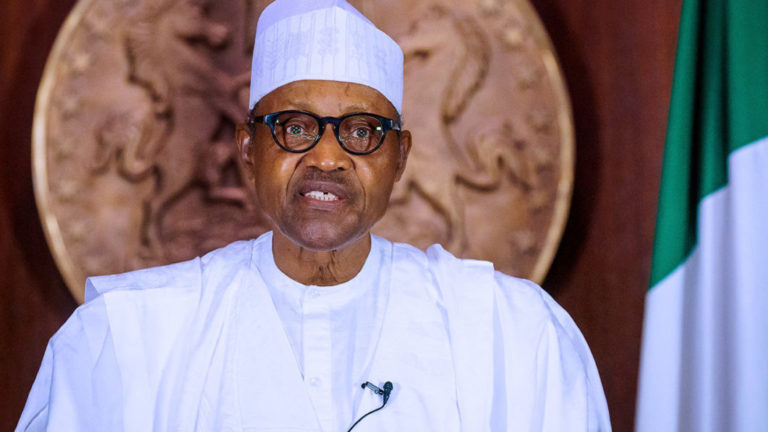
THE non-existing Office of the Chief Economic Adviser (OCEAP) to President Muhammadu Buhari got N46.86 million in the 2021 budget approved by the National Assembly. This is the sixth time the non-existing office is getting a budget approval from both chambers of the National Assembly.

The office, which clearly has no presidential appointee and personnel to account for monetary approvals allocated to it, has been receiving funds from the government coffers for six years.

The ICIR had reported in 2020 how the OCEAP got N496.8 million in five years without an appointee to answer for the monetary disbursements.

As of July 2020, data from the Office of the Accountant General of the Federation (OAGF) revealed that N116.97 million had been released to the OCEAP out of the N496.8 million cumulative budget.

In 2016, the office got N78.17 million as its capital budget from a total budget of N142.21 million. The following year, it received N60 million from N106.86 total approved budget.

Another N60 million was approved for the same OCEAP in 2018 from N106.86 total approved budget. By 2019, capital budget to the office dropped to N42.23 million from N89.08 million approved budget.

In 2020, reviewed capital allocation to the OCEAP further dropped to N19.71 million, from total approved budget of N51.77 million for the office.

But the 2021 approved budget shows that N46.86 million was approved for the controversial office which has no appointee.

The official website of the OCEAP – www.oceap.gov.ng, which was supposed to help Nigerians understand economic policies of the president, is currently inactive.

“Database connection error (1): The MySQL adapter ‘mysql’ is not available,” it read when The ICIR visited. This was exactly the message seen by this reporter while verifying the portal in August 2020.

OCEAP allocation tagged as overhead, office missing in State House website

Though there was no provision for personnel cost and capital allocations in the OCEAP budget, the N46.86 million sum was pegged as overhead.

Moreover, the OCEAP is excluded from list of offices under the presidency in the State House website.

Current offices contained in the websites include Office of the President, Office of the Vice President, Office of the Secretary to the Government of the Federation, Office of the Head of the Civil Service of the Federation, Office of the National Security Adviser and the State House Administration.

It is worthy of note that previous administrations from Olusegun Obasanjo had appointed chief economic advisers to provide sound advice on economic matters. The same appointment was made by former President Goodluck Jonathan whose chief economic adviser was Nwanze Okidegbe.

But Buhari is yet to have an appointee to occupy the office.

Adeyemi Dipeolu was only appointed as the special adviser to the president on economic matters in the Office of the Vice President.

Both Dipeolu and Laolu Akande, Vice-President Yemi Osinbajo’s media aide, had exonerated the former from being the occupier of the OCEAP.

A responded Freedom of Information (FOI) request to the Office also affirmed the president was yet to appoint anyone to manage the office.

“Please be informed that a Chief Economic Adviser to the President is yet to be appointed and therefore, this office is presently constrained in facilitating your request in respect to the above subject matter,” one Yusuf Ahmad Babatunde had responded in place of the yet-to-be-appointed chief economic adviser to the president.

Yusuf Ahmad Babatunde signed FOI response on behalf of yet to be appointed Chief Economic Adviser to the President.

Related StoryNon-existing office of Buhari’s Chief Economic Adviser gets approval for N573.45m in five years

Buhari’s stance on corruption

Buhari rode to power in 2015 on the political bandwagon of fight against corruption in Nigeria. He particularly vowed to fight against corruption and insecurity. These he restated during his inauguration into office after the election.

In 2018, he reaffirmed this commitment while receiving Thabo Mbeki, former South African President at the Presidential Villa in Abuja.

“We must fight corruption frontally, because it’s one of the reasons we got elected,” he told Mbeki. “We campaigned on three fundamental issues: security, reviving the economy, and fight against corruption. It’s the reason we got elected, and we can’t afford to let our people down.”

However, public perception shows the president is either partial with the anti-corruption fight or is not doing enough. Some have even described his scorecard on corruption as ‘failure.’

The 2019 Corruption Performance Index (CPI), released by Transparency International, which ranks nations based on the level of corruption perpetrated by its public sector, placed Nigeria at 146 out of 198 countries, scoring 26 of 100.
Fear of uprising in US as House prepares Trump’s second impeachment

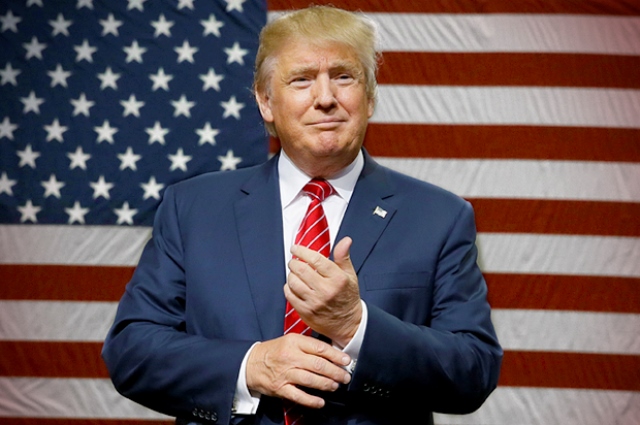
AN uprising will likely take place in the United States of America if President Donald Trump is removed from office before January 20, the Federal Bureau of Investigation (FBI) warned on Tuesday.  

But the Democratic Party-dominated House of Representatives are adamant, with members to vote on Trump’s impeachment on Wednesday. Democrats in the House formally charged Trump on Monday with ‘incitement of insurrection’ at Capitol Hill—an incident on January 6 that tarnished US democratic image.

Five people died in the attack, including two police officers, as Trump told supporters to ‘fight like hell’ in his attempt to overturn election defeat by Joe Biden. Emerging video footage has revealed just how close the mob came to a potentially deadly confrontation with members of Congress.

On Capitol Hill, the House speaker, Nancy Pelosi, said on Monday that she would move forward with impeaching Trump if Vice President Mike Pence did not remove him from office under the 25th amendment to the US constitution.

“The president’s threat to America is urgent, and so too will be our action,” she said in a statement.

A resolution calling on Pence to work with other cabinet members to declare Trump unfit was objected on Monday by a Republican shortly after it was introduced in the House. The objection will make the whole House to vote on the resolution, which is already gaining the support of some Republicans as of Tuesday.

A clause in the 25th amendment, never before invoked, describes how members of the cabinet can agree to remove a president under extreme circumstances. Pence—a staunch loyalist until the climax of Trump’s efforts to overturn the election—has signalled no intention of joining such a move. Trump lost the November 2020 presidential election to Biden, but he refused to concede defeat till after the Capitol Hill ugly incident.

The already prospect of the vice-president invoking the 25th Amendment is becoming dim following a meeting between Trump and Pence at the White House on Monday.

According to a senior administration official, Trump and Pence agreed that “those who broke the law and stormed the Capitol Hill last week do not represent the America first movement” and “pledged to continue the work on behalf of the country for the remainder of their term.”

If Pence refuses to act within 24 hours, the House will then debate the charge on Wednesday.

Trump’s impeachment is gaining the support of Joe Biden. He was quoted to have said on Monday that he “thinks President Trump should not be in office. Period.”

Read also: Trump Twitter eviction should have been guided by laws—Merkel

David Cicilline, a Democrat, said that the party had sufficient votes to pass it and impeach Trump a second time – a first in American history. But for him to be removed would require a conviction in the Senate.

Some Republicans in both the House of Representatives and the Senate who fear Trump may return in 2024 to recontest as president have joined Democrats’ effort to remove Trump.

Adam Schiff, Democratic chairman of the House Intelligence Committee and a key figure in the first Trump impeachment, tweeted: “Every day Trump stays in office, he’s a threat to our democracy. Congress must act, and with urgency.”

Although there are concerns as to whether he can still be convicted by the Senate before the expiration of his term on January 20, legal experts have opined that the Senate can still convict and punish him by barring him from future elections in the United States. He can also be prosecuted.

Trump was charged with two articles of impeachment in December 2019 by the Democrat-dominated House, but was acquitted in February 2020 by the Republican-controlled Senate.

Aftermath of Capitol Hill Invision

On Sunday, after widespread criticism, Trump ordered that the US’ flags on any government facility, both within and outside the country, to be flown at half-mast in honour of Capitol policemen and two of its men that died from injuries inflicted by the mobs.

Two other Capitol police officers have been suspended and several others indicted due to their roles in the incident.

According to the US Department of Justice, 13 individuals have been charged so far in a federal court in the District of Columbia related to crimes committed during the protest. In addition to those who have been charged, additional complaints have been submitted and investigations are ongoing.


Board chairman sacked while probing allegations against DG, says he was not queried before dismissal

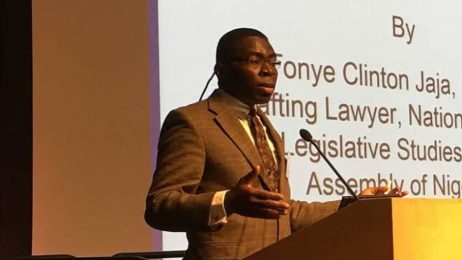
Former chairman of the Governing Board of the Nigerian Copyright Commission (NCC),‎ Tonye Clinton Jaja, who was recently sacked by President Muhammadu Buhari, has said that he was not issued any query before he was unexpectedly removed from the office.

‎Jaja was sacked on October 15, 2020, 17 months after his appointment as chairman of the NCC Governing Board on May 28, 2019.

He was removed from office at a time he was championing the investigation of allegations of corruption against the director-general of the Nigerian Copyright Commission, John Asein.

The allegations, detailed in an earlier report by The ICIR, were being investigated by the Code of Conduct Bureau before Jaja’s sack, and there are indications that the investigation has been discontinued, based on ‘orders from above’— going by findings made by our correspondent. ‎

The allegations against Asein, which are contained in several petitions from stakeholders in the copyright sector, border on corruption, conflict of interest and abuse of power.

Asein denied the ‎allegations when contacted by The ICIR as part of investigations for the earlier report.

In his capacity as chairman of the Governing Board of the NCC, Jaja issued queries to Asein over the allegations contained in the petitions filed against him (Asein). Investigations by The ICIR revealed that the DG refused to respond to the board chairman’s queries.

‎Jaja also forwarded a memorandum to the CCB as part of the investigations into the allegations against the NCC DG, and followed it up with a letter to Buhari asking for Asein’s suspension pending the conclusion of investigations into the issues.

However, some members of the NCC board disowned Jaja’s letter to the president, claiming that he did not carry the board along in recommending Asein’s suspension. The board members also accused Jaja of orchestrating phantom petitions against Asein, and alleged that he was seeking vengeance in respect of allegations of plagiarism levelled against him by Asein.

Asein has also accused Jaja of perjury.

Jaja’s sack came shortly after five members of the NCC Governing Board disowned the letter he wrote to Buhari to ask for the DG’s suspension.

‎‎His sack was announced in a letter with Ref. No. SGF/PS/NCC/668, dated October 15, 2020, and signed by Dayo Apara, solicitor-general of the federation and permanent secretary in the Federal Ministry of Justice.

The sack letter read, “I have been directed to notify you of your removal as the Chairman, Governing Board of the Nigerian Copyright Commission by the President of the Federal Republic of Nigeria, His Excellency, Mohammed Buhari, GCFR, as conveyed vide letter Ref: 59312/V/230 of 28th September, 2020. Your removal is with immediate effect and you are, therefore, expected to handover all the properties of the Commission in your possession to the Director General. While wishing you success in your future endeavours, please accept the assurances of the warm regards and best wishes of the Honourable Attorney-General of the Federation and Minister of Justice.”‎

The letter did not provide the reason for Jaja’s sack, but findings by The ICIR revealed that his dismissal was connected with his push for the investigation of the allegations against Asein.

Jaja had refused to comment on the issues surrounding his sack in the course of the earlier report done by The ICIR on the matter, but in WhatsApp messages sent to our correspondent afterwards, he disclosed that he was not issued any query before he was surprisingly removed as chairman of the NCC Governing Board.

He suggested that the attorney-general ‎of the federation and minister of justice, Abubakar Malami, did not provide him with the type of opportunities he made available to Asein to defend himself in his capacity as chairman of the governing board, while dealing with the numerous petitions against the DG of the Copyright Commission.

‎Noting that he handled petitions against Asein with fairness by giving the DG an opportunity to respond to allegations, Jaja also stressed that, contrary to claims of some of the members, he always carried the governing board along in all his actions concerning the allegations against Asein.

In a WhatsApp message sent to our correspondent, Jaja said, “In my capacity as the Chairman of the Governing Board of the Nigerian Copyright Commission, I always followed due process. I always carried along Members of the Governing Board of the Nigerian Copyright Commission.

“I always gave Mr John Asein the opportunity to defend himself by responding to any petition(s) against him.

Related Story: How push for investigation of corruption allegations ‎against DG of Copyright Commission led to sack of board chairman by Buhari

“However, I was never given such opportunity by the Supervising Minister, when on 19th October 2020, I was informed of my removal. There was no previous query against me, I was not invited to any meeting.”

Further investigations by The ICIR shows that about a month before Jaja was sacked, he had issued a query to Asein over a petition concerning his (Asein’s) engagement of one Joni Icheka as special assistant despite being the subject of an ongoing criminal prosecution by the Economic and Financial Crimes Commission (EFCC) over alleged forgery and embezzlement of over N7 billion belonging to the Nigeria Police Equipment Fund.

In the query dated September 21, 2020, Jaja had asked Asein to disengage Icheka until the governing board concluded investigations into the allegation. Jaja also asked Asein to respond to the allegation contained in a petition brought by a law firm, White Doves Solicitors, which represented the Copyright Society of Nigeria (COSON).

COSON is engaged in a protracted legal dispute with the Nigerian Copyright Commission over issues relating to copyright administration in the country. ‎

In the petition dated September 15, 2020, White Doves Solicitors had said that Asein failed to notify the NCC Governing Board ‎that Icheka was being prosecuted by the EFCC alongside Kenny Martins for his alleged role in the forgery of documents used to defraud the Nigerian Police Force of over N7 billion from the Police Equipment Fund.

The law firm, in the petition, alleged that Asein “concealed the critical information” and “deceived” the governing board ‎to approve Icheka’s appointment as special assistant to the DG.

The petition further alleged that Icheka was “heavily involved in manipulating the system to ensure that the DG of the NCC, Mr John Asein, keeps avoiding justice in the multiple allegations of corruption, conflict of interest and abuse of power” against him. The DG’s deception of the Board to appoint Mr Icheka cannot be allowed to go unaddressed,” the petition observed.

Jaja, in another WhatsApp message to our correspondent, suggested that his sack was not unconnected with ‘stepping on big toes’ when he asked Asein to discontinue alleged ‘illegal’ ‎moves to renew the licence of the Musical Copyright Society of Nigeria (MCSN) without the knowledge of the Governing Board of the Copyright Commission.

The development followed another petition by the same law firm, White Doves Solicitors, dated September 15, 2020, and titled “Petition against an attempt by the DG of the Nigerian Copyright Commission to issue a backdoor renewal of approval ‎to MCSN, a company which is presently listed as ‘inactive’ by the Corporate Affairs Commission.”

The petitioned urged the chairman and members of the NCC ‎Governing Board to halt the alleged surreptitious moves to renew the licence and also investigate the issue so that “innocent copyright owners and users in Nigeria are not continuously short-changed.”

Commenting on issues concerning the petition, Jaja said in the Whatsapp message, “This is another petition against Mr John Asein, the Director General of the Nigerian Copyright Commission. I received this petition in my capacity as the Chairman of the Governing Board of the Nigerian Copyright Commission.

“In accordance with the Rules and Regulations, I wrote to the members of the Board, including Mr John Asein himself asking him to respond to the allegations against him. He refused.

“I asked him to discontinue the renewal of licence until due process is followed by seeking the approval of the Governing Board of the NCC. This is where I stepped on big toes because the rumour is that a certain high ranking minister has vested interest in this particular organisation.”‎

The ICIR contacted the Office of the Attorney General of the Federation and Minister of Justice over the issues raised in this report, particularly Jaja’s claim that he was not issued any query before he was sacked.

Umar Gwandu, special assistant on media and public relations to the AGF and minister of justice, after listening to our correspondent, asked that questions should be sent to him through WhatsApp.

Gwandu confirmed that he has received the WhatsApp message, but he did not respond to the issues as of the time of filing this report.

Plans underway to incite religious violence in Lagos, Kano, S/E, others—SSS

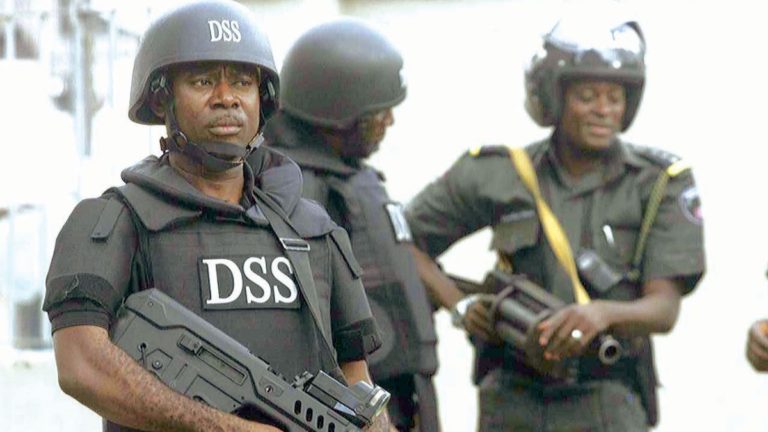
The State Security Service (SSS) say there are plans by undesirable elements working with external forces to incite religious violence across Nigeria.

Peter Afunanya, SSS spokesman, stated this in a statement issued on Monday.

Afunanya said that Sokoto, Kano, Kaduna, Plateau, Rivers, Oyo, Lagos and states in the South-East would be majorly affected by the violence.

“The DSS wishes to alert the public about plans by some elements working with external forces to incite religious violence across the country,” he said.

“Targeted States include Sokoto, Kano, Kaduna, Plateau, Rivers, Oyo, Lagos and those in the South East.

“Part of the plans is to cause inter-religious conflicts as well as use their foot soldiers to attack some worship centres, religious leaders, personalities, key and vulnerable points.”

He urged Nigerians to shun divisive tendencies aimed at creating violence, stating that his agency would work with sister institutions to maintain law and order across the country.

“Consequently, Nigerians are advised to be wary of these antics and shun all divisive tendencies aimed at inciting or setting them against one another.

“While the Service pledges to collaborate with sister agencies to ensure that public order is maintained, those hatching these plots are warned to desist from such in the interest of peace, security and development of the country.

“However, law-abiding citizens (and residents) are encouraged to report suspected breaches of peace around them to the nearest security agencies.”

In December, the DSS had raised a similar security alert, stating that there were plots by some criminal elements to bomb some selected places during the yuletide through the use of explosives, suicide bombing and other dangerous weapons.

Also, in December 2020, the United States named Nigeria for the second time as one of the Countries of Particular Concern (CPC) under its International Religious Freedom Act of 1998, indicting the country for tolerating religious persecution.

Read alsoSSS illegally detains victim for 14 months without trial, allegedly defies AGF’s order

In December 2019, Nigeria was added alongside Comoros, Russia, Uzbekistan, Cuba, Nicaragua and Sudan on a Special Watch List (SWL) for governments that have engaged in or tolerated “severe violations of religious freedom,” by the US following a report by the United States Commission for International Religious Freedom (USCIRF).

According to the report, religious freedom in Nigeria trended negatively in 2018. It accused the Nigerian government at the national and state levels of continuing to tolerate violence and discrimination on the basis of religion or belief, and suppressing the freedom to manifest religion or belief.

It noted that religious sectarian violence increased during the year, with Muslims and Christians attacked based on their religious and ethnic identities. It further accused Nigeria’s federal government of failing to implement effective strategies to prevent or stop such violence or to hold perpetrators accountable.

The report by USCIRF said that Boko-Haram and the Islamic State of Iraq and Syria-West Africa (ISIS-WA) had continued to perpetrate attacks against civilians and the military throughout the year, despite Nigerian government’s claims of progress in defeating them.

In addition, members of the military and the civilian joint task force in Borno were accused of human rights violations against civilians displaced by conflicts.


Trump Twitter eviction should have been guided by laws—Merkel

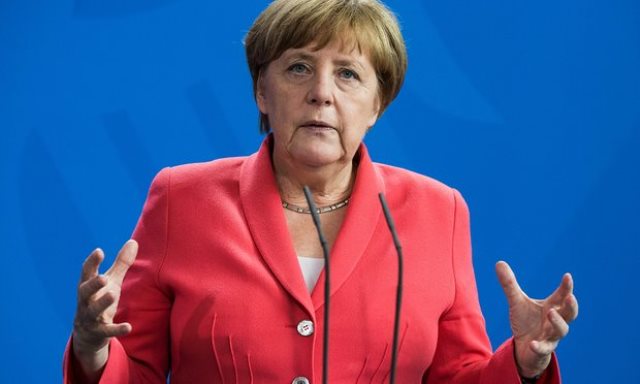
ANGELA Merkel, Germany Chancellor, has said that Trump Twitter ban should not have been decided by management, but by laws.

She described the action by Twitter to permanently ban US President Donald Trump from its platform as ‘problematic.’

Merkel, through Steffen Seibert, her spokesperson, said the operators of social media platforms “bear great responsibility for political communication not being poisoned by hatred, by lies and by incitement to violence.”

He noted that while it was not right to ‘stand back’ when inciting and misinforming contents were posted, it was important to note that a serious action like ban could be flagged.

He further said that freedom of opinion was a fundamental right of ‘elementary significance’ and intervention as to whether a person had misused his or her rights should be determined by legislative laws and not by social media owners.


“This fundamental right can be intervened in, but according to the law and within the framework defined by legislators — not according to a decision by the management of social media platforms,” he told reporters.

“Seen from this angle, the chancellor considers it problematic that the accounts of the U.S. president have now been permanently blocked.”


Twitter had announced the permanent suspension of Trump from the microblogging platform on Friday, citing a ‘risk of further incitement of violence’ in the wake of the storming of the US Capitol by supporters of the outgoing president.

Trump, whose tenure ends in nine days and who is currently facing the pressure of resignation or impeachment over the role he played in the invasion of Capitol Hill, had earlier been indefinitely suspended by both Facebook and Instagram.

Although some sections of the media have supported the actions of the microblogging sites, a section is, however, concerned about the freedom of speech.

Read Also: Facebook, Instagram, Twitter sanction Trump for inciting violence in Washington


FACT CHECK: Reports that Atiku Abubakar is first Nigerian to receive Pfizer COVID-19 vaccine are MISLEADING

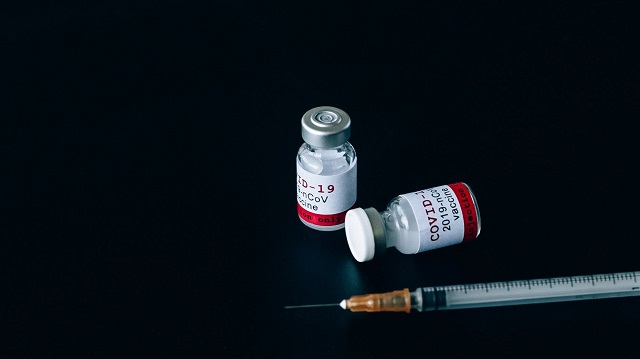
Some media platforms on Thursday, January 7, 2021, reported that Atiku Abubakar, a former vice president of Nigeria, was the first Nigerian to receive the Pfizer-BioNTech COVID-19 vaccine.

The reports were published alongside a photo of Atiku getting a shot.

However, there were other platforms that reported the news without suggesting that the prominent politician was the first Nigerian to take the vaccination.

The report that Atiku was the first Nigerian to get the Pfizer COVID-19 vaccination generated a lot of discussions online and offline.

THE CLAIM

Atiku Abubakar is the first Nigerian to receive Pfizer COVID-19 vaccine.

THE FINDINGS

Findings by the FactCheckHub show that the claim is MISLEADING.

Atiku Abubakar got a shot of the Pfizer COVID-19 vaccine.  Dele Momodu, publisher of Ovation Magazine, confirmed the vaccination. So also did Paul Ibe, Atiku’s media aide.

“The importance of the COVID-19 vaccine in mitigating the effect of coronavirus cannot be overstated, particularly in Africa and Nigeria. On Wednesday, as part of the mass vaccination programme, Atiku Abubakar received the Pfizer-BioNTech COVID-19 vaccine,” Ibe stated.

Following the outbreak of COVID-19 in Wuhan, China, in 2019, the disease within a short period became a pandemic.

Amidst increasing causalities globally and devastating effects on the global economy, the need to find a cure became a matter of urgency.

In February 2020, the World Health Organisation (WHO) set up a Global Research and Innovation Forum on the virus, with over 300 experts and funders from 48 countries.

It was to ‘identify and fund priority research’ to end the pandemic and prepare for likely future recurrence.

In April of the same year, the World Bank joined in the race to strengthen developing country responses to the pandemic.

By November 9, 2020, Pfizer and BioNTech announced a vaccine which was said to be more than 90 percent effective in preventing the COVID-19 virus.

“This is a very positive step towards ensuring global access to COVID-19 vaccines,” Mariangela Simao, WHO assistant director-general for Access to Medicines and Health, stated in a statement.

This encouraged some countries including the United States to adopt the vaccine, especially for emergency situations.

The European Union (EU), for instance, recently ordered 300 million more vaccines, after its initial 300 million purchase.

The United Arab Emirates (UAE) also adopted Pfizer-BioNTech vaccine and Sinopharm for public use.

“Residents in the capital can book for the vaccine now, free of charge,” health service operator told AFP.

It was against this backdrop that Atiku got vaccinated on Wednesday, January 6, 2021 in Dubai.

Prior to that, Adaora Okoli, a Nigerian, had  tweeted a picture of herself getting vaccinated. This was on December 16, 2020.

A screenshot of tweets from Dr Adaora Okoli’s Twitter handle @DrAdaora.

She also tweeted another picture of her taking her second dosage on January 6, 2021.

She tweeted with the hashtag #PfizerCovidVaccine: “As I see more COVID-19 patients, I know I am protected and can give my best to them”.

Okoli survived Ebola. She was infected in Lagos while treating one of the first Nigerian cases of the deadly virus. After recovery, she went to the US to study infectious diseases.

Although the vaccine is not yet in Nigeria, Nigerians like Okoli in countries where the vaccines are available are getting vaccinated.

Okoli’s vaccination pre-dates Atiku’s, showing that media reports that claimed Atiku was the first Nigerian to be vaccinated were misleading.

THE VERDICT

The claim by some media platforms that Atiku Abubakar is the first Nigerian to take the Pfizer COVID-19 vaccine is MISLEADING.

FG mulls NIN suspension after exposing Nigerians to COVID-19

0

THE federal government is considering suspending nationwide NIN registration owing to the surging crowd besieging designated centres, minister of state for health, Olorunnimbe Mamora, said on Monday, during an interview on Channels TV’s Sunrise Daily.

But this is considered too little, too late, as it is coming weeks after exposing many Nigerians to the possibility of contracting COVID-19 in a programme considered as a poorly thought-out project.

“My understanding is that the whole process may be suspended so as to reorder the whole process in terms of management of the crowd because it was never intended that it would become a rowdy process like that,” Mamora, who is also a member of the Presidential Task Force on COVID-19, said.

“So, people may have to wait and be called at intervals to go through the process,” he further said.

He noted that the NIN registration was becoming a super spreader event, which could worsen Nigeria’s COVID-19 status.

“I am also aware that the relevant ministry, which is the Communications and Digital Economy, is looking at this,” he further said.

Mamora said the government had a duty to protect Nigerians at all times, urging the National Identity Management Commission (NIMC) to re-order the enrolment process to avoid large crowds at NIN registration centres nationwide.

“We have a duty to ensure that people comply within the limit of what is good for the society at large,” he noted.

For fear of being disconnected by telecoms firms and network operators, Nigerians have besieged NIN registration centres across the country, flouting COVID-19 protocol set by the Nigeria’s Ministry of Health and the World Health Organisation.

Frank Umeh, a social and political analyst, blamed the federal government for allowing the registration to go ahead when the number of COVID-19 infections was on the rise.

“Should they have started the project in the first place?” he asked.

“You are in a second wave of COVID-19. More than 30 persons have died in the last five days in the country, and more could still die. Why must you suddenly wake up and realise this truth? Even at that, do not be surprised that the minister is simply giving his own opinion and is not backed by other ministers or the ministries involved in the registration process,” he noted

Infections, deaths

Thirty-four Nigerians have died of COVID-19 in the last five days, according to the Nigeria Centre for Disease Control (NCDC).

The number of COVID-19 cases in Nigeria between January 6 and 9 surpassed 1,500 in each of the four days, indicating that the virus is spreading fast in Africa’s most populous nation.

Nigeria reported its ever highest number of cases on January 6 when 1,664 persons tested positive for the virus, according to the NCDC.

On January 7, the number of new infections was estimated at 1,565. The following day, January 8, the NCDC reported 1,544 new cases. On January 9, the number of new infections was estimated at 1,585.

Read Also: NIN: FG orders investigation into allegations of extortion, insists registration is free

However, the number of COVID-19 cases and the mortality rate in Nigeria are still lower compared with the infections and deaths in Europe and the United States. Africa’s most populous nation has tested only 1.025 million people till date, which is merely 0.51 percent of the population. With 100, 087 positive cases reported so far, 1,358 residents have died since the first case in late March 2020.    This puts death-to-infection rate at 1.36 percent. The number of discharged persons so far is estimated at 80,030, putting discharge rate at 80 percent, according to The ICIR’s calculations.

Nigerians to see poverty, inflation, debt worsened in 2021— LCCI

0

POVERTY, inflation and debt may increase in Nigeria this year due to COVID-19 resurgence and poor economic fundamentals, according to the 2021 Economic Outlook recently published by the Lagos Chamber of Commerce and Industry (LCCI).

In an economic review of 2020 and outlook for 2021 signed by Muda Yusuf,  director-general, LCCI, the Chamber says Nigeria can avoid these trends by making the right policy choices.

“Poverty levels in Nigeria will continue to rise and living standard will deteriorate without robust productivity growth,” the Chamber says.

“The country needs the right policies and institutions to spur productivity growth and to have this achieved requires adoption of best practices in human and physical capital development, governance, and economic openness.”

The Chamber notes that headline inflation will remain elevated in 2021 as the combination of food supply shocks, foreign exchange (FX) policies, higher energy costs, FX illiquidity, and heightened insecurity in major food-producing states continue to pressure domestic consumer prices.

It further says that debt stock, which stood at N32.2 trillion in September 2020, will rise and debt-servicing to revenue ratio will be elevated as Muhammadu Buhari’s government continues to seek loans to fund projects.

“Looking forward, a resurgence of COVID-19 pandemic in year 2021 may propel the federal government to take on more (concessionary) borrowings to fulfil fiscal obligations. Additionally, a potential FX adjustment in a bid to ease pressure on the local currency (naira)might possiblyexpand Nigeria’s external debt portfolio and total debt stock in year 2021,” the chamber predicts.

It projects that the Monetary Policy Committee (MPC) of the Central Bank of Nigeria (CBN) will be faced with a tough policy choice of boosting economic recovery and tackling inflation this year.

Related Story: Nigeria’s inflation hits 13.22 per cent, highest since 2018

The LCCI expects that oil price and crude production, GDP growth, inflation rate, FX trends, private investment inflows, credit to private sector and domestic interest rates will influence monetary policy direction in the short to medium-term.

Inflation in November rose to 14.89 percent from 14.23 percent in October as food prices rose sporadically on border closure and high production cost. Central banks rarely cut the interest rate in periods of high inflation, but investors and small businesses are in search of single-interest funds to expand.

The Monetary Policy Rate in Nigeria is 11.5 percent, but South Africa’s repo, equivalent to Nigeria’s MPR, is 3.5 percent. Kenya’s MPR is 7.25 percent, while Zambia’s is 8 percent. Ethiopia benchmark interest rate is currently 7 percent while Namibia’s is 7.75 percent. Average lending rate in Mali is estimated at 9.12 percent while it is 4.25 percent in Botswana.

Nigeria has been world’s poverty capital since 2018, with 87 million people in extreme poverty, according to Brooking Institute’s World Poverty Clock.

On the 2021 budget, the Chamber predicts a modest budget performance in the light of current realities.

“Global oil demand is expected to remain subdued in the first half of year 2021 considering the resurgence of covid-19 pandemic in Europe, America, and parts of Asia,” it notes.

COVID-19 second wave: Does Nigeria need another lockdown?

DURING the Thursday briefing of the Presidential Task Force (PTF) on COVID-19 in Abuja, national coordinator of the PTF, Sani Aliyu, said the federal government might impose another lockdown if the recorded cases continued to increase, but Nigerians are divided about this proposal.

The ICIR examines the pros and cons of another lockdown in Nigeria.

On March 29, 2020, Muhammadu Buhari, Nigeria’s president, imposed a total lockdown on COVID-19 hotspots in the country, including the commercial hub, Lagos, and political capital, the Federal Capital Territory (Abuja).

Buhari had said the lockdown was part of efforts to curb the spread of the deadly disease.

Many unwanted events, however, followed the restrictions.

During the lockdown, the economy and commercial activities were on a total lockdown in most parts of the country, with Nigerians in almost every sector facing unprecedented economic hardship.

Apart from the economic crunch experienced by 85 percent of Nigerians, 82.9 million Nigerians were thrown into extreme poverty, constituting 40.1 percent of the total population, with real per capita expenditures below N137, 430 in 2019,  according to two separate reports by the Nigeria Bureau of Statistics (NBS).

During a five-week lockdown imposed by federal government in Lagos, Ogun states and the FCT to curb the spread of Coronavirus, entrepreneurs and firms lost billions of naira.

According to a survey by the Lagos Chamber of Commerce and Industry (LCCI), 64 percent of respondents (mainly business leaders and owners) said they lost below N500, 000 daily, while 16 percent lost between N500,000 and N1 million each day during the lockdown.

Similarly, 12 percent lost above N5 million each day, while 7 percent incurred between N2 million and N4 million loss daily.

There was also massive disruption in the academic calendar of Nigerian schools, which was made worse by lack of a national plan on digital learning.

The NBS also reported that a high rate of households recorded income losses since mid-March, adding that 79 percent of households said their total income decreased.

The government’s statistics concluded that incomes from all sources were affected by the pandemic and reported to have decreased since mid-March.

The ICIR investigation also detailed the increase in Sexual and Gender-based Violence, (SGBV) due to the lockdown which meant that families had to spend more time together than usual.

While further crippling the economic strength of Nigerians, smallholder farmers, most of whom were women, narrated the harrowing effects of the lockdown on their farm produce due to ban on transportation.

Their worries also included lack of access to fertilizers and other inputs.

Holistically, this and other factors contributed to the economic recession of Nigeria, with the economic growth contracting by -3.62 per cent in the third quarter of 2020, recording a second consecutive quarterly gross development product, (GDP) decline since the recession of 2016. The cumulative GDP for the first nine months of 2020 stood at -2.48 per cent.

The recession and other negative impacts were some of the effects that are bound to recur if the federal government decides to impose another lockdown in the country.

Chukwuma Soludo, former Central Bank of Nigeria (CBN) government, had said before the first lockdown that Nigeria and Africa would not be able to bear the consequences of lockdowns due to the fragility of their economies.

Caught in-between unresolved dilemma

However, if the government does not impose another lockdown, there are chances that the cases of the deadly virus would skyrocket due to the high disrespect for the preventive measures rolled out by the Nigeria Centre for Disease Control (NCDC) and the World Health Organisation (WHO).

Amidst allayed fears of a second wave of COVID-19 and increase in the number of recorded cases, many Nigerians continue to gather in their hundreds for religious activities and festivities with total disrespect for social distancing or use of facemasks, resulting in government’s consideration of a fresh lockdown.

However, some Nigerians believe that COVID-19 is not as bad as being reported in Nigeria, arguing that government and its agencies are only profiting from the situation.

Visit ICIR COVID-19 Dashboard

“Have you ever seen anybody killed by the virus?” Samuel Ibeabuchi asked on Sunday.

“They are only using it to make money. It only kills people in the Western world,” Ibeabuchi said.

Ibeabuchi’s position represents the position held by many Nigerians. But his assertion could only be half-truth, as 1,350 persons in Nigeria have been killed by the virus as of Saturday, January 9, according to the NCDC.

Data from the NCDC reveal that since the outbreak of the virus earlier in February 2020, a total of 97,478 cases have been confirmed as at January 9, 2021, out of which 78,552 have been discharged, representing over 80 percent recovery rate.

The federal government and its over 200 million masses are caught between the options of risking an increase in the number of cases and facing the hardship that comes with a total lockdown (again).

But some think that the government does not need to copy the lockdown measures adopted by the West where the number of infections is higher.

They suggest that social distancing, legislation of compulsory mask-wearing and increased efforts to acquire vaccines would be more fruitful.

Inside NERC’s electricity tariff regime

ON Tuesday, 5th of January, 2021, the media was awash with a purported 50 percent increase in electricity tariff by the Nigerian Electricity Regulatory Commission (NERC).

Although the regulatory body issued a statement later to counter the report, it, however, explained that the said increase was just an adjustment rate for service bands A, B, C, D and E “by NGN2.00 to NGN4.00 per kWhr.”

This, according to the NERC, was to “reflect  the partial impact of inflation & movement in forex.”

The federal government, through the minister for power, Saleh Mamman, had also directed the NERC to inform all the Electricity Distribution Companies (DisCOs) to revert to tariffs that were applicable in Dec. 2020 pending when the ongoing dialogue between labour unions and committees reached a logical conclusion.

NERC is an independent body of the federal government that is charged with authority for the regulation of the electric power industry in Nigeria.

One of the primary functions of the commission, as contained in Section 32 (d) of the Electric Power Sector Reform (EPSR) Act, 2005, is to ensure that the prices charged by licensees are fair to customers and sufficient to allow the licensees to finance their activities and to allow for reasonable earnings for efficient operation.
In pursuant to the authority given under Section 76 of the EPSR Act 2005, the commission established a methodology for regulating electricity prices called the Multi-Year Tariff Order (MYTO). The MYTO provides a 15-year tariff path for the Nigerian electricity industry with limited minor reviews each year in the light of changes in a limited number of parameters (such as inflation and gas prices) and major reviews every five years, when all of the inputs are reviewed with stakeholders.

The MYTO 1,  introduced in 2008, was  applied from 2008 to 2012. Subsequently, following a major review of the methodology in June 2012, MTYO 2.0 was issued and it was to remain effective from 2012 to 2017. Following a minor review in December 2015, NERC issued a new MYTO called the MYTO 2.1 that was to take effect from January 2015 to 2018. In 2015, NERC revised and amended the MYTO 2.1 by removing the collection loss component of the electricity, resulting in the amended version of MYTO 2.1. The uproar created by the removal of the collection loss factor resulted in NERC reinstating the collection loss, translating into MYTO 2015, which was meant to cover the period from 2015-2024.

The MYTO spelt out the methodology for determining and reviewing tariffs based on assumptions on certain variables outside the control of the DisCos, including the inflation rates in Nigeria and the United States of America, the naira-to-United States -dollar exchange rate, gas prices and available generation capacity. To facilitate the transition to and maintenance of cost-reflective tariffs, the MYTO was meant to undergo biannual (January-June; June-December) minor reviews and major reviews every five years and where necessary, tariffs were to be adjusted to reflect any changes in the underlining assumptions.

However, the first minor review of the 2015 MYTO was only carried out in 2019, four years after its issuance.  Within the period where no review took place, there were significant changes to the macroeconomic variables upon which the existing tariffs were calculated and despite the government’s assurances to DisCos, the NERC failed to increase tariffs appropriately.

Previously in Nigeria, for electricity customers, there were five Tariff classes;

  • Residential (R1, R2, R3, R4)
  • Commercial (C1, C2, C3)
  • Industrial (D1, D2, D3)
  • Special (A1, A2, A3)
  • Public Street Lighting (S)

Across the 11 DisCos, the customers in D3, mostly facilities used for manufacturing purposes, had the highest tariff rates, while the customers in R1-residentials using household utilities with an energy demand of less than five Kilovolts-ampere (kVA)-had the lowest. Before September 1, 2020, these customer classes varied due to the infrastructural and operational costs associated with the supply and distribution of power to the varied customers.

However, the NERC, on March 31, 2020, issued a new order known as Service Reflective Tariffs (SRT) by which future tariffs for electricity consumers would be determined.

In the order, NERC unveiled  a report on the public hearings it had conducted to assess applications filed by DisCos for a review of their respective end-user tariffs. From the public hearings, NERC determined that end-users of the 11 DisCos were only willing to pay tariffs commensurate with the quality services provided by DisCos. Their willingness to pay cost-reflective tariffs was conditioned on receiving guaranteed hours of supply of good quality electricity and adequate metering. In essence, from the public hearings and consultations, end-user customers would prefer a tangible improvement in quality and quantity of electricity supply before agreeing to pay increased tariffs.

The order also stipulated the parameters for measuring DisCos’ services such as: hours of supply of electricity; reliability of supply which would be determined by the frequency and duration of interruptions; and quality to be determined by voltage and operating frequency prescribed in governing industry codes.  Future tariff reviews would now be based on consultations between DisCos and customer clusters, with DisCos required to provide firm commitments on the quality of service. There were also provisions for compensation mechanisms to be instituted to compensate customers for DisCos’ failure to meet performance targets.

Listed below are the various bands and descriptions to help you understand which band your home or business belong to:

Service Bands New Tariff Classes Number of Hours of Supply Old Tariff Class
Lifeline R1 R1
Band A A-Non-MDA-MD1

A-MD2

20 and 24 R2, C1, D1, A1
R3, C2, D2, A2, S1
R4, C3, D3, A3
Band B B-Non-MDB-MD1

B-MD2

16 to 20 R2, C1, D1, A1
R3, C2, D2, A2, S1
R4, C3, D3, A3
Band C C-Non-MDC-MD1

C-MD2

12 to 16 R2, C1, D1, A1
R3, C2, D2, A2, S1
R4, C3, D3, A3
Band D D-Non-MDD-MD1

D-MD2

8 to 12 R2, C1, D1, A1
R3, C2, D2, A2, S1
R4, C3, D3, A3
Band E E-Non-MDE-MD1

E-MD2

4 to 8 R2, C1, D1, A1
R3, C2, D2, A2, S1
R4, C3, D3, A3

Below are various price approved for all the 11 DisCos in the pricing regime by the NERC.

File: BBC Pidgin.

Exceptions to the new tarrif regime

During an online interactive section with consumers shortly after the new pricing regime, Dafe Akpeneye, NERC commissioner, Legal Licensing and Compliance, insisted that DisCos must not increase tariffs of customers enjoying less than 12 hours of power supply daily.

“Anyone who is enjoying less than 12 hours of electricity must not have their tariffs increased,” he clarified.

Akpeneye stated that customers receiving electricity service below the band they had been assigned could have the DisCos move them to the actual band of electricity service they received.

“Unhappy? Contest the band classification you have been assigned,” he said.

He said in order to protect unmetered customers from exploitation by the DisCos, NERC came up with ‘Parity with Neighbours.’

“This is the principle we are applying with unmetered customers. It basically means as an unmetered customer, you cannot be charged more than your metered neighbour,” the commissioner said.

Akpeneye also disclosed that NERC had mandated all DisCos to invest in infrastructure in order to increase power supply to customers.

In summary, electricity tariffs can change to reflect changing economic realities such as movements in inflation and exchange rate. Also, cost-reflective tariffs are expected to guarantee better electricity supply, but they also mean that DisCos should meter customers, rather than exploit them via estimated bills.