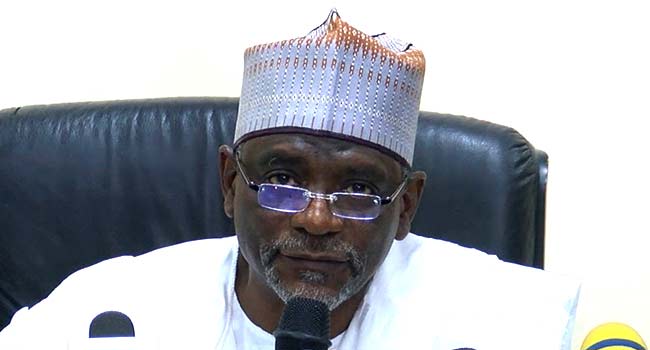
ADAMU Adamu, the Minister of Education has ordered a full investigation to unravel more facts about the controversial N2. 67billion meant for the school feeding programme that was traced to bank accounts belonging to some public officials.
The Independent Corrupt Practices and other Related Offences Commission (ICPC) had earlier revealed that it traced the sum of N2.67 billion released to the 104 Unity Colleges during the COVID-19 lockdown for meal subsidies to some individuals account.
Reacting to the revelation, the Minister on Tuesday, in Abuja, noted that further investigation would establish the veracity of the claims to ensure that there is no diversion of public funds or misappropriation of the same.
Adamu had earlier queried the principal of the Unity Schools, asking them to explain how payments on meal subsidies to the Colleges, which is usually facilitated by the Government Integrated Financial Management Information System, (GIFMIS) could be violated.
However, the principals in their responses stated that the payments were made into individual accounts because of difficulties encountered by farmers, local food vendors, and market women who do not have Tax Identification Numbers (TIN), PENCOM and other requirements to access the payment platform themselves.
They explained further that payments made during the lockdown period had to do with debts owed food vendors even before COVID 19, some of which are still pending, adding that these debts arose from irregular and inadequate budgetary allocations and releases over the years.
The minister, however, said that the ministry would collaborate effectively with officials of the ICPC to unearth the facts as well as find a lasting solution to the payment system for meal subsidies that would ensure accountability and transparency.
THE United States Embassy in Nigeria has urged the Independent Electoral Commission (INEC), political parties, security operatives and other stakeholders to ensure a credible process in the forthcoming governorship election in Ondo State.
“The United States urges all stakeholders to continue to work toward free, fair, transparent, and peaceful elections in Ondo State,” a statement by the US Embassy issued on Tuesday read.
“We reiterate our hope that all participants in the democratic process, including the INEC, political parties, and the security services, will take concrete steps to ensure a peaceful election that reflects the will of the people of Ondo.”
It pledged its commitment to continually work together with Nigeria to achieve the shared goals of peace and prosperity for both countries.
In a statement last month, the US announced that it has imposed visa restrictions on politicians whose actions undermined the November 2019 Kogi and Bayelsa states elections, and also on those who would undermine the September and October 2020 Edo and Ondo states elections.
After the election, there was a general belief among Nigerians on social media that the peaceful and credible outcome of the Edo polls was due to an earlier announcement of these sanctions by the US.
The Ondo State governorship election scheduled to hold on Saturday, October 10 is a contest mainly between the incumbent governor, Rotimi Akeredolu of the All Progressive Congress (APC) and Eyitayo Jegede of the Peoples Democratic Party (PDP).
IN a development that suggested that there is no imminent end in sight to the industrial action that had grounded Nigerian public universities, the Federal Government has told members of the Academic Staff Union of Universities to leave the lecturing job for farming, if they are no longer interested in the teaching profession.
The Federal Government, which appears to have run out of patience with the university lecturers, noted that Nigeria has a greater need for farmers at the moment.
ASUU commenced its ongoing indefinite strike on March 23, largely to protest a Federal Government directive that academic staff in all Nigerian public universities must enrol on the Integrated Payroll and Personnel Information System (IPPIS).
President Muhammadu Buhari had directed that all ministries, departments and agencies of the Federal Government drawing their salary from the Consolidated Revenue Funds should enrol on the IPPIS platform by the end of October 2019.
The strike was still ongoing when the Federal Government shut universities and other educational institutions in the country in order to curb the spread of the coronavirus disease in the country.
The government has now approved the reopening of the educational institutions on October 12 but ASUU is bent on continuing the strike, saying, among other complaints, that its members are being owed, a claim that has been denied by the Federal Government.
Minister of State for Education, Emeka Nwajiuba, did not mince words in stating the Federal Government’s views on the protracted strike by ASUU when he appeared as a guest on ARISE NEWS Channel, a television station, on Monday.
The minister, who insisted that ASUU members cannot dictate how they should be paid by their employer – the government – advised that the lecturers are free to leave their jobs and take up other professions such as farming.
Nigeria was in need of more farmers, Nwajiuba observed.
The minister said, “ASUU is within its rights as a union of lecturers. We didn’t start a strike with ASUU on the basis of COVID-19.
“ASUU was already on strike way before COVID-19. Just before COVID-19 we shut down schools, they gave notice of an indefinite strike.
“We are not in any contention with them.
“Government is actually not holding anyone to ransom. It says this is how I want to pay and it has to be through IPPIS.
“You can leave the employment. You can opt out of it and say ‘I no longer want to teach’. You can find other professions. What we need now are probably more farmers.
“You cannot keep forcing your employer and tell him, ‘I will like you to pay me my money through my pillow. Or, I will like you to pay it through this mailbox’.
“ASUU has a lot of complaints and dissipation around it. That is legitimate but doesn’t mean you should force yourself on the man who has the money.”
Nigeria’s public university system, which has suffered disruptions over the years due to a series of strike actions, appears set for more problems.
Already, barely a week to the October 12 resumption date for all educational institutions in the country, two other university staff unions – the Non-Academic Staff Union (NASU) and the Senior Staff Association of Nigeria Universities (SSANU) have begun a 14-day warning strike, also to protest against the adoption of the IPPIS in the universities.
Despite the complaints by the university workers concerning the IPPIS, the Federal Government says the scheme has helped to reduce corruption in the public sector.
In May 2020, the Office of the Accountant General of the Federation said the IPPIS had saved over N361 billion for the Federal Government “despite opposition and sabotage” from some quarters.
The Federal Government had also described ASUU’s opposition to the enrolment of its members on the IPPIS as an “open endorsement of corruption”.
Created in 2007, the IPPIS secretariat is a department under the Office of the Accountant General of the Federation responsible for payment of salaries and wages directly to government employees’ bank accounts with appropriate deductions and remittances of third-party payments such as taxes and health insurance.
AS voters in Ondo State make last-minute preparations in readiness for the October 10 Governorship election, the Centre for Democracy and Development (CDD) has identified a number of positive and negative trends, which it projects could shape the election and the credibility of its outcome.
In its pre-election assessment, the CDD through its dedicated Election Analysis Centre (EAC) listed what it described as a groundswell of citizens demands for good governance through specific debates on specific policy issues as one of the encouraging signs in the campaign period.
The Centre observed that although the threat of misinformation and disinformation remains potent, especially in the final stretch of the campaign, its observation of the pre-election environment indicated that citizens in Ondo State have largely shown a strong resolve to take political actors to task on key programmes and policies.
Idayat Hassan, CDD Director, in a statement obtained by The ICIR, lauded the resolve of citizens in Ondo State to make the election a referendum on some of the core governance issues directly affecting their everyday living conditions.
“An example of the resolve of citizens to demand answers to the key governance issues they face would be seen in the debates on school fees and the maternal health policy of the government. On the issue of increment in school fees for students in the state-owned higher institution, CDD observers report that many youths are airing their views on social media platforms like Whatsapp,” she said.
“From the way they are discussing how the policies have rubbed off on them, it is apparent that they were mobilised to engage the matter as an election issue, which should determine which direction voting should go. The impact of these debates has been in turn affecting policies, with reversals of initial positions by the government.
“Another instance of the prevalence of governance issues in the election is the debate on the status of the free maternal healthcare programme (Abiye), which was introduced by the administration of Governor Olusegun Mimiko. Citizens have been using the conversation around the election as an entry point to interrogate the incumbent on his administration’s handling of the free maternal care programme (Abiye) introduced by his predecessor.
“It is refreshing to see citizens using the electoral process as a basis to institutionalise democratic accountability. As a matter of fact, CDD projects that the role of fake news and misinformation in the Ondo election will be relatively low compared to other states, partly because citizens are busy interrogating core governance issues.
“CDD hopes citizens will put these governance issues in perspective as they go to cast their ballot on Saturday. CDD believes that if citizens remain focused on these issues as they go out to vote on Election Day, incidents of vote buying will be reduced.”
Transport Unions, armed non-state Actors wield influence on poll
However, CDD warned that the partisan disposition of transport unions, including the National Union of Road Transport Workers and the Motorcyclists Association, could pose challenges, which may create credibility and logistics problems.
Its observation of the political environment in Ondo State indicates that the NURTW, and the Okada riders’ union will play a major role in the complex web of partisan alliances, which will influence the outcome of the election.
“One of the worrisome realities is that NURTW, one of the major unions, is depicted to be a highly partisan association, which tries to use its influence to enforce electoral outcomes. The NURTW played a prominent albeit partisan role in previous elections and remains on course to leverage its presence towards the realisation of partisan objectives. The closeness of the union to partisan interests could impact on the credibility of key processes. The leaders of the NURTW in some sense would be fighting for their own survival because the tradition is that every NURTW Leadership leaves with any administration voted out.
“Incidentally, the NURTW is the body INEC relies on for transportation of electoral materials. This may create a problem for INEC in the area of getting materials to all voting areas in the state. Apart from the NURTW, the militants are another group of actors which would wield influence on the poll.”
CDD observers report the increase in the activities of armed non-state actors, particularly militants and pirates in riverine areas of the state. These armed groups according to the organization have a history of making the creek areas ungovernable and have strong links with wider networks of militants in the Niger-Delta. These groups will certainly have their preferred candidate and agenda and will be ready to mobilise the force necessary to make their preferences prevail. Our observers have also reported the influx of arms and armed non-state actors in the state.
CDD observation of the electoral process has also been picking up early warning signs of violence. The CDD pre-election report notes that the prevailing political situation ahead of the 2020 Ondo governorship election has the potential to escalate in ways that could cause widespread violence.
Since political campaigns began, CDD has been monitoring news reports to document and analyse the pre-election environment. The Centre observes an upsurge of political tensions in at least 11 of the 18 local government areas of the State with several reported cases of election-related violence.
A trend analysis of data gathered so far indicates that group clashes, attacks on party secretariat and political rallies and campaigns by thugs and party supporters escalated in most LGAs across the State with the highest number of cases reported in Akure South and Idanre LGAs. Of the 34 incidents of electoral violence reported between August and early October 2020, at least 12 cases of clashes during campaigns were reported.
While these early warning signs are not definite indicators to give 100 percent certainty that there will be violence in the areas highlighted, they nonetheless call for a strategic deployment of security.
CDD is of the view that the presence of security in areas with a history of election violence will deter elements which would be inclined to resort to violence,” the Centre advised.
THE Northern Elders Forum (NEF) and the Development Agenda for Western Nigeria (DAWN) have insisted that the Federal Government must listen to the voices of Nigerians on restructuring because the country is not operating a military government.
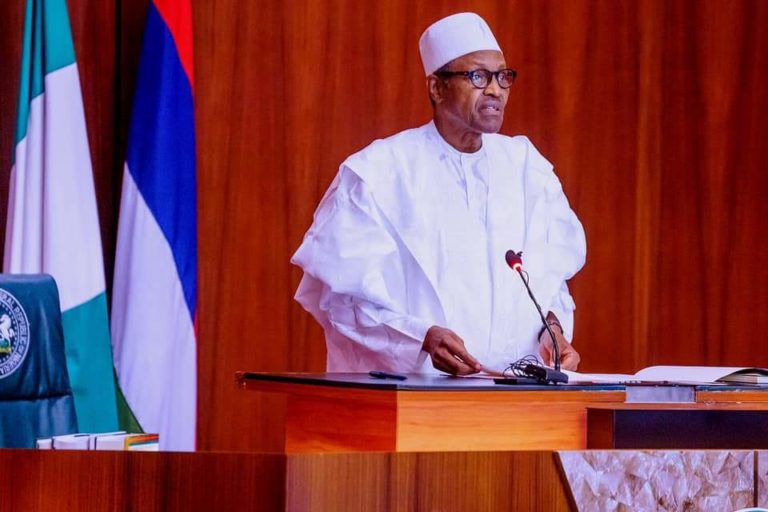
Seye Oyeleye, the DAWN Director-General said this on Tuesday in response to a statement by Garba Shehu, the Spokesperson to Nigerian President, Muhammadu Buhari over recent calls for restructuring in Nigeria.
“The clamour for restructuring should not be seen as threatening or intimidating the government,” Oyeleye said.
“For Shehu Garba to come out to say that the government cannot be intimidated is a very unfortunate statement. A government in a democracy should be listening. This is not a military government.”
He added that if the people were clamouring for a particular thing, it was the duty of government to listen and find out if what they were clamouring for was right or wrong.
According to him, the government should have listening ears.
“The whole country is saying that we need to restructure for us to survive as a country. Why is the clamour for restructuring becoming louder? Olaleye said.
“What is this government doing that is necessitating the clamour? That is what this government should sit down and do. They should not see it as being indicated or threatened.”
In the same vein, the Northern Elders Forum (NEF) has said that it was wrong for the government to not to listen to Nigerians.
Hakeem Baba-Ahmed, the NEF spokesperson said on Tuesday whenhe featured on Channels Television Programme, Sunrise Daily that Nigerians should not relent on the call for restructuring.
“Nigerians have a right to ask for changes, for amendment, for improvement in the manner in which we live. There is nothing wrong in that,” Baba-Ahmed said.
“What is wrong is for the government to specifically say we don’t want to hear anything about restructuring.”
He stated that the two basic functions of the state are to secure citizens and provide for their welfare.
“Now, the Nigerian state is failing on both camps. So, restructuring for us means addressing those failures and identifying ideas, suggestions and changes that can actually fit into the process of improving them,” he said.
“Policing is a fundamental issue. Here in the north where I come from, you could spend three days with bandits ravaging communities and you will not see a single policeman.”
“Something is wrong with the way the country is structured to provide security for citizens. So, we need to revisit some of these issues.”
The ICIR had reported that the Presidency in response to the calls had earlier said the President would not be threatened with the call for restructuring by Nigerians.
“This is to warn that such unpatriotic outbursts are both unhelpful and unwarranted as this government will not succumb to threats and take any decision out of pressure at a time when the nation’s full attention is needed to deal with the security challenges facing it at a time of the COVID-19 health crisis,” Garba Shehu had said.
INIH Ebong who was unjustly sacked by the University of Uyo in 2002 for his constant criticism of unfair practices by the top management of the university has been battling to stay alive.
Inibehe Effiong, a human rights lawyer that narrated Ebong’s current ordeal on Twitter noted that the lecturer is lying down in a critical condition.
The legal counsel said he was almost moved to tears when he seized the occasion of the much-celebrated world’s teachers’ day to a pay visit to the erstwhile university lecturer at his Uyo residence on Monday.
“As we mark World Teachers’ Day, I’m appealing to Nigerians to donate to the medical bills of Dr. Inih Ebong, an associate professor sacked in 2002 by University of Uyo due to his activism before he dies.
“Today, I visited Inih Ebong, an associate professor of theatre art at his residence in Uyo. I was almost moved to tears over the hardship and injustice that this patriotic intellectual has gone through for the past 18 years. He is terribly sick and can barely speak,” he said.
Effiong, who stated that the lecturer can no longer afford his medical bills as he is currently owing outstanding ones, appealed to well-meaning Nigerians to come to his aid. According to him, his physician said he has only a 20 per cent chance of survival.
“His doctor, a consultant cardiologist, told him that he has 20 per cent chance of survival.
“Dr. Ebong cannot afford his medical bills. He already has outstanding bills. You can see from the photos that I took with him today that he is surviving by sheer luck.”
Before he was sacked, Ebong, 69, was an associate professor and head of the Department of Theatre Art at the university.
After his sack, the university was said to have launched malicious and coordinated media attacks against him urging the general public not to associate with him.
According to Effiong, he lost a job offer from the University of Melbourne, Australia, due to these malicious disclaimers against him while three of his children were also frustrated out from the institution.
“He was a voice of conscience on campus. Three of his children were also frustrated out of the University of Uyo. He has passed through hell. This is a man that was trained in the University of Nigeria, Nsukka, Michigan State University, U.S.A., and the University of Birmingham, U.K. He returned to Nigeria to help his country.
“Meanwhile, Dr. Inih Ebong is 69 year-old and will clock retirement age next year. He can barely feed his family. I should mention that in addition to the sack, the university published a vindictive disclaimer in national newspapers and asked the public not to associate with him.
“The disclaimer made the life of Dr. Inih Ebong more miserable. He lost a good job offer by the University of Melbourne in Australia because of the wicked disclaimer. This man never stole a Kobo from the University of Uyo but they advertised him as a criminal. Such wickedness! Dr. Ebong was the Head of Department of Theatre Art in the university.”
This astute lecturer was said to have produced professors and eminent personalities such as Reuben Abati, a former presidential aide to Goodluck Jonathan.
Litigation and court victory.
Akpan Morgan Ekpo, who also sacked Edet Akpan, the then ASUU chairman of the university, and expelled Onofiok Luke, the then student union leader of the university, was then the vice-chancellor when Ebong was sacked from the university.
In 2020, after protracted and long years of a legal battle with the university, the Industrial Court sitting in Uyo presided by Justice M. A. Namtari, gave a judgment that the lecturer was unjustly sacked and ordered his reinstatement. The court ordered that his salary and entitlement for the years that his sack has lasted should be paid to him within 30 days.
In addition, the court also ordered UNIUYO to pay him N10 million as damages.
“The stoppage of the Claimant’s salary, the indefinite suspension of him from duties, and the purported termination of his appointment by the Defendants without due process were malicious, ultra vires, and unlawful, and therefore null, void and of no effect whatsoever,” the court had said in the judgement.
The court judgement, The ICIR has learnt, has been appealed by the university.
Kindly send him a donation as follows:
Inih Ebong, Guaranty Trust Bank (GTB) – 0042760051.
GODWIN Obaseki, Governor of Edo State says he has no power to bring back members of the State Houses of Assembly whose seats were declared vacant by the Speaker of the House.
Obaseki said this while addressing journalists during his visit to the National Working Committee (NWC), of the Peoples Democratic Party (PDP), in Abuja on Monday.
“Even if I wanted today to bring them back, I don’t have such powers, I do not have anything against them because I do not have such authority to bring them back to the house,” Obaseki said.
According to the governor, the 14 lawmakers refused to be inaugurated hence their seats were declared vacant by the Speaker of the Assembly.
“They were listening to their godfather who kept hoping and promising that he would unconstitutionally get the State House of Assembly to reissue a proclamation even after the court had settled the matter,” he said.
“For more than 180 days they did not come. They refused to represent the people. Those seats became vacant; that’s what the constitution says.”
“They went to court after those were declared vacant by the Speaker. There is nothing I can do to that at this time,” Obaseki added.
He stated that he did not ‘plant anyone’ in the Assembly to ensure that the seats were declared vacant.
“It is not about me. I am an elected governor of Edo. I am not one that plants people into the house of Assembly.
“I wish it did not happen but people were playing God and promising what is not constitutionally possible. They on their own operated the rules the way it should be, the seats are now vacant, we should learn that democracy is underpinned by the constitution and the law,” he noted.
During his visit, the re-elected governor was accompanied by Philip Shaibu, his deputy and some other PDP leaders from Edo including Mike Onolememen, former Minister of Works and Tom Ikimi, the former Minister of External Affairs.
Earlier in December 2019, the leadership of the Edo State House of Assembly declared the seats of 12 memberswho have avoided the chamber since its inauguration on June 17, 2019.
According to the Deputy Speaker of the Assembly, Yekini Idiaye, two other seats that did not meet the mandatory sitting requirement were also declared vacant.
A FAKE Facebook account, purportedly belonging to Nigeria’s telecommunications sector regulator, the Nigerian Communications Commission (NCC), has been used to defraud unsuspecting members of the public.
Checks by The ICIR revealed that the fake Facebook account, with the title – ‘Nigeria Communication Commission (NCC) official website’ is described as a ‘public group’ which is opened for members of the public to join.
Further checks on the wall of the Facebook account indicate that the ‘ purported NCC official website’ has recorded 1000 members as of July 20, 2020, according to a post made by one ‘Medalof Honour’, who appears to be the major promoter of the platform.
Various posts made by Medalof Honour suggests that the Facebook account ‘offers’ business opportunities for members of the public who are interested in investing in the telecommunications sector.
A post by Medalof Honour, dated July 20, 2020, and captioned ‘Business Monday’, read, “With just N5000 you have become a recharge card, GOTV, DSTV, Startimes subscription, transferring of money, even paying of NEPA bills, dealer. Why sit and wait for success? Work for it. Say hi and am ready today to explain to you.”
Another post by Medalof Honour on the purported NCC official website Facebook account reads, “Good afternoon. Trust your day is moving normal(sic). I have an opportunity I believe you might be interested in. This opportunity is for you if you have a mobile smartphone, you buy airtime recharge, you subscribe for data, you subscribe for DSTV, GOTV, Startimes, you purchase electricity, You’ll buy WAEC, JAMB, etc (in the pipeline). Or you have people who do any of the above. Kindly respond if you will like to know more about the business opportunity. Thanks.”
Yet another post by the same individual said, “Here we teach you how to earn when you recharge or other people recharge and also how to subscribe GOTV, DSTV, Startimes and also paying of light bills. There is a lot in telecommunications business.”
Meanwhile, the NCC has warned members of the public to steer clear of the fake Facebook account.
The Commission said it discovered that the Facebook account was designed to deceive and defraud unsuspecting members of the public.
The NCC, in a statement by Dr Ikechukwu Adinde, the Director, Public Affairs, said the Facebook account was a case of “profile cloning”, a severe security concern in social media networks.
Profile cloning is a form of identity theft which involves the deliberate use of another person’s, or organisation’s, identity, usually as a method to gain a financial advantage or obtain other benefits in the other person’s or organisation’s name.
The person or organisation whose identity has been assumed may suffer adverse consequences, especially if they are held responsible for the fraudulent transactions.
, “The Nigerian Communications Commission (NCC) wishes to draw the attention of the general public, especially telecoms consumers to a fraudulent and cloned Facebook profile account opened with a name similar to the Commission’s official name on the social media site,” the NCC statement read.
“The Commission, upon detecting the fake Facebook account with the name “NIGERIA COMMUNICATION COMMISSION OFFICIAL WEBSITE”, deems it fit to inform members of the public that this account is fake and fraudulent.”
It said that its findings have revealed that the fake Facebook group account was created a year ago and has since amassed followership, believed to have inadvertently signed on to the site.
“The NCC states that this is a typical case of profile cloning, which represents a severe security issue in social media networks,” it added.
“It is often used to create a fake profile identical to an original one, for the purpose of misleading the unsuspecting general public.
“For the avoidance of doubt, the official and authentic Facebook account of the Commission is: “NIGERIAN COMMUNICATIONS COMMISSION” with over 181,580 followers.
“The Commission strongly advises Nigerian citizens and all telecom consumers to beware of this fraudulent Facebook account as the NCC has no affiliation with it.
“It is what it is: A CLONED FACEBOOK ACCOUNT, meant to deceive and defraud unsuspecting members of the public.”
In the same vein, Professor Umar Danbatta, the Executive Vice Chairman of the NCC, has advised individuals and corporate internet users to protect themselves against cyber-crimes.
In a statement issued on Sunday to herald the celebration of the National Cyber Security Awareness Month in October 2020, Danbatta observed that Internet users across mobile networks in Nigeria currently stand at 149.8 million as of August 2020, adding that more users are expected online as services in different sectors of the economy are becoming digitalised.
He said the NCC had embarked on policy initiatives aimed at enhancing online security, while also educating and equipping the consumers of telecoms services with the information they need to be protected online.
OBI Onyebuchi, ‘not real name’ is known as a TailorBoi on social media. On September 13, 2019 at about 8 pm, he received a call from a probable client to visit and take a measurement to sew a new fabric. Because the new client resides in Ikorodu, Lagos, he suggested they meet in Ketu still within the state, in an indoor bar due to the distance from his shop.
By 9:30pm he got to the location, took the client’s measurement and they both agreed on payment. Within 30 minutes, he was done. Set for home by 10pm. Suddenly, he received a call from his sister to stay away from home for the night due to a violent attack around their residence.
“Hoodlums are fighting and shooting sporadically,” he was told. Peradventure, to avoid being caught in the web, he decided to lodge in a motel. Suddenly, as he approached the motel, he was blocked by officials of the Special Anti-Robbery Squad (SARS) with a black uniform and the SARS inscription.
“The next word I heard was ‘enter motor, you are under arrest.” For what crime? He queried the gun-wielding operatives.
As he attempts to prove his identify by displaying his measuring tape rule and Identity Card, one of the officers, he said held him up, and tried pull him into the vehicle. In the process, he fell and was beaten up into the vehicle.
“They were trying to pull me up, while I was trying to pick up my ID card, then a backhand slap landed on my face, I was bleeding from the mouth,” he said narrating his ordeal.
According to him, the same officer who slapped him had lied he bit him. In a swift, four other officers reportedly came running with guns cocked. “One pointed at me and said he will waste me here if I don’t cooperate and no one will know.
Eventually, the suspect was labelled a ‘yahoo boy,’ at the Ketu police station where he was reportedly taken for custody. In the process of profiling, another officer had allegedly shouted, “na cultist, he dey waka for night.”
The next thing was to push him into the cell except he bails himself with N100, 000. The Nigerian Police has always advocated bail is free. On its verified twitter handle, it has repeatedly shared similar message and released phone numbers for public use, should any officer demand a price for bail, yet, it looks like a deceit.
However, Onyebuchi said he was later asked to pay N2, 000. His finger was marked with a marker to indicate he was just returning from the prison cell, and to distinguish him from other possible victims of arrest.
“We left the station, getting to Ikosi road, I saw the same Danfo again filled with boys, they stopped us, we showed them the mark, they allowed us go…”
Sadly, series of this similar happenings and narration is not new. Some would say Onyebuchi was lucky because he lived to tell the story. There are others who had died of similar form of injustices perpetrated by the SARS unit and could not live to narrate their ordeals.
Still, Onyebuchi told The ICIR all he wanted is for the Federal government to scrap the feared police unit.
How remorseful are trigger-happy FSARS operatives
In 2016, Tochukwu Iro, a 42-year old patent medicine dealer in Kano state was shot dead by SARS during a routine stop and search exercise. He was shot on the thigh along France road, adjacent Kano Pillars stadium.
The incident caused a public outcry after the deceased was pronounced dead at the Murtala Mohammed Specialist Hospital located in the state.
In the same year, in another part of the country, the SARS unit shot dead a 20-year-old undergraduate in Lagos. Though the accused officer was apprehended, four years down the lane, the arbitrary shootings has not ceased.
In 2018, angry residents from Iwo Town, Osun State, set ablaze a police station after SARS officials allegedly killed Tunde Nafiu, a student of the Federal Polytechnic, Iree. Kolade Johnson, a 36 years old father was hit by a stray bullet shot by the Police officials, as he was departing from football viewing centre.
Tiamiyu Kazeem’s dream of becoming an international footballer in Sweden was cut short early in the year. His story is not different from similar attacks that led to the untimely death of the above deceased persons and other unreported cases. He was allegedly pushed to an incoming vehicle after his arrest by SARS operatives.
Extrajudicial Killings caused by SARS (2016-2020)
Despite all these incidents, the Federal Government under leadership of different Inspector General of Police (IGPs) claimed to have scrapped the dreaded SARS group. The most recent attack in Ugheli, Delta State which sparked nationwide condemnation pushed for the disbandment of the group – fourth time it is being pronounced disbanded in four years.
In fact, the October 4 declaration by Mohammed Adamu would be the second pronouncement made by the same authority in one administration. Does FSARS operatives comply with special dressing code, what’s the selection mode
Notable question that has probably run through the mind of most Nigerians is the dressing code of the FSARS operatives. More so, the selection mode to become a member. Is it by competence, intelligence or might. All of these remained sketchy. Still, several pictures of SARS operative traceable on social media has often depicted the police officials in bad light.
Some victims of SARS extortion and other abuses have often misrepresent the operatives as criminals due to the dress mode. In 2019, the force threatened to sanction Inspector Michael Olubode, one of the SARS officials whose picture widely circulated on the social media and became serious public concern.
Inspector Michael Olubode, a wrongly dressed FASRS officer summoned for questioning in October 2019 by the Police Authority. Photo Credit: Social Media
Publicly verifiable pictures show police officials looking unclean, with a bushy hair and tattered jean. Some would even taint their hair, such that they could easily blend in to a unit of notorious gang group.
Seun Onigbinde, founder of Budgit, for instance had his fair share of experience. “A truck hit my car on Lagos – Ibadan expressway. We had to wait for the owner. Few hours later, I saw some poorly dressed men slinging guns around,” he tweeted.
“I asked my PA, are these men armed robbers, who are they? They are SARS, he answered.”
Another social media user @NurseDammy was quick to had his voice, “They are always dirty, unkempt and ferociously-looking like armed robbers.”
“I don’t know where in the world will a police officer be looking more dangerous than armed robber if not in Nigeria.”
A check through the Police Act does not clearly state a particular dressing pattern for a tactical unit of the force but it insists clearly the use of the police uniform. In fact, Regulation 370, Section P of the act kicked against any form of uncleanliness in force irrespective if officers are on duty or otherwise.
“Uncleanliness, that is to say, if he, while on duty or off duty in uniform in public place, is impropriety dressed or is dirty or untidy in his person, clothing or accoutrements,” the law reads.
Section Q particularly cautioned the officers against unlawful exercise of authority but not much of the law has been held sacred.
Are Nigerians being fooled for the umpteenth time?
Over the weekend at the peak of SARS public condemnation, Adamu, through the Force Public Relations Officer, Frank Mba announced the suspension of SARS officials from mounting routine road blocks.
The press statement does not clearly state disbandment of the FSARS group or its dismissal as demanded by the public over the years.
In fact, Adamu emphasised on how important the dreaded team has been to checking case of kidnapping, anti-robbery and the likes.
Except for the restriction on use of mufti, invasion of peoples privacy and ensuring full compliance with standard rule of engagements, the public still believe nothing has changed.
“The IGP notes that the FSARS and Police tactical squads remain a critical component of the force in confronting prevailing and emerging violent crimes in the country,” the statement read in part.
24 hours after the pronouncement, there were reports of flagrant abuse of the IGP’s order. The social media was filled with different video footages of police officers still mounting road blocks and asking for vehicular documents.
“I thought the IGP banned stop and check yesterday by the Police, FSARS, SARS….this is how I started my Monday morning at Shomolu,” Toba Adeyeye @OtunbaToba tweeted on the social media, proving a clear violation of the earlier directive.
“My final offence was I am using a privately registered vehicle to carry goods.”
A similar footage shared by Somto Okonkwo @MrSomtoOkonkwo emerged on the social media. The 29 seconds video showed the same harassment the operatives were warned against.
“Just this morning at Urora junction, Benin City, Edo State, FSARS continue terrorise innocent citizens,” he tweeted.
Efforts to understand operational model of the FSARS team, particularly if they are at liberty to dress as they wish and if their operation attracts special allowances got no response from Frank Mba, the Police Spokesperson, when contacted by The ICIR.
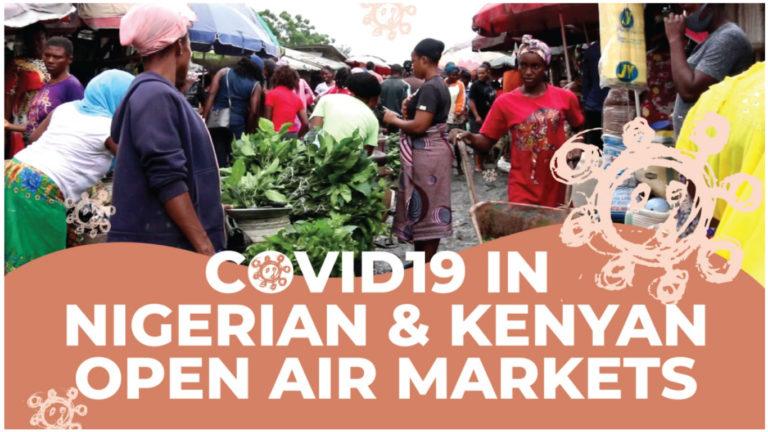
LOUD, raucous, congested, smells of ripe fruits, roast meat and food wafting in the air as vendors cry out their wares. This is standard fare in an open-air market across Kenya and Nigeria. These informal markets are a major avenue for the exchange of goods and services. From fresh farm produce like vegetables and fruits, to clothing items and herbal medicine. Items are generally cheaper than in the more organised retail stores and supermarkets and are important to urban dwellers in some of Africa’s most rapidly growing cities.
Open air markets provide a means of livelihood for a majority of the population in Africa. They provide an intimate connection between the urban populations who need accessible and affordable food and rural farmers who sell their surplus crops. This symbiotic relationship was disrupted with the advent of the COVID-19 pandemic.
In Abuja and in Nairobi, the capital cities of Nigeria and Kenya, respectively, open-air markets were closed down following travel restrictions and lockdown measures imposed by the governments.
These closures disrupted the food supply for urban and local residents, leading to an increase in the prices of some food items, including staples such as rice and maize. A survey of 11 countries— including Kenya, Ethiopia, Nigeria and the Democratic Republic of Congo —conducted in June 2020 by the International Committee of the Red Cross found that 85% of the respondents said food was available in their local markets. But 94% reported that prices had increased, and 82% said incomes were down, hence low purchasing power.
Monthly Wholesale Rice Prices in Nigeria (Naira_ kg)
On the other end of the spectrum, market traders, majority of whom are women, lost income during the lockdown, automatically pushing them deeper into the poverty spiral.The United Nations (UN) estimates that between 83 and 132 million globally have been plunged into food insecurity due to the economic downturn caused by the pandemic. A report released by the UN Women and the United Nations Development Programme, indicates that an estimated 47 million women worldwide will be pushed into poverty due to the pandemic further widening the gap between men and women who live in poverty.
Monthly Wholesale Rice Prices in Nigeria (Naira_ kg)
As Kenya and Nigerian governments lifted the lockdown regulations and ease travel, the observance of the basic guidelines which were put in place to stop the spread of the virus. In the open air markets, vendors and customers are packed together like sardines, making it impossible to maintain the one metre social distance recommended by the World Health Organisation (WHO). This is a reality, Teresa Kinyari, a clinical epidemiologist and lecturer at the Department of Medical Physiology, at the University of Nairobi Medical School, describes as ‘risky’ in limiting the spread of the virus.’
“In terms of the public health measures, what is really important is to combine all the measures. So masks are not enough because they will only protect you when you cough or you sneeze. And when you speak or when you shout, the droplets will actually be emitted.
“But it’s important for them to keep a one-meter distance in the open market, because that then reduces the transmission. And if they don’t cover their nose, then they are at risk of breathing in the virus, if it’s in the environment,” Kinyari, said.
In Nairobi, visits were made to Gikomba, Kenyatta, Maasai and Toi markets and to Wangige market in Kiambu county. In Abuja, Dutse, Karimo, Wuse, Garki, 3rd Avenue and the Farmers’ Market, were visited.
Poor sanitation, a common challenge presented in these markets, exacerbates the risk level of transmission. According to the WHO, the provision of safe water, sanitation and waste management are essential for preventing and for protecting human health during all infectious disease outbreaks, including COVID-19. But this is not available in most of these open-air markets.
In both cities, a lack of resources and adherence to COVID-19 preventive protocols in open-air markets, defeats the fight against the virus.
Seeing is believing: In Abuja, the majority of the vendors and their customers know of the virus but do not believe they can be affected since they do not know anyone who has been infected or recovered from the disease.
Since recording its index case of COVID-19 in February, Nigeria’s approach to subduing the novel coronavirus was to impose strict lockdown measures, including closing down markets and banning public gatherings. For prevention, it mandated the use of face masks and hand sanitisers for citizens. At the start, its method was promising but its efficiency in fighting the virus quickly became a shortfall for its economy.
In the second quarter of this year, Nigeria’s economy contracted by 6.1%, according to the Nigeria Bureau of Statistics (NBS).
In an attempt to revive the economy, the government began easing the lockdown. In May, commercial activities resumed in Abuja. Once again, markets became filled with sellers and buyers, who had to adopt a new hygiene culture of regular hand washing and wearing of face masks.
“When the virus first came, they closed the market. Later they said we could only sell for a few days in a week and that we had to wear face masks and use hand sanitizers. I complied so that police people won’t disturb me. But now no need again,[sic]” said Yusuf Ahmad, a vegetable and provisions trader in 3rd Avenue market, Gwarimpa, a developed district situated in Abuja Phase 3.
According to Ahmad, he comes in contact with at least 100 customers daily, from when he opens shop around 7AM. For each customer, he serves, using his bare hands, before a final exchange of cash.
Nigeria as of September 24, had over 57,000 cases of COVID-19. Abuja accounts for over 5,000 of those cases according to the Nigeria Centre for Disease Control, NCDC.These figures are, however, insignificant to Ahmad. He believes the existence of the virus is only theoretical.
“I don’t believe coronavirus is in Nigeria because, since March, I haven’t heard or seen anyone contract the virus. The government only talks about it and the numbers keep increasing in the news, but I don’t see it,” Ahmad says, while accepting delivery of some new stock from another trader without using any protective gear.
According to the WHO, the most effective measures of preventing the spread of COVID-19 include regular hand washing, observing social distancing and constant use of face masks. These practices have now become outdated to sellers like Ahmad and others like him in some of Abuja’s most vibrant markets.
At Dutse market located on the fringes of Abuja which is popular with residents, the market was packed as usual. Vendors and their customers alike were not wearing masks or taking any precautions as advised by the government.
Jerry Samson has since 2009 made a living out of selling garri, a staple food in Nigeria made from cassava, COVID-19 has disrupted his business. However, the virus is not enough to be considered life-threatening.
“I’m not afraid of COVID-19. I believe that the virus is in the country, but it doesn’t scare me. I’m not afraid because I come out daily for business and nothing happens.
“There are worse things in Nigeria than COVID-19. Hunger that we are facing is worse. Can someone who hasn’t eaten be afraid of a virus?,” Samson quizzed rhetorically.
In reality, while COVID-19 has infected over 57,000 and caused over 1000 deaths according to the NCDC, food insecurity is an age-long problem for Africa’s most populous nation. Nigeria ranks 93rd out of 117 qualifying countries in the 2019 Global Hunger Index, indicating an acute level of hunger in the country.
With COVID-19, food security has become more precarious. According to the 2020 Global Report on Food Crises by the Global Network Against Food Crisis (GNAFC) and the Food Security Information Network (FSIN), between June and August, at least seven million Nigerians were experience acute hunger.
“The number of acutely food-insecure people during the June–August 2020 lean season is forecast at 7.1 million, over 40 per cent up from the same period last year,” the report projected. An estimated 75% of adults in Nigeria had skipped a meal due to a lack of resources in 2020, nearly three times the proportion that reported doing so in 2018/19 according to the World Bank
Emmanuel Peter, who is a regular customer at Dutse market shopping, the convenience and the prices of food in the market far override any concerns he may have about the virus. The virus is the least of his problems, he says. His immediate concern is to get the most food he can get with the little money he has as the food prices had risen since the lockdown. Peter believes his immune system is strong enough to weather the virus if at all he gets infected.
Emmanuel Peter, customer at Dutse market exchanging cash for goods with trader. PHOTO: Samuel Olubiyo
“COVID-19 is just like malaria, which has come to stay. There are many other problems facing Nigeria, not just this disease. Look around you, everyone is feeling cool. They should leave us alone and stop disturbing us,” Peter said, referring to the frequent messaging on radio and television which has dominated the airwaves and newspapers.
The dangers of COVID-19, is not breaking news to most sellers and buyers in Karimo market, another busy market located along the Gwagwa-Karimo Way, another satellite community in Abuja. But having knowledge of the virus doesn’t prompt compliance to COVID-19 preventive measures, among them.
Unlike other regular markets in Abuja, Karimo’s busiest days are on Tuesdays and Fridays. These are the days bales of second hand clothing and other such items are opened for bulk and retail purchase. It is also home to buyers who desire to purchase in bulk and at cheaper rates. For the benefit of the market is usually crowded and during the visit, only a handful were wearing face masks, all others present at the market were without face masks.
While local markets ignore dangers presented by COVID-19, things are better organised in markets under the Abuja Markets Management Ltd (AMML). AMML manages fourteen markets within the FCT, including Wuse and Garki markets which were visited.
In Wuse market, located in the heart of the city of Abuja, a different approach to dealing with the new realities COVID-19 presents has been adopted. For them, survival of their business trumps personal convictions and beliefs about the nature or existence of the virus.]
Trader washing hands at Wuse Market. PHOTO: Samuel Olubiyo
Lucky Ojeh, a cloth seller in the market disclosed that, observing preventive protocols has become paramount to the smooth running of their businesses. As such, traders have come together to provide hand washing facilities for customers.
“The government is helping in creating awareness. In this market, the traders have contributed to buy the buckets for water, and soaps so we can observe the preventive protocols,” Ojeh said.
The market management also plays a role in ensuring that measures put in place are complied with. From the entrance visitors are scanned with infrared thermometers and those without face masks are not allowed into the market.
A security man who identified himself as Abubakar earns his day’s pay by ensuring strict compliance with usage of face masks. He stations himself at the gate of Wuse market, instructing visitors to use their face masks before entering the market.
Abubakar, security man at Wuse Market ensuring compliance of COVID-19 protocol PHOTO: Samuel Olubiyo
“On a daily basis, we get hundreds of visitors and I make sure they use their masks before they enter the market. It’s the only way to prevent the spread of coronavirus,” Abubakar said.
On a strategic level, a joint monitoring Taskforce of Management and Traders was set up to gauge level of compliance in the markets.
But beyond driving compliance, more drastic measures have been implemented in Garki market to curb the spread of COVID-19.
Innocent Amaechina, Corporate Affairs Manager, AMML, in an interview explained that during the peak of COVID-19, canopies were used to set up neighbourhood selling points in an attempt to encourage social distancing.
On a larger scale, an e-commerce website (kassuwa.com) which was launched in 2019 became a promoted alternative. Traders were encouraged to join the platform which provides an avenue for customers to access goods they would ordinarily visit the market to purchase.
With almost 85 million mobile internet users in Nigeria, according to Statista, shopping on an e-commerce platform appears to be a viable option and could be key to curbing the spread of the virus in open-air markets.
Creating a new approach to shopping at these local markets projects as an effective response to preventing the spread of the virus but implementation remains a challenge.
Nigeria is currently experiencing the community transmission phase and open-air markets are an automatic arena for mass spread says Joy Shimang, a Medical Laboratory Scientist with a speciality in Virology. As such, it stands to suffer adverse effects that go beyond recording high numbers of COVID-19 cases to affecting the health system’s capacity to provide other essential services.
While the country still struggles with a fragile healthcare system, it has demonstrated capacity to respond to the increasing threats of infectious diseases outbreaks and other public health emergencies. When Nigeria recorded its first Ebola case in 2014, its approach to preventing the disease from getting widespread marked a new level for the NCDC.
But its management of infectious diseases can be classified only as reactive. According to Shimang, during the peak of COVID-19 spread in Nigeria, spot testing which were carried out in Utako and Mabushi communities of the FCT, didn’t extend to other areas, even open-air markets – the one place she recommends testing should be carried out.
“In the quest to prevent the spread of disease, nothing can be too much, community testing will provide better information to guide decision/policymakers,” she said.
While Abuja open markets struggle to get it right, in Nairobi, the atmosphere is different.
Nairobi: Buyers and sellers taking some precautions but not practising social distancing
For the majority of Nairobi residents, shopping in open-air markets is a no-brainer. From affordable fruits and vegetables to mitumba (second-hand clothing) to household items, these markets offer buyers lower prices for goods than what they can get in the formal markets and supermarkets.
Open-air markets were closed immediately after the first case of COVID-19 was reported in March. The closure was to enable the fumigation and cleaning of the markets. The closure disrupted the supply of food to urban dwellers and the rural farmers who provide the food.
On a good day, the Gikomba market located just a few minutes walk from Nairobi’s Central Business District (CBD), is a bustling cacophony. Sellers are not afraid to approach potential customers coaxing them to their stalls and sometimes grabbing their hands to pull them towards their merchandise.
The situation has largely remained unchanged even with the coming of COVID-19. “The government has done nothing for us and business has really gone down,” says Aaron Mucheni, who sells second-hand women’s dresses.
For many of the vendors, the restrictions and the one-month closure of the market has meant they have to catch up on the income lost during that period. Some have increased their prices —particularly for second-hand clothing and foodstuff such as rice, edible oil, fruits and vegetables which are imported from Europe, China or trucked in from neighbouring countries.
While the majority of the sellers were wearing masks, this has since changed with the easing of the restrictions. It is impossible to maintain the one-metre physical distance recommended between the vendors. And although there are handwashing stations still available, not every vendor has one as was common in the early months of the pandemic.
At Toi Market, a few vendors have set up handwashing stations and one or two even provide sanitisers for their customers. Apart from vegetables and fruits, the market is popular with customers who seek bargains for high end ‘vintage’ (second hand) clothing items. “We know we have to keep our customers safe so if one comes without their own sanitiser I offer them mine,” says 27-year-old Mark Shumbe.
Toi Market traders are contributing to fill up these water jerry cans to maintain hygiene within the market. PHOTO: Soila Kenya
There is total disregard of the guidelines issued by the Ministry of Industrialization, Trade and Enterprise Development which direct county governments who manage the open air markets to prepare lay out plans with markings on the ground creating at least a one-meter distance between sellers and another line which buyers should not cross, to ensure they maintain the physical distance to curb the spread of the virus. The fruit and vegetable vendors have also disregarded the guideline to sell their wares on raised platforms in open-air markets for the simple reason that this would take more space.
The Maasai Market, a popular art and craft market, known for its beadwork jewellery, hand-woven cloth materials and furnishings has reverted to its old location at the Nairobi Law Courts parking space after the traders were unable to access the shopping malls and other ‘formal’ settings to set up their markets. The vendors have the space to maintain physical distance and are also responsible for providing handwashing stations for themselves and their customers. Kenyatta Market is a built up market with stalls which enable the vendors to maintain some distance. There are also regular points to wash hands within the market that is supplied through a water tank.
The market, known for its hair salons, tailors and nyama choma (roast meat) oints has also reported a significant dip in the number of customers. Many of the market stalls were closed when we visited the market. “Many of those who have closed can no longer afford the rent,’ Tessie Njambi who runs a stall selling hair and beauty products says. She has opted to knit and sell baby blankets to supplement what she earns from her stall.
Hairdressers at Kenyatta Market wearing masks while working on a client. PHOTO_ Soila Kenya
She and other stall owners nearby were all wearing masks and had installed handwashing stations at the entrance of their stalls. Tessie says some of the guidelines, such as those requiring people to wash their hands before they enter the stop—should continue post-COVID-19.
Anthony Mbogo works at the Hai-Hai butchery (famously known as B6). It is an eatery made famous in 2016 when President Kenyatta patronised the stall and spent Sh21,000 (US$192) on roast meat, traditional vegetables, Kachumbari (salsa), ugali (meal made from corn flour) and soda.
Prior to COVID-19, Mbogo was able to serve at least 20 customers at a seating squeezed into the benches that line one side of the eatery. On a good day, he would serve at least 200 customers. But since COVID-19 happened, Mbogo says he can only accommodate 8 customers at a time —four at each of the two tables.
Anthony Mbogo who works at the famous stall B6 where President Kenyatta has visited. PHOTO_ Soila Kenya
“We had to switch to take-away service since March, but now we can have a few customers seated here to eat. This means that business has reduced, but we thank God for the little we are getting,” he says.
Dalmas Omollo, a clinical officer at Shining Hope for Communities (SHOFCO) based at the nearby Kibera informal settlement says the organization has been carrying out sensitization campaigns within the Toi and Kenyatta markets. Together with community health volunteers, the organisation has been educating the vendors on proper handwashing, the signs and symptoms of COVID-19, how to protect themselves and what to do if they suspect they have the virus. The organisation has been providing free water to the vendors at Toi and other markets in the informal settlements.
At the outskirts of Nairobi County, Wangige Market in Kiambu County has set up strict rules for buyers and sellers. Nobody is allowed to enter the market without wearing a mask and washing their hands with the water provided at the various entry points. The market known for its sale of vegetables, fruits, chickens and eggs, has also implemented wide distances between the sellers, allowing for physical distancing. The market is cleaned every evening. Each of the stall owners pay Ksh50 per month ($.50 cents) for the water, soap and the custodians posted at the market entrances to ensure people wash their hands before entering.
George Ng’ang’a, a member of the markets committee said the Kiambu governor, James Nyoro initially shut down Wangige market among 5 other markets on 26 March for failure to comply with COVID-19 safety measures. Before reopening, the market space was fumigated. “Lots of the sellers out there on the street are not washing their hands because there is no water. And that is very bad,” he says, referring to the sellers who are stationed on the roadside and just outside the market.
George Ng’ang’a, a trader at Wangige Market. PHOTO_ Soila Kenya
But it has not been gloom and doom for some enterprising individuals who have taken the opportunity to set up car-boot ‘shops’ where they offer fresh vegetables, fruits, eggs and other food items. They source these items directly from farmers but mainly from the open air markets and then sell to those afraid to go to the open air markets. They park their cars by the side of the road, open up their car-boots and offer their produce for sale. The downside to this is that they, unlike the open air market vendors, do not pay any license fees or taxes.
Traders outside Wangige Market selling food out of car boots. PHOTO_ Soila Kenya
Others have utilised social media and e-commerce to provide fearful residents with fresh fruits and vegetables. For example, Eazi Pizi fruits and vegetables have created their own niche. The three women behind the venture source fresh produce from the open air markets and deliver this to their customers. Unfortunately many of the e-commerce businesses do not cater to the ordinary citizens and that is why thousands of people still throng the open air markets in search of a deal and a sale.
All over the country, different county governments are engaged in upgrading markets in their jurisdiction. The upgrades, many of them initiated prior to the pandemic, are however unlikely to benefit the majority of the traders in the open air markets who may not be able to afford the paying taxes and fees such as cess, county government fees, KRA turn-over taxes among others.
In Kwale, the county government has put in place a walk-through sanitising shower stall at the entrance of the market. Sellers and visitors to the market are hit with a cold mist of spray containing a disinfectant which is supposed to kill the COVID-19 pathogen.
However the WHO says spraying can be ineffective and that the chemicals are dangerous. “Spraying or fumigation of outdoor spaces, such as streets or marketplaces, is not recommended to kill the COVID-19 virus or other pathogens, because disinfectant is inactivated by dirt and debris,” explained the WHO.
“This could be physically and psychologically harmful and would not reduce an infected person’s ability to spread the virus through droplets or contact,” said the document. “Spraying chlorine or other toxic chemicals on people can cause eye and skin irritation, bronchospasm and gastrointestinal effects,” it added.
Customers and vendors alike have been encouraged to use M-Pesa payments to limit the risk of transmitting the virus through the exchange of cash. Safaricom waived fees on M-Pesa for transfers under Sh1,000 shillings ($10), while another provider Airtel has waived charges on all payments through its platform Airtel Money.
The Central Bank of Kenya (CBK) also increased the transaction limits and the amount customers can hold in their mobile wallets.Transaction fees on payments of bills and transferring cash to bank accounts were also introduced to discourage the use of banknotes.
Between January and March 2020, a total of Sh1.087 billion was traced through the mobile money platforms, an increase of 2.1% (Sh22.3 billion) during the same period last year (Sh1.065 trillion).
In July, Kenyans transacted Sh450.9 billion (USD$4.18 billion) on mobile phones due to the increased uptake of the service on account of the COVID-19 pandemic. A report by the Central Bank of Kenya shows that usage rose from 3.6 billion dollars in June to 4.18 billion dollars in July which is the biggest jump ever. The number of mobile money subscribers during the month surged to 62 million as monthly transactions clocked 158 million, according to the CBK.
Approach to curbing coronavirus in other African countries
In Nairobi, the government ordered markets to adopt a ‘new layout plan with markings on the floor separating sellers from each other’ and for everyone to wear masks. These lines were drawn but nobody observes them and in fact, the masks have become chin accessories.
In Abuja, the government issued a directive that traders and their customers observe handwashing protocols, but it’s not adhered to because many of the markets do not have access to water or hand washing facilities. For example, in Dutse and Karimo, two of Abuja’s busiest markets, there are no handwashing facilities. Visitors are often running into thousands weekly and can easily gain access, without use of facemasks or hand sanitisers. Even if there were to be such facilities in Karimo Market, it is not structured in a way that it can accommodate such, not even if there were monitoring officers on ground.
The pandemic has laid bare the need to re-think the design of our open air markets. From adequate water sources, to planning and design of the market spaces.
In Ethiopia, the government is redesigning the country’s markets to stop the spread of COVID-19. The redesign will include spaced queues, physical distancing markers between shoppers and safety barriers between vendors and shoppers and hygiene stations at the entrance of the markets. Local streets adjacent to the markets are being used as an extension of the markets with specific markers to designate spots for the women’s market.
To decongest the markets, some of the traders have been relocated to other open spaces, For example, in Fara Gebya market in Hawassa city, 280 traders have been moved from the market to a new site as the main market is being redesigned.
In Kampala, to decongest the Kalwere market, mounds of garbage which were adjacent to the market were cleared out, so that more vendors could set up their wares and decongest the market. A few of the vendors have also taken up the Market vendor app developed by the Institute for Social Transformation, a Ugandan charity, which enables the vendors to sell their goods and then get motorcycle riders to deliver the goods to their customers. The women are paid through the platform.
In Kenya, customers and vendors alike have also been encouraged to use Mpesa payments to limit the risk of transmitting the virus through the exchange of cash. Safaricom waived fees on M-Pesa for transfers under Sh1,000 shillings ($10), while another provider Airtel has waived charges on all payments through its platform Airtel Money.
The Central Bank of Kenya (CBK) also increased the transaction limits and the amount customers can hold in their mobile wallets.Transaction fees on payments of bills and transferring cash to bank accounts were also introduced to discourage the use of banknotes.
Between January and March 2020, a total of Sh1.087 was traced through the mobile money platforms, an increase of 2.1% (Sh22.3 billion) during the same period last year (Sh1.065 trillion).
In July, Kenyans transacted Sh450.9 billion (USD$4.18 billion) on mobile phone due to the increased uptake of the service due to the COVID-19 pandemic. A report by the Central Bank of Kenya shows that usage rose from 3.6 billion dollars in June to 4.18 billion dollars in July which is the biggest jump ever. The number of mobile money subscribers during the month surged to 62 million as monthly transactions clocked 158 million, according to the CBK.
For the majority of market traders, the risk of their families going hungry and slipping further into poverty far outweighs any fears they may have of contracting the virus.
This report was supported by the Africa Women Journalism Project (AWJP) in partnership with the International Center for Journalists (ICFJ).