Home Blog Page 2135

REPORT: Nigerian inmates live in danger amid Coronavirus pandemic

“AS we walk through the prison yard, a voice keeps coming from a corner I later was told is meant for prisoners on death row,” says Toun (not real name), who recently visited a relative, an inmate of the maximum prison, Maiduguri, Borno State. 

When she visited, there was somebody in the death row section who was shouting, “Please help me. They want to kill me. They have not given me my drugs for two months. Please help me,” she recalls.

A prison official told her that that was Charles Okah, the younger brother of Henry Okah. The warden said he is always shouting like that when he sees people around.

Okah was convicted of masterminding the 2010 Independence Day anniversary in Abuja.

He reportedly claims he is dying slowly in prison due to lack of access to medical treatment.

He says he has been living with a single kidney in the last 37 years, and his condition is deteriorating in prison.

Okah wants the Comptroller-General of Nigerian Correctional Service, Ja’afaru Ahmed, to either transfer him to Abuja or Lagos for better care.

Inmates’ lives in danger 

Except the Federal Government takes a drastic decision to decongest correctional centres and police cells across the country, lives of tens of thousands  of inmates are at risk as the Covid-19 pandemic tightens its grip on the country, The ICIR can report.

Toun expresses fear that a single case of Covid-19 in any correctional facility across the country puts the life of the inmate in danger.

“The situation in the prison is very bad and I can just imagine if just one single person contracts the Coronavirus disease, it would be devastating,” she says.

There are currently more than 74, 123 inmates in correctional centres, in the country, over 70 percent of them are awaiting trial, according to World Prison Brief.

The alarming figures highlight key flaws in Nigeria’s criminal justice system with proceedings often going on for years without conclusion, wrote Yomi Kazeem, in an article titled “Up to Three-quarters of Nigeria’s Prison Population is Serving Time Without Being Sentenced.”

While lawyers often cite a large number of cases being tried as a reason for long drawn-out trials, the charged inmates on the other side of the divide often spend years waiting to get convicted or win back their freedom, he added.

As of 2014, Nigeria had 240 prisons. Of these, 155 are prisons for convicts and 83 are satellite facilities.

Speaking on what she saw at the Maiduguri Maximum Correctional Centre, Toun paints a sorry picture of the facility and the horrible condition of living of the inmates.

“There were some prisoners outside the cell but Okah was inside the building and was shouting and making a lot of noise,” Toun narrates, with worries on her face.

Prison officials informed her that there are over 3,000 prisoners in the general wing of the prison. Then, there are nearly 20 women in the women’s wing, and over 50 in the section for death row prisoners.

Nigeria recorded its first confirmed case of the novel coronavirus on February 25 when an Italian came into the country from Milan, for a brief business visit.

Since then, the country has recorded 214 confirmed cases with 25 patients discharged and four deaths recorded so far.

Calls for prisons’ decongestion  amid Covid-19
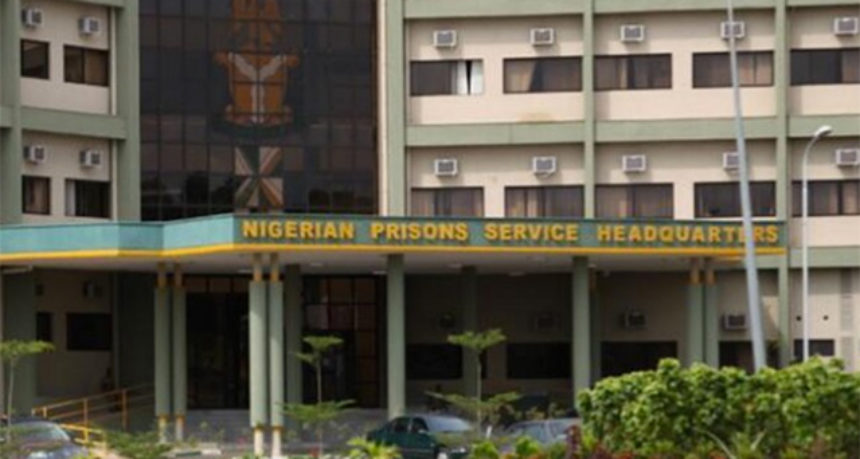
A filed picture of Headquarters of the Nigeria Correctional Services

There have been mounting calls for the Federal Government to give approval to decongest the correctional facilities that are already overpopulated and in bad state.

Nigerians, including civil society organisations, have asked President Muhammadu Buhari to immediately direct the Ministry of Interior to decongest the prisons.

Okey Nwangbuna, Coordinator of Rule of Law, Advocacy and Accountability Centre, RULAAC, cited the recent riot in Kaduna Correctional Centre, in which some inmates were allegedly killed and others injured, as a wake up call for the government to act fast.

“The recent riot in Kaduna Correctional Centre calls for concern which underscores the urgency for the government to act fast,” Nwangbuna told The ICIR in an interview.

“Preliminary investigation indicates that prisoners rioted because of the congestion in the prison and the fears that they may be exposed to the covid-19 and we understand that that riot was quelled with brutal force leading to injuries and deaths of some inmates. We think this highlights the need for the government to take this seriously.”

According to him, the inmates should not be exposed to the virus especially when the government is enforcing social distancing and is not taking measures to enforce the same in police cells and prisons.

Nwangbuna said social distancing should be observed in police cells and prisons where there is already overcrowding which makes inmates vulnerable to contracting the virus. .

While singling out the police as the major supplier of inmates into the facilities, he commended the Inspector General of Police, Muhammad Adamu, for his directive to Zonal Commands of Police against frivolous arrests in the wake of the Covid-19 pandemic.

“That for us, is a welcome development and means to ensure that social distancing is observed in police cells and correctional centres,” he said.

“When police officers go out to arrest people at random, demand bribe and those who cannot pay bribe are charged on frivolous offences and they end up in prisons. They are either remanded in prison or granted bail and they are not able to fulfil bail conditions and they remain in prison.”

He insisted that there must be a proper monitoring of the IGP’s directive, as according to him, “ arrests are still being carried out.”

“Our concern is that there is a need to monitor this to ensure that police officers are complying because reports we are getting is that people are still cramped in police cells which means arrests are still being carried out.”

To give weight to this advocacy, the Rule of Law, Advocacy and Accountability Centre, along with 50 CSOs spread across Nigeria, also issued a statement, addressing this particular subject matter —the decongest of police cells and correctional centres.

The CSOs warned that the Kaduna near prison-break could have a boomerang effect on other correctional centres if not properly handled.

While they called for a thorough, impartial and independent investigation into the incident, the group also demanded the immediate release of all persons unlawfully or unnecessarily held in custody, in particular those held on minor offences.

“We call for the immediate provision for all detainees and prisoners,  information on the spread of the virus, urgent disinfection and distribution of sanitary materials to all holding facilities, and provision and access to  running water at each facility,” they said in the statement.

“We call on Chief Magistrates in states, in fulfilment of their obligations under the Administration of Criminal Justice Act (ACJA) 2015, and in compliance with the 2019 Practice Direction of the Chief Justice of Nigeria on visits to police custody facilities to embark on inspection visits to police stations within their jurisdictions with a view to ensuring the immediate release of detainees based on established criteria, to decongest the cells and prevent likely infection and spread of Covid-19.”

It also called on the Attorney- General and Minister of Justice and State Attorneys General to also initiate steps for audit of police cells and correctional centres, including juvenile correctional facilities to decongest them.

Nigeria has judicial congestion, not congestion of inmates—Retired Prisons CP

For Inuwa Mohammed Abdullahi, a retired Controller of Prisons, Nigeria has no prison congestion proportionate to its overall population.

“We don’t have congestion of inmates but rather we have what is called judicial congestion,” Abdullahi said in an interview with The ICIR.

“In a country where we have a population of about even if the population is 100 million and you have about a half million inmates, you can say we have congestion. But a situation where we have almost 200 million population and we have inmates population of about 60,000 and you are talking of congestion. What kind of congestion. The only congestion is the judicial congestion.”

Explaining further, he said those who are supposed to be in the prisons are those who are on death row and those serving for capital offence such as robbery.

“What I mean by judicial congestion is that over 60 percent of the inmates are awaiting trial which means less than 40 percent are the ones who are supposed to be in the prison in the first place,” he said.

“About 65 percent are not supposed to be in prison; they are waiting trial. If you take 221, that is punishable by death or Decree 5 armed robbery and the rest, they are the only ones that are supposed to be kept in the prison. Otherwise, the rest are supposed to be at home.

“In the Western world, when a crime is committed, they do all their investigations immediately and by the time they take the person to court, within a very short time, the person is convicted. But in our own case, they will go and lump the person up in a prison and keep adjourning in the name of ‘we still need time to investigate’ and someone will spend seven years in the prison while they investigate.”

He lamented that if at the end of the investigation, the case cannot be established, such an inmate would be asked to go home without any apology or compensation.

Inmates by classification
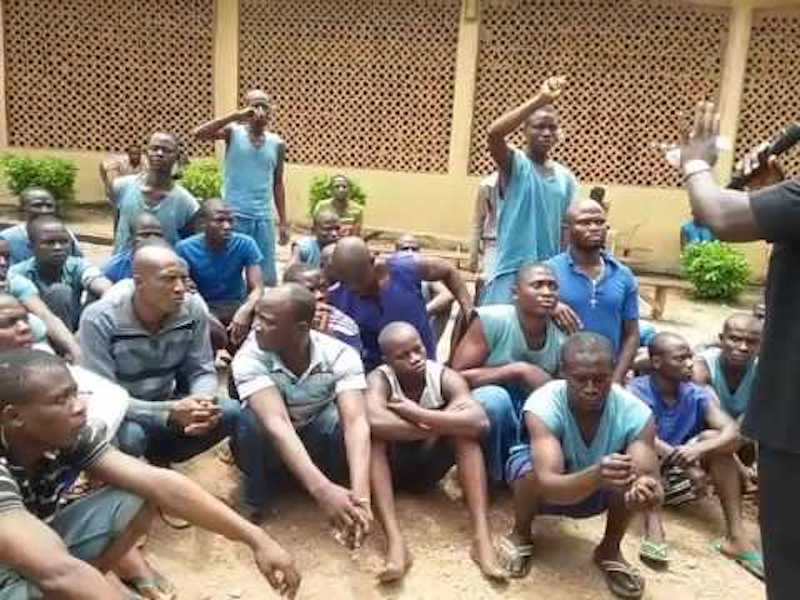
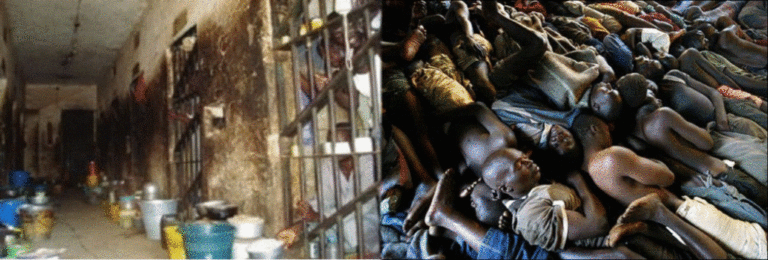
A filed pictures of some inmates in one of the facilities

A recent report by Prisoners’ Rehabilitation and Welfare Action (PRAWA) indicates that there are three  types of persons in custodial centre, namely : the innocent, the petty/minor offenders, and the serious offenders.

According to the group, the first two groups should be quickly determined and released, particularly as the country battles the Covid-19 pandemic.

The report also identifies those who are terminally ill, the elderly, those who are awaiting trial but have spent more time than what the sentence of the offences they are charged for, the long term inmates with less than six months to go and those who are of good behaviour (including lifers).

Others listed by PRAWA in the report prepared in making the case for decongestion of correctional facilities also include the under aged and the mentally ill, especially those whose cases are classified as ‘civil lunatics’, including those framed as ‘criminal lunatics’.

Among other recommendations, the CSO called for an effective utilisation of non custodial measures / community corrections including restorative measures in line with Part 2 of the Nigerian Correctional Service Act 2019, ACJA and other relevant legislations.

It said adequate rehabilitation, reintegration and community support mechanism should be put in place utilising the provision of the non custodial measures as provided under Part 2 of the Nigerian Correctional Service Act 2019 as well as the relevant provisions of the ACJA / ACJL.

The PRAWA said proper documentation and links with families, and communities of the released inmates should be put in place.

“Finally, we should also look at those who are detained in the police cells and other detention centres across the country by several security and law enforcement agencies,” it said.

“There are over 17 institutions in the country that have detention facilities. Unfortunately, we have no centralised database of all those in Detention in the country at any given time. This gap should be urgently addressed for both planning and monitoring/tracking purposes.”

Nigerian Government responding to calls
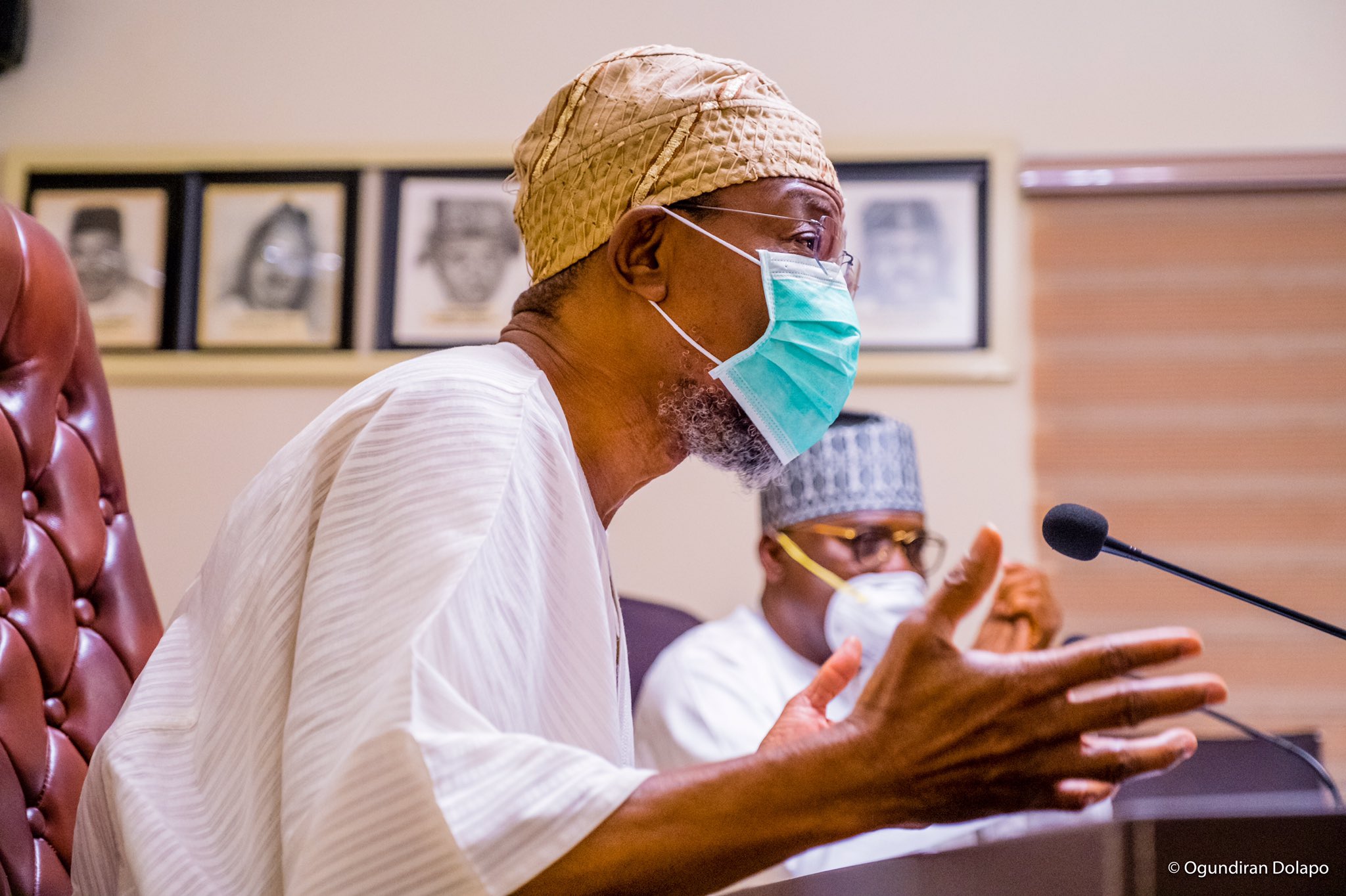
Rauf Aregbesola, Minister of Interior, during the meeting

Rauf Aregbesola, Minister of Interior on Saturday held a meeting on the implementation of President Buhari’s  approval for the decongestion of Nigerian Custodial Centres.

The meeting had in attendance, the Attorney General of the Federation and Minister of Justice, Abubakar Malami, Justice I.U Bello, Barr. Georgina Ehuriah and other top government officials.

Details of the meeting were not immediately made available as at the time of filing this report.

On March 28, the President approved the decongestion of Correctional Service formations due to the Coronavirus pandemic.

Buhari had constituted a Presidential Committee for the Decongestion of the Correctional Centres, which will be coordinated by the Federal Ministry of Justice.

The committee has Malami as chairman while members are Chief Justice of the FCT and the Comptroller General of the Nigeria Correctional Service.

The committee recommended that courts, Federal Ministry of Justice, the Correctional Services formations, governors, attorneys general of states, intensify actions to reduce inmates amid the health challenges associated with Covid-19.

“The committee requested that Mr. President may wish to consider his powers of Prerogative of Mercy in speeding of decongestion, while governors of states and their CJ be encouraged to visit correctional service formations for the purpose of decongestion,” said a statement issued by Umar Jibrilu, Malami’s spokesman.

“The committee is of the view that the Federal Executive Council, FEC, and the state governments be encouraged to consider payment of fines in respect of minor offences for those categories of inmates that could not afford paying the same in respect of offences that attract fines arising from the convictions.”

Part of the resolutions were also that the Correctional Service should consider the possibility of moving inmates from congested facilities to centres that are less congested and have space for accommodation of inmates, among others.

It also recommended the amendment of the Constitution of the Federal Republic of Nigeria to legalise moving the Correctional Service formations from Exclusive to Concurrent Legislative List.

The statement suggested that categories of inmates that will be considered are those that stayed in Correctional Service Centres for a period above ten years and those that stayed as inmates for a longer period without any documentation relating to their detention.

“Others are those that have the option of fine, those that have been in the Centers on holding charges in respect of offences that the Magistrate that sent them to Correctional Service Formations do not have the jurisdiction to try the cases, among others.”

However, those excluded are inmates serving jail terms for capital offences such as murder, kidnapping, armed robbery, rape and treason among others.

Already, spirited individuals, groups and organisations are making provisions to ensure that inmates are well protected against Coronavirus.

An official of the ICRC preparing hygiene materials to be donated at Maiduguri Correctional Facility

The International Committee of the Red Cross in Nigeria (ICRC), for instance, said it was increasing its support to inmates through  provision of hygiene items to detention facilities, to help prevent disease outbreaks.

“Coronavirus affects everyone, but detainees are particularly vulnerable. We are increasing our support to them through provision of hygiene items to detention facilities, to help prevent disease outbreaks. Here, we prepare materials for detention facilities in Maiduguri,” ICRC said in a tweet.

Also,  a group of women who had tasked themselves had taken hand sanitisers, soap and disinfectants to the prisoners to help prevent the spread of Coronavirus.
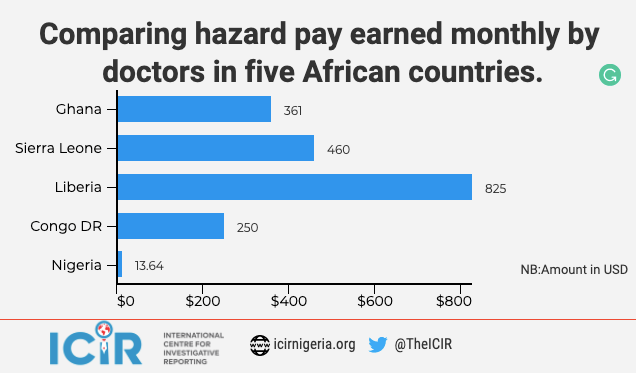
How much is the worth of a Nigerian doctor treating COVID -19 patients?

ON March 26, the Nigerian Medical Association, NMA, Kano State branch urged its members to make use of their two months hazard allowance in the face of COVID – 19 pandemic, to purchase Personal Protective Equipment, PPE, for themselves in health facilities where it is unavailable.

In a memo announced by the association which was confirmed by the state chairman, Sanusi Muhd Bala, to The ICIR, it cited the rising number of COVID – 19 infections among doctors and health workers globally, which it described as alarming. The doctors were advised to consider the move as a priority to protect themselves while carrying out their duties.

Speaking to The ICIR in a telephone interview, Bala painted a grim picture of scarce protective equipment for doctors in the state, and their anxieties with the government for failing to adequately prepare for a potential COVID – 19 outbreak.

“The government has failed to make protective kits available to health workers despite the repeated appeal we’ve made to them in the past, especially during the Lassa fever outbreak in Kano State which claimed the lives of two doctors earlier this year who contracted the disease from their patients,” he said.

Muhammed Bala, a consultant nephrologist at the Aminu Kano Teaching Hospital, Kano and currently overseeing the welfare of doctors in the state, is one of the thousands of doctors in Nigeria without PPE, including masks, gowns and eye gear while treating patients.

“The hazard fee paid to doctors in this country is N5,000 which is very small, for instance, if a doctor on the frontline contracts a disease while treating a patient and loses his life there is no financial cover or insurance that covers him or his family.

“When we lost two doctors to Lassa fever early this year their families were given N1 million each and that was the end of it no other form of compensation has been made to-date, despite our letter to them,” he said.

Though Kano State has not officially recorded a confirmed case of COVID – 19, the lack of critical infrastructure for doctors is a source for worry in case of an outbreak.

For doctors at the forefront of containing the COVID -19 pandemic in Nigeria, the federal government pays doctors in public hospitals a monthly hazard fee of N5,000 monthly, which is equivalent to $13.64, for any risk they might encounter while carrying out their duties.

Their counterparts in Sierra Leone who attend to Ebola patients earn $115 weekly for the period they are working, which translates into a monthly payment of $460, more than 30 times what is earned by Nigerian doctors as hazard claims.

In Liberia, during the Ebola epidemic, which claimed the lives of 95 medical personnel, the Liberian government-paid health workers in the frontlines a monthly hazard pay of $435 while doctors received $825 monthly apart from their salaries which was almost doubled.

However, in some other African countries, the situation is different as doctors are not paid hazard allowances but have compulsory insurance indemnities for medical induced risks they could face in the course of offering treatment to patients.

On March 28, Ghana’s Minister of Health, Kweku Agyeman, announced a special life insurance cover for 10,000 medical personnel in Ghana who would be deployed to the frontlines in a COVID – 19 national pandemic response which is expected to last for a period of one year.

The total premium for the medical personnel was pegged at GH₵10,309,919 which is equivalent to $1,786,646 consisting of temporal disability from any cause during the period at GH₵10,000 per life, for the case of a critical illness within the time frame of the insurance is GH₵25,000 per life and a group life insurance plan to cover GH₵350,000 per life.

This means that if a Ghanian doctor treating a COVID – 19 patient contracts the disease the insurance fee that would be paid by the Ghanian government to the doctor is GH₵25,000 which is estimated to be $4,332 translating to $361 monthly.

In Congo DR, doctors who are first responders during the Ebola outbreak received $250 as hazard pay alongside their salary though complaints are rife among Congolese health workers who say that the risk they were exposed to was way higher compared to the pay they received.

Available data on hazard allowance to doctors in several African countries is not publicly accessible as some countries resort to offer a full insurance premium for their doctors to cover their indemnities.

Section 17 of Nigeria’s amended Employee’s Compensation Act requires that if death results from the injury of an employee, compensation shall be paid to the dependants of the deceased which if two or more children, a monthly payment of a sum equal to 90 per cent of the total monthly remuneration of the employee as at the date of death.

Maurice Elike, a paediatrician at the University of Abuja Teaching hospital, Gwagalada, speaking to The ICIR said the hazard pay was fair but if a doctor died from a disease contracted while treating a patient there was no insurance to cover such a doctor.

“The hazard pay is not substantial but it would be fitting to have full insurance to cover doctors who may die from a disease or contract the disease while treating a patient unfortunately that is not the case,” he said.

According to a study published on medRxiv, doctors who attend to COVID – 19 patients are prone to be exposed to the risks of getting infected without an insurance cover.

“However, as many individuals in the community may be asymptomatic carriers, physicians across specialities are at risk of acquiring the disease as a part of the patient contact during care delivery,” the study says.

Fact-check: Is Covid-19 airborne?

Since the outbreak of the deadly coronavirus across the world, there have been lot of misconceptions and misinformation about the Virus. Famous among the argument is whether Covid-19 is airborne or not. TheICIR chronicles the available facts and evidence about the novel Coronavirus.


ACCORDING to the International Journal of Infectious Diseases (IJID), Coronaviruses (CoVs), a large family of single-stranded RNA viruses, can infect animals and also humans, causing respiratory, gastrointestinal, hepatic, and neurologic diseases, CoVs are further divided into four genera: alpha-coronavirus, beta- coronavirus, gamma-coronavirus and delta-coronavirus.

To date, there are six human coronaviruses (HCoVs) being identified, including the alpha-CoVs HCoVs-NL63 and HCoVs-229E and the beta-CoVs HCoVs-OC43, HCoVs-HKU1, severe acute respiratory syndrome-CoV (SARS-CoV), and Middle East respiratory syndrome-CoV (MERS-CoV).

New coronaviruses appear to emerge periodically in humans, mainly due to the high prevalence and wide distribution of coronaviruses, the large genetic diversity and frequent recombination of their genomes, and the increasing of the human-animal interface activities. The Covid-19 is the currently ravaging disease with over one million cases world-wide.


Keywords: Severe Acute Respiratory Syndrome (SARS), Coronavirus (CoV), Middle East respiratory syndrome (MERS), Personal Protective Equipment (PPE)


History of Covid-19

In late December 2019, a number of local health authorities reported clusters of patients with pneumonia of unknown cause, which were epidemiologically linked to a seafood market in Wuhan, Hubei Province, China.

The pathogen, a novel coronavirus (SARS-CoV-2), was identified by local hospitals using a surveillance mechanism for “pneumonia of unknown etiology” that was established in the wake of the 2003 SARS outbreak with the aim of allowing timely identification of novel pathogens.

Since December 2019, multiple cases occurring un-explainable pneumonia were successively reported in some hospitals in Wuhan city with a history of exposure to a large seafood market in Wuhan city, Hubei province, China. It has been confirmed to be an acute respiratory infection caused by a novel coronavirus. So far, this disease has rapidly spread from Wuhan to China’s other areas, and 66 countries. And then, clustered cases and confirmed cases without a history of travel to Wuhan emerged as the s disease started to advance.

To help create awareness and tackle its spread, the World Health Organization (WHO) on 12 January 2020 named the virus, it was given the name-tag, ‘Covid-19’.

In the following month, the 2019-nCoV  was reorted to have quickly spread inside and outside of Hubei Province and even other countries. Another issue that rocked the global community, was the sharp increase of the case number  which caused widespread panic among the people.

On 30 January 2020, the World Health Organization (WHO) declared that CoVID-19 is a “public-health emergency of international concern” . The pandemic is escalating rapidly. TheICIR searched the associated literature in CoVID-19 to summarize the epidemiology, clinical characteristics, diagnosis and treatments and preventions of the infection of SARS-CoV-2.

As the time of filing this report, no specific approved cure for the pandemic have globally agreed upon as over 65 thousand deaths have been recorded world wide. According to TheICIR Covid-19 dash board, as at press time, recorded over 222 thousand persons with more than 1 million cases globally.

The argument

According to Neeltje van Doremalen, Dylan H. Morris, et al’s conclusion published in New England Journal of Medicine tiltled “Aerosol and Surface Stability of SARS-CoV-2 as Compared with SARS-CoV-1″ published in the midst of the pandemic, on March 17th, 2020, the scientists who analysed the aerosol and surface stability of SARS-CoV-2, compared it with SARS-CoV-1 and postulated that the longest viability of both viruses was on stainless steel and plastic as the estimated median half-life of SARS-CoV-2 was approximately 5.6 hours on stainless steel and 6.8 hours on plastic. This was reached  after an intensive evaluation of the stability of SARS-CoV-2 and SARS-CoV-1 in aerosols and on various surfaces and  their decay rates were also estimated using a Bayesian regression model.

The data for the experiment was performed on 10 experimental conditions involving two viruses (SARS-CoV-2 and SARS-CoV-1) in five environmental conditions (aerosols, plastic, stainless steel, copper, and cardboard). All experimental measurements are reported as means across three replicates.

At the end of the experiment, the scientists concluded that Covid-19 is not an airborne virus. But it can be contracted through contact with infected surfaces of plastic and stainless steel.

On the covid-19 contracting mechanism, another contradictory argument postulated that Covid-19 can be transmitted through air (airborne).

According to the National Academy of Sciences (NAS) in a letter written to the Kelvin Droegemeier, head of the White House Office of Science and Technology Policy, posited that that the novel coronavirus can spread through the air as not just via the large droplets emitted in a cough or sneeze.

Despite the inconclusiveness of current studies “the results of available studies are consistent with aerosolization of virus from normal breathing,” Harvey Fineberg, who heads a standing committee on Emerging Infectious Diseases and 21st Century Health Threats, wrote.

The NAS panel raised concerns that personal protective equipment (PPE) could itself be a source of airborne contamination.

“A study of SARS-CoV-2 raises concerns about transmission via aerosols generated from droplet contaminated surfaces. Liu, et. al. collected 35 aerosol samples in two hospitals and public areas in Wuhan. From samples collected in patient care areas the highest concentration of virus was found in toilet facilities (19 copies m-3), and in medical staff areas the highest concentrations were identified in personal protective equipment (PPE) removal rooms (18-42 copies m-3). By comparison, in all but two crowded sites, the concentrations of virus found in public areas was below 3 copies m-3. The authors
conclude that a direct source of SARS-CoV-2 may be a virus-laden aerosol resuspended by the doffing of PPE, the cleaning of floors, or the movement of staff. It may be difficult to re-suspend particles of a respirable size.

However, fomites could be transmitted to hands, mouth, nose or eyes without requiring direct respiration into the lungs”.

This stance by Harvey Fineberg can be associated with the result of the researchers at Wuhan University in China led by Yuan Liu found that the novel coronavirus can be re-suspended in the air when healthcare workers remove their personal protective equipment (PPE), clean the floors, and move through infected areas.

Before these report, the U.S. Centers for Disease Control (CDC) and Prevention and other health agencies have insisted the primary route of transmission for severe acute respiratory syndrome coronavirus 2 (SARS-CoV-2) is through the larger respiratory droplets, up to 1 millimeter across, that people expel when they cough and sneeze. Gravity grounds these droplets within 1 or 2 meters, although they deposit the virus on surfaces, from which people can pick it up and infect themselves by touching their mouth, nose, or eyes. But if the coronavirus can be suspended in the ultrafine mist that we produce when we exhale, protection becomes more difficult, strengthening the argument that all people should wear masks in public to reduce unwitting transmission of the virus from asymptomatic carriers.

With the contrasting stances, the transmission of SARS-CoV-2 (Covid-19) through human respiratory droplets and contact with infected persons is clear, the aerosol transmission (airborne) of SARS-CoV-2 has been studied.

CONCLUSION

While efforts continue to ascertain the globally agreed nature of the Coronavirus and a cure for it, the checks and findings by The ICIR has revealed that two positions are clear, the Covid-19 is a respiratory disease, the Covid-19 can also be contracted through surface droppings and contact with infected persons. So, the Covid-19 can be said to be airborne under special conditions.

Findings also show that against the misconception that Covid-19 can be contracted by merely breathing in an infected area, such as not been established as a verifiable or globally accepted claim. The best we have is close metres to an infected person but not by generally breathing in air.


From Government to COVID-Security: Kill Them Before the Virus Does

Chidi Anselm ODINKALU


When he reluctantly addressed the country on Sunday, 29 March, 2020 concerning the crisis of the Severe Acute Respiratory Syndrome Coronavirus-2 (SARS-CoV-2) pandemic (COVID-19), Nigeria’s elected President, Major-General Muhammadu Buhari, began with the claim that “[f]rom the first signs that Coronavirus, or COVID-19 was turning into an epidemic and was officially declared a world-wide emergency, the Federal Government started planning preventive, containment and curative measures in the event the disease hits Nigeria.”

This was the opening falsehood in a short address that was long on lack of presidential candour from a man whose claim to political fame was supposedly defined by honesty.

If it cared to prepare, the regime had a magically unobtrusive way of showing it.

When he made the above claims, General Buhari was speaking to a country that was shut down in a manner arguably unparalleled in its history since the day he took over power as a military ruler on 31 December 1983. Domestic airports were shut down. Governors across the country had acted to shut down much of inter-state commute and commerce and, extraordinarily in some cases, even maritime borders. It is a measure of the lack of preparedness by the government that none of these steps had been ordered nor foreseen by the Federal Government nor had they prepared citizens for them. In all cases, state governors were taking steps in silos with little preparation or respect for niceties of rules or regard for the federal government.

This in plain sight was evidence, if any was needed, that a regime with a worldview founded on a narrow, outdated, authoritarian wiring entirely unsuited to a democratic dispensation did not much care for an approaching pandemic nor rate the threat posed by it. It had missed every opportunity to prepare and rather than admit its failings, chose to double down with a menu of verifiable falsehoods and carefully calibrated non-disclosure. In a time of global uncertainty, they calculate that a popular desire for any form of feel-good will distract attention from their cynicism.

With its focus totally captured by the desire to shut down the civic space and pursue narrow regime security objectives, this Buhari regime did everything but prepare for a global pandemic whose arrival on the shores of Nigeria was both foreseen and foreseeable. Where his promise of “change” required him to adapt the architecture and doctrines of national security he inherited in 2015 for such times, General Buhari doubled down on militarizing them.

This architecture is founded on the National Security Agencies Act of 1986, which created the SSS for internal security, the National Intelligence Agency (NIA) for external intelligence, and the Defence Intelligence Agency (DIA), to oversee defence-related intelligence.

The National Security Adviser, NSA, who, under the Act, distils the work of these various agencies for the attention of the President, has always been a soldier since Nigeria’s return to military rule. All these agencies together with the armed services have seen their roles in martial, shooting terms.

The security threats analyses prepared by the NSA under the present administration have operated on this assumption. When he addressed the course cohort of the National Defence College in June 2018, then-Interior Minister, General Dambazau crystallized Nigeria’s national security disposition in terms of retrenching even the police from its primary role, arguing that the country was “tilted more towards low-intensity conflicts and/or asymmetric warfare, which are within the purview of military operations other than war (MOOTW).”

Essentially, the Buhari regime only sees threats in things that it can shoot-to-kill. A virus does not fit that bill. So, as the virus made its way towards the Equator, the regime was busy elsewhere.

On 18 December, 2019, as scientists at the Wuhan Institute of Virology in China began the research partnership that would result by 29 December in the viral genome sequencing for the COVID-19 virus, a Federal High Court in Calabar, Cross River State, in the south-south Nigeria ensured that Agba Jalingo, the publisher detained since the August 2020 by federal authorities and charged with treason and terrorism for writing a story that his state governor did not like, would not be granted bail until the New Year. At the beginning of the same month, as the first signs of what would become a global pandemic were sprouting out in China, agents of the State Security Service (SSS) were busy taking uncivilized steps to frustrate the freedom on bail of another publisher, Omoyele Sowore.

At the end of January 2020, when the World Health Organisation (WHO) declared COVID-19 a global emergency, General Buhari appeared to be interested in the growing insecurity in country, especially the rising violence in Nigeria’s largest state, Niger State, in the north-central region. While this clearly was an important thing to do, the regime did not much care to synchronise its concerns with the elected representatives of the people of Niger State or to allocate scarce political capital in pursuit of that legitimate goal.

Instead, it lined up both politics and propaganda behind the comical pursuit by Niger State’s contingent to the upper legislative chamber of the Senate of three separate bills respectively seeking capital punishment for whatever the government decides to be hate speech; shutting down social media as a source of what the government doesn’t want to hear, and seeking prison terms for Nigerians who choose to own generators in a country where government is notoriously unwilling and unable to provide electricity.

Emphasising the lack of preparation, procurements of the Federal Ministry of Health at the time of the President’s broadcast were parceled off to be handled by the Ministry of Agriculture, a development that was more than 30 months old, despite repeated protests from various echelons in the Health hierarchy.

Far from preparing the country, General Buhari’s government had as a fact done everything to ensure the country was not ready. This fits a global pattern noted by Florian Bieber, writing for Foreign Policy on 30 March, who observes that “autocratic leaders were ill-prepared for the pandemic”, citing their “disdain for science and expertise, combined with nepotism and neglect of state institutions, including health care.”

Even amidst this crisis, the response of the regime has not much changed. The Nigeria Centre for Disease Control has been encouraged to fall into a pattern of lack of candour, by failing consistently to disclose its testing parameters or metrics. The regime’s Presidential Task Force is a collection of the most loyal political yes-men who know nothing about viruses and care only to burnish the credentials of the ruling party.

The only response that has made any sense is the deployment of uniformed security assets instructed to take out their frustrations on Nigerians whom they seem to have instructions to force to choose between the virus and hunger which kills them first. It may yet end up being a clever strategy – the virus may discover that it will have no one left to kill and whoever is left can report to the world that the death toll from COVID-19 in Nigeria was close to zero.

Odinkalu, a lawyer, is co-convenor of Nigeria’s Civil Society Alliance on COVID-19 and writes in his personal capacity.

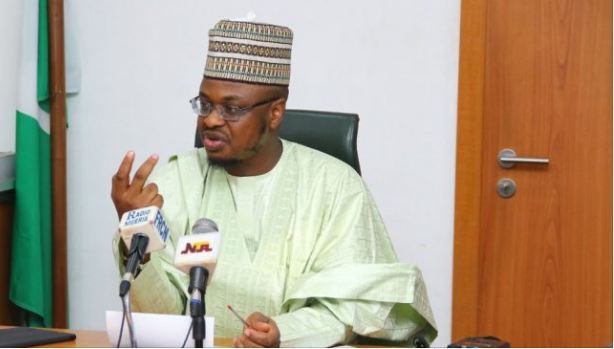
No license on 5G network issued in Nigeria – FG

THE Federal Government on Saturday has dispelled rumours on the adoption of 5G network, saying the new technology is still under review.

It says, though no license has been issued yet on the innovation, it would not give attention to speculations but make an informed decision regarding the network after due consultations with experts.

“The attention of my office has been drawn to the public concern about the health implications of the deployment of Fifth Generation Mobile Networks (5G) in Nigeria. Based on available records at my office and the earlier report received from the regulator, I would like to clarify as follows,” Isa Pantami, Minister of Communications and Digital Economy disclosed in a statement issued in Abuja.


READ ALSO:

“The National Frequency Management Council (NFMC), of which I am the Chairman, has not deliberated on or released any bulk frequency spectrum for the deployment of 5G; No license, has been issued for the deployment of 5G in the country.”

Meanwhile, there has been public concerns that the Nigerian government already considered the new technology.

It has also been major discussions on the social media, particularly, Twitter while short videos of how the 5G network is being installed, and its perceived health and environmental implication has been spreading on the Whatsapp platform.

Others also attempted to link up the new technology to the COVID-19, a claim which clearly, so far has no scientific basis.

Patanmi, however, promised the public that the current administration would consider the health of Nigerians before taking such a decision.

“A 3-month study trial commenced on the 25th of November, 2019 in order to critically review and study the health and security implications of deploying 5G in Nigeria;

“As part of the study trial process, I directed the Nigerian Communications Commission (NCC) to ensure that a team of experts, security agencies and other stakeholders fully participate in the trial process and my office also invited these agencies to participate in the trial; and the trial process has been concluded and the study and reporting process is currently ongoing,” the statement added.

The Minister emphasised that he already instructed the National Communications Commission (NCC) to engage citizens on any questions or concerns regarding the 5G.

“President Muhammadu Buhari places a premium on the welfare, health and security of Nigerians.  As such, our desire for technological advancement will never be at the expense of the health and welfare of our citizens.

“I wish to thank the general public for reaching out to us on this issue.  We advise you all to remain rest assured that government will always take the welfare, health and security of the public into account while considering the deployment of any technology,” the statement noted.

Covid-19: FG considers two-month free electricity for Nigerians

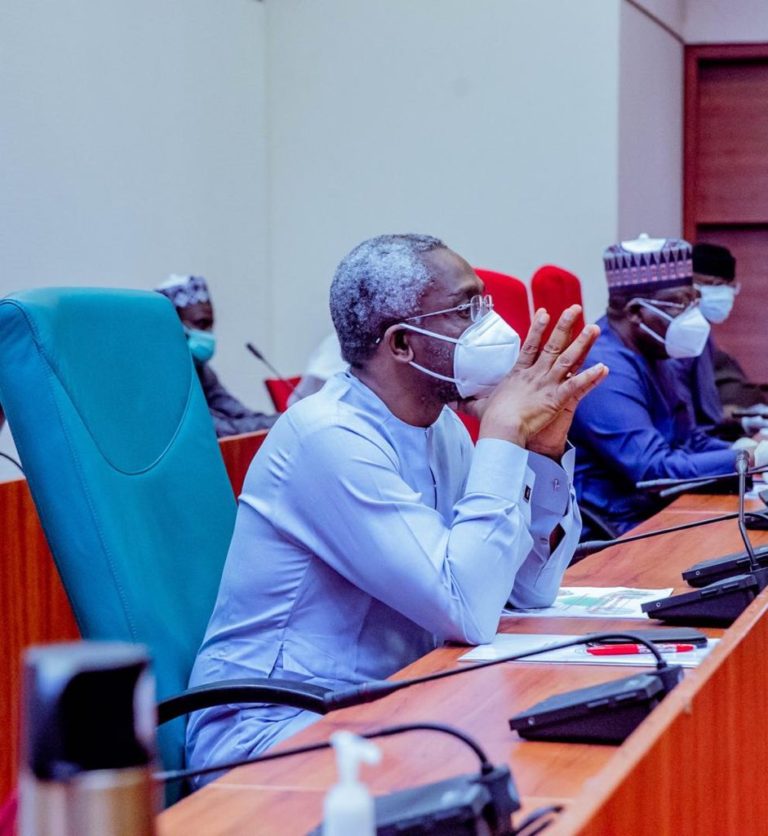
OLUFEMI Gbajabiamila, Speaker of the  House of Representatives, has said that the House is considering a second stimulus bill that will provide Nigerians with free electricity supply for two months.

Gbajabimila disclosed this on Saturday after a meeting with the Minister of Finance, Ahmed Zainab, noting that the measures would help to mitigate the effects of the Covid-19 pandemic.

He noted that proposed stimulus bill will boost the economy through the informal sector adding that it would be considered immediately the House of Representatives reconvenes from the ongoing break.

The Speaker further disclosed that the House leadership had engaged the distribution companies (DISCos) in the last few days to work the details.

It could be recalled The ICIR earlier published how National Electricity Regulatory Commission (NERC) last Tuesday made a temporary U-turn on the date it initially set for a new electricity tariff to take effect,  which made the Commission to direct the 11 Distribution Companies (DisCos) to present a comprehensive plan to realise the revenue requirements as well as strategies to provide Nigerians with stable power  before  June 30, 2021.

The was coming after NERC had earlier issued a directive for the commencement of new tariff on 1 April, 2020 but it stated in a new order with reference number: NERC/198/2020 “that due to complaints from the end-use customers such as poor service delivery, inadequate provision of prepaid meters, hours of guaranteed supply and the COVID-19 pandemic, the old date set at tomorrow is no longer valid.”

CSos call for decongestion of police cells, correctional centres to avoid spread of Covid-19

A GROUP of Nigerian Civil Society Organisations (CSO) has called on the  Federal Government to decongest Nigerian police cells and correctional centres across the country in order to prevent the spread of Covid-19 among the inmates.

In a press release signed by 51 CSos and obtained by The ICIR, the group commended the Inspector-General of Police (IGP), Mohammed Adamu, for issuing directives to State and Zonal commands of the police to avoid unnecessary arrests and detention of persons in police cells except for serious (capital) offences.

However, it urged the IGP to put in place mechanisms to ensure and effectively monitor compliance from officers.

The group of CSOs noted that some states in the country still lock up offenders for bailable offences such as misdemeanors warning that such a practice has only resulted in congestion of the correctional centres and police cells.

This, the group said, negates the efforts of building a system which promotes social distancing in this COVID-19 period.

In addition, the CSOs pointed out in the statement that some states lack testing laboratories and isolation centres, whereby detainees in urgent need of medical attention in those states can’t access healthcare,  making them vulnerable and more exposed to the deadly virus.

The group therefore called that appropriate measures are taking to decongest the police cells and correctional centres at this time.

“We call on Chief Magistrates in states, in fulfilment of their obligations under the Administration of Criminal Justice Act (ACJA) 2015, and in compliance with the 2019 Practice Direction of the Chief Justice of Nigeria on visits to police custody facilities to embark on inspection visits to police stations within their jurisdictions with a view to ensuring the immediate release of detainees based on established criteria, to decongest the cells and prevent likely infection and spread of Covid-19,” the group proposed in its statement.

It also called on the Attorney- General and Minister of Justice and State Attorneys General, to also initiate steps for audit of police cells and correctional centres, including juvenile correctional facilities, to decongest them.

Ultimately, the group called for the immediate provision of information on coronavirus, urgent disinfection and distribution of sanitary materials to all holding facilities, and provision and access to running water at each facility for all detainees and prisoners.

The group of CSOs include: Rule of Law and Accountability Advocacy Centre (RULAAC), Spaces for Change (S4C), Vision Spring Initiative, Lagos, Social Intervention Advocacy Foundation (SIAF), Echoes of women in Africa initiative, Women’s Right to Education Programme (WREP), Rights Enforcement and Public Law Centre (REPLACE), Women’s Rights and Health Project (WRAHP), Foundation for Justice and Rehabilitation of prisoners FJRP, Lagos, People Against Corruption and Injustice, Nde Oduko Foundation – NDOF, Sterling Centre for Law &Development, Partners West Africa- Nigeria,  Safer World Foundation, Amnesty International Nigeria, Dorothy Njemanze Foundation(DNF), Women Initiative for Leadership Strategy & Innovation in Africa (Women Africa), Centre for Social Transformation and Human Develeopment (CHDST).

Others include; Ace and Vanguard Legal Practitioners, Human Rights Advocacy Group Lagos, Life Wire International Foundation, LEDAP – Legal Defence & Assistance Project, Legal Defence Against Injustice Initiative, Lawyers Alert, Daniel Ukwu Leadership Foundation (Dulf) supported, PEP- Public Enlightenment Projects, Global Rights, Prisoners’ Rehabilitation and Welfare Action (PRAWA), Prisoners’ Rights Advocacy Initiative (PRAI), Lagos Civil Society Participation for Development (LACSOP), Youth Advocates For Peace Justice And Empowerment Network (YAPJEN), Centre for Transparency Advocacy, Abuja, Independent Advocacy Project IAP Lagos, Human Rights Social Development and Environmental Foundation (HURSDEF) , Tap Intiative For Citizens Development, WILPF Nigeria, Avocats Sans Frontières France, CLEEN Foundation, Women Information Network (WINET), Edo Civil Society Organisations, Media Initiative against Injustice, Violence and Corruption (MIIVOC), House of Justice, Prison Fellowship, Democracy and Human Rights Network, DHRN, Community Agenda for Peace, Committee for the Defence of Human Right, Human Rights Watch, Alliances for Africa, NOPRIN, Nigerian Feminist Forum, CISLAC – Civil Society Legislative Advocacy Centre.

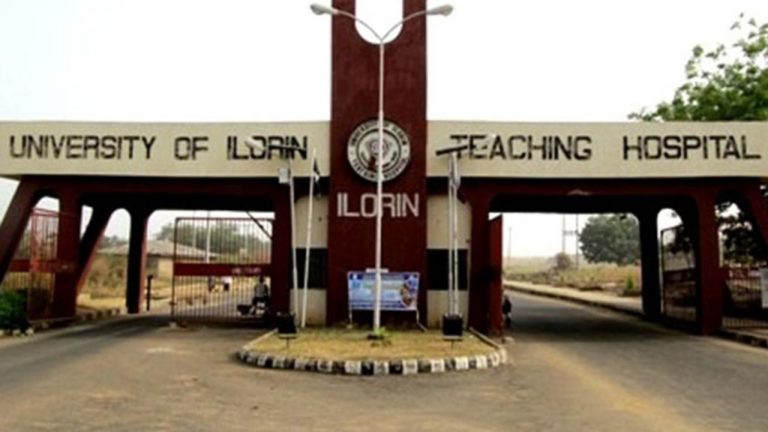
How Kwara Govt, Ilorin Varsity hospital tried to cover up Covid-19 related Death

FACTS have emerged of how the management of University of Ilorin Teaching Hospital (UITH) kept the death of a likely victim of Covid-19 in the hospital secret without reporting it to the Nigeria Centre for Disease Control (NCDC).

The ICIR gathered through an official of the hospital who cannot be mentioned because she is not authorised to speak to the press that the victim, whom she referred to as ‘Alhaji’, died on Thursday and was buried on Friday, according to Islamic rites.

She also confirmed that all the medical personnel, including doctors and nurses who came in contact with the deceased are now on self-isolation.

The source confirmed to our reporter that the deceased recently returned from the United Kingdom with his wife where they had gone to attend their son’s convocation.

He reportedly fell sick shortly after returning to Nigeria and was  taken to the hospital for treatment.

“When the people at the emergency unit discovered the breathing was very hard, they invited the Chief Anaesthetist of the hospital but he eventually died during the process of resuscitating him,” she said.

The source also disclosed that the wife of the deceased man has been tested,noting that the result was negative although a second test has been carried out and authorities are awaiting the result of that test.

According to the source, the sample of the man’s blood was taken for further test, noting that the result was expected to be out on Sunday or Monday.

The source however confirmed that the symptoms shown by ‘ the Alhaji’ before he died were those of Covid-19.

“The fumigation of the hospital has started this morning and the medical personnel who had contact with him are currently under isolation and awaiting results,”  the source said.

Fisayo Soyombo, undercover journalist and former editor of TheCable, had earlier  Saturday morning called out the  Kwara State government and the management of the University of Ilorin Teaching Hospital for allegedly  covering up the condition of the said  covid-19 patient before his death.

Fisayo said  in a series of tweets said that the case would not get to the NCDC because “the powers that be did everything to cover it up.” Continuing, he said that “the bigwigs at the University of Ilorin Teaching Hospital (UITH) knew. The state govt did, too.”

“After his death, they ensured the body wasn’t tested for the virus. The deceased was buried on Friday without scientific confirmation of COVID-19, but two hospital staff have been giving me details of events that led to his death,” he tweeted.

The journalist said the deceased initially self-isolated in Lagos after returning from the United Kingdom before his friend who is a professor of medicine invited him to Ilorin, where he privately received treatment but yielded no result on day 13 as his condition worsened, so he was taken to UITH.

Soyombo alleged that the deceased was to be moved to the isolation ward but there was an “order from above” for him to remain at the A&E.”

He further tweeted that until he started showing severe Covid-19 symptoms, the doctors who attended to him didn’t know it was the virus before his death.

“The state government claims the death was due to “respiratory illness” while the hospital says it was from “food poisoning,” he wrote.

However, all efforts to reach out to the state government proved abortive as all phone numbers listed on its official website were not connecting when dialled.


Lock down: Markets must make provision for hand hygiene at entry and exit points—FG

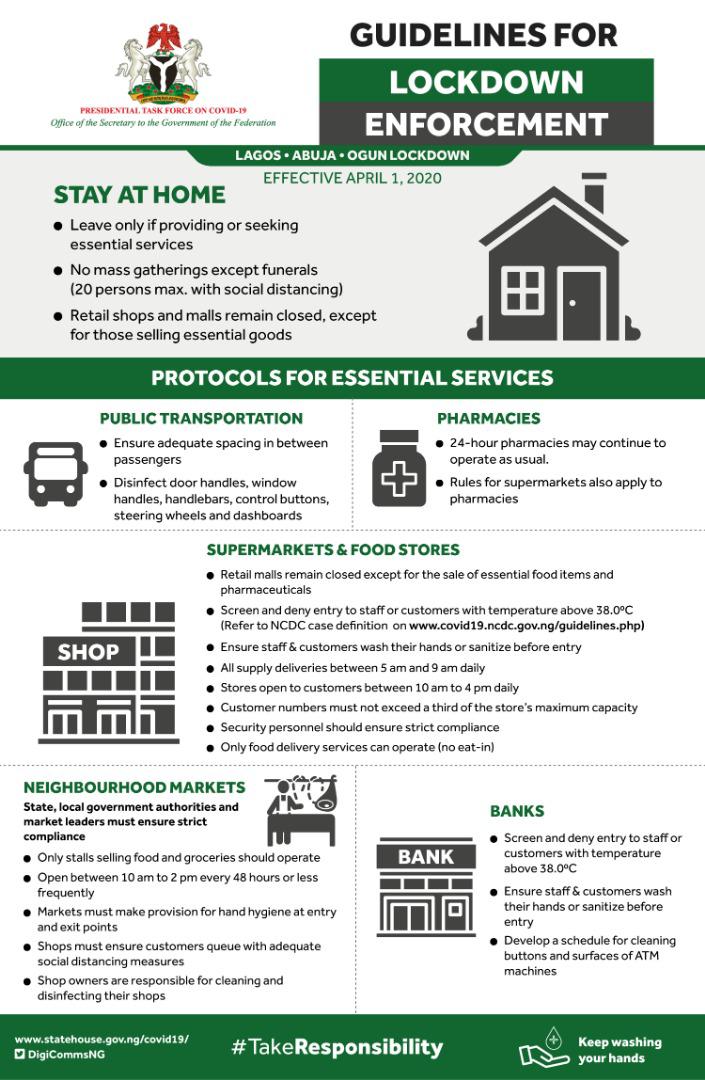
THE PRESIDENTIAL Task Force on COVID-19 on Saturday released a new guideline on the lock down enforcement with special attention on the need for social distancing and maintenance of proper hygiene at local markets, stalls and other public places.

The Task Force also rolled out a new directive on essential service delivery which includes how people at the slums could protect themselves while patronising local stalls, pharmacy and financial institutions.

According to the Task Force, supermarket and pharmacy operators are to screen and deny entry their staff or customers with temperature level above 38.0 Celsius.

“Markets must make provision for hand hygiene at entry and exit points; Sshops must ensure customers queue with adequate social distancing measures; shop owners are responsible for cleaning and disinfecting shops,” the guideline shared by the Nigerian Centre for Disease Control (NCDC) stated.

“Ensure staff and customers wash their hands or sanitize before entry.”

The Task Force also cautioned on customer restrictions stressing that the numbers of customers in the store should not exceed one-third of the store’s maximum capacity.

“Stores can open to customers between 10 am to 4 pm daily,” it stated.

As for the neighbour markets, operators selling food items and groceries are allowed to display their wares between 10 am and 2 pm every 48 hours, or less frequently.

And for Banks, the Presidential Task Force asked bank operators to ensure proper screening, and deny entry to staff or customers with temperature beyond the acceptable 38 Celsius.

New Presidential Directive on LockDown Source: NCDC

It could be recalled that  President Muhammadu Buhari had earlier issued restriction of movement order to citizens within the Federal Capital Territory (FCT), Lagos and Ogun as part of precautionary measures designed by the Federal Government to curtail further spread of COVID-19  nationwide.

The citizens were advised to stay home but could only leave their respective apartments only to provide or seek essential services.

The ICIR had earlier reported on how social distancing might also be a tough challenge for people living in slums, while maintaining proper hygiene.

As of 3 April, 209 confirmed cases have been reported in Nigeria, 25 were discharged and four deaths so far recorded.

EXCLUSIVE: How six Covid-19 patients escaped from Osun Isolation Centre

AS the Covid-19 pandemic continues to cause worry in Nigeria, The ICIR can authoritatively report that one of the epicentres of the virus, Osun State, had an unfortunate escape of six infected patients from the state’s isolation centren.

This confirmation is coming despite repeated denials by the state government through the Commissioner for Information and Civic Orientation, Funke Egbemode.

A reliable source within the government confided in our reporter that the six persons had once escaped from the centre last week, but were all traced to their respective homes and  brought back to the isolation centre.

But during a downpour on Friday, the six patients, The ICIR learnt escaped again from the centre and returned to their families.

Their escape from the Ejigbo Isolation Centre, inside source revealed to our reporter followed the poor conditions of the centre.

“The patients were heard complaining about the conditions at the centre,” said the source who preferred anonymity.  “They were pressured to return home where native herbs can be proffered to cure their illness.”

A director in the State Ministry of Health who spoke with The ICIR said that three of the escapees had been found and returned to the isolation centre, while two others had also been convinced to return and were already on their way back at the time of filing this report.

With this development, Osun state has one Covid-19 patient at large. This, perhaps, informed the state government’s position that only one person escaped.

In a statement issued after news of the six patients broke, Egbemode insisted that, after a headcount at the Isolation Centre, only one person could not be accounted for by officials stationed at  centre out of the 127 persons.

But she admitted in the statement titled “The Truth about Ejigbo returnees – Osun Govt,” the state government has “not issued any statement to confirm or deny such story.”

“Besides, a quick check showed that the name and number of the first person on the list of the purported missing patients, is indeed currently in our facility in Ejigbo,” she said.

The Commissioner recalled the state government  about a week ago,  received 127 returnees from Ivory Coast, who have been kept to avoid community transfer of the virus.

She stated further that the State Government is currently investigating the matter and will ensure that the missing person is brought back to the Isolation centre and “we will also ensure we trace all his contacts.”

“We want to reiterate that any official(s) found culpable will also be dealt with accordingly.”

Osun State is, as at press time, number three on the list of states with Covid-19 in Nigeria with total number of 20 persons infected.