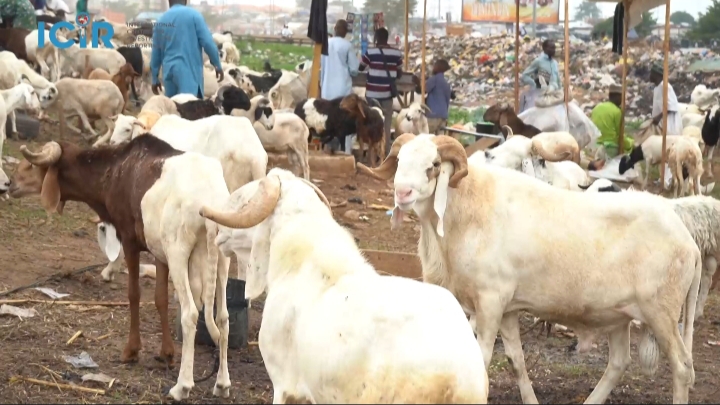
Less than 24hours to Eid-el-Kabir, livestock markets in Lugbe, a suburb situated within the Abuja Municipal Area Council are experiencing low patronage. Traders attribute the downturn to increase in livestock prices driven by rising transportation costs and persistent insecurity in sourcing regions. The ICIR reports on how the current economic realities are affecting the supply of livestock in Lugbe Market.
For livestock sellers in the market, the current sales cycle falls short of previous years.
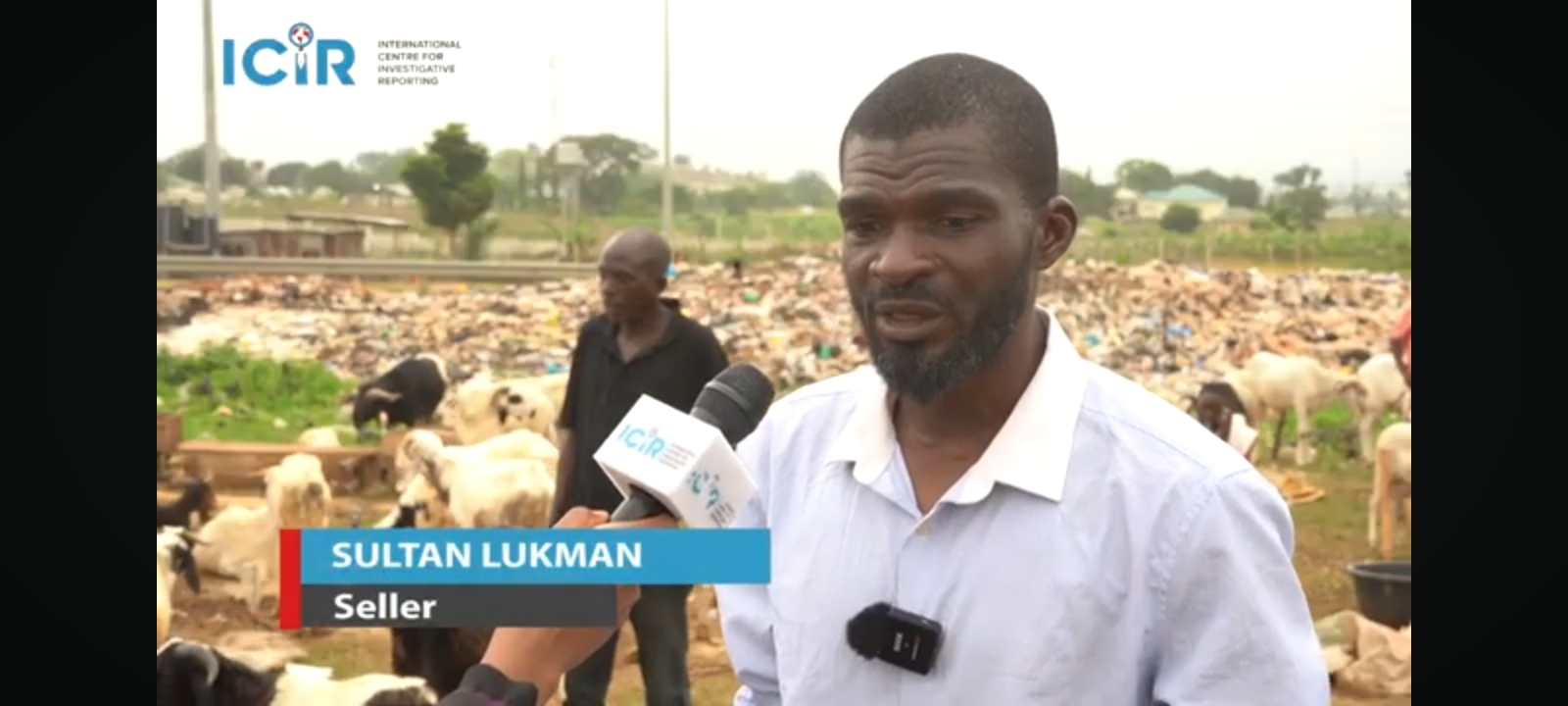
Sultan Lukman, a ram seller, said sales volume have dropped by more than half compared to the same period last year. He noted the low patronage due to the high cost of the animals.
“I came here with more than 12 rams, and I’ve barely sold four, compared to last year, where I sold everything. I was even helping my partners here to sell theirs. But this time around, it is very poor,” Lukman lamented.
He explained that the price hike is a direct reflection of the expenses incurred in moving the animals from parts of the northern region to the capital city.
“They are complaining that the rams are too expensive, and it’s not our fault. Transportation is too expensive. I spent hundreds of naira just to bring in these rams,” he noted.
He didn’t end it there, he spoke about the feeding expenses of the stocks, saying the incessant hike in transportation has made everything harder to reach.
Another seller, Mukhtar Yahya, corroborated this, factoring fuel prices and transportation cost as the major factor for the massive price spike in the livestock market.
But a ram seller simply identified as Aliyu Muhammadu said insecurity and particularly banditry have disrupted traditional supply chains in rural communities.
“Many people that sell to us are nowhere to be found,” he said adding that “in Zamfara, they ran away because bandits were always going to their villages.”
Buyers adjust budgets amid price inflation
The ICIR observed that the impact of the price hike is felt heavily by residents and buyers who visited the market with fixed budgets, only to find that prices have doubled or tripled over the past 12 months.
A buyer, identified as Bello Abubakar, expressed surprise at the market realities after failing to secure an animal within his planned budget. He was forced to review his household festive spending to accommodate the purchase. He said the price has ruined lots of planning he had done.
“This ram, I bought it for 350,000 naira. I was thinking I would find a good one for 250,000 naira, but I did not get any. Now, I have to go back home and review my budget, as what I planned to buy will have to reduce because I have spent too much on the ram,” he said.
Another buyer, Chukwuemeke, noted that the rates mentioned by the sellers shocked him, as he was only expecting the changes in price to be slightly different from last year.
“Walai, rams are too costly. When I bought a ram last year, the price was just 300,000 to 400,000 naira, but today, I’m hearing 800,000 naira and above.”
The leadership of the livestock market confirmed to the ICIR that the current economic situation has severely altered their sales patterns. Speaking on behalf of other sellers, Firdaus Sanni observed that while inquiries from buyers are high, they still record low sales because consumers cannot afford the price rates given to them.
Sanni stated, “The ram we used to sell for N200,000 to N300,000 is now going for N500,000 to N600,000. People are crying that there is no money.”
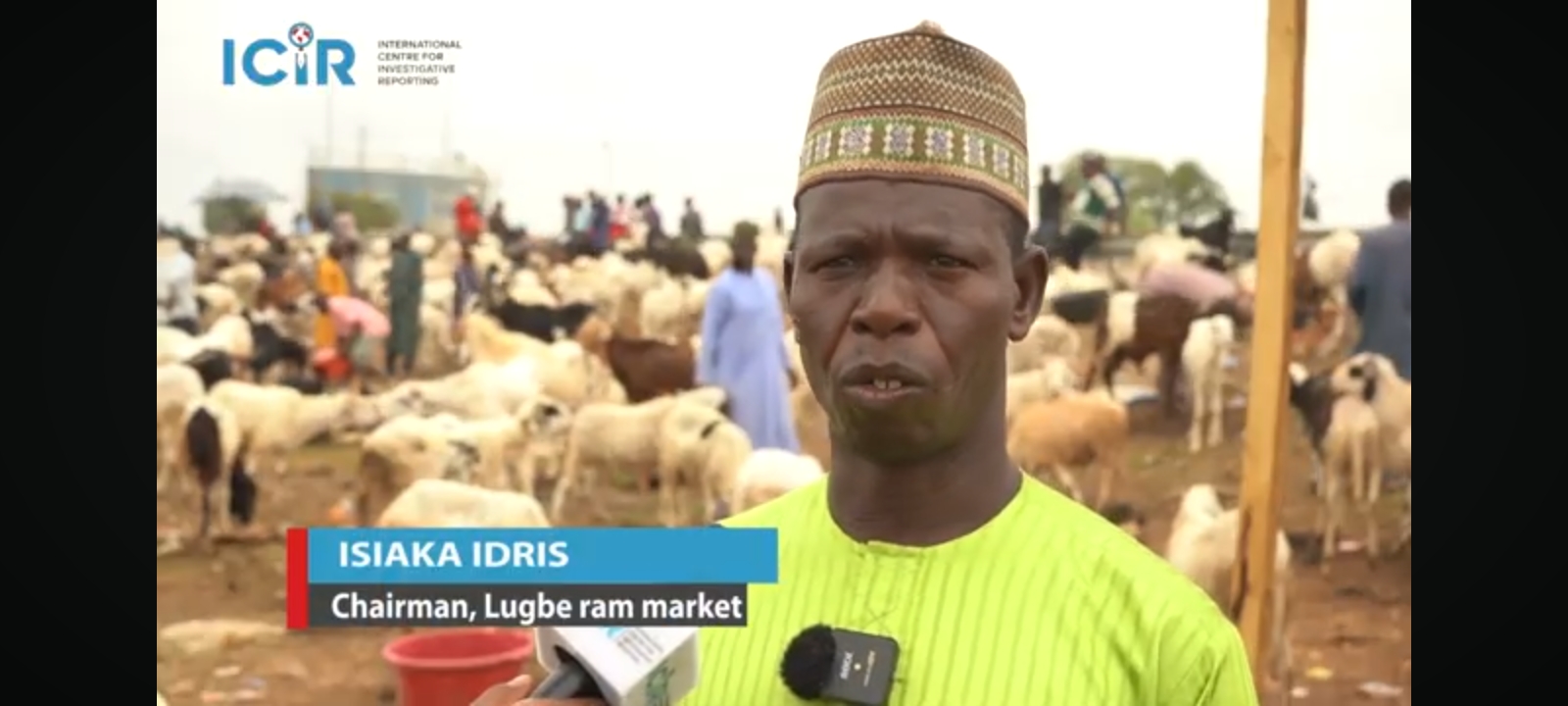
However, Isiaka Idris, the chairman of the livestock market said the turnout this year hasn’t been impressive. He added that corporate and bulk buyers who usually purchase large quantities for distribution have been noticeably absent.
“In previous years, people would come and buy in bulk, up to 50 pieces. But I haven’t seen them this year,” he stated.
Despite the slow start, traders express hope that market activity will improve in on Eid day as civil servants receive their monthly salaries.