THE People’s Democratic Party (PDP) has opposed the peace deal brokered by President Bola Tinubu, expectedly ending the political turmoil in Rivers state.
At a press briefing in Abuja on Tuesday, December 19, the party said the seats of all 27 members of the state House of Assembly who defected from the PDP to the All Progressives Congress (APC) remained vacant as announced by the Speaker, Ehie Edison, a lawyer.
It urged the Independent National Electoral Commission (INEC) to conduct a fresh election to fill the vacancies.
The party, through its acting national chairman, Umar Damagum, who led the National Working Committee at the briefing, advised the defectors to pick the nomination form of any party of their choice if they wished to return to the Assembly.
“The 25 (27 as widely reported) former Rivers lawmakers freely and without any cause vacated their seats, being fully aware of the consequences of defection from the party upon which they were elected into the Rivers state House of Assembly without the conditions stipulated by the 1999 Constitution.
“For the avoidance of doubt, there is no division in the PDP at the national or any other level for that matter to justify the defection of the 25 former members of the Rivers state House of Assembly from the party. They, therefore, vacated their seats for reasons best known to them and cannot return to the House of Assembly without passing through a fresh electoral process in accordance with the provisions of the 1999 Constitution (as amended) and the Electoral Act, 2022.”
The PDP reiterated that there was no condition warranting the defection and insisted the party was without any crisis that could make them leave the party.
It vowed the defectors would not be re-admitted into the Assembly except through an election.
The party copiously quoted several portions of the Nigerian Constitution and the Electoral Act (2022) to support its position.
It said Section 84 (15) of the Electoral Act was clear in providing that no courts had powers to stop INEC from conducting elections wherever and whenever a vacancy occurred in any electoral constituency.
“The PDP demands that INEC should, in line with Section 109 (1) (g) of the 1999 Constitution (as amended) and Section 84 (15) of the Electoral Act, 2022, fix a date for the conduct of fresh election into the 25 State Constituencies in Rivers State where vacancies have occurred by reason of the defection of the now former members of the Rivers State House of Assembly, pending the determination of any suit in any court.”
On Monday, December 18, Tinubu and other relevant stakeholders agreed to resolve the state’s political crisis with an eight-point resolution.
The resolutions were reached during a closed-door meeting at the Aso Rock Villa in Abuja, involving Governor Siminalayi Fubara, former Governor Peter Odili, immediate past Governor Nyesom Wike and other stakeholders from the state.
The resolution was signed by Fubara and Wike and other stakeholders, including the former Speaker of the Rivers state Assembly, Martin Amaewhule; the state PDP chairman, Aaron Chukwuemeka; and the state APC Chairman, Tony Okocha.
One of the resolutions is for Fubara and his group to immediately withdraw all legal proceedings he initiated in courts over the crisis.
The ICIR reports that there has been political tension in Rivers State following the rift between Fubara and his predecessor, Wike, the current Minister of the Federal Capital Territory (FCT).
As tension between both leaders heightened, impeachment actions were initiated against Fubara on Monday, October 30, by some members of the state House of Assembly believed to be loyal to Wike.
The impeachment process failed, and in November, President Bola Tinubu waded into the issue, after which Fubara issued a public apology to the people of the state, assuring them of peace and stability.
However, the political situation in the state has become more tense, with 27 out of 32 state House of Assembly members defecting from the PDP to the APC on Monday, December 11.
Shortly after the defection, Fubara presentedthe state’s proposed 2024 budget to the five Assembly members left in the PDP.
Meanwhile, the communique issued after Monday’s meeting in Abuja and titled ‘directives for the resolution of the political impasse in Rivers State’ said all matters instituted in the courts by Fubara and his team regarding the political crisis in the state should be withdrawn immediately.
According to the communique, the state Assembly’s impeachment proceedings against the governor should be dropped forthwith.
It also directed that the leadership of the state Assembly, led by the former Speaker, Martin Amaewhule, be recognised alongside the 27 members who resigned from the PDP.
Part of the communique read: “The remuneration and benefits of all members of the Rivers State House of Assembly and their staff must be reinstated immediately, and the governor of Rivers state shall henceforth not interfere with the full funding of the Rivers state House of Assembly.
“The Rivers state House of Assembly shall choose where they want to sit and conduct their legislative business without interference and/or hindrance from the executive arm of government.
“The governor of Rivers state, Fubara, shall re-present the state budget to a properly constituted Rivers state House of Assembly.”
The stakeholders also agreed that the names of all commissioners in the state executive council who resigned due to the political crisis in the state should be resubmitted to the Assembly for approval.
It added that the dissolution of the state’s local government administration was null and void, adding that there should not be a caretaker committee for the local governments in the state.
THE 2023 governorship election took place in 28 states nationwide. The election was postponed from March 11 to March 18, 2023.
Nigeria’s election umpire, the Independent National Electoral Commission (INEC), announced winners across the states.
Soon after the results were announced, the battle shifted to the Governorship Election Petitions Tribunal across the country as parties dissatisfied with the results headed for the courts.
On November 10, The ICIRreported how the tribunals ruled on cases brought before them by the parties.
Again, all aggrieved parties headed for the Appeal Court.
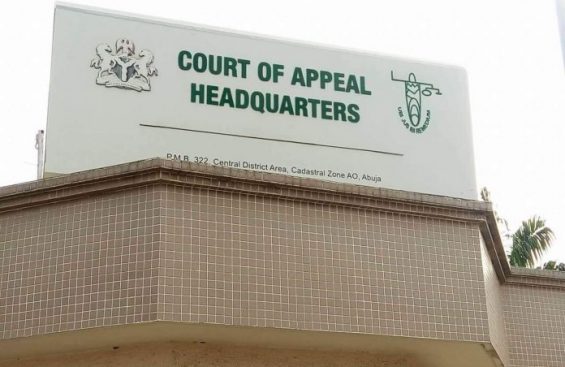
President of the Court of Appeal, Monica Mensem.
The ICIR’s Bankole Abe highlights the Court of Appeal rulings in 21 states where judgements have been delivered as of the time of filing this report.
Abia state
The Court of Appeal in Lagos affirmed the election of Alex Otti of the Labour Party (LP) as the duly elected governor of the state of Abia.
Otti’s victory was challenged by the Peoples Democratic Party (PDP) candidate Okey Ahiwe and Ikechi Emenike of the All Progressives Congress (APC).
On Saturday, December 2, the three-member Appeal Court panel unanimously upheld Otti’s election victory, stating that it complied with the Election Act.
The appellate court ruled that the appellants’ petitions lacked merit because they were similar to “a comedy skit brought to a democratic setting.”
Adamawa state
On November 21, the Court of Appeal in Abuja dismissed a petition filed by the governorship candidate of the Social Democratic Party (SDP), Umar Ardo, challenging the election of Ahmadu Fintiri of the PDP as Adamawa state governor.
Delivering the ruling, Ugochukwu Ogakwu affirmed the tribunal court’s decision, which dismissed Ardo’s petition for being incompetent and not properly filed.
Similarly, on Monday, December 18, the Court of Appeal in Abuja threw out the petition by the APC candidate in the election, Binani Dahiru, challenging Fintiri’s victory as the duly elected governor of Adamawa state.
Akwa Ibom
The Court of Appeal in Lagos affirmed Umo Eno’s election as the duly elected governor of Akwa Ibom state.
The appellate court dismissed three separate appeals filed against the governor’s election.
The three-member panel of justices led by Festus Obande dismissed the appeal filed by Young Progressives Party (YPP) governorship candidate Bassey Akpan and his party against INEC, Eno, and the PDP. It upheld the election petition tribunal’s September 28, 2023 ruling.
Bauchi state
The Court of Appeal in Abuja affirmed Bala Mohammed of the PDP as the winner of the Bauchi state governorship election.
Delivering the lead judgment, Chidiebere Nwaoma Uwa on Friday, November 17, ruled that the appellants APC and its candidate, Sadique Abubakar, failed to prove the allegations of malpractices and non-compliance with the Electoral Act 2022 against Mohammed and the PDP.
Benue state
The Court of Appeal in Abuja on Monday, November 20, affirmedHyacinth Alia of the APC as the winner of the governorship election in the state.
The court dismissed the appeal by the PDP and its candidate, Titus Uba.
Benue state Governor Hyacinth Alia
The appellate court presided over by Onyekachi Otisi concluded that Uba had not established forgery charges beyond a reasonable doubt.
Cross River state
The Court of Appeal in Lagos affirmed Bassey Otu’s election as the Cross River state governor.
The court dismissed the appeal filed by the candidate of the PDP, Sandy Onor, challenging the tribunal’s decision delivered on September 26.
The tribunal’s ruling of September 26, which confirmed Otu as a member of the APC, was upheld by the appellate court.
Delta state
In a unanimous judgment, The Court of Appeal affirmed the election of Oborevwori of the PDP as the poll winner in Delta state. The appellate court denied the appeal filed by Ovie Omo-Agege of the APC.
The appeal was deemed to have no merit by the court.
Ebonyi state
The Court of Appeal sitting in Lagos on Friday, November 24, upheld the election of Francis Nwifuru as the duly elected governor of Ebonyi state.
In a unanimous judgment, the three-member panel of justices led by Jummai Hannatu Sankey dismissed the appeal filed by Chukwuma Ifeanyi Odii of the PDP for lacking merit.
Enugu state
The Court of Appeal in Lagos affirmed Peter Mbah’s victory as Enugu state governor.
The court dismissed the appeal filed by the LP governorship candidate, Chijioke Edeoga, as lacking in merit and upheld the judgment delivered by the state governorship election petitions tribunal in September.
Gombe state
The Court of Appeal in Abuja, on Thursday, November 23, confirmed the election of Gombe state governor, Inuwa Yahaya.
The court dismissed the PDP’s Jibrin Barde appeal, challenging the outcome of the governorship poll in the state.
A three-member panel of the appellate court led by Y.N Orji-Agbadua affirmed Yahaya’s victory.
Kaduna state
In the case of Kaduna state, the appellate court affirmed Uba Sani of the APC as the election winner.
Governor Uba Sani Photo credit: Kaduna State Government
On Friday, November 24, the three-member panel ruled that the PDP and its candidate, Isa Ashiru, failed to prove the allegations of malpractices and non-compliance with the Electoral Act 2022.
Kano state
The Court of Appeal in Abuja sacked Abba Yusuf as Kano state governor, affirming the state’s governorship election petitions tribunal ruling.
APC is contesting Yusuf’s victory as the election winner.
The APC claimed that Yusuf’s name should have been added to the NNPP membership registry thirty days before the election.
In a judgment delivered on Friday, November 17, a three-member panel of the appellate court held that Yusuf’s party – the New Nigeria Peoples Party (NNPP) – breached the Constitution by sponsoring Yusuf, who was not a party member.
Kebbi state
The Court of Appeal in Abuja upheld the election of Nasir Idris as the duly elected governor of Kebbi state.
The court rejected the PDP and its governorship candidate Aminu Bande’s appeal, ruling that it lacked merit.
The appellate court determined all five issues in favour of the governor and against the PDP in a majority decision read by Ndukwe Anyannwu.
Lagos state
The Court of Appeal in Lagos on Wednesday, November 15, dismissed the suits filed by the governorship candidates of LP, Gbadebo Rhodes-Vivour and the PDP, Olajide Adediran, challenging the victory of Babajide Sanwo-Olu of the APC in the election.
In a unanimous judgment, the panel of the appellate court, headed by Yargata Nimpar, dismissed the appeals for lacking merit.
The court held that the appellants failed to prove their allegations of forgery and non-qualification against the governor and his deputy, Obafemi Hamzat.
Nasarawa state
The Court of Appeal in Abuja dismissedthe Nasarawa state governorship election petition tribunal’s ruling on the election. It affirmed Abdullahi Sule of the APC as duly elected.
In its decision on Thursday, November 23, the appellate court stated that the tribunal erred in naming the PDP candidate, David Ombugadu, as the legitimate winner in the poll.
The court ruled that the tribunal did not give Sule a fair hearing.
Ogun state
The Court of Appeal, Lagos, upheld the elections of Dapo Abiodun as the duly elected governor of Ogun state.
In the majority judgment delivered by Joseph Ikyegh, the appellate court rejected the appeal filed by Ladi Adebutu, the PDP candidate.
However, the minority judgment delivered by Ane Inyang ruled in the PDP’s favour as it ordered INEC to conduct a fresh election in the state within 90 days.
Plateau state
The Court of Appeal in Abuja nullified the election of Caleb Muftwang of Plateau state.
In her ruling on Sunday, November 19, 2023, the lead justice, Elfrieda Williams-Dawodu, set aside the tribunal’s judgment which affirmed Mutfwang’s election.
She held that Mutfwang’s party, the PDP, violated a court order to conduct a valid congress in the state’s 17 local government areas.
Nentawe Yilwatda and APC filed a petition challenging Mutfwang’s victory in court.
Rivers state
On Tuesday, November 28, the appellate court dismissed the suit filed by the governorship candidate of the APC, Tonye Cole, challenging the victory of Siminalayi Fubara of the PDP.
The Court of Appeal, in a unanimous decision, dismissed Cole’s petition.
Governor of Rivers state, Siminalayi-Fubara
Nevertheless, the court criticised the tribunal’s decision to reject Cole’s petition because his party – the APC – had withdrawn its case against Fubara’s victory.
Sokoto state
The Court of Appeal upheld the election of Ahmad Aliyu as Sokoto state governor.
The appellate court dismissed a petition filed by the PDP and its candidate, Saidu Umar.
In a unanimous decision, a three-member panel of justices of the court said it found no reason to upturn the Sokoto state Governorship Election Petition Tribunal ruling, which had earlier validated Aliyu’s election victory.
Taraba state
The Court of Appeal, Abuja, dismissed the appeal of Sani Yahaya of the NNPP, challenging the election of Kefas Agbu as Governor of Taraba state.
Delivering its judgement, the appellate court held that the reliefs sought by the NNPP candidate were inconsistent, having faulted the outcome of the polls on the grounds of non-compliance with the Electoral Act, yet praying the court to declare him the winner of the same election.
In a unanimous decision, the court dismissed the NNPP’s appeal for lacking merit.
The appellate court dismissed a petition from the Peoples Democratic Party, PDP, and its candidate, Saidu Umar.
Zamfara state
The Court of Appeal sitting in Abuja on Thursday, November 16, declared the Zamfara state governorship election inconclusive.
The court also ordered a re-run in three local government areas (LGAs). The LGAs are Maradun, Birnin-Magaji, and Bukyun.
In its judgment, the three-member panel of the Appeal Court held that the tribunal failed to adequately consider the evidence presented by the appellants – the APC.
As of the time of filing this report, most of those who lost at the Appeal Court have approached the Supreme Court, hoping to get judgment in their favour.
In a statement by his chief press secretary (CPS) on Monday, December 18, the governor said the state and its people stood against any form of gender-based violence and would condemn it in the strongest terms wherever it occurred.
He described the lawyer’s action as ‘despicable.’
“The government will assist the lady who was so dehumanised by a man who otherwise should be the one to protect her and ensure that justice is served in line with the provisions of the law against gender-based violence (GBV).
“It is heartwarming to note that an order for the arrest of the culprit given last night has been successfully executed,” said the governor.
He said Ebong was arrested on Monday and was in Police custody, where he would be charged in court.
The governor called on the Nigerian Bar Association (NBA) to institute disciplinary measures against the lawyer, adding that the accused action was against the values and ethics of the legal profession.
Meanwhile, the Akwa Ibom state Police command confirmed Ebong’s arrest in a statement on Monday, December 18.
The command said in a statement that Ebong, a resident of the Ewet Housing Estate in Uyo, “assaulted and dehumanised his wife”, as seen in a viral video.
According to the statement, signed by the command’s public relations officer, Macdon Odiko, the victim of the incident had “various grievous injuries”.
“Ebong is a habitual perpetrator of violent acts against his wife. He has been that way over the years.
“The Commissioner of Police, Mr Olatoye Durosinmi, acting on the advice of the Minister of Women Affairs, Mrs Uju Kennedy, ordered the arrest of the suspect to prevent murder and breakdown of law and order,” the command stated.
Odiko promised that the Police would charge the lawyer in charge soon after the investigation.
The Transmission Company of Nigeria (TCN) has shut down the 676-megawatt Egbin Power Generation Plant to allow three-day of maintenance operations.
With this development, the national grid will witness a reduction of 676 megawatts of bulk power generated into the national grid and supplied across Nigeria.
Accordingly, major cities nationwide will be without lights for three days since load allocation by the 11 distribution companies (Discos) operating in the country will drop.
The statement signed by the TCN management on Tuesday, December 19, reads, “This is to notify the public that at 11:13 hours of December 18, 2023, Egbin power generating station was shut down to allow the Nigeria Gas Company (NGC) to maintain linking gas pipeline supplying gas to Egbin power station.
” The station will be shut for three days. This means a reduction of 676mw of bulk power generated into the nation’s grid for three days and consequently the quantum of bulk power available to be delivered for distribution companies load centres for the period.”
Egbin Power Plc is Nigeria’s largest power generating station with an installed capacity of 1,320 megawatts (MW)consisting of six units of 220 megawatts each.
The station is located at Ijede/Egbin, in Ikorodu, Lagos state.
In 2008, residents of Utako, a district in the Federal capital territory, FCT, were filled with excitement when they were told of the construction of a district hospital, anticipating that the project would bring development to their community. In this report, The ICIR’s Nurudeen Akewushola reveals how the project remains abandoned 10 years after the contracted company, PPC Limited, shabbily executed the project despite gulping over N2bn. This led to a legal tussle between the company and the agency, which has stalled the completion of the project to date.
The anguish of a mother who loses her child after pregnancy is beyond words. Aishatu, a 35-year-old living in Utako village, endured this harrowing experience not once but twice. Today, she might have been a mother to two, but death claimed the lives of both of her babies during childbirth.
Had Aishatu been able to access antenatal care and other quality healthcare services within her community during her pregnancy and delivery, the predicament may have been prevented. Unfortunately, the most viable option she could afford at the time was a local medicine store. The nearby 220-bed general hospital, located right next to her residence where she sells pap, has been neglected for over a decade despite the Federal Government investing millions of naira in its construction.
Aishatu, a resident of Utako village
“I don’t have any children. My two babies passed away shortly after birth,” Aishatu declared. I reside in this area, but I am not aware that this building is meant to be a hospital. If it is built and becomes operational, it would be beneficial for me and other women in the community. Instead of having to travel to a far location, All of us will be able to access health care at a hospital here in Utako.”
Conceived in 2008, the Utako District Hospital was initially designed as a 220-bed facility to provide high-quality healthcare services to the residents of the Federal Capital Territory, particularly those living in the surrounding area.
Surprisingly, the community is not located in a remote area but along the Obafemi Awolowo Road, not far from the Arab junction in the heart of the FCT. However, several commercial drivers did not know that the hospital existed when The ICIR attempted to find a means of transportation to the location. As Aishatu said, even residents of the community were not aware that the abandoned structure was supposed to serve their health needs.
According to the Freedom of Information Act (FOIA) response received from the Federal Capital Territory Development Administration (FCDA), the project was awarded to M/S Phillips Project Centre Limited at a total cost of N4.26 billion on September 20, 2008. However, despite more than half of the contract value (N2.26 billion) being released to the contractor, the hospital remains uncompleted and abandoned, leaving the community without the much-needed healthcare facility.
Findings show that the Federal Capital Territory Administration (FCTA) issued a stop work order to the contractor, Phillips Project Centre (PPC) Limited, after they had shabbily executed the project, which led to the collapse of a part of the building.
How contractor shabbily executed project
On July 20, 2023, The ICIR sent a FOIA request to the Department of Health and Human Services of the FCTA to inquire about the details of this project. The request was forwarded to the Department of Public Building of the FCDA for processing. It was responded to on August 8, 2023, and signed by A.O Adeyemo for the agency’s Executive Secretary.
A section of the compound turned to farmland
According to the response, the hospital’s creation aligns with the Federal Government’s dedication to enhancing healthcare accessibility in the FCT. It was designed to be a 220-bed referral institution, serving as the primary medical facility for the Utako district, as outlined in the Abuja master plan.
The execution period was set to be 80 weeks, but there has not been budgetary provision for the project since 2015 due to court action which led to the stoppage of the project.
The agency insisted that the guidelines laid down by the Bureau of Public Procurement (BPP) were followed in the project award, which made it receive a certificate of “no objection” to proceed with the award.
According to the FOIA response, Open Competitive Bidding was adopted as a procurement method, and the project was advertised on September 17, 2007, followed by bids opening which occurred on November 26, 2007.
“Sub-structure works had been completed, as well as super-structure/first-fix works, with fencing/drainage works at different stages of implementation when a partial collapse incident that affected the hospital core occurred in 2013,” the FCDA said in response to a FOIA request subsequently received by The ICIR.
Signage of the project
Follow-up FOI response received by The ICIR shows that a committee set up by FCTA in 2013 to investigate the incident discovered that the contractor executed the contract shabbily with poor quality of work and negligence in ensuring adequate structural design.
The committee found that the ground under a section of the building was weak and unable to support the weight of the structure. This weakness caused part of the building to collapse.
In financing the project, Guaranty Trusted Bank (GTB) had agreed to provide financial security for the payments by issuing an advanced payment guarantee of N814.4 million(N814,392,972) on behalf of the company in 2009. The rest amounting to N2.4bn(N2,373,271,026) was to be released in three instalments of N791 million(N791,090,342) million each, between February 2014 and February 2016.
Following the recommendation by the committee, the former minister Bala Mohammed ordered the termination of the contract, disengagement of the contractor and recovery of N626.1 million abortive builders’ work paid. Before then, the contractor had also been paid N1bn to supply medical equipment, but yet to be delivered.
In reaction, the company instituted a court action restraining GTB from releasing the subsequent payment to the FCDA. However, the agency quickly filed a preliminary objection challenging the territorial jurisdiction of the court to entertain the suit. The case was later adjourned indefinitely in 2016 after hearings.
Amount spent so far for the construction and Equipping of Utako District Hospital. Source: FCTA
Sometime in October 2020, during the Endsars protest, the Lagos State High Court Igbosere, where the hearing was taking place, was burnt. All the records relating to the pending suit were claimed to have been burnt during the incident.
In 2022, FCTA and representatives of PPC Limited representatives agreed to hold a meeting to find a common ground.
PPC Ltd re-awarded contract despite 15 years of failure
During the reconciliation meeting held between both parties in August 2022, the managing director of the company, Ayo Grillo claimed that most of the equipment(building materials) bought in 2009 was imported from the Netherlands and stored in Ojota, Lagos, but may probably have become obsolete.
It was finally resolved that the company subcontracts the construction works to another company while they take care of medical equipment procurement, which findings have shown to be their major strength. However, there was no indication that the contractor was back to work when The ICIR visited the project site in September 2023.
When contacted, the spokesperson of the Federal Capital Territory Administration(FCTA), Tony Ogunleye, confirmed it was litigation that stopped the project from going forward and efforts are being made to resuscitate the project as soon as possible.
Indigenes seek quick intervention
Indegenes of Utako village who spoke with The ICIR expressed disappointment over how the Federal Capital Territory Administration failed to utilise their ancestry land for the residents’ well-being and community development.
Sani Madaki, an indigene of the community, said the abandoned project has become a threat to the community, and residents have been hoping for government intervention for more than a decade. Still, nothing was done despite promises by the authority.
Sani Madaki
He added that the armed robbers and other criminal gangs use the building as a hideout after terrorising neighbouring communities.
Narrating an instance, Madaki said, “There was a time that we heard that some guys robbed at this Utako market. When they were chasing them, they went and hid in that uncompleted building. When they raided the building there were some weapons that they hid in the building. It’s a bad record for the community.”
The community leader, also known as Danmasani of Utako, Musa Danjuma, said, “This is our ancestral land, which we were able to sacrifice for them to build a hospital because we know that anything that goes to the hospital is for us. We sacrificed the land for the betterment of the masses.”
Danmasani of Utako
He recalled that the community members have made several efforts to reach the authorities but still no positive results.
He appealed to the FCTA to come to their aid and revitalise the project, saying it will bring ease and development to the community.
PPC Ltd owned by ‘influential’ people
The contract for the construction and equipping of the Utako District Hospital was awarded on July 8, 2008, to PPC Limited at a sum of N4.3bn. The company, which was registered on September 12, 1991, is located at 8, Kofo Abayomi Street, Victoria Island, Lagos.
Findings show that the company is a technology and engineering firm. The 2011 archived company profile reads: “PPC (formerly Philips Projects Centre) is a wholly Nigerian-owned limited liability technology company. Its core activities are primarily geared towards providing specialised integrated solutions and services for turnkey engineering solutions in ICT, Energy/Power, medical and other utility sectors.”
Entrance of PPC Limited in Lagos
This shows that the company did not have any core or implied professional competency in structural engineering design and construction. While it might have been a good option for equipping the hospital, it did not have expertise in construction. Findings by The ICIR show that due to its lack of capacity to execute the project, the contractor subcontracted the project to another company.
Section 16(6) of the Public Procurement Act(2007) stipulates that only companies with proven credentials and expertise are qualified to bid for government contracts. Awarding the construction of Utako District Hospital to PPC Limited is a flagrant disregard punishable by law.
Meanwhile. findings show that PPC Limited is owned by influential businessmen in Nigeria with strong connections. One of the shareholders, according to information obtained from NG-check, (archived here) and the company website, is Ahmed Dasuki, a board member at Stanbic IBTC who also owns a N19.35 billion share in MTN.
Others areSamuel Unuigbe, a chartered accountant and former Stanbic IBTC Holding board member; Daru Owei, one-time director of Stanbic IBTC, who was among those suspended by the Financial Reporting Council over allegation of improper disclosures in the financial statements of the bank and Abiodun Disu who functions as the chairman of the company.
Other directors of the company include Elias Gbolahan, Obodoechina Ukpabi Asika, Eniza Peters and Grillo Ayo, managing director of the company.
PPC Ltd keeps mum
The contractor refused to comment on the dilapidated state of the project despite a FOIA request sent to its office and official email. The ICIR correspondent sent to the company’s office in Lagos was also denied access.
“Thank you for your mail seeking information regarding the Utako District Hospital project awarded to our company,” responded Ola Ibrahim of the company’s Proposal Management Department in an email dated July 14, 2023. “Our view is that the Request for Information should be directed to the Public Institution responsible for the project. The Federal Capital Territory Administration should be in a better position to provide the required information.”
When this reporter reminded him that Section 2 (7) of the FOI act provides that private companies such as PPC Nigeria Limited utilising public funds or providing public services or public functions are mandated to give information regarding it upon request, the company said it had “nothing more to say on this matter.”
On August 14, 2023, the reporter sent another email. The company failed to respond. On August 23, a reminder was sent. Still, the company, again, said it had nothing to say on the issue, insisting that all the enquiries should be directed to FCDA and the Health & Human Services Secretariat (H&HSS) of FCTA.
The CAC is the only legally approved institution that keeps company registration records in Nigeria. In August 2023, The ICIR searched for the name of the company on the website of the commission, the company was listed as inactive. This happens either if the CAC does not update its record or the company has not been filing annual returns, which is considered a serious infraction in Nigerian laws.
PPC Limited status before The ICIR enquiry
This reporter sent an email to the contractor regarding this, but they declined to respond. A few weeks later, it was discovered that the company’s status had been changed to “Active” on the CAC portal.
PPC Limited record after The ICIR’s email
This means the company had either contacted the CAC to update its record or quickly paid its dues to avoid being called out.
Hospital turned into home for squatters
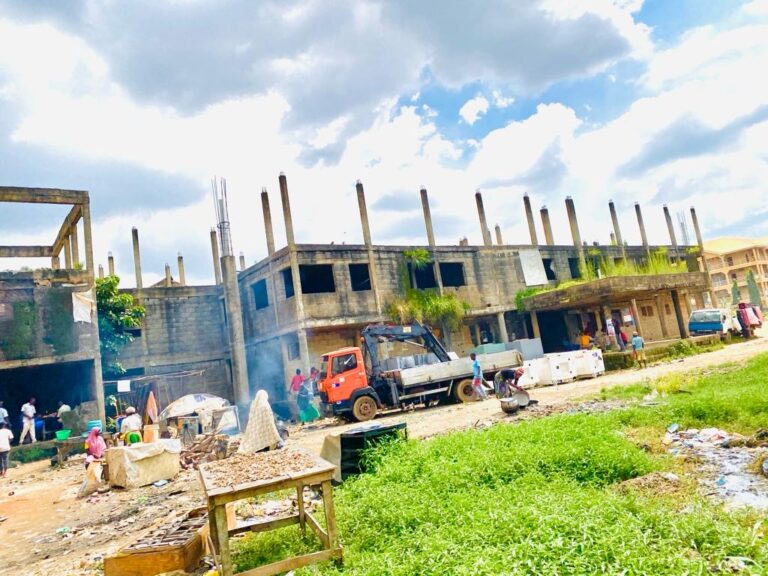
During a visit to the hospital site, the surrounding area had turned into a dumping ground. The buildings with intact roofs had become a haven for illegal occupants and street urchins. The residents lamented how the building had transformed into a hub for criminal elements.
A section of the hospital compound
The compound has turned into a habitat for reptiles, and farmers have taken advantage of the situation by planting maize, especially during the rainy season.
Residents staying in the building who spoke with The ICIR said they reside in the building because it’s cheap compared to ideal accommodation in Abuja which accounted for 10 per cent of the 17 million housing deficit in Nigeria.
According to them, they paid between N1500 to N2000 monthly to vigilantes guarding the project as house rent.
A resident in the building who identified herself as Happy John said she had been staying in the building for close to one year.
“My mum and I are staying here. We were staying somewhere around Yoruba mosque in Utako before, but because we couldn’t afford the house rent again and this place seems to be more affordable, we moved in here. We pay monthly. When we first came here, we paid N5,000, but since then, we have been paying N2,000 monthly to a security man named Ibadan,” she said.
Another resident, who simply identified himself as Bashir told The ICIR that he has been staying in the building for close to six years. He explained that the residents of the building are over 300 and they have a register where they document the names of residents to avoid invaders who might cause them harm.
Bashir
“Here’s a government property,” Bashir declared. “It doesn’t belong to anybody. But we have rules and regulations that we are following to stay in this place. We are not paying house rent. We only give the vigilantes any amount that we can afford, ranging from N1,000 to N1,500 monthly.”
On why he decided to reside in the building rather than rent an apartment, Bashir said he is staying there because he cannot afford ideal accommodation in Abuja.
FCT, a home to multi-billion naira abandoned projects
The Federal Capital Territory is home to various multi-million naira public projects abandoned due to negligence by the Federal Capital Territory Administration and Federal Capital Development Administration.
Minister of FCT, Nyesom Wike
While some of the structures have been abandoned at advanced stages, others are still very much in the early stages of construction.
One of them is Millennium Tower and Cultural Centre Project which was initiated in 2005 by the Olusegun Obasanjo administration. It was designed to be the tallest tower in Abuja at 170 metres (560ft) at the cost of N69.3bn.
Other abandoned or uncompleted projects littering the city are the Millennium Tower and Cultural Centre, Abuja Technology Village Science and Technology Park, Abuja Technology Village, National Library, NIPOST Headquarters, FIRS Headquarters, Ministry of Agric Headquarters and the 15km Apo-Karshi road.
While Minister Wike has repeatedly lamented the numerous abandoned projects in the Federal Capital since taking office, the responsibility for their completion now falls squarely on his shoulders.
Though some of these projects have defied solutions for years, the minister has pledged to tackle the financial leaks and systemic issues that led to their abandonment. He has also promised to overhaul engineering services, secure adequate funding, and block financial leakages to ensure all abandoned projects are completed by May next year.
However, concern remains as key projects like the Utako District Hospital were not included in the proposed 2024 budget, leaving its fate unclear.
In an interview with The ICIR, a senior research analyst at the BudgiT Foundation, Vahyala Kwaga, explained that abandoning government facilities, particularly healthcare centres results in a loss of potential care for the local population, leading to increased pressure on other facilities and the wastage of government resources.
“A health facility is meant to service the population around it, in different forms: Maternal Care, Emergency care, Ear, Nose and throat issues, routine diagnosis and so on. This means that all the persons who could have received that attention simply would not,” Kwaga said.
“Further, it means that the pressure on other facilities would increase, as the facility that could have reduced that strain does not exist. It also means that the government’s resources have gone to waste. Monies raised via taxes, and crude oil sales among others have gone down the drain as the project was not delivered.”
Kwaga explained that factors responsible for the abandonment of government projects include but are not limited to poor project planning, inefficient resource allocation, budget priorities, and transitions in government leadership.
He further noted that awarding monumental government projects to firms without enough expertise and experience to carry them out jeopardizes project execution, endangers users’ lives, and may create a culture of awarding contracts to inexperienced firms.
To address the challenge, Kwaga suggests solutions like publishing citizens’ budgets to increase transparency, involving citizens and groups in the budget formulation process, and instituting regular audits with public presentations to gather citizen feedback on project impact.
*This investigation is supported by the John D. and Catherine T. MacArthur Foundation and the International Centre for Investigative Reporting.
TROOPS of Operation Hadarin Daji (OPHD) in Zamfara have arrested 11 people suspected of supplying a notorious terrorist with logistics in the Zurmi Local Government Area (LGA) of the state.
This was contained in a statement by the Nigerian Army via its official X handle on Monday, December 18.
“The suspects were arrested while conveying 127 bags of grains in two Canter trucks belonging to a terrorist kingpin Halilu Sububu,” the statement read.
The statement said that the suspects, apprehended on Sunday, December 17, are currently undergoing preliminary interrogation.
The soldiers also rescued 13 abducted residents of the Mutunji village, Dansadau Emirate, Maru local government area, believed to have been abandoned by fleeing terrorists on Sunday.
11 suspected terrorists arrested by troops in Zamfara state
“All the rescued victims are all from Mutunji village of Dansadau Emirate in Maru LGA of Zamfara state, and they are currently undergoing medical treatment and debriefing. All the rescued victims were handed over to representatives of the Zamfara state government to unite them with their families,” the statement further read.
The troops also cleared a notorious terrorists’ hideout at Gidan Jaja in Zurmi LGA of the state.
Zamfara has remained one of the hotbeds for insecurity in Nigeria, following activities of terrorists who have terrorised the state for over a decade.
On Sunday, terrorists shot at motorists along Dogon Karfe on the Gusau – Talata Mafara highway in one of the regular cases of terror attacks recorded within the state. Some of the passengers were abducted, while many others were left injured.
Nigerian troops confiscated items allegedly belonging to terrorist kingpin Halilu Sububu in Zamfara state on Sunday, December 17, 2023.
The ICIRreported at least 15 deaths resulting from terror attacks in Zamfara state between September and October, including 11 worshippers who were killed during Juma’at prayers at a community mosque in the Ruwan Jema community, Bukkuyum.
Terrorists in the state killed more than 100 people in January 2023 when a large number of men invaded at least nine villages and unleashed mayhem in violent attacks that lasted for about three days.
On December 15, The ICIRreported bandits in the state killing soldiers and destroying armoured trucks hours after an LGA demanded more weapons from the Federal Government to enable the military to confront the bandits and other criminals in the state better.
THE Nigeria Centre for Disease Control (NCDC) said Nigeria might have recorded the highest number of Lassa fever cases, with 8,542 suspected cases, 1,170 confirmed cases, and 200 deaths across 28 states in 2023.
The confirmed cases reported in 2023 indicate a 9.7 per cent increase from those reported in 2022.
The Centre disclosed this on December 18 in a statement.
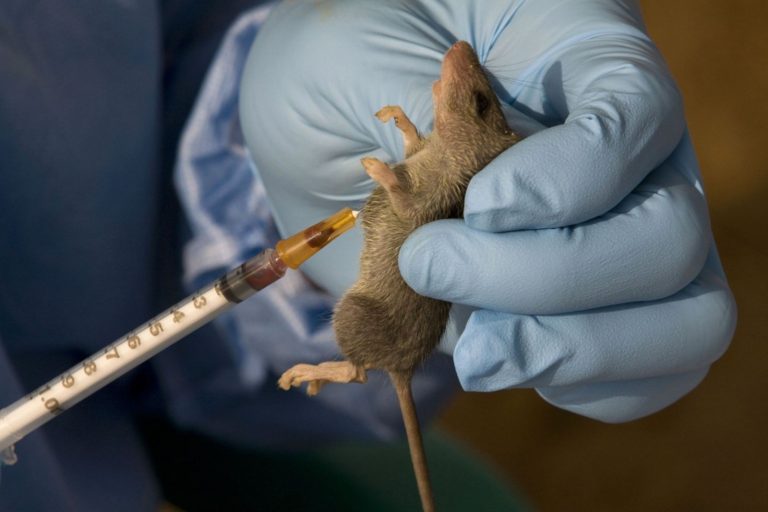
It described Lassa fever as an acute viral haemorrhagic fever caused by the Lassa virus, mostly through the type of rodents known as the multimammate rat or the African rat.
The disease can be spread through direct contact with urine, faeces, saliva, or blood of infected rats, contaminated objects, faeces, saliva, or blood of infected rats.
Person-to-person transmission can also occur through direct contact with an infected person’s blood, urine, faeces, vomitus, and other body fluids.
Meanwhile, the NCDC raised an alarm over the continuous surge in the number of reported cases. This surge is attributed to various factors, including community awareness, environmental degradation resulting from climate change, and other detrimental human activities in the environment.
“In 2021, 510 confirmed cases were reported across 17 states and 68 local government areas (LGAs). Whereas in 2022, Nigeria reported 1,067 confirmed cases across 27 states and 112 LGAs. In 2023 alone, 28 states and 114 LGAs have reported confirmed cases of Lassa fever. As of December 3, 2023, there have been 8,542 suspected cases, 1,170 confirmed cases, and 200 deaths (case fatality rate of 17.1 per cent), suggesting 2023 may witness record numbers of cases.
“Annual outbreaks of Lassa fever also involve the infection and death of healthcare workers. This loss of life is not just a statistic but a significant loss of a loved family member, a spouse, a parent, and often seasoned healthcare worker and team member. This exacerbates the challenge of insufficient human resources for health in the country,” the statement added.
The NCDC explained that the time between infection and the appearance of symptoms of the disease is three to 21 days, noting that early diagnosis and treatment of the disease greatly increase the chances of patient survival.
It also reiterated that people of all age groups who come in contact with the urine, faeces, saliva, or blood of infected rats, those who handle or process rodents for consumption, and hospital staff, among others, are at great risk of the disease.
The symptoms of the disease, according to the statement, include headache, general body weakness, cough, nausea, vomiting, diarrhoea, muscle pains, chest pain, sore throat, and, in severe cases, bleeding from ears, eyes, nose, mouth, and other body openings.
THE Nigeria Centre for Disease Control (NCDC) has declared an outbreak of Dengue fever in Sokoto state, with 71 suspected cases since November 2023.
A statement by the Centre on Sunday, December 17, noted that out of the 71 suspected cases, 13 cases have been confirmed, while no death has been reported in the state over the outbreak.
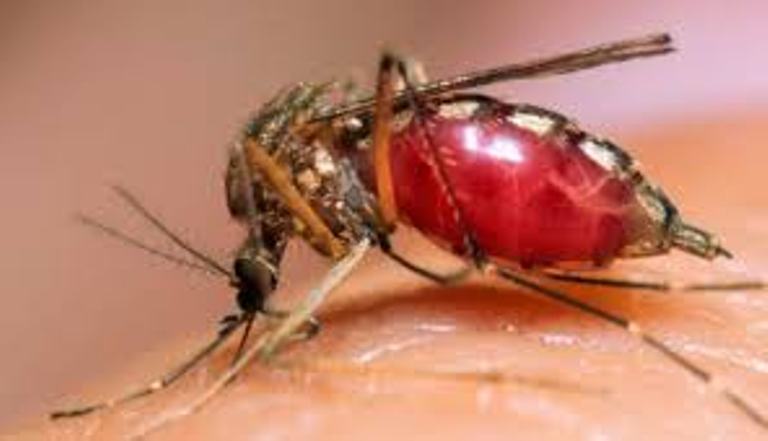
The NCDC defines dengue fever as a viral infection caused by the dengue virus (DENV) and transmitted to humans through the bite of an infected mosquito. The disease can be found in tropical and sub-tropical climates, mostly in urban and semi-urban areas worldwide.
Most people with dengue have mild or no symptoms and will get better in one or two weeks. Dengue is rarely severe or hardly leads to death.
The symptoms, according to NCDC, may include high fever (40°C/104°F), severe headache, pain behind the eyes, muscle and joint pains, nausea, vomiting, swollen glands, and rash.
The Centre added that individuals infected for the second time are at greater risk of severe dengue.
Also, human-to-human transmission of the virus has not been established.
The statement added that the virus had been reported in three local government areas: Sokoto South (60 cases), Wamako (three cases) and Dange Shuni (one case), with the majority of the suspected cases affecting people within the age range of 21 and 40 years.
“The NCDC-led multisectoral National Emerging Viral Haemorrhagic Diseases Technical Working Group (NEVHD-TWG), collaborating with partners and relevant stakeholders, has conducted a rapid risk assessment to guide in-country preparedness activities. The NEVHD TWG coordinates preparedness efforts for Ebola virus disease and other emerging viral haemorrhagic fever diseases.”
It added that based on a dynamic risk assessment, the current risk level of the dengue outbreak had been determined to be moderate due to the capacity of the state and the Centre, among other reasons.
“Currently, there is a diagnostics capacity for the dengue virus (DENV) at the NCDC National Reference Laboratory (NRL) in Abuja and the Usman Dan Fodio University Sokoto Teaching Hospital Laboratory Centre for Human and Zoonotic Virology (UDUTH).
“However, the NCDC will proceed to optimise existing Lassa fever testing laboratories and others within the NCDC national laboratory network for DENV diagnosis to improve preparedness and readiness in the event of a large-scale outbreak. An effective response system is in place with the availability of control capacities (including trained rapid response teams and an effective infection, prevention, and control programme) to limit the risk of spread to other states.”
Although there is no specific treatment for dengue, early detection and prompt initiation of supportive treatment have been shown to reduce death significantly, the NCDC said.
The Centre urged Nigerians, particularly people living in Sokoto state, to adhere strictly to the following preventive measures:
• Wear clothes that cover as much of their body as possible to avoid mosquito bites.
• Sleep under insecticide-treated mosquito nets and use insect-repellent in sleeping areas.
• Ensure proper sanitation of their environment to reduce the breeding of mosquitoes.
• Call 6232 or other dedicated hotlines by state ministries of health to ensure all persons with suspected symptoms of dengue fever are promptly taken to designated healthcare facilities by the responsible state ministry of health for prompt diagnosis and initiation of supportive treatment.
THE court of appeal in Abuja has affirmed the victory of Ahmadu Fintiri as the duly elected governor of Adamawa state.
The Court dismissed a petition by the All Progressives Congress (APC) and its governorship candidate, Aisha ‘Binani’ Dahiru.
Binani and APC, in their petition, sought to nullify the election of Fintiri as governor of Adamawa state.
In its judgment on Monday, December 18, the court held that the Adamawa governorship election petition tribunal was correct in proclaiming Fintiri as the winner of the poll.
In October, the ICIR reported that the Adamawa State Governorship Election Petitions Tribunal sitting in Yola dismissed the petition by Binani against the re-election of Fintiri of the Peoples Democratic Party (PDP).
Binani, in her petition, which had the Independent National Electoral Commission (INEC), Fintiri and the PDP as the first, second and third respondents, respectively, alleged that the election was not in substantial compliance with the Electoral Act.
Binani and APC jointly filed the petition on May 6, 2023, alleging that the election conducted first on March 18, 2023, and the rerun on April 15, were marred by thuggery, ballot papers and BVA snatching, and harassment of electoral officers.
However, delivering the judgement on October 28, the tribunal chairman, T. O. Uloho dismissed the petition and affirmed Fintiri’s victory.
Uloho said the petitioners failed to establish their allegations of non-compliance with the Electoral Act.
She said all documents tendered by the petitioners were dumped on the tribunal and that their star witness did not link any of the documents with their material allegations.
The tribunal held that the petitioners failed to prove their case beyond reasonable doubt.
The panel equally held that the declaration of Binani as the poll winner by the suspended Resident Electoral Commissioner (REC) Hudu Ari-Yunusa was null and void.
On April 18, 2023, INEC declared Fintiri the winner of the governorship election after a supplementary election was held to conclude the process which was initially declared inconclusive.
THE Federal Ministry of Sports Development will receive N20 billion for capital projects in the proposed 2024 budget presented by President Bola Tinubu to the joint session of the National Assembly on November 29, the ICIR reports.
Out of the N27.5 proposed budget, the President Bola Tinubu-led government earmarked N31.24 billion for the ministry, being its recurrent and capital budget.
The amount is less than one per cent (0.11 per cent) of the proposed budget.
The ministry’s budget will be spent on 87 ongoing projects and 36 new ones.
In August, Tinubu split the former Federal Ministry of Youth and Sports Development in two, namely the Federal Ministry of Youths and the Federal Ministry of Sports Development.
He appointed a minister for each of the ministries.
The Sports Ministry supervises sporting activities in Nigeria.
Breakdown of the ministry’s proposed budget
The Federal Government proposed N31.24 billion for the ministry’s headquarters and agencies – the Nigeria Football Federation (NFF) and the Nigeria Institute for Sports (NIS).
Of this sum, N3.24 billion was proposed for personnel costs, N7.910 billion for overheads, and N20.004 billion for capital expenditure.
A breakdown of the budget shows that the ministry’s headquarters was allocated N28.53 billion, while the NFF got N1.55 billion in the 2024 proposed budget. The amount is higher than the N1.28 billion approved in the 2023 budget.
Also, the NIS got N1.15 billion in the 2024 proposed budget, which is higher than the N1.04 billion approved in the 2023 budget.
On capital expenditure, The ICIR observed that the ministry headquarters will implement 109 ongoing projects (77 ongoing and 32 new ones) with N19.57 billion.
The NIS will complete seven ongoing capital projects with N303.84 million.
Similarly, the NFF is expected to spend N127.53 million to execute seven capital projects: four new and three ongoing projects.
Reacting to the capital expenditure, a sports journalist, Enitan Obadina, expressed concern over the budget, saying it was too small to fix the country’s sports infrastructure deficit.
“When you look at the budget for sports, it shows a country with no specific strategy or target of what it wants to do with its sports. Twenty billion naira for capital expenditure is way too low for the kind of sporting infrastructure we need for a revolution that we should have in the country,” he said.
He said that despite former President Muhammadu Buhari’s administration pronouncing sports as a business and not just for recreational purposes, the ministry had not shown sports as a business.
“That is the kind of figure you put forward as a country that does not take sport seriously, that despite the pronouncement of the previous government saying sports is no longer recreational, we are still not handling it as a business with this figure.
“My overall submission is that sport is not yet a serious business in Nigeria, and it is still recreational going by this budget,” he said.
Another journalist, Samuel Ahmed, expressed worry that sports in Nigeria had suffered underfunding over the years despite the rise of Nigeria’s sports stars on the global stage.
“While we have incredible numbers of sports stars home and abroad, including winning both men and women CAF African Player of the Year, athletes’ welfare, acquisition of sporting facilities (stadia), equipment and sponsorship support to federations are getting no consideration.
“Sports are a major national tool to reduce social vices, engage and empower the youths. So, I think there’s a need to invest more in sports just as you do for the economy, as it has the potential to boost the country’s GDP,” he said.