Home Blog Page 782

SERAP’s survey exposes infrastructural deficits, poverty in Niger Delta

0

A SURVEY by the Socio-Economic Rights and Accountability Project (SERAP) has revealed substantial infrastructural deficits, poverty and exploitation in the Niger Delta region.

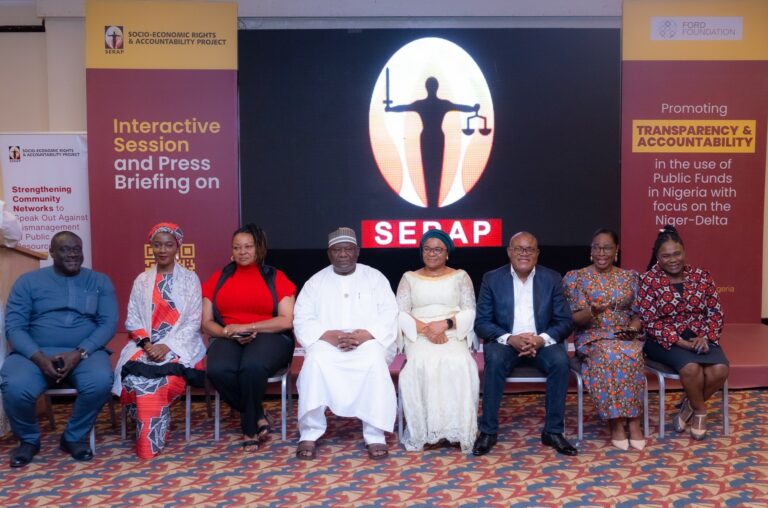
Addressing media managers and leaders from the region in Lagos State recently during the presentation of a survey report on Promoting Transparency and Accountability in the Use of Public Funds in Nigeria with a Focus on the Niger Delta, SERAP faulted many oil firm’s activities causing hardship for people in the region.

Olubunmi Afinowi, an environmentalist, doctorate holder and lecturer at the University of Lagos, led the research and presented the survey’s findings.

She said the report examined the economic activities conducted in the region through an empirical study, including the economic, social and environmental effects of such activities.

The study focused on the activities of oil and gas companies in the region, specifically the upstream sector, where crude oil exploration and production occur.

It looked into how the Nigerian government responds to the social, economic and environmental injustices, remediation and reparation by the oil companies operating in the region.

Besides, it interrogated the level of transparency and accountability by the government, its agencies, and oil companies.

The report highlighted some of the region’s challenges, including unemployment, lack of healthcare facilities, access to water and hygiene, insufficient roads and transportation infrastructure, and lack of healthcare facilities. 

According to the report, as of 2021, due to the global COVID-19 pandemic, the nation had 1.7 million barrels/day production. The country’s crude oil and natural gas reserves were about 36.9 billion barrels and 203.1 trillion cubic feet, making the nation a leading producer and exporter of oil and gas in Africa.

“The oil and gas sector accounts for about nine per cent of Nigeria’s GDP and about 90 per cent of its export value. In 2019, earnings from the sector contributed to about 65 per cent of the government revenue.”

The region comprises Ondo, Edo, Delta, Bayelsa, Rivers, Akwa-Ibom, Cross River, Abia, and Imo States. 

The states have 185 local government areas, over 800 oil-producing communities and about 900 oil-producing wells, said the survey.

The study found that the NDDC (Niger Delta Development Commission) had about 14,800 projects at various stages – 5,034 ongoing, 5,575 completed, 2,443 newly awarded, and 669 recently commissioned. 

Of these projects, 1,412 are in Bayelsa, 3,516 in Rivers, and 2,967 in Delta State.

Participants in the study comprised ministries, departments and agencies (MDAs), civil society organisations (CSOs), oil and gas firms and community members.

Eighty-six per cent of participants from oil and gas companies said the living conditions of the communities were deplorable, and 85 per cent of CSOs held the same opinion. Sixty-six per cent of participants from MDAs held the view that oil exploration activities had negatively impacted the communities. 

“Most participants from the host communities lamented the absence of infrastructure within their communities. As noted in this survey, the most available infrastructure were schools and primary health care centres, while the most lacking were electricity, safe running water and other infrastructures.” 

The report called for a decentralised governance system entailing participation from all stakeholders, ranging from community members to pressure groups, CSOs, oil and gas companies and relevant MDAs.

It urged the government to mandate oil firms to submit and make public an independent sustainable development assessment of their activities with other annual reports.

It also suggested that the government enforce civil and criminal liability for any party that fails to fulfil its obligations or is complicit in corrupt practices while handling community development projects.

The report said the Nigeria Extractive Industries Transparency Initiative reports (NEITI) required oil companies to make statutory provisions for social expenditure to the Niger Delta Development Commission (NDDC) and the Nigerian Content Development and Monitoring Board (NCDMB), and non-mandatory contributions, which take the form of contributions towards community developments in their host communities.

“According to NEITI, in 2020, oil companies made a total contribution of US407.13 million. The mandatory contribution amounted to US367.15 million (90.18 per cent), while the non-mandatory contributions totalled US39.98 million (9.82 per cent).”

The ICIR reports that many participants, especially the Niger Delta leaders, questioned how the government utilises the funds.

Niger Delta challenges as survey shows

The region is vulnerable to the adverse effects of climate change due to geographical and social vulnerabilities. There is also a high susceptibility to coastal inundation and erosion, salination of fresh water, river flooding, storm surges, and species migration, among others, the survey shows. 

It adds that these impacts will likely exacerbate existing socio-economic and environmental challenges and create new ones.

“There is also the challenge of insecurity due to agitations for better living conditions, long-term neglect and disregard of the region by the government and the international oil companies.

“These agitations led to the springing up of various interest groups, some of which had to resort to various forms of violence to drive home their demand.”

Region’s leaders frown at challenges

The Ebenanowean of the Ogulagha Kingdom in Delta State, Joseph Timiyan (Rtd Capt.), said SERAP “is known for anticorruption and transparency work.”

Represented by Lanry Adenika, the monarch said Niger Delta had been known for its outspokenness. He noted that the region’s stance on speaking out always made it easy for its people to point out corruption.

“When they see what they don’t like, they will point it out to correct things. The people do not like the rot, so they point it out.”

He advised SERAP to look beyond the Niger Delta for corruption, which he said was rife in all parts of the nation.

He also challenged the institution to be objective always.


READ ALSO:


River State Governor Siminalayi Fubara aligned with the Delta monarch’s position and said the costs of executing projects in the region were more than in other parts of the country.

Represented by the Commissioner for Finance, Isaac Kamalu, he objected to some of the survey’s findings but said it was a good step towards addressing the Niger Delta challenges.

He called for more intervention in the region and challenged the Federal Government to not wait for the people to continue suffering until the area’s oil resources were drained.

Tribunal dismisses Rhodes-Vivour’s suit, affirms Sanwo-Olu governor

0

THE Lagos Governorship Election Petitions Tribunal has dismissed the petitions brought by Gbadebo Rhodes-Vivour and the Labour Party challenging the victory of Babajide Sanwo-Olu in the March 18 governorship election.

In a judgement delivered on Monday, September 25, the tribunal dismissed Rhodes-Vivour and LP’s petitions, describing them as lacking in merit.

The tribunal focused on the parties’ initial objections before delivering its ruling. It reaffirmed its prior ruling that the Federal High Court had jurisdiction over the nomination of candidates because it was a pre-election matter.

Additionally, it was decided that the petitioner did not present enough evidence to substantiate his claim that Sanwo-Olu’s election was illegitimate due to alleged fraud or other violations of the Electoral Act.

The court discounted the oral testimony of four subpoenaed witnesses called by the petitioner, Rhodes-Vivour, by relying on the decision of the Presidential Election Petition Tribunal in the petition of Peter Obi and three others.

The court said that violating the Electoral Act’s rules, the four witnesses, like the ten Obi had subpoenaed before the Presidential Election Court, had no witness statements and were never named when the petition was filed.

However, the Tribunal decided in the petitioner’s favour when it determined that he had the authority to file the case.

Subsequently, the court dismissed Gbadebo’s petition and affirmed Sanwo-Olu as the duly elected governor of Lagos State.

The ICIR reports that Rhodes-Vivour had petitioned the court to declare the governor’s election invalid based on ineligibility, fraud, and violation of the Electoral Act 2022’s rules.

The LP candidate claimed in his petition that most of the valid votes cast did not legitimately elect Sanwo-Olu.

According to the LP candidate, most valid votes were not in Sanwo-Olu’s favour at the election.

The petitioners also contested Sanwo-Olu’s running mate, Obafemi Hamzat’s eligibility, claiming he had renounced his Nigerian citizenship and sworn allegiance to the US, becoming a citizen of that nation.

The ICIR reported that the tribunal had earlier dismissed the suit of the Peoples Democratic Party (PDP) candidate in the March 18 election, Olajide Adeniran.

In a judgement delivered on Monday, September 25, the court dismissed Adeniran’s petition.

In a unanimous judgement by Mikail Abdullahi on behalf of the three-person panel, the tribunal held that the PDP’s petition and its governorship candidate lacked merit.

The Independent National Electoral Commission (INEC) had declared Sanwo-Olu the winner of the governorship election.

Sanwo-Olu got 762,134 votes to beat Gbadebo Rhodes-Vivour of the LP, who scored 312,329 votes, while Adediran came third with 62,449 votes.

Nigeria records 11,587 suspected cases of diphtheria in 10 months

0

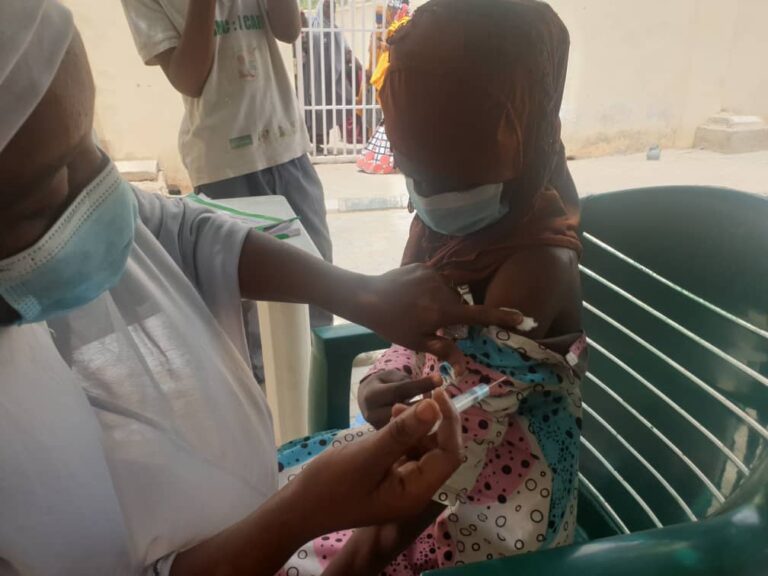
NIGERIA has reported a surge in diphtheria cases, with 11,586 suspected cases reported across 18 states, including the Federal Capital Territory (FCT), between December 2022 and September 24, 2023.

A statement by the Federal Ministry of Health and Social Welfare (FMOH&SW) on Monday, September 25, stated that since December 2022, the country had declared the re-emergence of the disease and confirmed 7,202 of the suspected to be positive.

The ministry also said it was aware of the mounting concern regarding the recent outbreak across several states in the nation, adding that the Nigeria Centre for Disease Control and Prevention (NCDC) and National Primary Health Care Development Agency (NPHCDA) had continued to respond to the disease outbreaks across different states in the country.

The confirmed cases, totalling 7,202, were spread across 105 Local Government Areas (LGAs), resulting in 453 reported deaths.

Kano leads as the state with the most cases, having reported 6,185 confirmed cases. The state was followed by Yobe (640), Katsina (213) and Borno (95).

Others are Kaduna  (16), Jigawa (14), Bauchi (8), Lagos (8), FCT (5), Gombe (5), Osun (3), Sokoto (3), Niger (2), Cross River (1), Enugu (1), Imo (1), Nasarawa (1) and Zamfara (1). 

According to the statement, 5,299, representing the majority of the confirmed cases (73.6 per cent) occurred among children aged one – 14 years, with those aged 5-14 bearing most of the brunt of the disease.

NCDC had earlier attributed the first outbreak and the high fatality rate to delays in diagnosis and the absence of diphtheria antitoxin during the early stage of the outbreak.

The NCDC said that despite the availability of a safe and cost-effective vaccine in the country, most confirmed diphtheria cases were unvaccinated.

80 per cent of confirmed cases unvaccinated 

The Health Ministry averred that given the escalation of the outbreak, 80 per cent of confirmed cases in the ongoing outbreak were unvaccinated.

Diphtheria, caused by a toxin produced by Corynebacterium diphtheriae, is a vaccine-preventable disease covered by one of the vaccines provided routinely through Nigeria’s childhood immunisation schedule. 

According to the Health Ministry, a historical gap in vaccination coverage is a driver of the outbreak, given the most affected age group (5–14year-olds) and results of the nationwide diphtheria immunity survey that shows only 42 per cent of children under 15 years old are fully protected from diphtheria.

Meanwhile, Health Minister Muhammad Ali Pate has set up a national emergency task team co-chaired by the Executive Director of the National Primary Healthcare Development Agency (NPHCDA) and the Director General of the NCDC for higher-level coordination of outbreak response efforts.

“This includes ensuring optimal collaboration of all relevant health stakeholders in this fight. Other prominent members of the task force include the director of Public Health-FMOH, representatives from the Federal Ministry of Information, the World Health Organization (WHO), the United Nations Children’s Fund (UNICEF), USCDC, USAID, GAVI, the Vaccine Alliance, other non-governmental organisations and development partners,” the statement added.

The Minister also ordered the intensification of routine diphtheria immunisation and reactive vaccination campaigns in 33 local government areas (LGAs) across five states – Bauchi, Katsina, Yobe, Kano, and Kaduna by the NPHCDA.

He also directed mobilising procurement of vaccines and essential logistics for three large-scale outbreak response campaigns in 56 LGAs across seven priority states – Bauchi, Borno, Jigawa, Kaduna, Kano, Katsina and Yobe.

The Ministry, therefore, called on the parents to ensure that their children are fully vaccinated against diphtheria with the three doses of diphtheria antitoxin-containing pentavalent vaccine given as part of Nigeria’s childhood immunisation schedule.

On September 16, The ICIR reported that the country witnessed a second wave of diphtheria outbreak. 

2023/24 NPFL kicks off Sept. 30 as prize money rises by 50%

0

THE 2023/2024 Nigerian Professional Football League (NPFL) will begin on Saturday, September 30.

The League’s Chief Operating Officer, Davidson Owumi, announced this in a letter addressed to all Club Chairmen and General Managers on Monday.

He also disclosed a 50 per cent increase in the league’s prize money – from the N100 million paid in the previous year to N150 million in the new season.

In addition to the winners’ ₦150 million prize, the 20 participating clubs would receive N10 million each as start-off grants from a pool of ₦200 million.

“We are therefore expecting the clubs to, as a matter of urgency, forward their respective account details to the NPFL secretariat for the transfer of the said amount as the season is set to commence on Saturday, September 30, 2023”, he stated.

He added, “After due deliberations by the chairman and our strategic partners, it was agreed that the prize money, since that is what connotes the true value of the league, be reviewed upwards to ₦150million”.

The letter also addressed some of the marketing concerns and assured the clubs that the NPFL Board would always take decisions and enter into contracts that serve the best interest of the league and the clubs.

“Be rest assured that we will at all times be guided by the very best interest of our league and, by implication, the participating clubs.

“We remain very hopeful that they or other prospective partners will show up since talks are still ongoing. Any success achieved will enlarge the economic frontiers of the league and, by extension, the clubs as we progress”, he said.

The ICIR reported on September 6 how the NPFL postponed the league because of its board’s general meeting.

FCCPC summons Erisco Foods for arresting customer

0

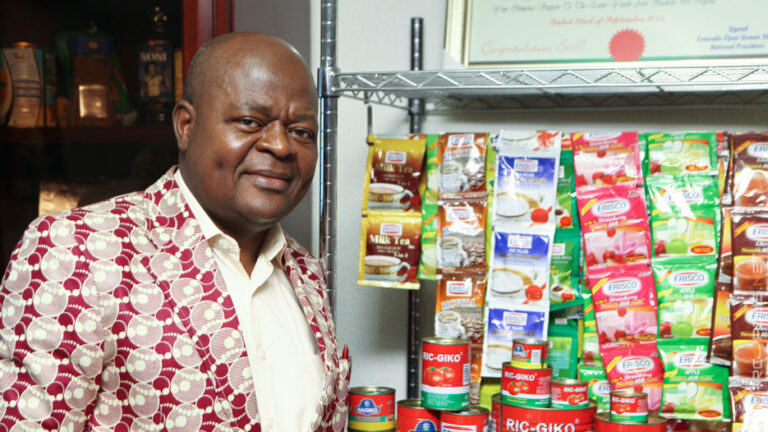
THE Federal Competition and Consumer Protection Commission (FCCPC) said it had summoned Erisco Foods Limited over the arrest of a customer, Chioma Egodi Jnr.

The Executive Vice Chairman of FCCPC, Babatunde Irukera, disclosed this on his X (formerly Twitter) handle on Monday, September 25.

Irukera tweeted, “Update: @fccpcnigeria operatives have confirmed arrest & transfer of the case to Abuja by the Police Force. She was no longer at the station on arrival. Working to determine exact current location & engaging Force HQ in Abuja. Summons being issued to @EriscoFoodsLtd.” 

Erisco Foods is an indigenous company manufacturing tomato paste, seasoning, rice, milk cubes and more.

Egodi posted her review of the Nagiko Tomato Mix, one of the three tomato pastes of the company’s products, on her Facebook page.

The review seems not to have gone down well with Erisco Foods, resulting in her arrest.

According to the post, on September 17, Egodi posted that she purchased a tin of Nagiko Tomato paste and discovered the product contained “too much’ sugar.

On September 18, she further posted that the company was attacking her for allegedly de-marketing their product.

In a swift reaction, Erisco Foods faulted the claim that the Nagiko Tomato product contained an unhealthy amount of sugar and, therefore, was not fit for human consumption.

It tagged Egodi’s product review as “untrue and unfounded” and determined to take all necessary action against its brand.

“Our initial reaction was to ignore and disregard the post, which was obviously intended to mislead our esteemed customers and discredit the image of Erisco Foods Limited, as previously instigated by some elements and indigenous manufacturer of 100% natural tomato paste.

“Considering, however, that Erisco Foods Limited has built a reputation as a credible organization committed to due process and the good of humanity, we have decided to bring the said publication to the attention of relevant authorities,” the statement read in part.

Egodi’s arrest had attracted many comments on the post, questioning the rationale behind her arrest.

An X user named Arya Stark is OBIdient, commented, “This is one of the things we enjoy in abroad. Or will request a review after purchase; if you’re not satisfied, they mostly refund your money with an apology. In Nigeria everything na intimidation, just know couple of politicians.”

Another X User, Maestro, condemned the arrest.

“One would think that this was an easy fix case, but then, Chioma, a consumer the same day, has been moved to Abuja for an honest review about a product. I heard she is a nursing mother. The police as an institution form part of the core of citizens’ perception,” Maestro tweeted.

When filing this report, the post has generated over 365,000 views, 1600 reposts, 1400 likes and 300 comments.

FG to deploy whistleblowers, mobile courts to fight GBV

0

THE Federal Ministry of Women’s Affairs has said it would engage whistleblowers and create mobile courts to combat Gender-Based Violence (GBV) in Nigeria.

The ministry also vowed to enforce the Violence Against Persons Prohibition (VAPP) Act.

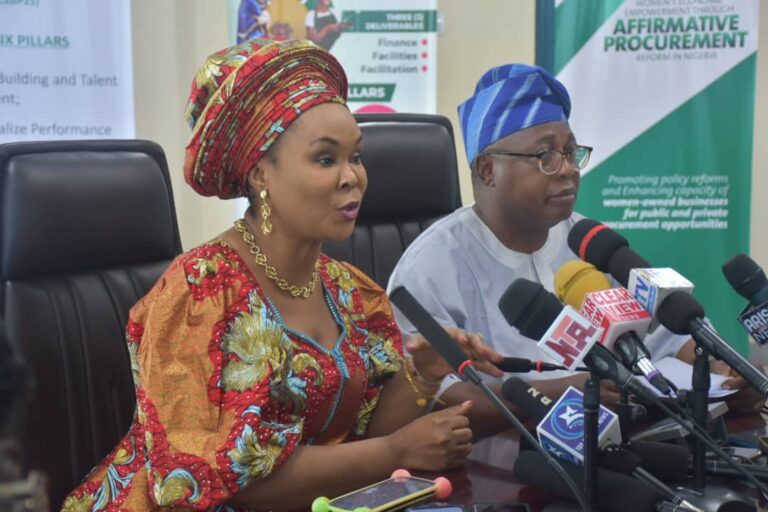
The Minister of Women Affairs Uju Kennedy-Ohanenye disclosed this during a press briefing on Monday, September 25.

She said the efforts were part of the ministry’s new approach to tackling issues around GBV.

The mobile courts will be established in all states, she stated.

“We don’t want advocacy anymore before mobile courts because we’ve been advocating, spending money, and it’s yielding nothing. Something like female genital mutilation was within five states before now. A lot of billions have been spent trying to curb it, but as we speak, it has increased to nine states. So what does that tell you? The method was not working and is still not working,” the minister said.

She said while the ministry would continue to carry out advocacy programmes, local means would be deployed, including the engagement of town criers to disseminate information in native languages so that citizens in rural areas would be more aware of the consequences of their actions.

The ICIR reports that the Federal Government has repeatedly promised to establish specialised courts to hasten the trial of SGBV in Nigeria, but there has not been enough action to match the promises.

Speaking at the briefing, Director of Press and Public Relations Olujimi Oyetomi spoke on other changes being made by the ministry.

“Sanitary towels which we give from time to time to some students in some schools are not sustainable. We have decided to change this to setting up sanitary pad production ventures.

“Gas cylinders being shared with rural women is also not sustainable because the ministry is concerned with who refills the gas stoves for the rural women after the first refill is finished. The gas cylinder is going to be changed to charcoal burners and biogas. This decision is cost-effective as the cost of one gas cylinder buys many charcoal burners and biogas clean stoves,” Oyetomi stated.

Women were also encouraged to form cooperative groups and register with the ministry to help them access production machines with which they could earn a living and contribute to the country’s economic growth.

Kennedy-Ohanenye promised to look into cases of breast-ironing within the Federal Capital Territory (FCT) and address them.

A report published by The ICIR revealed that pre-teen girls in the FCT are tortured and made to endure breast ironing to make them look unattractive due to the fear of rape and other forms of sexual abuse.

Tribunal affirms Sanwo-Olu Lagos Governor

0

THE Lagos State Governorship Election Petition Tribunal has affirmed Governor Babajide Sanwo-Olu’s victory in the March 11 gubernatorial poll.

In a judgement delivered on Monday, September 25, the court dismissed the petitions of Olajide Adeniran Jandor of the Peoples Democratic Party (PDP).

In a unanimous judgement read by Mikail Abdullahi on behalf of the three-person panel, the tribunal held that the PDP’s petition and its governorship candidate lacked merit.

The court subsequently dismissed Adediran’s case.

Before considering the issues for resolution, the court focused on the parties’ objections before ruling.

The tribunal ruled it had the authority and capability to hear the petition.

Ruling on another issue bothering on whether Sanwo-Olu and his running mate Obafemi Hamzat had received legitimate nominations to run in the elections from their party, the All Progressives Congress (APC), the tribunal said the matter was a pre-election matter unrelated to the conduct of the disputed polls.

It cited relevant sections of the Constitution, the Electoral Act, and similar matters decided by courts.

On the matter of the allegedly forged certificate presented by Sanwo-Olu, the tribunal noted, among other things, that the petitioner, who testified in his petition that Sanwo-Olu did not attend the Community Grammar School, Ijebu-Ife, where the certificate originated from, and claimed the school’s principal was still alive, failed to bring the school’s principal or any other staff members to testify about the certificate.

The tribunal said the petition lacked merit and was dismissed accordingly.

“I affirm the election and return of Babajide Olusola Sanwo-Olu as the duly elected governor of Lagos state. Parties are to bear their cost,” the court ruled.

The tribunal has adjourned and will soon resume ruling on the Labour Party’s plea.

The Independent National Electoral Commission (INEC) had declared Sanwo-Olu the winner of the governorship election.

Sanwo-Olu got 762,134 votes to beat Gbadebo Rhodes-Vivour of the LP, who scored 312,329 votes, while Adediran came third with 62,449 votes.

Seven more Gusau varsity students regain freedom

0

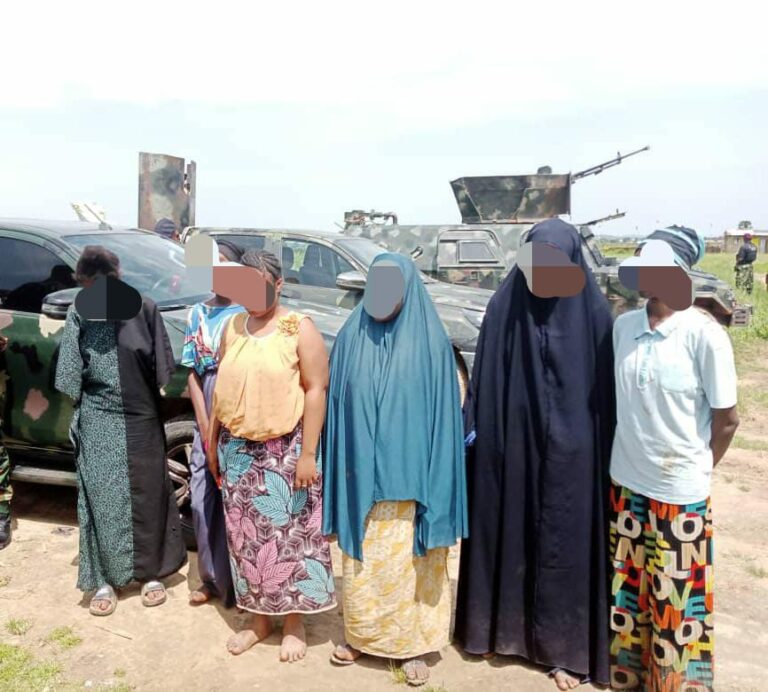
SEVEN more students of the Federal University Gusau, Zamfara State, have been rescued from their captors by the Joint Task Force of Operation Hadarin Daji.

The operatives had rescued six of the students (all females) shortly after bandits attacked their hostels in a community near the university on Friday, September 22.

According to Zagazola Makama, a publication specializing in counter-insurgency in the Lake Chad region, the seven students and three other persons were rescued.

This brings to 13 students rescued by the security forces among those abducted from the institution last Friday.

The ICIR reported how bandits invaded the private hostels of the students in the Sabon-Gida community of the Bungudu Local Government Area of the state. Sabon-Gida is a few meters away from the university.

Although sources within the school informed The ICIR that the bandits had abducted no fewer than 25 students from their hostels, the Nigerian Army engaged in a face-off with the bandits, resulting in the rescue of the first six students.

The names of the freed students are as follows, according to Zagazola Makama:

  1. Rukayya Sani Batola: Education Chemistry -200 Level -Zamfara
  2. Merry Monday: MicroBiology-300 Level
  3. Maryam Salawuddeen: Accounting-300 Level-Osun
  4. Salamatu Jummai Dahiru: MicroBiology -200 Level
  5. Fiddausi Abdulazeez: Education Biology -200 Level
  6. Amamatullahi Asabe Dahiru: Education Chemistry-200 Level
  7. Ketora Bulus: Education: Physics- 100 Level -Kaduna
  8. Felicia Sunday: Computer Science- 200 Level-Osun
  9. Jamila Ahmad: BCH-200 Level – Kogi
  10. Aisha Aminu Ujong: Edu Physics- Graduated-Cross River
  11. Mariya Abdulrahman Usman: English-400 Level-Katsina
  12. Usaina Abdulrahman Education: English-100 Level-Katsina
  13. Saadatu Aminu Abubakar: Education Biology

The ICIR earlier reported how President Bola Tinubu ordered security operatives to rescue the students immediately.

In a statement by the Special Adviser to the President on Media and Publicity Ajuri Ngelale on Sunday, Sept. 24, the president condoled the families of the affected students and assured them that no effort would be spared in securing their release.

“There is no moral justification for such heinous crimes against innocent victims whose only ‘offence’ was their pursuit of quality education,” part of the statement read.

Tinubu also noted that his government was determined to ensure the safety of educational institutions and rid them of terrorists.

Yemi Akinyemi Dele: Meet Nigerian going to the moon

1

The dearMoon mission – a trip around the moon- scheduled for 2023 will be embarked upon by nine passengers aboard a Starship, including Japanese billionaire Yusaku Maezawa and a choreographer of Nigerian origin, Yemi Akinyemi Dele.


ON September 17, 2018, Chief Executive Officer (CEO) of Space Exploration Technologies Corp. (SpaceX), Elon Musk, along with Japanese billionaire Yusaku Maezawa, announced that a group of private citizens would be making a trip around the moon in 2023.

The trip, which will loop around – but not land on – the moon, is tagged the dearMoon mission” sponsored by Maezawa, who said the experience would be shared with about six to eight artists, including painters, sculptors, fashion designers and architects, who will all fly free of charge.

Maezawa expects that the flight will influence artists in their creation of new art, which will be presented after their return to Earth, to inspire other humans and promote world peace.

He invited artists around the world to apply for the opportunity and, on December 8, 2022, announced eight crew members out of over a million applications who will embark on the six-day journey around the moon. On the flight would be a Nigerian-Czech choreographer and multidisciplinary creative artist, Yemi Akinyemi Dele.

Yemi Akinyemi Dele’s childhood

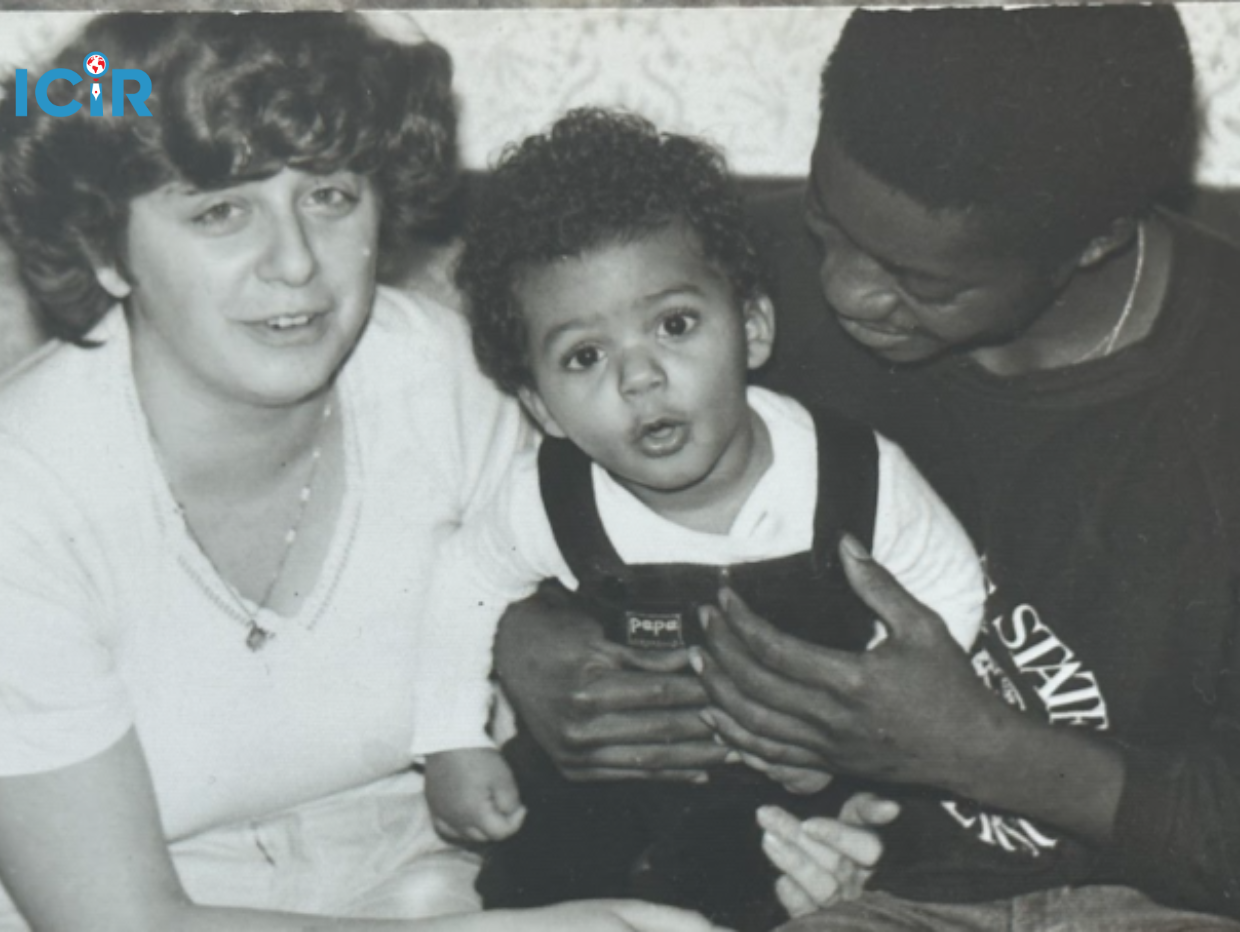
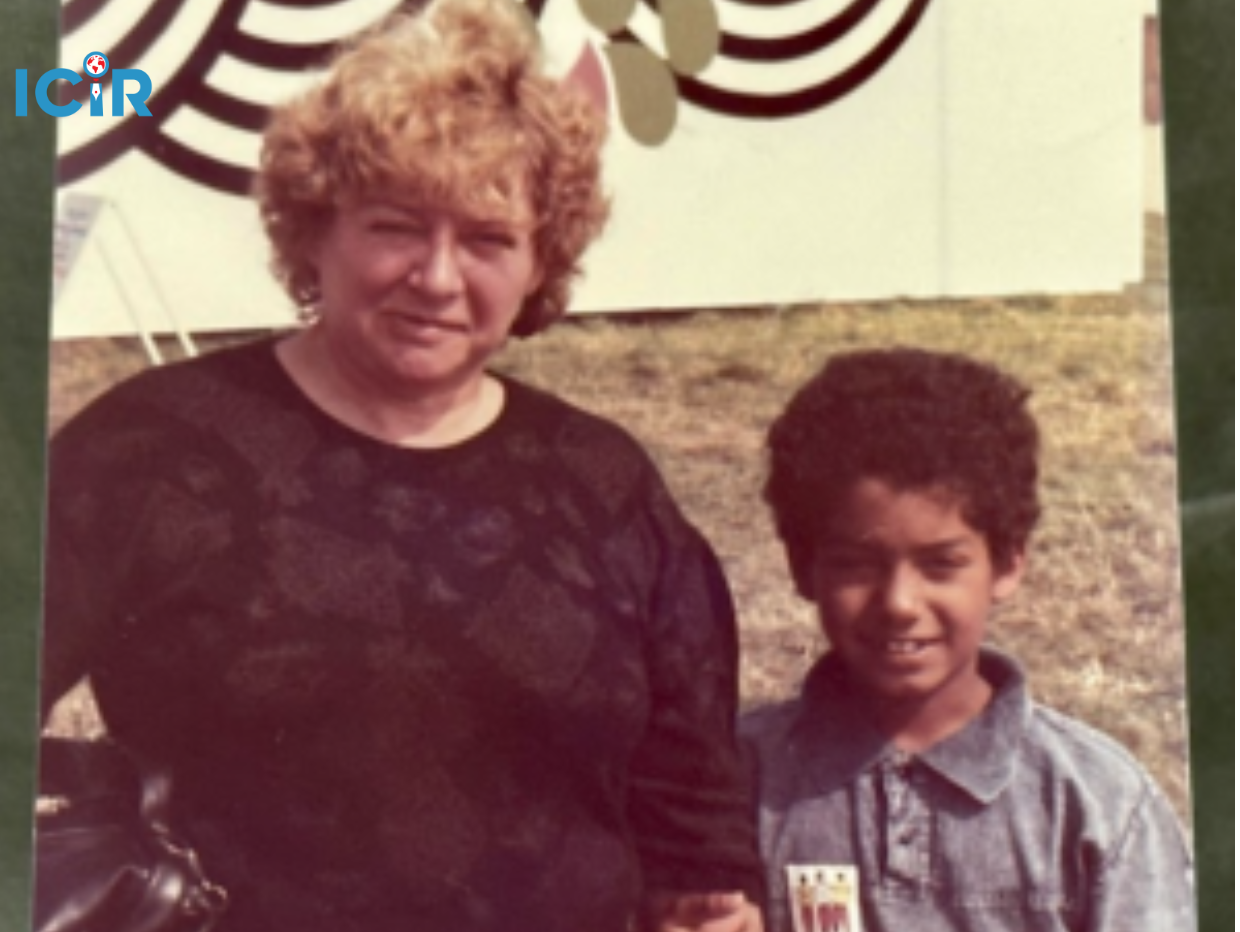
Dele, also known as Yemi A.D., was born in Liberec, Czech Republic, to a Nigerian father, Abayomi Akinyemi, and a Czech mother, Vera Didiova, on November 4, 1981. He was the only black child in the city at the time.

Yemi A.D. and parents
Yemi A.D. and parents: Photo courtesy of Yemi Akinyemi Dele Team.

In 1985, when he was four years old, his father, Akinyemi, got stuck in Nigeria during one of his regular visits to the country due to a military uprising. Nigeria witnessed a military coup in August 1985, during which former Head of State Ibrahim Babangida overthrew Muhammadu Buhari, the country’s ruler at the time. This eventually led to an 18-year separation during which both parents got married to other partners.

During this time, Yemi lived with his mother, had his education in Prague and later studied Street Dance at a Hollywood Dance School in Los Angeles, United States of America (USA) Madonna Grimes.

Yemi A.D. and his mother Vera Didiova
Yemi A.D. and his mother Vera Didiova: Photo courtesy of Yemi Akinyemi Dele Team.

He returned to Prague in 1991, where he established the JAD Dance Company (JAD DC), a Czech and international team of dancers and choreographers.

As technology advanced globally, Yemi reconnected with his father through the Internet. At this time, he discovered he had four other siblings from his father’s new marriage, including three sisters and a brother with Down Syndrome.

The siblings, along with his father and new wife, relocated to Prague in 2008.

Work and career

Dele established the JAD Dance Company in 2010.

His works and performances have gained global renown, and he collaborated with Kanye West, who hired him in 2010 to choreograph a ballet-inspired sequence for an album.

Dele is an ambassador of Sustainable Development Goals (SDG) for the Czech Republic and was appointed Czech Goodwill Ambassador in 2019.

He also visited Nigeria in 2019 for the first time and hosted a workshop at the University of Lagos titled “The future of creativity” aimed at helping young Nigerians explore opportunities and apply for scholarships to study Dance or Java Script in Europe.

He is an inductee in the Henry Crown Fellowship Network at the Aspen Institute USA in May 2020.

In 2022, JAD Dance Company was recognised for its digital innovation and non-profit initiative responses to pandemic challenges in Central Europe through the Anti-Panic Conference.

The conference, launched in 2020, was an interactive livestream where business leaders and creatives share positive examples of dealing with problems and finding solutions during the COVID-19 pandemic.

According to a press release obtained by The ICIR from his management team, Yemi described the dearMoon mission as an opportunity to inspire young people to dream big and aim for great heights.

“I am incredibly proud and honoured to represent my ancestral homeland, Nigeria, and my native Czech Republic on this cosmic mission. I invite all creative souls to join. My hope is that young people, in particular, see from my example that it doesn’t matter how or where you start your journey but where you aim. This opportunity is proof that with imagination, there is no limit to our potential!” he said.

The dearMoon mission is the first civilian lunar exploration and will be carried out beyond low Earth orbit, which is further than any human has gone, a trip which Musk has described as dangerous.

“This is no walk in the park. When you’re pushing the frontier, it’s not a sure thing,” Musk said.

Gunmen abduct commissioner in Benue, police launch probe

1

GUNMEN have abducted Benue State Commissioner of Information, Culture and Tourism, Matthew Abo.

Reports indicate that the attackers invaded his residence around 8:00 p.m. on Sunday, September 24, at his country home in Zaki Biam, Ukum Local Government Area of the state and whisked him away.

They reportedly arrived on four motorcycles and entered the commissioner’s living room, where he was with his family.

Abo was sworn in by the state governor, Hyacinth Alia, on August 29, 2023.

The Chief Press Secretary to the governor, Kula Tersoo, confirmed Abo’s kidnapping.

Kula claimed the governor had instructed security personnel to secure the commissioner’s release.

“Yes, we received the unfortunate news, and the governor has already detailed security operatives to do everything possible to ensure his safe release.

“He was home with his family, children and people when the armed men came in. They forced him to a bike,” the CPS said.

When contacted on Monday, September 25, the Benue State Police Public Relations Officer, Catherine Anene Sewuese, confirmed the incident and said the investigation was ongoing.

“Kidnap of the Commissioner of Information, Culture Tourism is confirmed. Investigation is ongoing, please,” she said.

Abo’s kidnap followed the reported kidnap of several students of the Federal University in Gusau, Zamfara State, by bandits on Friday, September 22.

The bandits invaded the private hostels of the students in the Sabon-Gida community of the Bungudu Local Government Area of the state at dawn. Sabon-Gida is a few meters away from the university.

Sources in the school disclosed to The ICIR that the bandits went away with at least 25 students, predominantly females.