Home Blog Page 846

50 days in office: Real cost of Tinubu’s economic policies

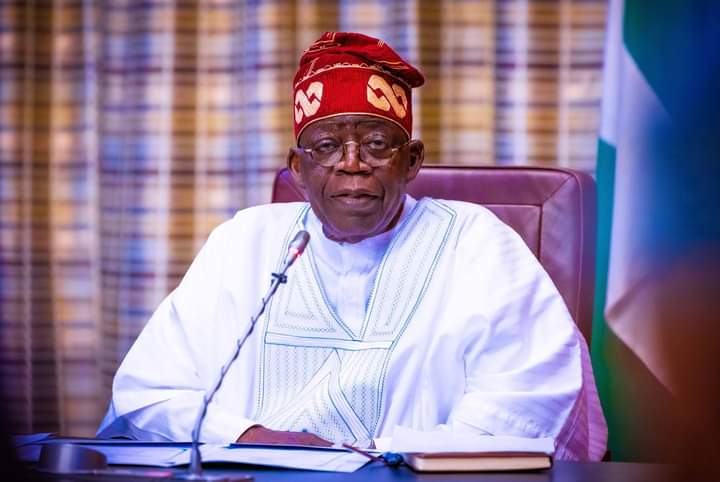
President Bola Ahmed clocked 50 days in office on Wednesday, July 19, with the populace getting apprehensive as his administration’s economic policies induced unprecedented inflation rates and inflicted agonies.

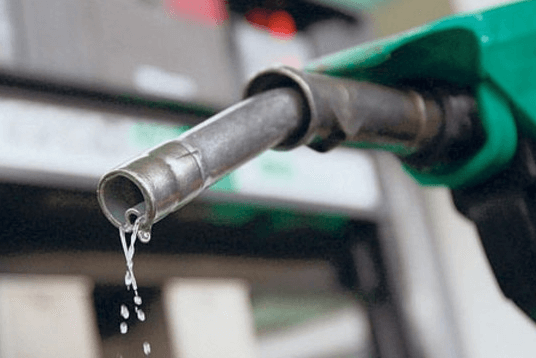
Tinubu had, immediately after replacing his predecessor, Muhammadu Buhari, eliminated the fuel subsidy regime, a decision that instantly triggered a 200 per cent increase in the pump price of petrol, a strategic commodity that influences pricing and cost in other sectors of the economy.

The Tinubu administration jacked the fuel price from a range of N187 to N255 per litre obtainable in Lagos and Abuja, respectively, to a new price of N488 per litre in Lagos to N560 in Abuja. The prices were higher in some other states across the country.

Infographic describing sharp rise in petrol price following subsidy removal by Tinubu administration

On Tuesday, July 18, the administration effected another round of fuel price increases. A litre of petrol now sells for N570-N620 in Lagos and up to N700 in Abuja. The price is higher in some states across the country.

Another key policy pronouncement of the administration is the foreign exchange rates unification, by which forces of demand and supply determine the rates, with direct consequences, especially on prices of imported goods.

Policy impact

The astronomical spike in transportation costs is a crippling result of the fuel subsidy removal. Fares have gone well over 100 per cent on many routes across the country, with multiplier effects on passenger commuting, goods movement, and prices of foodstuffs.

File Photo: A market in Nigeria

This has further worsened, for most Nigerians, the poverty level and quality of living generally. More commuters have taken to the roads trekking long distances as they cannot afford the new high fares.

The unification of forex rates hits the national economy through debts, with the profile rising to N81 trillion following the floating of the naira and the resultant devaluation by the Central Bank of Nigeria (CBN).

The devaluation saw the local currency, which was exchanged at N430 to the dollar at the official window before Tinubu assumed office and as at the end of the first quarter when the Debt Management Office (DMO) last published the national debt profile, shoot over N750 at the close of trading at the import and export window on Tuesday, July 18.

A June 6 report by The Guardian newspaper highlighted trouble in the health sector as drugs and cost of care generally increased by 150 per cent, arising from the inflationary impact of floating the naira.

The Guardian report revealed that drugs were fast getting out of stock or unaffordable. The Federal government disclosed its plans to reduce the importation of drugs in the country from 60 per cent to 40 per cent to promote the local manufacturing of drugs. For now, 70 per cent of medicines consumed in the country is imported.

Fears over proposed electricity tariff hike

Despite assurances in June by the Nigeria Electricity Regulatory Commission (NERC) and electricity distribution companies (DisCos) that electricity tariffs would not be raised, there are indications that the tariff will go up latest August as the Tinubu administration pushes to completely hands-off power sector subsidy, as it did petrol.

The president of Nigeria Consumer Protection Network and coordinator, Power Sector Perspectives, Kunle Olubiyo, believed the tariff would soon be increased.

Olubiyo told The ICIR, “Tariff adjustments happen every six months. However, most of us just concluded that the six months period was supposed to end on June 30, 2023, and that with effect from July 1, there might be an upward review.

“However, that is not sacrosanct; there is nothing in the books that says it has to be July 1. But, of course, in this month of July, somewhere along the line before this month ends, you may load credit and notice some adjustment.”

Food prices going out of reach

The sharp increase in fuel prices on May 29, when Tinubu assumed office, has greatly affected prices of foodstuffs. Distributors and dealers of food items complain of high transportation costs following an increase in petrol price.

Checks in most markets in Abuja revealed that the price of a mudu of garri has risen from N300 to N600 between May and June. A six-piece bunch of plantain that sold for between N600 and N800 two months ago is now selling for N1,400.

Consumers are worried prices of foodstuffs are likely to go higher following the fresh increase in fuel price on Tuesday.

The worry is heightened by the possibility of prices going through the roof, with the Nigerian National Petroleum Company Limited (NNPCL) maintaining that market forces would determine the fuel pump price. Nigerians do not see market forces as favouring the local economy now.

Price of garri gradually going out of reach.

What economic analysts are saying 

To many key economic watchers, the government’s direct announcement and strict implementation of its key policies without unveiling mitigation strategies is not pro-poor, as the poor have been left to absorb the shocks.

“Let us not be carried away by the positive reactions in the capital markets by these policies. Above all, we should remember that the economy is meant to serve the Nigerian people.

“The reality is that Nigerians are suffering greatly because the cost of living has risen beyond their means,” a former Deputy Governor of the Central Bank of Nigeria (CBN), Kingsley Muoghalu, said.
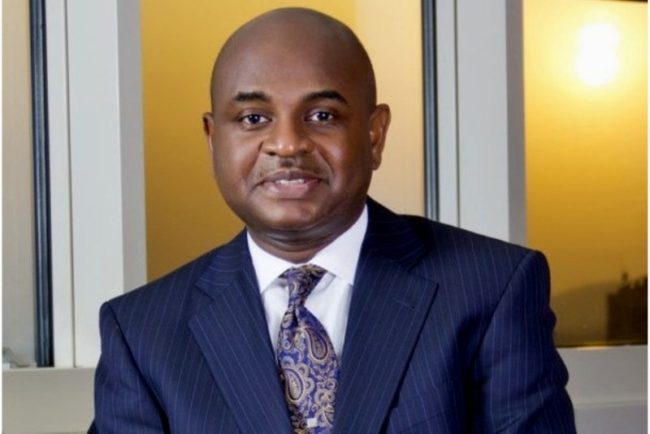
Muoghalu: The poor are left to absorb shocks of the government's policies
Muoghalu: The poor are left to absorb shocks of the government’s policies

Muoghalu noted that the Federal government should have moved faster on the matter of a new minimum wage and should have had a way of subsidising transportation.

“All these should have been addressed with the same determination that we have seen in the government’s reforms,” he said.

The Lead Director of Centre for Social Justice (CSJ), Eze Onyekpere, saw the steps taken so far by the Federal government as signalling no hope for poor Nigerians.

Onyekpere believes the renewed hope mantra of Tinubu’s administration offers no hope to the poor.

“Implementing policies has been a problem for this new government. Announcing these policies when it had not been thought through is not giving any hope. The poor are now bearing the brunt,” Onyekpere said.

He added that continued devaluation of the naira would further affect the prices of goods in an upward swing.

Onyekpere is foreseeing the likelihood of prices of petroleum products continuing to rise with the imposition of a 7.5 per cent value-added tax (VAT) on their importation.

He advised the government to think out measures that would sustain forex inflow to match demand, or there would be a run on the naira, which he feared could see it exchanged for N1,000 against the dollar.

Despite the agonies the Tinubu administration’s reforms seem to be inflicting on the people, analysts like  Tilewa Adebajo of CFG Advisory are urging the President to ensure policy consistency.

Adebajo said keeping at it would put investors on alert on “how serious Nigeria is,” which he viewed as having the potential to attract more private capital into the Nigerian economy.

“Consistency in policy reforms is key. We need to show long-term commitment to our policies such that both local and international investors can take us more seriously,” he said.

According to Adebajo, Tinubu must use the meeting at the United Nations General Assembly in September to market Nigeria’s policies and show commitment on transparency and accountability.

“The President is to go to the United Nations General Assembly in September, and he is to deliver a major speech with respect to the policy direction of Nigeria.

“We need a budget that is clear and transparent, devoid of ways and means, so that by the first quarter of next year, when the International Monetary Fund comes up with its Article 4 report on Nigeria, we can see credit rating agencies begin to upgrade Nigeria and pull us out of junk status,” he said.
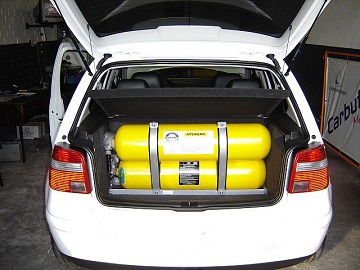
Rising petrol price: Seven banks to support IPMAN on compressed gas alternative

0

THE Independent Petroleum Marketers Association of Nigeria (IPMAN) has confirmed business discussions with seven commercial banks as it seeks alternative solutions to the high cost of petrol.

The discussions, according to the IPMAN chairman, Chinedu Okoronkwo, revolved around providing funding for a compressed natural gas (CNG) facility as an alternative solution to petrol.

IPMAN would prefer to keep the identities of the financial institutions under wraps until it reaches a concrete agreement with them.

The Federal government had on Tuesday, July 18, again increased the price of petrol from about N448-N560 per litre to over N600 per litre. The product’s price goes as high as over N700 per litre in some states.

Okoronkwo said on Wednesday, July 19, that the federal and state governments must create an enabling environment for the business of CNG to thrive as a viable alternative to petrol.

“The government needs to see how to bring in marketers and other oil & gas players into the CNG business for find an alternative to the rising fuel cost. There is no better alternative than gas, and Nigeria is abundantly blessed with it.

“We expect our banking partners to make a down payment of 15 per cent to enable us get down to business. CNG is much more cheaper and can compete favourably with PMS of the enabling environment is created by the government,” he said.

He posited that with Nigeria gifted with abundant 200 trillion cubic feet of gas, there is a plethora of opportunities to maximise gas production for vehicles as a good alternative to petrol.

“Instead of international oil companies flaring the gas, the government can come in and create a market to attract investors into the CNG market. Our thinking is that the moment the market is developed, the man putting his investment in gas would be assured of his returns,” he said.

The IPMAN president further disclosed that the association had started data capturing to know the target base of its market and to reach out to vehicle owners.

President of the Petroleum Retail Owners Association of Nigeria (PETROAN), Billy-Gilly Harry, told The ICIR that the association had similar plans to provide alternatives to Nigerian motorists to cushion the harsh effects of the high petrol price.

“We are working hard to get money and invest in the modular refinery business. We have got an investor that is willing to invest $1.6 billion in modular refineries that have processing plants and CNG plants.

“We are working on that, and we hope that the banks here, whether the Central Bank or merchant banks, would give us the back-up support,” Harry said.

Already, Nigeria has some CNG retail outlets that include Green Gas Limited (NIPCO CNG), and  Power Gas Ogbele CNG compression station, both located in Ibafo (Ogun State), and Abua (Rivers State), respectively.

In Abuja, some Nigerian National Petroleum Company Limited (NNPCL) retail outlets also sell the product to vehicles.

Most oil exploration companies operating in Nigeria are known to be flaring gas to the detriment of the environment rather than converting it to efficient use.

Despite being a signatory to Clean Energy and  Paris Climate Accord, the World Bank indicted Nigeria in its Global Flaring Tracker as one of the countries that contributed highest gas flaring in 2022.

Nigeria has approximately 200 trillion cubic feet of gas, and despite being the largest producer of gas in Africa, it is developing only 25 per cent of its reserves.

In May, the African Development Bank announced its support for the Trans-Saharan Gas Pipeline (TSGP) project, which will connect Nigeria’s gas fields (from Wari on the Niger River) to the Algerian border, to connect the Algerian network and sell Nigeria’s gas, particularly in the European markets.

Flooding: States undermine disaster mitigation efforts — NEMA

THE National Emergency Management Agency (NEMA) says efforts to sensitise the populace and mitigate the impact of predicted flooding have been stifled by the non-functional emergency management committees at the state and local government levels. 

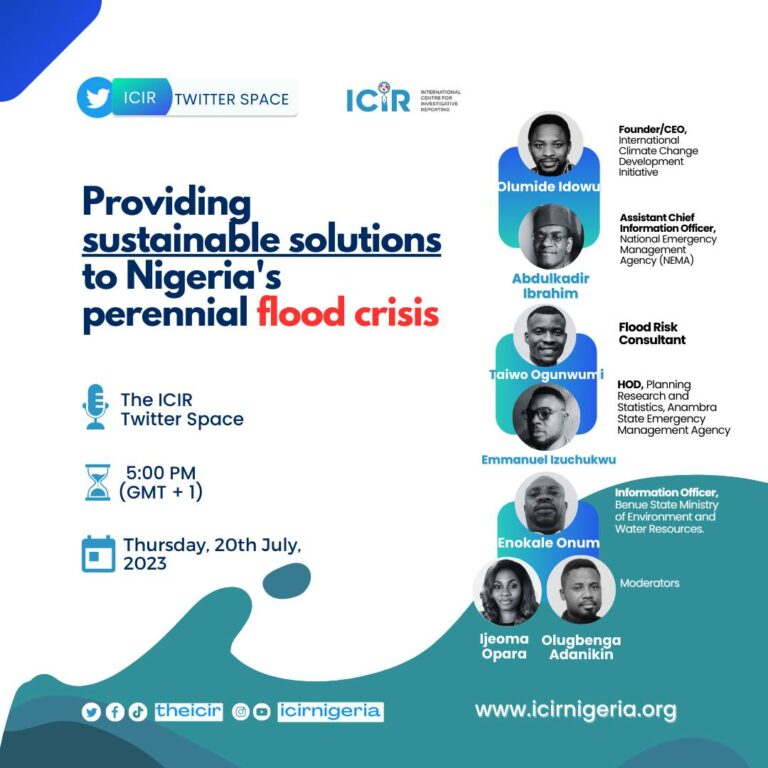
Speaking at The ICIR Twitter Space on Thursday, July 20, the NEMA Assistant Chief Information Officer, Abdulkadir Ibrahim, said emergency management structures at the local and state levels are mostly weak or non-existent.  

A few months after the 2022 flood crisis that displaced over 1.3 million people and killed about 603 persons, the Nigeria Meteorological Agency (NiMET) predicted another flood would likely occur this year.


READ ALSO:

Experts proffer solutions to perennial flooding in Nigeria

Flooding: Kogi govt reacts to ICIR’s report on inadequate preparations

Flooding: We have re-channelled water, constructed dykes in Niger — HYPPADEC

Flooding: Residents of Trademore Estate count losses


The agency warned Nigerians to prepare for earlier onset of heavy rains and flash floods in parts of the country.

Commenting on the implications of the prediction, Ibrahim said the weakness of emergency management committees at the sub-national level had made efforts by NEMA to enlighten people at the grassroots difficult and also impeded the Federal Government’s efforts to mitigate the impact of flooding.

Ibrahim said, “Natural disasters like floods cannot be stopped. It can be prevented and mitigated against, but it cannot be stopped.

“A lot has to do with the attitude of our people.Presently NEMA has already released climate disaster-related preparedness and migration strategy, which it is trying to downstream to the local government level. 

“The major challenge we have in this is that most of the state emergency management agencies are not as functional as they should be. According to the Act which set up the National Emergency Management Agency, we have to work with the state and local disaster management agencies, which of course is virtually not available in most of the local governments.”

Ibrahim said state governments fail to carry out their duties and provide funds for local disaster management agencies. 

He noted that states would be unable to tackle disasters proactively if emergency committees at the local level are ignored. 

“These people will be responsible for taking it to the community level because disasters occur at the community level. We are trying to make sure that both the local and state emergency management structures are strengthened. So any disaster can be dealt with. 

“We are trying to make sure that all the emergency management structures are in place. The local government emergency management committee should be functional; the state agencies should also be functional. 

“We have been embarking on enlightenment and sensitisation to state governments and local governments. We have been writing letters to them to ensure these structures are in place,” the NEMA spokesperson added.

Experts proffer solutions to perennial flooding in Nigeria

CLIMATE change experts who participated in a Twitter space organised by The ICIR have highlighted some possible solutions to perennial flooding in Nigeria. 

The Twitter space themed ‘Providing Sustainable Solutions to Nigeria’s Perennial Flood Crisis,’ was held on Thursday, July 20.

In 2022, Nigeria experienced one of the worst flooding incidents in decades as 35 states and the FCT were affected by floods, leading to loss of several lives and damage of properties. Thousands of people were also displaced from their homes and hectares of farmland were destroyed in the process.


READ ALSO:
Flooding: Kogi govt reacts to ICIR’s report on inadequate preparations

Flooding: We have re-channelled water, constructed dykes in Niger — HYPPADEC

Flooding: Jigawa govt commences dredging of Hadejia river

Flooding: What is Niger state doing to mitigate future disaster?


Speaking on solutions to the perennial flood crisis, a flood risk consultant, Taiwo Ogunwumi, explained that the Federal Government needs to emphasise the importance of domesticating the climate change policy to the states.

“It’s true that the climate change policy was signed a few years ago, but then when you look at it, you will realise that most of the states are yet to practice that, even in terms of tree planting, creating programs that support teaching towards renewable energy, that is not highly common in most of the states.

“There is a lot that the Federal Government needs to do to ensure that this law is effective in each of the states. I believe that the Federal Government still has supremacy power over some of the states and if this is part of the targets that they give the states to accomplish, I believe the state will have no other option than to ensure that they are meeting up with this.”

He also noted the need for federal ministries to collaborate with the state ministries in mitigating the effect of flooding.

Speaking further on flood prevention measures, Ogunwumi said the problem must be addressed from the grassroots, adding that the government should work on sensitisation and providing alternative solutions to the locals.

“I think we don’t start from the grassroots when it comes to reducing emissions; we must start from the grassroots and that is the state and local levels. You will still find out that some of the local communities still burn fossils, they still go to the forest to cut trees and some of these create emissions. If there is no sensitisation on what this activity causes and no other alternative is provided to the people, it will be difficult for us to achieve some of these goals.”

Ogunwumi, however, advised the government to work with private enterprises and non governmental organisations (NGOs) to effectively develop policies and regulations to mitigate the effects of climate change.

“I think there are many resourceful private organisations in Nigeria who really want to do more but you realise that the state and federal governments don’t allocate funds to them to bring out the best.”


The Chuef Executive Director of International Climate Change Development Initiative, Olumide Idowu while speaking on the effects of climate change in Nigeria, said Civil Society Organisations (CSOs) need to start looking at ways they could influence important decisions and policies.

He also bemoaned the lack of proper implementation of policies by the government, adding that CSOs should collaborate to bring an end to perennial flood crisis.

“It’s very important for CSOs to leave the conversation of competition and start looking for a collaborative effort so that we can demand justice for flooding issues in Nigeria. 

“The civil society also has to come together and talk more on the kind of emergency response that’s needed for people rather than giving N3,000 to displaced people.”

On February 17, 2023, the Federal Government revealed that 32 states, 178 local government areas (LGAs), and the Federal Capital Territory (FCT) may experience heavy flooding in 2023. 

The states with the highest likelihood of facing flooding include Adamawa, Abia, Akwa-Ibom, Anambra, Bauchi, Bayelsa, Benue, Cross River, Delta, Ebonyi, Ekiti, and Edo.

Following the forecast, The ICIR did a series of investigations, visiting Niger, Jigawa, Benue, Bayelsa and Kogi states to investigate the measures being taken by state governments and local communities to address and mitigate the looming threat of flooding. Read the investigations here.

Palliatives: NEC dumps Buhari’s register, states to produce new roster

THE National Economic Council (NEC) has decided that palliatives to cushion the effects of fuel subsidy removal will be implemented using new registers created by states rather than those utilised by the last administration.

The decision was taken at the NEC meeting held on Thursday, July 20, presided over by Vice President Kashim Shettima.

The Council agreed that the register used by the President Muhammadu Buhari administration to implement the Conditional Cash Transfer (CCT) lacked integrity as the criteria for its compilation were ambiguous.


READ ALSO:
Reps approve Tinubu’s request for N500bn to fund palliative

Subsidy removal: FG to disburse $800m World Bank fund for palliative

Half of registered transport workers in Ekiti excluded from beneficiary list of COVID-19 palliative

Subsidy removal: FG to disburse $800m World Bank fund for palliatives


Anambra State governor Charles Soludo noted after the meeting that many of the poorest Nigerians are unbanked, which makes it impossible to digitally transfer money to them.

“We need to face the problem of the fact that we don’t have a credible register,” Soludo said.

He added that through formal and informal strategies, states could easily identify recipients of the palliatives.

The Council agreed that integrity tests would be carried out on the proposed registers.

In the same vein, government officials were urged to reduce the cost of governance in their various organisations.

In June, NEC recommended palliatives for workers and poor Nigerians during its inaugural meeting, under the President Bola Tinubu administration, to cushion the effects of fuel subsidy removal in the country.

The recommendation came sequel to Tinubu’s directive that the Council should come up with options to ease the effects of subsidy removal.

Bauchi State governor Bala Mohammed disclosed after the inaugural meeting that the Council considered paying the sum of N702 billion as cost of living allowances to civil servants.

“Various scenarios were given by the presenter on the issue of national salaries, income and wages, and this N702 billion-plus was suggested as cost of living adjustment allowance by the organised labour, and the other one is a petroleum allowance,” Mohammed said in June.

Tinubu had asked the National Assembly to approve an $800 million loan to ease the hardships caused by the subsidy removal.

He had initially decided that 12 million poor households would receive N8,000 monthly over six months from the loan to assist with the rising cost of living resulting from the hike in fuel prices.

However, most Nigerians widely criticised the N8,000 sum, describing it as meagre, and as well condemned the general idea as unsustainable and prone to corruption, after which Tinubu ordered a review of the directive.

FIRS records N5.5trn revenue in six months, surpasses target

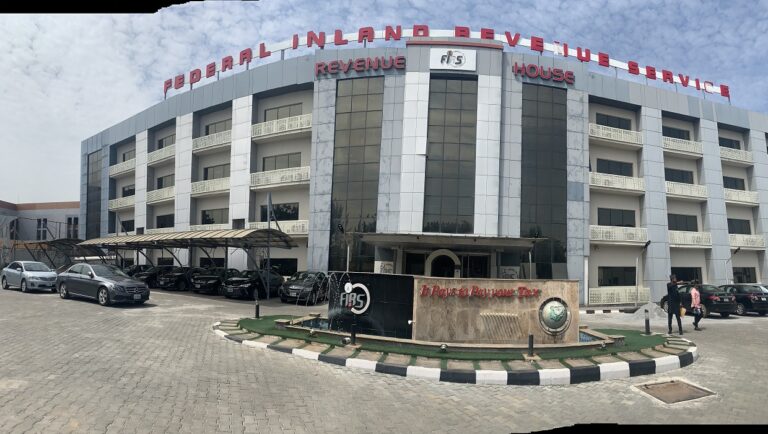
THE Federal Inland Revenue Service (FIRS) has announced a total tax revenue collection of N5.5 trillion for the half-year period of January to June 2023. 

The executive chairman of the FIRS, Muhammad Nami, disclosed this while presenting the ‪2023-2024‬ tax revenue outlook to the National Economic Council (NEC) at the latter’s meeting on Thursday, July 20, at the Presidential Villa, Abuja.

The presentation, which contained the FIRS 2023 Half-Year Collection Report, showed that the Service achieved over 100 per cent of its target for the first-half of the year, when compared with a mid-year target of N5.3 trillion.


READ ALSO:

Tomato, pepper, gari sellers, artisans exempted from Traders’ tax – FIRS

FIRS signs MoU with UK’s revenue agency to grow capacity

FIRS launches self-service stations to enhance voluntary tax compliance

Fire service: Inactive emergency lines on FCTA’s website put residents at risk


According to the report, tax revenue collected from the oil sector from January to June 2023 stood at N2.03 trillion as against a target of N2.3 trillion, while non-oil tax collection was N3.76 trillion, as against a target of N2.98 trillion.

Nami stated that the Service collected a total of N1.65 trillion tax revenues in June 2023 alone. This sum is the highest tax revenue collected by the Service in any single month.

“This is a good head start as we work towards meeting our target for the year. And it was achieved despite stubborn headwinds such as the impact of the currency redesign and 2023 general elections on the economy in the first and second quarters of 2023.

“This half-year performance was achieved as a result of improved voluntary tax compliance by taxpayers and the continued improvement of automation of our tax administration processes, including the updated VAT filing processes, as well as our dogged engagement with stakeholders in both the formal and informal sectors of the economy,” he explained.

Nami assured that the country should expect “better days ahead” in terms of tax revenue collection.

“We believe that the performance in the second half of the year would be better considering the continuing improvement of our tax administration processes and positive impact of current government’s policies on the economy,” he said.

The Service had achieved a total collection of N10.1 trillion in the year 2022, being the highest tax collection ever made by the FIRS in a single year.

Amid rising unemployment, Senate moves to scrap age limits in job adverts

AMID rising unemployment in Nigeria, the Senate have resolved to abolish age limits set for job applicants by employers in the country.

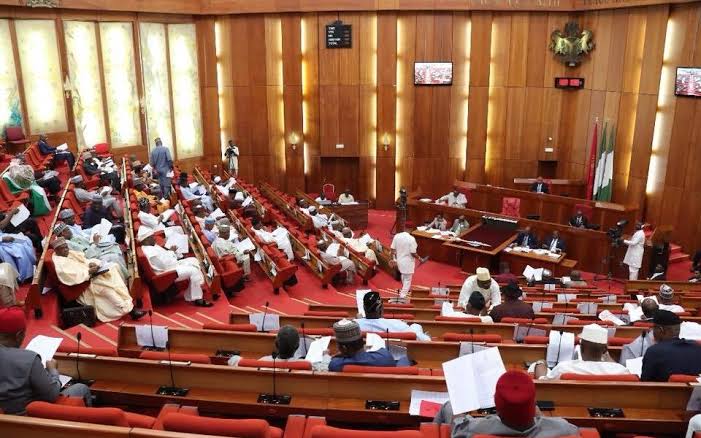
During plenary on Wednesday, July 19, the Senate urged the Federal Ministry of Labour and Employment to restrain public and private employers from including age limits in job advertisements, which deprives several unemployed citizens of opportunities.

This resolution was reached following a motion by Senator representing Benue South Abba Moro titled ‘Age Requirement Precondition for Employment in Nigeria, Urgent Need for Intervention’.


READ ALSO:
How state governors in next dispensation can solve debt, unemployment problems

LP guber candidate vows to tackle unemployment in Lagos

ITF advocates overhaul of education system to tackle Nigeria’s rising unemployment


The upper house of the National Assembly also asked the Federal Government to create policies that allow equal opportunities for qualified job seekers.

Moro, while presenting his motion, noted that setting age limits as a condition for employment was against Section 42(2) of the 1999 Constitution of the Federal Republic of Nigeria (as amended), which guarantees a citizen’s right to freedom from discrimination.

“A graduate in this country can serve in the National Youth Service Corps programme at age 30 but cannot be gainfully employed, thereafter on the fact that he/ she is now above 30 years, a situation that is a flagrant breach of his fundamental rights,” Moro said, describing the situation as ironical.

“The circumstances described in the foregoing presents the predicament of the Nigerian youth who has the requisite qualification, knowledge, skills and is ready to work but disqualified or excluded on the sole and unjustifiable ground that he/ she is above the age limit by reason of his/ her birth,” he added.

Nigeria’s unemployment rate projected to continue rising 

Currently, the unemployment rate in Nigeria is 33.3 per cent, according to the National Bureau of Statistics (NBS), with Youth Unemployment at 42.5 per cent.

Multinational firm, KPMG, in its ‘KPMG Global Economy Outlook report, H1 2023,’ predicted that the unemployment rate would increase to 40.6 per cent in 2023.

“Unemployment is expected to continue to be a major challenge in 2023 due to the limited investment by the private sector, low industrialisation and slower than required economic growth and consequently the inability of the economy to absorb the 4-5 million new entrants into the Nigerian job market every year,” the KPMG report stated.

Court orders DSS to allow Kanu access to doctor of choice

1

AN Abuja Federal High Court has ordered the Department of State Services (DSS) to allow the leader of the proscribed Indigenous People of Biafra (IPOB), Nnamdi Kanu, access to a medical doctor of his choice.

The court, presided by Binta Nyako, gave the order on Thursday, July 20. Kanu, who had been in the custody of the DSS, had informed the court that he requires urgent ear surgery.

In the suit marked FHC/ABJ/CS/ 2341/2022, Kanu prayed to the court to compel the DSS to allow him access to his personal doctors.

Kanu noted that the trial judge, Nyako had on October 21, 2021, ordered that he should be allowed access to three persons of his choice, including his medical doctors.

Delivering judgment on Thursday, Nyako ordered that all Kanu’s medical records be made available to him.

Nyako held that the objections the DSS raised against Kanu’s request lacked merit.

The judge also ordered the secret police to also monitor, record and seal all medical sessions administered to the IPOB leader for security purposes.

She dismissed the DSS’s preliminary objections challenging the application on the grounds that Kanu has the right to medical services even in detention.

According to the judge, Kanu was constitutionally entitled to access both the records he requested and the medical doctors of his choice.

Kanu, who has been in the custody of the DSS since June 2021, is facing terrorism-related charges.

In October 2022, the Federal Government was ordered to pay Kanu N500 million as damages for his illegal abduction and repatriation from Kenya, which the court said violated his fundamental human rights.

The order was made by a Federal High Court in Umuahia presided by E. N Anyadike.

The court also ordered the Federal Government to return Kanu to Kenya from where he was forcefully returned to Nigeria in 2021.

Anyadike held that the Federal Government failed to disprove Kanu’s claims that he was arrested, blindfolded, tortured and chained to the ground for eight days in Kenya before his extradition to Nigeria.

Kanu had, through one of his lawyers, Aloy Ejimakor, challenged his repatriation from Kenya to Nigeria in 2021.

The judgment came on the heels of an Appeal Court ruling which freed the IPOB leader.

The ICIR reported that a three-member appellate court panel on October 13, 2022, struck out all the remaining seven charges against Kanu.

The ruling followed Nyako’s judgment in April 2022, which struck out eight of the 15 counts in the charge preferred against the IPOB leader by the Nigerian government.

Nyako, however, held that Kanu had some questions to answer in counts 1, 2, 3, 4, 5, 8, and 15 of the charge.

But Kanu appealed to quash the remaining seven counts for lack of merit.

In its ruling, the appellate court agreed with Kanu’s counsel that the IPOB leader was illegally abducted and extra-ordinarily renditioned from Kenya to Nigeria, against international and local laws.

Although the Court of Appeal had discharged Kanu in October, the Federal Government claimed that he was only discharged and not acquitted.

On November 3, 2022, Kanu filed an appeal at the Supreme Court against a ruling of the Court of Appeal which halted his release from the Department of State Service (DSS) custody.

The Supreme Court, on Thursday, April 27, 2023, adjourned hearing in the appeal filed by Kanu to challenge his continued detention.

In a related development, Kanu’s lawyer, Aloysius Ejimakor, wrote to the European Union (EU) in November 2022, stating that his client’s medical condition was worsening.

Ejimakor wrote the letter to the EU on November 16, 2022, and posted a copy on his Twitter page.

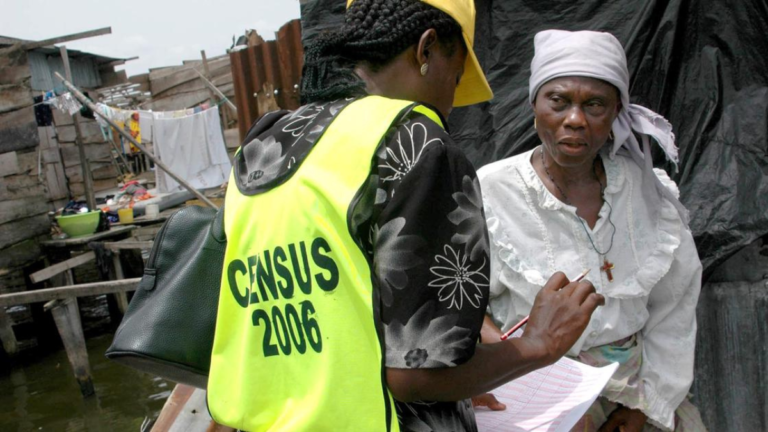
‘Indigene letter for sale’: How we will detect foreigners for 2023 census – NPC

THE National Population Commission (NPC) has prepared a series of “consistency questions” that would expose illegal migrants who claim Nigerian citizenship during the 2023 National Population and Housing Census.

Public Affairs director of the NPC, Isiaka Yahaya, disclosed this during a telephone interview with The ICIR on Wednesday, July 19.

An investigation by The Cable revealed that foreigners could get Nigerian certificates of origin and other national documentations for a token. 


READ ALSO:
Why 2023 national population census may be postponed — NPC

Technological innovations will prevent manipulation of 2023 population census — NPC

FG postpones population census to May

2023 Census: NPC to deploy over one million ad hoc staff


A certificate of origin is an essential document used to validate a person’s indigenous identity to a community in the country.

The report, which focused on four states — Lagos and Ogun in the South-West, and Abuja and Nasarawa in the North-Central — uncovered the corrupt activities of public officials in different local government areas who issue certificates of origin to foreigners after collecting money.

The findings in the investigation has raised concerns over the accuracy of data that will be produced from the 2023 national population census. The ICIR had earlier reported how poor border management and Illegal migration could affect the outcome of the exercise.

According to the Timothy Avele, head of Agent-X Security Agency, a Nigerian security startup, illegal migration into Nigeria through unmanned border areas will make it difficult for the NPC to identify non-Nigerians.

“The National Population Commission can end up with the wrong population figures. They currently do not have an effective method of identifying real Nigerians and non-Nigerians,” he said.

However, the NPC has assured that it would use further details such as place of origin and place of birth to identify non-Nigerians and Nigerians when conducting the census.

The Commission said arrangements have been made to obtain information such as country of origin and the length of time individuals have spent in Nigeria.

NPC director, Yahaya, in the interview with The ICIR, said the Commission would not verify the authenticity of every information provided with any national means of identification.

Yahaya told The ICIR that the NPC relies “solely on information provided by the respondents except in cases when we have a cause for doubt”.

“We don’t ask for evidence, we just take the evidence provided by the residents, and we don’t have a cause to doubt them. 

“Many people don’t have an NIN or a certificate of origin. We can’t exclude them as a result of that. We cannot ask for evidence of nationality and the like in a situation where at least 20 per cent of the population doesn’t have it. 

“We have our way of conducting consistency checks. There are follow-up questions and information that would hint at a red flag if the resident is deceitful,” he said.

No clear data on population

Generation of accurate data by the National Population Commission (NPC) has been the major concern for Nigerians since the plan to hold a national population census was announced in April 2022.

Given that the exercise is regarded to be long overdue, experts, analysts and even some political authorities have spotlighted the importance of an accurate census.

According to the former President Mohammadu Buhari, having correct figures on the population of citizens will help the country plan better.

He said, “Population is a critical factor in a nation’s efforts toward achieving sustainable development. People are both the agents and beneficiaries of the development process.

“The country’s inability to conduct a population census in the last 16 years has created an information vacuum, as the data from the previous census conducted in 2006 has been rendered out of date for planning purposes.”

There is currently no data detailing Nigeria’s exact population.

This is because the last census was conducted in 2006, about 17 years ago.

According to the United Nations, a census should be conducted once in 10 years. This means Nigeria was due for a population census in 2016.

According to the 2006 census figures, Nigeria’s population was 140 million. The data released by the NPC at that time put the northern population at 75 million and the southern states at 65 million.

The NBS put the country’s estimated population at 193 million in 2016.

It rose to about 216 million in 2022, according to the United Nations (UN).

The UN also predicts that the figure will rise to 223.8 million by mid-2023 and to 401 million by the end of 2050.

Although the NPC is preparing to hold a census it is yet to schedule a date for the exercise.

The population and housing census was postponed indefinitely in April. It had been earlier scheduled for May 3 to May 7.

Penalties, passes, and a touch of politics: FIFA Women’s World Cup is about to kick off

0

By David Rowe, Western Sydney University

THE 2023 FIFA Women’s World Cup kicks off this Thursday night, the first football world cup hosted by Australia and Aotearoa New Zealand.

New Zealand opens the tournament by taking on Norway in Auckland, while Australia’s Matildas will play Ireland in front of an anticipated 80,000 fans at a sold out Stadium Australia in Sydney.

Despite the persistent delusion of some that politics should be kept out of sport, it has always been suffused with political calculations and meanings. The major question is not whether but what kinds of politics will be played and by whom.

In the lead up to this tournament, world football’s governing body FIFA announced a suite of eight armbands that could be chosen under its Football Unites the World program. Permitted selections, in partnership with various United Nations agencies, include “Unite for Indigenous Peoples” and “Unite for Gender Equality”.

But notably, the OneLove armband associated with LGBTIQA+ rights isn’t among them. That was banned at last year’s Men’s World Cup in Qatar, with captains including England’s Harry Kane threatened with a yellow card if they wore it as planned.

Unlike in Qatar, homosexuality is not illegal in these host countries, but FIFA’s “extensive consultation with stakeholders including players and the 32 participating member associations” produced the same outcome.

Among the latter are three African countries (Morocco, Nigeria and Zambia) where homosexuality is criminalised, as it is in stakeholders including Middle Eastern nations such as Saudi Arabia that are increasingly influential in football and other world sports.

Australia’s captain Sam Kerr has been deprived, to her regret, of the opportunity to make a statement with a rainbow-coloured armband.

But 44 players have taken the chance to cooperate with climate advocacy groups Common Goal and Football For Future to help compensate for the environmental impact of their world cup related flights.

Already it’s clear that politics will vie with passes and penalties as major talking points at the biggest sport event in the region since the 2000 Sydney Olympics.

Indeed, when the esteemed Brazilian team flew into Brisbane two weeks before the first ball would be kicked, their plane’s tail bore pictures of Iranian human rights activists Mahsa Amini and Amir Nasr Azadani. The plane’s body also declared, “No woman should be forced to cover her head” and “no man should be hanged for saying this”.

FIFA scandals and sports diplomacy

FIFA has an ignoble history of corruption, exploitation and ethical malpractice – despite its professed commitment to human rights and transparency.

The BBC podcast Powerplay: The House of Sepp Blatter excruciatingly details the disgrace of the former FIFA President. Just before Blatter was re-elected in Zurich in 2015, the world’s media were treated to the spectacle of FIFA executives being arrested and taken from their hotel under large bedsheets (Blatter then resigned just days after being re-elected).

His successor Gianni Infantino, the object of much mockery after a pre-Qatar World Cup speech identifying with the oppressed, promised to clean up FIFA’s act and reinvent itself as a force for global good. Promoting gender equality in and through football is one such aim. This world cup, both the first hosted by two confederations (Asia and Oceania) and the first in the southern hemisphere for women, seems perfectly to fit that bill.

It undoubtedly has significant geopolitical implications. With the Pacific region the focus of a contest for influence between the US and its allies and China, sport has emerged as a key bargaining chip. Money for sport aid, development and infrastructure has been flowing into the Pacific islands from all directions.

Australia’s Sports Diplomacy 2030 initiative has been especially keen on Pacific partnerships, not least in football as part of its “Global Strategy with a Pacific Focus”. The Oceania Football Confederation’s and Football Australia’s Legacy Plans frequently invoke the rhetoric of the Pacific family. At the world cup, women will be unusually prominent in the sphere of sports diplomacy.

Political games

The concept of sportswashing entered the popular lexicon quite recently to describe the use of sport, especially by illiberal states including China and Russia, to disguise their abuses of human rights and ingratiate themselves with sports fans around the world.

While this is unquestionably the case, sport’s emotional power is harnessed by all countries, liberal democratic and otherwise, to project a more positive image than is generally warranted. This “feel good” global publicity, though, brings intense scrutiny far beyond the football field.

The two settler colonial countries hosting the 2023 Women’s World Cup still have much to redress regarding their First Nations peoples, who have called FIFA and their respective associations and confederations to account. The event’s “bespoke” Sustainability Strategy and its “key social, economic, human rights and environmental priorities for the current time and geographical context” will be thoroughly examined.

This world cup is a landmark event that will bring pleasure to many people. An important moment in the recognition and development of women’s football, Infantino has positioned it as a staging post on the path towards gender pay parity by 2027. In this respect, the amount commanded in crucial media (especially broadcast) rights has been less than encouraging.

But one thing is certain – this will not be a politics-free festival of football.The Conversation

David Rowe, Emeritus Professor of Cultural Research, Institute for Culture and Society, Western Sydney University

This article is republished from The Conversation under a Creative Commons license. Read the original article.