
AT a time when Nigeria’s electricity supply is arguably at its worst in decades, West African neighbours namely Benin, Togo and Burkina Faso are currently jostling for more electricity load offtake from Nigeria, The ICIR can authoritatively report.
Benin and Togo already have bilateral agreements with Nigeria on electricity supply. They have also been able to scale up their power evacuation corridors, including transmission lines, sub-stations and switch-gear equipment for easier electricity off-take.
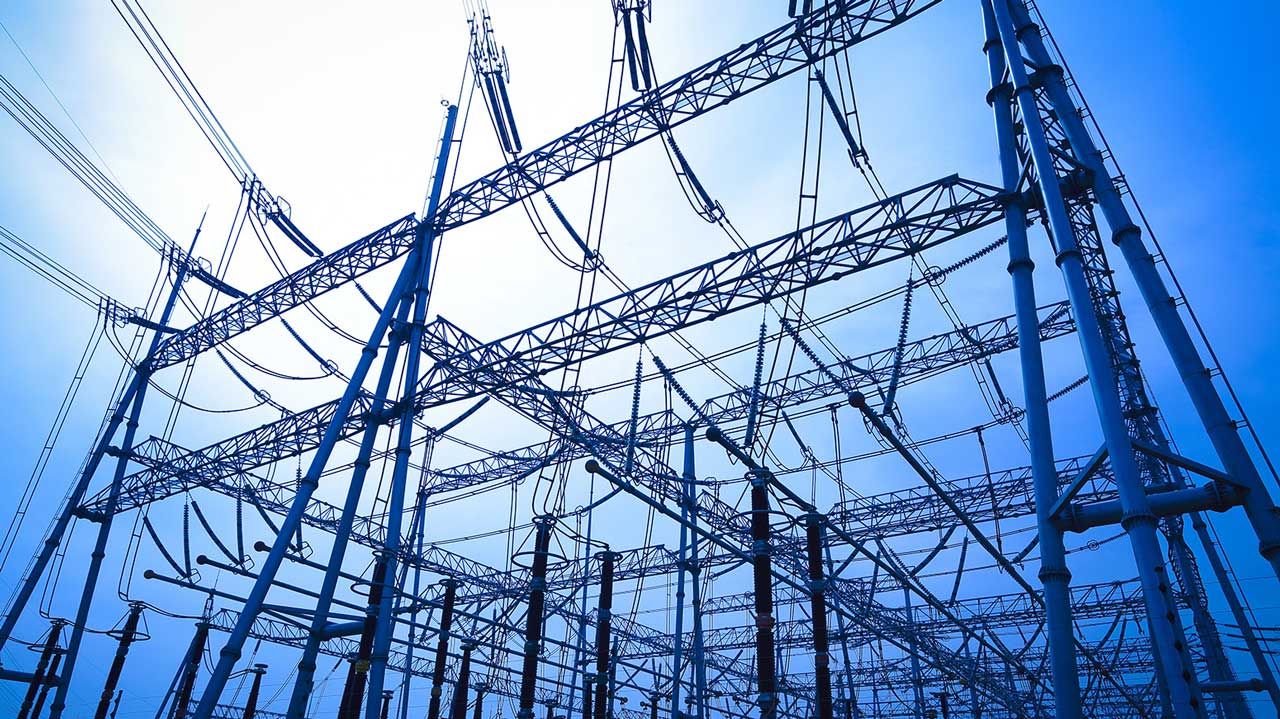
Conversely, Nigeria has been unable to optimally scale up its evacuation corridors, which currently limits offtake of power to such nations by the Nigerian government.
Therefore, these countries are considering buying power directly from power generation companies (GENCOS) in Nigeria to bypass the weakness of Nigerian power infrastructure that had been obstacles to direct supply of electricity to them. The ICIR reports that Burkina Faso has just approached the Nigerian government for power, but Benin and Togo have been regular customers.
Inside sources revealed that direct purchase from GENCOS could reduce costs. However, they must have the federal government’s consent to achieve this.
The ICIR reports that Nigeria’s current power supply oscillates between 3,000 and 4,000 megawatts despite power sector privatisation since 2013, with installed generation capacity of 14,000 megawatts.
Most Nigerian homes lack access to a constant electricity supply, with distribution companies resorting to load-shedding for homes and industrial clusters.
To worsen the crisis, Nigeria’s rising liquidity in the power sector and debts to power generation companies (GENCOS) of over trillion naira, with poor evacuation corridors, are a major cause of weak load evacuation to West African neighbours despite bilateral agreements.
“As of today, the contracting capacity for international customers, which constitutes Benin, Niger and Togo, is 606 megawatts. But they are given 306 megawatts on average, sometimes 320 megawatts, depending on line availability,” the executive director of market operations at Nigerian Independent System Operator (NISO), Edmund Eje, told The ICIR.
“They have asked why we are not able to evacuate to them, and we have explained that our infrastructure cannot evacuate optimally to their demands, which can overstretch our grid if there’s an overload,” Eje said.
The reason for poor evacuation, Eje said, is poor transmission infrastructure, stressing that, “an electricity overload will expose the national grid to incessant collapse.”
Findings by The ICIR showed that from Ikeja West to Sakete in the Benin Republic is 470 kilometres electricity line. While 30 per cent of the line belongs to the Benin Republic, 70 per cent of it is owned by Nigeria. The line, when fully completed, can evacuate 600 megawatts of power and on 330 (kilovolts)kV of transmission line to Benin.
However, the Nigerian evacuation corridors of 70 per cent are not fully built by the federal government, while the Benin Republic axis has been completed. With the non-completion, the evacuation of power to Sakete can only currently evacuate 100 megawatts of power to Benin, leaving those at the economic corridor in the axis stranded without constant power.
Eje confirmed that the weak evacuation corridors had prompted some of the West African neighbours to discuss with power generation companies for direct electricity load offtake through a power purchase agreement (PPA).
“In the past week, three generation companies came to my office to inform me that they want to sign a PPA with Togo. Burkina Faso also came to us and indicated interest in 400 megawatts of power,” Eje added.
The Executive Secretary of the Association of Gas Generation Companies of Nigeria (APGC), Joy Ogaji, told The ICIR that the debts in the sector were affecting investors’ confidence.
“Liquidity constraints continue to strain the generation companies. Gas supply limitations disrupt consistent power delivery, with end users struggling with unreliable electricity,” she said.
Analysts believe that the transmission expansion work by the Transmission Company of Nigeria (TCN), which involves upscaling of transmission infrastructure, could solve the evacuation corridor problems if the federal government intensify investments in transmission infrastructure, which still relies more on World Bank and African Development Bank funds for its works.
Recall that the Niger Delta Power Holding Company (NDPHC) disclosed on Sunday, March 15, that the Republic of Togo had expressed interest in increasing the volume of electricity from its company as part of efforts to meet growing power demand.
Débo-K’mba Barandao, who heads Togo’s utility company, said the country was witnessing an increasing electricity demand following the onboarding of new customers, including industrial and commercial users, as well as efforts by the Togolese government to expand electricity access nationwide.

Harrison Edeh is a journalist with the International Centre for Investigative Reporting, always determined to drive advocacy for good governance through holding public officials and businesses accountable.
Nigeria’s power sector needs urgent reforms. Can’t let neighboring countries take matters into their own hands 🙄”