Home Blog Page 124

Reps to FG: Rescue Goodluck Jonathan from Guinea-Bissau with tact

1

THE House of Representatives has called on the Federal Government to deploy all diplomatic channels to secure the safe return of former President Goodluck Jonathan, who is currently stranded in Guinea-Bissau after the recent coup in the country.

The House issued the call during on Thursday, November 27, during its plenary, just a day after military seized power in the West African nation.

Members explained that the former president was among the African leaders on a joint mission of the African Union, the Economic Community of West African States (ECOWAS), and the West African Elders Forum, who were in Guinea Bissau to monitor the presidential election held over the weekend.

They urged the Federal Government to rescue Nigerians equally trapped in the country.

The ICIR reported that head of the military office of the presidency, Denis N’Canha, a Brigadier General, announced on Wednesday that it had taken control in Guinea-Bissau, just a day before the scheduled release of results from a fiercely contested poll.

N’Canha, seated at a table and surrounded by armed soldiers, told journalists that a command “composed of all branches of the armed forces, was taking over the leadership of the country until further notice”.

The officers halted the country’s electoral process and shut its borders, three days after Guinea-Bissau held its legislative and presidential elections.

Media reports indicated that incumbent President Umaro Sissoco Embalo was inside a building behind military headquarters with the chief of staff and the Minister of Interior.

Embalo later said he was arrested while inside the presidential palace, adding that the chief of staff, Biague Na Ntan, the deputy chief of staff, Mamadou Traore, both generals, and the interior minister, Botche Cande, were also detained.

In separate statements, the Election observers from ECOWAS, the AU, and the Nigerian government expressed deep concern over the situation in Guinea-Bissau, condemning the coup as unacceptable and urged a swift return to democratic governance.

The coup took place a few hours after eyewitnesses said gunfire erupted on Wednesday near the headquarters of Guinea-Bissau’s election commission, as well as close to the presidential palace and the Interior Ministry.

The gunfire lasted for about an hour but appeared to have stopped by 1400 GMT, and it was not immediately clear who was involved in the shooting. There was a heavy military presence outside the presidential palace. 

The ICIR reported that Guinea Bissau held presidential and legislative elections on Sunday, where Embalo was seeking to become the first president in three decades to win a second consecutive term.

Guinea-Bissau, a small coastal nation between Senegal and Guinea, with about two million people, saw at least nine coups between 1974, when it gained independence from Portugal, and 2020, when Embalo took over power.

Trump condemns ‘terror’ in US after shooting near White House

0

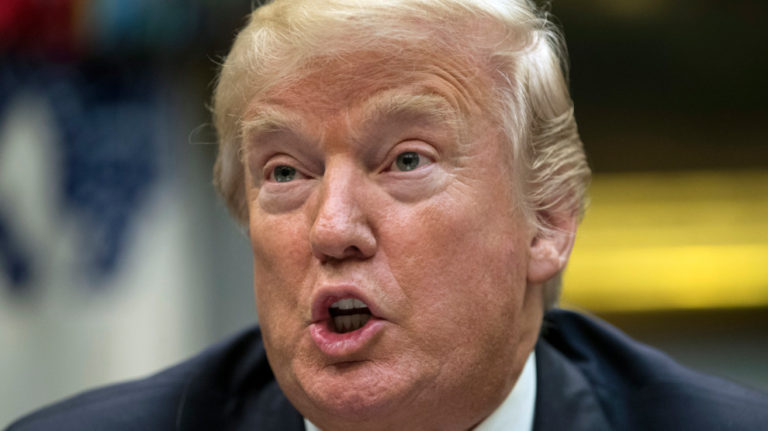
UNITED States (US) President Donald Trump has described the shooting of two National Guard members near the White House on Wednesday as “an act of evil, an act of hatred, and an act of terror.”

He vowed that his administration would re-examine all Afghans who came to the US during his predecessor, Joe Biden’s presidency.

Trump, who was at his resort in Florida at the time of the attack, released a video statement late Wednesday, after the Secret Service agents had placed the presidential mansion under a security lockdown immediately after the shooting as a precaution.

The shooting unfolded at midday outside a subway station in a bustling commercial area within a few blocks of the White House on Thanksgiving Eve.

The two soldiers, members of the West Virginia National Guard, were on a “high-visibility patrol” outside the entrance to a subway station when the suspect came around the corner, drew a weapon and immediately fired at the pair, Carroll said.

After an exchange of gunfire, other National Guard troops subdued the suspect. He was injured in a gunfight before his arrest and was identified by the Department of Homeland Security as Rahmanullah Lakanwal, an Afghan national.

The DHS reported that Lakanwal came to the US in 2021 through Operation Allies Welcome, a Biden-era initiative aimed at resettling thousands of Afghans who aided the US during the Afghanistan war and faced potential reprisals from the Taliban after they took control following the American withdrawal.

In response to the shooting, Defense Secretary Pete Hegseth said the president had asked to send another 500 National Guard troops to join the more than 2,000 Guard soldiers previously mobilised in the nation’s capital.

Washington Mayor Muriel Bowser, who has clashed openly with Trump over the deployment of Guard troops in her city, told reporters hours after the incident, “this is a targeted shooting.”

Executive Assistant Chief of the Washington Metropolitan Police Department, Jeff Carroll, said the two Guard soldiers were ‘ambushed’ and the assailant appeared to have acted alone.

Meanwhile, the US Citizenship and Immigration Services later announced that it had indefinitely paused the processing of all immigration applications for Afghan nationals, citing a need to review security and vetting procedures.

Wednesday’s shooting came five days after a federal judge issued a ruling to temporarily block National Guard troops from performing law enforcement duties in the district without the mayor’s approval, but the judge paused the effect of her order until December to allow an appeal from the Trump administration.

Trump said in August he was ordering the National Guard deployment to fight crime in a city he said had become unsafe, despite objections from District of Columbia officials who challenged the move in court as an infringement on local government control.

Trump, a Republican, has deployed troops in several other Democratic-led cities, namely Los Angeles, Chicago, Portland, Oregon, and Memphis, Tennessee, to combat what he described as lawlessness and violent unrest over his crackdown on illegal immigration.

Democratic leaders of those cities have accused Trump of manufacturing pretexts for militarised shows of force to punish political foes.

The ICIR reported that Trump said last month the American military could deploy ground troops or launch air strikes in Nigeria to halt what he described as the widespread killing of Christians in the West African nation.

He alleged that Christianity faced an existential threat in Nigeria, with thousands of Christians reportedly killed by radical Islamist groups.

Trump warned that the United States could take action including the possibility of military intervention if Nigeria failed to address the issue.

Nigeria was first designated a “Country off Particular Concern” (CPC) by Trump in 2020, but his successor, Biden, removed the country from the list after assuming office.

Reacting to Trump’s latest position on Nigeria, President Bola Tinubu said his country stood firmly as a democracy governed by constitutional guarantees of religious liberty and continued to maintain open engagement with both Christian and Muslim leaders across the country.

Tinubu argued that insecurity is a global crisis that required leaders to cooperate and combat. He said Nigeria remained committed to fighting terrorism, strengthening interfaith harmony, and protecting the lives and rights of all its people.

Perpetual flame of revolution: remembering Comrade Bene Madunagu

0

By Chido ONUMAH

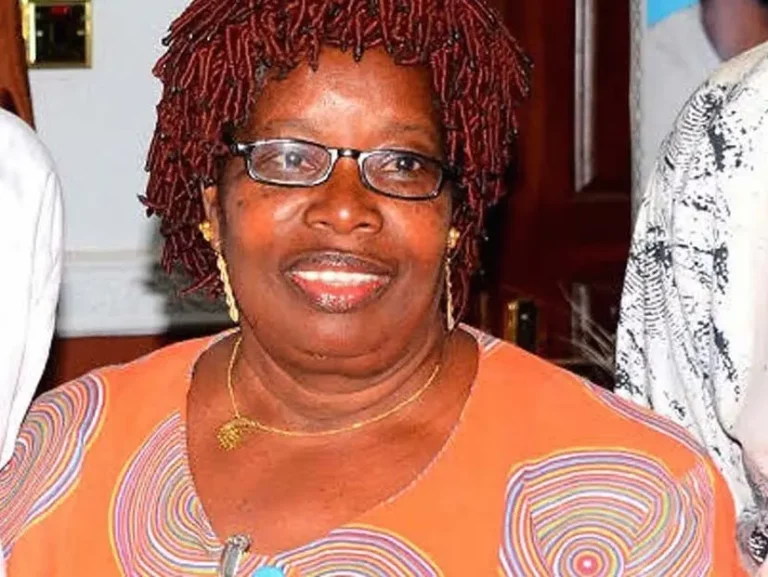
ON Wednesday, November 26, family, friends, associates and comrades will gather at the headquarters of Girls’ Power Initiative (GPI)—an organisation Bene Madunagu co-founded in 1993—in Calabar, Cross River State, to pay tribute and remember the life and times of one of the leading lights of the radical feminist and socialist movement in Nigeria: Comrade Professor Benedicta “Bene” Madunagu, nee Afangide.

Comrade Bene or Mumsy B, as her mentees and admirers called her, was a trailblazer in many ways, a towering figure whose courage, ideological depth, passion for gender rights and humanism shaped generations of activists, scholars, women’s rights defenders, and community organisers. She had a life-long commitment to challenging the deep-seated structures of patriarchy, inequality, and injustice.

The remembrance symposium will bring together mentees, students, gender rights activists and leading voices in the progressive and socialist movement to reflect on her legacy and the impact of her ideas. The occasion will also provide an opportunity to launch an endowment fund to support two key initiatives that she championed: The Gender Development Institute (GDI), and a Livelihood Skills Training Hub, designed to “sustain and expand her lifelong commitment to gender justice, transformative education, community development, and the empowerment of women and girls.”

The Socialist Library and Archives (SOLAR), an institution of the Nigerian Left aimed at archiving revolutionary and progressive literature and documenting the struggles of the Nigerian Left, one of the many initiatives that Comrade Bene was instrumental in creating will be fully represented at her memorial.

For SOLAR, in the words of its representative, Ikenna Edwin Madunagu, Bene’s first year memorial is more than a mere commemoration. It is a rededication—a collective and unyielding commitment to remember, celebrate, and propel forward the monumental legacy of our dear Comrade Professor Bene Madunagu. SOLAR will pay tribute to her in the following words:

In the grand tapestry of the Nigerian Left, Bene and her comrade and husband, Edwin Madunagu, were not just weavers; they were the dyers of the thread, the designers of the pattern. In 2021, when they transferred their vast, meticulously curated collection of literature and archives, they did something that transcends a simple act of charity. They didn’t just donate books; they endowed a future. They forged SOLAR into a living testament to lives wholly dedicated to the indivisibility of intellectual rigor and revolutionary action. This archive is a beacon—a physical manifestation of the vital, pulsating idea that theory and practice are one. It is a sanctuary for all who seek knowledge, not for its own sake, but as a weapon to change the world.

Today, as we gather under the banner of her memory, we stand at a critical juncture in our struggle. We remember not just a scholar, but a force of nature—a woman who was a self-described “absolutely confirmed feminist, with no ‘ifs’ or ‘buts'”. In a world constantly seeking compromise and dilution, her clarity was constant.

Bene’s life was a testament to the core tenets of our shared socialist vision. She stood for:

  • The revolutionary transformation of society on the platform of workers’ power and socialism—a society where the means of production serve the many, not the few.
  • Gender justice and the dismantling of every conceivable patriarchal structure that confines and dehumanises.
  • The fierce empowerment of women and girls to boldly claim their sexual and reproductive health rights—rights that are foundational to bodily autonomy and liberation.
  • Unwavering academic freedom—the right to seek and speak the truth without fear—and the tireless defense of workers’ rights, the very bedrock of our movement.

Her achievements were not abstract. They are concrete, impactful, and life-changing. She was a distinguished professor of botany, grounding her science in the material world. She was a pioneering co-founder of Women in Nigeria (WIN), a movement that redefined women’s activism in our nation. She was the driving force behind the life-changing Girls’ Power Initiative (GPI), an organisation that has nurtured generations of young female leaders.

Through these initiatives and her pivotal leadership role in global networks like DAWN (Development Alternatives with Women for a New Era), she didn’t just impact Nigeria; she impacted the world. She was our mentor, our leader, and a fierce, unwavering advocate for the marginalised, the silenced, and the oppressed.

Now, we come to a new chapter—a moment of collective responsibility. We are launching an Endowment Fund in support of her ideas. Let us be clear: this fund is not an end in itself. It is not about building monuments of stone; it is about sustaining movements of flesh and blood. It is the necessary means to ensure the continuity of the institutions she built and the struggles she so brilliantly led.

The charge for continuity is clear, and it is a revolutionary mandate:

  • Support the GPI: We must ensure that adolescent girls continue to find a safe, empowering space to learn their rights, assert their agency, and become the next wave of feminist and socialist leaders. You can find more information about their transformative work on the Girls’ Power Initiative website.
  • Bolster SOLAR: The Socialist Library and Archives must remain a vibrant, accessible hub for research, activism, and organising. We are the custodians of our history, and we must ensure our struggles are preserved for future generations of comrades.
  • Embody Her Principles: The most important continuity of all is not a donation, but a daily commitment in our own lives—to remain steadfast, unyielding, and utterly uncompromising in the fight for a just, equitable, and socialist Nigeria, a nation wholly free from all forms of oppression and exploitation.

Let this memorial and endowment fund be a testament to our collective resolve, our refusal to let the flame flicker, much less extinguish. The Mother of the Nigerian Left has passed the torch. Let us ensure the flames of her revolutionary spirit continue to burn brightly, illuminating the path forward for us all.

On November 26, 2024, the world lost one of its greatest champions for social justice. One year later, as we remember her, we are comforted by her admonition: “We must never stop fighting for the future we deserve.”

Chido Onumah, PhD, is the Coordinator of the Socialist Library and Archives (SOLAR).

Police confirm abduction of farmers in Niger as insecurity worsens nationwide

THE Niger State Police Command has confirmed the abduction of at least 10 farmers in Shiroro Local Government Area by bandits.

In a statement on Thursday, November 27, the police said the attack occurred on Wednesday, November 26, around Angwan-Kawo and Kuchipa villages in Erena Ward.

“On November 26, 2025 at about 8pm, report received indicated that suspected armed men abducted about ten persons from Angwan-Kawo & Kuchipa villages of Shiroro Local govt area. Effort is being emplaced to rescue the victims,” the statement read.

The police confirmation followed earlier accounts by residents who told Daily Trust that about 20 farmers were taken around 4 p.m. while harvesting rice in the same village.

Locals said the victims included four pregnant women and several children, and that the farm lies less than 500 metres from Erena town, where a military camp is located.

The ICIR reports that the abduction came barely six days after gunmen kidnapped more than 200 pupils and staff of St. Mary Secondary and Primary School in Papiri, Agwara LGA.

The development, The ICIR reported, triggered nationwide outrage and renewed calls for stronger responses from security agencies.

Across Nigeria, attacks on schools, farming communities, and highways have intensified despite ongoing military operations. In states such as Kebbi, Kano, Niger, Zamfara, Katsina, and Kwara, residents continue to face recurring raids, forced displacements, and mass kidnappings. 

The ICIR reported that on November 17, 2025, armed men breached the fence of Government Girls Comprehensive Secondary School in Maga, Kebbi State, killed the vice principal, and abducted 25 schoolgirls, a chilling echo of the Chibok, Dapchi, and other mass kidnappings of young girls in Nigeria.

Also, last week, some armed men invaded the Eruku Church during a programme, shot sporadically and took worshippers into the forest. Three people were confirmed dead, while one person remains hospitalised. 

However, all 38 worshippers abducted during the attack regained freedom on Sunday, November 24. The release followed a combined operation involving federal and state security agencies, with Governor AbdulRahman AbdulRazaq confirming that President Bola Tinubu personally oversaw the efforts.

Amid the growing anxiety, President Bola Tinubu on Wednesday, November 27, declared a nationwide state of emergency on security. He directed the military, police, and intelligence agencies to expand recruitment and strengthen rapid-response capability.

The president also announced federal backing for states that have set up their security outfits. He also called on the National Assembly to begin work on laws that would allow states willing to establish state police to do so.

Fixing the feed: how algorithmic accountability can combat misinformation, digital inequality in Nigeria

0

By Odeh FRIDAY

ALGORITHMIC systems on social media platforms increasingly shape the information Nigerians consume, determining what content is visible, how quickly spread rumours, and which voices gain prominence.

Misinformation landscape in Nigeria

These algorithms prioritise engagement and advertising revenue, often amplifying polarising and sensational content at the expense of credible information. This dynamic fuels rapid misinformation, distorts public debate, and erodes institutional trust at a time when Nigeria needs reliable information to navigate complex challenges, including economic pressures, elections, security concerns, and social cohesion.

Recent studies reveal that approximately 75 per cent of fake news in Nigeria originates from social media platforms such as Facebook, Twitter, and WhatsApp, compared to 15 per cent from traditional media sources like television, radio, and newspapers.

Exposure to such misinformation strongly correlates with heightened perceptions of national security threats, pointing to the seriousness of this issue for Nigeria’s stability.

Emerging AI solutions to misinformation

Nigeria is actively exploring AI-powered methods to counter misinformation. Deep learning and machine learning models are being developed to distinguish trustworthy sources from untrustworthy ones, while fact-checking bots cross-reference claims with verified datasets to slow the spread of false narratives. Behavioural analytics further help identify coordinated misinformation networks and bot-driven amplification.

Another study has demonstrated how AI tools can detect emotional tones and content patterns within Nigerian social media ecosystems, enabling early intervention before harmful narratives escalate.

These innovations highlight the potential for technology to empower timely verification and fact-checking. However, these efforts operate within a broader ecosystem shaped by external actors and systemic power imbalances.

AI colonialism and digital sovereignty

One of the most critical challenges facing Nigeria’s digital ecosystem is AI colonialism. Renowned Nigerian scholar a professor, Toyin Falola warns that Africa is subject to a new form of domination through data extraction, where global technology corporations harvest local data, process and monetise it abroad, and return limited value to African nations.

Further research reveals that foreign control over digital infrastructure and the dominance of multinational platforms enable external influence over Nigeria’s political, economic, and social domains.

Strangely, less than 20 per cent of Nigerian data is hosted on local data centre’s; the majority resides abroad in Europe and North America, exposing Nigeria to cybersecurity vulnerabilities, privacy risks, and economic value loss. Data localisation emerges as a vital strategy for safeguarding Nigeria’s digital sovereignty and must be central to any reform agenda.

Nigeria’s dependence on externally built AI systems not only erodes sovereignty but also entrenches structural inequalities, as many systems fail to reflect local languages, cultural contexts, and civic needs, thereby compromising fairness and inclusivity in algorithmic decision-making.

Algorithmic decision-making and Its societal impact

Algorithmic ranking models shape what content Nigerians see, influencing political education, civic engagement, and public dialogue. These systems tend to amplify sensational narratives and create echo chambers that limit exposure to diverse perspectives, thereby undermining democratic deliberation. According to a 2025 report, 34 per cent of Nigerian internet users have encountered negative online experiences, including cyberbullying and misinformation, illustrating the widespread social harm caused by algorithmic dynamics.

Women, youth, children, and first-time voters are especially vulnerable to these harms, facing disproportionate exposure to digital manipulation and targeted misinformation. Compounding these risks are significant digital literacy gaps: while Nigeria aims to achieve 70 per cent digital literacy by 2027, only about 63.1 per cent of adults currently possess basic literacy skills. Over 50 per cent lack essential digital competencies, with just 68 per cent able to use smartphones at a basic level and 39 per cent proficient with laptops or tablets. Gender disparities persist, with 45 per cent of women versus 62 per cent of men aware of mobile internet access. These gaps highlight the urgent need for inclusive digital education alongside technological interventions.

Regulatory and ethical frameworks: progress and challenges

Nigeria has begun addressing these challenges through emerging regulatory and ethical frameworks. The AI Bill of 2023, presently under national assembly consideration, proposes the establishment of a National Artificial Intelligence Council tasked with overseeing AI governance, enforcing ethical standards, registering and licensing AI systems and developers, and authorising restrictions or bans on non-compliant platforms based on national security or public interest concerns.

This bill emphasises consent, privacy, transparency, and risk-based oversight, including provisions for algorithmic impact assessments for high-risk AI systems. Experts advocate for human rights impact assessments prior to deployment of AI tools by both government and private entities, alongside transparency and accountability standards tailored to Nigeria’s linguistic and institutional realities. These frameworks will be essential for predictable, equitable, and context-aware digital governance.

Civic monitoring and digital accountability

Digital platforms in Nigeria have also become powerful tools for promoting transparency and accountability. Campaigns such as #OpenNASS and #EndSARS exemplify how citizens leverage social media to demand accountability from public officials and institutions. Civil society organisations (CSOs) increasingly combine platform analytics with grassroots reporting to monitor electoral misinformation and identify emerging threats.

Notably, TikTok removed over 7.5 million Nigerian videos in the first half of 2025 under Nigeria’s mandated Code of Practice for Interactive Computer Service Platforms, reflecting active yet challenged regulatory enforcement efforts. However, the very algorithms enabling mobilisation often simultaneously amplify misleading narratives. This paradox fuels demands by Nigerian advocates for transparency reports addressing localized risks, regulatory measures to uphold data sovereignty, and independent audits of algorithmic systems used by governments and big technology companies alike.

Social media algorithms have been implicated in intensifying polarising political content and misinformation campaigns during elections, reinforcing calls for independent audits and transparency tailored specifically to Nigeria’s context.

Recommendations and the way forward

Nigeria is poised to take decisive steps toward algorithmic accountability. Public institutions should mandate comprehensive algorithmic impact assessments for systems with civic implications, require disclosure of algorithmic operations from digital platforms, and establish procurement policies that prioritise data sovereignty and independent auditing.

Moreover, collaboration among CSOs, academia, and media can support community-based monitoring networks that blend digital analysis with local reporting, providing early-warning systems for misinformation and harmful algorithmic patterns.

Platforms operating in Nigeria must align with transparency and accountability standards reflective of local realities, rather than limiting disclosures to global benchmarks.

Conclusion

Now is the moment to embed algorithmic accountability within Nigeria’s broader ambitions for digital inclusion, innovation, economic transformation, and civic safety. Thoughtful regulation, contextual oversight, and civic monitoring can build digital ecosystems that reinforce public trust, build power for citizens with information integrity, and support democratic participation grounded in inclusive governance that works.

Odeh Friday is the Country Director for Accountability Lab Nigeria and can be reached via  odeh@accountabilitylab.org

Poor oversight, regulatory failure expose Nigerians to slow death from battery recycling [Part-2]

0

By Oladeinde Olawoyin & Folashade Ogunrinde

THE residents who tested positive for lead poisoning live between 100 and 500 metres from True Metals Nigeria Limited and Everest Metal Nigeria Ltd, two of the most prominent companies engaged in Used Lead-Acid Batteries (ULABs) in Ogijo

The lead found in the blood of residents and in the soil of Ewu Oloye, Ipetoro, and Ewu Eruku communities in Ogijo, a border town in Ogun State, pointed to a clear source: the cluster of battery-recycling factories that powers Ogijo’s small economy while slowly poisoning the people and their environment.

Residents who tested positive for lead poisoning live within 100 to 500 metres of True Metals Nigeria Limited and Everest Metal Nigeria Ltd, two of the most prominent Used Lead-Acid Batteries (ULAB) recyclers in Ogijo.

True Metal Nigeria Limited is a recycling facility located at Km-16, Ikorodu-Sagamu Road, Ogijo, Ogun State. According to its website, the company specialises in the export of non-ferrous metals, including lead alloys, lead ingots, and copper products.

Front view of True Metals Nigeria LTD. 

True Metals is one of Nigeria’s leading exporters of lead products. In 2022, the company shipped recycled lead to Spain, South Korea, and India. Between 2023 and May 2025, it also exported recycled lead to the United States, according to multiple trade records reviewed by The Examination and PREMIUM TIMES.

Records show that between 2022 and 2024, several companies received recycled lead from True Metals, including Trafigura Trading LLC, C. Steinweg Baltimore Inc., Wilebat SL, Hankook Bicheol Co. Ltd., and Montorretas SA.

Further analysis of two separate trade record sources found that, from April 2023 to December 2024, True Metals Nigeria Ltd. made at least 29 shipments of recycled lead to Trafigura, destined for the United States.

According to a 2020 report by UNICEF and Pure Earth, the global demand for lead has surged in recent decades, driven largely by the rapid growth of vehicle ownership in low- and middle-income countries. Lead prices doubled between 2005 and 2019, while the number of new vehicles sold in these countries more than tripled between 2000 and 2018.

Global Dynamics

In the auto industry, recycled lead is extensively used in automotive batteries, forming the core of new batteries through a recycling system. The lead from spent batteries is recovered, refined, and returned to the supply chain to create new ones, with recycled materials making up over 80 per cent of new car batteries in the US. Experts claim that the approach conserves resources, reduces the need for mining, and makes lead-acid batteries one of the most recycled products.

Men and women known as pickers salvage dead batteries from the streets of Lagos and sell them to companies that recycle the lead inside 

While the United States and Europe recycle more than 95 per cent of their used lead-acid batteries under strict environmental controls, many low- and middle-income countries lack comparable regulations and enforcement. As a result, countless batteries are processed in informal and unregulated settings.

“These informal recycling operations are often in backyards, where unprotected workers break open batteries with hand tools and remove the lead plates that are smelted in open-air pits that spread lead-laden fumes and particulate. It is estimated that in Africa alone, more than 1.2 million tonnes of used lead-acid batteries enter the recycling economy each year, and much of that goes to informal operators,” the 2020 report stated.

Labourers load old vehicle batteries onto a truck that will deliver them to battery recycling facilities, which melt the lead inside for new batteries.

Africa alone generates an estimated 1.2 million tonnes of used lead-acid batteries each year, much of which ends up in informal recycling operations that serve as a primary source of income for many poor households.

A battery breaker in Lagos, Nigeria, uses a machete to hack open the plastic casing of a car battery

According to United Nations data, Nigeria led Africa in recycled lead exports between 2019 and 2023. The same data show that the United States imported the largest net weight of recycled lead from Nigeria during this period.

A laborer pours battery acid into a drum 

US Census records indicate that imports from Nigeria increased from under 1,000 tonnes in 2019 to 34,300 tonnes in 2020.

Source: U.S. Census Bureau, “USA Trade Online,” accessed on September 17, 2025. HS code:7801

Workers’ recount ordeals

True Metals said it aims to be “a well-organised, fully upgraded, mechanical and efficient plant that sustains development to business through class value-added products,” and by being “Eco-friendly”.

However, multiple residents and workers within the organisation told PREMIUM TIMES that the company’s promises to be eco-friendly only exist on paper, as the indiscriminate discharge of lead waste into the soil, air, and water of Ogijo falls short of international safety standards.

Workers report handling batteries with their bare hands, smashing them with axes, wearing torn gloves, and handling molten lead with minimal protection, while fumes drift freely into the air.

Video evidence obtained by PREMIUM TIMES showed that factory floors are cracked and cluttered, slag piles sit exposed to wind and rain, and rainwater and battery effluents flow untreated into the surroundings. Lead dust left out in the open spreads into nearby homes, classrooms, and gardens.

In one small-scale farm that shares a fence with True Metals, PREMIUM TIMES reporters observed blackened leaves, a sign of prolonged exposure to dust and fumes drifting from the recycling plant. The surfaces of houses and rooftops have been blackened over the years from the lead dust emitted by the company.

Blackened leaves from lead dust

Blackened walls from lead dust 

Every step of the operation flagrantly violates international safety standards and the National Environmental (Battery Control) Regulations 2024, exposing both workers and communities to toxic lead.

Cracked and cluttered floors at True Metals 

“Nobody ensures that workers have protective gear; if anything happens to you, you are on your own,” a True Metals worker, who sought anonymity for fear of victimisation, told PREMIUM TIMES. Section 49 of the National Environmental (Battery Control) Regulations 2024 states that workers handling used batteries must wear appropriate Personal Protective Equipment (PPE) as prescribed in the regulations.

Piles of used battery litter the factory floor 

Speaking to PREMIUM TIMES in the first week of November, a worker at True Metals, who asked not to be named for fear of reprisals, had just finished his shift. His face looked worn, the long hours clearly taking a toll on him. The harsh working conditions have aged him, he said, but his need to earn an honest living, even at the risk of his health, keeps him there.

Smoke from the surface rise into the atmosphere, poisoning Ogijo residents

As the late-afternoon sun fell on his face, he recalled the many accidents he had witnessed over the years, incidents that had cost some of his colleagues an eye, an arm, and even a life.

Just like his colleagues, this worker tested high for lead poisoning.

“I am worried, I am not okay with the result,” he said, in response to PREMIUM TIMES’ enquiry on how he felt about the test result. “But how can I find a solution?” he asked aloud, confusion and helplessness written on his face.

“It is to quit the job,” he quipped, amid hesitation, adding that “I am just managing for now because I don’t have any other one yet.”

Many Nigerians struggle with unemployment. Figures from the National Bureau of Statistics indicate that the country’s unemployment rate stood at 4.3 per cent in the second quarter of 2024, approximately two years after the methodology was revised and the rate adjusted from 33 per cent.

The worker reported experiencing itching and internal heat. When a blood test was conducted by True Metals in 2023, he alleged that the results were not provided to them. The company informed them that they were fine, and it was the only test he had been subjected to since joining the company nearly a decade ago, in clear contravention of existing laws and regulations.

According to Section 48(j) of the National Environmental (Battery Control) Regulations 2024, battery recycling plants are expected to “carry out blood lead test on the facility workers at least twice every year.”

The blood and soil test commissioned by The Examination and partners and prepared by the Sustainable Research and Action for Environmental Development (STRADev) documented cases of headaches, stomach pain, anaemia, fatigue, and seizures among affected individuals.

Apart from True Metals, workers and residents living near other recycling plants in Ogijo—notably Everest Metal Nigeria Ltd and African Non-Ferrous Industries Ltd—were also tested. Results showed that all 16 workers tested from the three recycling companies have lead poisoning. Their BLL ranged from 10 to 38.1234 µg/Dl. The workers held roles such as cleaning, sorting, smelting, storekeeping, and battery transportation.

The situation is not any different at Everest Metal Nigeria Ltd. The company is situated on the premises of a former iron rolling plant and has been engaged in the recycling of used lead-acid batteries (ULABs) for approximately five years.

Among the workers tested, Steven (Not real name*), a furnace operator, recorded a blood-lead level of 21.7 microgrammes per decilitre, more than five times the World Health Organisation’s safety limit.

“I feel bad. I didn’t even know that I have this level of lead inside my system. I would have left this work a long time ago,” Steven said when he received his result.

For three years, he worked at the plant. Each day, he and his co-workers feed used batteries into red-hot furnaces that burn for hours, releasing thick fumes that sting the eyes and throat. They mix the acid and molten lead by hand, often without adequate protection.

“We get gloves once a week,” he said. “But the acid burns through them, and sometimes I buy new ones with my own money.”

Steven said his body had started sending warnings.

“Two weeks ago, I began to feel sharp pains in my chest. Sometimes my eyes hurt, like dust is inside them. Other times, I can’t see clearly. Before I eat at night, my stomach hurts. Even when I try to urinate, I feel pain all over,” he said.

When he coughs, the sputum that comes out is black, the same colour as the smoke that rises from the furnace. Mr Steven said inspectors from government agencies visit only to take photographs or collect “settlements” before leaving.

“They don’t ask how we feel. If anything happens, you’re on your own,” he said.

Last year, one of his friends died after suffering severe swelling, symptoms that doctors linked to chemical poisoning. The company paid the family N1.5 million in compensation, he told PREMIUM TIMES.

“He stopped eating, and his body started swelling. His family rushed him to the hospital, but he died the same day. It was the chemicals that killed him,” Steven said.

‘Lodging’

At Everest Metal, used lead-acid batteries are collected, broken, and fed into furnaces. Workers refer to the production area as “the lodging.” There are four such lodgings, each operating its own furnace.

The process begins with the arrival of old batteries, already cracked open to remove the plastic casings. The metal and residue are mixed with chemicals and loaded into the furnace, where they are heated for four to five hours.

When the molten mixture cools, it solidifies into crude lead. The lead is then transferred to the refinery section, where it is purified and prepared for export. Throughout the process, workers are exposed to heat, fumes, and acid residue, often without adequate protective gear.

The traditional ruler of Ogijo, Oba Kazeem Gbadamosi, stated that his community has spent years advocating for battery recycling companies to operate safely.

The Ologijo of Ogijo, Oba Kazeem Gbadamosi, sits on a carved wooden throne 

He said that despite workshops and repeated engagements, many factories continue to operate as they did years ago, with dangerous consequences. According to him, past tests revealed “a great amount of lead… in the blood, on the ground, and in the environment where these factories are located.”

He recalled reports of severe health problems among residents, including birth deformities, persistent cough, miscarriages and even a cluster of sudden deaths of five workers within a single week.

“Some have been reported, some have not been reported, but they can be attributed to the issue of lead being emitted in the community,” he said.

He stressed that residents were not calling for the factories to shut down, but rather for them to stop polluting, adding that local leaders had worked with NGOs and the National Environmental Standards and Regulations Enforcement Agency (NESREA) for six years to pressure operators to adopt safer practices.

Regulatory provisions

In August 2024, the Federal Government of Nigeria unveiled the National Environmental (Battery Control) Regulations 2024 to prevent and minimise pollution and waste emanating from batteries in Nigeria. This is based on the National Environmental Standards and Regulations Enforcement Agency (NESREA) Act, 2007, a Nigerian law that established the National Environmental Standards and Regulations Enforcement Agency to protect and develop the environment.

Speaking at the time, Nigeria’s Minister of Environment, Balarabe Lawal, stated that the document was part of the government’s efforts to promote the practice of battery waste disposal in an internationally standardised manner and facilitate an enabling environment for deploying renewable energy projects.

“Batteries contain hazardous materials such as lead, mercury, cadmium, and lithium, amongst others. When improperly disposed of, these materials can lead to severe health conditions, including cancer, kidney damage and neurological disorders,” he said.

In essence, the regulations aim to ensure the environmentally sound management of all types of batteries throughout their life cycle, encompassing production, use, collection, transportation, storage, recycling, and disposal. This will not only encourage best practices among recyclers but also ensure that the people and their environments are safe.

However, for workers and residents who have endured years of relentless pollution from the battery lead recycling companies in Ogijo, their realities mirror cases of regulatory failures. They told PREMIUM TIMES that they can no longer bear the toll it has taken on their health and daily lives.

In 2018, a BusinessDay report revealed that companies recycling lead-acid batteries were contaminating air, soil, and water sources in Ogun and Lagos states, resulting in high lead levels in the blood of workers and residents. Seven years later, the situation has only worsened.

Omoh Ifalanki, an executive of the Ikeoluwa Community Development Area (CDA), told PREMIUM TIMES that every attempt to stop the toxic emissions over the years has been unsuccessful. He said letters to government agencies, including the Ogun State Ministry of Environment, have gone unanswered.

A resident of Ogijo for over two decades, Ifalanki explained that community members, most of whom are poor, often pool their own money to submit formal complaints about the pollution from the lead-recycling factories.

“These companies pay tax, so the government knows them well,” he said, alleging that corruption has allowed the violations to continue unchecked.

Light at the end of the tunnel?

On 17 September, NESREA announced that it had sealed nine recycling facilities in Ogijo, including True Metals, for environmental pollution.

In a statement on its website, NESREA’s Director-General, Innocent Barikor, said the “improper disposal of hazardous slag from battery recycling threatens environmental degradation and public health risks from toxic lead content. Tests have revealed the presence of lead in residents, resulting in illnesses and deaths.”

According to NESREA, the facilities were shut down for violating the National Environmental (Battery Control) Regulations, 2024. Offences cited include operating without the required environmental documents, lacking a fume treatment system, discharging black oil, failing to conduct blood-lead tests on workers, poor slag management, manual battery breaking, and non-compliance with the Extended Producer Responsibility (EPR) programme.

But before the announcement, The Examination, PREMIUM TIMES, and partners had conducted an independent scientific study to measure lead levels in Ogijo’s soil and in the blood of 70 workers and residents. The results were relayed to NESREA for official reaction.

The results were alarming. Of the 70 people tested, 50 had Blood Lead Levels (BLLs) above 5 µg/dL, the World Health Organisation’s threshold for lead poisoning. Every worker sampled, 14 in total, tested positive, including one employee at Everest Metal whose BLL reached 38 µg/dL, a level associated with severe neurological and organ damage.

Children and women also showed widespread exposure. Eight of the 14 children tested had BLLs above the five µg/dL benchmark, while 15 of the 24 women sampled exceeded the same threshold. One woman recorded an exceptionally high BLL of 31.06 µg/d.

Blood test infographics 

These violations mirror what residents working in the facilities have long reported.

Meanwhile, NESREA had received a copy of the soil and blood test result commissioned by The Examination and prepared by STRADev before it sealed the recycling companies.

But while speaking to The New York Times/The Examination in an interview, the NESREA DG, Barikor, claimed that the STRADev report was “additional information” and NESREA had done its own report “over a period of time.”

Multiple residents and workers in recycling plants in Ogijo expressed doubts about such a “coincidence” but were delighted that action was being taken anyway. Many of them told PREMIUM TIMES that the draft blood and soil report NESREA received between late August and early September seems to have finally spurred the agency into action in Ogijo, steps it should have taken earlier.

Yet, despite the seal orders, True Metals and Everest Metal resumed operations within weeks, reopening as though nothing had happened. When asked why the companies reopened, Barikor said a meeting held in Abuja between the agency and the battery lead recycling companies prompted the re-opening of the facilities. He said part of the issues discussed were the technological challenges the companies struggle with, and a protocol to be implemented within a time frame.

“The first thing we are going to do is to now collectively ensure that the legacy slags are removed. The first open action that will be cited by the public community will be the removal of the slag. That cannot take place until there is an identification of a dump site that is certified by the government. We need to work with the state to do that,” he said.

He further stated that some companies have begun to “take measures” to address this protocol on how to deal with their environmental concerns.

For workers who are put in harm’s way because the government failed to implement the safety laws and for Ogijo residents whose health slowly ebbs away, the assurances mean little.

In multiple interviews with PREMIUM TIMES in the first week of November, workers who sought anonymity for fear of victimisation said after production resumed at the factories, nothing really changed.

“After shutting down for two weeks, we came back to work, but they gave only a few of us boots. I buy my safety boots to protect myself,” a resident who works for Everest Metal said. Workers at True Metals shared similar experiences.

In an interview with The New York Times and The Examination, Chris Pruitt, executive chairman of the board of East Penn Manufacturing, a major US battery maker with ties to Nigerian companies, stated that “under five per cent” of the lead came from Nigeria. After receiving questions from The Examination and partner newsrooms, Pruitt said, East Penn stopped buying lead from Nigeria and began to tighten its supplier code of conduct.

Lead-recycling companies speak

The Examination and PREMIUM TIMES wrote to True Metals and Everest Metals. We sought to know what information Hankook, its South Korean trading partner, and Trafigura, a US-based trader that purchases recycled lead from Nigerian recycling companies, requested from True Metals about pollution controls, worker safety, and environmental practices before purchasing its recycled lead.

We also asked True Metals to respond to inspection findings, reports of unsafe dust levels, allegations of weak safety practices, community pollution complaints, sourcing practices from informal collectors, and evidence of soil and blood contamination, among other issues.

The two companies did not respond to letters seeking clarification on the matter.

We also contacted BPL Nigeria Ltd., one of the companies assessed in the 2024 ProBaMet project, with questions about its safety practices. We asked what information Trafigura requested from BPL regarding pollution controls and worker protection, and whether BPL agreed with the ProBaMet findings that described “severe weaknesses,” significant emissions, and unsafe exposure to lead.

The 2024 ProBaMet project was a multi-level intervention led by six NGOs, among them STRADev, in partnership with the German Cooperation. On the government side, the effort brought together NESREA, the Ogun State Environmental Protection Agency (OGEPA), and other regulatory agencies.

We also requested clarification on specific inspection observations, including the lack of controlled acid collection, poor dust handling, and a large dust heap located near the furnace.

Additionally, we inquired whether BPL disputed NESREA’s September 2024 allegations that the company had violated the new Battery Recycling Regulation in areas such as the absence of environmental documents, unsafe manual breaking, improper slag management, and failure to conduct worker blood-lead tests.

In its response, BPL did not address our specific questions but instead issued a broad statement about its role in Nigeria’s evolving recycling industry. The company stated that it collaborates with international partners, including Trafigura, to meet environmental and safety requirements and is implementing a 17-point improvement plan that encompasses monitoring, worker safety, infrastructure, and responsible sourcing.

BPL added that it is committed to aligning with the 2024 Battery Recycling Regulation and continues to engage regulators and partners to raise operational standards.

Meanwhile, it neither confirmed nor disputed the specific inspection findings that contained NESREA’s allegations.

African Non-Ferrous, another recycling company, said it recognises the environmental and health risks associated with lead recycling and has been working with Nigerian authorities to address compliance issues under the 2024 battery recycling regulations.

The company stated that it has implemented improvements in environmental monitoring, worker safety, infrastructure, and responsible battery sourcing to align with Nigerian and international standards. It added that it remains committed to collaborating with regulators, customers, and community stakeholders to enhance environmental performance while maintaining jobs in the sector.

An email enquiry sent to the Ogun State Environmental Protection Agency (OGEPA), the agency responsible for enforcing relevant environmental standards, regulations, and laws, elicited no response as of press time. Efforts to also reach the agency through multiple telephone calls placed to a number listed on its website proved abortive.

What next for Ogijo residents, workers?

After the blood test was conducted, there was a brief medical consultation with the affected residents and workers, while sachets of ferrous sulfate, an iron supplement used to prevent or treat anaemia, were provided.

Sachets of ferrous sulphate given to residents with lead poisoning 

Many of them were advised to relocate from their communities, with no clarity on compensation or chelation therapy for those with extremely high blood-lead levels, as recommended by the WHO.

Whether the ferrous sulfate will help remove the lead remains uncertain, as a 2020 UNICEF and Pure Earth report notes that once lead settles in the body, there is no real cure, and much of the damage from long-term exposure is irreversible.

Nasir Tsafe, a member of the rapid response team for lead poisoning in Zamfara State and coordinator of the Centre for Lead Poisoning Control and Prevention at King Fahd Abdul Aziz Children and Women Hospital, told The Examination, PREMIUM TIMES and partners that exposure above 3.5 micrograms per deciliter is dangerous.

“According to the CDC, this could start to show some effects in the body, especially cognitive effects on children who are less than five,” he explained.

Tsafe stressed the need to stop ongoing exposure, noting that children can ingest lead through contaminated clothes and materials brought home from smelting sites. He said smelters need proper training and hygiene practices, including removing contaminated materials, bathing with soap, and changing into clean clothes before returning home.

“Any ordinary soap will remove 99 per cent of the lead. Then they must put on clean clothes that are completely not used during the smelting… so that when they go home, they have less exposure to give to their children.”

He, however, said government action on lead poisoning has been deprioritised.

“Right now, the government has put down lead poisoning aside. It’s no longer their priority… It’s still a time bomb. It’s going to come back. It’s still going to come back to be killing more and more children.” he said.

This is the second part of this two-part investigation by PREMIUM TIMES. You can read the first part here

Tinubu declares state of emergency on insecurity, pushes for state police

0

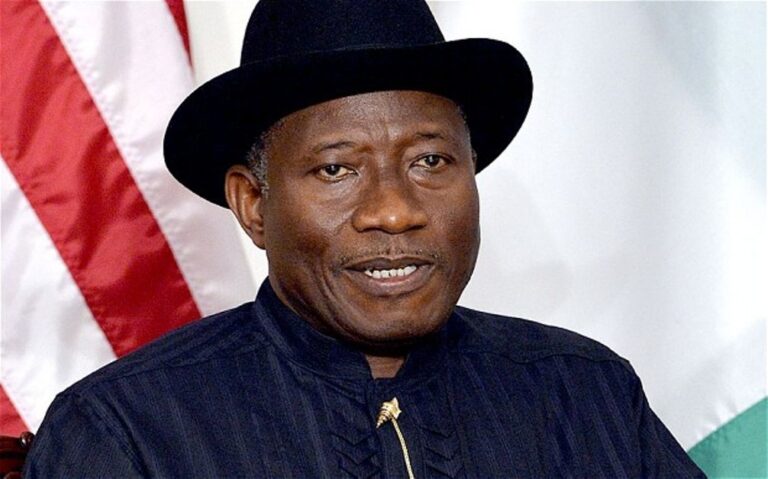
PRESIDENT Bola Tinubu on Wednesday, November 26, declared a nationwide state of emergency on insecurity, ordering massive recruitment into the military and police as attacks and abductions by terrorists escalate across the country.

A statement released by the Presidency noted that the president authorised the police to recruit 20,000 additional officers.

It noted that the development would raise the new intake to 50,000, while also directing the Army and State Security Service (SSS) to immediately enlist more personnel.

The SSS was also ordered to deploy all trained forest guards and hire more hands to flush out armed groups hiding in Nigeria’s forests.

Tinubu approved the use of NYSC camps as temporary police training centres and directed that officers withdrawn from VIP protection be given crash training before deployment to crisis zones.

He praised security agencies for securing the release of 24 abducted schoolgirls in Kebbi and 38 kidnapped worshippers in Kwara, saying ongoing efforts would continue to rescue remaining schoolchildren held in Niger State and other captives across the country.

Calling the moment a national emergency, the president urged citizens to support security forces and remain vigilant.

Tinubu pushes for state police

In the same development, the president announced federal backing for states that have set up their security outfits.

He also called on the National Assembly to begin work on laws that would allow states willing to establish state police to do so.

“In addition, our administration will support state governments which have set up security outfits to safeguard their people from the terrorists bent on disrupting our national peace.

“I call on the National Assembly to begin reviewing our laws to allow states that require state police to establish them,” he said.

Tinubu warned states against siting boarding schools in isolated areas without adequate protection and urged religious centres in vulnerable communities to maintain close security coordination.

Herders told to embrace ranching

The president again pushed for an end to open grazing, asking herder groups to adopt ranching and surrender illegal weapons.

He said the newly created Ministry of Livestock Development would support the transition.

“Our administration created the Livestock Ministry to address the persistent clashes between herders and farmers. I call on all herder associations to take advantage of it, end open grazing and surrender illegal weapons. Ranching is now the path forward for sustainable livestock farming and national harmony. The Federal Government, in collaboration with the states, will work with you to solve this problem, once and for all.”

Tinubu warned armed groups not to “mistake restraint for weakness,” insisting his administration had the resolve to restore peace across Nigeria.

The announcement comes after a deadly week in which terrorists abducted 24 schoolgirls from Government Girls’ Comprehensive Secondary School, Maga, in Kebbi; 38 worshippers from a church in Eruku, Kwara; and scores of students and teachers from St. Mary’s Papiri Catholic School in Niger State.

Boko Haram also seized 12 women and girls in Borno, while multiple communities in Zamfara, Yobe and Niger reported fresh killings and armed incursions.

Military announces coup in Guinea Bissau amid election stalemate

0

A Group of military officers announced on Wednesday that it had taken control in coup-prone Guinea-Bissau, just a day before the scheduled release of results from a fiercely contested presidential election in the West Africa nation.

In a statement delivered on state television, the military’s spokesperson, Diniz N’Tchama, said Army officers had removed President Umaro Sissoco Embaló from power, halted the electoral process, closed the country’s borders, and imposed a curfew.

The announcement came shortly after Embaló told France 24 that he had been deposed, and the Army announced the creation of “The High Military Command for the Restoration of Order,” which they said would oversee the nation until further notice.

According to the Army, the officers seized power in response to what they described as a destabilisation plot orchestrated by “certain national politicians” and “well-known national and foreign drug barons,” as well as an alleged effort to manipulate the election results.

The officers did not say whether Embaló had been taken into custody, and his whereabouts remained unclear.

It remains unclear whether the army officers enjoyed the support of Guinea-Bissau’s fragmented military or whether they had established full control over the country of about two million people.

This latest outbreak of unrest in Guinea-Bissau is coming a few hours after eyewitnesses said gunfire erupted on Wednesday near the headquarters of Guinea-Bissau’s election commission, as well as close to the presidential palace and the interior ministry, just a day before provisional results from the tense vote were expected to be released.

According to Reuters, the gunfire lasted for about an hour but appeared to have stopped by 1400 GMT, and it was not immediately clear who was involved in the shooting.

There was a heavy military presence outside the presidential palace. The news agency quoted a spokesperson for Embalo, Antonio Yaya Seidy, as saying that unidentified gunmen attacked the election commission to prevent an announcement of the vote results.

Seidy alleged that the men were affiliated with a major contender in the election, Fernando Dias, without providing evidence. 

The coup-prone West African country held presidential and legislative elections on Sunday, which pit incumbent President Umaro Sissoco Embalo against Dias, and both sides claimed victory in the first round earlier this week.

Embalo was seeking to become the first president in three decades to win a second consecutive term in Guinea-Bissau.

Pereira is the leader of the African Party for the Independence of Guinea and Cape Verde (PAIGC), the party that led the fight for independence from Portugal in the 1960s and 1970s.

The PAIGC was, for the first time, barred from fielding candidates in the elections this year after authorities said it filed papers late.

However, former prime minister Domingos Simoes Pereira, who lost to Embaló in a disputed 2019 runoff and is backing Dias in the current election, said Dias had no connection to the incident.

Pereira added he suspected Embalo was trying to simulate a coup so that he could declare an emergency, having determined he would be named the loser of the election, though he did not provide evidence for the claim.

Meanwhile, Embalo told Reuters that he had survived three coup attempts, but his critics have accused him of manufacturing crises as an excuse for crackdowns.

Recall that gunfire rang out for hours in the capital in December 2023 in what Embalo’s government said was an attempted putsch, leading to his decision to dissolve the parliament in response, and the country has gone without a functioning legislature ever since.

Guinea-Bissau, a small coastal nation between Senegal and Guinea, saw at least nine coups between 1974, when it gained independence from Portugal, and 2020, when Embalo took office.

Tinubu sends three-man ambassadorial list to Senate 2 years after assuming office

0

PRESIDENT Bola Tinubu has sent a list of ambassadors containing three names to the Senate.

The Senate President, Godswill Akpabio, announced this in a letter from the president at the Senate plenary on Wednesday, November 26.

The non-career nominees are Kayode Are (Ogun), Aminu Dalhatu Jigawa) and Ayodele Oke.

Akpabio said the president would subsequently send more names. He said the president’s action was in consonance with Section 171 (1), (2)(c) and (4) of the 1999 constitution (as amended).

Since Tinubu recalled all ambassadors appointed his predecessor, the late President Muhammadu Buhari, on September 2, 2023, he has yet to replace them.

The president has come under heavy criticisms in recent weeks after the United States President Donald Trump designated Nigeria a “Country of Particular Concern” over alleged Christian killings.

Trump repeatedly made his claim of Christian genocide in Nigeria and threatened to deploy his country’s military to Nigeria to fight terrorists.

The decision caused disaffections across Nigeria’s heterogeneous groups, as many citizens believe faithful from both Christian and Islamic faiths have been victims of terrorism in the West Africa’s most populous nation.

Trump lambasted Nigeria for days and called it a ‘disgrace’, and there was no senior government representative from Nigeria in the United States to mediate on the crisis.

As Trump’s threats escalated and terrorists unleashed more mayhems on Nigerian schoolchildren and worships by abducting and killing them, relationship between the two nations appeared more strained until the National Security Adviser, Nuhu Ribadu, led top government functionaries to the US to articulate Nigeria’s position on the issue.

NERC to DisCos: Third-party revenue collectors must be licensed by CBN

0

THE Nigerian Electricity Regulatory Commission (NERC) has directed electricity Distribution Companies to ensure third-party revenue collectors are licensed by the Central Bank of Nigeria (CBN).

To this effect, the regulator unveiled a regulatory framework on the use of third-party collection service providers (CSPs) by electricity distribution companies (DisCos).

According to NERC, the new regulatory guideline is aimed at tightening revenue assurance, eliminating leakages, and strengthening financial transparency across the sector.

The new regulation, titled “Guidelines on Registration and Engagement of Third-Party Collection Service Providers by DisCos, 2025″, was signed by Vice Chairman Musiliu O. Oseni.

It took effect from November 1, 2025, with all existing contracts mandated to comply fully on or before December 31, 2025.

Under the new regulatory framework, DisCos are barred from engaging any Collection Service Provider (CSP) that does not possess the appropriate licence or permit from the Central Bank of Nigeria (CBN).

Also, NERC has declared that every third-party collection contract must be submitted to the Commission for approval and registration before a provider can begin operations.

The regulator also directed all DisCos to migrate to more efficient and cost-effective collection methods, hinting at digital channels, automated collections, and standardised financial switching methods as preferred alternatives.

It also introduced a major shift in contract structuring that all collection contracts must be prefunded.

This means that CSPs must remit revenue up-front before collecting payments, except in the case of providers offering banking and switching services.

The NERC also mandated that all funds arising from prefunded collection services shall be remitted through dedicated accounts maintained solely for each DisCo.

It maintained that every contract must also clearly state the transaction account details, with any additions or revisions to be immediately filed with the Commission.

It further directed that engagement agreements must contain clear and measurable performance indicators, which DisCos are required to evaluate regularly to ensure compliance and efficiency.

A key clause is the prohibition of third-party involvement in collections from Maximum Demand (MD) customers, who contribute some of the highest revenue across the electricity market.

The NERC, however, ordered that collections from MD customers must not be contracted to agents.

“Payments must be made directly to DisCo-dedicated bank accounts. No commission shall be paid to any CSP for MD customer collections,’’ the regulation stated.

The commission stated that DisCos and CSPs that fail to comply risk sanctions under NERC’s enforcement powers, including suspension of contracts and financial penalties.

The ICIR reports that most DisCos have been battling insolvency crises despite the privatisation of Nigeria’s power sector in 2013. For instance, their debt to banks has surged to over N2.6 trillion, which has led to the Federal Lawmakers’ summoning of officials of the DisCos in August.

Notably, the CBN, since 2020 escrowed DisCos’ accounts in order to monitor cash flow and settle outstanding debts to banks and other relevant stakeholders.

According to NBET documents submitted to the House of Representatives Committee on Public Accounts, as of September 30, 2020, the 11 Discos collectively owed N2.6 trillion. The breakdown is as follows:

Abuja Electricity Distribution Company (AEDC) – N330.4 billion; Eko Electricity Distribution Company – N231 billion; Benin Electricity Distribution Company – N233.2 billion; Enugu Electricity Distribution Company – N258.3 billion; Ibadan Electricity Distribution Company – N325.7 billion.