Home Blog Page 155

Sowore ready for #FreeNnamdiKanuNow after court quashed move to stop protest

0

THE #FreeNnamdiKanuNow protest organiser, Omoyele Sowore, has restated his readiness to lead Nigerians to Aso Rock Villa on Monday, October 20, to demand the release of the leader of proscribed Indigenous People of Biafra (IPOB), Nnamdi Kanu.

He stated this on Friday, October 17, and emphasised his call for the protest on Saturday, October 18, after a Federal High Court in Abuja rejected the Nigeria Police Force request to stop the planned protest.

The Inspector General of Police, Kayode Egbetokun, had dispatched police lawyers to file an ex parte motion against Sowore in a bid to block the demonstration.

However, the court declined to grant the motion without hearing from the former presidential candidate. The judge, Mohammed Umar, directed the police to properly serve Sowore with the application and adjourned the case to Tuesday, October 21, for a full hearing.

Reacting to the ruling, Sowore hailed the court’s decision as a victory for civil rights and reaffirmed that the protest would proceed as planned.

In a statement on his X account on Friday, October 17, Sowore revealed that the Inspector General of Police had attempted to stop the protest through legal means, describing it as part of a broader pattern of state suppression.

“With the court adjourning the case to Tuesday, the protest scheduled for Monday remains unaffected by any legal restrictions,” he stated.

According to him, the #FreeNnamdiKanuNow protest aims to draw attention to the continued detention and worsening health of the IPOB leader.

On Saturday, October 18, Sowore drew parallels between Kanu’s situation and the events surrounding the June 12, 1993, presidential election, recalling how the military regime at the time used the judiciary to delay justice and silenced dissents.

“I was deeply involved in the struggle for the validation of the June 12 election, and I remember vividly how the system weaponised the judiciary to buy time, deceive the public, and justify injustice,” he said.

“They kept saying, ‘Abiola’s case is in court,’ until they eventually killed him a day before his supposed release. It was a well-orchestrated tragedy disguised as legal processes,” he added.

He alleged that the same tactics were being deployed against Nnamdi Kanu, citing manipulation, propaganda, and abuse of legal processes as tools of oppression.

“The Nnamdi Kanu I saw in court on October 16 is very ill. We must rescue him before another citizen is sacrificed to the bloodthirsty Nigerian elite club,” Sowore stated.


Ebonyi Varsity expels 3 students for allegedly possessing firearms

0

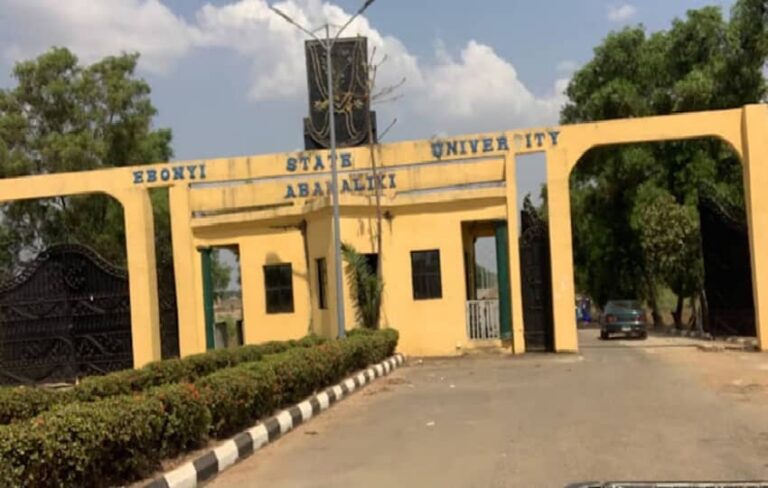
THE management of Ebonyi State University (EBSU) has expelled three students accused of unlawfully possessing firearms during the recent Students’ Union Government (SUG) elections on campus.

According to a media report, the Vice Chancellor, Michael Awoke, a professor, announced the expulsion during the inauguration of newly elected Student Union Government (SUG) executives at the university’s main campus at the weekend.

He said the decision was necessary to maintain discipline and discourage acts of violence among students.

University authorities said the expelled students were arrested by the police after being found with guns and live ammunition during the election. They were reportedly involved in a shooting incident aimed at dispersing voters and allegedly attempted to attack the Dean of Student Affairs.

The vice chancellor warned that the institution would not tolerate cultism, examination malpractice, or any form of intimidation involving weapons, adding that the case had been handed over to law enforcement for prosecution.

Awoke reaffirmed the university’s commitment to maintaining a safe learning environment and stated that anyone involved in criminal activities would face immediate expulsion and legal action.

The management described the disciplinary measure as a necessary step to preserve peace on campus and deter other students from engaging in similar misconduct.

In 2024, Kaduna State Governor Uba Sani claimed that there were about 200 million illegal firearms in Nigeria.

He further alleged that the number represented 80 per cent of 250 million illegal firearms in West Africa.

He argued that the widespread possession of firearms caused the country’s growing insecurity.


Ivory Coast bans protest ahead of presidential poll

0

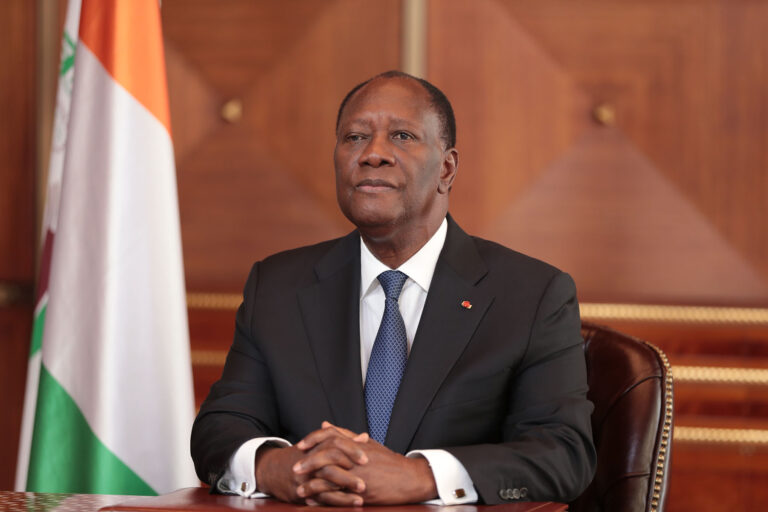
AUTHORITIES in Ivory Coast have announced a sweeping two-month ban on political rallies and demonstrations just a week before the country’s presidential election, heightening political tension in the West African nation.    

The order, jointly issued by the interior and defence ministries on Friday, bars all political activities and protests except those organised by the five candidates officially cleared to contest the October 25 vote.

The decision comes amid mounting unrest over the exclusion of major opposition figures, including former president Laurent Gbagbo and former minister Tidjane Thiam, from the race.

Security forces dispersed several rallies in Abidjan last weekend, while sporadic unrest and road blockades were reported in other regions. Public prosecutor Oumar Braman Kone said about 700 people were arrested within the week, claiming phone data had linked some suspects to planning attacks on public institutions, which he described as “acts of terrorism.”

At least 26 protesters have been sentenced to three years in prison for public order offences, while 105 others are due to appear in court next week. The Justice Minister, Sansan Kambile, said the clampdown was necessary to preserve national security, even as rights groups, including Amnesty International, accused the government of repressing dissent.

The opposition coalition, which includes Gbagbo’s African Peoples’ Party – Ivory Coast (PPA-CI) and Thiam’s Democratic Party of Ivory Coast (PDCI), has denounced President Alassane Ouattara’s decision to seek a fourth term, calling it unconstitutional.

Ouattara, in power since 2011, faces four opponents in the upcoming election, among them former minister Jean-Louis Billon and ex-first lady Simone Gbagbo.

Protests sweep across Africa

The Ivorian unrest adds to a growing wave of political demonstrations across Africa in recent weeks. From Madagascar to Morocco, citizens have taken to the streets over governance failures, economic hardship, and electoral disputes.

In Kenya, anti-tax protests earlier in the month left several people injured as police clashed with demonstrators demanding better economic policies. Similar scenes were recorded in Sudan, where renewed protests erupted over food shortages and insecurity.

As the Ivory Coast prepares for its October 25 vote, observers warn that the ban on protests could further inflame tensions in a nation still grappling with memories of the 2010 post-election crisis that claimed more than 3,000 lives.

Leaders abandoning governance for 2027 polls – Obi of Onitsha

0

THE Obi of Onitsha, Igwe Nnaemeka Achebe, has raised the alarm over elected leaders shifting their focus to the 2027 general elections while millions of Nigerians continue to face hunger, poverty, and insecurity.

Speaking at the 2025 Ofala Festival in Onitsha, Anambra State, on Friday, October 17, the monarch criticised the political class for prioritising early election alliances over effective governance. He said the neglect worsened the country’s economic and social crises.

The monarch cautioned that abandoning governance for political ambition could worsen hardship and instability across the nation, adding that ordinary citizens suffered most as living costs continued to soar despite ongoing reforms.

”The attention of the political class has become literally diverted to the 2027 general elections. New alliances are being forged as political fortunes rise and fall. There is a distinct impression that these efforts are largely for self-preservation and material benefit.

“Ordinary Nigerians are paying the price of neglect as hardship deepens nationwide despite ongoing economic reforms. Our poverty rate has risen from 40 per cent in 2018 to 46 per cent in 2023, translating to about 104 million Nigerians now classified as poor, according to the World Bank Development Report on Nigeria”, he stated.

Achebe noted that the situation in the country remained dire, with persistent violence in many regions severely affecting the agricultural sector.

He acknowledged the Federal Government’s efforts to implement commendable macroeconomic stabilisation measures but urged the authorities to ensure transparency and fairness in distributing palliatives to vulnerable citizens. The monarch further advised that relief materials should reach the rightful beneficiaries directly and not be hindered by corruption or bureaucracy.

Addressing the challenges in the South-East, the monarch voiced concern over the growing insecurity and its damaging impact on the region’s economy, describing the recent conviction of Finland-based separatist agitator Simon Ekpa as a possible turning point.

Quoting an SBM Intelligence report titled Four Years of Disruption, he noted that the South-East had lost an estimated ₦7.6 trillion since 2021 due to insecurity and the sit-at-home orders.

Achebe said violence and kidnapping in the region continued to take new forms and expressed hope that Ekpa’s conviction would help reduce criminal activities. He urged Ndigbo to reflect deeply on the situation, warning that Nigeria and the rest of the world were moving ahead while the region lagged behind because of the actions of a few violent elements.

Speaking on the forthcoming Anambra governorship election scheduled for November 8, he appealed for peace, transparency, and active voter participation, expressing concern over the low turnout in the ongoing voter registration exercise.

Celebrating his 24th Ofala since becoming monarch in 2002, Achebe called on Nigerians to remain strong and united.

Nigeria’s exclusion from IMF’s list of fastest-growing economies questions Tinubu’s reforms

NIGERIA’S exclusion from the International Monetary Fund’s (IMF) list of Africa’s fastest-growing economies has again questioned the policies of President Bola Tinubu-led administration, economic analysts have said.

The IMF, in its Regional Economic Outlook report for sub-Saharan Africa, launched on Thursday, October 16, in Washington, DC. excluded Nigeria from the list of Africa’s fastest-growing economies, and listed Benin, Côte d’Ivoire, Ethiopia, Rwanda, and Uganda as the fastest-growing economies on the continent

The report, launched at the ongoing annual meetings of the IMF and World Bank, said the region had demonstrated remarkable resilience to “a series of major shocks over the past several years.

“It features several of the world’s fastest-growing economies, including Benin, Côte d’Ivoire, Ethiopia, Rwanda, and Uganda. However, economic performance remains markedly weaker in resource-intensive countries and in several conflict-affected states.

“In these economies, which represent most of the region’s population, gains in income per capita remain modest—around one per cent a year on average, and less in the poorest countries,” part of the report read.

Reacting to this, economists questioned the reforms and policies of the current administration, arguing that they further impoverished many Nigerians.

The Tinubu administration has made the removal of petroleum subsidy and naira devaluation its core policy, which analysts said had impoverished more Nigerians and eroded the middle class.

Human rights lawyer Femi Falana is among eminent Nigerians who believe the policies have decimated Nigerian middle class, further worsening the living conditions of millions of citizens.

“Most Nigerians cannot afford three square meals a day. The neoliberal policies of the government have wiped out the middle class.

“The government must go back to the drawing board and review each of these policies, especially those pushed by the IMF and World Bank, in the interest of Nigerians. It is in the interest of the government to review its policies as soon as possible,” Falana stated.

A Development Economist, Celestine Okeke, said the removal of petroleum subsidy and floating of the exchange rate are not enough. He stressed the need for specific policies in agriculture, trade and investments and other specific sectors of the economy.

“What is the economic policy of the current administration in specifics? For instance, the specific policies on agriculture, transport, goods production, trade and investment. This is why we are having these issues. So, when you implement World Bank reforms on fuel subsidy removal, it is not an economic development policy, rather foreign policy reforms,” Okeke told The ICIR.

Commenting in a similar vein, the Chief Executive Officer of CFG Advisory, Tilewa Adebajo, said Nigeria’s currency devaluation had given more opportunities to its West African neighbours, which favours them to buy up Nigerian grains and other agricultural commodities.

“In terms of pricing, because of the way currency has been devalued, we’ll still keep having issues with lower pricing because it’s favouring our West African neighbours more than those doing agri-business in Nigeria.

“We need to take a look at our agricultural policies, which have a lot of role to play in pruning down inflation, while the food belt is under the siege of insecurity.”

He added that the government needed to focus on core inflation even when it’s recording disinflation in the economy.

The government needs to secure the farming belts and ensure that farmers in IDP camps return to work to lessen food inflation, he added.

Furthermore, the IMF said economic growth in sub-Saharan Africa was projected to remain at 4.1 per cent in 2025 — the same rate as in 2024 — with a modest increase expected in 2026.

Tinubu introduced sweeping reforms on assuming office on May 29, 2023, including currency liberalisation and fuel subsidy removal.

The two policies have triggered a high cost-of-living crisis, with energy costs, food prices and other household commodities on the rise, pushing the poverty levels to alarming heights.

The removal of fuel subsidies, in particular, caused petrol prices to soar, triggering ripple effects across the economy, from rising transport fares to soaring food prices and general inflation.

AFCTA: Shettima urges sub-nationals to explore opportunities in intra-African trade

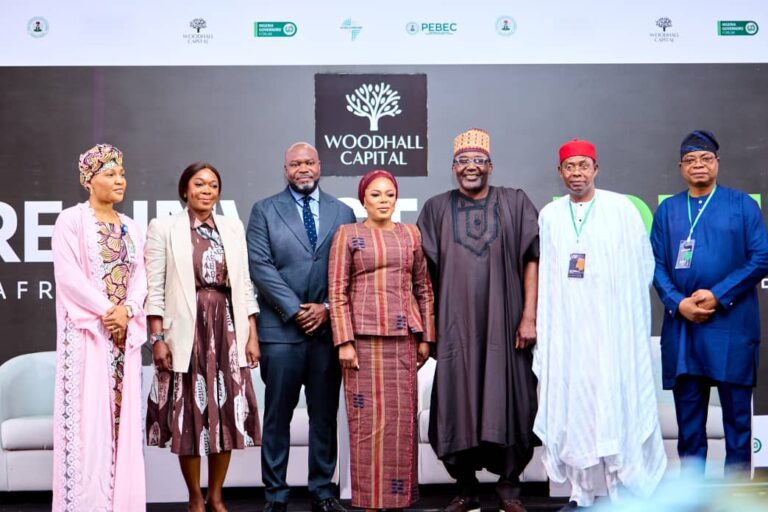
VICE PRESIDENT Kashim Shettima has urged state governments and other sub-national officials in the investment business to explore economic opportunities in intra-African trade, while focusing on the African Continental Free Trade Agreement (AFCTA).

The Vice President made the call on Friday, October 17, in Abuja, at an event organised by the Presidential Enabling Business Environment Council (PEBEC), Nigeria Governors Forum, Afreximbank and WoodHall Capital.

The event was themed: “Facilitating Intra-African Trade and Investment: Unlocking the Potential of African Direct Investments and Foreign Direct Investments for Sustainable Growth.”

Represented by Deputy Chief of Staff to the President -Office of the Vice President, Ibrahim Hassan Hadija, the Vice President decried the declining status of intra-African trade, which he said, “currently stands at 17 per cent.”

He urged the sub-nationals to utilise the market size of Nollywood, technology hubs and and the macro-economic reforms being embarked on by the current administration to grow their economy.

He said the sub-nationals had a strong role to play in intra-African trade, while urging them to also build regional power grids for electricity improvement, especially with the signing of the Electricity Act, 2023, by the President Bola Tinubu-led administration.

Earlier in her remarks, the Director-General of PEBEC, Zara Audu Mustapha, said the council was working closely with states to grow opportunities in Investments.

“African future lies in attracting investments and mobilising capital for African investments,” she said.

She added that closer economic ties between the federal and sub-national levels would strengthen opportunities for wealth creation in intra-African trade.

He further stated that the council was committed to removing bottlenecks in businesses and utilising reforms of the current administration to attract investment.

Also in her remarks, the President of Woodhall Capital, Mojisola Humponu-Wusu, reaffirmed the firm’s commitment to creating structured investment platforms that connect state-led development initiatives with domestic and international investors.

She noted that Africa’s growth story was increasingly subnational, and unlocking the potential of  Nigerian states through strategic partnerships, policy alignment, and capital mobilisation, which she said was vital to achieving inclusive economic transformation.

The AfCFTA is Africa’s most ambitious economic integration project, bringing together 55 African Union (AU) member states into a single market. Officially launched in 2021, AfCFTA aims to boost intra-African trade, industrialisation, and economic diversification.

The agreement presents enormous economic opportunities with a market of 1.4 billion people and a combined gross domestic product GDP of $3.4 trillion.

However, challenges such as trade barriers, logistical inefficiencies, and currency differences hinder its full implementation.


US warns citizens ahead of #FreeNnamdiKanuNow protest

0

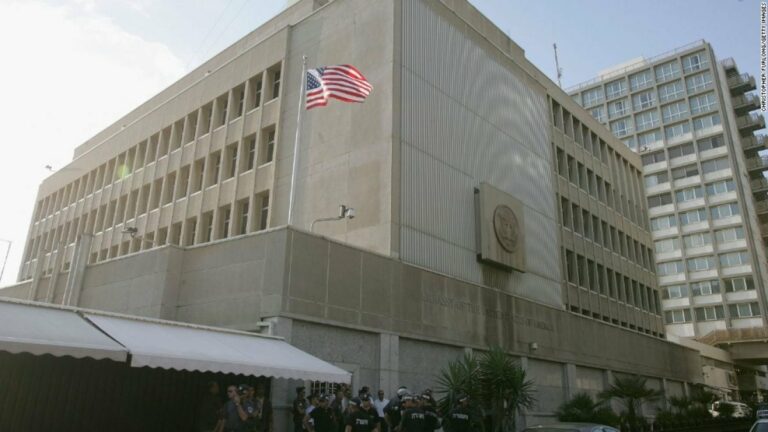
The United States has issued a security alert to its citizens in Nigeria ahead of a planned #FreeNnamdiKanuNow protest expected to take place on Monday in the Federal Capital Territory (FCT).

In a statement posted on its website on Friday, the US Embassy in Nigeria warned that the planned protest could result in disruptions and possible outbreaks of violence.

“The US Embassy in Abuja informs US citizens that the Free Nnamdi Kanu Now protest has called for peaceful demonstrations on Monday, October 20th, 2025, in Abuja. There may be roadblocks, traffic congestion, and confrontations between police and protestors that could turn violent around Eagle Square and the Central Business District” the statement read. 

The ICIR reports that the protest, tagged #FreeNnamdiKanuNow, was announced by activist and former African Action Congress (AAC) presidential candidate, Omoyele Sowore, on his X handle on October 9. It is expected to draw crowds to Eagle Square and the Central Business District.

Sowore announced that the protest would hold on October 20 at 7 am, and protesters would march toward the Aso Rock Presidential Villa. He described it as a ‘historic’ and peaceful rally demanding the release of Nnamdi Kanu, leader of the proscribed Indigenous People of Biafra (IPOB).

In its latest advisory, the US Embassy urged American citizens to avoid areas where the protest may occur and to restrict their movement within the city.

“The Embassy advises all US citizens to avoid this area and to severely limit all movement throughout the city on Monday, October 20th,” the statement stated.

The Embassy also advised that children remain at home from school and that domestic staff commuting from outside Abuja should not report to work on that day.

It also warned Americans in Nigeria to take heightened security precautions.

The Embassy further urged US citizens to stay updated through local news, maintain a low profile, and remain vigilant in public spaces, including shopping malls, cinemas, and places of worship.

“Review your personal security plans and keep your cell phone charged in case of emergency,” the embassy urged.

The ICIR reported that Kanu, who is currently facing terrorism charges at the Federal High Court in Abuja, has been in custody since June 2021 following his controversial extradition from Kenya.

His trial had been marked by repeated adjournments, judicial recusals, and controversies surrounding his detention conditions. In 2022, the Court of Appeal discharged and acquitted him, ruling that his rendition from Kenya violated international law. However, the Supreme Court later ordered the resumption of his trial in 2023.

FCT gets 6th police commissioner in 3 years as Dantawaye Miller assumes duty

0

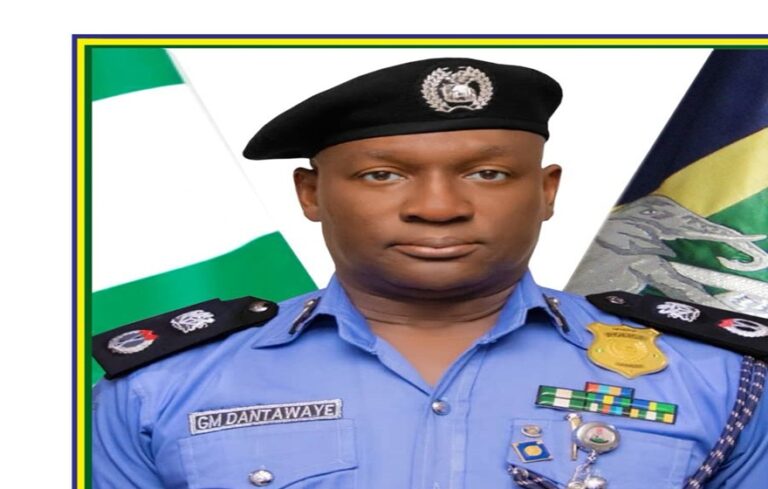
THE Federal Capital Territory (FCT) Police Command has announced the resumption of duty of its new Commissioner, Dantawaye Miller.

Miller is the 34th commissioner of police for the FCT, and the sixth to lead the city’s policing since December 2022.

Miller took over from Ajao Adewale, who has been redeployed by the Inspector General of Police, Kayode Egbetokun.

According to a statement by the Command’s spokesperson, Josephine Adeh, the new police chief resumed duty on Friday, October 17, pledging to consolidate existing security frameworks and strengthen community-police partnerships to ensure the safety of residents.

Born on October 15, 1971, in Afogo, Kajuru Local Government Area of Kaduna State, Miller joined the Nigeria Police Force as a Cadet Assistant Superintendent in May 2000. He holds degrees in International Studies from Ahmadu Bello University, Zaria, and the University of Ilorin, as well as a diploma in Business Administration from Kaduna State Polytechnic.

Over the years, he has served in various operational and command capacities, including Divisional Crime Officer in Yenagoa, Escort Commander to a former Vice President, Commanding Officer of the Mobile Police Force (MOPOL) at the Presidential Villa, and Commissioner of Police in charge of Information Technology at Force Headquarters. Before his latest posting, he was the Commissioner of Police in Kogi State.

A seasoned officer with over two decades of service, Miller has attended several local and international courses on combat operations, counterterrorism, and leadership. He is an Associate Member of the Nigerian Institute of Public Relations and a member of Rotary International.

Miller’s appointment comes at a time of heightened security concerns in the FCT, where residents have faced persistent threats from kidnappers, “one-chance” syndicates, and scavenger-linked gangs, particularly in Bwari, Kuje, Mpape, and Chikakore.

The ICIR reported rising insecurity in these areas despite previous police crackdowns and multiple directives from the FCT Minister, Nyesom Wike, to local council chairpersons to adopt more proactive measures.

On Monday, September 29, ARISE News confirmed the death of its anchor, reporter, and producer, Somtochukwu Christelle Maduagwu, who was killed during an armed robbery at her residence in Katampe, Abuja.

In a statement signed by Hadiza Usman-Ajayi, on behalf of the station’s management, ARISE News expressed shock over the tragedy, describing her as “a vibrant voice that engaged and connected with our viewers.”

Her death adds to a string of violent crimes that have unsettled Abuja in recent months.

An ICIR report in August detailed how the capital had been grappling with recurring cases of robberies, kidnappings, cult clashes, and one-chance attacks, despite police claims of improved security.

In Katampe and neighbouring Mpape, residents have long complained of being under siege from armed robbers, with reports of midnight invasions and violent street attacks.

In recent months, the outgoing police commissioner, Adewale, intensified efforts to curb insecurity through intelligence-driven operations. On October 7, Adewale ordered a renewed clampdown on uncompleted buildings and criminal hideouts across Abuja, while reiterating the ban on scavenging activities.

Despite such measures, investigations by The ICIR revealed that scavengers continued to operate across major districts, including Kubwa, Lugbe, and Jahi, often contributing to petty crimes and assaults.

The new FCT police commissioner has urged residents to support law enforcement by providing timely information and cooperate with the police to sustain peace across the capital.

The new commissioner said security is a shared responsibility. He also called on all residents to work closely with the police to ensure a safer FCT.

The ICIR reports that he is the sixth police commissioner for the FCT since December 2022.

The Police authority appointed Sadiq Abubakar on December 23, 2022, as the commissioner for the nation’s capital. He was succeeded by Haruna Garba on May 2, 2023.

On January 31, 2024, another commissioner, Benneth Igwe was named as the new commissioner for the nation’s capital.

He was replaced by Tunji Disu who was appointed on October 7, 2024. On March 26, 2025, Disu was redeployed and replaced by Ajao Adewale.


What do Nigerian children think about computers? Our study found out

0

Ismaila Sanusi, University of Eastern Finland

DIGITAL literacy is the ability to use digital tools and technologies effectively, safely and responsibly. This includes the use of smartphones and devices, navigating the internet and exploring coding basics.

In an era where digital literacy is more important than ever, it’s essential to understand how young children perceive computing concepts.

As a computer science education researcher, I led a team of researchers to study young children’s ideas about computing in an African setting. Our recent study sheds light on how children aged five to eight in Nigeria think about computing, including computers, the internet, coding and artificial intelligence (AI).

While most children were familiar with computers and had some idea of the internet, coding and AI were largely unfamiliar or misunderstood. The children’s understanding was shaped by what they observed at home, school and through the media.

This kind of research matters because early digital literacy prepares children for future learning and careers. In African countries, studies like this highlight the urgent need to bridge the digital divide – the wide variation in access and exposure to technology. Without early and inclusive computing education, many children risk being left behind in a world where digital skills are essential. They are crucial not just for the jobs of tomorrow, but for full participation in society.

The study approach

The study took place in two socio-economically distinct communities in Ibadan, Nigeria. It offers valuable insights into how concepts and ideas are formed in relation to understanding technology.

This research chose a small group of children for an in-depth study, rather than a huge sample. Using a “draw-and-talk” method, the researchers asked 12 children to draw what they believed computers, the internet, code and AI looked like.

Artificial intelligence is when machines act smart, like answering questions or recognising faces. Coding is writing instructions that tell computers what to do. The internet is a global network that lets people connect, share and learn online.

These drawings were followed by interviews to explore the children’s thoughts and experiences. This method revealed not only what the children knew but how they formed their ideas.

What children know and don’t know about computing

The study found that most children were familiar with computers, often describing them as resembling televisions or typewriters. This comparison highlights how children relate new concepts to familiar objects in their environment. But their understanding was largely limited to what computers looked like. They had little awareness of internal components or functions beyond “pressing” keys.

When it came to the internet, children’s conceptions were more abstract. Many associated the internet with actions like watching videos or sending messages. This was often based on observing their parents using smartphones. Few could say what the internet actually was or how it worked. This suggests that children’s understanding is shaped more by observed behaviours than formal instruction.

Coding and AI were even less understood. Most of the children had never heard of coding. Those who had offered vague or incorrect definitions, such as associating “code” with television programmes or numbers. Similarly, AI was a foreign concept to nearly all participants. Only two children offered rudimentary explanations based on media exposure, such as robots or voice assistants like Google.

Children’s misconceptions about computers, coding and AI reflect limited exposure and are consistent across different cultural contexts in Nigeria and outside Nigeria. They highlight the need for hands-on programming education and tailored learning models.

This study was based on a prior study conducted in Finland, and the results also have similarities with other studies.

The role of language and environment

A key finding of the study is the influence of socio-economic status and language on children’s understanding. Children from the higher-income community generally had more exposure to digital devices and could express slightly more informed views, especially about the internet.

In contrast, children from the lower-income community had limited access. They struggled to express their ideas, particularly when computing terms lacked equivalents in their native language, Yoruba.

This language barrier underscores a broader challenge in computing education in Africa. There are few culturally and linguistically appropriate teaching materials. Without localised terminology or relatable examples, children may struggle to grasp abstract computing concepts.

Implications for education and policy

The study’s findings have implications for educators, curriculum developers and policymakers. First, they highlight the need to introduce computing concepts like coding and AI at earlier stages of education.

While many African countries, including Nigeria, Ghana and South Africa, have begun integrating computing into school curricula, the focus remains on basic computer literacy. There’s little emphasis on programming or emerging technologies.

Second, the research emphasises the importance of informal learning environments. Children’s conceptions were largely shaped by interactions at home and in their communities. It seems parents, guardians and media play a big role in early digital education.

Initiatives like after-school coding clubs, community tech hubs and parent-focused digital literacy programmes could help bridge the gap.

Finally, the study calls for a more inclusive and equitable approach to computing education. Children from lower socio-economic backgrounds must be given equal opportunities to use technology. This includes not only access to devices but also exposure to meaningful learning experiences that foster curiosity and understanding.

Building a digitally inclusive future

As the digital divide continues to shape educational outcomes globally, studies like this one provide a roadmap for more inclusive computing education. Educators and policymakers can design interventions that are developmentally appropriate, culturally relevant and socially equitable.

The future of computing in Africa depends not just on infrastructure and policy but on nurturing the next generation’s curiosity and creativity. And that journey begins with listening to how children see the digital world around them.The Conversation

Ismaila Sanusi, Postdoctoral Researcher, School of Computing, Faculty of Science, Forestry and Technology, University of Eastern Finland

This article is republished from The Conversation under a Creative Commons license. Read the original article.

World Poverty Day: Examining Nigeria’s multidimensional poverty

ACTION Aid Nigeria has said five million in Borno, Adamawa, and Yobe face acute food insecurity in Nigeria while the United Nations Development Programme (UNDP) has reminded governments and stakeholders of the need to uphold the dignity of every family, on October 17 in commemoration of the World Poverty Day with the theme: Ending social and institutional maltreatment by ensuring respect and effective support for families.

Country Director of Action Aid Nigeria, Andrew Mamedu, spoke in commemoration of World Food Day 2025 which was October 16 with the theme: “Hand in Hand for Better Food and a Better Future.”

He said the situation is a deep humanitarian crisis driven by insecurity, climate change, and widespread poverty in the country.

Citing the FAO, he noted that about 30.6 million Nigerians across 26 states and the FCT were projected to face acute food and nutrition insecurity during the June and August 2025 lean season.

Although this reflects a slight improvement from the 33.1 million recorded in 2024, Mamedu cautioned that Nigeria still ranks as the country with the highest number of food-insecure people in the world.

He added that hunger hotspots expands beyond Northeast to Plateau, Benue, Kaduna, Kwara, Taraba, and Cross River, where economic shocks, conflict, and displacement worsens food crises because of the recurrent attacks and clashes that have kept farmers out of farms, leading to poor production of yam, maize, rice, and others.

While blaming the persistent food inflation, at 21.87 per cent in August, leaving many unable to eat good diets, Action aid Nigeria warned that the world Bank data means that even when food is available, millions cannot afford it.

ActionAid also highlighted alarming levels of malnutrition, pointing to reports that 652 children died from malnutrition in Katsina State in the first half of 2025. Nationwide, malnutrition accounts for 45 percent of all under-five deaths, with more than 2 million children suffering from severe acute malnutrition.

The ICIR reports have shown that the immediate effect of these conflicts are, missed planting and harvest seasons, leading to large yield losses, and markets break down. Farmers can’t sell what remains or buy inputs because buyers avoid insecure roads, leading to tight food supply across the country. 

The ICIR reported earlier this week that in Kano State, rising food prices fuel malnutrition crisis among nursing mothers, children. 

Experts have said that chronic food insecurity increases rates of acute and chronic malnutrition, especially among children and pregnant or nursing women. 

Malnutrition lowers children’s cognitive development and school attendance, and reduces adults’ physical capacity to farm, fish, or do manual trades. 

World poverty day 

UNDP revealed it its 2025 Global Multidimensional Poverty Index (MPI) in collaboration with the Oxford Poverty and Human Development Initiative that nearly 80 per cent of the world’s multidimensionally poor people, meaning that 887 million individuals now live in areas exposed to at least one major climate hazard, like high heat, drought, floods, or air pollution. Some 650 million poor people face two or more hazards at the same time.

In Nigeria’s 2022  Multidimensional Poverty Index (MPI), a staggering 133 million people, which is about 63 per cent of the population, are classified as multidimensionally poor.

UNDP, MPI is built using 15 indicators grouped into four dimensions, which are health, education, living standards, work and shocks, to carry equal weight and a household or individual is considered “multidimensionally poor” if they are deprived of a certain share of those indicators.

World Bank recently warned that the Nigeria risks losing reform gains if they fail to translate into tangible improvements revealing that 139 million Nigerians live below the poverty line. 

Nigeria’s healthcare system indicators remain poor compared to global averages, despite improvements in some areas like life expectancy and a reduction in under-five mortality.

Many regions in Nigeria still struggle with critical factors that directly affect health outcomes like, unsafe cooking fuel, poor sanitation, and unreliable water supply.

The ICIR reported how government neglect fuels maternal deaths, sexual violence in Plateau State  community and how Niger communities rely on untrained Traditional Birth Attendants.

These stories reflect the situation citizens, especially women and children, are facing in several communities across the country.

Data revealed that Nigeria has an under-five mortality rate of 102 per 1,000 live births according to a 2023-24 survey and high rates of malnutrition. 

The ICIR reported how low pay, high rents shut out Abuja journalists,  reflecting the condition of other practitioners across the country. 

While over many houses in Abuja sat empty, nearly two million residents were struggling with homelessness.

According to the United Nations Children’s Fund (UNICEF) Nigeria has one of the world’s largest populations of out-of-school children, with about 10.5 million children aged 5-14 not in school, and lower attendance rates in the north, particularly for girls.

Policy approaches that break the cycle

In his latest remark, Action Aid Nigeria Country Director urged state governments to fully release agricultural capital funds, lamenting that many states have implemented only about 25 per cent of their approved agricultural budgets despite widespread hunger and livelihood challenges.

He insisted that hunger and poverty are not just statistics, they are lived realities for millions of Nigerians. 

According to the World Bank, to protect productive assets and access to land, adapting localised protection corridors strategy, negotiated access, or cash-for-work to rehabilitate fields and infrastructure so planting can resume. 

World Food Programme suggests that combining immediate food and nutrition support with resilience though emergency rations and therapeutic feeding agricultural inputs like seeds, tools and conditional cash transfers so households can replant are some strategies that will work.

Experts also suggest restoring markets and value chains, noting that this will protect trade routes, support local traders with logistics and credit, and rebuild storage to stabilize prices. 

UNICEF has urged the government to invest in health, WASH and school feeding, keep clinics and schools functioning in insecure areas  to protect human capital. 

It also added to facilitate local peacebuilding and conflict prevention,  mediate land access, strengthen local dispute resolution, and address root drivers so that agriculture can restart sustainably. 

Poverty in Nigeria is not a single weak link, it is a chain of interlocking deprivations but effective national response must break multiple links at once, not just one.