Home Blog Page 16

How fear and bloodshed are emptying Niger’s Shiroro communities

A wave of coordinated bandit attacks has devastated communities in Shiroro Local Government Area of Niger State, leaving deep scars on livelihoods and social life. Families are abandoning their homes, children are forced to drop out of school, and farmlands lie abandoned. For those who remain, fear, grief, and uncertainty shadow their lives. This ICIR report examines how relentless bandit attacks on communities have shattered lives and displaced countless people in Niger State. 


On a Tuesday morning in April 2026, Hussaina Aminu was preparing for the market day when gunmen stormed her village of Bagna, Shiroro Local Government Area of Niger State and killed her father.

Bagna is surrounded by several villages, including Lanta, Bota, Unguwan Tuta, and Erena town, which serves as the central hub for socio-economic activities in the area.

Before the attack, there had been rumours that armed men were loitering around Majiba and Lanta villages. But such warnings had become a familiar part of life; many heard them often enough and had learned to dismiss them, clinging to hope that danger would strike elsewhere. On that Tuesday, the 18-year-old and her family did the same. They had readied themselves for the market, but soon enough, the rumours turned to reality as gunfire cracked the air, shattering the fragile peace of Bagna community.
Eighteen-years-old David Victoria
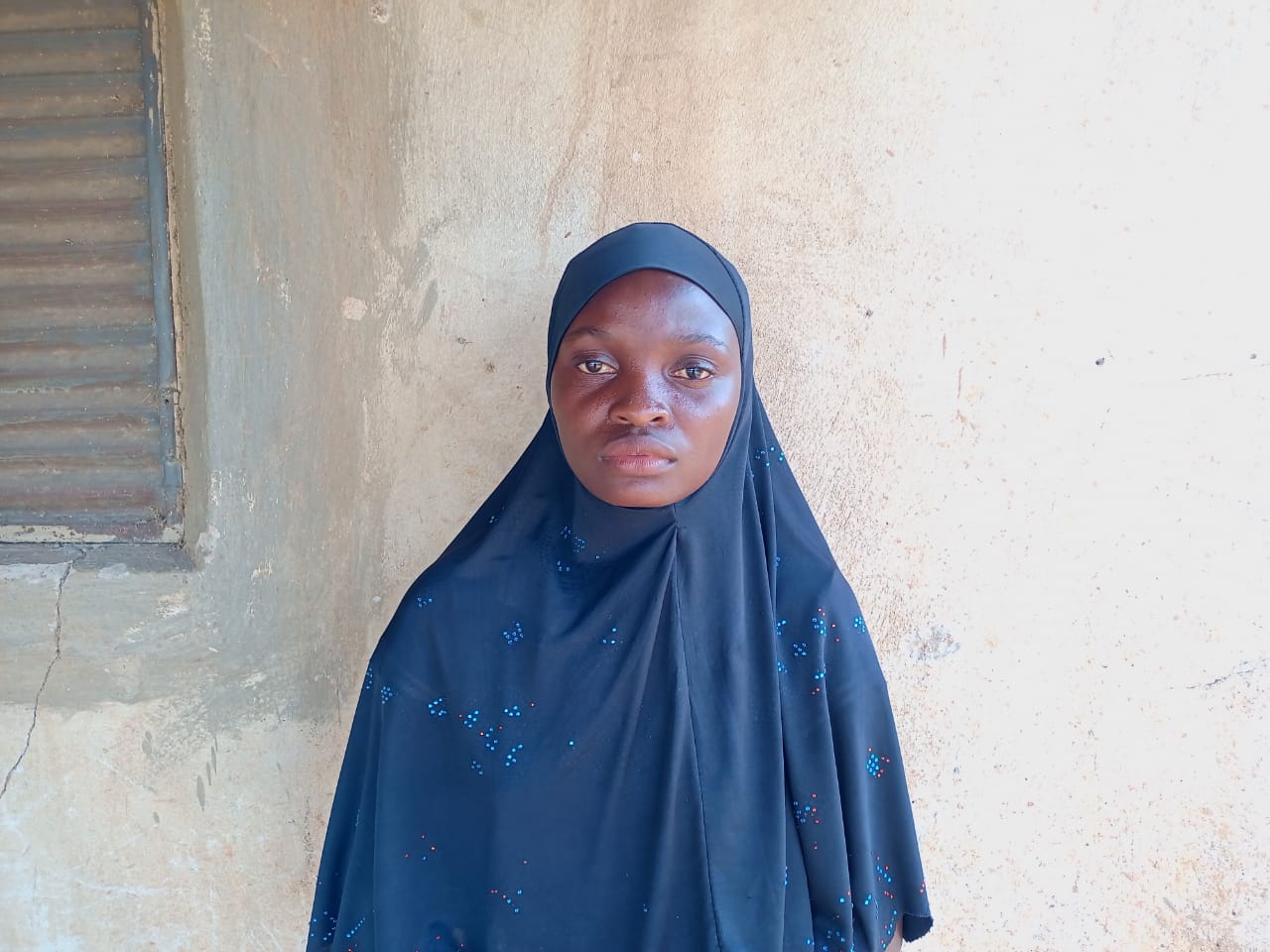
Eighteen-year-old Hussaina Aminu

Weeks later, she recounted to The ICIR how the attack had taken them by surprise. “Nobody thought the attackers would come directly into their area,” she said, adding that they had assumed the armed men were headed elsewhere, “perhaps Bassa, as previous rumours had suggested.” She, however, said even when the sound of gunfire crept closer, many had ignored it until it was too late for families to escape.

In the aftermath of the attack, Hussaina Aminu lost her father and some relatives. Since then, her education has been interrupted, but more than that, she suffers from Post-Traumatic Stress Disorder (PTSD).

“Every loud sound now reminds me of that Tuesday. I can no longer sleep easily, and when I do, it often brings back the same memories,” she said. “I dream about the attack and often wake up unsettled,” she added.

Her experience mirrors the ordeals of countless young girls, children and elderly persons in Shiroro, where relentless attacks by gunmen, often called bandits, have claimed hundreds of lives and left thousands displaced.

At a nearby village of Rafin-Sanyi, 14-year-old Victoria David was helping her mother with home chores when the shooting started. As everyone ran for safety, David and her brother took cover in a nearby forest, but their father was not so lucky; he was shot in the chest.

The teenager said the attack has left her emotionally exhausted. She battles insomnia and often replays the tragic event, wondering where to find sustenance. “With my father now deceased. I have lost hope,” she said.
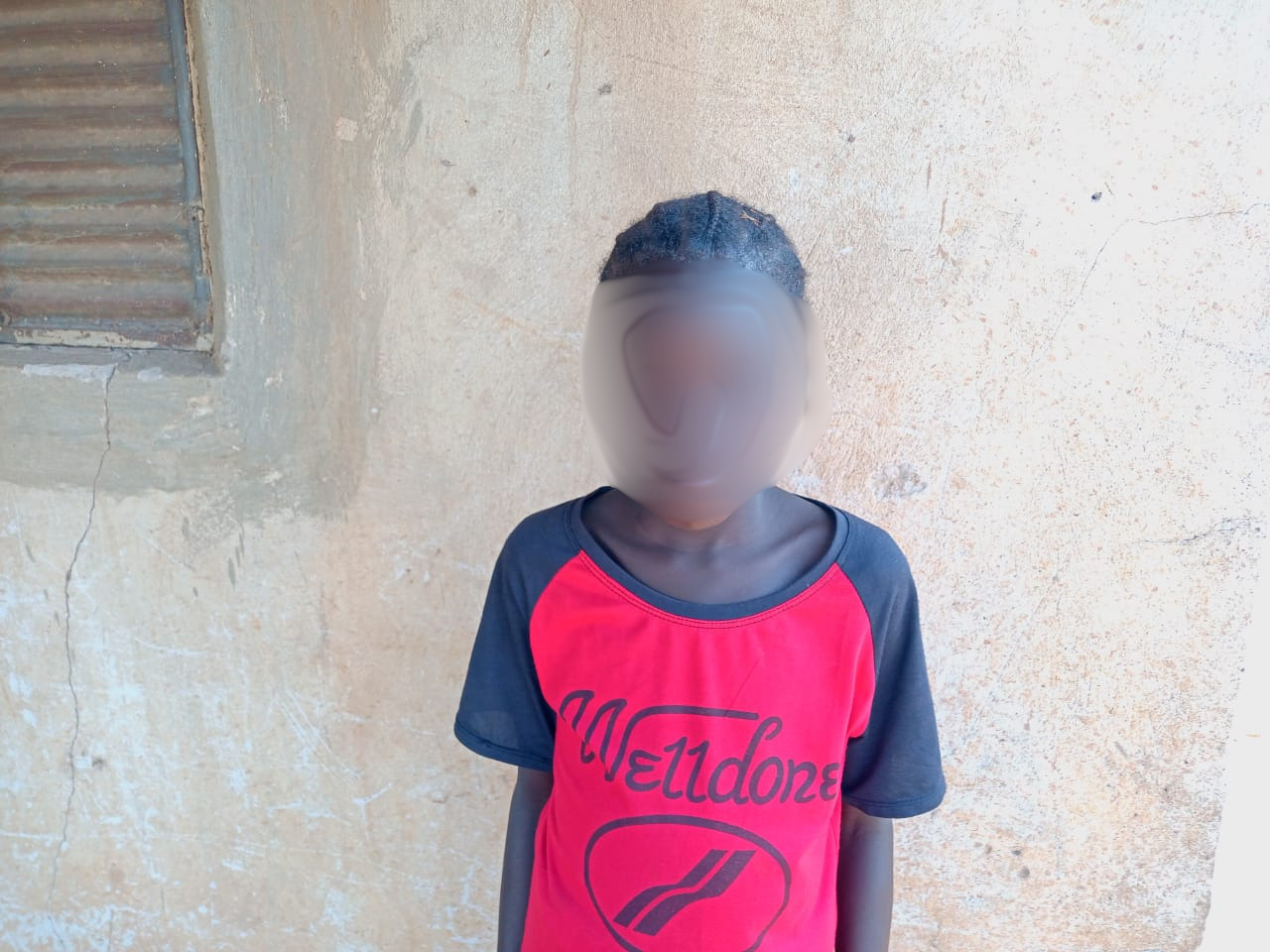
Fourteen-year-old Victorial David

Across Bagna, Erena, Rafin-Sanyi, Lanta, Bota, Unguwan Tuta, and neighbouring communities of Erena ward in Niger’s Shiroro LGA, the air carries echoes of vulnerable voices like Hussaina Aminu and Victoria David, whose lives have been altered forever.

How it started

Days before the April 8 attack on communities of Erena, an administrative ward in Shiroro LGA, dangerous signs had manifested through unusual movements of motorcycles reported around Majiba, near Bagna and Lanta villages. Residents said they noticed unfamiliar motorcycles using bush paths and gathering in a forest.

Although such signs are often taken seriously in an area scarred by constant insecurity and the menace of bandits, they do not always come with certainty. For residents, the presence of armed men has become eerily familiar; sometimes they pass through without striking, other times, the attack occurs dozens of kilometres away.
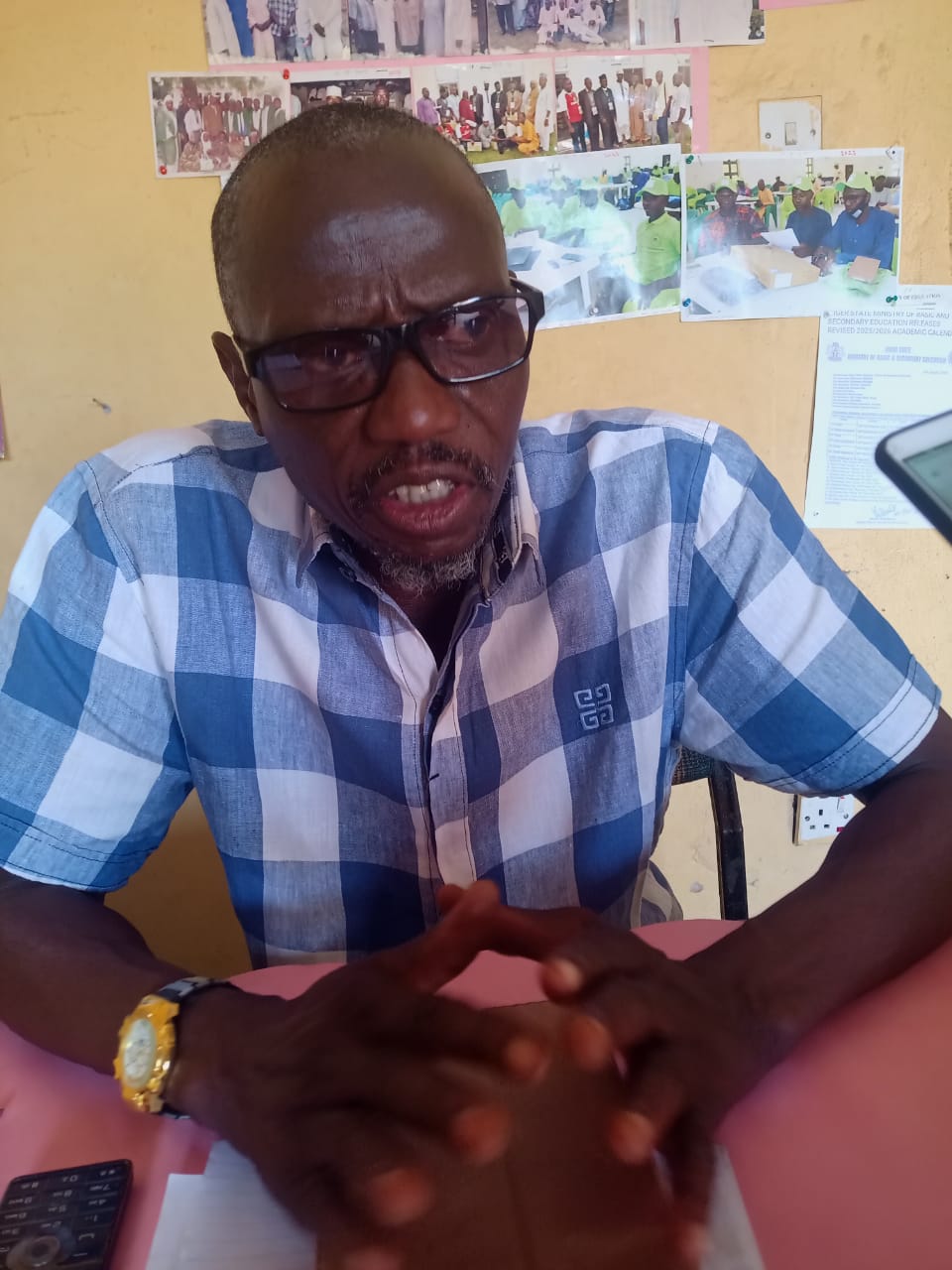
Atairo
Ateiro Abakaro, Erena community leader

Ateiro Abakaro, the 54-year-old community leader of Erena, said the first clear sign manifested when the attackers struck Lanta village days before they proceeded to Erena and environs.

He said the armed men had moved into the village on Sunday, killed one person and rustled livestock. “At the time, many residents assumed that was the extent of the attack. They believed the armed men had already carried out their mission and would disappear into the forests again.”

But they were mistaken. Even when villagers reported continued movements of suspected bandits around Majiba, no one could say with certainty where their next target would be.
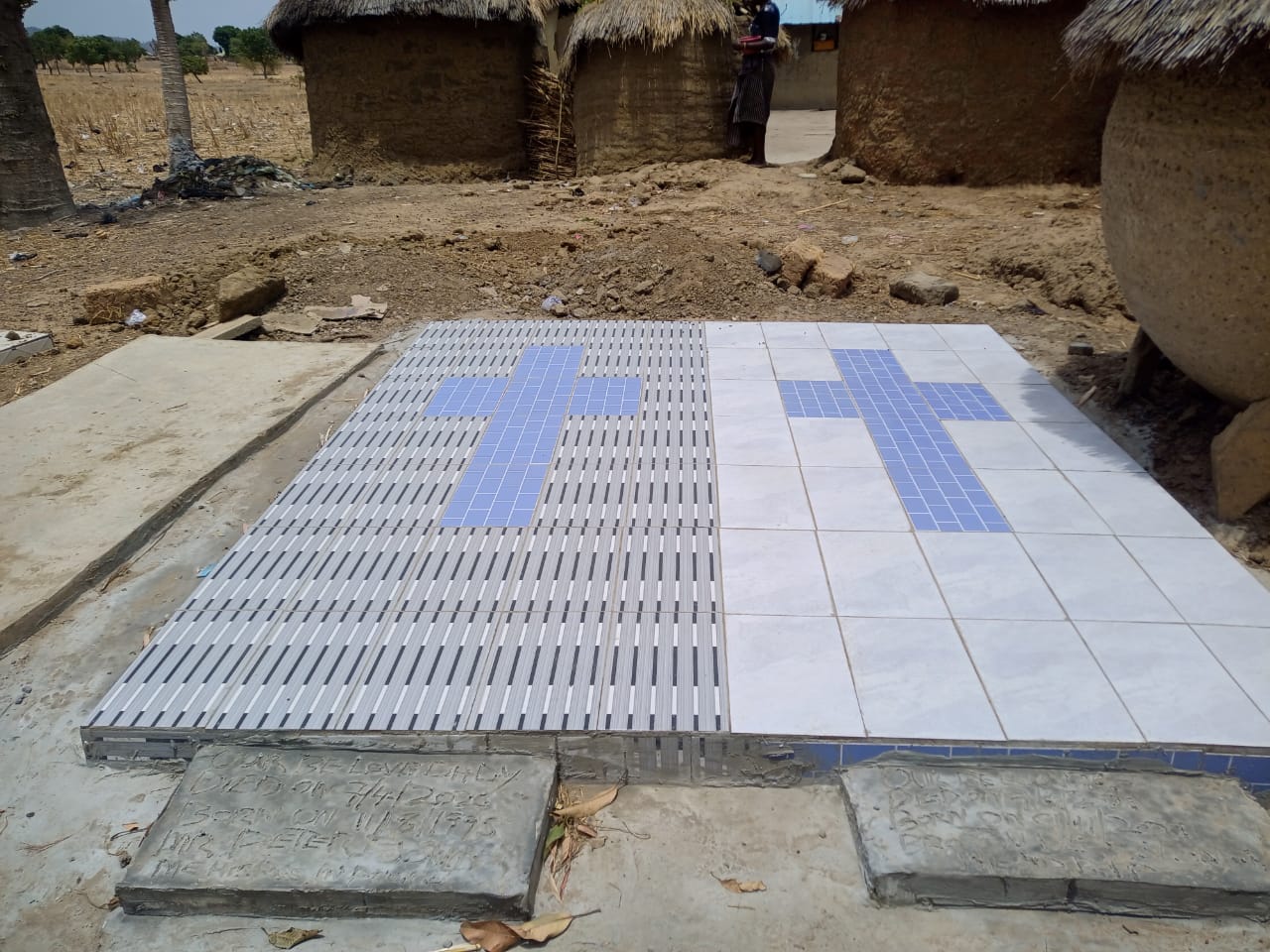
Grave yards of some of the victims of the April 7 attack in Eran
Graveyards of some of the victims of the April 7 attack in Erena

“The uncertainty itself created fear,” Ateiro said, adding that local leaders and residents passed the intelligence to security agencies, but not much was done to prevent the attack. In the aftermath of the attacks, the ICIR gathered that at least 61 people had been killed across the neighbouring communities.

Terrorists overwhelm security forces

Findings revealed that the attackers first confronted the State Security Service (SSS) at their camp in Bagna. Eyewitnesses said security personnel stationed there had tried to resist the invasion, while local vigilantes from nearby communities provided support. But they claimed the overwhelming number of the attackers made resistance a challenge.
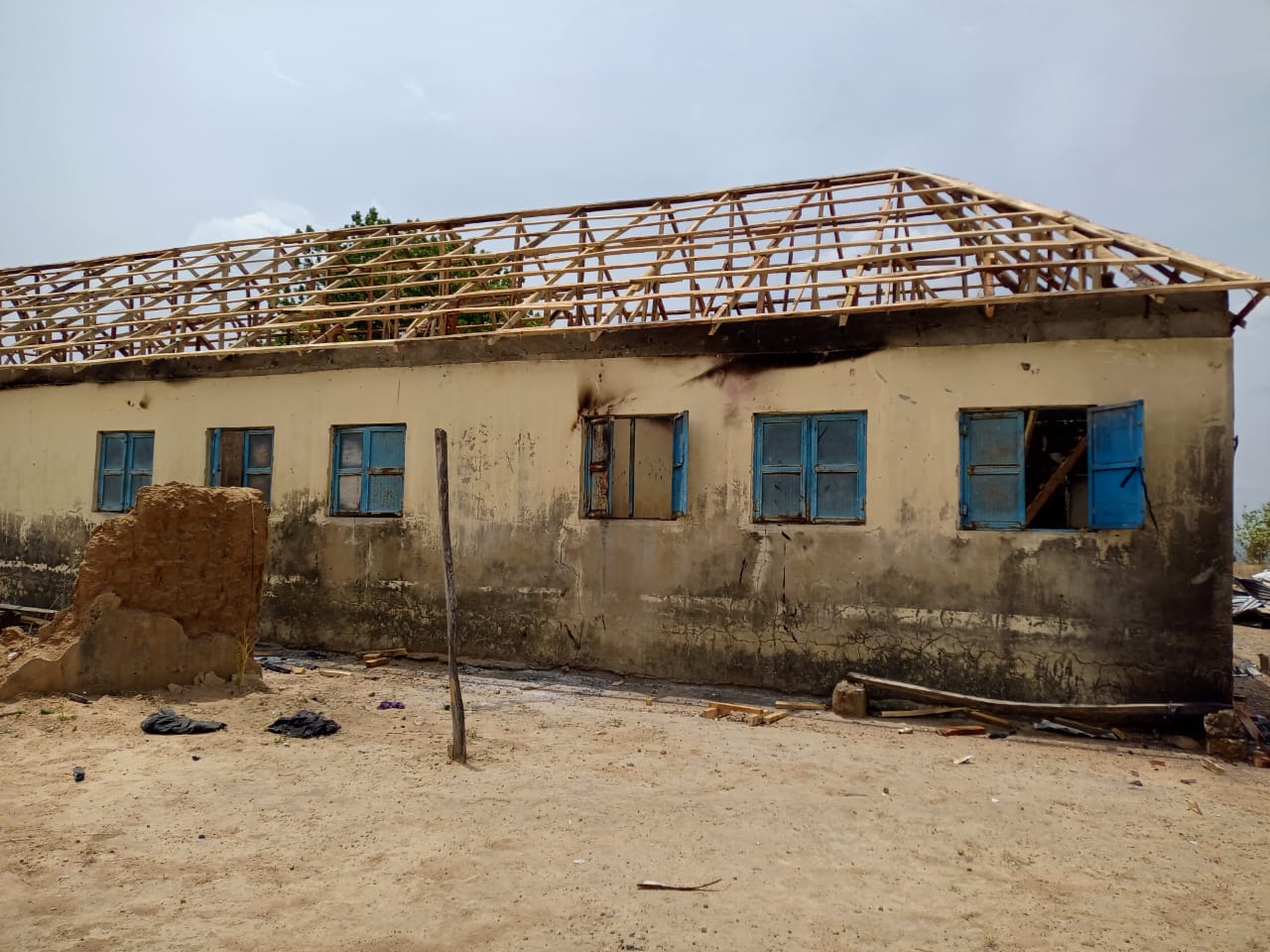
Back view of the SSS office overran by terrorists in Bagna
Back view of the SSS office overrun by terrorists in Bagna

The ICIR gathered that the bandits arrived in large numbers, riding from the forest into the town. Ateiro estimated about 300 motorcycles, with each motorcycle carrying two or three armed men. By community estimates, nearly 900 armed attackers invaded the area.

“The SSS officers fought back, and local vigilantes reinforced them, but the attackers were too many,” he said, noting that the terrorists eventually overpowered the camp and set it ablaze.
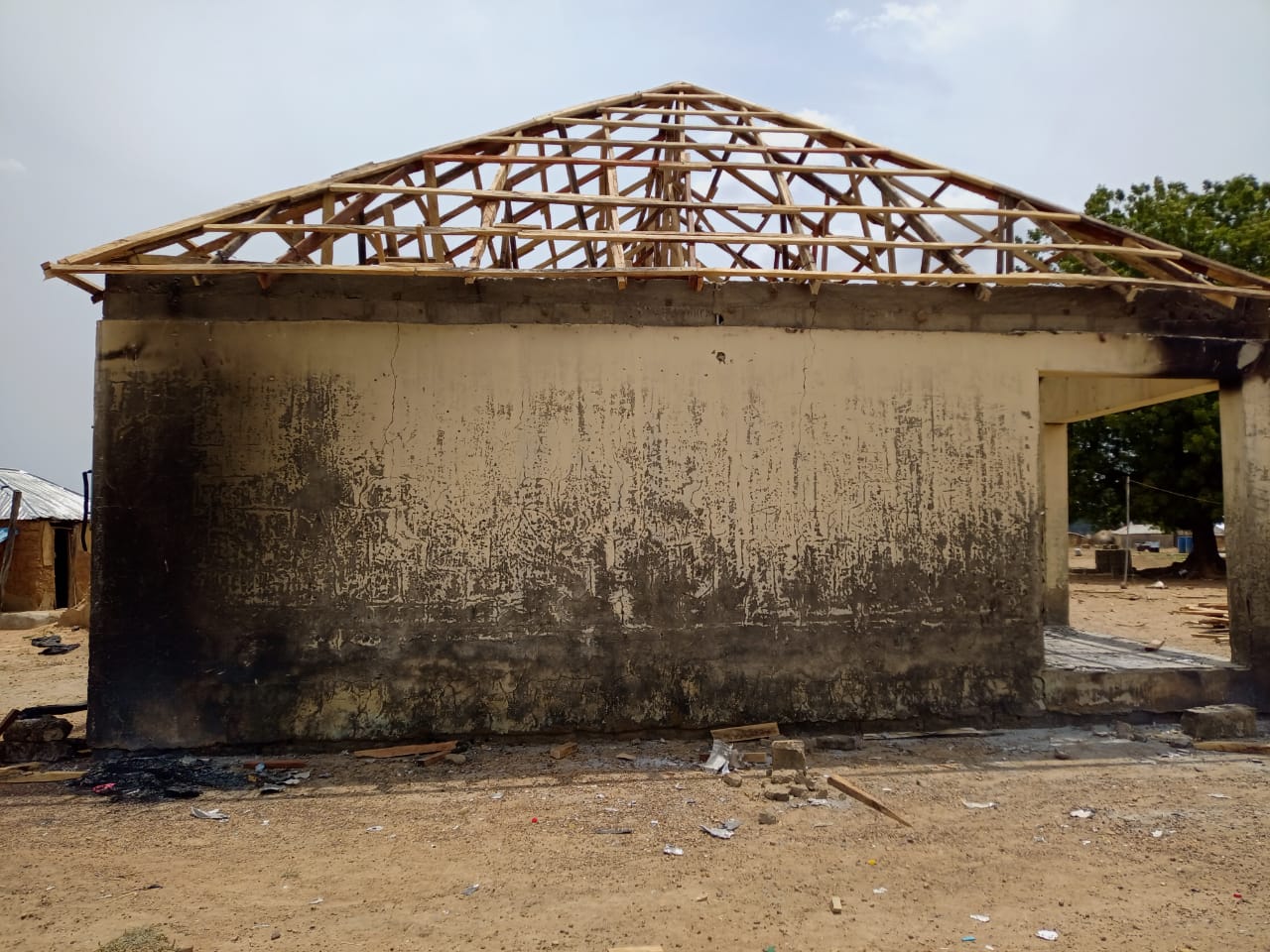
Overran SSS office in Bagna
Overran SSS office in Bagna, Shiroro LGA of Niger State

When The ICIR visited the SSS office in April, renovation work was underway. However, parts of the building showed clear signs of destruction, with sections burnt and visibly damaged. The attack also left dented and scorched structures behind.

Once the SSS position in Bagna fell, residents said the armed men advanced toward other towns. Eyewitnesses believed that the terrorists moved towards Erena town due to the visible movements of civilians in that direction. They said it was during that push that many vigilante men and residents were killed. 

When The ICIR contacted the Deputy Director, Public Relations and Strategic Communications of the State Security Services (SSS), Favour Dozie, on May 25, she declined to comment on the attack on the SSS facility in Bagna.  Instead, she forwarded an earlier statement issued by the Niger State Government urging residents to remain vigilant as security operations intensified in Shiroro LGA.

However, the ICIR observed that the statement also did not specifically respond to questions regarding how the SSS facility in Bagna was overrun and set ablaze by the attackers.

Running through gunfire

Fifty-seven-year-old Solomon Ado, a resident of neighbouring Bagna Bota, remembers the attack through the image of his brother, who was fatally shot in front of him. The arrival of the bandits had caused pandemonium as residents ran towards Erena, believing it would offer safety.
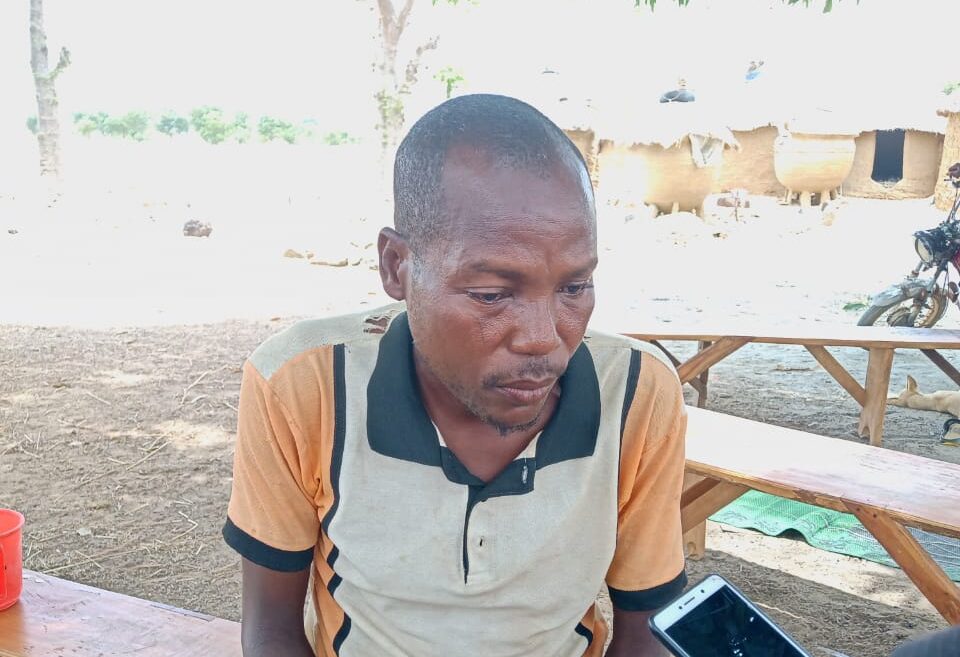
Solomon Ado, a 57-year-old resident of Bagna Bota

It was in such chaos that Ado said the armed men surrounded them. With no clear path out for most of them, the bandits opened fire, and his brother Jude, alongside another relative, Peter John, were killed.

“They came in more than 100 motorcycles, with about three people on each bike,” he recalled, adding that “Peter John, and Jude Solomon were killed in my compound.”

His account reflects what many survivors described as a pattern where the attackers used both mobility and numbers to trap fleeing residents. With over a hundred motorcycles reported in some sections alone, the bandits moved faster than civilians on foot. Many who tried to outrun them were intercepted on open paths between villages.

Villages turned into ghost towns
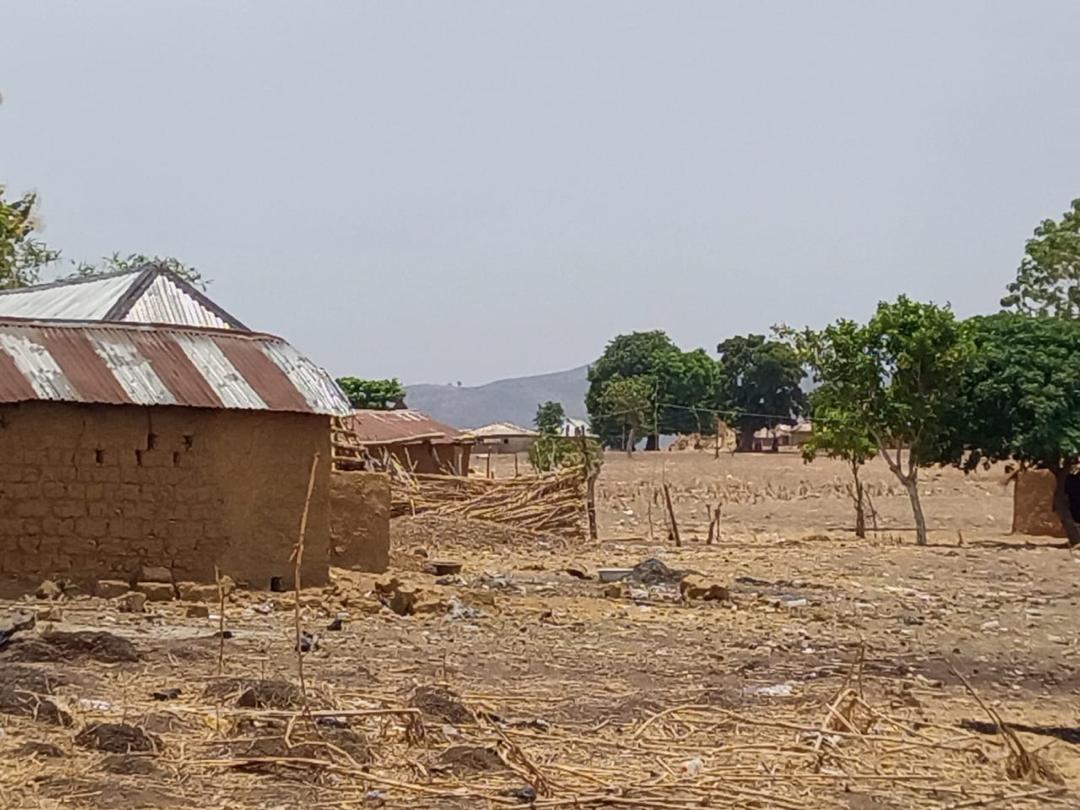
Days after a terrorist attack in Bagna village, residents fled the community.

A day after the deadly attack on Bagna and neighbouring communities, the fear of further invasion spread across other communities, forcing hundreds of residents from Bassa and environs to flee their homes. Many were seen carrying their luggage and what little belongings they could carry on their heads and shoulders as they moved towards Erena town.

Erena town is a nearby garrison town, less than 30 kilometres from Bagna, where many displaced families usually take refuge during attacks or impending invasions. Soon after the attacks, many residents of Bagna, Rafin-Sanyi, Lanta, Bota, and Unguwan Tuta had abandoned their homes, food supplies, and farmlands for refuge in Erena.

While some were killed while trying to reach Erena’s Haven, Ahmed Tanko, who made it to Erena, explained that Bagna and neighbouring communities have been emptied, saying residents were afraid to return. As a witness to the attack, he told The ICIR that Bagna and the surrounding communities were once peaceful farming settlements where residents depended on maize, yams, beans, and livestock for survival. He, however, said repeated attacks have turned the once-peaceful but economically charged communities into ghost settlements.

Mary Bitrus, a displaced mother of four now taking refuge in Erena, said the attack destroyed everything her family had worked for. Sitting outside an unfinished building where she now sleeps with her children, she recalled how they fled with only the clothes they were wearing.

“Before this happened, we had food in the house, we had our farm, and my husband was working. Now we depend on people to survive,” she said. “Sometimes my children cry because they are hungry, and I cannot do anything. We don’t know when we can go back, and even if we return, we don’t know what we will meet there.”

The mother of four said many families remain separated after the attack, adding that some women arrived in Erena without their husbands or children, while others are still searching for missing relatives who disappeared during the chaos.
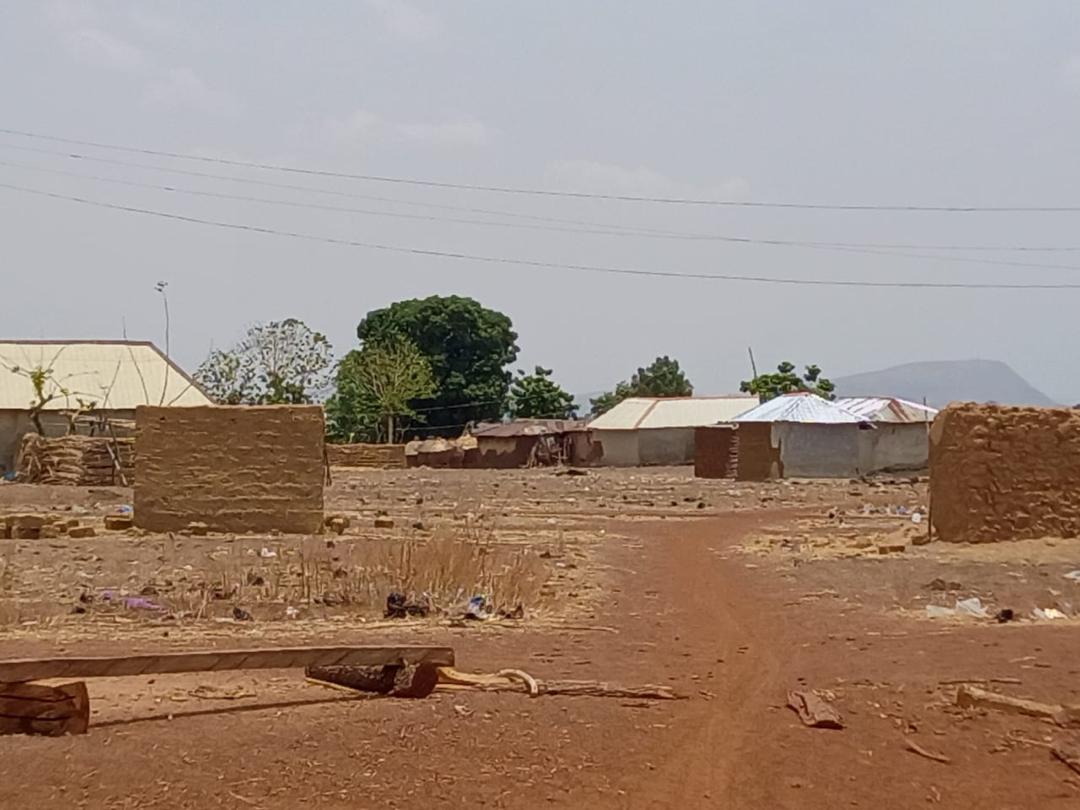
One of the affected villages in Erena already deserted
One of the affected villages in Erena is already deserted.

When the ICIR visited Bagna, it appeared deserted, with only occasional sightings of residents who had returned briefly to salvage remaining belongings or assess damages to their homes.

Findings also indicate that several deserted communities have effectively ceased normal economic activities, as markets, schools, and places of worship remain closed. Community sources further suggest that the continued attacks have forced more families to move repeatedly between makeshift shelters, particularly in Erena and other safer towns.

Displaced, struggling to survive

Blessing Dogara survived the siege on Bagna but now struggles to feed while taking refuge in Erena. The 25-year-old had lost three brothers on the day of the attack and, like many others, has now left behind a farmland, harvested produce, and little savings built from farming and trade.
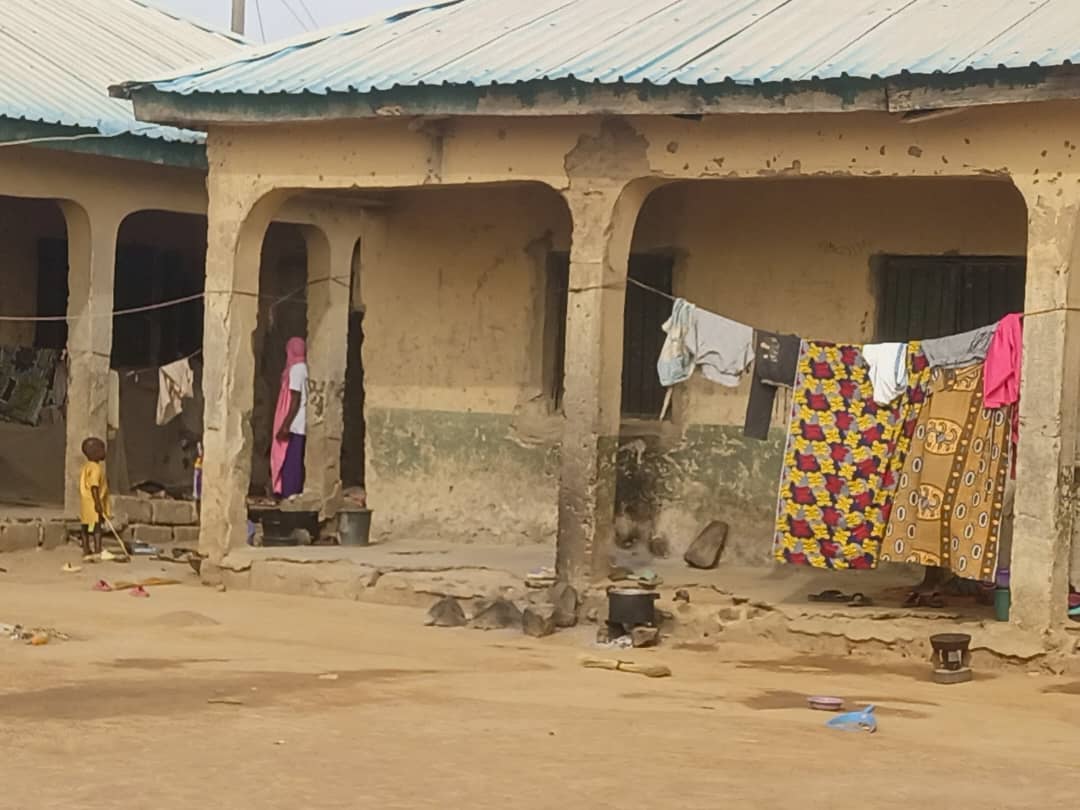
One of the IDP camps in Erena, where many people like Blessing are camping following attacks on their villages
One of the IDP camps in Erena, where many people like Blessing are camping, following attacks on their villages

“We can’t go back home yet,” she said, adding that they fear their attacks could launch further attacks in the near future.

Habiba Aliyu, a resident of Gbaita village, said her family survived the attack, but life afterwards has been difficult. Before the attack, the 36-year -old said farming sustained her family. “Our children’s school fees were paid through that. It provided us with food and supported our daily living. But now, going to the farm feels like taking a risk many are not ready to take,” she said.
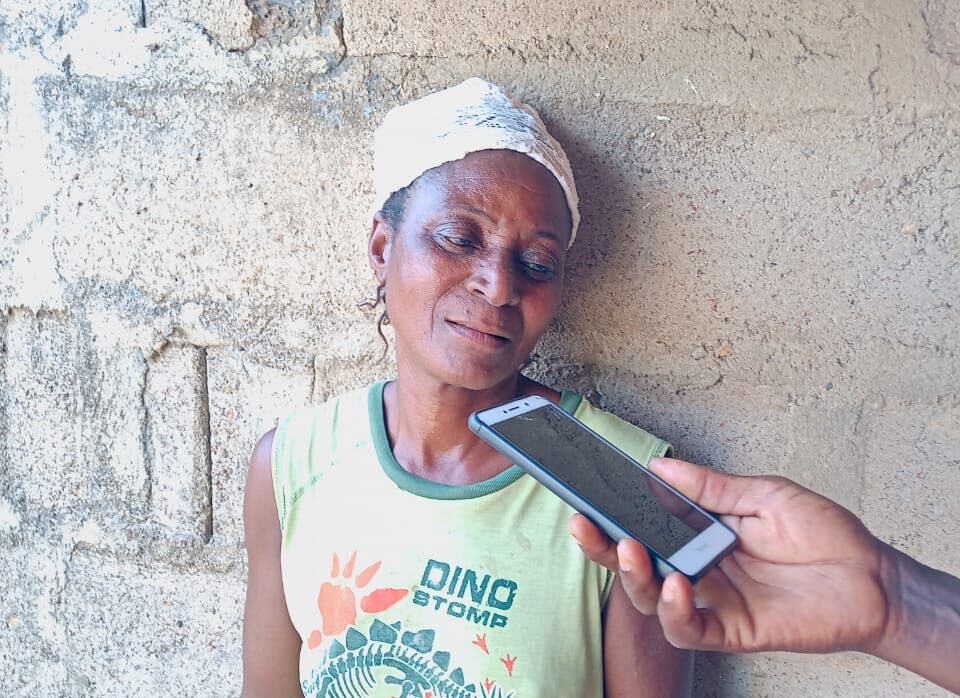
Habiba
Habiba Aliyu

Nigeria’s broader displacement figures reflect the scale of that reality. According to the United Nations High Commissioner for Refugees (UNHCR), Nigeria has over 3.7 million internally displaced persons as of March 2026, driven by armed conflict, banditry, terrorism, communal violence, and natural disasters. UNHCR noted that the crisis continues to disrupt livelihoods and leaves many families dependent on temporary humanitarian support rather than long-term recovery.

The National Bureau of Statistics (NBS) also reported that more than 3.3 million Nigerians are living as internally displaced persons across 14 states in 2023.

Niger State remains one of the states repeatedly affected by displacement, with attacks by armed groups and repeated violence in rural communities forcing people out of their homes.

Strained, overstretched local security

The ICIR gathered that about 18 vigilante officers died while defending their communities, and their remains were later recovered from Erena. Among them was a staff member of the Local Education Authority and another who had just completed secondary school.

While this reporter could not establish a breakdown of vigilante members killed in each community, Ateiro Abakaro, the Erena community leader, said about seven of them were from Erena, while others were from neighbouring villages.

“The attackers were too many, too many to be handled. Too many. Our guys actually tried,” he added.

He said their deaths were particularly painful because they represented the future of the community.
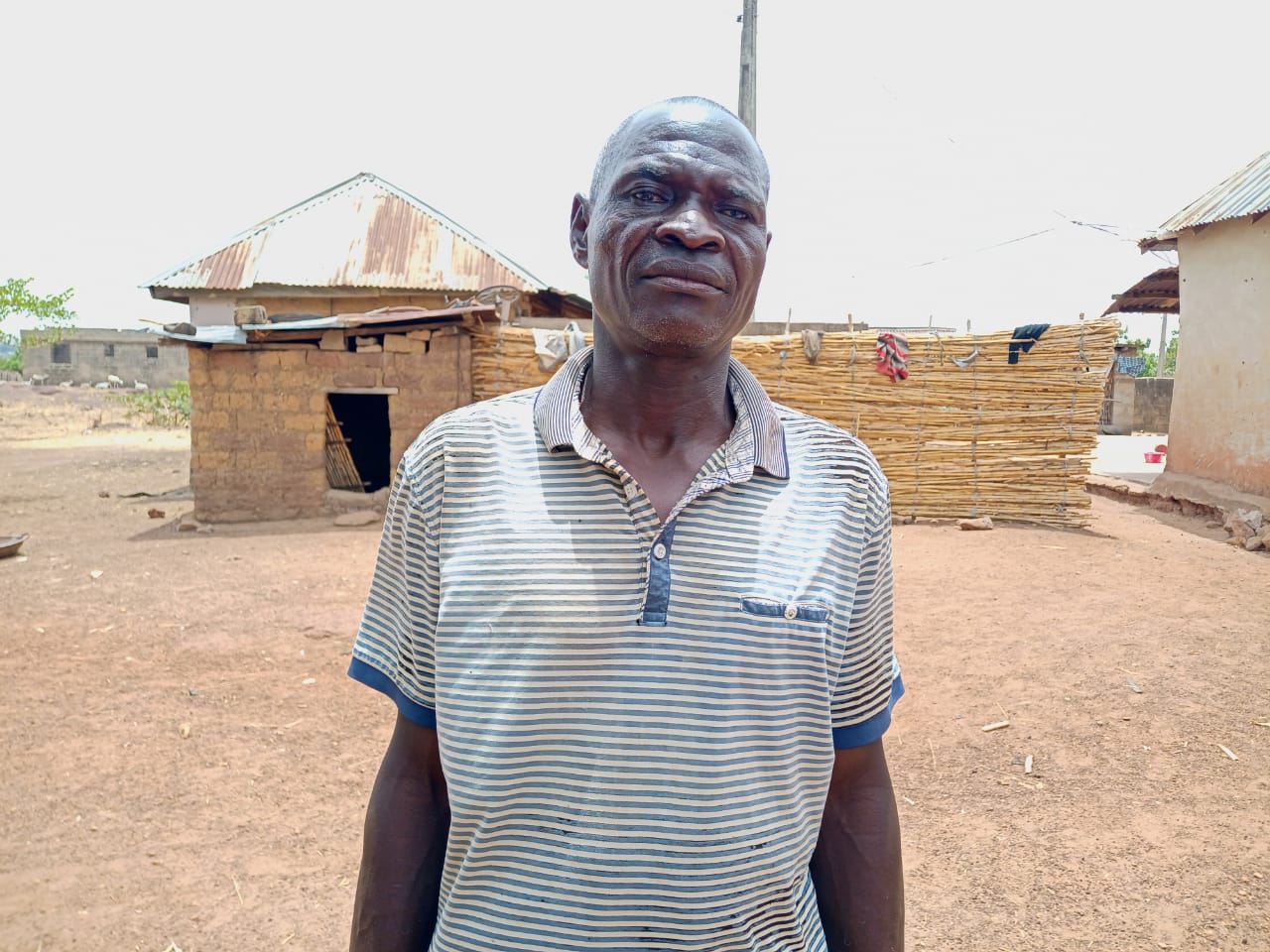
Haruna
Haruna Adam’s brother Balapada was a member of the community vigilante group who lost his life defending his community

Among the dead was Balapada, who died protecting the people of Erena. His elder brother, Haruna Adam, told The ICIR that Balapada fully understood the danger before joining the vigilante group, adding that the deceased believed he was protecting the lives and properties of residents.

“He had taken that responsibility seriously, even though the men confronting the bandits were often outgunned. He was aware it was dangerous, but he still accepted the risk. He took an oath to protect the lives and properties of the Erena community in general,” he noted.

Yakubu Dada was one of the lucky vigilante members. He was seated among his kinsmen when news broke that terrorists were advancing towards the SSS office in Bagna. Having defended Erena community for four years, Dada rushed into his room, grabbed his pump-action gun, and headed towards Bagna alongside several of his colleagues.
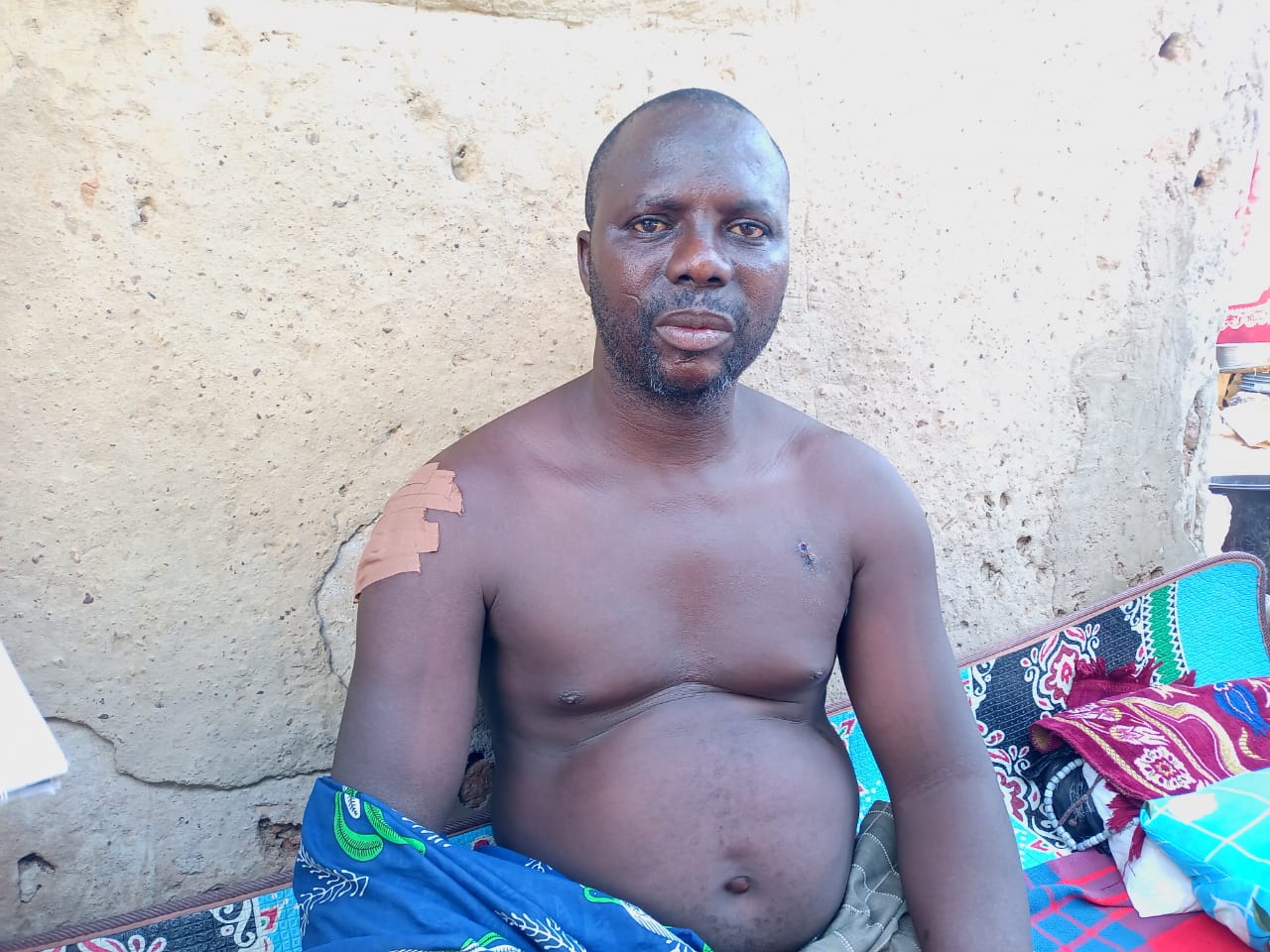
Yakubu Dada
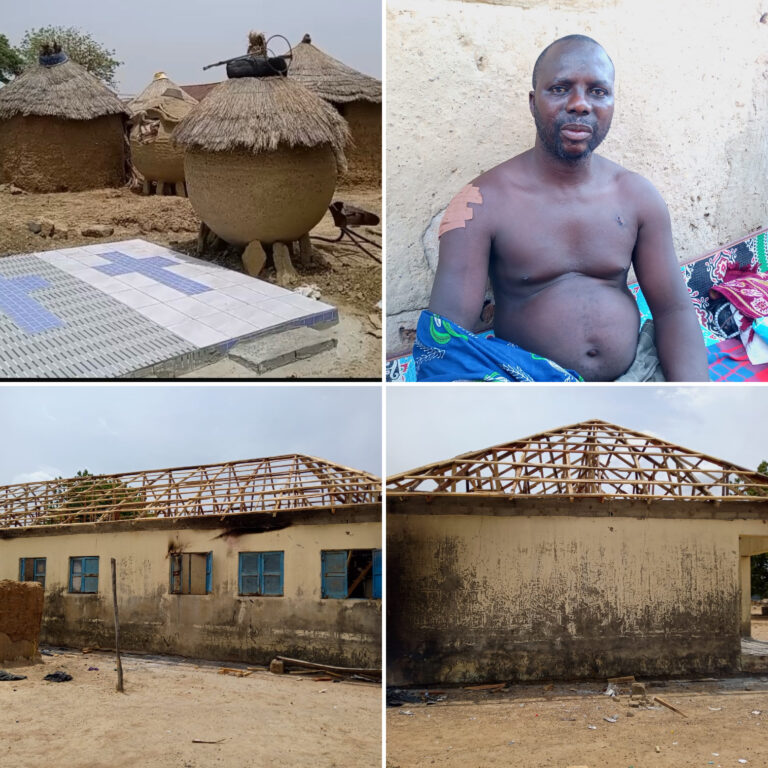
Yakubu Dada, while nursing his gunshot wound at his house in Erena

He described the attackers as overwhelming in number, saying they came like flies and surrounded the area. He said the vigilantes had moved in to assist SSS operatives, but were overran while others attempted to retreat and take cover.

Unfortunately, he said it was during that retreat that he was shot in the shoulder. “There were many of them on motorcycles, and they were shooting at us from different directions. It was an open field with no place to hide,” he said. “That was why many of our people were killed.”

Dada, who was later hospitalised, told The ICIR the attackers had chased after them, hoping they had AK-47 rifles, adding that “that was what they were asking us to surrender.”

Now weeks after the attack, Dada laments neglect. “When I was wounded, no one came to my aid. It was only the vice-chairperson, Janet S. Auta, and the DPO of Erena Police Station who gave me N10,000 each. My uncle, Danjuma Goma, paid all my hospital bills,” he added.

The ICIR reached out to the Shiroro Local Government Chairman, Isyaku Bawa, on Monday, May 25, over allegations of neglect and inadequate support for injured vigilante members and the families of those killed during the attack, but his line was unreachable, and a text messages sent to him were not replied to.

We rely on pump-action guns, lack formal training- Vigilante

Aliyu Yakubu, Assistant Chairman of the Vigilante group and Intelligence Officer of the Erena branch, lamented that vigilantes have no formal training, no institutional backing, and no reliable government assistance, adding that they rely mostly on pump-action guns while confronting attackers with military-grade weapons.
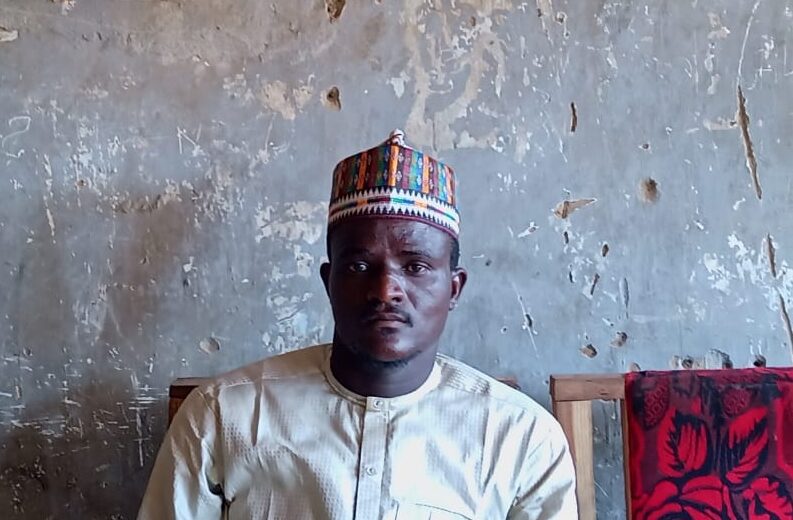
Aliyu Yakubu, Assistant Chairman of the Vigilante group and intelligence officer of the Erana branch
Aliyu Yakubu, Assistant Chairman of the Vigilante group and intelligence officer of the Erena branch

This was the position of several local security operatives protecting Erena and the neighbouring villages.

The ICIR reports that in many cases, local security forces are often sacrificed against terrorists carrying sophisticated firearms and arriving in large numbers. Nigeria’s security framework allows for community-based support groups in some states, but their capacity varies widely depending on local funding and government coordination.

In many of these communities, vigilante formations are locally organised and community-funded, with members typically drawn from residents familiar with the terrain. However, they often lack structured training, modern equipment and legal protections, which has continued to raise concerns about their effectiveness and safety in high-intensity confrontations.

Education, livelihood under strain

Across the affected villages, the impact of the recent attacks has been far-reaching. Many households that spoke with The ICIR said the attack has disrupted education, weakened livelihoods, and created uncertainty over how to sustain basic needs.
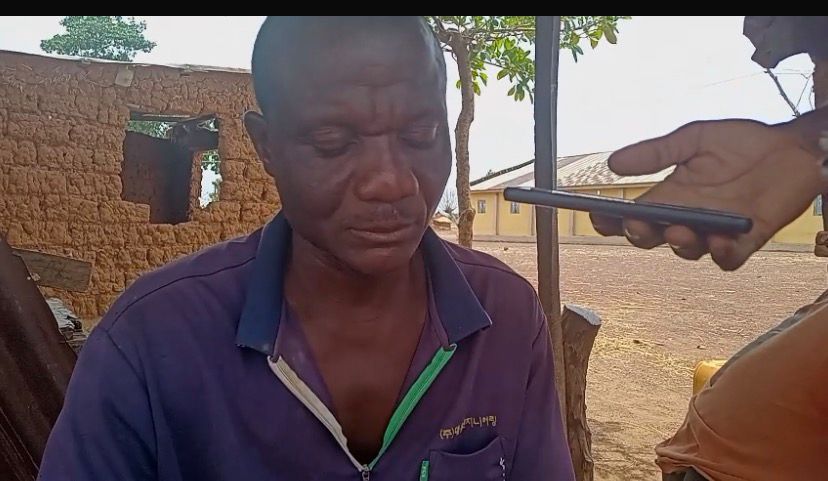
Marcus Audu
Marcus Audu

For farmers, the situation has been equally difficult. The start of the planting season, which should signal renewal, has instead been marked by hesitation and fear. Marcus Audu, a resident of Bagna Baro village, said insecurity has made it difficult to return to farmlands.

“For food and feeding, we have challenges because we cannot farm peacefully,” he said, explaining that communities in the Lakpma axis of Shiroro LGA possess vast fertile land suitable for yams, maize, rice and guinea corn cultivation, but persistent insecurity has made farming nearly impossible.

According to him, several communities within the axis, including Allawa village, have become inaccessible due to the activities of armed groups.

“They have turned Allawa into their own territory. That is where they do their training and everything now because nobody dares go there,” he said.

Attack on Erena, Bagna barbaric — Niger govt

Meanwhile, the Niger State Government on April 8, condemned the attack on Erena, Bagna and other villages in Shiroro LGA, describing it as “senseless, barbaric and inhumane.”

In a statement, the Secretary to the State Government, Abubakar Usman, expressed grief over the incident and extended condolences to affected families, noting that such violence against innocent citizens would not be tolerated.

He said the government was working with security agencies to intensify operations aimed at flushing out criminal elements across the state. The government also urged residents to remain vigilant and support security efforts with credible information, while assuring that those responsible for the attacks would be brought to justice.
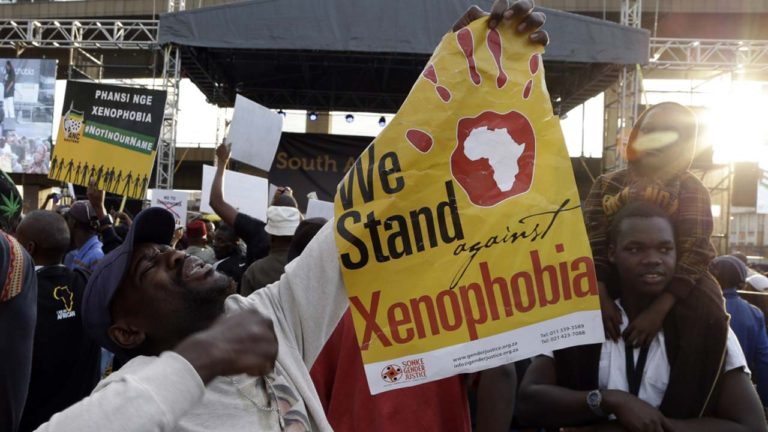
FG decries attacks on Nigerians in South Africa, weighs response

THE FEDERAL Government has again strongly condemned the attacks, harassment and forced displacement of Nigerians in South Africa, saying it is considering appropriate measures in response.

The Minister of Foreign Affairs, Bianca Odumegwu-Ojukwu, stated this while speaking with State House Correspondents on Monday, June 8, in Abuja.

According to the minister, many Nigerians are unhappy with the treatment of their compatriots in South Africa, considering Nigeria’s historical support for the country’s anti-apartheid struggle.

“Nigeria is not happy because Nigeria sacrificed much for the South African struggle for independence. Nigeria committed funds and resources. Seats were reserved for South African students, and many Nigerians actively supported the anti-apartheid movement,” she said.

Odumegwu-Ojukwu said the Federal Government had not ruled out any response, including possible retaliatory measures, although any decision would be taken at the highest level of government.

“That is a situation that we are considering. This is up to our legislature and the highest levels of government, but it is not off the table,” she said.

On the evacuation of affected Nigerians, the minister said arrangements were ongoing to repatriate those willing to return home.

She explained that although the airlift did not commence on Monday as expected, documentation and other formalities were being concluded.

“The repatriation is on course. Mr President has reiterated that the aircraft will go to South Africa and our citizens who are affected will have the opportunity to return home,” she said.

Odumegwu-Ojukwu said the number of Nigerians seeking evacuation continued to rise, adding that screening processes involving both Nigerian and South African authorities were ongoing.

She disclosed that President Bola Tinubu had directed the immediate establishment of a crisis response unit at Nigeria’s Consulate in Johannesburg and the country’s mission in Pretoria to coordinate assistance for affected citizens.

The minister dismissed claims that the affected Nigerians were illegal migrants, insisting that many were legitimate residents and business owners.

According to her, some Nigerians had suffered attacks on their businesses and properties, while others faced intimidation and insecurity.

“To say that Nigerians in South Africa doing legitimate business are illegal migrants is absolutely untrue,” she said.

Odumegwu-Ojukwu added that the Federal Government, working with the National Emergency Management Agency (NEMA) and other relevant agencies, had put plans in place to support and rehabilitate returnees.

“This evacuation is being undertaken with NEMA and other government agencies to ensure that those who return are properly rehabilitated,” she said.

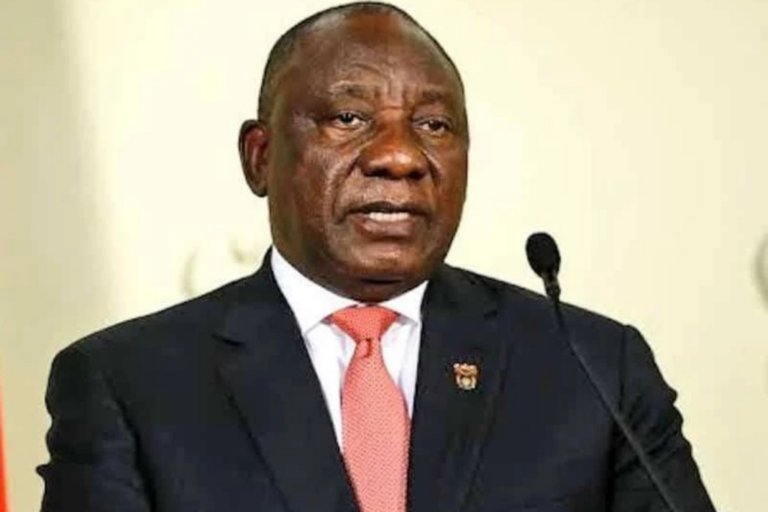
THE ICIR earlier reported that South African President Cyril Ramaphosa said his government would act against groups linked to a renewed wave of xenophobic attacks targeting foreign nationals in the country.

The violence prompted evacuation plans by several African countries, including Nigeria, which extended the screening of citizens seeking voluntary return. Mozambique also reported that five of its citizens were killed during the unrest.

Ramaphosa condemned the attacks and warned against using concerns over illegal immigration to incite violence, while authorities vowed to arrest and prosecute those involved.

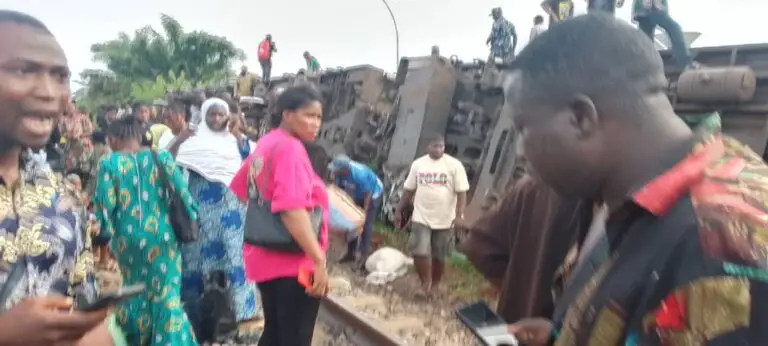
Warri–Itakpe train derails, 4 coaches capsize

0

THE Nigerian Railway Corporation (NRC) says its Warri–Itakpe Train Service has derailed, with four coaches capsizing.

The Managing Director of NRC, Kayode Opeifa, said in a statement in Lagos on Monday, June 8, evening that NRC  would provide  updates on the accident as more details would emerge.

Opeifa said that emergency response teams  had been deployed to the scene to manage the situation and assist passengers

“The corporation is closely monitoring developments and will provide a comprehensive update as more details emerge on the cause and extent of the derailment,” he said.

He urged the public to be calm and rely only on official communication channels for information regarding the accident.

The latest derailment adds to a series of operational setbacks that have plagued the Warri–Itakpe rail corridor in the last couple of years.

In May 2026, the Nigerian Railway Corporation (NRC) suspended services on the route, citing operational challenges and technical advice from its engineers to allow for safety checks, maintenance and system assessments.

Recall that in November 2025, the Warri–Itakpe train derailed in the Agbor area of Delta State just four days after the route resumed operations following months of suspension linked to technical faults and track repairs.

The NRC subsequently halted services again to conduct safety and security audits.

Before the November derailment, the NRC had suspended operations on the Warri–Itakpe route on August 2 following a series of train breakdowns and technical faults.

In July 2024, the NRC temporarily suspended operations after a train travelling from Itakpe to Ujevwu derailed, prompting safety inspections before services resumed days later.

Authorities have repeatedly blamed some of the disruptions on infrastructure vandalism.


June 12: WSCIJ to lead conversation on reversing Nigeria’s voter apathy ahead of 2027 polls

AS Nigeria prepares to commemorate Democracy Day and looks toward the 2027 general elections, the Wole Soyinka Centre for Investigative Journalism (WSCIJ) is convening a virtual meeting to address growing threats to the nation’s democratic future.

The dialogue, to be held on X Space, is scheduled for 11:00 a.m. on Tuesday, June 9, according to a statement by the WSCIJ Communication Officer, Confidence Ojuh. The meeting has its themes around rebuilding democratic participation through accountability journalism.

It will examine how the media, civil society, and public institutions can restore trust in democratic processes and re-engage citizens ahead of the 2027 elections.

“As the 2027 elections approach, the upcoming June 2026 edition of the Journalism & Society Conversations will get straight to the heartbeat of this challenge. We are bringing together a powerhouse panel of media executives, civic leaders, and electoral administrators to examine how accountability and grassroots journalism can restore public confidence and re-energise citizen participation,” Ojuh said.

The ICIR reports that more than three decades after the historic June 12, 1993, presidential election, citizens participation in elections is declining at an alarming rate. Rising public distrust, economic hardship, insecurity, misinformation, and widespread disillusionment with governance have contributed to a steady withdrawal of citizens from the democratic process.

Against this backdrop, the WSCIJ urged citizens to join the conversation through this link to hear from its speakers which includes David Ajikobi, Nigeria Editor at Africa Check; Muftau Gbadegesin, sustainable development practitioner; Theresa Maduekwe, South-East Zonal Director of the National Orientation Agency; Victoria Eta-Messi, Director of Voter Education and Publicity at the Independent National Electoral Commission (INEC); Victorson Agbenson, Political Editor of Radio Nigeria and General Manager of Bronze FM Benin; and Adebowale Olorunmola, democracy and grassroots mobilisation specialist.

The urgency of the discussion is reflected in electoral participation data released by INEC. Voter turnout has fallen consistently over nearly two decades from 57.54 per cent in 2007 to 53.68 per cent in 2011, 43.65 per cent in 2015, and 34.75 per cent in 2019.

The trend reached a historic low during the 2023 general elections, when only 26.72 per cent of registered voters participated. Of the 93.46 million registered voters and 87.20 million Permanent Voter Cards collected, just 24.9 million Nigerians cast their ballots.

Experts warn that such declining participation poses a significant challenge to democratic governance, as democracy depends on active citizen engagement, accountability, and public confidence in institutions.

Ojuh explained that conversation at the dialogue would move beyond routine election discussions to interrogate the deeper causes of democratic disillusionment and explore practical pathways for rebuilding public trust.

She also added that discussions would focus on the factors driving voter apathy, including governance failures and declining faith in electoral outcomes, as panelists will also examine the growing influence of misinformation, artificial intelligence-driven manipulation, and political propaganda on public perception.

The communication officer noted that the event would further explore how newsrooms could strengthen civic education, simplify complex governance issues, combat disinformation, and promote citizen engagement beyond election cycles.

She added that the conversation is intended not only to commemorate the legacy of June 12 but also to generate practical solutions for strengthening democratic accountability and restoring citizens’ confidence in governance.

Fund for Investigative Journalism announces grants to journalists, media outlets

THE Fund for Investigative Journalism (FIJ) offers grants to support independent journalists and media organisations producing impactful investigative stories that expose wrongdoing and advance public accountability.

The grants are open to freelance journalists, staff reporters, and media outlets working across print, digital, broadcast, documentary, podcast, and book formats.

FIJ provides different funding streams, including regular grants of up to $10,000 for fully developed investigative proposals, seed funding of up to $2,500 for early-stage reporting, and follow-up grants for continuing existing FIJ-supported investigations.

Selected fellows under special programmes may also receive larger awards for long-term reporting projects.

Applicants are required to submit detailed proposals outlining the investigative angle, reporting plan, budget breakdown, and expected public impact. Some categories require a commitment letter from a media outlet confirming intent to publish the work.

The fund prioritises stories that uncover hidden wrongdoing, strengthen accountability, and contribute to public interest journalism, with a transparent review process led by experienced investigative journalists.

The deadline to apply for regular grants and seed funding is September 14, 2026.

Interested applicants can apply here.

Iran announces end to attacks on Israel

Iran has officially announced the end of its offensive military operations against Israel, while warning that any future attack on southern Lebanon would be treated as a direct attack on Iran’s regional allies and would trigger an immediate response against Israel.

The announcement was made on Monday on the Iranian military’s Facebook page, signaling a possible de-escalation after days of heightened tensions that threatened to reignite a broader Middle East conflict.

“A new equation has now been established: Any attack on Southern Lebanon = A direct strike on Israel,” the military said.

The declaration came hours after United States President Donald Trump publicly called on both Israel and Iran to cease hostilities following a fresh exchange of missile strikes that shattered weeks of relative calm after an April ceasefire.

Trump, writing on his Truth Social platform, urged both sides to stop firing as fears mounted that the conflict could spiral into a wider regional war involving Lebanon, Yemen and key shipping routes across the Middle East.

The latest escalation began after Israel launched strikes on targets inside Iran, including the Mahshahr Petrochemical Plant in the country’s southwest and what Israeli officials described as strategic military installations. Israel said the operation targeted Iranian air defence systems that had been rebuilt after earlier US-Israeli military actions.

Iran’s Revolutionary Guards responded by launching missiles at a petrochemical facility in Haifa, northern Israel, accusing Israel of crossing a red line by targeting civilian and energy infrastructure.

The confrontation marked the first direct military exchange between the two countries since a ceasefire took effect on April 8.

Despite the renewed violence, Trump insisted that diplomatic efforts to secure a broader settlement with Tehran remained on track.

“It’s not going to have any impact on the deal. I call the shots. I call all the shots. He doesn’t call the shots,” Trump told the Financial Times in an apparent reference to Israeli Prime Minister Benjamin Netanyahu.

According to Reuters, the remarks highlighted growing friction between Washington and Jerusalem, with reports suggesting Trump had privately urged Netanyahu to avoid military action in Lebanon in order to preserve ongoing negotiations aimed at ending the wider regional conflict.

However, Israel carried out strikes near Beirut on Sunday, the first such attacks since the US unveiled a ceasefire proposal for Lebanon. Iran subsequently launched retaliatory missile salvos against Israeli targets.

The military exchanges triggered widespread disruption across the region’s airspace. Flight-tracking services showed large sections of skies over Iran, Iraq and Syria largely deserted as authorities imposed emergency restrictions.

Iran suspended flights at Tehran’s Mehrabad Airport indefinitely, while Syria temporarily closed its southern airspace and halted operations at Damascus International Airport. Iraq also shut its airspace and suspended air navigation services for 72 hours.

The crisis has attracted growing international concern. European Union defence ministers meeting in Cyprus on Monday discussed the implications of the conflict for regional stability, energy security and global maritime trade.

Global energy markets also reacted sharply to the renewed fighting. Brent crude oil rose more than four percent to above $97 per barrel, while US crude futures climbed by a similar margin amid fears that the conflict could disrupt shipping through the Strait of Hormuz, a vital route for global oil and gas supplies.

Meanwhile, Yemen’s Iran-backed Houthi movement announced a ban on Israeli maritime navigation in the Red Sea and claimed responsibility for missile attacks targeting Israel. Israeli authorities said their air defence systems intercepted a missile launched from Yemen, with no casualties reported.

While Iran’s announcement ending its offensive operations may ease immediate fears of a full-scale war, the warning linking attacks on southern Lebanon to direct strikes on Israel introduces a new strategic doctrine that could further complicate efforts to maintain stability in the region.


Ramaphosa vows crackdown as xenophobic attacks trigger regional alarm, evacuations

SOUTH African President, Cyril Ramaphosa, has vowed to crack down on groups behind the latest wave of xenophobic violence in the country, as renewed anti-immigrant protests continue to trigger regional concern, diplomatic tensions and evacuation plans by affected African countries.

Ramaphosa, in a televised address, said the government would not allow individuals or groups to exploit public frustration over illegal immigration to incite violence, lawlessness or political instability.

The attacks, which have spread across parts of South Africa and in some cases turned violent, have led to repatriation efforts by countries including Nigeria, Ghana, Malawi and Mozambique. 

According to reports, Mozambique has said at least five of its citizens were killed during the unrest.

“We will act against forces who are exploiting the concerns of our people about illegal immigration to further their own political, personal and criminal agendas,” Ramaphosa said in a televised address, without specifying the actions.

“We will and must not allow groups to use the legitimate concerns of South Africans to destabilise our country through inciting lawlessness and violence,” he said.

The ICIR reports that violence has also reignited longstanding concerns about xenophobia in South Africa, where migrants are frequently blamed for unemployment, poverty and rising crime.

Nigeria extends evacuation screening of citizens

In response to the worsening situation, on June 7, Nigeria extended screening of its citizens willing to be evacuated from South Africa until Wednesday.

According to the Ministry of Foreign Affairs, over 500 Nigerians have already been screened and cleared for evacuation, with five chartered flights approved under arrangements involving private carrier Air Peace.

The ministry said the first evacuation flight, expected to carry about 270 passengers, may depart Johannesburg if all permits are secured.

Officials added that the extension was necessary to allow more stranded Nigerians to register for voluntary evacuation amid fears of further violence.

Background

The current crisis follows earlier warning issued by Nigeria’s Nigerians in Diaspora Commission (NiDCOM), which had advised citizens in South Africa to avoid confrontation, monitor local developments, and in some cases temporarily close businesses due to escalating protests.

NiDCOM said intelligence from the Nigerian Consulate in Johannesburg indicated planned demonstrations in parts of Gauteng Province, where foreign-owned shops were expected to be targeted.

The commission’s advisory came after viral videos circulated online showing groups of South Africans confronting and assaulting individuals believed to be foreign nationals. In one widely shared clip, a Ghanaian man was harassed and told to leave the country.

The incidents also triggered diplomatic reactions, including Ghana summoning South Africa’s acting High Commissioner over what it described as harassment and intimidation of its citizens.

Ghana’s Foreign Affairs Minister, Samuel Okudzeto Ablakwa, said the incidents were xenophobic in nature and demanded accountability from South African authorities.

The protests have largely been linked to anti-immigrant movements such as Operation Dudula and March on March, which accuse foreign nationals of contributing to unemployment, crime and social pressure in South Africa.

Viral footage from recent demonstrations showed mobs attacking individuals suspected of being undocumented migrants, while others were subjected to public harassment and threats.

South African authorities have repeatedly condemned the attacks.

Acting Police Minister, Firoz Cachalia, warned that no group has the authority to enforce immigration laws outside the state, stressing that those involved in violence would be arrested and prosecuted.

Fetisov Journalism Awards 2026 seek entries

THE Fetisov Journalism Awards (FJA) invites professional journalists, freelance reporters, and media organisations worldwide to submit entries for its annual awards celebrating excellence in journalism.

The competition recognises impactful reporting across key categories, including investigative journalism, environmental reporting, civil rights, and contributions to peace.

Entries are free and open to original journalistic work published within the eligibility period. Applicants may submit their own work or be nominated by organisations, and submissions must be completed online through the official FJA portal.

All entries are reviewed through a transparent judging process conducted by an independent panel of international media professionals.

The awards aim to spotlight journalism that promotes truth, accountability, and positive social impact, with winners selected based on the quality, integrity, and influence of their reporting.

All entries must be submitted in English. Stories originally published in another language must be accompanied by a professional English translation.

The deadline for applications is September 15, 2026. Interested applicants can apply here.

Nigerian-British musician Talay Riley stabbed to death in London

NIGERIAN-BRITISH singer and songwriter Mark Yinka Orabiyi, popularly known by his stage name Talay Riley, has been stabbed to death.

Riley, 35, was killed last Friday in the Silvertown area of East London. Emergency responders rushed to the location after receiving distress calls, but efforts to save the musician were unsuccessful.

Authorities have since commenced a homicide investigation, with detectives working to determine the circumstances surrounding the killing.

The development was confirmed by his family, who released a statement expressing their grief over the loss.

“It is with overwhelming sadness that we confirm that Mark ‘Yinka’ Orabiyi professionally known as Talay Riley passed away yesterday morning,” the statement reads in part.

“Talay will fondly be remembered by those who knew him publicly for his incredible talent as a Grammy Award winning, multi-platinum selling songwriter & artist. For those that knew and loved him personally it is his humour, generous spirit and unmistakable presence that will be missed the most.”

The family also thanked friends, colleagues and supporters for their sympathy.

Riley built a successful career in music, earning recognition for his songwriting abilities and artistic contributions. He entered the entertainment industry as a teenager after securing a publishing agreement and later gained wider attention through collaborations with several notable acts.

Throughout his career, he shared stages with major performers in both the United Kingdom and the United States, while also working alongside respected names in contemporary R&B.

The late singer was the elder brother of acclaimed producer Scribz Riley, who paid tribute to him in an emotional Instagram post.

“I never thought the day would come where I’d be writing this, but unfortunately I can confirm that on the morning of Friday 5th June, my big brother YINKA (Talay Riley) passed away,” he wrote.

He added, “My heart is shattered! This doesn’t feel real. It feels like a bad dream. Just before he went to sleep, we spoke about the future, staying positive and about everything we still had left to do. I never imagined that would be our last conversation. Yinka wasn’t just my brother. He was my mother’s son, a friend to many, a mentor, an inspiration, and a light in so many people’s lives.

Nigeria extends screening of citizens seeking to leave South Africa

NIGERIA has extended the screening of its citizens who are willing to be evacuated from South Africa following the recent wave of xenophobic attacks against Blacks in the country, to Wednesday.

Spokesman of the Ministry of Foreign Affairs, Kimiebi Ebienfa, disclosed this in a statement on Sunday.

According to him, President Bola Tinubu has approved five evacuation flights, which will be operated by Nigeria’s private airliner, Air Peace.
He added that the first flight that would transport about 270 passengers should leave Johannesburg Monday evening if the necessary permits and clearance are secured for the aircraft.
“I’ve just received confirmation from our Mission in Pretoria that the screening exercise of Nigerian nationals, who have indicated interest to be evacuated back home, has been extended to Wednesday.
“So far, over 500 persons have been screened and cleared,” Ebienfa said.
He further noted that the flight’s departure and estimated time of arrival in Lagos would be provided in due course, subject to updates from Nigeria’s High Commission in South Africa.

The ICIR reports that incidents of xenophobia targeting African migrants in South Africa have intensified in recent weeks, with groups of protesters staging demonstrations against the presence of foreign nationals in several communities. Reports indicate that some migrants have been subjected to harassment, intimidation and physical attacks in public spaces, including streets, schools, shops and workplaces.

The renewed anti-immigrant sentiment has sparked concern among human rights organisations, community leaders and regional observers, who warn that such actions could undermine social cohesion and endanger vulnerable populations. Many of the migrants affected come from other African countries and have sought refuge or economic opportunities in South Africa.

The developments have reignited debate over immigration, unemployment and public service pressures in South Africa, while advocacy groups have urged authorities to uphold the rule of law, protect all residents from violence and hold perpetrators accountable.

(NAN)