THE Independent National Electoral Commission (INEC) has countered the All Progressives Congress (APC) members of the National Assembly on electronic transmission of election results in 2023, saying that it has the capacity to deliver.
INEC, in a statement by its National Commissioner and Chairman on Information and Voter Education Committee Festus Okoye, said INEC’s joint committee made up of telecommunications stakeholders had revised the system and concluded that electronic transmission of results was practicable.
The APC members of the House of Representatives had maintained that electronic transmission of results would only be allowed ‘where practicable.’
The APC Senate members had earlier placed electronic transmission of results at the behest of the National Assembly or the Nigerian Communications Commission (NCC).
The People’s Democratic Party(PDP) members had voted in favour of e-transmission of election results without interference by any institution.
Okoye, while reacting to the poaition of the APC National Assembly, said the commission had uploaded results even from the remote areas where it had to use human carriers to access.
“So, we have made our own position very clear, that we have the capacity and we have the will to deepen the use of technology in the electoral process.”
Okoye noted that INEC would be guided by the power granted it by the constitution and the law.
“Our powers are given by the constitution and the law, and we will continue to remain within the ambit and confines of the power granted to the commission by the constitution and the law,” he reiterated.
He also stressed that the commission had the assurance of the network service providers regarding the possibility of deploying technology to cover a few blind spots.
“The commission will continue to pilot different solutions bearing in mind that technology is dynamic and can limit human interference in the electoral process. The commission wants broad powers to deploy technology and is not in favour of a particular solution being written into the law.
“The commission is a creation of the constitution and the law and its powers are derived from the constitution. The constitution has also given the National Assembly the power to make laws but such powers must not be in conflict with and or at variance with the provisions of the constitution.”
Okoye, however, submitted that political parties would henceforth be mandated to submit the names and photographs of their polling agents electronically, just as domestic election observers and the media who applied for accreditation to observe and cover elections had been doing.
THE Minister of Labour and Employment Chris Ngige has said that he has no hand in the re-arrest of the Indigenous People of Biafra (IPOB) leader, Mazi Nnamdi Kanu.
Ngige, who warned the IPOB members to stop linking him with their leader’s ordeals, said he was too engaged with his duties as the chief labour officer of the country and would not have the time to meddle into security and diplomatic matters, which clearly fell within the mandate of the Nigerian security and national intelligence agencies.
Ngige, in a statement issued by his media office in Abuja, described the statement by the IPOB spokesman Emma Powerful, which attempted to link the him with the arrest of Mazi Kanu, as deceitful and malicious.
“The attention of the Honourable Minister of Labour and Employment, Senator Dr. Chris Nwabueze Ngige (OON) has been drawn to series of fictitious reports in the social media linking him to the arrest of the leader of the Indigenous Peoples of Biafra, Mazi Nnamdi Kanu.
“The first of such reports alleged that Senator Ngige and the Senate Chief Whip, Senator Orji Uzor Kalu visited the British High Commissioner to Nigeria, Mrs Catriona Laing, to discuss the affairs of IPOB, as supporters of President Muhammadu Buhari.”
The minister said although he had paid a courtesy visit to Senator Orji Uzor Kalu in May, it was not in any way related to Kanu’s ordeal.
“Firstly, Ngige did not at any time pay a visit to the British High Commissioner to Nigeria, to discuss the affairs of IPOB. It happened that on May 13, 2021, the Minister was returning from an official meeting of the Economic Sustainability Committee held in the Presidential Villa and passing by, paid a courtesy visit to his brother and friend, the Chief Whip of the Senate, Senator Orji Uzor Kalu whose home is within the vicinity of the Villa Pilot Gate.
“Coincidentally, Kalu had some guests in his house at the same time. Sen. Kalu introduced his guests, the British High Commissioner to Nigeria and her officials and the Minister exchanged pleasantries with them, stayed briefly and left after a group photograph.”
The minister added that both IPOB and the IPOB spokesman knew him very well as a man who would call ‘a spade a spade’ and had no room for equivocation or speaking from both sides of the mouth since his days as governor in Anambra State.
“The Minister, being somebody with long standing experience in the public service, knows the bounds of his office and does not have the time to meddle into Foreign Affairs of Extradition and security matters that clearly fall within the mandate of the Nigerian Diplomatic Missions, national intelligence agencies.
“Ngige is neither the Minister of Police Affairs, Justice, Foreign Affairs nor the National Security Adviser, to start discussing issues of extradition or arrest of a fugitive outside Nigeria’s territory, which are clearly outside his mandate.”
Ngige, however, said the allegation was targeted at coaxing him into lending his voice to the discordant voices condemning or hailing Nnamdi Kanu’s arrest or calling for his unconditional release.
“Ngige is somebody who believes in the Rule of Law and will rather allow the law to take its course than get involved in the discussion of any issue which neither adds nor subtract any value to the trial process.”
THE Federal Government has said it will take possession of the 1,130 looted Benin bronzes expected to be returned by Germany in 2022.
This was disclosed by Minister of Information and Culture Lai Mohammed on Saturday at a press conference held in Lagos.
Reacting to the disagreement between Oba of Benin Ewuare II and Edo State Governor Godwin Obaseki over the possession of the artefacts, the minister said the Nigerian government was the entity recognised by international law as the authority in control of such artefacts.
“Gentlemen, the Federal Government is aware of the widely-reported controversy on who will take possession of the Benin Bronzes when they are returned from Germany. Let me state clearly here that, in line with international best practice and the operative conventions and laws, the return of the artefacts is being negotiated bilaterally between the national governments of Nigeria and Germany,” he said.
The minister said relevant international conventions considered heritage properties as belonging to the nation rather than individuals or groups.
“The Federal government will take possession of these antiquities, because it is its duty to do so, in line with the extant laws. But we have always exercised this right in cognisance of that culture that produced the artworks.
“That is why the Ministry of Information and Culture and the National Commission for Museums and Monuments have always involved both the Edo State government and the Royal Benin Palace in discussions and negotiations that have now resulted in the impending return of these antiquities,” he said.
Mohammed also said the government was involved in the repatriation of other artefacts of Nigerian origin.
“We are also working on repatriating Ife Bronzes and Terracotta, Nok Terracotta, Owo Terracotta, the arts of the Benue River Valley, the Igbo Ukwu, the arts of Bida, the arts of Igala, Jukun etc. Recall, gentlemen, our efforts over the Igbo statues that were auctioned at Christie’s in Year 2020, and the fact that we took the British and Belgian authorities to ICPRCP in 2019 over an Ife object,” he said.
The Nigerian government had demanded a return of the 1,130 Benin Bronzes looted from the country in the 19th century and displayed in German museums.
Obaseki, who was a part of the delegation to Berlin over the stolen artefacts, had proposed that they be returned to the Edo State government and displayed in a museum to be built by the government.
The Oba of Benin, however, said during a press briefing that the artefacts were stolen from the palace and should be returned to the Benin Kingdom.
MEMBERS of the All Progressives Congress (APC) in the Senate and the House of Representatives have missed an important opportunity to win the hearts of Nigerians.
On Thursday, 52 senators of the ruling party placed electronic transfer of results at the behest of the Nigerian Communication Commission (NCC) and the National Assembly – a move seen by lawyers as unconstitutional.
After a rowdy session at the House of Representatives the same day, Speaker Femi Gbajabiamila informed the public that members would re-convene the following day to take a final decision on the issue.
On Friday, however, the House maintained that electronic transmission of results would be allowed ‘where practicable.’
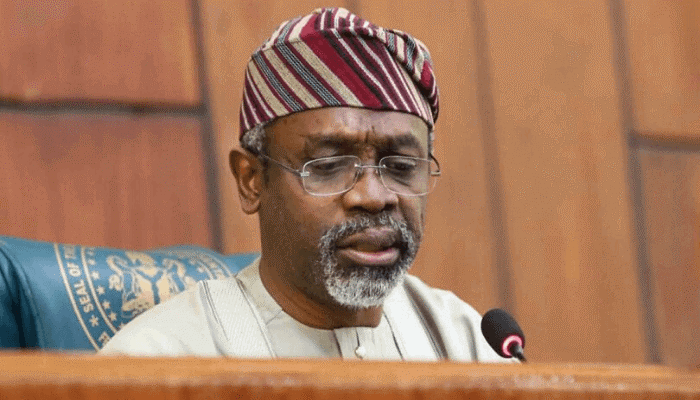
Femi Gbajabiamila, House Speaker
Thus, they failed to pander to the will of Nigerians to have an electronic transmission of election results without external interference.
Before then, Deputy Speaker Idris Wase, who presided over the sitting, had skipped clause 52 while examining the Electoral Act Amendment Bill, saying that it would be revisited when all other clauses had been debated.
Minority Leader Ndudi Elumelu later asked that clause 52 be considered as Wase promised, but the deputy speaker maintained that it could only happen when a motion of rescission on the motion was moved.
The deputy speaker later closed the door for motion of rescission, prompting the PDP House members to walk out of the proceedings.
INEC Chairman, Mahmood Yakubu
Surprisingly, the INEC Chairman Mahmood Yakubu, who had earlier been invited to brief the House, was asked not to come, according to Elumelu.
Also, Vice Chairman of the Nigerian Communications Commission Umar Garba Danbatta did not appear before the House despite an earlier invitation.
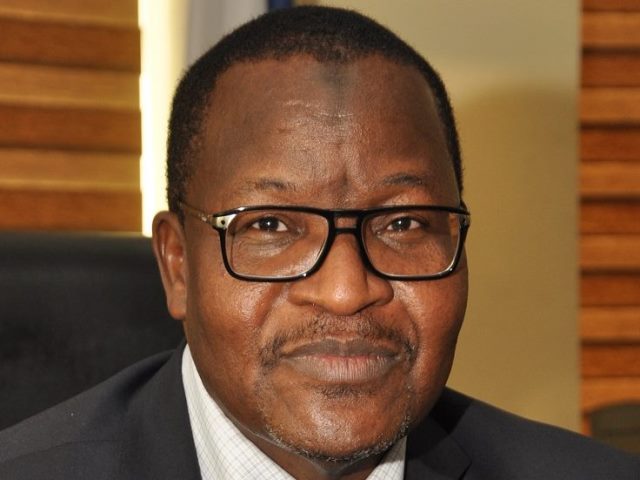
Executive Vice Chairman of the NCC, Umar Danbatta
Executive Commissioner in charge of Technical Services at the NCC Ubale Maska, who represented the NCC, noted that Nigeria did not have the capacity to cover the 119,000 polling units across the country due to low broadband.
Maska said 40 per cent of the stations were with 2G while about 10 per cent were without any network at all, noting that only 3G and above could transmit results.
However, Chairman of the Association of Licensed Telecom Operators of Nigeria (ALTON) Gbenga Adebayo told The ICIR that telecoms operators in Nigeria had the capacity to transmit election results electronically in all parts of the country.
“Yes, with what we have today, the telecommunications sector can support INEC and the country in whatever they want to do. Telecoms services are available in all the local governments of the country, so that is not a problem at all.
“With what we have, the industry can support the electoral commission and the government in this regard. The NCC is fully prepared to guarantee electronic transmission of results. In terms of capacity, we have more than enough capacity to ensure electronic transmission of results across the country.”
Also speaking with The ICIR, the immediate past president of the Association of Telecoms Companies of Nigeria (ATCON) Olusola Teniola noted that some of the members of the National Assembly, who were opposing the inclusion of electronic transmission of results in the Electoral Act, were giving excuses with unfounded concerns over the reliability of the telecoms sector.
Nigerians reason that the Unified Tertiary Matriculation Exam (UTME), bank transactions, and National Identification Number (NIN), among many others, are done online, even in rural areas, faulting the APC legislators’ argument that the country has no capacity to transmit votes electronically.
“The question is: why did electronic transfer of results succeed in the recent Edo and Ondo elections but will not work during the general election?” Head of Voters’ Forum Frank Umeh asked.
The controversial clause
The original copy of Section 52(3) of the Act had read that “The Independent National Electoral Commission may transmit results of elections by electronic means where and when practicable.”
This leaves electronic transfer of results in the hands of the electoral body. But the Senate modified the clause to read:
“The commission may consider electronic transmission provided the national network coverage is adjudged to be adequate and secure by the Nigerian Communications Commission and approved by the National Assembly.”
The provisions of Section 52(3), as adopted by the Senate, implies that the NCC – the telecommunications sector regulator – would have to convince the National Assembly before the lawmakers could approve electronic transmission of results in future elections in Nigeria.
By further implication, it also means that should the provision come into law, it is the National Assembly, not Nigerians, that would determine if election results could be transmitted electronically.
Going by the APC’s majority in the federal legislature and the party’s opposition to the move to include electronic transmission of election results in the Electoral Act, it is highly unlikely that the National Assembly would approve the arrangement.
Lawyer and human rights activist Abdul Mahmud said the priviso of Section 52(3) of the Electoral Act Amendment Bill, “Before INEC can transmit electronically, NCC must adjudge national coverage is adequate and secure, and National Assembly must approve,” was in conflict with Section 78 of the 1999 Constitution, which provided that “the registration of voters and conduct of elections shall be subject to the direction and supervision of INEC.”
Is APC afraid of its poor performance?
In 2015, the APC promised to fix insecurity, improve economy and reduce corruption in Nigeria. But the party has failed to deliver on the three promises.
Terrorism, kidnapping and secessionists-driven attacks have risen since 2015. Students and pupils are kidnapped from schools and held for weeks and months by terrorists who are branded ‘bandits.’
Fulani herders have killed and maimed farmers and sacked villages, but there is no pronouncement by President Muhammadu Buhari, a Fulani.
Buhari’s former Minister of Sports Solomon Dalung said in January 2021:“In the north, if you are a Muslim and you want to travel, you must pray, fast for days before embarking on the journey. If you are Christian and you want to travel, you must fast and pray for days before you travel.”
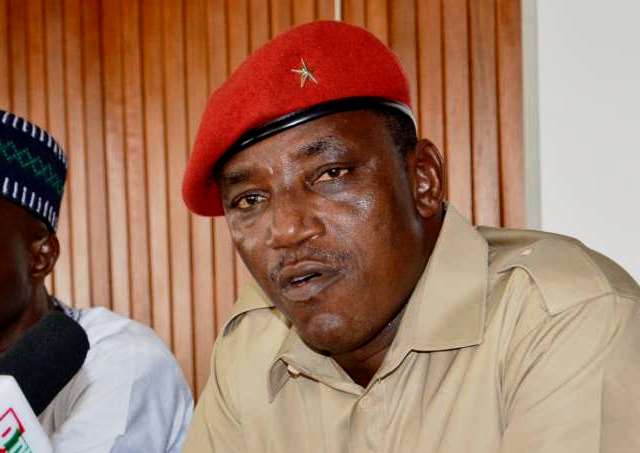
Former Nigeria’s Sports Minister, Solomon Dalung
“Even if the journey is successful, you will still go to the hospital because of high blood pressure arising from fear during the journey. We have never experienced this kind of situation. Imagine in the north, before you go to your farm, you will have to pay gunmen to allow you farm. If you want to harvest your farm produced, you will still have to pay gunmen before they allow you to harvest.
“So how can there be farming in the North? We have never experienced this kind of situation. It is our APC government, but this government has not address the needs of Nigerians. It is our government, but if we are not doing the correct thing, it is our responsibility to speak out because we spoke against some people in the past and we need to speak to ourselves too.”
On economy, Nigeria became poverty capital of the world in 2017 – two years after Buhari came to power.
About 87 million Nigerians lived in extreme poverty in 2017, said World Poverty Clock.
According to the World Poverty Clock, the number rose in 2019. Nigeria had a total population of 205.32 million in 2019, with 105.097 million living in extreme poverty, representing 51 per cent of the population.
This means the number of extremely poor people rose from 87 million to 105 million in two years.
The economy has slumped into recession twice under the APC-led government.
Unemployment rate in the country was 33 per cent in the fourth quarter of 2020 as against less than 8 per cent in 2015 when APC-led government took over. Inflation is over 17 per cent and the exchange rate is officially N410-N415 per dollar as against N199/$ in 2015.
On corruption, Nigeria slumped to 149 (out of 180) on Transparency International’s 2020 Corruption Perception Index (CPI), scoring 25 points out of 100.
The ranking places Nigeria as West Africa’s most corrupt country after Guinea-Bissau.
In 2014, Nigeria ranked 136 out of 176, scoring 27 out of 100 points.
Many Nigerians say that the senators, Reps members and the APC as a party, having performed poorly in the last six years, are afraid of losing the 2023 elections.
Dismissing concerns over INEC’s capacity to effectively transmit election results through electronic means, Lead Director of the Centre for Social Justice Eze Onyekpere said that those arguing against the inclusion of the provision in the Electoral Act intended to manipulate votes during elections.
“The APC (All Progressives Congress) knows they are unpopular and that is why they are not supporting electronic transmission of results,” he said in an interview with The ICIR.
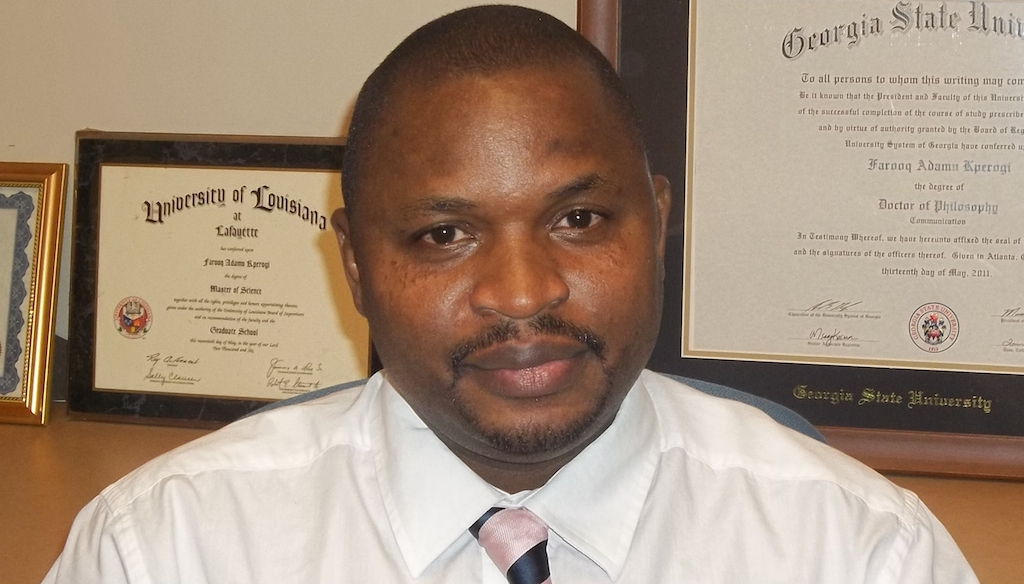
Farooq Kperogi, Associate Professor at Kennesaw State University, Georgia, United States.
Professor of Journalism and Emerging Media at Kennesaw State University Farooq Kperogi said the ruling class were not in support of electronic transmission of election results because they had “already machinated a conspiracy to rig the next election with plausible deniability.”
“The fourth reason APC politicians dread electronic storage and transmission of votes is that it would frustrate their plot to destroy forensic evidence of their electoral fraud,” he said.
“That was how they got away with naked electoral fraud in 2019. Notice that more than two years after the 2019 elections, INEC has not made available to the public the raw data of the election—like Professor Attahiru Jega’s INEC did in 2015.”
A Twitter user @tobennaOGB said, “We are gradually getting there with the deliberate loophole they have created in the law.”
“Remember, 2015 card reader compliance was 50+%,while 2019 dropped abysmally to to 19+%,” the Twitter user further said.
PDP not innocent
Some Nigeria say the absence of many PDP senators on an important day when electoral bill was considered was inexcusable.
Though senators from the party would not have outnumbered those of APC if they had been all available, many are not happy that the opposition party is not checkmating the ruling party as the former did pre-2015.
According to Umeh, earlier quoted, PDP had an opportunity of effecting electronic transmission of results during the time of Justice Uwais Electoral Reforms but failed to do so.
“You know, Jonathan tried to reform the election, but he failed in this area. So, APC is mimicking PDP, which also conducted some of the worst elections. Unfortunately for the APC, they are worse and they are operating at a time when voters know much more.”
THE Lagos State Judicial Panel of Inquiry on Restitution for Victims of SARS Related Abuses has been extended for three more months.
This was disclosed by the Chairman of the Panel Doris Okuwobi while hearing petitions on Friday.
The panel was set up by the Lagos State Government to look into grievances of victims of police brutality on October 19, 2020.
The state government had inaugurated the panel to sit for a period of six months, following weeks of protests by Nigerian youths against the extrajudicial killings and misconduct by SARS officials.
Originally meant to expire on April 19, 2021, the panel was extended in March for a period of three months with a new deadline fixed for July 19, 2021.
The ICIRreported that there had been a total of 235 petitions received from victims of police brutality across the state.
However, as the new deadline approached, only 126 petitions out of the 235 received had been heard. This has led to a three-month extension, as hearings would continue at the judicial panel until October 19, 2021.
The Army had withdrawn from the hearing after Reddington Hospital testified that it treated victims from the #EndSARS protest with bullet wounds on October 20, 21 and 22.
Internal clashes and disagreement have also occurred within the panel due to members’ failure to agree on some decisions such as the reopening of the Lekki Toll Gate before conclusion of the hearing.
Five of the nine-member panel had voted to return control of the toll gate to its operators in February.
The disagreement led to the withdrawal of youths and civil society representatives who were members of the panel.
Since the commencement of the hearing, some petitioners have been awarded monetary compensations based on petitions presented before the panel.
So far, over N30 million has been awarded to victims of police brutality and SARS- related abuses within the state.
Eleven electricity distribution companies (Discos) will have external auditors look into their books to enable them access the World Bank’s $750 million facility, sources close to them told The ICIR.
The step is geared towards having a defined credible electricity market and addressing liquidity concerns in the power sector.
Several calls to DisCos were not picked but a credible industry source confirmed the development, saying that the move would revivify the troubled electricity industry.
“If you look at the joint stakeholders’ committee on accessing the World Bank facility and the leading role of the Central Bank of Nigeria, a lot of progress has been made. There are key outlined expectations and conditions. Most of the steps have been met by the system. The last part is the auditing of the DisCos by external bodies, after which the government can be prepared to access the World Bank interventions in the power sector,”an Energy Lawyer and Power Sector Governance Expert Chuks Nwani told The ICIR.
He noted, however, that some of the other steps being taken by the Nigerian Electricity Regulatory Commission (NERC) had not been perfected, forcing the government to pay subsidy in the sector.
But Nwani said that the issues were gradually being addressed.
“The government still pays subsidies in the power sector to bridge the liquidity shortfalls and ensure various value chain players are paid. For instance, the issue of bi-annual tarrif review, as prescribed by the Electricity Power Sector Reform Act of 2005 is currently in the works. The introduction of service reflective tarrif is also helping, but not perfect.”
The DisCos remain a key part of the power sector value chain as they collect the electricity bills from the power consumers and facilitate payment to other value chain players as prescribed by Electricity Power Sector Reform Act of 2005.
However, the constant liquidity challenge in the power sector and the weak remittance of revenue by the DisCos have made the government escrow their account to bridge the payment gap.
Nwani explained that there were plans to automate transformers, feeding various locations across the country to monitor power delivery efficiency and effective cost recovery.
The Nigerian government has been intensifying efforts towards ensuring that it draws from the World Bank’s intervention support of $750 million to ensure mass metering and network improvement for the ailing power sector.
The government has pushed for credible market reforms in the power sector with some bold steps such as a bi-annual minor tarriff review, consideration of exchange rate variables and inflation rates, and mass metering of power consumers.
The World Bank and other development institutions have tied most of their intervention support to credible electricity market reforms in Nigeria.
Industry analysts say the increased push by the regulator to drive an investor-friendly electricity market can be ascribed to positive steps from the World Bank, the Central Bank of Nigeria, the NERC, and other industry stakeholders in the electricity market.
“Most of the positives we are seeing today is one of the demands of the World Bank in lending us support to drive a credible electricity market. I can confirm to you now that Nigeria has set a minimum threshold to draw World Bank’s facility support with the persistent market reforms being undertaken currently by the regulator -NERC,” a Power Sector Governance Expert and Principal Partner of Nexier Power Emeka Okpukpara told The ICIR.
He noted further that the reforms were strategic now and could lead to improved industrialisation of the economy as more companies would be willing to come into the country on the back of improved power and kick-off of the African Continental Free Trade Agreement.
President Nigerian Consumer Protection Network and member of the National Technical Investigative Panel on Power System Collapses Kunle Kola Olubiyo noted that tarriff increase was a regulatory function and investor-friendly decision to grow the sector and make the electricity market whole.
“The takeaways from the service-reflective tariffs/service-based tarriff is that it will increase cash flow, make the electricity market whole, increase the cash flow remittances to NERC as an institution that gets some percentages of market shares of remittance to the operators.
“It would further increase the share of remittances to the Transmission Company of Nigeria (TCN) which gets their share of the market through transmission service charges and transmission wheeling charges,” Olubiyo said.
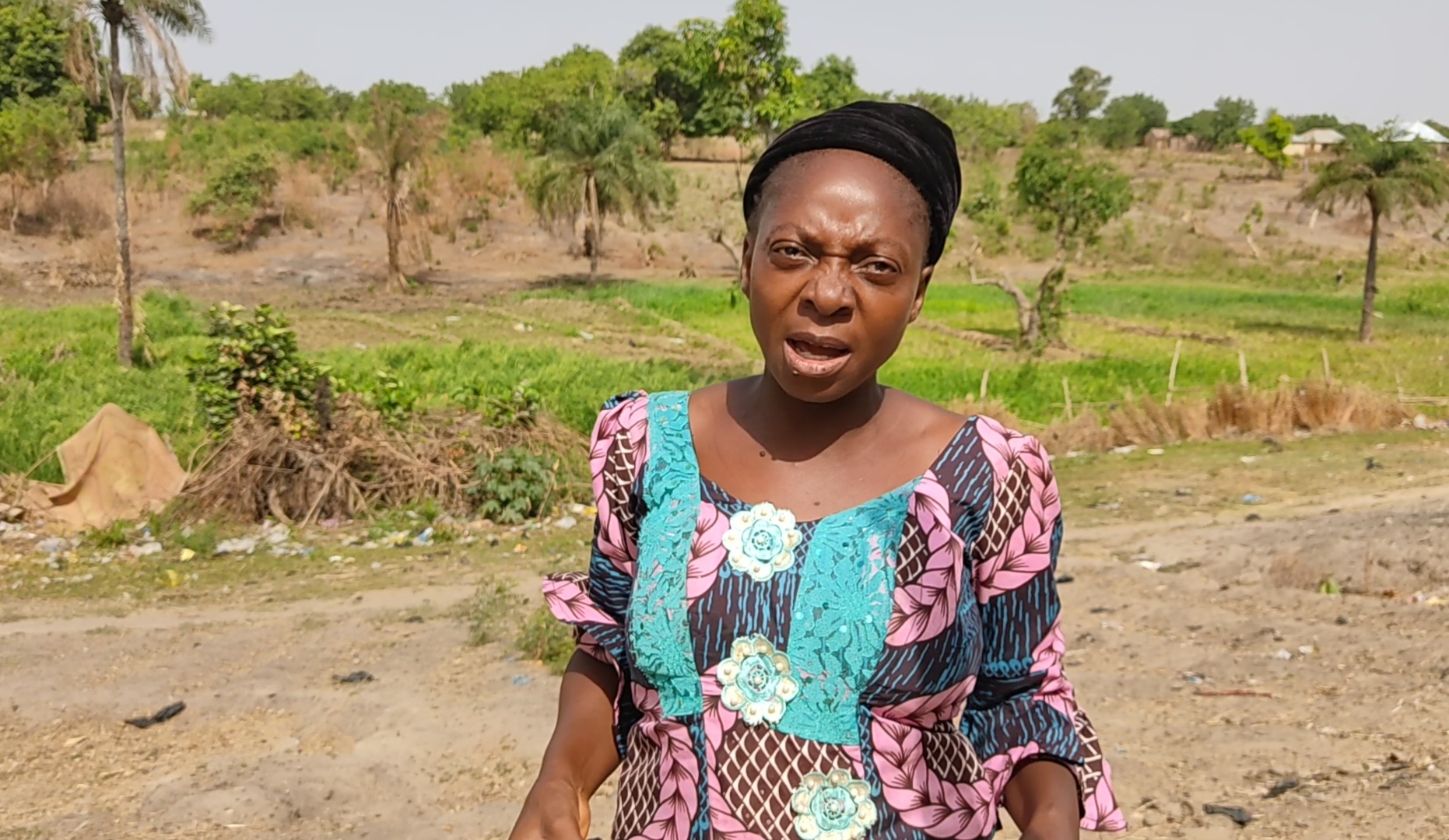
FEMALE farmers in Niger State have raised alarm that Nigeria might experience a severe food crisis beginning from this year because of the adverse effects of climate change, insecurity, and other challenges. DANIEL ATORI reports.
THE late rains have left several small-scale holder farmers in Niger State vulnerable. Therefore, they have been told to use improved seedlings to boost production, but this advice has not allayed their fears.
“We used the improved seedlings and planted early but the rain which did not come has adverse effects on our farms. We are helpless and survival is critical at this time,” a woman farmer said
In the 2020 Global Hunger Index (GHI), Nigeria ranks 98th out of the 107 countries and with a score of 29.2 per cent, an indication that the country faces a serious case of hunger.
Nigerian rural female farmers account for nearly 70 per cent of agricultural workers and 80 per cent of food producers but they are at the receiving end of the negative impacts of climate change and insecurity.
SWOFON members in Magama LGA –
A tour of five local government areas – Edati, Lapai, Lavun, Magama and Shiroro – in the three senatorial zones of Niger State exposed the need for urgent intervention from the government and other stakeholders.
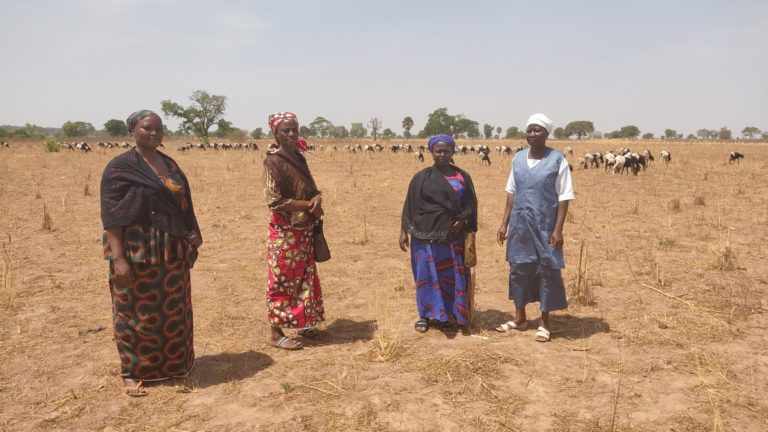
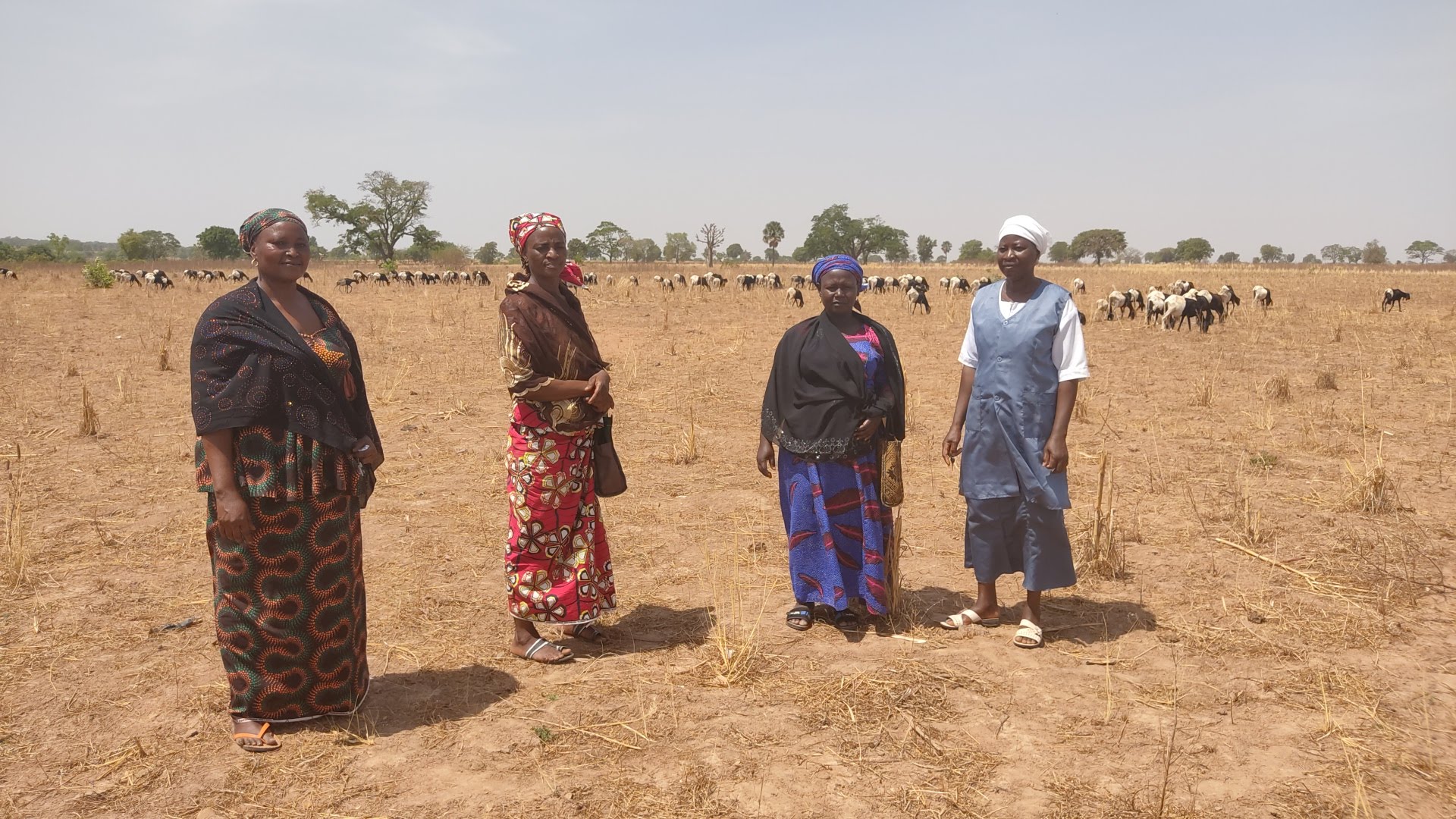
Mairo Abdulmumini, Coordinator, Small-scale Women Farmers Organisation of Nigeria, (SWOFON), and 24 other women including, Dina Daniel, manage farmland at Tawale-Gwada in Shiroro Local Government Area, where they plant crops such as cassava, yam, and groundnuts.
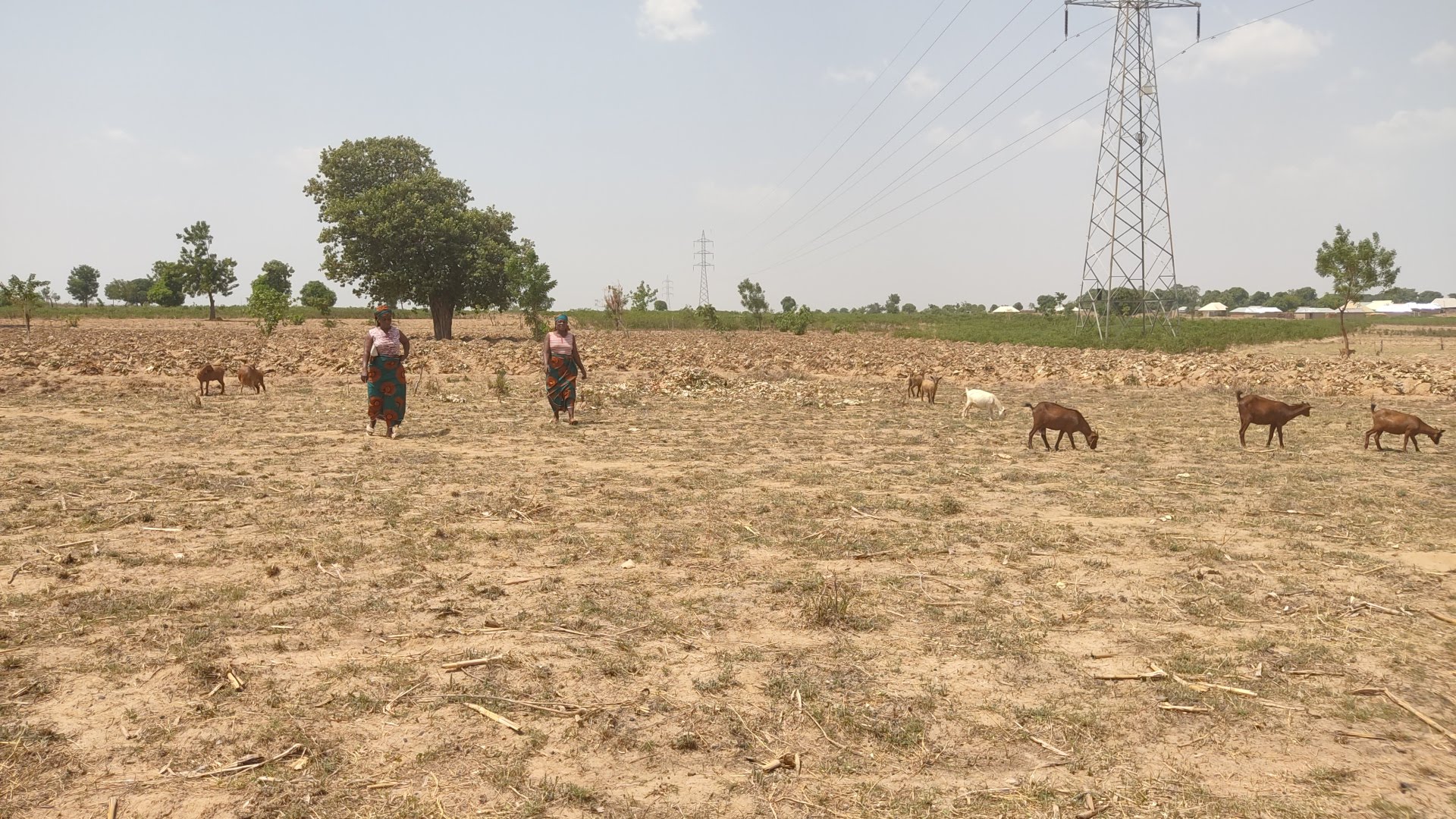
When our reporter visited their farms, the women farmers had planted yam but they are afraid that if it does not rain on time, the yam will dry up, and eventually, they will lose their crops.
” You know now even if we do the ridges, cassava and yam require water, if you don’t have water, you can’t work on cassava and yam.
And when it finally rained, it resulted in heavy flooding that swept away our cassava farm.”
The women, therefore, appealed to the government to create more awareness and sensitisation for those of them in the rural areas so that they can have full knowledge of climate change for better and improved farming.
Michael E. Mann, one of the world’s most influential climate scientists, has noted that the world has “finally reached the point where it is not credible to deny climate change because people can see it playing out in real-time in front of their eyes”.
Mairo Abdulmumuni, Coordinator Shiroro LGA
The rising incident of security is another challenge. Many farmers can no longer go to farm.
“The bandits usually attack, steal our produce, destroy our farms and produce and even our stores,” Abdulmumini said.
According to Eunice Adeditan, SWOFON Coordinator in Lapai, most women farmers feel vulnerable and are afraid of going to their farms because of fear of attack by herders or bandits.
“Most of our women will not come out except we get men and security agents to follow us. The Fulani herdsmen used to bring their cows into our farms and eat everything and if you talk, it becomes a problem.”
The state Coordinator, Disa, said Niger State has security problems, even the SWOFON national headquarters knows about it, especially in places such as Kuta, Shiroro and Minna.
Eunice Adeditan, Coordinator Lapai LG
SWOFON also complained about the difficulty of accessing funds in terms of the agriculture budget at the state ministry of agriculture.
“I met with the director handling Planning, Agriculture Services, he told me the state ministry of agriculture under the Mechanised Section, has something for us, but they will not give us funds directly, but use the money to buy gender-friendly machines for us.
“But till now, nothing has been given to us. We are planning to meet him soon because I told him we are coming.”
The Coordinator of SWOFON in Magama Local Government Area, Dorcas Jagaban, warned that the challenges faced by many women farmers will cause prices of food to go even higher than it already is.
But there are ways through which the government can assist the women.
Head, Women in Agriculture (WIA) under the Niger State Agriculture and Mechanisation Development Authority (NAMDA), Ministry of Agriculture and Rural Development, Mrs. Rose Saba, said the government intervention through the Central Bank of Nigeria (CBN) could be helpful.
She also said that more training should be given to farmers so that they can learn how to boost their farming during the dry and rainy seasons.
•This report was made possible with support from the International Budget Partnership (IBP)
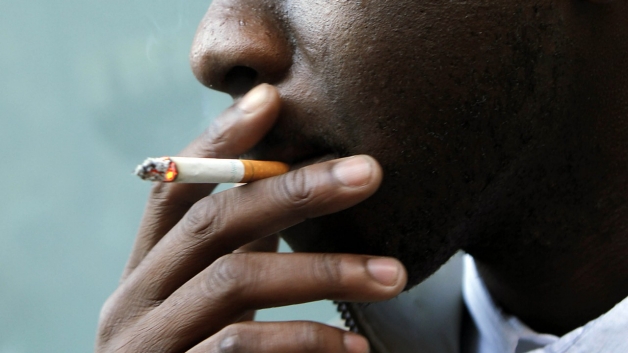
A petition was sent to the National Broadcasting Commission (NBC) on Friday, seeking the prohibition of smoking on the reality TV show, Big Brother Naija.
The demand was made by the Corporate Accountability and Public Participation Africa (CAPPA) and the Nigeria Tobacco Control Alliance (NTCA), through a letter titled ‘Big Brother Naija Season 6: NBC Should Enforce Ban of Smoking in the Entertainment Sector.’
The civil society organisations (CSOs) stated that the display of smoking on the Big Brother reality TV show had effects on young people, antagonising the efforts of the government to reduce smoking.
The CAPPA and NTCA commended NBC’s earlier prohibition of nudity on the show.
They said the display of smoking on the show was worse due to the possibility of smokers developing complications at a time the country was battling the COVID-19 pandemic.
In their letter, the groups said that the reality TV show “has been notorious for promoting smoking among housemates, with cigarettes conspicuously displayed and smoked recklessly in total disregard to the health of possible non-smoker housemates.”
The groups spelt out Sections 12(1) of the NTC Act, which defines tobacco advertising and promotion to include “any form of commercial communication, recommendation, or action with the aim, effect, or likely effect of promoting a tobacco product or tobacco use directly or indirectly.”
The same section also states that: “no person shall promote or advertise tobacco or tobacco products in any form.”
The groups cited the World Health Organization – Framework Convention on Tobacco Control (WHO-FCTC) -which Nigeria signed and ratified in 2005.
The regulations in the framework require parties to implement a comprehensive ban on TAPS.
The WHO-FCTC outlines the guidelines for the implementation of its Article 13, which includes a statement that the depiction of tobacco use in films is a form of promotion that influences tobacco use, particularly by young people.
“The WHO states that movies and entertainment materials are the most veritable tools of the tobacco industry which has been instrumental in the transfer of ideas and promotion of alternative lifestyles to kids. The kids, generally impressionable, are enticed by what they see and are initiated into using tobacco products through advertising and subliminal promotion of smoking scenes in movies, music videos and product placements.”
They said no effort should be spared to protect the health of the citizenry, urging the NBC to invoke the NTC-Act 2015 and the NTC Regulations 2019 and totally prohibit smoking in the BBN Season 6.
The letter was jointly signed by CAPPA Executive Director Akinbode Oluwafemi and NTCA Programme Manager Chibuike Nwokorie.
Big Brother Naija Season 6 commences on July 18, 2021.
AMIDST inflation, insecurity and the dwindling value of the naira, the hike in prices of food has made life increasingly difficult for the average Nigerian.
Abuja resident and businessman Victor Akome, who has struggled with stagnant income, now has to deal with the huge financial strain caused by the rising prices demanded by food vendors across the city.
Speaking with The ICIR at Utako Market on Tuesday, Akome described the rise in food prices as a difficult situation.
“A tuber of yam is N1700. I have a large family, we cannot eat this money raw. Now that I cannot afford N1700 for one tuber of yam, I’ll look for alternatives,” he said.
Akome’s sentiments are shared by many other Nigerians resident within the city.
Victoria Okale, a retiree who depends on her daughter for survival, said it had been a hard time for her family.
A bunch of plantains sold at two thousand five hundred naira
While purchasing some frozen chickens at the Kado Fish Market in Life Camp, Okale said there had been an obvious increase in the price of a kilogram of chicken and other food items recently.
“It has been very hard. There is an increase in prices. There has been no support from anywhere, only my daughter,” she said.
As consumers express anxiety over the relentless increase, food vendors say the price hike has led to a decline in business.
In an interview with The ICIR, a trader at Utako market Ibrahim Bulama said a crate of eggs, which was sold for N900 a few months ago, now cost N1600.
Bulama also said the price of a basket of pepper increased from N1000 in April to N2500 in July and attributed the upsurge in food prices to the farmer-herder crises across the country.
“We no dey get customers. If you tell them the price, they go just go. We are suffering,” he said in pidgin, an informal type of English language spoken in Nigeria and West Africa..
For Christy Chikodi, a trader in Wuse Market, food had become a commodity affordable only to the rich.
“A mudu of beans is beyond the common man’s reach. It is N1000 now. About four or five months ago, it was N350 or N400 at most. Groundnut oil is even worse. A bottle is N900 now, from N650 or N700 three months ago,” she said.
Sharing his struggles with low sales, Onyekachi Ogbuh, who owns a stall in Wuse Market, told The ICIR that the increase in the cost of transportation and logistics had contributed to the upsurge in the prices of food.
“Transportation mostly is the problem. Before now, we bring in these goods at the rate of N60, 000 to N70,000. Now it is N150,000,” he said.
Food items
Previous price in naira (3 months ago)
Current price in naira
% increase
Beans (mudu)
700
1000
42.85
Groundnut oil (bottle)
700
900
28.57
Turkey (kilo)
2200
2500
13.63
Plantain (big bunch)
2000
6000
200
Yam (medium-sized tuber)
700
1700
142.8
Eggs (crate)
900
1600
77.8
Tomatoes (basket)
2000
3500
75
Pepper (basket)
1500
2500
66.7
Garri (mudu)
300
450
50
Food inflation
The inflation statistics released by the National Bureau of Statistics (NBS) on Friday showed that the rate dropped from 17.93 per cent in May to 17.75 in June, representing a decrease of o.18 per cent.
The composite food index (June, 2021) rose to 21.83 per cent, when compared to 22.28 per cent in May. Although food prices were on the to rise, it was at a much slower pace than in the previous month (May, 2021).
This rise resulted from the increase in prices of bread and cereals, potatoes, yam and other tubers, milk, cheese and eggs, fish, soft drinks, vegetables, oils and fats and meat, the NBS said.
Bulama, a trader at Utako market
Rising Poverty
Rising food prices have coincided with stagnant income in Africa’s most populous nation where half of the population are extremely poor.
About 87 million Nigerians lived in extreme poverty in 2017, said World Poverty Clock.
According to the World Poverty Clock, the number rose in 2019. Nigeria had a total population of 205.32 million in 2019, with 105.097 million living in extreme poverty, representing 51 per cent of the population. This means the number of extremely poor people rose from 87 million to 105 million in two years.
When food prices rise amid stagnant incomes, real incomes decline, resulting in more people falling into the poverty class, economists say.
Causes of increasing prices
Experts have identified some factors responsible for the rising cost of food in Nigeria.
Economist and Investment Consultant Vincent Nwani said insecurity had been a major cause of the price hike in recent times.
In a phone conversation with The ICIR, Nwani said the conflict between farmers and herders in Nigeria had negatively affected the natural supply of food within the country.
“Insecurity is having disproportionate adverse impact on food supply. While the natural supply of food has been distorted, the demand is still very buoyant. The supply can only become smaller as herdsmen and bandits continue to chase farmers out of their farms,” he said.
Nwani also said farm settlements had been taken over by criminals and predicted that the hike would persist until security challenges in the country were addressed.
He stressed the need to fix insecurity in order to reduce rising food prices.
Economist and Lecturer at the Lagos Business School Adi Bongo told The ICIR that the worsening state of Nigerian roads had also contributed to the steady rise in the prices of food.
Bongo also noted that a large chunk of the farming population had been cut down, due to the incessant harassment of farmers by terrorists.
“So many farmlands are no longer accessible to farmers in Nassarawa, Benue and Taraba axes. Most of these farmers have been displaced by marauding herdsmen that the government has failed to control,” he said.
He further identified the high exchange rates and inflation in Nigeria as another reason for the increase in food prices.
“It has made our currency cheaper than those of our neighbouring countries. Trucks are now conveying grains to the Sahel countries. That means that we are now competing with outsiders for the grain market in Nigeria. Our grains no longer serve just us, it is also serving other countries because farmers will always want to get optimum profit for their crops,” he said.
He stressed the need to improve security and fix exchange rate challenges to reduce food prices.
THE Media Rights Agenda (MRA) has condemned incitements by religious leaders and murder of persons accused of blasphemy in the country.
MRA, in a statement by its Programme Director Ayode Longe, through its Communications Officer Idowu Adewale, called on both the federal and respective state governments to take decisive actions to arrest the situation.
The organisation said the current situation where both the federal and state governments turned a blind eye in the face of incessant calls by so-called religious leaders on their followers to kill other citizens alleged to have insulted any religion or religious figure or committed blasphemy was unacceptable and unjustifiable as incitement to violence or murder was an offence under the Nigerian law.
“Nobody has the power or right to call for the killing of another person for any reason whatsoever or under any circumstance when the person has not been charged and tried before a court of competent jurisdiction, convicted and sentenced to death for an offence that carries the death penalty.
“Anybody who calls for the killing of another person is a criminal in the eyes of the Law and should be arrested and prosecuted accordingly. We fail to understand why the Government continues to encourage and enable such lawlessness by ignoring the criminal conduct of such individuals parading themselves as religious leaders,” said Alonge in a statement made available to The ICIR on Friday.
He stressed that “the government has a duty to protect the lives of all citizens, including those who are accused of offences with an obligation to check the conduct of those who have arrogated to themselves the roles of the complainant, prosecutor, judge and jury that are quick to condemn others to death for utterances that they disagree with or even find offensive, in violation of the 1999 Constitution and the laws of the land.”
According to him, although blasphemy was an offence in some parts of Nigeria, it was not within the authority of anybody to take another person’s life or incite others to do so without the due process of the law, saying that any person alleged to have committed an offence was entitled under the Nigerian Constitution and international human rights law to a fair trial before any punishment could be imposed on them.
He said by condoning the barbaric conduct of those seeking to subvert and circumvent this sacred principle of justice, the government was complicit in portraying Nigeria before the world as a country where jungle justice was a culture and persons could be killed with impunity for alleged offences without the due process of law and without being given an opportunity to defend themselves.
MRA called on the federal government and the government of Sokoto State not to overlook the latest of such incidents in the state where an Islamic cleric, Sheikh Bello Yabo, while delivering a sermon in Hausa in a mosque in the state, reportedly ordered the murder of a young man, Isma’il Isah, who was arrested on allegations of blasphemy against Prophet Mohammed.
In his sermon, a video of which is currently in circulation, Sheikh Yabo was heard ordering the killing of Isma’il whenever he would be released from custody. Isma’il reportedly made comments considered blasphemous on Facebook in frustration over his failure to secure an appointment with a local government in the state and was arrested as a result.
MRA called on the Attorney General of the Federation and Minister of Justice Abubakar Malami as the chief law officer of the country to intervene and ensure that no harm befell Isma’il, urging that the rule of law prevailed in the handling the matter as it was his duty to do so.
It also called on the Sokoto State government to ensure that no harm befell Isma’il as a result of citizens taking the law into their own hands.