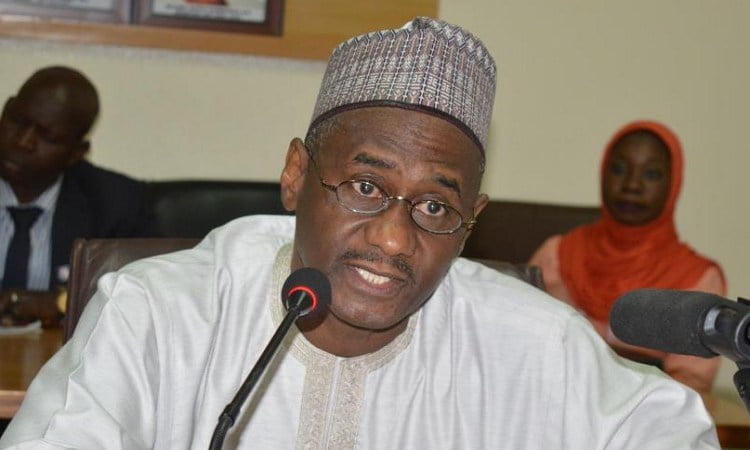
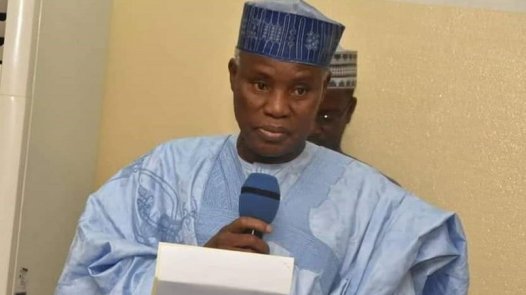
FORMER Executive Secretary of the National Health Insurance Scheme (NHIS) Usman Yusuf has said that there is no military solution to banditry in northern Nigeria.
Yusuf said this while speaking at a live webinar titled ‘Nigeria’s insecurity: Addressing the challenges of Banditary and Kidnapping’ organised by The ICIR on Thursday, April 15.
According to Yusuf, while there was a very important role for the military in resolving banditry in the North, the solution to banditry would not be achieved through the use of force.
“Banditry in northern Nigeria is essentially a social problem and not a military problem,” he said.
He noted that Nigeria had been militarising what was essentially a social problem, and that the country lacked enough military personnel to tackle banditry and insecurity across the nation.
He further stated that the onus of resolving banditry and insecurity in the country no longer rested exclusively on the government and the military, but was now the duty and responsibility of the citizens of Nigeria.
Yusuf suggested dialogue as the first of several steps in resolving banditry and insecurity in Nigeria, saying there was no other viable option left..
“Dialogue is a legitimate tool used in all conflicts. It is used usually before a conflict, during the conflict, and after the conflicts hostilities. It saves lives, properties and is more enduring than war.”
Yusuf also noted that dialogue should be encouraged not only in the North, but in all parts of the country experiencing insecurity so that all grievances might be aired. He urged the leaders and citizens of the South-East and South-West to engage all warring parties in their regions in communication in order to avoid full-blown banditry in these areas.
It should be noted that Yusuf had gone along with the Sheikh Ahmad Gumi into the forests to dialogue with bandits in the North earlier this year.
A former senator who represented Kaduna Central Shehu Sani stated that the criminal activities of the bandits should be condemned and opposed by all. He also agreed with Yusuf that dialogue was a better approach to ending insecurity in Nigeria.
The former chairman of the National Human Rights Commission Chidi Odinkalu stated, in his own contribution, that nobody had the monopoly of grievances in Nigeria. While agreeing that dialogue was needed in resolving conflicts in Nigeria, Odinkalu asked where dialogue would end and advocacy for terrorism begin. He went further to state that the biggest bandits in the country were the Nigerian politicians.
The issue of crisis entrepreneurs was raised by the Editor-in-Chief of the Guardian Newspaper Nigeria Martins Oloja, who stated that crisis entrepreneurs should be expunged from the system and that the issue of banditry should be approached with sincerity of purpose.
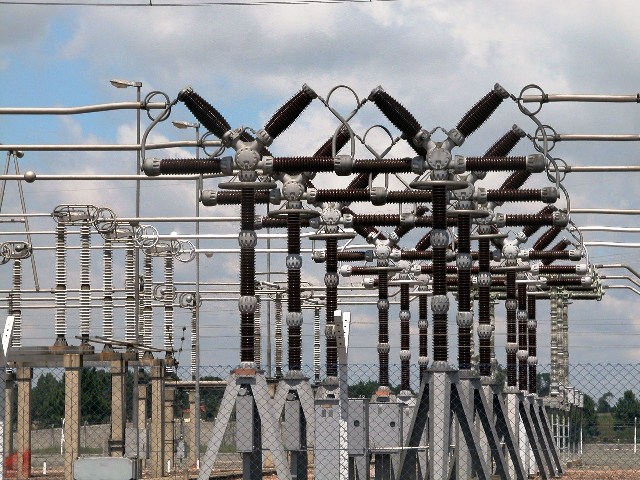
ONE in 10 people without access to electricity now resides in Nigeria, the World Bank has said.
World Bank’s Practice Manager West and Central Africa Energy Ashish Khanna, while presenting the ‘Power Sector Recovery Programme Fact Sheet’ during a virtual meeting with journalists, said Nigeria’s power sector had not kept up with demand or provided reliable supply to existing customers, making businesses in the country lose about $29bn annually due to unreliable electricity.
The bank said it had assisted Nigeria’s power sector with the sum of $1.25 billion within two years.
“Between June 2020 and February 2021, the World Bank Board approved US$1.25 billion financing to support the Government in its efforts to reset the power sector. World Bank’s Power Sector Recovery Operation and Distribution Sector Recovery Programme are designed to support PSRP implementation,” he said.
“Nigeria has the largest number of people without access to electricity in the world: every one in 10 people without access to electricity now reside in Nigeria.
“The Power sector has not been able to keep up with demand or provide reliable supply to existing customers. Only 51 per cent of installed capacity is available for generation.
“An average Nigerian consumes four times less energy than his counterpart in a typical lower middle-income country, and businesses in Nigeria lose about US$29 billion annually because of unreliable electricity.’’
Similarly, Senior Energy Specialist of the World Bank Muhammad Wakil, in his presentation, said 40 per cent of Nigerians did not have access to electricity.
To tackle the challenges, Wakil said Nigeria would need to connect one million households to the grid annually in order to meet the year 2030 set date for the ‘Electricity for All’ initiative.
Nigeria generates around 12,522 megawatts (MW) of electricity but distributes about 4,000MW. This means one megawatt is to 50,000 population. On the other hand, Ghana generates 4,000MW and distributes 2,400MW, according to the USAID. This is one MW to 12,675 population. However, while “Nigeria’s new gas-fired capacity is unused because of gas supply problems, Ghana has not been able to absorb all of its new installed capacity,” according to Neil Ford of African Business.
Manufacturers and businesses in Nigeria are hard hit with energy problems. Many manufacturers generate their own power, ignoring electricity distribution companies (DisCos). They self-generate 13,233 MW, according to a survey undertaken by an Economics Professor at the University of Ibadan Adeola Adenikinju, which was funded by the European Union and the government of Germany.
“Average daily power outage has constantly averaged four times per day,” the Manufacturers Association of Nigeria (MAN) said on its 2020 Second Half Economic Review.
Emmanuel Egbo’s 13-year-old life was snuffed out 13 years ago by a law enforcement officer without reason or remorse.
EMMANUEL Egbo was thirteen years old when a police officer killed him.
Think about the thirteen-year-olds in your life. They laugh a lot. Play a lot. Emmanuel was just like that. He loved to play football. Whenever he returned from school, he would finish his homework – if there was any – run errands like fetching firewood and planting cassava for his mother, then run to the field to play football.
On the evening of May 26, 2008, in Attakwu, a town in Enugu State, Emmanuel was in front of his uncle’s house playing ball one evening when trouble came. What was the trouble? Nigerian police. The police officers walked up to Emmanuel and asked him what he was doing. He stated the obvious: He was playing football.
One of the police officers, out of nowhere, aimed his gun at Emmanuel and fired.
Emmanuel died on the spot. His ball was still rolling when his lifeless body hit the floor. He was 13 years old.
The police officers put Emmanuel’s corpse in their pickup van and drove to their station, the Divisional Police Station in Agbani.
His mother, Grace, had six children – two boys and four girls. His father, Joseph, was a railway worker who died in 1997. Emmanuel’s elder brother, Peter, died in 1998.
Emmanuel’s cousin, Gabriel Ugwu, describes him as an intelligent boy who always topped his class. His family had hoped that he would become a star when he grew up and transform their lives.
Gabriel was one of the family members who rushed to the police station on hearing about his death. Gabriel says Mr. Hussein, the Divisional Police Officer (DPO), confirmed that police officers had brought the corpse of a boy to the station and that one of the police officers had confessed to killing the boy because he was an armed robber.
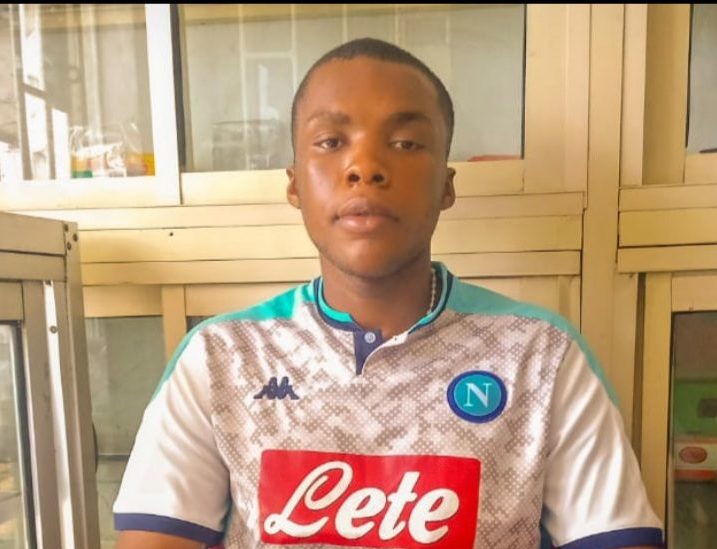
Late Emmanuel Egbo CREDIT: Tiger Eye Foundationaechi Benedict
How is a 13-year-old boy playing ball outside of his uncle’s house a thief? Were any weapons found on him? Had he been seen robbing anybody? These were the questions Emmanuel’s family asked DPO Hussein. The DPO defended himself by saying he had merely believed the story he was told.
Later, the police officer who shot and killed Emmanuel was identified as Corporal Habila. According to the lawyer handling the case, Corporal Habila has since run away.
The police dropped Emmanuel’s body at the University of Nigeria Teaching Hospital (UNTH), Ituku Ozalla. The hospital did not allow his family to see his corpse because the police had told the hospital that Emmanuel was an armed robber.
Grace says her son was a devout Catholic and an altar boy. And that he was helpful and strong for someone his age and size. Emmanuel always assisted on the farm. He went to the farm every Saturday to get firewood for her. He also dug a well in the family compound.
Emmanuel’s family wrote to Mohamed Zarewa, the Enugu State Commissioner of Police (CP), but there was no meaningful feedback. They got in touch with a lawyer, Olu Omotayo of Civil Rights Realization and Accountability Network (CRRAN), who took up the case and began writing petitions against the extrajudicial killing of Emmanuel. Mr. Omotayo wrote to Ogbonna Okechukwu Onovo, the Inspector General of Police (IGP), Amnesty International, the Police Service Commission (PSC) and even the presidency.
Mr. Omotayo eventually got the IGP’s attention, who ordered the Assistant Inspector General of Police (AIG) of Zone 9 in Abia State to find Corporal Habila. Corporal Habila was found in Kafanchan, Kaduna State, and brought back to Enugu. He was charged with murder at the Enugu High Court.
Gabriel Ugwu says the case soon became warped in corruption, as the Director of Public Prosecution (DPP), whose name Mr. Ugwu cannot remember, chose not to bring forth eyewitnesses from the side of the police to testify before the court. The DPP insisted that there was no need for eyewitnesses since Corporal Habila had admitted in his statement that he was guilty. The case kept on getting adjourned.
Soon, Gabriel Ugwu lost interest. Sometime in 2019, a number he did not know called him. He picked the call and, on the other end of the line, was Corporal Habila.
Corporal Habila, while laughing, told him that he was in Lagos as a free man. Gabriel Ugwu says he wept.
Thirteen years after, Emmanuel’s corpse is yet to be released to his family. His mother says she prays every day that her son’s remains are released so she can give him a befitting burial.
“If they [the police] had given me his corpse, I would have forgotten about it [Emmanuel’s death],” Grace says. “But since they have not given it to me, I remember him all the time.”
This story is part of a multimedia project by Tiger Eye Foundation and media partners across Nigeria, documenting police brutality in Nigeria and advocating for police reform.
DURU Chinelo Bose, a 53-year-old lawyer and civil servant who works at the Federal Ministry of Justice in Abuja, likes to eat popcorn, especially when watching a movie at home or gatherings with her friends. Her favourite is microwaved popcorn enriched with margarine for its crisp and savoury taste.
When she was diagnosed with high blood pressure in 2016, Duru could no longer satisfy her craving for popcorn after the doctor advised her to eat more fruits, vegetables, and fish to avoid the risk of other health issues like diabetes.
Despite taking medication, the high blood pressure often leaves Duru tired. She struggles to keep up with her intellectually tasking job of making appearances in court to defend her clients at least four times a week despite her poor health.
Against the doctor’s advice, she sometimes sneaks to eat popcorn with hopes that her cravings for the snack would, by some means, disappear.
“I like popcorn, especially the microwaved ones because they are easy to make and they take less time to prepare. But since I eat it occasionally, I can always get away with it,” she said.
Then she started reading up articles and other publications and came across ‘trans fats’. For the first time, she understood why her doctor advised her to stay away from her favourite snack.
Duru decided to make changes to her diet to remove herself from the list of over 150,000 Nigerians who are estimated to die from cardiovascular diseases yearly.
Data obtained from a 2016 World Health Organisation (WHO) report says 617,300 deaths occur from non-communicable diseases in Nigeria yearly, with more deaths recorded in women.
Margarine is a major ingredient for making popcorn, an imitation of butter obtained from industrially processed vegetable oils.
It also contains Partially Hydrogenated Oils, PHO, which popcorn makers say helps extend popcorn’s shelf life, but it produces trans fats, a leading cause of cardiovascular diseases.
“I now prefer home-cooked meals to fast foods since this is where you get most of the trans fat content. I use palm oil for cooking, but I don’t bleach the oil because it is in the process of bleaching that you get all of those trans fat conversions going on,” she said.
For Duru’s family of four, she is burdened with the impossible task of ensuring that the food preferences are restricted to cooked nutritional meals rather than deep-fried processed foods, a task if not managed properly, might cost them their lives.
Cravings for ‘luxury’ snacks still high
Some popular hangout spots where popcorn can be bought in Abuja include Cedi plaza in Wuse 2, Sahad Stores, Shoprite stores, and Jabi Lake mall, where Silverbird cinemas, arguably the biggest cinema in Abuja, is domiciled.
Like the popcorn, Duru patronises those sold at Abuja cinema houses are made with margarine and other trans-fat-laden PHOs.
Trans fats are created in an industrial process that adds hydrogen to liquid vegetable oils to make them more solid. Some restaurants and fast-food outlets use trans fats oils to deep-fry foods because oils with trans fats can be re-used many times in commercial fryers.
Roadside popcorn sellers are also not left out as they also use trans fats oils. Their presence is registered in major markets in Nyanya, Wuse, Kubwa, GSM village and Apo. The popcorn prices depend on their sizes per bag or cup, which is sold from N100 to N1,000.
A customer buying popcorn at Aduke’s stall in GSM Village, Abuja. Credit: Amos Abba.
The ICIR findings also show that most popcorn brands sold in open markets or shopping malls do not have nutrition labels but emblazoned their packs are business stickers with their company addresses and phone numbers.
In 2017, Nigeria’s market for PHO was the largest in Africa, with an estimated market volume of 229 000 tonnes, accounting for 8.5 per cent of the total market consumption in Africa.
The United Nations Comtrade, an international trade repository, revealed that imports of margarine into Nigeria in 2019 was $18.9 million compared to the $15.3 million realised from margarine imports in 2018, which is an indication that the cravings for foods with margarine are high.
According to WHO, deep-fried processed foods contribute to trans fat intake, which leads to more than 500,000 deaths globally from coronary heart diseases every year.
Whenever Duru steps her foot in any supermarket or store, packed with chips, popcorn, candy or deep-fried foods, the statistic comes to life.
US -imported popcorn, locally-made popcorn contain trans fats
The ICIR obtained five popcorn brands randomly bought from Shoprite at Wuse Zone 5 and Jabi Lake Mall, coded 1 to 5 when taken to the laboratory.
Foodtown microwave popcorn, produced by Foodtown Foods in Woodbridge, New Jersey, US, bought from the Shoprite store in Wuse Zone 5, was the only brand whose label on its pack read that it had 0 g of trans fat.
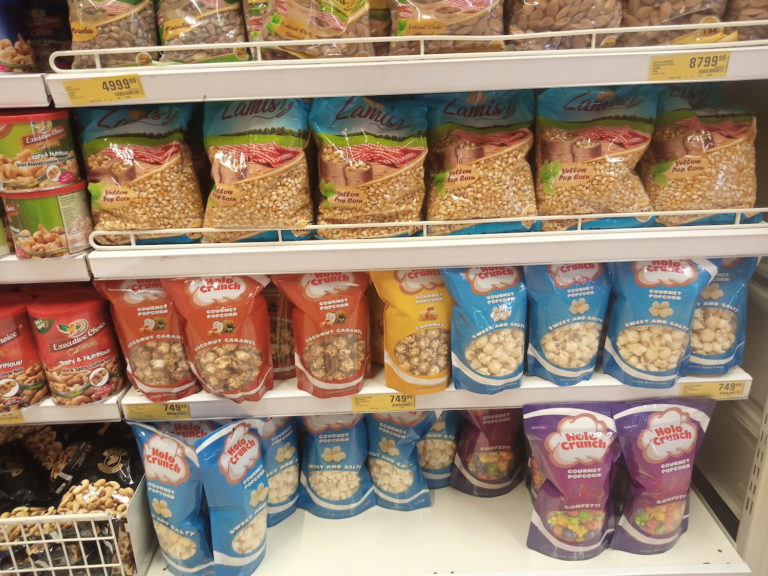
The other brands taken for tests that were not labelled include Crunchy popcorn produced by Ashley Gonnet ventures, Holocrunch popcorn made by Gourmet Nibbles, Chloe’s gourmet popcorn at Jabi Lake Mall and Shoprite popcorn.
All the samples were examined for trans fat at the United Nations Basel Convention Regional Coordinating Center for Africa at the University of Ibadan. The laboratory specialises in tests on hazardous substances, including electronic wastes, Persistent Organic Pollutants, POP, and waste.
The samples were analysed using soxhlet extraction, derivatization and gas chromatography analysis to determine the trans fat content present in each sample.
It involves extracting fatty acids from food by acidic hydrolysis for all processed foods prepared from fats and oils containing only industrially-produced trans fats.
A Foodtown microwave popcorn pack. Credit: Amos Abba
However, the test results on Foodtown popcorn showed elevated levels of trans fats, mostly compounds of octadecadienoic acids, at 12.7 per cent.
A 2015 toxicology researchconducted by a group of Asian food scientists confirms that 3.6 per cent of trans fats in a food product corresponds to 14 g of trans fat per serving.
However, WHO recommends a mandatory national limit of 2 g of industrially produced Trans Fatty Acids, TFA per 100 g as the total fat in all foods and the ban on the production or use of PHO as ingredient food.
An analysis on Foodtown Foods popcorn reveals that 12.7 per cent of trans fats indicates an estimated 47 g of trans fats per serving, which violates the WHO specifications and US Food and Drug Administration (FDA) regulations that stipulate that if a label on a product reads 0 g of trans fat, it should not contain above 0.5 grams of trans fat per serving.
The test result confirms that Foodtown Foods popcorn imported into Nigeria had trans fat content above the US approved levels, and the manufacturers had misled its Nigerian consumers.
It also showed that Crunchy popcorn had 16.3 per cent of trans fats, which is 63 g of trans fat, Holocrunch popcorn with 60.8 per cent of trans fats equivalent to 235.2 g of trans fat per serving, Chloe’s gourmet popcorn had 29 per cent trans fats which is 112.7 g and the unbranded popcorn at Shoprite with 65.1 per cent of trans fats.
Adebola Adeyi, a chemical analyst and resident manager of the UN partner laboratory, told The ICIR that the popcorn samples with these significant traces of trans fats present, if eaten regularly, will pose a health risk to consumers of the popcorn.
“If people eat this popcorn consistently, it will ultimately raise the “bad” cholesterol (LDL cholesterol) in their body and lower the “good ” cholesterol (HDL cholesterol), which is why there is an increase in cardiovascular diseases,” she said.
In 2017, researchers in Japan found out that trans fat in the body causes cholesterol to build up in the walls of the human arteries and raises blood pressure which is referred to as “bad” cholesterol posing the risk of heart diseases, stroke, and diabetes.
Though Nigeria is yet to pass the draft regulation on trans fats into law formally, at least 29 countries have taken steps to limit trans fat in their food supplies. Some of these countries are South Africa, India, Brazil, UK, the US, Thailand, Turkey and Canada.
A delay in the passage of the draft regulation into law or set up mandatory measures to protect the public from trans fat consumption puts Nigerian consumers at the mercy of industry players like Foodtown Foods who mislead consumers with deceitful labels on their products.
Reactions from popcorn makers
The ICIR reached out to Foodtown Foods to respond to its findings through its Facebook page, obtained from its website address, as there was no email provided on the label.
Barely 24 hours after the message was sent, The ICIR received a reply from Foodtown Foods stating the concerns raised should be relayed through a complaints page on its website.
“Hello, Amos! Thank you for reaching out with your concern. Unfortunately, this is the community page for all independently owned and run Foodtown pages. You can contact Foodtown with this concern athttps://www.foodtown.com/about/contact-us,” the message read.
When The ICIR sent the message to the complaints page of Foodtown Foods, there was no response to its enquiry after two weeks till the time of filing this report.
Calls were placed to the business number on Holocrunch’s popcorn pack to which True Caller, a calling identification application revealed the line was registered as Zena Eloho, but when The ICIR revealed its findings to her, she ended the call abruptly.
She didn’t answer subsequent calls to her line and failed to respond to text messages and a WhatsApp message that were sent to her to ascertain if she was aware of the trans fat content present in her popcorn or if the findings of The ICIR was a piece of new information to her.
Efforts to reach out to producers of Chloe’s gourmet popcorn were unsuccessful as the numbers on its pack were not reachable, and a voice message by the network provider says the number had been barred for not being registered.
Trans fat still undetected on the streets
Twenty-seven-year-old Bola Aduke makes at least N3,000 daily from selling popcorn, except when she takes the day off to rest, mostly on Sundays. She sells to at least 60 customers daily but on busy days she has more customers.
She started the popcorn business three years ago, securing a stall in the market which consists of a shed and her popcorn making machine close to GSM village in Wuse Zone 1, a popular market well-known for the sale and repairs of phones and computers.
Aduke spends at least N10,500 to buy a carton of Monita margarine, a major ingredient she uses for making the popcorn which she says can take her for a month.
However, the label on Monita margarine says it is cholesterol-free and made from pure vegetable oil but when The ICIR carried out checks, there was no mention of the trans fat content. WHAT DOES THIS MEAN?
“I don’t really have customers very early in the morning so I start popping corn around 10 am. But from late in the afternoon that is the peak of business for me because that is when regular customers start to arrive,” she said.
Niall Young and Paul Wassell in their 2008 research, ‘Food Emulsifiers and their applications,’ revealed that industrial trans fat can be found in huge quantities in foods processed with margarine because they contain partially hydrogenated oils and have an 80 per cent fatty content.
Aduke says her regular customers buy popcorn from her almost on a daily basis but she was unable to put a figure to the exact number of regular customers that patronised her when the ICIR queried her.
“I have many regular faces that come back. A trial will convince you,” she told The ICIR reporter.
This confirmation shows that Aduke’s customers are regularly exposed to the dangers of trans fat without their knowledge. Without labels on Bola’s popcorn to indicate the trans fat content present, it is difficult to ascertain the levels of exposure of her customers to the dangers of cardiovascular diseases from eating her popcorn.
Twenty-Four-year-old Precious Denen, a roadside popcorn maker in Nyanya makes substantial profits from which she saves part of her daily sales with a thrift collector.
She sells mostly during the evenings when the nightlife in Nyanya begins and most of her customers who are arriving from work buy from her, before continuing their journey home.
Unlike Aduke who prefers to use only margarine in making her popcorn, Precious switches from vegetable oil to margarine, depending on the cost of the ingredient in the market.
“I don’t have any idea on the implications of using margarine or vegetable oil because I was taught to use any of them for convenience purposes since both of them can make the corn pop,” she said.
Though Denen earns a living from selling popcorn, she is not aware that using margarine could increase her customers’ chances of having cardiovascular diseases due to the PHO present.
“This is the first time I have heard that using margarine to popcorn could be harmful to the health of people, but this trans fat thing I don’t think is as harmful as it is portrayed because I have been using margarine to make popcorn for quite some time and yet to see any harmful effects,” she said.
Jerome Mafeni, a public health practitioners,r said foods high in trans fats are a “silent killer” that will not show its dangers instantaneously but will cause irreparable damage to the body.
“Eating foods high in trans fat will not have a short term effect, it’s not like if you eat foods with trans fat today you will see the effects the next day. What makes it dangerous is that trans fats block your arteries after accumulating in the body for a long time which leads to cardiovascular diseases,” he said.
In January 2020, Nigeria submitted a national draft policy for best practice on Trans Fatty Acid, TFA, for public comment. The draft stipulates the limit of TFA to 2 per cent of oils and fats in all oils, greases and foods in the country.
However, there is no legislation in the country on the control of trans fat,s but the nation’s commitment to eliminate trans fat, which started in 2018, was commended by WHO as the passage of the best-practice policy that would advance regulations TFA elimination.
Experts perspectives
Ikenna Chiawa, the Medical Officer at General Hospital, Bomadi, Delta State told The ICIR that population shift from rural to urban areas has contributed to change in diets from nutrient-rich whole foods, complex carbohydrates, fruits and vegetables to a diet consisting of more processed foods, fats and animal-derived foods.
“Our diets have become like that of the western world. The rate at which we started consuming processed and deep-fried foods which contain trans fat, has increased in recent years because people want to eat the kind of things eaten abroad.
“I can tell you as a doctor that dietary factors have about a 60 per cent role in cardiovascular diseases that have become more prevalent among young people when compared to two decades ago, which should tell us something about our diet that has changed,” he said.
He stated further, that dietary change to processed and fried foods has made urban food security and health one of Africa’s most significant development challenges.
Nigeria suffers from one of the highest rates of deaths from Non-Communicable Diseases (NCDs) in Africa, which is linked to poor diets and could likely increase steadily by 4 per cent in 2030, according to a 2020 research study published in the Journal of Health Research.
Bridget Nwagbara, a public health specialist and a former consultant on the WHO national project on Non-Communicable Diseases, Interventions, said unregulated trans fat in foods poses serious concerns which she blamed on unhealthy eating habits.
“Trans fat is a serious problem. There are snacks that people eat every day without knowing that they are harmful. In the past, it was unusual for young people in their twenties to have cardiovascular diseases but what we see now is young people with these diseases and eating healthy diets is still not a priority,” she said.
According to Prince Nwafuru, a lawyer and international trade law expert at Paul Usoro & Co, when food products are imported into the country and without strict regulations, Nigerian lives would be at risk especially when the products would affect human health.
“The 2018 Consumer Protection Act empowers specific agencies of government to take action when it comes to consumer-related issues or cases of products that are not reflective of their description and it imposes obligations on the chain of suppliers, importers and sellers to protect Nigerians so if their product is considered harmful then they are all culpable.
“If cases are identified, then the regulatory agencies should be informed through petitions so the seller can fish out the supplier and the links of funnelling such products will be taken from the markets,” he said.
A handicapped watchdog
The Federal Competition and Consumer Protection Commission, FCCPC, is one of the members of the Industrial Trans Fatty Acids, iTFA, reduction technical working group saddled with the responsibility of developing policies and regulations to promote iTFA replacement in Nigeria.
The spokesperson of the agency, Ondaje Ijagwu said, the labelling of food products was monitored through surveillance but blamed the challenges posed by insufficient manpower to effectively monitor Nigeria’s large market.
“There is a standard form of enforcement we carry out at FCCPC which involves undertaking surveillance through random checks to ensure that we read labels and ensure that basic standard requirement is followed.
“Most times this is a challenge, due to Nigeria’s large market we are constrained by insufficient manpower because sometimes products that breached regulations which we are tracking could be circulated far from their areas of manufacture which makes it necessary to circumvent such channels and nip the source in the bud,” he said.
From Aduke to Denen, the bonding factor that holds them is that they never had basic enlightenment on the dangers of using partially hydrogenated oils to make popcorn for their customers.
However, their ignorance does not exempt them and their customers from the dangers of eating popcorn with large amounts of trans fats.
When a final-year student found himself in trouble with his university’s authorities, he never expected the case would eventually draw in SARS and garner national attention.
I was tired, waiting for sleep, but it was trouble that came to me.
Officers of the Inspector-General of Police (IGP) tactical squad from Abuja stormed my family residence in Warri, Delta State. It was 6:30 a.m on Saturday, January 19, 2019. The officers had come to arrest me.
When my surprised father asked the officers about the crime I had committed, they accused me of kidnapping Prof. Chuks E. Ezedum, the Vice-Chancellor (VC) of Madonna University.
Madonna University is a private Catholic university located in the southeastern town of Okija in the Ihiala Local Government Area of Anambra State.
My name is Amaechi Benedict. I’m 23. My SARS story occurred during my final year as a Mass Communication student at Madonna.
Earlier, in November 2018, I was among five students and a lecturer who came under fire for, according to the university’s petition to the Inspector-General of Police, tarnishing the reputation of the university on the Internet.
In my case, I was the production manager of Vox Madonna Magazine, the school magazine. Popular blogger Linda Ikeji had broken a story about the school’s poor infrastructure. The management of the school had wondered who leaked the story to Linda Ikeji and then turned their attention to me, believing my role as a production manager meant I had ties with the blogger.
But I did not have ties with Linda Ikeji. I still do not.
The lecturer, the other five students and I were arrested and slapped with the same accusation: kidnapping the VC of Madonna.
The officers took the seven of us to the Central Police Station (CPS), Onitsha, where we spent 31 days in a cell without being charged to court.
I do not understand why we spent that number of days in police custody, only that the police kept claiming they were investigating the matter.
In those 31 days, I did not have my bath or brush my teeth. We were congested in one small cell. It was hell.
Eventually, the officers took the other six people and I to the Federal High Court, Awka, the state capital. But the judge told the police to return to CPS because he did not understand the case as it was not properly presented.
At CPS, the Divisional Police Officer (DPO) refused to accept us back into the station. The DPO had reconsidered his stance: he wondered why the officers had kept ‘children’ in prison for 31 days without charging them to court; and so he no longer wanted to be a part of breaking the law.
The police officers took us to the Special Anti-Robbery Squad (SARS) station in Awkuzu, a town in the Oyi Local Government Area of the state. At Awkuzu SARS, a place meant for hardened criminals, the Investigating Police Officer (IPO) of the tactical squad, named ‘Okonta’, wrote in the charge sheet that we (the six persons and I) were kidnappers.
We ended up spending one week at Awkuzu SARS, where I had an experience I have never had in my whole life.
In the duration of my stay at Awkuzu SARS, I remember eating only two small blocks of Okpa (a traditional Nigerian meal made with Bambara flour, popular in the eastern parts of the country) and drinking four sachets of pure water.
The cell was depressing. Torture was the culture, from both inmates and officers. The ground was sticky with the blood of people who had either been shot or were injured. The cell was crowded with prisoners, and it was in that same small blood-filled space where everyone ate, urinated and defecated. No one bathed in the cell.
The SARS officers had a torture technique dubbed ‘hanging’. They would bind the hands and legs of inmates to their backs and place a rod in between, lifting and leaving them to suspend in the air.
Some inmates, especially those they called ‘Boss’, physically attacked fellow inmates. The ‘Bosses’ would also snatch food meant for other inmates. There were times I thought I would die out of hunger. It was tough.
I also noticed SARS officers smuggling hard drugs into the cells for inmates. To make matters worse, extrajudicial killings seemed to be normal too. I remember a time when I heard gunshots inside the compound of the station. Somebody then shouted, “They don kill am!” I was later told that happenings like that were not unusual, as SARS officers would come into a cell and call out a person’s name – with the next thing heard being a gunshot, and the person called never returning to the cell.
All through my stay at Awkuzu SARS, I never saw my parents. After I came out, I asked my parents whether they had been visiting the station, and they confirmed they had been coming, except they were not allowed to see me. They also brought food on each occasion which never got to me. It was clear the SARS officers were not only killing and torturing and extorting and blocking visitors, they were also eating food meant for inmates.
Before we (the six and I) were charged to court on Feb. 18, 2019, Madonna University changed the charges from multiple kidnapping into cybercrime and malicious writing.
I believe the owner of Madonna University, Father Emmanuel M. P. Edeh, a 73-year-old Catholic priest, had planned to keep us in prison for two years. Father Edeh used the police, who were always at his disposal, to intimidate us. You know how people with money control structures in our corrupt system. Family and friends who had gone to beg Father Edeh on our behalf reported his reluctance to set us free.
Our arrest and subsequent detention sparked an online movement, with the #FreeMadonaSevenNow campaign trending on Twitter. Movements like the #TakeItBackMovement were at the forefront of the struggle to regain freedom for us. The #FreeMadonaSevenNow campaign began in early July that year after the National Association of Nigerian Students protested at the premises of the court in Awka.
If it hadn’t been for the story of our arrest trending online, we would still be in the custody of SARS.
At the Federal High Court in Awka, Justice Babatunde Quadri, the presiding judge, in July 2019, set bail for us at one million naira each and provision of a senior-level civil servant with landed properties. After the court hearing, the seven of us were remanded in Awka Prison.
With the help of family and friends, the seven of us fulfilled our bail conditions.
But there was a snag. The prosecution team, led by Austin N. Oboh, made it impossible to secure bail. When the court told us to go and verify the sureties, we came back to court after having failed to verify them, with the letters also unsigned.
Because of this, the seven of us had to spend months in prison.
I remember Justice Babatunde Quadri being fond of missing court hearings. I counted about four sessions he missed.
It was on July 3, 2020, two days after our case started trending on Twitter, that the judge finally flew from Abuja and ordered our immediate release.
The seven of us were officially released on July 4, 2020, at 11:13 a.m.
I was happy when we were released. Before then, I had heard that the National Association of Nigerian Students, led by the Vice-President, National Affairs, Chidi Ilozobe, had staged a protest in support of us and I looked forward to reading what the national dailies had to say about the case.
After our release, several peace talks were held to resolve the matter.
The VC of Madonna University asked us to apologise to the school so that our results would be released to enable us to enrol on our National Youth Service Corps (NYSC) programme.
After another peace meeting held at the Maria Assumpta Cathedral in Owerri, Imo State’s capital city, involving Madonna University’s Deputy VC, Very Rev. Fr. Dr Ralph Madu, and the school’s registrar, Fr. Dr Oliver Udaya, the seven of us apologised.
On July 23, 2020, after 17 months of trial, Justice Babatunde Quadri struck out the case from his court.
I am free, but I am yet to heal. My time at Awkuzu SARS was the most horrible experience of my life.
This story is part of a multimedia project by Tiger Eye Foundation and media partners across Nigeria, documenting police brutality in Nigeria, and advocating for police reform.
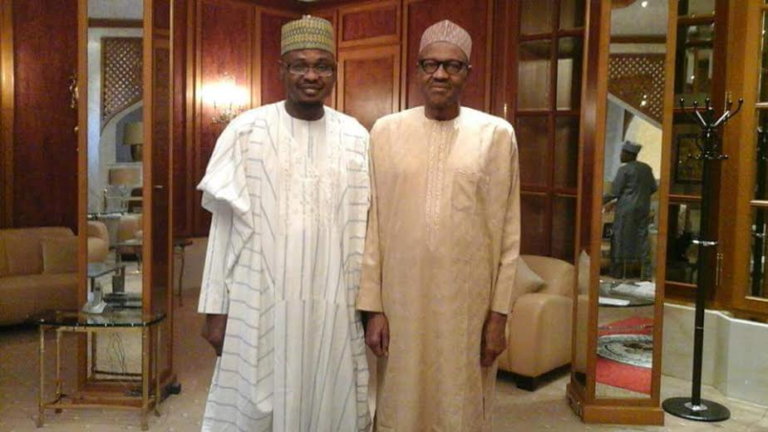
THE Nigerian Presidency has said it stands by the embattled Minster of Communications and Digital Economy Ali Isa Pantami despite calls by Nigerians for his resignation or sack over controversial statements made in support of terrorist groups such as Al-Qaeda and Taliban.
The Presidency said Pantami was subject of a campaign instigated by those seeking his removal and who never cared what he might or might not have said some 20 years ago. It said it was merely the instrument used by the campaigners to attempt to cancel the minister.
President Muhammadu Buhari’s Senior Special Assistant on Media and Publicity Garba Shehu said this in a statement posted on his official Facebook page.
Pantami was appointed in 2019 as a minister at the inception of President Muhammadu Buhari’s second tenure after spending three years (2016-2019) as the Director-General and CEO of the National Information Technology Development Agency (NITDA).
Nigerians began demanding the resignation of the Minister using hashtags, #PantamiResign and #PantamiResignNow, after multiple reports accused him of endorsing terrorism and genocidal act.
The ICIR had earlier reported how Pantami’s statements of admiration for the Taliban’s, Al-Qaeda and Jihad came from some of his preaching and lecture recordings translated by a professor and African expert at Naples University in Italy Andrea Brigaglia, and a Nigerian scholar Musa Ibrahim of the University of Florida in the United States, both of whom contributed to the academic paper published in March 2019 that explored the emergence of Boko Haram in Nigeria.
The statement read in part, “Today, there is an unfortunate fashion in public discourse that makes leaders in politics, religion, and civil society liable in the present for every statement they have ever made in the past – no matter how long ago, and even after they have later rejected them.”
“This insidious phenomenon seeks to cancel the careers of others on the basis of a thing they have said, regardless of when they said it. The Minister has, rightly, apologised for what he said in the early 2000s. The views were absolutely unacceptable then, and would be equally unacceptable today, were he to repeat them. But he will not repeat them – for he has publicly and permanently condemned his earlier utterances as wrong.”
The statement also said since the controversial statements were made in the 2000s, the minister had changed.
“In the 2000s, the Minister was a man in his twenties; next year he will be 50. Time has passed, and people and their opinions – often rightly – change. But all discerning Nigerians know this manufactured dispute is nothing to do with the Minister’s prior words, but solely concern his actions in the present.”
“This Administration is committed to improving the lives of all Nigerians – and that includes ensuring they are not over-charged or under-protected for those services on which modern life depends.”
The statement appeared to link the current controversy surrounding Pantami to his job as the Minister of Communication and Digital Economy.
“The Minister has been leading the charge against illegal data deductions and pricing; he has revolutionized the government’s virtual public engagement to respond to COVID-19 and save taxpayers’ money; he has established ICT start-up centres to boost youth entrepreneurship and create jobs; he has changed policy to ensure locally produced ICT content is used by ministries, starting with his own; and he has deregistered some 9.2 million SIMs – ending the ability for criminals and terrorists to flagrantly use mobile networks undetected. In two short years, Minister Pantami has driven the contribution of the ICT sector to the GDP to more than 18 percent, making it one of the top two playing a critical role in the emergence of the economy from the COVID 19-induced recession.”
“Inputting people first, the Minister and this administration have made enemies. There are those in the opposition who see success and want it halted by any means. And there is now well-reported information that alleges newspaper editors rebuffed an attempt to financially induce them to run a smear campaign against the Minister by some ICT companies, many of which do indeed stand to lose financially through lower prices and greater consumer protections.”
“The government is now investigating the veracity behind these claims of attempted inducement, and – should they be found to hold credence – police and judicial action must be expected. The Administration stands behind Minister Pantami and all Nigerian citizens to ensure they receive fair treatment, fair prices, and fair protection in ICT services.”
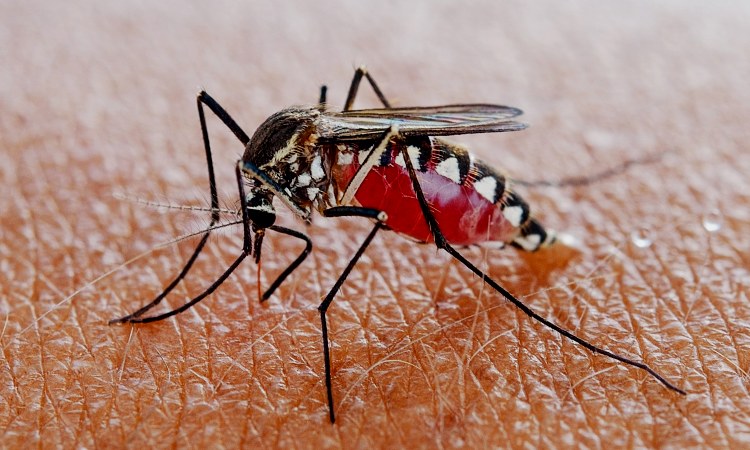
THREE African countries, namely Kenya, Ghana and Malawi, have administered 1.7 million doses of the malaria vaccine RTS, S on their children, but Nigeria, which bears 25 per cent of the disease globally, has not been part of the exercise.
A statement obtained by The ICIR from the World Health Organization website, Wednesday says more than 650,000 children benefitted from the vaccination in the three nations.
According to WHO, there were an estimated 229 million malaria cases and 400,000 deaths worldwide from malaria in 2019.
WHO adds that over 90 per cent of global malaria deaths occur in Africa, killing more than 265 000 children on the continent.
The agency explains that governments of the three African nations where malaria vaccination has been administered made the exercise possible.
The WHO-backed pilot vaccination, which began two years ago, is the world’s first effort to contain the disease through vaccine administration. Other interventions such as the use of long-lasting treated mosquito nets, approved medicaments, indoor residual spraying are some of the interventions used globally to fight malaria.
WHO says that when global progress in control of the disease has stalled, the protection provided by the vaccine, when added to currently recommended malaria control interventions, can save tens of thousands of lives per year.
Director of the Department of Immunization, Vaccines and Biologicals at WHO, Dr Kate O’Brien, said Ghana, Kenya and Malawi show that existing childhood vaccination platforms can effectively deliver the malaria vaccine to children, some of whom have not been able to access an insecticide-treated bed net or other malaria prevention measures.
WHO
Similarly, Director of the WHO Global Malaria Programme, Dr Pedro Alonso, says in the statement: “Over the last two decades, we have achieved remarkable results with existing malaria control tools, averting more than seven million deaths and 1.5 billion cases of the disease.
“However, progress towards key targets of our global malaria strategy remains off course. To get back on track, new tools are urgently needed – and malaria vaccines must be a critical component of the overall toolkit.”
The agency notes that insights generated by the pilot implementation will inform its recommendation on broader use of the vaccine across sub-Saharan Africa, adding that global advisory bodies for immunization and malaria are expected to convene in October 2021 to review RTS, S data and consider whether to recommend wider use of the vaccine.
RTS, S is the only vaccine that has been shown to reduce malaria in children, including life-threatening severe malaria, related hospital admissions and the need for blood transfusions, which says, adding that the vaccine is currently being piloted in areas of moderate to high malaria transmission where malaria can account for up to 60 per cent of childhood outpatient visits to health facilities.
Kenya had its first rollout of the vaccine on 13 September 2019; Malawi began to give its jabs on April 23, 2019, while Ghana started its rollout on April 30, 2019.
According to the WHO, the disease is a leading killer of children younger than five years in Kenya, claiming life of one child every two minutes.
Why we are left out – Nigerian govt.
National Coordinator, National Malaria Elimination Programme, Dr Bala Muhammed, informs The ICIR Wednesday that Nigeria is left out because the vaccination is a pilot programme.
He says of the programme: “With the resources available to you, you need to try some places and see whether the vaccine works. It will also give you an idea of its impacts and the investment required. I think very soon; our own quota will come out, Nigeria will also be on board.”
Nigeria’s President, Muhammadu Buhari
It is conceivable that Nigeria would have been considered among nations where the first pilot was to be carried out considering the prevalence of the disease and fatalities, but Dr Muhammed says such consideration is not prioritised in the medical field when running a pilot programme.
Also probed further if Nigeria has the resources to carry out the exercise when approved by the WHO and other stakeholders, he said, “Definitely. It’s just like COVID-19; when it came, did Nigeria have the resources to tackle it? The international community will rally around Nigeria. They are very much interested in reducing the burden of malaria.”
Malaria burden in Nigeria
In its World Malaria 2019 Report, WHO notes that six countries accounted for more than half of all malaria cases worldwide: Nigeria (25 per cent), the Democratic Republic of the Congo (12 per cent), Uganda (five per cent), and Côte d’Ivoire, Mozambique and Niger (four per cent each). None of the six countries is among the three nations while pilot malaria vaccination has been taking place on the continent.
Similarly, The United State Government says malaria is a major public health problem in Nigeria, accounting for more cases and deaths than any other country in the world.
According to the US, malaria is a risk for 97 per cent of Nigeria’s population.
”The remaining three per cent of the population live in the malaria-free highlands. There are an estimated 100 million malaria cases, with over 300,000 deaths per year in Nigeria. This compares with 215,000 deaths per year in Nigeria from HIV/AIDS. Malaria contributes to an estimated 11 per cent of maternal mortality,” the US adds.
Endorsement of malaria pioneer vaccine RTS, S by WHO
Announcement of the piloting of vaccine in Africa was made by the WHO regional director for Africa, Dr Matshido, on May 1, 2017. The agency said the ambition marked a historic but realistic moment towards easing the malaria disease burden and saving lives in Africa.
RTS, S is the first malaria vaccine to have completed the phase three clinical trial and obtained a positive scientific opinion from a stringent regulatory authority, the European Medicines Agency, EMA. In seven African countries, trials were conducted in 2009-2014 in seven African countries, including the three that will take the piloting further.
The vaccine was among the 20 candidate vaccines at the time it was launched.
RTS, S is produced by British Multinational Pharmaceutical Company, GlaxoSmithKline plc (GSK).
NIGERIA’S Defence Minister Bashir Magashi has said the country would beef up security across its borders following the developments in the Republic of Chad.
Magashi said this on Thursday during a State House Briefing held in Abuja to discuss military operation across Nigeria.
He noted that if there were no security in Chad, it would amount to trouble for all other neighbouring countries in the Sahel.
“We are beefing up security at our borders, following the developments in Chad, …If there’s no security in Chad, there will be a lot of trouble for all neighbouring countries,” Magashi stated.
However, he said there is a lot of ongoing military cooperation in that country through the Multinational Joint Task Force (MNJTF).
Chad borders Nigeria’s Borno State, which has witnessed over a decade of lethal attacks by insurgent groups of The Islamic State in West Africa Province (ISWAP), Boko Haram and other bandit groups.
The ICIR had reported the death of Chad President Idriss Deby, who was said to have died from injuries sustained on the frontline in battle with rebels in the country, a day after he was re-elected president of the Sahel nation.
Chad Military Council had announced that the late president’s son, Mahamat Idriss Deby, would replace him against the country’s constitutional provision.
According to the Army, a curfew has been imposed in Chad while all borders have also been shut until further notice.
A report published by SB Morgan, an organisation focusing on geopolitical research and strategic communications consulting around Africa, had described the joint efforts by the Nigerian and Chad government as ‘sporadic and irregular’.
The report titled ‘What elections in Benin and Chad could mean for the region’ states that there has been ‘perceived Nigerian unwillingness to see the insurgency out to a successful conclusion’.
Meanwhile, the Peace and Security Council of the African Union is set to meet today to discuss the political crisis in Chad.
THE joint leadership of the National Assembly has proposed complete decentralisation of the Nigeria Police Force and the Nigeria Correctional Service by moving the two items from the Exclusive List of the constitution to the Concurrent List.
President of the Senate Ahmad Lawan and Speaker of House of Representatives Femi Gbajabiamila made this known in a one-day roundtable on ‘Reform of the Criminal Justice System of Nigeria’ organised by the National Institute of Legislative and Democratic Studies in Abuja on Wednesday.
Gbajabiamila, who spoke through a member of the House Uzuwagbo Ugonna, said every aspect of the country’s criminal justice system, including its personnel, needed immediate legislative overhauling and reforms.
“The scope of the Nigeria Criminal Justice System, beginning with the Police, the courts, correctional service, our criminal laws and codes, including human personnel that manage our criminal justice institutions, need reforms,” Gbajabiamila said.
“As legislators, we will not be opposed to amending the constitution to remove the establishment and management of Correctional Service Centres from the Exclusive Legislative List and add it to the Concurrent List.
“This, I believe, will fast-track and decongest our federal correctional centres and enable willing states to provide better correctional service centres with better living conditions for their people.”
“The autonomy being advocated by our judicial officers across the nation should be granted without delay, to encourage justice without favour. We should consider the creation of special criminal courts,” Gbajabiamila further stated.
Lawan, who was represented by a member of the red chamber Olamilekan Adeola said no country would make any meaningful progress without a productive criminal justice system, adding that there was a need to strengthen the system for enhanced and effective service delivery.
“No society grows without a productive criminal justice system, considering the additional role the sector plays in maintaining order and in fostering peace.
“With rising insecurity, we must be ready to strengthen the justice system and be bold enough to ensure that criminals go through diligent prosecution. This is to serve as deterrence to others, reduce wrongdoings, promoting peace and enhancing growth and development,” he said.
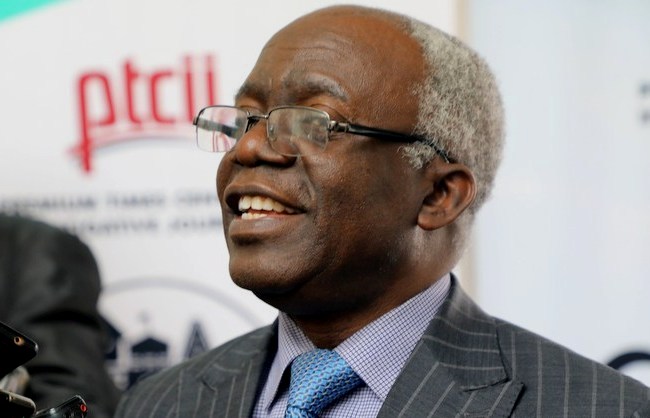
Human rights lawyer, Femi Falana, and other Nigerians in civil society groups are set to launch a new political party called The People’s Alternative Political Movement (TPAP).
Falana, a Senior Advocate of Nigeria, made this known when he featured on Arise Television on Thursday, stating that the decision was borne out of the ‘worsening state of the nation’.
The human rights lawyer said about 21 groups, consisting of political parties, labour organisations, human rights and other civil society organisations, had met in Abuja to review the nation’s state.
“…At the end of the review, we came to the irresistible conclusion that we can no longer standby or rather stand on the sidelines while anti-democratic forces and political buccaneers continue to keep our country underdeveloped, and so we have decided to intervene decisively in the political arena.”
He added that the groups also agreed that they would embark on consultations with other genuine progressive forces in the country for three months to form a political party whose ideology would be for the total reconstruction of the state of Nigeria.
According to Falana, the political party’s ideology would be an emphasis on chapter 2 of the Nigerian Constitution that guarantees the socio-economic rights of Nigerians.
The groups believed that there could be no talk of civil and political rights without economic empowerment, he said.
“We are bringing back the politics of ideology, the politics of programmes and manifestoes to address the problems confronting us as a people so that this country which is the largest concentration of black people on earth, can take its rightful place in the committee of nations.”
When asked about political followership in Nigeria and the offering of bribes to electorates, Falana said the ruling class had deliberately pauperised the people so that they are compelled to take pennies to sell their votes. Still, the emerging political party would put an end to it.
“We are going to stop that, by virtue of the electoral act, we are going to ensure that we make the law work, anyone or group that bribes voters, we are going to mobilise young people to ensure that the practice is stopped,” Falana said.
He noted that the Electoral Act provides that no one shall be given money or induced for election purposes. The group would mobilise the Independent Electoral Commission (INEC) and other security operatives to enforce the law.
Falana further said that the lessons from the ENDSARS protest, judicial workers protest, and other strike actions across the country have shown that Nigerians can be organised to make positive radical changes.
He said voters could collect bribes from politicians, but they should invest in their children’s future by voting for the right people.