TELECOMMUNICATION giant MTN has announced it will continue its partnership with fintech companies through their payment solutions platforms as the telco continues to meet with commercial banks over a a new Unstructured Supplementary Service Data (USSD) pricing structure agreement.
The initial meeting with the banks on the reduction of the charges which was slated for Tuesday had ended in a deadlock and is ongoing until a sustainable pricing structure is arranged.
In a statement released by the telco titled ‘Update on banking channel partners’ dispute and expansion of channel network,’’ MTN revealed that the move was to expand its channels to serve its subscribers.
Commercial banks had blocked MTN subscribers from accessing their mobile banking applications and USSD payment channels after the telco reduced the banks’ commission from an average of 3.5 per cent to 2.5 per cent per transaction.
MTN customers were reconnected to banking channels after the banks resorted to negotiations with the telco giant.
This was agreed on the basis that MTN would revert to its previous cost of sales structures with banking partners until a new long-term agreement could be reached on a sustainable pricing structure, going forward.
The telecom company remarked that it had been participating in a series of meetings with the banks since Tuesday, after the intervention of the Minister of Communications and Digital Economy, the Nigerian Communication Commission and the Central Bank of Nigeria.
According to the telco, the reduction in the banks’ commission on USSD airtime was “international standard and best practice as the scale is built along distribution channels.”
“We will provide a further market update once these discussions have been concluded. We are confident that partners in the banking sector will work with us to ensure this process concludes as quickly as possible to the benefit of the entire industry,” MTN said.
It said it had partnered with new fintech to expand the range of channels available to customers, adding that the partnerships would remain in place.
“The new channel partners include Sparkle, Konga Pay, Barter By Flutter Wave, Jumia Pay, OPay, Kuda, Carbon, BillsnPay, MTN On-Demand, MTN Xtratime airtime loans (*606#), myMTN Web @ http://mymtn.com.ng and Momo agent *223#,” the statement said.
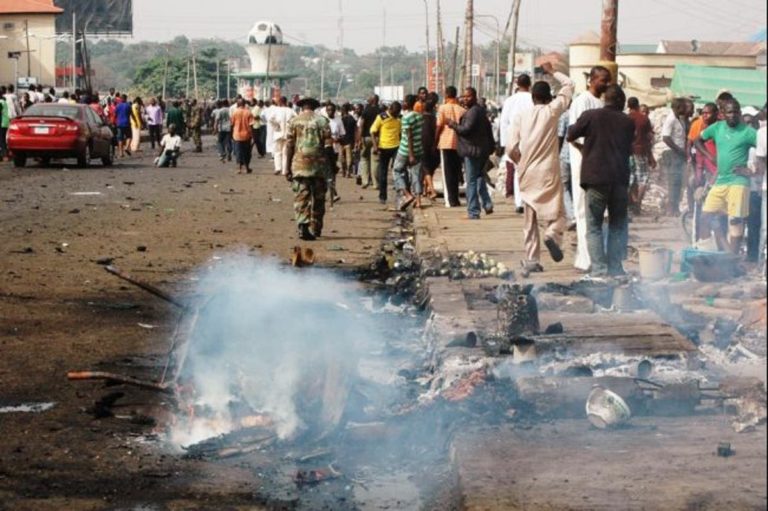
THE Nigerian Army have vowed that those behind the killing of soldiers in Benue State on Thursday will be brought to book, and appealed to the public to volunteer useful information that will lead to their arrest.
Chief of Army Staff Attahiru Ibrahim directed commanders on ground in Benue State to ensure sustained efforts that will “fish out and deal decisively” with those behind the attacks.
In a statement signed by Director of Army Public Relations Mohammed Yerima, 10 soldiers and one officer were killed when some gunmen attacked military troops during a routine operational task.
“The troops comprising one officer and ten soldiers were initially declared missing which prompted the deployment of a joint search and rescue team comprising NA troops and personnel of Operation Whirl Stroke. The search and rescue team unfortunately found all the missing troops dead in Konshisha LGA of Benue State,” the statement read.
Benue residents, on Thursday, raised the alarm over the invasion of their communities by troops of the Nigerian Army, leaving many houses destroyed. At least two casualties were seen in viral photos that circulated online on Thursday.
The attacks came barely three weeks after Governor Samuel Ortom narrowly escaped death after suspected armed herdsmen attacked him on his farm at Tyo-Mu community in the outskirts of Makurdi town.
Spiraling conflicts between herders and farmers in Nigeria, particularly in Benue, Plateau, Adamawa, Nasarawa and Taraba states have claimed at least 7000 lives since 2015, according to a United States Agency for International Development (USAID) report released in 2019. Hundreds of residents have also been displaced.
Another report released on Wednesday by Amnesty International accused security forces of committing grave human rights violations, including torture and other ill-treatment, and the use of excessive force which resulted, on some occasions, in unlawful killings.
“Throughout the year, security agencies, including police, military and DSS officers, arbitrarily detained and subjected people to enforced disappearance. Government forces carried out indiscriminate attacks against villages and continued to detain thousands in inhumane conditions,” the report said.
NIGERIANS took to Twitter on Thursday to express their dissatisfaction with the level of insecurity in the country, including the ongoing doctors’ strike.
They lamented security breaches across the country, attacks on civilians by security agencies and government’s lack of compassion on the citizens with the hashtag #EndNigeriaNow.
Despite the hashtag, many Nigerians were not campaigning for a dissolution of the country, but were asking the government to change its leadership strategy.
However,. some of the tweets were secessionist in nature.
One of the tweets was from a self-proclaimed human rights activist, Carolyn Uchenna Okorafor, who lamented the state of affairs in Nigeria.
In @Carolynkimbrly’s words, “People are tired of Nigeria! The pain, poverty, mental disruption, cruelty, wickedness, suffering, insecurity that you put on your own so-called citizens is ENOUGH!!!! Nigeria has mentally broken people to the point of no return!”
Another Twitter user Ife Funsho. with the handle @funshographix, said it was an insult to her intellect to accept a country created by the British.
Somto Chukwu, who tweets with @General_Somto, accused the Army of killing civilians they should be protecting in Benue State.
“Just Today, The Nigerian Army Invaded Benue Community, Killed Over 40 Villagers. The Military That Is Supposed To Protect And Serve Its Citizens Turns Around To Kill Them.”
Secessionist sentiments have increased among Nigerians following the attacks on Imo State prisons and Police facilities in the past three days.
The attacks have witnessed some controversies and blame games among the political class, according to an ICIR report.
The Imo prisons attacks brought some attention to the Indigenous People of Biafra (IPOB), according to a report from the Premium Times, to which the group actively denied any involvement. Imo State Governor Hope Uzodimma has publicly exonerated IPOB from the attacks, blaming opposition politicians, instead.
Added to the woes that have befallen the county is the residents’ doctors strike.
A few days ago, there was an outcry from the National Association of Resident Doctors (NARD) over Federal government’s failure to pay their salaries and keep to the promises made to them.
“You don’t expect a doctor that is hungry, that is not able to pay his house rent, that is not able to pay his children school fees, whose children are sent back home to be able to function properly. Doctors are human beings like any other human beings. You don’t say because I’m a doctor, I should not pay for the house I rent or pay my children school fees because my salary has not been paid,” NARD President Uyilawa Okhuaihesuyi had toldThe ICIR.
Due to this and several other lingering issues, many Nigerians said the current administration had not lived up to expectations.
“The man you voted as savior to end corruption and take Nigeria to the permanent site can’t apprehend those who carted away with 2.1billion dollar of public fund and he can speak boldly on International TV…” said Ken Christ, with the handle @realKen_Christ.
However, not all Twitter users agreed to the divisive line of thought. They said the country was better being together.
A tweet from a user who is referred to as Tekuzuki, @deji_online said, “I do not support that we #EndNigeriaNow. I believe that we are #StrongerTogether. We just need to build stronger institutions, be more tolerant and allow fairness, equity and justice reign.”
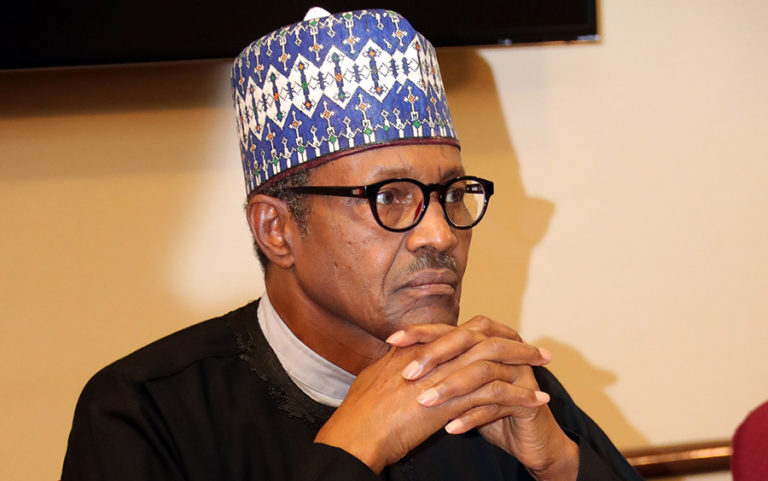
President Muhammadu Buhari is currently in London receiving medical treatment while Nigerian doctors are on strike.
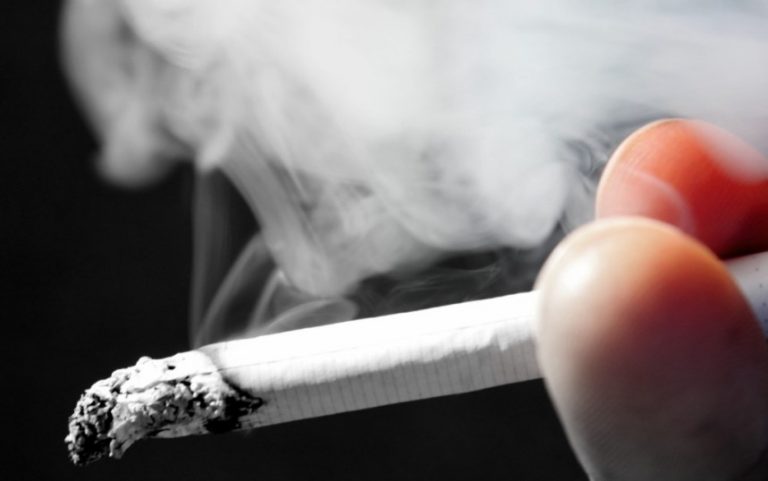
CORPORATE Accountability and Public Participation Africa (CAPPA), on Thursday, alleged that players in the tobacco industry were taking advantage of the nation’s weak Tobacco Control Act (2015) and its poor enforcement to promote tobacco products in the country.
Executive Director of the organisation Akinbode Oluwafemi, speaking during a briefing in Abuja, said public smoking and undue promotion of cigarettes in manners attracting underage children was still prevalent.
He kicked against what he described as the glamorising of tobacco on movie sets and music videos, stating that these required the urgent attention of regulatory bodies.
“The tobacco industry has for years exploited the entertainment sector to entice and conscript young people into smoking. This practice has long been documented across the globe and has informed the need for some form of regulations of contents accessible to the young,” Oluwafemi stated.
The World Health Organisation (WHO) Director for the Prevention of Non-Communicable Diseases Douglas Bettcher had, in 2016, criticised how movies displaying on-screen smoking enticed millions of young people globally.
He had stressed the need for such movies to be rated with additional warnings to save children from severe consequences of smoking – disability, and death.
“With ever tighter restrictions on tobacco advertising, film remains one of the last channels exposing millions of adolescents to smoking imagery without restrictions,” Bettcher stated, adding that “smoking in films can be a strong form of promotion on tobacco products. The 180 Parties to the WHO Framework Convention on Tobacco Control (WHO FCTC) are obliged by international law to ban tobacco advertising, promotion, and sponsorship.”
A look at the National Tobacco Control Act passed in 2015 and the National Tobacco Control Regulations 2019 shows provisions prohibiting advertising, promotion and sponsorship of movies and entertainment, except few exceptions.
For instance, Section 12 (1) of the Act defines tobacco advertising and promotion to include “any form of commercial communication, recommendation, or action with the aim, effect or likely effect of promoting a tobacco product or tobacco use directly and indirectly.”
Besides, Section 15 (6) of the regulations also states that “any display or depiction of tobacco or tobacco use in a work of art, video, music, literature or any other means, that falls within the exceptions in Section 12 (4) of the Act shall, in the same scene or page, display in bold easy to read form the warning: tobacco use causes fatal lung cancer and other dangerous effects on the health of users and those close to them.”
In order to ensure strict compliance, the group tasked the National Broadcasting Commission, Nigerian Film and Video Censors Board, and other relevant regulatory bodies to enforce the law by ensuring compliance.
They also partnered with the Kannywood stakeholders, among other local groups, to ensure drastic reduction in the promotion of tobacco in movies.
Some of their recommendations also included: adult-rating for films with smoking scenes, anti-smoking health warnings, a total ban on tobacco placements, and strong antismoking adverts.
According to the Centre for Disease Control (CDC), tobacco use is globally responsible for more than seven million deaths annually, while over eight million people may die annually from tobacco-related diseases by 2030.
In Nigeria, a report from the Tobacco Atlas states that over 16,100 persons die as a result of tobacco-related ailments. “Still, more than 25,000 children (10-14 years old) and 7,488,000 adults (15+ years old) continue to use tobacco each day,” it states.
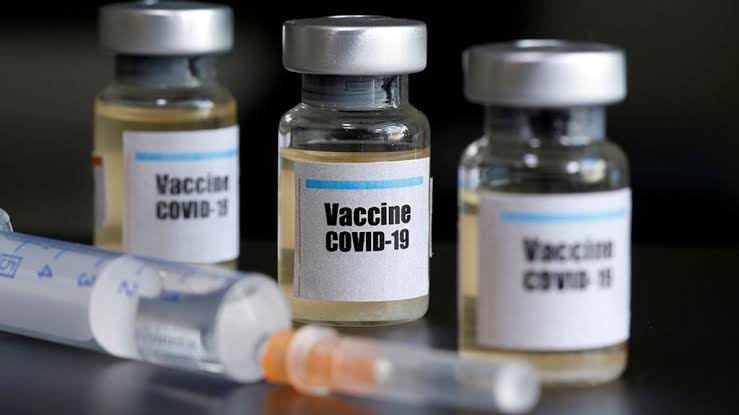
ONLY two per cent of global vaccination against COVID-19 has been done in Africa, the World Health Organization (WHO) said on Thursday.
The agency noted that Africa had less than two per cent of 690 million COVID-19 vaccine doses administered globally.
Of the 31.6 million vaccines delivered to the continent, only 13 million had been administered, while through the COVAX Facility, 16.6 million vaccine doses – mainly AstraZeneca – were delivered to African countries, according to the WHO.
The agency said there had been around 4.3 million COVID-19 cases in Africa, of which 114 000 people had died.
It added that for the past two months, the region had seen a plateau of around 74,000 new cases per week, with Kenya experiencing a third wave of the epidemic. It noted that cases abounded in 14 other African countries, including Ethiopia, Eritrea, Mali, Rwanda and Tunisia.
Vice president Yemi Osinbajo while receiving COVID-19 vaccine
Speaking at a virtual press conference on the roll-out of COVAX vaccines in Africa, the benefits of accessing vaccine, as well as the risks of vaccine hesitancy, facilitated by APO Group, WHO’s Regional Director for Africa Matshidiso Moeti, who was joined by other experts, said fair access to vaccine and readiness of people to take jabs were key to defeating the pandemic.
A statement mailed to The ICIR by the WHO on the meeting said 45 African countries had received vaccines and 43 of them had begun vaccinations. It further said that the pace of vaccine roll-out had not been uniform. Ninety-three per cent of the doses given in Africa had been done by 10 countries, the statement stated.
“Although progress is being made, many African countries have barely moved beyond the starting line. Limited stocks and supply bottlenecks are putting COVID-19 vaccines out of reach of many people in this region,” Moeti was quoted as saying, adding that fair access to vaccines must be a reality if the world was to collectively make a dent on the pandemic.
She further noted that “Africa is already playing COVID-19 vaccination catch-up, and the gap is widening. While we acknowledge the immense burden placed by the global demand for vaccines, inequity can only worsen scarcity. More than a billion Africans remain on the margins of this historic march to overcome the pandemic.”
The statement said vaccine roll-out preparedness, including training of health workers, prelisting priority groups and coordination had helped some countries to quickly reach a large proportion of the targeted high-risk population groups such as health workers.
The 10 countries that had vaccinated the most population against COVID-19 on the continent used at least 65 percent of their supplies, said the WHO.
The need for continued use of AstraZeneca vaccine in Africa versus arguments against its use was also emphasised at the meeting.
AstraZeneca Vaccine Photo Credit: Al Jazeera
“The WHO’s Global Advisory Committee for Vaccine Safety this week concluded that the link between the AstraZeneca vaccine and the occurrence of rare blood clots is plausible but not yet confirmed. This follows the European Medicines Agency’s announcement that unusual blood clots should be listed as very rare side-effects of the vaccine.
“Among the almost 200 million individuals who have received the AstraZeneca COVID-19 vaccine around the world, cases of blood clots and low platelets is extremely low.
“The Global Advisory Committee for Vaccine Safety continues to gather and review further data while carefully monitoring the rollout of all COVID-19 vaccines. Based on current information, WHO considers that the benefits greatly outweigh the risks and that countries in Africa should continue to vaccinate people with the AstraZeneca vaccine, part of the release reads.
It went on: “Once delivered, vaccine rollout in some countries has been delayed by operational and financial hurdles or logistical difficulties such as reaching remote locations. WHO is supporting countries to tackle the challenges by reinforcing planning and coordination, advocating more financial resources as well as setting up effective communications strategies to address vaccine hesitancy and misinformation.
“The delays are not only affecting vaccine delivery to priority targets but expanding vaccinations to the rest of the population, some of whom have expressed eagerness to receive the doses. WHO set a target to start vaccinating health workers and other priority groups in all countries in the first 100 days of 2021.”
Some of the participants at the meeting, which had journalists from across the globe were Director of Population of Ministry of Health, Morocco, Abdelhakim Yahyane; UNICEF Regional Director for Eastern and Southern Africa Mohamed Malick Fall; Director, of Regional Emergency Preparedness and Response Salam Gueye; Immunization and Vaccine Development Programme Coordinator of WHO Regional Office for Africa Richard Mihigo.
NIGERIAN manufacturers are struggling to access foreign exchange (FX) despite rising oil price, which is currently above $60 per barrel, The ICIR findings have revealed.
Nigeria is facing a foreign exchange crunch on the back of dwindling oil revenue. Many manufacturers and real sector operatives are queuing up to get dollars needed to import raw and packaging materials, but they still cannot get enough. Manufacturers say they can only get five to 10 percent of their dollar needs from the FX market, complaining that it is hurting their capacities and output.
” I can only get three to five percent of what I need,” a textile manufacturer, who did not want his name in print for fear of victimisation by the Central Bank of Nigeria (CBN), said.
Several manufacturers who spoke in anonymity blamed the CBN for running a multiple exchange rate regime, which had failed to produce results for the economy.
However, Director-General of the Lagos Chamber of Commerce and Industry (LCCI) Muda Yusuf said in a telephone interview with The ICIR that there was a lot of FX backlogs which needed to be cleared.
Muda Yusuf Director General, Lagos Chamber of Comerce and Industry. Photo Credit: LinkedIn
“There’s a backlog, and there is also the question of oil output. It is likewise probably so because of the OPEC quota, which is also affecting the situation from reflecting on the dollar access,” he said.
He said because the country was still operating a multiple exchange rate regime, there was bound to be lots of parasites corrupting the system.
“They are in the market not because they need foreign exchange to import raw materials, but because they are taking advantage of the system. More often, they have influence and they can get access to the dollar, whereas those that really need it do not get it.”
On the way forward, he suggested that Nigeria should have a foreign exchange regime that was market driven so that the country would eliminate brokers and parasites in the system.
Nigeria depends on oil for 75 per cent of revenue and 90 per cent of FX needs, according to various official reports. The manufacturing sector contributes almost 10 percent to the Nigerian economy, but many of its inputs are imported. In 2016, up to 50 manufacturers shut down due to oil price lows, said the then President of the Manufacturers Association of Nigeria (MAN) Frank Jacobs. Up to 272 firms, including small businesses, shut down in one year between 2015 and 2016, MAN said.
“There are lots of factors affecting our foreign exchange earnings and access by real sector operatives who need it. You would notice that there seems to be lots of those queuing up to wait for the FX. Another concern could also be the payment of subsidy in various forms, whether in electricity or the petroleum sector, which gulps also lots of foreign exchange,” President of the the Major Oil Marketers of Nigeria Adetunji Oyebanji told The ICIR.
Adetunji argued that subsidy payment concerns were more about eating the future and not ploughing back into infrastructural development, which had been the bane of the country’s infrastructural development. He said the consequence was borrowing to fund infrastructure.
Brent crude, which is expected to push Nigeria’s oil revenue, is estimated at $40 per barrel in the 2021 budget. Oil price drop has dragged the Nigerian economy into recession.
The present administration has blamed the economic distress suffered in its early years on the inability of the previous administration to save for the rainy day.
However, informed energy analysts say the government must do away with unsustainable subsidy following the rallying oil price in order to shore up its foreign reserve and provide foreign exchange for real sector operatives.
“The money we made from oil, we are ploughing back into subsidy of petrol. If we have no subsidy, we could save more, currently. However, there are also factors of cost of oil production and OPEC, which affect what we earn. But the fact remains that the unsustainable subsidy is also taking its toll on FX reserves,” Oil sector governance expert Henry Ademola Adigun told The ICIR.
The World Bank, last December, warned Nigeria of the risk of getting into a prolonged recession, emphasising the need for the country to embrace unpopular reforms. The bank warned that the coronavirus pandemic would inevitably create millions of new poor in middle income countries.
Most analysts say Nigeria is vulnerable because of its precarious economic situation in which unemployment and inflation are on the rise.
“The problem with the FX regime is a problem of availability and management. It is still the challenge of the demand and supply. Currently, lack of supply is influencing the racketeering we are currently witnessing. In that case, we must concentrate on exports of agricultural products – which are where we have our strength more,” Former Director-General of Abuja Chamber of Commerce and Industry Chijioke Ekechukwu said.
He stressesd the need to address knowledge gap in the agricultural sector to enable the country shore up its foreign reserve through commodity exports.
THERE is a growing tension in Konshisha Local Government Area (LGA) of Benue State, following an alleged military attack on civilians in Gungul and Shangev Tiev communities.
The incidents showing arsons were shared, Thursday, on the social media by individuals believed to be of Benue origin or affiliations.
In one of the posts, one Duke of Benue identified as @CollinsUma claimed the supposed military invasion had been on for three days.
He alleged the attacks were carried out against ‘unarmed civilians’ and further questioned on whose authority the military attacked.
The Nigerian Army has set Gungul in Shangev Tiev, Benue State on fire.
My grand fathers house is in ruins, I hear.
2001, the Army burnt my fathers village and murdered my people.
20 years later, the Army is burning down my mothers home. pic.twitter.com/Uo8trlNjMw
Some of the communities identified included: Gbinde, Bonta, and Tse Amile. The online sources said that affected residents had been displaced and had to escape to the bush.
“Shangev Tiev is burning. For over three days now, there has been nonstop military offensive against unarmed civilians…” the tweet read in part.
“Benue state is filled up with Internally Displaced Persons (IDPs) camps, now they want to create more….they did this with gunfire from a helicopter flying low, supporting soldiers on ground,” he claimed.
Aside from him, another user @SendeKamo, in a post, recalled how his grandfather’s house was reportedly attacked and left in ruins.
“Twenty years later, the Army is burning down my mother’s home,” he tweeted.
The incidents had, however, generated concerns on the social media with several unverified claims.
The ICIR reached out to the concerned individuals to verify their assertions, but they were yet to respond as of the time of filing this report.
An independent verification conducted by this online newspaper showed that one of the photographs used in the picture collage was not recent. It was used to complement a story of a fire incident in December 2019.
However, other photographs were unique pictures.
The Police Public Relations Officer in Benue State Anene Catherine said she was unaware of the incidents.
“I have not received any report from that area, sir,” she responded in a phone interview with The ICIR.
The spokesman of the Nigerian Army Mohammed Yerima did not respond to calls from the reporter. He later replied a text message, with a promise to issue a press statement on the incident.
The Nigerian Army has always been accused of extrajudicial activities in the country.
In October 2001, the Human Rights Watch accused the Army of killing over 200 persons in an extrajudicial manner during a series of intercommunal attacks and counter-attacks between the Jukuns and Tivs.
The abduction and death of 19 soldiers, who were deployed to the state to restore peace among the rival communities, reportedly provoked the attack on the civilians.
Sahara Reporters said 30 villagers were killed and 200 houses, including the palace of Tyoor Unaha Kôkô in Agidi, were set ablaze.
TWITTER has suspended the accounts of some Nigerian influencers for canvassing the release of an arrested Colombian businessman Alex Saab.
The suspension of the accounts was said to be connected to the “coordinated and politically motivated Twitter posts in relation to a Colombian businessman, Alex Saab.”
Some of the suspended accounts are @potam1304, @Danny_Walterr, @volqx and @UncleMohamz, among others.
Some Nigerians said on Tuesday that the suspension of the accounts was due to a sponsored trend seeking the release of Saab from detention.
A report published by the Financial Times quoted an intelligence analysis to have found that fake Twitter accounts were being used to sway public opinion and stop authorities in the West African islands of Cape Verde from extraditing Saab to the US.
“The Maduro regime, and/ or its proxies (witting or unwitting), are involved in a coordinated campaign to influence both the government of Cabo Verde and its population to obstruct Alex Saab’s extradition,” the report read in part.
The intelligence report also stated that the 547,000 tweets related to Saab’s case were published in Africa and South America from October 2020 to February 2021.
Tweets in support of Saab were said to have increased due to emerging posts, mostly published in Nigeria since January 2021.
Who is Alex Saab?
Alex Nain Saab Moran is a Colombian-born ‘businessman.’
Saab, an ally to Nicolas Maduro, the Venezuelan president, was arrested by Cape Verde’s security operatives and Interpol earlier in June 2020 when his private jet had a stopover inside the Cape Verdean territory.
Alex Saab
He was on his way to Iran for a humanitarian mission on behalf of the Venezuelan government before his arrest.
Since his arrest, Saab has been kept in Cape Verde’s government detention while political and legal struggles linger over who would take custody of the businessman between American and Venezuelan governments.
His lead counsels Femi Falana, Jose M.P. Monteiro, Rutsel S. J Martha and Baltasar R. Garzon had filed a case against the Cape Verdian government at Economic Community of West African States (ECOWAS) court challenging the move to extradite their client Saab to the US despite being a diplomat.
After months of legal battle, the ECOWAS court, on March 15, 2021ruled that Saab’s extradition to the US be stopped while a compensation of $200,000 be paid to him.
However, the Cape Verdean Supreme Court hasauthorised the extradition of Saab to the United States of America.
THE UK Police have confirmed that the body found in a pond in Epping Forest is that of missing student Richard Okorogheye, after saying on Monday evening that the body discovered matched Richard’s description and invited his family for identification.
In a statement released on Wednesday, the Metropolitan Police confirmed the body had been formally identified as Richard, bringing to an end a two-week search for the missing 19-year-old Nigerian.
The confirmation is the worst possible news for Richard’s family and friends who had been desperately hoping he was still alive and appealing for him to come home.
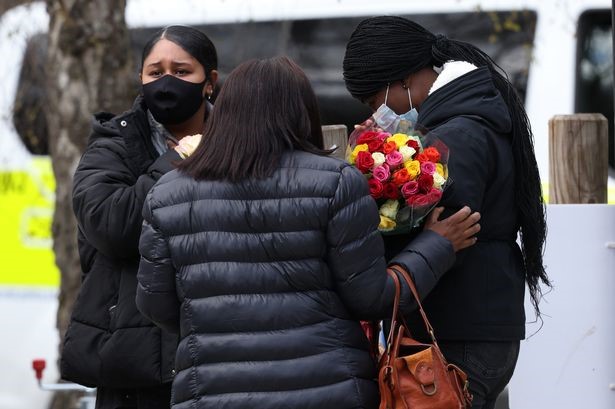
Richard’s mum Evidence Joel and best friend Hala Mohamed were among a group of family and friends that visited the pond in Epping Forest, Essex, on Wednesday to pray and lay flowers in the pond where his body was found by specialist divers.
Wearing a black coat and a blue face mask, Joel was comforted by the group as she broke down in tears. They also poured water into the pond as they appeared to pay tribute to Richard.
“My deepest sympathies go out to Richard’s family at this incredibly difficult time. This was not the outcome that any of us had hoped for and we will ensure that his grieving family are well-supported by specially trained officers,” Head of the Metropolitan Central West Public Protection Unit Detective Superintendent Danny Gosling said.
A post-mortem investigation into the circumstances of Richard’s death is ongoing but the Police say his death is being treated as unexplained as they do not believe at this stage that there was any third-party involvement.
The confirmation of Richard’s death came as a shock to the Oxford Brookes University community, where he was enrolled as a first year student on Computer Science for Cyber Security programme before his disappearance and demise.
A statement from Vice-Chancellor Prof Alistair Fitt said: “We have received confirmation of the tragic news that Richard Okorogheye, a student at Oxford Brookes University, has died. Our thoughts and deepest sympathies are with Richard’s family and friends. This is devastating news for the Oxford Brookes community.”
Richard’s best friend Hala said on Wednesaday: “I can’t sleep, I can’t eat. He was everything to me, it’s a shock to the system, I don’t think I’ve processed everything.”
His mum filed a complaint with the Police one day after he went missing. She said he left their home in the Ladbroke Grove area of west London on the evening of March 22 to visit a friend but had not been home since then.
He was last seen on CCTV in Loughton, Essex, in the early hours of Tuesday, March 23, walking towards Epping Forest where his body was retrieved.
THE Nigerian National Petroleum Corporation (NNPC) has gambled $1.5 billion on the financially battered Port Harcourt Refinery Company (PHRC), signing a contract with an Italian firm Maire Tecnimont S.p.A for the rehabilitation of the inefficient company.
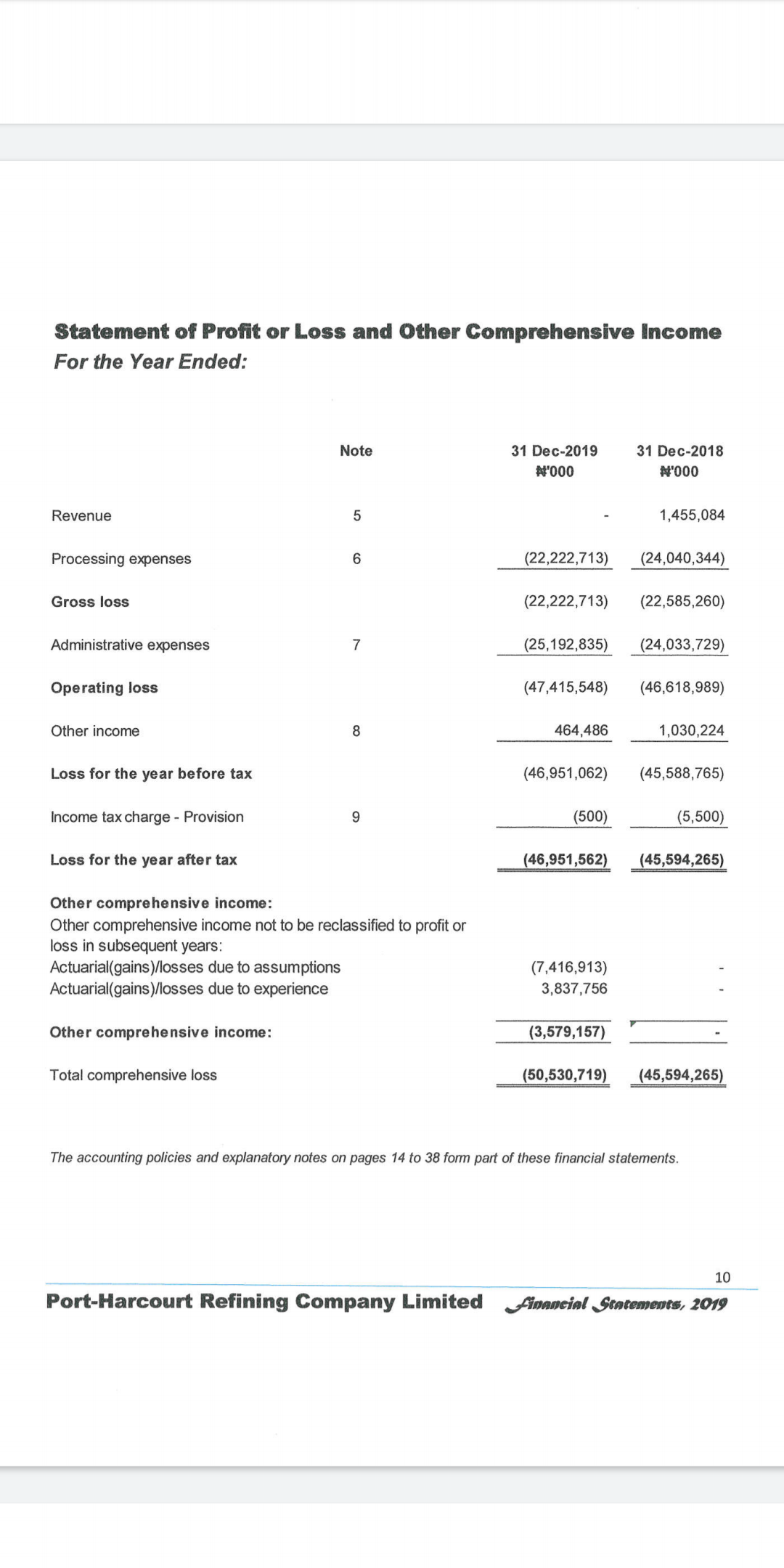
Rather than privatise the refinery, the NNPC has chosen to pump an equivalent of 4.5 percent of Nigeria’s 2021 budget into the refurbishment of a refinery that comprehensively lost N152.89 billion between 2017 and 2019.
The corporation and its appointees have mismanaged the refinery over the years, but are still bent on continuing managing it against common economics sense.
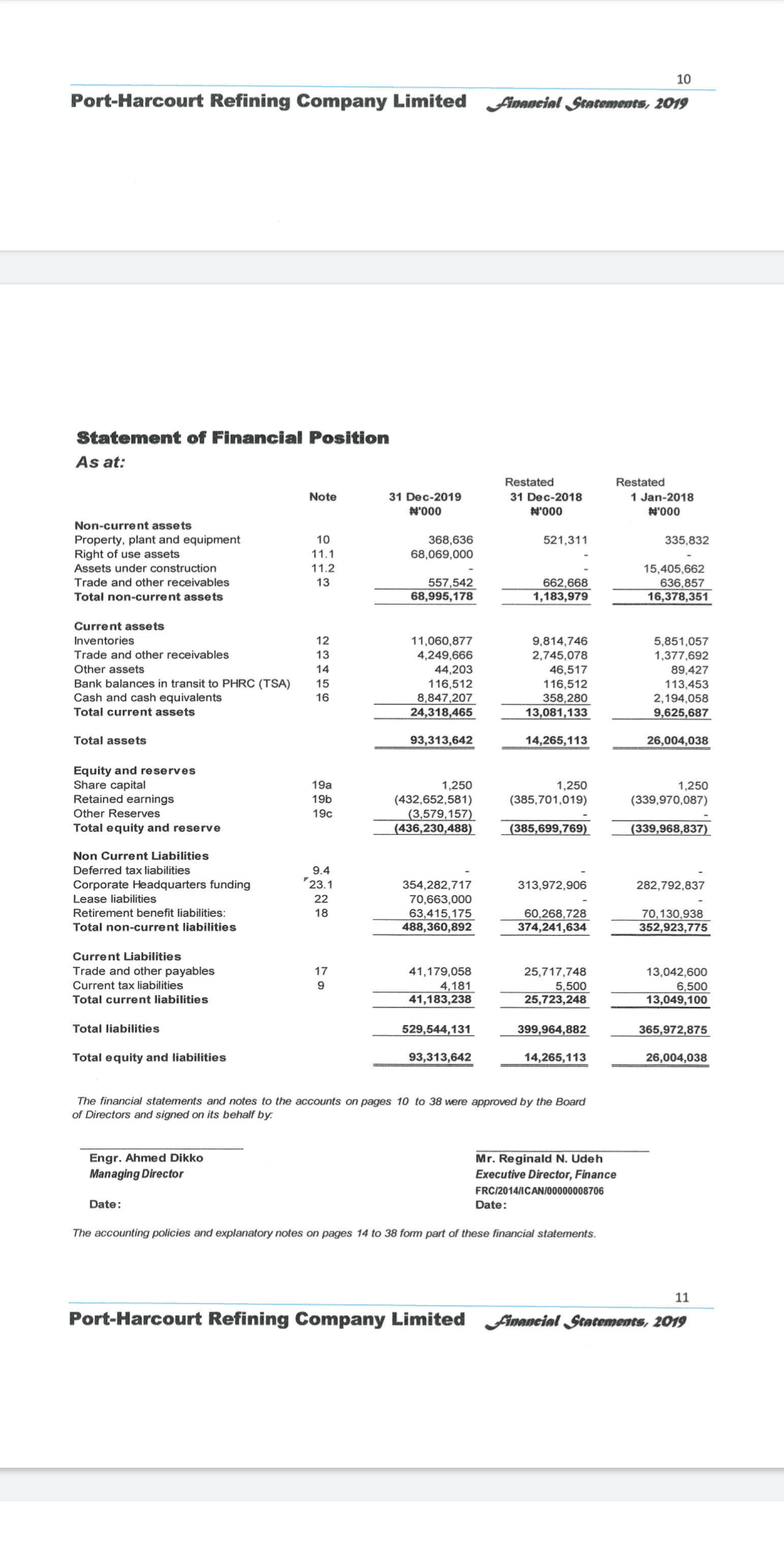
The ICIR analysis of PHRC’s 2017-2019 financial statements has shown that the refinery is in the red and needs something different from $1.5 billion to operate as an efficient business.
Account statement of Port Harcourt RefineryAccount Statement of Port Harcourt Refinery
Directors, workers smile to the bank amid losses
In 2019, for example, the refinery did not record any revenue. Yet, it reported N25.19 billion in expenses. Six directors collected N59.65 million in fees, meaning that each of them received an average payment of N9.94 million a month in 2019 from a company that recorded no revenue. According to the NNPC, names of the six directors as of 2019 were: Group Managing Director of NNPC Malam Mele Kyari; Managing Director of PHRC Engr Abba Bukar (who retired in March 2020); Executive Director of Services Babatunde S. Sofowore; Executive Director of Operations Ganiyu Abiodun Owolabi; another Executive Director of Operations Engr Abel N. Imonighavwe; and Executive Director of Finance and Accounts Mrs Aramide M. Ekundayo.
A new Managing Director Engr Ahmed Dikko was appointed in March 2020, alongside a new Executive Director of Operations Mr Muazu M. Awaisu, and Executive Director of Finance and Accounts Mr Reginald M. Udeh. They were not among the directors in 2019.
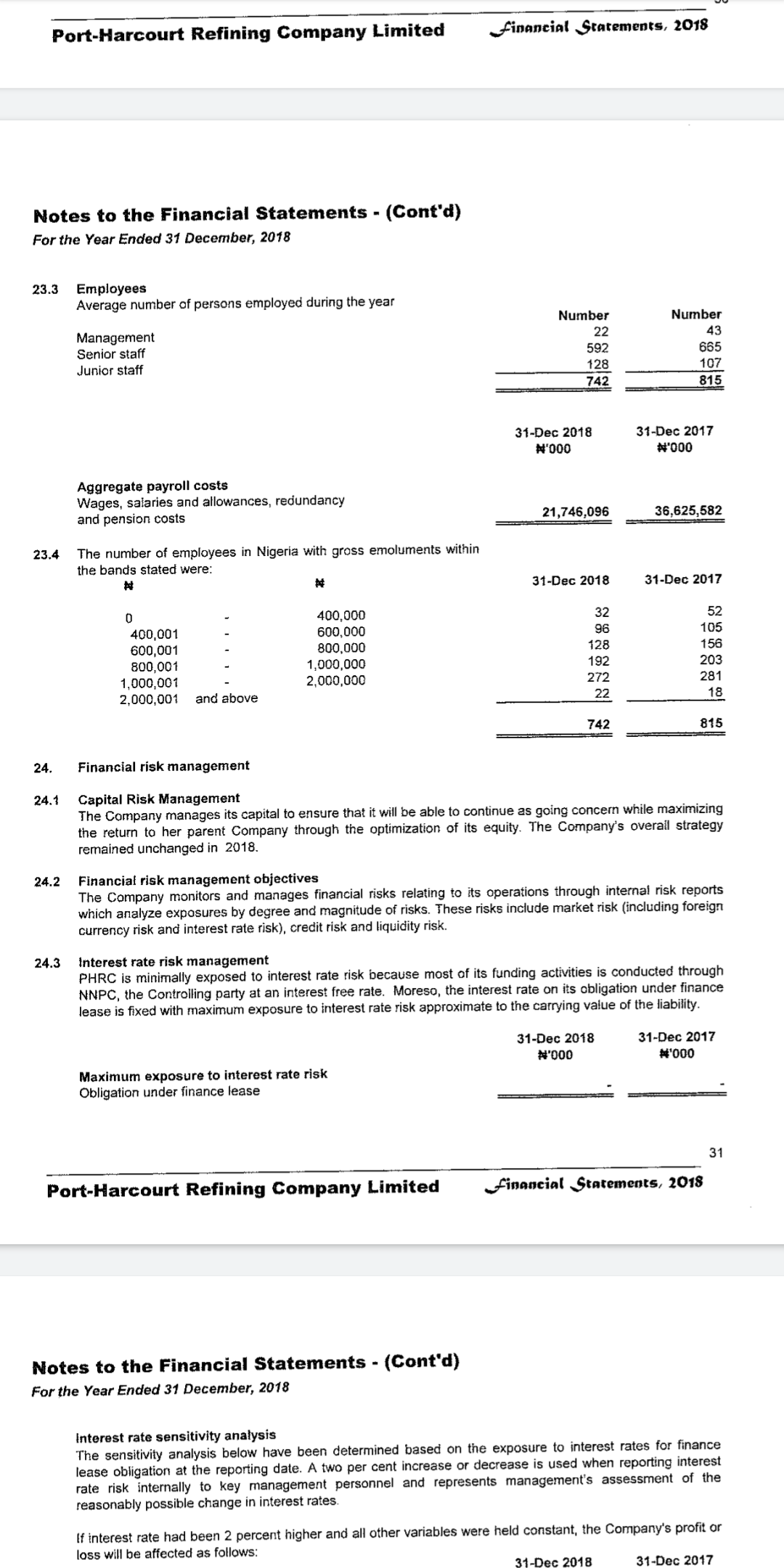
To further buttress the level of financial recklessness in Port Harcourt refinery, the total number of staff as of 2019 was 675. Their salaries, wages , allowances, redundancy and pension costs amounted to N22.195 billion. What that means is that, on the average, each staff member received N32.88 million in 2019 from a company that made no revenue. This amounted, on the average, to N2.74 million each month.
Total salaries and pays received by staff of Port Harcourt refinery between 2017 and 2019 amounted at N80.57 billion. But revenues received by the company within the period were estimated at N6.27 billion – implying that the NNPC sought N74.3 billion from outside the refinery to pay staff salaries.
“In 2019, PH Refinery contributed zero revenue, but incurred costs of N47bn; almost N4bn a month! Instead of ending this nightmare through a #BPE core investor sale, #NNPC wants to enmesh Nigeria into a deeper financial mess by throwing $1.5bn (incl. debt) at a problem it created?” Founder of Stanbic IBTC Atedo Peterside said on his Twitter handle on March 28.
Humongous Debts
In the traditional calculation of debt ratio, total liabilities (debt) is divided by total assets. According to Investopedia, debt ratio is expected to be less than one for any firm to be considered sustainable.
A ratio less than one means that a significant portion of a company’s assets is funded by equity or investors’ money. But when it is above one, then a significant proportion of company’s assets is funded by debt and the firm could be at a risk of default.
Account Statement of Port Harcourt Refinery
In the case of Port Harcourt refinery, the debt ratios were 5.6 in 2019; 28.04 in 2018, and 14.07 in 2017.
In 2019, total liabilities were estimated at N529.544 billion while assets stood at N93.31 billion. In 2018, total liabilities were put at N399.96 billion whereas assets stood merely at N14.265 billion. In 2017, assets were valued at N26.004 billion while liabilities stood at N365.97 billion.
In simple accounting, when liability stands above assets, it is a sign that a company like Port Harcourt refinery is headed for bankruptcy.
It means that the NNPC has been borrowing to fund activities at Port Harcourt refinery, even when its operations do not show any capacity to pay back, financial analysts say.
Totally inefficient
Financial analysts say there are many ways of calculating firm efficiency, including return on assets (ROA) and return on equity (ROE). In 2017 to 2019, net incomes of the refinery were negative, making ROA and ROE negative. Net income is obtained by substracting revenue or sales from cost of goods sold and other expenses, including taxes. Financial analysts say it is nearly impossible for a company to have positive ROA and ROE when it incurs losses -especially when it made no revenue like Port Harcourt refinery in 2019,
A negative ROA means that the company cannot generate money from its assets, implying that it is not a good investment, says Easy Portfolio, an online investment website.
It is conventional wisdom that when a business’ return on equity is negative, shareholders are losing, rather than gaining value, said Matt Petryni a business and investment analyst of Pocketsense fame.
“This is usually a terrible sign, for investors and managers try to avoid a negative return as aggressively as possible. Most investors avoid placing their money in a company that fails to deliver positive returns consistently. Still, investors may overlook a negative return for a single tough year if they believe the company is well-positioned for long-term growth,” Petryni said.
Port Harcourt refinery’s history
The PHRC was commissioned in 1965. It was made up of two refineries: the old refinery commissioned in 1965 with capacity of 60,000 barrels per stream day (bpsd) and the new refinery commissioned in 1989 with an installed capacity of 150,000 bpsd, according to the NNPC.
It has a capacity of 210,000 bpsd with five process areas. In 2000, the then government of Nigeria shut down the refinery for a turnaround maintenance. Other three refineries in the country were also expected to undergo a similar process, Oil & Gas Journal said. As of that time, $364 million had already been spent on endless turnaround maintenance (TAM) services . About $25 billion has been spent on turnaround maintenance in the past 25 years, according to The Guardian.
“The nation’s four refineries, with a name-plate capacity of refining 445,000 bpd of crude, were established about 27 years ago. But the barrage of corruption, poor management, sabotage and lack of the mandatory turn around maintenance (TAM) every two years, has made all the four refineries inefficient, thereby operating at about 40 % of full capacity, at the best of times,” said Institute for Global Energy Research, on Nigeria’s refineries, in a 2004 article.
Experts criticise $1.5bn investment
Reacting to the government’s announcement, an Economist and Senior Lecturer at Lagos Business School (LBS) Bongo Adi said it was a step in the wrong direction.
In a telephone interview with The ICIR , Adi explained said it was like government swallowing its own vomit, stressing that none of Nigeria’s refineries had been able to meet the country’s demands for petroleum products.
“The last audit report by the NNPC showed that Kaduna refinery had not made any dime, yet it costs us billions of naira for staff payment, and that has been ongoing on for several years now.
“… I don’t think that a government that has competent people thinking for it would embark on such a wasteful project at this point in our material existence,” Adi stated.
According to Adi, what Nigerians would have expected from the government was to unbundle the petroleum assets and sell them to the private sector who could take them up for a revamp.
Like Adi, former Vice President of Nigeria Atiku Abubakar had earlier called for the privatisationof Nigerian refineries.
“For decades, I have championed the privatisation of our economy and full deregulation of our oil and gas sector, amongst other sectors, for greater service delivery and efficiency,” Atiku said in a recent tweet.
“We can no longer say we cannot afford this. We can. As a nation, we are better off privatising our refineries and the NNPC through the time-tested LNG model in which the FG owns 49 percent equity and the private sector 51 percent,” he noted.
President of Nigerian Society of Petroleum Engineers Joe Nwakwue said the major problem with such a refinery was policy dissonance.
“What strategic purposes does retaining full ownership of the refineries serve?” he asked, in response to The ICIR questions.
“The question is, should we not give majority stake to the same private sector players and save ourselves the inconvenience of the additional loan burden?” he further asked.
An oil sector governance expert Henry Ademola Adigun said the refineries in Nigeria were never going to add any value to Nigerians’ lives. He wondered why the government was still holding onto them, rather than hand over their assets to the private sector.
“The fundamental question is, what is the government trying to achieve through this. Are you trying to meet local demand, shore up supply or what?” he asked.
He noted that Port Harcourt refinery had been very poor over the years, gulping billions, yet had not worked.
“What is the market valuation done so far on it? Will this step conserve FX more for us, will it increase availability, what are we going to achieve?” he further queried.
On his part, Peterside, earlier cited, explained that many experts would prefer that the refinery be sold by BPE to core-investors with proven capacity to repair it with their own funds.
Timipre Sylva, Minister of State for Petroleum Resources. PHOTO CREDIT: PUNCH
NNPC’s $1.5bn war chest
On Tuesday, the NNPC signed a $1.5 billion deal for the rehab of the refinery.
The contract had been approved at the 38th virtual Federal Executive Council meeting presided over by President Muhammadu Buhari in Abuja.
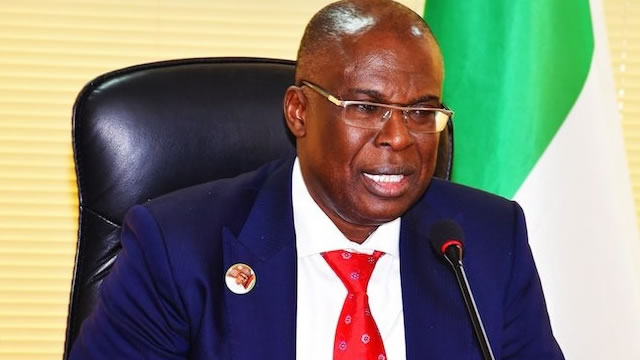
Minister of State for Petroleum Resources Timipre Sylva had earlier informed the public that the project would be delivered in phases with the last phase due in 44 months.
The project would be jointly funded by the NNPC’s Internally Generated Revenue, budgetary allocation provisions and Afreximbank.
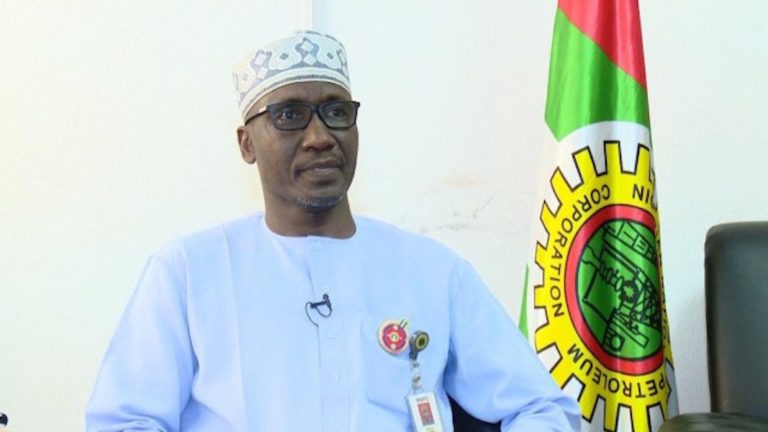
Group Managing Director of the NNPC Mele Kyari described the signing of the contract as a significant milestone in Federal Government’s efforts to restore the nation’s refineries to their optimum capacities.
“This is a significant moment in our economic development as a country. We are going to witness a major reduction in the importation of petroleum products and a reduction in constraint on our foreign exchange,” Kyari noted.
Kyari noted that the publication of NNPC’s audited financial statements had improved investors’ confidence in the corporation and was instrumental in the speedy facilitation of the financing agreement for the rehabilitation of the Port Harcourt refinery by the African Export-Import Bank.
Earlier in March, Kyari had explained that in terms of outlook, the rehabilitation project would be different from the routine turnaround maintenance that was last carried out on the refinery 21 years ago.
“Unlike TAM, which should normally be executed every two years but was neglected for many years, the rehabilitation project would involve comprehensive repairs of the plant with significant replacement of critical equipment and long lead items, to ensure the integrity of the plant on the long term.”
However, many experts insist that government has no business in business and should hand the refineries to the private sector to avoid another round of financial recklessness.