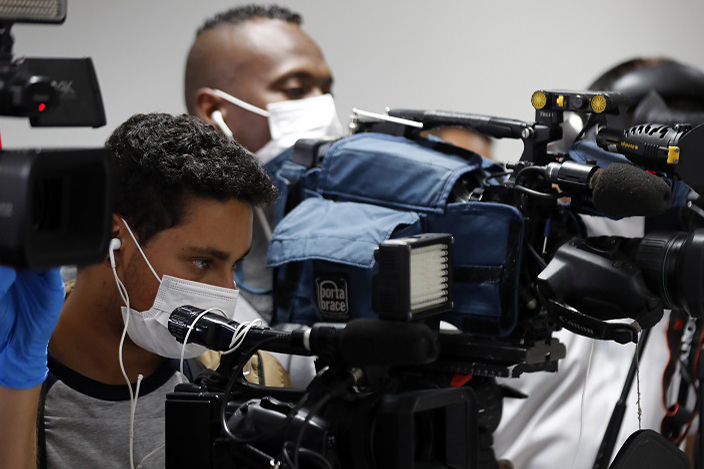
ON the evening of April 26, Kufre Carter, a broadcast journalist had received a disturbing call from Nigeria’s secret police, State Security Service, SSS, asking him to show up for questioning at their head office in Uyo, Akwa Ibom State, for an interview.
Earlier in the week, he had released an audio interview, where he spoke to an unidentified medical doctor who exposed shady operations which involved manipulating test figures at the State-owned health facility treating patients of COVID-19, the disease caused by the coronavirus.
Uchechukwu Nnatube, the SSS head of operations who spoke to Kufre had told him it was just routine “questions” about the interview he had with the unnamed doctor and to help the SSS get in touch with his source.
However, Kufre didn’t anticipate the interview would lead to an arrest or subsequent detention. When he arrived at the Uyo’s SSS office in the company of his lawyer, Asuquo Augustine, he was taken into custody by operatives of the SSS while his lawyer was chased away from the premises.
His apartment was ransacked by officials of the SSS as they tried to obtain his phones without a warrant while they also harassed his lawyers.
Kufre was denied access to his lawyers and family members while he was detained by the SSS for two days before he was charged at the State’s magistrate court for criminal defamation.
The court agreed to grant him bail if he meets the bail conditions involving a bail bond of three million with a surety who is a permanent secretary in the state ministry or a civil servant above grade level 17 with a letter from his village head attesting to identity as at the time of writing this report the bail conditions were yet to be perfected.
Speaking to The ICIR, his lawyer Inibehe Effiong described the accusation against Kufre by the SSS as baseless because it lacks merit.
“They have no reason to keep Kufre in custody but since they have filed a charge against him then we will meet them in court. The Government simply wants to prove a point because he should not have been arrested in the first place.
“Since he was detained he has been denied access to lawyers and family members which demonstrates the culture of lawlessness in the country,” he said.
Kufre is likely to serve a two – year jail term if convicted, however, Kufre’s plight with security agents is one of the many cases faced by journalists on the frontlines reporting on the COVID-19 pandemic in the country.
Tales of woes
On April 1, Michael Ikeogwu, who is also the Delta State Chairman of Nigeria Union of Journalist, NUJ, alongside Matthew Omonigho, a correspondent with the Daily Post was headed to Uvwie local council, to monitor compliance with the lockdown policy in the rural community.
The journalists had attempted to capture on video, officials of the State’s environmental task force who were physically abusing local residents as they forced them to embark on compulsory clean-up of their surrounding during lockdown hours.
However, their ordeal started when they questioned the leader of the task force on why his team was disobeying the lockdown order, he ordered some members of his team to attack them which left Omonigho’s Nikon D3100 camera destroyed in the process.
Before they were detained for 45 minutes, it took the intervention of the chairman of the task force in the State who was contacted on the phone before they were released.
“I wondered what will become of the ordinary man in the society if government officials could assault journalists in this manner even after identifying ourselves,” Ikeogwu, stated.
David Umahi, Ebonyi State governor had ordered the detention of two journalists on charges of breaching the State’s Coronavirus and other dangerous (Infectious) diseases law.
Chijioke Agwu, a correspondent with The Sun newspaper, was detained by the police for more than nine hours on the orders of the Governor for writing a story on Lassa fever which he claimed violated the state’s diseases law.
For Peter Okutu, who reports for the Vanguard newspaper was also locked up by the police after the governor threatened to ban him from stepping into the government house for life after accusing him of publishing “false and damaging” information.
Police officers in Adamawa State enforcing COVID-19 lockdown in the State stormed the office of the NUJ in Yola, Adamawa State before arresting 12 journalists who were working at the facility at the time accessing them of breaking the lockdown order.
When the law is blind
Under the Administration of Criminal Justice Act, ACJA, 2015, which was signed into law in 2015, it covers the administration of criminal justice across the country.
Section 8 of the ACJA makes it illegal for security agencies to arbitrarily detain anyone without a warrant of arrest and in the case where an arrest is made the person is entitled to notification of cause of arrest and accorded humane treatment, having regard to the dignity of his person.
Richard Akinola, a social commentator said the infractions on press freedom in the country have been perpetuated majorly by State governors who are averse to criticism in connivance with the judiciary who allow the harassment of journalists to thrive.
“It’s unfortunate how magistrates and judges in various states do not recognise the place of the law by becoming tools in the hands of state governors. If you look at the case in Akwa Ibom on the detained journalist, the magistrate said a permanent secretary of the ministry should act as surety to fulfil his bail condition.
“If a State governor is a complainant then why should a permanent secretary stand as surety on a case of criminal defamation and also why should the SSS be involved in the case instead of the police. The issues of his illegal detention which breaches the ACJA act was also not broached by the magistrate,” he queried.
Nigeria is ranked 12th out of 13 countries examined by the Committee to Protect Journalists, CPJ, Impunity Index, with the worst records of unsolved murders of journalists.
ESTABLISHED by the General Assembly of the United Nations in December 1993, May 3 is dedicated and celebrated as World Press Freedom Day. According to the United Nations Educational, Scientific and Cultural Organisation (UNESCO), the day is set aside to celebrate the fundamental values of press freedom; to evaluate press freedom around the world; to defend the media from attacks on their independence and to pay tributes to journalists who have lost their lives in the exercise of their profession.
The theme for this year’s press freedom day is: Journalism without fear or favour. This theme is apt at this time of our national life. It calls for reflection among media professionals about issues of press freedom and professional ethics.
Freedom of expression is a universal human right. Like the right to life, freedom from slavery and freedom of movement, among other fundamental human rights, it is not the exclusive preserve of a few. It is an inalienable right of every human. Like all rights, it comes with responsibilities. Freedom of expression is not the prerogative of the politician or lawyer, neither is it the privilege of the journalist. Every journalist of whatever branch of the media is exercising the citizen’s right to freedom of expression in addition to his time tested duty of holding the government accountable to the people as members of the fourth estate of the realm.
In demonstration of this onerous duty, the Nigerian media fought the colonial overlords and colonialism to a standstill. The story of Nigerian independence as well as transition to democracy is incomplete without a mention of the active roles played by members of the press in demanding for a fair, just and egalitarian society. The Nigerian media has always obeyed the call to serve with love of country, strength in its conviction and position as a force for good, and faith in Nigeria’s potentials as an exemplar for other nations. In spite of the several gains made especially during the long despotic years of military rule, the media seems to have lolled into a false sense of mission accomplished, as the power of the pen seems to have been exchanged for access to power, privilege and primitive acquisition.
But truth be told, the society has also not been fair to journalists. The Nigerian journalist is an endangered species. He is often the subject of attack in the course of carrying out his constitutional roles. Jones Abiri is one of such attacks against journalists. He was harassed, intimidated, abused and jailed for investigating on sensitive issues that expose the military and powerful figures in the society.
As the fourth estate of the realm, it has not enjoyed total cooperation from the three arms of government. By their attitude, the arms of government have been both secretive and reprehensive towards the media. Just recently, 92 journalists’ access to the Presidential villa was suspended. In the memo which suspended the journalists, the government had cited public health restrictions. By this restriction, the government had hampered the ability of the press to effectively cover the activities of government, especially during the pandemic.
State governments are not exempted. On April 18 Chijioke Agwu of The Sun newspapers and on April 21 Peter Okutu of Vanguard newspapers were both detained by authorities in Ebonyi state. Although they were later released without any charges, this act is clearly to stifle the press and to make the press kowtow to the whims of government.
Journalists are by their orientation and training obliged to hold government accountable to the people. They are expected to bring to fore issues that are of public interest without fear or favour. In every society, journalists are responsible to the people. They provide information and news to the populace, which enables them to make decisions that will enhance their life and living.
We are living witnesses to many journalists who have repudiated the values they once stood for as journalists after political appointment as mouthpieces of power holders. They become a poor shadow of their principles as soon as they begin to cavort with politicians in power, serving their paymasters and their belly. Their loyalty is often determined by their position per time.
It is usually heartbreaking when journalists hoard information or take on the role of doctors of spin on matters which are of public interest. By virtue of their privilege and position, they mingle with the mighty and dine with the lowly, thus, citizens depend on them to report the truth and to maintain an unbiased opinion. Sadly, many journalists have failed to deliver on this expectation.
Perhaps as a reminder, especially on this auspicious day, journalists should be reminded to separate friendships with public office holders from their fundamental responsibility to the populace. There is no denying the fact that he needs them. The rapport must however be distinct from his responsibility, especially in the course of duty. We must remind those who practice what Professor of journalism and mass communication, Ralph Akinfeleye, calls “Journalism of kith and kin” or “Cocktail journalism” that they must cease and desist in the interest of national development.
A free press must ensure that the government at every level is held accountable to the people, policies of government, especially in times like these, are well scrutinised, and ensure that politicians and political parties fulfil their promises to the people by constantly putting them on their toes and pushing for openness.
We must also sadly acknowledge that it is increasingly harder to become a journalist of conscience in our society. The desire for better living standard has forced many to capitulate in favour of silver and gold at the expense of ethics, balance and fairness in their profession. If Nigerians must enjoy the dividends of this democracy, the Nigerian media must not only be seen as being fair and objective, it must also be ready to publish and damn the consequences, without fear or favour.
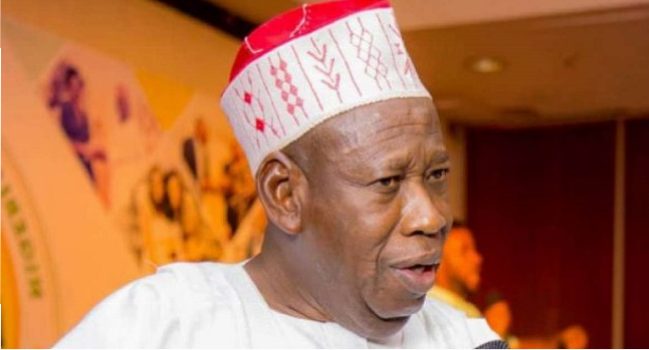
NASIRU Sani Gwarzo, leader of the Presidential Task Force Committee on coronavirus has revealed that COVID-19 is responsible for the mass deaths in Kano, warning that residents of the state should wake up from their slumber.
The revelation puts a lie to the claim of the state government that the deaths in Kano are unconnected with the spread of Coronavirus infection.
Gwarzo disclosed this while speaking with newsmen in the state on Sunday after the ceremony of donation of mobile testing laboratory facilities by Alhaji Aliko Dangote to the Kano State Government.
“Let me inform us that most of the deaths recorded of recent and test carried out showed that Coronavirus was the cause.
“So, before the final report which would be ready in the next one week or few days, it is necessary for people of Kano to wake up from their slumber that this is a serious issue.
“It is not a new thing, countries like America, China, Italy, Spain, England, France and others experienced similar mysterious deaths,” Gwarzo who is a medical doctor announced.
President Muhammadu Buhari had earlier in the week gave an order to the Gwarzo-led Presidential Task Force on COVID-19 to unravel the cause of the mass deaths in Kano as well as contain the spread of the virus in the state.
Recall that concerns over mysterious mass deaths in Kano filled the airwaves during the final weeks of the lockdown order effected by President Muhammadu Buhari.
At first, while residents and doctors raised alarm about the unexplainable mysterious deaths in Kano, the state Governor, Abdullahi Ganduje had denied the occurrence of unusual deaths, claiming that reports were completely false.
However, his claim was debunked when Sabitu Shuaibu, Kano State Deputy Coordinator of COVID-19 Response Team confirmed that the state had recorded over 640 deaths in one week.
There is no official record for the real number of persons that have died in Kano in the past three weeks.
However, there are several reports proving that the mass deaths began shortly after the state recorded its first COVID-19 case on April 17.
Currently, Kano has a record of 342 cases, representing over a 3,000 percent increase in less than a month of recording its first case.
A UNITED Arab Emirates (UAE) research institute has developed a breakthrough treatment for COVID-19 which could be a game-changer in the global fight against the virus.
Hend Al Otaiba, UAE Director of Strategic Communications, Ministry of Foreign Affairs, made this disclosure on Friday.
In the race against time to find a cure for COVID-19, several countries have tried different approaches in treating the virus.
The ICIR in this report compiles some countries that have begun a human trial of the COVID-19 vaccine and other possible breakthrough treatments of the virus.
UAE breakthrough treatment on COVID-19
As confirmed on Friday May 1 by Hend Al Otaiba, UAE Director of Strategic Communications, Ministry of Foreign Affairs, the Abu Dhabi Stem Cells Center (ADSCC), developed an innovative method which involves extracting stem cells from a patient’s blood and reintroducing them into the lungs via inhalation of a mist, regenerating lung cells and preventing the immune system from overreacting. ·
The treatment already has successfully undergone an initial phase of clinical trials – with 73 patients making full recoveries without any adverse side effects. The recipients were moderately or severely ill before treatment, with many incubated in an ICU.
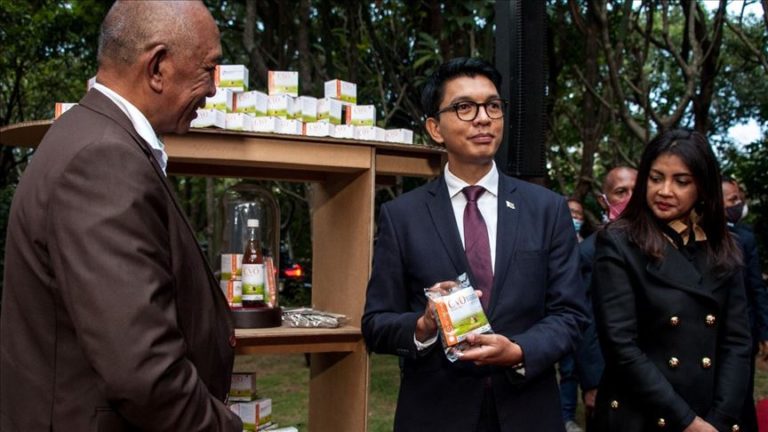
Madagascar’s ‘Covid-Organics’ born from local medicine
According to a report by Theafricareport, the launch of Covid-Organics (CVO) in Madagascar has raised many questions.
For Marcel Razanamparany, president of the Academy of Medicine, this initiative highlights the work of Research institute in Antananarivo, Madagascar (IMRA) researchers, who conducted the clinical study and whose founder, Albert Rakoto Ratsimamanga, has always advocated the connection between modern and traditional medicine.
In the race against time to find a cure for COVID-19, Madagascar began very early on a dual therapy protocol based on chloroquine and the antibiotic azithromycin, in association with treatments derived from traditional knowledge that emphasises the use of medicinal plants.
With Madagascar’s rich biodiversity and the central role of its traditional practitioners, the decision was made to promote traditional medicine.
Madagascar President Andry Rajoelina recommended organic concoction to cure infected patients.
Rajoelina on his Twitter handle asked people to believe in the country’s abiliy, and informing them that all profits accrued through the sale of the concoction will be diverted to the Malagasy Institute of Applied Research (MIAR).
Congolese Doctor, Dr. Jerome Munyagi discovered the Coronavirus medicine being used in Madagascar.
He partnered with Madagascar’s Government and since then, 92 of Madagascar’s 128 Coronavirus patients have recovered, leaving 36 active cases. None of them have died.
Potential coronavirus vaccine being tested in Germany could ‘supply millions’ by end of year
A German company working with US pharmaceutical giant Pfizer has begun human trials of a potential COVID-19 vaccine that could supply millions by the end of the year.
According to a CNN report, Pfizer says it will begin testing the experimental vaccine in the United States as early as next week, and says a vaccine could be ready for emergency use in the fall, the Wall Street Journal reported on Tuesday.
The German Federal Institute for Vaccines and Biomedical Drugs approved the trial — the country’s first clinical trial for a vaccine against COVID 19 —on April 22.
“The two companies plan to jointly conduct clinical trials for the COVID-19 vaccine candidates initially in Europe and the U.S., across multiple research sites,” Pfizer announced in its first quarter report, published online Tuesday.
“The companies estimate that there is potential to supply millions of vaccine doses by the end of 2020, subject to technical success of the development program and approval by regulatory authorities, and the potential to rapidly scale up the capacity to produce hundreds of millions of doses in 2021.”
Oxford COVID-19 vaccine begins human trial stage
Last week, University of Oxford researchers began the testing of a COVID-19 vaccine in human volunteers in Oxford.
Around 1,110 people will take part in the trial, half receiving the vaccine and the other half (the control group) receiving a widely available meningitis vaccine, according to OX news
Of the first two volunteers to take part, one will likewise receive the vaccine and the other the control.
The researchers started screening healthy volunteers (aged 18-55) in March for their upcoming ChAdOx1 nCoV-19 vaccine trial in the Thames Valley Region. The vaccine is based on an adenovirus vaccine vector and the SARS-CoV-2 spike protein, and has been produced in Oxford.
How it works, according to OX News
The main focus of the study is to find out if this vaccine is going to work against COVID-19, if it won’t cause unacceptable side effects and if it induces good immune responses. The dose used in this trial was chosen based on previous experiences with other ChAdOx1 based vaccines.
Study participants will not know whether they have received the ChAdOx1 nCoV-19 vaccine until the end of the trial.
The first few days of vaccinations will be planned as follows:
Day 1: The first two participants will be vaccinated, one with the ChAdOx1 nCoV-19 vaccine and one with the control vaccine. Participants monitored for 48 hours.
Day 3: A further six participants will be vaccinated, three with the ChAdOx1 nCoV-19 vaccine and three with the control vaccine. Participants monitored for 48 hours.
Day 5: Progress to vaccinating larger numbers of participants.
Meanwhile, the World Health Organisation (WHO), is yet to approve any medications and has warned against self-medicating.
A spokesperson for WHO Philippines told AFP in an email on April 29, that the organisation does not recommend self-medication with any medicines, including antibiotics, as a prevention or cure for COVID-19
“While some home remedies may provide comfort and alleviate symptoms of COVID-19, there is no evidence that current medicine can prevent or cure the disease,” he said.
The maker of Benson & Hedges cigarettes claims it has developed a coronavirus vaccine made from tobacco plants
The maker of Benson & Hedges and Lucky Strike cigarettes claims it has developed a coronavirus vaccine made from tobacco plants.
According to Dailymail report last month, British American Tobacco (BAT) said it can manufacture up to three million doses a week starting in June if it gets support from the UK Government.
Although the unproven vaccine is currently being tested on animals. It hopes to hopes to partner with the government agencies to bring the vaccine to clinical studies this month.
The firm added that it would sell the tests to the Government ‘at cost’, meaning without making any profit.
Tobacco firms are currently barred from doing deals with governments under World Health Organisation rules, but BAT said it planned to contact the WHO.
The vaccine is being developed by BAT’s subsidiary firm Kentucky BioProcessing (KBP) in the US, using tobacco plant technology.
KBP has previous experience of fighting outbreaks. It helped develop an effective drug for Ebola in 2014, called ZMapp.
US FDA approval of ”remdesivir” drug for coronavirus
Remdesivir is the first drug shown to help fight COVID-19 that has killed more than 230,000 people worldwide, according to Aljazeera.
US President Donald Trump had on Fridayannounced the news at the White House alongside Food and Drug Administration (FDA) Commissioner Stephen Hahn, who said the drug would be available for patients hospitalised with COVID-19.
The FDA acted after preliminary results from a government-sponsored study showed that Gilead Sciences’ remdesivir shortened the time to recovery by 31 percent, or about four days on average, for hospitalised COVID-19 patients.
The study of 1,063 patients is the largest and strictest test of the drug, and included a comparison group that received just usual care so remdesivir’s effects could be rigorously evaluated.
Those given the drug were able to leave the hospital in 11 days on average versus 15 days for the comparison group. The drug also might be reducing deaths, although that is not certain from the partial results revealed so far.
The US National Institutes of Health, Dr Anthony Fauci said the drug would become a new standard of care for severely ill COVID-19 patients like those in this study. The drug has not been tested on people with milder illness, and currently is given through an IV in a hospital.
It will be recalled that the drug failed in its first randomized clinical trial in Japan last month.
Chinese research firm attached to Army first to start 2nd clinical trial for coronavirus vaccine
A Chinese research firm attached to the military has become the first organisation to enter the second clinical-trial stage in the global race to develop a vaccine for the coronavirus infection, which has claimed nearly 250,000 lives across the world so far.
During this period, China has approved three COVID-19 vaccine submissions for clinical trials, state-run Xinhua news agency quoted a Ministry of Science and Technology official as saying on Tuesday.
In a report by Economictimes, an adenovirus vector vaccine, developed by a research team led by Major General Chen Wei of the Institute of Military Medicine under the Academy of Military Sciences of the People’s Liberation Army, was the first to be approved to enter clinical trial.
The first phase of the clinical trial was completed at the end of March, and the second phase started on April 12.
It is the first COVID-19 vaccine in the world that has entered the second phase of clinical trial, the Xinhua report quoting the World Health Organisation as saying.
On Sunday, the vaccine developed by the Institute of Biotechnology, Academy of Military Medical Sciences of China, entered Phase II of a human clinical trial with 500 volunteer participants.
DAYO Aiyetan, the Executive Director of the International Centre for Investigative Reporting (ICIR) on Sunday advised stakeholders in the media industry to prepare for the possible outcome of post-Coronavirus Disease (COVID-19).
He also stressed the need for them to embrace innovation and adaptation as a survival strategy.
“We would learn quickly to innovate and adapt to new ways of plying our trade. I also think we would learn to collaborate more because the pandemic is showing us that there is strength in numbers,” he said.
Aiyetan explained that the implication of the COVID-19 pandemic on socio-economic survival across all sectors would no doubt affect the media space, especially in terms of job security.
The Press Freedom day is an annual event celebrated globally usually with supports from the United Nations Educational, Scientific and Cultural Organisation (UNESCO), to highlight issues affecting the media and proffer likely solutions. This year’s celebration is themed Journalism Without Fear or Favour.
During the conversation, Aiyetan, advised media houses to consider alternative sources of sustaining their operations.
International Press Freedom Day 2020 Tweet Chat Photo Source: PTCIJ
He identified sources such as grants, new partnerships, being creative and taking advantage of new opportunities of data, fact-checking as well as creating unique contents that could carve out their uniqueness.
“…I do know many media houses that would not survive this pandemic without help from somewhere. Many are already either cutting salaries or laying off staff…,” he added, while also responding to plans by the Federal Government, through the Ministry of Information and Culture to support the creative industry.
He, however, stressed that the support should not serve as an avenue to gag the media as the government might believe it is rendering a favour to the press.
According to him, with such gesture, the government would attempt to control the media as being witnessed at the state-owned media organisations.
Toun Sonaiya, the Chief Executive Director of WEfm, a private radio station based in Abuja shared a similar position on possible media control, once the federal government eventually supports the media.
She advised the need for the media to consider alternative sources of generating income aftermath of COVID-19.
Sonaiaya, who emphasised on the autonomy of the media in order to effectively perform its function stressed that whatever support given by the government to the media firms, this should not come in form of carrots and stick, such that the media would be subjected to influence by the government.
“Providing an enabling environment by the Nigerian government for the media industry should come with no strings attached,” she said.
“Nigeria has signed up to various world conventions that align with giving freedom to the press. This is very important,” she added.
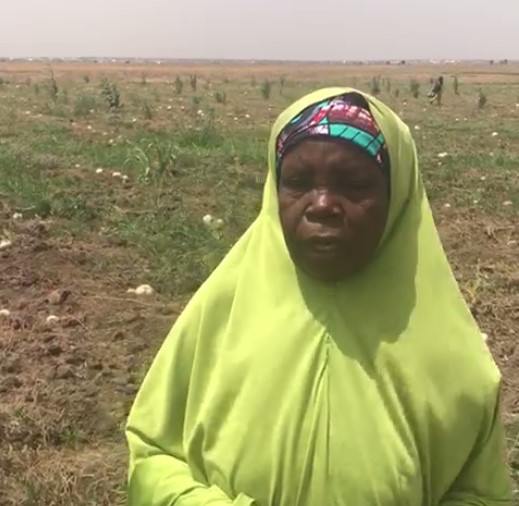
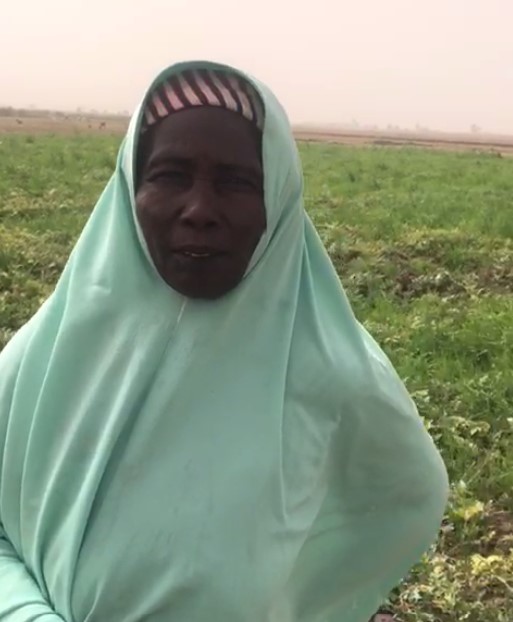
WAKILI Fatima is overwhelmed with sadness as she watches her farm produce—watermelons rot away. It is more painful seeing herds of cattle encroach her farm, eating up all farm produce.
Though there is high demand for farm produce, there is no way to get them to market due to the government lockdown order to contain the spread of novel Coronavirus disease.
Watermelons are easily perishable and can only keep for two to three weeks at low temperature between 11°C to 15°C, SENCE Agric, a Lagos based agribusiness consulting company has said.
At higher temperatures, they decay and therefore should not be exposed to direct sunlight.
This is the challenge farmers face as their fruits are exposed to higher temperature and direct sunlight.
They are unable to harvest because buyers are not forthcoming.
Poverty looms as lockdown grounds supply chain
Lockdown and restriction of interstate movement as a result of the outbreak of Coronavirus (COVID-19) disease have prevented buyers from coming to Fatima’s farm to buy off her watermelons.
“My children went into watermelon production and invested our wet-season rice harvest, 15bags of paddy, one ram and my daily profit generated from petty trading into watermelon farming.
Her expectation was to make much profit that will enable her take care of immediate needs of the family.
At Damana village in Birnin Kebbi Local Government, Kebbi State, where Fatima lives, watermelon and rice are the most cultivated crops. It takes a watermelon 75 to 95 days to get to maturity from the planting date.
Fatima and other farmers usually plant watermelon three times within a year and they were waiting for their first harvest when the interstate travel ban was imposed.
But against their expectations, they are counting losses.
Trucks from across the country and neighbouring Niger and Benin Republic that often convey their produce to wholesalers, retailers, supermarkets and pharmaceutical companies are no longer in sight and are not likely to return any time soon.
The lockdown measure is worsening food security across Nigeria—disrupting internal supply chains and halting food production. It is feared that the COVID-19 pandemic may shift from being a health crisis to food security crisis.
Fatima says she ended up having nothing from the farm as a result of Covid-19, despite her high hope.
Though the Federal Government exempted trucks supplying food items and other essential needs, truck drivers and other personnel in logistic services fear they may also contract the deadly virus.
This is the reason why many are reluctant to ply the roads.
Muritala Lawal, owner of Islawal Ventures, a truck logistics firm whose trucks carry goods from all over the country says his trucks are all grounded because of the lockdown.
He said even if the trucks are allowed to move, the safety of the drivers and other personnel working with them is paramount.
“We are not too eager to let them go out, the trucks are all parked even when the President said suppliers of food items are exempted from the lockdown,” he said.
According to the World Bank and United Nations, millions of people in Africa are now at the risk of not getting food as a result of governments’ lockdown orders.
The pandemic is impacting global food systems, disrupting regional agricultural value chains, and posing risks to household food security,said Food and Agriculture Organisation of the United Nations.
There is a comparatively high demand for watermelon especially in the Nigerian market but the longer the restrictions stay, the more the loss farmers will incur.
Watermelon is one of the popular and most eaten fruits in the country as most people take it as snack, for health purposes and as diet supplement. It also contains some enzymes that help to fight against cancer, SENCE Agric said.
The World Food Programme (WFP)estimates that the COVID-19 pandemic will see more than a quarter of a billion people suffering acute hunger by the end of the year.
The WFP states that latest numbers indicate the lives and livelihoods of 265 million people in low and middle-income countries will be under severe threat unless swift action is taken to tackle the pandemic, up from a current 135 million.
In a report by theWorld Economic Forum, Muhammed Sabo Nanono, Nigeria’s Minister of Agriculture, said there is an imminent problem of food insecurity, not only in Nigeria, but also in nations all over the world.
Like Fatima, Dammu Labbo said farmers in the village are stranded as a result of COVID-19.
Dammu Labbo says buyers who used to come to the village with trucks to buy watermelon are no longer coming.
Standing on her farm as ripe rotten watermelon lay everywhere, she said, “My children’s farm produce is no longer selling and they invested all we had into watermelon production.
Nanono said the Federal Government was creating ID cards for those in the agriculture sector, from farm hands to food truck drivers, to enable them to move freely.
He said the government was taking steps to make sure farmers, millers and marketers could operate. The agriculture ministry is working to increase locally produced fertilizers, while the central bank would look to expand financing for farmers, he added.
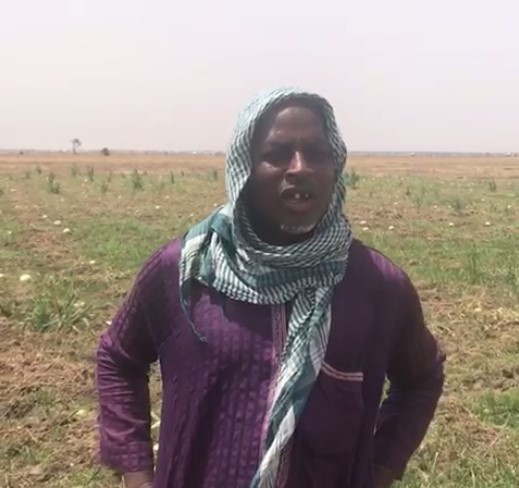
Dashed hope: Umar Kalo had hoped to rake in gain in the region of N1.5million to N2 million from his watermelon farm.
Of these farmers, Umar Kalo who has been cultivating watermelon for the past five years quantifies his loss more numerically. After selling two bulls he had reared over the years, Kalo said he invested all the proceeds including sales from his rice paddy, into watermelon farming.
He had hoped to rake in gain in the region of N1.5million to N2 million, but a distraught Kalo disclosed that he realized a paltry N50, 000 at the end due to the pandemic COVID-19 outbreak.
“The buyers are no longer coming to buy our product, now our product ended up wasted which put us into a serious, terrible and devastated situation,” he said.
With this current situation, Kalo is appealing to the government to come to their aid.
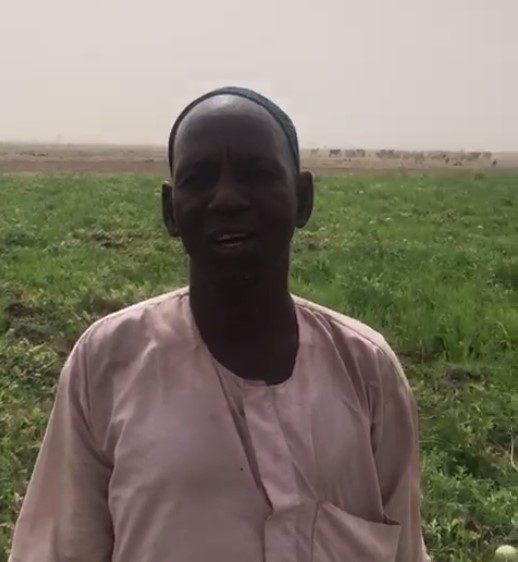
But Abubakar Maiyaki, Damana village head, says he cannot estimate the level of the loss his people have suffered as a result of the restriction of movement that prevented buyers from getting to the village.
Maiyaki, Damani Village head says he cannot estimate the level of his peoples’ loss
“Most of our people are watermelon farmers,” said Maiyaki, whose farm produce is also wasting away.
According to him, his people invested a lot of their resources into farming of watermelon because it has been a lucrative crop for them over the years.
When they were about to start harvesting and offer their watermelon for sale, this COVID-19 pandemic struck, he said.
This, he added, scattered the whole process because the buyers are no longer coming to buy.
“As you can see our watermelons have rotten and I cannot estimate the level of our loss,” said a visibly sad Maiyaki.
Farmers are struggling to feed themselves, can no longer save— Oxfam field officer
Putting the losses in context, Abubakar Giro, a Field Officer at Oxfam Kebbi office says the farmers who are members of Village Savings and Loan Association (VSLA), an initiative introduced by the humanitarian organisation to help smallholder farmers save and obtain loans, are now finding it difficult to feed themselves and their families.
“The farmer cannot quantify or estimate their loss because all their produce is spoiled,” says Giro in an interview.
He disclosed that the farmers were about to embark on the first harvest when the novel virus pandemic broke out, because according to him, watermelon is planted three times in a year in Northern Nigeria assisted by irrigation.
In each of the harvest periods, depending on the size of the farm, Giro explained that farmers realise as much as 2000 pieces of watermelon on a plot of farmland.
“They normally sell in batches. What they call one batch of watermelon is 100 pieces of watermelon,” he stated.
Before COVID-19, each batch normally goes for between N20, 000 and N25, 000 which means that a farmer who harvests 20 batches of watermelon would realise an average of N250, 000.
Giro whose duties include interacting with the farmers on sensitisation further sheds light on the economic importance of watermelon. He says if a farmer invests a minimum of N100, 000, he or she normally gets between N400, 000 to N500, 000.
“But most of them did not get up to N25, 000 while some did not get anything,” he said.
“The irony, however, is that the farmers were about to embark on the first harvest when the restriction of movements was imposed. That is their major challenge, they were about to harvest and this COVID-19 thing came.”
“These elderly women are the ones that are giving their children money to buy seedlings, pesticide and go into the farm. Now people are struggling to feed themselves, they cannot even think of saving.”
Daunting socio-economic impacts of pandemic on rural farmers
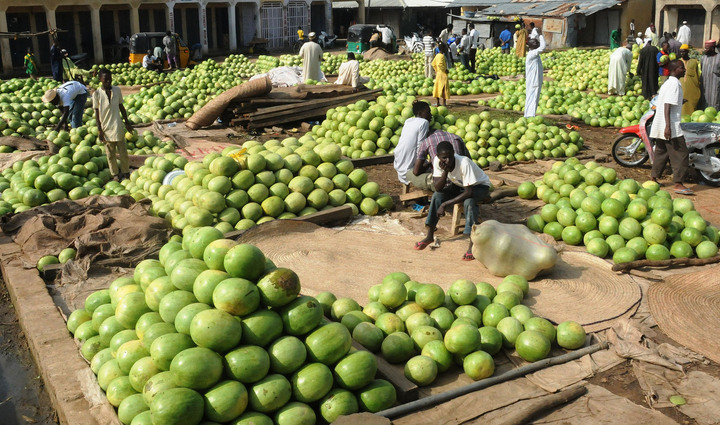
A filed picture of a watermelon market in Northern Nigeria
If the lockdown is not eased to allow buyers to get to farmers of perishable farm produce such as tomatoes, onions and watermelon, it would worsen their poverty situation in the immediate to medium term and in the long term, it would take them far below poverty line.
Olumide Ojo, Resilience and Private Sector Engagement Programme Manager for Oxfam in Nigeria said the development organisation would continue to engage government and amplify the impacts the lockdown is having on smallholder rural farmers.
“It is not within our mandate to challenge government to do what it doesn’t feel like doing,” Ojo said.
“What we can only do is to provide contrary evidence against a particular policy of government.”
He emphasised also that aftermath of the lockdown will be worse if agricultural production is suspended.
As members of VSLA, majority of the farmers took loans to cultivate their farms and as Ojo said, “what it means for the country immediately after COVID-19 is that these people would have run into debts.”
“Majority of them borrowed money to go into production, they produced, they harvested and there is nowhere to sell. So they would have sunk into more debts.”
As the COVID-19 continues to ravage the country, the farmers’ capacity to continue to produce food would have been greatly weaken which ultimately makes the situation worse off for the citizens.
When this happens, Ojo says, “there won’t be food from the farmers and the farmers themselves would be coping with tough situation of food insecurity and malnutrition, diseases would become more widespread.”
“The socio-economic impact is daunting.”
Market can come to the farmers despite lockdown
It is not completely gloomy for watermelon and other perishable fruits farmers, as those whose produce are yet to reach harvest stage can have off-takers coming over despite the restriction of movement.
People can still grow watermelon, private sector off-takers have the muscle to negotiate with government and security agencies to go to the field and collect these watermelon, said Ojo.
He pointed out that the private sector is the engine room for sustainability of any intervention model, stressing that it is a very good opportunity for the private sector.
“So farmers are not waiting to transport their produce, but the market itself can come to them. It could be that strategic; Oxfam representing the development partners, private sector players, government and media need to work together to mitigate an unpleasant aftermath of the pandemic,” Ojo said.
He stated that Oxfam will continue to support farmers with knowledge and linkages to market especially by facilitating the creation of Adhoc market, aggregation market that can be mobilised to aggregate produce from the farms and then be able to transport it.
“So as we facilitate the creation of local aggregators, we link the farmers to these aggregators.”
“We will also speak to government to facilitate movement of these produce by these aggregators from the point of production to the point where they are needed for consumption so that the supply chain will not be completely broken down.”
Ojo disclosed that Oxfam is already strengthening livelihood resilience of rural farmers.
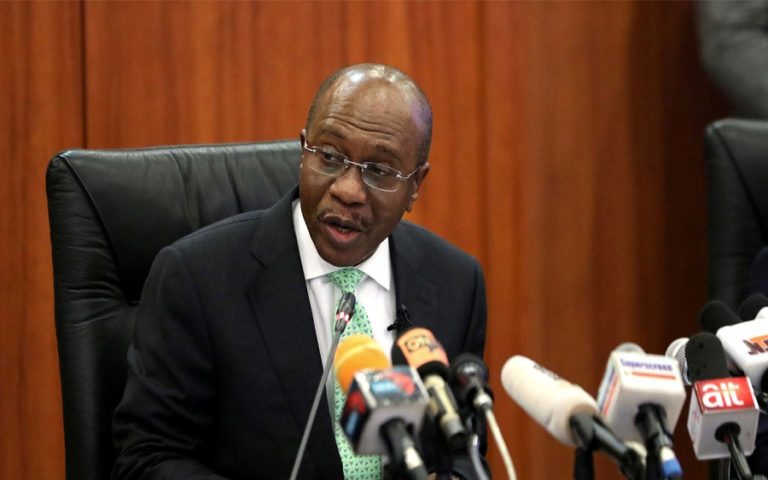
THE Central Bank of Nigeria (CBN) has said no bank in Nigeria shall retrench staff irrespective of their cadre.
The apex bank said in a press release that this is necessary to help mitigate the negative impact of the COVID-19 pandemic on families and livelihoods.
Earlier, the Managing Director of Access Bank had said in an interview that the bank would lay-off 75 per cent of its workforce which comprises mostly of junior workers.
A special meeting of the bankers’ committee was convened on May 2, by the CBN, to further review the implications of the COVID-19 pandemic on the Nigerian banking industry.
According to the apex bank, the committee particularly deliberated on the issue of the operating costs of banks in view of the disruptions emanating from the global economic difficulties.
CBN has, however, stated in the press release that banks will require its express approval before they can lay-off staff.
In an interview with The ICIR, Martins Kayode, a financial consultant said, “Some of the banks are scared they would run out of business in no time, so they want to push some workers out to save cost.”
But, according to Price Waterhouse Cooper (PWC), banks can help customers and businesses to pull through the crisis and emerge stronger once the outbreak eventually recedes.
The COVID-19 pandemic has brought the world into exceptionally difficult and largely uncharted waters, and banks are feeling the strains alongside their clients, their employees and the societies they serve.
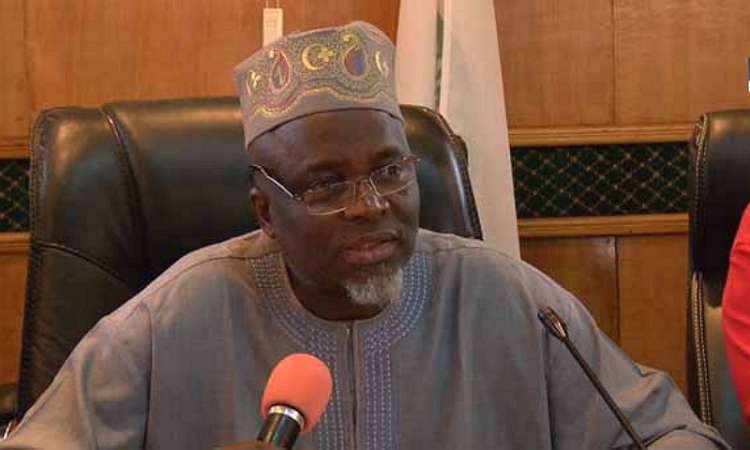
THE Joint Admissions and Matriculation Board(JAMB) says it has made an interim remittance of N3.5billion to the Federal Government consolidated account for the 2020 expected remittance.
A statement issued in Abuja on Sunday by Fabian Benjamin, Head of Media at JAMB explained that the remittance was in line with Professor Is-haq Oloyede’s avowed commitment to remit wholly, excess funds generated from its operations to the Federal Government.
The remittance was part of the money realised by the examination body from the sales of form for the 2020 Unified Tertiary Matriculation Examination (UTME), direct entry and all forms payment related to the examination.
Benjamin said the Board had earlier made the payment of over N3.5billion to candidates by way of reduction of N1,500 from the cost of each ePIN sold to each candidates as directed by President Muhammadu Buhari, totaling over N3.5billion and bringing the total remittances this year to over N7billion with the assurance to remit more as soon as its operations are concluded and proper audit of its books done.
Benjamin explained that it has been the intention of the present leadership of the Board to return to federal coffers, whatever is left unutilised from its operational imperatives.
“The immediate benefit of the move manifested in the reduction by President Muhammadu Buhari of the UTME Registration fee payable by candidates from N5000 to N3500 which entails the transfer of over N3billion to candidates and guardians annually via the reduction in the cost of application documents,” he said.
“Before the reduction in the cost of application EPINs, the Board had remitted over N7billion in 2017 and replicated same in subsequent years until the gracious action by the Buhari administration’s unprecedented decision to give back to candidates a percentage of the cost of registration.”
He further stated that the Board would continue to come up with innovations on ways to ensure that candidates are provided with world-class services at modest cost as obtained anywhere in the world.
It would be recalled that the total amount the JAMB remitted to the Federal Government coffers between 2010 and 2016 was just N 50,752,544.
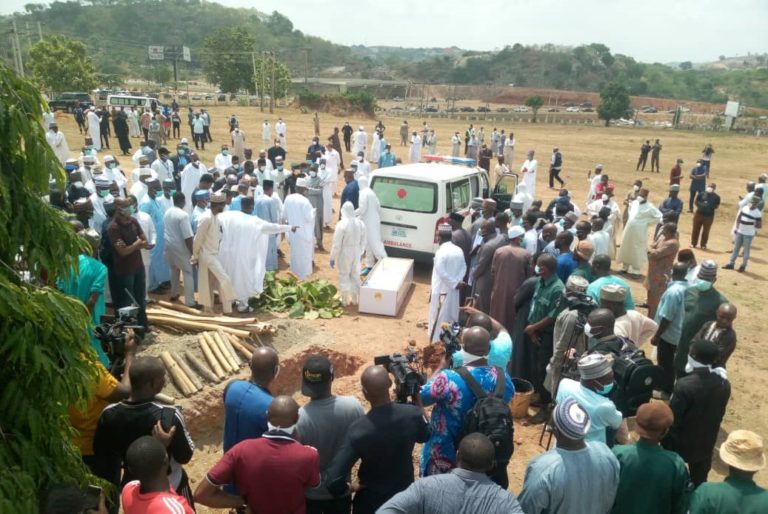
THE Federal Capital Territory Administration (FCTA) has confirmed that all the individuals that were not properly kitted during the burial of Abba Kyari, the late Chief of Staff (CoS) to President Muhammadu Buhari, have tested negative for Coronavirus disease (COVID-19) after the completion of their 14 days of isolation.
In a short memo obtained by The ICIR, Mohammed Kawu, the acting Secretary of the FCTA Health and Human Services Secretariat disclosed that the exposed individuals have been reunited with their families after the results of their test showed negative.
The ICIR had reported about the unethical internment of the late Kyari, which several mourners attending without observing the laid down rules and guidelines of Safe Management of a Dead Body by World Health Organisation (WHO) and the Nigeria Centre for Disease Control (NCDC).
According to the NCDC guide, “Family members, religious leaders, health care workers or mortuary staff
preparing the body should wear appropriate PPE according to standard precautions (gloves, impermeable disposable gown (or disposable gown with impermeable apron, medical mask, eye protection).
However, none of the mourners at the interment wore any Personal Protective Equipment (PPE) except the personnel of the NCDC.
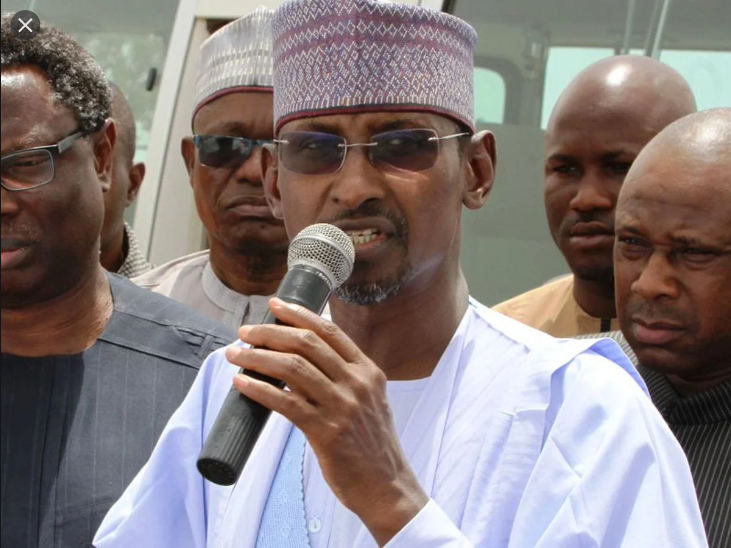
MUHAMMAD Bello, Minister of the Federal Capital Territory (FCT) has warned his administration would not hesitate to visit the full wrath of the law against individuals who flout the directives regulating the easing of the lockdown in the nation’s capital commencing on Monday, May 4.
“I must caution and warn that anybody who, for any reason, flouts the directives of government and is arrested, the full wrath of the law will fall on that person, because we will not allow a few citizens who are not conscious of the wellbeing of the majority of other citizens to put all of us at risk,” Bello said in the wake of the Security Committee meeting held on Saturday.
He said that security agencies have reviewed their strategies on enforcing the ban on interstate travel and have adopted new ones to ensure its complete compliance.
According to the Minister, the ban on interstate travel was essential in order to prevent the spread of the virus either by infected persons coming into the FCT, or, on the other hand, infected persons from the FCT spreading the virus to other parts of the country.
“We also realised that one weak area that has confronted us is the fact that enforcement of the inter-state movement has not been very successful and that’s an area where if we are not very careful, will make it very difficult for us to prevent infection by people who are visiting the FCT from other parts of the country,” he said.
“By the same token also, if the enforcement is not very strong, infected people from the FCT will also move out to other states. At the end of the day, nationally, we all lose.”
The Minister also revealed that security agencies would deploy additional personnel and resources to all the entry points using coordinated joint teams to be headed by very senior officers to ensure that the enforcement of the directive was carried out totally while being conscious of those that are permitted to move around.
Bello said the ultimate objective of the FCTA and the security agencies was to safeguard the lives of the citizens of the FCT and by extension, the citizens of the surrounding states as well as Nigerians in general.
While reminding residents of the FCT on the guidelines regulating the easing of the lockdown released earlier, he advised residents to comply with the guidelines noting that it was the only way to ensure that the pandemic was controlled and contained in the FCT.
“The directives are very clear. Offices are open for specific categories of staff on Mondays, Wednesdays and Fridays and within a specific time range of 8.00am to 2.00pm,”the Minister said.
“So, my advice is anybody who has no reason to come out based on these directives should just stay at home. We have been at home for about four weeks now, another few weeks would do us good because if we are able to maintain the level of the virus in the FCT the way it has been maintained during the last few weeks, then by the grace of God Almighty, we will get over this.”