Home Blog Page 2112

UAE, Madagascar, other countries with possible breakthrough treatment for COVID-19

A UNITED Arab Emirates (UAE) research institute has developed a breakthrough treatment for COVID-19 which could be a game-changer in the global fight against the virus.

Hend Al Otaiba, UAE Director of Strategic Communications, Ministry of Foreign Affairs, made this disclosure on Friday.

In the race against time to find a cure for COVID-19, several countries have tried different approaches in treating the virus.

The ICIR in this report compiles some countries that have begun a human trial of the COVID-19 vaccine and other possible breakthrough treatments of the virus.

UAE breakthrough treatment on COVID-19

As confirmed on Friday May 1 by Hend Al Otaiba, UAE Director of Strategic Communications, Ministry of Foreign Affairs,  the Abu Dhabi Stem Cells Center (ADSCC), developed an innovative method which involves extracting stem cells from a patient’s blood and reintroducing them into the lungs via inhalation of a mist, regenerating lung cells and preventing the immune system from overreacting. ·

The treatment already has successfully undergone an initial phase of clinical trials – with 73 patients making full recoveries without any adverse side effects. The recipients were moderately or severely ill before treatment, with many incubated in an ICU.

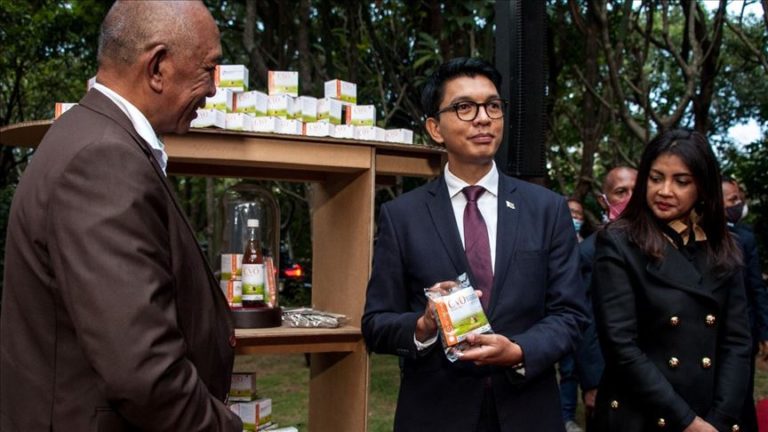
Madagascar’s ‘Covid-Organics’ born from local medicine 

According to a report by Theafricareport, the launch of Covid-Organics (CVO) in Madagascar has raised many questions.

For Marcel Razanamparany, president of the Academy of Medicine, this initiative highlights the work of  Research institute in Antananarivo, Madagascar (IMRA) researchers, who conducted the clinical study and whose founder, Albert Rakoto Ratsimamanga, has always advocated the connection between modern and traditional medicine.

In the race against time to find a cure for COVID-19, Madagascar began very early on a dual therapy protocol based on chloroquine and the antibiotic azithromycin, in association with treatments derived from traditional knowledge that emphasises the use of medicinal plants.

With Madagascar’s rich biodiversity and the central role of its traditional practitioners, the decision was made to promote traditional medicine.

Madagascar President Andry Rajoelina recommended organic concoction to cure infected patients.

Rajoelina on his Twitter handle asked people to believe in the country’s abiliy, and informing them that all profits accrued through the sale of the concoction will be diverted to the Malagasy Institute of Applied Research (MIAR).

Congolese Doctor, Dr. Jerome Munyagi discovered the Coronavirus medicine being used in Madagascar.

He partnered with Madagascar’s Government and since then, 92 of Madagascar’s 128 Coronavirus patients have recovered, leaving 36 active cases. None of them have died.

Potential coronavirus vaccine being tested in Germany could ‘supply millions’ by end of year

A German company working with US pharmaceutical giant Pfizer has begun human trials of a potential COVID-19 vaccine that could supply millions by the end of the year.

According to a CNN report, Pfizer says it will begin testing the experimental vaccine in the United States as early as next week, and says a vaccine could be ready for emergency use in the fall, the Wall Street Journal reported on Tuesday.

The German Federal Institute for Vaccines and Biomedical Drugs approved the trial the country’s first clinical trial for a vaccine against COVID 19 on April 22.

“The two companies plan to jointly conduct clinical trials for the COVID-19 vaccine candidates initially in Europe and the U.S., across multiple research sites,” Pfizer announced in its first quarter report, published online Tuesday.

“The companies estimate that there is potential to supply millions of vaccine doses by the end of 2020, subject to technical success of the development program and approval by regulatory authorities, and the potential to rapidly scale up the capacity to produce hundreds of millions of doses in 2021.”

Oxford COVID-19 vaccine begins human trial stage

Last week, University of Oxford researchers began the testing of a COVID-19 vaccine in human volunteers in Oxford.

Around 1,110 people will take part in the trial, half receiving the vaccine and the other half (the control group) receiving a widely available meningitis vaccine, according to OX news

Of the first two volunteers to take part, one will likewise receive the vaccine and the other the control.

The researchers started screening healthy volunteers (aged 18-55) in March for their upcoming ChAdOx1 nCoV-19 vaccine trial in the Thames Valley Region. The vaccine is based on an adenovirus vaccine vector and the SARS-CoV-2 spike protein, and has been produced in Oxford.

How it works, according to OX News

The main focus of the study is to find out if this vaccine is going to work against COVID-19, if it won’t cause unacceptable side effects and if it induces good immune responses. The dose used in this trial was chosen based on previous experiences with other ChAdOx1 based vaccines.

Study participants will not know whether they have received the ChAdOx1 nCoV-19 vaccine until the end of the trial.

The first few days of vaccinations will be planned as follows:

Day 1: The first two participants will be vaccinated, one with the ChAdOx1 nCoV-19 vaccine and one with the control vaccine. Participants monitored for 48 hours.

Day 3: A further six participants will be vaccinated, three with the ChAdOx1 nCoV-19 vaccine and three with the control vaccine. Participants monitored for 48 hours.

Day 5: Progress to vaccinating larger numbers of participants.

Meanwhile, the World Health Organisation (WHO), is yet to approve any medications and has warned against self-medicating.

A spokesperson for WHO Philippines told AFP in an email on April 29, that the organisation does not recommend self-medication with any medicines, including antibiotics, as a prevention or cure for COVID-19

“While some home remedies may provide comfort and alleviate symptoms of COVID-19, there is no evidence that current medicine can prevent or cure the disease,” he said.

The maker of Benson & Hedges cigarettes claims it has developed a coronavirus vaccine made from tobacco plants

The maker of Benson & Hedges and Lucky Strike cigarettes claims it has developed a coronavirus vaccine made from tobacco plants.

According to Dailymail report last month, British American Tobacco (BAT) said it can manufacture up to three million doses a week starting in June if it gets support from the UK Government.

Although the unproven vaccine is currently being tested on animals. It hopes to hopes to partner with the government agencies to bring the vaccine to clinical studies this month.

The firm added that it would sell the tests to the Government ‘at cost’, meaning without making any profit.

Tobacco firms are currently barred from doing deals with governments under World Health Organisation rules, but BAT said it planned to contact the WHO.

The vaccine is being developed by BAT’s subsidiary firm Kentucky BioProcessing (KBP) in the US, using tobacco plant technology.

KBP has previous experience of fighting outbreaks. It helped develop an effective drug for Ebola in 2014, called ZMapp.

US FDA approval of ”remdesivir” drug for coronavirus

Remdesivir is the first drug shown to help fight COVID-19 that has killed more than 230,000 people worldwide, according to Aljazeera.

US President Donald Trump had on Friday announced the news at the White House alongside Food and Drug Administration (FDA) Commissioner Stephen Hahn, who said the drug would be available for patients hospitalised with COVID-19.

The FDA acted after preliminary results from a government-sponsored study showed that Gilead Sciences’ remdesivir shortened the time to recovery by 31 percent, or about four days on average, for hospitalised COVID-19 patients.

The study of 1,063 patients is the largest and strictest test of the drug, and included a comparison group that received just usual care so remdesivir’s effects could be rigorously evaluated.

Those given the drug were able to leave the hospital in 11 days on average versus 15 days for the comparison group. The drug also might be reducing deaths, although that is not certain from the partial results revealed so far.

The US National Institutes of Health, Dr Anthony Fauci said the drug would become a new standard of care for severely ill COVID-19 patients like those in this study. The drug has not been tested on people with milder illness, and currently is given through an IV in a hospital.

It will be recalled that the drug failed in its first randomized clinical trial in Japan last month.

Chinese research firm attached to Army first to start 2nd clinical trial for coronavirus vaccine

A Chinese research firm attached to the military has become the first organisation to enter the second clinical-trial stage in the global race to develop a vaccine for the coronavirus infection, which has claimed nearly 250,000 lives across the world so far.

During this period, China has approved three COVID-19 vaccine submissions for clinical trials, state-run Xinhua news agency quoted a Ministry of Science and Technology official as saying on Tuesday.

In a report by Economictimes, an adenovirus vector vaccine, developed by a research team led by Major General Chen Wei of the Institute of Military Medicine under the Academy of Military Sciences of the People’s Liberation Army, was the first to be approved to enter clinical trial.

The first phase of the clinical trial was completed at the end of March, and the second phase started on April 12.

It is the first COVID-19 vaccine in the world that has entered the second phase of clinical trial, the Xinhua report quoting the World Health Organisation as saying.

On Sunday, the vaccine developed by the Institute of Biotechnology, Academy of Military Medical Sciences of China, entered Phase II of a human clinical trial with 500 volunteer participants.


WPFD2020: Media must innovate, adapt to survive COVID-19 – Aiyetan

DAYO Aiyetan, the Executive Director of the International Centre for Investigative Reporting (ICIR) on Sunday advised stakeholders in the media industry to prepare for the possible outcome of post-Coronavirus Disease (COVID-19).

He also stressed the need for them to embrace innovation and adaptation as a survival strategy.

He disclosed this during a tweet chat, themed Economic Impact of COVID-19 on the Media Industry, organised by the Premium Times Centre for Investigative Journalism (PTCIJ), to commemorate the International Press Freedom Day 2020.

“We would learn quickly to innovate and adapt to new ways of plying our trade. I also think we would learn to collaborate more because the pandemic is showing us that there is strength in numbers,” he said.

Aiyetan explained that the implication of the COVID-19 pandemic on socio-economic survival across all sectors would no doubt affect the media space, especially in terms of job security.

The Press Freedom day is an annual event celebrated globally usually with supports from the United Nations Educational, Scientific and Cultural Organisation (UNESCO), to highlight issues affecting the media and proffer likely solutions. This year’s celebration is themed Journalism Without Fear or Favour.

During the conversation, Aiyetan, advised media houses to consider alternative sources of sustaining their operations.

International Press Freedom Day 2020 Tweet Chat
Photo Source: PTCIJ

He identified sources such as grants, new partnerships, being creative and taking advantage of new opportunities of data, fact-checking as well as creating unique contents that could carve out their uniqueness.

“…I do know many media houses that would not survive this pandemic without help from somewhere. Many are already either cutting salaries or laying off staff…,” he added, while also responding to plans by the Federal Government, through the Ministry of Information and Culture to support the creative industry.

He, however, stressed that the support should not serve as an avenue to gag the media as the government might believe it is rendering a favour to the press.

According to him, with such gesture, the government would attempt to control the media as being witnessed at the state-owned media organisations.

Toun Sonaiya, the Chief Executive Director of WEfm, a private radio station based in Abuja shared a similar position on possible media control, once the federal government eventually supports the media.

She advised the need for the media to consider alternative sources of generating income aftermath of COVID-19.

Sonaiaya, who emphasised on the autonomy of the media in order to effectively perform its function stressed that whatever support given by the government to the media firms, this should not come in form of carrots and stick, such that the media would be subjected to influence by the government.

“Providing an enabling environment by the Nigerian government for the media industry should come with no strings attached,” she said.

“Nigeria has signed up to various world conventions that align with giving freedom to the press. This is very important,” she added.

REPORT: Perishable food farmers in Kebbi count losses as lockdown grounds supply chain

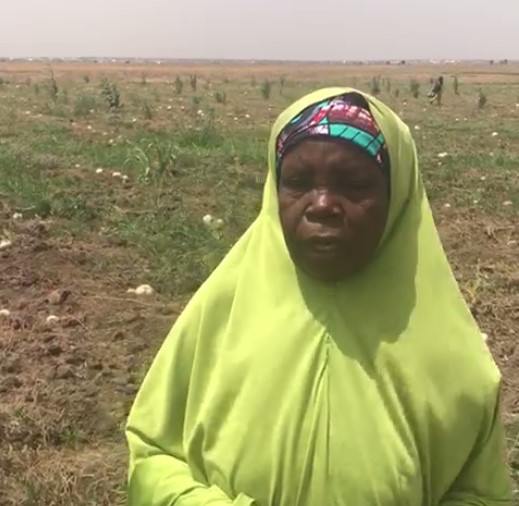
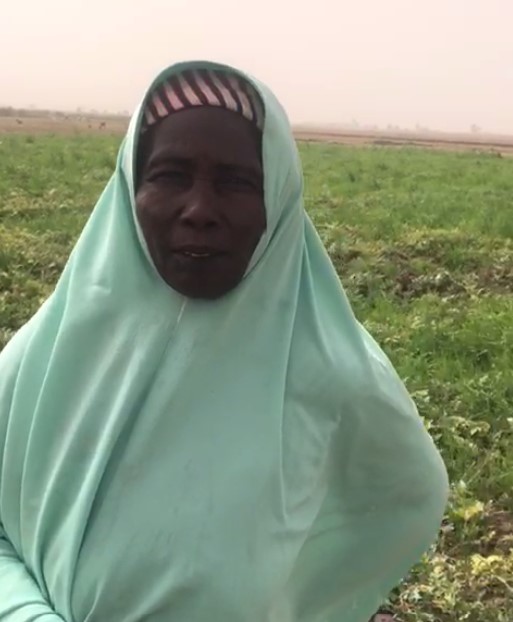
WAKILI Fatima is overwhelmed with sadness as she watches her farm produce—watermelons rot away. It is more painful seeing herds of cattle encroach her farm, eating up all farm produce.

Though there is high demand for farm produce, there is no way to get them to market due to the government lockdown order to contain the spread of novel Coronavirus disease.

Watermelons are easily perishable and can only keep for two to three weeks at low temperature between 11°C to 15°C, SENCE Agric, a Lagos based agribusiness consulting company has said.

At higher temperatures, they decay and therefore  should not be exposed to direct sunlight.
This is the challenge farmers face as their fruits are exposed to higher temperature and direct sunlight.

They are unable to harvest because buyers are not forthcoming.

Poverty looms as lockdown grounds supply chain

Lockdown and restriction of interstate movement as a result of the outbreak of Coronavirus (COVID-19) disease have prevented buyers from coming to Fatima’s farm to buy off her watermelons.

“My children went into watermelon production and invested our wet-season rice harvest, 15bags of paddy, one ram and my daily profit generated from petty trading into watermelon farming.

Her expectation was to make much profit that will enable her take care of  immediate needs of the family.

At Damana village in Birnin Kebbi Local Government, Kebbi State, where Fatima lives, watermelon and rice are the most cultivated crops. It takes a watermelon 75 to 95 days to get to maturity from the planting date.

Fatima and other farmers usually plant watermelon three times within a year and they were waiting for their first harvest when the interstate travel ban was imposed.

But against their expectations, they are counting losses.

Trucks from across the country and neighbouring Niger and Benin Republic that often convey their produce to wholesalers, retailers, supermarkets and pharmaceutical companies are no longer in sight and are not likely to return any time soon.

The lockdown measure is worsening food security across Nigeria—disrupting internal supply chains and halting food production. It is feared that the COVID-19 pandemic may shift from being a health crisis to food security crisis.

Fatima says she ended up having nothing from the farm as a result of Covid-19, despite her high hope.

Though the Federal Government exempted trucks supplying food items and other essential needs, truck drivers and other personnel in logistic services fear they may also contract the deadly virus.

This is the reason why many are reluctant to ply the roads.

Muritala Lawal, owner of Islawal Ventures, a truck logistics firm whose trucks carry goods from all over the country says his trucks are all grounded because of the lockdown.

He said even if the trucks are allowed to move, the safety of the drivers and other personnel working with them is paramount.

“We are not too eager to let them go out, the trucks are all parked even when the President said suppliers of food items are exempted from the lockdown,” he said.

According to the World Bank and United Nations, millions of people in Africa are now at the risk of not getting food as a result of  governments’ lockdown orders.

The pandemic is impacting global food systems, disrupting regional agricultural value chains, and posing risks to household food security, said Food and Agriculture Organisation of the United Nations.

There is a comparatively high demand for watermelon especially  in the Nigerian market but the longer the restrictions stay, the more the loss farmers will incur.

Watermelon is one of the popular and most eaten fruits in the country as most people take it as snack, for health purposes and as diet supplement. It also contains some enzymes that help to fight against cancer, SENCE Agric said.

The World Food Programme (WFP) estimates that the COVID-19 pandemic will see more than a quarter of a billion people suffering acute hunger by the end of the year.

The WFP states that latest numbers indicate the lives and livelihoods of 265 million people in low and middle-income countries will be under severe threat unless swift action is taken to tackle the pandemic, up from a current 135 million.

In a report by the World Economic Forum, Muhammed Sabo Nanono, Nigeria’s Minister of Agriculture, said there is an imminent problem of food insecurity, not only in Nigeria, but also in nations all over the world.

Like Fatima, Dammu Labbo said farmers in the village are stranded as a result of COVID-19.

Dammu Labbo says buyers who used to come to the village with trucks to buy watermelon are no longer coming.

Standing on her farm as ripe rotten watermelon lay everywhere, she said, “My children’s farm produce is no longer selling and they invested all we had into watermelon production.

Nanono said the Federal Government was creating ID cards for those in the agriculture sector, from farm hands to food truck drivers, to enable them to move freely.

He said the government was taking steps to make sure farmers, millers and marketers could operate. The agriculture ministry is working to increase locally produced fertilizers, while the central bank would look to expand financing for farmers, he added.

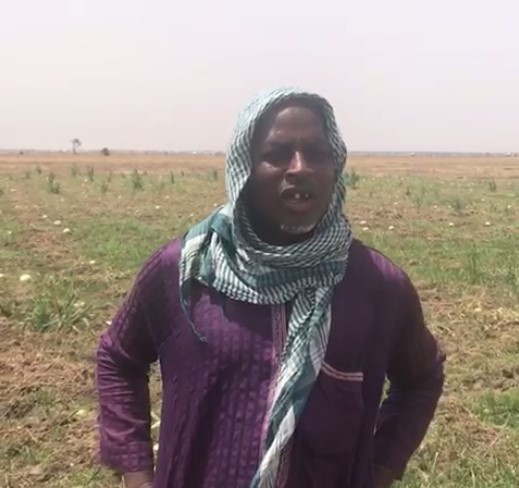
Dashed hope: Umar Kalo had hoped to rake in gain in the region of N1.5million to N2 million from his watermelon farm.

Of these farmers, Umar Kalo who has been cultivating watermelon for the past five years quantifies his loss more numerically. After selling two bulls he had reared over the years, Kalo said he invested all the proceeds including sales from his rice paddy, into watermelon farming.

He had hoped to rake in gain in the region of N1.5million to N2 million, but a distraught Kalo disclosed that he realized a paltry N50, 000 at the end due to the pandemic COVID-19 outbreak.

“The buyers are no longer coming to buy our product, now our product ended up wasted which put us into a serious, terrible and devastated situation,” he said.

With this current situation, Kalo is appealing to the government to come to their aid.

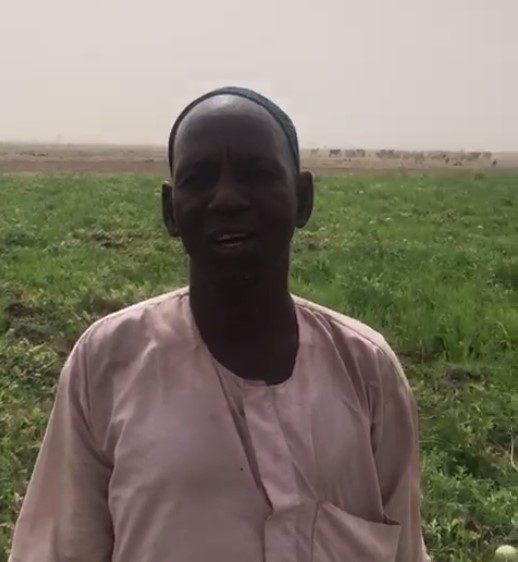
But Abubakar Maiyaki, Damana village head, says he cannot estimate the level of the loss his people have suffered as a result of the restriction of movement that prevented buyers from getting to the village.

Maiyaki, Damani Village head says he cannot estimate the level of his peoples’ loss

“Most of our people are watermelon farmers,” said Maiyaki, whose farm produce is also wasting away.

According to him, his people invested a lot of their resources into farming of watermelon because it has been a lucrative crop for them over the years.

When they were about to start harvesting and offer their watermelon for sale, this COVID-19 pandemic struck, he said.

This, he added, scattered the whole process because the buyers are no longer coming to buy.

“As you can see our watermelons have rotten and I cannot estimate the level of our loss,” said a visibly sad Maiyaki.

Farmers are struggling to feed themselves, can no longer save— Oxfam field officer

Putting the losses in context, Abubakar  Giro, a Field Officer at Oxfam Kebbi office says the farmers who are members of Village Savings and Loan Association (VSLA), an initiative introduced by the humanitarian organisation to help smallholder farmers save and obtain loans, are now finding it difficult to feed themselves and their families.

“The farmer cannot quantify or estimate their loss because all their produce is spoiled,” says Giro in an interview.

He disclosed that the farmers were about to embark on the first harvest when the novel virus pandemic broke out, because according to him, watermelon is planted three times in a year in Northern Nigeria assisted by irrigation.

In each of the harvest periods, depending on the size of the farm, Giro explained that farmers realise as much as 2000 pieces of watermelon on a plot of farmland.

“They normally sell in batches. What they call one batch of watermelon is 100 pieces of watermelon,” he stated.

Before COVID-19, each batch normally goes for between N20, 000 and N25, 000 which means that a farmer who harvests 20 batches of watermelon would realise an average of N250, 000.

Giro whose duties include interacting with the farmers on sensitisation further sheds light on the economic importance of watermelon. He says if a farmer invests a minimum of N100, 000, he or she normally gets between N400, 000 to N500, 000.

“But most of them did not get up to N25, 000 while some did not get anything,” he said.

“The irony, however, is that the farmers were about to embark on the first harvest when the restriction of movements was imposed. That is their major challenge, they were about to harvest and this COVID-19 thing came.”

“These elderly women are the ones that are giving their children money to buy seedlings, pesticide and go into the farm. Now people are struggling to feed themselves, they cannot even think of saving.”

Daunting socio-economic impacts of pandemic on rural farmers

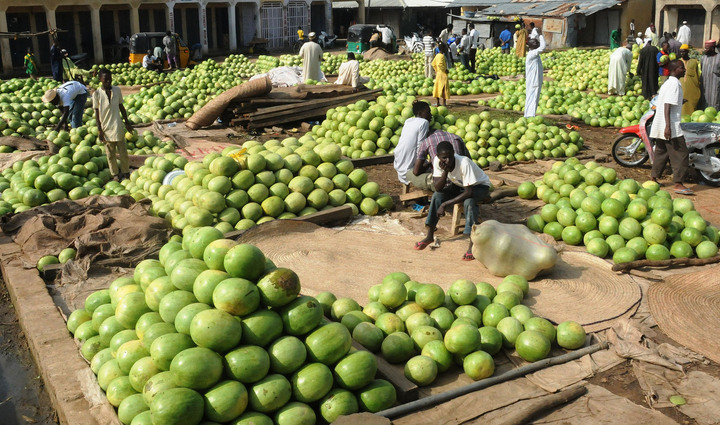
A filed picture of a watermelon market in Northern Nigeria

If the lockdown is not eased to allow buyers to get to farmers of perishable farm produce such as tomatoes, onions and watermelon, it would worsen their poverty situation in the immediate to medium term and in the long term, it would take them far below poverty line.

Olumide Ojo, Resilience and Private Sector Engagement Programme Manager for Oxfam in Nigeria said the development organisation would continue to engage government and amplify the impacts the lockdown is having on smallholder rural farmers.

“It is not within our mandate to challenge government to do what it doesn’t feel like doing,” Ojo said.

“What we can only do is to provide contrary evidence against a particular policy of government.”

He emphasised also that aftermath of the lockdown will be worse if agricultural production is suspended.

As members of VSLA, majority of the farmers took loans to cultivate their farms and as Ojo said, “what it means for the country immediately after COVID-19 is that these people would have run into debts.”

“Majority of them borrowed money to go into production, they produced, they harvested and there is nowhere to sell. So they would have sunk into more debts.”

As the COVID-19 continues to ravage the country, the farmers’ capacity to continue to produce food would have been greatly weaken which ultimately makes the situation worse off for the citizens.

When this happens, Ojo says, “there won’t be food from the farmers and the farmers themselves would be coping with tough situation of food insecurity and malnutrition, diseases would become more widespread.”

“The socio-economic impact is daunting.”

Market can come to the farmers despite lockdown

It is not completely gloomy for watermelon and other perishable fruits farmers, as those whose produce are yet to reach harvest stage can have off-takers coming over despite the restriction of movement.

People can still grow watermelon, private sector off-takers have the muscle to negotiate with government and security agencies to go to the field and collect these watermelon, said Ojo.

He pointed out that the private sector is the engine room for sustainability of any intervention model, stressing that it is a very good opportunity for the private sector.

“So farmers are not waiting to transport their produce, but the market itself can come to them. It could be that strategic; Oxfam representing the development partners, private sector players, government and media need to work together to mitigate an unpleasant aftermath of the pandemic,” Ojo said.

He stated that Oxfam will continue to support farmers with knowledge and linkages to market especially by facilitating the creation of Adhoc market, aggregation market that can be mobilised to aggregate produce from the farms and then be able to transport it.

“So as we facilitate the creation of local aggregators, we link the farmers to these aggregators.”

“We will also speak to government to facilitate movement of these produce by these aggregators from the point of production to the point where they are needed for consumption so that the supply chain will not be completely broken down.”

Ojo disclosed that Oxfam is already strengthening livelihood resilience of rural farmers.

No bank in Nigeria shall retrench staff of any cadre – CBN

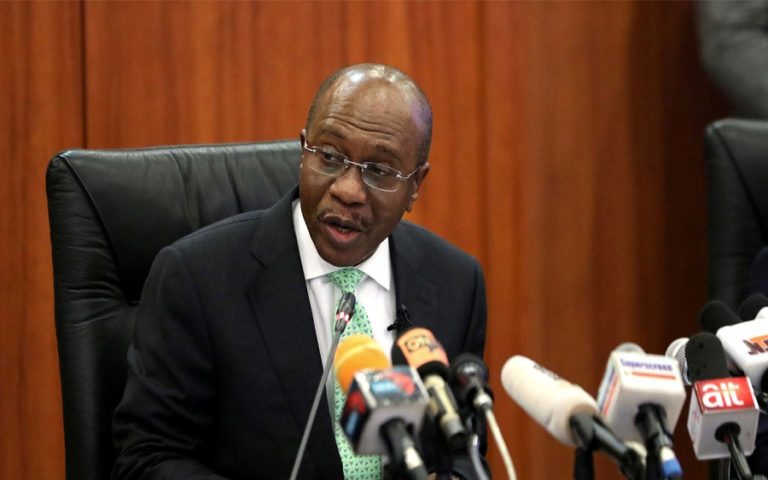
THE Central Bank of Nigeria (CBN) has said no bank in Nigeria shall retrench staff irrespective of their  cadre.

The apex bank said in a press release that this is necessary to help mitigate the negative impact of the COVID-19 pandemic on families and livelihoods.

Earlier, the Managing Director of Access Bank had said in an interview that the bank would lay-off 75 per cent of its workforce which comprises mostly of junior workers.

A special meeting of the bankers’ committee was convened on May 2, by the CBN, to further review the implications of the COVID-19 pandemic on the Nigerian banking industry.

According to the apex bank, the committee particularly deliberated on the issue of the operating costs of banks in view of the disruptions emanating from the global economic difficulties.

CBN has, however,  stated in the press release that banks will require its express approval before they can lay-off  staff.

In an interview with The ICIR, Martins Kayode, a financial consultant said, “Some of the banks are scared they would run out of business in no time, so they want to push some workers out to save cost.”

But, according to Price Waterhouse Cooper (PWC), banks can help customers and businesses to pull through the crisis and emerge stronger once the outbreak eventually recedes.

The COVID-19 pandemic has brought the world into exceptionally difficult and largely uncharted waters, and banks are feeling the strains alongside their clients, their employees and the societies they serve.

JAMB makes interim remittance of N7b for 2020 to FG

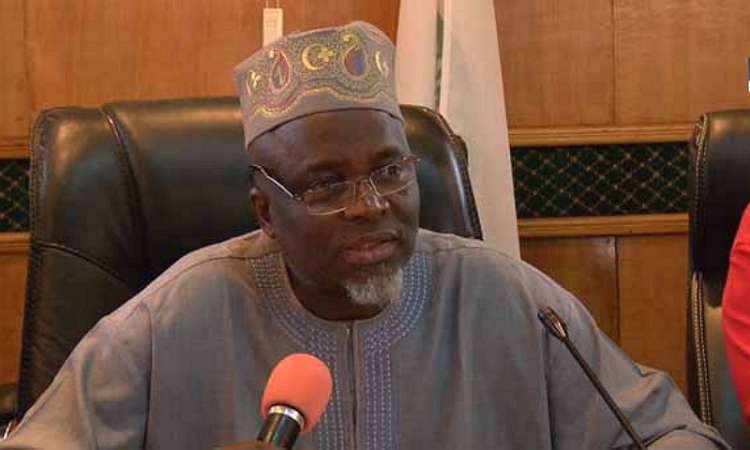
THE Joint Admissions and Matriculation Board(JAMB) says it has made an interim remittance of N3.5billion to the Federal Government consolidated account for the 2020 expected remittance.

A statement issued in Abuja on Sunday by Fabian Benjamin, Head of Media at JAMB explained that the remittance was in  line with Professor Is-haq Oloyede’s avowed commitment to remit wholly, excess funds generated from its operations to the Federal Government.

The remittance was part of the money realised by the examination body from the sales of form for the 2020 Unified Tertiary Matriculation Examination (UTME), direct entry and all forms payment related to the examination.

Benjamin said the Board had earlier made the payment of over N3.5billion to candidates by way of reduction of N1,500 from the cost of each ePIN sold to each candidates as directed by  President Muhammadu Buhari, totaling over N3.5billion and bringing the total remittances this year to over N7billion with the assurance to remit more as soon as its operations are concluded and proper audit of its books done.

Benjamin explained that it has been the intention of the present leadership of the Board to return to federal coffers, whatever is left unutilised from its operational imperatives.

“The immediate benefit of the move manifested in the reduction by President Muhammadu Buhari of the UTME Registration fee payable by candidates from N5000 to N3500 which entails the transfer of over N3billion to candidates and guardians annually via the reduction in the cost of application documents,” he said.

“Before the reduction in the cost of application EPINs, the Board had remitted over N7billion in 2017 and replicated same in subsequent years until the gracious action by the Buhari administration’s unprecedented decision to give back to candidates a percentage of the cost of registration.”

He further stated that the Board would continue to come up with innovations on ways to ensure that candidates are provided with world-class services at modest cost as obtained anywhere in the world.

It would be recalled that the total amount the  JAMB remitted to the Federal Government coffers between 2010 and 2016 was just N 50,752,544.


Abba Kyari’s burial: FCTA confirms COVID-19 test results of exposed mourners

THE Federal Capital Territory Administration (FCTA) has confirmed that all the individuals that were not properly kitted during the burial of Abba Kyari, the late Chief of Staff (CoS) to President Muhammadu Buhari, have tested negative for Coronavirus  disease (COVID-19) after the completion of their 14 days of isolation. 

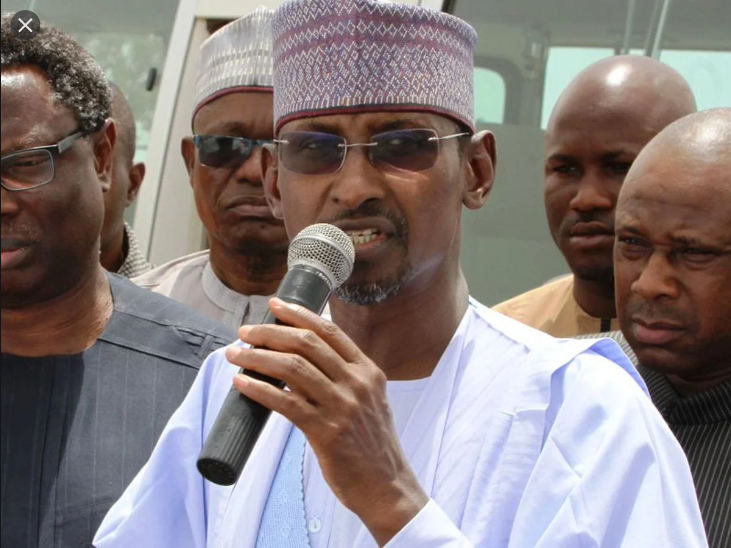
In a short memo obtained by The ICIR, Mohammed Kawu, the acting Secretary of the FCTA Health and Human Services Secretariat disclosed that the exposed individuals have been reunited with their families after the results of their test showed negative.

The ICIR had reported about the unethical internment of the late Kyari, which several mourners attending without observing the laid down rules and guidelines of Safe Management of a Dead Body by World Health Organisation (WHO) and the Nigeria Centre for Disease Control (NCDC).

According to the NCDC guide, “Family members, religious leaders, health care workers or mortuary staff
preparing the body should wear appropriate PPE according to standard precautions (gloves, impermeable disposable gown (or disposable gown  with impermeable apron, medical mask, eye protection).

However, none of the mourners at the interment wore any Personal Protective Equipment (PPE) except the personnel of the NCDC.


FCTA warns again, says anybody who flouts government directive will face full wrath of law

MUHAMMAD Bello, Minister of the Federal Capital Territory (FCT) has warned his administration would not hesitate to visit the full wrath of the law against individuals who flout the directives regulating the easing of the lockdown in the nation’s capital commencing on Monday, May 4.

“I must caution and warn that anybody who, for any reason, flouts the directives of government and is arrested, the full wrath of the law will fall on that person, because we will not allow a few citizens who are not conscious of the wellbeing of the majority of other citizens to put all of us at risk,” Bello said in the wake of the Security Committee meeting held on Saturday.

He said that security agencies have reviewed their strategies on enforcing the ban on interstate travel and have adopted new ones to ensure its complete compliance.

According to the Minister, the ban on interstate travel was essential in order to prevent the spread of the virus either by infected persons coming into the FCT, or, on the other hand, infected persons from the FCT spreading the virus to other parts of the country.

“We also realised that one weak area that has confronted us is the fact that enforcement of the inter-state movement has not been very successful and that’s an area where if we are not very careful, will make it very difficult for us to prevent infection by people who are visiting the FCT from other parts of the country,” he said.

“By the same token also, if the enforcement is not very strong, infected people from the FCT will also move out to other states. At the end of the day, nationally, we all lose.”

The Minister also revealed that security agencies would deploy additional personnel and resources to all the entry points using coordinated joint teams to be headed by very senior officers to ensure that the enforcement of the directive was carried out totally while being conscious of those that are permitted to move around.

Bello said the ultimate objective of the FCTA and the security agencies was to safeguard the lives of the citizens of the FCT and by extension, the citizens of the surrounding states as well as Nigerians in general.

While reminding residents of the FCT on the guidelines regulating the easing of the lockdown released earlier, he advised residents to comply with the guidelines noting that it was the only way to ensure that the pandemic was controlled and contained in the FCT.

“The directives are very clear. Offices are open for specific categories of staff on Mondays, Wednesdays and Fridays and within a specific time range of 8.00am to 2.00pm,”the Minister said.

“So, my advice is anybody who has no reason to come out based on these directives should just stay at home. We have been at home for about four weeks now, another few weeks would do us good because if we are able to maintain the level of the virus in the FCT the way it has been maintained during the last few weeks, then by the grace of God Almighty, we will get over this.”


World Press Freedom Day: Checking Gov. Umahi’s mad impulses!

By Charles Otu


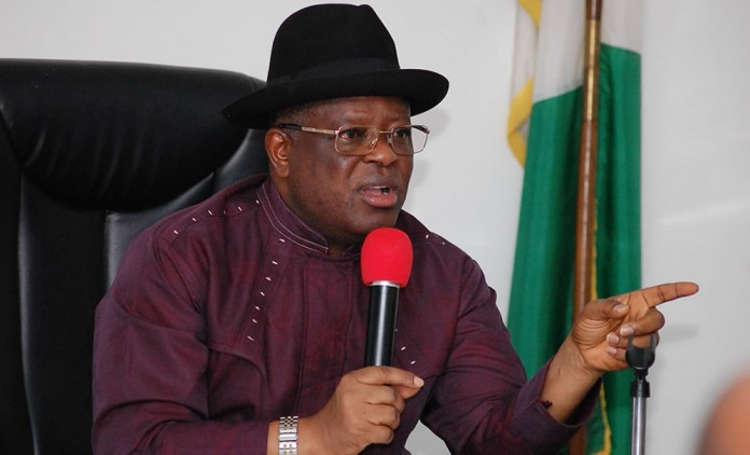
FEW days before the celebration of the World Press Freedom Day, marked globally on May 3rd every year, the Governor of Ebonyi State, Engr. David Umahi had been in the news sadly for deliberately and habitually misfiring against the noble men of the pen profession.

Recall that my colleagues; Chijioke Agwu of the SUN and Peter Okutu of the VANGUARD newspapers had recently and separately done reports; the former, stating the fact that Lassa fever was still ravaging Ebonyians and the latter raising the alarm about an alleged military invasion of Ngbo- a border community which had been at war with its neighbouring Agila community in Benue State.

In this era of Citizen’s journalism, some alarmed natives had shared a video of some village men and women crying about the loss of their sons and daughters during the alleged incident on the social media.

As those who truly know Umahi to be a brutal egoist anticipated, the State’s Chief Executive flew off the handle, egregiously raising his dictatorial sledgehammer in a State-wide broadcast against the two reporters for something which saner minds and democracies consider very trifling and merely nominal that an ordinary right of reply would have been enough!

In a thrill of honest but outrageous indignation, Umahi in his rascally modes of action proclaimed a life ban from any government facility for the two journalists. In his further voluntary exclamation which again, was altogether callous and cruel-hearted, the Governor decreed, “If you think you have the pen, we have the koboko”!

In his dreadful fantasy, grandiose delusion and repugnant ferocity, the said ban would be ‘For life’ and the Courts of Law (same Courts his government is still trying some journalists accused of libel)- which unlike the Constitutionally-unrecognized Fourth Estate of the Realm (the Press), is an entirely different arm of government with its supposed autonomy should be left out of the entire frightful brouhaha.

“Ebonyi people are so angry with the Press that I may not know when they may begin to attack Journalists in the State”, Umahi added glibly.

Both ‘sinning’ reporters had been arrested on Umahi’s orders and later released. Recall also that there was a viral video of the Governor saying on Television that he has “instructed the Local Government Chairmen to use their men to enforce minimum compliance which is the cane for anyone who came out without a facemask”. These ‘instructions’ are still being carried out to the later in markets, shops and other public places by his aides across the entire State!

Alas, some of his media hirelings who, of course have no media background and understanding, perturbed by what they still perceived to be their bosses’ sheer swagger in taming some ‘stubborn and unscrupulous’ journalists added to the profoundly obtuse stupidity of the condemnable broadcast by outrightly repudiating it before the weird public that the voice of their principal was ‘doctored’. That was at best another gaffe taken to far!

Even though Umahi’s unhidden disinclination to the two media reports he termed; ‘degrading Ebonyi State’ must have awoken and united the Press in its responsibility of gathering, processing and disseminating information to the Nigerian public as mandated it by Sections 22, 39 and 40 of the Constitution of the Federal Republic of Nigeria, 1999 (as amended), as they spoke with intense gravity, all condemning what could be rightly termed the ‘mad’ impulses of Governor Umahi, the fact remains that many Nigerian State actors easily get away with atrocious acts of impunity against media practitioners. There have never been, especially in recent times a collective strive to get truly and deserving justice for journalists attacked in the cause of performing their lawful assignments. At best, what we get are mere lines of Press Statements condemning such acts.

Howbeit, it is heart-warming that the media spoke firmly and in morbid fascination condemning Umahi’s unmitigated contempt for free speech and opinions which remains the cardinal point of any democratic governance the world over. Some newspapers devoted their front pages, some; their Editorial pages, others, through their Columnists, personality interviews and even through opinion articles in the battle to prove to Umahi whom a SUN Columnist rightly described as having become a “Local pandemic in the midst of a global pandemic” that the pen is yet mightier than the sword (Koboko, in this instance). The fact which was missing however is that he was not just becoming a ‘local pandemic’ or acting in a fit of a rage because of the global COVID-19 pandemic as he claimed in his apology, Governor Umahi had been a local pandemic in the lives of many Ebonyians, except perhaps, his family members and very few cronies who make miniature profits from his direct labour government.

His appointees, except a very few who have taken to their heels through resignations and the rest who were axed by Umahi perpetually live in morbid fear even after parting with his government. The Governor’s over a thousand Special and Technical Advisers dare not advise him on any issue or face sack and or relegation, some an outright ‘banishment’ from his ‘kingdom’ of Ebonyi. Many therefore live in unbridled sycophancy and pretense while trying to survive on at least a meal or two daily. To say that even his appointees cannot wait for 2023 to come so that the Umahi cup can pass them over is to put it whimsically mildly!

Good a thing the Governor has finally come down from his high horse in less than 72 hours and apologized to the two journalists, their media organizations and by extension, all media practitioners in the State. However, Umahi’s actions, inactions and unspoken disdain as a ‘resolute rascal’ against the gentlemen of the pen profession ought not to be swept under the carpet so easily by the media in Nigeria. At least, the bitter lesson he must have learnt is to take seriously, Napoleon Bonaparte’s disposition that: “Were it left for me to choose between ten thousand army and a pen, I will not hesitate a moment to go for the later”. Governor Umahi’s koboko (cockney horsewhip) has fatally crumbled before the pen and so did his fatuous indignation for gentlemen of the press, even though his apology was equally laced with his characteristic deplorable arrogance as against the thinking of many that such should have been handed with downright penitence, for want of a better expression.

As one who lives and practices journalism in Ebonyi (at least for about a decade now), it is incontrovertible that the Governor even before his last onslaught against the two Correspondents and particularly to his Social media critics, has essentially been an emperor behind a politician’s mask! It would be illuminating and ironical to the ears of many when one takes a look at Umahi’s promise in his inaugural address on May 29th 2015 while taking his Oath of Office after running his erstwhile boss, Chief Martin Elechi out of town and later, stock to not only pick the PDP Gubernatorial ticket but emerge albeit controversially as his successor.

In page 17 of the said address, he vowed, (against the background of his emergence);

“We offer our clean and immaculate hands of friendship. We place on the table an unconditional spirit of cooperation. We hold malice towards none. All Ebonyians are welcome to contribute their quota to the development of this beautiful estate that we call our common heritage”

Umahi continued that his will be, “A government that will listen and absorb the wisdom and counsel that will come from all citizens, young and old. We shall strive with our mightiest effort to give meaning to the concept of a government of the people, by the people and for the people. We shall do so precisely because we recognize that we are nothing without the people. We shall dedicate ourselves to building a community of common destiny where we may not all agree on all things, but we will all recognize the fingerprint of the Divine upon all humanity. In otherwords, we will welcome a healthy and progressive opposition,…”

It is rather a strange paradox to many that what has been obtainable in Ebonyi in the past five years of Governor Umahi’s reign is a blistering hack-down of any opposing view or idea! Beginning from the notorious June 2nd 2017 attack of this writer by some armed thugs loyal to the government who abducted and tortured him right inside the Government House for counseling the government to reconsider its vows and pacts with the Ebonyi masses as contained in its ‘bible’ (the inaugural address), to the shooting of another journalist the same day, it has been one crackdown after another even on Social media critics and opposition leaders in the State. Some of us were black-listed and had had remained ‘banned’ from the Government House since 2015 following his erstwhile Information Commissioner’s so-called accreditation of only ‘loyal’ journalists.

The entire scenario of media practice in Ebonyi is so indescribably awful that members of the Fourth Estate of the realm in their pallid agony suffer their pitiable fate in utter silence! Just before the life ban of two journalists, two other correspondents had secretly been suspended from entering the Government House a few months ago. Another was recently publicly derided in the most abhorrent manner by the Governor for simply asking him a question during a Media briefing on the kinds of palliatives he intends to provide for Ebonyians in this period of COVID-19 lockdown.

This however does not vitiate the merit in Umahi’s claim that over 90 per cent of journalists in the State, particularly those in the Correspondents Chapel receives a monthly paltry stipend from the government and it has been the culture almost since the creation of Ebonyi State. The present leadership of the NUJ in Ebonyi in its deferential and almost awestruck subservience to the State government has its own blames too for receiving ‘largesse’ from time to time for and on behalf of ‘all’ practicing journalists in the State, therefore not condemning any of the attacks meted out on its members which remains the highest since 2015 across the 36 States of the Federation.

As the umbrella body of practicing journalists across the country, NUJ and other media rights platforms and organizations take a sober reflection on this year’s celebration of World Press Freedom Day, they must put a check on the scandalous “awards for highest the highest bidders” given to all category of leaders who do not only undermine democracy but the veritable foundation upon which it is built- the Media! Granted that Governor Umahi has done marvelously well mainly in the area of road construction and flyovers particularly in the urban cities with his adroit use of concrete rigid pavement (cement) ‘technology’, his debilitating disdain for free speech and opinions which is the fulcrum of democracy and governance is awful and in the estimation of right-thinking individuals disqualifies him from any high honour and cerebral adulation.

As though prophetic and speaking directly to whoever (an Umahi that would later succeed him in 2015), Umahi’s predecessor, Chief Martin Elechi at the 2013 Democracy Day celebration lecture opined on page 4 of his Address: “The fundamental gain in democracy is, therefore freedom: freedom to choose who rule us, freedom to criticize programmes and policies of government and, most importantly, freedom to contribute by way of advice on how governance can be better improved”. Elechi lived true to these words as the press often took him and his government task even in the most critical times but Umahi, who served as his Deputy learnt nothing from this his boss’ school of Thoughts on democracy and governance.

The earlier the Press in Nigeria self-regulates itself and members, the better for our nation. For if our revered Nationalists like Dr. Nnamdi Azikiwe, Chief Obafemi Awolowo among others fought gallantly for the Independence of our nation through the power of the media, we must all be on our guards to defend, protect and preserve our fledgling democracy with the powers of our pen while being responsible and at the same time responsive to our collective Constitutional duties.

Governor Umahi and his fellow Hitlers in the corridors of power in Nigeria must therefore be made to understand that the power of the pen still topples down great kingdoms like card-houses and sticks foolscaps on the head of kings- like it has now done to him and his future political ambitions. The wise words of celebrated French journalist and Nobel Prize in Literature winner, Albert Camus, should be drummed into their heads that: “a free press can, of course be good or bad, but, most certainly, without freedom, the press will never be anything but bad”.

 Otu, an Ebonyi-based Journalist wrote from Abakaliki (07038104883)

Workers Day: Youths Digest trains campus journalists on career development, investigative reporting ‬

YOUTHS  Digest, the organiser of annual Campus Journalism Awards & Dialogue, has trained young journalists on developmental journalism and investigating reporting, especially on the Covid-19 pandemic.‬

‪The training, which was organised in collaboration with the Civil Society Legislative Advocacy Centre (CISLAC), featured Mr Lekan Otufodunrin, Executive Director, Media Career Development Network Services and Ajibola Amzat, the Editor at the International Centre for Investigative Reporting.‬

‪The first phase of the training was coordinated by Lekan Otufodunrin, who spoke on building a career in journalism.‬

‪While commenting on the need for journalists to see journalism as a Social duty, the former Managing Editor of The Nation Newspaper, urged campus journalists to develop interest and skills in developmental and investigative reporting to a better and transparent society.‬

‪”Prominence should not be the goal of any journalist but being excellent in your work. You may also need to report major issues in unique and excellent ways to be noticed either by your organization or the world generally. Do it as a duty,” he stressed.‬

‪He praised the efforts of Campus journalists, whom he said need more encouragement and supports.‬

‪”I must commend the zeal I have noticed in campuses by students especially those where Mass Communication is not offered, yet they have done a lot to promote campus journalism on their own. They need more encouragement and support”.‬

‪On the other hand, Amzat, who spoke on Investigating Covid-19 pandemic, focused on investigating guidelines for campus journalists.‬

‪He noted that the ICIR has assisted campus journalists with small grants before the arrival of COVID-19. The organisation has also mentored many young writers and budding journalists. ‬

‪”The opportunity is still available subject to funding we receive from our donor foundation” he noted.‬

‪He also pointed out that Campus journalists can use Digital Tools to report Covid-19.‬

‪”Campus journalists can undertake reporting assignments at this period using several open-source tools available. Google, Twitter, Facebook, and other tech companies have created tools that can be used to report from home. Learn about these open sources, and use them,” Amzat stated.‬

‪Amzat also advised that journalists must also be conscious of their health while covering assignments.‬

‪”The infection does not distinguish journalists from non-journalists. It attacks all equally. Therefore, journalists covering COVID-19 need to protect themselves,” he said.‬

Meanwhile, Maryam Ileyemi, a Campus Journalist from Lagos State University said that the tweet chat was very enlightening and insightful. Another campus journalist from Uthman Dan-Fodio University Sokoto hailed Youths Digest for organising the workshop during this pandemic and that he learnt about new skills and knowledge that will be helpful in his journalism career.

‪Comrade Auwal Rafsanjani, the Executive Director of CISLAC, praised Youths Digest for organising the online workshops, assuring them of CISLAC’s continuous support.‬

FCTA releases guidelines on easing lockdown, warns against inter-state travel

THE Federal Capital Territory Administration (FCTA) has published guidelines on the implementation of the phased and gradual easing of the lockdown that was earlier announced by President Muhammadu Buhari in his nationwide broadcast on Monday April 27.

Minister of FCT, Muhammad Bello in a press statement on Saturday disclosed that FCTA will enforce rigorously the guidelines regulating the easing of the lockdown in the FCT as part of measures to contain the spread of Coronavirus disease (COVID-19) pandemic in the territory.

Bello said security agencies have been mandated to arrest and prosecute, through the mobile courts, anyone found contravening the guidelines.

He said the FCTA will vigorously enforce the overnight curfew from 8:00pm to 6:00 am, and in order to prevent person infected with COVID-19 from coming into the Territory, will also enforce the ban on interstate travel.

Therefore, all workers who reside outside the FCT have been directed to remain in their respective states of residence until the ban on interstate travel is lifted.

Below are the guidelines released by the FCT Administration:

An overnight curfew will be applicable in the FCT from 8:00pm till 6:00 am.

Effective Monday, 4th May 2020,  all civil servants in the FCT on Grade level 14 and above  are to report for work 3 times a week, on  Mondays, Wednesdays and Fridays between the hours of 8am and 2pm.

Extant guidelines on market operations for sale of food items only remain in effect. Markets are to operate for two days in a week on Wednesdays and Saturdays between 8:00am and 3:00pm.

The extant directive on places of worship still subsists and they remain closed.

All clubs, bars, gardens, beer parlors, recreational parks, communal sports facilities, movie theatres etc  in the FCT remain closed.

Taxis are mandated to carry a maximum of 4 persons at a time (driver and 3 persons)

All schools in the FCT remain closed until further notice. Schools are not permitted to commence third term operations in any form until directed otherwise by the relevant authorities.

Use of face masks by residents in all public places is mandatory.

The security agencies have been mandated to arrest and prosecute anyone found to be contravening any of these guidelines through the mobile courts.

The Minister however, urged residents that COVID-19 is a very serious ailment that can be fatal and there is the need for residents to follow all laid down health protocols.