Home Blog Page 2158

44 die in Iran of alcohol poisoning while trying to prevent coronavirus

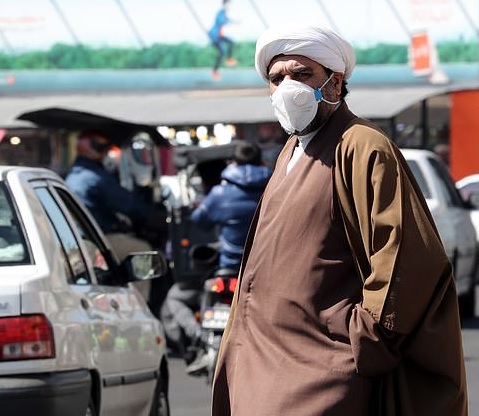
IRAN’s state media, Islamic Republic News Agency (IRNA) has reported that the death toll from alcohol poisoning has risen to 44, after many ingested alcohol to ward off the deadly coronavirus.

Coronavirus, officially known as COVID-19 has infected over 8,000 in Iran and killed over 291, making Iran one of the most affected countries outside of China, where the virus originated.

COVID-19, a deadly respiratory illness has infected over 100,000 globally and killed over 3,800 people since the first outbreak was registered in Wuhan, China, in December.

The news of the virus, which is now considered a pandemic, has resulted in panic and many have turned to carry out measures to prevent getting infected.

The World Health Organisation (WHO) instructs that people wash their hands regularly with soap and water or use an alcohol-based hand sanitizer to clean hands.

However, in Iran, many took to ingesting  alcohol in attempt to avert the virus, Daily Mail reports.

It was gathered that rumours had made them believe that alcohol could prevent the virus. Although alcohol is banned in Iran, which is predominantly a Muslim country, many have sought means to patronise ‘bootleg alcohol’

This has now resulted in killing at least 44 people, with up to 36 of them from Southwestern province of Khuzestan, an area which has recorded a death toll of 18 from the coronavirus itself.

In the Northern region of Alborz, seven have been recorded dead over alcohol poisoning.

Meanwhile, in Nigeria, two cases of Coronavirus have been recorded in Lagos.

On Monday, President Muhammadu Buhari set up a committee mandated to make an assessment of the impact of coronavirus on the Nigerian economy.

This came up shortly after international crude oil price crashed below $57 per barrel, plunging to $30.

FCMB extorts money from Bauchi workers undergoing BVN verification

By Haruna Mohammed Salisu 


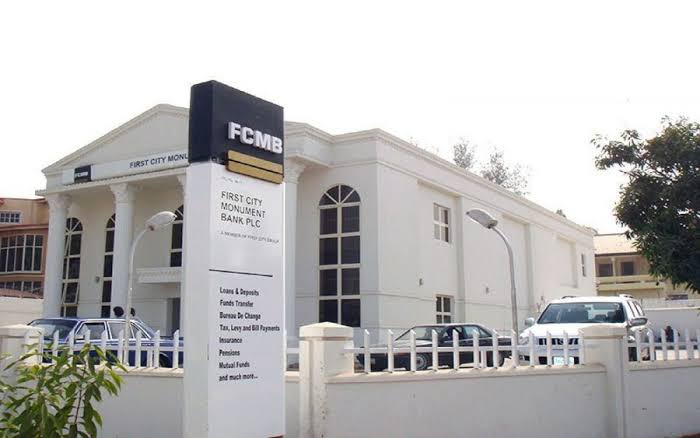
IN what appears to be a move to make undue gains from 41,000 Bauchi state civil servants undergoing verification exercise, First City Monument Bank (FCMB) Plc is extorting money from the government workers in the name of BVN print out, WikkiTimes has exclusively gathered.

The workers, who visited the bank to obtain their Bank Verification Number, BVN, in order to meet up the requirement of the Verification Committee set up by the Bauchi State government, were asked by officials of the bank to deposit N525 as condition to obtaining the BVN.

“If a customer fails to deposit the money, he or she will not be attended to,” said a visibly angry civil servant undergoing the verification exercise in one of the LGAs in Bauchi.

“When I visited the bank to obtain my BVN, I was told that I have to pay N525 before getting the BVN print out. If you have money in the account, they will just deduct the N525, and if one does not have, one is asked by the bank officials to deposit the money before you are even attended to,” said Hamisu Isa, one of the affected workrers.

Hamisu revealed that at the time he visited the bank to obtain his BVN, there were many of civil servants who had come there for the same purpose. “And I’m authoritatively telling you that all of us at the bank were asked to pay the same amount of money before obtaining our BVN,” he said.

He said he was surprised when he learned that it was only FCMB that was extorting the said money from the civil servants before allowing them to obtain BVN.

“If the officials of the bank realize that you do not have the money, they will require you to get out and look for alternatives before you are attended to,” said another civil servant who pledged anonymity.

“We were surprised when we discovered that it was only FCMB that was extorting money from civil servants. As for me, I had to borrow money from my friend to deposit the amount because I didn’t receive my October salary,” revealed another worker who was yet to be verified as at the time he spoke to WikkiTimes.

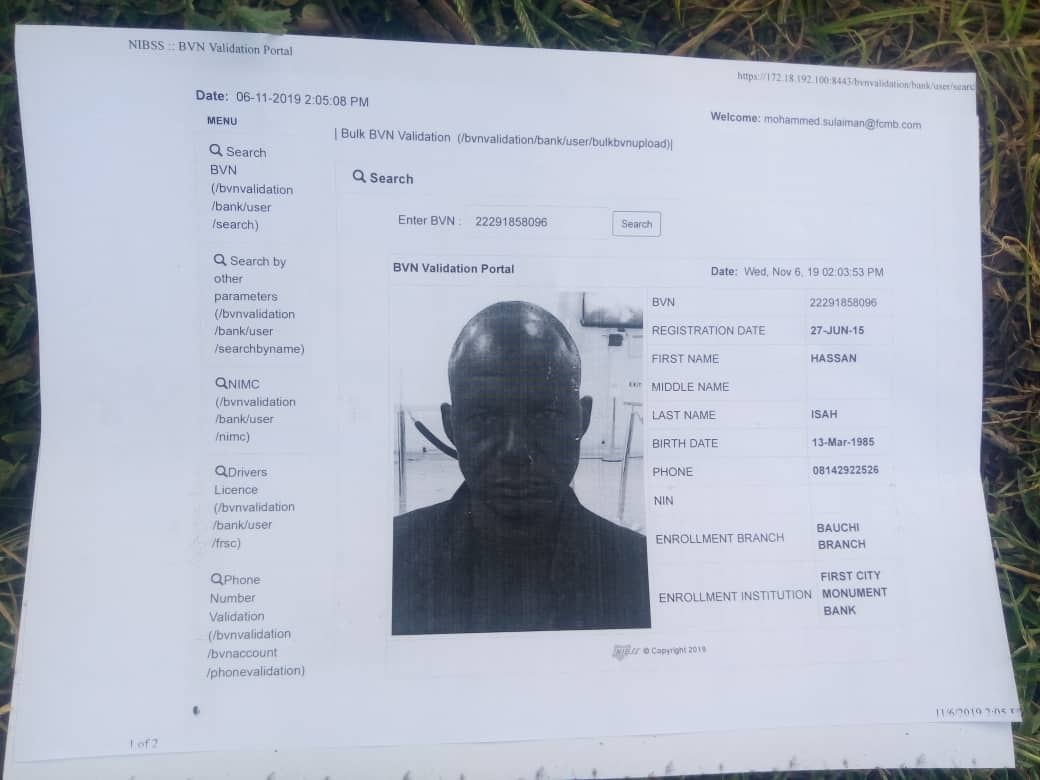
Another worker who identified himself as Hassan Isah said “when I visited the Bank to get my BVN, I was asked to see the bank manager, who referred me to where I can obtain the BVN, there, I was asked to deposit the N525 before they print it out for me. And you know, the bank manager will not stamp your paper if you didn’t pay the money,” Isah said.

Isah who visited the bank on November 6, said that he had no money in his account when he was asked to deposit the N525.

“I had to beg my friend to transfer me N600 into my bank account before I got my BVN print out and stamped by the bank manager”.

But the committee set up by the Bauchi State government to verify the authenticity of the over 41,000 suspected ghost workers and pensioners on its payroll says it has not asked any of the affected persons to submit their BVN.

Speaking to newsmen in Bauchi, the Secretary of the Committee, IsiakaTijjani, said the government has not issued such directive to anybody, adding that the affected workers were doing that on their own.

“We are yet to start dealing with the affected workers individually, and may be they are doing that to equip themselves”, says Tijjani.

On the amount charged by FCMB, Tijjani said the fee was exorbitant.

Isiaka lied; Verification Committee ordered workers to obtain BVN

But Isiaka’s claims that the Verification Committee did not asked civil servants to submit BVN print out is false.

On the October 21, 2019, the state government, through state’s Head of Civil Service, announced that over 41,000 civil servants from different MDAs may lose October salary due to their inability to have Bank Verification Number linked to their salary accounts.

“From the available records, it was discovered that total number of 41,448 staff were affected by this development with the following breakdown:

A) State service: 5,316

B) Primary Healthcare: 1,933

C) Local Education Authority: 19,605

D) Local Government staff: 4,705

E) State pensioners: 4,019

F) Local Government pensioners: 5,870

WikkiTimes recalls that on the 25th of October, 2019, the governor suspended all education secretaries, directors of Primary Health Care and their treasurers of all the 20 local government areas of the state.

In a statement, the state’s commissioner for information, Ladan Salihu,said the suspension was to enable the state government conduct investigation into the payment of salaries to civil servants without BVN.

The 17- member ‘authentication committee, whose terms of reference include investigating whether the over 41,000 staff being paid monthly salarries were genuine staff of the state, had 8 terms of reference that were categorical on BVN. The ToR explicitly requested workers to submit their BVN for verification.

FCMB Reacts

It was a drama of some sort when WikkiTimes correspondent visited the two FCMB branches within Bauchi metropolis. The branch manager of the bank stationed at Murtala Mohammed Way, adjacent Bauchi state library, declined to comment and directed the reporter to the bank’s main branch around Jos Road of the city.

When our correspondent visited the main branch, he was directed to speak to the deputy manager who authoritatively said the charges were legal and that the bank’s policies were different from other banks’. The deputy manager who said his name was “FCMB Jos road” when asked by our reporter to mention his full name so that he could be quoted also said, “each and every commercial bank has its own policies or way of commission, as long as it is in line with the regulatory authority, as long as it has not violated any CBN or NDIC rule, then it has right to use its own policies.

However, when our correspondent sent a whatsApp message to the bank hotline, one Helen said “Kindly note that the cost is valid, as it is not free”

An email sent to the Bank has not been responded to 114 days after it was sent.

When this reporter called Diran Olojo, the Corporate Affairs Manager of the bank to get his reaction over the justification of extortion by some bank officials, he deflected the questions.

Rather he said: “Haruna today is Sunday, I’m sure everybody is having some downtime abi?

“Unless what you are calling me for is an emergency, why are we having this discussion right now?

Calls placed to him on Monday were neither answered nor returned.

Guides to Charges by Banks and Other Financial Institutions in Nigeria suggests FCMB acted illegally

However, a policy approved by the Central Bank of Nigeria, CBN, Guides to Charges by Banks and Other Financial Institutions in Nigeria which provided “basis for the application of charges on various products and services offered by banks and Other Financial Institutions (OFIs) in Nigeria to their customers” did not included charges on BVN printout.

The policy issued to all banks and other financial institutions in Nigeria on April 21, 2017 was categorical on the kind of charges banks were allowed to charge their customers.

For instance, section 10 of the policy which specified charges on electronic banking such as card maintenance fees, credit card charges, ATM withdrawals from other Bank’s ATMs exceeding 3 times within a month did not included charges on financial statements and BVN requests by customers.

The CBN’s prudential guidelines which addressees “various aspects of banks’ operations, such as risk management, corporate governance, and anti-money laundering/ counter financing of terrorism and loan loss provisioning” did not also allow banks to charge customers on BVN requests.

CBN did not respond to WikkiTimes’ FOI request for clarification

When WikkiTimes correspondent visited the Bauchi branch of the CBN to find out whether there’s a policy or law that allows commercial banks to charge money on BVN printout, officials at the apex bank asked our reporter to put his request in writing.

However, an official of the Customers’ Service unit of the bank who does not want to be named told our reporter that there is no any policy that allows banks to charge such amount. He said even if they were to charge, the said amount (N5,25) was too exorbitant.

When our correspondent could not get reply one week after he wrote to the bank requesting clarification, an official of the Bank identified as Yay DauduGiade (YauCbn) (Truecaller) said the Bauchi branch has forwarded the letter to Abuja as is the tradition of the bank.

He said it was only their head office in Abuja that was saddled with the responsibility to respond to WikkiTimes’ request.

One hundred and fourteen days since the letter was sent, the bank did not respond to WikkiTimes Freedom of Information request seeking clarification on the extortion, and FCMB had continued to extort the civil servants, many of whom had to borrow money to pay the charges since their salaries were not paid at the time of the verification.

The ICIR obtained permission from WikkiTimes to publish this report.

Allah, who gave me the leadership has destined to take it back — deposed Emir Sanusi speaks out

DEPOSED Emir of Kano, Muhammadu Sanusi, has reacted to his dethronement by Kano State on Monday submitting that “it was the will of God.”

Shortly after his dethronement, the former emir was reported to have attributed his ousting to the will of Allah.

“With almost six years on this throne and (in charge of) our heritage. Today, the almighty Allah, who gave me the leadership has destined to take it back,” Sanusi said.

“As I always say, leadership has predetermined tenure, the days Allah destined are numbered. When the days come to an end one must leave,’ the former emir said.

Sanusi who was dethroned over allegations of insubordination and  denigration of the governor’s office  urged the people of Kano to be calm and respect the newly appointed Emir Bayero.

“We enjoin everyone to remain peaceful. We have directed our family, our children and those that support us that whoever gets it and is endorsed by the people they should pay allegiance to him.

“They should follow him (the new emir). They should guard his honour and dignity because that is also the honour and dignity of this palace,” Sanusi said.

The Nation reports that the former emir was whisked away by security operatives who allegedly took him away from the palace were heading to Nasarawa State where Sanusi will spend the rest of his life in asylum.

In retrospect, Sanusi has relived the experience of his grandfather, Sir Muhammadu Sanusi. His dethronement came 57 years after his grandfather suffered a similar fate.

In 1963, Muhammadu Sanusi, was also dethroned by the Premier of Northern Region and Sardauna of Sokoto, Sir Ahmadu Bello.

Three months after launching, FG’s open treasury portal has no record of 2020 daily payments

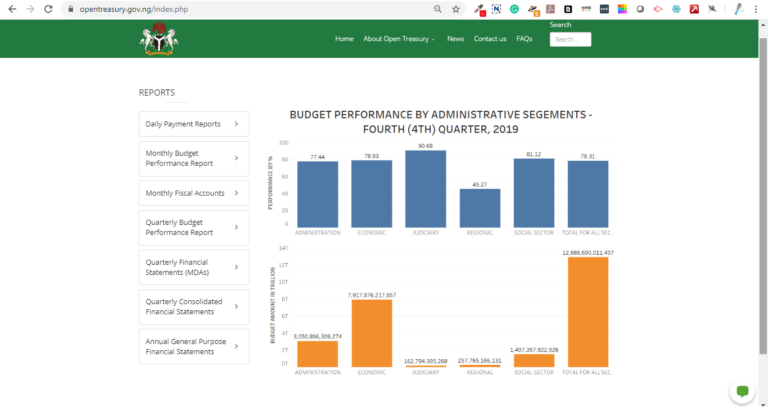
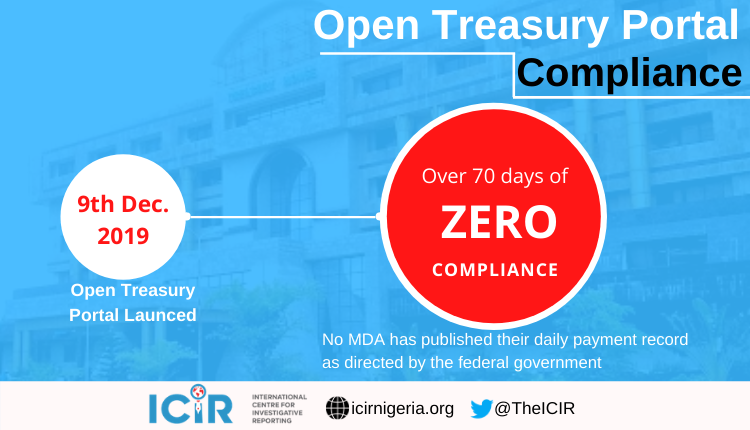
MORE than 90 days after the Federal Government launched its Open Treasury Portal (OTP)  for government ministries, departments and agencies to upload their daily financial information on procurement, the portal has not been updated since January 2020, The ICIR can report.

The Federal Government on December 9, 2019 launched the OTP in a bid to demonstrate transparency and accountability in the management of public sector finances.

During the launch of the portal, President Muhammad Buhari who was represented by  Omotayo Alasoadura, Minister of State for Niger Delta Affairs directed the Office of the Accountant-General of the Federation to publish daily treasury statements.

“The Accountant-General of the Federation (AGF) must publish a daily treasury report which will provide information about what comes into and what goes out of the national purse every day,” Alasoadura had said on behalf of the president.

All Ministries, Departments and Agencies (MDAs) are expected to publish monthly performance of their budget, functions, and economic activities, while the AGF will publish monthly accounts, detailing the fiscal performance of the federation, including receipts from all the (revenue) collection agencies and payments out of the federation account,” Alasoadura said.

The directive to the AGF is that the AGF is required to publish daily reports of all payments made to MDAs above N10 million, while MDAs will publish daily reports of payment they made above N5 million.

The published information is expected to include the MDAs responsible, the beneficiary, the purpose and amount of each payment.

Findings by The ICIR however, revealed that the directives and the excitement that greeted the launch of the portal have waned as it is over 70 days that there have been no update of contents on the portal.

Reports that are to be published include daily payment reports, monthly budget performance report, monthly fiscal account, quarterly budget performance report, quarterly financial statements by MDAs, quarterly consolidated financial statements by the federal government, and annual general purpose financial statements by the Federal Government.


But none of these is currently available on the portal when The ICIR checked. For instance, in 2018, datasets of daily payment report showed that the portal has reports of just four months or last quarter of that year. The reports were those from September to December.

Also, reports of 2019 transaction on the portal reflected January to December. That is, the daily payment reports and monthly budget performance reports were published for each month from January to December.

In 2020 which is the current year, and which is over 70 days after the launch of the portal, no reports have so far been published. In fact, the 2020 button when clicked links back to the homepage of the website.

It would be recalled  that the 2020 budget was passed and assented to by the National Assembly and the President respectively in December 2019.

In other words, implementation of the budget started in January 2020 during which most MDAs have started spending from their various budgets.

Lack of sanctions responsible for  foot-dragging the initiative —CSOs

Open governance experts from the civil society attributed  lack of sanction and not following up on policies or initiatives by assigned individuals of the government to the failure of most of the government’s initiatives.

Nkem Ilo,  Chief Executive Officer of the Public and Private Development Centre (PPDC) described the government initiative on open treasury as a good one. She however,  said lack of a follow-through process has hampered the implementation of the initiative.

“Take, for instance, it comes as a high-level policy of the government, we are part of the Open Government Partnership (OGP), they want to disclose information, we want to be able to put out public expenditure information so that every citizen can track it, ” Ilo said.

She explained in an interview that public expenditure information is a critical part of any governance system “because that is where the majority of the services government provides go through.”

“So from the budget down to procurement down to the contracting, and when you have this daily payment information being uploaded, people are able to see what is being provided by the Federal Government to the MDAs and the MDAs are able to share what is being provided for what and at what time to the contractors. These are useful information and it is something we should applaud.”

Ilo was however, worried that it was shameful that while the Federal Government’s disclosure as at 2019 was available, ministries, departments and agencies were not defaulting in uploading details of their financial transaction.

“It is shameful that as at 2019, you can only find Federal Government’s disclosure, no corresponding disclosure from the MDAs and it makes you wonder, what was the purpose of the Federal Government through its principal agent, that is the President saying this is now an initiative of the government.

“It also makes you wonder whether there was any conversation held across the agencies to makes sure there is an understanding of the responsibility that accrues to this disclosure, whether there was any form of sanction, training, or oversight by a responsible party,” she said.

“People are big brother eyes for the government. It will also be good for the federal government to take feedback from the citizens because citizens are the ones using the portal in addition to every other stakeholder and if they can take that kind of information.”

Edetan Ojo,  Executive Director of the Media Rights Agenda (MRA) said it is a cartel of the behaviour of government to adopt initiatives that have the potential to improve governance and result in better service delivery for citizens but are never really implemented.

According to him, the government is fond of coming up with initiatives without proper implementation while also blamed the citizen for failing to hold government accountable for its words and actions.

“We see a pattern of adoption of policies but we do not realise the benefits because we never really implement them the way it is supposed to be. We can go through a long list of such initiatives, including the OGP itself where they are supposed to take certain steps to open up governance, reform governance,” Ojo said.

“I think part of the responsibilities also falls on the citizens who are not holding the government to the commitment it has made. We continue to see one initiative or the other from the government, but there is no pressure on the government to say you have made this commitment, you need to fulfil your commitment to us as citizens.

Ojo insisted that: “If we continue like that, from time to time, we will have these meaningless initiatives that are signed on to and perhaps, money spent on them, but the benefits never manifest.”

But he added that it is important for the civil society and the media to really play that watchdog role to look at all the commitment government is making ‘to be more accountable, to be more transparent and open and to provide services and benefits to people and insist that it lives up to these commitments.’

“It is also important that there should be a reward and sanction system for performance and failure to perform. Once there are no consequences for non-performance, then there are no incentives for officials who are supposed to things.

“We also see it in the Freedom of Information Act implementation where there is sometimes noncompliance to the provisions of the Act that are mandatory and there are no consequences. This behaviour encourages impunity,” Ojo said.

No response from the OAGF

When contacted for reasons the portal has not been updated, the Office of the Accountant General of the Federation that is responsible for populating the portal was not forthcoming with response.

The ICIR was referred to the Government Integrated Financial Management Information System (GIFMIS) department by the Director of Press at the OAGF on Thursday, 27 February when the reporter visited him.

The Communication Officer in the GIFMIS department requested that The ICIR write officially to the OAGF requesting that an interview be granted to the reporter who visited him after he had listened to the questions. He went on to say that he was the right authority to speak to on the matter but he cannot speak unless he gets the permission of the AGF.

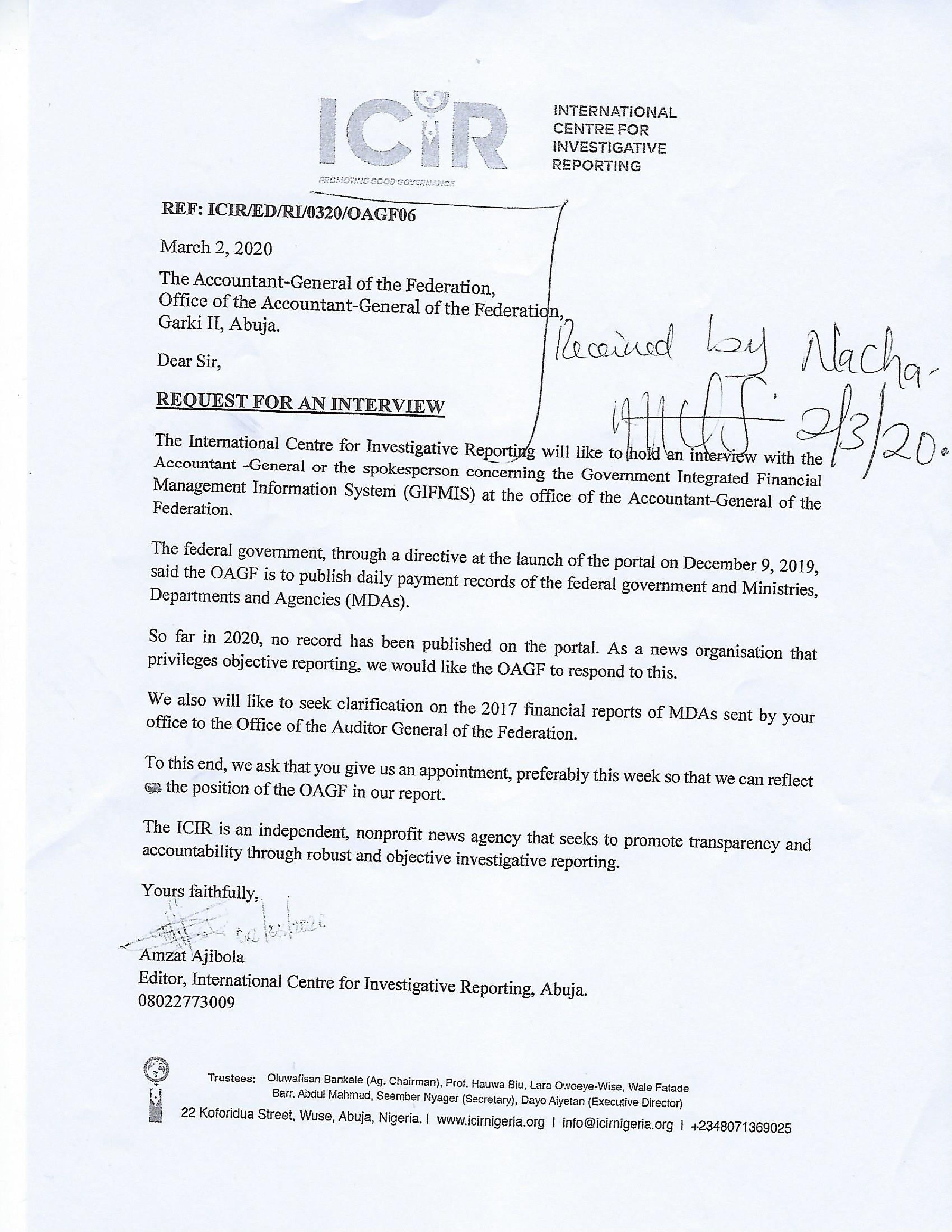
Request for interview letter sent to the OAGF by The ICIR

In a letter dated March 2, 2020, and acknowledged, The ICIR  wrote to the OAGF requesting for an interview session on the matter, as of March 9, the OAGF was yet to respond to the letter.

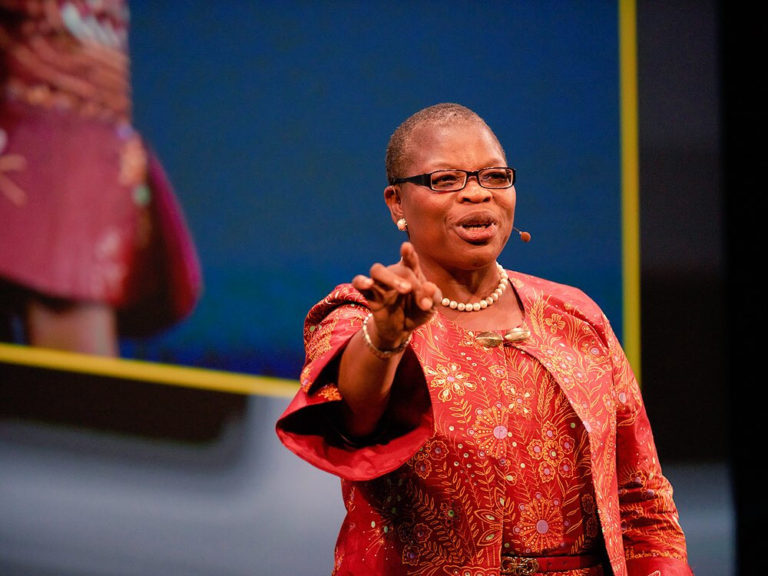
Crash in oil prices was not a surprise to me since China was bogged down by COVID-19— Ezekwesili

OBY Ezekwesili, former Minister of Education says she was not surprised at the crash of oil prices to $30 per barrel at the international market due to the outbreak of COVID-19.

Ezekwesili while reacting to lamentations by other Nigerians over the fall in the oil prices and how it would affect the country’s economy, said she knew the tide would turn as it has done since China, the second largest economy and second largest consumer of crude oil was bugged down by the novel virus.

“I am quite surprised to see the reaction around here to the slump in oil price. It was inevitable from the moment China — the world’s 2nd largest economy & 2nd largest consumer of oil in the world at more than 14%— was bugged down by #Covid19. I am surprised @ our Surprise,” she wrote on Twitter on Monday.

She however wondered why the National Assembly did not ask for how the outbreak of coronavirus would affect the country’s economy before proceeding on recess.

Last week, after reading the news of a #COVID19nigeria Break by the @nassnigeria , I wondered if before thinking of themselves, our lawmakers in the @NGRSenate & @HouseNGR asked the Executive @NigeriaGov to present them with economic impact of the global health crisis.”

The crash in oil price by 47 per cent is reportedly the crude’s biggest one-day fall since the early 1990s Gulf War, caused by a global crude price war launched by Saudi Arabia against onetime ally Russia.

Reacting to the development, Joe Abah a public analyst said the impending doom of the country’s economy was a wake-up call for the Economy Advisory Council (EAC) to conceptualize ideas, thereby taking tough decisions to avert the doom.

“With oil prices plummeting and public debt soaring, now is the time for the Economic Advisory Council to earn it’s stripes,’ Abah wrote on Monday.

Now is the time for President Buhari to listen and take tough decisions on cost of governance. Now is the time for EAC members to walk away if he doesn’t.”

Another Twitter user who goes by the name Engineer Chuks noted that the cost of governance is ridiculously high and there was need to cut down its cost.

In the same vein, Omasoro Ali Ovie @OvieAli said the best decision president Buhari can make for Nigeria now is to cut the subsidy for oil, allow Discos charge cost-reflective charges.

“Just these two austerity measures will reduce the strain on our finance and free up funds, but will also send 100s of millions into poverty and hardship,” Ovie wrote/

On his part, Abubakar Nikau, @NikauAbubakar said the essence of government is to make sure it citizens are not put into untold hardship and for that, “the government should opt for our reserve in the world bank to stabilize the economy before an agreement is achieved and oil price shut up again.”

Tope Fasua, a financial analyst said in a report by Premium Times that “Nigeria is not prepared for the economic eventuality because a fall in the oil price to $30 per barrel, may mean a recession for Nigeria because the oil sector is a major part of the economy.”

“All these other countries are prepared, they have enough reserves Saudi Arabia has trillions of dollars in its reserve shelving it for it sovereign wealth fund, Russia equally has quite a bit of reserve and sovereign wealth fund.

“Already Nigerian economy is in trouble, I think that’s why they intended to borrow $22.7 billion loans because the loan is for every other budget item,” he said.

According to Business Day, the current global oil price crisis started when Saudi Arabia wanted to lead the Organisation of Petroleum Exporting Countries (OPEC) and Russia in making deeper cuts to oil production to support crude prices in the face of the coronavirus outbreak, which has disrupted global economic activity.

With the benchmark for Nigeria’s 2020 budget at $57pb in view, terrible economic crisis and unfair exchange rate looms, as “it could lead to a sharp devaluation in the naira, reduce federal allocations to states and local governments as well as hinder the full implementation of the 2020 budget,” the Business Day said in a report.

The international oil benchmark, Brent crude, since the outbreak of Covid-19 in Wuhan has been on a downward trend, facing a fall by $3.84 to $46.15 per barrel as of 8:10 pm Nigerian time on Friday.

Yet, the Russian government declined in the negotiation which led to a rise in production by the Saudi Arabia government, offering its crude at steep discounts. A move, analysts said was an “attempt to punish Russia for abandoning the so-called OPEC + alliance”.

However, the Russia government said it wanted to see the full impact of the coronavirus on oil demand before taking action.

Monday’s report on the oil price poses a threat to the Nigeria’s fickle economy as similar cases from 2014–2016, showed the fall in oil prices from about $112 per barrel in 2014 to below $50 dollars per barrel in 2016, slipped Nigeria into a recession.


Finance Minister, Sylva, Emefiele make up committee to assess impact of coronavirus on economy

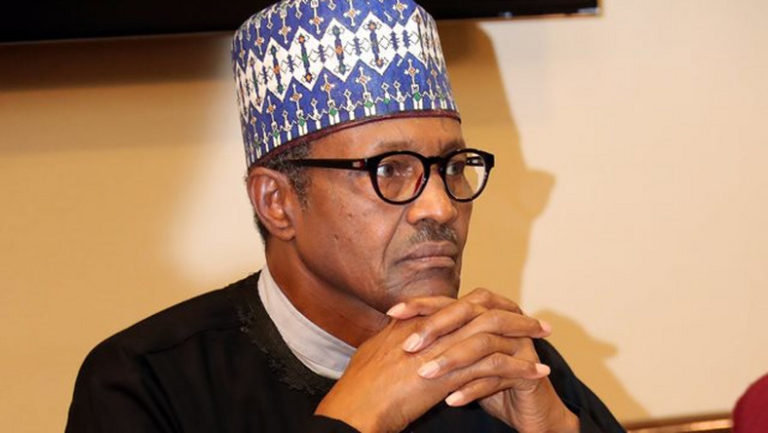
PRESIDENT Muhammadu Buhari on Monday has set up a committee mandated to make a quick assessment of the impact of coronavirus on the Nigerian economy.

Since the outbreak of the virus in Wuhan, China that has spread to over 100 countries, the global market has been experiencing economic hiccups evident in the stock value and market exchange rates.

The setting up of the assessment committee followed  president Buhari’s meeting with the Ministers of Finance, Budget and National Planning, Zainab Ahmed and Petroleum Resources, Timipre Sylva on the impact of the coronavirus on the Nigerian economy.

The committee is to urgently evaluate the effect of the virus on the economy, especially as it affects the prices of crude oil.

On Monday, Nigeria’s crude oil price crashed below the $57 per barrel benchmark set by the country as China -one of Nigeria’s biggest oil buyers- battles to combat the outbreak of the novel virus.

Members of the committee included the two ministers and Mele Kyari,  NNPC boss, as well as Godwin Emefiele, Governor of the Central Bank of Nigeria (CBN).

COVID-19: Italy in full quarantine as Prime Minister announces total lockdown

 ITALIAN Prime Minister, Giuseppe Conte, has announced that the country has gone  into full quarantine, including restricting of travel, in an unprecedented move to stop  further spread of coronavirus disease in the country.

Conte announced in a live video monitored on his official Facebook page that the quarantine measures put in place for the Northern regions affected by the coronavirus outbreak would be extended to the whole country.

Since the outbreak of the virus, several reports had it that Italy has confirmed 9,172 cases of COVID-19, with 463 deaths from the virus at the time of Monday evening.

Italy has been the most affected country by the virus outside of mainland China, origin of the outbreak.

The Prime Minister explained that the measures will restrict movement of Italians to emergency travel only for work or family emergencies, with public gatherings to be banned completely from Tuesday.

All sporting events in the country, including football matches within Serie A, have been suspended, Conte added.

He said the measures, which come into effect on Tuesday, were necessary to defend the most fragile members of the community.

The Prime Minister added that the best thing for the citizens of Italy was to “stay at home”.

Hans Kluge, Regional Director for Europe at the World Health Organisation, said: “Italy has taken a brave decision to contain  and mitigate the risk of COVID-19 for its population. WHO fully supports the commitment of the government at state & regions, the people of Italy, all doctors, nurses & health staff at the frontline. United with Italy.”

It will be recalled that earlier on Monday, WHO declared the COVID-19 pandemic as the virus crossed 100,000 reported cases in over 100 countries over the weekend.

WHO declares COVID19 pandemic as virus continues to spread worldwide

THE World Health Organisation (WHO) has declared the Covid-19 as a pandemic as the virus crossed 100,000 reported cases in 100 countries over the weekend.

Tedros Ghebreyesus, Director of WHO made this declaration during the organisation’s daily press briefing on Monday .

He stated during the briefing that the situation was troubling as so many people and countries have been affected so quickly.

Tedros said that the coronavirus now has a foothold in so many countries, noting that the threat of a pandemic has become very real.

He however, said it would be the first pandemic in history that could be controlled, adding that the world is not at the mercy of the virus.

The WHO director added that the great advantage the world has is that the decisions made as governments, businesses, communities, families and individuals can influence the trajectory of COVID-19 epidemic.

He urged people around the world on need to remember that with decisive early action, the virus can be slowed down and prevent infections.

Among those who are infected, most will recover, he assured.

‘’Of the 80,000 reported COVID-19 cases in China, more than 70 percent have recovered and been discharged, It’s also important to remember that looking only at the total number of reported COVID-19 cases and the total number of countries doesn’t tell the full story,’’ Tedros said.

“Of all the cases reported globally so far, 93% are from just four countries, this is an uneven epidemic at the global level.’’

He revealed that different countries were in different scenarios, thereby requiring a tailored response.

Tedros advised that all countries must take a comprehensive blended strategy for controlling their COVID-19 epidemics and pushing coronavirus back

“Countries that continue finding and testing COVID-19 cases and tracing their contacts not only protect their own people, they can also affect what happens in other countries and globally,” he said.

He emphasized that for all countries, the aim is the same: stop transmission and prevent the spread of the coronavirus or the first three categories, countries must focus on finding, testing, treating and isolating individual COVID-19 cases, and following their contacts.


Social Media Bill threatens freedom of expression in Nigeria —Amnesty International

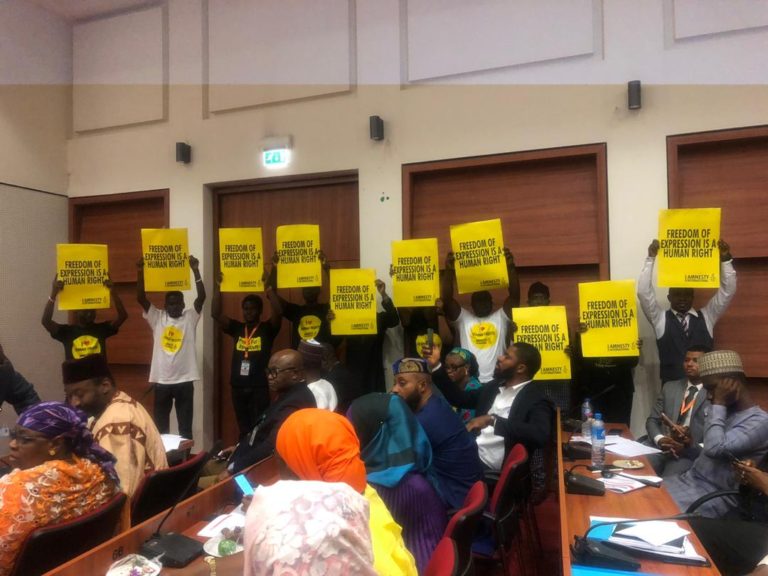
GLOBAL advocacy group, Amnesty International (AI), has termed the Protection from Internet Falsehoods, Manipulations and Other Related Matters Bill, 2019, popularly known as Social Media Bill, a threat to freedom of expression in Nigeria.

The submission was made by Osai Ojigho, Country Director of AI during the public hearing of the Social Media Bill held at the National Assembly Complex on Monday.

According to Ojigho, the Social Media Bill “fails to fulfill the requirements permissible under Nigerian Constitution and international human rights law and would be a serious threat to the exercise of people’s human rights including the right to freedom of expression and media freedom in Nigeria.”

Ojigho’s position was reflected in the statement of other Civil Organisations and Federal agencies that were present at the public hearing, all against the bill, except the Nigerian Army, who advocated for the passage of the bill into law.

Speaking in support of the bill, Solomon Udoma, representative of the Chief of Army Staff, Tukur Buaratai, said that the Military which is first responsible for land warfare operations of the country, believes the provision of the bill will advance the needs of national security.

“We welcome this bill for reasons of national security,” Udoma said, right before submitting that fake news which targets the military can undermine military leadership and lower troop morale as well as implicate steps taken to protect the nation.

The Social Media Bill which has generated mixed reactions on social media since it passed second reading in the 9th Assembly on November 20, 2020 was sponsored by Mohammed Sani Musa, senator representing Niger East under the flagship of All Progressives Congress (APC).

Musa, through the Bill, seeks to provide a legal framework that will regulate social media.

But the bill which has been described as draconian in nature and termed a law seeking to ‘pigeon-hole’ Nigerians on the internet, proposes as part of its objectives to; prevent the transmission of false statements/declaration of facts in Nigeria and to enable measures to be taken to counter the effects of such transmission.

It also seeks to “enable measures be taken to detect, control and safeguard against coordinated inauthentic behaviour and other misuse of online accounts and bots.”

Despite criticisms against the bill, Musa, while addressing audience during the public hearing, reiterated that his position was not that the bill must be passed but that Nigerians allow reason in deciding their stance against or for the bill.

According to him, his submission of the bill at the floor of the Senate was a personal decision.

““When I conceived this bill, I didn’t consult with anybody,” he said.

Speaking against the bill, Umar Dambata, Executive Chairman Nigerian Communications Commission (NCC)remarked that some requirements of the bill are impossible to meet because Nigeria doesn’t control or own new media as majority of the websites and social media platforms were run outside the shores of the country and as such the main aim of the bill would be impossible to effect.

Dambata who stated that the NCC is the national regulatory authority for the telecommunications industry in Nigeria  emphasised that while it wields the power to protect the internet space, it doesn’t control the content shared on it.

Dambata’s statement was reiterated by majority of the civil society stakeholders present at the meeting. They all submitted that the bill be trashed.

Omoyele Sowere, publisher of Sahara Reporters planted a thought puzzle when he asked the definition of ‘falsehood’

According to him; ” Is something false because the government doesn’t like it or because people recognize it as false?”

PDP kicks against Social Media Bill, says it’s out to suppress and silence Nigerians

THE Peoples Democratic Party (PDP) has spoken against the Protection from Internet Falsehoods, Manipulations and Other Related Matters Bill, 2019, popularly known as Social Media Bill, stating that the Bill is targeted at suppressing and silencing Nigerians.

PDP made this submission along many others in a press statement signed by Kola Ologbondiyan, its National Publicity Secretary.

In the statement, opposition party urged Nigerians and the leadership of the National Assembly to resist the Social Media Bill, which it described as unconstitutional and anti-people.

It stated that the Bill and the manner in which it has been treated in the 9th Assembly exposes “ the intolerance of the President Muhammadu Buhari-led administration as well as the desperation to cover its atrocities for which it is mortally afraid of public criticisms.”

The PDP argued that the administration has pervaded incompetence, corruption, security compromises, nepotism and general misrule and now seeks to foster totalitarianism in the country.

“It is obvious that the reason for this bill is to suppress democratic rights and prevent Nigerians, the media, civil society groups, pro-democracy organizations, the opposition and dissenting voices from freely criticizing the atrocities, abuses of the current administration,” the statement reads in part.

The Social Media Bill which was sponsored by Mohammed Sani Musa, senator representing Niger East under the flagship of All Progressives Congress (APC), passed second reading on November 20, and has since triggered uproar on social media.

On Monday, a public hearing on the Bill was held at the National Assembly complex where several civil society organisations, media organisations as well as other stakeholders were present to speak for and against it.

The Amnesty International was present at the public hearing and Osai Ojigho,  its Country Director submitted that the Bill is a threat to freedom of expression.