Home Blog Page 2711

3.6 million lack basic water supply in Nigeria’s north-east, says UNICEF

The United Nations Children Fund (UNICEF) says more than 75 percent of the public water supply infrastructure in the north-east have been destroyed as a result of the Boko Haram insurgency.

Sanjay Wijesekera, UNICEF’s Global Chief of Water, Sanitation and Hygiene, made this known on Wednesday at an event to mark the World water week.

Wijesekera said the destruction has left more than 3.6 million people in the region without access to even the most basic water supply.

“In far too many cases, water and sanitation systems have been attacked, damaged or left in disrepair to the point of collapse,” he said.

“When children have no safe water to drink, and when health systems are left in ruins, malnutrition and potentially fatal diseases like cholera will inevitably follow.

“In famine-threatened north-east Nigeria, Somalia, South Sudan and Yemen, nearly 30 million people, including 14.6 million children, are in urgent need of safe water.

“More than five million children are estimated to be malnourished this year, with 1.4 million severely so.”

Wijesekera noted that the issue is even worse in South Sudan, where there has been a civil war for over three years, leaving almost half the water points across the country either damaged or completely destroyed.

He however insisted that it is the duty of governments to ensure that children living in fragile situations have access to drinking water.

“Children’s access to safe water and sanitation, especially in conflicts and emergencies, is a right, not a privilege,” Wijesekera added.

The Boko Haram crisis, added to the adverse effects of climate change, has left the North-East region of Nigeria at risk of drought.

Farmers are afraid to return to their farms because of attacks from insurgents and in areas that had been secured by the military, there is inadequate rainfall for cultivation to take place.

The United Nations had projected that North East Nigeria, South Sudan, Somalia and Yemen may suffer severe food shortage as a result of crises in the areas.

In Yemen, water supply networks that serve the country’s largest cities are at imminent risk of collapse due to war-inflicted damage and disrepair.

Somalia is still recovering from the largest outbreak of cholera in the last five years, with nearly 77,000 cases of suspected cholera/acute watery diarrhoea.

Similarly, in South Sudan, the cholera outbreak was the most severe ever experienced by the country, with more than 19,000 cases occurring since June 2016.

Police forced ‘innocent’ Evans to plead guilty, says lawyer

Hours after Chukwudumeme Onwuamadike, the suspected kidnapper better known as Evans, pleaded guilty to charges of conspiracy and kidnapping, Olukoya Ogungbeje, his lawyer, said the plea would be changed to “not guilty” at the next court sitting.

Ogungbeje said the police coerced his client to plead guilty to the kidnapping charges before a Lagos State High Court in Ikeja.

He alleged that the police threatened to kill the suspected kidnapper.

In a statement emailed to the media after Wednesday’s proceedings, he said his client would change his plea to “not guilty” at the next court sitting.

He said Evans’guilty plea was not out of free will, adding that the defendant was hoodwinked and coerced into pleading guilty having been in detention for a long period.

The lawyer stated that since June 10, 2017, when the suspect was remanded, the police had not allowed family members and lawyers have access to him in custody.

He argued that the guilty plea of the defendants on Wednesday was of no effect, as the suspect was not given the opportunity to be guided by lawyers before the charges were read to him and other suspects.

He added that his client was only served with the charges in the open court on Wednesday and the judge also turned down the plea for an adjournment to afford his client time and facilities as guaranteed by the Constitution to confer with the defendant.

“The information/charge sheet was served on us in open court hence, the need to confer with our client to enable us avail ourselves with the constitutional right of adequate time and facility to put up our defence,” Ogungbeje said.

“The court, after turning down our plea for adjournment, immediately ordered that the counts charges be read to him and others despite our plea for adjournment to enable us confer with our client in accordance with the law.

“After the purported guilty plea of our client and the court rose, we stressed to have brief discussion time with our client and he told us clearly that the police told him to plead guilty failure to which they would kill him.

“This is definitely unconstitutional and we intend to challenge this unconstitutional procedure for hoodwinking, undue influence, brainwashing and coercion on an accused into entering a guilty plea against his wish and free will.

“He pointedly told us that he will change his police-motivated guilty plea to not guilty at the next adjourned date.

“It is settled law that plea of guilty must be made voluntary and direct devoid of any influence, coercion and manipulation.

“In the meantime, after our brief conferring with our client in open court, he made it known to us that he will change his Police motivated guilty plea to ‘not guilty’ at the next adjourned date.”

He insisted that he, as defence lawyer, had “a responsibility to assist the cause of justice in accordance with the law”.

“This press statement is necessary for the Public to be well informed and proper education of the Evans’ case,” he added.

Sagay: Magu currently investigating more than 20 senators — that’s why they don’t like him

0

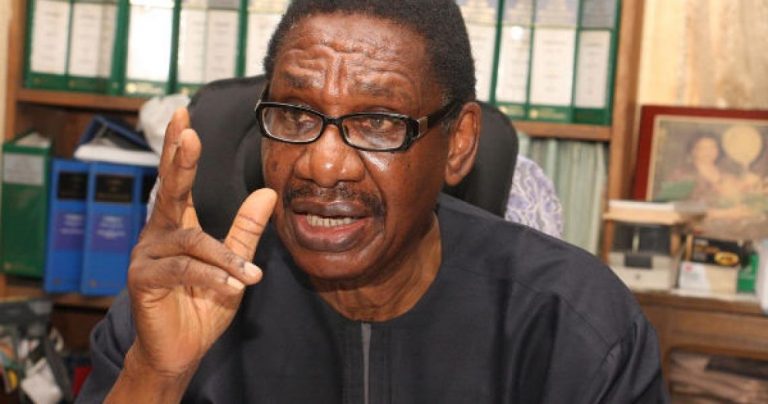
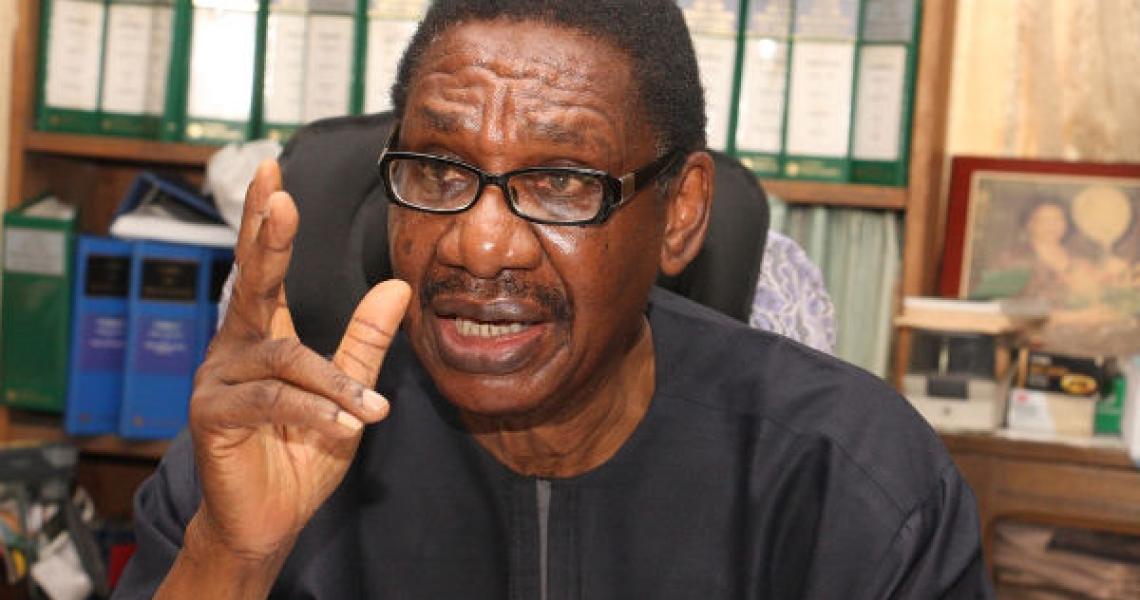
Itse Sagay, a professor of law and Chairman of the Presidential Advisory Committee against Corruption (PACAC), says Ibrahim Magu, Acting Chairman of the Economic and Financial Crimes Commission (EFCC), is currently investigating more than 20 senators for “misuse of public funds”.

Speaking in an interview conducted by Next Edition, the transcript of which was made available to the ICIR, Sagay said the ongoing investigation is the reason Magu is unpopular with the National Assembly.

He stated that Magu enjoys the support of the key figures at the Presidency because it has been confirmed that he cannot be bribed.

He also said former governors, both of the Peoples Democratic Party (PDP) and All progressives Congress (APC), who are currently under investigation by the EFCC, have tried to bribe Magu but the EFCC Chairman would not budge.

“We may not want to admit it, but integrity is a rare phenomenon in this country,” Sagay said when asked why the government was insisting on giving the job to Ibrahim Magu despite the face-off between the Presidency and the Senate?

“He is the best we know. We know that he can’t be bribed. We know [that] no one can approach him. That is why he is so unpopular with the National Assembly. Right now, as I am speaking, he is investigating over 20 of them.”

Asked if the investigation was without recourse to the party affiliations of the people in question, he said: “Yes, irrespective of the political party; I need not mention that.

“For instance, take a look at former governors, both APC and PDP. They are all being investigated. And there is concrete evidence on the grounds of major misuse of public funds. They are being investigated and nothing will shake him.

“He has been approached and he has completely defied every attempt to make him succumb to all these blandishments of money and threat and so on. When you are able to identify someone like that, it is a terrible risk to use the argument that there are many Nigerians because you don’t know what the next person would do.

“He is the best we have at the moment. We are sure that he can’t be bribed, no one can influence him and he has no fear of anybody no matter their position. That is why we are supporting him right from my own low level to the high level of the Vice President and the President.”

Reminded of the Department of State Services (DSS) report on which the Senate predicated its rejection of Magu’s nomination, Sagay said: “I don’t want to comment on that but it is a very sad case. Let me put it like that. Very sad.”


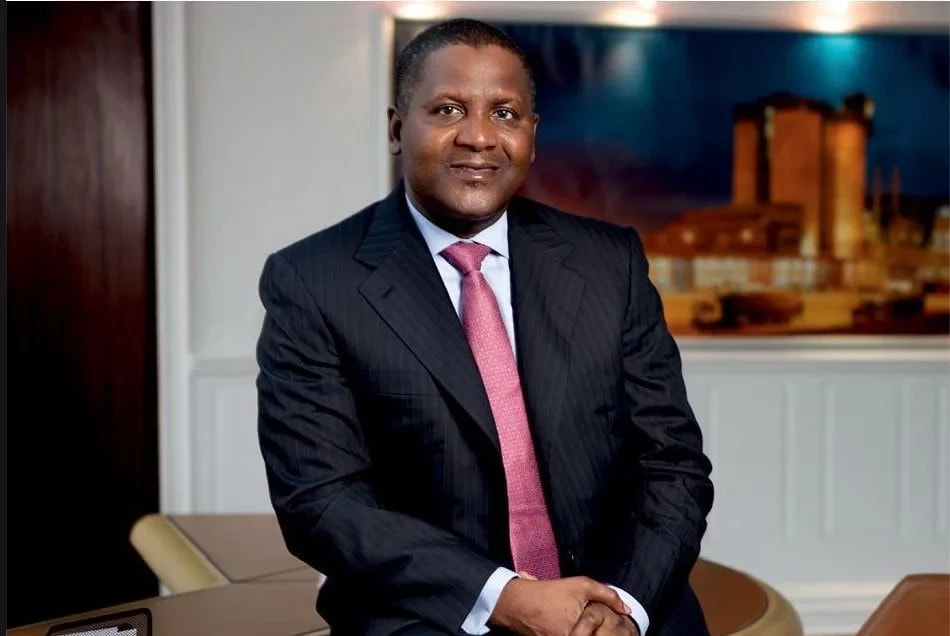
Dangote’s tomato paste factory, the biggest in Nigeria, grounded by lack of tomatoes

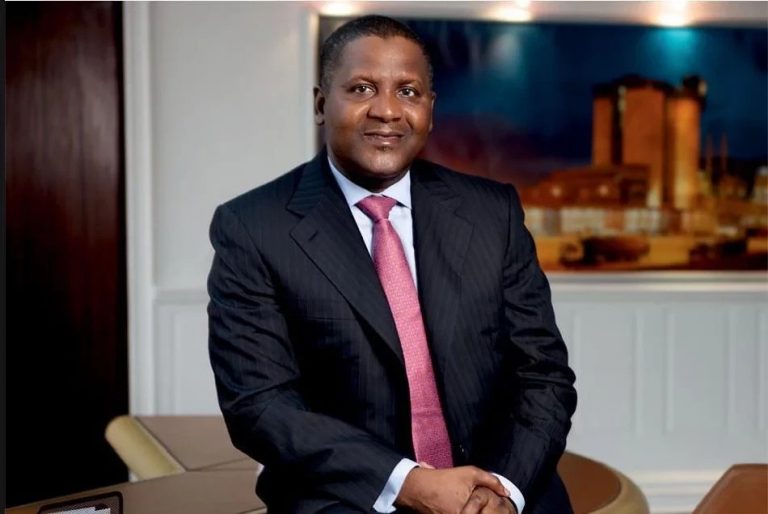
One year and five months after it was launched, Africa’s biggest tomato plant in the commercial city of Kano owned by the Dangote Group has been grounded by lack of tomato supply from local farmers.

According to Reuters, the plant has so far been unable to find other supplies despite Nigeria producing some 1.5 million tons of tomatoes annually.

Aliko Dangote, owner of Dangote Group and Africa’s richest man, launched the plant in March 2016, contracting Italian engineers working for months on a €350-a-day allowance to set up the machines outside Kano.

It was a welcome move to halt Nigeria’s importation of tomato paste annually, which is estimated to be up to 400,000 tons.

Dangote Group had thought of every technical detail, even setting up a control room linking its engineers to experts in Italy in case there was a problem.

But Reuters reports that the Group underestimated the difficulties involved in getting tomatoes, despite signing deals with some 5,000 farmers guaranteeing them to pay more than the market price.

The farmers have been unable to produce the quality and quantity needed by the plant to make paste due to lack of fertilizers and the drudgery of working with their bare hands. Much of last season’s output was wiped out by a pest, the report said.

Bar a few weeks, the plant has been standing idle, said A.L. Kaito, the frustrated Managing Director of Dangote Farms, who is in charge of the plant.

“We are trying to weather out the storm,” Kaito said. “The cost is horrendous. It’s a nightmare.”

Dangote spent some N4billion ($12.74 million) on the plant and now plans to set up its own tomato cultivation scheme for around N10billion to cover up to 70 percent of its needs, buying land and tractors. Experts from Israel, Mexico and Spain will be flown in.

The tomato plant, however, hopes to restart work in January at just half its capacity of 1,200 tons a day after the next season, in the meantime costing N5million every month.

Dangote has kept workers sitting at home on the payroll: the Italians spent months training them on the new machines.

The investment is paltry for its owner, who is spending billions of dollars on cement plants, sugar and rice schemes across Africa. His cement business alone posted revenues worth in N615 billion in 2016.

It’s a powerful symbol of Nigeria’s uphill challenge to build up agricultural production and end costly food imports to feed its 190 million people.

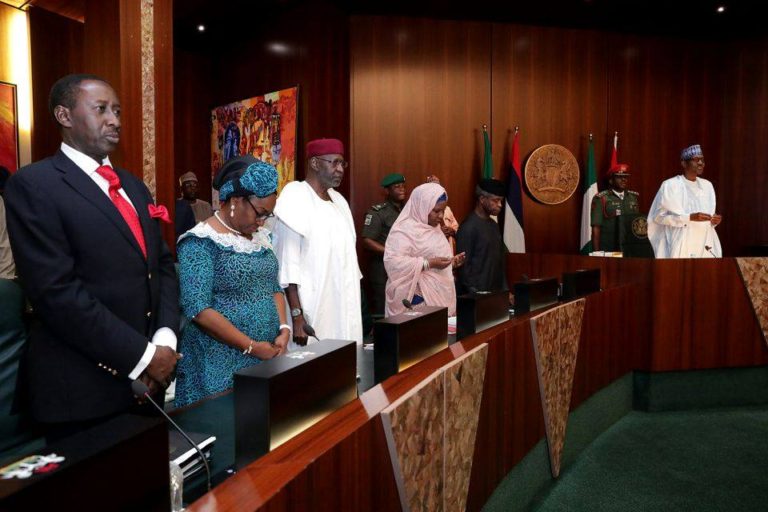
Buhari presides over FEC meeting — the first time in 20 weeks

President Muhammadu Buhari on Wednesday presided over his first meeting ‎of the Federal Executive Council (FEC) since Wednesday April 12.

The President had missed four consecutive FEC meetings between April 12 and May 3, before eventually travelling to London, United Kingdom, on medical vacation.

He returned to the country on Saturday August 19 but cancelled what would have been the first FEC meeting four days later, raising fears that he hadn’t returned to full fitness.

At Wednesday’s meeting, ministers offered prayers for the President, who, before the meeting, received the Nigerian women basketball team who recently emerged African champions.

Each member of that team received a gift of N1million from the president.


INVESTIGATION: Bacteria, acids, odour… the ‘pure water’ you drink is filled with impurities

0

By Hannah Ojo

In this first of a two-part series, HANNAH OJO reports the result of the first 15 laboratory-tested sachet water samples randomly selected in the five divisions of Lagos. From the presence of pathogenic bacteria to coliform, high microbial levels, acidity and objectionable odour, the hygiene and safety status of many of the brands of ‘pure water’ consumed by majority of Lagosians are questionable.


Lagosians may be killing themselves in installment through the sachet water they drink, an investigation by The Nation has revealed. For three months, 30 sachet water brands popularly known as ‘pure water’ were randomly selected in the five divisions of Lagos. A laboratory test contracted to the University of Lagos Consult Limited examined the physical, chemical and microbiological characteristics of each sample, which were coded to conceal their brand names. A registered public analyst and chartered chemist from the University of Lagos’s chemistry department issued an analyst’s certificate on each sample, in accordance with the Institute of Public Analysts of Nigeria (IPAN). The test ran from the month of May to August.

Out of the first batch of 15 sachet water samples analysed, only six met the recommended World Health Organisation (WHO) standards on potable water. The other nine showed high level of contaminants ranging from the presence of pathogenic bacteria and faecal coliform to high microbial levels, objectionable odour and low pH (acidity), which falls short of the minimum WHO pH parameter of 6.50.

The names of the tested sachet water are: Maja Water, Makus Water, Unilag Water, Haars Premium Water, Skord Water, Le Harmonious Water, David’s Key, Fizco Water, Dis Day Water, Clock Water, Austin Water, Vic Water, Ray Queen Water, Troven Water and Vida water.

Interpreting the health implications of the contaminants found in the tested water samples, Oluwole Adedeji, a professor of Chemical Pathology at the Lagos State University Teaching Hospital (LASUTH), stated that low pH in water represents acidity.

“pH is the concentration of hydrogen iron, which represents acidity. The neutral pH is seven. Anything below seven is acidic. Anything above seven is basic and denotes alkalinity,” he said.

The consultant also described odour as a product of metabolism, which shows some form of decay with grave implications for the human body if ingested through contaminated water.

Asked about the health implications of coliforms and other forms of pathogenic bacteria, he explained that the coliform count in potable water should not exceed a certain percentage.

“Our intestines have what is called the resident coliform. But when immunity is reduced, they become a problem. Adding more from outside means exposing the body to higher risks of toxic effects, especially when a person is stressed,” he said.

AT RISK OF DISEASES AND TERMINAL ILLNESSES

Beyond water-borne diseases such as typhoid, diarrhoea, cholera and hepatitis, drinking contaminated packaged water can also expose the body to carcinogenic agents. This happens when the polythene bag used to package the water is of low quality whilst being exposed to sunlight or stored in an unwholesome condition.

Findings revealed that the drive for profit often makes many sachet water manufacturers patronise makers of low-quality polythene bags, consequently causing dissolution of chemical into the water.

“Most of these bags have pores. They have holes, which may not be visible to the human eye, which allow some elements in the environment to diffuse gradually into the water. The chemicals can be very carcinogenic,” Adedeji said, linking poorly-packaged sachet water with cancer and other terminal illnesses associated with the lungs, liver and the heart.

With the acute water shortage in Lagos owing to the inability of the state’s Water Corporation to supply potable water to majority of residents, there is a high reliance on sachet water as a means of potable drinking water by over 70 per cent of the citizens.

In a poll conducted on Twitter by the reporter on the sources of potable drinking water for Lagosians, 44 per cent of respondents chose sachet water while 39 per cent chose boreholes. Another 12 per cent voted bottled water and the lowest vote stands at 6 per cent, representing those who source potable water from the Lagos State Water Corporation.

Majority of sachet water producers interviewed by The Nation source their water from boreholes. Although there are strident measures laid down by regulatory agencies such as the National Agency for Food and Drug Administration and Control (NAFDAC) and the Lagos State Water Regulatory Commission; enforcement to these standards is not often adhered to.

Kabir Ahmed, Chairman of the Lagos State Water Regulatory Commission, an agency responsible for regulating water supply and wastewater management, told The Nation that indiscriminate sinking of boreholes and wells have negatively impacted on the quality of ground water in Lagos.

“Underground, we have four aquifers of water. As we speak, the topmost aquifer has been polluted by human activities,” Ahmed said. “As recently as 25 years ago, we used to fetch water from shallow wells in Lagos to drink. Now, water from that depth of 0-12m is not drinkable because it is practically impure.”

Lamenting the fact the use of substandard equipment, which drip oil into the underground water, by many borehole drillers in the state, Ahmed further stated that sinking of soak-away and pit latrines close to water source is responsible for the presence of coliform in some water sources across the state.

CHEAP DEATH CHANNEL

At N10 per sachet and N150 for 20 pieces, ‘pure’ water in Lagos appears a cheaper alternative to bottled water. A 75 cl bottled water sells between N50 and N100, depending on the brand. However, low-costing sachet water might be bait to a cheap death channel.

Data exclusively obtained by The Nation from the Lagos State Ministry of Health, showing the prevalence of water-borne diseases such as diarrhea, typhoid and cholera in the 25 general hospitals in Lagos, revealed higher rates of water-borne diseases in areas of the state faced with the most pressing cases of inadequate Water Hygiene and Sanitation (WASH) facilities. Such areas include Badagry, Ikorodu, Epe and Orile Agege.

In 2014, General Hospital Orile Agege recorded a total of 1,690 cases of typhoid fever and 3,213 cases of diarrhoea. The Ijede Health Centre recorded the highest cases of cholera with 48, followed by General Hospital Epe with 15 cases. Also, in the year under review, The Massey Children Hospital recorded 2,612 cases of diarrhoea while the General Hospital, Epe, treated 893 patients out of a total diarrhoea prevalence rate of 12,413 in 2014.

Diarrhoea prevalence rate in Nigeria, put at 18.8 per cent, is one of the worst in sub-Sahara Africa.

Although data from 2015 and 2016 showed a slight reduction in the prevalence of water borne diseases in the state, local government areas such as Ikorodu, Epe and Badagry recorded highest prevalence rates.

The Orile Agege area, which follows closely, is one of the most densely populated urban slums in Lagos. Also, areas such as Epe and Badagry are urban isolated bubbles in Lagos where manufacturing of counterfeited sachet water is common. While the results of the tests of the sachet water samples selected in Ikorodu recorded cases of contamination with acidity, those of Epe and Badagry are being awaited and will be published in the second series of this report, on Saturday.

SHOCKING SOURCE OF UNHEALTHY SACHET WATER

The most shocking results of the scientifically tested sachet water samples was the one produced by UNILAG, which recorded the presence of coliform and high microbial load on two separate occasions. On May 15, our reporter purchased three sachets of UNILAG Water at the Iya Ibeji store located at the campus shuttle park. Another set of samples of sachet water, purchased from the same outlet on August 1 and subjected to laboratory tests, showed the presence of high microbial loads, with the analyst recommending that the water be treated to make it potable.

Confronted with the result, officials of the university debunked the claim, saying the tested water samples selected could be counterfeited products smuggled into the campus illegally.

Toyin Adebule, Public Relations Officer of the university, told our correspondent that the institution had been having a running battle with fake sachet water producers who counterfeited the university’s brand.

Adebule said: “On a weekly basis, our Department of Chemistry conducts quality assurance test on UNILAG Water. There are fake UNILAG Water sachets around, and the authority is clamping down on the perpetrators.”

When The Nation paid a visit to the UNILAG factory, a banner displaying good water storage practices at the door post greeted visitors.

The UNILAG Water factory, opened in 1995, was privatised recently and is now being managed by the University of Lagos Holding Company Limited.

Speaking with our correspondent, Oyewunmi Onanuga, General Manager of UNILAG Ventures, said: “We challenge anyone with claims to contamination of our water to buy directly from our factory and subject it to laboratory tests. Only last year, we had a case of adulterated UNILAG Water counterfeited by some people.

“We also emphasise to retailers that storage condition is important. If the water is left under the sun, on the bare floor or stored for a period exceeding validity, then there could be possibility of contamination.”

Another ironic twist also occurred with Troven Water, a sachet water brand sourced from the central cafeteria of the Lagos State Secretariat, Alausa, Ikeja. Produced by Treasured Rocks Ventures, Troven Water, which also has a LWRC registration number, recorded a low pH of 6.20.

DAMMING VERDICT… PATHOGENIC FAECAL COLIFORM

The laboratory sample that recorded the most damming verdict was Fizco Water, produced by Akanji Ola and Sons, located in Mushin, a densely populated suburb of Lagos. A very popular brand in the area, the sample was selected at an open market in Mushin and taken to the lab on May 17. When the physical, chemical and microbiological characteristics were analysed, it showed the presence of pathogenic bacteria totalling 1.50x 10³, exceeding the WHO limits of 1.0×101 in threefold. Also, the total coliform count was 3.0×101, a far cry from the WHO recommended 0.00 limits. The pH (acidity) was also high at a record 5.60 against the WHO recommended maximum of 6.50. Fizco Water is registered with NAFDAC registration number B1-5761L.

According to a study by the African Journal of Food Science and Technology, Faecal coliforms are bacteria found in the faecal material of humans and warm-blooded animals. Diseases such as typhoid fever, hepatitis, gastroenteritis, dysentery and ear infections can be contracted from waters with high faecal coliform count, the study further revealed. Faecal coliform bacteria can come into surface water through improperly treated wastewater.

Last month, there was an outbreak of diarrhoea in Lagos State, leading to the death of two people died and the quarantining of 25. The incident occurred in Shomolu, the locale where Ray Queen Water, another brand contaminated with high acidity, was sourced. Findings show that Shomolu/Bariga is also a hub for counterfeited sachet water.

NAFDAC URGES PROPER STORAGE OF PACKAGED WATER

NAFDAC regulates and controls the manufacture and distribution of food, drugs, chemicals, medical devices and packaged water.

A summary of the results of the first 15 samples were directed to be submitted to the pharmaco-vigilance arm of the agency. Also, NAFDAC ran a cross check on the registration status of the selected water samples. A particular brand, Vic Pure Water, produced by Kroxxing Ventures in Abule-Egba, was not in the agency’s record of registered sachet water producers, even though the sachet has the registration number C1-4773L boldly printed on it. Another brand, Dis Day Water, was registered as Oniks Water while Austin Water produced in Fatai Atere has an expired registration status.

In a chat with The Nation, Abubakar Jimoh, NAFDAC’s director of Special Duties, cited issue of storage and counterfeiting as reasons why packaged water registered by the agency may turn out to be contaminated.

“Even if a product is registered but it is stored in bad condition, it will return as poison. Bottled water has a life span of one year and sachet water is two months,” Jimoh said.

“Secondly, the fact that a water company carries a NAFDAC registration number does not mean it is registered. We have arrested printers who printed labels for those adulterating fast-selling sachet water brands.

“Then the third layer is where the real owner of the product would be compliant when seeking registration but lower their standards once they get registered.  We are also warming people not to buy packaged water from hawkers because of the exposure to the sun.”

HOW CORRUPTION AND MULTIPLE TAXATION AFFECT QUALITY OF SACHET WATER

Nothing gives the indication that Dame Clementina Ativie, the National President of the Association of Table Water Producers (ATWAP), is a forceful woman until she took hold of the microphone to state the grievances of packaged water producers in Lagos at a stakeholders’ meeting on taxation and revenue generation, convened by the state’s Ministry of Finance on August 1.

She lamented the fact that water producers were vulnerable to tax and revenue collectors from both local government and state levels. The development, she said, was forcing many water producers to relocate to suburbs where there is ease of doing business. She hinted that multiple taxation could be the reason for low-quality sachet water in the state.

“Consultants and touts are used to threatening us both at the local government and state levels,” she said.

“As I speak, we have over 20 people all going for revenue collection from water producers. More than six agencies alone from the state’s ministry of environment, each with an independent letter, with the Lagos state government letter-headed paper.

“Ninety-nine per cent of the money goes into private pockets because there are no receipts. When government says pay N5,000, the touts will tell you, ‘give us N2000 and forget the balance’. The N2,000 is not remitted to the state’s coffers.

“With the way things are going, those who can continue to pay will start cutting corners with the quality of water.”

NO RESPITE FOR THE POOR

On a hot sunny day in Maryland, Lagos, John Nwordi, a pharmacist carries a fast food branded polythene bag, heading back to work to have lunch after a hectic morning duty. Asked if he would wash down the food with sachet water, he gave a sharp retort: No!

“Gone are those days I drank sachet water,” he said. “These days, I don’t. Some of the sachet water I have bought in the past had funny outlook and sometimes you’d see substances flying inside the sachet.”

Not far away, a teenager and aspiring rapper, Micheal Odion, flags down a sachet water hawker. Asked if he’s not afraid of contamination, his response: “The blood of Jesus covers me!”

Odion’s response resonates with the thought of many Lagosians who hope for a spiritual force that will cover them from diseases after drinking sachet water. A purified water source is beyond the purchasing power of many Lagos residents.

Reporting for this story was supported by Code for Africa’s impactAFRICA fund and the Bill & Melinda Gate Foundation.

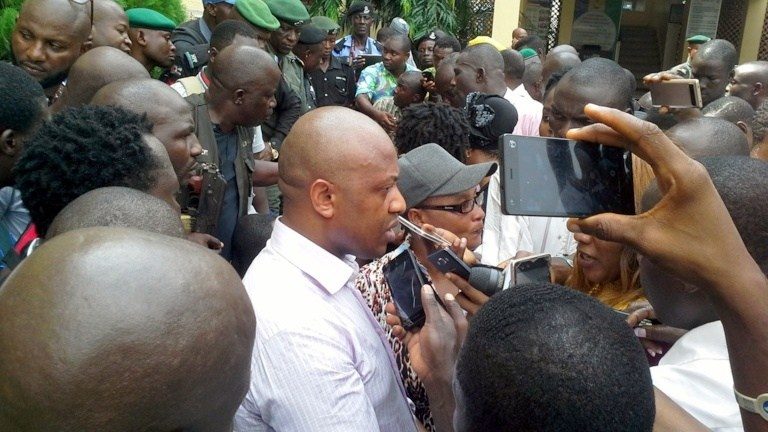
UPDATED: Evans pleads guilty in court, says ‘I’m a kidnapper’

Chukwudumeme Onwuamadike, the suspected millionaire kidnapper better known as Evans, has pleaded guilty to the charge of kidnapping.

According to Channels, Evans pleaded to the charge on Wednesday when he was arraigned at the High Court in Lagos by the state government.

He was arraigned alongside five others — Uche Amadi, Ogechi Uchechukwu, Okwuchukwu Nwachuckwu, Chilaka Ifeanyi and Victor Chukwunonso Aduba.

Evans, the second and fourth defendants, pleaded guilty, while the third, fifth and sixth defendants pleaded not guilty to the charges preferred against them.

Adeniji Kazeem, Lagos State Attorney General and Commissioner for Justice who led the state’s prosecution team, stated that the defendants committed the alleged offence between February 14 and and April 12, 2017.

He said that the incident took place at about 7:45pm, along Obokun Street, Ilupeju, Lagos.

Kazeem said that on April 12, Evans and the five defendants, armed with guns and other weapons, captured, detained and collected a ransom of €223,000 from one Duru Donatus for his release.

According to the prosecutor the offences committed is punishable under Sections 411 and 271 (3) o‎f the Criminal Law cap C17 laws of Lagos State 2015.

However, when the charge was read to the defendants, Evans and the second and fourth defendants pleaded guilty to the two-count charges‎ against them while the third defendant, a female, and the fifth and sixth defendants pleaded not guilty.

Evans said: “My Lord I’m guilty”.

After the arraignment, Kazeem asked Justice Hakeem Oshodi to remand the defendants in prison custody.

“We would be asking for remand in custody and also for an adjournment to take trial for those that pleaded not guilty, so that we can come back for facts and sentence of the ones that pleaded guilty,” he said.

Olukoya Ogunbeje, counsel to the first, second, third and fifth defendants, said: ‎”We would not be opposing the adjournment. The defence team has just had the opportunity of meeting our clients this morning in court.

“We were just served the document in the open court this morning, thirdly all the defendants have since been in the custody of the Police and we have not had the opportunity of conferring with them regarding the offences which are capital in nature, we would like to ask for an adjournment to confer with our clients.

“Before the next adjourned date, we would have confirmed with our client as this is a capital offence. Before the adjournment Justice Oshodi asked the prosecution team leader to disclose his choice of prison, and he answered: “Kirikiri Maximum Prison”.

However, Justice Oshodi remanded the first, second, fourth, fifth and sixth defendants in Kirikiri Maximum prison, while the third defendant was remanded in the female wing of Kirikiri Prisons custody. He adjourned the case to October 19, for trial.

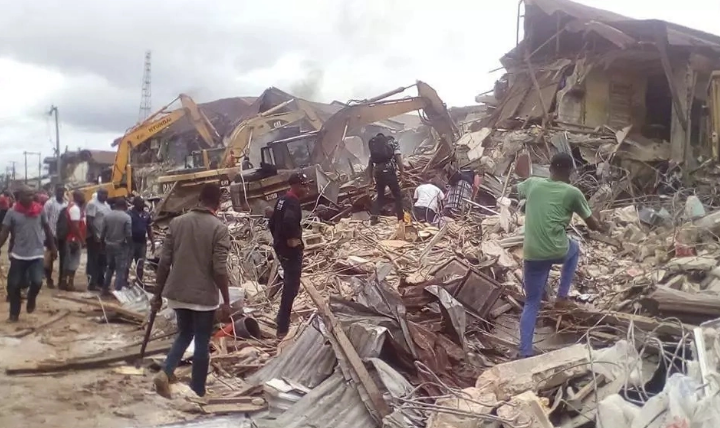
This is all I have and now it’s gone, cries widow whose shop was demolished in Owerri

Eunice Mba, a widow whose shop at Eke Ukwu Market in Owerri, Imo State, was demolished on Saturday says she has no option than to return to the village.

Mba told Spaces for Change, a human rights non-governmental organization, that her entire livelihood as well as that of her family had been destroyed in the demolition exercise ordered by Rochas Okorocha, the Imo State Governor.

She said that even though the state government was building a new site for the traders to relocate to, prices for the shops were quite high and unaffordable.

‘My shop is all I have. It has now been destroyed,” Mba said. “I am simply moving back to my village because I cannot afford to buy the new shops in the new site.”

In a press statement issued on Tuesday, Victoria Ibezim-Ohaeri, Executive director of Spaces for Change, pointed out that the “so-called new site” that the Imo State government claimed to have built is still under construction and lacks the basic amenities for the traders to move into.

“Recently, Imo Governor, Rochas Okorocha, announced plans to relocate the market to a new site, which is presently under construction. In radio and television announcements, the state government ordered traders to start buying up the new shops in the new site,” Ibezim-Ohaeri said.

“Interviews with local traders reveal that the shops are prohibitive, and sold at costs they cannot afford. Not only that, the market is still under construction, lacking adequate infrastructure and the needed conducive environment for robust commercial operations.”

She lamented that the demolition exercise was carried out in spite of a subsisting court order restricting the state government from proceeding with the exercise.

“An Imo State High Court restrained the state government from destroying, relocating or tampering with Eke-Ukwu Market. The Governor went ahead to demolish the market in total disdain for the court order,” Ibezim-Ohaeri’s statement read.

“Similarly, Governor Rochas had in July 2017, demolished Shell Camp Quarters, inhabited by serving and retired lecturers of Alvan Ikoku Federal College of Education, despite a subsisting court order.

“Not only are court orders brazenly flouted, there is substantial evidence that the cleared land is not being used for any development purposes, but rather reallocated to family members and political cronies. “

Spaces for change demanded that Okorocha should immediately discontinue from further demolition of the market and all other “illegal” demolitions across the state.

“We particularly demand the Imo State government to pay compensation to owners of properties already destroyed and provide relief in the form of alternative housing and/or fair compensation to all residents previously evicted or whose homes or real properties have been demolished.

“We specifically call on the National Human Rights Commission to launch an independent investigation into the August 26, 2017 demolitions with a view to identifying the killers of Imo citizens and bring them to justice.

“We also call on all national and international human rights groups, the media and well-meaning Nigerians to press on the Governor Rochas Okorocha administration to discontinue his market demolition policy and ensure the urban renewal agenda has a human face.”

Spaces for change said it confirmed that “three persons died during the demolitions on Saturday and three others were seriously wounded, and are currently hospitalised”.

It listed the dead to include “a 10-year-old boy, Somtochukwu Ibeanusi, who was reportedly trying to assist his parents evacuate wares trapped inside their shop”.

“Thousands of traders have lost their livelihoods at a time Nigeria is battling to exit an economic recession,” the NGO noted.

Okorocha issued a statement on Sunday, describing reports of killings by the police during the demolition as “blackmail”.

He said the reports were the handiwork of “those who hate progress”, whose intent is to “discredit the government and the patriotic action taken in the overall interest of the state”.

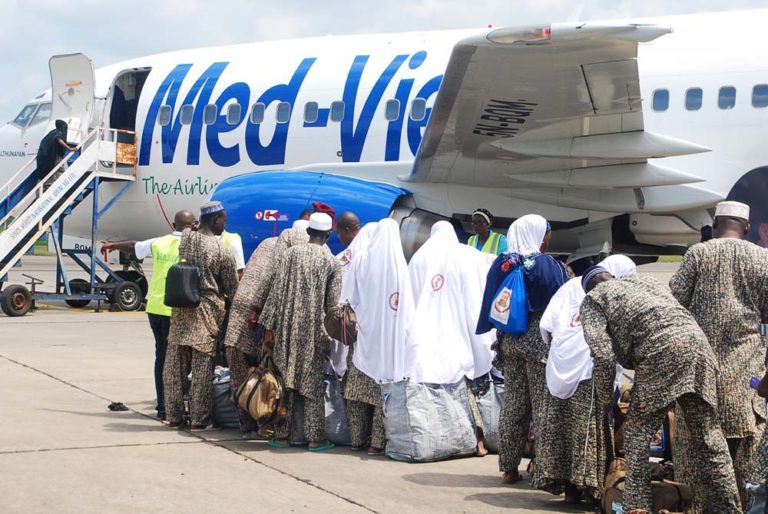
Five Nigerian pilgrims die in Saudi Arabia

Five Nigerian pilgrims to this year’s hajj in Makkah, Saudi Arabia, have died.

Abdullahi Mohammed, Chairman of the National Hajj Commission of Nigeria (NAHCON), initally announced the passage of four pilgrims on Tuesday in Makkah, Islam’s holiest city.

But shortly after his speech, an official on the medical team of NAHCON announced the passage of another pilgrim from Kwara.

Premium Times quoted Mohammed as saying this during the 2017 pre-Arafat meeting with Hajj stakeholders, adding that he declined to disclose the identities of the late pilgrims and the circumstances that led to their death.

He said such information could only be disclosed after their families had been appropriately informed.

Mohammed pleaded with the media to withhold the details so as not to further devastate the families of the affected pilgrims.

A total 81,200 Nigerian pilgrims are performing this year’s hajj. All of them have converged on Makkah after some of them visited and prayed at the Prophet Mohammed’s mosque in Madinah.

A few other pilgrims came directly to Makkah after flying into Saudi Arabia through the nearby city of Jeddah.

All the pilgrims have performed the rites of Umrah, the lesser hajj, at al-Masjid al-Haram, situated the Kabah.

On Wednesday, the pilgrims, like their counterparts from other parts of the world, will move to the city of Mina to spend the eve of the 9th of Dhul-Hijah.

They will then proceed to Arafat on Thursday, praising Allah and reciting the Qur’an.

ASUU shuns meeting with FG, says ‘we already communicated our views’

Leaders of the Academic Staff Union of University (ASUU) on Tuesday stayed away from a meeting called by Chris Ngige, Minister of Labour and Employment, to find a solution to the ongoing strike embarked upon my the union on August 13, 2017.

The meeting was expected to be a follow-up to the August 17 meeting Ngige held with the government and ASUU delegations.

But the minister expressed disappointed with the absence of the union leaders whom he said had promised during the last meeting to take the offer of the federal government back to its members and revert within a week.

In a statement issued on Tuesday, titled ‘Nationwide strike: An update’, Biodun Ogunyemi, ASUU President, said there was no need for such meeting as the union had collated its views and sent them to the federal government through a letter dated Monday August 28, 2017.

He said the union was waiting for the government’s action on its letters, as well as the timely resolution of the issues.

“Members of the Academic Staff Union of Universities (ASUU) were forced to proceed on indefinite, comprehensive and total strike action on Sunday, 13th August, 2017 following Government’s failure to implement issues, on which understanding was reached during the suspended warning strike of November, 2016,” read the statement.

“We have since held talks with representatives of Government and consulted our members nationwide on steps to be taken to immediately resolve the lingering crisis. Among issues in the dispute are registration of the Nigerian Universities Pension Management Company (NUPEMCO), fractionalization of salaries in Federal Universities and gross under-funding/non-funding of State Universities, and arrears and implementation of Earned Academic Allowances (EAA).

“Other issues are release of fund for revitalisation of public universities as spelt out in the 2013 Memorandum of Understanding, guidelines for retirement benefits of professors in line with 2009 FGN/ ASUU Agreement, Treasury Single Account (TSA), and withdrawal of support for universities’ staff primary schools.

“On Thursday, 17th August, 2017, we met with officials of the Ministry of Education and Labour and Employment where it was agreed that the Union should consult and ‘revert back to Government’. Following due consultation, we have collated the views of our members on the offers from Government in dispute in the letter of 16th August, 2017. These views were submitted to Federal Government via our letter dated 28t1, August, 2017.

“As we await the Federal Government’s action on our letter, we hope that it would not be long before we receive a positive response which will bring an end to the dispute. Meanwhile, we thank all Nigerians, particularly our students (and their parents) and the media, for their understanding, so far, on the need to speedily address the issues in the best interest of the Nigerian University System and for the overall development of the country.”