Home Blog Page 54

30 students hospitalised after suspected gas leak in Ogun school

0

AT least 30 students of Our Lady of Apostles Secondary School, Ijebu-Ode in Ogun State, were hospitalised on Wednesday, April 1, after a suspected gas leak caused panic in the school.

Reports indicate that the incident occurred shortly after morning assembly when fumes believed to have emanated from gas explosion or school laboratory spread across the school premises.

The gas immediately left students and staff struggling to breathe, with some collapsing after inhaling the gas.

The state Commissioner for Environment, Ola Oresanya, confirmed the development, noting that about 30 students were affected and rushed to the General Hospital, Ijebu-Ode.

”Some students were affected, about 30, and they were rushed to the General Hospital in Ijebu Ode. Most of them are now in stable condition, and some have been discharged,” The Cable quoted the commissioner to have said.

Oresanya added that there was no evidence of a gas pipeline or industrial facility around the school, noting that investigators were still trying to determine the exact source of the fumes. He said preliminary findings suggested the possibility of human activity, including the use of gas cylinders in nearby areas.

He also explained that during inspection, officials discovered a bush close to the school, raising suspicions that the substance might have originated from there.

However, there has been confusion over the exact cause of the incident. Some accounts suggested a possible laboratory-related chemical spill within the school, while others pointed to a suspected gas cylinder leak in the surrounding environment.

Oresanya added that there were no industrial facilities in the area capable of causing such pollution.

“Some teachers also confirmed that the odour that filled the school premises smelled like carbide. So, it is possible that a carbide gas cylinder exploded somewhere,” he added.

He, however, assured residents that investigations were ongoing and promised to release further details once the source of the leak is confirmed.

Meanwhile, the Chief Medical Director of the General Hospital, Ijebu-Ode, Banjo Adeoye, confirmed that 30 students and one teacher were brought to the facility.

He added that most of the affected persons were in stable condition, although the exact substance responsible for the incident had yet to be identified.

El-Rufai to remain in custody as court fixes April 14 for bail hearing

0

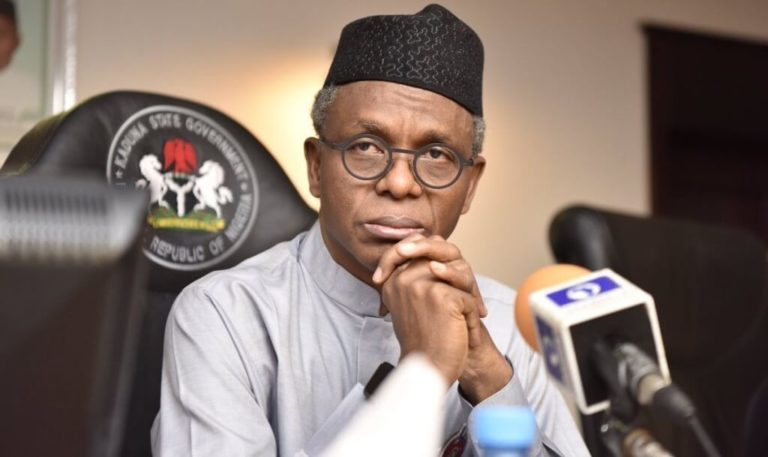
THE FEDERAL High Court sitting in Kaduna has remanded former Kaduna State governor, Nasir Ahmad El-Rufai, in the custody of the Independent Corrupt Practices and Other Related Offences Commission (ICPC) after adjourning the hearing of his bail application to April 14.

The presiding judge, Rilwanu Aikawa, fixed the new date on Wednesday, April 1, following submissions from both the defence counsel and the prosecution in the ongoing case.

El-Rufai was recently arraigned by the Commission on a 10-count criminal charge concerning allegations of the diversion of public assets and money laundering offences.

The charges include claims that he unlawfully received about N579 million as severance allowance, far exceeding the approved entitlement, and multiple foreign currency transfers suspected to be proceeds of unlawful activities.

The anti-graft agency also alleged that the former governor received $320,800 through several transactions between 2017 and 2023, in addition to other sums in foreign currencies from individuals said to be at large. Prosecutors further accused him of conspiring to conceal the origin of funds in violation of the Money Laundering (Prevention and Prohibition) Act, 2022.

Meanwhile, this is the second time the court has adjourned the bail hearing. The court had on March 24 adjourned ruling on his bail application to March 31 after to March 31 after the counsels to the accused, and litigants presented arguments.

The former governor, however, pleaded not guilty to all the charges.

While the defence urged the court to grant bail on constitutional grounds, the prosecution opposed it, citing the gravity of the charges and the risk of interference with ongoing investigations.

El-Rufai is also scheduled to appear before the State High Court on April 10 in a separate matter instituted by the ICPC.

The proceedings at the State High Court, earlier on Tuesday, March 31, were stalled after the absence of the second defendant, Amadu Sule (Leda), prevented the arraignment from going ahead as scheduled.
Consequently, the case was adjourned to April 10, 2026, for continuation of proceedings.

According to the charge sheet marked KDH/KAD/ICPC/01/26 obtained by The ICIR, the defendants were accused of offences allegedly committed between 2015 and 2025 during and after El-Rufai’s tenure as governor.

Prosecutors alleged that, in December 2016, while serving as governor, El-Rufai induced the Kaduna State Government to approve an alleged N11 billion payment to Indokaduna MRTS JV Nigeria Limited for a light rail project that was never executed.

He was also accused of allegedly approving and receiving severance payments exceeding N289 million in 2020 and 2023, above his legally entitled entitlements, an act prosecutors say amounts to abuse of office and corruption.

In another count, the prosecution alleged that between March and November 2022, El-Rufai and another person at large dishonestly disposed of $1,085,066.38 in World Bank loan funds, allegedly in violation of a loan agreement.

Adelabu refuses to step down as ministers quit for 2027 elections

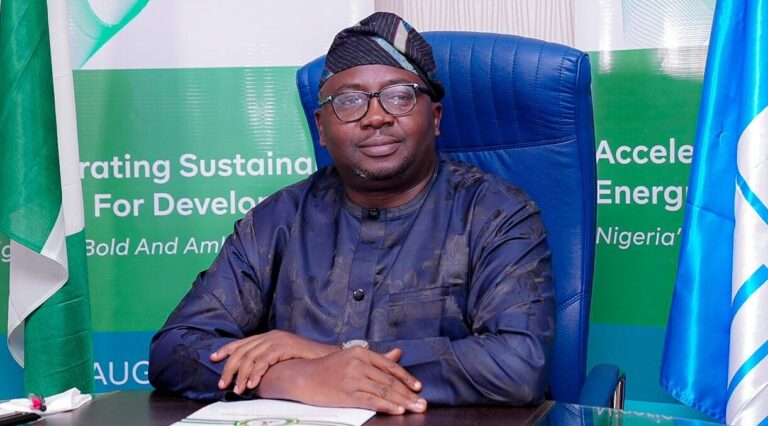
NIGERIA’S Minister of Power, Adebayo Adelabu, has yet to step down from his position following a directive by President Bola Ahmed Tinubu mandating all political appointees seeking elective office to resign by March 31.

The directive, announced by the Office of the Secretary to the Government of the Federation (OSGF), ordered all affected political appointees, including ministers, ministers of state, special advisers, senior aides, and heads of federal agencies, to step down if they intend to participate in party primaries or contest elective positions in the 2027 general elections.

According to the government, the directive aligns with Section 88(1) of the Electoral Act 2026 and the timetable released by the Independent National Electoral Commission (INEC), which outlines party primaries between April 23 and May 30, 2026, ahead of the 2027 polls.

The statement, signed by the Head of Information and Public Relations at the OSGF, Dewan Goshit, stressed that the order was issued to ensure full compliance with electoral laws, promote transparency in governance, and guarantee a level playing field for all aspirants.

It further directed affected officials to submit their resignation letters through the Office of the Secretary to the Government of the Federation before the deadline.

Following the expiration of the deadline, at least three ministers and several other political appointees have resigned from their positions to pursue various elective offices.

The Minister of Transportation, Saidu Ahmed Alkali, was among the first to step down after meeting Tinubu at the Presidential Villa. He is expected to contest the governorship of Gombe State in 2027.

The Minister of Foreign Affairs, Yusuf Maitama Tuggar, also resigned his position to pursue the Bauchi State governorship race.

Tuggar, a former diplomat and ex-member of the House of Representatives, is reportedly positioning for a return to state politics after serving in Tinubu’s cabinet since 2023.

Similarly, the Minister of State for Humanitarian Affairs and Poverty Reduction, Yusuf Tanko Sununu, resigned his appointment and is said to be preparing to contest a senatorial seat in Kebbi State.

Other political appointees have also exited federal boards and agencies in compliance with the directive, including Nasiru Gawuna, who resigned from the Federal Mortgage Bank of Nigeria and reportedly joined the African Democratic Congress (ADC), as well as Abdulrazak Namdas of the Niger Delta Development Commission board, and presidential aide Nasir Ja’oji, who stepped down to pursue a seat in the House of Representatives.

However, Adelabu is yet to publicly announce his resignation, even as he is widely believed to be preparing to contest the Oyo State governorship election in 2027.

In a viral video in October 2025, Adelabu declared his ambition as he recalled his previous defeats to Governor Seyi Makinde in 2019 and 2023

“I have now paid my dues. I contested against Seyi (Makinde) in 2019. In 2023, I also contested against Seyi, then as the sitting governor. But in 2027, God has shown that it’s our turn. It’s Adelabu’s turn. Anything that belongs to Adelabu belongs to us all,” he had said.

In the video, he expressed confidence that the next election would be different.

This means that with this development, Adelabu and other members of the president’s cabinet interested in elective offices in 2027 might have shelved their ambitions.

Persistently poor power supply under Adelabu

Adelabu’s political ambition comes amid growing criticism of his performance as Minister of Power since his appointment in August 2023, particularly as Nigerians grapple with worsening electricity supply during the current heat season.

Despite Nigeria’s installed generation capacity of about 13,625 megawatts, actual electricity supply has remained below 5,000 megawatts. Data from the Nigerian Electricity Regulatory Commission shows that only about 5,506MW was transmitted in October 2025, while early 2026 figures indicate an average of 4,901MW available for dispatch—just 36 per cent of capacity.

The sector has also been plagued by recurring national grid collapses. Over the past five years, the grid has recorded at least 26 system failures, with nine occurring in 2024 alone, often plunging large parts of the country into prolonged blackouts.

While the federal government introduced tariff reforms under Adelabu’s leadership – targeting higher-paying customers to reduce subsidy burdens – many Nigerians say increased electricity costs have not translated into improved service delivery.

Industry challenges, including over ₦6 trillion in sector debt and persistent gas supply shortages, continue to limit generation. Gas-fired plants, which form the backbone of Nigeria’s power supply, are receiving less than half of the fuel required for optimal operation, forcing operators to reduce output.

As a result, households and businesses remain heavily reliant on petrol and diesel generators, significantly increasing the cost of living and doing business.

Tension surges in Plateau after government relaxes curfew

TENSION has escalated across parts of Jos North Local Government Area (LGA) of Plateau State following the relaxation of the curfew imposed by the state government.

Residents informed The ICIR that fresh clashes broke out among communities in the LGA Wednesday morning.

The unrest followed recent attacks in Angwan Rukuba, in Jos North, where violence had earlier forced authorities to impose movement restrictions.

Although the curfew was partially eased to allow residents carry out essential activities, the decision appears to have triggered renewed hostilities.

Findings by The ICIR show that retaliatory attacks have spread across multiple flashpoints, particularly within the Jos North.

Areas such as Nasarawa Gwong, Bauchi Road, Farin Gada, and the Gada Biyu axis have witnessed heightened tension, with reports of clashes and reprisal attacks among residents.

The ICIR sighted videos of chaotic scenes, with groups confronting one another in the streets and, in some cases, clashing with security operatives.

This organisation also gathered that the violence has taken on a sectarian dimension, with Christian and Muslim youths allegedly targeting each other in parts of the area.

Security agencies, including the Nigeria Police Force, have been deployed to contain the unrest, but sources said operatives are overstretched as incidents occur simultaneously across several locations.

Traders and residents have shut their shops and locked their doors, while travellers are making detours to avoid the violence.

Background

THE Plateau State Government had imposed a 48-hour curfew in Jos North Local Government Area following a deadly attack on March 29 in Gari Ya Waye community, Angwan Rukuba by gunmen.

The attack immediately led to a retaliatory attack by mobs who reportedly killed dozens of people.

The curfew, announced by the Commissioner for Information and Communication, Joyce Ramnap, took effect from midnight of March 29 to April 1.

The government said the decision was taken after the incident resulted in multiple deaths and injuries, with authorities seeking to prevent further escalation of violence.

The Plateau State Police Command confirmed that at least 14 persons were initially killed in the attack.

According to the command’s spokesperson, Alfred Alabo, the Commissioner of Police, Bassey Ewah, led a joint security team, including tactical units and other agencies, to the scene shortly after receiving a distress call. Security operatives subsequently launched operations to track down the perpetrators, combing nearby bushes and surrounding areas.

Authorities said the victims’ bodies were evacuated to a mortuary for autopsy, while efforts to identify them and arrest those responsible were ongoing.

Meanwhile, residents claimed that no fewer than 20 people died during the attack on the Angwu Rukuba community.

The attack sparked widespread fear, with residents sharing videos online showing bodies lying on the ground, while eyewitnesses reported that the assault occurred around 8:30 p.m. amid gunfire.

The incident also disrupted academic activities, as the University of Jos postponed examinations scheduled for Monday and Tuesday, citing security concerns and rising tension in and around the area.

The ICIR reports that Plateau State has endured recurring waves of violence in recent years, including attacks, kidnappings, and cattle rustling.

In January, nine persons were reportedly killed during a crossover night celebration in Jos South, while in 2025, coordinated attacks in Bokkos and Barkin Ladi left more than 100 people dead and displaced thousands.

WiM26 Conference calls for papers

AFRICAN Women in Media [AWiM] is inviting submissions for its 10th annual conference and Global Forum — AWiM26 Conference, which will take place in Namibia.

AWiM26 will bring together leaders from media, creative industries, technology, policy, academia, and finance to explore how inclusive leadership can shape the future of media systems.

The 2026 conference also marks 10 years of AWiM’s work advancing gender equality in and through media and will reflect on progress while addressing barriers that still limit women’s participation in media leadership and media economies.

The organisers are inviting contributions from professionals working across journalism, film & television, radio, publishing, music & advertising, sports media, gaming, content creation & influencer industry, community storytelling, digital platforms & media financing.

The conference will also mark the launch of the Windhoek Framework for Inclusive Media Economies, an initiative aimed at strengthening fair participation of African media organisations and creators in regional and global media systems through equitable partnerships, inclusive leadership, and digital protection.

Organisers say they welcome research-based, practice-based, policy-oriented, tech-focused, creative, experimental, or cross-disciplinary proposals.

They are also encouraging content creators, podcasters, YouTubers, TikTok creators, newsletter writers, and community media practitioners to apply.

Deadline: April 30, 2026. Interested applicants can apply here.

Our Ocean Conference 2026 fellowship seeks entries

INTERNEWS’ Earth Journalism Network (EJN) is pleased to announce an in-person Fellowship programme that will support selected fellows to attend and report from the Our Ocean Conference scheduled for June 16-18, 2026, in Mombasa, Kenya.

The 11th Our Ocean Conference – and the first to take place in Africa – will focus on the theme of ‘Our Ocean, Our Heritage, Our Future’ and will also explore Kenya’s domestic priorities, such as elevating youth ocean leaders and strengthening collaboration to combat illegal, unreported and unregulated (IUU) fishing.

Fellows will travel to Mombasa, Kenya, to attend the entire duration of the Our Ocean Conference, which will take place from June 16-18, with arrival planned for June 14 and departure on June 19. An Orientation Day, organised by EJN staff, will take place on June 15 and will provide training on the key topics of the conference and will feature guest speakers and a field trip.

EJN will cover non-refundable economy-class airfare, accommodation, meals, travel medical insurance and ground transportation costs related to fellowship participation. Organisers will also facilitate the press accreditation process and provide logistical support relating to the trip. Please note that the process of obtaining any necessary visas is the fellow’s individual responsibility, though EJN will reimburse visa costs. Fellows will also receive a per diem to cover daily expenses during their time in Mombasa.

Applications are open to journalists working in any medium (online, print, television, radio). We encourage applications from freelance reporters and staff from all types of media organisations – international, national, local and community-based.

Apply by April 7, 2026. Interested applicants can apply here.

Tech issues, poor awareness stall tax filing in FCT as Lagos extends deadline

TECHNOLOGY glitch and poor sensitisation are hindering tax filing efforts in the Federal Capital Territory (FCT) as many residents fail to meet the March 31 deadline set by the FCT Internal Revenue Service (IRS)

The ICIR reports that many residents are struggling to file their tax returns, with some making last-minute attempts to beat the deadline and avoid penalties.

The 31 March deadline for tax filing in Nigeria is a statutory requirement for individuals to file their annual income tax returns. This applies to employees under PAYE, self-employed individuals, freelancers, content creators, landlords, investors, and anyone earning income from multiple sources.

Some FCT residents at Kubwa FCT-IRS office in last-ditch effort to meet 31st December deadline
Some FCT residents at the Kubwa FCT-IRS office in a last-ditch effort to meet the 31st March deadline

At the Kubwa office in Abuja, officials are helping taxpayers navigate the process, but many informal traders are just learning about the requirements.

“Many of them are coming in for the first time to make inquiries,” a tax official, Habib Aliyu, told The ICIR. He noted, however, that manual filing was not an option, as the government used a centralised system to monitor tax inflows.

At the Gwarimpa office of the FCT-IRS, businessmen and civil servants were seen making inquiries and interacting with officials about the status of their tax filing. Some were also seeking answers to tax-filing difficulties they encountered.

“I am here to file my annual tax returns and seek further clarifications since I am not so conversant with their app. I have been struggling to do it on my own, but to no avail. I was advised to come here and a tax officer, Habib Aliy,u has helped me to sort it out, “Femi Ogundipe, who works with a government hospital in Abuja, told The ICIR.

A tax consultant, Kennedy Iwundu, criticised the FCT revenue portal, saying it was not user-friendly, as he called out poor sensitisation of residents and businessmen on the usage

“The FCT-IRS has an existing portal, but people haven’t been educated about it,” he said, adding that many tax consultants were also  not familiar with the portal, leading to the rush to the FCT-IRS offices.

Lagos extends tax filing to April 14

Meanwhile, the Lagos State Internal Revenue Service (LIRS) has announced an extension of the deadline for filing individual annual tax returns to April 14, 2026, offering taxpayers an additional two weeks beyond the initial April 1 deadline.

According to the agency, the extension is intended to provide individuals with ample time to accurately complete and submit their returns.

It emphasised that timely tax filing remained a statutory obligation that should be taken seriously by all eligible taxpayers.

LIRS also reiterated that all filings must be carried out electronically via its eTax platform, noting that manual submission had been fully phased out.

Taxpayers were further advised to verify the accuracy of their Tax Identification Number, TaxID, to prevent processing delays or errors.

The directive applies to all individuals earning taxable income, including salaried employees, business operators, self-employed persons, professionals, and participants in the informal sector.

Under existing tax regulations, individuals are required to declare their total earnings for the preceding year, January 1 to December 31, 2025, within the first 90 days of a new assessment cycle.

The development comes on the heels of a similar adjustment earlier in the year, when the agency extended the deadline for employers’ annual returns from February 1 to February 7.

At the national level, Nigeria’s tax administration is currently undergoing reforms, with the introduction of key legislations such as the Nigerian Revenue Service Establishment Act, the Joint Revenue Service Establishment Act, the Nigerian Tax Act, and the Nigerian Tax Administration Act, all aimed at strengthening compliance and modernising the country’s tax system.

ICPC takes El-Rufai into custody as court adjourns case

0

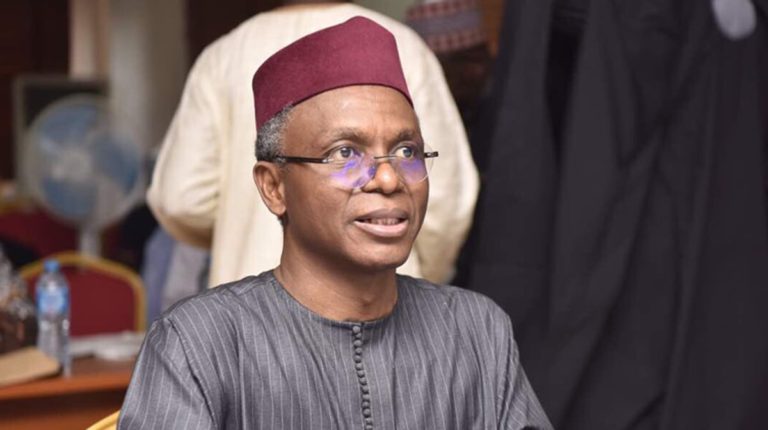
THE Independent Corrupt Practices and Other Related Offences Commission (ICPC) has, again, taken former Kaduna State governor, Nasir El-Rufai, into custody.

The latest development followed proceedings at the Federal High Court in Kaduna, on Tuesday, March 31, where his case was adjourned to Wednesday, April 1.

The decision also came on the same day El-Rufai was arraigned before the Kaduna State High Court on fresh and expanded criminal charges filed by the ICPC.

At the state court, he was docked alongside a co-defendant over a 10-count charge bordering on alleged fraud, conspiracy, abuse of office, and criminal breach of trust. The charges include allegations that he induced the Kaduna State Government to approve about N11 billion for a light rail project that was never executed.

Recall that The ICIR reported that El-Rufai was being prosecuted by the ICPC at the Federal High Court, alongside a co-defendant over allegations bordering on corruption, abuse of office, and money laundering.

The charges before the Federal High Court include claims that he unlawfully received about N579 million as severance allowance far exceeding the approved entitlement and multiple foreign currency transfers suspected to be proceeds of unlawful activities.

The anti-graft agency also alleged that the former governor received $320,800 through several transactions between 2017 and 2023, in addition to other sums in foreign currencies from individuals said to be at large. Prosecutors further accused him of conspiring to conceal the origin of funds in violation of the Money Laundering (Prevention and Prohibition) Act, 2022.

The court had on March 24 adjourned ruling on his bail application to March 31 after to March 31 after the counsels to the accused and litigants presented arguments. While the defence urged the court to grant bail on constitutional grounds, the prosecution opposed it, citing the gravity of the charges and the risk of interference with ongoing investigations.

The case was consequently adjourned to March 31. El-Rufai was, however, released by the ICPC, on Friday, March 27, to attend her mother burial.

Speaking after the case at the Federal High Court was adjourned the commission spokesperson, Okor Odey, told The ICIR that the former governor has been taken into custody.

“He is now in our custody. He will be going to the court from our custody tomorrow,” Odey said.

Case at State High Court adjourned to April 10

Meanwhile, the proceedings at the Kaduna State High Court, earlier today, were stalled after the absence of the second defendant, Amadu Sule (Leda), prevented the arraignment from going ahead as scheduled.

Consequently, the case was adjourned to April 10, 2026, for continuation of proceedings.

According to the charge sheet marked KDH/KAD/ICPC/01/26 obtained by The ICIR, the defendants were accused of offences allegedly committed between 2015 and 2025 during and after El-Rufai’s tenure as governor.

Prosecutors alleged that in December 2016, El-Rufai, while serving as governor, induced the Kaduna State Government to approve an alleged N11 billion payment to Indokaduna MRTS JV Nigeria Limited for a light rail project that was never executed.

He was also accused of allegedly approving and receiving severance payments exceeding N289 million in 2020 and 2023, above his legally entitled entitlements, an act prosecutors say amounts to abuse of office and corruption.

In another count, the prosecution alleged that between March and November 2022, El-Rufai and another person at large dishonestly disposed of $1,085,066.38 in World Bank loan funds, allegedly in violation of a loan agreement.

Only 10 of Tinubu’s ambassadors have been accepted – Presidency

0

NIGERIA’S attempt to reassert its presence in the global diplomatic community may be under threat, as only 10 out of over 60 ambassadors and envoys deployed by President Bola Tinubu have been accepted weeks after their nomination.

The countries that have accepted the officials are the United Kingdom, France, the United States, Ireland, Qatar, the Republic of Benin, Ethiopia, Djibouti, Senegal and Sierra Leone.

The development was confirmed on Monday by the spokesperson of the Ministry of Foreign Affairs, Kimiebi Ebienfa.

“Responses from other countries are still being awaited,” the added in a statement.

Before any ambassador can officially resume duty, the receiving country must first agree to accept them, a step known in diplomacy as agrément.

Ebienfa explained that efforts were ongoing to get the remaining countries on board, noting that the next major step would be the formal induction of the officials.

“The date for the induction ceremony will be announced in due course once it is finalised and confirmed by the Presidency,” he said.

The Federal Government had, toward the end of 2025, submitted a list of 65 ambassadorial nominees to the National Assembly. Although they were screened in December, their postings could not be completed until each host country signs off on the appointments.

For nearly three years, many of Nigeria’s foreign missions have operated without substantive ambassadors, relying instead on lower-ranking diplomats to keep them running. That gap had raised concerns in diplomatic circles about Nigeria’s visibility and influence, especially in key partner countries.

THE ICIR reported that Nigeria began to face challenges with the ambassadors’ posting just a few days after Tinubu approved the deployment.

India and a few other countries were reportedly hesitant to accept some of these ambassadors. Their alleged rejection was said to be because the president had less than two years to end his current tenure.

According to reports, officials explained that India followed a diplomatic rule of not accepting ambassadors from governments that are close to the end of their term.


Tinubu seeks N’Assembly approval for ₦9tn budget increase, $6bn external loans

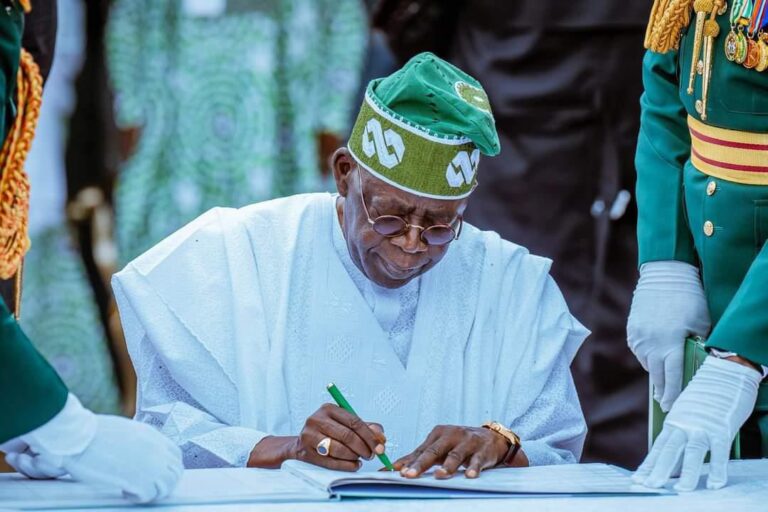
PRESIDENT Bola Tinubu has asked the National Assembly of Nigeria to approve a N9 trillion increase to the 2026 budget, alongside fresh external borrowing totalling $6 billion to support government spending, infrastructure, and debt obligations.

The President’s request has also raised several questions regarding the benefits of subsidy removal and the current oil windfall from proceeds driven by the US-Iran conflict, as Brent crude is now selling at about $118 per barrel compared to the budgeted benchmark of $64.85 for the 2026 appropriation.

The requests were conveyed in separate letters read on the Senate floor by the Senate President, Godswill Akpabio, during Tuesday’s March 31 plenary.

Tinubu, who was seeking to raise the proposed 2026 budget from N58.4 trillion to N67.4 trillion, cited the need to strengthen fiscal transparency and ensure effective implementation of key national programmes.

“The proposed adjustment is aimed at strengthening fiscal transparency and ensuring the effective implementation of priority national programmes,” part of the letter read.

Tinubu said the upward review will allow the government to settle outstanding legal commitments from previous budgets, properly account for existing public debt, and accommodate critical priority projects while maintaining macroeconomic stability.

He added that the adjustment is also aimed at aligning the financing plan to reduce pressure on the domestic financial market.

The ICIR reported that Tinubu had in December 2025, presented the 2026 federal budget of N58.18 trillion to the National Assembly on December 19, 2025, with a ‘conservative’ crude oil benchmark of $64.85 per barrel.

“The 2026–2028 Medium‑Term Expenditure Framework and Fiscal Strategy Paper sets the parameters for this budget. Our projections are based on a conservative crude oil benchmark of US$64.85 per barrel; crude oil production of 1.84 million barrels per day; and an exchange rate of N1,400 to the US Dollar for the 2026 fiscal year,” he said.

The budget carries a deficit of N23.85 trillion, representing 4.28 per cent of gross domestic product (GDP).

$6bn external loans

In addition to the budget increase, Tinubu requested legislative approval to secure external loans amounting to $6 billion in two separate letters addressed to Akpabio.

In the first letter, the president sought approval from First Abu Dhabi Bank in the United Arab Emirates for a $5 billion structured total return swap financing programme.

According to him, the facility would be disbursed in tranches to support budget implementation, infrastructure development, and liquidity management.

“The purpose of this letter is to request for the approval and resolution of the national assembly pursuant to the provisions of section 21(1) and 27(1) of the debt management office establishment act 2003 to establish a structured total return swap (TRS) derivative external financing programme from First Abu Dhabi Bank of the United Arab Emirates of up to $5 billion which will be made available to the Federal Republic of Nigeria in tranches,” the letter read.

Tinubu noted that the funds would also be used to repay more expensive domestic and external debts and meet urgent financial obligations.

He acknowledged that the borrowing would increase Nigeria’s public debt stock, which he put at $110.3 billion (about ₦159.2 trillion) as of December 31, 2025, but said the phased drawdown would help minimise pressure on debt servicing.

In another separate letter, the president also requested approval for a separate $1 billion loan facility arranged by Citibank, London, to finance the reconstruction and rehabilitation of the Lagos Port Complex and Tin Can Island Port.

“The rehabilitation of the ports project is a strategic modernisation initiative of the Federal Government of Nigeria through the Nigerian Ports Authority to restore and upgrade two of Nigeria’s most vital ports, namely Tin Can Island Port complex and Lagos Port complex, Apapa, which have reached critical engineering failures,” the letter read.

Tinubu added that the ports handle the bulk of Nigeria’s seaborne trade and are vital to efforts to diversify the economy beyond oil.

Following the presentation, Akpabio referred the requests to the Senate Committee on Local and Foreign Debts for further legislative consideration.