Home Blog Page 615

Shaibu, Pedro, Ekpenyong, other deputy governors impeached since 1999

ON Monday, April 8 2023, Philip Shaibu joined the long list of deputy governors who have been impeached in Nigeria following several rifts between him and the governor of Edo state, Godwin Obaseki. 

The ICIR reported that Shaibu’s impeachment was adopted after a 7-man panel investigation was set up by the state’s chief judge, Daniel Okungbowa, to probe allegations of misconduct against him.

The panel found him responsible for the offence of revealing official secrets.  Of the 20 state assembly members present, 18 voted in favour of the impeachment, while one opposed it, cementing the resolution to impeach Shaibu.


Read Also:


Several reports by The ICIR have captured the prolonged battle between Obaseki and Shaibu, especially the latter’s interest in succeeding the former as state governor in the upcoming gubernatorial elections in September 2024.

Meanwhile, a look through media reports has shown that between 1999 and 2024, 24 years of Nigeria’s uninterrupted democracy, 18 deputy governors have been impeached in 16 states. 

Trend on impeachment

Here are the lists of deputy governors who have been impeached from office:

Iyiola Omisore:

In November 2002, Iyiola Omisore, Osun state’s deputy governor, was impeached following the endorsement of 17 out of 26 lawmakers in the state’s assembly.

Omisore was accused of breach of oath of office and conflict of interest with the state government.

He was also said to have divulged official secrets of the State Executive Council (SEC) and dragged the state government to court over a 1.5 million dollar water chemical contract.

Abubakar Argungu:

Abubakar Argungu, who was the first deputy governor to governor Adamu Aliero of Kebbi state, was impeached after being found guilty, by an investigative panel, of misdemeanour in office. He was removed from office in December 2002. 

Enyinnaya Abaribe:

In March 2003, the Abia State House of Assembly impeached the deputy governor of the state, Enyinnaya Abaribe, for gross misconduct. His impeachment was reported seven days after he resigned from office.

Uba Maigari Ahmadu:

The Taraba state deputy governor, Uba Maigari Ahmadu, was impeached in March 2004 by the House of Assembly following a report by an investigation panel set up by the state chief judge, Adamu Aliyu.

Ahmadu was found guilty of five out of the seven allegations of gross misconduct levelled against him.

Abiodun Aluko:

The former deputy governor of Ekiti state, Abiodun Aluko, who had a long rift with the then governor of the state, Ayodele Fayose, was impeached in September 2005 after being alleged of 16 impeachable offences raised against him by the lawmakers, 22 of who voted for his removal.

Chris Ekpenyong:

In 2005, the Akwa-Ibom State House of Assembly, impeached the embattled deputy governor, Obong Chris Ekpenyong, following allegations of gross misconduct.

However, the intervention of the former president, Olusegun Obasanjo, forced the lawmakers to reverse the impeachment.

Ekpenyong was later forced to resign. 

Otunba Femi Pedro:

The former deputy governor, Otunba Pedro, was impeached in May 2007, by the Lagos state House of Assembly, after a resolution adopted by the 32 members of the Assembly.

The impeachment came 24 hours after Pedro announced that he had tendered his letter of resignation from office.

Garba Gadi:

Garba Gadi was impeached in 2009 by the Bauchi state assembly following the report of the seven-man investigative panel set up to probe the allegations against him.

Prior to this impeachment, the deputy governor had a rift with former Governor Isa Yuguda over the refusal of the deputy to decamp to the Peoples Democratic Party (PDP). 

Peremobowei Ebebi:

The former Bayelsa state deputy governor, Peremobowei Ebebi, was, sacked by the state assembly in June 2010, just barely 23 days after the assembly initiated impeachment proceedings against him.

Ebebi was impeached for allegedly being guilty of nine of the 10 offences levelled against him.

Sani Abubakar:

In October 2012, 20 out of 24 members of the Taraba State House of Assembly removed the state’s Deputy Governor, Sani Abubakar, from office on allegations of fraud and abuse of office.

The assembly upheld the recommendations of a seven-member judicial commission of inquiry against the deputy governor.

Jude Agbaso:

In 2013, Jude Agbaso was sacked as the deputy governor of Imo State by the State House of Assembly.

His removal was following the adoption of a report of a judicial panel which investigated allegations of impropriety against him.

However, in 2021, the court nullified the assembly’s impeachment. 

Sunday Onyebuchi:

The deputy governor of the Enugu State, Sunday Onyebuchi, was impeached by the 24-man members of the state assembly in August 2014, over an indictment on misconduct. 

His impeachment was, however, nullified by the court a year later. 

Ali Olanusi:

In 2015, the Ondo state deputy governor, Ali Olanusi, was impeached by 22 out​ of the 26 members of the Assembly who alleged that the deputy governor was involved in financial misappropriation, absenteeism from official duties and causing disaffection in the state cabinet.

Eze Madumere:

The deputy governor of Imo state, Eze Madumere, was sacked from office in July 2018 by 19 of the 27 members of the Imo House of Assembly.

The assembly was said to have received a report by a seven-member panel set up by the state chief judge which allegedly the deputy governor of gross misconduct.

Simon Achuba:

Simon Achuba, a deputy governor of Kogi state, was impeached in 2019 by members of the Kogi State House of Assembly following the submission of a report of the committee set up by the State chief judge, Nasir Ajana, to investigate an allegation of gross misconduct against the former deputy governor.

In 2022, an industrial court in Abuja ordered the Kogi State Government to pay Achuba N180 million and all security votes. 

Mahdi Aliyu Gusau:

The Zamfara House of Assembly, in 2022, impeached Mahdi Aliyu Gusau, a former deputy governor of the state after receiving the report of the seven-member committee set up by Kulu Aliyu, chief judge of the state, to investigate the allegations against the deputy governor.

Rauf Olaniyan:

In July 2022, the Oyo State House of Assembly impeached the deputy governor, Rauf Olaniyan, during its plenary.

The assembly found the deputy governor guilty of all the allegations levelled against him following the reports of a seven-man panel constituted by the state chief judge, Munta Abimbola.

Let us know if we skipped anyone in the comment section. 
EFCC quizzes former Aviation minister Hadi Sirika over alleged N8bn fraud

0

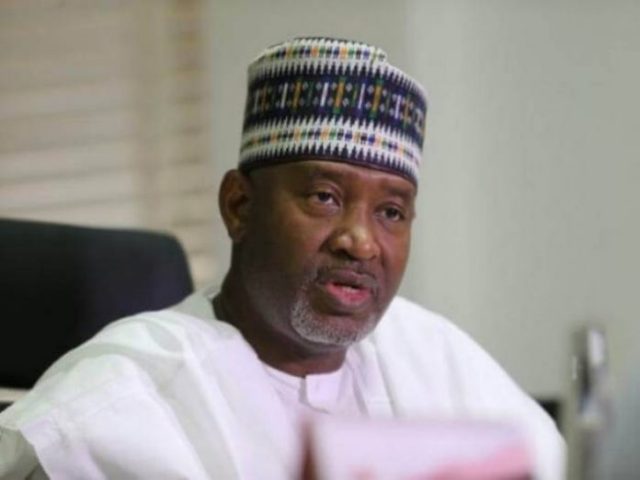
THE Economic and Financial Crimes Commission (EFCC) has reportedly quizzed the former minister of Aviation, Hadi Sirika, over alleged N8 billion money laundering.

Sirika reportedly accepted an invitation from the EFCC On Tuesday, April 23, and showed up at the commission’s Abuja office, where he was interrogated.

It was learnt that the former minister is currently meeting with EFCC investigators to answer questions on alleged fraudulent contracts he awarded to Engirios Nigeria Limited, owned by his younger brother, Abubakar Sirika.


Read Also:

A source within the EFCC told the Punch that “Sirika was taken into our FCT custody. He is currently meeting with EFCC investigators over the alleged N8,069,176,864.00 aviation ministry contract fraud.”

Another source alleged that the latter’s company carried out the aviation ministry contract fraud with his younger brother, Abubakar.

In December 2023, President Bola Tinubu dismissed several senior aviation officials due to widespread fraud in the ministry.

Those affected included managing director of the Federal Airports Authority of Nigeria (FAAN); Kabir Yusuf Mohammed, managing director of the Nigerian Airspace Management Agency (NAMA) Tayib Adetunji Odunowo, director-general of the Nigerian Safety Investigation Bureau (NSIB) Akinola Olateru,  director-general of the Nigerian Meteorological Agency (NIMET) Mansur Bako Matazu and rector of the Nigerian College of Aviation Technology (NCAT) Alkali Mahmud Modibbo. 

According to the statement, the director-general of the Nigeria Civil Aviation Authority (NCAA), Nuhu, was suspended from office to enable the EFCC to conduct an unfettered investigation into his activities and other senior officials of the agency.

Tinubu directed Chris Najomo to assume office as the acting director-general of the NCAA.

The ICIR reported on June 15, 2023, that EFCC summoned ex-minister Sirika over the N3 billion Nigeria Air project.

The former minister on an Arise Television programme on Sunday, June 11 2023, argued that of the N5 billion budgeted for the project take-off, only N3 billion was released, contrary to the speculation that the Aviation ministry had spent N85 billion on the failed Nigeria Air project.

The bulk of the expended funds, according to Sirika, was channelled into consultancies, salaries, and administrative costs associated with setting up the national carrier.

Both the Senate and the House of Representatives committee on aviation had criticised the unveiling of the Nigeria Air aircraft, with the latter labelling it a “fraud,” the ICIR reported.

This is as aviation unionists called for Sirika to be probed.

The former minister unveiled an aircraft branded Nigeria Air on Friday, May 26, three days before the end of the President Muhammadu Buhari administration, amid controversies over its specification, documentation, ownership, and technical agreement.

The Nigerian Civil Aviation Authority (NCAA), the regulatory body, had on June 4 reportedly disclosed that the airline was still in the first stage of a five-phase process of obtaining an Air Operator Certificate (AOC) to operate as a commercial airline.

The ICIR‘s efforts to speak with the EFCC spokesperson, Dele Oyewale, on Sirika’s arrest were unsuccessful. He did not respond to calls or messages sent to his phone.

Dana Air grounds aircraft after skidding off Lagos runway

0

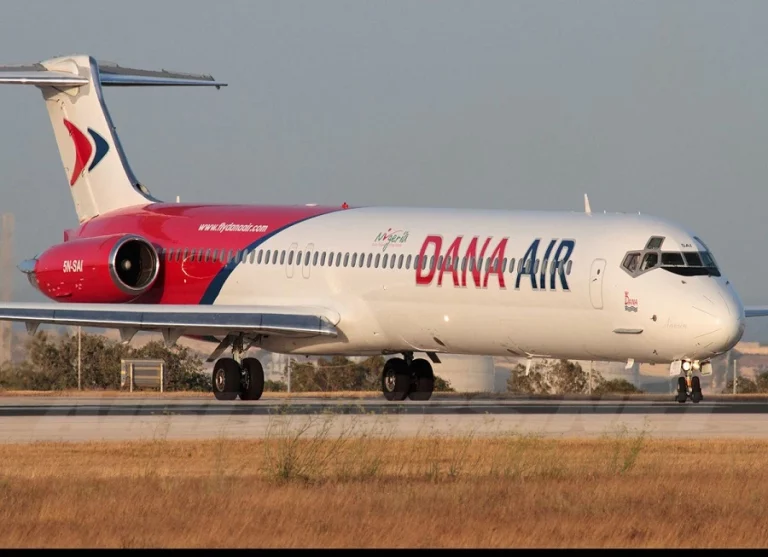
DANA Air management said it grounded the aircraft that skidded off the runway in an attempt to land at the Murtala Muhammed International Airport (MMIA) in Lagos on Tuesday, April 23, pending further investigation.  

The 5N BKI aircraft, which was carrying 83 passengers from Abuja, suffered a runway excursion at the Lagos Airport.

The airline confirmed the incident to The ICIR in a statement from its Head of Corporate Communications, Kingsley Ezenwa.

A runway excursion occurs when an aircraft veers off the runway in use during the take-off or landing run.


Read Also:


According to the statement, the incident has been reported to the Nigerian Safety Investigation Board (NSIB) and the Nigeria Civil Aviation Authority (NCAA).

“Dana Air regrets to inform the public of a runway incursion involving one of our aircraft, registration number 5N BKI, which was flying from Abuja to Lagos today 23/04/24.

“We have also updated the AIB and NCAA on the incident, and the aircraft involved has been grounded by our maintenance team for further investigation,” the airline stated.

It noted that passengers onboard the aircraft were safely disembarked without injuries and apologised to all passengers, commending the efforts of the airport authorities.

“We wish to thank the airport authorities, and our crew for their very swift response in ensuring the safe disembarkation of all passengers following the incident and our sincere apologies and appreciation to the passengers on the affected flight for their patience and understanding.

“We wish to reassure our passengers that their safety will always be our top priority, and we are cooperating fully with the relevant authorities to investigate the circumstances surrounding the incident.”

Dana Air has had troubles with safe operations in recent years, The ICIR reports.

In January 2018, a commercial aircraft belonging to Dana Air used its left wing to hit a fence at the Nnamdi Azikiwe International Airport, Abuja.

In July 2022, the NCAA suspended the airline’s Air Transport Licence (ATL) and Air Operator Certificate (AOC), on issues of financial obligations and conduct of safe flight operations.

The suspension came following an emergency landing due to what its management described as “an indication” on one of its engines.

In 2012, 159 passengers died on one of the airline’s flights when it crashed into buildings in Lagos.

Airline apologies for flight cancellation

In a related development, Dana Air has apologised to passengers for schedule disruption caused by the runway excursion involving one of its aircraft at Lagos airport.

The airline said, ”We understand the frustration and inconvenience experienced by passengers whose travel plans were disrupted due to the incident, and we are deeply sorry.’

”Our remaining flights for the day have all been retimed, and all the passengers on these flights have been updated via email, SMS and calls. We wish to also reassure affected passengers that we are working diligently to minimise disruption and accommodate their travel needs.”

CBN resumes dollar sales to BDCs at N1,021/$ amid naira slight depreciation

THE Central Bank of Nigeria (CBN) has resumed fresh dollar sales to Bureau De Change (BDCs) at N1, 021/$, to stabilise the currency market.

Nigeria’s apex bank disclosed this on Tuesday, April 24, in a circular signed by its Director of Trade and Exchange Department, Hassan Mahmud.

“We write to inform you of the sale of $10,000 by the Central Bank of Nigeria (CBN) to BDCs at the rate of N1,021/$1. The BDCs are, in turn, to sell to eligible end users at a spread of not more than 1.5 per cent above the purchase price,” the circular posted on its website read.


Read Also:


It added, “All eligible BDCs are therefore directed to commence payment of the naira deposit to the under-listed CBN naira deposit account numbers from today, Monday, April 22, 2024, and submit confirmation of payment, with other necessary documentation, for disbursement of FX at the respective CBN Branches.”

CBN’s move is coming as the naira is recording a slight depreciation against the dollar after weeks of gains.

In late March, the bank also sold $10,000 to each of the eligible Bureau De Change (BDC) operators in the country at the rate of N1,251/$1.

Like in the most recent sales, it warned BDCs against breaching terms of the dollar sales, vowing to sanction defaulters “including outright suspension from further participation in the sale”.

The fortunes of the naira have fallen sharply since President Bola Tinubu took over in May, 2023.

Inflation figures have reached new highs, and living costs are hitting the rooftops.

Before the naira’s slight depreciation, the appreciation recorded by the naira against the greenback on the parallel market marked the first time the naira reached this level since September 26, 2023.

However, the daily foreign exchange (FX) turnover declined by 10.57 per cent, reaching $251.60 million on Monday, April 15, compared to the $281.34 million recorded on Friday, April 19.

Furthermore, the highest spot rate observed on Monday stood at N1,227, with the lowest spot rate recorded at N1,000.

Checks at the official National Autonomous Foreign Exchange Market (NAFEM) official window showed the dollar closing sales on Tuesday, April 23, at N1300.15/$l, an indication that the CBN is still selling at a lower rate to the BDCs to control the market and ward off speculators.

Nigeria’s currency slid to about N1,900/$ some months ago at the parallel market. But in recent weeks, it has gained against the dollar.

The Nigerian authorities have also doubled their crackdown against cryptocurrency platform Binance and illegal BDCs to strengthen the naira.


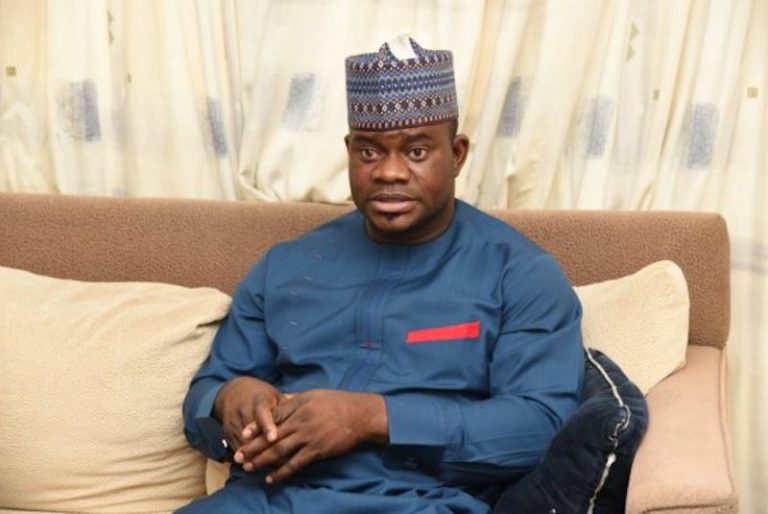
We’ll bring everyone who blocked Yahaya Bello’s arrest to book – EFCC chair

0

THE chairman of the Economic and Financial Crimes Commission (EFCC), Ola Olukoyede, has vowed to bring to book all the people who obstructed the arrest of the former governor of Kogi State, Yahaya Bello, by the commission.

Olukoyede revealed this while addressing journalists in Abuja on Tuesday, April 23.

He vowed to follow Bello’s prosecution to a logical conclusion.


Read Also:

The ICIR reported that the EFCC declared Bello wanted over alleged N80.2 billion fraud.

The anti-corruption agency revealed this on its verified Facebook handle on Thursday, April 18.

 The photograph of the former governor was displayed with the inscription ‘WANTED’ in the notice.

The agency said it wanted Bello for offences relating to economic and financial crimes amounting to N80.2 billion and requested anybody with information about his whereabouts to report to the commission or the nearest police station.

Operatives of the EFCC had stormed the Abuja home of Bello on Wednesday, April 17, to arrest him.

The planned arrest was over the alleged sleaze he perpetrated in office.

However, the arrest was unsuccessful, as reports suggest that the Kogi State governor, Ahmed Usman Ododo, smuggled out the former governor. Ododo drove into Bello’s residence Wednesday afternoon while the EFCC surrounded the building.

According to reports, the development forced the commission’s operatives to leave Bello’s residence.

Gunshots allegedly rented the air while the former governor was being smuggled out of the premises by his successor, widely believed to be his kinsman.

This came a few hours after the commission told the Federal High Court in Abuja that it would do everything possible to arrest and prosecute Bello over his money laundering case.

The EFCC said it would execute the arrest warrant issued against the former governor, even if it would involve using the military.

 Regarding the fight against fraud and other financial crimes in Nigeria, Olukoyede said banks in Nigeria had lost over N8 billion to internet fraud in 2022. 

He said cybercrime affected over 71 per cent of Nigerian businesses in 2022. 

He also stated that the anti-graft agency‘s battle against online fraud aimed to preserve the country’s future.

Olukoyede said the commission had established a cybercrime research centre where convicted online scammers – “Yahoo Yahoo boys” in the community – would receive training on how to apply their skills to support society.


How Sahel Global Desert Energy executed fictitious, shoddy constituency projects in Bauchi

0

Sahel Global Desert Energy Ltd, a company linked to an associate of a serving federal lawmaker representing Darazo-Ganjuwa in the House of Representatives Mansur Manu Soro, has poorly executed constituency projects worth about N100 million. The company, which has no records of undertaking similar projects in the past, having been registered in April 2019 as an energy firm and not a construction company, was paid various amounts in 2021 for the construction of a maternity, rural earth road and an earth dam nominated by the lawmaker. WikkiTimes’ investigation revealed that the first director of the company, Abubakar Abdullahi, is an associate of the lawmaker.


Sahel Global Desert Energy, housed at  No 65 Tudun Wada Soro, the lawmaker’s birthplace, was paid more than N20 million in two installments for the construction of a maternity and child health clinic at Gabciyari. A WikkiTimes investigation shows that the hospital was never constructed.

This medium found that  Sahel Global Desert Energy was paid another N10.1 million (N10,177,316.89) on Feb, 19 2021 with payment code of 1000761889-11 for the construction and equipping of maternal and child health clinic with staff quarters at Gabciyari ward, Darazo LGA, Bauchi State.

On July 29, 2021, the same company  also received another tranche of N10m (N10,072,941.73) with payment code of 1000838056-17 for the same construction of maternal and child health at Gabciyari. Cumulatively, it received the sum of  N20 million (N20,250,258.62)  in two installments for a maternity project that dissipates into the thin air.

Mansur Manu Soro
Mansur Manu Soro

When WikkiTimes visited Gabciyari, hospital staff and locals told our correspondent that they knew nothing about the project. Multiple sources that spoke with our reporter said the contractor only came, inspected the site and never returned.

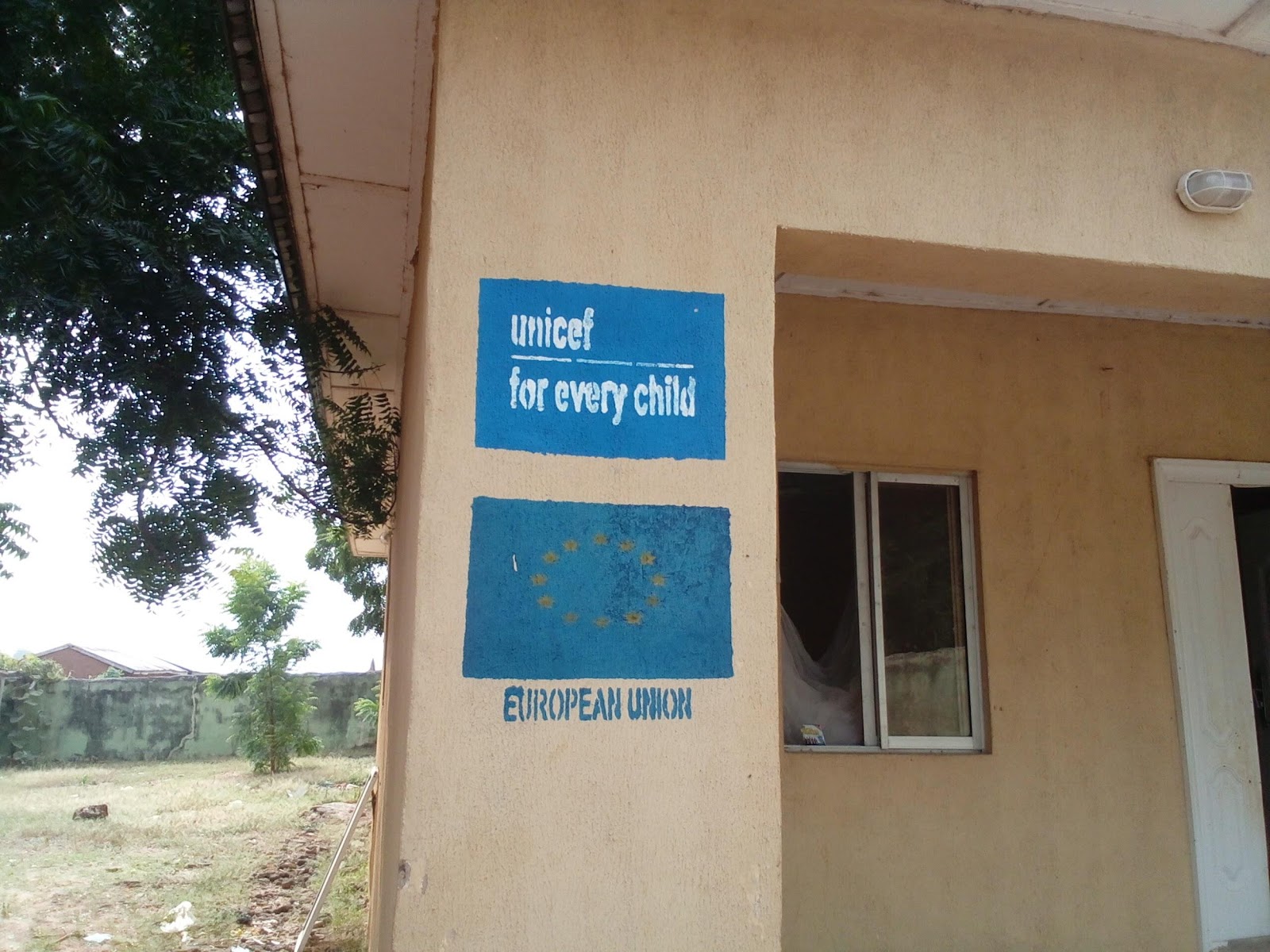
Locals told WikkiTimes that Gabciyari already has a comprehensive primary healthcare centre that was renovated under EU-UNICEF intervention in 2021-the same year Sahel Global Desert Energy was paid money for the construction of a new facility in the same location.

“He (the contractor) only came when we heard that a new facility will be built to us. We took him round the old site and he said it is okay. Since then, we never heard of anything until this your (WikkiTimes reporter) visit”, said one of the health workers who took  WikkiTimes’ reporter round the proposed project site.

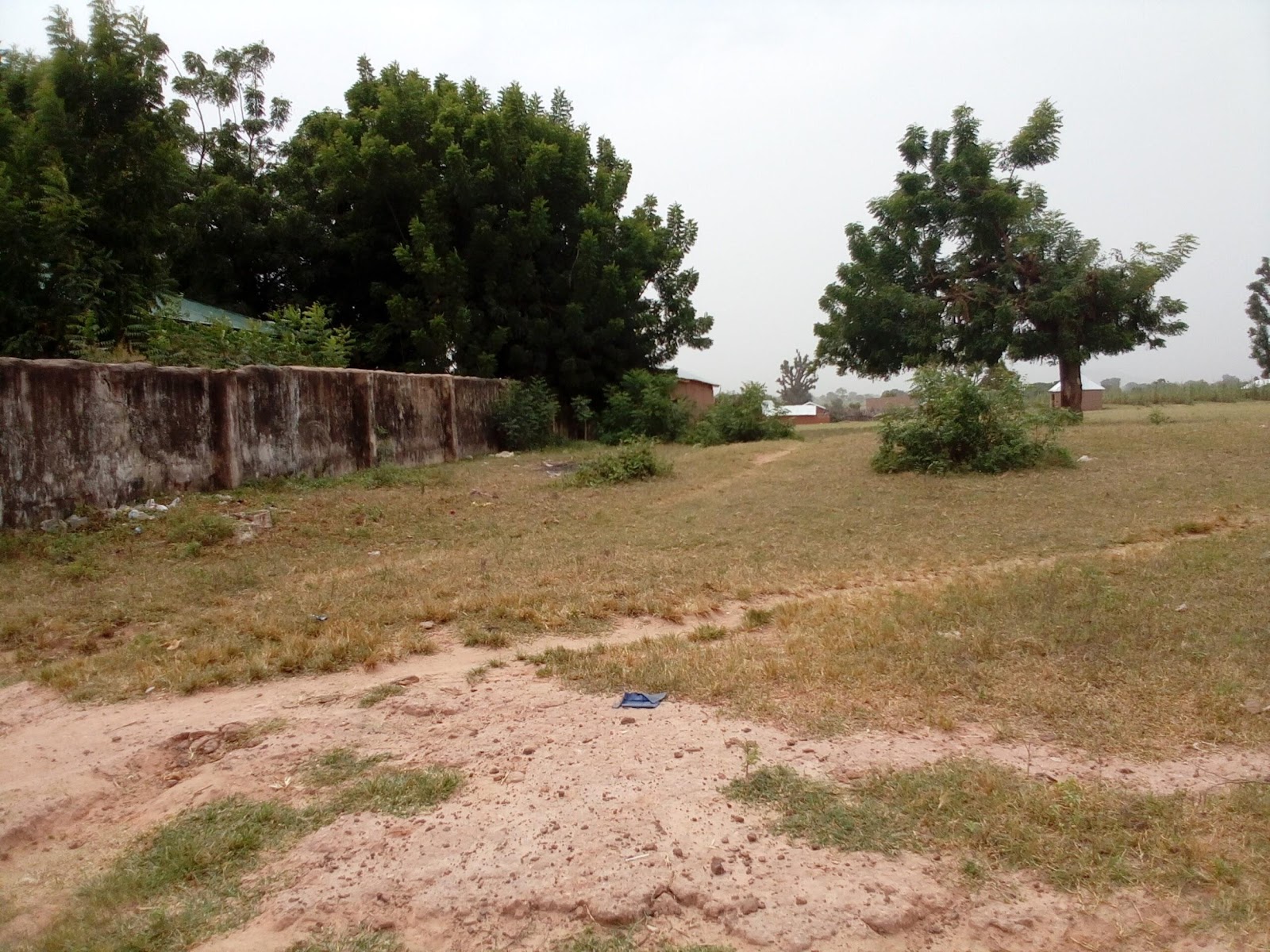
The proposed project site behind the facility          Gabciyari PHCC renovated by EU&UNICEF

Sahel given similar work in Gungura village but poorly executed

The Sahel Global Desert Energy Ltd was also awarded another contract for the construction of a Maternal and Child Health Centre in Gungura, Ganjuwa LGA, a project similar to that of Gabciyari.

The company received N7.8 million (N7,813,005.74) on July 29, 2021 as final payment for the construction of 1 no maternal and child health clinic at Gungura with a payment code of 1000838056-13.

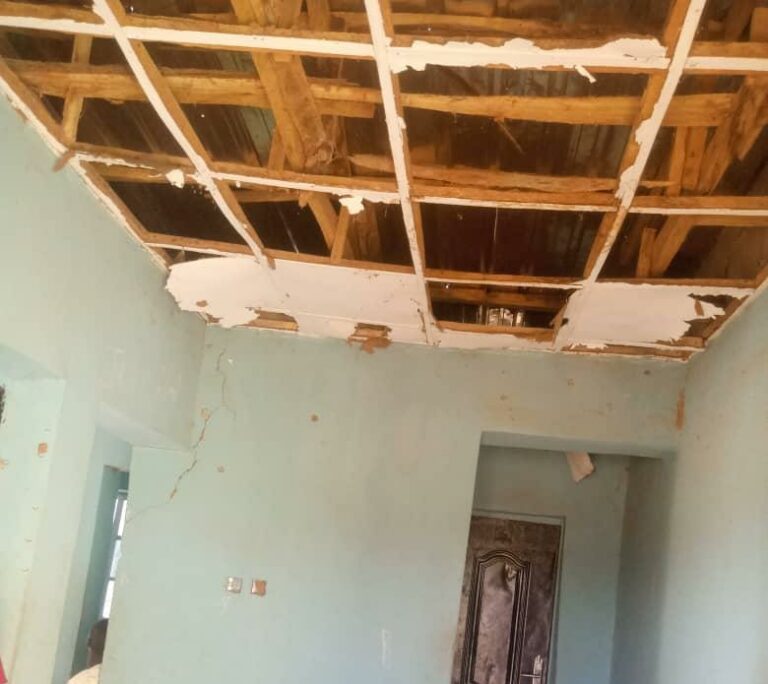
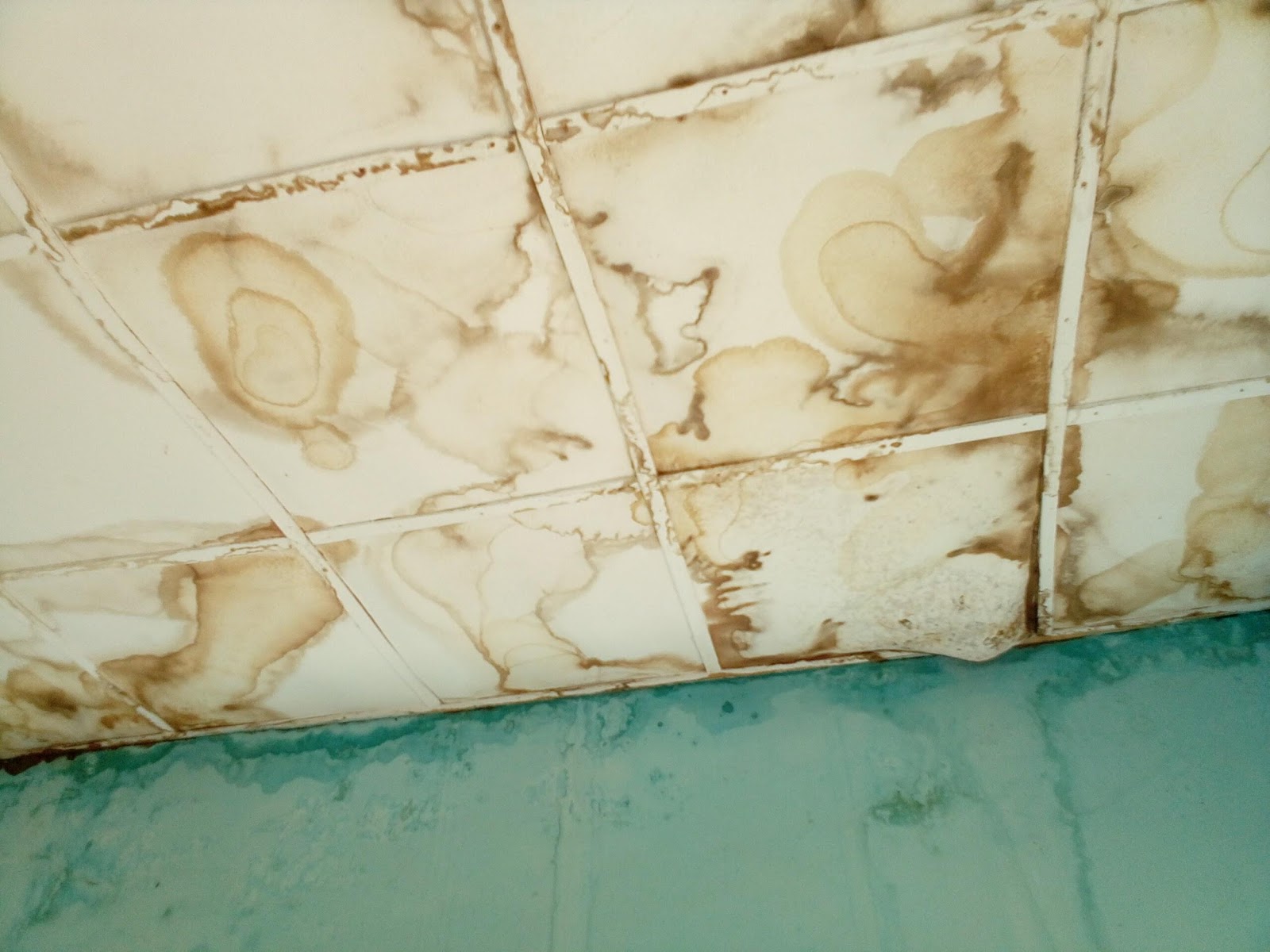
WikkiTimes’ investigation revealed that months after its construction, part of the facility’s roofing was damaged,  compromising its suitability for hospital services

Leaked ceilings Gungura newly built maternity.

Sadiq Abdullahi Gungura a staff volunteer at the PHC who witnessed how the work was done noted that from the beginning, the workers assigned to the project displayed a lack of construction expertise. He also mentioned that various groups of workers were frequently replaced — one team would abandon the work, only to be substituted by another, indicating a fundamental lack of knowledge and coordination among the contractors.

Construction of Soro-Gungura, Soro-Shila & Yautare-Tauya roads not done

Additionally, the company received a payment of  N62 million (N62,741,210.10) on April 1, 2021, for the construction and rehabilitation of the Soro-Gungura, Soro-Shila, and Yautare-Tanya roads in the Ganjuwa/Darazo Federal Constituency of Bauchi state. Similar to the situation with the Gabciyari maternal and child health clinic, the road projects in Soro-Shila and Yautare-Tanya were not carried out by the company.

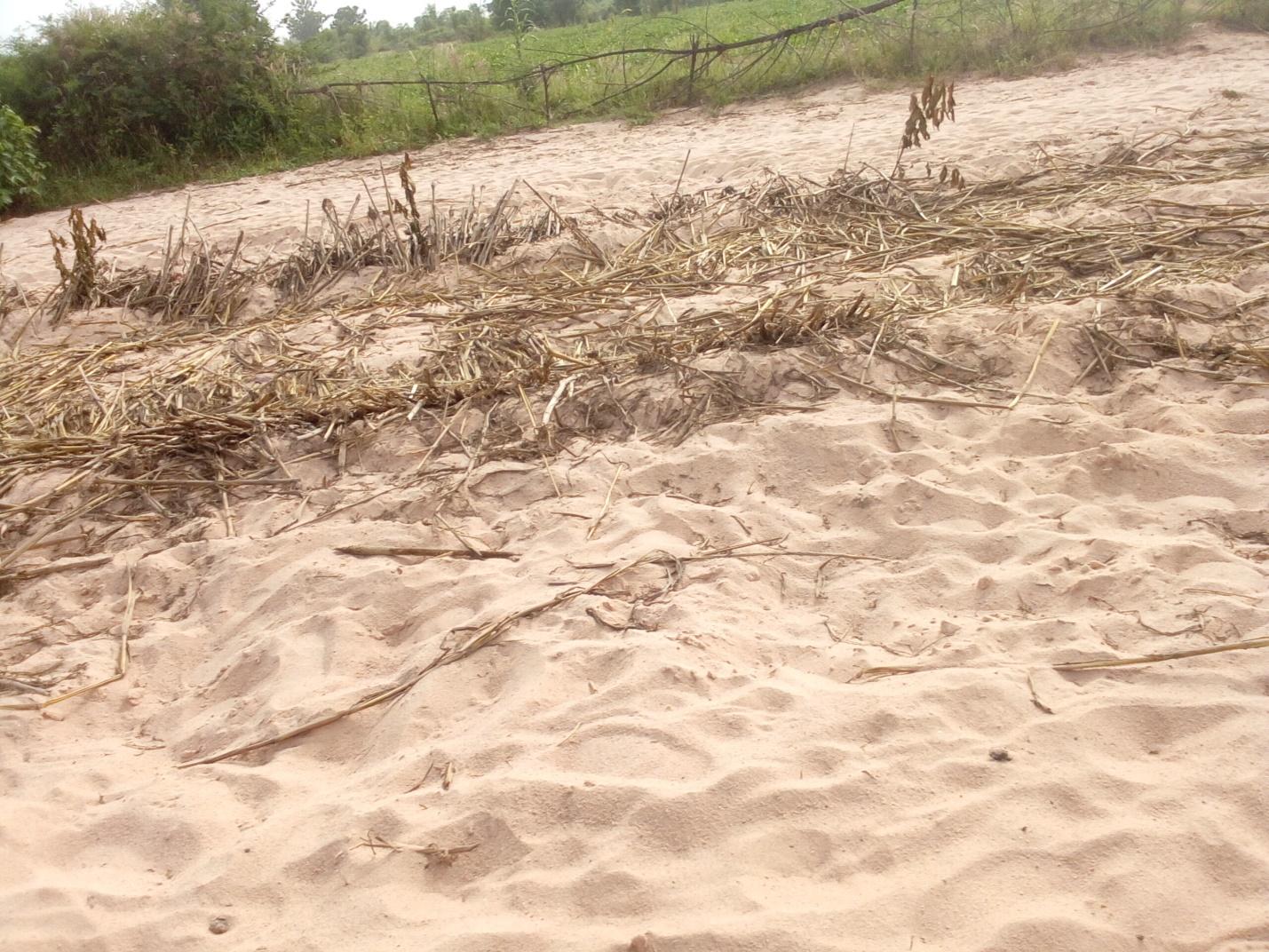
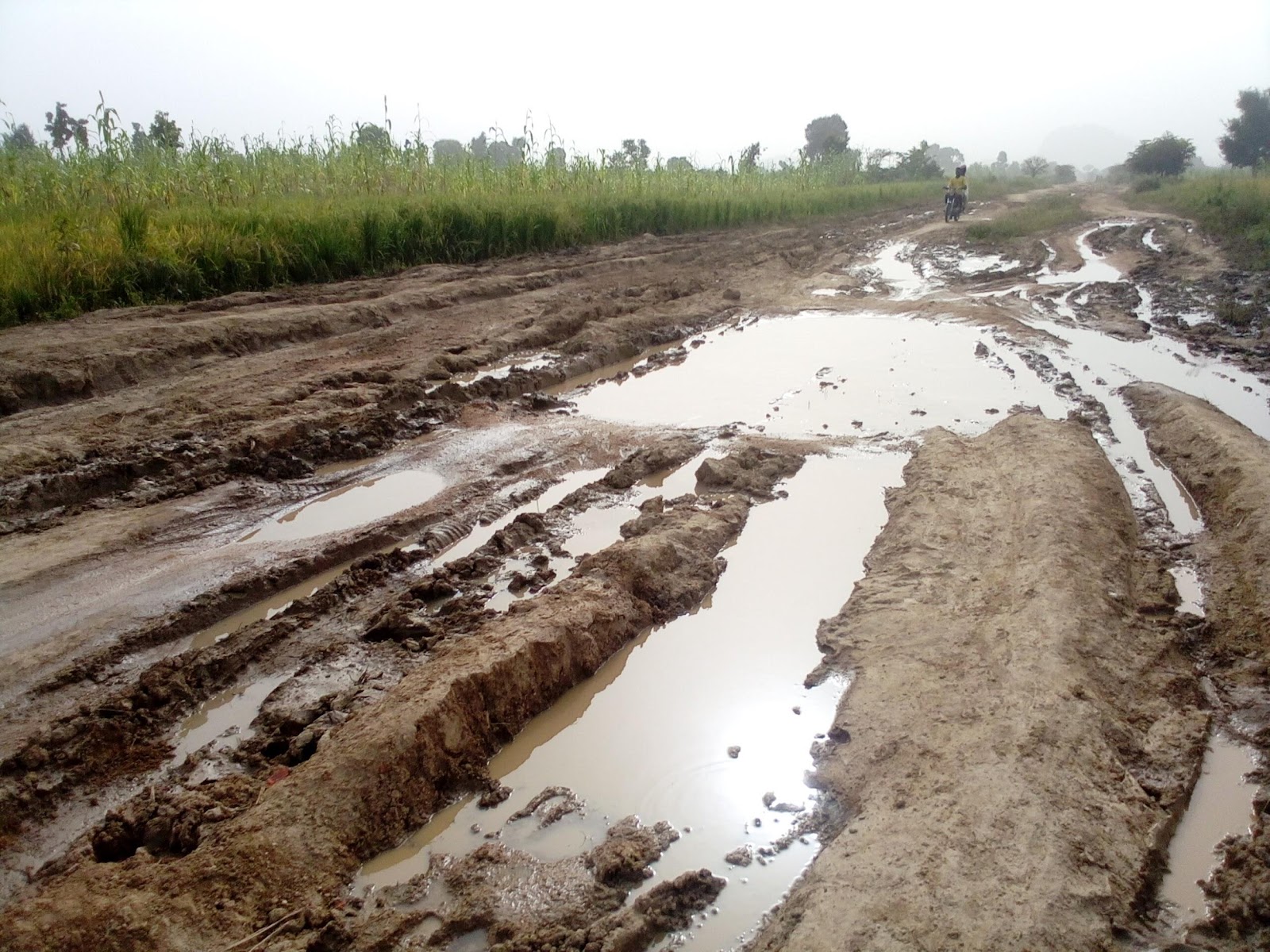
For the Soro-Gungura road, it was reported that Sahel Global Desert Energy cleared the path and laid down laterite from Soro to Wuro-Bogga but then abandoned the project prior to the 2023 elections.

“They only used a grader to apply a thin layer of sand and then left. The road is in disrepair now, with many potholes reappearing. You can’t even tell that any work was done here; it didn’t even reach Wuro-Bogga,” explained Muhammed Ishiyaku, a local resident of Fala community.

Similarly, the contractor did not commence work on the Yautare-Tauya and Soro-Shila roads.

A resident of Shila, Haruna Shila, confirmed to a reporter that no improvements had been made to the road, contradicting the contractor’s claims.

One of the access road to Gungura

Fewo earth dam poorly contructed

Sahel Global Desert Energy received N20.7 million (N20,772,908.97) on March 11, 2021, as the initial payment for constructing an earth dam in the Fewo community of the Darazo/Ganjuwa Federal Constituency.

Similar to the Gungura project, the Fewo dam was poorly constructed and fails to retain water for more than two months post-rainfall, hardly resembling a functional dam.

Locals initially expressed enthusiasm about the dam’s potential benefits for irrigation.

A local farmer, Abubakar Fewo, shared his initial high hopes for the project, but soon found the dam ineffective as it dried up shortly after the rainy season ended.

“We expected a significant dam, but what was built was minimal and ineffective. The water doesn’t last; at most, it held for one or two months after the rain, overflowing during the season and then quickly drying up, rendering it useless,” Fewo claimed.

Another resident, who wished to remain anonymous, criticised the construction quality, noting that the dam’s flat banks were unable to retain water, unlike a more successfully constructed dam in the nearby village of Nabayi.

“The dam in Tafin-Gadda is what a real dam looks like, not like ours. Ours seems more like a mock-up than a real dam,” he told WikkiTimes.

Company’s physical address not traceable

Sahel Global Desert Energy, which was registered on April 2, 2019, lists its address as No. 65 Tudun Wada Soro, coincidentally it is the same location as that of the federal lawmaker, Mansur Manu Soro’s, address.

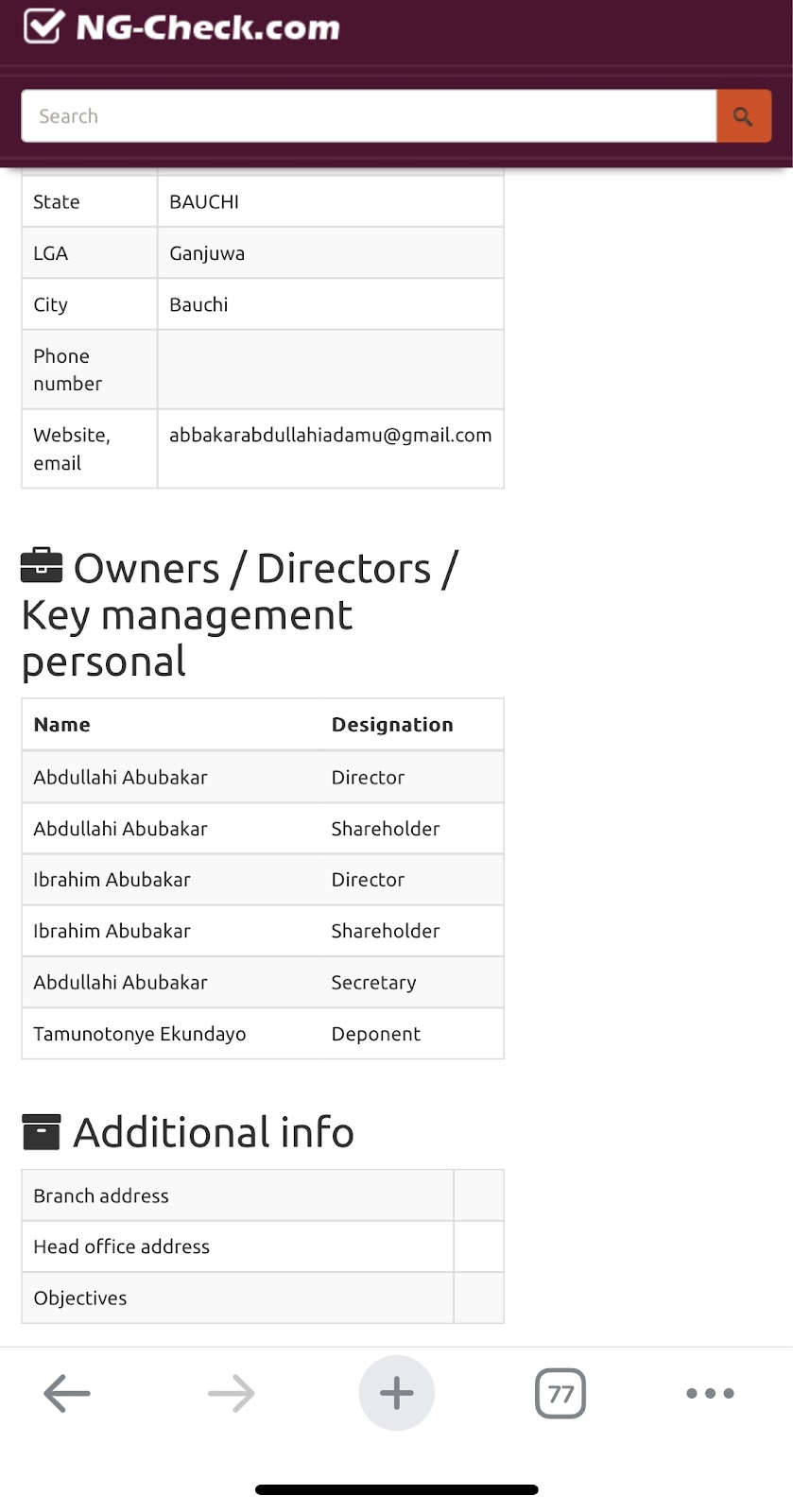
The company is controlled by Abdullahi Abubakar and Ibrahim Abubakar, who serve as both directors and shareholders. However, a verification conducted by WikkiTimes revealed that there is no physical structure at the listed address that can be associated with the company

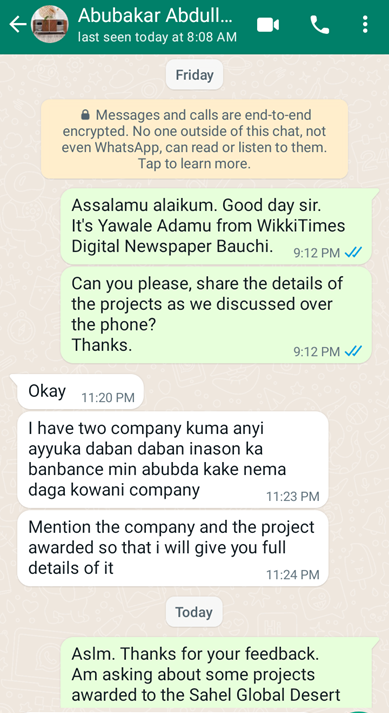
screenshots of WikkiTimes WhatsApp chat with Abubakar Abdullahi.

This situation highlights the classic example of a “suitcase company” — a term used to describe an entity that exists on paper to secure multi-million naira contracts without a physical presence or the capability to perform the contracted work.

When approached for comment, Soro, the representative for the Darazo Ganjuwa Federal Constituency, acknowledged the project in Gungura but disclaimed any knowledge of the project in Gabciyari.

“I am not aware of that one. There can sometimes be discrepancies between what we budget for and what the executing agency accomplishes. The appropriations are assumptions, and the implementing agency might adjust their actions based on funding limitations,” he explained.

Upon mentioning a government payment recorded on govspend.ng, a public procurement portal by BudgIT Nigeria, Soro clarified, “To my knowledge, there was no award for Gabciyari, though there was for Gungura.”

Addressing questions about any connections with Sahel Global Desert Energy Ltd, Soro stated, “I have no alliance with Sahel Global Desert Energy Ltd and can’t even recall the name. It’s possible that the company exists in Soro, as during the bidding process, anyone can participate.”

Despite his denials, a WikkiTimes investigation found definitive evidence linking the lawmaker to the owner of the company. Examination of the Facebook page of director Abubakar Abdullahi (Habu Soro) revealed active campaigning for Soro during his 2019 election campaign for the House of Representatives

Further checks also show that the Mansur Manu foundation owned by the lawmaker was registered by the same deponent that registered Sahel Global Desert Energy Limited.

Local informants and individuals close to the lawmaker confirmed that Abubakar Abdullahi, the director of Sahel Global Desert Energy Ltd, maintains a close relationship with the lawmaker.

“Yes, they are quite close, and the director is even a key member of the lawmaker’s entourage and household,” a source who wished to remain anonymous disclosed to WikkiTimes. This connection has led to suspicions that Abdullahi is being used as a figurehead for the company’s contractual activities. 

Abubakar Abdullahi, when reached by WikkiTimes, acknowledged that his company had been awarded several projects in the constituency and requested further details. He listed projects like the Fewo earth dam, the road from Soro to Gungura, and the Aliya Maternity among others awarded to his company. Although he confirmed his role as one of the directors, when queried about the maternity projects in Gungura and Gabciyari, Abdullahi redirected the latter to Aliya, citing decisions made by the area’s traditional rulers and local government.

“The project in Gabciyari was moved to Aliya because Gabciyari already has a health facility,” he explained.

Despite Abdullahi’s claims of independence from the lawmaker, his reassurances were contradicted by the lack of clarity and his failure to follow through on promises to provide detailed project information.

He had committed to sending details of the executed projects to WikkiTimes via WhatsApp, but despite several reminders, he had not responded by the time of the report’s publication

screenshots of WikkiTimes WhatsApp chat with Abubakar Abdullahi.

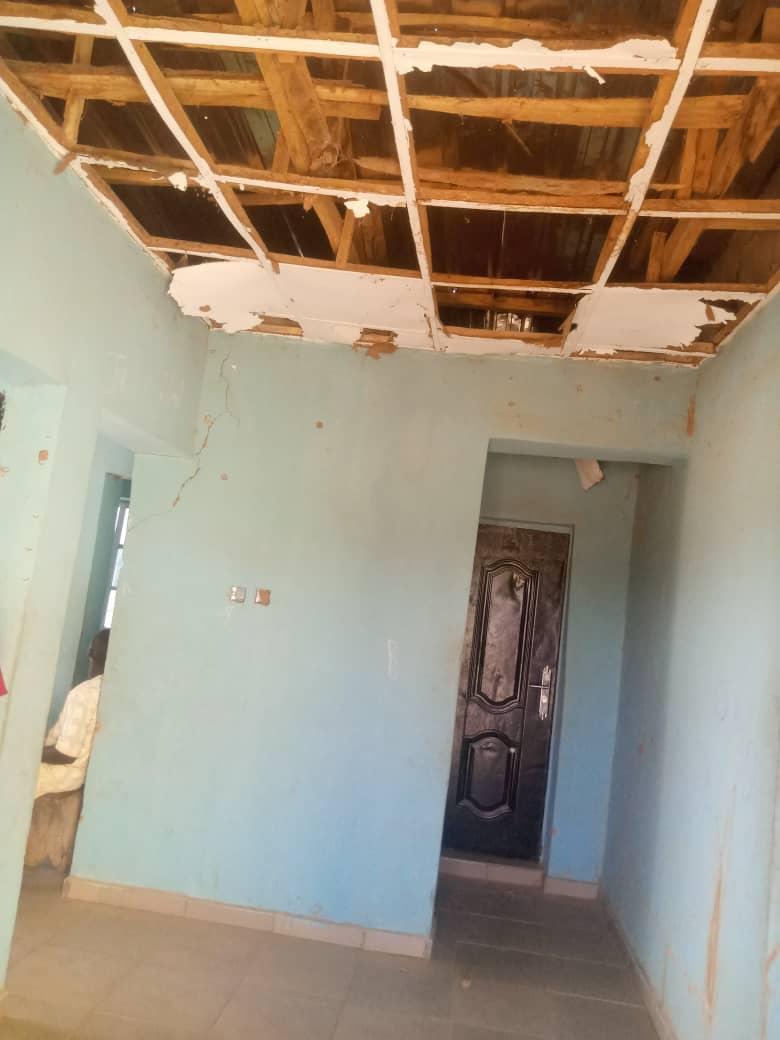
To verify the claim that a maternity facility was constructed in Aliya, a community over an hour away from Lanzai by motorcycle, WikkiTimes visited the site and discovered that, consistent with other projects undertaken by the company, the execution was subpar.

The facility’s ceiling was nearly collapsing, and parts of the roofing had been blown away by the wind. A political leader in the area confirmed to WikkiTimes that the roofing damage occurred just months after the project’s completion, highlighting the poor quality of the construction.

Aliya Child and Mother Clinic

Traditionally, a legislator’s role includes identifying the specific locations and types of projects needed in their constituencies. Once these needs are determined, they are communicated to the National Assembly, which then incorporates these requirements into the budget allocations for relevant ministries, departments, and agencies (MDAs).

Following this, the MDAs are responsible for advertising these projects in accordance with the Public Procurement Act, ensuring that all procedures are transparent and open to competitive bidding. This process is designed to ensure that the development needs of constituencies are met in a lawful and effective manner. WikkiTimes could not establish whether these processes were adhered to in awarding these fictitious and shoddy contracts to Sahel Global Desert Energy Ltd.


UPDATE:

The lawmaker  through a statement signed (archived here) by his personal assistant on new media Yahya Aleeyu, has described the report as “false, baseless and a calculated attempt to criminally defame the good character of Rep. Mansur Manu Soro.”

“Our attention has been drawn to an online publication by Wikki Times of April 16th 2024 accusing HMHR, Rep. Mansur Manu Soro of awarding a contract to his close associate among other ridiculous accusations. But for the unsuspecting members of the public, we would have chosen to ignore their accusations that remain false, baseless and a calculated attempt to criminally defame the good character of Rep. Mansur Manu Soro.”  the statement reads in part.

Meanwhile WikkiTimes says it stand by the report.


This investigation republished from WikkiTimes is produced with support from the Wole Soyinka Centre for Investigative Journalism (WSCIJ) under the Collaborative Media Engagement for Development Inclusivity and Accountability Project CMEDIA funded the MacArthur Foundation.

Lead British School Abuja shuts for 3 days after outrage over student bully

1

THE Lead British International School, Abuja, has been shut for three days due to public outrage that greeted bullying among its students since Monday, April 22. 

The school management revealed this when it received the Minister of Women Affairs, Uju Kennedy-Ohanenye, who was at the institution on Tuesday, April 23.

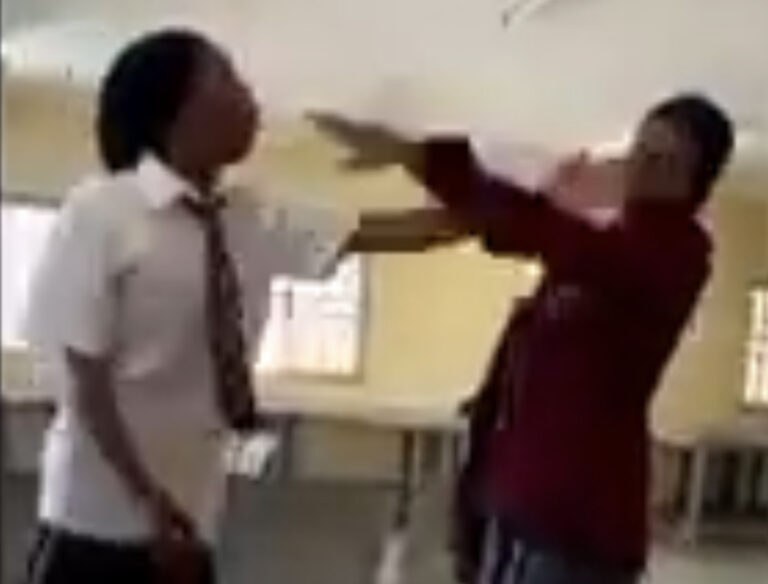
Videos showing some of the school students bullying a fellow female student went viral on Monday.


Read Also:

Outrage over allegations of bullying at Lead British School Abuja

ICIR’s report on fintech and cyberbullying wins at 2022 WAMECA Awards

Minister apologises for threatening UNICAL sexual harassment witnesses


The minister met with some of the school staff members for a briefing on the incident, and the school head, Abraham Ogunkambi, announced the shutdown as an immediate action taken by the management.

“We are Nigerians, we respect rules and regulations, and we are under the law. Because our school is actually recognised and our school is under the Federal Capital Territory. Based on that, Lead British International School, Abuja, is hereby shut for three days,”

On Monday, April 22, An X user, @mooyeeeeeee, posted two videos of a female student being slapped repeatedly by other students of the institution.

There had also been a video showing a group of students beating up a male student who was made to go on his knees.

The ICIR reported that the latest two videos generated public outrage, with many Nigerians condemning the girl’s bullying.

An X user, @sadiqGsadiq, posted a screenshot alleging that bullying has been one of the biggest issues in the school.

According to the screenshot, a student cut her classmate with a knife but was only handed a two-day suspension as punishment.

“Bullying is one of the biggest issues in Lead British International School. And the worst thing is that they don’t even take serious action for it. The punishment they use is always packing trash like…does that make sense? Will packing trash stop me from bullying someone? It does not even make sense, to be honest.

“When things like this happen, and we tell our parents, our parents think we are being dramatic. That’s why we all need you to put back the post and bring awareness because it needs to stop. When I told my mum, she said I was lying. It was when I showed her the video that she believed me,” the screenshot read.

The school, however, announced that it had commenced investigations into the videos.

NNPC resumes production of crude oil in Awoba Field 3 years after

THE Nigerian National Petroleum Company Limited (NNPCLtd.) and its Joint Venture partner in the Awoba Unit Field, Newcross Exploration and Production Ltd., have resumed crude oil production in Awoba Field, River State, for the first time since 2021.

The resumption followed incidences of oil theft and evacuation problems that characterised operations in the area, which have been brought under control.

Oil exploration and resumption are also expected to support Nigeria’s quest to meet the monthly quota of the Organisation of Petroleum Exporting Countries (OPEC) of 1.7 million barrels per day/bpd production and shore up the foreign exchange reserve.


Read Also:


The spokesperson for the NNPC, Olufemi Soneye, made this disclosure in a statement on Tuesday, April 23, 2024, in Abuja.

The statement noted that the Awoba Field last produced oil for the Bonny Terminal in 2021 and was ultimately shut down in February 2022 due to problems with evacuation and crude oil theft.

Soneye explained that since NNPC Ltd and its partners reactivated the Awoba Field on April 13, 2024, the field’s production has averaged 8,000 barrels per day.

Moreover, he said the field was anticipated to reach a steady output of 12,000 barrels per day once fully ramped up within 30 days.

According to Soneye, Awoba is also expected to significantly boost gas supply to the power sector and other gas-based industries.

The Awoba Unit, which straddles OMLs 18 and 24, is located in the mangrove swamp south of Port Harcourt, Rivers State. The NNPC Upstream Investment Management Services (NUIMS) manages both OML 18 and OML 24 assets.

Speaking further, the National Oil Company noted that it has been recording a string of production successes from the JV portfolio which have significantly lifted overall national production.

The  NNPC revealed that in addition to the recent initiation of production at the Madu Field by the NNPC Ltd/First E&P JV, it successfully resumed production at OMLs 29 and OML 18 in late 2023, which it said had consistently added an average of 60,000 barrels per day to the national production output since their restart.

Alleged fraud: Court orders EFCC to serve Yahaya Bello charges through lawyer

0

THE Federal High Court in Abuja has ordered the Economic and Financial Crimes Commission (EFCC)  to serve a former Kogi State Governor Yahaya Bello fraud charges against him through his lawyer.

This followed Bello’s absence from the court for his arraignment on Tuesday, April 23.

The trial judge, Emeka Nwite, ruled that the law made it clear that whenever it is practically impossible to serve a defendant personally, the process may be served by giving it to his lawyer or any other adult living in his home.


Read Also:


Nwite said there was no question that the former governor had hired a lawyer to represent him in court even though he had not entered a plea.

He added that the EFCC had the right to ask the court for permission to provide Bello’s attorney access to the court documents.  

“Any decision reached in the absence of service will be subject to an appellate attack no matter how brilliant the decision reached.

“I therefore make an order for the charge and the proof of evidence to be served on counsel who had unconditionally announced appearance for the defendant,” Nwite stated.

Although Bello’s lawyer, Mohammed, initially declined to accept the charges and proof of evidence, he was compelled to do so by the judge.

Bello was absent from court for his arraignment on a 19-count charge of alleged laundering of N80 billion.

Nwite had on April 18 adjourned for ruling on substituted service of the charge on the former governor, who the EFCC alleged was evading service.

The EFCC had earlier declared Bello wanted over alleged N80.2 billion fraud.

The anti-corruption agency revealed this on its verified Facebook handle on Thursday, April 18. 

The photograph of the former governor was displayed with the inscription ‘WANTED’ in the notice.

This happened a few hours after the commission told the Federal High Court in Abuja that it would do everything possible to arrest and prosecute the accused over his money laundering case.

The EFCC said it would execute the arrest warrant issued against the former governor, even if it would involve using the military.

The EFCC lawyers, led by Kemi Pinheiro, a senior advocate, said this at the Federal High Court in Abuja.

Pinheiro faulted Bello for failing to make himself available for his scheduled arraignment.

Meanwhile, The Nigeria Police Force (NPF) detained Aide-de-Camp (ADC) to Bello along with his other security details on Friday, April 19, 2024.

The ADC and other police officers attached to the former governor were detained at the State Criminal Investigation Department at the Federal Capital Territory (FCT).

All these happened after operatives of the EFCC stormed the Abuja home of Bello on Wednesday, April 17, to arrest him.

The planned arrest was over the alleged sleaze he perpetrated in office.

However, the arrest was unsuccessful, as reports suggest that the Kogi State governor, Ahmed Usman Ododo, smuggled out the former governor.

Ododo drove into Bello’s residence while the EFCC surrounded the building Wednesday afternoon.

States take charge of electricity business with NERC’s support

MORE 

STATES are firming up control of regulatory oversight of electricity business in their respective territory with the support of the Nigerian Electricity Regulatory Commission (NERC).

This development followed the latest transfer of regulatory oversight of the Enugu electricity market to the Enugu Electricity Regulatory Commission (EERC) by NERC.

The states’ control came on the heels of the Electricity Act 2023, signed by President Muhammadu Buhari and later amended by President Bola Tinubu.

The Act removed power generation, transmission, and distribution from the exclusive legislative list, effectively ending the federal government’s sole jurisdiction over these areas.

Read Also:


This transfer, effective from May 1, 2024, marks the first time NERC has delegated such authority to a state-owned regulatory body.

This devolution of regulatory powers was detailed in a memo released by NERC, bearing signatures from its chairman, Sanusi Garba, and commissioner for Legal, Licensing, and Compliance, Dafe Akpeneye, dated April 22, 2024.

“This is a good development for the states and they will be more than willing to invest in the electricity business in their respective states and firm up control of regulation in their states. They will be able to set up sub-DisCos which would allow for states to get more involved in the electricity business,” the Executive Director of PowerUp Nigeria, Adetayo Adegbemle told The ICIR.

He also confirmed that the Edo State government had officially applied to take control of regulatory oversight of the electricity business in the state, a move that is expected to attract more power investment in the state.

Accordingly, under the new legal framework, states can manage and regulate their electricity markets.

The amended Paragraph 14(b) Part II of the Second Schedule to the 1999 Constitution empowers state governments to legislate on electricity provision within their territories.

According to NERC, the Enugu Electricity Regulatory Commission (EERC) now holds the exclusive authority to set and adopt end-user electricity tariffs within Enugu State, tailoring these charges to local conditions and requirements.

While EERC manages local tariff methodologies, any electricity sourced from grid-connected plants and the related tariffs for generation and transmission services must still receive approval from the Nigerian Electricity Regulatory Commission (NERC), ensuring alignment with national energy policies.

Ultimately, the final tariffs approved by EERC for consumers in Enugu will be definitive for the state, with the Enugu State government responsible for supporting and implementing tariff-related policies, ensuring that electricity pricing is both fair and attuned to the specific needs of the state’s residents.

The memo from NERC states, “This regulatory instrument may be cited as the order of transfer of regulatory oversight of the electricity market in Enugu State from NERC to the Enugu State Electricity Regulatory Commission (EERC). This order shall take effect from May 1, 2024.”

Under the new regulatory order, the EEDC is mandated to establish a subsidiary, known as EEDC SubCo, under the Companies and Allied Matters Act.

This subsidiary will be responsible for the localised supply and distribution of electricity exclusively within Enugu State.

The EEDC must finalise the incorporation of EEDC SubCo within 60 days from the order’s effective date, after which the subsidiary is required to secure a license from the EERC for its operations.

Additionally, EEDC is tasked with clearly defining the geographical boundaries of its network within Enugu State, ensuring that it operates independently of networks in neighbouring states by installing boundary meters at all crossing points.

Not just Enugu, NERC has also officially transferred the oversight of Ekiti state’s electricity market to Ekiti State’s Electricity Regulatory Bureau.

The move also symbolises broader decentralisation efforts within Nigeria’s power sector, influenced by recent legislative amendments under the Electricity Act 2023.

This transfer was outlined in a NERC order dated April 22, 2024, marking a significant step towards empowering state-level regulatory capabilities.

An energy lawyer and power sector governance expert, Chuks Nwani, told The ICIR that the Electricity Act 2023 has opened up the states to attract more investments into the electricity business in their respective states.

“Enugu State has shown commitment and has had regulatory oversight. It is good that Enugu State took responsibility for making laws on that. Other states should be able to take advantage of this law on the devolution of regulatory powers,” Nwani said.

The devolution of regulatory powers to states like Enugu and Ekiti represents a significant shift towards more localised management of electricity services.

This means that states can now tailor their energy policies to better suit the specific needs of their residents, promoting more efficient and sustainable energy use within their jurisdictions.

More so, NERC will continue to play a pivotal role as the central regulator for inter-state and international electricity transactions, ensuring compliance with national standards and managing overarching issues that transcend state borders.

This includes the regulation of large-scale power generation plants, high-voltage transmission networks, and the overall system operation of the national grid.

States will specifically regulate the generation, transmission, and distribution of electricity within their territories.

This includes licensing local power projects, managing state-owned power assets, and overseeing retail electricity distribution and pricing.

The states will also be responsible for promoting rural electrification projects and integrating renewable energy sources into their local grids.