Home Blog Page 834

Fiscal transparency: Despite ICT advancement, Nigerian states’ open contracting portals inaccessible

By Abdulrasheed Hammad

Open Contracting Portals in Nigeria are online platforms designed to provide transparent and accessible information regarding public procurement processes and contracts. The objective is to promote open contracting practices, enhance accountability, and reduce corruption within the Nigerian public procurement system. These portals serve as centralised repositories of data and documents related to government contracts, enabling citizens, civil society organisations, and businesses to monitor and scrutinise government spending. This investigation looks at the portal of each state as well as the responsiveness of the relevant agency.


FATIMAH Idera is employed as a project tracker in Ondo State, working for UDEME, a social accountability platform in Nigeria.

In her first month on the job, she was assigned five projects to track. However, when she accessed the Ondo State Bureau of Public Procurement (BPP) portal,  they did not upload any documents to the website, thereby hindering the public’s ability to hold the government accountable. She could not access the vital Open Contracting Data Standard (OCDS) and e-procurement portal.

Situations like the unavailability of the OCDS and e-procurement portal not only hindered Fatimah’s ability to perform her duty as a  project tracker but are also depriving citizens of the opportunity to monitor how their taxes funds are utilised effectively.

The difficulty in tracking project documents on the OCDS and e-procurement portal has been raising concerns.
 Screenshots of the Sokoto State e-procurement portal showing that this reporter's personal and financial information can be stolen
Screenshots of the Sokoto State e-procurement portal showing that this reporter’s personal and financial information can be stolen

The Ondo state instance reflects how Nigerian state governments generally make their open contracting portals inaccessible and thereby preventing citizens from holding government officials accountable.

This hinders monitoring of the efficiency and effectiveness of public spending and makes it difficult to identify instances of fraud, waste, or mismanagement.
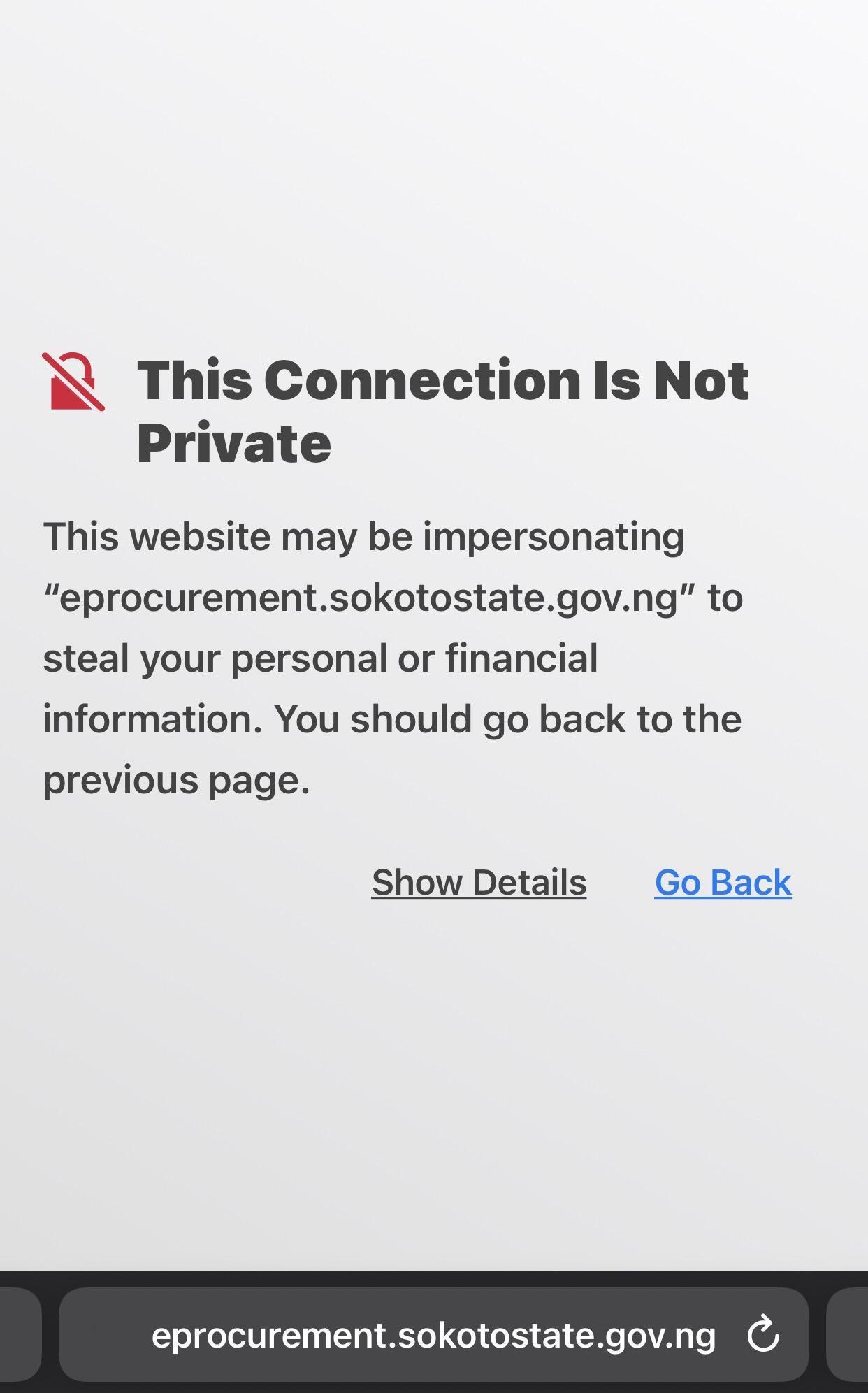
 screenshots of the Sokoto State e-procurement portal showing that an attacker can compromise this reporter's connection
screenshots of the Sokoto State e-procurement portal showing that an attacker can compromise this reporter’s connection

Typically, open contracting portals include a wide array of information, such as tender notices, bidding documents, contract awards, terms and conditions, contractor details, project implementation specifics, and payment information.


READ ALSO:


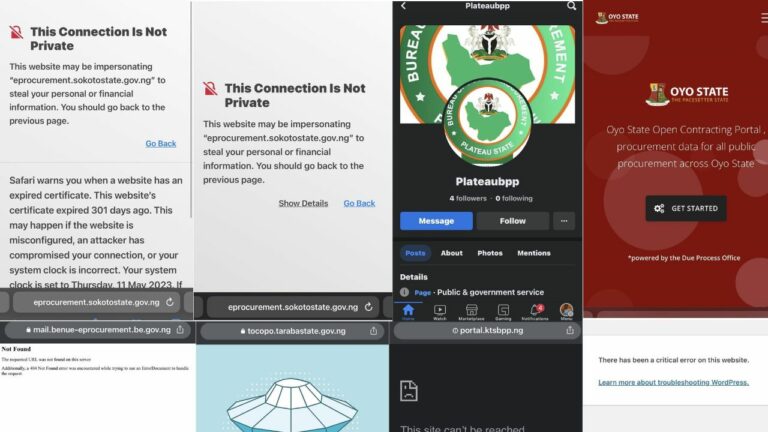
Nigerian state governments were compelled to sign agreements and pass procurement laws, committing them to publish their expenditures to enable them to receive grants over a three-year period from the World Bank. Unfortunately, some of these portals are inaccessible or lack details on awarded contracts in the respective states. Some portals pose security risks, Some portals only provide partial information on their website, and others are difficult to navigate.

How state governments make open contracting portals inaccessible, hiding awarded contracts from citizens
 The screenshot of the blank Kwara State government OCDS portal
The screenshot of the blank Kwara State government OCDS portal

The investigations showed that the Kwara State e-procurement portal was inaccessible as it was blank (showing only white) when the reporter accessed it.

There were no details of contracts awarded by the state government.

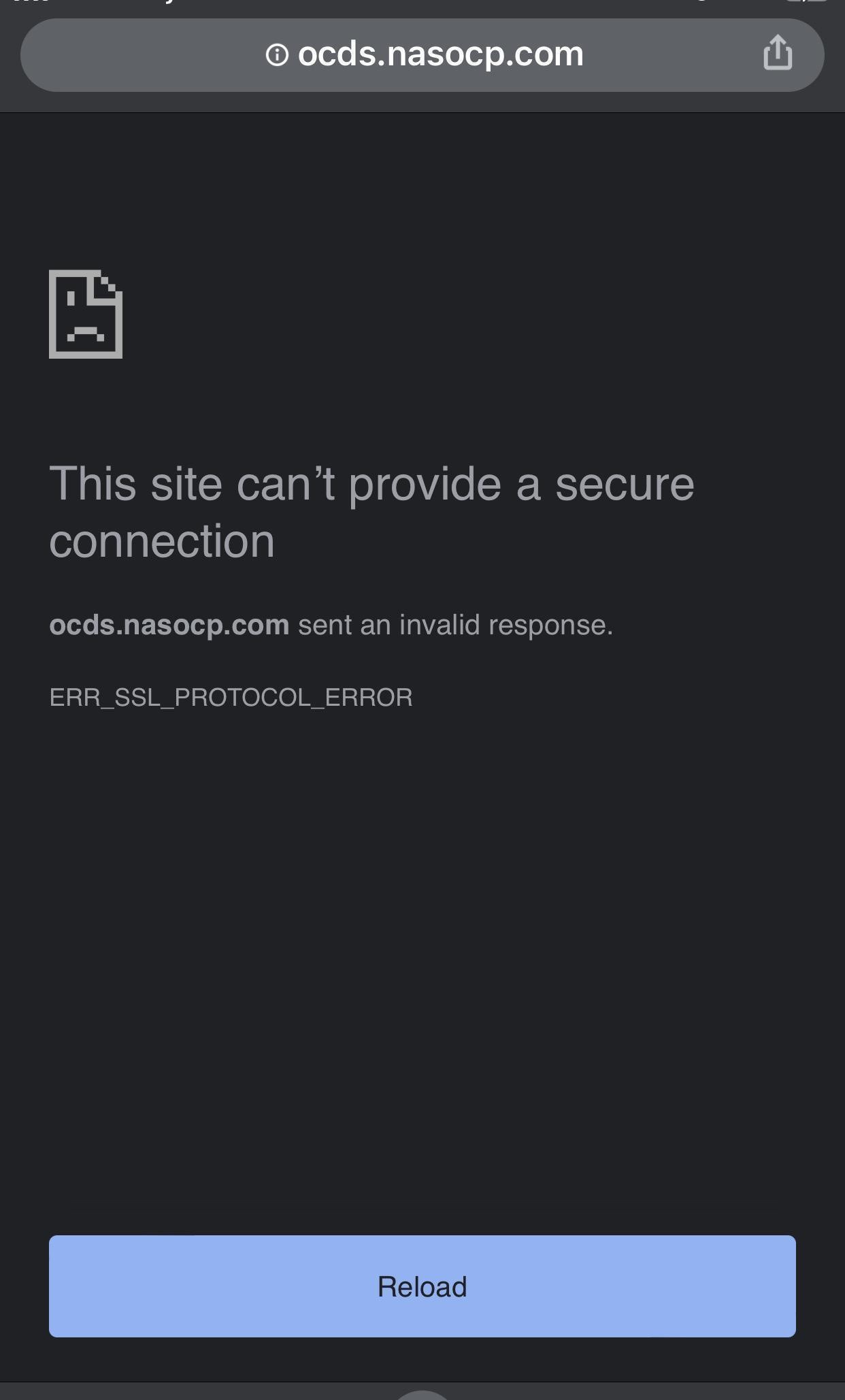
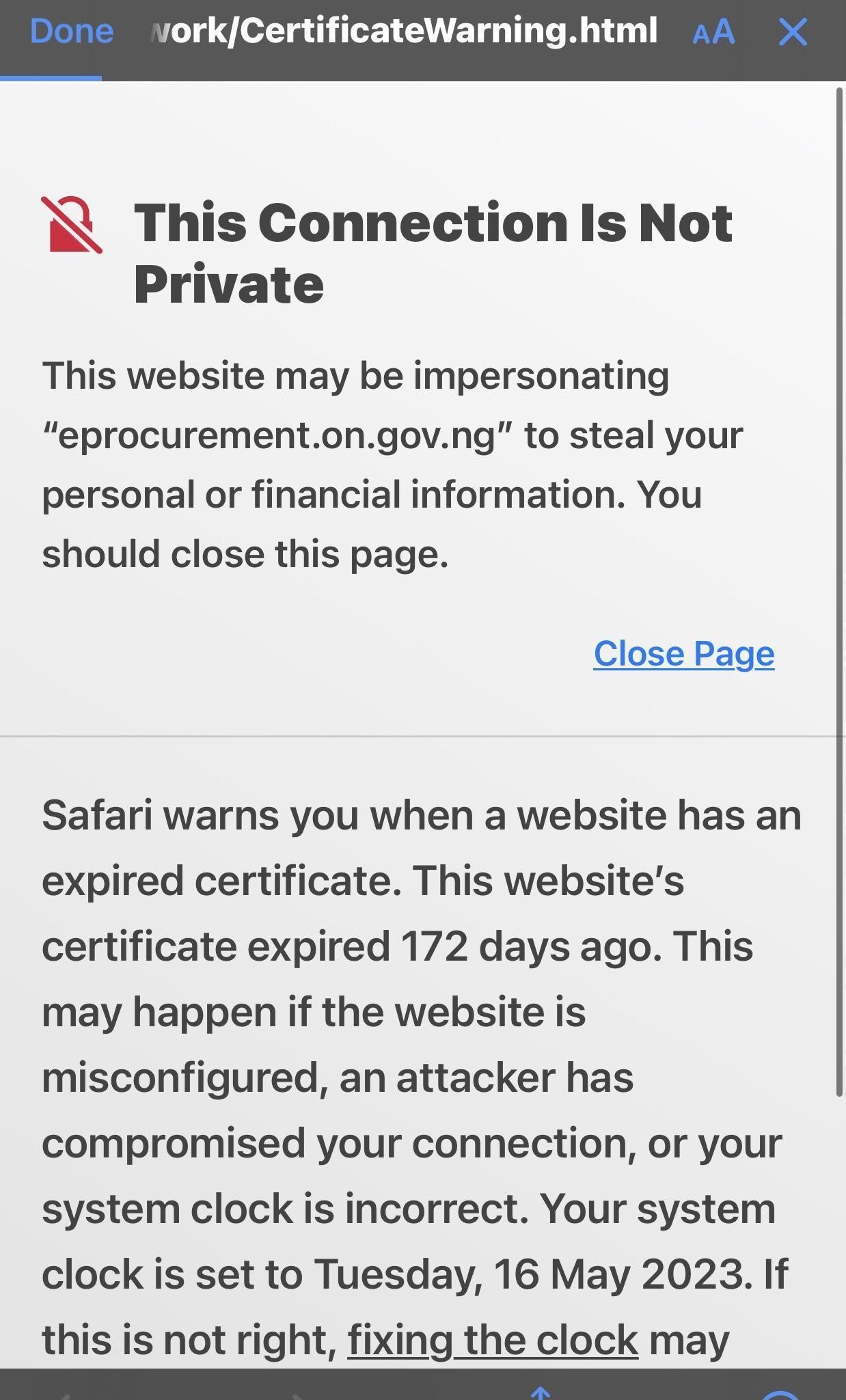
The Safari browser warned against proceeding to access the Sokoto state e-procurement portal because the website certificate expired over 301 days ago, warning that an attacker can compromise the reporter’s connection.

Enugu, Nasarawa, Kebbi, Katsina, Ebonyi, Taraba, and Benue did not have the state’s e-procurement portal because most of them were not found, while some were not operational, showing ‘404-Not found’.
The screenshot of the e-Procurement of the Ondo State government

 The screenshot of the e-Procurement of the Ondo State government
The screenshot of the e-Procurement of the Ondo State government

E-procurement portals like that of Ondo, Oyo, Kogi, and Rivers states were accessible but failed to provide any details on awarded contract.

The Oyo State e-procurement Facebook account only has six followers with no posts.

For some states, the problem is that vital procurement details were not provided making nonsense of the launch of the portals.

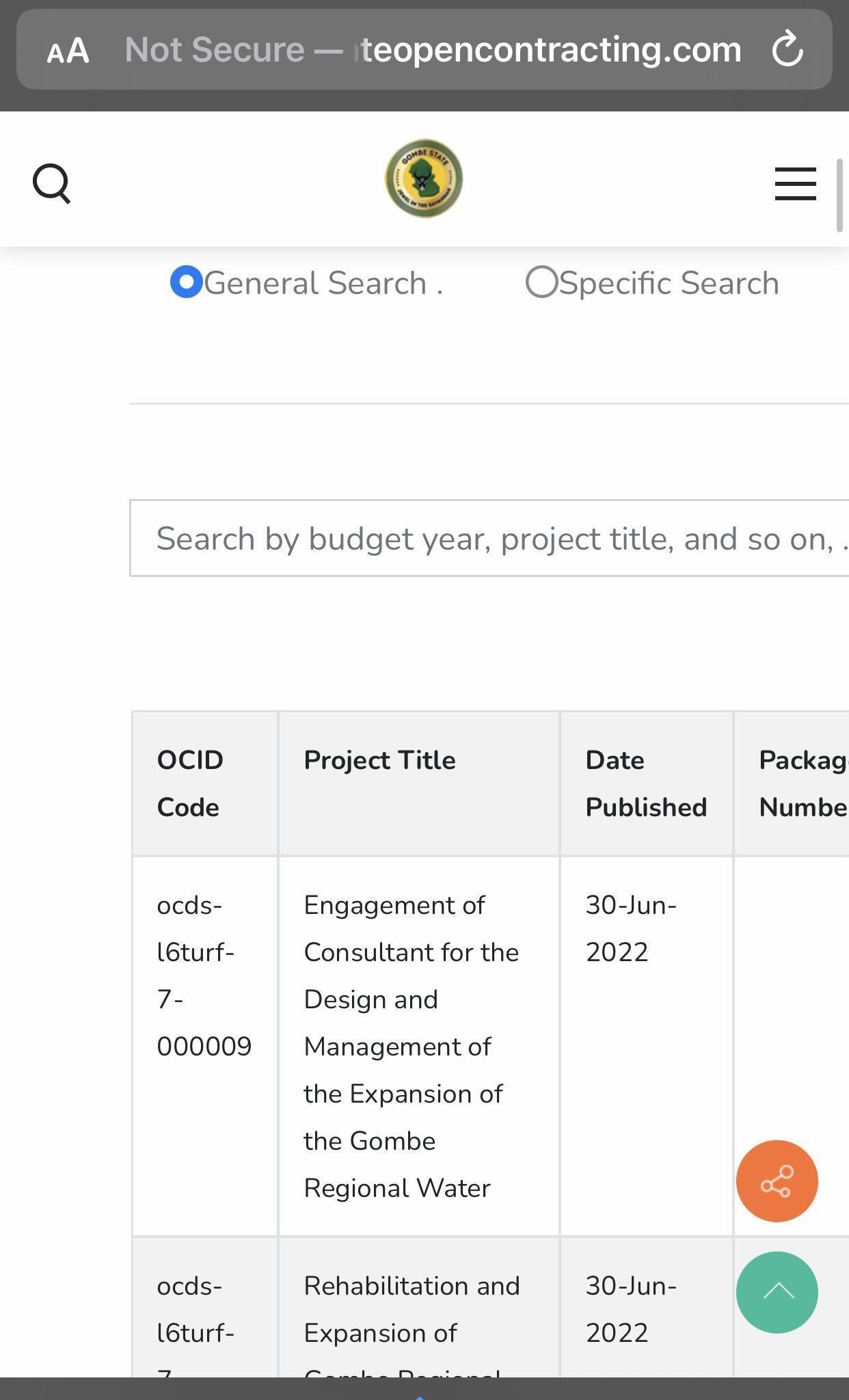
Abia, Bayelsa, Bauchi, and Gombe states uploaded incomplete information on the contract the governments  awarded  as  contractor’s details and contract sums were not provided. only project titles and procurement entities were provided.

Ekiti uploaded incomplete data that did not provide the project locations and the award dates.

Jigawa state only uploaded the details of only one project under the Ministry of Water and Resources.

Akwa Ibom state did not have an official open contracting portal.
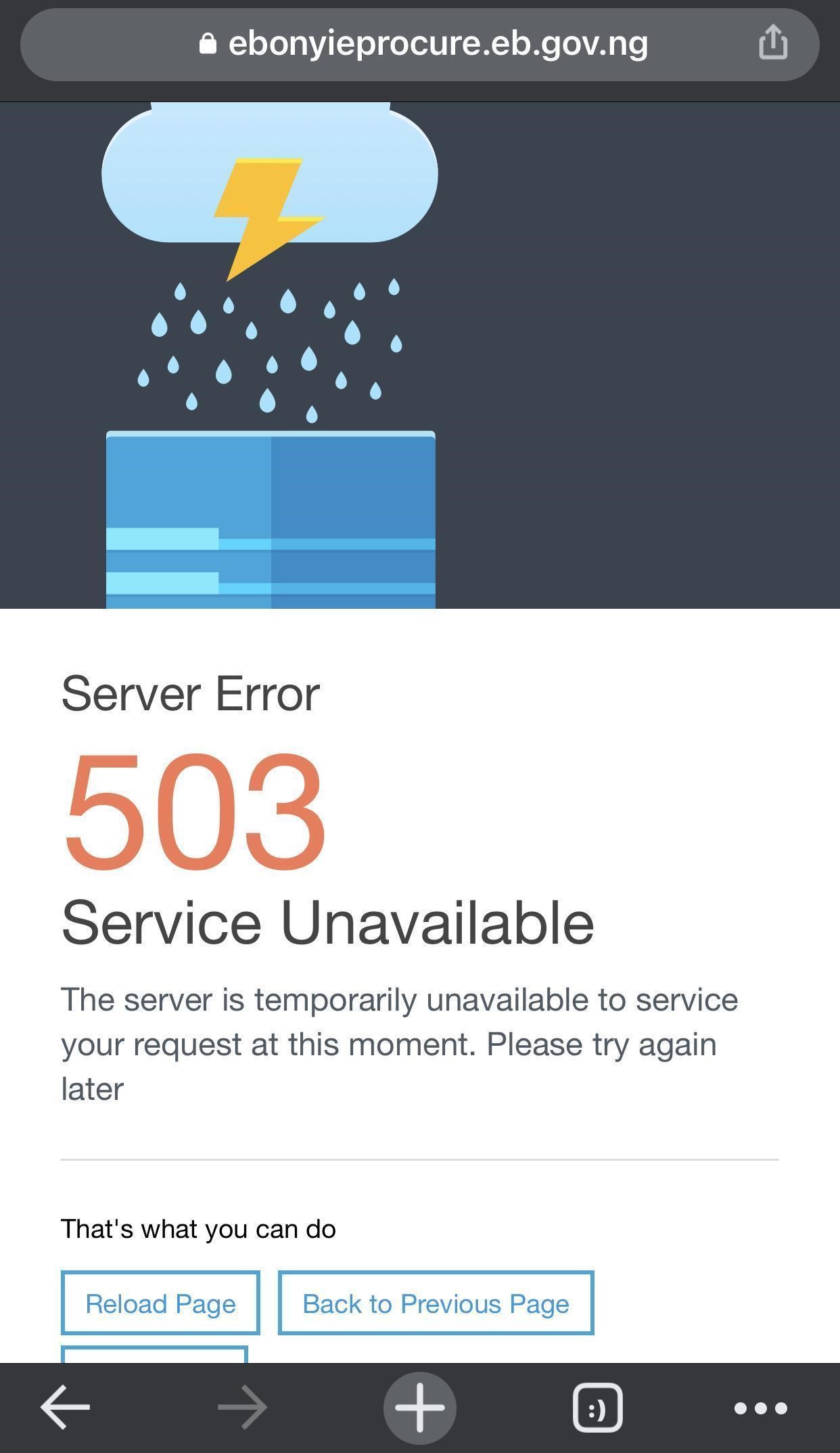
 The screenshot of the OCDS portal of Ebonyi State
The screenshot of the OCDS portal of Ebonyi State

The open contracting portal of Adamawa, Edo, Osun, Anambra, Niger State, Bornu, Zamfara, Delta, Kano, Kaduna, Cross River, Ogun, Imo, and Yobe states  were accessible.

However, the Lagos State e-procurement portal is accessible with details of awarded contracts, but there is no email address to contact the BPP.

Plateau state BPP portal is also accessible, but it only has four followers on the official Facebook account and the Twitter account is not accessible at all.
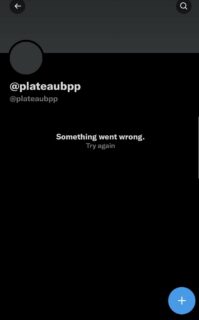
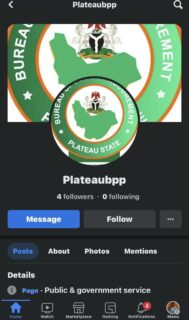
The dormant Facebook and Twitter accounts of Plateau State BPP

The dormant Facebook and Twitter accounts of Plateau State BPP
 The screenshot of one of the OCDS portals for Nasarawa State
The screenshot of one of the OCDS portals for Nasarawa State

In summary ten  states’ open contracting portals were inaccessible, while three states were accessible without uploading the details on awarded contracts. Six states uploaded partial information, one state did have an official portal, and only 16 states made their portal accessible to citizens.
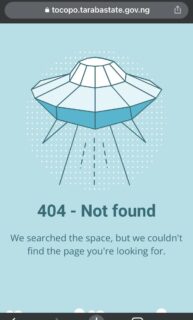
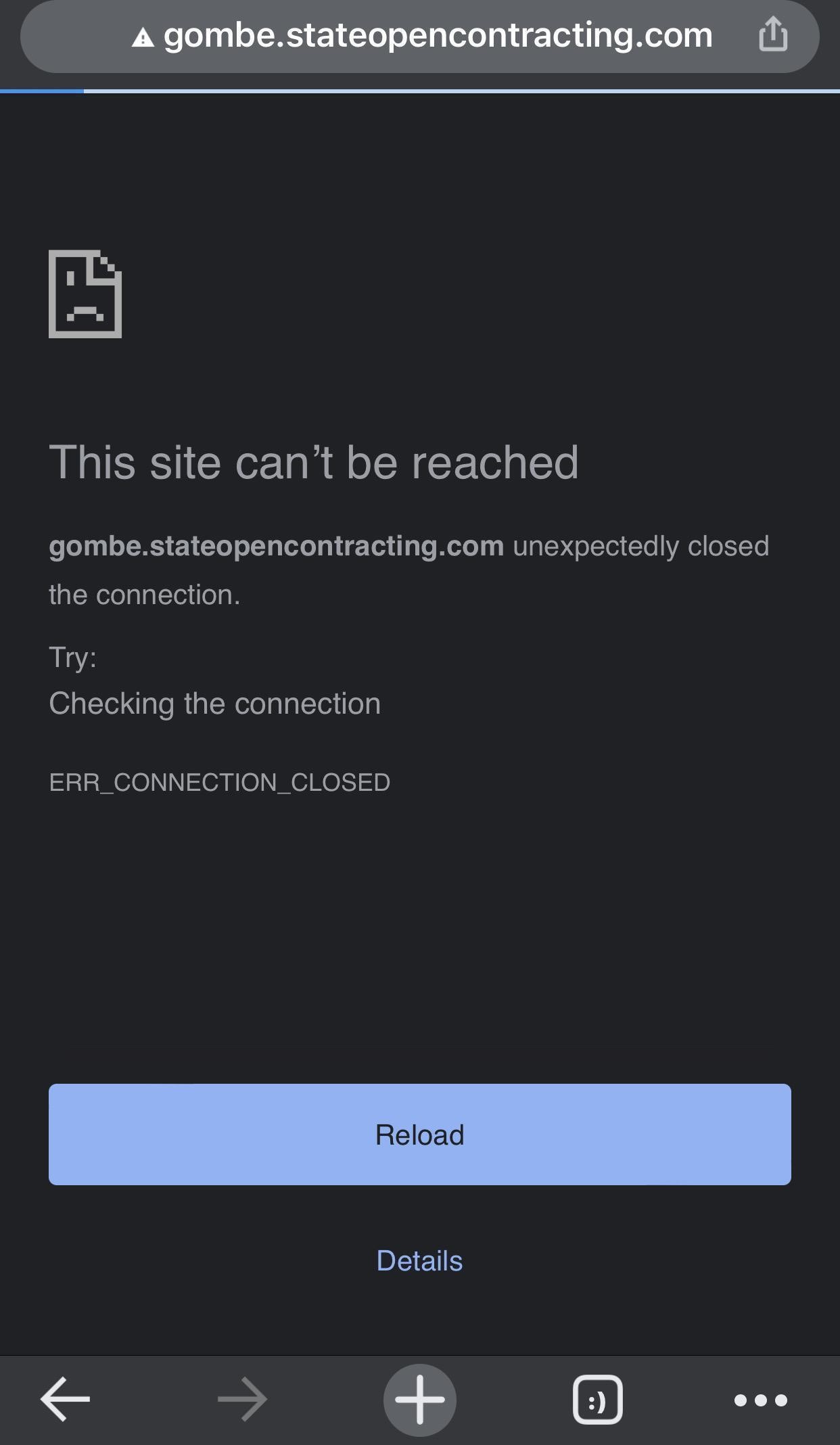
The screenshot of Taraba State open contracting portal
 The screenshot of Gombe State open contracting portal
The screenshot of Gombe State open contracting portal

The state of African countries’ portals

To verify the status of open contracting portals in African countries,  the reporter examined the Public Procurement Authority (PPA) portals of Ghana, Senegal, Sierra Leone, Gambia, Liberia, Niger Republic, Benin Republic, Cameroon, and Kenya.

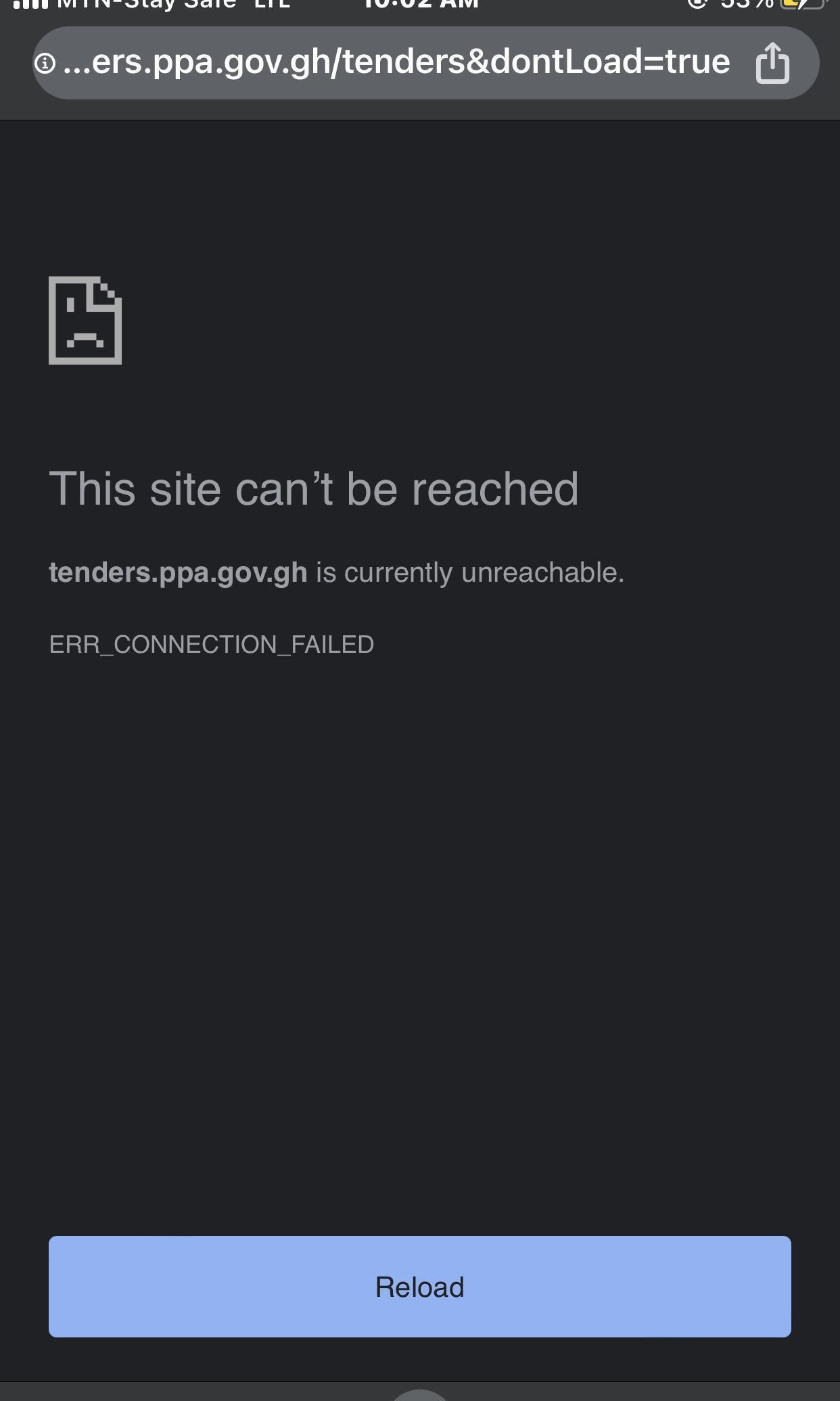
The Ghana Public Procurement Authority (GPPA) claims to have 8,582 executed contracts and 14,375 tenders. However, the link to check the contracts was inaccessible and showed that the site cannot be reached.
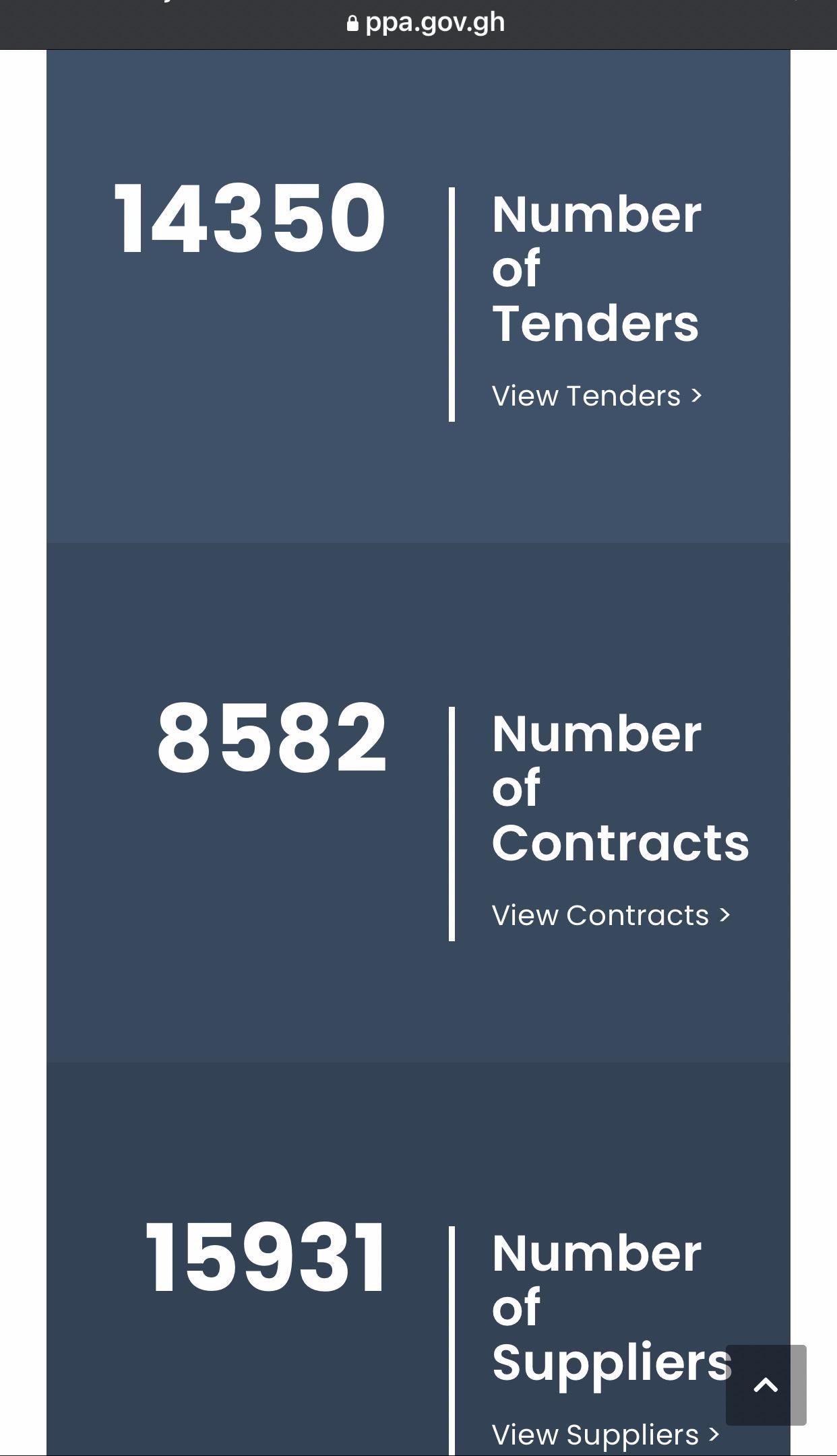
 Screenshots of the number of projects Ghana claimed to have been executed
Screenshots of the number of projects Ghana claimed to have been executed
 Screenshot of how Ghana PPA portal is blank after pressing the link to know the 8,582 contracts Ghana claims to have executed
Screenshot of how Ghana PPA portal is blank after pressing the link to know the 8,582 contracts Ghana claims to have executed

The Gambia Public Procurement Authority’s portal was accessible, but failed to upload details of the awarded contracts in the country.
 The screenshots of Benin Bureau of Public Procurement in the awarded contract
The screenshots of Benin Bureau of Public Procurement in the awarded contract

Senegal has a Public Procurement Portal (www.marchéspublics.sn) where relevant legislation and information on procurements can be found.

Decree No. 2014-1212 ensures the protection of the general interest and public funds, promotes transparency in procurement procedures, and ensures fair competition among candidates.

However, when the reporter checked the portal the IP address of the site could not be found. The investigation also revealed that the second portal was accessible, but the details uploaded in the contract had nothing to do with procurement.
Sierra Leone Ministry of Finance website

Sierra Leone Ministry of Finance website

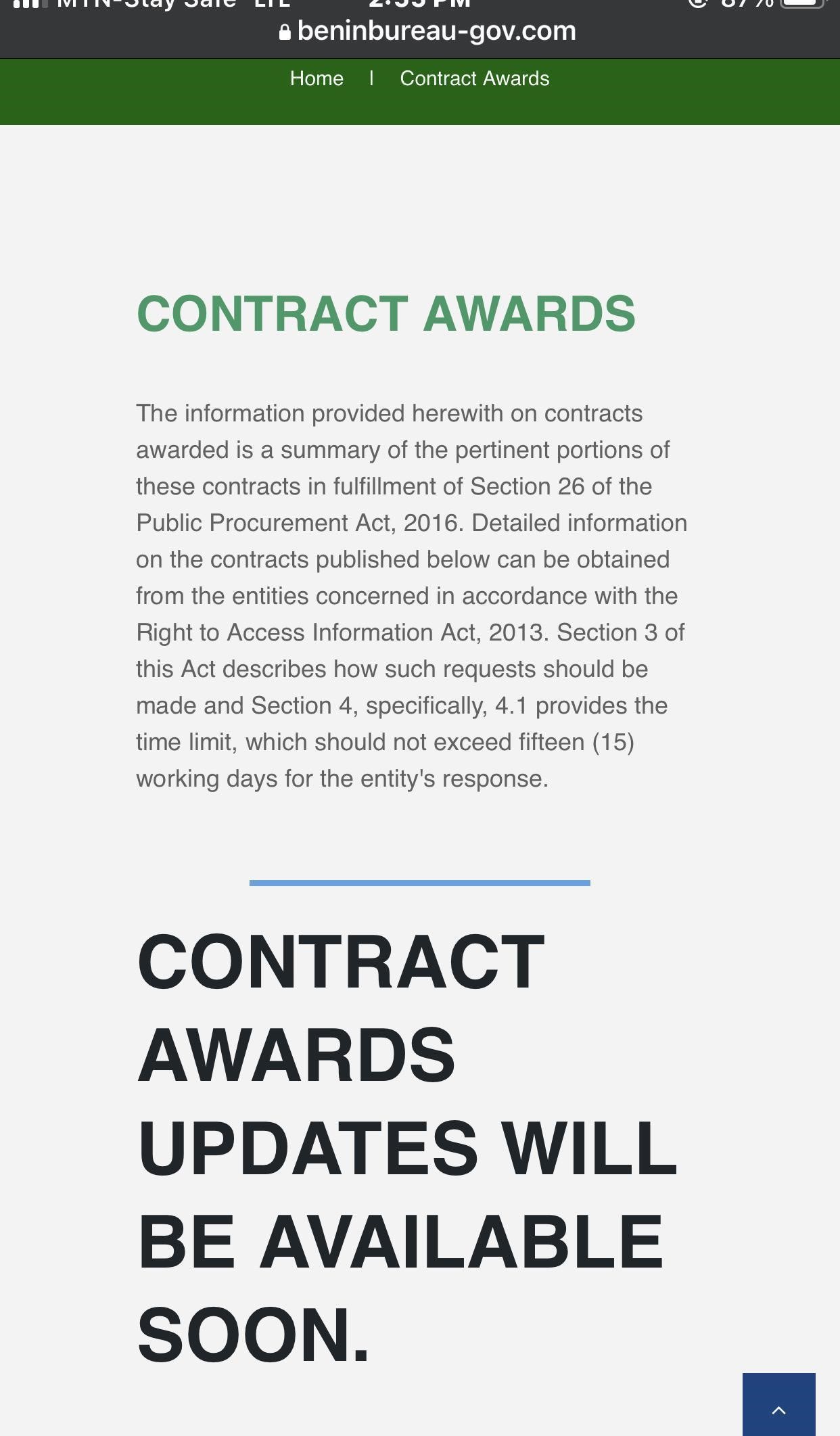
The Cameroon Public Procurement Authority (CPPA) did not upload details of the contracts awarded by the government. On the other hand, the Benin Procurement Bureau (BPB) stated on its website that the contract awards and the awarded contracts relating to COVID-19 would be available soon. Additionally, the investigation revealed that the Niger Republic does not have an official Public Procurement portal.

But it is not a sad story all over the continent in terms of procurement transparency, as at least three countries had provided actionable information and data to citizens. For example, the Sierra Leone National Public Procurement Authority’s portal is accessible, and the department uploaded the details of the awarded contracts.

The same applies to Kenya, where the portal is accessible and contract details have been uploaded. The Public Procurement and Concessions Commission for Liberia is also accessible, and there are available contracts on the portal.

How Nigerian states’ BPP are responding to Citizens’ requests on email

To confirm how Nigerian state governments’ BPP departments are responding to the citizens’ requests via email address, this reporter sent an email to the various state BPPs requesting information on the 2021 and 2022 contracts awards and asking states whose BPP portals were inaccessible why that was so.
 The screenshot of the Benue State e-Procurement website
The screenshot of the Benue State e-Procurement website

Only a few states responded to emails. Some emails were not delivered because the domain of the email could not be found. Some Nigerian open contracting portals do not even have official email addresses on their websites.

Seventeen BPP departments failed to respond to the email and form filled out on their website, respectively. The states are Abia, Bauchi, Ogun, Jigawa, Lagos, Gombe, Nassarawa, Kwara, Bayelsa, Kogi, Oyo, Sokoto, Borno, Kano, Imo, Edo and Yobe.
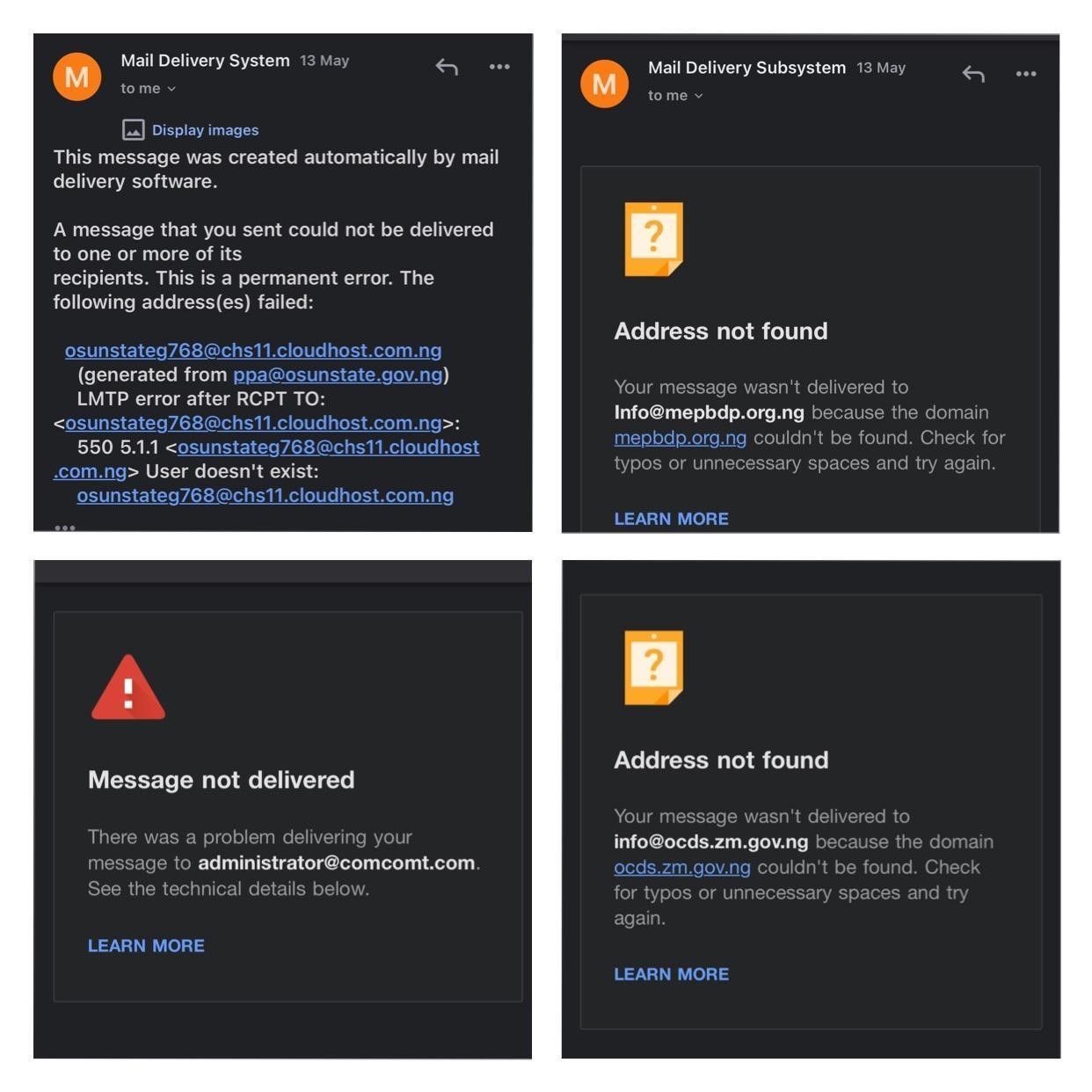
 The screenshots of responses from the email sent to Cross River, Kebbi, Zamfara, and Osun State BPP
The screenshots of responses from the email sent to Cross River, Kebbi, Zamfara, and Osun State BPP

The email sent to Cross River, Kebbi, Zamfara, Anambra, and Osun State BPP were not delivered because the domain could not be found.

Some states’ BPP whose portals were not accessible and did not have official email addresses included Benue, Akwa Ibom, Taraba, Ebonyi, Katsina and Enugu.

Out of 36 states in Nigeria, only five responded to emails sent. The states are Adamawa, Kaduna, and Ekiti Ondo and Ogun.
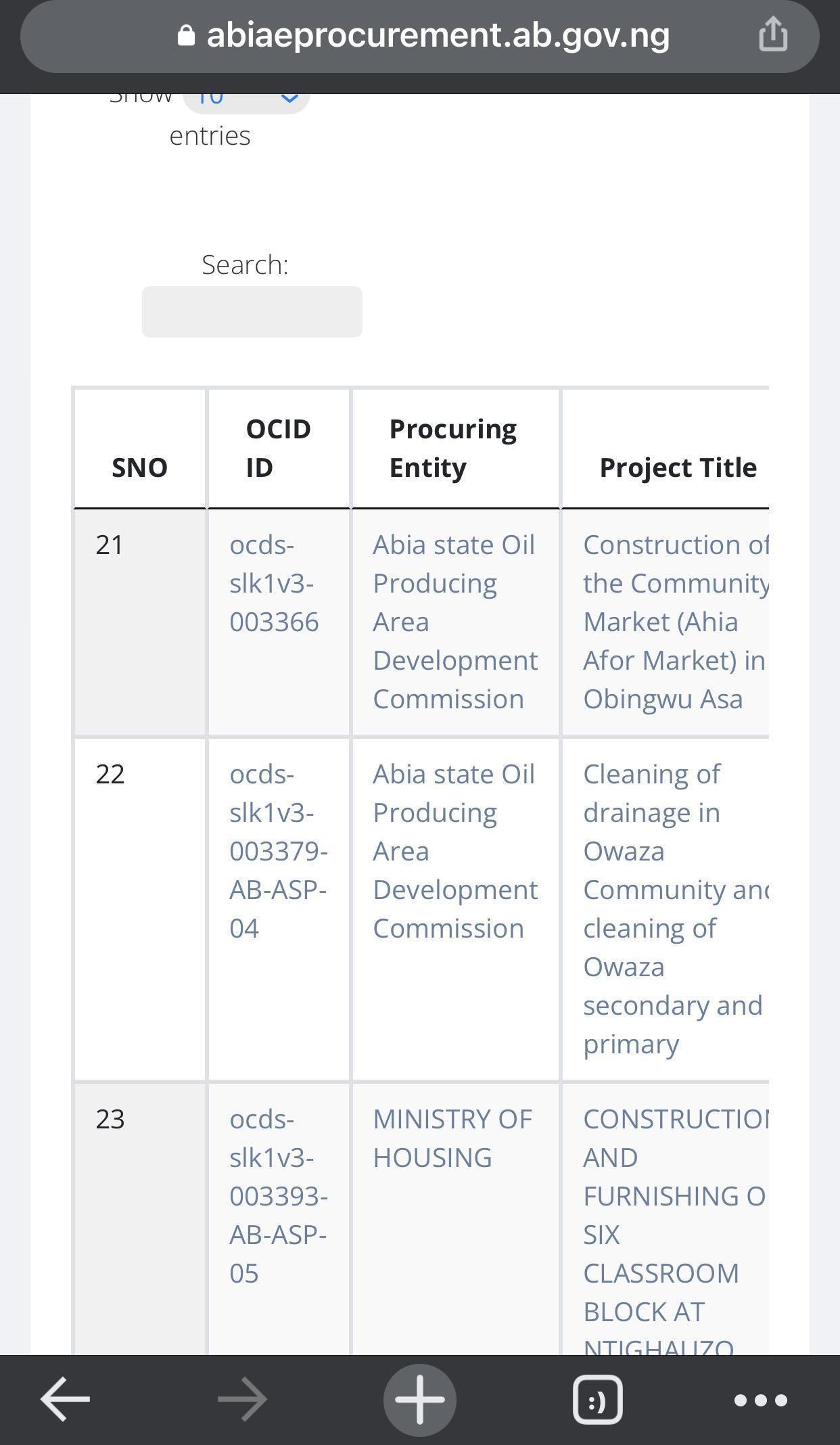
 The Abia state e-procurement portal that uploaded partial details on the awarded contracts
The Abia state e-procurement portal that uploaded partial details on the awarded contracts
 The screenshot of the Gombe State open contracting portal that provided only the project title without including the contractors and contract amounts
The screenshot of the Gombe State open contracting portal that provided only the project title without including the contractors and contract amounts

Adamawa State BPP replied that they have published the details of awarded contracts this reporter requested on their website, and advised the reporter to check their websites bpp.ad.gov.ng and ocds.bpp.ad.gov.ng for more information.
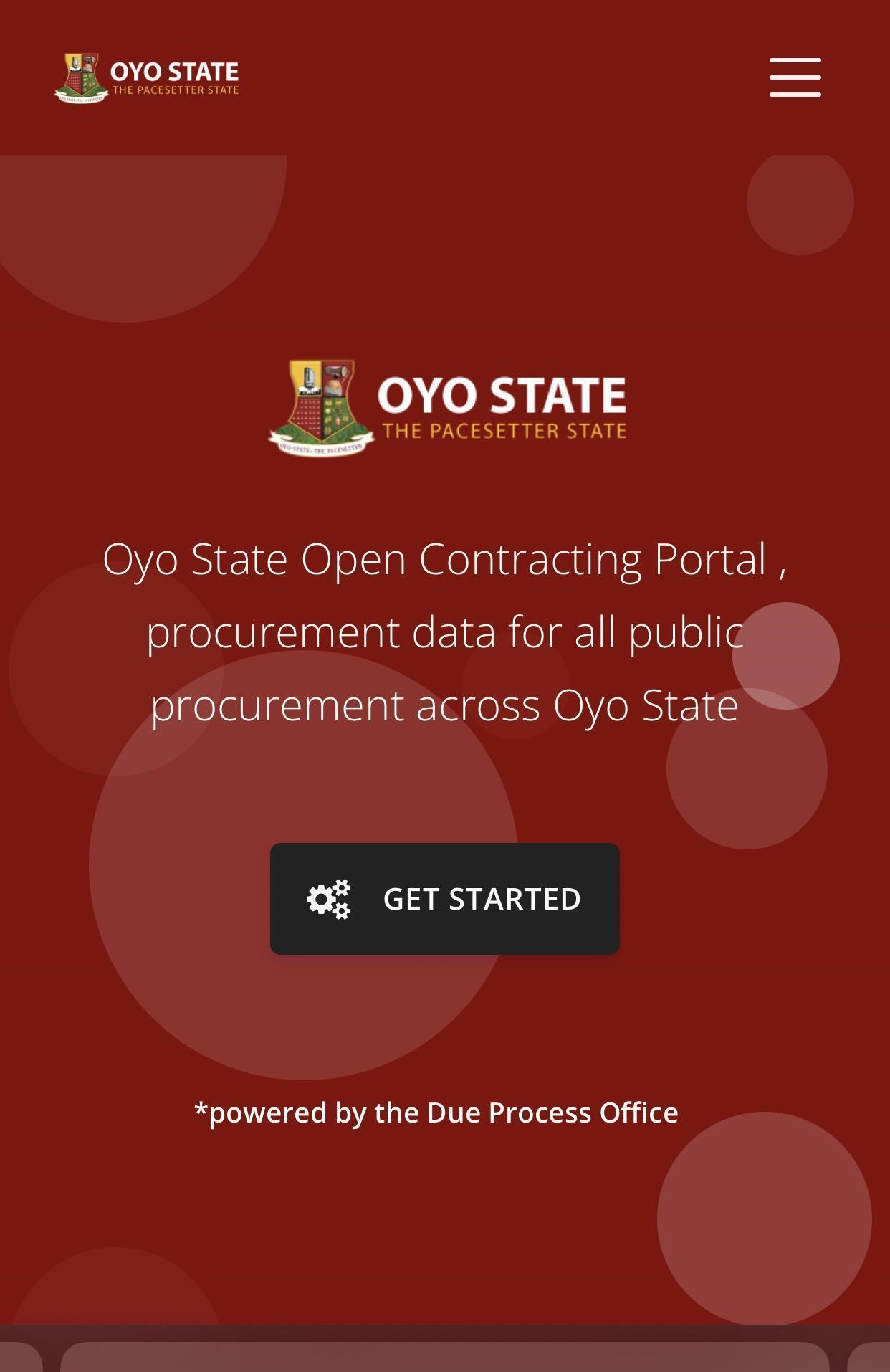
 The screenshot of Oyo State open contracting portal without uploading any document on the awarded projects in the State
The screenshot of Oyo State open contracting portal without uploading any document on the awarded projects in the State

Ondo state BPP replied to the email stating that the link the journalist provided in the mail is for the portal of Ondo State Bureau of Public Procurement (ODBPP), noting that e-procurement portal is a different portal and it is currently down.

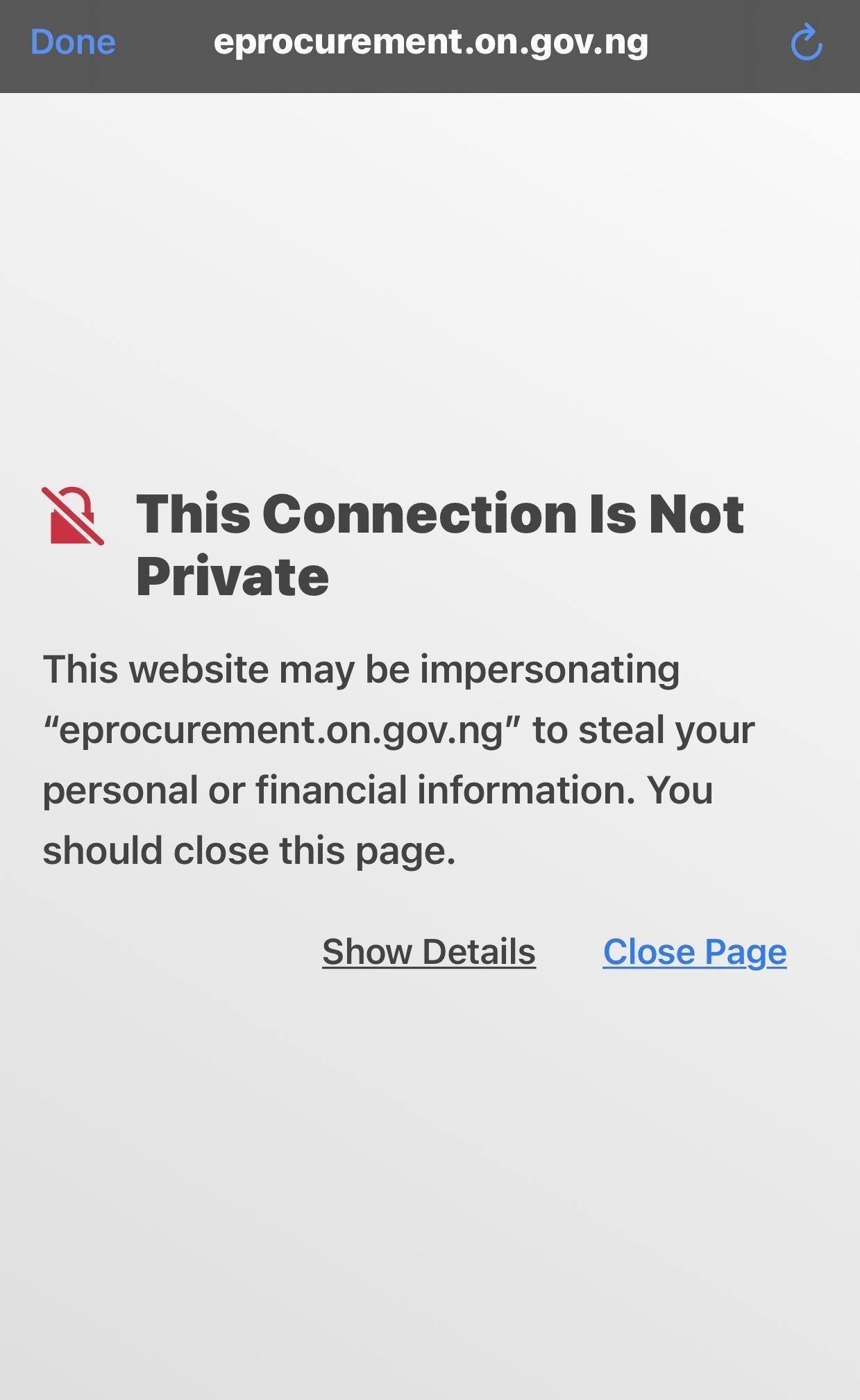
When this reporter clicked the link, he saw a Safari browser warning that the website’s certificate expired over 172 days ago, adding that an attacker could compromise this reporter’s connection.
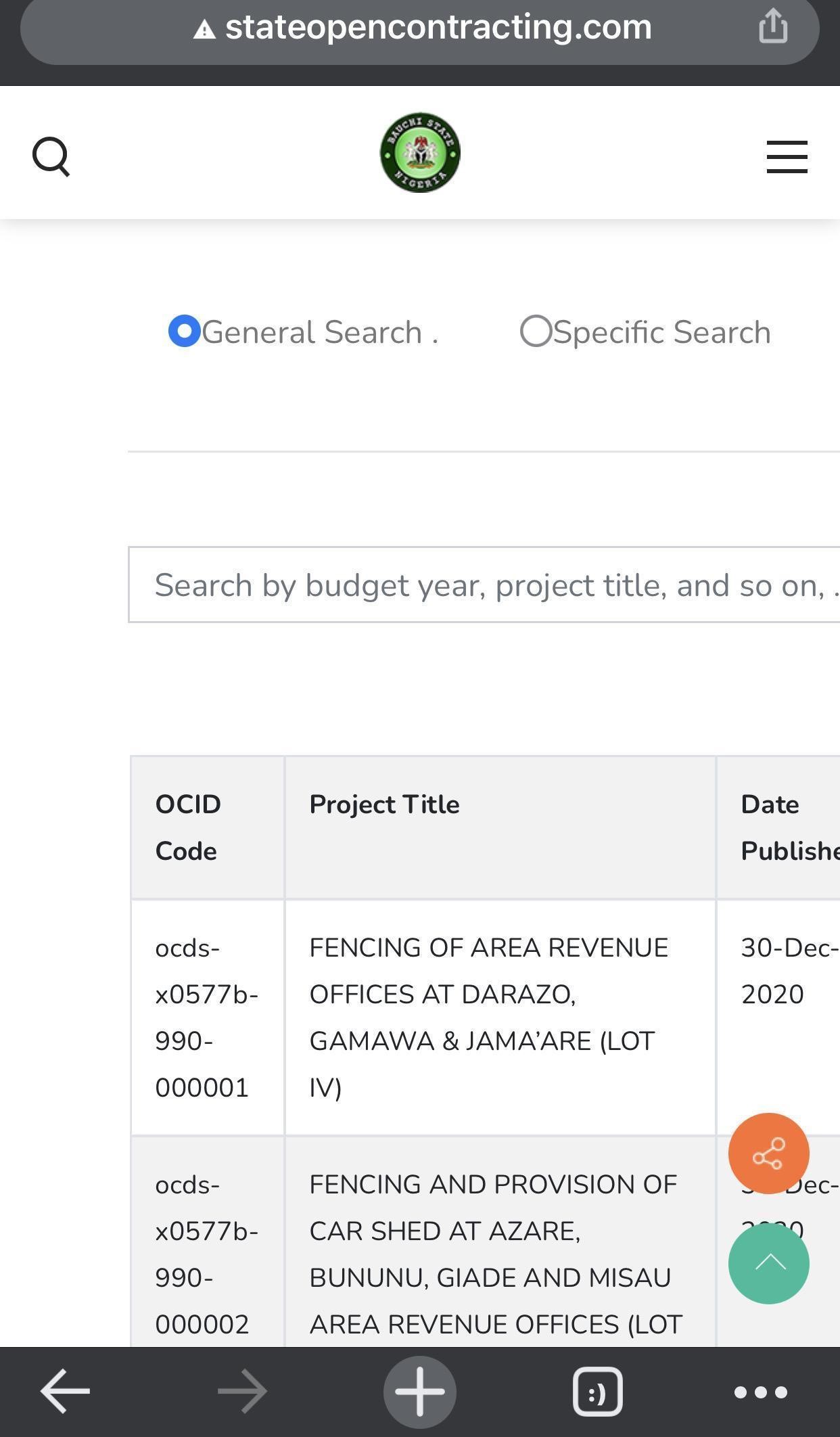
 The screenshot of of the incomplete details of the awarded contracts in Bauchi State
The screenshot of of the incomplete details of the awarded contracts in Bauchi State

An engineer, Suleiman Abba, the Acting  Director, of Planning & Reforms, Kaduna State Public Procurement Authority (KADPPA), said the department has made concerted efforts to make relevant information easily accessible to the public, including the details of the awarded contract on their open contracting data standard (OCDS) portal.

Abba explained that other pieces of information had also been provided in the annual report of the state. This, the reporter confirmed to be the case.

 The screenshot of Kogi State BPP portal
The screenshot of Kogi State BPP portal

Ekiti State BPP replied that both the previous and follow-up emails the reporter sent were duly noted, adding that the issues relating to the reporter’s inquiries had been resolved on the OCDS portal.

They advised the reporter to revisit it for confirmation. This reporter revisited the website, and he confirmed that the issues have been rectified.
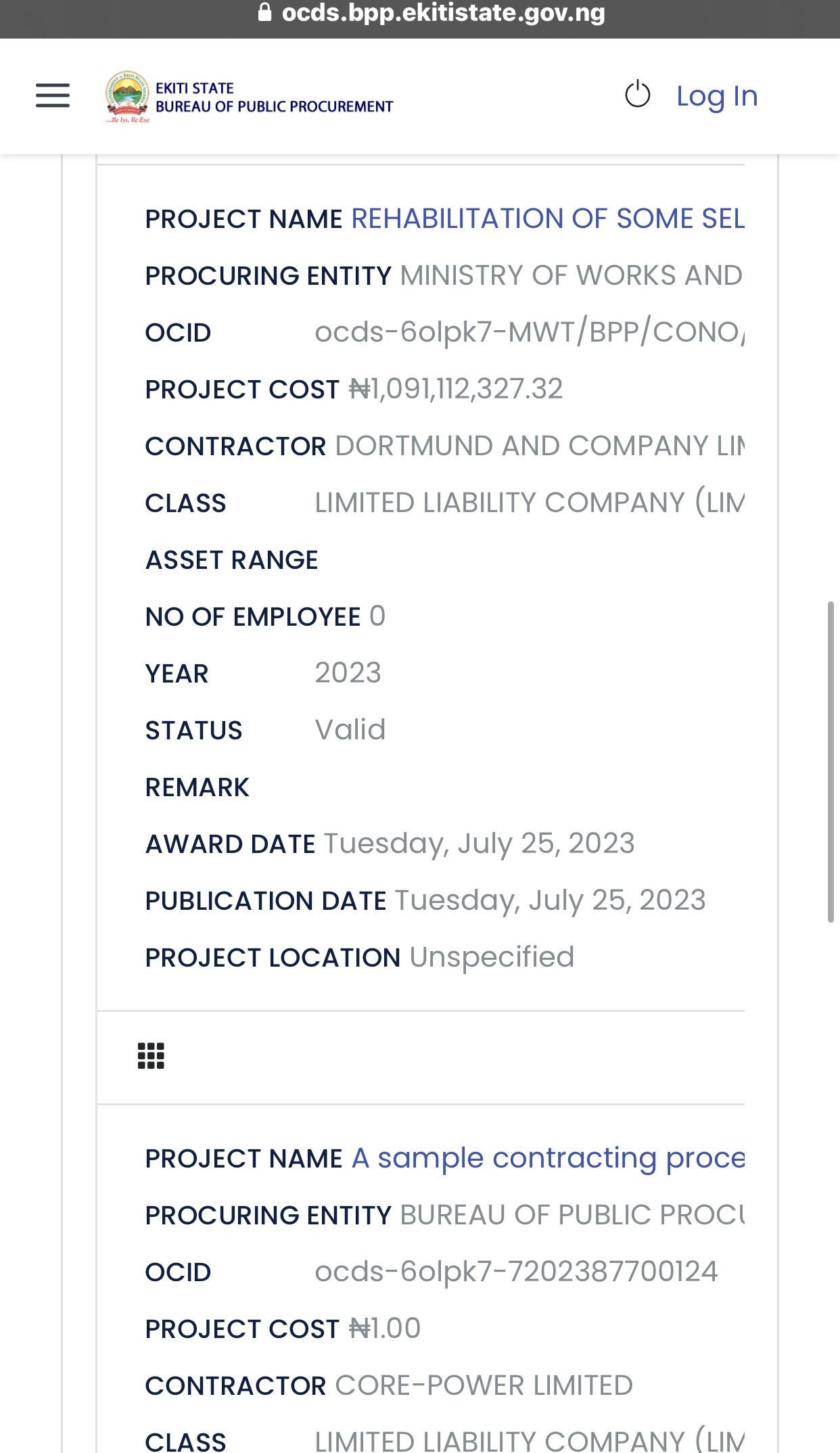
 The current OCDS portal of Ekiti State after this reporter’s email
The current OCDS portal of Ekiti State after this reporter’s email

The Ogun State Bureau of Public Procurement replied that the email had been received but said it would prefer a letter on letterhead addressed to the Director-General of the state.
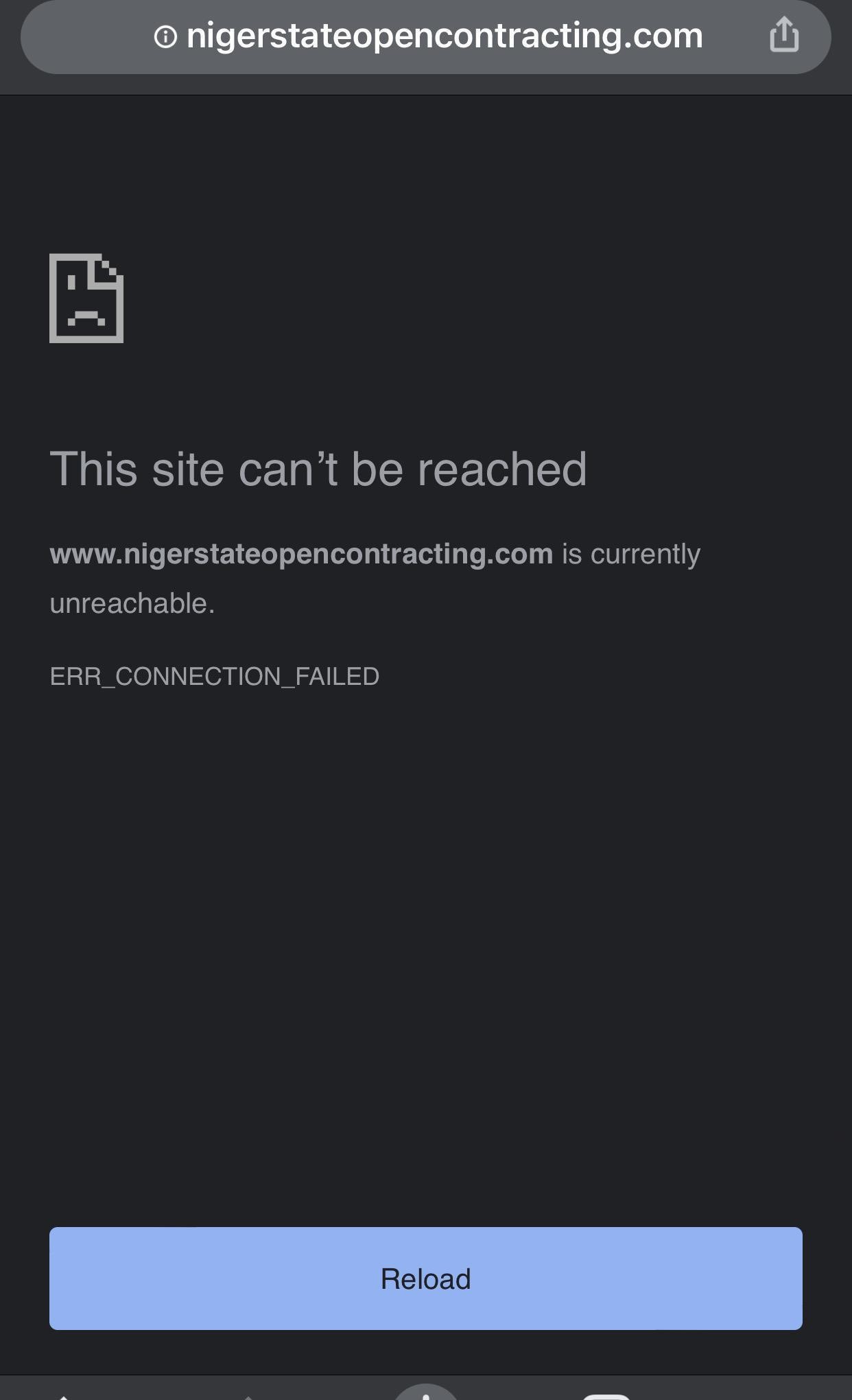
 The screenshot of one of the Niger State open contracting portals.
The screenshot of one of the Niger State open contracting portals.

Fifty-two per cent of Nigerian States failed to respond to emails sent to them, 14 per cent of the email sent didn’t deliver to the recipient, 19 per cent of Nigerian BPP doesn’t have an official email address while only 13 per cent responded to the email sent to them.

Implications…

The deputy coordinator of project tracking for Elites Network for Sustainable Development (ENETSUD), Lanre Osho, said that the inaccessibility of these portals is a form of corruption.
 The screenshot of the due process document for Enugu State
The screenshot of the due process document for Enugu State

“ENETSUD has been raising concerns about this matter in Kwara state and has been engaging with the government for a considerable period of time. The anti-corruption civil society organisations heavily rely on documents, and having access to these portals would enable us to evaluate and assess whether the projects align with the allocated funds,” he said.
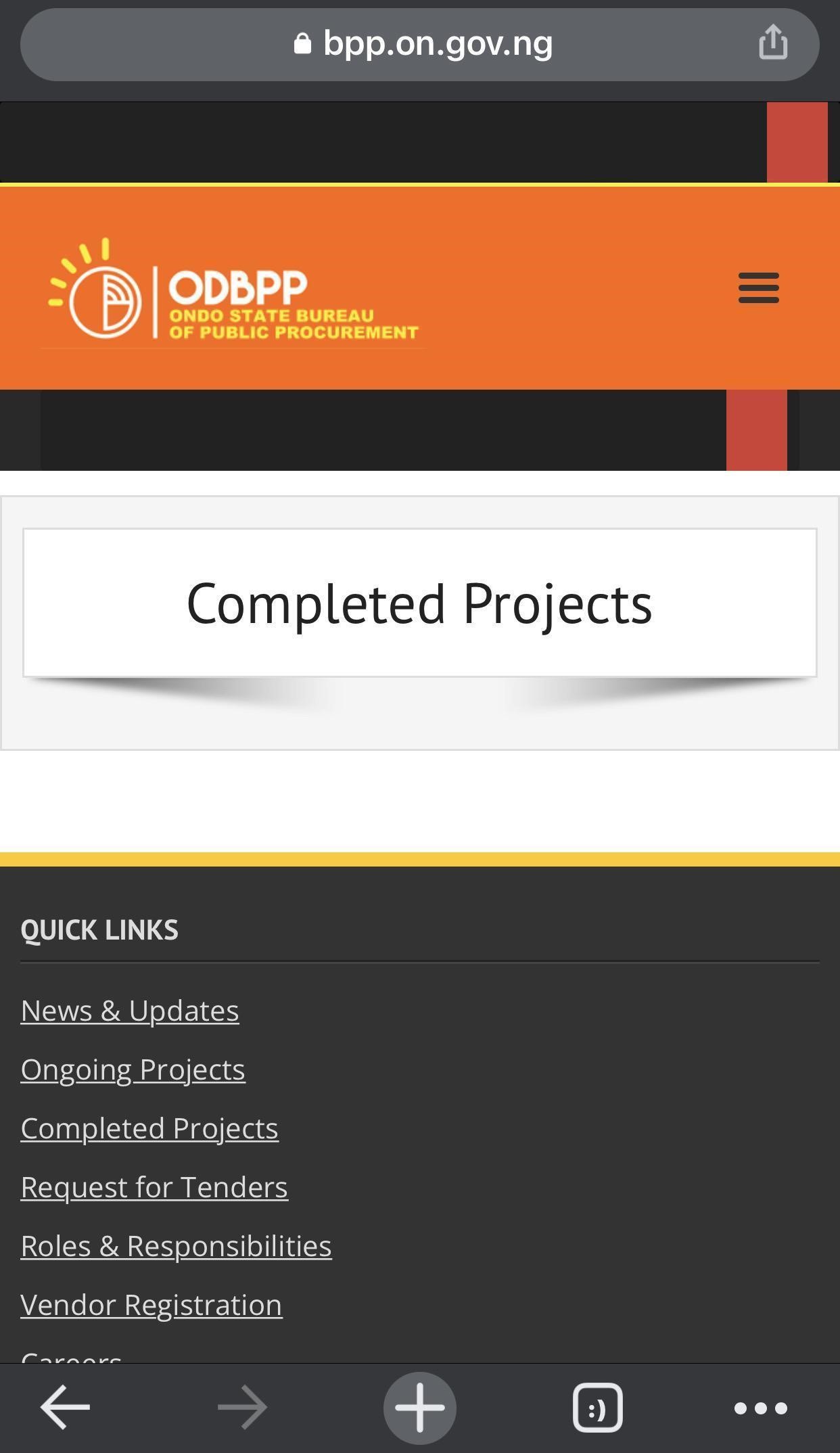
 The page on the completed projects on Ondo State BPP
The page on the completed projects on Ondo State BPP

Osho condemned this practice as a clear instance of corruption and undemocratic behaviour, asserting that it obstructs the work of civil society organisations and hinders their activities, stating that ENETSUD has been advocating for the domestication of the Freedom of Information Act (FOI) in Kwara state.
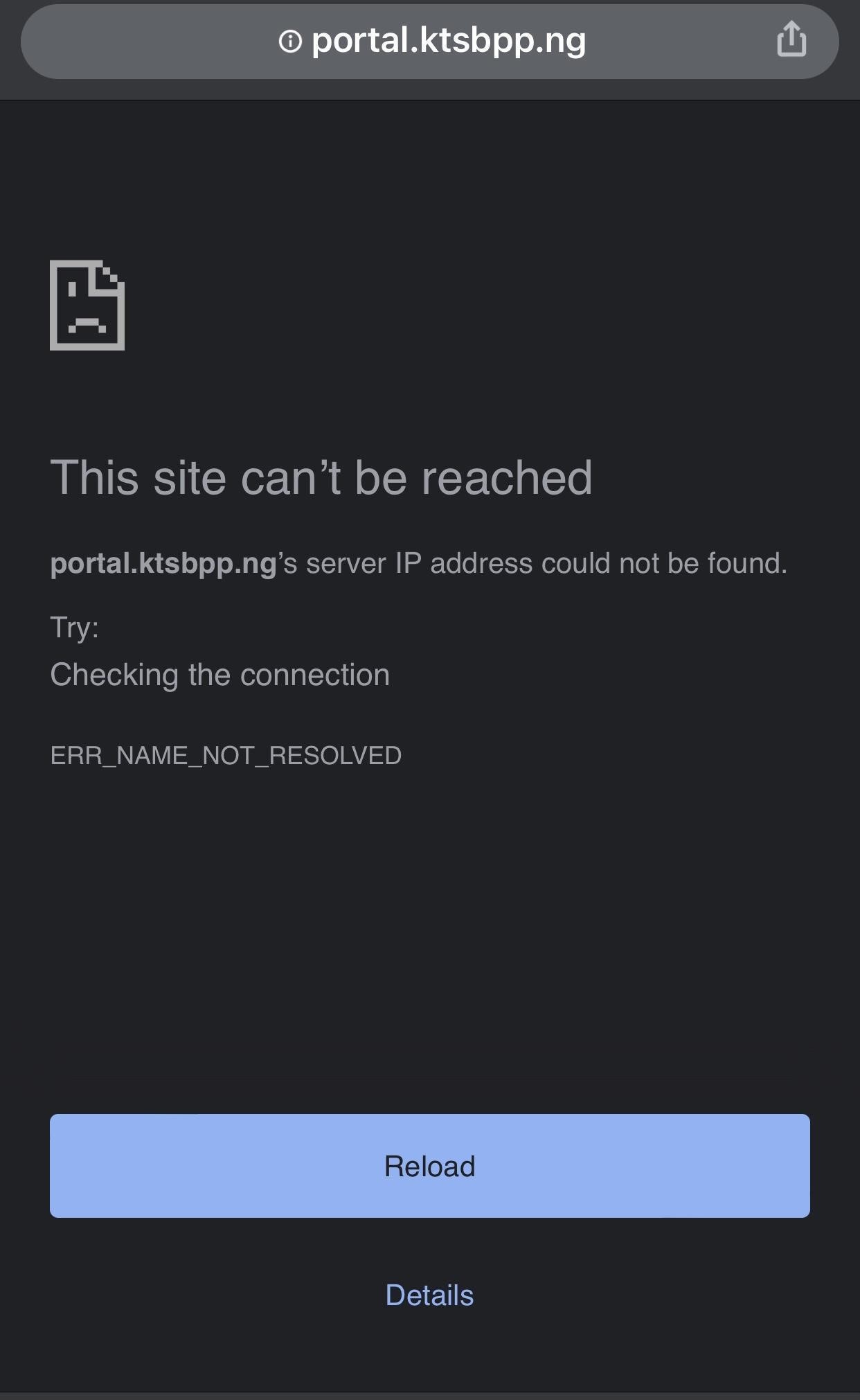
 The screenshot of the Katsina State BPP portal
The screenshot of the Katsina State BPP portal

He said whenever ENETSUD writes a letter to the Kwara state government requesting information about awarded contracts, the government responds by stating that the FOI Act needs to be domesticated before they can provide the requested details.

Furthermore, he highlighted the World Bank’s emphasis on fiscal transparency and accountability, which requires states seeking grants to hold town hall meetings to obtain citizen input before formulating the budget at the state level. However, he noted that the situation is reversed when it comes to the e-procurement portal, as it lacks the necessary transparency and accountability.

Abubakar Ismail Kankara, a journalist who works in the ICT sector, explained that the reason some reasons why the website is down.

He noted that if the connection of the website is not private or it is showing ‘404 Not Found’ as found in some state procurement websites, it was because the developer of the website failed to install a security plug that would ensure that the privacy of visitors is protected.

He added that “It is the issue of HTTP and HTTPS, and HTTP is not secured because your information can be accessed and transferred out to anybody. If it is migrated to HTTPS, it would be secure and friendly to users.

“The browser is trying to protect you and your confidentiality while the 404 not found appears if the site is not active either due to an issue with the hosting company or the webpage is not available, which sometimes is a deliberate attempt to hide information from citizens or both the domain and the hosting has expired,” he said.

He added that the website is mostly managed by quacks and non-professionals because they only awarded the contracts to their political allies in the form of paying them back their suffering or contributions during campaigns.

The programme lead and Data Analyst with Dataphyte, Charles Mbah, stated that the States started publishing their contract data through the state fiscal transparency, accountability and sustainability (SFTAS) programme of the government, which focuses on strengthening the fiscal sustainability, transparency and accountability of Nigerian states.

He said the programme gives grants to states based on different deliverables that enable these states to make their fiscal transaction, such as budget, contract budget implementation, and audit documents open for citizens to access them.

He explained that the OCDS portal is a civic technology tool that can be used to hold the government to account for its expenditure of public funds, noting that it is supposed to contain all contract details from planning, tender, and contract award to implementation of different projects.

“Having procurement information of this nature open for everyone to access has the possibility to reduce the rate of corruption in the procurement process. This is the reason why most states do not have this information or make the OCDS portal inaccessible in order to stop citizens from scrutinizing the procurement process and holding the government to account,” he said.

He cited an example of the Oyo State OCDS portal, which is no longer accessible to citizens after numerous stories written by organisations such as Dataphyte about the procurement irregularities in the states that sometimes involve the governor, adding that if the states do not have their OCDS portal accessible, they have something to hide and do not want to be held accountable.

Stanley Achonu, the Nigerian Country Director of One Campaign and former Operation Lead for Budgit, stated that as part of the World Bank programme, state governments were compelled to pass procurement laws and other transparency laws in order to receive grants for a three-year period. These grants were intended for the development of healthcare facilities, schools, hospitals, and other projects. However, since the program ended, the actual implementation of the law by the state governments has been lacking.

Achonu noted that there is a lack of awareness among citizens regarding the requirements of procurement laws. Additionally, he pointed out that State Houses of Assembly have failed to hold the state governors accountable for any breaches of procurement law.

“It is crucial to note that any procurement conducted by the state governors that do not adhere to the procurement law is a violation, and the state governor is legally responsible. The question arises as to who will hold these state governors accountable for their failure to comply with the laws enacted by the State Houses of Assembly and signed by the governor?” he noted.

Achonu suggested that for the procurement portal to be effective, State Houses of Assembly should initiate investigations into government contracts and question the contract award processes, noting that by doing so, it would become evident that the law is not being followed. He emphasized that when a governor or any arm of the state government fails to comply with the law, the governor who appointed the officials will be held responsible.

“Non-compliance with the law is an impeachable offence, which means the governor cannot spend money that is not appropriated in the budget or arbitrarily award contracts in violation of state laws. If found guilty during an impeachment trial, the governor can be removed from office,” he noted.

This report is supported by the John D. and Catherine T. MacArthur Foundation and the International Centre for Investigative Reporting, The ICIR.

Businessman, artistes’ manager arrested for selling drugs at nightclubs

0

OPERATIVES of the National Drug Law Enforcement Agency (NDLEA) have arrested an artiste’ manager Oseni Babatunde and his ikoyi businessman accomplice Nnadi Ikenna for selling illicit drugs at nightclubs in Lekki and Lagos Island axis.

A statement by the NDLEA spokesperson, Femi Babafemi on Sunday, July 30, stated that the arrest followed information received by its operatives about a shipment of Colorado, a synthetic strong strain of cannabis, which was expected to be delivered to the duo from Los Angeles, United States.

Babatunde, also known as Papalampa was the first to be arrested in his house at Lekki area of Lagos when the consignment arrived on Sunday July, 23.


READ ALSO:
NDLEA thwarts attempt to import 98 cartons of Tramadol pills worth N3.7bn

NDLEA raises alarm as drug abuse among women surges

NDLEA arrests teenager, female lawyer for drug possession

NDLEA boss orders clampdown on illegal sale, use of ‘laughing gas’


A total of 10 parcels of Colorado weighing 2.50kg were intercepted at the Murtala Muhammad International Airport, Ikeja, during the process.

The second suspect, an Ikoyi-based businessman, Ikenna, who was out of the country when the shipment arrived, was apprehended upon his return on Thursday, July 27.

Parts of the statement read: “NDLEA operatives attached to the NAHCO export shed of the MMIA intercepted a cargo going to Nairobi, Kenya. A search of the consignment revealed that various quantities of MDMA (Ecstasy) popularly known as ‘Molly’ and Rohypnol were concealed in a bag consisting of foodstuff. An agent, Onydem Chinwe Florence who presented it for export was arrested.

“Also, an attempt by another suspect, Igboma Ifeanyi to export quantities of Loud, a variant of Cannabis, Tramadol and Rohypnol all weighing 7.8kg concealed in 66 bottles of skin lightening lotion was thwarted by vigilant operatives who intercepted him while preparing to board an Ethiopian airline flight to Muscat, Oman at the Lagos airport.

“Another suspect, Ekpenisi Wisdom Pious was equally arrested while trying to board an Ethiopian airline flight to Oman with 6.00kg skunk hidden in a bag of food stuff. A follow up operation led to the arrest of a staff of Toprano Hotel, Ikeja, Ibigbami Temitope Oluwatobi who was fingered in the drug trafficking scheme.

“A consignment of 5.70kg codeine syrup going to the United Kingdom was on Thursday 27th July seized from a 51-year-old widow, Adewunmi Taiwo Atinuke by NDLEA operatives at the SAHCO export shed of the MMIA Ikeja.”

In another development, a 32-year-old suspect, Chukwuma Nnaji was arrested with 47kg skunk in a warehouse at Onuogba Eke, Ishielu LGA, Enugu state on Saturday, July, 29 while 12kg of the same substance was recovered from a lock up shop during the raid.

The NDLEA operatives also arrested a 62-year-old grandfather and one Chimezie Onyenjuru, with 49.415kg of cannabis sativa, 127.7 grams of methamphetamine, and 15 grams of cocaine during a raid on July 28 in Ihiala LGA of Anambra State.

In Ogun State, operatives uncovered a skuchies factory in Sagamu where a suspect Femi Isiaka was arrested on Thursday, July 26. 

Items recovered from the factory include: 37kg cannabis, 195 pills of tramadol, 5,000 tabs of diazepam, 216 tabs of rophynol 216, 204 litres of skuchies, four fridges, four gas cylinders and one industrial cooker among other items.

According to the statement, two suspects identified as Abdulrazak Bala and Lawal Salisu were arrested with 156,380 pills of Tramadol along the Gwagwalada-Abaji road in the Federal Capital Territory (FCT) on Saturday.

In the same vein, NDLEA chairman Buba Marwa charged operatives of the Agency “to remain undaunted by the various machinations of drug cartels and barons who are daily frustrated and desperate due to the continued heat on them and their criminal trade” 

The ICIR had earlier reported that the NDLEA expressed concern over the surge in the abuse of drugs by Nigerians, particularly women.

According to the Agency, latest records on drug use show that one in four drug abusers in the country is a woman.

The Ogun State Commander of the NDLEA, Ibiba Odili, stated this during the Launch of the War Against Drug Abuse in collaboration with Lions Club International, in Abeokuta.


READ ALSO:


She revealed that 14.3 million Nigerian drug abusers are within the age range of 15 and 64 years, adding that more women are now involved.

She said, “2018 survey tells us that the most common drug abused in Nigeria is cannabis, which regrettably is cultivated mostly in the South-West region of Nigeria.

“One out of every four drug users is a woman. In 2018 data shows that more women are going into drug use. And if more women are going into drug use, it is a source of worry for us, because, it means that the traditional role of women in families and communities as caregivers, role models, and life moulders will be threatened, because what quality of children are these women going to raise?”

Tinubu appoints Special Investigator to probe CBN

PRESIDENT Bola Tinubu has appointed a Special Investigator to probe the Central Bank of Nigeria (CBN) seven weeks after the suspension and arrest of the bank’s governor, Godwin Emefiele. 

Emefiele, who is currently being held by the Department of State Services (DSS), is being prosecuted by the Federal Government for illegal possession of firearms and ammunition.

The Special Investigator appointed by the President is Jim Osayande Obazee.

Obazee is the Chief Executive Officer of the Financial Reporting Council of Nigeria (FRCN).

In a letter written on July 28 and addressed to Obazee, the President said he would resume work immediately. Obazee was specifically tasked with blocking leakages in the CBN and other government-owned enterprises.

“In accordance with the fundamental objective set forth in Section 15(5) of the Constitution of the Federal Republic of Nigeria 1999 (as amended), this administration is today continuing the fight against corruption by appointing you as a Special Investigator to investigate the CBN and Related Entities. This appointment shall be with immediate effect and you are to report directly to my office,” Tinubu’s letter read.

“The full terms of your engagement as Special Investigator shall be communicated to you in due course but require that you immediately take steps to ensure the strengthening and probity of key Government Business Entities (GBEs), further block leakages in CBN and related GBEs and provide a comprehensive report on Public wealth currently in the hands of corrupt individuals and establishments (whether private or Public.

“You are to investigate the CBN and related entities using a suitably experienced, competent, and capable team and work with relevant security and anti-corruption agencies to deliver on this assignment. I shall expect a weekly briefing on the progress being made.”

Tinubu also sent Obazee a copy of his order suspending Emefiele as the apex bank chief.

Last Tuesday, the DSS flouted a court ruling and rearrested the CBN governor after a fight with officials of the Nigerian Correctional Service (NCS).

Emefiele was rearrested within the premises of the Federal High Court in Lagos despite the bail granted him by Justice Nicholas Oweibo after listening to the submissions of his counsel, Joseph Daudu (SAN).

The ICIR reported that Tinubu had, during his trip to Paris, France, said Emefiele was suspended due to corrupt activities in the financial sector.

Tinubu said this on June 24, while speaking at an interactive session with Nigerians residing in France.

The President stated that the country’s financial system was “rotten” under Emefiele. He said many Nigerians living outside the country could not send money to their parents and relatives due to the multiple exchange rates while Emefiele was governor.

“Then, the financial system was rotten. Few people made bags of money, and then you, yourself, stopped sending money home to our poor parents. Several windows. But that is gone now. The man is in the hands of the authorities. Something is being done about that. They will sort themselves out,” Tinubu said.

Nnamdi Kanu treated by personal doctors outside DSS facility

0

LEADER of the Indigenous People of Biafra (IPOB) Nnamdi Kanu has been granted access to his personal doctors outside the facility of the Department of State Service (DSS) in Abuja.

This was disclosed in a statement dated Saturday, July 29, released by Kanu’s Lead Counsel Ifeanyi Ejiofor.

Ejiofor said Kanu’s doctors attended to him in an undisclosed Abuja hospital.

“We are pleased to inform you that Mazi Nnamdi Kanu met with his choice personal physician yesterday in a hospital in Abuja, outside the facility of the State Security Service. As was part of the protocol, I witnessed the consultation. The medical examination was seamless and productive, and he will be progressing to the next stage soon,” he noted.

Ejiofor reiterated that Kanu has cancelled sit-at-home orders in the South-East.

“To this end, we urge the members of the public to respect and carry out the wishes of Onyendu (the leader) and, accordingly, desist from any further engagement with those whose primary intention is to ensure that Onyendu is kept in perpetual captivity, and consequently, destroy the entire South East through unauthorised sit-at-home and its enforcement.

“Interestingly, the bad news for these enemies of our people is that they have failed and failed woefully, and the long arm of the law will surely catch up with them,” Ejiofor added in the statement.

The ICIR had reported on Saturday that Kanu, in a hand-written order, asked Finland-based Simon Ekpa, his self confessed disciple, to immediately terminate the flagrant sit-at-home orders that have paralysed the South-East region.

He warned that anyone enforcing sit-at-home in the South-East is not his disciple and should be made to face the wrath of the law.

Kanu issued the directive in a message made public on Friday, July 28, in Enugu, by his Special Counsel, Aloy Ejimakor.

Parts of the letter read: “Simon, this is a direct order from me. I hereby instruct you to desist from calling for any sit-at-home henceforth. Equally, refrain from antagonising governors or persons in political positions because you are not in a position to know what they are doing on my behalf.

“I am ordering you to make a public announcement to the effect that you are in receipt of a direct order from me to cancel any pending sit-at-home in place at the moment.

“I embarked on this movement to liberate our people, not to enslave them. I despise and will despise any person or entity that wishes to inflict unnecessary hardship on our people. I have authorised Aloy to issue a press statement if you fail to make this announcement on your platform.”

Kanu added that anyone still engaging in sit-at-home is not his disciple.

“Haters of Biafra and mindless murderers in uniform are hiding under the cover of combating enforcers of sit-at-home to unleash mayhem against the same people we swore to defend.

“I have sent countless messages to those purportedly enforcing sit-at-home that they are not doing so in my name. I am not begging anybody to release me, just that Nigeria should have the decency to obey their own laws. The main issue which our people should address their minds to is the unconscionable delays in hearing the government appeal at the Supreme Court, which is a situation not amenable to any sit-at-home. Therefore sit-at-home is a waste of time, resources and energy,” Kanu added.

Ejimakor stated that the direct order issued to Simon Ekpa was personally handed to him by Kanu when he visited him on July 24 at the headquarters of the DSS in Abuja.

“Later that day, I tried to contact Mazi Simon Ekpa via his WhatsApp number but could not reach him until 1:44 am the following day (25th July 2023), whereupon I snapped the Direct Order as written and sent it to him. He thereafter acknowledged receipt, and we spoke briefly on it and exchanged a couple of text messages thereof.

“Since that early 25th July 2023 (when I conveyed the Order to Mazi Ekpa and he duly acknowledged it) he has not implemented the Order or otherwise made such announcement on his media platform. Nonetheless, I made a conscious decision to give him the benefit of doubt and thereby accord him more time to do the needful.

“Then, late yesterday (Thursday), further written Instructions was issued by Mazi Nnamdi Kanu to me, referring to the extant Direct Order to Mazi Ekpa and, in addition, instructing me that given that Mazi Ekpa has not carried out the Order, I must, as of today, being 28th July 2023, proceed to make the Order public through a Public Announcement/Press Statement. In the said further Instructions, Mazi Nnamdi Kanu added more pertinent details and instructed that I must equally make them public,” Ejimakor said.

A Federal High Court in Abuja ordered the DSS to grant Kanu access to his personal doctors on Thursday, July 20.

Although counsel to the DSS, A.M. Danlami, challenged the jurisdiction of the court to grant the request and insisted that Kanu has been receiving adequate medical attention in the custody of the security operatives, the High Court judge Binta Nyako held that the IPOB leader was entitled to doctors of his choice.

Nyako, however, directed that the medical examinations be held under the supervision of the DSS, recorded and sealed for security reasons.

Kanu was arrested and remanded in the custody of the DSS after his extradition from Kenya by the Nigerian government in June 2021.

ECOWAS imposes no flight zone on Niger Republic

1

THE Economic Community of West African States (ECOWAS) has imposed a no flight zone on Niger Republic, following a coup that toppled the democratically elected government in the country.

This decision was reached on Sunday, July 30, during a meeting of the Authority of Heads of State and Government in Abuja, chaired by Nigerian President Bola Tinubu.

The no flight zone translates to an air and land border closure, to limit the influence of the coup plotters and support of their allies.

Speaking at the extraordinary meeting on Sunday, Tinubu condemned the coup, saying the new leadership has been rejected by Africa.

“As African leaders, it is our sheer responsibility to foster stability and progress, placing the wellbeing of our people at the forefront of our endeavours.

“Working together towards their prosperity and happiness must always constantly be our goal and consistently, we will stand with our people in freedom and our commitment to the rule of law and not the barrel of gun,” Tinubu said.

Coup plotters in Niger Republic had ousted the administration of President Muhammed Bazoum on Wednesday, July 26.

Two days after the coup, Head of Bazoum’s Presidential Guards Abdourahamane Tchiani, who had held the position for about 12 years, was declared as the country’s new ruler.

Tchiani described himself as the President of the National Council for the Safeguard of the Homeland.

The Nigerien military also warned against external military confrontation, stating that it would result in a massacre of the masses.

Following the coup, Tinubu vowed that the ECOWAS community would defend democracy and ensure its firm establishment among member states.

There have been rising concerns over the frequency of coups in African countries recently.

In May, military officials successfully overthrew the sitting government in Mali, citing a relaxed attitude towards the Touareg tribes as reason.

Burkina Faso also recorded two successful coups in 2022, and there were other cases of failed attempts in Gineau Bissau, The Gambia among others.

Coup: EU refuses to recognise Niger military authorities

0

THE European Union (EU) has refused to recognise the military authorities that took power in Niger Republic after ousting Mohamed Bazoum, the country’s democratically elected President.

Last Friday, the head of Niger’s Presidential Guards, Omar Tchiani, declared himself the new leader of the uranium-rich country, two days after his forces detained Bazoum.

Bazoum hasn’t resigned and African and Western powers have condemned the coup.

The development has also resulted in sanctions from international bodies and escalated tensions in the West African country.

In a statement issued in Brussels on Saturday, July 29, the EU High Representative, Josep Borrell, said the suspension of the Constitution and dissolution of democratic institutions weakened the state and the people of Niger.

Borrell said: “The European Union does not recognise and will not recognise the authorities resulting from the putsch in Niger. President Bazoum was democratically elected.”

The EU envoy insisted that Bazoum remains the only legitimate President of the Sahel country and asked that he be released without condition or delay.

“The EU holds the putschists responsible for his safety and that of his family.

“The European Union reiterates its very clear calls for the full and complete restoration, without delay, of constitutional order and fully associates itself with the declarations of ECOWAS and its African and international partners in this regard. In coordination with the President of the European Council, I will continue this weekend the numerous contacts already underway in order to achieve this result. And we stand ready to support future ECOWAS decisions, including the adoption of sanctions.

“This unacceptable attack on the integrity of Niger’s republican institutions will not remain without consequences for the partnership and cooperation which binds the European Union and Niger in all different aspects,” Borrell added.

The European Union earlier suspended financial support and cooperation on security with Niger.

Announcing the sanction, Borrell said: “In addition to the immediate cessation of budget support, all cooperation actions in the domain of security are suspended indefinitely with immediate effect.”

The African Union has also issued a 15-day ultimatum to the military officers to return to the barracks and restore the democratic constitution and suspended institutions.

Fintiri imposes curfew in Adamawa as residents loot warehouses

0

THE Governor of Adamawa State,  Ahmadu Fintiri has imposed a 24-hour curfew in the state following the looting of warehouses by residents.

The governor announced the measure in the afternoon of Sunday, July 30, after hoodlums stormed two warehouses, looting items.

It was gathered that the hoodlums who were chanting “Enough of Hunger”, stormed warehouses in the early hours of Sunday and looted items that the government ordered to be distributed to cushion the effect of subsidy removal.


READ ALSO:

Adamawa guber poll: Again, Binani drags INEC to court

Court stops INEC from prosecuting suspended Adamawa REC

Subsidy removal: Ebonyi approves N10,000 salary increase for workers

Subsidy removal: Tinubu writes NASS, seeks N500bn for palliatives


Chief Press Secretary to Fintiri, Humwashi Wonosikou, said the curfew followed “the dangerous dimension the activities of hoodlums had assumed across the state capital as they attacked people with matchetes and broke into business premises carting away property”.

With the curfew imposed, there will be no movement throughout the state, the government stressed.

Only people on essential duties with valid identification would be permitted to move around during the period of the curfew, the statement explained.

The governor appealed to the residents to comply with the directive, adding that any person found contravening the order would be arrested and prosecuted.

The removal of petrol subsidy has resulted in acute hardship for majority of Nigerians, following the attendant hike in the cost of goods and services.

FG should tell Nigerians how petrol subsidy removal gains are being spent — Obi

1

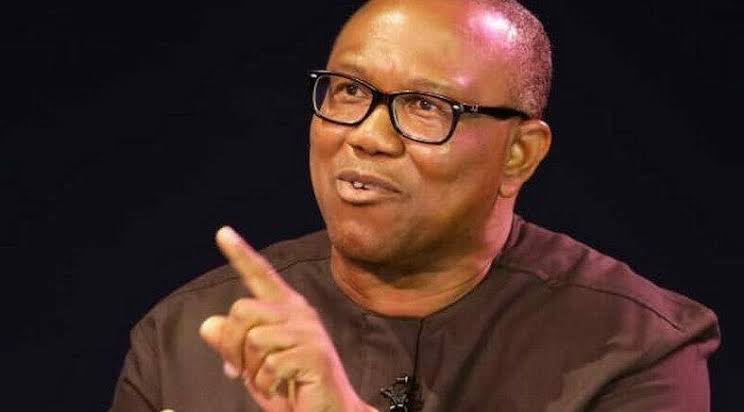
THE candidate of the Labour Party (LP) in the February 25, 2023 presidential election, Peter Obi, has challenged the Federal Government to give Nigerians details of how funds realised from the removal of petrol subsidy are being spent.

Obi, who was a guest at an online Twitter space tagged, ‘Peter Obi Live on Parallel Facts’ in the late evening of Saturday, July 29, considered subsidy removal as an economic decision that must be thought through before the government embarked on it.

The Bola Ahmed Tinubu administration had removed the  subsidy on the cost of petrol to tackle, among other things, corruption in the system and save money for the government. But Obi was unconvinced, saying the appropriation of gains from the removal itself was corruption-ridden.

He said, “Nigerians need to see the numbers and figures from the savings made from subsidy. Petrol subsidy in Nigeria is more like a criminal set-up. You cannot tell people to make sacrifices when they’re seeing you live a life of a rock star, and buying brand new jeeps from all over the world at very expensive prices.”

Obi, telling Nigerians he would have done things differently in subsidy removal, said, “It has to be structured in phases, so that the government knows the actual subsidy component it is dealing with.”

He maintained there remained so much corruption in the oil sector, and the Federal government needed to know each component of oil subsidy it was dealing with.

“For example when you remove all these opaque components, what you would be paying could even be 40 per cent or less. It is when you know the component of what you’re removing that you can take a wholistic and proper action.

“We have seen a former governor (Isah Yuguda) say that someone is so tired of making money from subsidy corruption that he had made enough. I don’t think I have ever seen someone who said he had made enough money.

“For someone to say that he had made enough money through fraud subsidy payment, that would give you a sense of the kind of corruption we are dealing with,” Obi said.

He expressed concerns about the poor state of the nation’s refineries, adding that modular refineries were not getting supply of crude oil.

On the agonies Nigerians are experiencing in the aftermath of the fuel subsidy removal, he said, “There is a number of things that we need to do to help in managing the situation and lessen the burden of the policies on the people. We also need to discuss with stakeholders to make it better.”

Obi likened the challenge in the subsidy removal to what he faced when he, as governor in Anambra State, he returned schools to their original owners  He said it was a decision that came with lots of difficulties, but was one he carefully considered before the decision.

“People were on strike for months because of that decision, but we made sure that we went through the process carefully to mitigate the problems. There were so many things we put in place, like sustaining teachers’ salaries payment and doing capital projects, but the original owners would take care of the administration and management of the schools better.

“At the time I was Governor, no state across the country could compare their secondary schools with ours, because we thought it through properly. Go to those schools in Anambra today and see for yourself,” he said.

The ICIR had reported how Nigerians were experiencing difficulties as a result of government’s twin decision on PMS subsidy removal and foreign exchange rates unification.

Court orders Delta govt to account for N200bn education allocations collected by Okowa

THE Federal High Court in Lagos has ordered the Delta State Government to account for N200 billion education allocations collected by former governor Ifeanyi Okowa.

The Socio-Economic Rights and Accountability Project (SERAP) disclosed this on Sunday, July 30, in a statement by its Deputy Director, Kolawole Oluwadare.

According to SERAP, the judgment was handed down on July 17, following a Freedom of Information lawsuit filed by the organisation with case number FHC/L/CS/803/2019.


READ ALSO:
In Delta, Okowa’s non-payment of primary school retirees is leading teachers to early graves (part 1)

In Delta, Okowa’s non-payment of primary school retirees is leading teachers to early graves (part 2)

Investigation: Okowa Government, House of Assembly in a multi-billion naira scandal (PART 1)

FACT CHECK: Did Okowa raise Delta State’s IGR from 30 to N51 billion?


SERAP said the Okowa government collected the N200 billion from the state’s Universal Basic Education Commission (UBEC).

The group disclosed that the judgment was given by the court presided by Daniel Osiagor.

SERAP said the court ordered the current Governor of Delta State, Sheriff Oborevwori, to reveal the details of the budgetary allocation between 2015 to 2019.

“SERAP has cognisable legal right to inquire and know the way and manner public institutions manage public funds. I must say that every citizen has a duty to demand transparency and accountability in governance of public institutions,” Osiagor said.

Osiagor further directed the Delta State government to “disclose how the Okowa government spent over N7.28 billion received from UBEC between 2015 and 2017, and N213 billion received from the Federation Accounts Allocation Committee in 2018, at an average of N17.8 billion monthly”.

SERAP’s suit followed the case of seven-year-old Success Adegor, who was sent home because her parents could not pay the N900 illegal school fee/levy.

Success gained fame when she was caught on camera by a neighbour lamenting about being sent home from school due to unpaid fees.

She received offers of assistance as well as widespread respect for her unwavering attitude throughout the video.

The ICIR reported that Ijaw National Leader and convener of the Pan-Niger Delta Forum (PANDEF), Edwin Clark accused Okowa of mismanaging the state’s share of 13 per cent derivation funds for oil-producing communities.

Clark, who said this in a statement released on February 2, described the administration of the Peoples Democratic Party (PDP) vice presidential candidate as a “reign of unaccountability”.

According to him, the funds from the Federation Account to oil-producing communities through state governments, as stated in Section 162, Sub-section 2 of the Nigerian Constitution, should be dedicated solely to the development of affected communities.

The elder statesman claimed that the state government has not adequately utilised the derivation funds on essential areas and projects but rather on “favoured areas”.

Fans hail Wizkid’s performance at Tottenham Hotspur stadium

FANS and followers of afrobeats star, Ayodeji Ibrahim Balogun widely known as Wizkid have taken to social media to shower praises following his performance at the Tottenham Hotspur Stadium, London.

Wizkid made history on Saturday, July 29, as the first African artiste to hold a concert at the 60,000-capacity stadium.

With his hit song ‘Reckless’ from his album ‘Made in Lagos,’ he made a grand entrance that sparked excitement among the audience as he took the stage at the More Love Less Ego concert. He followed it up with a series of performances, including a rendition of ‘Ayo’ from his album ‘Superstar.’

Additionally, the event featured music performances by the highlife band The Cavemen and Nigerian afrobeat artist Wande Coal.

Fan’s reactions 

Reacting to this, a media personality, Rinu Oduala in a tweet expressed excitement urging Nigerians to celebrate Wizkid.

“When you see your fellow Nigerian doing iconic things, stop hating!Celebrate greatness! 🦅#WizkidxTottehamStadium”, she tweeted.

Other individuals, expressed excitement for the artiste, celebrating him on Twitter.

“Best concert I have ever attended. We had so much fun..  Beatiful staging, presence, band (cavemen) OMG the audience🔥filled to the brim. It was spectacular . Thank you Wizkid for a classy night & great performance” – @janetbrownie1

“Big Wiz has always been the blueprint for all afrobeats artist from day one 🐐🦅 #WizkidxTottehamStadium” – @Darknighthood1

“I can’t even post most videos because i was screaming in all of them 😭😭. Best concert i have ever been to for real 🔥❤️” – @cruisewithmee

“See as Wizkid show clean workings.. No explanations…just evidences 🦅❤️“ – @TheMahleek

Growth of Afrobeats

In recent years, the Nigerian music industry has gained global recognition with Afrobeat leading the way. This has opened doors to international collaborations, award nominations and wins, chart-topping hits and performances on major stages worldwide.

In 2020, the UK’s Official Charts Company introduced Britain’s inaugural Afrobeats singles charts, showcasing Nigerian artists including Burna Boy, Wizkid, Davido, Rema, Mr Eazi, Tekno, among others.

Like Wizkid’s achievement, The ICIR reported Burna Boy’s milestone as the first African artist to sell out the 80,000-capacity London stadium in the United Kingdom (UK) for a concert.