Home Blog Page 941

How Ministers’ directive on reconnecting debtor discos weakens regulatory compliance

NIGERIA’S minister of Power, Abubakar Aliyu, has come under severe criticism for his directive that some distribution and power companies that the market operator had disconnected from the national grid be reconnected.

The Market Operator arm of the Transmission Company of Nigeria (TCN) had confirmed that it had disconnected three electricity distribution companies (DisCos) for failure to comply with market regulations, in line with the Electricity Regulatory Act of 2005.

The three affected companies are the Aple (Aba), Kaduna and Kano discos.


READ ALSO:
DisCos grow profit from estimated billing, amid FG’s slow pace on mass metering

CBN confirms latest N3.01bn release to DisCos for power sector intervention

DISCOs warn of blackout over workers’ strike

ANED disagrees with FG on DisCos take-over


But Aliyu, according to a statement that the TCN issued on April 25,  directed that the defaulters be reconnected to the national grid.

The Technical Officer of Market Operator, Edmund Eje, told The ICIR that non-adherence to set market rules included payment of outstanding invoices, posting of adequate Bank Guarantee (BG), and forwarding of their active power purchase agreements (PPA).
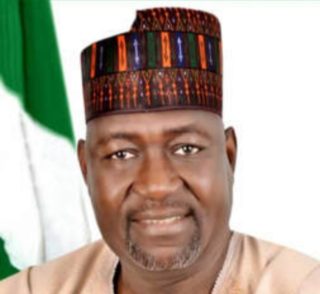
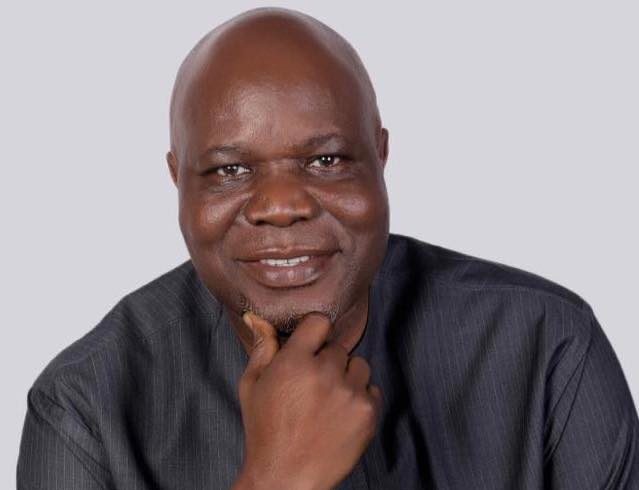
Abubakar Aliyu, Nigeria's Minister of Power.
Abubakar Aliyu, Nigeria’s Minister of Power.

Eje stated, “The reconnection is coming at the intervention of the Honourable Minister of Power, Engineer Aliyu, who has considered the collateral consequences on the paying Disco customers.These suspended and disconnected defaulting market participants will be reconnected to the National Grid at the instance of the Honourable Minister of Power.”

The market operator further said that the minister’s intervention had automatically prolonged the grace period for the debtors to 60 days and warned that all market defaulters should comply with the provisions of the market rules.

What Minister’s action means for power sector reforms

Some industry analysts viewed the minister’s action as detrimental to the power sector reform as his tenure is barely a month to end. More so, they said, there is no Act that empowered him to reverse a regulatory compliance and market rules in the industry.

Some experts considered the minister’s action as a wrong signal to a sector that is barely surviving on a World Bank loan facility, and had failed several tests on market compliance.

“The Minister’s tenure is elapsing in less than a month’s time, and he’s reversing a sanction by a market operator. I’m not aware of any policy document where the Minister has to re-order the market operator to reconnect those guilty of market delinquence,” a power sector expert, Oyebode Fadipe, told The ICIR.

Fadipe argued that investors’ confidence would be eroded if the government’s decision on the sector was influenced by political considerations instead of market compliance.

He said, “If we continue to flout market rules like this, how would investors be serious with us? Many members of the market value-chain have complained that market values are not followed.”

To him, Aliyu was being clever by half in issuing a reconnection directive and 60 days’ grace when his tenure would be expiring in less than a month.
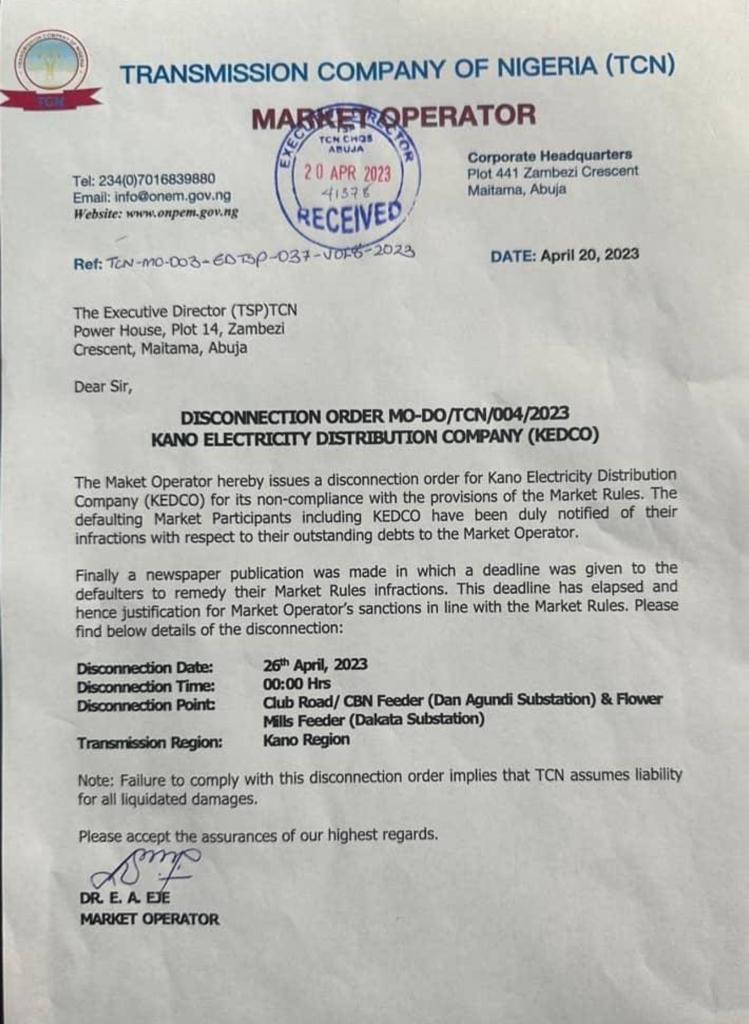
A letter to a distribution company confirming disconnection

Another power sector governance expert, Kunle Kola Olubiyo, told The ICIR that the minister’s actions could weaken the reinforcement of market compliance and regulatory consistency.

Olubiyo said, “Market & Extant Rules relating to day-to-day operations in the electricity market, particularly those relating to enforcement
and sanctions are the bedrock of the electricity market.

“There can not be a viable electricity market if the market rules are randomly flouted and deliberately designed for formality.”

He maintained that though the action by the minister could be well-intended, it nevertheless could set back gains recorded so far.

He said the minister’s action amounted to an assertion of political influence that could soon be counter-productive to the entire electricity demand and supply industry value chain.

Debts in power sector fuelled by poor market compliance

Government’s intervention in the power sector has been put at above N2. 7 trillion. Despite these interventions, the sector has yet to evolve to a self-funding status devoid of Federal government subsidies and growing debts.

Analysts said that to ensure a more efficient and market-driven compliance, the Central Bank of Nigeria has to take up some regulatory enforcement to ensure the sector does not collapse since the DisCos are struggling to repay loans from commercial banks because of illiquidity and poor regulatory compliance.

The CBN, at some point, escrowed the accounts of the distribution companies to ensure proper revenue tracking and payment of other power sector players in generation and transmission.

Proper liquidity in the sector, they pointed out, would also ensure that the Nigeria Bulk Electricity Trading Company (NBET) gets easier payment assurance guarantee for gas companies who had threatened force majeur severally as a result of debts owed gas companies.

The executive director of PowerUp Nigeria, Adetayo Adegbemle, described the CBN’s interventions in the power sector as a good development.

Adegbemle: ‘CBN’s interventions a welcome development’

“I love the fact that the CBN came into the power sector, not just to save the electricity sector but to save the banking sector as well of huge debts owed the sector by deposit money banks.

“The loans that the power sector took from the banks have become bad and if you don’t do anything, it’s going to be on the books of the banks and would cause more problems for the banks,” Adegbemle said.

Way forward and possible solutions

Nigerians are largely relying on multilateral lending from the World Bank and African Development Bank to sustain the power sector. The sector is also largely depending on subsidies from the government.

According to the World Bank Nigeria Country Director, Shubham Chaudhuri, Nigeria is currently accessing $1.5 billion from the global lender to address huge concerns in the sector.

Analysts say if market reforms are not prioritised and market rules adhered to, these interventions will not have effects on the necessary reforms needed to grow the sector.
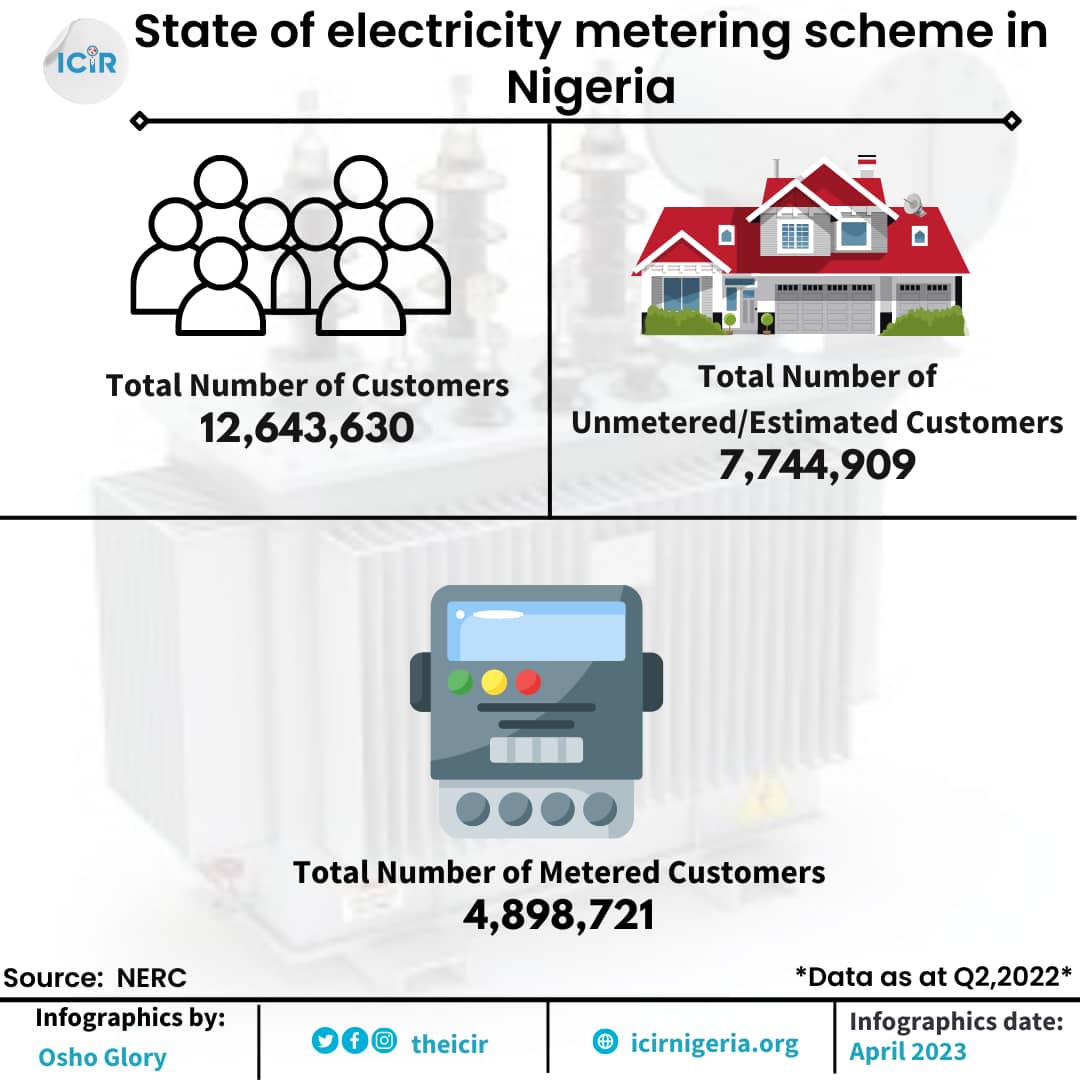
State of electricity metering in Nigeria

“The World Bank has put some conditionalities before we can draw from the loan facility they have approved for us. For instance, they spoke on regulatory compliance and adherence to market rules. They also spoke on improving the liquidity through proper metering,” a power sector governance expert and energy lawyer, Chuks Nwani, told The ICIR.

Nwani stressed the importance of market rules adherence that removes the sector from debts and prepares it for an efficiently run sector post-privatisation.

“The sector is bedeviled with illiquidity problems and poor compliance to market rules. Look at how we are even struggling to meter everybody to improve the collection in the sector. There are lots of issues that market discipline will solve for us, and we need to brace up for that, especially now the new government has emerged,” he said.
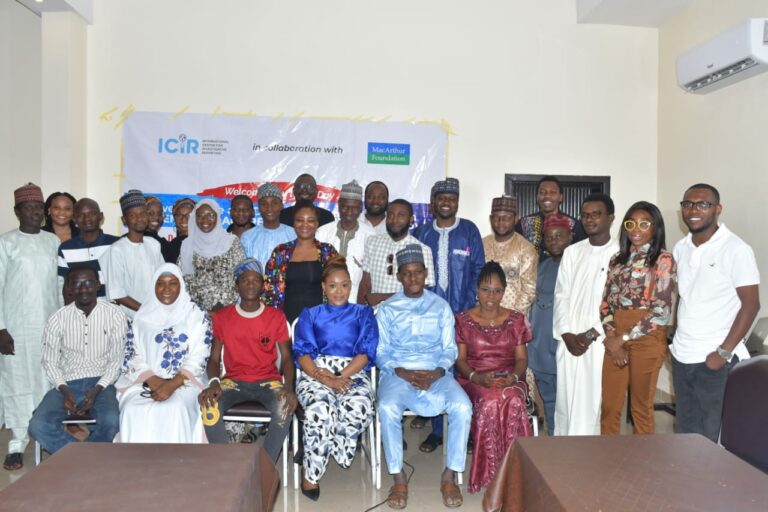
ICIR trains journalists from North-East, North-West on open contract reporting

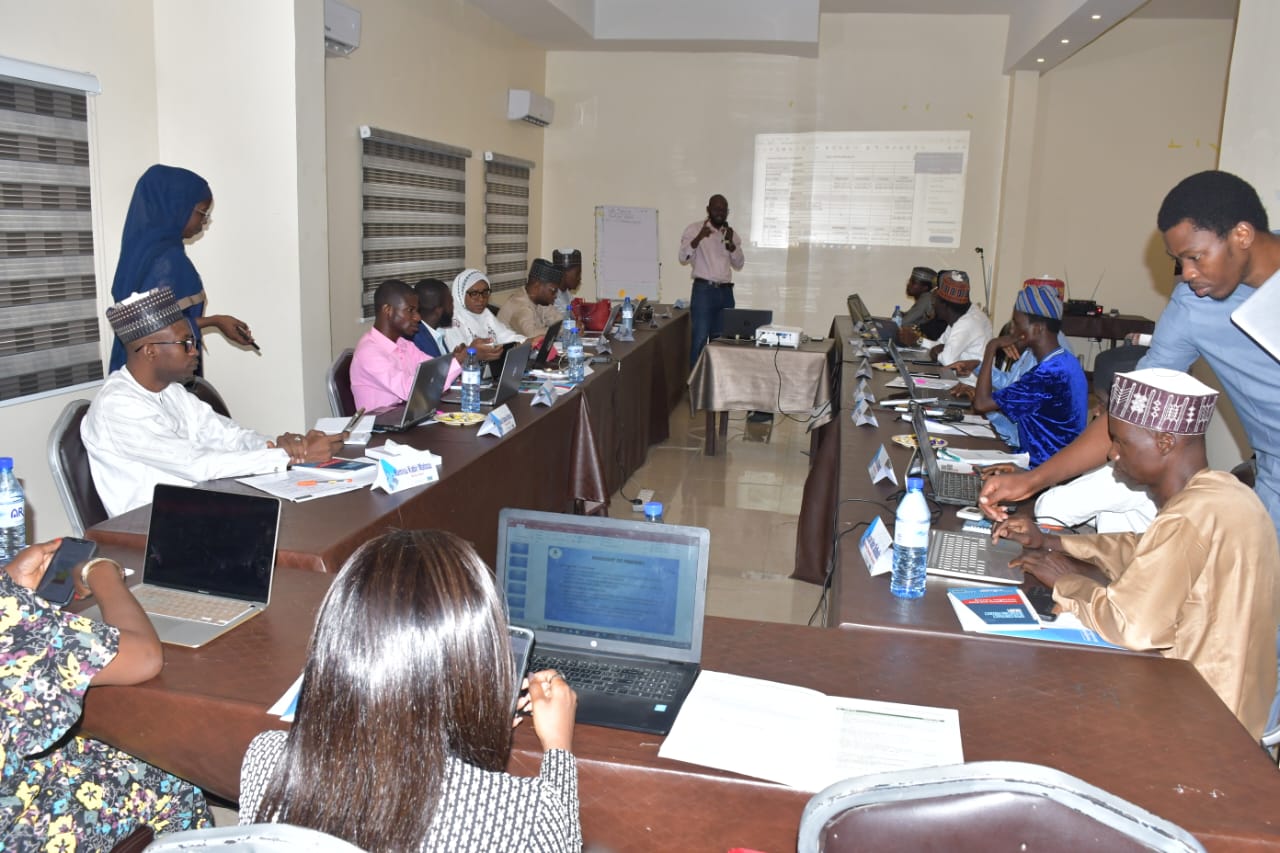
THE International Centre for Investigative Reporting (The ICIR) has concluded a three-day training program for a select group of journalists on the Open Contract Reporting Project (OCRP).

The training took place at Tahir Guest Palace, in Kano, and had journalists from the North-East and North-West zones in attendance.

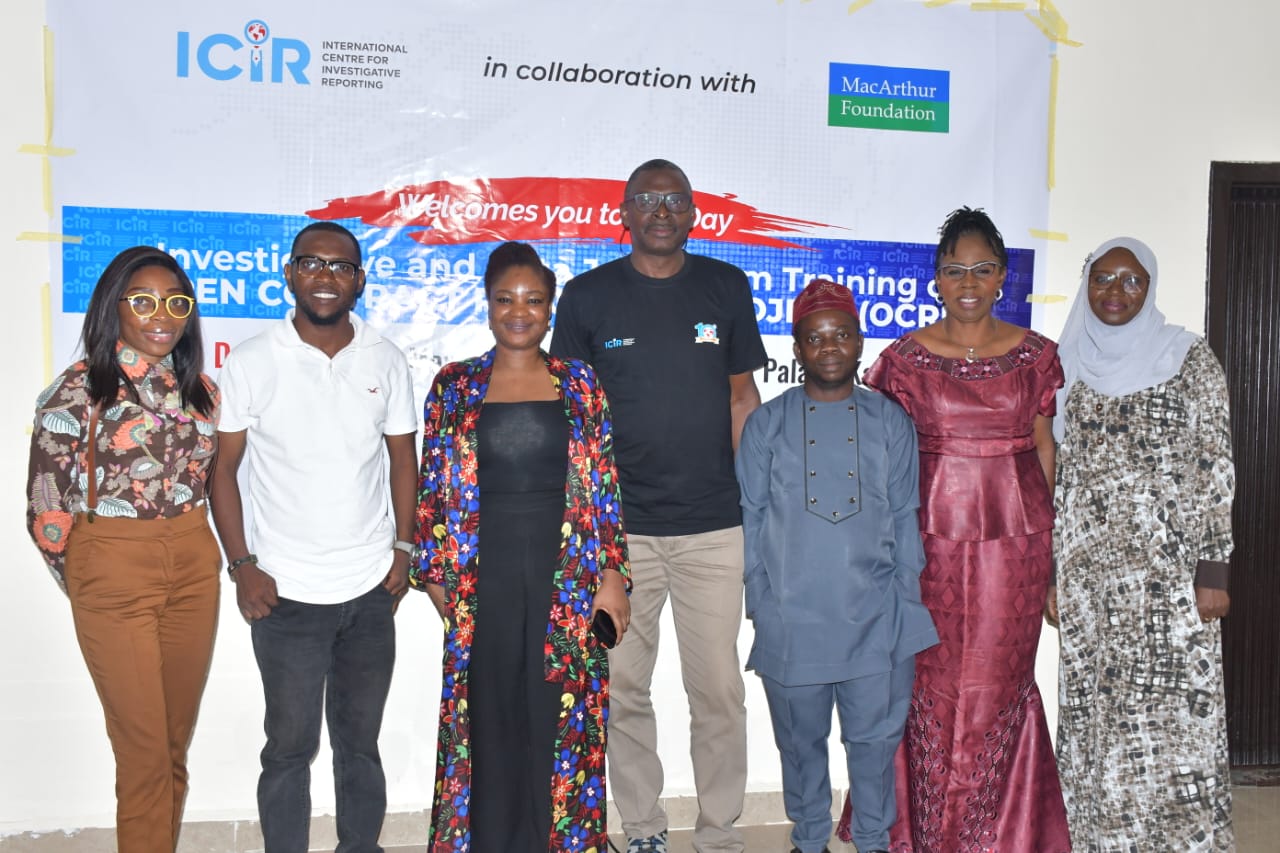
Group pictures of participants at the end of the #OCRP training.

The program was designed to build journalists’ capacity and enhance their skills in investigative reporting, data journalism, fact-checking, solutions journalism, the Freedom of Information Act, reporting in hostile or unsafe environments, and tracking procurement fraud, among others.

participants at the #OCRP training

An Open Contract Reporting Fellowship participant, Mohammed Taoheed Oluwatimileyin, tweeted on his page: “ I would blame myself if am not here.”

In an interview after the training, he explained that he applied for the program to acquire the knowledge and skills to report on procurement abnormalities in public sectors across Nigeria.

The ICIR Open Contract Reporting Project is supported by the Macarthur Foundation and was organised by the Centre to equip journalists with the tools and techniques to uncover wrongdoing in government and ensure that public officials are held accountable.

The Executive Director of The ICIR, Dayo Aiyetan, highlighted the importance of the training in his opening address and stressed its significance for journalists, stating that it provides them with the necessary skills to uncover wrongdoing in government and ensure public officials are held accountable.

The Executive Director, Dayo Aiyetan of TheICIR.

A university don, Prof. Abigail Obigwezzy, Head of Investigation of Daily Trust, Lami Sadiq, Independent Corrupt Practices Commission (ICPC) officer, Yetunde Mosunmola, Public and Private Development Centre (PPDC) director Jonathan Ebe, and Editor of Dubawa, Kemi Busari, were some of the trainers and mentors at the programme.

Faculty of Trainers and Mentors at the #OCRP training in Kano

The training enhanced journalists’ investigative and data journalism skills and built their capacity to cover procurement fraud and irregularities in the public sector across Nigeria’s six geopolitical zones.

‘The best place to start sustainability journey is to stop paying rent’ – ED PRIMORG

The Executive Director of Progressive Impact Organisation for Community Development (PRIMORG) Okhiria Agbonsuremi has said the best place  for Civil Society organisations (CSOs) to start on the sustainability journey is to stop paying rent. 

Agbonsuremi said this to The ICIR in reaction to the applause gotten from the Macarthur Foundation.

The African Director of Macarthur Foundation Kole Shettima applauded PRIMORG for putting grants from the foundation into good use over the years.

PRIMORG, a Civil Society Organisation established in 2017, aims at promoting good governance, accountability, participation and the strengthening of the media through community and media engagements, training and collaboration.

Shettima made the remarks during an official visit to the organisation’s newly completed office building in the Federal Capital Territory (FCT) on Wednesday, May 4.

According to him, the development means the 29 per cent overhead cost from the Foundation’s grant has been well utilised, adding that owning an office building is “one of the most important things every organisation needs, and not worrying about annual rent, which usually for many people becomes a big problem”.

“Having your own space is a very good idea, and I am happy that you (PRIMORG) have been able to use the resources that you have to have your own space as well. I wanted to say thank you very much for the opportunity to leave what I was doing to come to this place.

“From my perspective, 29 per cent of the overhead cost is to sustain the organisation, to institutionalize the organisation, and to make sure that the organisation continues to thrive, giving all the challenges of fundraising and others. We are hoping that this is going to galvanize every one of you to continue to do the work you are doing.

“We are very happy and very excited about the work you are doing and the fact that you are in your own space,” Shettima stated.

Reacting to the visit, PRIMORG’s Executive Director Agbonsuremi, appreciated the support of MacArthur Foundation in the past five years.

He also expressed his gratitude to Shettima and his colleagues at the MacArthur Foundation Africa Office for their support and assistance in ensuring PRIMORG achieved its objectives and deliverables.

“I am so happy that you (Shettima) found time to come because your schedule is very tight. It is the MacArthur Foundation funds that we have used. We are very excited and happy that within a short time, we were able to get our own office complex. We have internal joy that we have been able to apply the funds sustainably to promote our sustainability.

“It will help us work harder and move forward, and we will not be able to discount the support of the MacArthur Foundation and the Nigerian team in particular because we have had a lot of support from you. We are very excited that you are giving us all this support,” Agbonsuremi stated.

Speaking further to The ICIR on the reason why PRIMORG opted for a permanent office, Agbonsuremi said the organisation is on the journey to sustainable development.

He noted that the organisation paid N4 million for office space as a tenant, annually.

“The best place to start on the sustainability journey is to stop paying rent through a reasonable investment in an office complex. PRIMORG was paying about four million naira (N4 million) as a tenant, and we knew this was not sustainable over a long time as the rent kept increasing.

“We were lucky to get an overhead grant from the MacArthur Foundation. We thought it was an opportunity to rally the Board members and staff to apply the financial gift towards acquiring an office complex,” he said.

The head of PRIMORG noted that the new office would provide an added benefit of generating project revenue for the organisation through rents.

“By this acquisition, we not only have a place of our own, but we have the additional advantage of generating project revenue when we rent out part of the building we are not using for our operations. We could have used the MacArthur Foundation free grant for other legitimate things like capacity building, conferences and staff welfare. Still, we thought investing in our office building would benefit everyone more in the long run.”

WAEC announces date for 2023 WASSCE

THE West African Examinations Council (WAEC) has announced dates for the commencement of the 2023 West African Senior School Certificate Examination (WASSCE).

According to WAEC’s Head of National Office, Patrick Areghan, the examinations will hold for seven weeks, from May 8 to June 23.

Areghan, who spoke at a pre-examination press briefing held on Thursday, May 4, in Lagos, said that this year’s examination is expected to be taken by a total of 1,621,853 candidates across 20,851 government and private schools in the country.

“A total of 1,621,853 candidates from 20,851 secondary schools have registered for the examination. Out of this number, 798,810 are males, amounting to 49.25%, while 823,043 are females, which is 50.75% of the total candidature,” he said.

“The statistics show that there is a further increase and decrease in the number of females and males respectively, compared to the 2022 diet. On the whole, the candidature for the 2023 WASSCE (SC) increased by 13, 868 over the figure of 2022 1,607,985.”

Areghan noted that schools have been directed to upload their students’ Continuous Assessment (CASS) scores, stating those who failed to do so within the allotted time frame will be subjected to penalties.

He emphasised the importance of CASS scores in computing grades for candidates taking the WASSCE (SC) examination and how technology has made it easier for schools to manage and access such data.

“CASS score is a major component in the computation of grades for candidates in the WASSCE (SC) examination. The use of technology has made it possible for the Council to provide platforms to enable schools to upload, manage and access students’ CASS data seamlessly and make such data available to schools on request.

“Currently, the Council allows upload of CASS data in SS1, SS2 and SS3, designated as CASS Year 1, CASS Year II, and CASS Year III at different upload periods. For each period of upload, the Council opens its portal free of charge for all schools and also extends the period of upload from time to time to enable all schools to upload. Schools that fail to upload within the expected time frame after several free upload periods face possible penalties.”

While lamenting the challenges the Council is facing in the implementation of the policy due to the uncooperative attitude of some schools, he said no school will have any result without completing the CASS upload.

This comes as the Joint Admissions and Matriculation Board (JAMB) is rounding off the 2023 edition of its entrance examinations into tertiary institutions in the country.

JAMB began the Unified Tertiary Matriculation Examination (UTME) for admission seekers nationwide last month.

This year’s examination was scheduled to hold between April 25 and May 2, but it has been extended to Saturday May 6 for candidates who missed the examination for genuine reasons.

Election petitions: Allow tribunals to decide, Gowon urges Nigerians

AHEAD of the sittings of the election petition tribunals across the country, former Head of State Yakubu Gowon has urged aggrieved politicians and Nigerians to allow the court to discharge its duties without interference. 

The Presidential Election Petition Tribunal will commence sittings on petitions on Monday, May 8. The current 13 justices of the Supreme Court will preside over the sittings.

Gowon, at a symposium held to honour a late Justice of the Supreme Court, Chike Idigbe, in Abuja on Thursday, May 4, appealed to politicians seeking legal redress over the outcome of the general elections to allow their cases to be judged by the tribunals.


Read Also:

He also asked that they accept the court’s decision when it is delivered. 

“As we move forward as a nation, let us not forget the role of the judiciary, especially the Supreme Court, in questioning the decisions of the lower courts.

“The public should be humble to accept decisions of the Supreme Court as final. Let those aggrieved by the outcome of the election give the judiciary the opportunity to do their job and let them accept the decisions of the tribunals as it is,” he said. 

Gowon emphasised the need for a strong, independent and impartial judiciary that will serve as a beacon of light for the nation’s democracy.

He said the judicial sector cannot afford to fail in its role of protecting the lives and property of citizens through the instrumentality of the courts.

The Independent National Electoral Commission (INEC) declared the candidate of the All Progressives Congress (APC), Bola Tinubu, the winner of the presidential election on Wednesday, March 1.

Tinubu polled about 8.8 million votes, defeating Atiku Abubakar, the presidential candidate for the Peoples Democratic Party (PDP) and Peter Obi, the candidate of the Labour Party (LP). 

Atiku had 6.9 million votes, while Obi had 6.1 million votes. 

However, both candidates are claiming that they won the poll and are disputing the result declared by INEC.

They filed separate petitions before the tribunal, seeking an order to annul the elections or declare them winners of the poll.

Doctors conduct first-ever brain surgery on baby in womb

DOCTORS have successfully conducted surgery for a baby in the womb to correct a malformation in its brain.

A team of ten doctors at the Boston Children’s Hospital and Massachusetts General Hospital conducted the procedure recently.

Daily Mail reported that the child was diagnosed with the Vein of Galen Malfunction, which is a condition that occurs when the circulatory system does not properly form in the pregnancy’s first trimester.

According to Boston Children’s Hospital, a Vein of Galen Malformation (VOGM) is a rare blood vessel abnormality inside the brain. 

“In VOGM, misshapen arteries in the brain connect directly with veins instead of connecting with capillaries, which help slow blood flow. This causes a rush of high-pressure blood into the veins.”

The hospital notes that the extra pressure in the veins can cause many problems, including the rush of blood toward the heart and lungs, which forces the heart to work overtime to get blood to the rest of the body. This can lead to congestive heart failure in some infants.

Blood pressure in the arteries from the heart to the lungs can also rise, causing a serious condition called pulmonary hypertension.

Known as a rare disease, experts differ on its incidence, with some saying it occurs in one in a million children. It affects both genders.

The probability of survival is usually very low for affected children, with most having about a 30 per cent chance of dying before clocking 11.

Doctors who performed surgery on the child cut into its mum’s womb when the foetus was 34 weeks, and opened up her uterus, then the child’s skull, before making the corrections.

The surgery involved planting a piece of fat near the artery which would restrict blood flow.

Though the procedure was successful, the doctors induced the mother two days after because the surgery affected the tissue surrounding the child. The delivery was done with limited complications.

“Using an MRI, doctors identified an overly wide falcine sinus — a curved vein in the brain that drains the artery. This tells surgeons there was a 99 per cent chance that the malformation would occur…Then, using ultrasound to pinpoint the correct spot, they cut into her uterine wall,” Daily Mail reported.


READ ALSO:


Both mother and child are now in their home doing fine two weeks after the surgery, according to the surgery report published Wednesday in the American Heart Association’s journal Stroke

The UK’s Food and Drug Administration (FDA) will be working with researchers to check the surgery’s safety and the possibility of expanding it for similar conditions.

One of the doctors at Boston Childen Hospital, Darren Orbach, a surgeon, described the procedure as having the potential to mark a paradigm shift in managing the Vein of Galen Malformation.

He said, “We were thrilled to see that the aggressive decline usually seen after birth simply did not appear. ‘We are pleased to report that at six weeks, the infant is progressing remarkably well, on no medications, eating normally, gaining weight and is back home. There are no signs of any negative effects on the brain.”

Swipha recalls drug from market, keeps mum on reason

0

SWISS Pharma Nigeria Limited (Swipha), a major pharmaceutical company based in Lagos, has recalled all batches of Polyfort Suspension from the market due to a ‘negative trend.’

Polyfort Suspension is an antacid drug used for the treatment of heartburn and symptoms associated with dyspepsia and indigestion.

The company, in a statement signed by Superintendent Pharmacist/BDD Abbas Sambo, on Wednesday, May 3, announced that distribution of the drug has been stopped while all the products available in pharmacy shops are to be returned.


READ ALSO:
Why we banned Indomie’s ‘Special Chicken Flavour’ noodles — NAFDAC

Sugar-Sweetened Beverages: How NAFDAC’s weak regulations pose threats to consumers

NAFDAC destroys fake drugs worth N326m in Nasarawa

Nigeria ranks 1st in use of bleaching creams in Africa, NAFDAC declares health emergency


The development, according to the pharmaceutical company, is on account of the result of ongoing stability studies on batches LS222072, L.S222073, and LS222074 showing a negative trend.

Swipha did not provide specific details on the adverse effects the drug could have on the public.

Parts of the statement read: “Kindly be informed that we are initiating an immediate recall for all batches of Polyfort Suspension in stock.

“This is on account of the result of on-going stability studies on batches LS222072, L.S222073, and LS222074 showing a negative trend. We are currently carrying out further investigation on other batches, however, as we are mandated to inform you within 24 – 48 hours, we are unable to wait for the outcome of this investigation hence the decision to recall all batches of Polyfort in your custody.

“Further sales of Polyfort Suspension in your custody should be stopped, and inventory segregated immediately.”

The statement added: “Also contact customers to whom you sold Polyfort Suspension to return them back to you. All Polyfort stock (your stock and that of your customer) should be handed over to the Swipha Medical or Sales Representatives assigned to you.”

The company also said it will refund the marketers upon retrieval of the drugs.

“We expect that all the packs of the concerned product are made ready for retrieval by the 5′ of May 2023 and a corresponding credit note will be issued (covering your stock and that of your customer). The field force will inform you of developments as they evolve.”

The ICIR contacted the company on Wednesday, May 3, to find out the adverse effects of the recalled drug on users. A woman who simply identified herself as Ifedola picked the call and acknowledged that the drug has been recalled from the market, noting that the specific reasons behind the development was withheld to prevent panic among members of the public.

Upon further inquiry, she redirected the call to the company product manager, who declined to speak to The ICIR reporter.

The ICIR was asked to call back on Thursday, May 4. However, when this platform attempted to do so, the designated company phone contact was switched off.

The ICIR also reached out to the National Agency for Food and Drug Administration (NAFDAC) on Wednesday, May 3, to inquire if the organisation was aware of the development and also ask about the likely reasons why the drug is being recalled. NAFDAC has not responded at the time this report was filed.

How unchecked movement into Nigeria can affect census

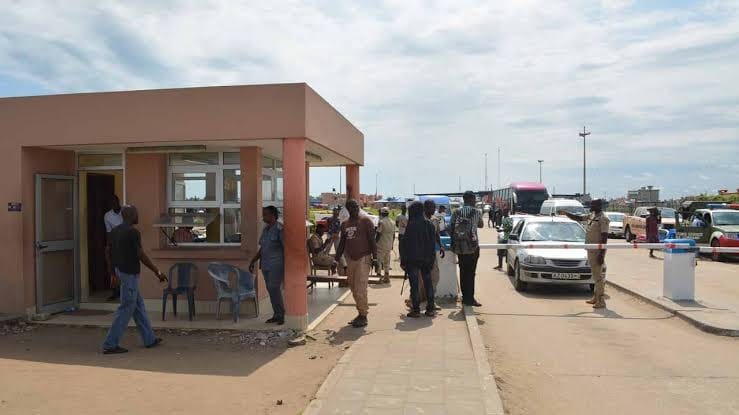
THE scores of uncontrolled borders in Nigeria are hindering efforts to curb insecurity within the country, where more than 35,000 people have died due to terrorism.

Out of about 1500 borders across the country, only 86 are legal and under government supervision, while more than 1400 others are ‘illegal’ and poorly protected.

The National Immigration Service (NIS) blames this on poor funding and inadequate manpower, and according to the military, this is hindering its efforts to curb violent extremism in the country. 

Security analysts predict that the uncontrolled movement of people through the porous borders may adversely affect the forthcoming population census, an exercise earlier slated for May 23 but rescheduled to an undisclosed date.

The Head of Agent-X Security Agency, a security startup in Nigeria, Timothy Avele, believes poor border management can affect the census.

“Illegal migration can affect the outcome of the 2023 population census,” the Avele said.

Avele is concerned that the commission might be unable to identify the people’s nationality, which could result in inaccurate figures.

“The National Population Commission can end up with the wrong population figures. They currently do not have an effective method of identifying real Nigerians and non-Nigerians,” he said.

He said it is essential for the government to have an accurate figure on the citizens and the total population of people living in the country.


Why data accuracy is important 

Presently, there is no data detailing Nigeria’s exact population, as the last census was conducted in 2006, about 17 years ago.

The United Nations recommends that a census is conducted once in 10 years. This means Nigeria was due for a population census in 2016.

According to the 2006 census figures, Nigeria’s population was 140 million. The data released by the NPC at that time put the northern population at 75 million and the southern states at 65 million.

Then in 2016, the National Bureau of Statistics (NBS) put the country’s estimated population at 193 million.

Nigeria’s population was about 216 million in 2022, according to the United Nations, and the figure is projected to rise to 223.8 million by mid-2023 and to 401 million by the end of 2050.

“Nigeria needs accurate data on its people,” Avele said. “It needs a new population census that will help it understand its people,” he explained further.

He pointed out the importance of clear and precise estimates of the distribution and characteristics of citizens and migrants. 

He said, “Data accuracy is the foundation of any nation’s security and economic prosperity. Without accurate data, it is difficult to plan effectively.”

The census, according to him, is a chance for the country to get a non-contestable figure that will help the government plan for its citizens while noting that access into the country through unmanned entry points should be considered a major threat to the process.

Can digitalisation of the process help? 


To improve the census process, the federal government released N2.8 billion to the NPC to procure software and mobile devices that will be used to carry out the exercise digitally. The forthcoming census will be the first in almost two decades.

It will also be the first digital census.

The Director-General (DG) of the National Orientation Agency (NOA), Garba Abari, says the digitalisation of the process will ensure credibility and efficiency, contrary to what was obtainable in the previous census.

According to him, this census will provide specificity and correctness to data obtained. 

But a Senior Security Analyst with SBM Intelligence, Mcharry Confidence, thinks otherwise.

According to him, a digital census would not prevent the infiltration of migrants.

The digital equipment can only ensure that the counting of houses and structures within the enclave of Nigeria’s territory is captured digitally.

These tools, he says, cannot differentiate between a Nigerian and an undocumented migrant; hence, the credibility of the census still depends on the security of land borders.

Mcharry said the government must prioritise border security and ensure there is no unchecked movement along the borders while the census is ongoing.

“Anything outside border security will incredibly affect the accuracy of the figures. We saw this in the 2006 population census, where it was reported that a lot of foreigners were registering for the census,” he said.

He also noted that identity tags can be used to identify citizens, “Tags like certificates of origin from the LGA, and birth certificates can be useful. However, they can also be falsified.”

There are several reports on the arrests of undocumented migrants with false documents by security operatives.

In 2019, security operatives arrested over 1,400 illegal migrants at the border areas.

And in 2022, they arrested 516 non-Nigerians with PVCs in Zaria LGA, Kaduna state.

The migrants had 1,000 pvcs and numerous local government indigene forms. The nationals were from Togo, Chad, and Senegal, Cameroon.

However, data on the number of illegal migrants in the country or the rate of unchecked movement at border areas are unavailable.


No problem with illegal migrants — NPC

The National Population Commission has prepared questionnaires that require people to disclose their country of origin during the census, says the NPC Director of Public Affairs, Isiaka Yahaya.

He said getting people to provide information on their nationality would be easy, “We do not envisage any problem with illegal migrants or porous borders. Why would they lie to us?” he asked. 

Yahaya said the commission had concluded arrangements to get details on the people’s country of origin and the length of time they have spent within Nigeria ahead of the exercise.

“We have questionnaires, and we will use that to get the details that is needed. People will fill out the questionnaires during the census, and we intend to rely on the information they provide,” he said.

He noted that the 2023 census is not focused on getting the figure of Nigerians in the country but on the total population of people living in the country.

However, he noted that the commission would still “provide data on the population of Nigerians and foreigners in the country from the figures obtained from the census.”

“We don’t care about the nationality of the people; as long as they are on the landscape of this country, they will be counted. When government have to make a decision, what will determine that decision is the total population of people living in that particular area, not just the citizens.

“The census is not about Nigeria, but we can get figures for Nigerians in the country from our total population. We can even provide information on local government areas,” he said.

But the SBM analyst, Mcharry, insists that poor border management can significantly affect the credibility of the exercise. 

It is essential for the government to get accurate figures,” he says. “And it is going to depend on how they control the movement of people during the census,” Mcharry noted.

Sudan: First batch of Nigerians arrive Abuja, get N100,000 for transport to families

THE first batch of Nigerians fleeing the crisis in Sudan arrived Abuja late on Wednesday, May 3, and received N100,000 cash, each, for transportation to their various homes.

The batch comprised a total of 376 persons.

Minister of Humanitarian Affairs, Sadiya Farouq, received the evacuees at the Nnamdi Azikiwe International Airport, Abuja, in the early hours of Thursday, May 4.


READ ALSO:

Evacuating Nigerians from Sudan, the story so far…

Sudan crisis: Second batch of Nigerians commence boarding

NIDCOM highlights challenges evacuating Nigerians from Sudan

Sudan: Why Ethiopia, Egypt refused Nigerians access — NIDCOM


Besides the N100,000 cash, the minister disclosed that the returnees also got other gift items.

“No life was lost which is the most important thing. All the efforts put in place were not in vain. I thank every member of the committee that has put all efforts to ensure that these people are brought back safely and with dignity. We thank the transport companies for their support.

“There is N100,000 that would transport them back to their families which is supported by the Dangote Foundation by giving them the transportation fare as well as the dignity kits and also 25,000 recharge cards from MTN and 1.5 GB data courtesy of MTN,” she said.

Farouq added that these were part of efforts being put in place to ensure that the returnees settle in comfortably.

Two aircrafts arrived the airport from Egypt around 11:35 pm on Wednesday, bringing in a total of 376 Nigerians.

According to Farouq, the Air Peace aircraft conveyed 282 persons while that of the Nigeria Air Force evacuated 94.

The evacuation process began on Wednesday, April 26, when stranded Nigerians embarked on the journey from Khartoum, the Sudan capital, to Egypt by road.

Efforts to airlift the Nigerians directly from Khartoum had been frustrated by the crisis, as the warring parties failed to heed early calls for a ceasefire.

The students arrived at the Egyptian border on Thursday, April 27, hoping to proceed to the Aswan airport, from where they would be airlifted to Nigeria.

However, they were denied access to the country for several days by the Egyptian authorities, who demanded visa processing fees before the borders could be opened.

Egypt eventually opened its border to the stranded citizens with stringent conditions attached, following the intervention of Nigerian President, Muhammadu Buhari.

Indomie: More Nigerian children, others to expect cancer – Institute

THE National Institute for Cancer Research and Treatment (NICRAT) has predicted that cancer cases will rise in Nigeria in the coming years.

In a statement signed by its Director General and Chief Executive Officer, Usman Aliyu, a professor, on Wednesday, May 3, the organisation said the discovery of cancer-causing chemical in one of the indomie brands – special chicken flavour – should be a great concern to Nigerians.


Read Also:

Why we banned Indomie’s ‘Special Chicken Flavour’ noodles — NAFDAC

Cancer: NAFDAC begins tests on Indomie noodles

Swipha recalls drug from market, keeps mum on reason

Manufacturer debunks cancer-causing substance claims in indomie products


The NICRAT said in 2020 alone, cancer killed 78,000 Nigerians (34,200 males and 44,699 females). 

The NICRAT, created by an Act in 2017, is an agency with the mandate to prevent, conduct research and treat cancers in Nigeria.

It said it was deeply worried that if some brands of Indomie noodles contain ethylene oxide, then  Nigerians should expect an escalation of various forms of cancers in the months or years ahead, depending on how long people have consumed the brand. 

According to the organisation, Nigerians should also expect an increase in cancer cases among children because indomie noodles are a popular food among most Nigerian children. 

Indomie brands are a major staple food in Nigeria

The ICIR reports that indomie is a staple food in many homes in Nigeria, cherished by children and adults. Because of its popularity, many people in the country identify all noodle products as indomie.

The product became popular in Nigeria in the ’90s, though it was first produced in Indonesian, the current headquarters of its manufacturer, in 1972.

Indofood is one of the largest instant noodles manufacturers worldwide. The products are in over 100 countries, including Australia, New Zealand, the USA, Canada, Asia, Africa, Europe and the Middle East.

The product comes in many varieties, from classic soup flavours such as chicken, vegetable, and curry to its most popular flavour indomie mi goreng. 

Its manufacturer claims it produces 19 billion packs annually.

Manufacturers says indomie safe, but countries are skeptical

The ICIR reported how INDOFOOD, the producer of indomie products, debunked Taiwan and Malaysia’s claim that indomie chicken flavour contained Ethylene Oxide, a carcinogenic (cancer-causing) chemical and the product was unsafe for consumption.

The two countries consequently recalled the product.

Nigeria’s National Agency for Food and Drug Administration and Control (NAFDAC) said it launched major investigation into the product varieties on Tuesday, May 2. But the result is not yet available.

Our findings on chemical – NICRAT

In its Wednesday statement, NICRAT explained that its review of Ethylene Oxide showed that the compound has grave consequences for human health, especially when consumed. 

“Our in-depth review of Ethylene Oxide indicated that it is a highly reactive chemical that is used as a raw material to make other compounds such as glycol ethers and polyglycol ethers, as well as a range of emulsifiers, detergents, and solvents.  

“Ethylene oxide is also widely used as a fumigant for cleaning culinary goods, including spices. It is also frequently used to disinfect medical equipment, particularly those that might be harmed by heat sterilisation. 

“Our review, therefore, revealed that there is sufficient evidence in experimental animals for the carcinogenicity of ethylene oxide, and there is strong evidence that the carcinogenicity of ethylene oxide, a direct-acting alkylating agent, operates by a genotoxic mechanism.”

The organisation commended NAFDAC for conducting a comprehensive investigation to ascertain the magnitude of the chemical.

It appealed to Nigerians to adhere to NAFDAC’s instructions on the product. The Institute also promised to collaborate with NAFDAC in ensuring the safety and protection of Nigerians from cancer-causing agents. 

It also assured Nigerians of its commitment to taking cancer prevention, research and treatment to the next level by ensuring that Nigerians are safe from all forms of cancer. 

The ICIR reported how the Indonesian government, where the indomie manufacturer is headquartered, admitted the product contained the chemical but said it was safe for consumption.