THE Super Eagles of Nigeria will face tournament hosts Morocco in a high-stakes Africa Cup of Nations (AFCON) 2025 semifinal Wednesday night at the Moulay Abdellah Stadium in Rabat.
The clash, scheduled for 8pm, pitches arguably two of the continent’s most in-form sides against each other in a bid for a place in Sunday’s final.
Nigeria come into the match on the back of a flawless run in the tournament, having won all five of their games to date, while Morocco remain unbeaten with four victories and one draw.
Under French-Malian coach Éric Chelle, the Super Eagles have displayed a blend of attacking fluency and tactical discipline that have made them one of AFCON’s most dangerous teams, having scored 14 goals in the tournament so far.
Nigeria topped Group C with a perfect nine points, beginning their campaign with a 2–1 win over Tanzania. They followed up with a 3–2 victory against Tunisia, and then saw off Uganda 3–1 to seal first place.
In the Round of 16, Nigeria delivered one of the tournament’s most emphatic performances, thrashing Mozambique 4–0. Victor Osimhen struck twice, Ademola Lookman added another, and Akor Adams capped the performance late on.
Their quarter-final encounter with Algeria was a more measured performance and decisive. Played in Marrakech amid heightened tension and concerns building up into the match, the match saw Nigeria asserted control in the both halves.
Although it was a goalless first half, Osimhen opened the scoring shortly after the restart of the second half, while Adams doubled the advantage minutes later. The scoreline ended in two to nil.That also marked the second clean sheet Super Eagles recorded with just only three goals conceded in the tournament so far.
Morocco’s home charge
Hosts Morocco have lived up to pre-tournament expectations. In their quarter-final clash against Cameroon, Morocco emerged with a 2–0 victory, with Real Madrid forward Brahim Díaz continuing his fine run by scoring yet again. Díaz has now netted in five consecutive matches, breaking his nation’s goal-scoring record for a single AFCON edition.
Morocco’s campaign has been built on defensive solidity, they have kept multiple clean sheets and have yet to concede in open play at this tournament, while leveraging set-pieces and quick transitions.
Undoubtedly, the atmosphere would be intense with thousands of home supporters behind the host team, which carry the weight of expectation from its passionate fans.
Nigeria is set to clash with the host nation, Morocco, in the semi final of the ongoing AFCON. The head-to-head shows that both sides lost and won 4 matches each and drew 1 game in 9 matches. Do you see Nigeria reaching the final? Let’s get your prediction#ICIRDatapic.twitter.com/8WxeloZgce
This semifinal is the sixth AFCON meeting between Nigeria and Morocco, and the second in the semifinals, the last coming in 1980 when Nigeria went on to win the tournament.
Historically, Morocco hold the edge in head-to-head results across all competitions, though AFCON meetings have generally been closely contested.
Nigeria and Morocco first crossed paths at the Africa Cup of Nations in 1976 during the group stage, where the North Africans claimed two victories — 3–1 and 2–1 on their way to lifting their first and only continental title.
Their second meeting was in 1980 in the semi finals, when Nigeria edged Morocco 1–0, with Felix Owolabi scoring the decisive goal in the ninth minute. The two sides met again in 2000, with Nigeria eliminating Morocco in their final Group D match.
Their most recent AFCON meeting was in the 2004 group stage, where Morocco secured a 1–0 win in their opening Group D fixture, thanks to a 77th-minute strike from Youssef Hadji.
Overall, Nigeria have faced host or co-host nations ten times at the Africa Cup of Nations, recording three wins, three draws and four defeats in those encounters.
For Nigeria, Wednesday match is a chance to win their fourth AFCON. Their attacking record is noteworthy, the Super Eagles have now scored at least two goals in each of their five matches at this tournament, and their 14-goal haul is their highest in a single AFCON edition, according to CAF.
Morocco, meanwhile, are pursuing a first AFCON title since 1976 and will lean on home advantage and the form of key players like Diaz and captain Achraf Hakimi to navigate past a free-scoring Nigerian side.
THE Confederation of African Football (CAF) has opened a probe into alleged misconduct by players, officials, and journalists during the TotalEnergies CAF Africa Cup of Nations Morocco 2025 quarter-finals, particularly the match between Algeria and Nigeria.
In a statement on Monday, January 12, 2026, CAF said it had collected match reports and video footage showing potentially unacceptable behaviour and referred the matters to its Disciplinary Board for further review.
The governing body confirmed that appropriate action would be taken if any individuals are found guilty of wrongdoing.
The ICIR reports that the match, played in Marrakech, ended with Nigeria defeating Algeria 2–0 to advance to the semi-finals.
However, the aftermath was marked by tension both on and off the pitch, with several Algerian players seen confronting referee Issa Sy and his assistants over disputed decisions.
In some of the videos circulating on social media, security personnel had to intervene by first forming a defence around the officials, to prevent escalation.
Nigerian players were also involved in heated exchanges as seen in on-the-pitch chaos. The unrest extended to the stands, where frustrated Algerian fans attempted to breach barriers and vandalised sections of the stadium before stewards restored order.
Reacting further, CAF condemned all inappropriate conduct during matches, especially actions targeting referees, tournament organisers, or media members.
“CAF is also reviewing footage of an incident involving members of the media who allegedly misbehaved in the mixed zone area.
“CAF strongly condemns any inappropriate behaviour which occurs during matches, especially those targeting the refereeing team or match organisers. Appropriate actions will be sought against anyone whose behaviour is not consistent with professional conduct at CAF events,” the statement added.
The confederation also confirmed that it was reviewing the incident in the mixed zone and would hold accountable anyone found to have acted unprofessionally.
“CAF has referred the matters to the Disciplinary Board for investigation and has called for appropriate action to be taken if the identified persons were to be found guilty of any wrongdoing,” the statement added.
THE Katsina State Government has come under attack following its plan to facilitate the release of 70 suspected bandits currently facing trial.
The government said the move was part of ongoing peace deal with armed groups across the state.
A letter issued by the government on January 2, marked ‘SECRET’, and reportedly addressed to the Chief Judge of the state, requested the intervention of the Administration of Criminal Justice Monitoring Committee (ACJMC) on the facilitation of the release of suspected bandits in custody.
The document was said to have cited Section 371(2) of the Administration of Criminal Justice Law of Katsina, 2021, and described the action as one of the conditions for sustaining peace accords signed between frontline Local Government Areas and armed groups in the state.
It noted that while some suspects had been arraigned at the Federal High Court, others remained in detention, awaiting trial at magistrate courts, with an additional list of about 22 inmates facing trial at High Court also submitted for consideration.
The directive has sparked widespread outrage from legal practitioners, civil society organisations, families of victims of banditry, and other citizens, who argue that releasing individuals accused of serious crimes undermined the rule of law and denied justice to victims. Critics contend that such actions could embolden criminal networks rather than deter them.
Analysts and security observers warned that agreement between bandits and government could undermine the sacrifices of security forces, many of whom have lost their lives battling bandits and terrorists.
There are growing concerns that releasing suspects who could be linked to deadly raids and kidnappings may reward criminality rather than dismantle it, particularly as banditry continues to claim lives and disrupt livelihoods across Nigeria.
Abdullahi Kofar Sauri of the Network for Justice described the plan as “a dangerous precedent,” urging the government to consider compensation and justice for victims’ families rather than freeing suspects.
Security expert Yahuza Getso similarly warned that the move “lacks sincerity” and could weaken community trust in state security strategies
Defending the policy, the state Commissioner for Internal Security and Home Affairs, Nasir Muazu, in an interview with DCL Hausa, said the move was essential to consolidating community-driven peace agreements with “repentant bandits” in several LGAs.
Muazu likened the process to prisoner exchanges in wartime, citing examples such as Nigeria’s civil war and past negotiations involving Boko Haram, arguing that such approaches were not unprecedented in conflicts.
He stated that peace deals agreed between communities and armed groups had brought relative calm to several areas, including Safana, Kurfi, Sabuwa, Faskari, Danmusa, Bakori, Musawa, Matazu, and Dutsinma, where abductees were freed and violence has subsided.
Muazu said the initiative was part of broader reconciliation efforts that had already yielded results, noting that the initiative had led to the release of nearly 1,000 abducted persons across multiple LGAs.
He said the releases stemmed from structured negotiations involving the communities. He argued that the decision was taken in accordance with global best practices.
He concurred that banditry remained a crime under Nigerian law but maintained that the peace process driven by affected communities had prioritised hostage release and stability over prolonged detention and punishment for bandits.
As debate intensifies across social and traditional media, some legal experts say the matter could soon be subject to judicial review, with stakeholders pushing for clarity on whether due process was followed and whether public safety is being jeopardised in the name of peace.
Reacting to the development, the Crusader on X wrote, “Things like this are the reasons I am considering to go on voluntary retirement from the military. You want to release people who have killed so many innocent people, raped both single and married women, making children to be orphans etc.”
Willie shared his thoughts on the matter thus, “Katsina really said let’s try peace by any means necessary. I just hope this is not one of those episodes where you release people today and start chasing them again next week. Nigeria’s storyline is getting too unpredictable.”
M.O. E also gave his opinion, “This is quite unfortunate. How can the state government make deals with these terrorists? Why demoralise members of our armed forces for political gain? This shows how many state governments sabotage the fight against terrorism. They sacrifice the security of their state to get cheap political capital.”
Chris Aspirwealth wrote “The irony of our ‘justice’ system: bandits who terrorised communities are getting ‘rehabilitated’ and released, while those peacefully seeking self-determination are handed life sentences. It’s not justice if it’s selective; it’s just state-sponsored intimidation.”
The ICIR reports that similar decisions by the Nigerian government have failed, as the bandits and terrorists who enjoyed similar freedom soon returned to the trenches.
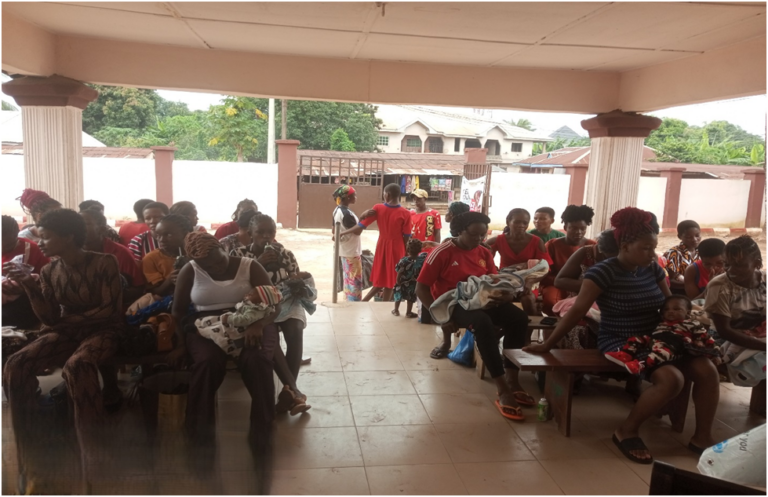
ON a December evening in Umudora, a farming community in Anambra West Local Government Area, a primary healthcare worker stood beside a patient, clutching a device meant to connect her to a doctor miles away.
When the screen froze and the signal failed, she reached for her personal phone, swapping SIM cards one after another, hoping a network bar would appear before time ran out. For Stella Ogolor, Officer-in-Charge of the Umudora Primary Healthcare Centre, such moments have become routine.
“In critical cases, we use our phones to call the doctor. Even at that, we may have to change SIM cards for strong network coverage,” she said.
The Anambra State Government launched its telemedicine initiative in November 2024 to bridge gaps in healthcare access, particularly in rural areas, and to support maternal and child health services across 329 primary healthcare centres funded under the Basic Health Care Provision Fund (BHCPF).
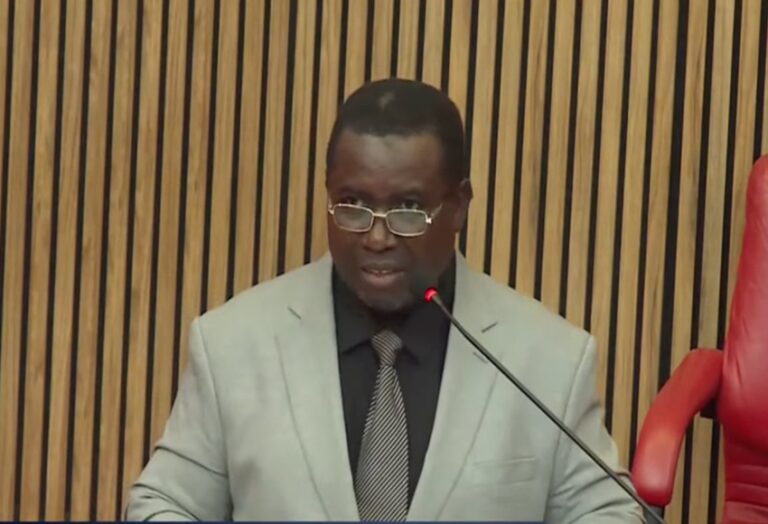
According to the Commissioner for Health, Afam Obidike, the programme was designed to address human resource shortages at primary healthcare facilities. Under the model, telemedicine hubs were established across the 21 local government areas, with doctors available to provide real-time consultations to frontline health workers.
Telemedicine gadget being used in Anambra.
Initially hailed as a breakthrough, the programme promised to ease pressure on overstretched facilities and extend specialist support to remote communities. One year later, however, findings from visits to several rural PHCs suggest a more complex reality, shaped by weak network coverage, power supply challenges and community perception.
When the network fails, the system falters
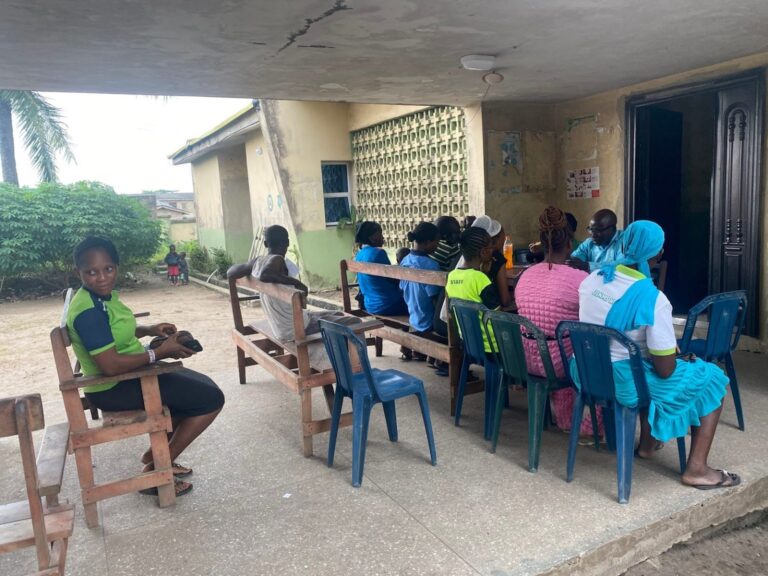
Unstable mobile networks remain the most significant obstacle to effective telemedicine use. Eunice Obi, Officer-in-Charge of Amansea PHC in Awka North LGA, said dropped calls during consultations are common.
“Sometimes, you are on call with the doctor for a critical case, the network drops and the call is aborted. It wastes patients’ time, and I see it on their faces.”
Similar experiences were reported in Umueze-Anam and other parts of Anambra West. Emmanuella Anyanwu, of Umueze-Anam 1 PHC, said she often monitors network strength on her personal phone before attempting to call.
“When the signal improves, that’s when I try to reach the doctor,” she explained.
In Ogbaru LGA, the consequences of these disruptions proved fatal. Ifeoma Ndu, who is in charge of Ogbakuba PHC, recalled a case involving a patient with a heart condition.
“I tried repeatedly to reach the telemedicine doctor but couldn’t,” she said, adding: “When I eventually got through, I was advised to refer him. But the family refused to travel at night because of insecurity. He died early the next morning.”
Such incidents, experts say, show how unreliable connectivity can undermine the promise of digital health solutions.
Despite the challenge, OICs alleged that ₦20,000 is deducted monthly from their facilities’ quarterly BHCPF disbursements for data subscriptions dedicated to telemedicine. They claim the data often expires unused due to poor network access and that they are warned against using it for other purposes.
A Ward Development Committee Chairperson, Ogoamaka Atuenyi, shared this concern, saying: “That N20,000 they are collecting is reducing the value of basic money. The quarterly disbursement is not even enough.”
Ogoamaka Atuenyi, WDC Chairperson, Utuh Nnewi South LGA
To cope, some health workers rely on personal data from alternative networks. Joy Enweremadu, the OIC of a Primary Healthcare facility in Awka North, said the programme’s data works only when she leaves her community.
“I hotspot my personal data from another network. Sometimes the telemedicine device only connects when I move to where the signal is better,” she said.
Trust and perception
Beyond technical challenges, community perception is quietly shaping acceptance of the programme. Some patients interpret phone consultations as incompetence rather than collaboration.
“If they know you, they wonder why you have to call someone before treating them,” Eunice Obi said.
This view was echoed by Roseline Nwoye, from Amansea, Awka North LGA, who said her initial reaction was sceptical.
“When I saw her calling a doctor, I thought she didn’t know what she was doing,” she said.
At Akili-Ozizor PHC, a patient Chioma Ajie admitted she was uncomfortable when her case was discussed over the phone.
“I needed urgent treatment and didn’t understand why she had to call someone else,” she said, adding: “She had to explain it to me.”
Beneficiary of telemedicine at Akili-Ozizor PHC, Chioma Ajie
Health managers acknowledge the perception problem. Mary Onwuegbuka, Director of Primary Healthcare in Ogbaru LGA, said patients often expect instant treatment like they get at chemist shops.
“They don’t understand why lab tests or consultations are needed. So, when they see you calling a doctor, they doubt your competence, she said.”
To maintain trust, some OICs have adopted coping strategies. Enweremadu said she often administers basic first aid before consulting a doctor. “That way, patients don’t feel abandoned,” she said.
Doctors often don’t respond promptly
Another challenge is delayed response from telemedicine doctors. Lauretta Nwoye, OIC of Ugbenu PHC, described the anxiety of calling repeatedly without response.
“They are human, they have other responsibilities. But it makes things difficult in emergencies.”
Some PHC officers said they rely on specific doctors who are more responsive, bypassing others assigned to their LGAs.
Onwuegbuka urged frontline workers to remain flexible. “If one doctor doesn’t respond, call another,” she advised.
Lifestyle patterns in rural communities also limit effectiveness. Enweremadu explained that many patients visit farms during the day and only come to PHCs in the evening, when doctors may no longer be online.
She and others believe periodic physical visits by doctors could improve trust.
“When communities know a doctor will visit occasionally, they are more comfortable using telemedicine on other days,” she said.
No ambulance for referral
Telemedicine depends on functional referral systems, but these are often absent. Ndu recalled that the patient who died could not be referred because there were no ambulance and drivers refused to travel at night.
“We had no means to move him,” she said.
The lack of ambulances and coordinated referral pathways means decisions made via telemedicine cannot always be implemented.
Stationary tricycle ambulance at Ugbenu PHC, Awka North LGA
‘Telemedicine helps but not enough’
Oluebube Agba, a telemedicine doctor supporting PHCs in Anaocha LGA, said the initiative has helped manage complex cases remotely.
“I have helped PHC workers to manage many complex cases without casualty. I remotely guided the OICs or their staff.”
However, Gideon Obiasor, an Anambra-based medical practitioner, cautioned that telemedicine cannot replace physical care.
“It’s a welcome development but it can never replace physical medical care. We should accept it despite the challenges.”
He remarked that telemedicine cannot work if devices, connectivity and infrastructure are constantly down due to lack of electricity, stressing that government must provide alternative power sources such as solar power.
“With political will, government can deploy these technologies,” he said.
Government reactions and ground reality
Responding to concerns, commissioner for health, Afam Obidike, said connectivity issues were being addressed.
“There is nowhere in Anambra where you cannot browse though you may have to switch between networks. Telemedicine works with internet and Wi-Fi. Any network that is stronger in a particular area can be used,” he said.
Obidike added that using personal phones for consultations still qualifies as telemedicine and accused some workers of bypassing the system for personal gain.
“I sincerely acknowledge most health workers for helping us at the primary healthcare level, but some of them bypass telemedicine and refer patients to private doctors for personal benefits.”
On emergency response, he said ambulances were available at Umueri and Anaku General Hospitals, with more to be deployed. He also cited partnerships with 29 private hospitals under the Emergency Medical Service and Ambulance System.
“Dial 5111 and request an ambulance. There’s nowhere you cannot drive to in Anambra, he said.
Afam Obidike, Commissioner for Health, Anambra State
Poor infrastructure, ICT gaps persist
However, findings from this investigation show that communities such as Umudora-Anam, Oramaetiti-Anam and Ukwuala still struggle with poor access roads, limiting emergency response.
On manpower, Obidike acknowledged that shortages were a national problem but said nearly 1,000 health workers have been recruited, with plans for more.
“We are planning staff verification next year to weed out those beneficiaries of improper recruitment in the past who are dragging us back,” he said.
When contacted over complaints of poor internet connectivity, the Managing Director of the Anambra State ICT Agency, Chukwuemeka Fred Agbata, on Sunday, December 14, 2025, requested that the questions be sent to him via WhatsApp. The questions were subsequently sent, seeking clarification on the ICT Agency’s role in supporting the telemedicine programme.
As at December 16, 2025, no response had been received. A follow-up call placed to him was not answered. His agency’s Communications Desk later indicated that responses were still being prepared, but none was provided as of the time of filing this report.
However, findings show the agency plays a supporting role in training and infrastructure.
To improve internet access across the state, the government abolished Right of Way (RoW) charges, which previously required telecom companies to pay fees for every metre of fibre cable laid. With the waiver, telecom operators can now extend broadband infrastructure more easily and at lower cost.
In previous interviews, the ICT Agency said the waiver is already helping to expand broadband coverage, strengthen digital capacity and lay the foundation for improved connectivity across the state. However, officers-in-charge (OICs) and patients still struggling with dropped calls during telemedicine consultations, the promise of that expansion remains a hope yet to be fully realised.
This report was made possible with support from the International Centre for Investigative Reporting (ICIR) under its Strengthening Public Accountability For Results and Knowledge (SPARK 2.2) project.
AWARD-WINNING Nigerian author, Chimamanda Ngozi Adichie, has formally issued a legal notice to Euracare Multispecialist Hospital in Lagos State, accusing the facility and its medical personnel of medical negligence and professional misconduct following the death of her 21-month-old son, Nkanu Nnamdi Adichie-Esege.
In the notice dated January 10, 2026 and reported by Arise Television, solicitors acting for Adichie and her partner, Ivara Esege, alleged that the hospital, its anaesthesiologist, and other healthcare professionals breached the duty of care owed to the child, who died in the early hours of January 7 after undergoing a series of medical procedures.
The notice, issued “without prejudice” to the parents’ rights and signed by a law firm led by Kemi Pinheiro, a senior advocate, stated that the child, born on March 25, 2024, was referred to Euracare on January 6, 2026, from Atlantis Paediatric Hospital.
The petitioners said the referral was for diagnostic and preparatory procedures ahead of an emergency medical evacuation to the United States, where a specialist medical team was reportedly on standby to receive him.
According to the legal notice, the planned procedures at Euracare included an echocardiogram, a brain MRI scan, insertion of a peripherally inserted central catheter (PICC line), and a lumbar puncture. Intravenous sedation was allegedly administered, using propofol.
The parents alleged that during the course of the procedures, particularly while the child was being transported from the MRI suite to the cardiac catheterisation laboratory, he developed sudden and severe complications.
They noted that despite being under deep sedation, the child was moved between clinical areas under conditions that raised what the solicitors described as “serious and substantive concerns” about compliance with established patient-safety protocols.
The notice outlined multiple alleged lapses in paediatric anaesthetic and procedural care, including concerns about the appropriateness and cumulative dosing of propofol in a critically ill toddler.
The parents also raised issues about inadequate airway protection during deep sedation, failure to ensure continuous physiological monitoring, and the absence of sufficient medical personnel during inter-departmental transfers.
The solicitors said the child was transferred without supplemental oxygen, adequate monitoring equipment, and proper escort by qualified medical staff. They further alleged delays in recognising and managing respiratory or cardiovascular compromise, as well as a failure to ensure the availability of basic resuscitation equipment.
The legal notice cited an alleged failure by the hospital to fully disclose the risks and potential side effects associated with propofol and other anaesthetic agents. It said this omission undermined the legal requirement for informed consent prior to the procedures.
The solicitors stated that, taken together, the alleged lapses constituted prima facie breaches of the duty of care owed to the child and render the hospital and the medical personnel involved liable for medical negligence resulting in death.
They also demanded certified copies of all medical records related to their son’s treatment within seven days of receipt of the notice.
The requested documents include admission notes, consent forms, pre-anaesthetic assessments, anaesthetic charts, drug administration records, monitoring logs, procedural notes, nursing observations, intensive care records, incident reports, and the identities of all medical staff involved in the child’s care.
The demand also extends to internal reviews, MRI suite safety logs, and any other documentation connected to the treatment.
In addition, the hospital was formally instructed to preserve all relevant evidence, both physical and electronic. These include CCTV footage from procedure rooms and hospital corridors, electronic monitoring data, pharmacy and drug inventory records, crash-cart and emergency equipment logs, internal communications, and any morbidity and mortality reviews conducted in relation to the case.
The solicitors warned that any destruction, alteration, or loss of evidence after receipt of the notice would be treated as suppression of evidence and obstruction of justice, with potential legal consequences.
The letter further cautioned that failure to comply with the demands within the stipulated timeframe would leave the parents with no option but to pursue all available legal, regulatory, and judicial remedies against the hospital and all medical personnel involved.
The ICIR reports that following the allegations by the deceased parents, the Lagos State Government, through the Ministry of Health, ordered an immediate probe into the incident.
In a statement on January 10, the government expressed condolences to Adichie and her family, describing the loss of a child as a profound tragedy.
It further directed the Health Facility Monitoring and Accreditation Agency (HEFAMAA) to conduct a thorough, independent, and transparent investigation into the incident, which occurred on January 6.
The government said the investigation would assess compliance with clinical protocols, professional conduct, patient-safety standards, and the roles of all parties involved.
It added that the agency would work in collaboration with the Medical and Dental Council of Nigeria (MDCN) and other relevant regulatory bodies, with findings to be made public at the conclusion of the probe.
In a statement on January 10, Adichie had said her son had initially been treated for what was believed to be a cold before his condition deteriorated into a severe infection that required hospitalisation at Atlantis Pediatric Hospital.
Atlantis Hospital subsequently referred the family to Euracare to carry out several procedures.
In its response, Euracare Hospital expressed sympathy to the family but said some reports circulating about the incident contained inaccuracies. In a statement signed by its management, the hospital said the child was critically ill before being referred to its facility and had received treatment at two paediatric centres prior to arrival.
Euracare said its medical team provided care in line with established clinical protocols and internationally accepted standards, including the administration of sedation where clinically indicated. The hospital added that it worked collaboratively with external medical teams recommended by the family and provided all necessary clinical support, but the patient died less than 24 hours after presenting at the facility.
The hospital also disclosed that it had commenced an internal investigation in line with its clinical governance standards and pledged to cooperate fully with all regulatory and investigative processes, while offering continued support to the grieving family.
THE Federal Capital Territory (FCT) Police Command has arrested three suspected members of a notorious “one-chance” armed robbery syndicate in connection with the killing of Abuja-based lawyer, Nwamaka Mediatrix Chigbo.
A statement by the command on Sunday, January 11, noted that the suspects were arrested following intelligence-led operations with operatives of the Command’s Scorpion Squad tracking the victim’s mobile phone.
It noted that the squad carried out the follow-up operations between January 5 and January 10, 2026, across Dei-Dei, Dakwa and Dan-Tata communities in the Kubwa area.
“Further investigations revealed that on 5th January, 2026, at about 5:50 p.m., Barr. Princess Chigbo unknowingly boarded their black Volkswagen Golf 3 vehicle along the Kubwa Expressway, unaware that the occupants were criminals.
“Upon entry into the vehicle, the suspects wound up the tinted windows and threatened the victim with weapons in an attempt to force her to pay ransom for her own release. When she allegedly refused to cooperate, she was physically assaulted and pushed out of the moving vehicle along the Kubwa Expressway, resulting in her death.
“The suspects further admitted to dispossessing the victim of her Android mobile phone, which was later sold at Dei-Dei for the sum of One Hundred and Twenty Thousand Naira (₦120,000),” the statement read.
Those arrested were identified as Saifullahi Yusuf, 22, Ishau Yusuf, 24, who are biological brothers, and Minka’ilu Jibril, also known as Dan-Hajia.
Police said all three are from Kaduna State and were residing around Dei-Dei, Abuja.
Items recovered during the arrest included scissors, dagger knives, other knives, a long chain allegedly used to restrain victims, and a pair of pliers.
The ICIR reports that the arrests followed earlier accounts by the victim’s family, who initially believed she had been kidnapped.
The family said Chigbo went missing on Monday, January 5, while she was on a phone call with her younger sister, Anthonia. When the call reconnected after a brief interruption, Anthonia reportedly heard her sister’s distress cries before the line went dead.
According to the family, a subsequent call went through, and a male voice demanded ₦3 million, threatening to kill her if the ransom was not paid.
The family alerted the police and was put in contact with the Scorpion Squad, which commenced tracking the suspects. During later call attempts, the family said they heard Chigbo screaming in pain and pleading for help before the line went permanently silent.
In the early hours of January 6, police reportedly informed the family that a woman had been found in critical condition and taken to a specialist hospital in Abuja. Her elder sister later identified her as Chigbo at the hospital mortuary.
Chigbo was a member of the Nigerian Bar Association, Abuja branch, the International Federation of Women Lawyers (FIDA), and other professional and religious groups.
THE Socio-Economic Rights and Accountability Project (SERAP) has dragged the Independent National Electoral Commission (INEC) over its alleged failure to account for N55.9 billion earmarked for the procurement of election materials for the 2019 general elections.
The suit, marked FHC/ABJ/CS/38/2026, was filed last Friday at the Federal High Court in Abuja, following allegations contained in the Auditor-General of the Federation’s annual report published on September 9, 2025.
A statement by the civic group on Sunday, January 11, noted that it is asking the court to compel INEC to explain how the funds were spent.
The organisation is seeking “an order of mandamus to direct and compel INEC to account for the missing or diverted ₦55.9 billion meant to buy smart card readers, ballot papers, and other election materials for the 2019 general elections.”
The civil society organisation argued that the allegations raised by the Auditor-General point to deep-rooted transparency and accountability failures within the electoral body.
According to SERAP, for the commission to ensure free and fair elections in the country and uphold Nigerians’ right to participation, it must operate without corruption.
It further maintained that unresolved allegations of corruption could undermine future elections, stating that “INEC cannot ensure impartial administration of future elections if these allegations are not satisfactorily addressed, perpetrators including the contractors involved are not prosecuted and the proceeds of corruption are not fully recovered.”
SERAP said the alleged irregularities violate constitutional and statutory obligations placed on INEC.
The group also argued that the allegations amount to abuse of public office and directly threaten electoral credibility.
The report alleged that INEC irregularly paid over ₦5.3 billion to a contractor for the supply of smart card readers for the 2019 elections without approvals from the Bureau of Public Procurement (BPP) and the Federal Executive Council, and without evidence that the items were supplied.
It noted that the Auditor-General also raised concerns over payments of more than N4.5 billion to contractors for ballot papers and result sheets without documentation, as well as additional payments made under questionable circumstances, including advance payments before contracts were awarded.
Other allegations include INEC’s failure to deduct and remit over N2.1 billion in stamp duties, failure to retire more than N630 million in cash advances granted to staff, and the award of contracts exceeding N41 billion for printing election materials without due process.
The report further questioned the procurement of vehicles worth over N297 million, noting that prices paid by INEC were significantly higher than prevailing market rates at the time.
“The contracts ‘were also awarded without the Federal Executive Council’s approval, and ‘No Objection’ approval from the BPP.’ The Auditor-General is concerned that the money ‘may have been diverted.’ He wants the money recovered and remitted to the treasury.”
“INEC also ‘irregularly awarded a contract for the supply of 4 Toyota Land Cruisers to the Commission for over N297 million [N297,777,776.00].’ The ‘contract was awarded without the approval by the Federal Executive Council,’” the statement added.
A tour of primary healthcare centres in Ogun West and Ogun East senatorial districts reveals shocking scenes of lack and negligence capable of costing human lives. Findings show that the Basic Health Care Provision Fund (BHCPF)-funded facilities lack amenities, manpower and logistics to effectively discharge their functions despite drawing funds to make primary healthcare truly accessible and affordable for Nigerians living in rural areas.
Olayide SOAGA
One quiet Sunday morning in October, Ogunnowo Abiodun sat alone in the female ward of Ogbere Primary Health Centre (PHC), a modest facility tucked away in Ijebu East Local Council of Ogun State.
Dark-skinned and plump, with a calm composure, the woman in her early 40s worked as a health attendant at the centre, one of the facilities benefiting from the Federal Government’s Basic Health Care Provision Fund (BHCPF).
Ogbere PHC
To her left, the male ward lay empty. The other rooms were locked, the facility’s surroundings swallowed by silence except for the sound of a motorcycle from across the street.
Abiodun was the only health worker on duty that day in the unfenced compound, a place meant to serve thousands but is now eerily still. Across from the plastic chair where she sat, a 16-inch television flickered weakly, its low hum also breaking the midday quiet. Outside, an abandoned tricycle ambulance stood motionless – a stark reminder of promises once made to bring health care closer to the people.
Ogbere PHC ambulance
The PHC’s Officer-in-Charge, Nurse Adeyeri, was not available. “The Officer in Charge is taking a course in another community, so she is not available. The other staff member) is currently off duty. So I am the only one here,” Abiodun said.
When The Guardian inquired about the condition of the facility and its staff strength, she smiled and insisted that everything was fine. “We have no problems here,” she said.
Then, almost as an afterthought, she mentioned that the borehole, which was the only source of water for the centre, had been damaged for months.
It was a small confession that hinted at a deeper truth; beneath the calm surface of Ogbere PHC, the cracks were already showing despite being a beneficiary of the BHCPF.
“The only issue we have here is the bad borehole. It got damaged recently, so we don’t have water. We always have to fetch water outside. That is the reason I have not had my bath by this time,” she added. She also told The Guardian that the facility had no staff quarters.
But what Abiodun did not understand was that a functioning borehole and the absence of a staff quarters were only two of many things that the BHCPF-funded facility lacked.
The Ogbere PHC fell short of several minimum standards outlined in the National Primary Health Care Development Agency (NPHCDA) guidelines, which list essential requirements that every PHC must meet to deliver quality healthcare – from qualified personnel and medical equipment, to reliable electricity, water supply, and functional vehicles for emergencies.
The Ogbere health attendant told The Guardian that the PHC has two nurses, two Community Health Extension Workers (CHEWs), one pharmacy technician, one lab technician, and four health attendants, falling short of the basic minimum requirement of one medical officer, one Community Health Officer (CHO) (must work with a standing order), four nurse/midwives, and three CHEWs (must work with a standing order).
One Pharmacy technician, six Junior Community Health Extension Workers (JCHEWs) (must work with standing orders), one Environmental Officer, one Medical Records Officer, one Laboratory Technician, two Health Attendants/Assistants, and two security personnel stipulated by the NPHCDA.
Ogbere PHC staff Composition
About the BHCPF
Established under Section 11 of Nigeria’s National Health Act of 2014, the BHCPF represents one of the country’s efforts to achieve universal health coverage and strengthen the Primary Health Care (PHC) system across the country.
The law was signed by former President Goodluck Jonathan, but its implementation began in 2019 under President Muhammadu Buhari, following years of planning and advocacy by the Federal Ministry of Health and development partners.
Among other things, the BHCPF was created to address the chronic underfunding and weak infrastructure that have virtually crippled Nigeria’s health system, particularly at the grassroots level. Its goal is simple but crucial – to ensure that every Nigerian, especially the poor and vulnerable, can access basic health services without facing financial hardship.
Funded by at least one per cent of the Consolidated Revenue Fund (CRF), the BHCPF serves as a sustainable financing mechanism that channels resources directly to frontline health facilities. The fund is disbursed through key agencies: the NPHCDA for essential drugs and facility upgrades, the National Health Insurance Authority (NHIA) for covering the basic minimum package of services, and the Federal Ministry of Health (FMoH) for emergency medical treatment.
Through the fund, thousands of PHCs now receive direct financial support to maintain operations, procure medicines, and deliver maternal and child health services. Ward Development Committees (WDCs) also play a role in monitoring the expenditure of funds at the community level.
According to the latest NPHCDA Gateway Updates presented by the Executive Director of the agency, Dr Muyiwa Aina, N52 billion has been disbursed to PHCs by the agency between 2023 and October 2025. It was also revealed that N14 billion was disbursed to facilities between the first and second quarters of 2025.
Ogun State received N458 million in 2023, N580 million in 2024 and 377 million between the first and second quarters of 2025. These funds are distributed between the 227 BHPCF facilities in the state.
Source: NPCHDA
Despite this funding, some PHCs in Ogun State that are beneficiaries of the funds still face similar challenges to those that are not recipients of the scheme. The NPCHDA executive director further noted that 18 per cent of the planned Community-Based Health Worker (CBHW) recruitment has been completed, adding that 1,878 CBHWs have been hired in Kaduna, Yobe, Borno, and Ebonyi states.
Update deliverable milestones
When The Guardian visited BHCPF-funded PHCs across Oja Odan in Yewa North, Ipokia and Ado-Odo local councils in Ogun West Senatorial District, and Odogbolu and Ijebu-East local councils in Ogun East Senatorial District, it was discovered that many of them lacked the minimum requirement for health staff, while others did not have functional boreholes and vehicles for emergencies, making them no different from PHCs not funded by BHCPF.
Similar unpalatable tales elsewhere
AT the Alaga Primary Health Centre in Ipokia Local Council, where four female staff members of the facility sat outside the fenced building, the Officer-in-Charge, Silifat Ogunjobi, revealed that the PHC has a functioning borehole that is solar-powered.
Alaga PHC
When The Guardian inquired about staff strength, Ogunjobi simply stated that the PHC had sufficient personnel. The “enough hands,” Ogunjobi talked about, turned out to be one nurse, one midwife and a pharmacy technician, falling short of the required 24 staff stipulated by the NPCHDA guidelines.
Alaga PHC staff composition
The Oja Odan Rural Health Centre was undergoing renovations when The Guardian visited a few weeks back. A health worker, who requested anonymity, revealed that the renovation has been ongoing for over three months.
While a group of women sat outside undergoing registration, artisans were at work inside the facility. Buckets of paint, different sizes of wood and a saw littered the ground. The interior reeked of paint and toxic chemicals, yet the Oja Odan health worker assured that the PHC was still receiving and attending to patients.
When probed further about the staff strength and the availability of basic amenities at the PHC, the health worker wore a proud smile and said confidently, “We have everything. Drugs, beds, solar power and water. We have enough staff. There is no problem here.
To her, the facility had more than enough health workers to serve the thousands of residents who rely on it. But checks with the NPHCDA tell a different story – the centre falls short of the minimum staffing requirements expected of a standard primary health care facility.
The Okun Owa Health Centre in Odogbolu Local Council, Ogun East Senatorial District, has only one CHO, three CHEWs, one pharmacy technician, one medical records officer, one health attendant, and two environmental officers. The PHC also lacks an ambulance for emergencies.
Okunowa-phc-staff-compositionPHC in Odogbolu Local Council
At Aiyepe, another PHC in Odogbolu Local Council, Deborah Onasegun, a staff member, told our correspondent that the PHC has one nurse, one pharmacy technician, one junior CHEW, one health attendant and one security personnel.
Aiyepe PHC staff composition
At Atan MPHC, a staff member told our correspondent that the facility staff comprises three CHEWs, one pharmacy technician, one laboratory technician, one health assistant, three health attendants, and a medical records officer. She also mentioned that the PHC lacked solar power but has an operational ambulance.
Atan PHC ambulance
PHCs operating without nurses/midwives, ambulance
OUT of the six BHCPF-funded PHCs that The Guardian visited across the Ogun East and Ogun West Senatorial Districts, only three – Oja Odan, Alaga, and Atan have serviceable ambulances for emergencies, while the facilities at Ogbere, Aiyepe, and Okun Owa lack functional ambulances.
Ambulances are a key component of prehospital emergency care, as highlighted in the WHO prehospital toolkit.
According to the WHO, they are essential in saving lives and preventing medical complications.
“Timely care and rapid transport save lives, reduce disability and improve long-term outcomes. Prehospital emergency care is a vital component of the healthcare system. Strengthening prehospital care can help address a wide range of conditions across the life course, including injury, complications of pregnancy, exacerbations of non-communicable diseases, acute infections and sepsis.”
The WHO also notes that despite their importance, prehospital systems such as ambulance services are often underdeveloped, a situation this investigation confirms. The organisation warns that weak or poorly coordinated emergency systems can lead to negative health outcomes.
“Many health systems lack an enabling regulatory framework, coordination mechanisms, trained personnel, and adequate equipment and infrastructure, leading to delayed or inadequate emergency care and poor outcomes.”
The NPCHDA also stipulates ambulance vehicles as part of the minimum requirements for PHCs in Nigeria. All the PHCs visited were operating with fewer nurses/midwives than the minimum required for PHCs recommended by the NPCHDA.
According to the body, PHCs should have a minimum of four nurses/midwives. The Guardian’s investigation, however, revealed otherwise. At Ogbere, Abiodun stated that the PHC has two nurses but no midwife. Alaga PHC has one nurse and no midwife. Aiyepe has one nurse, while Atan has two nurses, but one of them doubles as a midwife. Okun Owa PHC, however, does not have either a nurse or a midwife.
Same reality in PHCs not funded by BHCPF
FINDINGS by The Guardian showed that there is not much difference between the PHCs that are beneficiaries of BHCPF and their counterparts that are not funded by BHCPF in Ogun State, in terms of meeting the minimum staff requirement. Our correspondent visited two PHCs in the Ogun West and Ogun East Senatorial Districts, which are not beneficiaries of the BHCPF.
At the PHC in Agbon Ojodu, a community in the Yewa North Local Council, three people, consisting of a dark-skinned woman, a light-skinned woman with tribal marks on both cheeks, and a man who appeared to be in his 40s, sat on a wooden bench inside the facility. The Officer-in-Charge was unavailable.
The PHC, which is the only operational one serving three communities, underwent a renovation exercise at the behest of Senator Solomon Olamilekan Adeola, representing Ogun West. For a recently renovated PHC, the condition of the facility suggests that the renovation was incomplete or not properly done. The Guardian was informed that the PHC lacks medicines and water, and has no restroom, forcing patients to use an abandoned building within the premises to ease themselves.
Ikosa Community Health Centre in Odogbolu, another one not funded by BHCPF, was also in a similar condition when The Guardian visited. A health assistant at the facility, who introduced herself as Mrs Sobamowo, stated that the PHC has no nurses, no midwives, and only relies on two CHEWs. She added that they have no running water, solar electricity, a toilet and their roof leaks whenever it rains.
Shortage of health workers spikes burnout, hobbles knowledge transfer
FROM doctors to nurses and other healthcare workers, the country’s population of medical professionals is experiencing a significant decline, largely due to brain drain. Nigeria has a density of only 1.83 skilled health workers per 1,000 people, which falls far short of the WHO’s recommendation of 4.45 per 1,000 people.
Health workers have protested unfavourable working conditions and meagre pay for years. Without the government’s positive response to their demands, many are fleeing in search of greener pastures, causing a shortage. As a result of this shortage, health workers are experiencing burnout, and patients are spending long hours waiting at medical centres.
Dr Joyce Foluke Olaniyi-George, a public health specialist with over two decades of experience in the field, stated that the shortage of health workers is not only causing burnout among health workers and long waiting hours for patients, but is also adversely affecting the transfer of knowledge.
She explained that it is essential to have a sufficient number of senior professionals in PHCs, who can pass on the knowledge that they have acquired over the years to junior staff.
“You can imagine a PHC with maybe one senior person and a fresh graduate. Nothing is going to get done there because the person is about to retire and is tidying things up to get out. We will find out that there will be a lot of frustration on the part of the staff, which could be transferred to the patients, and poor treatment meted out to patients when they come in, as a result of the poor motivation.“
“This creates a vicious cycle that would give rise to poorly trained health workers, nurses, or community health extension workers who would also be poorly motivated. Ultimately, the system suffers as a result. If they have the opportunity, they will likely consider exiting the system. Whereas you would have loved them to remain, especially in those hard-to-reach communities and areas that they actually come from.
“So, you have a situation whereby a village, town or community is producing community health extension workers or nurses who would not stay in that community. And the question now is, ‘Who else will come to take care of that community?’
Where health becomes inaccessible
Some months back, 46-year-old Funmilayo Obasa was hitching a ride home alongside two other passengers on a commercial motorcycle when suddenly the bike lurched, tipped and finally crashed, leaving Obasa with a sprained right elbow, a fractured right shoulder, and a cut on a toe. The pain from these injuries was not her only battle.
She was rushed to the Ijebu Ode General Hospital for treatment. Upon arriving at the hospital, Obasa discovered that the pain was only one layer of the ordeal she had to face. As a hearing-impaired woman, she searched the room for someone who could understand her expressions, the pains she felt in her hands, but she found none. No sign language interpreter was available.
The attending health worker could not understand Obasa’s gestures and was unable to hear what was being said. The scene was painfully familiar. In public offices, in banking halls, even during past hospital visits, Obasa had been forced to bridge communication gaps on her own.
Amid a medical emergency, she was forced to fall back on the tools she had learned to depend on – reading lips and scribbling words on paper. It was a routine she knew too well.
When asked if she received adequate care on that day, Obasa responded: “I was fairly attended to.” According to her, it was better than other past experiences when she had to escalate her tone to get proper care.
“I have noticed that when I am calm and polite, my concerns seem to get overlooked, but when I get frustrated and speak up, things start to happen. It is concerning that I have to escalate my tone to get proper care,” Obasa told The Guardian via text message.
PWDs’ perennial burden of absence of inclusivity
OBASA is not alone; many Persons With Disabilities (PWDs) in Nigeria still struggle to access basic amenities such as education, banking services, and healthcare, and face steep barriers when trying to join the labour force. For years, they have spoken out against discrimination and appealed for public spaces that reflect their needs.
In response to these long-standing concerns, the Federal Government mandated the use of ramps and other accessibility features in 2018, when the Discrimination Against Persons with Disabilities (Prohibition) Act was signed into law on January 23, 2019.
The law requires all public buildings to be accessible to everyone, with a compliance window of five years.
Many states have adopted the provisions of the PWD Act by implementing it within their jurisdictions and replicating its key provisions. The PWD Act for states like Lagos and Sokoto, for instance, stipulates that arrangements should be made for individuals who cannot communicate normally, including those with speaking and hearing impairments.
In Ogun, however, the state’s disability law, which was signed into law by a former Governor of the state, Ibikunle Amosun, in 2017, has yet to be implemented.
Although some public institutions have since installed ramps, many others remain inaccessible. And for a community with diverse needs, structural adjustments often stop at the most visible solutions. Most public buildings and organisations cater only to people with physical disabilities who use wheelchairs, while excluding those with sensory disabilities – such as people with visual, speech, or hearing impairments, like Obasa – who require entirely different forms of accessibility assistance.
PHCs operate with ramps, but no sign-language interpreter
THE General Hospital, which Obasa visited, is not the only healthcare facility without sign language interpreters. Primary Health Centres (PHCs) are often the first point of contact for many Nigerians seeking accessible and affordable healthcare services in communities, particularly in rural and underserved areas, and they also lack sign language interpreters.
Our correspondent noticed that the PHCs in Ogbere, Alaga, Atan, and Oja Odan have ramps for people with physical disabilities. The lead for the Ogun State Joint National Association of Persons with Disabilities (Deaf Cluster), Femi Adeosun, however, noted that the availability of ramps does not stipulate full access.
Odogbolu PHC Ramp
“Ramps are like motorways; they do not stipulate full access. After the wheelchair-bound patient enters the building, what transpires thereafter will determine the accessibility,” said Adeosun.
From conversations with healthcare workers during The Guardian’s visits to six PHCs, which are beneficiaries of the BHCPF, across Ogun East and Ogun West Senatorial Districts, namely Ogbere, Oja Odan, Alaga, Atan, Aiyepe, and Okun-owa PHCs, it was learnt that they all lack sign-language interpreters or braille for visually impaired people.
The PHCs in Aiyepe and OkunOwa are, however, inaccessible to people with all forms of disabilities. It has no ramp and no sign language interpreter.
No ramp in Okunowa PHC
The BHCPF strives to ensure that every Nigerian, especially the poor and vulnerable, can access basic health services without facing financial hardship. But even PHCs that are beneficiaries of BHCPF shut people with disabilities out of accessing healthcare.
Individuals with sensory disabilities are a minority within the already marginalised PWD population. Without sign-language interpreters in PHCs and most medical facilities, their needs are often overlooked. This leaves patients like Obasa doubly marginalised – part of a minority group, yet pushed further to the edges as a sub-category whose access to care is routinely ignored.
“The deaf are the most marginalised because everything begins with communication, and here we are with no sign language interpreters in hospitals and PHCs. The absence of sign language interpreters means no inclusion of the deaf. So, they are seen as a minority due to the communication barrier.
Vincent Akintola, a resident of Ogun State with hearing impairment, told The Guardian that the lack of sign language interpreters in medical facilities such as PHCs is not the challenge people with hearing impairments face when they go to access care. He told The Guardian that health workers often treat them condescendingly.
“Discrimination is still standing to manipulate our rights to benefit from PHCs. If deaf people go there, once people like nurses know that we are deaf, they see us as animals and would tell us to sit and wait until they finish attending to people who can hear before attending to us. Sometimes, they may charge us exorbitant amounts of money.
Due to the non-availability of sign language interpreters in PHCs and other healthcare facilities, people with hearing impairments often have to bring their children, relatives, or friends to these facilities to bridge the communication gap between themselves and healthcare workers. In facilities where interpreters are unavailable, they must act as their own sign language interpreters. Akintola told The Guardian that, however, children of parents who are hearing impaired are also discriminated against in such spaces.
“Our children are also facing embarrassment in PHCs. We only keep our calm whenever insults are hurled at us and harassment challenges our rights,” said Akintola.
In September, Akintola, a school teacher, visited the PHC at OPIC Okelowo to receive free eyeglasses distributed by the National Orientation Agency. The teacher went in the company of three other PWDs, one of whom was physically challenged.
At the PHC, there was no sign language interpreter; the physically challenged individual served as his own sign language interpreter to facilitate seamless communication between him and the attending staff. He added that if the physically challenged acquaintance was not available, he would have resorted to communicating with the attending staff in writing.
According to the hearing impaired cluster of the JONAPWD in Ogun State, people with hearing impairment in the state are subjected to such a condition because of the absence of a working law to promote the rights of PWDs.
“Accessibility of PWD in healthcare is not well understood in our society, particularly in Ogun State, because there has been no awareness, as there is no working law. We are still pushing for the implementation of the disability bill.”
Non-availability of sign language interpreters in PHCs pushes PWDs to self-medication. AS healthcare remains inaccessible for people with hearing impairment in PHCs, they are forced to embrace self-medication as an alternative.
According to the WHO, self-medication involves the use of medicinal products by consumers to treat self-diagnosed disorders or symptoms, or the intermittent or continued use of medication prescribed by a physician for chronic or recurrent diseases or symptoms.
People self-medicate for several reasons, such as lack of access to healthcare or unaffordability of quality healthcare. In some areas, medical services are limited, expensive, or inaccessible due to distance. People self-medicate because seeing a doctor is inconvenient or unaffordable. Self-medication is often seen as a cheaper alternative for many. People may avoid costs such as doctor’s consultations, diagnostic tests, or transportation to a health centre.
A PWD advocate, Yinka Olaito, attributed the prevalence of self-medication among people with hearing impairment to the absence of medical professionals with knowledge of sign language in PHCs and hospitals.
“It is very clear that the government is not taking significant steps in ensuring access to health is a reality. To date, our medical officers still have language limitations in their bids to communicate with people who are hard of hearing and those with just a minor hearing impairment,” said Olaito.
“All these are discouraging reasons why many do not bother to attend regular health institutions. This must stop if we truly believe every life counts.”
‘You have to prove there is a need for interpreters’
WHEN The Guardian informed Ogun State’s Commissioner for Health, Dr Oluwatomi Coker, that the PHCs visited lacked sign language interpreters for people with hearing impairment, she said The Guardian must prove that there is a need for sign language interpreters in those PHCs.
“You have to define a need. If I were you, the first thing I would find out is the number of people who visited that PHC with hearing impairment. So, you have to prove that there is a need for it. That is journalism. It is like me coming to your house to say, ‘Why can’t you eat this in your house? You don’t have caviar in your house?’ The commissioner asked.
Coker added that providing sign language interpreters in every PHC may not be feasible because some PHCs record a low number of turnouts, adding that she conducts inspections across communities and has never met a person with hearing impairment in the PHCs that she has inspected.
“I have never met a deaf person or a blind person in any of those PHCs. At least we know of people who are in wheelchairs. People don’t use the facilities. So we are just paying salaries, and nobody is attending the PHCs. Tell the community residents to use the facilities. If they do so, we will put more services there. But if they don’t use it, what are we putting those services there for?”
According to her, a solution to making PHCs accessible for people with hearing impairments will be training staff members in sign language to enable them to become effective in communicating with individuals who are deaf or hard of hearing.
“If you want to advocate for PWDs, start with federal policies. Start with the MPCHDA that trains our staff. Maybe they should train the staff in sign language. We are going to look into training our staff in sign language, not that we are going to employ people that we are waiting for,” she added.
Obasa, who survived a road crash in 2024, said she is working to raise awareness about inclusion by training people without hearing impairments in sign language to bridge the communication gap between the two groups.
“This year, there were two deaths among the deaf people, due to ignorance and negligence, and partly because of the unavailability of sign language interpreters in healthcare facilities. I am working to raise awareness and lobby for inclusion by training hearing counterparts in sign language and partnering with medical groups to improve healthcare access for the deaf community,” said Obasa.
This report was made possible with support from the International Centre for Investigative Reporting (ICIR) under its Strengthening Public Accountability For Results and Knowledge (SPARK 2.2) project.
NIGERIAN billionaire and Executive Chairman of BUA group, Abdul Samad Rabiu, has announced a multi-million-dollar incentive package for the Super Eagles following their 2-0 victory over Algeria at the quarterfinal stage of the 2025 Africa Cup of Nations (AFCON) in Morocco.
In a statement on Saturday, January 10, 2026, Rabiu congratulated the players for what he described as a “brilliant victory” that lifted the spirit of the nation.
The BUA boss pledged $500,000 to the team if they win their semifinal match, with an additional $50,000 for every goal scored in that fixture.
He further promised that if Nigeria goes on to win the AFCON final, the players would receive $1 million, alongside a $100,000 bonus for each goal scored in the final.
“You have lifted the spirit of the nation, and we proudly cheer you on as you prepare for the semi-finals,” Rabiu said.
The pledge came on the back of Nigeria’s convincing performance against Algeria at the Marrakesh Stadium, where Victor Osimhen opened the scoring in the 47th minute with a towering header, before Akor Adams sealed the win in the 57th minute following a well-worked move involving Osimhen and Alex Iwobi.
Nigeria’s progress to the semifinals also followed an emphatic 4-0 win over Mozambique in the round of 16 and dominant group stage performances.
THE Lagos State Government has ordered an immediate investigation into the death of Nkanu, the 21-month-old son of award-winning Nigerian author Chimamanda Ngozi Adichie, after allegations of medical negligence at Euracare Multispecialist Hospital, Lagos.
In a statement issued by the Ministry of Health late Saturday, January 10, the state government expressed condolences to Adichie and her family, describing the loss of a child as a profound tragedy.
The statement noted that Governor Babajide Sanwo-Olu has directed the Health Facility Monitoring and Accreditation Agency (HEFAMAA) to conduct a thorough, independent, and transparent investigation into the incident that occurred on January 6, 2026, at a private healthcare facility in the state.
The government said the agency has already visited the facility involved and begun examining the immediate and remote causes of the death.
The investigation, it said, will review compliance with clinical protocols, professional conduct, patient safety standards, and the roles and responsibilities of all parties involved.
It added that the agency would work in collaboration with the Medical and Dental Council of Nigeria (MDCN) and other relevant regulatory bodies, with findings to be made public at the conclusion of the probe.
The state’s action followed a statement by Adichie on January 10, in which she alleged that medical negligence at Euracare Hospital led to her son’s death.
Shedisclosed that Nkanu had initially been treated for what was thought to be a cold before developing a serious infection that required hospitalisation at Atlantis Hospital.
She also said the child was scheduled to travel to the United States on January 7 for further treatment, with a medical team at Johns Hopkins Hospital already waiting in Baltimore.
As part of preparations for the trip, Adichie said the Johns Hopkins team requested a lumbar puncture and an MRI. At the same time, doctors in Nigeria also decided to insert a central line to administer intravenous medication. Atlantis Hospital, she said, referred the family to Euracare Hospital to carry out the procedures.
Adichie explained that upon arrival at Euracare, she was informed that her son would need to be sedated to prevent movement during the MRI and central line insertion.
She said she was waiting outside the theatre when she saw medical personnel rushing in and later learned that Nkanu had been given an overdose of propofol by the anesthesiologist, causing him to become unresponsive.
According to her account, the child was resuscitated but subsequently placed on a ventilator, intubated, and moved to the intensive care unit, where he developed seizures and suffered cardiac arrest before he died.
EURACARE reacts
Meanwhile, in its reaction, Euracare Hospital expressed sympathy to the family but said some reports circulating about the incident contained inaccuracies.
In a statement signed by its management, the hospital stressed that the patient was critically ill before being referred to its facility.
The hospital said the child had received treatment at two paediatric centres before being referred to Euracare for specific diagnostic procedures.
It added that upon arrival, its medical team provided care in line with established clinical protocols and internationally accepted standards, including the administration of sedation where clinically indicated.
Euracare said it worked collaboratively with external medical teams recommended by the family and provided all necessary clinical support, but the patient died less than 24 hours after presenting at the facility.
The hospital disclosed that it has commenced an internal investigation in line with its clinical governance standards and pledged to cooperate fully with all regulatory and investigative processes, while also offering continued support to the grieving family.
The ICIR reports that the case has generated widespread public attention and concerns over patient safety and medical accountability in Nigeria’s private healthcare sector.