Home Blog Page 98

Despite BHCPF funding, Ogun PHCs suffer acute negligence

0

A tour of primary healthcare centres in Ogun West and Ogun East senatorial districts reveals shocking scenes of lack and negligence capable of costing human lives.  Findings show that the Basic Health Care Provision Fund (BHCPF)-funded facilities lack amenities, manpower and logistics to effectively discharge their functions despite drawing funds to make primary healthcare truly accessible and affordable for Nigerians living in rural areas.

Olayide SOAGA

One quiet Sunday morning in October, Ogunnowo Abiodun sat alone in the female ward of Ogbere Primary Health Centre (PHC), a modest facility tucked away in Ijebu East Local Council of Ogun State.

Dark-skinned and plump, with a calm composure, the woman in her early 40s worked as a health attendant at the centre, one of the facilities benefiting from the Federal Government’s Basic Health Care Provision Fund (BHCPF).

Ogbere PHC

To her left, the male ward lay empty. The other rooms were locked, the facility’s surroundings swallowed by silence except for the sound of a motorcycle from across the street.

Abiodun was the only health worker on duty that day in the unfenced compound, a place meant to serve thousands but is now eerily still. Across from the plastic chair where she sat, a 16-inch television flickered weakly, its low hum also breaking the midday quiet.   Outside, an abandoned tricycle ambulance stood motionless – a stark reminder of promises once made to bring health care closer to the people.

Ogbere PHC ambulance

The PHC’s Officer-in-Charge, Nurse Adeyeri, was not available. “The Officer in Charge is taking a course in another community, so she is not available. The other staff member) is currently off duty. So I am the only one here,” Abiodun said.

When The Guardian inquired about the condition of the facility and its staff strength, she smiled and insisted that everything was fine. “We have no problems here,” she said.

Then, almost as an afterthought, she mentioned that the borehole, which was the only source of water for the centre, had been damaged for months.

It was a small confession that hinted at a deeper truth; beneath the calm surface of Ogbere PHC, the cracks were already showing despite being a beneficiary of the BHCPF.

“The only issue we have here is the bad borehole. It got damaged recently, so we don’t have water. We always have to fetch water outside. That is the reason I have not had my bath by this time,” she added. She also told The Guardian that the facility had no staff quarters.

But what Abiodun did not understand was that a functioning borehole and the absence of a staff quarters were only two of many things that the BHCPF-funded facility lacked.

The Ogbere PHC fell short of several minimum standards outlined in the National Primary Health Care Development Agency (NPHCDA) guidelines, which list essential requirements that every PHC must meet to deliver quality healthcare – from qualified personnel and medical equipment, to reliable electricity, water supply, and functional vehicles for emergencies.

The Ogbere health attendant told The Guardian that the PHC has two nurses, two Community Health Extension Workers (CHEWs), one pharmacy technician, one lab technician, and four health attendants, falling short of the basic minimum requirement of one medical officer, one Community Health Officer (CHO) (must work with a standing order), four nurse/midwives, and three CHEWs (must work with a standing order).

One Pharmacy technician, six Junior Community Health Extension Workers (JCHEWs) (must work with standing orders), one Environmental Officer, one Medical Records Officer, one Laboratory Technician, two Health Attendants/Assistants, and two security personnel stipulated by the NPHCDA.

Ogbere PHC staff Composition

About the BHCPF

Established under Section 11 of Nigeria’s National Health Act of 2014, the BHCPF represents one of the country’s efforts to achieve universal health coverage and strengthen the Primary Health Care (PHC) system across the country.

The law was signed by former President Goodluck Jonathan, but its implementation began in 2019 under President Muhammadu Buhari, following years of planning and advocacy by the Federal Ministry of Health and development partners.

Among other things, the BHCPF was created to address the chronic underfunding and weak infrastructure that have virtually crippled Nigeria’s health system, particularly at the grassroots level. Its goal is simple but crucial – to ensure that every Nigerian, especially the poor and vulnerable, can access basic health services without facing financial hardship.

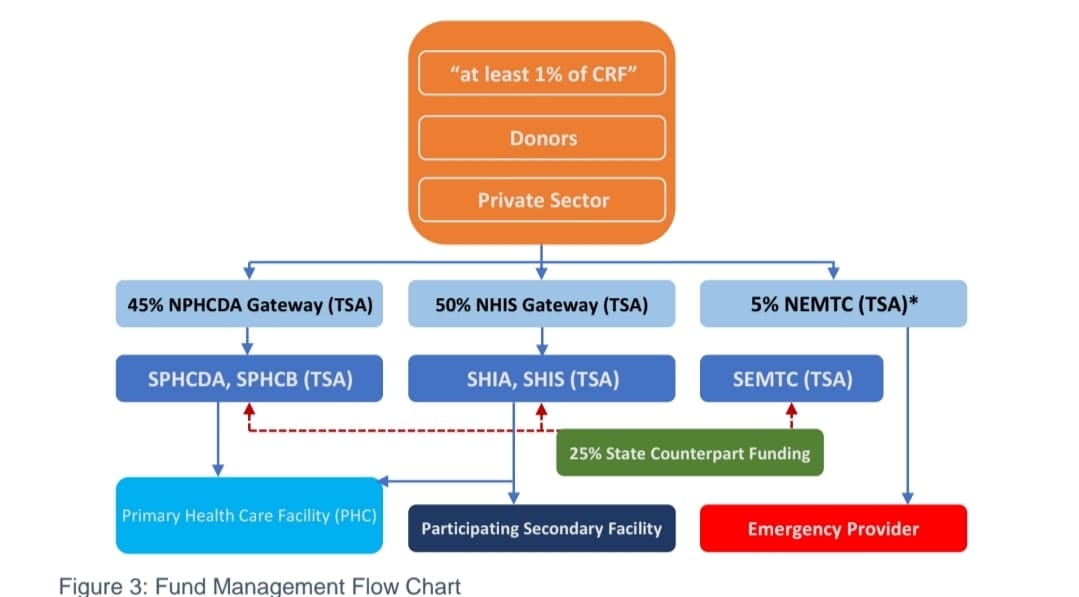
Funded by at least one per cent of the Consolidated Revenue Fund (CRF), the BHCPF serves as a sustainable financing mechanism that channels resources directly to frontline health facilities. The fund is disbursed through key agencies: the NPHCDA for essential drugs and facility upgrades, the National Health Insurance Authority (NHIA) for covering the basic minimum package of services, and the Federal Ministry of Health (FMoH) for emergency medical treatment.

Through the fund, thousands of PHCs now receive direct financial support to maintain operations, procure medicines, and deliver maternal and child health services. Ward Development Committees (WDCs) also play a role in monitoring the expenditure of funds at the community level.

According to the latest NPHCDA Gateway Updates presented by the Executive Director of the agency, Dr Muyiwa Aina, N52 billion has been disbursed to PHCs by the agency between 2023 and October 2025. It was also revealed that N14 billion was disbursed to facilities between the first and second quarters of 2025.

Ogun State received N458 million in 2023, N580 million in 2024 and 377 million between the first and second quarters of 2025. These funds are distributed between the 227 BHPCF facilities in the state.

Source: NPCHDA

Despite this funding, some PHCs in Ogun State that are beneficiaries of the funds still face similar challenges to those that are not recipients of the scheme. The NPCHDA executive director further noted that 18 per cent of the planned Community-Based Health Worker (CBHW) recruitment has been completed, adding that 1,878 CBHWs have been hired in Kaduna, Yobe, Borno, and Ebonyi states.

Update deliverable milestones

When The Guardian visited BHCPF-funded PHCs across Oja Odan in Yewa North, Ipokia and Ado-Odo local councils in Ogun West Senatorial District, and Odogbolu and Ijebu-East local councils in Ogun East Senatorial District, it was discovered that many of them lacked the minimum requirement for health staff, while others did not have functional boreholes and vehicles for emergencies, making them no different from PHCs not funded by BHCPF.

Similar unpalatable tales elsewhere

AT the Alaga Primary Health Centre in Ipokia Local Council, where four female staff members of the facility sat outside the fenced building, the Officer-in-Charge, Silifat Ogunjobi, revealed that the PHC has a functioning borehole that is solar-powered.
Alaga PHC

When The Guardian inquired about staff strength, Ogunjobi simply stated that the PHC had sufficient personnel. The “enough hands,” Ogunjobi talked about, turned out to be one nurse, one midwife and a pharmacy technician, falling short of the required 24 staff stipulated by the NPCHDA guidelines.

Alaga PHC staff composition

The Oja Odan Rural Health Centre was undergoing renovations when The Guardian visited a few weeks back. A health worker, who requested anonymity, revealed that the renovation has been ongoing for over three months.

While a group of women sat outside undergoing registration, artisans were at work inside the facility. Buckets of paint, different sizes of wood and a saw littered the ground. The interior reeked of paint and toxic chemicals, yet the Oja Odan health worker assured that the PHC was still receiving and attending to patients.

When probed further about the staff strength and the availability of basic amenities at the PHC, the health worker wore a proud smile and said confidently, “We have everything. Drugs, beds, solar power and water. We have enough staff. There is no problem here.

To her, the facility had more than enough health workers to serve the thousands of residents who rely on it. But checks with the NPHCDA tell a different story – the centre falls short of the minimum staffing requirements expected of a standard primary health care facility.

The Okun Owa Health Centre in Odogbolu Local Council, Ogun East Senatorial District, has only one CHO, three CHEWs, one pharmacy technician, one medical records officer, one health attendant, and two environmental officers. The PHC also lacks an ambulance for emergencies.

Okunowa-phc-staff-composition
PHC in Odogbolu Local Council

At Aiyepe, another PHC in Odogbolu Local Council, Deborah Onasegun, a staff member, told our correspondent that the PHC has one nurse, one pharmacy technician, one junior CHEW, one health attendant and one security personnel.

Aiyepe PHC staff composition

At Atan MPHC, a staff member told our correspondent that the facility staff comprises three CHEWs, one pharmacy technician, one laboratory technician, one health assistant, three health attendants, and a medical records officer.  She also mentioned that the PHC lacked solar power but has an operational ambulance.

Atan PHC ambulance

PHCs operating without nurses/midwives, ambulance

OUT of the six BHCPF-funded PHCs that The Guardian visited across the Ogun East and Ogun West Senatorial Districts, only three – Oja Odan, Alaga, and Atan have serviceable ambulances for emergencies, while the facilities at Ogbere, Aiyepe, and Okun Owa lack functional ambulances.

Ambulances are a key component of prehospital emergency care, as highlighted in the WHO prehospital toolkit.

According to the WHO, they are essential in saving lives and preventing medical complications.

“Timely care and rapid transport save lives, reduce disability and improve long-term outcomes. Prehospital emergency care is a vital component of the healthcare system. Strengthening prehospital care can help address a wide range of conditions across the life course, including injury, complications of pregnancy, exacerbations of non-communicable diseases, acute infections and sepsis.”

The WHO also notes that despite their importance, prehospital systems such as ambulance services are often underdeveloped, a situation this investigation confirms. The organisation warns that weak or poorly coordinated emergency systems can lead to negative health outcomes.

“Many health systems lack an enabling regulatory framework, coordination mechanisms, trained personnel, and adequate equipment and infrastructure, leading to delayed or inadequate emergency care and poor outcomes.”

The NPCHDA also stipulates ambulance vehicles as part of the minimum requirements for PHCs in Nigeria.  All the PHCs visited were operating with fewer nurses/midwives than the minimum required for PHCs recommended by the NPCHDA.

According to the body, PHCs should have a minimum of four nurses/midwives. The Guardian’s investigation, however, revealed otherwise. At Ogbere, Abiodun stated that the PHC has two nurses but no midwife. Alaga PHC has one nurse and no midwife. Aiyepe has one nurse, while Atan has two nurses, but one of them doubles as a midwife. Okun Owa PHC, however, does not have either a nurse or a midwife.

Same reality in PHCs not funded by BHCPF

FINDINGS by The Guardian showed that there is not much difference between the PHCs that are beneficiaries of BHCPF and their counterparts that are not funded by BHCPF in Ogun State, in terms of meeting the minimum staff requirement. Our correspondent visited two PHCs in the Ogun West and Ogun East Senatorial Districts, which are not beneficiaries of the BHCPF.

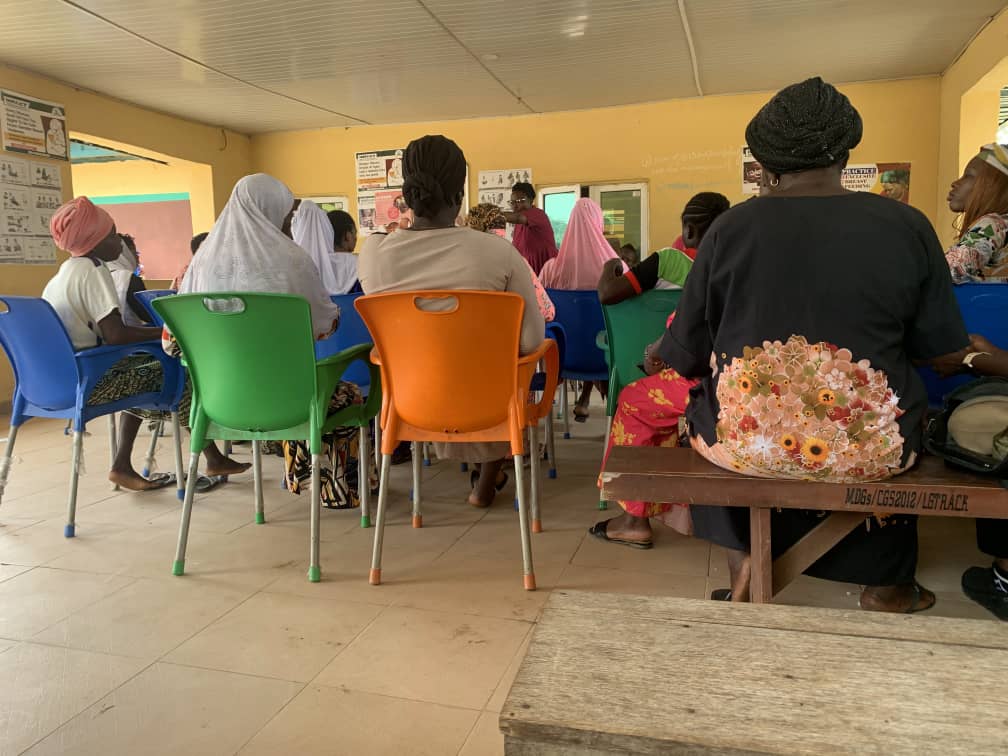
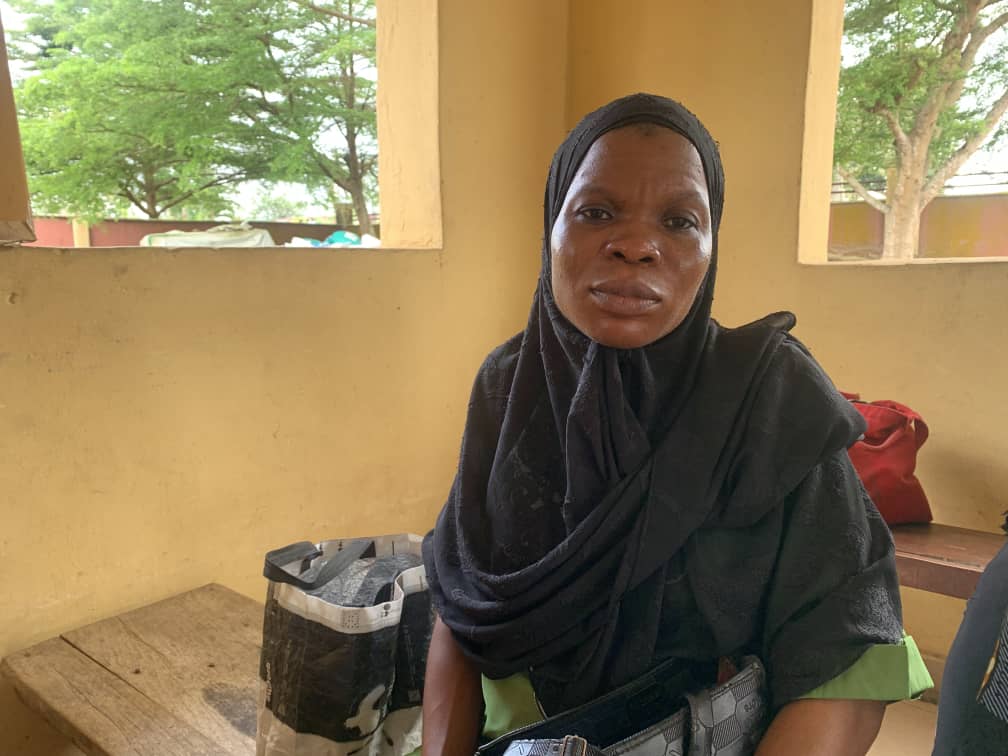
At the PHC in Agbon Ojodu, a community in the Yewa North Local Council, three people, consisting of a dark-skinned woman, a light-skinned woman with tribal marks on both cheeks, and a man who appeared to be in his 40s, sat on a wooden bench inside the facility. The Officer-in-Charge was unavailable.

A conversation with them revealed that the PHC had been renovated earlier in the year. In previous years, the newly renovated PHC was in ruins. An investigation published by FIJ in 2024 revealed that the PHC had a damaged ceiling that leaked whenever it rained, allowing bats to fly inside in broad daylight unperturbed.

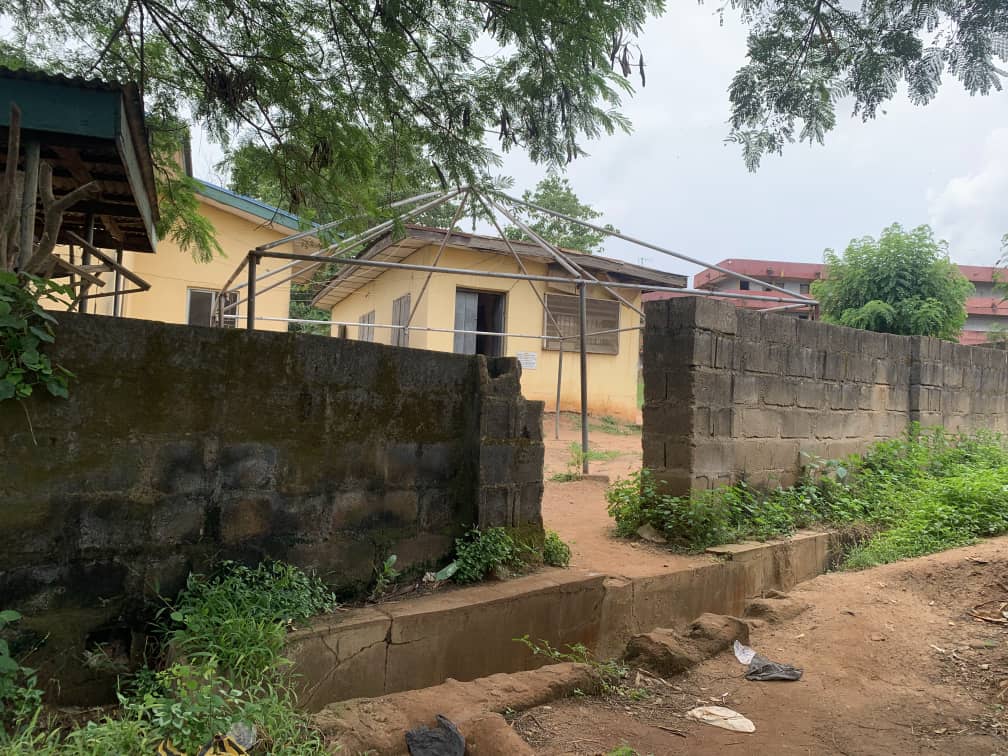
The PHC, which is the only operational one serving three communities, underwent a renovation exercise at the behest of Senator Solomon Olamilekan Adeola, representing Ogun West. For a recently renovated PHC, the condition of the facility suggests that the renovation was incomplete or not properly done. The Guardian was informed that the PHC lacks medicines and water, and has no restroom, forcing patients to use an abandoned building within the premises to ease themselves.

Ikosa Community Health Centre in Odogbolu, another one not funded by BHCPF, was also in a similar condition when The Guardian visited. A health assistant at the facility, who introduced herself as Mrs Sobamowo, stated that the PHC has no nurses, no midwives, and only relies on two CHEWs. She added that they have no running water, solar electricity, a toilet and their roof leaks whenever it rains.

Shortage of health workers spikes burnout, hobbles knowledge transfer

FROM doctors to nurses and other healthcare workers, the country’s population of medical professionals is experiencing a significant decline, largely due to brain drain. Nigeria has a density of only 1.83 skilled health workers per 1,000 people, which falls far short of the WHO’s recommendation of 4.45 per 1,000 people.

Health workers have protested unfavourable working conditions and meagre pay for years. Without the government’s positive response to their demands, many are fleeing in search of greener pastures, causing a shortage. As a result of this shortage, health workers are experiencing burnout, and patients are spending long hours waiting at medical centres.

Dr Joyce Foluke Olaniyi-George, a public health specialist with over two decades of experience in the field, stated that the shortage of health workers is not only causing burnout among health workers and long waiting hours for patients, but is also adversely affecting the transfer of knowledge.

She explained that it is essential to have a sufficient number of senior professionals in PHCs, who can pass on the knowledge that they have acquired over the years to junior staff.

“You can imagine a PHC with maybe one senior person and a fresh graduate. Nothing is going to get done there because the person is about to retire and is tidying things up to get out. We will find out that there will be a lot of frustration on the part of the staff, which could be transferred to the patients, and poor treatment meted out to patients when they come in, as a result of the poor motivation.“

“This creates a vicious cycle that would give rise to poorly trained health workers, nurses, or community health extension workers who would also be poorly motivated. Ultimately, the system suffers as a result. If they have the opportunity, they will likely consider exiting the system. Whereas you would have loved them to remain, especially in those hard-to-reach communities and areas that they actually come from.

“So, you have a situation whereby a village, town or community is producing community health extension workers or nurses who would not stay in that community. And the question now is, ‘Who else will come to take care of that community?’

Where health becomes inaccessible

Some months back, 46-year-old Funmilayo Obasa was hitching a ride home alongside two other passengers on a commercial motorcycle when suddenly the bike lurched, tipped and finally crashed, leaving Obasa with a sprained right elbow, a fractured right shoulder, and a cut on a toe. The pain from these injuries was not her only battle.

She was rushed to the Ijebu Ode General Hospital for treatment. Upon arriving at the hospital, Obasa discovered that the pain was only one layer of the ordeal she had to face. As a hearing-impaired woman, she searched the room for someone who could understand her expressions, the pains she felt in her hands, but she found none. No sign language interpreter was available.

The attending health worker could not understand Obasa’s gestures and was unable to hear what was being said. The scene was painfully familiar. In public offices, in banking halls, even during past hospital visits, Obasa had been forced to bridge communication gaps on her own.

Amid a medical emergency, she was forced to fall back on the tools she had learned to depend on – reading lips and scribbling words on paper. It was a routine she knew too well.

When asked if she received adequate care on that day, Obasa responded: “I was fairly attended to.” According to her, it was better than other past experiences when she had to escalate her tone to get proper care.

“I have noticed that when I am calm and polite, my concerns seem to get overlooked, but when I get frustrated and speak up, things start to happen. It is concerning that I have to escalate my tone to get proper care,” Obasa told The Guardian via text message.

PWDs’ perennial burden of absence of inclusivity

OBASA is not alone; many Persons With Disabilities (PWDs) in Nigeria still struggle to access basic amenities such as education, banking services, and healthcare, and face steep barriers when trying to join the labour force. For years, they have spoken out against discrimination and appealed for public spaces that reflect their needs.

In response to these long-standing concerns, the Federal Government mandated the use of ramps and other accessibility features in 2018, when the Discrimination Against Persons with Disabilities (Prohibition) Act was signed into law on January 23, 2019.

The law requires all public buildings to be accessible to everyone, with a compliance window of five years.
Many states have adopted the provisions of the PWD Act by implementing it within their jurisdictions and replicating its key provisions. The PWD Act for states like Lagos and Sokoto, for instance, stipulates that arrangements should be made for individuals who cannot communicate normally, including those with speaking and hearing impairments.

In Ogun, however, the state’s disability law, which was signed into law by a former Governor of the state, Ibikunle Amosun, in 2017, has yet to be implemented.

Although some public institutions have since installed ramps, many others remain inaccessible. And for a community with diverse needs, structural adjustments often stop at the most visible solutions. Most public buildings and organisations cater only to people with physical disabilities who use wheelchairs, while excluding those with sensory disabilities – such as people with visual, speech, or hearing impairments, like Obasa – who require entirely different forms of accessibility assistance.

PHCs operate with ramps, but no sign-language interpreter

THE General Hospital, which Obasa visited, is not the only healthcare facility without sign language interpreters. Primary Health Centres (PHCs) are often the first point of contact for many Nigerians seeking accessible and affordable healthcare services in communities, particularly in rural and underserved areas, and they also lack sign language interpreters.

Our correspondent noticed that the PHCs in Ogbere, Alaga, Atan, and Oja Odan have ramps for people with physical disabilities. The lead for the Ogun State Joint National Association of Persons with Disabilities (Deaf Cluster), Femi Adeosun, however, noted that the availability of ramps does not stipulate full access.

Odogbolu PHC Ramp

“Ramps are like motorways; they do not stipulate full access. After the wheelchair-bound patient enters the building, what transpires thereafter will determine the accessibility,” said Adeosun.

From conversations with healthcare workers during The Guardian’s visits to six PHCs, which are beneficiaries of the BHCPF, across Ogun East and Ogun West Senatorial Districts, namely Ogbere, Oja Odan, Alaga, Atan, Aiyepe, and Okun-owa PHCs, it was learnt that they all lack sign-language interpreters or braille for visually impaired people.

The PHCs in Aiyepe and OkunOwa are, however, inaccessible to people with all forms of disabilities. It has no ramp and no sign language interpreter.

No ramp in Okunowa PHC

The BHCPF strives to ensure that every Nigerian, especially the poor and vulnerable, can access basic health services without facing financial hardship. But even PHCs that are beneficiaries of BHCPF shut people with disabilities out of accessing healthcare.

Individuals with sensory disabilities are a minority within the already marginalised PWD population. Without sign-language interpreters in PHCs and most medical facilities, their needs are often overlooked. This leaves patients like Obasa doubly marginalised – part of a minority group, yet pushed further to the edges as a sub-category whose access to care is routinely ignored.

“The deaf are the most marginalised because everything begins with communication, and here we are with no sign language interpreters in hospitals and PHCs. The absence of sign language interpreters means no inclusion of the deaf. So, they are seen as a minority due to the communication barrier.

Vincent Akintola, a resident of Ogun State with hearing impairment, told The Guardian that the lack of sign language interpreters in medical facilities such as PHCs is not the challenge people with hearing impairments face when they go to access care. He told The Guardian that health workers often treat them condescendingly.

“Discrimination is still standing to manipulate our rights to benefit from PHCs. If deaf people go there, once people like nurses know that we are deaf, they see us as animals and would tell us to sit and wait until they finish attending to people who can hear before attending to us. Sometimes, they may charge us exorbitant amounts of money.

Due to the non-availability of sign language interpreters in PHCs and other healthcare facilities, people with hearing impairments often have to bring their children, relatives, or friends to these facilities to bridge the communication gap between themselves and healthcare workers. In facilities where interpreters are unavailable, they must act as their own sign language interpreters.  Akintola told The Guardian that, however, children of parents who are hearing impaired are also discriminated against in such spaces.

“Our children are also facing embarrassment in PHCs. We only keep our calm whenever insults are hurled at us and harassment challenges our rights,” said Akintola.

In September, Akintola, a school teacher, visited the PHC at OPIC Okelowo to receive free eyeglasses distributed by the National Orientation Agency. The teacher went in the company of three other PWDs, one of whom was physically challenged.

At the PHC, there was no sign language interpreter; the physically challenged individual served as his own sign language interpreter to facilitate seamless communication between him and the attending staff. He added that if the physically challenged acquaintance was not available, he would have resorted to communicating with the attending staff in writing.

According to the hearing impaired cluster of the JONAPWD in Ogun State, people with hearing impairment in the state are subjected to such a condition because of the absence of a working law to promote the rights of PWDs.

“Accessibility of PWD in healthcare is not well understood in our society, particularly in Ogun State, because there has been no awareness, as there is no working law. We are still pushing for the implementation of the disability bill.”

Non-availability of sign language interpreters in PHCs pushes PWDs to self-medication. AS healthcare remains inaccessible for people with hearing impairment in PHCs, they are forced to embrace self-medication as an alternative.

According to the WHO, self-medication involves the use of medicinal products by consumers to treat self-diagnosed disorders or symptoms, or the intermittent or continued use of medication prescribed by a physician for chronic or recurrent diseases or symptoms.

People self-medicate for several reasons, such as lack of access to healthcare or unaffordability of quality healthcare. In some areas, medical services are limited, expensive, or inaccessible due to distance. People self-medicate because seeing a doctor is inconvenient or unaffordable. Self-medication is often seen as a cheaper alternative for many. People may avoid costs such as doctor’s consultations, diagnostic tests, or transportation to a health centre.

A PWD advocate, Yinka Olaito, attributed the prevalence of self-medication among people with hearing impairment to the absence of medical professionals with knowledge of sign language in PHCs and hospitals.

“It is very clear that the government is not taking significant steps in ensuring access to health is a reality. To date, our medical officers still have language limitations in their bids to communicate with people who are hard of hearing and those with just a minor hearing impairment,” said Olaito.

“All these are discouraging reasons why many do not bother to attend regular health institutions. This must stop if we truly believe every life counts.”

‘You have to prove there is a need for interpreters’  

WHEN The Guardian informed Ogun State’s Commissioner for Health, Dr Oluwatomi Coker, that the PHCs visited lacked sign language interpreters for people with hearing impairment, she said The Guardian must prove that there is a need for sign language interpreters in those PHCs.
“You have to define a need. If I were you, the first thing I would find out is the number of people who visited that PHC with hearing impairment. So, you have to prove that there is a need for it. That is journalism. It is like me coming to your house to say, ‘Why can’t you eat this in your house? You don’t have caviar in your house?’ The commissioner asked.

Coker added that providing sign language interpreters in every PHC may not be feasible because some PHCs record a low number of turnouts, adding that she conducts inspections across communities and has never met a person with hearing impairment in the PHCs that she has inspected.

“I have never met a deaf person or a blind person in any of those PHCs. At least we know of people who are in wheelchairs. People don’t use the facilities. So we are just paying salaries, and nobody is attending the PHCs. Tell the community residents to use the facilities. If they do so, we will put more services there. But if they don’t use it, what are we putting those services there for?”

According to her, a solution to making PHCs accessible for people with hearing impairments will be training staff members in sign language to enable them to become effective in communicating with individuals who are deaf or hard of hearing.

“If you want to advocate for PWDs, start with federal policies. Start with the MPCHDA that trains our staff. Maybe they should train the staff in sign language. We are going to look into training our staff in sign language, not that we are going to employ people that we are waiting for,” she added.

Obasa, who survived a road crash in 2024, said she is working to raise awareness about inclusion by training people without hearing impairments in sign language to bridge the communication gap between the two groups.

“This year, there were two deaths among the deaf people, due to ignorance and negligence, and partly because of the unavailability of sign language interpreters in healthcare facilities. I am working to raise awareness and lobby for inclusion by training hearing counterparts in sign language and partnering with medical groups to improve healthcare access for the deaf community,” said Obasa.

This report was made possible with support from the International Centre for Investigative Reporting (ICIR) under its Strengthening Public Accountability For Results and Knowledge (SPARK 2.2) project.

 

BUA CEO Rabiu pledges $1.5m, goal bonuses to Super Eagles after Algeria win

0

NIGERIAN billionaire and Executive Chairman of BUA group, Abdul Samad Rabiu, has announced a multi-million-dollar incentive package for the Super Eagles following their 2-0 victory over Algeria at the quarterfinal stage of the 2025 Africa Cup of Nations (AFCON) in Morocco.

In a statement on Saturday, January 10, 2026, Rabiu congratulated the players for what he described as a “brilliant victory” that lifted the spirit of the nation.

The BUA boss pledged $500,000 to the team if they win their semifinal match, with an additional $50,000 for every goal scored in that fixture.

He further promised that if Nigeria goes on to win the AFCON final, the players would receive $1 million, alongside a $100,000 bonus for each goal scored in the final.

“You have lifted the spirit of the nation, and we proudly cheer you on as you prepare for the semi-finals,” Rabiu said.

The pledge came on the back of Nigeria’s convincing performance against Algeria at the Marrakesh Stadium, where Victor Osimhen opened the scoring in the 47th minute with a towering header, before Akor Adams sealed the win in the 57th minute following a well-worked move involving Osimhen and Alex Iwobi.

Nigeria’s progress to the semifinals also followed an emphatic 4-0 win over Mozambique in the round of 16 and dominant group stage performances.

Lagos orders probe as Euracare reacts to Chimamanda Adichie’s allegations

0

THE Lagos State Government has ordered an immediate investigation into the death of Nkanu, the 21-month-old son of award-winning Nigerian author Chimamanda Ngozi Adichie, after allegations of medical negligence at Euracare Multispecialist Hospital, Lagos.

In a statement issued by the Ministry of Health late Saturday, January 10, the state government expressed condolences to Adichie and her family, describing the loss of a child as a profound tragedy.

The statement noted that Governor Babajide Sanwo-Olu has directed the Health Facility Monitoring and Accreditation Agency (HEFAMAA) to conduct a thorough, independent, and transparent investigation into the incident that occurred on January 6, 2026, at a private healthcare facility in the state.

The government said the agency has already visited the facility involved and begun examining the immediate and remote causes of the death.

The investigation, it said, will review compliance with clinical protocols, professional conduct, patient safety standards, and the roles and responsibilities of all parties involved.

It added that the agency would work in collaboration with the Medical and Dental Council of Nigeria (MDCN) and other relevant regulatory bodies, with findings to be made public at the conclusion of the probe.

The state’s action followed a statement by Adichie on January 10, in which she alleged that medical negligence at Euracare Hospital led to her son’s death.

Shedisclosed that Nkanu had initially been treated for what was thought to be a cold before developing a serious infection that required hospitalisation at Atlantis Hospital.

She also said the child was scheduled to travel to the United States on January 7 for further treatment, with a medical team at Johns Hopkins Hospital already waiting in Baltimore.

As part of preparations for the trip, Adichie said the Johns Hopkins team requested a lumbar puncture and an MRI. At the same time, doctors in Nigeria also decided to insert a central line to administer intravenous medication. Atlantis Hospital, she said, referred the family to Euracare Hospital to carry out the procedures.

Adichie explained that upon arrival at Euracare, she was informed that her son would need to be sedated to prevent movement during the MRI and central line insertion.

She said she was waiting outside the theatre when she saw medical personnel rushing in and later learned that Nkanu had been given an overdose of propofol by the anesthesiologist, causing him to become unresponsive.

According to her account, the child was resuscitated but subsequently placed on a ventilator, intubated, and moved to the intensive care unit, where he developed seizures and suffered cardiac arrest before he died.

EURACARE reacts

Meanwhile, in its reaction, Euracare Hospital expressed sympathy to the family but said some reports circulating about the incident contained inaccuracies.

In a statement signed by its management, the hospital stressed that the patient was critically ill before being referred to its facility.

The hospital said the child had received treatment at two paediatric centres before being referred to Euracare for specific diagnostic procedures.

It added that upon arrival, its medical team provided care in line with established clinical protocols and internationally accepted standards, including the administration of sedation where clinically indicated.

Euracare said it worked collaboratively with external medical teams recommended by the family and provided all necessary clinical support, but the patient died less than 24 hours after presenting at the facility.

The hospital disclosed that it has commenced an internal investigation in line with its clinical governance standards and pledged to cooperate fully with all regulatory and investigative processes, while also offering continued support to the grieving family.

The ICIR reports that the case has generated widespread public attention and concerns over patient safety and medical accountability in Nigeria’s private healthcare sector.

Chimamanda Ngozi Adichie alleges medical negligence in son’s death

0

AWARD-WINNING Nigerian author Chimamanda Ngozi Adichie has alleged that medical negligence at Euracare Hospital, Lagos, led to the death of her 21-month-old son, Nkanu, on January 6. 

The renowned author, in a statement, said her son, who had initially been treated for what was thought to be a cold, developed a serious infection that required hospitalisation at Atlantis Hospital.

Nkanu was scheduled to travel to the United States the following day for further treatment, with a team from Johns Hopkins waiting in Baltimore, but was referred to Euracare for a lumbar puncture, an MRI, and the insertion of a central line, procedures meant to prepare him for travel.

“He was to travel to the US the next day, January 7th, accompanied by Travelling Doctors. A team at Johns Hopkins was waiting to receive him in Baltimore. The Hopkins team had asked for a lumbar puncture test and an MRI. The Nigerian team had also decided to put in a ‘central line’ (used to administer iv medications)  in preparation for Nkanu’s flight. Atlantis hospital referred us to Euracare Hospital, which was said to be the best place to have the procedures done,” the statement read in part.

Upon reaching the hospital, the writer said they were told her son would need to be sedated to prevent him from moving during the MRI and the ‘central line’ procedure.

“I was waiting just outside the theatre. I saw people, including Dr M, rushing into the theatre and immediately knew something had happened.

“A short time later, Dr M came out and told me Nkanu had been given too much propofol by the anesthesiologist, had become unresponsive and was quickly resuscitated. But suddenly, Nkanu was on a ventilator; he was intubated and placed in the ICU. The next thing I heard was that he had seizures. Cardiac arrest. All these had never happened before. Some hours later, Nkanu was gone

“It turns out that Nkanu was NEVER monitored after being given too much propofol. The anesthesiologist had just casually carried Nkanu on his shoulder to the theatre, so nobody knew when exactly Nkanu became unresponsive,” she wrote.

She described the events in the hospital as “criminally negligent,” alleging that the anesthesiologist administered an overdose of propofol without proper monitoring.

Adichie further alleged that the anesthesiologist neglected basic safety protocols, including turning off Nkanu’s oxygen after a procedure and carrying him to the ICU without proper monitoring.

“The anesthesiologist was CRIMINALLY negligent. He was fatally casual and careless with the precious life of a child. No proper protocol was followed.

“We brought in a child who was unwell but stable and scheduled to travel the next day. We came to conduct basic procedures. And suddenly, our beautiful little boy was gone forever. It is like living your worst nightmare. I will never survive the loss of my child, she added.

She claimed the doctor had previous incidents of overdosing children and questioned why the hospital allowed him to continue practising.

The author called for accountability, emphasising that no other child should face a similar fate.

Official messages sent to Euracare Hospital requesting comment on the allegations had not been responded to as of press time.

Nigeria beats Algeria 2-0 to reach AFCON semifinals

0

NIGERIA continued their dominant run at the 2025 Africa Cup of Nations (AFCON), defeating Algeria 2-0 in a quarterfinal clash at the Marrakesh Stadium on Friday, January 10, to advance to the semifinals against hosts Morocco.

The Super Eagles, who had crushed Mozambique 4-0 in the round of 16, maintained their momentum after their dominant display.

Victor Osimhen opened the scoring in the 47th minute with a spectacular jumping header reminiscent of Cristiano Ronaldo, following a precise cross from Bruno.

Ten minutes later, Akor Adams doubled Nigeria’s lead after Osimhen set him up with a perfectly timed pass, aided by Alex Iwobi’s penetrating pass.

Nigeria dominated possession and counterattacks throughout the match, keeping Algeria at bay and showing the attacking prowess that has marked their tournament so far.

The win sets up a semifinal showdown with Morocco.

Earlier in the round 16, Nigeria had showcased a clinical performance against Mozambique, winning 4-0 at the Stade de Fès.

Ade and and Osimhen both on the scoreline, with Alex Iwobi and Lookman providing crucial assists.

The match further highlighted Nigeria’s growing confidence and tactical cohesion under coach Eric Chelle.

Algeria, despite being a heavyweight in African football, struggled to penetrate the Super Eagles’ organized defense, failing to generate clear-cut chances throughout the 90 minutes.

Report says US spent over $30million missiles on Sokoto terrorists bombing

0

THE United States spent more than $30 million on missiles used in its Christmas Day military strike on suspected terrorists in Nigeria, according to an investigation by The Washington Post.

The investigation revealed that the US military fired 16 Tomahawk cruise missiles, each costing about $2 million, from a Navy ship in the Gulf of Guinea during the operation ordered by President Donald Trump.

The Tomahawk cruise missile is a precision-guided weapon launched from ships and submarines, capable of hitting targets up to 1,000 miles away, including in heavily defended airspace.

The report added that “Each Tomahawk missile is around 3,000 pounds, with warheads inside weighing around 1,000 pounds, according to the Pentagon. They come equipped with onboard cameras that send images of the target to military operators, giving them visibility during flight.

“An individual Tomahawk costs around $2 million, according to estimates from the Defence Department, which means the strike on Nigeria used more than $30 million in weaponry.”

The strike was carried out in parts of northwestern Nigeria, with the US government claiming it targeted Islamic State-linked militants.

However, the Washington Post found that at least four of the 16 missiles failed to explode, raising questions about the effectiveness and cost-efficiency of the operation.

The unexploded warheads were reportedly recovered in communities across Offa and Oro in Kwara, Zugurma in Niger and Jabo in Sokoto states.

The US and Nigerian officials confirmed that the missiles were part of the same operation, suggesting a failure rate of about 25 per cent.

“The 16 missiles U.S. and Nigerian officials said were fired on Christmas night came from a Navy ship in the Gulf of Guinea. If four did not explode, as the evidence suggests, that would place the failure rate at 25 per cent — a surprisingly elevated figure for a missile that reported a 90 per cent success rate more than two decades ago, according to the U.S. Naval Institute,” part of the report read.

Analysts quoted by the newspaper said the failures could have resulted from mechanical faults, navigational errors or deliberate diversion by the war commanders after targets changed.

This was, however, in contrast with the federal government’s claims that debris from the operation was responsible for the incidents reported in Offa and parts of Sokoto.

“During the course of the operation, debris from expended munitions fell in Jabo, Tambuwal Local Government Area of Sokoto State, and in Offa, Kwara State, near the premises of a hotel. No civilian casualties were recorded in either location, and relevant authorities promptly secured the affected areas,” a statement by the Minister of Information and National Orientation, Mohammed Idris, said.

The investigation further noted that while the US government claimed the strikes killed “multiple ISIS terrorists,” both Nigerian and Western analysts questioned whether the operation hit high-value targets.

Analysts who also spoke with the newspaper suggested the missiles may have targeted members of Lakurawa, a relatively small militant group in northwest Nigeria whose links to the Islamic State remain disputed.

Residents in affected Nigerian communities told The Washington Post that the unexploded missiles caused damage to homes and farmland, leaving civilians fearful and demanding greater transparency from both the Nigerian and US governments over the strike and its consequences.

The ICIR reported that although no deaths were recorded in Offa, victims reported collapsed walls, blown-off roofs and destroyed shops, while security agencies cordoned off the affected areas.

Reacting to the latest confirmation, residents renewed calls for support and compensation for victims whose properties were destroyed during the incident.

Oyo PHCs where BHCPF is making difference in maternal healthcare

0

By Jemilat Nasiru

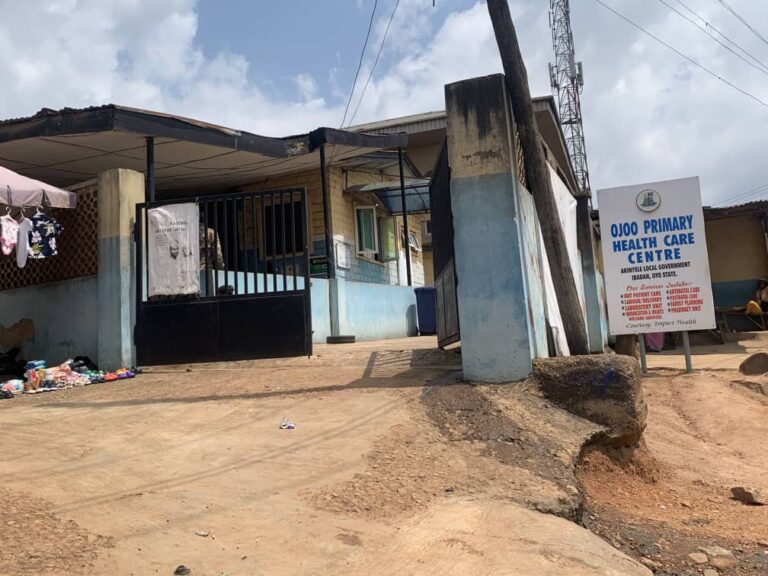
It was a little past midday at the Ojoo Primary Healthcare Centre (PHC) in Akinyele LGA in Oyo state. Periodically, the loud cry of a woman in labour rose above the hum of voices in the crowded waiting area, where patients sat patiently for their turns to be attended to.

Catherine Adebola, the officer-in-charge (OIC) of the facility, excused herself from the reporter. “We’re managing a woman in labour. She is having a challenge, and I need to step in,” she said.

About ten minutes later, the woman’s cry waned and was replaced by that of a baby. Adebola returned to her office after washing up. “We have a baby boy. Mother and child are doing fine,” she announced.

She said courtesy of the Basic Healthcare Provision Fund (BHCPF), the centre now has the essential equipment it needs to deliver services — especially antenatal and childbirth care for women.

She explained that when she was deployed to the PHC in 2023, the situation was quite different, adding that power supply was poor, and during night deliveries, they often had to depend on rechargeable lamps.

“It was terrible,” Adebola recalled.

However, funding from the Basic Health Care Provision Fund (BHCPF) has since altered that reality. The facility now has a 1kVA solar system that powers key areas, including the labour room, she enthused.

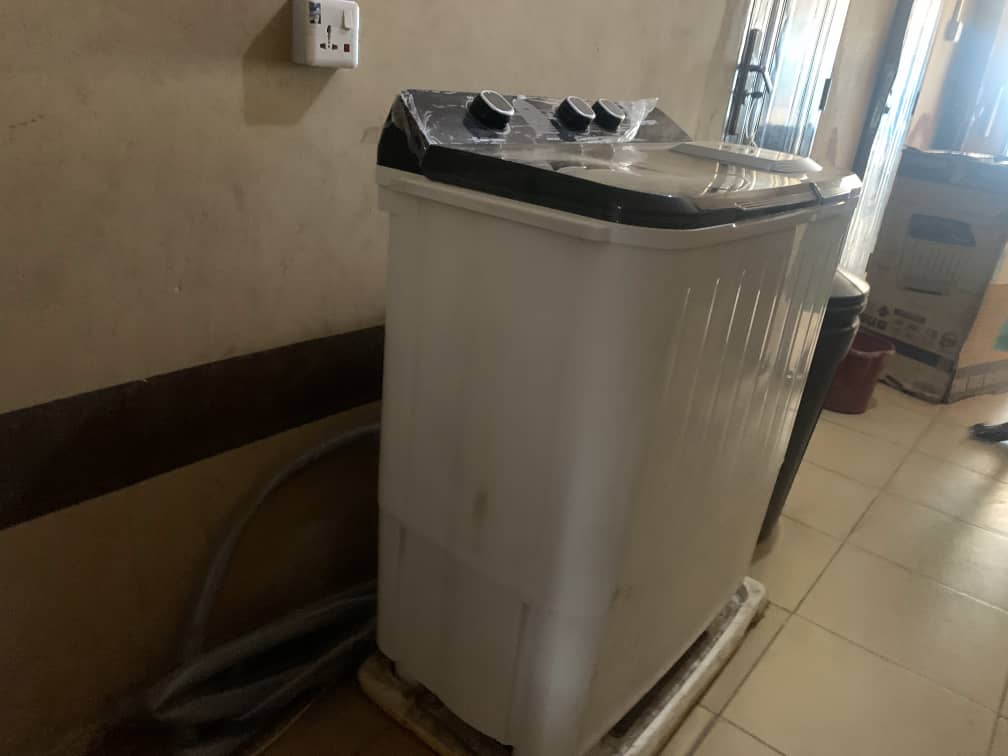
With an average of 3,000 patients monthly, Ojoo PHC receives ₦300,750 every quarter as Direct Facility Funding (DFF). From this, it has purchased a washing machine for infection control, new chairs, sphygmomanometers, a weighing scale, delivery instruments, laboratory reagents, and registration materials. The facility’s broken borehole, which had been abandoned for two years, was also repaired.

Adebola further said the fund is also expended on power costs, fuel, and other repairs. All these expenses are documented inside the business plan and approved by the state’s healthcare board, she noted.

The washing machine purchased by the PHC

“The fund has really helped us because in times past, you would not even want to come to this PHC, not because of the staff, but because of the tools to work with. We have now procured a weighing scale, delivery instruments, laboratory reagents and registration cards,” Adebola said.

“I met the borehole faulty when I was deployed here in 2023, but we fixed it in the third quarter of this year from our BHCPF allocation. Before fixing it, we used to buy water from water tanks.

“Now with the BHCPF, we can do some things on our own once we put it inside our business plan. We procure essential drugs like antimalarials and hematinics, and antibiotics and patients under the scheme get the drugs for free.”

As of September, the facility had 1,611 BHCPF enrollees, with 47 treated that month.


At Ayegun PHC, women come back because ‘things have changed’

Twenty-three kilometres away, the Ayegun PHC in Akinyele LGA — renovated under the IMPACT Project — tells a similar story of transformation.

For 21-year-old Sakinah Ariyayo, the change is personal. When she delivered her first child at the facility in April 2023, the labour room was lit with candles.

Sakinah had her child at 3.00 am.

“There were only two nurses on duty that night. Even though they had a small solar, it was dim, so we had to light up candles for the delivery,” she said.

“But now, there is light everywhere. I felt encouraged to return for my second pregnancy. I feel very happy. It is a good development. See, now everywhere is well ventilated, we have a lab, good restrooms and drugs.”

The facility now runs basic laboratory tests such as malaria, ANC tests, HIV, hepatitis, syphilis, and PCV. Staffing has also improved, with ten workers, including two CHEWs funded under the BHCPF and a newly recruited night guard.

Although still below the minimum required staffing standard of 24 health workers per PHC, the OIC, simply identified as Oluwagbemiga, said it has eased workload and reduced waiting time.

Ayegun PHC also receives ₦300,750 quarterly DFF, used for essential drugs, patient records, and utility costs. A solar power system has been installed — critical in a community where electricity barely lasts three hours daily.

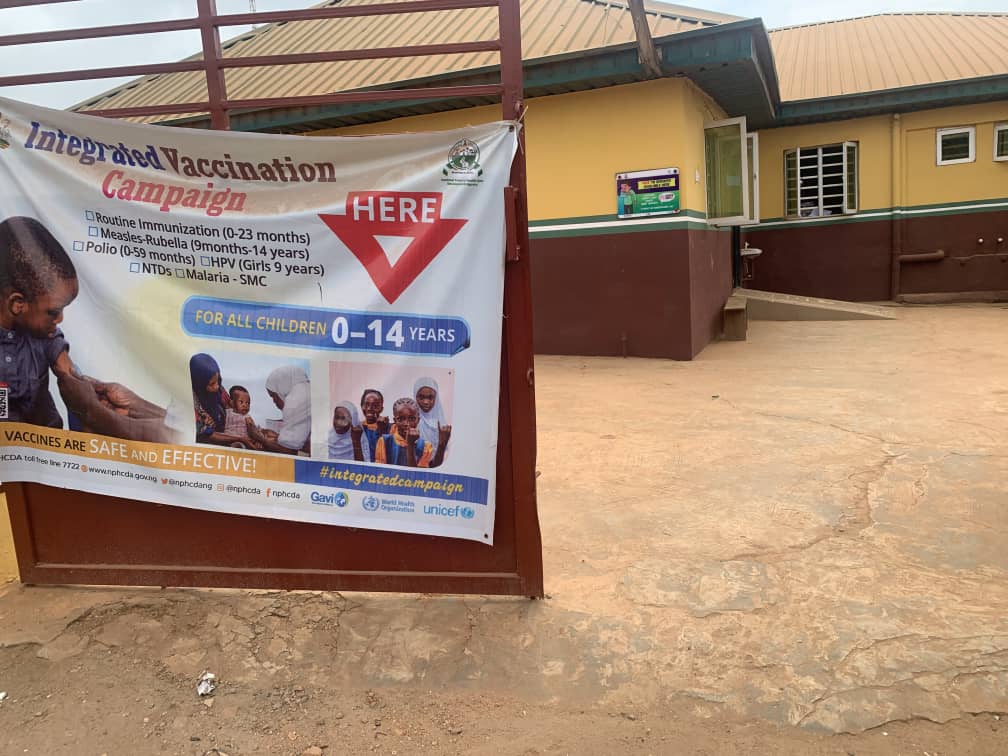
A banner indicating some services rendered at the PHC

What the BHCPF aims to achieve

The Basic Health Care Provision Fund (BHCPF), established in Section 11 of the National Health Act 2014 and rolled out in 2019, is Nigeria’s most ambitious primary healthcare reform in decades. Its goal is to finance basic healthcare for the most vulnerable and accelerate the journey towards universal health coverage (UHC).

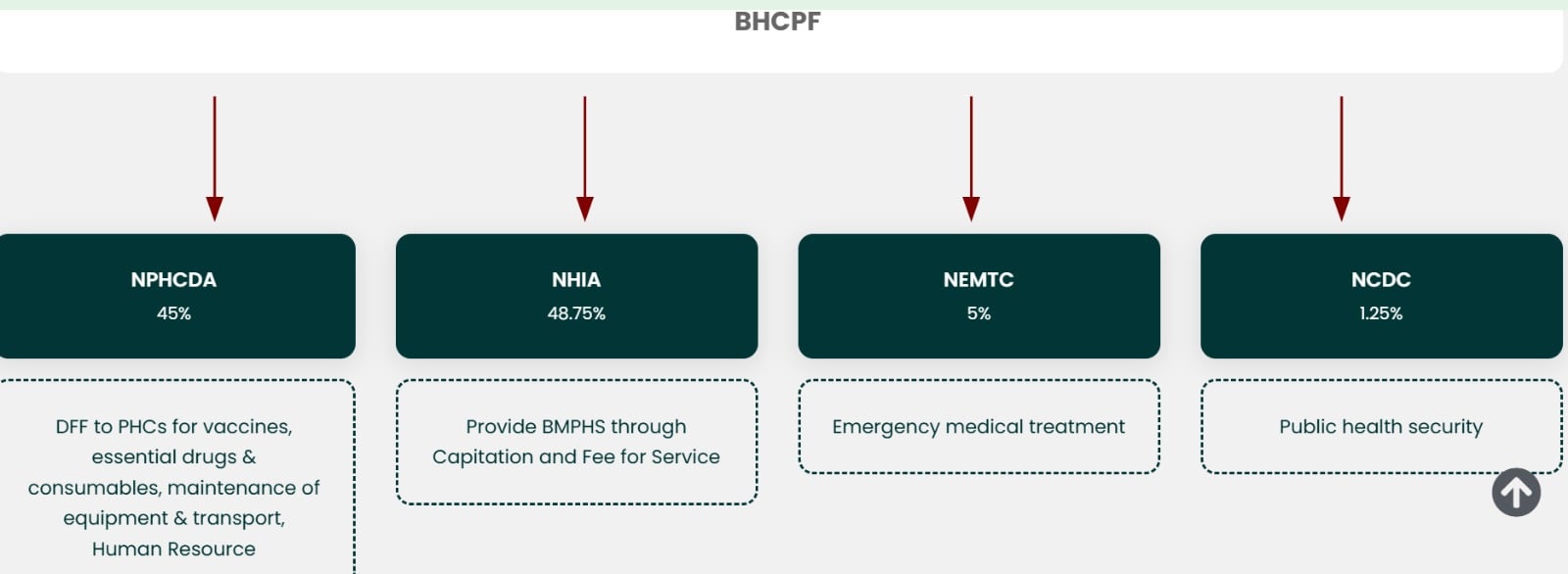
It is implemented through four gateways — NPHCDA, NHIA, NEMT, and NCDC — and is intended to strengthen PHCs, support emergency services, improve access to essential drugs, and expand health insurance coverage.

The BHCPF gateways

By 2027, the federal government aims for 17,600 fully functional PHCs, with at least one in every political ward, and one secondary health facility per LGA benefiting from the fund.

The BHCPF is managed by three key agencies at the national level: the National Primary Health Care Development Agency (NPHCDA), the Federal Ministry of Health, and the National Health Insurance Authority (NHIA).

Every year, the federal government is required to contribute at least 1 percent of its Consolidated Revenue Fund (CRF) to the BHCPF. In addition, individual state governments are required to provide 25 percent of the total funds expected from the BHCPF in counterpart funding as stipulated by section 11 subsections 5a and b of the NHAct 2014. Development partners and international donors also contribute to the fund.

Source: FMoH

Oyo PHCs once in crisis now shows signs of recovery 

According to the Oyo State Primary Healthcare Board (OYOPHCB), there are over 760 PHCs in the state, out of which 351, through the one facility per ward policy, receive funding from the BHCPF.

In March 2023, the Oyo state government announced that over 200 PHCs in the state will be renovated and upgraded by 2025. Seyi Makinde, the governor, promised that each of the 351 wards in the state would have at least one Grade 3 PHC.

The IMPACT Project was then launched, and at least, 264 PHCs have since been renovated/revitalised across the 33 LGAs in the state.

Subsequently, Makinde, on March 7, 2023,  presented a symbolic cheque of N4.5 million to Ward Development Committee (WDC) members for equipping 264 primary healthcare centres across the state.

Eight PHCs per LGA in all 33 LGAs were equipped with medical, laboratory and clinical equipment.

The funding for equipping the PHCs was from the Oyo state government, OYOPHCB, IMPACT Project, and BHCPF.

According to the state government, OYSHIA increased enrollees from 69,996 in September 2019 to 180,048 in September 2023 and 255,140 in May 2025.

Some of the revitalised and equipped PHCs were visited to ascertain their levels of functionality and service delivery.

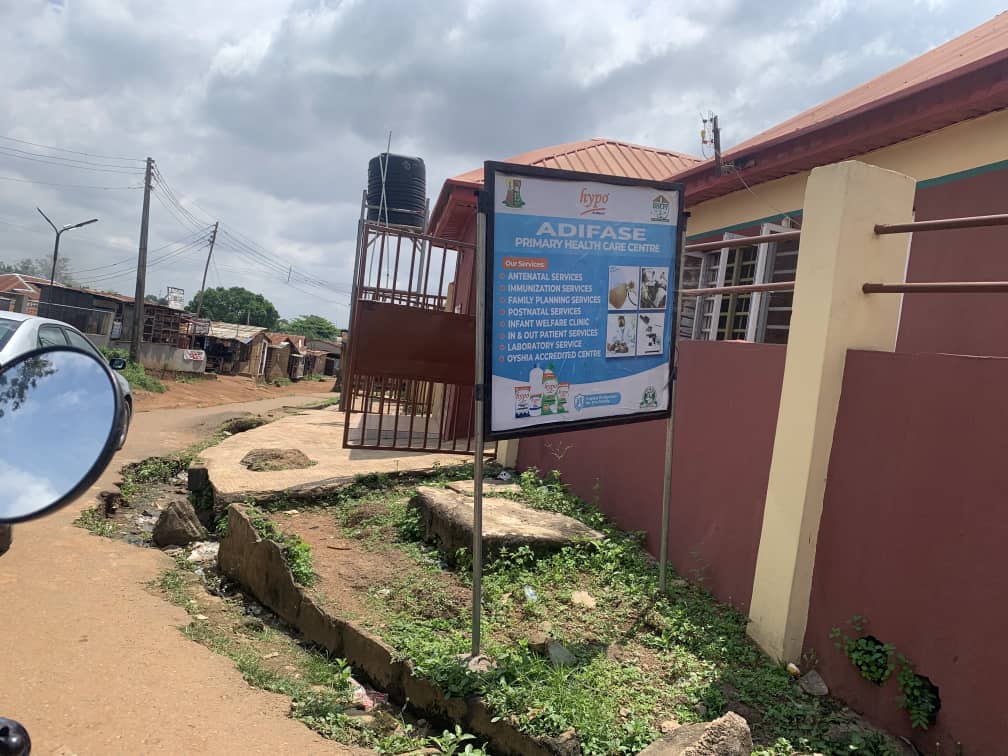
A 2024 report documented severe understaffing at Adifase PHC in Ibadan South-West LGA, where one heavily pregnant health worker managed the facility serving over 700 patients monthly.

Adifase PHC

During a follow-up visit on October 17, 2025, the situation had significantly improved. TheCable observed the facility had at least four nurses on duty.

The OIC, Adeyemo H.O., confirmed the positive turnaround since she was posted to the facility in December 2024.  She acknowledged that before the improved staffing levels, workers at the facility were severely overstretched, such that they ran a 12-hour shift instead of 8 hours.

“We used to run two shifts — 7 am to 7 pm — instead of the standard three. Staff would break down, but now that challenge is gone,” the OIC explained.

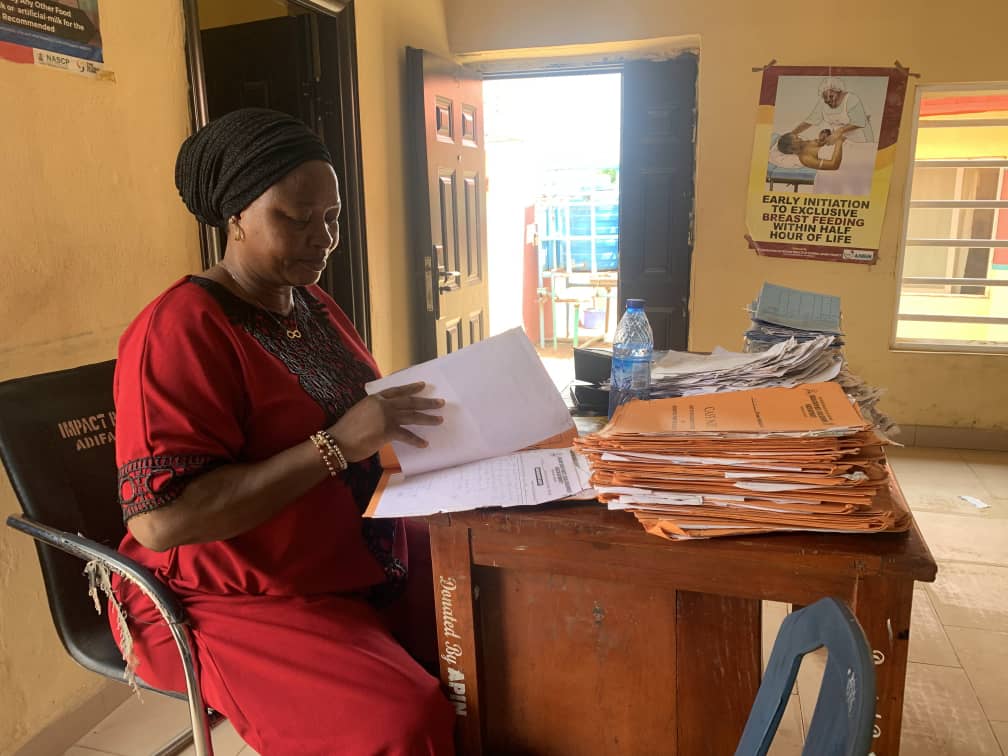
Adeyemo, OIC of Adifase PHC

“More hands were employed in May,” Adeyemo said, adding that “we now have enough CHEWs, nurses, and community health workers”.

Adeyemo declined to disclose the exact number of health workers at the facility, saying she is not permitted to disclose such details under civil service rules.

The facility also gets the same N300,750 in DFF and over N600,000 in capitation funds from the BHCPF.

“We can see the changes in service delivery, getting drugs for the patients. It has helped us to deliver quality healthcare services to our patients,” she said.

At the Ido PHC in Ido LGA, Oladosu Vincent, the technical coordinator, said the revitalised facility now attracts even “elite” residents because the improvements are visible.

He noted that the PHC is now better positioned to handle the growing number of patients, adding that the improved condition of the facility has restored public confidence.

Antenatal session at Ido PHC

“Even the elite now use this facility. If it wasn’t in good shape, they wouldn’t come; they would prefer to return to town. But what they’re looking for in town is already here,” Vincent said.

According to Vincent, funding through the BHCPF has further boosted both service delivery and staff welfare.

“The fund has increased both input and output. It has made our staff very comfortable. Before now, it was like working under duress. Before, you would find only three staff in a clinic like this. Now, we have enough personnel to run the facility round the clock,” he noted.

“Today is our immunisation day, and the nursing mothers who came for routine immunisation are not less than 200.”

Babatunde Sekinat, a 43-year-old mother of three, said that when she first gave birth seven years ago, the facility had no running water, only one building, and a few nurses.

“But now, everything has changed. Now, there are many nurses, and I enjoy the experience better; that is why I’m back, Sekinat said.

Sekinat

Community involvement through WDC

The Ward Development Committee (WDC) was holding a meeting at 11 am when TheCable arrived at Adaramagbo PHC in Oluyole LGA on November 3.

BHCPF-affiliated facilities are mandated to have functional WDCs and submit business and quality improvement plans.

Emiade Olabisi, the technical coordinator, took TheCable on a tour of the facility and introduced some members of the WDC who were seated in a meeting room.


“We’re having a meeting with the WDC to inform them of the activities at this health facility. You can see we are running an inclusive and transparent system,” Olabisi said.

Present at the meeting were the supervisory council for health, Oluyole LGA; education secretary for the LGA; Sanusi Adeola, Oyo state internal auditor for IMPACT; and the WDC chairman. Others were representatives from the youth, religious leaders and traders.

“The people you are seeing here are the community, where you have the religious and traditional leaders, youths, and market women. We are all stakeholders,” Adeola said.

“Impact Project came to reduce infant mortality and to extend the scope of health services, and we have done a lot. We have quarterly meetings to get feedback from the people – where are we, where are we going to, are we actually getting there?”

 Gaps, delays and the realities inside PHCs

Despite the renewed energy flowing into Oyo state’s primary healthcare system, not every facility reflects the basic standards set by the NPHCDA. Across several LGAs, Pockets of decline were noticed– healthcare centres where the promise of the BHCPF is slowed by low awareness, weak infrastructure, and delayed enrolment.

At Oke Bola PHC in October, Ogunsowo, a matron who doubles as the OIC, refused to speak on the state of activities at the facility, asking the reporter to get approval from the state government.

However, in the waiting area, TheCable observed an elderly man who had come to get his blood sugar level tested. One of the health workers told the patient that the glucometer was not functioning at the time.

“The last time it got spoilt, I was the one who fixed it,” she said, adding that the device frequently breaks down and needs to be replaced.

At Ayegun PHC, for instance, many beneficiaries still do not fully understand the scheme or the services they are entitled to. Some residents continue to patronise traditional birth attendants, unsure of what the BHCPF offers.

The facility’s OIC said that some enrollees have never returned to the PHC after registering, preferring to self-medicate rather than spend money on transportation.

“During the registration of new BHCPF enrollees, many thought it was a political initiative and expected money to be shared. People even travelled long distances to enrol,” she said.

Other centres face more structural challenges. At Akinyele PHC in Moniya, the facility began receiving BHCPF in the first quarter of 2025. However, the absence of registered beneficiaries means the money goes strictly into repairs and equipment — yet the surroundings remain harsh and unfriendly for patients. A bushy walkway and an exposed waiting area leave expectant mothers at the mercy of the weather.

A bushy path leading to the health facility

Amos Ademola, the WDC chairman for Moniya PHC, stated that the committee had engaged the OYOPHCB on the issues but received no response.

“We have been expecting them to do that. In fact, the MOH has an office here with us, but we don’t know what is happening. I have written to the executive secretary, and even the governor, but I have not seen anything for three months now,” Ademola said.

TheCable also discovered equipment shortages that undermine service delivery. At Adifase PHC, the labour couch is barely functional.

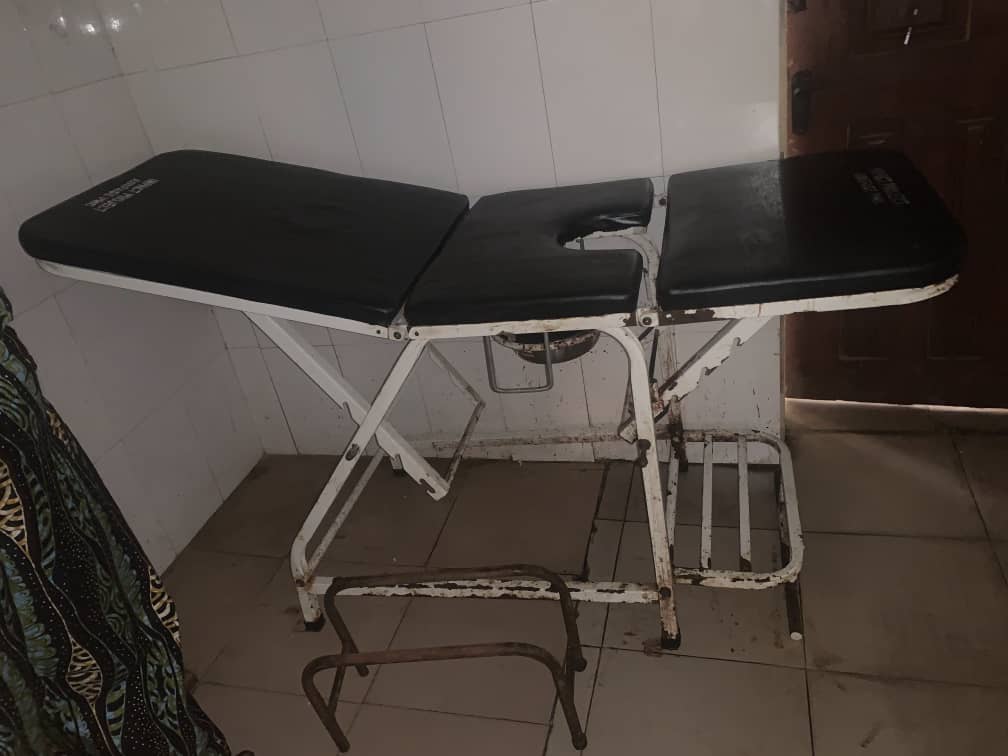
he faulty delivery bed at Adifase PHC

“We’re just managing it,” Adeyemo said, adding that a request to purchase a new one has been added to the facility’s business plan for the last quarter of the year.

She also said the facility needs cleaners and health attendants, and urgently needs additional delivery instruments to prevent cross-contamination between patients, especially those living with HIV or hepatitis B.

“For now, when they come in, we use our discretion and sometimes improvise with a blade to separate the placenta from the mother and child instead of scissors because we don’t want to spread the infection,” she explained.

With poor power supply and no solar alternative, laboratory services are often delayed, leaving staff to rely on inconsistent generator use.

Across several PHCs visited, the complaints were consistent: the absence of ultrasound machines, insufficient medical officers, and slow approval processes that delay essential purchases. The gaps reveal the unevenness of BHCPF implementation — a system that works impressively in some wards but struggles to take root in others.

Oyo State government responds

When TheCable presented its findings to the Oyo State Primary Healthcare Board (OYOPHCB), Biodun Akande, the director of special duties, who spoke on behalf of Muideen Olatunji, the executive secretary, said the state has made “significant improvements” since it began receiving BHCPF allocations in 2020.

According to Akande, Oyo state has received over N3 billion (₦3,072,422,452) from the federal government, while the state government has contributed ₦100 million in counterpart funding within the same period. He said the state is using the fund to close critical gaps — strengthening the drug revolving fund (DRF), improving 24/7 service delivery at primary healthcare centres (PHCs), and reducing out-of-pocket healthcare expenses for vulnerable residents.

“How do I know we’re moving forward? I compared the 2020 scorecard with what we have now,” he said.

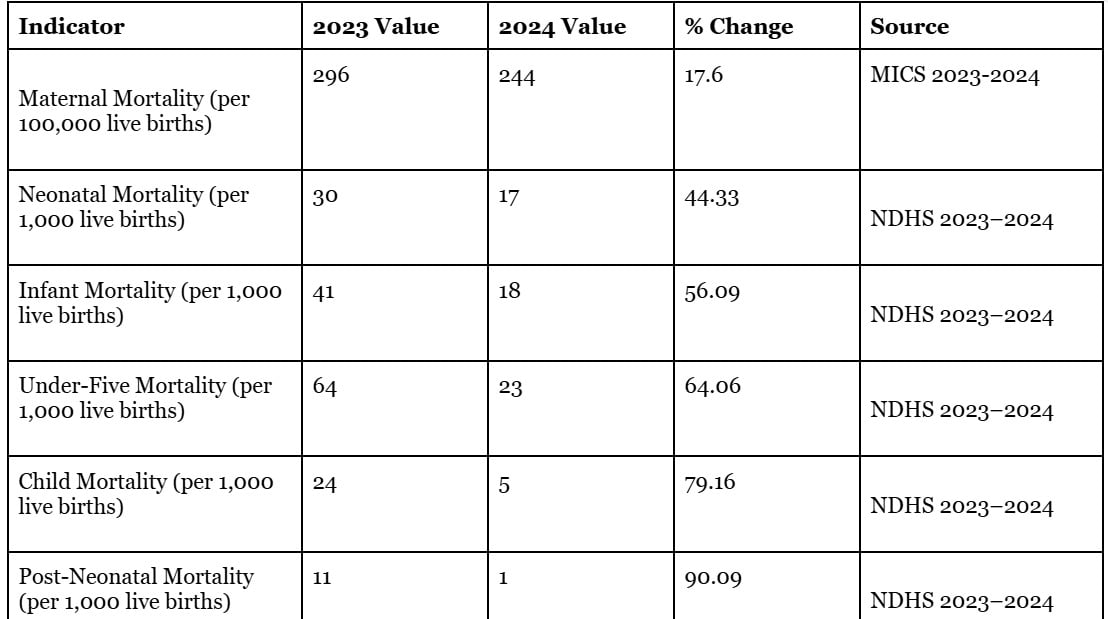
“Most of the health indices that were in red have shifted to yellow, and some to green. So, I can say categorically that we have recorded improvements.”

Akande explained that 109,156 people have so far been enrolled under the BHCPF in Oyo, almost double the original target of 60,000 set at the launch of BHCPF 1.0. With BHCPF 2.0 underway, the state plans to expand further, adding 137 more facilities over the next four to five years.

On accountability, he said the state monitors how PHCs use their facility financing through WDCs, regular integrated supportive supervision visits, and routine meetings with health workers. The state has also launched a whistleblower policy to strengthen transparency.

He described the flow of funds as tightly regulated: “If we don’t get approval from the federal government, we cannot disburse. Every year, we prepare a plan with the national authorities. When approval comes, funds go into a CBN domiciliary account, then into Oyo’s Treasury Single Account (TSA). We wait for approval to spend before disbursing to facilities. PHCs would have prepared their business plans and submitted them for approval as well.”

On the scarcity of scanning machines and the low number of doctors, Akande said the government is making gradual progress.

“We plan for each LGA to run scan services. We’ve started in three LGAs but haven’t completed the rollout. Some LGAs even have machines that are yet to be activated,” he said.

Asked whether the government is considering portable scanning machines to bridge the gap, Akande said the option “will be considered and test-run in some PHCs”.

As for medical personnel, he said the state has increased its doctor workforce, and that between 2024 and 2025, the state government recruited 3,980 health workers, with the process beginning in 2024.

“The first batch was recruited in March 2025, and the exercise was completed in June,” he said.

“We recruited 44 new doctors in addition to the 17 we had. So now, each LGA has about two doctors who rotate across facilities rather than being stationed in one centre.”

This report was made possible with support from the International Centre for Investigative Reporting (ICIR) under its Strengthening Public Accountability For Results and Knowledge (SPARK 2.2) project.
SSS detains officer for abduction, rape, forceful conversion of Muslim girl

0

THE State Security Service (SSS) has arrested one of its staff members, Ifeanyi Onyewuenyi, for allegedly abducting and defiling a 16-year-old girl Walida Abdulhadi, and forcing her to convert to Christianity in Abuja.

This was revealed in a statement issued on Friday, January 9, by the SSS Director of Public Relations and Strategic Communications, Favour Dozie, who confirmed the arrest of SSS officer named Ifeanyi Onyewuenyi in connection with Walida’s ordeal.

“The attention of the State Security Service has been drawn to reports alleging involvement of a staff member of DSS, one Ifeanyi Festus, in a case of abduction, defilement of a minor, and abuse of office, among other offences. For clarity, the Service has no record of the above-named in its employment,” he said.

According to Dozie, the officer is being investigated over the alleged forceful conversion and marriage of Walida, and the investigation is currently in progress.

“However, it is hereby confirmed that an active staff, Ifeanyi Onyewuenyi, who is suspected to have forcefully converted and married one Walida Abdulhadi ‘f’, has been arrested and is currently being investigated,” the statement said.

The SSS spokesperson disclosed that the alleged actions are contrary to the agency’s regulations and code of conduct, and confirmed that the investigation’s findings would be disclosed publicly.

According to media reports, the development followed a petition dated January 4, written by an Abuja-based law firm, Gamji Lawchain and addressed to the SSS Director-General on behalf of the girl’s father, Alhaji Abdulhadi Ibrahim, and his family. The law firm, in the petition, accused the SSS officer of abducting the teenager from the Hadejia area of Jigawa State when she was allegedly just 16 years old.

“The anxiety, fear, and emotional devastation of losing their underage daughter slowly destroyed the mother, who eventually died as a direct consequence of the psychological trauma,” it read.

The law firm argued that because Walida was a minor at the time of her disappearance, Nigerian law deems her legally incapable of consenting to any sexual relationship.

The petition explained that the family’s unsuccessful search for more than two years subjected them to prolonged emotional trauma, which reportedly contributed to the death of Walida’s mother.

According to the petition, the case took a dramatic turn on January 1 after the SSS officer reportedly called the girl’s father to say she had been living with him, had given birth to his child, and that he was “ready to marry her.”

The petition said that due to age and ill health, the father sent Muhammad Badamasi Ibrahim to a SSS facility in Abuja, where he was allegedly informed that Walida had been living in a SSS residence throughout the time she was missing and demanded the girl’s release. The request had reportedly been refused.

The counsel alleged that while under the suspect’s custody, Walida was converted from Islam to Christianity without her parents’ consent and subjected to sexual exploitation that resulted in pregnancy and childbirth, while she was still a minor.

Calling the allegations “moral bankruptcy in uniform,” the law firm warned that failure to act could undermine public confidence in state institutions and demanded the SSS officer’s immediate suspension, arrest, and prosecution, as well as an independent investigation into the Karmajiji SSS facility.

The firm also sought the release and protection of Walida and her child, alongside disciplinary action against any SSS personnel found to have been complicit.


NARD insists on strike despite court injunction, says thousands of doctors unpaid

0

THE National Association of Resident Doctors (NARD) has insisted it will proceed with its planned nationwide strike despite a court injunction restraining the action.

They cited the Federal Government’s failure to fully address its demands, including the non-payment of salary arrears owed to thousands of doctors, as a key reason for the proposed industrial action.

The association said more than 2,000 of its members have yet to receive arrears from the 25–35 per cent adjustment to the Consolidated Medical Salary Structure (CONMESS), dismissing claims by the federal government that the outstanding payments have been settled.

NARD’s National President, Mohammad Suleman, stated this late Friday, January 9, during an interview on Politics Today on Channels Television, insisting that unresolved welfare issues informed the decision to embark on the strike.

Reacting to the government’s assertion that seven out of the association’s 19 demands had been statutorily addressed, including the payment of seven months’ CONMESS arrears, Suleman said the claims did not reflect the reality faced by resident doctors across the country.

“On the seven months’ arrears of 25–35 per cent, we still have over 2,000, almost 3,000 of our members who are yet to be paid those arrears,” he said

Suleman attributed the persistent delays to the government’s reliance on service-wide vote provisions, arguing that doctors should not have to wait for special interventions before their entitlements are captured in the budget.

“In 2023, it was said to be put inside the service-wide vote if it wasn’t paid. In 2024, it was put in the service-wide vote; in 2025, it was again put there.

“The President had to make special provision when doctors agitated for that money to be paid.

“Are we saying these arrears have to go through that route of waiting for service-wide vote after service-wide vote and waiting for the President of the country to specifically intervene before they are captured in the budget?” Suleman said.

He confirmed that discussions were ongoing with the federal government and the Ministry of Health, but stressed that talks alone would not stop the strike unless concrete actions were taken.

Suleman maintained that the association’s resolve remained firm despite the court order restraining the industrial action, noting that the injunction did not address the underlying issues confronting doctors.

“I am making it very clear that the resolve of our members is not shaken by all these. All these were factored into the decision to embark on this strike,” he said.

When asked about whether the strike scheduled to begin on Monday would still hold, Suleman said the final decision rested with the union’s National Executive Council.

“Unless the National Executive Council of the Nigerian Association of Resident Doctors says otherwise,” he said.

He also questioned whether the court injunction should take precedence over the conditions under which doctors work and patients receive care.

“Are we ignoring the sufferings that doctors are going through in this country? Are we ignoring the suffering that patients go through because doctors are exhausted, frustrated and have difficulties executing their jobs?” he asked.

Recall, the National Industrial Court of Nigeria in Abuja had on Thursday, January 8, ordered NARD and its members not to proceed with the strike scheduled for January 12. The order, granted by Justice Emmanuel Subilim, followed a motion filed by the federal government through the Attorney General of the Federation.

Despite the injunction, the association said the strike would only be suspended after all its demands are met, dismissing claims that the action is politically motivated.

On paper, Jigawa fertiliser programme looks good, but shuts out women farmers 

AT the start of every planting season in Ringim Local Government Area (LGA), Jigawa State, hope rises with the rains. But for the women farmers who depend on government fertiliser for good farm yields, that hope fades quickly.

By Sani Maisara

The fertiliser they expect from the state government ends up as nothing more than a promise proclaimed in public announcements, discussed at meetings and radio programmes, but missing on the farms where it is needed most. Each year they wait, only to realise that the promised support never came in time and, in many cases, it never arrived at all. 

Women like Hajiya Hadiza Adamu, 48, know this frustration too well. She has farmed in Yan Dutse in Ringim LGA for more than 20 years and leads a group of smallholder women farmers who depend on fertiliser to keep their farmland productive. She says the state’s agro support and intervention programmes do not reach her community despite its long history of farming. 

“We hear the announcements every season, but we never see the fertiliser,” she said.  

“We register our names and attend every meeting, yet nothing comes to us. It is painful because we do all the work on our farms without any support. Every year, we buy fertiliser on credit, and we still struggle to pay back.” 

Her farming business, which is her major source of livelihood, now struggles as the support she plans her farming activities around remains trapped in speeches and paperwork instead of reaching the people who actually till the soil. 

This experience is not isolated. A visit to villages in Ringim and Taura LGAs revealed that many women farmers who rely on government support often struggle to earn a living due to unmet government promises and shrinking harvests. Many of them now rely on compost pits, borrowed labour and old soil restoring methods simply to keep their crops alive.  

Agricultural experts say this dependence on fertiliser is linked to the condition of the land in the area as well as most parts of the state. Aminu Sulaiman, an agricultural extension agent in Taura, explained that years of continuous cultivation without adequate crop rotation or resting periods have steadily depleted soil nutrients across these communities.

According to Sulaiman, farmland that once produced reasonable yields now requires more seeds, labour and water just to sustain crops. He added that organic methods alone are no longer sufficient for many farmers, making fertiliser essential to restore soil productivity. As a result, rural women farmers are forced to rely on fertiliser which is now beyond their reach due to rising costs and limited access. 

Jigawa Agricultural Support and Fertiliser Subsidy/Intervention 

The scenario in these communities contradicts Jigawa’s multi-billion-naira agricultural allocations and official claims of successful fertiliser distribution. In 2025, Jigawa State government had an approved budget of ₦698.3bn which was later revised to ₦756.3bn after a supplementary appropriation. The government itself describes 2025 as a year of “agricultural transformation,” with new programmes and agencies created to push food production and support farmers across the state.  

Within this broader spending, several specific initiatives were launched that should, in principle, improve access to fertiliser and other inputs in the state. In August 2025, the Jigawa State Executive Council (SEC) approved ₦7bn for the 2025 dry season rice cultivation programme, to pay agro-input dealers and service providers under the Dry Season Rice Input Voucher System.

The Commissioner for Information Youth, Sports and Culture, Sagir Musa Ahmed, said the intervention is meant to deepen the state’s commitment to agricultural transformation by providing high quality seeds, fertilisers and chemicals to thousands of farmers and to make Jigawa a leading hub for rice production.  

In the same vein, the state also approved ₦365.7m for the construction of 4,600 tube wells in key farming communities. Tube wells are shallow boreholes fitted with pumping systems that provide water for irrigation, especially during the dry season. They are designed to help farmers cultivate crops year-round, reduce dependence on rainfall and increase overall productivity in dry season farming. 

Beyond rice production, the state has rolled out targeted agricultural support for civil servants, alongside loan schemes and other interventions aimed at expanding participation in farming and improving access to inputs. In August 2025, the government launched the second phase of its Workers Agricultural Support Programme, spending more than ₦1.2bn to assist 5,750 civil servants with farming inputs for the 2025 rainy season. 

This is a scheme aimed at encouraging farmers to engage in agricultural production. Each beneficiary receives a package of fertiliser, improved seeds and pesticides, valued at either ₦250,000 or ₦500,000 depending on grade level, to be repaid through salary deductions. The first phase in 2024 reportedly cost over ₦3.3billion, bringing the total commitment for civil servants to more than ₦4.5billion in two years.  

The state is also benefitting from federal agricultural interventions. In September 2025, the Jigawa State government approved ₦396m to pay for 20 trucks of NPK (Nitrogen, Phosphorus, and Potassium) fertiliser allocated by the federal government at a subsidised rate of ₦33,000 per bag, a total of 12,000 bags. The government said the fertiliser was meant to support smallholder farmers and complement the 2025–2026 Dry Season Agricultural Programme of the state.  

A separate federal support package, announced in October 2025, provided fertiliser valued at over ₦450m to be sold to Jigawa farmers at subsidised prices, with Governor Umar Namadi describing it as part of a wider push to enhance food production and modernise farming.  

Women speak on being denied fertiliser support  

Despite the scale of these investments, farmers say the benefits are not reaching them. Previous interventions in the state have followed the same pattern, and there are already concerns that this year’s funds are drifting in that direction. 

Habibu Shitu, Village Head of Malamawa community in Taura LGA

 Many women farmers in Ringim and Taura LGAs said they have not received any fertiliser or input support in their communities. They hear announcements about vouchers, truck deliveries and subsidised prices, but claim their names are never on the lists and no records are displayed to show who received the inputs. 

In Malamawa community in Taura LGA, Amina Musa, 38, said she joined every registration exercise announced by local officials. She supports her household through smallholder rice farming but has never received a single bag of government subsidised fertiliser since she started farming. According to her, officials told her to expect allocation during planting season, yet nothing ever reached her village. Her crops suffer each year because she relies on borrowed inputs and whatever organic manure she can gather.  

To cope, women in these communities employ stopgap measures including relying on organic manure, reducing the size of their farms or pool labour through traditional arrangements such as ‘Gayya’ a rotational communal farming system where women work on one another’s farms in turns. Some farmers supplement their income through petty trading or craftwork. While these efforts help them survive, farmers said they (the efforts) cannot replace fertiliser on land that has been cultivated for decades.  

In Zangon Kanya community, Ringim LGA, Hadiza Garba, 42, shares a similar account. She leads a group of women rice growers and said they have submitted their names for years without success. She said men in the village are usually selected first and women are told to wait even when they are also do farm work daily. 

“We farm every day but they do not count us when they share fertilizer,” she said, adding, “We register every year, but our names never appear on the list.” 

These accounts point to the same experience in different communities visited. Leaders of women farmer groups explain how they submitted their names, attended meetings and followed every guideline, only to watch fertiliser allocations pass them by. 

“We present our list every season but nothing changes,” said Hassana Tuara, a women’s group leader in Taura LGA. “They take our names, but the fertiliser goes to other people.” 

Others recount how trucks arrive at distribution points only for officials to hand out the inputs to a select few, leaving most women to walk home with nothing and forcing them to improvise through organic manure and shared labour. 

“We were told to come to the local government council hall but when the trucks came, they shared everything among their loyalists. We stood there with our slips and they asked us to come back the next day. When we returned there was nothing left,” Raliya Musa from Taura said. 

‘Fertiliser does not reach the remote villages’ 

Community leaders and district heads in the places visited confirm that allocations do not reach the villages despite government reports that claim otherwise. 

In Zangon Kanya in Ringim LGA, the District Head, Ibrahim Mai Unguwa lamented that the community has never received fertiliser under the state subsidy programme. 

The only thing we hear is radio announcements that say fertiliser has been shared. Fertiliser has never knocked our farmers’ door.” 

Mansur Na’Ibi, Village Head of yan dutse

In Yan Dutse, Ringim LGA, Village Head Mansur Naibi explained that distribution often favours male household heads and elderly men while women farmers are excluded. He also said there are no notices, no receipts and no community registration check at the community levels. 

“The fertiliser often goes to men and a few senior farmers. Women are often not prioritised even when they farm often.” 

In Malamawa, Taura LGA, the Village Head Habibu Shitu, said that fertiliser distribution is politicised and diverted to political party supporters. 

“Women receive no information and no representation,” he said.  

“When it finally comes it goes to those close to the officials.” 

The traditional leader of Sabon Garin Taura, Taura LGA, Alhaji Usman Adamu, said that some lists displayed in the village contain names of people who no longer live in the community. 

 “Some of the lists displayed in the village contain names of people who have long abandoned the community, yet their names are still being used to collect government’s support meant for the most vulnerable. This is unacceptable and a clear case of corruption and exploitation. We urge the authorities to investigate and ensure that the rightful beneficiaries receive the support intended for them,” Alhaji Usman added.  

Despite the size of Jigawa State’s agricultural budget, many farmers say the system that should deliver fertiliser to communities is weakened by politics and poor transparency. In both Ringim and Taura LGAs, community leaders and farmer groups said the farm inputs distribution process is shaped by influence, loyalty and selective access. 

Malamawa community’s Village Head, Habibu Shitu explains that women farmers are consistently left behind because the process is controlled by male dominated networks. He said scarce inputs often end up with political supporters rather than those who need them most.  

“Women are often excluded because distribution channels are controlled by male networks. Politicians allocate inputs to their supporters who can give loyalty or offer some kind of incentives during elections.” Shittu pointed out that women’s low participation in politics also affects their access to official registries, which makes it harder for them to qualify. 

Asked to describe how fertiliser gets into the hands of politicians, he replied, “Who knows. That is how the system flows. I cannot call names and be summoned by the authorities.” 

He said the lack of transparency allows favouritism and corruption to thrive, leaving women without the support needed to boost productivity.  

As these challenges persist, the weight falls on women who must keep their farms running despite the absence of support. However, the failure of fertiliser to reach smallholders women farmers has pushed many deeper into hardship.  

In Taura LGA, Amina Musa explained how borrowing money has become a yearly struggle. She cultivates rice on a two-hectare rice farm with the help of her children but loses a large part of her harvest to loan repayment. 

“When the rice matures, I must surrender a large share of the paddy as repayment,” she said. “After paying for seed, fertilizer and labour I often make no profit and sometimes I even face a deficit.”
She said each season ends in another loan, trapping her family in a cycle that strains their finances and hopes for a better future. 

Several women across Taura and Ringim now rely on low yielding crops and improvised inputs as a result of these challenges. Sadiya Bala, smallholder farmer in Malamawa, said poor access to inputs has kept many families in the community trapped in poverty. 

“We have been struggling to survive, relying on low-yield crops like millet and sorghum,” she said. “The yields are poor, and we can barely feed our families, let alone sell anything. Our farmlands are tired, and we have no access to improved seeds or fertiliser.

Sani Adamu Na’Birni, Agriculture Supervisory Council, Taura LGA

“We need support to adopt better farming methods so we can increase our harvests and improve our income. We want to send our children to school, access healthcare and live with dignity, but it is hard when all we think about is where the next meal will come from.” 

The Village Head of Yan Dutse, Mansur Naibi, said women farmers are carrying the heaviest burden. 

“Our women work hard, but they still rely on low-yield crops like millet and sorghum,” he said,adding “They need improved seeds, fertiliser and better farming methods. Without support, they cannot feed their families or earn enough to live decently.” 

In Zangon Kanya, Ibrahim Mai Unguwa, a farmer and Village Head, shared a similar concern. 

“It is painful to watch our women struggle from morning till night and still harvest so little,” he said. “If they had access to modern tools and quality inputs, their lives would be different. They deserve that chance.” 

The risk to food security and gender equality 

Women farmers form a major part of Jigawa’s food supply chain, yet their exclusion from fertiliser distribution now threatens production levels across several communities. In Ringim and Taura LGAs, women who once harvested enough to feed their families and sell in local markets say their output has dropped sharply. With little or no access to inputs, they struggle to maintain the soil, manage pests or plant at the right time. 

Agricultural experts warn that this decline could affect food availability in a state where many households depend on local production. The shortage of fertiliser pushes women into low yielding farming, weakening their ability to support their families. As income falls, many households become more vulnerable to hunger through the farming season. 

The impact is also visible in gender relations. Aminu Sulaiman, an agricultural extension specialist in Taura LGA, said women already face barriers in land ownership, access to credit and extension services, and the fertiliser gap makes these inequalities worse.  

“For many women, farming is their only source of income. When they lack fertiliser, they lose the ability to improve their harvests, support their children’s education or meet basic household needs,” he said. 

Requests For Comments Met with Silence 

Government officials declined to provide clear answers to questions about fertiliser distribution and transparency in Jigawa State. Repeated attempts to obtain official explanations through phone calls, text messages and physical visits to the Jigawa State Ministry of Agriculture yielded no response. 

On November 4, 2025, this newspaper formally submitted a Freedom of Information (FOIA) request to the Jigawa State Ministry of Agriculture, addressed to the Commissioner, Alhaji Muttaka Namadi. The request sought detailed records on fertiliser procurement, allocations, beneficiary lists and distribution in Ringim and Taura LGAs for the 2023, 2024 and 2025 farming seasons. The request was acknowledged as received by Salisu Buba, an official of the ministry on the same day. 


FOI request that was not responded to

Under the FOI Act of 2011, public institutions are required to respond to such requests within seven working days. That statutory period elapsed on November 12, 2025, without any response from the ministry. A reminder letter was subsequently sent to the commissioner, drawing attention to the lack of response and granting an additional three working days for compliance, as stipulated under the law. Despite this follow-up, the ministry neither released the requested records nor offered any explanation for its silence.  

A similar experience played out at the Jigawa Agricultural and Rural Development Agency (JARDA), the state agency responsible for coordinating agricultural development programmes, including fertiliser distribution, extension services and farmer support initiatives. The agency’s Managing Director, Muhammad Imam, initially agreed to grant an interview after being contacted on October 11 and 12, 2025. However, after the purpose of the inquiry was explained and a meeting date proposed, he became unavailable and stopped responding to further calls and messages. 

On December 10, 2025, this newspaper submitted a separate FOIA request to JARDA, seeking certified records of fertiliser procurement, allocations, beneficiary lists and gender-disaggregated data on women farmers’ access to fertiliser in Ringim and Taura LGAs between 2023 and 2025. The request also asked for copies of monitoring reports used during distribution. As of the time of publication, no response had been received from the agency. 

Some local government officials who agreed to speak offered a different account. Sani Nabirni, a councillor in Taura LGA, said the state government was working to reform fertiliser distribution and improve transparency. He maintained that the governor and council leadership were committed to addressing supply chain challenges and curbing corruption. However, he was unable to provide documents or records to substantiate these claims. 

An accountability expert, Muhammad Nasiru, said officials often avoid scrutiny because they cannot explain how public resources are utilised. According to him, fertiliser and other inputs are sometimes distributed selectively, particularly during election periods. 

He alleged that access to farm inputs is, in some cases, tied to political loyalty, with resources handed to individuals who either possess Permanent Voter Cards (PVCs) or pledge support to politicians. Such practices, he said, deepen inequality, exclude vulnerable farmers and erode trust in public institutions. 

“They simply cannot account for it. Some officials release information only when they want to look good or when they need support for elections.” 

This report was made possible with support from the International Centre for Investigative Reporting, (ICIR) under its Strengthening Public Accountability For Results and Knowledge (SPARK 2.2) project.