Home Blog Page 19

Umahi offers scholarship to Ebonyi UTME highest scorer

0

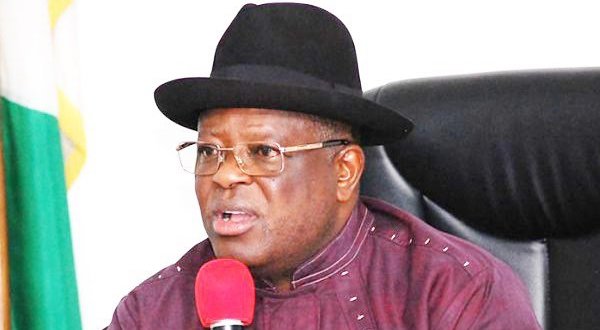
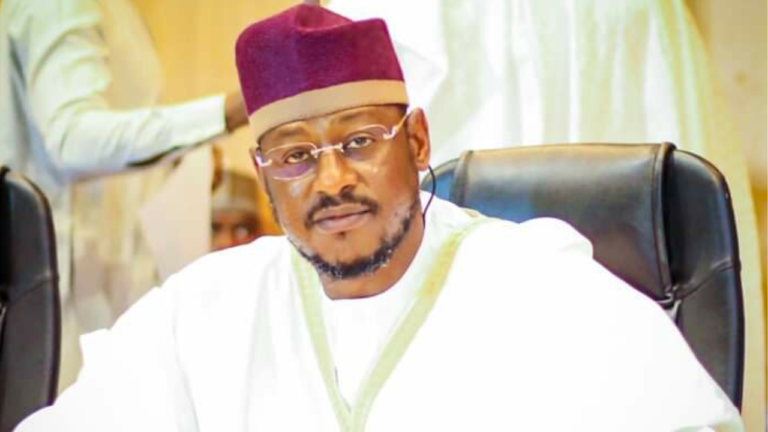
MINISTER of Works, David Umahi, has offered a university scholarship to Victor Obasi, the Ebonyi State candidate with the highest score in the 2026 Unified Tertiary Matriculation Examination (UTME)

The offer is contained in a statement signed by Umahi’s Senior Special Assistant (SSA) on Media, Francis Nwaze, and made available to newsmen in Abakaliki.
Umahi, according to the statement, made the offer after receiving news of the feat with Obasi being a pioneer student of the King David Gifted Academy, Abakaiki.
“This is a school Umahi inaugurated during his tenure as Ebonyi governor. The elated minister made the offer to glorify God for the child’s wonderful performance,” the statement read.

The minister, according to the statement, established the school with a vision of creating a one-stop destination for academic excellence.

“The school has since become a breeding ground for outstanding students and future leaders, attracting national recognition for impressive academic achievements.

“Obasi scored an impressive 356 mark thereby emerging the highest scorer from Ebonyi in the UTME. He thus placed himself among the nation’s brightest young minds,” the minister added.

The ICIR reported that Owoeye Jesudunsin, an Ekiti State indigene who sat for the examination in Ogun State, emerged as the overall top scorer in the 2026 UTME, scoring 372 marks.

The result was contained in a list of top-performing candidates announced by the Joint Admissions and Matriculation Board (JAMB) during the 2026 Policy Meeting on Admissions to Tertiary Institutions held in Abuja in May.

The 16-year-old chose the University of Lagos (University of Lagos) to study Medicine and Surgery (MBBS).

She was among the 2,243,816 candidates registered for the 2026 UTME, representing a 10.5 per cent increase when compared with those who registered to write the examination in 2025.

Anambra introduces free hypertension screening in public health facilities

0
 THE Anambra State Government has commenced free hypertension screening services in all public health facilities across the state as part of efforts to strengthen preventive healthcare and promote early detection of non-communicable diseases.
The State Hospital Administrator, Dr Frank Ifeanaeme, disclosed this on Thursday while announcing a directive by the Commissioner for Health, Dr Afam Obidike, mandating all government-owned hospitals and health centres to provide free blood pressure screening services.
According to Obidike, the initiative is aimed at improving public health outcomes through early detection and effective management of hypertension and other non-communicable diseases.
He said the programme would be available in all Primary Healthcare Centres,  Comprehensive Health Centres and General Hospitals across the state.
According to him, the initiative is to ensure residents have easy access to regular blood pressure checks and appropriate medical advice.
The commissioner described hypertension as a major public health challenge.
He noted that the condition is often referred to as a “silent killer” because it could develop without noticeable symptoms while increasing the risk of serious health complications.
He slso listed some of the complications associated with uncontrolled hypertension to include stroke, kidney failure, visual impairment, heart disease and other cardiovascular conditions.
Obidike said the initiative aligned with the healthcare agenda of Gov. Chukwuma Soludo’s administration, which prioritised equitable access to quality healthcare services and the reduction of preventable illnesses among residents.
He said medical officers, Primary Healthcare Coordinators and heads of public health facilities had been directed to ensure full compliance with the ministry’s directive to guarantee the success of the programme.
The commissioner urged residents to take advantage of the free screening services by visiting the nearest public health facility to ascertain their blood pressure status.
He emphasised that early detection remained one of the most effective ways of preventing and managing hypertension-related complications.

Ten retired officers caught in Nigeria’s worsening insecurity

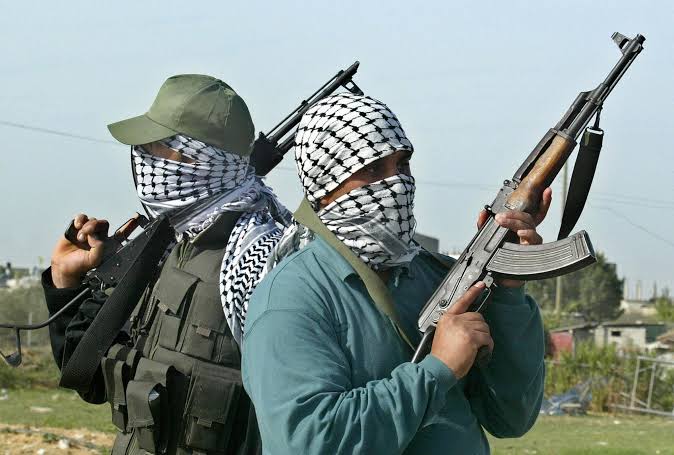
THE abduction of former Director of Defence Information, Rabe Abubakar, a retired Major General, and his wife while travelling along Matazu Local Government Area, Katsina State, on May 30, has again drawn attention to the troubling trend of how retired military officers are increasingly becoming victims of the insecurity they once failed to contain. 

Abubakar’s abduction adds to the list of cases involving senior retired military officers who have either been abducted or killed by terrorists, bandits and other armed criminals across the country.

The ICIR reports that Nigeria’s insecurity crisis has continued to evolve over two decades. The crisis, which is mainly driven by the Boko Haram insurgency and armed banditry, has seen over 40,000 people killed since at least 2018.

Boko Haram, which emerged in the early 2000s, escalated into a violent insurgency around 2009, carrying out attacks on civilians, security forces, and public infrastructure across Borno, Yobe and Adamawa states. A splinter faction, the Islamic State West Africa Province (ISWAP), has also remained active in the Lake Chad basin, repeatedly launching attacks on military formations and bases and government infrastructure.

In parallel, armed banditry has expanded across the northwest and parts of north-central Nigeria. Initially rooted in cattle rustling and attacks on rural communities, bandit groups have evolved into organised armed networks involved in mass kidnappings, village raids, highway ambushes and extortion through ransom payments. The expansion of these groups has significantly deepened insecurity in many Nigerian communities and along major transport routes.

Also posing decades of security challenges to the Nigerian state are the activities of ethnic militia groups in the Middle Belt, a melting flashpoint of communal and ethno-religious strife. These militia groups exploit local grievances to fuel mayhem, deepening long-standing ethno-religious conflicts.

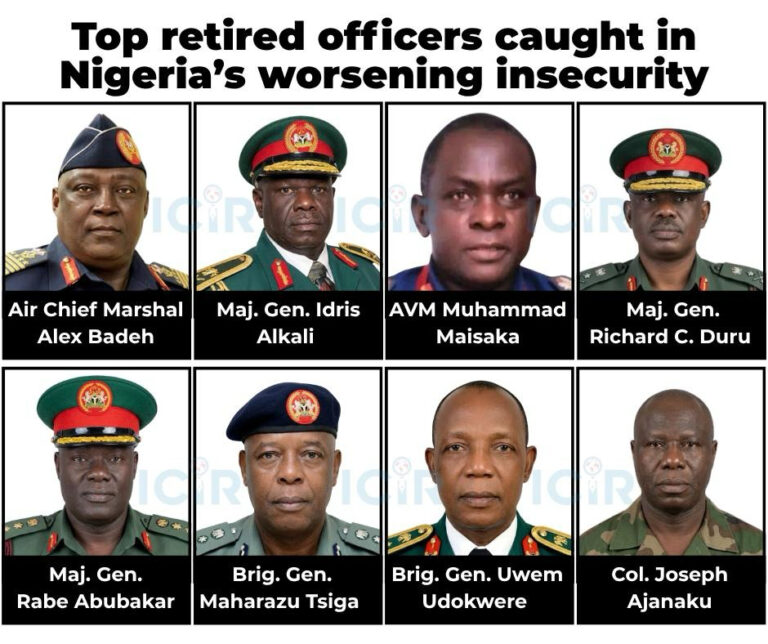
A review of media reports shows that, over the past eight years, at least 10 retired senior military officers, including a former Chief of Defence Staff, major generals, brigadier generals, colonels and an air vice marshal, have either been abducted or killed in violent attacks linked to these broader insecurity dynamics. 

The incidents have occurred across several states, including Katsina, Kaduna, Plateau, Zamfara, Kogi and Imo, as well as the Federal Capital Territory (FCT).

For many Nigerians, the development highlights not only the expansion of insecurity despite years of military operations but also the bitter irony that senior military officers, once tasked with addressing the menace, are now themselves its victims.  

Major General Idris Alkali

In September 2018, Idris Alkali, a retired Major General, was attacked while travelling through Plateau State. Alkali, a former Chief of Administration in the Army Headquarters, vanished around Dura-Du community in Jos South Local Government Area.

His disappearance triggered a massive military search operation.

Weeks later, soldiers recovered his remains from a well in Guchwet village of Shen district, Jos South Local Government Area of Plateau State.

Investigations by the military alleged that he was attacked and killed by a mob while passing through the community. The irate youths had barricaded some roads during a protest when the General, who was travelling along the Jos road in his Toyota Corolla car, was attacked and killed by the youths.

Air Chief Marshal Alex Badeh

On December 19, 2018, Alex Badeh, a retired Air Chief Marshal who served as Chief of Defence Staff between 2014 and 2015, was travelling from his farm in Nasarawa State when gunmen attacked his vehicle along the Abuja-Keffi Road. Badeh was shot dead, while his driver survived.

He was appointed Chief of Air Staff by former President Goodluck Jonathan in October 2012, and later became Chief of Defence Staff in April 2014.

At the time of his death, he was standing trial before the Economic and Financial Crimes Commission (EFCC) over allegations of diverting billions of naira meant for the procurement of weapons, a charge he consistently denied.

Air Vice Marshal Muhammad Maisaka

On November 9, 2021, Muhammad Maisaka, a retired Air Vice Marshal, and his grandson were killed when gunmen invaded his residence in Kaduna State.

According to reports, gunmen stormed Maisaka’s residence in the early hours of Tuesday, November 8, 2021. They shot him dead and injured his driver. The retired officer had been recovering from a medical condition that had left him paralysed for more than three years.

Colonel Rabi’u Garba Yandoto

Similarly, in January 2023, Rabi’u Garba Yandoto, a retired Colonel and two of his children were abducted by suspected terrorists along the Gusau-Tsafe road in Zamfara State.

The attack occurred in a region where armed groups had established extensive kidnapping networks and routinely targeted farmers, traditional rulers, civil servants and residents.

Yandoto was released after 10 days in captivity, amid reports that N10 million was paid to secure his freedom.

Briefing journalists in Gusau, Yandoto described his abduction as a “blessing,” saying it gave him direct contact with some bandit leaders declared wanted by the military, including individuals listed by the Chief of Defence Staff.

Major General Richard Duru

Richard C. Duru, another retired Major General, was abducted in Owerri, Imo State, in September 2023 after he was kidnapped along Bishops Court, Area 7, Orji/Uratta axis while driving in his black Mercedes-Benz.

He was later killed by his abductors despite a $50,000 ransom reportedly paid for his release.

According to police authorities in Imo State, the suspects were arrested by operatives of the Anti-Kidnapping Unit following intelligence-led operations and a tip-off. 

Brigadier General Uwem Udokwere

Perhaps one of the most alarming incidents occurred on June 23, 2024, when Uwem Harold Udokwere, a retired Brigadier General, was killed during an attack in his home, at Sunshine Estate, in Abuja. 

Gunmen reportedly invaded the estate, stabbed the retired general to death while he was trying to protect his family.

The incident generated widespread concern because it occurred in Nigeria’s capital city, where residents often assume there are higher levels of security compared with other parts of the country.

Brigadier General Maharazu Tsiga

The abduction of Maharazu Tsiga, a retired Brigadier General, in February 2025 also attracted national attention.

Tsiga, a former Director-General of the National Youth Service Corps, was kidnapped on February 5, 2025, in his hometown in Bakori Local Government Area of Katsina State, alongside nine other residents. 

Although his family reportedly paid ransom to secure his release, the kidnappers initially continued to hold him for several weeks, with conflicting reports over the total amount demanded and paid.

He was eventually released in April 2025 after weeks in captivity.

Major Joe Ajayi

One of the most tragic cases involved Joe Ajayi, a retired Major.

Ajayi, aged 76, was abducted from his residence in Odo-Ape, Kabba-Bunu Local Government Area of Kogi State on May 21, 2025.

His kidnappers initially demanded a ransom of N50 million and later reduced their demand to N10 million. Despite the payment, Ajayi did not live. His abductors later directed the family to where his remains could be found.

His body was recovered and deposited at the Kabba Specialist Hospital mortuary.

Colonel Joseph Ajanaku

In January 2026, Joseph Ajanaku, a retired Colonel, was abducted in Plateau State. He was kidnapped in the early hours of the day at about 12:45 a.m. from his residence opposite the Salvation Army Church along Rukuba Road.

The abductors later contacted his wife and demanded a ransom of N200 million, while also threatening to kill him if military operations continued.

However, troops later switched to covert operations and rescued the retired officer at about 5:30 p.m. the same day at the outskirts of the Rafiki axis in Bassa LGA.

Rabe Abubakar: Former Defence Spokesman Kidnapped

The most recent case involved Rabe Abubakar, a retired Major General and former Director of Defence Information and one-time spokesman of the Armed Forces.

Abubakar and his wife were abducted while travelling towards Katsina on Saturday, May 30, 2026. Gunmen reportedly intercepted their vehicle in Matazu Local Government Area of the state and took them away.

According to the Katsina State Police Command, the attackers opened fire during the ambush, forcing the driver to escape with a gunshot injury.

The incident is particularly significant because Abubakar spent time serving as one of the public faces of Nigeria’s military during critical security operations. At the time of this report, he is still in captivity. 

Oyo Assembly rejects negotiation with terrorists over school abduction

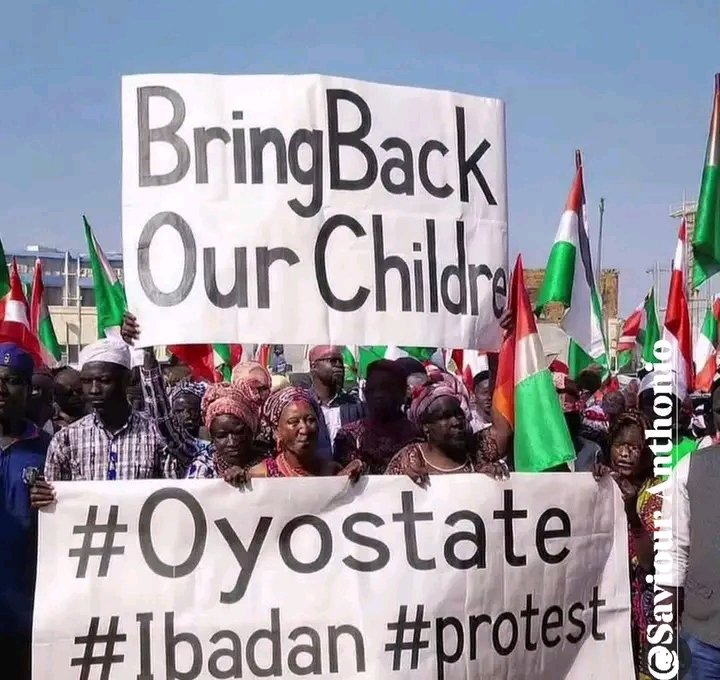
THE Oyo State House of Assembly has rejected calls for the state government to negotiate with terrorists responsible for the abduction of teachers and students during the May 15 attack on schools and communities in Oriire Local Government Area.

The resolution followed a motion of urgent public importance moved by the member representing Oriire State Constituency, Johnson Ogundele, during plenary on Wednesday shortly after the Assembly resumed from its Eid-el-Kabir recess.

The lawmakers urged security agencies to intensify rescue operations and called for stronger security measures to prevent future attacks across the state.

As part of its resolutions, the Assembly directed the Ministry of Education, Science and Technology and the State Universal Basic Education Board to conduct immediate security audits of schools located near forests and border communities.

“The Assembly also urges the government to expedite the installation of solar-powered security lights, perimeter fencing and CCTV cameras in vulnerable schools and to develop a comprehensive Safe School Emergency Response Protocol for public and private schools across Oyo State.”

Presenting the motion, Ogundele recalled how armed bandits invaded Ahoro-Esiele, Oyo and Yawota communities during school hours and warned that insecurity had continued to worsen in Oriire, citing a January attack on the National Park Service office in Oloka village where five forest guards were killed.

“Let me use this period to call on Governor Seyi Makinde for his swift response, deployment of security operatives, rescue efforts and personal visit to the affected communities. I want to equally urge the state government to intensify support for security agencies and establish a permanent military base within and around vulnerable communities and forest corridors in the area,” Ogundele said.

During the debate, the Majority Leader, Sanjo Adedoyin, renewed calls for the establishment of state police, arguing that recent rescue operations highlighted the limitations of conventional security agencies operating in dense forests.

According to him, security forces were forced to rely heavily on local vigilantes and operatives of the Western Nigeria Security Network, popularly known as Amotekun Corps, to access difficult terrain and track criminal groups.

Adedoyin urged the Federal Government to remove obstacles delaying the creation of state police, saying Nigeria’s current security realities had made the initiative necessary.

Other lawmakers also advocated reforms to strengthen security operations, while commending the governor and security agencies.

The also called for increased deployment of personnel to vulnerable communities, while Gbenga Oyekola blamed part of the security challenge on poor management of the vast forest reserve under federal control.

Oyekola expressed concern over reports of mining activities and helicopter movements within parts of the forest, arguing that adequate security measures had not been put in place despite the area’s strategic importance.

Lawmakers also urged the Oyo State Emergency Management Agency to provide trauma counselling, psychosocial support and relief materials to affected families, while encouraging traditional rulers, community leaders and local authorities to strengthen intelligence gathering and community policing efforts.

In addition, the House directed its Committee on Security and Strategy to visit Oriire to assess the security situation, engage stakeholders and recommend urgent legislative interventions.

Speaking after the resolutions were adopted, Speaker Adebo Ogundoyin dismissed calls for negotiations with kidnappers and terrorists, warning that such a move could encourage further attacks.

While acknowledging the anguish of families whose relatives remain in captivity, he insisted that the government should focus on intelligence gathering, coordinated rescue efforts and sustained security operations to secure the release of the victims.

Ogundoyin reaffirmed the Assembly’s commitment to supporting measures aimed at improving security across Oyo State and preventing future attacks on schools and communities.

WHO reports 344 Ebola cases, 60 deaths in DRC

0

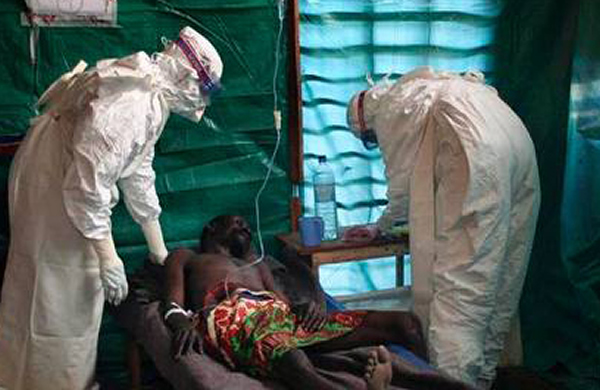
THE Director-General of the World Health Organization (WHO), Tedros Ghebreyesus, has said Ebola cases in the Democratic Republic of the Congo (DRC) have risen to 344 confirmed infections, with 60 deaths recorded so far.

Speaking during a news conference on Wednesday, June 3, Ghebreyesus said the backlog of suspected Ebola cases had dropped significantly from more than 1,000 to 116 as laboratory testing capacity continued to improve across affected areas.

The WHO chief provided the update after returning from the outbreak epicentre in Ituri Province, where he met political leaders, frontline health responders and community groups involved in controlling the disease outbreak.

According to him, WHO’s latest risk assessment remains very high at the national level, high at the regional level, and low globally, in spite of ongoing efforts to contain transmission and strengthen surveillance.

He said confirmed cases had been reported across 24 health zones in Ituri, North Kivu and South Kivu provinces, underscoring the scale of the outbreak and challenges facing response teams.

“Treatment capacity has expanded with three centres and 80 beds now open in Bunia, plus units in Mongbwalu, Rwampara, Beni, Goma and Bukavu.

“Six people have recovered in DRC and two in Uganda, but contact tracing still lags at 45 per cent against the 90 per cent target needed to control spread,” he said.

Ghebreyesus explained further that the outbreak had crossed international borders, with Uganda recording 15 confirmed cases and one death, including a Congolese resident who travelled through the United Arab Emirates.

He added that a United States citizen infected in DRC remained under treatment in Germany, while WHO continued coordinating with Ugandan and UAE authorities on contact tracing and exposure-risk assessments.

The WHO Director-General identified five major challenges slowing response efforts and emphasised the urgent need for stronger surveillance systems, community engagement and improved operational access in affected regions.

“First, testing delays persist, so WHO is decentralising labs to Mongbwalu, Beni, Aru, Nyakunde and Tchomia. Second, only 45 per cent of contacts are being followed in DRC due to insecurity and displacement. Third, blanket travel restrictions are disrupting supply chains in spite of WHO recommending exit screening instead.

“Fourth, community mistrust remains high, with some leaders still doubting Ebola is real. Building trust is now a core priority and Fifth, there are still no approved vaccines or therapeutics,” he said.

He noted that the WHO convened its Medical Countermeasures Network to accelerate trials and diagnostics, stressing that leadership, community ownership and trust remained essential to ending the outbreak successfully.

“Our ultimate measure of success is not whether we stop this outbreak. We will. DRC has stopped 16 previous Ebola outbreaks.

“The real measure is what we do to prevent the 18th and 19th, if communities survive Ebola only to die from malaria, malnutrition or other diseases, we have not really helped them. WHO pledged to stay after the outbreak ends to help build stronger health and humanitarian services under government leadership,’ he said.

The latest figures come weeks after the organisation declared the Ebola outbreak caused by the Bundibugyo virus in the DRC and Uganda a Public Health Emergency of International Concern (PHEIC) on May 16.

It said the outbreak was first detected in Ituri Province in eastern DRC after health authorities were alerted on May 5 to a rapidly spreading illness with an unusually high death rate.

It also noted that laboratory tests conducted by the Institut National de Recherche Biomédicale (INRB) in Kinshasa confirmed Bundibugyo virus disease on May 15, prompting the DRC government to declare the country’s 17th Ebola outbreak.

At the time of the emergency declaration, WHO reported 246 suspected cases and 80 deaths across the Mongbwalu, Rwampara and Bunia health zones in Ituri Province, while Uganda had confirmed imported cases linked to the outbreak.

The health agency warned that the outbreak was unfolding in a complex humanitarian and security environment marked by ongoing conflict, population displacement and limited access to affected communities.

It also noted that there was no vaccine or specific treatment for Bundibugyo virus disease, making early detection, isolation, contact tracing and supportive care critical to containing the outbreak.

(NAN)


Chaos in Akure schools over rumoured bandit threat as government allays fears

0

SEVERAL public and private schools in Akure, the Ondo State capital, struggled with a large turnout of parents and guardians who stormed their premises to take their children away on Wednesday.

The decision followed widespread rumour of bandits’ invasion of the city and alleged kidnapping threats within the metropolis.

While some parents succeeded in taking their children away from certain schools, leading to their closure, others were unable to do so, as they were convinced that the viral information was fake news.

Sources, who spoke with The ICIR said the incident happened around noon.

As the chaos escalated, the Ondo State Government dismissed the rumour and described the claim as false and unverified in a statement issued by Ebenezer Adeniyan, the Chief Press Secretary to Governor Lucky Aiyedatiwa.

The government said, “there is no record, report, or incident of kidnapping in any primary, secondary, or tertiary institution in Akure,” stressing that all schools in the state capital remained safe.

It further noted that “security agencies, including the Police, Amotekun Corps, and DSS, have verified all school environments in Akure and confirmed normalcy,” adding that the government continued to work with school authorities and parents to maintain strict security measures.

Despite the government’s assurances, many schools closed or released students earlier than usual as worried parents reacted to the rumour.

The government urged residents to remain calm and avoid spreading unverified information.

“We urge members of the public, especially parents and guardians, to disregard the fake news and refrain from sharing unverified information that is capable of causing panic and anxiety,” the government said.

Reaffirming its commitment to the safety of learners and educators, the government noted, “The safety of our children and teachers remains a top priority for the Aiyedatiwa administration.”

It also advised residents with genuine security concerns to report directly to the nearest Police or Amotekun station for appropriate action.

The ICIR reports that Akure is one of the areas that have been terrorised by armed non-state actors in Nigeria. The latest rumour followed nationwide protests that greeted the attack on three schools in Oriire Local Government Area of Oyo State in May.

Two teachers were killed in the attacks, including Michael Oyedokun, who was later beheaded in captivity, while more than 40 pupils and staff were abducted.


Court sentences four to death by hanging over Owo church attack

0

A FEDERAL High Court in Abuja has sentenced four men to death by hanging over their involvement in the June 5, 2022, attack on St. Francis Catholic Church, Owo, Ondo State.

The presiding judge, Emeka Nwite, on Wednesday, June 3, found the defendants guilty on all nine counts of terrorism-related charges preferred against them.

However, the fifth defendant was discharged and acquitted.

The convicts — Idris Abdulmalik Omeiza (25), Al Qasim Idris (20), Jamiu Abdulmalik (26), and Abdulhaleem Idris (25) — were sentenced to death by hanging, while Momoh Otuho Abubakar (47) walked free after being cleared of the charges.

The ICIR reports that the attack left more than 40 worshippers dead and several others injured when gunmen stormed the church during Sunday service and opened fire.

The incident immediately triggered nationwide outrage.

Following the incident, security agencies launched investigations that later led to the arrest of five suspects in connection with the attack. The Federal Government subsequently filed terrorism charges against them before the Federal High Court in Abuja.

The government accused them of belonging to Al-Shabaab’s Kogi State cell and using Improvised Explosive Devices (IEDs) and AK-47 rifles during the attack. 

They  applied for bail during their arraignment, pleading with the court to order their release from the custody of the State Security Service (SSS), 

However, the court rejected the application, ruling that the offences were capital in nature and posed serious security concerns.

The prosecution, led by Ayodeji Adedipe, a Senior Advocate of Nigeria (SAN), maintained throughout the trial that the defendants were directly involved in planning and executing the attack. 

After the conclusion of hearings, the court directed both parties to submit final written addresses. 

On May 26, Nwite subsequently reserved judgment, after lawyers for the prosecution and defence adopted their final written addresses.

While adopting his final address, the prosecution counsel, Ayodeji Adedipe, urged the court to convict the defendants and impose the maximum penalty of death, citing the gravity of the alleged offence.

But the defence counsel, Abdullahi Mohammad, urged the court to discharge and acquit his clients, arguing that the prosecution had failed to prove its case beyond reasonable doubt.

The court subsequently convicted four of the defendants and sentenced them to death by hanging, while acquitting the fifth. 

Belarusian club hunts football talents at Katsina tournament

0

YOUNG footballers in Katsina State have been given an opportunity to showcase their talents before international scouts seeking players for professional football in Europe.

The opportunity came during the four-day second edition of Governor Dikko Radda Football Scouting Tournament held at the Muhammadu Dikko Stadium in Katsina.

The News Agency of Nigeria (NAN) reports that the tournament was organised by the Katsina Football Academy in collaboration with the Belarusian club.

Speaking after the event, the Coordinator and Director of Katsina Football Academy, Shamsuddeen Ibrahim-Makudawa, expressed satisfaction with the performance of the players.

He explained that the aim was to discover and develop talented players and create opportunities for them to play professional football abroad.

Ibrahim-Makudawa commended the governor, coaches, technical officials and sports lovers for supporting youth and sports development in the state.

According to him, the four-day tournament attracted hundreds of young players who competed for a chance to secure professional contracts with FC Torpedo BelAZ Zhodino, a football club in Belarus.

A member of the scouting team, Vladimir Bogdanou, said his team was in Katsina to identify talented players capable of joining the Belarusian club.

Also, a Katsina-born professional footballer based in Belarus, Hamza Mai-Dawa, said he facilitated the visit of the scouts with support from the state government.

Mai-Dawa praised the commitment and discipline shown by the players, adding that between 15 and 17 participants had been shortlisted for further assessment.

According to him, only the best among them will be offered opportunities to pursue professional football careers abroad.

He added that the tournament raised hopes among many young footballers in Katsina of securing opportunities to play on the international stage. (NAN)

Police, family confirm abduction of Adelabu’s sister, twin children in Ibadan

0

GUNMEN have kidnapped the sister of former Minister of Power and 2027 Oyo State governorship aspirant, Adebayo Adelabu, alongside her twin children in Ibadan, Oyo State capital.

The incident reportedly occurred on Wednesday, June 3, in the Challenge area of Ibadan South-West Local Government Area, where eyewitnesses said the victims were attacked and whisked away while leaving their residence.    

The Nigeria Police Command in the state, shortly after the incident, said in a statement made available to The ICIR that it mobilised officers from its tactical unit to hunt down the abductors after receiving a report of the incident.

It added that the Divisional Police Officer (DPO), Challenge Division, alongside other operational units, was deployed to the area where the victim’s vehicle was later recovered.

According to the police, the car recovery could support investigations into the circumstances surrounding the attack.

Also, a statement issued by Adelabu’s media aide, Femi Awogboro, said the abduction occurred at about 7:30 a.m. in the Elewura, Challenge area.

He said the family was intercepted by armed men who operated swiftly and fled with the victims.

Adelabu’s younger sister, together with her twin (Peter and Paul), were kidnapped this morning (Wednesday) by unknown gunmen at Elewura, Challenge, Ibadan.

“The family members were going out this morning from Elewura to link the express when they were attacked and whisked away by the unknown kidnappers,” he said in the statement.

The family also urged the public to provide any useful information that could assist the rescue effort by promptly sharing such intelligence with the relevant security agencies through appropriate channels.

The latest abduction adds to a growing pattern of violent attacks and kidnappings in Oyo State and other parts of Nigeria.

Earlier this week, the Nigeria Union of Teachers (NUT) staged nationwide protests across all 36 states and the Federal Capital Territory over the killing of a teacher and the abduction of pupils and staff in Oyo State.

The ICIR reports that the protests followed coordinated school attacks in Oriire Local Government Area, where armed men invaded multiple schools, killing a teacher and abducting dozens of pupils and staff.

Eyewitness accounts showed that the attackers arrived on motorcycles, split into groups, and stormed the schools simultaneously, firing shots to disperse students and staff before whisking victims into nearby forests.

The incident triggered widespread outrage, with teachers, civil society groups, and residents demanding stronger protection for schools and urgent rescue efforts.

Kidnapping epidemic: National Assembly demands improved safety in Nigerian schools

THE National Assembly has challenged all tiers of government in Nigeria to ensure better protection of schools in the country.

It also called for sweeping reforms to the country’s security architecture, including the creation of state police, following growing protests over abduction of school pupils and teachers in Oyo and Borno states.

At the Senate, which resumed plenary on Tuesday after Sallah recess, members observed one-minute silence in honour of two teachers and a pupil killed during the attacks.

The outrage over kidnappings in schools dominated proceedings, with lawmakers condemning the attacks and demanding immediate rescue of the victims.

They warned that repeated assaults on schools threatened the nation’s future.

Addressing his colleagues, the Senate President, Godswill Akpabio, described the abductions as an assault on Nigeria’s collective humanity and a direct attack on the country’s future.

“We resume our work under the mournful shadow of a tragedy that has shaken our nation. The abduction of schoolchildren and teachers in Oyo State is not merely an attack on innocent citizens; it is an assault on our collective humanity,” Akpabio said.

He lamented the deaths of teachers Michael Oyedokun and Adesiyan Adegboye, as well as a pupil killed during the incident, while expressing hope that security agencies would secure the release of those still in captivity.

Akpabio also urged politicians to avoid exploiting the tragedy for political gain, stressing that kidnappers and terrorists were targeting Nigerians regardless of political affiliation, ethnicity, or religion.

Similarly, at the House of Representatives, lawmakers called on the Federal Government and security agencies to immediately secure the release of the children and implement a comprehensive national safe schools security framework.

The resolution followed a motion sponsored by lawmaker Midala Balami, who warned that recurring attacks on schools were undermining public confidence and worsening access to education.

“The safety of our children and the protection of education must remain a national priority,” Balami said.

The House mandated its committees on National Security, Defence, Basic Education and Legislative Compliance to engage security agencies and report back on rescue efforts.

Lawmakers also renewed calls for decentralised policing as a solution to rising insecurity.

Leading a separate debate, Ayodeji Alao-Akala said communities in Ogbomoso and Oriire had come under sustained attacks from criminal groups operating in forests surrounding the Old Oyo National Park.

He described the killing of teacher Oyedokun in captivity as a barbaric act that demanded decisive government action and argued that state police would strengthen local intelligence gathering and improve response times.

The ICIR reports that between May 13 and May 15, at least 82 pupils were abducted in separate attacks in Oyo and Borno states. While 42 pupils were reportedly kidnapped in attacks on schools in Askira-Uba and Chibok Local Government Areas of Borno State, another 40 pupils were whisked away during coordinated attacks on schools in Oriire LGA of Oyo State.

The attacks, which are among numerous such incidents that have occurred in Nigeria in recent years. have revived memories of the Chibok and Dapchi schoolgirls kidnappings, raising fresh concerns about the safety of schools nationwide.

The ICIR reported that teachers, labour unions, civil society groups, and students staged coordinated protests across the country on Tuesday, demanding the immediate release of abducted pupils and teachers in Oyo and Borno states.

Demonstrations were held in the Federal Capital Territory, Edo, Rivers, Cross River, Benue, Adamawa, Taraba, Anambra, Akwa Ibom, Abia, Osun, Lagos, Niger, Ogun, Kano and several other states over the attacks.