ON a busy morning in Lugbe, a suburban district in Abuja, Nigeria’s Federal Capital Territory, residents queue at a roadside kiosk to buy sachet water, a presumed sanitised pre-filled drinking water packaged in transparent sachets. This is a common ritual among millions of Nigerians across the country who depend on these water pouches, popularly referred to as “pure water.”
Whether at home, on the road or at public events, sachet water has become the most easily accessible, affordable and reliable source of drinking water for millions of Nigerians. For the affluent, bottled water is more than just convenience but represents status and sanitary assurance.
Both packaged waters have become Nigeria’s most common form of on-the-go drinking water in a country where an estimated 110 million people lack access to safe drinking water.
As the world marks World Environment Day 2026, with the theme “Inspired by Nature. For Climate. For Our Future,” the focus is on clean water, pollution reduction, and sustainable consumption systems. Though millions of Nigerians still struggle to access safe drinking water, researchers say the bottled and sachet water sector, which emerged to address this gap, has now evolved into a multi-billion-dollar industry and an environmental challenge, measured not only in litres consumed but also by tonnes of plastic waste discarded.
Nigeria’s booming bottled and packaged water industry
Nigeria consumes an estimated 13.7 million sachets of water daily, amounting to more than 2.5 billion litres annually, according to figures cited by the National Environmental Standards and Regulations Enforcement Agency (NESREA).
The bottled water sector is expanding rapidly, as per capita bottled water consumption reached approximately 26.54 litres in 2025. Demand is expected to rise further, as Nigeria’s estimated 223 million population is projected to approach 400 million by 2050.
Industry forecasts suggest the country’s bottled water market could reach $8.37 billion by 2029, yet beneath those impressive growth figures lies a more troubling story. Water Policy Analysts argue that Nigeria’s sachet water boom is not a market success story, but a public infrastructure failure converted into a private business opportunity.
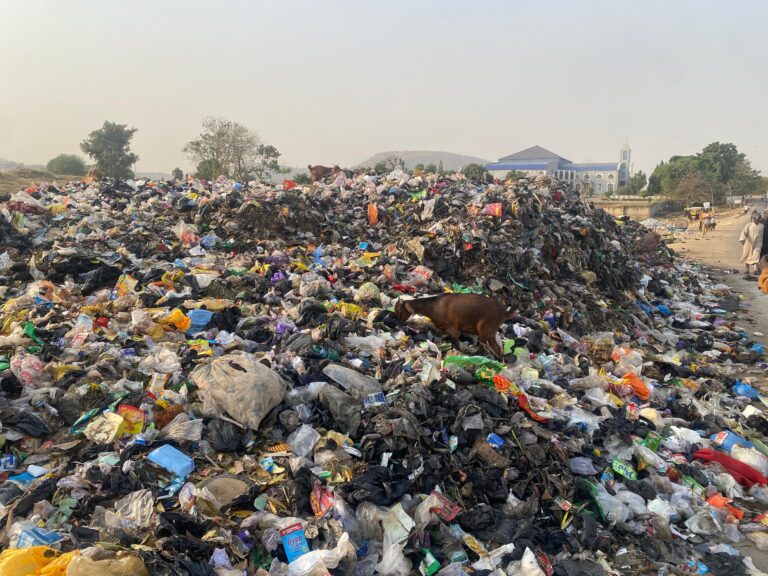
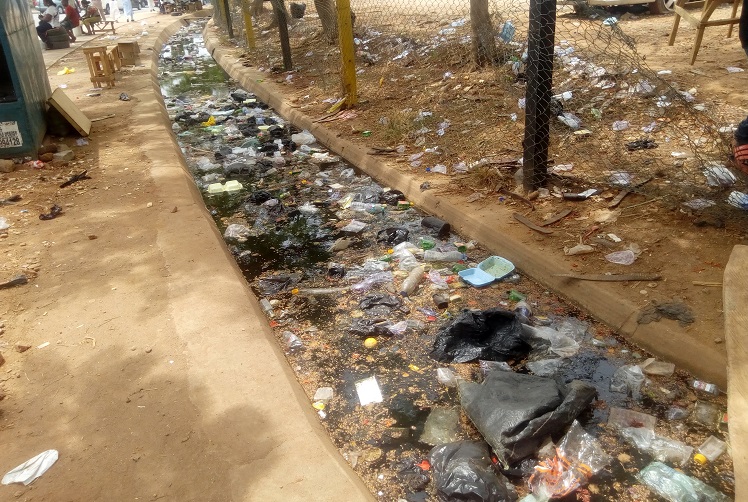
Across communities in Lagos, Port Harcourt, Kano, and Enugu, discarded sachets and plastic bottles have become defining features of the urban landscape. Environmental groups in Lagos and Abuja have repeatedly linked indiscriminate disposal of plastic waste to blocked drainage systems and worsening urban flooding during rainy seasons.
How other countries are tackling the problem
While Nigeria grapples with rising dependence on packaged water, several African countries are adopting more structured water and waste management reforms.
In Rwanda, strict plastic regulations combined with strong enforcement have significantly reduced visible plastic pollution in urban centres, supported by a centralised waste collection system. In Kenya, investments in water kiosks and community-based water supply systems have expanded access to affordable, safe water in informal settlements, reducing reliance on single-use sachets in some regions.
Meanwhile, in Ghana, policy discussions are increasingly focused on Extended Producer Responsibility frameworks aimed at shifting waste management responsibility to producers.
Promise Salawu, a Nigerian-based environmental and climate change specialist, describes the country’s plastic pollution crisis as a structural failure of public utilities rather than a defect in consumer behaviour. He said the near-total collapse of municipal piped-water infrastructure across many states has transformed packaged water from a luxury into an absolute survival necessity.
“Most communities, businesses, and public spaces are entirely self-governing when it comes to water procurement,” he said, adding that “even where public tap water exists, pervasive issues with treatment consistency and pipe integrity mean it is often unsafe for domestic use, let alone drinking.”
He said while consumers are frequently blamed for littering, they are acting rationally within a failed system and clarified that without sachet and bottled water, millions would have no access to clean drinking water.
Salawu, who spoke with the ICIR from Plateau State, said an estimated 50 to 60 million water sachets are discarded daily in Nigeria. He said that while completely revitalising municipal water infrastructure is the ultimate, capital-intensive long-term goal, the immediate crisis requires an economic shift.
“We must stop viewing empty water sachets as garbage and start treating them as a financial commodity through aggressive, subsidised recycling buy-back programs,” he added.
The specialist said an outright ban on plastic packaged water without an immediate, scalable clean water alternative poses severe public health risks, noting that Nigeria can look to other developing nations that have successfully deployed market incentives and circular economy models to manage plastic waste without threatening water security.
“In Accra, academic and market feasibility studies have shown a high consumer willingness to participate in a Deposit-Refund System, specifically for sachet water plastic waste management. Private circular economy firms in Ghana, such as Coliba and Trashy Bags, have leveraged these models by establishing buy-back loops where informal scrap dealers collect, segregate, and sell clean sachet rubbers directly to domestic recyclers.”
Salawu said Kenya implemented one of the world’s strictest single-use plastic bag bans under Gazette Notice No. 2356, enforcing heavy fines and jail sentences for non-compliance. “A key driver of the policy’s survival was the strategic inclusion of exemptions for primary industrial packaging, medical waste, and critical food packaging, allowing essential supply chains to function while eliminating secondary carrier bags.”
He suggested that governments can reduce plastic pollution without increasing costs for low-income consumers by using the existing Extended Producer Responsibility (EPR) framework to require manufacturers and distributors of sachet water packaging to contribute to waste management and recycling efforts.
The specialist also urged Nigeria to adopt a decoupled approach by banning non-essential single-use plastics first, while exempting and heavily recycling water sachets during its long-term municipal water transition, saying managing plastic waste requires a shared-responsibility model linking the private sector, consumers, and government, though producers must bear the heavy economic weight.