Home Blog Page 2135

Covid-19: FG considers two-month free electricity for Nigerians

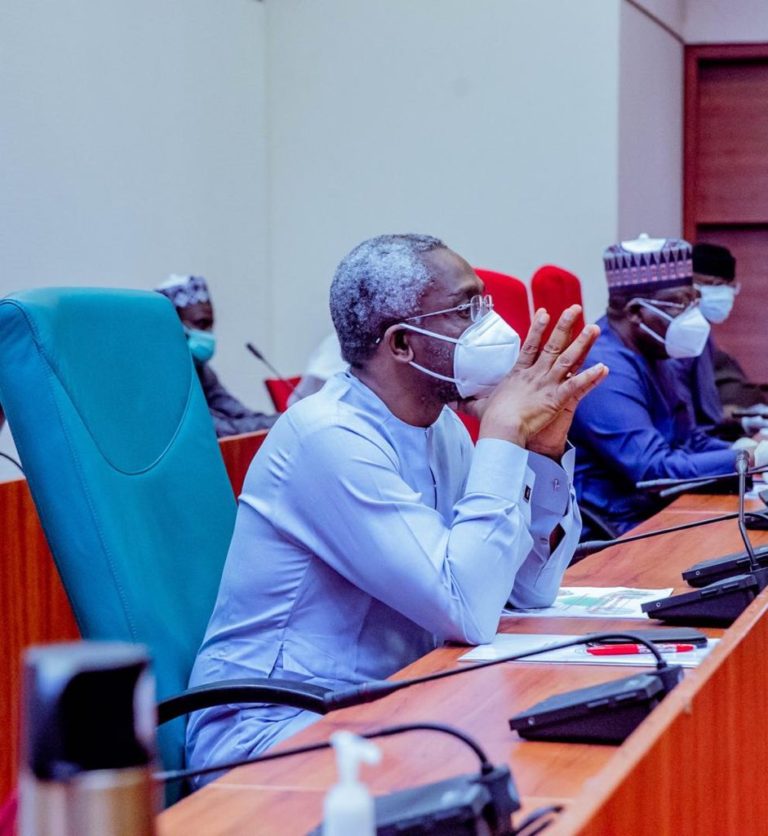
OLUFEMI Gbajabiamila, Speaker of the  House of Representatives, has said that the House is considering a second stimulus bill that will provide Nigerians with free electricity supply for two months.

Gbajabimila disclosed this on Saturday after a meeting with the Minister of Finance, Ahmed Zainab, noting that the measures would help to mitigate the effects of the Covid-19 pandemic.

He noted that proposed stimulus bill will boost the economy through the informal sector adding that it would be considered immediately the House of Representatives reconvenes from the ongoing break.

The Speaker further disclosed that the House leadership had engaged the distribution companies (DISCos) in the last few days to work the details.

It could be recalled The ICIR earlier published how National Electricity Regulatory Commission (NERC) last Tuesday made a temporary U-turn on the date it initially set for a new electricity tariff to take effect,  which made the Commission to direct the 11 Distribution Companies (DisCos) to present a comprehensive plan to realise the revenue requirements as well as strategies to provide Nigerians with stable power  before  June 30, 2021.

The was coming after NERC had earlier issued a directive for the commencement of new tariff on 1 April, 2020 but it stated in a new order with reference number: NERC/198/2020 “that due to complaints from the end-use customers such as poor service delivery, inadequate provision of prepaid meters, hours of guaranteed supply and the COVID-19 pandemic, the old date set at tomorrow is no longer valid.”

CSos call for decongestion of police cells, correctional centres to avoid spread of Covid-19

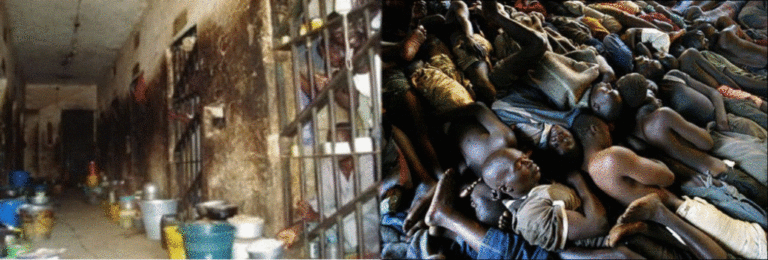
A GROUP of Nigerian Civil Society Organisations (CSO) has called on the  Federal Government to decongest Nigerian police cells and correctional centres across the country in order to prevent the spread of Covid-19 among the inmates.

In a press release signed by 51 CSos and obtained by The ICIR, the group commended the Inspector-General of Police (IGP), Mohammed Adamu, for issuing directives to State and Zonal commands of the police to avoid unnecessary arrests and detention of persons in police cells except for serious (capital) offences.

However, it urged the IGP to put in place mechanisms to ensure and effectively monitor compliance from officers.

The group of CSOs noted that some states in the country still lock up offenders for bailable offences such as misdemeanors warning that such a practice has only resulted in congestion of the correctional centres and police cells.

This, the group said, negates the efforts of building a system which promotes social distancing in this COVID-19 period.

In addition, the CSOs pointed out in the statement that some states lack testing laboratories and isolation centres, whereby detainees in urgent need of medical attention in those states can’t access healthcare,  making them vulnerable and more exposed to the deadly virus.

The group therefore called that appropriate measures are taking to decongest the police cells and correctional centres at this time.

“We call on Chief Magistrates in states, in fulfilment of their obligations under the Administration of Criminal Justice Act (ACJA) 2015, and in compliance with the 2019 Practice Direction of the Chief Justice of Nigeria on visits to police custody facilities to embark on inspection visits to police stations within their jurisdictions with a view to ensuring the immediate release of detainees based on established criteria, to decongest the cells and prevent likely infection and spread of Covid-19,” the group proposed in its statement.

It also called on the Attorney- General and Minister of Justice and State Attorneys General, to also initiate steps for audit of police cells and correctional centres, including juvenile correctional facilities, to decongest them.

Ultimately, the group called for the immediate provision of information on coronavirus, urgent disinfection and distribution of sanitary materials to all holding facilities, and provision and access to running water at each facility for all detainees and prisoners.

The group of CSOs include: Rule of Law and Accountability Advocacy Centre (RULAAC), Spaces for Change (S4C), Vision Spring Initiative, Lagos, Social Intervention Advocacy Foundation (SIAF), Echoes of women in Africa initiative, Women’s Right to Education Programme (WREP), Rights Enforcement and Public Law Centre (REPLACE), Women’s Rights and Health Project (WRAHP), Foundation for Justice and Rehabilitation of prisoners FJRP, Lagos, People Against Corruption and Injustice, Nde Oduko Foundation – NDOF, Sterling Centre for Law &Development, Partners West Africa- Nigeria,  Safer World Foundation, Amnesty International Nigeria, Dorothy Njemanze Foundation(DNF), Women Initiative for Leadership Strategy & Innovation in Africa (Women Africa), Centre for Social Transformation and Human Develeopment (CHDST).

Others include; Ace and Vanguard Legal Practitioners, Human Rights Advocacy Group Lagos, Life Wire International Foundation, LEDAP – Legal Defence & Assistance Project, Legal Defence Against Injustice Initiative, Lawyers Alert, Daniel Ukwu Leadership Foundation (Dulf) supported, PEP- Public Enlightenment Projects, Global Rights, Prisoners’ Rehabilitation and Welfare Action (PRAWA), Prisoners’ Rights Advocacy Initiative (PRAI), Lagos Civil Society Participation for Development (LACSOP), Youth Advocates For Peace Justice And Empowerment Network (YAPJEN), Centre for Transparency Advocacy, Abuja, Independent Advocacy Project IAP Lagos, Human Rights Social Development and Environmental Foundation (HURSDEF) , Tap Intiative For Citizens Development, WILPF Nigeria, Avocats Sans Frontières France, CLEEN Foundation, Women Information Network (WINET), Edo Civil Society Organisations, Media Initiative against Injustice, Violence and Corruption (MIIVOC), House of Justice, Prison Fellowship, Democracy and Human Rights Network, DHRN, Community Agenda for Peace, Committee for the Defence of Human Right, Human Rights Watch, Alliances for Africa, NOPRIN, Nigerian Feminist Forum, CISLAC – Civil Society Legislative Advocacy Centre.

How Kwara Govt, Ilorin Varsity hospital tried to cover up Covid-19 related Death

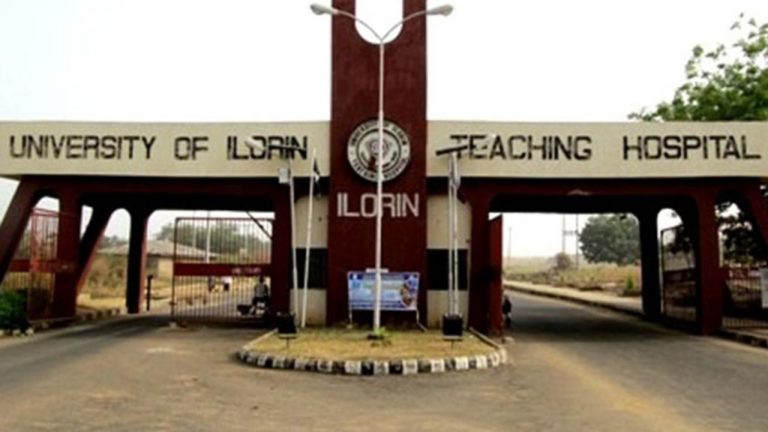
FACTS have emerged of how the management of University of Ilorin Teaching Hospital (UITH) kept the death of a likely victim of Covid-19 in the hospital secret without reporting it to the Nigeria Centre for Disease Control (NCDC).

The ICIR gathered through an official of the hospital who cannot be mentioned because she is not authorised to speak to the press that the victim, whom she referred to as ‘Alhaji’, died on Thursday and was buried on Friday, according to Islamic rites.

She also confirmed that all the medical personnel, including doctors and nurses who came in contact with the deceased are now on self-isolation.

The source confirmed to our reporter that the deceased recently returned from the United Kingdom with his wife where they had gone to attend their son’s convocation.

He reportedly fell sick shortly after returning to Nigeria and was  taken to the hospital for treatment.

“When the people at the emergency unit discovered the breathing was very hard, they invited the Chief Anaesthetist of the hospital but he eventually died during the process of resuscitating him,” she said.

The source also disclosed that the wife of the deceased man has been tested,noting that the result was negative although a second test has been carried out and authorities are awaiting the result of that test.

According to the source, the sample of the man’s blood was taken for further test, noting that the result was expected to be out on Sunday or Monday.

The source however confirmed that the symptoms shown by ‘ the Alhaji’ before he died were those of Covid-19.

“The fumigation of the hospital has started this morning and the medical personnel who had contact with him are currently under isolation and awaiting results,”  the source said.

Fisayo Soyombo, undercover journalist and former editor of TheCable, had earlier  Saturday morning called out the  Kwara State government and the management of the University of Ilorin Teaching Hospital for allegedly  covering up the condition of the said  covid-19 patient before his death.

Fisayo said  in a series of tweets said that the case would not get to the NCDC because “the powers that be did everything to cover it up.” Continuing, he said that “the bigwigs at the University of Ilorin Teaching Hospital (UITH) knew. The state govt did, too.”

“After his death, they ensured the body wasn’t tested for the virus. The deceased was buried on Friday without scientific confirmation of COVID-19, but two hospital staff have been giving me details of events that led to his death,” he tweeted.

The journalist said the deceased initially self-isolated in Lagos after returning from the United Kingdom before his friend who is a professor of medicine invited him to Ilorin, where he privately received treatment but yielded no result on day 13 as his condition worsened, so he was taken to UITH.

Soyombo alleged that the deceased was to be moved to the isolation ward but there was an “order from above” for him to remain at the A&E.”

He further tweeted that until he started showing severe Covid-19 symptoms, the doctors who attended to him didn’t know it was the virus before his death.

“The state government claims the death was due to “respiratory illness” while the hospital says it was from “food poisoning,” he wrote.

However, all efforts to reach out to the state government proved abortive as all phone numbers listed on its official website were not connecting when dialled.


Lock down: Markets must make provision for hand hygiene at entry and exit points—FG

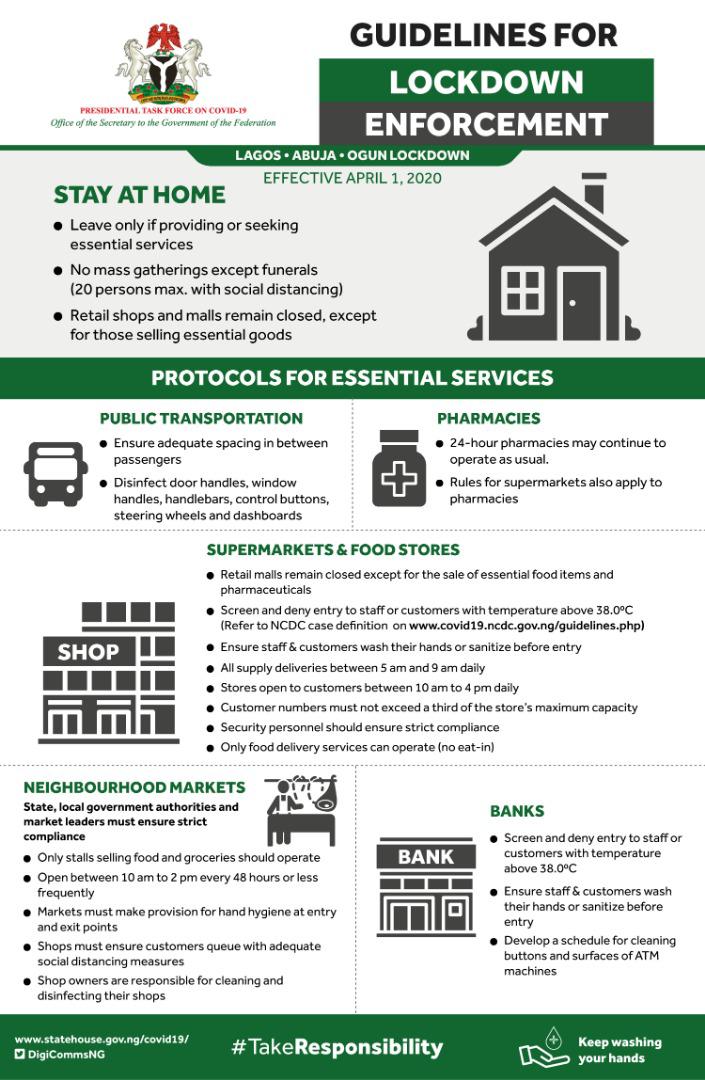
THE PRESIDENTIAL Task Force on COVID-19 on Saturday released a new guideline on the lock down enforcement with special attention on the need for social distancing and maintenance of proper hygiene at local markets, stalls and other public places.

The Task Force also rolled out a new directive on essential service delivery which includes how people at the slums could protect themselves while patronising local stalls, pharmacy and financial institutions.

According to the Task Force, supermarket and pharmacy operators are to screen and deny entry their staff or customers with temperature level above 38.0 Celsius.

“Markets must make provision for hand hygiene at entry and exit points; Sshops must ensure customers queue with adequate social distancing measures; shop owners are responsible for cleaning and disinfecting shops,” the guideline shared by the Nigerian Centre for Disease Control (NCDC) stated.

“Ensure staff and customers wash their hands or sanitize before entry.”

The Task Force also cautioned on customer restrictions stressing that the numbers of customers in the store should not exceed one-third of the store’s maximum capacity.

“Stores can open to customers between 10 am to 4 pm daily,” it stated.

As for the neighbour markets, operators selling food items and groceries are allowed to display their wares between 10 am and 2 pm every 48 hours, or less frequently.

And for Banks, the Presidential Task Force asked bank operators to ensure proper screening, and deny entry to staff or customers with temperature beyond the acceptable 38 Celsius.

New Presidential Directive on LockDown Source: NCDC

It could be recalled that  President Muhammadu Buhari had earlier issued restriction of movement order to citizens within the Federal Capital Territory (FCT), Lagos and Ogun as part of precautionary measures designed by the Federal Government to curtail further spread of COVID-19  nationwide.

The citizens were advised to stay home but could only leave their respective apartments only to provide or seek essential services.

The ICIR had earlier reported on how social distancing might also be a tough challenge for people living in slums, while maintaining proper hygiene.

As of 3 April, 209 confirmed cases have been reported in Nigeria, 25 were discharged and four deaths so far recorded.

EXCLUSIVE: How six Covid-19 patients escaped from Osun Isolation Centre

AS the Covid-19 pandemic continues to cause worry in Nigeria, The ICIR can authoritatively report that one of the epicentres of the virus, Osun State, had an unfortunate escape of six infected patients from the state’s isolation centren.

This confirmation is coming despite repeated denials by the state government through the Commissioner for Information and Civic Orientation, Funke Egbemode.

A reliable source within the government confided in our reporter that the six persons had once escaped from the centre last week, but were all traced to their respective homes and  brought back to the isolation centre.

But during a downpour on Friday, the six patients, The ICIR learnt escaped again from the centre and returned to their families.

Their escape from the Ejigbo Isolation Centre, inside source revealed to our reporter followed the poor conditions of the centre.

“The patients were heard complaining about the conditions at the centre,” said the source who preferred anonymity.  “They were pressured to return home where native herbs can be proffered to cure their illness.”

A director in the State Ministry of Health who spoke with The ICIR said that three of the escapees had been found and returned to the isolation centre, while two others had also been convinced to return and were already on their way back at the time of filing this report.

With this development, Osun state has one Covid-19 patient at large. This, perhaps, informed the state government’s position that only one person escaped.

In a statement issued after news of the six patients broke, Egbemode insisted that, after a headcount at the Isolation Centre, only one person could not be accounted for by officials stationed at  centre out of the 127 persons.

But she admitted in the statement titled “The Truth about Ejigbo returnees – Osun Govt,” the state government has “not issued any statement to confirm or deny such story.”

“Besides, a quick check showed that the name and number of the first person on the list of the purported missing patients, is indeed currently in our facility in Ejigbo,” she said.

The Commissioner recalled the state government  about a week ago,  received 127 returnees from Ivory Coast, who have been kept to avoid community transfer of the virus.

She stated further that the State Government is currently investigating the matter and will ensure that the missing person is brought back to the Isolation centre and “we will also ensure we trace all his contacts.”

“We want to reiterate that any official(s) found culpable will also be dealt with accordingly.”

Osun State is, as at press time, number three on the list of states with Covid-19 in Nigeria with total number of 20 persons infected.

COVID-19: Future of more than 120m children in West and Central Africa in jeopardy—Save the Children


SAVE the Children says it fears for the future of millions of children, as more than 120,000,000 children and students are currently out of school in West and Central Africa due to the pandemic Covid-19.

Almost all countries have introduced nation-wide school and university closures so far to contain the Covid-19 virus – the number is expected to rise as the virus looks set to spread further, said Mercy Gichuhi, Acting Country Director, Save the Children International, Nigeria.

Gichuhi said while the focus of the COVID-19 response has mainly been on health systems, the pandemic has started to have a devastating impact on children beyond that.

“In an attempt to maintain the COVID-19 pandemic, governments are closing schools across the world. This situation could further worsen the vulnerabilities of marginalized children within West and Central Africa and especially in the Sahel,” she said in a statement issued in Abuja on Saturday.

“Covid19 has affected my education through school closures, thereby making me stay at home rather than learning in school. Just before my school wanted to start my examinations, I went for classes and was asked to go home until further notice,” said Purity Oriaifo, Girl Champion, Save the Children International Nigeria.

“This put my classmates and me in a state of total confusion. Although it’s for our good to prevent the epidemic, that is why we are staying at home. But, this harms us. Most of the lessons my classmates and I received in school, and we cannot remember because we are not in a learning environment. I hope to see that the pandemic is no more and we are back in school,” Oriaifo added.

With COVID-19 pushing governments to confine populations and close schools, Save the children  said it was concerned about the limited mechanisms in place to ensure children can follow an education from their homes.

The acting Country Director lamented that children are at a higher risk of abuse, neglect, violence and exploitation, and they, especially girls are more likely of dropping out of school completely with their education interrupted and not being in a safe place such as a school.

She noted that while some countries are better prepared to provide ‘learning at a distance’ for children during school closures, the most marginalized girls and boys living in rural areas or the suburb of the main cities will struggle to access distance learning.

This, according to her,  includes children from low-income households, those with disabilities and children already affected by conflict and humanitarian crises.

National education systems in, DRC, Burkina, Mali, Niger or Northern Nigeria already face considerable challenges as a result of the on-going conflict and displacement and a critical lack of funding. COVID-19 exacerbates these already dire challenges.

“It’s heartbreaking to see the impact COVID-19 is having globally. I am increasingly concerned about the effect this will have in Nigeria, and specifically on children.

“While the close down of schools is necessary to control the spread of the pandemic, however, it means that millions of children will have their education disrupted, and those who have been out of school will have this condition prolonged.

“Education is a lifesaver for girls and at-risk children. Even as we carry out interventions to stop this health crisis,” said Gichuhi.

“Education needs to be integrated in the current response of the COVID-19 outbreak, as the future of millions of children is at stake. The disease may disappear over time, but children will continue to suffer the consequences for the rest of their lives”, said Philippe Adapoe, Regional Director for Save the Children West and Central Africa region.

“Managing the health crisis and containing the virus must be a priority of course, but so is ensuring that children can continue their education from home. So far, limited opportunities have been put into place to ensure the continuity of education for children at home.

This is a challenge that governments will have to respond to, with the help of the international community. If we relegate this continuity of education to the background, many children, especially girls may drop out of school all together. The Ebola outbreaks, even if it is a different epidemic, should be a lesson for us.” he concluded.

Save the Children called on governments and international community to ensure that measures are in place to mitigate the impact of school closing down.

It advocated that in Africa, where millions don’t have access to internet, tools such as radio programs and TV programs can help children access alternative education, adding that it is vital that governments support teachers and equip them with the skills to provide quality distance learning.

The charity organisation stressed that appropriate care and specific support should be made  available for children, along with distance learning, as school closures will hit the most marginalized children hardest.

It said governments should ensure that needed measures are be put in place to mitigate the risks for children with the impact of school closures extends beyond disruption to education.

“Many rely on school meals to support their daily nutrition. In addition, children who are out of school are also at greater risk of being recruited into labour, abuse and exploitation, pay particular attention to the girls, who are more likely to face a disproportionately larger burden of caring for family members who contract the virus and taking care of younger siblings at risk of negative family coping mechanisms like child marriage.

“More governments need to put mechanisms in place to protect vulnerable girls, following the recent decision of Sierra Leone Government to lift the ban affecting pregnant girls from attending school.”

COVID-19: FG ready to evacuate ‘willing’ Nigerians abroad  

THE Federal Government on Friday said it has completed plans to evacuate Nigerians abroad who are willing to return to the country following the COVID-19 global pandemic.

Abike Dabiri-Erewa, Chairman, Nigerians in Diaspora Commission (NIDCOM), disclosed this in a statement issued by Abdur-Rahman Balogun, Head, Media and Public and Relations Unit of the Commission in Abuja.

“Sequel to requests by Nigerians stranded abroad in the wake of the Coronavirus pandemic, the Ministry of Foreign Affairs has directed all its missions abroad to compile lists of willing nationals who wanted to come back home,” she stated.

“The interested Nigerians are only expected to inform the Nigerian missions in the respective countries they are in, who would then collate and coordinate with the foreign affairs ministry.”

However, she noted that interested persons would be responsible for the cost of logistics to return to the country, while the persons should be ready to undergo compulsory quarantine.

“The Ministry of Foreign Affairs has instructed that the financial implications will be borne by the prospective evacuees, who will be compulsorily quarantined when they return.”

The Nigerians in the diaspora, who are interested in the gestures were further advised to contact the Commission if they would find it difficult accessing the Nigerian embassy in their resident country.

“While embassies in several countries are also on lock-down, those interested could also go online and fill a form provided on the commission’s website: https://nidcom.gov.ng/form101/.

“Tweet at us at @nidcom_gov or us a send DM. They can also email thus Emails info@nidcom.gov.ng, admin@nidcom.gov.ng, media@nidcom.gov.ng, legal@nidcom.gov.ng. www.nidcom_gov.ng,” the statement explained.

Since the outbreak of the COVID-19 pandemic, Nigerians in selected nations, particularly, students in China and the United Kingdom have complained about poor concerns and welfare from the Nigerian government.

Embassies of other nations in Nigeria, especially the United States, United Kingdom have been reaching out to their citizens in Nigeria for possible evacuation.

The UK, for instance, said there are about 4,000 citizens who have indicated interest to leave Nigeria for the United Kingdom.


Ondo records first confirmed case of coronavirus

ROTIMI Akeredolu, Governor of Ondo State has announced that the state has recorded the first confirmed case of coronavirus.

“We have just received confirmation of our first positive #COVIDー19 case in Ondo State this evening,” Akeredolu wrote in a Twitter message on Friday evening.

“The infected person is currently under isolation and will be monitored. We have activated all necessary protocol to locate all contacts and will be working closely with the Nigeria Centre for Disease Control,” he added.

According to Akeredolu who did not disclose the identity of the patient and his traveling history, “the infected is in very stable condition and we ask for calm from all in Ondo State.”


READ ALSO:

“We are on top of this and ask that our citizens continue to follow all preventive measures to ensure they remain safe.”

The governor had on April 1, ordered the immediate closure of our borders with the neighbouring states of Ekiti, Osun, Kogi, Edo and in particular Elefon, Ondo State coastal boundary with Ogun State.

This, he explained was in response to the trend in the number of cases around Ondo State.

Disgraced OAU lecturer, released after serving two year jail term for demanding sex from student

FORMER, Professor of Management Accounting at Obafemi Awolowo University (OAU), Ile-Ife, Richard Akindele, has been released from prison after serving a two-year jail term/

Akindele was sentenced to two years in prison in 2018 after pleading guilty to to a four-count charge filed against him by the Independent Corrupt Practices and Other Related Offences Commission (ICPC) at the Federal high court sitting in Osogbo, Osun state.

He was found guilty of soliciting for sex in order to award grades to a female student, Monica Osagie.

According to a report, the ex-lecturer, was released from prison custody on March 19 and is currently with his family.

Maureen Onyetenu,  presiding judge sentenced him to a 24-month jail-term for asking Monica for a sexual benefit and handed him another 24 months jail-term for soliciting from the victim, a sexual benefit to pass her.

He was also sentenced to a 12-month jail-term for deleting parts of the WhatsApp conversation between him and Monica to conceal evidence against him and sentenced him to another 12 months jail-term for falsification of age.

The judge had stated that the six-year jail terms would run concurrently without breaks however, his appeal against his conviction is scheduled for hearing at the Court of Appeal, Akure, on May 19.

Before his incarceration, Akindele was a clergyman at the Anglican Diocese of Ife, and also a member of the church marriage.

He had in a viral audio demanded five rounds of sex from Monica to award her a pass mark in a course she failed which he initially denied before his eventual conviction in court beyond a reasonable doubt.

Lockdown order: Denial, unpreparedness characterise A’Ibom  govt’s efforts to fight coronavirus 

AS coronavirus cases in Nigeria continue to rise, Akwa Ibom recently joined the list of states with confirmed cases. But, while other states have implemented various measures to combat the virus, Akwa Ibom has taken only counterproductive steps.

On Thursday, the Nigeria Centre for Disease Control (NCDC) published an update of confirmed coronavirus cases in the country and among the list was Akwa Ibom, which was reported to have recorded its first five cases.

According to the Director-General of NCDC, Chikwe Ihekweazu, the tests were carried out at the Irrua Specialist Hospital, described as ‘oldest and most experienced test centre’.


READ ALSO:

But, the Akwa Ibom State Government rejected the results, demanding that new tests be conducted on the five patients as they showed no symptoms.

“Owing to the irregularities observed in the testing and reporting procedure, Health Care Professionals in Akwa Ibom State have called for an immediate re-confirmation test on the five reported cases,” a statement released on Twitter by the state government read in part.

Shortly after rejecting NCDC’s published report and demanding fresh tests be conducted, the state Governor, Udom Emmanuel, during a broadcast in Uyo, the state’s capital, on Thursday, ordered a total 14-day lockdown.

The lockdown ensures restriction of movements and prohibition of events of any kind for an initial period of 14 days.

“There will be no movement of persons, except those on essential duties who must carry a proper means of identification on them at all times.

“All business premises, markets, shops, motor parks and offices except grocery shops and pharmacies must remain closed during this period,” the governor announced.

The step, the governor explained, was to curb the spread of the virus in the state and to enable effective contact tracing.

But while the state government is attempting to prevent the spread of coronavirus in Akwa Ibom, the abrupt closure of business and restriction of movement activates a strain on the survival of residents.

While the governor announced that security officials would be tasked to ensure strict adherence to the lockdown order, there were no plans to provide stimulus packages and palliatives for its over five million inhabitants.

Akwa Ibom is not the first to effect a state-led lockdown order.

In Rivers State, the Governor, Nyesom Wike, ordered a partial lockdown and also announced plans of rolling out palliatives for residents to cushion the effect of the ban on social and economic activities.

In Lagos, the Governor, Babajide Sanwo-Olu, has taken steps towards providing stimulus packages for at least 200,000 households as the lockdown period drags on.

With no known plans to provide relief packages for its residents, and no time allocated to prepare for a 14-day lockdown, Akwa Ibom State Government may be exposing its residents to state-wide hunger.

Similarly, steps taken by the government to combat coronavirus are characterised by unpreparedness.

In an earlier report published on The ICIR, it was found that the Emergency Operations Centre and Infectious Diseases Centre, established in 1928, remains largely ill-equipped and non-functional.

The report shows that the major centre being prepared for the possible outbreak of coronavirus are ill-equipped with facilities and health workers.

But the State’s Health Commissioner, Dominic Ukpong,  has refuted this claim in an interview, saying there are three doctors working at the Isolation Centre and there are 15 ventilators in the state.

He disclosed that 13 of the ventilators are at the Ibom Specialist Hospital in Uyo while two are at the Government House, adding that if need be, the ventilators would be moved to the Isolation Centre.