Home Blog Page 33

Nigeria: The Rise of Judicial Verdict without Judgment

0

By Chidi Anselm Odinkalu

WHEN the Economist described Nigeria over 18 years ago as a “democracy by court order”, it ventured into prophetic journalism.

In the period since then, partisan politicians have become comfortable with playing second fiddle to judges, a sizeable number of whom have emerged as the most avid tribe of belligerents in the mortal combat of Nigerian politics.

In many ways, political harlotry in a court’s name is increasingly an international affair. In a recent article for the Journal of Democracy, Andrew O’Donohue of the Harvard Radcliffe Institute outlines five ways in which “courts frequently undermine democracy.” They can do this by enabling authoritarianism, undermining credible elections, restricting participation and associated civic rights, empowering non-elected elites, or indulging in a jurisprudence of excess of jurisdiction.

Many will recognise these patterns in Nigeria. When he addressed the annual conference of the Nigerian Bar Association (NBA) in August 2025, the Sultan of Sokoto complained that judicial verdicts in the country had become a “purchasable commodity.” In a rigged judicial market, it is evident that the winners will almost always be the most powerful. In Nigeria, they are politicians.

As dangerous as it may sound, the commodification of court orders is by no means the worst form of political prostitution of courts in Nigeria. The methods by which a judge in Nigeria can procure judicial complicity in partisan project have become a lot simpler.

When the Court of Appeal delivered its now infamous judgment in the appeal by interim Chair

of the African Democratic Congress (ADC), David Mark, against the interim order of the Federal High Court in the case instituted by provocateur, Nafiu Bala Gombe, the three-man panel dwelt at considerable length on determining primacy between the enrolled order of a court on the one hand and the text of a court’s ruling on the other.

According to the Court of Appeal, whenever there is contradiction between these two, the latter must prevail. There is a deafening eloquence, however, to what the court could not bring itself to say: that it is anomalous for such a contradiction to occur in the first place. Yet, these days, that occurs with disquieting regularity.

It is possible to explain this as human error not entirely unconnected with the febrile atmosphere under which Nigeria’s judges work. This cannot be excluded entirely but even if that were to be the case, much of the stress is self-inflicted. Replicating a practice more closely associated with sex workers, some judges appear keen to crawl the political kerb, strutting their judicial wares for the attentions of grasping, partisan customers who are only too happy to gratify them.

From habitually granting politicians implausible and inexplicable shunts on the queue of judicial dysfunction which exist for lesser mortals only; through creating exceptional jurisprudence without precedent in cases involving political parties and politicians; to assuming jurisdiction in cases in which that is explicitly excluded, a not insignificant number of judges in Nigeria appear increasingly of the view that prostitution is too important an enterprise to be abandoned to sex workers alone.

These practices appear to be always designed to cause maximum benefit to one side in high profile partisan disputes or maximum political damage to another. When, for instance, the Supreme Court assumed appellate jurisdiction to decide a case that was still pending in the Federal High Court in Port Harcourt, the court did not pretend to be doing law. It simply chose a side in a partisan dispute and inflicted maximum damage on another side, while weaponising the fullest panoply of its constitutional standing.

Even this tendency could be managed, if the tale were to stop here and no further, but it does not. The phenomenon of mutually contradictory orders by courts of equal jurisdiction, Africa Report has cautioned, “threatens to lead Africa’s largest democracy into chaos.”

On April 22, 2026, the Supreme Court decided that it lacked appellate jurisdiction a decision of the Court of Appeal sitting as the final instance in appeals from decisions of the National Industrial Court of Nigeria (NICN). Two weeks later, on May 8, the same court inexplicably claimed jurisdiction to overturn a decision of the Court of Appeal in an appeal originating from the NICN and involving a former Deputy Governor of Kogi State. The same Supreme Court cannot turn around tomorrow and claim seriously that it is overworked.

One trick in the tool-box of judicial duplicity is the art of the indecipherable court order. Quite often, it is written in mangled syntax or Latin. Nigerians are now weaned on a diet of judicial orders requiring a return to status quo ante-bellum by judges who are too lazy or cannot be bothered to say clearly when the bellum began or how.

The result is that “instead of court decisions bringing finality to disputes, they now generate fresh controversies because different parties interpret the same judgment to suit their political interests.” This is all very deliberate or at least foreseeable. One writer has described Nigeria’s courts in this role as “authors of confusion.” Olusegun Adeniyi says this is the “judicial route to anarchy.”

Another practice is the art of judicial verdict without judgment. More than a fortnight after the Supreme Court handed down the judgment in the party-political disputes involving the leadership of the Peoples’ Democratic Party (PDP) and the ADC, respectively, the judgments remain unpublished.

Similarly, nearly one week after a judge of the High Court of the Federal Capital Territory (FCT) reportedly issued a judgment in defamation requiring the Socio-Economic Rights and Accountability Project (SERAP), a non-governmental organization, to pay N100 million to two officers of the State Security Service (SSS), it is still an item of judicial oral tradition. Despite the best efforts of many, no one has seen it.

This phenomenon of judicial verdict without judgment creates damage and feeds confusion in many ways. In the dispute over the Kano Emirate two years ago, for instance, Abdullahi Liman, then a judge of the Federal High Court in Kano, infamously ruled that an ex-parte ruling did not have to be seen by nor served upon a party before it could be binding on that party.

The flagrant audacity of requiring a party to inhale like oxygen a judicial order issued without having been afforded a hearing to begin with was of not of any bother to a judge who seemed comfortable to trade impunity for judicial deliberation. He chose to foist on Kano an entirely avoidable reality of two Emirs asserting judicially backed claims over one stool and got promoted to the Court of Appeal while at it.

There is, of course, the fact that in politically tense situations, judicial verdict without judgment is often patented for irreversible harm. In the by-election into the Ebonyi South Senate seat necessitated in 2024 by the appointment of David Umahi as a Minister, Hyeladzira Nganjiwa, a judge of the Federal High Court, waited until two days before the ballot to make a pronouncement in open court disqualifying the candidate of the PDP, Silas Onu, from the contest.

It did not matter that the judge knew very well that he lacked jurisdiction in the matter because the claimants in favour of whom he made the order manifestly lacked standing to sue. The design was to weaponise judicial power in favour of the candidate of the ruling party and crater the support of the opposition candidate without publishing any judgment.

Over six months later, the Court of Appeal vacated the crooked order, but the judge had procured his design.

Litigants in cases involving party political interests have for long been used to judgment without justice. The phenomenon of verdict without judgment is new, however, because the absence of judgment is itself injustice and the vacuum in time until it is produced can do damage, both foreseeable and unpredictable. The scary thing is that it’s impossible to say that this is not deliberate because there is evidence to show that judgments can be available on the day they are issued. Some Nigerian judges do that as a matter of habit. Why many of their peers choose not to do so should bother the Chief Justice of Nigeria.

A lawyer & a teacher, Odinkalu can be reached at chidi.odinkalu@tufts.edu
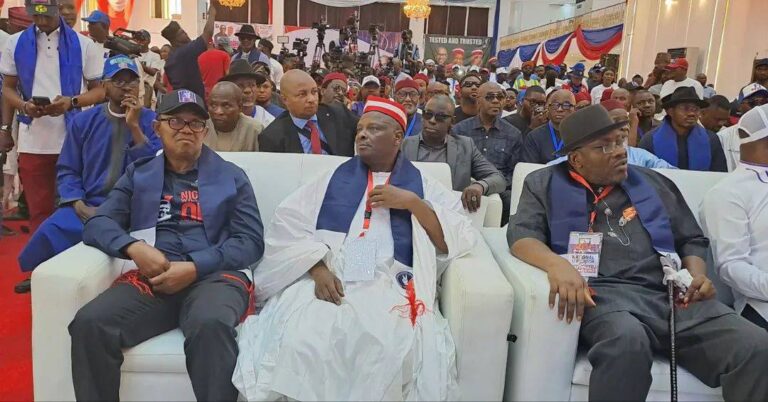
Kwankwaso welcomes NDC’s zoning of presidential ticket to South

FORMER Kano State governor, Rabiu Kwankwaso, on Saturday, May 9, welcomed the zoning of his party’s – the Nigeria Democratic Congress (NDC) – presidential ticket to southern Nigeria.

Addressing party members at the NDC’s national convention in Abuja, the former minister of defence described the move as a path to national healing and fairness.

“It is therefore with great sense of unity and solidarity, that as a loyal party member, I support the decision to zone the presidential ticket of the NDC to the South, so that it allows the region to complete its turn in producing national leadership. This represents a true opportunity for true national healing. We shall work in abidance with the party’s agreement to ensure fairness and federal character in all ramifications.

“Nigeria stands at a critical crossroads. The world is undergoing a profound geopolitical shift, yet our nation has been caught unprepared, largely because of poor leadership. Instead of positioning Nigeria to seize emerging opportunities, bad governance has left us bearing the brunt of global changes,” Kwankwaso said.

However, the 2023 presidential candidate of the New Nigeria Peoples’ Party (NNPP) blamed the socio-economic crisis Nigeria currently faces had its roots from poor leadership.

Kwankwaso argued that poor leadership birthed insecurity, collapsing public institutions and other ills militating against the nation.

The ICIR reports that the party zoned its 2027 presidential ticket to the south and 2031 to the north, following a motion moved by Afam Victor and seconded by Seyi Sowumi at the convention. The party’s national chairman, Moses Cleopas, described the convention as a crucial stage in the party’s efforts to position itself as a major force in the coming polls.

Zoning of the ADC presidential ticket to the South will bolster former Anambra State governor Peter Obi’s ambition to seek the Presidency on the party’s platform. There are strong indications that Obi and Kwankwaso will pair to contest for the Presidency in the ADC in 2027.

In his address at the convention, Kwankwaso accused the current federal government, led by President Bola Tinubu, of worsening the living conditions of Nigerians.

He said insecurity had created widows and orphans across the country while millions of citizens had been displaced from their homes. He noted that investments were leaving the country, infrastructure was neglected, education sector was collapsing, and harsh economic policies were being implemented without adequate relief measures for citizens.

The former senator said Nigeria’s political history showed that strategic alliances and inclusive leadership were key to national stability and progress.

He referenced historic political coalitions, including the alliance between the Northern Elements Progressive Union, led by the late Aminu Kano, and the National Council of Nigeria and the Cameroons led by the late Nnamdi Azikiwe in 1954.

“Yet Nigeria’s history teaches us that in our most challenging moments, visionary alliances have provided the way forward. In 1954, a historic partnership was formed between the Northern Elements Progressive Union (NEPU), led by Aminu Kano and the National Council of Nigeria and the Cameroons (NCNC), led by Nnamdi Azikiwe to achieve national unity,” he said.

Kwankwaso also cited the 1960 coalition between the NCNC and the Northern People’s Congress, as well as the alliance between the late Shehu Shagari and the late Alex Ekwueme under the National Party of Nigeria during the Second Republic.=

He added that the NDC would prioritise leadership free from ethnic jingoism and religious favouritism while promising fairness and federal character in governance.  

The convention comes amid growing political realignments and coalition talks ahead of the 2027 general elections.

While the ruling All Progressives Congress (APC) currently has 31 of Nigeria’s 36 state governors and produced the President Bola Tinubu-led federal government, several opposition political parties, including the Peoples’ Democratic Party (PDP), Labour Party (LP) and Africa Democratic Congress (ADC) have been embroiled in leadership crisis ahead of the imminent polls.

Kwankwaso and Peter Obi recently defected from the ADC to the NDC following a Supreme Court judgment that put the former’s fate in the balance.

There was also an exodus of serving National Assembly members to the NDC as 20 members of the Senate and House of Representatives switched over to the party in just one week. Other political heavyweights from different parties also joined the ADC at one fell swoop.

EFCC declares ex-minister Sadiya Umar wanted

THE Economic and Financial Crimes Commission (EFCC) has declared the former minister of humanitarian affairs and social development, Sadiya Farouq, wanted for alleged abuse of office and diversion of public funds.

In a wanted notice published on the EFCC’s official website, the anti-graft agency called on members of the public with information on her whereabouts to contact any of its offices nationwide.

The commission identified Farouq as an indigene of Zamfara State, with her last known address listed as EN008, Okpo River, off Agulu Street, Maitama, Abuja.

Farouq served as minister from 2019 to 2023 in the administration of late President Muhammadu Buhari and oversaw key social intervention programmes, including the National Social Investment Programme (NSIP), which managed initiatives such as TraderMoni, N-Power, conditional cash transfers, and school feeding programmes.

The ICIR reports that the latest development follows a series of investigations into alleged corruption within the Humanitarian Ministry. In January 2024, the EFCC questioned Farouq over an alleged N37.1 billion money laundering case linked to contractor James Okwete.

More recently, an FCT High Court in Abuja issued a warrant for her arrest after a former permanent secretary in the ministry, Bashir Nura Alkali, and the former minister failed to appear for arraignment in a case involving alleged diversion of $1.3 million and N746.6 million meant for government programmes.

The ICIR reported that the EFCC filed a 21-count charge against Farouq, Alkali, and another defendant, Sani Nafiu Mohammed. The charges reportedly include criminal breach of trust, abuse of office, fraudulent award of contracts, and conversion of public funds.

The EFCC alleged that funds meant for vulnerable Nigerians and social intervention programmes were diverted for personal use. Prosecutors told the court that the defendants failed to honour invitations and court summons, prompting the commission to seek an arrest warrant.

NDC holds national convention in Abuja as party attracts more political heavyweights

0

THE NIGERIA Democratic Congress (NDC) will today hold its national convention in Abuja as the party moves to strengthen its structure ahead of the 2027 general elections.

The party’s national chairman, Moses Cleopas, a former senator, described the convention as a crucial stage in the party’s efforts to position itself as a major force in the coming polls.

Speaking on Friday, May 8, Cleopas said one the major activities lined up for the convention is the inauguration of the party’s National Executive Committee (NEC), which will oversee the administration of the party and drive its political plans for 2027.

The NEC is also expected to manage the process that will produce the party’s presidential and other candidates.

Former Labour Party presidential candidate, Peter Obi, is believed to be the frontrunner for the NDC presidential ticket, while former Kano State governor, Rabiu Kwankwaso, has been touted as his possible running mate.

The convention comes at a time when the party has continued to record defections and consultations involving prominent opposition politicians seeking a formidable platform ahead of the next election cycle.

While the ruling All Progressives Congress (APC) currently has 31 of Nigeria’s 36 state governors and produced the President Bola Tinubu-led federal government, several opposition political parties, including the Peoples’ Democratic Party (PDP), Labour Party (LP) and Africa Democratic Congress (ADC) have been embroiled in leadership crisis ahead of the imminent polls.

Obi and Kwankwaso recently defected from the ADC to the NDC following a Supreme Court judgment that put the former’s fate in the balance.

There was also an exodus of serving National Assembly members to the NDC as 20 members of the Senate and House of Representatives switched over to the party in just one week. Other political heavyweights from different parties also joined the ADC at one fell swoop.

Nigeria, US deepen strategy against Sahel terror threats

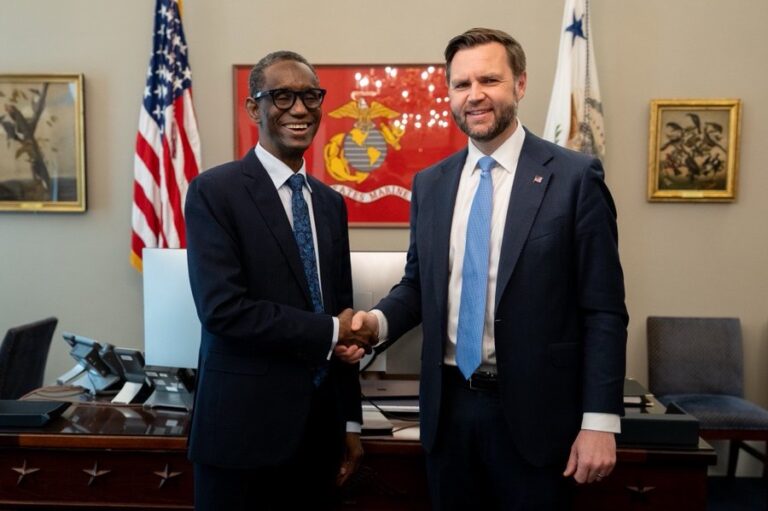
NIGERIA has continued to build on its partnership with the United States (US) to confront terrorism following a high-level meeting earlier this week between the National Security Adviser, Nuhu Ribadu, and United States officials, led by Vice President James Vance and Secretary of State Marco Rubio.

The meeting, which took place in Washington, was announced in a social media post by Secure Nigerian.

The ICIR reports that the meeting signals a more robust partnership between both countries as Nigeria intensifies military operations against insurgent groups including Boko Haram, Islamic State West Africa Province, and other extremist networks spreading across the Sahel region.

“This week, Nigeria’s National Security Advisor, Nuhu Ribadu, met with Vice President J.D. Vance and Secretary of State Marco Rubio, reinforcing a decisive U.S.-Nigeria partnership to confront terrorism in West Africa,” the post read.

According to the statement, President Bola Ahmed Tinubu expressed gratitude to US President Donald Trump for sustained American intelligence sharing, military training, and counterterrorism support to Nigerian forces.

“@officialABAT is grateful for @realDonaldTrump’s partnership and continued U.S. training and intelligence support as Nigerian forces intensify operations to dismantle terrorist networks, protect Nigerian Christians, and defend all vulnerable communities,” added.

It also highlighted the growing instability across West Africa, explaining that the collaboration with the US government would help to defeat terrorism and strengthen regional security cooperation.

“Africa’s largest democracy isn’t wavering. Nigeria stands as a frontline U.S. partner against ISIS, Boko Haram, and rising terror threats across the Sahel. This fight is winnable, and together, the U.S. and Nigeria intend to finish it,” the statement added.

The renewed security engagement comes amid growing instability across West Africa, where extremist violence has expanded beyond Nigeria into Niger, Mali, Burkina Faso, and parts of coastal West African states.

Since returning to office in January 2025 for his second term, Trump’s administration has pursued a more aggressive security-focused foreign policy in Africa, prioritising counterterrorism cooperation and strategic partnerships with regional allies. Nigeria, under Tinubu’s administration, has increasingly positioned itself as Washington’s most significant democratic and military ally in West Africa.

In November 2025, Ribadu led a 10-member high-level Nigerian delegation to Washington DC, where they held strategic security and diplomatic engagements with US officials.

A month later, in December 2025, Ribadu hosted a delegation from the US Congress in Abuja as both countries intensified bilateral cooperation on security and counterterrorism efforts.

The congressional delegation was led by senior lawmakers and included Representatives Mario Díaz-Balart, Norma Torres, Scott Franklin, Juan Ciscomani, and Riley Moore

No evidence of hantavirus in Nigeria – NCDC

0

THE Nigeria Centre for Disease Control and Prevention (NCDC) has said there is currently no evidence of hantavirus cases in Nigeria, despite recent reports of the virus cluster linked to cruise ship travel involving multiple countries.

In a public health advisory on Friday, May 8, the agency said it was closely monitoring the situation and maintaining enhanced surveillance for emerging infectious diseases.

The NCDC said the advisory became necessary following the cases linked to the cruise ship.

It also followed concerns raised by many Nigerians on social media over fears that the outbreak could mirror the spread of the coronavirus pandemic and Lassa fever.

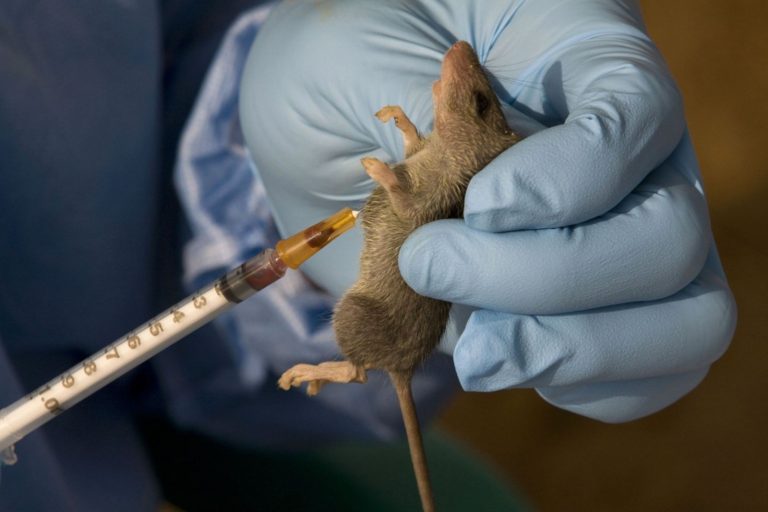
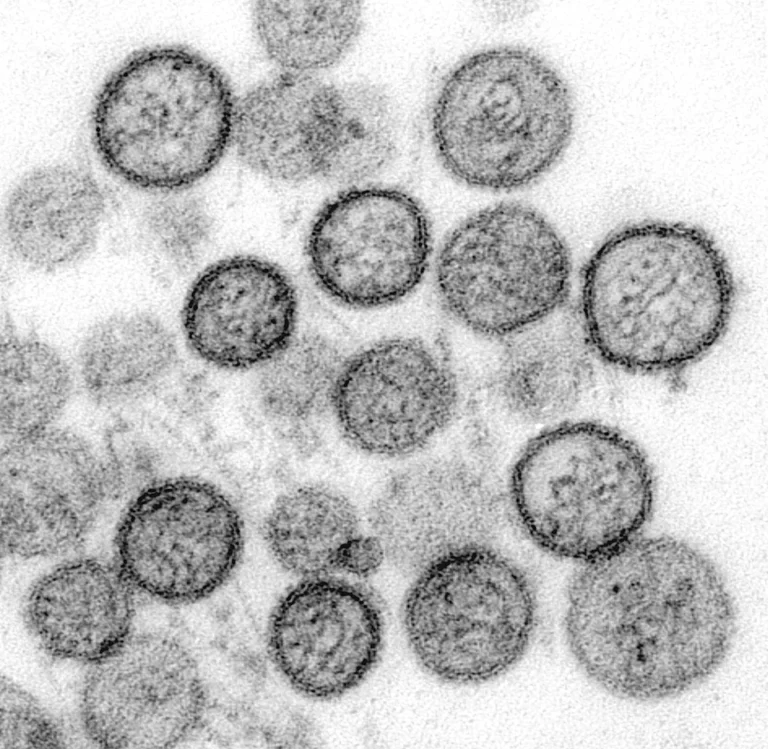
The ICIR reports that hantaviruses are zoonotic viruses, meaning they are naturally maintained in animal populations and can occasionally spread to humans.

They belong to the hantaviridae family and were first widely recognised during the Korean War in the early 1950s, although the virus itself was formally isolated later.

Commenting further in its advisory, the NCDC urged the public to maintain clean environments and take preventive measures against rodent infestation, noting that hantavirus is commonly spread through contact with infected rodents, their urine, droppings, or saliva.

The agency advised Nigerians to store food properly, dispose of waste safely, avoid contact with rodents and their droppings, and use protective measures when cleaning rodent-infested areas.

It also stressed the need for regular hand hygiene and adherence to infection prevention and control measures in communities and healthcare facilities.

“The NCDC remains committed to safeguarding public health and will continue to provide timely updates as the situation evolves,” the advisory stressed..

The agency also encouraged the public to rely on verified health information and report any public health concerns through its toll-free hotline, 6232.

Earlier this month, the World Health Organization (WHO) notified the public about a hantavirus outbreak linked to a cruise ship carrying 147 passengers and crew members.

As of May 4, 2026, seven cases, including two laboratory-confirmed infections and five suspected cases, had been identified. The outbreak recorded three deaths, one critically ill patient, and three persons with mild symptoms.

According to the WHO, the illnesses occurred between April 6 and 28 and were characterised by fever, gastrointestinal symptoms, rapid progression to pneumonia, acute respiratory distress syndrome, and shock.

The WHO says transmission mainly occurs when people inhale particles contaminated by infected rodents’ urine, saliva, or droppings. In rare cases, infection may also occur through rodent bites or direct contact with broken skin.

Human-to-human transmission is considered extremely rare, with only limited cases linked to the Andes virus in South America.

The global health body stressed that symptoms of the disease usually appear between one and eight weeks after exposure and often begin with flu-like signs including fever, fatigue, headaches, muscle aches, nausea, vomiting, diarrhoea, and abdominal pain.

In severe cases, hantavirus can progress to respiratory failure or kidney complications, depending on the strain involved.

Although there is currently no approved vaccine or specific antiviral treatment for hantavirus, health authorities say prevention largely depends on rodent control, environmental hygiene, and avoiding exposure to rodent-infested areas.

What you should know about hantavirus

EARLIER this month, the World Health Organisation (WHO) notified the public about an outbreak of hantavirus infection following reports of a cluster of passengers with severe respiratory illness aboard a cruise ship carrying 147 passengers and crew members.   

The WHO describes hantavirus as a group of viruses that can cause severe respiratory or kidney diseases in humans. Because the early symptoms often mimic common illnesses like the flu, public awareness of its origins, symptoms, and prevention is critical.

As of May 4, 2026, seven cases, including two laboratory-confirmed cases and five suspected cases of hantavirus had been identified. The outbreak also recorded three deaths, one critically ill patient, and three individuals with mild symptoms.

According to the WHO, illness onset occurred between April 6 and April 28, 2026, and was characterized by fever, gastrointestinal symptoms, rapid progression to pneumonia, acute respiratory distress syndrome, and shock.

While the outbreak is currently being managed through a coordinated international response involving in-depth investigations, case isolation and care, medical evacuation, and laboratory testing, here is what you need to know about the virus.

What is hantavirus?

Hantaviruses are zoonotic viruses, meaning they are naturally maintained in animal populations and can occasionally spread to humans.

They belong to the Hantaviridae family and were first widely recognised during the Korean War in the early 1950s, although the virus itself was formally isolated later.

Like Lassa fever, the virus is primarily linked to specific rodent hosts such as the deer mouse, rice rat, or cotton rat. While the virus can persist in these rodents for long periods, it does not make the animals appear sick.

The WHO notes that geographical location often determines the type of disease caused. Hantaviruses in the Americas generally cause Hantavirus Cardiopulmonary Syndrome (HCPS), while those found in Europe and Asia are more associated with Haemorrhagic Fever with Renal Syndrome (HFRS).

While hantavirus infections are relatively uncommon globally, they are linked to case fatality rates ranging from less than one per cent to 15 per cent in Asia and Europe, and up to 50 per cent in the Americas. Worldwide, an estimated 10,000 to more than 100,000 infections are recorded annually, with the highest burden occurring in Asia and Europe.

Can it be transmitted?

Transmission primarily occurs when humans come in contact with the urine, droppings, or saliva of infected rodents.

The most common route of transmission is inhalation. When rodent waste is disturbed, the virus can become airborne, allowing humans to breathe in contaminated particles.

Transmission may also occur through direct contact with broken skin or mucous membranes, and in some cases through rodent bites.

Regarding human-to-human transmission, WHO states that it is extremely rare. To date, only the Andes virus in South America has shown limited evidence of spreading between people, usually through close and prolonged contact, such as among household members.

Symptoms of Hantavirus

The WHO explains that symptoms usually begin to appear between one and eight weeks after exposure.

The clinical presentation varies depending on the syndrome developed by the patient, but the early stage is often similar.

  • Early phase: Patients typically experience fever, fatigue, and muscle aches, particularly in large muscle groups such as the thighs, hips, and back.
  • Respiratory progression (HCPS): In severe cases in the Americas, the disease may rapidly progress to shortness of breath and fluid accumulation in the lungs, leading to respiratory failure.
  • Renal progression (HFRS): In Europe and Asia, symptoms may progress to include severe headaches, blurred vision, and acute kidney failure.

Generally, the disease often starts with flu-like symptoms such as fever, fatigue, headache, muscle aches, and, in some cases, gastrointestinal symptoms including nausea, vomiting, diarrhoea, and abdominal pain.

While symptoms appear within two to four weeks after exposure, the incubation period can range from one to eight weeks.

Prevention

Because there is currently no specific vaccine or antiviral treatment licensed for hantavirus, rodent control remains the primary strategy for prevention.

The WHO emphasises reducing contact between people and rodent habitats.

Preventive measures include closing holes and gaps in homes or workplaces to prevent rodents from entering, keeping homes and workplaces clean, avoiding dry sweeping or vacuuming rodent droppings, and storing food properly in tightly sealed containers.

Others are washing hands regularly, as well as avoiding dry cleaning methods such as sweeping or vacuuming in areas contaminated with rodent droppings, as these actions can release the virus into the air. Instead, wet the area with disinfectant or bleach before cleaning.

Should Nigerians be worried?

Meanwhile, an epidemiologist, Shakir Balogun, clarified that there is currently no cause for panic in Nigeria, noting that the latest outbreak is linked to a cruise ship cluster.

He explained that the outbreak occurred on a cruise ship travelling near the South Atlantic, and that Nigerians are geographically far from the affected area.

Shakir averred that hantavirus is mainly transmitted from rodents to humans, and not from person to person; usually through inhalation of air contaminated with rodent urine, droppings, or saliva.

According to him, the risk of a COVID-like global spread is very low, and the WHO has also assessed the risk to the general public as low.

“The risk of a COVID-like pandemic is very remote. No need to panic or be alarmed. According to the WHO, the risk to the general public is low.”

He advised that prevention should focus on basic hygiene and avoiding contact with rodents, including properly sealing food storage, wearing protective gear when cleaning areas that may contain rodent droppings, washing fruits and vegetables thoroughly, maintaining regular hand hygiene, and avoiding open defecation.

He also urged travellers to pay attention to health advisories from the Nigeria Centre for Disease Control and the WHO, especially when visiting or transiting through affected regions.

He confirmed that no cases have been reported in Nigeria, and that the outbreak remains limited to those on the cruise ship.

This report is republished from FactCheckHub. The original story can be read here.

Court orders Sowore to open defence in Tinubu cyberbullying case

THE Federal High Court in Abuja has ordered activist and former presidential candidate Omoyele Sowore to enter his defence in the cyberbullying case instituted against him by the State Security Service (SSS) over alleged defamatory comments against President Bola Ahmed Tinubu.

The trial judge, Mohammed Umar, in a ruling delivered on Friday, held that the prosecution established a prima facie case against Sowore, sufficient enough to require him to enter his defence. He dismissed the no-case submission filed by the defendant.

“In view of the evidence before the court, a prima facie case has been made out against the defendant requiring him to enter his defence,” the judge ruled.

The ICIR reports that the case has continued to attract public attention due to concerns around freedom of expression, online criticism of public officials, and the application of Nigeria’s cybercrime laws.

Recall that Sowore had urged the court to discharge and acquit him in a no-case submission, after Nigeria’s secret police, otherwise known as the Department of State Services (DSS), had arraigned him on a two-count charge bordering on alleged cyberbullying after he allegedly described Tinubu as a ‘criminal’ on his X account, formerly known as Twitter.

The former presidential candidate argued in his no-case submission that the prosecution failed to establish any link between him and the alleged offences.

However, the judge ruled that the SSS successfully connected the defendant to the allegations and that the evidence presented before the court required an explanation from him.

However, Sowore accused the judge of bias after the ruling, insisting he could no longer get justice before the court. The activist urged  the to withdraw from the matter and return the case file to the Chief Judge of the Federal High Court for reassignment.

Reacting, Umar directed Sowore to file a formal application for recusal, stating the grounds for his request, as the matter was adjourned till May 19 for the accused to open his defence and for the hearing of the recusal application.

The former presidential candidate further alleged that the court was working in concert with the Federal Government to secure his conviction ahead of the 2027 general elections.

Similarly, Sowore’s counsel, Marshall Abubakar, also accused the court of favouring the prosecution and formally requested that the case be reassigned.

Meanwhile, the counsel to the SSS, Akinlolu Kehinde, opposed the oral application, arguing that Sowore, being represented by counsel, should not personally address the court on the issue.

Court adjourns ADC leadership suit indefinitely amid escalating internal crisis

THE Federal High Court in Abuja on Friday, May 8, adjourned indefinitely a suit challenging the leadership of the African Democratic Congress (ADC).

The case, filed by ADC chieftain Nafiu Bala Gombe against former Senate President David Mark and others, was stalled after the court was informed that the plaintiff had applied for the reassignment of the matter to another judge.

Presiding judge, Emeka Nwite, adjourned the matter sine die following submissions that a request had been made to the Chief Judge of the Federal High Court seeking the transfer of the case. 

The suit is marked FHC/ABJ/CS/1819/2025, and the plaintiff is seeking an order restraining Mark, former Osun State governor Rauf Aregbesola and others from parading themselves as ADC leaders. It alleged that their emergence as the party’s leaders violated the party’s constitution and provisions of the Electoral Act.

At the resumed hearing, plaintiff’s counsel, Luka Haruna, told the court that the Supreme Court had dismissed an interlocutory appeal filed by the defendants as lacking merit, according to PUNCH.

He also noted that the apex court had set aside an earlier order of the Court of Appeal which had halted proceedings in the substantive suit.

However, Haruna informed the court that the plaintiff had written to the chief judge requesting reassignment of the case and urged the court to await administrative action on the request.

The defendants opposed the application, arguing that it was a calculated attempt to delay proceedings and frustrate the accelerated hearing earlier ordered by the appellate courts. 

Their lawyers reportedly described the move as “forum shopping” and an abuse of judicial process.

In his ruling, Nwite held that the court could not take any decision on the letter addressed to the chief judge without hearing from all parties, warning that doing so would violate the principle of fair hearing.

He further noted that since the correspondence was directed to the chief judge, the trial court lacked jurisdiction to pronounce on it.

The judge subsequently adjourned the matter indefinitely, stating that the adjournment would allow parties to obtain certified true copies of relevant Supreme Court proceedings, serve necessary documents, and await further directives from the chief judge.

Background

The latest development comes amid a prolonged leadership crisis within the ADC, which has intensified legal and political tensions within the party.

On April 30, 2026, the Supreme Court ordered the return of the dispute to the Federal High Court for full hearing, effectively setting aside earlier interim directives from the Court of Appeal that had attempted to preserve the status quo ante bellum  in the party’s leadership structure. 

The apex court held that the substantive issues must be resolved at the trial court level.

The ruling effectively reinforced the David Mark-led executive of the ADC, pending final determination of the case. 

The dispute stemmed from a suit filed by Gombe, who is challenging the emergence of Mark and Aregbesola as the party leaders, insisting that he should leader the party instead.


2026 NMMA opens to journalists in Nigeria

THE Nigeria Media Merit Award (NMMA) is seeking applications for its award established in 1990 to recognise, encourage, and reward excellence in Nigerian media practice across print, radio, and television.

For the 2026 NMMA programme, journalists are to submit entries for works done in 2025.

In addition to its prestige, each award winner is presented with a trophy, a certificate, and a specific prize money.

The award categories include print, radio and television. Entry should be accompanied by the curriculum vitae and two passport-size photographs of the author.

The deadline for applications is May 15, 2026. Interested applicants can apply here.