Home Blog Page 341

Sokoto, Kebbi, confirm multiple cases of meningitis, warn residents

THE governments of Sokoto and Kebbi states have confirmed multiple cases of meningitis and urged residents to take preventive measures as the disease spreads in some local government areas.

In Sokoto, Commissioner for Health, Faruk Wurno, confirmed the outbreak in a statement on Tuesday, March 11, through the ministry’s Information/Public Relations Officer, Nura Maikwanci.

He said laboratory tests identified several cases in the state.

Residents were further advised to remain vigilant and seek immediate medical attention if they experienced symptoms such as fever, severe headache, or neck stiffness.

“To curb its spread, the ministry has intensified surveillance, case management, and public health interventions.

“We call on residents to take preventive measures, including seeking immediate medical attention if they experience symptoms such as fever, severe headache, or neck stiffness,” the statement added.

Wurno urged the public to report suspected cases to the nearest health facility, assuring that the state Governor Ahmed Aliyu had provided essential medications to health centres across the state.

Meanwhile, the Kebbi State government has reportedly confirmed that 26 people died from a suspected outbreak of cerebrospinal meningitis in Aliero, Gwandu, and Jega local government areas.

These deaths were confirmed by the state government on Tuesday, March 11, according to a report by Punch.

The World Health Organization (WHO) defines meningitis as the inflammation of the tissues surrounding the brain and spinal cord.

Meningitis can be caused by several species of bacteria, viruses, fungi and parasites, with most infections being transmitted from person to person.

The global health body noted that injuries, cancers and drugs cause a small number of cases.

Meningitis occurrence is influenced by multiple factors, with climatic variability and seasonal changes playing a significant role in its distribution.

Studies have shown that climate change may be driving an increase in meningitis cases, as higher temperatures can boost the bacteria’s ability to withstand the human immune response.

The WHO describes meningitis as a devastating disease with a high case fatality rate, which could lead to serious long-term complications (sequelae).

The risk increases when individuals live in close proximity, such as in overcrowded households, refugee camps, mass gatherings, or communal settings like student dormitories and military barracks.

According to the WHO, the common symptoms of meningitis are neck stiffness, fever, confusion or altered mental status, headaches, nausea and vomiting.

Less frequent symptoms include seizures, coma and neurological deficits (for example hearing or vision loss, cognitive impairment, or weakness of the limbs).

The disease can affect people of all ages.

Supreme Court upholds Aiyedatiwa’s victory, dismisses Ajayi’s suit

0

THE Supreme Court has dismissed an appeal by the Peoples Democratic Party (PDP) and its governorship candidate, Agboola Ajayi, contesting the legitimacy of Ondo State Governor Lucky Orimisan Aiyedatiwa’s candidacy in the November 16, 2024, governorship election.

In the lead judgment delivered by Garba Lawal on Tuesday, March 11, the apex court threw out the litigants’ appeal for lacking in merit, being baseless, and frivolous.

The court validated the earlier rulings of the Federal High Court and the Court of Appeal regarding Aiyedatiwa’s candidacy in the poll.

Ajayi had attempted to overturn Aiyedatiwa’s victory by accusing the governor’s deputy, Olayide Adelami, of forgery, impersonation, and identity fraud.

Ajayi’s lawsuit, submitted on June 7, 2024, alleged that Adelami forged documents tainted his eligibility to stand in the election.

However, his efforts were thwarted as both the Federal High Court and the Court of Appeal dismissed his case on technical grounds, thereby upholding Aiyedatiwa’s victory.

The Federal High Court ruled that the accusations of forgery against Adelami required more substantial evidence, which couldn’t be presented through an originating summons.

Additionally, the petition was deemedstatute-barredsince it was filed after the constitutionally mandated deadline.

The Court of Appeal upheld this decision on January 18, and also imposed a N500,000 fine on the litigant.

Dissatisfied with the ruling, Ajayi proceeded to the Supreme Court.

The Supreme Court, after taking arguments from counsel to the parties on February 25, reserved its judgment till today, March 11.

The ICIR reported that Aiyedatiwa of the All Progressives Congress (APC) secured victory in the Ondo State governorship election held on November 16, 2024.

He secured 366,781 votes, winning in all 18 local government areas, while his closest contender, Ajayi, trailed with 117,845 votes.

Ukraine’s drones hit Russian capital, spark fires, airports closures

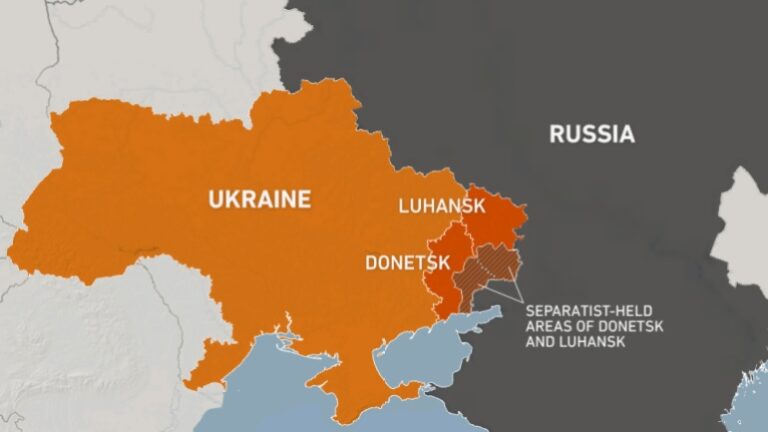
UKRAINE launched its biggest drone attack on Moscow in the early hours of Tuesday, March 11, with at least 91 drones targeting the Russian capital. 

Moscow Region Governor, Andrei Vorobyov, confirmed that the assault killed at least two workers at a meat warehouse and injured 18 others.

The attack also sparked fires, forced a sudden airports shutdown, and diversion of dozens of flights.

Vorobyov who posted a picture of a wrecked apartment with its windows blown out, said that some residents were forced to evacuate a multi-storey building in the Ramenskoye district of Moscow region, about 50 km (31 miles) southeast of Kremlin.

Russia’s defence ministry reported that 337 Ukrainian drones were shot down across the country, including 91 over the Moscow region and 126 over the Kursk region, where Ukrainian forces have been retreating.

The ICIR reports that the massive drone attack at dawn came as a Ukrainian delegation prepared to meet with U.S. officials in Saudi Arabia to explore potential grounds for peace talks in the three-year-old war.

Kyiv which has endured repeated mass strikes from Russia and was reportedly being targeted by a ballistic missile and 126 drones on Tuesday.

The ICIR reported that Trump paused intelligence sharing with Kyiv on Wednesday, March 5, after suspending all U.S. military aid to Ukraine on Tuesday, March 4.

However, Moscow Mayor, Sergei Sobyanin, said that air defences were still repelling attacks on the city with a population of at least 21 million, including the surrounding region.

“The most massive attack of enemy unmanned aerial vehicles on Moscow has been repelled,” Sobyanin said in a post on Telegram.

Sobyanin said Tuesday’s was the biggest Ukrainian drone attack on the city, which along with the surrounding region has a population of at least 21 million.

Russia’s aviation watchdog said flights were suspended at all four of Moscow’s airports and two other airports, in the Yaroslavl and Nizhny Novgorod regions, both east of Moscow, to ensure air safety after the attacks.

Mob set monarch’s palace, LG secretariat ablaze in Benue

PROTESTERS burnt down the palace of the Ter Nagi, Daniel Abomtse, and parts of the Gwer West Local Government Secretariat in Benue State while protesting the killing of three people in the area on Tuesday, March 11.

The protest, which erupted in Naka community, turned violent after the bodies of three victims, killed by suspected armed herders, were brought to the area Tuesday morning.

The protests quickly escalated into violence, resulting in the destruction of property, including the palace of the traditional ruler, Abomtse, and parts of the Gwer West Local Government Secretariat.

Chairman of Gwer West LGA, Victor Omirin, confirmed the incident, highlighting the growing tensions and insecurity in the region.

In a chat with The ICIR on Tuesday, the Benue State Police Public Relations Officer, Catherine Anene, confirmed that the protest was still ongoing in the Naka community.

She said the police hierarchy in the state swiftly responded by deploying tactical teams to the affected area.

“Information has been received about the protest in Naka and the Commissioner of Police has moved this morning to the area with other tactical teams. Further development will be communicated to you,” she stated.

The ICIR reports that insecurity and farmers-herders clash in Benue have resulted in loss of hundreds of lives and property.

In 2023, The ICIR reported that no fewer than 40 primary and secondary schools were shut down due to insecurity in the state. 

The ICIR further reported that about 5,138 people were killed and 18 local government areas were attacked by suspected herdsmen under former Governor Samuel Ortom’s administration as of March 13, 2023, according to figures released by the Benue State Emergency Management Agency (SEMA).

Also, about 18,000 people were displaced at the beginning of April of the same year following attacks on some communities in the state.

Risks, opportunities private-sector businesses will face in 2025 – NESG

THE Nigerian Economic Summit Group (NESG) has highlighted some risks and opportunities businesses within the private sector would face in 2025.

The NESG highlighted this in its latest report titled ‘Nigeria’s Private Sector in 2025: Adapting to Economic Uncertainty for Growth and Resilience.’

It said a complex mix of economic, political, and regulatory uncertainties would shape the Nigerian business environment this year.

It pointed out that ongoing government reforms, shifting global economic dynamics, and internal structural challenges would continue to influence market conditions, investment decisions, and business operations.

Key policy changes it noted include the removal of fuel and electricity subsidies, exchange rate harmonisation, and tax reforms.

While these measures are aimed at stabilising the economy and addressing fiscal deficits, they have fuelled inflationary pressures, currency volatility, and rising borrowing costs, complicating the operating landscape for businesses.

Added to the risks are regulatory unpredictability and security concerns facing the private sector.

According to NESG, some of the risks stem from long-standing structural issues, recent economic policies, global market shifts, and evolving socio-political dynamics.

“These risks, if not adequately managed, could undermine business sustainability, investment confidence, and overall economic growth,” it warned.

It categorised the risks more broadly into macroeconomic, political and security, structural and infrastructure, financial and credit, social, and global economic and trade, with each having distinct implications for private sector operations.

The macroeconomic risks include inflationary pressures, high exchange rates, high borrowing costs, and fiscal uncertainties, all of which influence business performance and investment decisions.

A combination of political, security and social risks encompass labour market disruptions, rising unemployment, security concerns, and demographic shifts that affect workforce stability and consumer demand.

It said structural and infrastructure risks such as energy (power) crises, and logistics and transport bottlenecks pose long-term threats to business continuity and resilience.

Further, the emerging risks from global economic and trade dynamics are also creating some level of uncertainty for businesses in Nigeria this year.

“Given the interconnected nature of these risks, Nigerian businesses must assess their potential impact and develop effective mitigation strategies.

The ICIR can report that Nigeria’s public debt worsened to N142.3 trillion in the third quarter of 2024.

With an approved budget of N54.99 trillion for 2025, additional borrowing will likely be required to finance fiscal deficits if revenue targets are missed.

Borrowing costs for businesses remained high as the apex bank recently retained the benchmark interest rate at 27.5 per cent and other parameters.

“These challenges may dampen investor confidence, complicate financial planning, and raise operational costs, further constraining Nigeria’s economic growth in 2025,” NESG stated.

Since the return of Donald Trump to the White House as United States president, Nigeria’s business environment has changed and facing significant challenges due to global supply chain disruptions driven by geopolitical tensions, trade restrictions, and rising shipping costs.

These disruptions will lead to supply shortages, price volatility, and production delays, placing additional pressure on businesses across various industries.

Opportunities

Nigeria’s private sector, if well-positioned, could capitalise on key opportunities that enhance productivity, improve efficiency, reduce costs, and boost profitability, the NESG projected.

It said the opportunities range from cost-effective tax reforms to increased Foreign Direct Investment (FDI) to productivity-enhancing technologies and the revitalisation of local oil refineries that span critical sectors of the economy.

It, however, stated that the level of impact these opportunities would have would vary.

“Notably, six of the twenty economic sectors—Agriculture, Manufacturing, Construction, Trade, Transport, and Financial & Insurance Services—are exposed to at least three direct impacts of these opportunities.

“These high-impact sectors collectively accounted for about 59 per cent of Nigeria’s real GDP, recorded positive growth rates, and contributed about 91 per cent to total real GDP growth in 2024.”

The NESG said it was optimistic that Nigeria remains an attractive destination for investment and business expansion despite global economic uncertainties.

“The country’s large consumer market, expanding digital economy, and ongoing economic reforms create a conducive environment for growth.

“Businesses that embrace localisation, technological innovation, and trade diversification will be best positioned to navigate challenges and seize emerging opportunities,” NESG.

It urged entrepreneurs and investors to strategically align with Nigeria’s evolving economic landscape, land leverage government incentives and reform programmes.

It also urged them to adopt emerging technologies and explore both domestic and international markets to drive sustainable growth and long-term profitability.

Commenting on the report, the president of the Nigerian Association of Chambers of Commerce, Industry, Mines and Agriculture (NACCIMA) and chairman of Organised Private Sector of Nigeria (OPSN), Dele Oye, said, “Government must act as a facilitator, not a competitor, in economic affairs. Business organisations should always be in the room when key negotiations take place to ensure broad-based economic benefits.”

NNPC suspension of naira-for-crude deal for Dangote points to petrol price increase

0

Analysts have warned that the suspension of the naira-for-crude oil swap deal by the Nigerian National Petroleum Company (NNPC) Limited with domestic refiners, including Dangote Refinery, could trigger importation and high fuel costs.

The decision, which took immediate effect, has sparked discussions about its implications for Nigeria’s energy sector and the broader economy.

The  ICIR reports that the naira-for-crude arrangement, introduced on October 1, 2024, allowed local refiners to purchase crude oil in naira instead of dollars.

The initiative was designed to support domestic refining capacity, reduce reliance on imported petroleum products, and stabilise the local currency by easing pressure on foreign exchange reserves.

“Crude-for-naira swap wasn’t a transparent deal between Dangote and the Nigeria National Petroleum Company Limited. The market is experiencing some form of dynamism and the marketers are incurring losses currently. Let me tell you the landing cost is now between N845-N850 and many of them are still selling at a price close to that. Maybe from henceforth, we will get a clearer picture of what the price is,” an oil governance expert, Henry Ademola Adigun told The ICIR.

The termination of the agreement means that Nigerian refineries, including the much-anticipated Dangote facility, will now have to source crude oil from international suppliers, paying in dollars instead of naira.

This shift is expected to escalate operational costs, potentially leading to higher fuel prices at the pump.

According to informed sources familiar with the development, the NNPC informed local refiners that it has already committed its crude oil production to forward contracts, leaving no supply available for domestic refineries. This revelation comes despite reports that Nigeria’s crude output has increased since the deal first began.

The suspension has raised concerns among industry stakeholders, particularly for the Dangote Refinery, which is poised to become one of Africa’s largest refining facilities.

The refinery, owned by billionaire Aliko Dangote, has been a key beneficiary of the naira-for-crude deal, as it relies on locally sourced crude to meet its refining needs. Analysts fear the suspension could delay the refinery’s operational timeline and increase costs.

Other private refiners, including Waltersmith Petroman and BUA Refinery, are also expected to feel the impact. The deal had provided them with a cost-effective way to secure crude oil feedstock, enabling them to compete with international players.

Economic watchers warned that the suspension could have ripple effects on Nigeria’s economy. The naira has already faced significant pressure in recent months, and the removal of this dollar-saving mechanism could exacerbate the currency’s volatility.

Additionally, the move may hinder efforts to achieve self-sufficiency in petroleum production, a key goal of the federal government.

Commenting on the development, former chairman of the Major Marketers Association of Nigeria (MOMAN), Adetunji Oyebanji told The ICIR that the development would open up the market dynamism more and ensure stability.

“Marketers who import will have a clearer picture of the landing cost and we will gradually see the market dynamism. Not everyone is part of the crude swap deal so people can also easily choose where they want to buy from,” he added.

The ICIR reported that the federal government said it had completed all agreements and modalities for the sale of crude to Dangote Petrochemical Refinery and other local refineries in Naira, with the Nigerian National Petroleum Company Limited (NNPCL) as the sole off-taker of refined petrol from Dangote Petrochemical Refinery.

Meanwhile, in a latest development, the NNPCL in a clarification statement noted that the  contract for the sale of crude oil in Naira was structured as a six-month agreement, subject to availability, and expires at the end of March 2025, adding that, “Discussions are currently ongoing towards emplacing a new contract.”

“Under this arrangement, NNPC Ltd. has made over 48 million barrels of crude oil available to Dangote Refinery since October 2024. In aggregate, NNPC Ltd. has made over 84 million barrels of crude oil available to the Refinery since its commencement of operations in 2023,”the NNPCL clarified in a statement issued on Monday, March 10, by its chief corporate communications officer, Olufemi Soneye

Nigeria’s journey through tax reforms: Timelines and milestones

TAX reform has been a pivotal subject in Nigeria’s economic discourse, as successive administrations grapple with boosting revenue and ensuring fiscal sustainability. 

The latest effort in this regard is the proposed Tax Reform Bill, a significant legislative initiative designed to streamline tax administration, improve compliance, and create a fairer tax environment which was proposed in 2024.

This proposed legislation aims to overhaul the country’s tax collection and administration systems, presenting an opportunity to create a more equitable and efficient taxation model. At the heart of the bill are transformative provisions, such as revisions to the Value Added Tax (VAT) revenue-sharing formula and exemptions for small businesses and the average Nigerians.

While these changes could potentially revitalise Nigeria’s economy, they also expose critical issues within the country’s federal structure, particularly the economic imbalances among regions (States and Local Governments).

Tax reforms involve intentional and ongoing efforts by the government and its agencies to modify existing tax laws and policies. These changes aim to improve tax administration and collection processes efficiently and cost-effectively. The primary goal of tax reforms is to enhance revenue generation by enacting laws that address gaps and weaknesses in current tax regulations.

Below are some of Nigeria’s previous tax reforms, focusing on the proposed Tax Reform Bill and its potential effects on businesses, individuals, and the economy.

Value Added Tax – 1993

Value Added Tax (VAT) was introduced in Nigeria in 1993 under the VAT Act No. 102, replacing the Sales Tax system established by Decree No. 7 of 1986. 

The idea originated from a Federal Government Study Group in 1991, which reviewed the tax system and recommended VAT. A feasibility study followed, leading to the government’s decision to implement VAT in mid-1993. However, its introduction was deferred to September 1, 1993, to finalise legislation and preparations.

The shift from Sales Tax to VAT was driven by several factors, including the narrow scope of Sales Tax, which only covered nine categories of goods and services, primarily targeting locally manufactured products. VAT, by contrast, applies broadly, including imported goods, ensuring neutrality and generating higher revenue. The Federal Inland Revenue Service (FIRS) administers VAT in Nigeria.

Tax Identification Number –  2008 

The Taxpayer Identification Number (TIN) is a unique, sequential identifier issued by the Federal Inland Revenue Service (FIRS) or State Board of Internal Revenue (SBIR).

It was introduced in Nigeria in 2008 to enhance tax administration and revenue collection. The nationwide electronic system registers and tracks individuals and entities, helping to broaden the tax base, reduce tax evasion, and align with global best practices.

Implemented as part of the 2012 National Tax Policy, TIN aims to modernise Nigeria’s tax system, integrate more taxpayers from both formal and informal sectors, and boost government revenue.

Companies Income Tax ACT- 1961

The Companies Income Tax Act (CITA), enacted in 1961, governs corporate taxation in Nigeria and is administered by the Federal Inland Revenue Service (FIRS). It imposes taxes on company profits after allowable deductions, including expenses and applicable reliefs. Over the years, CITA has undergone significant reforms, notably in 1979, 1990, and 2007.

The 2007 amendment introduced key changes, such as specific provisions for taxing insurance companies, revised procedures for tax exemptions in Export Processing Zones, and extended the carry-forward period for losses indefinitely. It also allowed capital donations to universities and research institutions while abolishing investment tax credits for firms using locally fabricated plants.

Company income tax applies to various income streams, including trade profits, rent, premiums, investment income, dividends, interest, royalties, fees earned in Nigeria, and income brought into the country. These reforms aim to enhance the efficiency and equity of Nigeria’s corporate tax system.

Personal Income Tax Act – 1993

The Personal Income Tax Act (PITA) of 1993 imposes income tax on individuals, communities, families, executors, and trustees, outlining provisions for assessment, collection, and administration.

Personal income includes all earnings or revenue an individual generates from various sources during a financial year, encompassing employment-related income, investments, rental earnings, and business profits.

In Nigeria, all residents aged 18 and above earning income from Nigerian sources must file personal income tax returns. This requirement applies to salaried employees, self-employed individuals, and those with other income sources. Members of the armed forces receiving employment income are also mandated to file annual returns. Additionally, non-residents earning Nigerian-sourced income must comply with tax filing obligations.

Petroleum Profit Tax

The Petroleum Profit Tax (PPT) is a specialised tax in Nigeria targeting companies involved in upstream petroleum activities, such as exploration, production, and the initial sale of crude oil and natural gas. Governed by the Petroleum Profit Tax Act (PPTA) of 1959, it applies solely to profits from these operations and is distinct from other taxes like the Companies Income Tax.

The PPT ensures the Nigerian government secures a significant share of revenue from the oil and gas sector, contributing about 95% of foreign exchange earnings and 70% of government revenue. It also encompasses taxation on rents, royalties, and profit-sharing tied to oil mining, prospecting, and exploration leases. While complemented by contractual agreements not fully covered under tax laws, PPT remains a cornerstone of Nigeria’s fiscal framework in the oil and gas industry.

Education Tax – 1993

The Education Tax, introduced in 1993 under the Education Tax Act No. 7, imposes a 2 per cent levy on the assessable profits of Nigerian companies. It was designed to address the financial crisis in the education sector, providing critical funding for its renewal and survival. The tax is calculated on net profits before tax and is not subject to company income tax.

Currently governed by the Tertiary Education Trust Fund (Establishment, Etc.) Act 2011, the tax applies to all registered companies in Nigeria, with filing deadlines aligning with those for Companies Income Tax (CIT) and Petroleum Profits Tax (PPT).

Proceeds from the tax are managed by the Tertiary Education Trust Fund (TETFund) and allocated for the rehabilitation, restoration, and consolidation of tertiary education. Distribution of funds is in the ratio of 2:1:1 among universities, polytechnics, and colleges of education, respectively.

PETROAN seeks multiple products supply sources to checkmate monopoly

0

THE Petroleum Products Retail Outlets Owners Association of Nigeria (PETROAN) has called for the supply of petroleum products from multiple sources to guard against monopoly and unhealthy competition.

The association made the call in a statement on Monday, March 10 by its national Public Relations Officer (PRO), Joseph Obele.

It arrived at the suggestion after consultation with key stakeholders and players in the petroleum sector, the statement says, adding that it has taken a firm stance on promoting healthy competition and controlling price fluctuations in the downstream sector.

“To achieve this, PETROAN advocates for a multiplicity of supply sources, including Dangote Refinery, NNPC refineries, modular refineries, and imports,” the association stated.

PETROAN said it firmly believes that a competitive downstream sector is not just beneficial but necessary.

“This diverse range of sources will foster competition, especially with imports, allowing for comparisons with international market prices and protecting the local market from exploitation.

“We advocate for policies that dismantle barriers to entry for new players, promote fair practices among existing companies, and ensure that no single entity can dominate the market to the detriment of consumers,” the statement maintained.

It said the importance of healthy competition is essential for fostering innovation, improving service delivery, and ensuring that consumers have access to affordable products, stressing that when competition thrives, it leads to better choices for consumers and ultimately contributes to economic growth.

Noting the importance of the downstream sector in any economy, it said, “It is the lifeblood that fuels our industries, powers our homes, and drives our transportation systems.

“However, this sector is not without its challenges. Fluctuating prices, market monopolies, and unhealthy competition can undermine the very foundations of our economy and the trust of our citizens.”

To this effect, PETROAN  advocated that there is a need to prevent monopolies and ensure local refineries thrive, given their significant economic benefits to the country.

The ICIR can report that recent developments show the Nigerian National Petroleum Company Limited (NNPCL) and the Dangote Refinery are engaged in a price war.

The Dangote refinery had repeatedly dropped the gantry price of its refined petroleum product and reached a fixed pump price with its retail outlet partners as the NNPCL followed suit in reducing pump prices across its outlets.

The most recent drop in petrol pump prices was when the Dangote refinery fixed the price at N860 in Lagos and adjusted the price for other states, and NNPCL followed suit.

PETROAN further called on the Nigerian Midstream and Downstream Petroleum Regulatory Authority (NMDPRA) and the Federal Competition and Consumer Protection Commission (FCCPC) to tighten their efforts in promoting healthy competition.

It also urged the regulatory bodies to remain vigilant and prevent unfair competition practices.

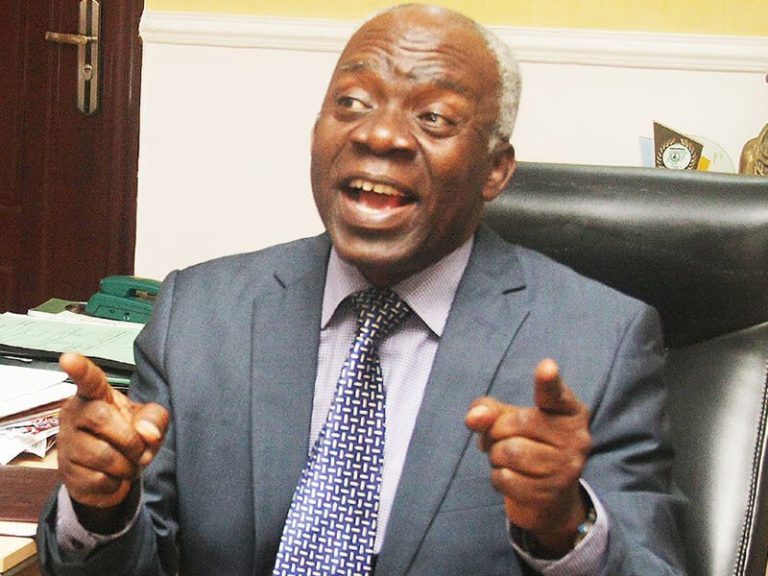
Falana blasts Senate over Natasha’s suspension, says its legislative recklessness

HUMAN rights lawyer and activist, Femi Falana, has condemned Senator Akpoti-Uduaghan’s suspension from the Nigerian Senate.

He described the suspension as legislative recklessness and demanded its immediate reversal.

In a statement on Sunday, Falana criticised the Nigerian Senate for ignoring multiple court rulings that have declared lawmakers’ suspension illegal.

The senior advocate also pointed out that despite a Federal High Court order restraining the Senate Ethics Committee from taking action against Akpoti-Uduaghan, the Senate proceeded with the suspension, openly defying judicial precedents.

Falana urged that “suspending legislators at the whims and caprices of leaders of the federal and state legislative houses must not be allowed to continue in Nigeria.”

The ICIR reported that Akpoti-Uduaghan, representing Kogi Central, was suspended for six months on Thursday, May 6, following a heated exchange with Senate President Godswill Akpabio on February 20 over seating arrangements.

A Federal High Court in Abuja on March 5, ordered the Senate Committee on Ethics, Privileges, and Public Petitions to halt its disciplinary hearing.

However, the committee ignored the order and recommended a six-month suspension, adding that the punishment could be reduced if the lawmaker publicly apologised.

The Senate later approved the committee’s report and suspended Akpoti-Uduaghan for “gross misconduct” during plenary.

Reacting to the suspension, Falana noted that courts had reinstated all lawmakers previously suspended by the national or state legislatures.

He cited past court rulings, including those by the Court of Appeal, as evidence that Akpoti-Uduaghan’s suspension could be overturned.

“In 2012, our law firm also handled the case of Honourable Rifkatu Danna, the only female member of the 31-member Bauchi State House of Assembly. Danna was suspended in June 2012 for allegedly making uncomplimentary remarks when she challenged the lawmakers’ decision to approve the relocation of the headquarters of Tafawa Balewa Local Government Area of Bauchi State.

“But the Bauchi State High Court declared her suspension illegal and ordered the Bauchi State House of Assembly to reinstate her and pay her withheld salaries and allowances” he said.

Falana demanded an immediate end to the “illegal suspension,” referencing past legal precedents, including a 2010 case in which the House of Representatives suspended Dino Melaye and 10 others

Falana also referenced another senator, Abdul Ningi’s, challenge against the Akpabio-led Senate, which suspended him for three months over his allegation that Nigeria’s 2024 budget was padded. He noted that after Ningi took the matter to the Federal High Court, the Senate reinstated him and paid his withheld salaries and allowances.

“On August 13, 2024, the same court reinstated Hon. Iroju Ogundeji as the Deputy Speaker of the State House of Assembly. In a unanimous ruling, justices Oyebisi Folayemi Omoleye, Frederick Oziakpono-Oho, and Yusuf Alhaji Bashir affirmed the decision made by Justice Akintan Osadebey, which reinstated the two-term legislator representing the Odigbo state constituency.

“In the past five years, the High Court sitting in Lokoja, Kogi State, and the National Industrial Court nullified the illegal suspension of members of the Houses of Assembly of Kogi and Edo State respectively.”

Akpoti-Uduaghan’s suspension came days after she accused Akpabio of sexual harassment on February 28 on Arise TV.

The ICIR reported on March 5, that Akpoti-Uduaghan submitted a sexual harassment petition against Akpabio.


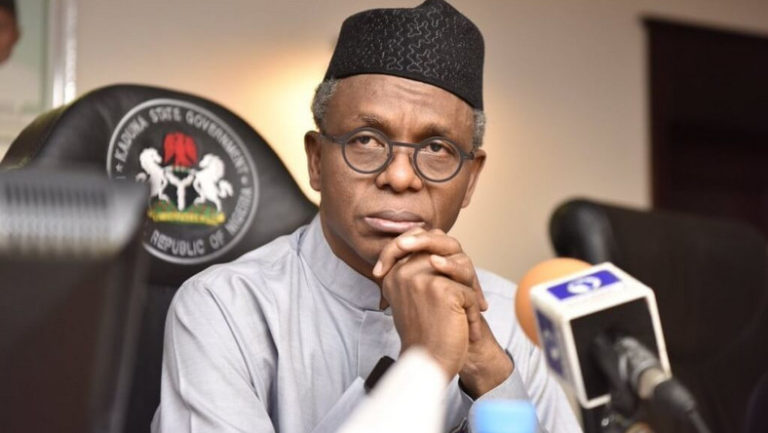
Former Kaduna governor El-Rufai resigns from APC, joins SDP

A FORMER governor of Kaduna state, Nasir El-Rufai, has defected from the All Progressives Congress (APC) to the Social Democratic Party (SDP).

El-Rufai announced his resignation from the ruling APC – a party he joined others to found in 2013 – on Monday, March 10.

The move was disclosed in a letter posted on his social media handles.

In the letter, the former governor stated that, as a founding member of the APC, he had fond memories of working with other compatriots to negotiate the merger of political parties that created the party.

He said he had hoped since 2013 that his values and those of the APC would align pending when he retires from politics.

“Developments in the last two years confirm that there is no desire on the part of those who currently control and run the APC to acknowledge, much less address, the unhealthy situation of the party. On my part, I have raised concerns in private and, more recently, in public regarding the capricious trajectory of the party.

“Therefore, at this point in my political journey, I have come to the conclusion that I must seek another political platform for the pursuit of the progressive values I cherish. Today, the 10th of March 2025, I have submitted a letter resigning my membership of the APC to my ward in Kaduna, effective immediately,” El Rufai said.

He revealed that he had concluded consultations with his mentors, colleagues, and loyalists about his political future and had decided to join the SDP.

The sign of El-Rufai’s moving to the SDP was obvious last week when his close ally, Nasiru Abdullahi Maikano, emerged as the new interim chairman of the Caretaker Committee of the party in Kaduna State.

El-Rufai has been meeting with key opposition figures in recent weeks. On Sunday, pictures emerged of him meeting the former Vice President, Atiku Abubakar; a former Osun State governor, Rauf Aregbesola; and a clergyman, Tunde Bakare.

These meetings have fueled rumours of a possible realignment in Nigeria’s political landscape ahead of the next election cycle.

In February, El-Rufai raised concerns over the implementation of President Bola Tinubu’s economic reforms, questioning the competence of those overseeing the policies.

While acknowledging that some of the policies were rooted in orthodox economic principles, he argued that their implementation had been flawed.

Speaking during an interview on Arise TV, El-Rufai, on Monday, February 24, the former governor argued that the government’s approach to some of the policies was wrong.

Recall that El-Rufai, who was nominated by Tinubu for a ministerial position in 2023, was among those denied confirmation by the Senate.

The Senate had declined to confirm his nomination, alongside Stella Okotete (Delta) and Abubakar Danladi (Taraba), citing unresolved security reports.

But the former governor stated that the National Assembly had no role in his exclusion and that Tinubu personally decided against appointing him.