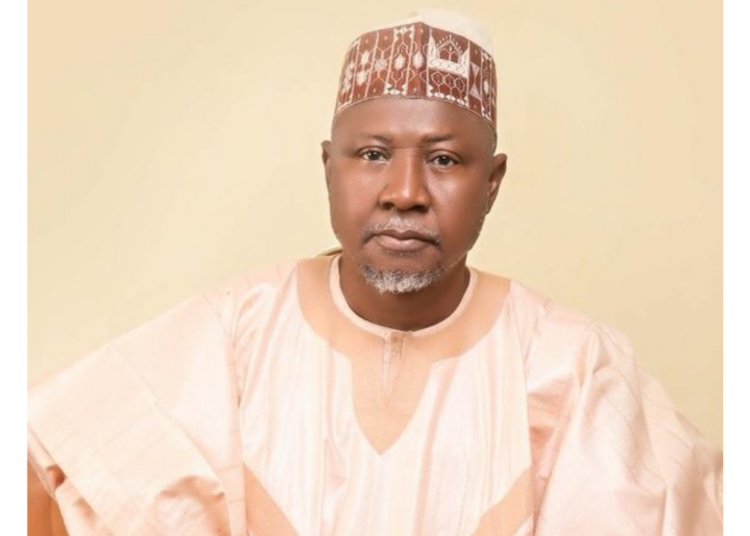
PRESIDENT Bola Tinubu’s Special Adviser on Information and Strategy, Bayo Onanuga, has stirred controversy after claiming he could not see the level of hunger many Nigerians complain about.
This was despite widespread reports of rising food prices, declining purchasing power and growing economic hardship across Nigeria.
Speaking on Arise Television’s Prime Time programme on Tuesday, June 23, Onanuga suggested that narratives about hunger had become entrenched shortly after the Tinubu administration came into office.
“It’s like in the early days of this government. Somebody did a voice-over saying that we are hungry. Since then, people have been saying that.
“I am a Nigerian; I have people working for me privately. I don’t see the level of hunger people are talking about because I see them (the workers) and I keep asking them questions. How are things? How are they adjusting? What are the problems?” he said.
His remarks come at a time when many households are struggling with the effects of subsidy removal, naira devaluation, policies introduced shortly after Tinubu assumed office in May 2023. The policies have fueled inflation, leaving many citizens unable to afford basic necessities, including food.
Rising prices squeeze household budgets
Since 2023, the prices of staple foods have risen sharply across many parts of Nigeria.
Several reports also indicate how many households spend a larger share of their income on food and transportation than they did before the current administration took over power.
The crisis followed the removal of petrol subsidy and other reforms that triggered higher transportation, production and importation costs.
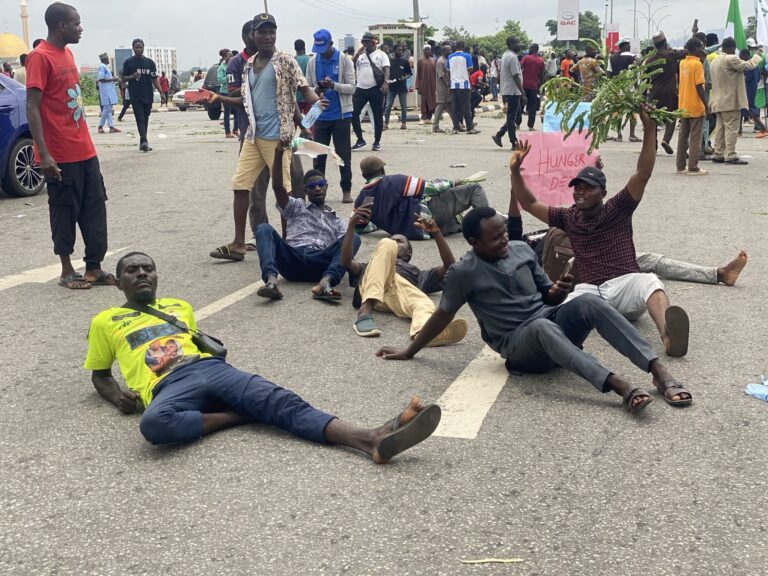
The economic strain sparked nationwide protests in August 2024, with thousands of Nigerians taking to the streets under the #EndBadGovernance banner to protest hunger, inflation and deteriorating living conditions.
Although the Nigeria government introduced several palliative measures, increased minimum wage, the impact of Tinubu’s economic reforms has continued to strain people’s livelihood.
Many Nigerians, including the Nigeria Democratic Congress (NDC) presidential candidate, Obi, have said the minimum wage could no longer guarantee a decent standard of living.
More recently, the cost of Liquefied Petroleum Gas (LPG) rose significantly across major cities, forcing many households to reconsider their energy choices amid worsening economic hardship.
Daily Trust reported that recent market checks showed cooking gas now sells for between N1,800 and N2,000 per kilogramme in several parts of the country, including Lagos, Ibadan, Abeokuta, Ilorin and Port Harcourt.
The concerns raised by Nigerians are also reflected in reports by humanitarian and development organisations.
Reports on food security assessments have consistently warned that millions of Nigerians, particularly in northern states affected by economic reforms, conflict and climate shocks, face varying levels of food insecurity.
In October 2025, the Food and Agriculture Organization of the United Nations (FAO), projected that 34.7 million Nigerians could face severe food insecurity by mid 2026 as climate pressures combine with economic challenges and conflict to reduce access to food.
Student loans
In defending the administration, Onanuga cited the Nigerian Education Loan Fund (NELFUND) as evidence that Nigerians are benefiting from government policies.
“If you are a parent and you have four children in the university, and they are able to access a federal loan which is interest-free, are they not benefiting?” he asked.
However, The ICIR reports that the introduction of NELFUND came amid widespread increases in tuition and other charges across tertiary institutions following the economic reforms introduced by the administration.
Several federal universities reviewed their fees upward between 2023 and 2025, citing rising operational costs. In some institutions, students were reportedly paying two to five times what they paid before the reforms.
The fee increases triggered protests on several campuses, with student groups arguing that access to education was becoming increasingly difficult for children from low-income families.
Nigerians had also argued that while NELFUND provides access to credit, it emerged in response to a financing crisis that was partly driven by the same economic conditions that pushed universities to increase charges.