NIGERIA will likely witness another season of cross-border smuggling of Premium Motor Spirit (PMS) as the corruption-ridden fuel subsidy regime is already back, energy experts say.
They argued that the return of the subsidy and floating of the naira would also see neighbouring countries resort to Nigeria’s ‘cheap’ fuel, which could lead to inflation of Nigeria’s consumption figures by relevant authorities.
President Bola Tinubu-led administration announced a ‘no more subsidy’ regime on May 29 – the day he took over power.
The move consequently triggered over a 200 per cent increase in PMS being subsidised by the government prior to the declaration.
“Nigeria has missed the opportunity to reform the oil sector and learn from its counterparts like Petrobrass and Saudi Aramco, which are reaping the benefits of such reforms. It has also lost the goodwill of the Nigerian people with a poor approach to social intervention programmes,” Lead Director of the Centre for Social Justice, Eze Onyekpere, told The ICIR.
Following the announcement of fuel subsidy removal by Tinubu, the Nigerian National Petroleum Company Limited (NNPCL) distorted the market with a regulatory “price control regime”, which saw licensed marketers unable to import amid a short supply of dollars at the official market rate.
In October 2023, the ICIRreported that price distortions by the NNPCL were a major concern that caused problems for the deregulated market and had not allowed licensed marketers to import and compete with the NNPCL.
Subsidy is back, IMF confirms
The International Monetary Fund (IMF) has confirmed that the Nigerian government brought back petroleum subsidies through the back door.
This was disclosed earlier this week after the Executive Board’s Financing assessment meeting with Nigeria. The organisation expressed concerns that the government capped fuel prices at retail stations.
What energy experts say
Informed energy experts revealed that the country was paying about N907.5 billion subsidy on PMS monthly as the nation’s foreign exchange crisis pushed the actual cost of a litre of fuel to N1,203.
A week before the 2023 presidential election, which ushered in the new administration, the Group CEO of the Nigerian National Petroleum Company (NNPC) Limited, Mele Kyari, said at the final cutover ceremony of NNPC and the birth of NNPCL at the corporation’s towers in Abuja that the country was spending over N400 billion monthly on petrol subsidy.
Recent investigations into Nigeria’s petrol pricing dynamics have revealed a significant surge in the landing cost of the product attributed to the escalating black-market exchange rate.
According to findings, at the prevailing black-market rate of N1,500 per dollar, the landing cost of petrol has soared to N1,009 per litre, marking a substantial increase from N720 per litre recorded in October 2023.
Licensed importers rely on NNPC as sole importer
To date, the state-owned oil company remains the sole importer of petrol into Nigeria, despite the passing of the Petroleum Industry Act 2021 and the deregulation of the downstream sector, which allows private oil marketers licensed to import the product into the country.
However, accessing forex required for the importation of the commodity has proved difficult, leading to them depending on the state-owned oil company.
More than 90 licensed marketers tasked with importing petroleum products into Nigeria find themselves hamstrung by an unresolved price differential, making them unable to bring in any products nearly nine months after President Bola Tinubu announced the deregulation of the downstream segment of the petroleum industry.
A major marketer and former Chairman of the Major Oil Marketers Association of Nigeria (MOMAN), Adetunji Oyebanji, told The ICIR that the current situation would make NNPC remain the sole importer and the situation would fuel corruption.
“Deregulation is good, but when there’s a limited supplier in the market, there would always be artificial pricing and sudden billionaires would be created as a result of corruption. Few people closer to the NNPC will benefit from this development.
“Our production targets are not being met, and there is no solution in sight since we don’t have any supply and not meeting our Organisation of Petroleum Exporting Countries (OPEC) quota. Currently, we cannot import, and everyone is waiting for allocation from the NNPCL. You may have many situations, but it is what the NNPCL gives to you that you distribute,” he added.
The country manager of TradeGrid, Jide Pratt, said that marketers needed access to forex to import refined products into the country to change this development.
According to him, it will benefit all parties if the NNPCL stops being the sole importer of petrol into Nigeria.
He said PMS Eurobob delivered to West Africa was at $867.60 per tonne. There are 1000 litres in every tonne, which brings the landing cost of petrol per litre in Nigeria to $0.87.
“With an exchange rate of N1,555/$, the retail price should be estimated at N1,098 per liter. A lot needs to be done,” he said.
Analysts argued that the return of fuel subsidies was to the detriment of key infrastructural development and would deprive the government of funds for developmental projects.
“The government has lost the goodwill it had initially when it removed the subsidy on May 29, 2023, and did not complete the plan with necessary reforms and social interventions that would serve as a safety net for the poor,” a Professor of Energy Economist, Adeola Adenikinju told The ICIR.
He explained that the process of fuel subsidy removal was not properly managed, and Nigerians who believed the reforms were disappointed, adding that ”social safety programmes should have accompanied reforms and subsidy removal. Unfortunately, the government dillydallied on the reforms.”
SOME officers of Nigeria Police Mortgage Bank and Nigeria Police Force, including two former Inspector Generals of Police and a contractor, are enmeshed in allegations of corruption involving forgery, bribery, and violation of Nigerian laws in an alleged illegal sale of Police landed property designated for the construction of barracks in Abuja, The ICIR can exclusively report.
Documents obtained and reviewed by The ICIR, which include court affidavits, allege that some police officers assisted Andy Chime, owner of Copran International Limited in forging the signature of a late Deputy Inspector General of Police, Saleh Abubakar, to secure the contract for the project.
The contractor used the alleged forged document to obtain a loan of N573 million from the Nigeria Police Mortgage Bank and also unlawfully used the houses on the land as collateral, thus shortchanging the Police all the way.
Findings by The ICIR show that the land in itself cannot be developed as an estate as it would violate the federal government’s guideline for the sale of government-owned residential facilities in the FCT, including lands designated as police and military barracks.
The documents also indicted at least six police officers for receiving bribes from the contractor to secure the approvals of the former Inspector Generals of Police Ibrahim Idris and Solomon Arase for the project.
The accusations form the central part of an ongoing litigation at the Federal High Court in Abuja where a former staff of the Copran International Limited, Kalu O Kalu, and a lawyer, Francis Mgboh, accused both former IGPs of unlawfully approving the sale of the land designated as police barracks in violation of the federal government’s guideline on the sale of state-owned facilities in the FCT.
The ICIR gathered that the case has been adjourned till February 22, 2024.
Big revelations
In his deposition before the court, Kalu accused both former Inspector Generals of Police, Ibrahim Idris and Solomon Arase, of receiving N200 million each and a house allocation as incentives for awarding the estate development contract to Copran International Limited.
Kalu said Chime and his wife approached him in 2013, claiming that they got a contract to develop the Police barracks, and they sought his assistance in getting foreign partners to fund the project. He said he felt reassured and immediately asked them to come up with a letter of intent after they presented the letters of award by the Nigeria Police to him. He would later find out that the award letters were forged.
According to him, the project had commenced with substantial funding from some local investors whom he helped him to find when they both went to meet with Hilary Ndunaka and Chintua Amajor-Anu, both of whom are Deputy Inspector Generals. He said the duo helped them convince the then Inspector General of Police, Solomon Arase, that they had money to finance the project.
He noted that both officers were unaware that the award letters being paraded by Andy Chime were forged and that what he needed was access to the funds from Nigeria Police Mortgage Bank using Police houses in the estate as collateral.
Kalu said he later found out that two officers of the Nigeria Police Force, Chris Magel and Gerald Eneh, were the ones who conspired to forge the signature of late DIG Saleh Abubakar on the award letter.
He further alleged that to secure a nod to continue the project, Chime offered Hilary Ndunaka a 5-bedroom duplex in the estate and N200 million as bribe. The same gesture was allegedly extended to the former IGPs, Solomon Arase and Ibrahim Idris and some other senior police officers, influencing them to approve the project without proper scrutiny.
Arase denied the allegation when contacted for comment but abruptly ended the call when The ICIR pressed further. Efforts to reach Idris proved abortive as his line remained switched off.
Kalu stated that Chime had promised to compensate Gerald and Chris with a sum of N50 million and a 5-bedroom duplex for their involvement in forging the award letter. However, Chime failed to fulfil his promise after using the letter to secure funding from the Nigeria Police Mortgage Bank, it is alleged.
Kalu shared that Chris told him, after a disagreement with Chime, how they connived to forge the signature of the late Saleh Abubakar on the award letter. He said he further confirmed this when he compared the previous signatures of Saleh on official documents with his signature on the letters being paraded by Chime.
The ICIR approached Gerrard for comment, but he asked this reporter to meet him at the FCT Police command. Upon a visit on December 20, he took this reporter to one Lanre A.O., who appeared to be a senior officer at the Works Department. However, both of them declined to comment when confronted with the findings.
Kalu said Davido Igbodo, who served as Head of the Legal Unit, was aware of this alleged fraud but also kept mute after being induced with house allocation and a promise that his Abuja residence in Guduwa would be renovated.
David, however, denied the allegation when contacted by The ICIR.
Kalu said he took the matter to the former Inspector General of Police Alkali Baba and urged him to investigate and recover the assets of Nigeria Police fraudulently taken by Copran International Limited and bring all the Police officers involved to book but Andy Chime lobbied with senior police officers to thwart the investigation.
The controversial sale of designated Police Barracks
In 2014, the Nigeria Police was granted 2.13 hectares of land at Cadastral Zone C 06, Mbora District, Abuja, by the Federal Capital Territory Administration (FCTA) for the construction of barracks to address the inadequate housing for police officers. The aim was to enhance rapid response and bolster security in the nation’s capital.
The ICIR understands that in 2005, the federal government approved guidelines regulating the sale of all residential facilities in the Federal Capital Territory owned by government agencies.
A section of the Mbora estate also known as Muhammadu Buhari estate/ Credit : Nigeria Police Mortgage Bank
While exceptions were granted for military, police, and other security and paramilitary barracks according to the guidelines, findings showed that top officials of the Police approved the development of the lands to Copran International Limited, an Abuja-based company, through a process marred by secrecy and suspicion.
Section 4 of the guidelines titled “Exemption” reads: “The following residential facilities owned by the Federal Government of Nigeria will not be sold for constitutional, statutory or administrative reasons, and are accordingly exempted from the sale programme, that is the residences occupied by:
(a) President of the Federal Republic of Nigeria;(b) Vice-President of the Federal Republic of Nigeria; (c) Senate President; (d) Speaker of the House of Representatives; (e) Deputy Senate President; (f) Deputy Speaker of the House of Representatives; (g) Chief Justice of Nigeria; (h) Minister of the Federal Capital Territory; (I) Presidential Guest Houses and Safe Houses of the Intelligence Community ;(J) Houses within the Security Zone of the State House; (k) Justices of the Supreme Court, Court of Appeal, Federal High Court, and High Court Of The FCT; (L) Barracks of the Military Police, Para-Military, and approved uniform services; and (m) Institutional residences within schools, hospitals, power plants, Dams and universities, etc.”
Letter of land allocation granted to the Nigeria Police by Federal Capital Territory Administration.
Lawyers who spoke to The ICIR agreed that the land given to the Police, thus, is not meant to be sold or developed for commercial purposes as it would negate its purpose of allocation and violate the law.
A human rights Lawyer, Abdul Mahmud, argued that while the Police Act of 2020 allows the Force to generate revenue for its general administration, it does not explicitly permit the indiscriminate sale of its land holdings.
“The absence of a specific provision in the Act which creates the Force as to how it disposes off its properties suggests that recourse should be made to extant government policies on the sale of properties,” Mahmud said.
“The current sale of its property without recourse to the Approved Guidelines for the Sale of Federal Government Houses, without the approval of the Presidential Implementation Committee, is illegal.”
Another legal counsel at G. Ofodile Okafor SAN and Co, Emanuel Ike, observed that the guidelines imply that police barracks are not included among the federal government properties in FCT meant for sale. He emphasised that any attempted sale of these barracks could be rendered null and void.
He noted that the lands can only be sold if there exists a subsequent notice or directive which repeals the earlier notice gazetted, adding that even though the Police have the right to own the property, the primary purpose of the land needs to be put into consideration.
“Now, the police would have to explain why they got a developer to develop the land and for what purpose. If the purpose is contrary to the ideal purpose for the allocation at the first instance, then such action would be deemed a nullity,” he said.
“Assuming there is no superior order or public notice then the act of the Nigerian Police would be viewed to be ultra vires. They would have acted outside the confines of the stipulated guidelines,” he noted.
Police Mortgage Bank violates law, grants loan to contractor with police houses as collateral
Findings show that while the Nigeria Police could not raise the funds to develop the land; Copran Limited could also not raise the necessary finances for the project.
Consequently, the company applied for an estate development loan of N573 million from the Nigeria Police Mortgage Bank in 2015. However, the loan was granted without collateral.
This contravenes section 15 of Failed Banks (Recovery of Debts) and Financial Malpractices in Banks Act, which makes it an offence for any director, manager or employee of a bank to grant a loan without any collateral or with defective or inadequate collateral contrary to the accepted practice or bank’s regulation.
Following the approval of the loan, the company defaulted, leaving the bank with no other choice than to enter an agreement with them to use houses in the Police estate as collateral to recover the owed funds in 2018.
In a letter seen by The ICIR, the bank also accused Copran International Limited of inflating the prices of a unit of the properties from N25 million to N40 million and diverting the payments by customers into its accounts with other banks in contravention of the agreement with the bank that the proceeds would be domiciled to company’s account with the bank.
A letter written by the contractor to the managing director of the Nigeria Police Mortgage Bank and dated February 5, 2018 shows that the contractor gave the bank the authority to market and sell houses in the estate due to its failure to pay back the loan.
Recall that the houses are not meant for sale according to the law.
Lawyer accuses officers of NPF, NPMB, contractor of bribery, forgery and violation of extant laws
A lawyer, Francis Mgboh has, however, dragged the Nigeria Police, Nigeria Police Mortgage Bank and Copran International Limited to court over alleged illegalities observed in the entire deal.
Mgboh said he observed these violations of due processes during debt reconciliation between Copran International Limited and the Nigeria Police Force.
He accused Andy Chime, the director of Copran International Limited of forging award letters to fraudulently acquire the assets and funds of the Nigeria Police Force within the Federal Capital Territory.
He noted that the signatures of Chime on the contract documents differ from his signatures in the Memorandum and Article of Association of Copran Limited, which indicated a suspected foul play in the transaction between the contractor, Nigeria Police Force and Nigeria Police Mortgage Bank.
Mgboh further alleged that some senior officers of the Nigeria Police Force used Copran Limited to divert the sum of N330 million from Nigeria Police Cooperatives Society Funds between June 8, 2018, to June 29, 2021. He added that the force could not account for the revenues generated from the sales of houses at the various police barracks.
He stated that some other lands of the Nigeria Police located at Gusape, Apo-Dutse, Wumba and Karimo districts in the FCT which were also exempted from sale have been illegally sold.
Mgboh accused some officials of the Police of threatening his life in an attempt to deter him from exposing the questionable dealings he had witnessed in the deal.
Contractor mum, defended by legal representative
When contacted by The ICIR, the Copran Limited owner, Chime, said he would not comment on the allegations since the matter is still in court. He, however, asked his legal representative to contact this reporter.
Director of Copran International Limited, Andy Chime / Source : LinkedIn
Reacting to the allegations, his legal representative, Oladimeji Ekengba, threatened legal action against The ICIR for intervening. He said the company just filed a suit of N500 million against AIT for airing a report on the issue.
He claimed that Mgboh purchased a house from Andy Chime but failed to fulfil the payment, leading the latter to file a lawsuit against him for defaulting.
“A man sold a house for you for N26 million, you paid N5 million. The balance, you kept saying you are his lawyer, you are doing this, you are doing that for him,” he said. “The man said enough is enough and took you to court for the balance. Instead of you paying him, you started talking that he stole land from the Police. The Police said, ‘No, our land is not missing’.”
“Out of almost N50 million, somebody sold the house for you at N26 million because you are his lawyer, and you paid N5 million. The man sued you for the money, and you started writing stuff against the man.”
But, Mgboh denied owing him any debt. He stated that he rendered legal services to him and reached a verbal agreement with him that the rest of the payment would be paid with his service. He further presented invoices given to him by Chime to back up his claim.
Oladimeji explained that the company entered a joint partnership with the Police to develop the land on the condition that the properties would be shared 50:50 after completion.
“The estate issue, there’s nothing illegal about it. In Nigeria, we don’t even buy or sell land under Nigeria’s law. What the government gives you, even the Federal Capital Development Administration, is a lease for 99 years. What people use as ‘buying lands’ is a technical term, it’s not buying. It’s a lease. In Nigeria, you don’t have an absolute principle. What we have is leasehold interest. Even my own house that I bought, the FCTA can come and take it after 99 years,” he said.
He promised to get back and give more clarification but has yet to do so as of the time of filing this report.
Police Mortgage Bank hides under “right to privacy” to evade scrutiny
The ICIR approached the Head of Credit of Nigeria Police Mortgage Bank, Sunday Fasipe, to verify the procedures followed in granting the loan but he directed the reporter to Kennedy Ugwuoke, the head of the Legal Unit of the bank.
Even though The ICIR‘s mission was to investigate the process of awarding the loan and the collateral used, Kennedy insisted that the bank would not divulge the information as it involved a third party protected by the right to privacy.
In the bank’s response to The ICIR’s request, the bank acknowledged that the request is guided by statutory provisions of the Freedom of Inofrmation Act but said, “Customers have the right to freedom from the disclosure of customers account details by the bank as well as an intrusion into customer’s accounts information to a third party.”
The bank claimed that the public interest was not established in any way in our request, adding that the individual interest outweighs any other interest.
It also said the bank would not divulge information of a customer to a third party(The ICIR) except if there’s an order from the court of competent jurisdiction or letter of consent from our customer requesting or granting the request.
But Section 2(7) of the FOI Act provides that private companies such as Nigeria Police Mortgage Bank utilising public funds or providing public services or public functions must make information readily available to the public upon request.
Police disregard FOI law, spokesperson neglects duty
Efforts to unravel the procurement processes involved in the award of the contract were frustrated by officials of the Nigeria Police. Despite the force’s non-response to the FOI request, the reporter was continuously redirected frustratingly during the subsequent follow-up.
The ICIR had, on September 13, 2023, sent a FOIA request to the Force to ascertain under which arrangement the sale was carried out. The request was acknowledged, but the force failed to respond despite multiple follow-ups.
Copy of FOI response duly received and acknowledged by NPFCopy of FOI request received and acknowledged by Nigeria Police Force
The requested information includes the contract description, the date of advertisement and media organisation the notice was placed, the approved threshold, procurement method, the bid opening date, the name of the contractor, and the date the contract was awarded among others.
Two months later, the reporter visited the agency’s headquarters to follow up and was told that the letter had been sent to the legal and prosecution unit. This reporter went to the legal unit and they said one lawyer, Rotshang Dimka, would handle the letter. When The ICIR contacted her, she said her efforts to get the records of the project had not yielded any positive results. She promised to get back but no response from her yet as of the time of filing this report.
A copy of the request was also sent to the Ministry of Police Affairs but the agency said the information is not at its disposal despite being the agency partly responsible for ensuring the better welfare of Police affairs, which includes providing a suitable housing plan.
The ICIR also contacted the spokesperson of the Nigeria Police Force, Olumuyiwa Adejobi and he asked this reporter to send his questions, which the reporter did. Olumuyiwa has refused to pick up this reporter’s call for more than a month despite multiple follow-up calls and text messages.
State of Police Barracks in Nigeria and controversial sales by authorities
Nigeria Police Force (NPF) is facing a gross housing deficit with only 10 per cent of its 350,000 personnel having access to adequate accommodations. Over 90 pr cent of police barracks, intended to provide housing for the men and women who diligently serve the country, are in a state of disrepair. This is due to a lack of adequate funding and rampant corruption within the system.
Documents acquired by The ICIR show that the most affordable house in the estate is a three-bedroom terrace duplex, with each unit priced at N40 million—an amount considerably beyond the financial means of an average police officer due to their remuneration. The price might have skyrocketed due to the current high inflation rate caused by the removal of fuel subsidy.
According to the law, if the sale programme is a joint venture between the Nigeria Police and Copran International Limited as claimed by the contractor’s lawyer, it has to be certified by the Federal Executive Council. It also has to be in line with the Public Procurement Act, enacted in 2007, which prescribes principles by which public procurement entities within the various Federal Government Ministries, Departments and Agencies should conduct their affairs.
The basis of the Act is to offer all interested contractors, suppliers and consultants a level playing field on which to compete and, thereby, directly expand the purchaser’s options and opportunities.
It remains questionable whether this due process was followed in the award of the contract.
ON December 30, 2023, an online news platform, DailyNigerian, reported how a Cotonou-based university issued a degree certificate to one of its reporters within six weeks after it offered the reporter admission.
The report generated reactions from Nigerians, including the government, and raised further concerns about unaccredited institutions in the country.
On January 3, The ICIRreported that the National Universities Commission (NUC) listed all unlicensed universities in the country and urged the public not to enrol in any of them.
Despite the warning, many Nigerians remain worried about the possibility of admission-seekers ignorantly enrolling in unaccredited universities.
This is because of the tactics these ‘schools’ deploy to lure unsuspecting prospective students.
Azizat Abdulmalik is an admission seeker who hopes to continue her education at one of Nigeria’s federal universities. However, she is unsure whether the school or course she intends to run is fully accredited.
This is the same for Oche Benjamin, who aspires to be admitted to another university in Abuja to study Public Administration.
He cannot tell whether the course he wants to run has been accredited by the National Universities Commission (NUC).
He has heard stories of people who had been admitted to run programmes in some universities and would later realise that the courses offered were not accredited and would have to accept other programmes against their will.
Abdulmalik and Benjamin are among the over one million candidates registered to sit for the 2024 Unified Tertiary Matriculation Exams (UTME).
What does it mean for a university to be accredited?
For a university to be accredited, it must maintain a certain level of educational standards required by an accreditation agency charged with the responsibility.
The body responsible for the accreditation in Nigeria is the NUC, a parastatal under the Federal Ministry of Education.
Speaking with The ICIR in his office in Abuja, the Acting Executive Secretary of the NUC, Chris Maiyaki, noted that accreditation was the stamp of authority granted to confirm the existence, legality, legitimacy or otherwise of an approved university, which also applies to the courses being run.
He said the NUC was established by law to set minimum academic standards and to serve as a flagship regulatory, coordinating and quality assurance agency for university education in Nigeria.
‘We do this by laying down minimum standards. We also conduct resource assessments, which assess your available resources in terms of quantum or quality. Once a school is approved, it has its accreditation as an institution,” he stated.
He said that apart from university accreditation, the NUC also accredits programmes for the universities, which he said is entirely different from the former.
“We conduct programme approvals, and it matures. We put together subject experts with a checklist to ensure the programme operates at full strength.
“Otherwise, we would issue an outcome statement that can lead to suspending admission into the programme if it is consistently found to be non-performing. You would be denied accreditation, but if you have fulfilled accreditation, we applaud you and give you a clean bill of health to operate through the next five years,” Maiyaki added.
The National Youth Service Corps is a mandatory one-year service programme for Nigerian graduates in tertiary institutions both at home and abroad. Some political officeholders have previously come under fire and even had their appointments terminated for failing to participate in the mandatory service or forging the NYSC certificate.
For any individual to be considered for the mandatory youth service, apart from being a university (or polytechnic/monotechnic) graduate, the school has to be accredited and acknowledged by Joint Admissions and Matriculation Board (JAMB), and the student’s name has to be on the approved list of the school’s Senate.
Students of any school not approved or accredited by the NUC and acknowledged by JAMB will not be eligible to participate in the mandatory youth service.
Illustrating this with engineering courses and the Council for the Regulation of Engineering in Nigeria (COREN), an education activist, Femi Adeyeye, said while the power to accredit universities resided with the NUC, courses accreditation is the duty of both the NUC and professional bodies.
“School accreditation is the duty of the NUC, but the course accreditation is that of both the NUC and the relevant professional body in charge of that particular course, courses like Medicine, Law, Engineering, etc.
“COREN, being the regulatory body of engineering as a course and profession in Nigeria, has its standards. You should know the basic things that a university should have before it can say it has an engineering department and engineering faculty.
A university cannot say it is offering Engineering without a workshop laboratory. So, NUC has a duty to accredit the university when it meets the standards of what they have in their policy book. In accrediting courses in those universities, NUC, working with these regulatory bodies of the professions, has a role to play.
While emphasising the difference between programme accreditation and university accreditation, Maiyaki cited examples of some schools that had lost their programme accreditation but still maintained university accreditation.
“Some years ago, we denied the University of Nigeria, Nsukka, their Law programme accreditation. They failed accreditation, same as Obafemi Awolowo University Ile-Ife, University of Ibadan, and the Accounting Department of Ahmadu Bello University, Zaria.
“At that time, you couldn’t say the universities were not approved; they were approved universities, but the programmes were consistently non-performing and considered to have failed accreditation. So they are two different things,” he noted.
An X user, King_Folake, had called out Redeemers University in a series of posts for not being able to attend Law School two years after graduating from the school’s Law Department.
‘We paid for Law School training because we believed it would only be a couple of months before we got into Law School. And now it’s 2024,” she said in a post.
The NUC, JAMB, and NYSC websites list accredited universities in Nigeria.
‘It’s in the public domain, what is approved and what is not. If a student likely goes to do otherwise, only he can answer the question.’ Maiyaki stated.
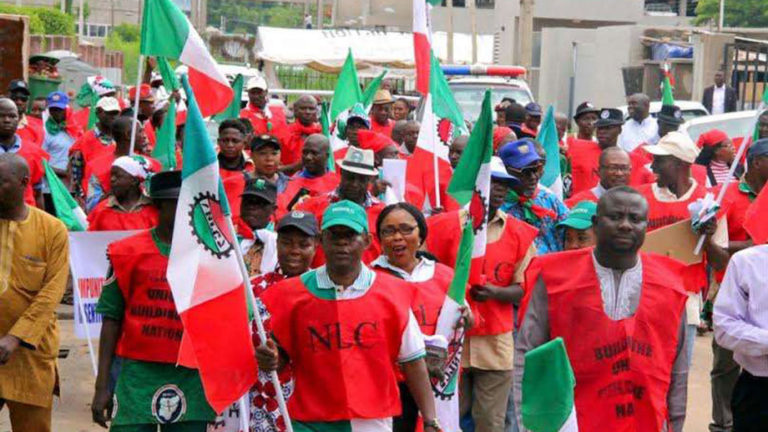
THE Nigeria Labour Congress (NLC) has declared a two-day nationwide mass protest for February 27 and 28 over the worsening hardship in the country.
The NLC president, Joe Ajaero, stated this at the Labour House headquarters during an emergency press conference on Friday, February 16.
Ajaero said the decision to protest was made after the expiration of the 14-day ultimatum issued to the Federal Government over hardship across the country.
The ICIR reports that in addition to tackling hardship, the congress gave the 14-day ultimatum to pressure the government to honour the 16-point agreement that was reached with the union on October 2, 2023.
The unions had accused the Federal Government of failing to implement the agreement.
“It is regrettable that we are compelled to resort to such measures, but the persistent neglect of the welfare of citizens and Nigerian workers and the massive hardship leave us with no choice.
“Constrained by this development and recognising the urgency of the situation and the imperative of ensuring the protection and defence of the rights and dignity of Nigerian workers and citizens, the NLC and TUC hereby issue a stern ultimatum to the Federal Government to honour their part of the understanding within 14 days from tomorrow, the 9th day of February 2024,” the union had said in a statement.
The workers fresh warning came few days after the Association of Master Bakers and Caterers of Nigeria (AMBCN) said it would commence a nationwide strike from February 27 should the Federal government refuse to implement the agreement it entered into with the association in 2020.
The Kogi State chairman of AMBCN, Adeniyi Gabriel, while speaking with newsmen on Tuesday, February 13, said the notice was contained in a joint statement by the national president of the association, Mansur Umar, and the national secretary, Jude Okafor.
Gabriel said the organisation was shutting down due to the significant rise in prices of baking materials, including flour, sugar, yeast, vegetable oil, and fuel such as petrol and diesel, triggered by subsidy removal and forex deregulation, alongside multiple taxation imposed by Federal Government agencies.
The ICIR reports that there has been an astronomical increase in the prices of goods since President Bola Tinubu announced the removal of the fuel subsidy on May 29, 2023, the day he took over power.
Tinubu’s declaration immediately led to fuel queues as many retailers shut their filling stations, hoarding their stock and creating scarcity with a view to hiking fares later.
Two days later, the Nigeria National Petroleum Company Limited (NNPCLtd) officially increased the pump price of petrol by over 200 per cent.
The NNPCL, in a template sent to marketers, confirmed the sharp rise in the pump price of the product, with the minimum being N488 per litre obtainable in Lagos, while it would be as high as N557 per litre in Maiduguri.
The fuel pump price has since increased, leading to a sharp rise in the cost of transportation on the different routes as commercial cab drivers transfer the additional cost of petrol on passengers.
Although one of the ways to cushion the effect of fuel subsidy removal by the Federal Government was the disbursement of N5 billion in financial support to each of the country’s 36 states, many Nigerians have yet to feel the impact.
THE Federal Capital Territory (FCT) Police Command has arrested a ‘notorious’ kidnapper, Saidu Abdulkadir, also, known as Dahiru Adamu, barely 48 hours after the FCT Minister, Nyesom Wike, offered a N20 million bounty.
The FCT police commissioner, Benneth Igwe, said his officers made the arrest after a raid on kidnappers’ camps bordering Nasarawa and Abuja via Kuje Area Council, at about midnight on Thursday.
“The bandits on sighting the police operatives, opened fire and engaged the police in an intense gun duel and were eventually overpowered by the police,” he said.
The ICIRreported that on Wednesday, February 14, Wike promised the command a N20 million reward to apprehend two notorious kidnappers, including Abdulkadir.
“Let me put money on their heads. Wherever they are, put your men out there. I will give them N20 million. Go and fish them out wherever they are. I want to see them alive or dead.”
Several reports by The ICIR ( including the one here and here) have captured the plight of the FCT residents abandoning their homes due to rising kidnapping and bandits attacks.
Speaking on Abdulkadir’s arrest on Friday, Igwe noted that his arrest was a huge success for the command and the FCT administration, adding that two kidnap victims, Habu Yakubu and Isufu Abubakar, abducted from Kwaita village through Pegi district of Kuje Area Council, were also rescued unhurt.
However, the CP said that preliminary investigation revealed that the suspect masterminded the kidnapping and killing of the district head of Ketti community in Abuja Municipal Area Council (AMAC), Yahaya Zakwai.
Zakwai was killed in June 2023 after he was abducted in a forest in Nasarwa state.
THE Federal High Court Abuja has ordered the Attorney General of the Federation (AGF) and Minister of Justice, Lateef Fagbemi, to re-open the investigation into the murder of renowned journalist Dele Giwa.
Giwa, one of the founders of the defunct Newswatch Magazine, was murdered on October 19, 1986, in his Lagos office via a letter bomb.
Inyang Ekwo of the Federal High Court, in his ruling, stated that the AGF had a duty to bring charges against those who murder journalists in the nation.
In addition to Giwa, the court mandated that the AGF look into cases of other journalists killed while performing their constitutional duty to bring perpetrators to book.
In accordance with Articles Four and Nine of the African Charter on Human and Peoples’ Rights and Sections 33 and 39 of the Nigerian Constitution, Ekwo further directed the Federal Government to provide sufficient security and safety for the lives of journalists in the country.
The judge gave the orders while ruling in a case brought by the Incorporated Trustees of Media Rights Agenda (MRA).
The group filed a lawsuit against the AGF to uphold media practitioners’ fundamental rights to safety, as enunciated by the African Charter on Human Rights and the 1999 Constitution (as amended).
According to the MRA, the AGF is purportedly doing little to stop security agents from harassing journalists.
He had his higher education in the United States at Brooklyn College in 1977 and later enrolled for a graduate programme at Fordham University.
Before returning to Nigeria from America, he worked as a News Assistant with the New York Times. He honed his craft at the defunct National Concord and Daily Times newspapers.
Following his exit from the National Concord Newspaper, alongside Ray Ekpu, Yakubu Mohammed and Dan Agbese, Giwa co-founded the Newswatch and introduced whistleblowing journalism.
He died at the age of 39 as a result of injuries he sustained via a letter bomb he received on October 19 1986, in his home at 25 Talabi Street, Adeniyi Jones, Ikeja, Lagos State.
“THE true face of smoking is disease, death and horror, not the glamour and sophistication the pushers in the tobacco industry try to portray” – David Byrne.
Notwithstanding the heavy toll of cigarettes and other deadly nicotine products on consumers, the tobacco industry continues to employ duplicitous tactics to undermine public health efforts further and carry on business as usual. The Tobacco Industry Interference Index 2023, published by Pan-African watchdog Corporate Accountability and Public Participation Africa (CAPPA) with support from Bloomberg Philanthropies through the Centre for Good Governance, unveils a range of such deceptive tactics adopted by the industry.
They include leveraging corporate social responsibility activities to launder its image and utilising misleading harm reduction arguments to masquerade as public health advocates and infiltrate critical policy discussions.
On the one hand, faced with irrefutable scientific evidence, the industry reluctantly admits the deadly harm of its products and professes an ironic willingness to reduce the harm in newer products and comply with tobacco control laws. On the other hand, it actively engages in notoriously devious conduct that contradicts its confessions. This much is evidenced in a recent case in point epitomising the industry’s underhand approach of circumventing advertising and promotion restrictions imposed by Nigeria’s National Tobacco Control Act 2015 and the National Tobacco Control Regulations 2019.
Imagine celebrating 20 years of manufacturing the world’s leading cause of preventable death: tobacco and other nicotine products. This is exactly what British American Tobacco (Nigeria) Limited (BAT Nigeria) – a prominent player among the world’s top five tobacco companies, collectively known as “Big Tobacco” – did in Ibadan, Oyo State, on February 6, 2024.
Officially, the multinational said it was marking two decades of its Ibadan factory’s exceptional value delivery to the Nigerian economy, the environment, and the communities it serves. In a statement ahead of the event, the company described the factory as “a shining example” of its “commitment to excellence and sustainability in Nigeria,” further boasting of its significant contributions to the country.
What, of course, BATN conspicuously omitted in its narrative of celebration is that the health and economic costs of smoking-related deaths and diseases in Nigeria – such as heart diseases, lung diseases, cancer, etc – far outweigh any supposed contribution it claims to make.
A 2021 research conducted by the Centre for the Study of Economies of Africa (CSEA) underscores the gravity of this issue, revealing that tobacco smoking is responsible for 28,876 annual deaths in Nigeria.
The CSEA’s research further found that the direct costs of treating these smoking-related diseases amount to N526.45 billion each year, which was equivalent to 0.36 per cent of the Nigerian GDP in 2019 and 9.63 per cent of the country’s annual healthcare spending, placing a substantial burden on Nigeria’s healthcare system and economy.
Chronic obstructive pulmonary disease (COPD) was identified as the top cause of smoking-attributable mortality, followed by ischemic heart disease, stroke, passive smoking, lower respiratory tract infection, and cardiovascular deaths of non-ischemic cause. Adding up productivity losses due to illness, early deaths and informal caregivers, tobacco-related diseases represented 0.44 per cent of the GDP in 2019, according to the CSEA study.
Another study on the estimated benefits of increasing cigarette prices through taxation on the burden of disease, published in 2022 in the PLOS ONE journal, found that tobacco’s total economic burden accounts for ₦634 billion annually, considering direct treatment costs, productivity losses (due to early mortality and disability) and informal caregiving cost. It added that in Nigeria, the tax revenue generated by the sale of cigarettes (and other tobacco products) was around ₦36 billion in 2019, which covered only 6.9 per cent of the direct medical costs of smoking, or 5.7 per cent of the total financial burden.
As for the environmental sustainability of manufacturing cigarettes, the public and regulators may want to bear in mind that Nigeria is Africa’s second highest contributor to the $26 billion global costs of environmental pollution caused by plastics in cigarette butts and packaging every year, according to data analysed by The African Tobacco Control Alliance (ATCA).
The ATCA’s conclusion, as contained in a statement issued in 2023, followed its analysis of research findings by the Global Centre for Good Governance in Tobacco Control, published in the Tobacco Control journal.
The analysis found that African countries with the highest smoking rate contribute the most to the cigarette filter pollution costs, estimated at $26 billion annually or $186 billion every ten years — adjusted for inflation — in waste management and marine ecosystem damage worldwide. These countries include South Africa, Nigeria, Sudan, Mozambique, Kenya, and Ethiopia.
Yet, despite the grave consequences and impacts of its operations on public health and the environment, the industry continues to award itself accolades while craftily sidestepping its obligations to national tobacco control laws.
‘‘Whilst Nigeria’s National Tobacco Control Act and its Regulations have largely checked the activities of tobacco corporations and entities, the industry has exploited some weaknesses in these laws and gaps in the system to interfere in tobacco control,” said CAPPA’s Executive Director, Akinbode Oluwafemi.
One such tactic, Akinbode noted, “is the tobacco industry’s cunning use and loud celebration of its CSR activities in the media and public to whitewash its image, thereby creating a façade of responsibility and desirability. These initiatives, often endorsed, lauded by, and executed in collaboration with state authorities, further entrench the industry’s influence, undermining public health campaigns.’’
Aside from the negative health and environmental impacts of the tobacco industry in Nigeria, one also notes an interesting observation concerning BATN’s proclaimed contribution to empowering local communities.
The corporation touted its Ibadan factory’s “exceptional value delivery to the Nigerian economy, the environment, and the communities it serves.” However, this claim finds little to no echo among the tobacco-growing communities in the Oke-Ogun axis of Oyo state, which purportedly benefit from the factory’s operations.
During a field visit undertaken by CAPPA last May, as part of its monitoring activities leading up to World No Tobacco Day 2023, tobacco farmers from Ilu Oke, Ilero, and Iseyin, Oke-Ogun area recounted how BATN had allegedly ceased purchasing their tobacco, citing heavy government taxation as a reason for their withdrawal.
These farmers, who had devoted years to cultivating tobacco, articulated their struggles in pivoting to alternative agricultural ventures after years of tobacco farming and without enough support. Their testimonies also flagged the absence of the tobacco giant’s sourcing offices in the region, indicating perhaps a strategic decommissioning of the corporation’s procurement belt.
The BATN also claimed that its Ibadan factory had facilitated the export of its products to “11 countries in the West and Central Africa region, and more recently, to the United States of America, thereby placing made-in-Nigeria products on the global stage” However, if the testimonies of retired tobacco farmers in Oyo State are to be considered, this raises a significant question: If BATN is not purchasing tobacco from its immediate community—which hosts the largest concentration of tobacco farms and growers in Nigeria—where then is the company sourcing the commodity it processes, sells and exports?
Unsurprisingly, tobacco control advocates and groups in the country have continued to urge the Nigerian government to not only investigate export expansion grants and benefits unduly awarded to tobacco companies but also provide substantial support to farmers in their transition from tobacco farming to other crops required to sustain and nourish public health.
As evidence shows and the World Health Organization (WHO) emphasises, tobacco consumption remains the leading cause of preventable deaths worldwide. Now, more than ever, the Nigerian government must fully commit to implementing and enforcing public health rules. This includes reviewing ambiguities in tobacco control laws to effectively prevent the tobacco industry from compromising public health and governance.
• Dr Olayinka Oyegbile, an award-winning journalist and playwright, is a Fellow of the World Health Organisation (WHO) in Public Health Reporting and the American Cancer Society (ACS). Until recently, Oyegbile was deputy editor of The Nation on Sunday. He can be reached via yinka2005@gmail.com.
THE Supreme Court has dismissed the appeal filed by the Federal Government against the reversal of the conviction of former Niger Delta Minister Godsday Orubebe.
The apex court acquitted Orubebe on an allegation of breach of the Code of Conduct for Public Officers.
A five-person panel of the Supreme Court on Friday, February 16, ruled that the Federal Government’s appeal was ineligible.
According to the lead judgment written by Mohammed Lawal Garba and read by Emmanuel Agim on Friday, the appellant was deemed to have filed the appeal based on mixed law and facts but without first obtaining prior leave from the court.
The court dismissed the appeal after ruling that it was incompetent due to the failure to seek the necessary court permission.
The Federal Government, in case number SC/680/2017, appealed the June 14, 2017 ruling that overturned the conviction which was handed down to Orubebe on October 4, 2016, by the Code of Conduct Tribunal (CCT) for violating the Code of Conduct for Public Officers.
In a single-count indictment, the Federal Government charged him with neglecting to disclose a property located at Plot 2057, Asokoro District, Abuja, on any asset disclosure forms he filed with the Code of Conduct Bureau (CCB) during his tenure as a minister.
Orubebe refuted the accusation and said he sold the property before swearing in and consequently saw no need to disclose it.
In May 2017,Orubebe asked the Abuja Division of the Court of Appeal to quash his conviction by the CCT following an allegation by the Federal Government that he falsely declared his assets in 2007.
Orubebe, in his notice of appeal, marked CA/A/633c/2016, prayed the appellate court to not only set aside the judgment the Danladi Umar-led tribunal delivered against him on October 4, 2016, but to discharge and acquit him of the charge.
In its ruling, the tribunal had expressed satisfaction that Orubebe had concealed his ownership of Plot 2057 in the Asokoro District of Abuja.
The Tribunal noted that his name remained on the title records six years after Orubebe claimed to have sold the land and filed the assets declaration form.
Disappointed with the decision, Orubebe approached the Appeal Court with three points through his lawyer, Selekowei Larry.
He argued that the appellate court ought to overturn his conviction.
In June 2017, the October 2016 CCT ruling that found Orubebe guilty of false wealth declaration was overturned by the Appeal Court’s Abuja division.
A three-judge panel at the court, chaired by Abdu Aboki, declared that the records produced before the lower court adequately demonstrated ownership transfer.
The court further decided that Orubebe was not legally required to declare an asset he had previously sold.
THE Federal Competition and Consumer Protection Commission (FCCPC) has sealed off the Sahad Store in the Garki area of Abuja.
The popular supermarket was sealed off hours after President Bola Tinubu announced strategies to address the causes of the food crisis confronting Nigeria.
The supermarket’s management was accused of overcharging customers by implementing prices different from those listed on the shelf tags.
The acting executive vice chairman of the FCCPC, Adamu Ahmed Abdullahi, supervised the enforcement.
Speaking with reporters, Abdullahi said the preliminary inquiry conducted by the commission verified that the supermarket’s management had been shortchanging customers.
He declared that the store would be closed until the conclusion of the additional probe.
Attempts to get more clarifications on the issue from the spokesperson of the FCCPC, Ondaje Ijagwu, were unsuccessful as his phone was not going through, and messages sent to his phone have yet to be responded to as of the time of filing this report.
The store’s closure follows a similar action by the Kano State government, which shut down ten stores for hoarding foods earlier this week.
Meanwhile, The ICIR reported on February 9 that Tope Fasua, Special Adviser on Economic Affairs to President Bola Tinubu, said high food exports to Nigeria’s neighbouring countries fuelled rising food costs in the country.
Fasua said this while speaking on Channels TV on Thursday, February 8.
The ICIR reports that the immediate neighbouring countries surrounding Nigeria are the Republic of Benin, Chad, Cameroon, and Niger.
He noted the indiscriminate sale of food items and raised concerns about the need for price control mechanisms and reviving the commodity boards.
The ICIR reports that before 1986, Nigeria had six commodity boards before embarking on a market-oriented economic ideology.
The Commodity Boards Act 1977 dissolved the Nigerian Produce Marketing Company Limited and all the States Marketing Boards and, in their place, set up six new Commodity Boards.
Fasua said states and local governments were closer to the farmers and should work with the Federal Government to save Nigerians from the calamity of surging food prices.
“There is a need to understand what is happening at that level to save ourselves from this calamity.
“The surging price of food items has a trace to happenings at the global stage, Fasua noted, adding that the government must put in place intellectual and regulatory infrastructure other countries like the United States and the United Kingdom had used to control their food inflation.
Nigerians are facing the worst situation of rising food prices because of the government’s reforms,” Fasua said.
However, whether the export proceeds are coming in is an issue the Central Bank has to look into, Fasua stated.
Speaking on setting up the price control board on Thursday, February 15, Tinubu said his government would not consider the option.
MEDIA stakeholders have identified journalists’ financial dependence and compromise as major factors undermining press freedom in Nigeria.
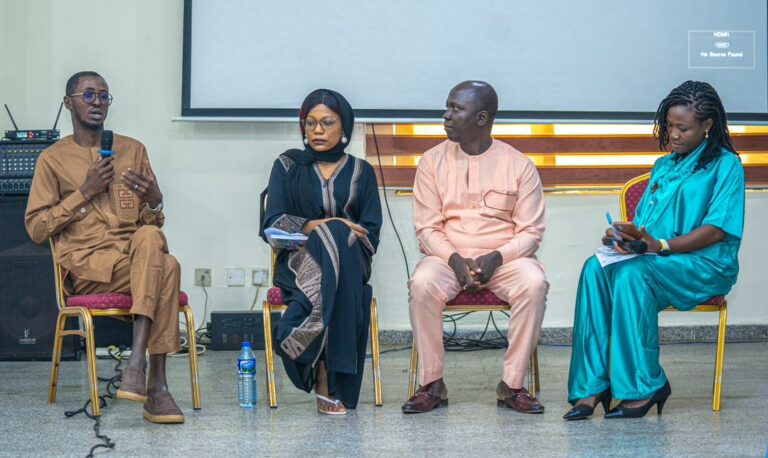
They stated this on Thursday, February 15, in Abuja, during one of the panel sessions of a workshop organised by Hope Behind Bars Africa (HBBA) in collaboration with The International Centre for Investigative Reporting (The ICIR), Centre for Journalism Innovation and Development (CJID), with support from Civicus.
The workshop was aimed at addressing the unlawful detention of human rights activists and the need for freedom of peaceful assembly in Nigeria.
Speaking during the panel session, Managing Editor Premium Times, Idris Akinbajo, urged journalists and media owners to explore other means of financial sustainability rather than dependence on the government, which often leads to censorship.
He urged journalists to be ethical in discharging their duties, adding that oppression of journalists was more prevalent in some states than others due to the actions of many state governors and heads of subnational governments in shrinking civic space.
“At the subnational level, in many states and local governments, what you see is that journalists have become too compromised. So we must first ask ourselves: are we on the right path? Are we doing the right thing?
“If you are sure you are on the right path and doing the right thing, then you have the moral leverage to say, ‘my rights have been violated.’ But if you are not doing that, then it becomes difficult,” he said.
Akinbajo also encouraged local media workers to escalate cases of illegal detention or attacks on journalists and human rights activists to generate more support from journalists nationwide, “which is more effective in pushing back against harassment.”
Also speaking during the session, The ICIR Editor, Bamas Victoria, emphasised the importance of collaboration between organisations in the civic space.
“I definitely think there is a need for more collaboration. I think collaboration has helped out in terms of strategic lawsuits. When you do a report, if you are alone, it is easier for people to come for you. But once you get quite a number of media houses to publish that same report, those coming for you will think: do I want to go against this many media houses? So collaboration works,” she said.
She pointed out that the collaboration between the Coalition of Whistleblower Protection and Press Freedom (CWPPF) had been efficient in managing issues around harassment and detention of journalists in Nigeria.
A journalist with the Associated Press, Taiwo Hassan, pointed out that in addition to its role in upholding a free press, collaborations in the media lead to impactful reporting, as governments are often forced into taking action when collaborative efforts are made.
He also noted that collaborations do not necessarily have to be limited to national platforms but could involve international media for better impact.
“When we do investigations, the most important thing is to generate impact. So one thing I would advise colleagues to do is to find a way they can generate action from outside, which is something that can be done.
“You not only have to collaborate with international media, one thing you can do if you are doing a story is get an international NGO like Amnesty International, Human Rights Watch, to comment so they have a sense of ownership. They are likely to use your report for advocacy,” he said.
Press freedom and harassment of activists have been sources of concern for journalists and other stakeholders in the Nigerian civic space.
The ICIRreported that at least 39 journalists were harassed across the country by state and non-state actors in 2023. Four of these journalists work at The ICIR.


![[EXCLUSIVE] Two former IGPs, senior Police officers accused of bribery in shady land sale of designated Police Barracks](https://www.icirnigeria.org/wp-content/uploads/2024/01/collage-2-768x576.jpg "[EXCLUSIVE] Two former IGPs, senior Police officers accused of bribery in shady land sale of designated Police Barracks")