Home Blog Page 69

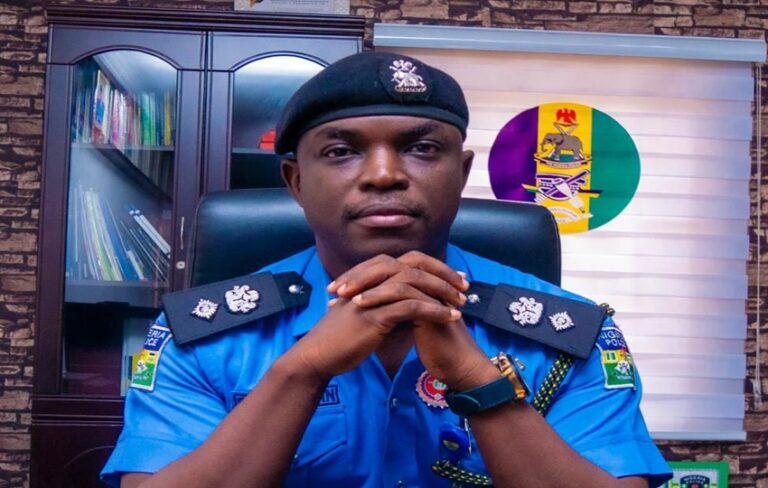
Disu removes Hundeyin as Force PRO – Report

0

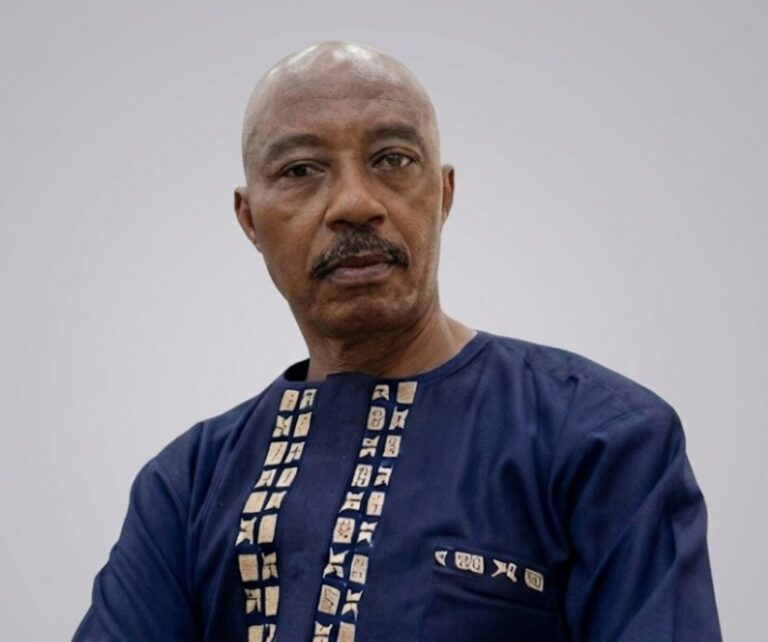
THE Nigeria Police Force (NPF) has removed its Public Relations Officer (PRO), Benjamin Hundeyin, an Assistant Commissioner of Police (ACP), six months after he assumed the role.

A report by The Whistler said the approval for his removal was granted on Thursday, March 5, although details surrounding the development remain unclear as of the time of filing this report.

The development comes amid a series of restructuring within the police hierarchy, barely 24 hours after his inauguration by President Bola Tinubu as the substantive Inspector-General of Police (IGP)

Disu was appointed last week as the 23rd IGP following the removal of Kayode Egbetokun, who had held the position since 2023.

Hundeyin was allegedly removed Thursday morning.

It remains unclear who will take over the role as the new FPRO.

“We don’t know who will take over from him, although we thought he would last longer, considering his expertise,” a source said.

“When a new IGP is appointed, it is not unusual that some positions would be vacant. Unfortunately, he was affected,” the source added.

Efforts to reach Hundeyin proved abortive as he could not be reached on the phone when filing this report.

The Badagry-born assistant commissioner of police was appointed Force Public Relations Officer by Egbetokun.

Hundeyin, an alumnus of Lagos State University, holds a BA (Hons) in English Language and an MSc in Legal Criminology & Security Psychology from the University of Ibadan.

He also possesses certificate in Civil-Military Coordination from the Martin Luther Agwai International Leadership and Peacekeeping Training Centre in Jaji, Kaduna.

His professional affiliations include the Nigerian Institute of Public Relations (NIPR), the International Public Relations Association (IPRA), and the Chartered Institute of Personnel Management of Nigeria (CIPM).


FEC approval of grid management company raises questions about TCN, NISO responsibilities

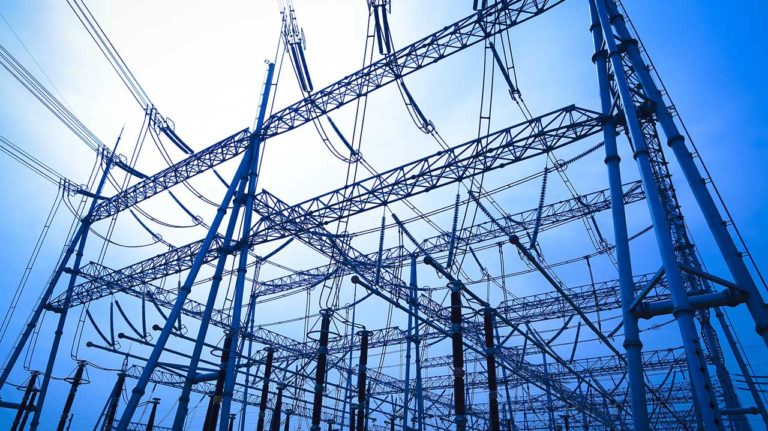
THE establishment of Grid Asset Management Company (GAMCO) to address national grid and blackout challenges in Nigeria is raising questions about agency duplication responsibilities in the power sector.

The Transmission Company of Nigeria (TCN) has been unbundled, and currently maintains the grid, repairs lines and substation. It also sustains field operations related to transmission.

The Nigerian Independent System Operator (NISO) currently controls power supply flow, dispatches electricity and ensures grid stability.

At a time when the electricity sector is struggling with debt problems, questions are being raised over duplication of responsibilities with GAMCO, which has already been approved by the FEC.

“GAMCO, TCN, NDPHC and FGN PowerCo all deal with aspects of transmission infrastructure. There’s a need for streamlining to ensure a wholistic and harmonised approach to transmission issues, including alignment with NISO on resolving dispatch bottlenecks,” said former managing director of the Niger Delta Power Holding Company of Nigeria (NDPHC), Nnaemeka Ewelukwa.

The ICIR reports that the Federal Executive Council (FEC) approved GAMCO at its meeting on Wednesday, March 4.

Minister of Information and National Orientation, Mohammed Idris, said the firm’s establishment would strengthen the electricity transmission value chain.

“The president has seen that where the problem is…largely in the transmission section,” the minister said while announcing the approval after the FEC meeting.

However, the approval has raised some dust as electricity sector governance experts raised alarm over duplication of roles with Nigeria Integrated System Operator, NISO, and Transmission Company of Nigeria, TCN, at a time the sector faces a liquidity crisis.

The Chief Executive Officer of the Association of Power Generation Companies (APGC), Joy Ogaji, queried the duplication of roles with NISO and GAMCO’s legality in line with the Electricity Act, 2023.

“This raises many questions. What is NISO’s role? Is this formation in accordance with the EA 2023? ⁠Is TSP being phased out, or will it operate side by side? What asset is this GAMCO going to manage,” she queried.

Also, the President of the Nigeria Consumer Protection Network, Kunle Olubiyo, said the move could lead to massive job losses in TCN.

“What happens to the existing staff of the current Transmission Company of Nigeria?” Olubiyo asked.

This comes as the country grapples with a drop in power supply in the past weeks, which NISO attributed to a shortage in gas supply.

The ICIR reports that GenCos and the Nigerian government recently clashed over the N6.6 trillion power sector legacy debt.

Kano deputy governor faces impeachment after rejecting APC defection

0

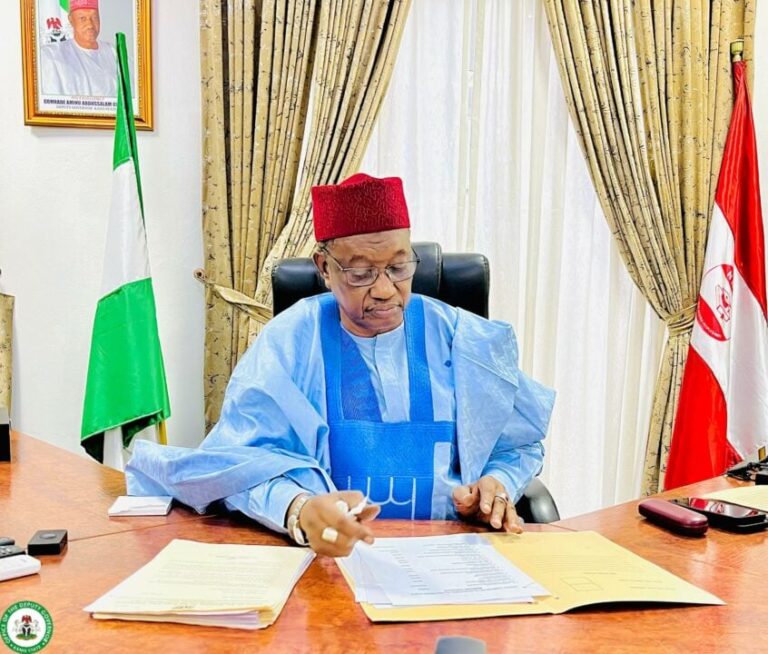
THE Kano State House of Assembly has commenced the process that could lead to the impeachment of the state’s Deputy Governor, Aminu Abdussalam Gwarzo, over allegations of gross misconduct, abuse of office and breach of public trust.

Daily Trust reported that the impeachment notice was introduced during plenary by the Assembly’s Majority Leader, Lawan Hussaini Dala, who said the move was taken in line with Section 188 of the 1999 Constitution of the Federal Republic of Nigeria (as amended).

Presenting the notice before lawmakers, Dala said the allegations against the deputy governor linked to his tenure as Commissioner for Local Government between 2023 and 2024.

He alleged that during the period he supervised the administration of the state’s 44 local government councils, Gwarzo was involved in diverting funds intended for local government operations.

According to the majority leader, the deputy governor allegedly received N1.5 million monthly from each of the 44 local government areas between June 2023 and January 2024.

He said the payments amounted to N66 million every month over seven months, bringing the total to approximately N462 million.

Dala further claimed that between February and July 2024, the deputy governor allegedly collected additional funds from the local government councils under the pretext of executing special assignments.

He said the payments were N3.255 million monthly from each council, amounting to roughly N726 million during the six-month period.

The lawmaker argued that such transactions represented a breach of public trust and undermined the standards of transparency and accountability required of public office holders.

Dala alleged that the deputy governor authorised payments of N10 million each from the 44 local government councils to a pharmaceutical company, NovoMed Pharmaceuticals Limited.

He said the payments, which allegedly totalled N440 million, were made in violation of the state’s procurement and fiscal management laws.

““The misuse of official capacity to confer undue advantage constitutes abuse of power and is contrary to the obligations of public office,” He was quoted to have said.

He added that the claims collectively amounted to gross misconduct as defined under Section 188(2) of the constitution.

Dala also informed the Assembly that the impeachment notice was signed by 38 lawmakers, meeting the constitutional threshold required to begin the impeachment procedure.

Following the presentation, members of the House indicated their support for the notice, while the Speaker acknowledged receipt of the document, and he is expected to formally notify the deputy governor in accordance with constitutional provisions.

The development came amid heightened political tensions in the state following the defection of Governor Abba Yusuf from the New Nigeria Peoples Party (NNPP) to the All Progressives Congress (APC).

Earlier in January, the Kano State Commissioner for Information and Internal Affairs, Ibrahim Waiya, asked Gwarzo to consider resigning after reportedly refusing to defect with the governor to the ruling party.

Addressing journalists in Kano, Waiya said governance required trust, loyalty and shared political alignment among members of the executive council.

According to him, it would be difficult for a deputy governor who no longer shares the governor’s political ideology to continue participating in government decision-making.

“If I were him, I would humbly resign,” the commissioner was quoted as saying, adding that it would be the most honourable option.

Yusuf, who was elected in 2023 on the platform of the NNPP, recently announced his defection to the APC, citing the need to strengthen cooperation with the federal government and attract development projects to the state.

His defection triggered a wave of political realignments in Kano, with several lawmakers, local government officials and political actors also switching allegiance to the APC, which now has 30 of the 36 governors in Nigeria.

Israel slams South Africa over Hague Group meeting on Middle East conflict

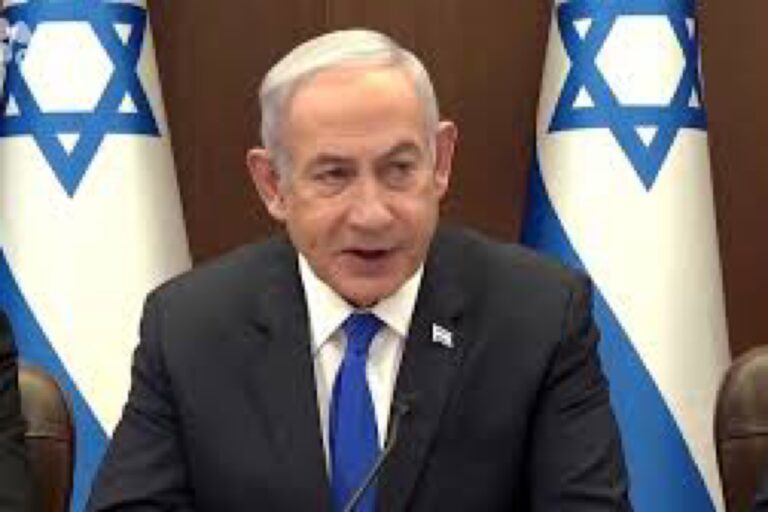
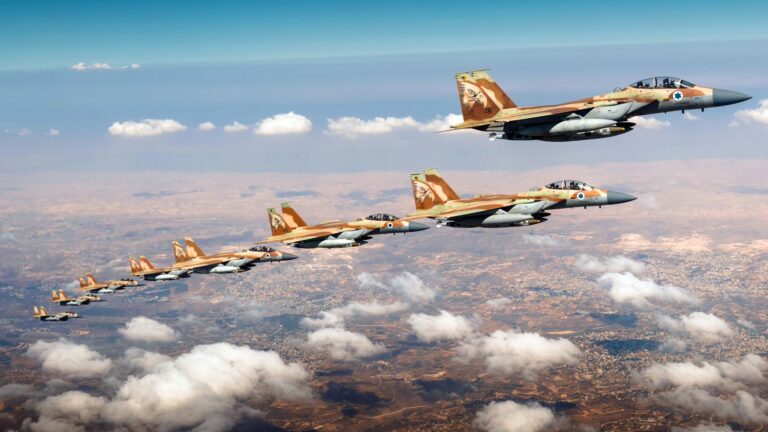
ISRAEL has criticised South Africa following a meeting of the Hague Group, accusing Pretoria of aligning with hostile actors and promoting what it called an anti-Israel agenda.

In a statement shared Thursday by the Israel Ministry of Foreign Affairs, Israeli officials condemned South Africa’s role in organising the latest gathering of the Hague-based coalition, describing it as a “distorted anti-Israel meeting.”

“South Africa, a close ally of the murderous regime in Tehran, which slaughtered thousands of its own citizens, just organised another distorted anti-Israel meeting of the ‘Hague Group’. These two corrupt regimes, united by their hatred of Israel, recently held a joint naval exercise,” the statement read.

The Israeli statement further mocked the expected outcomes of the meeting, claiming they would be “as successful as Iran’s navy,” while also claiming that some countries had distanced themselves from the forum.

“We can expect the outcome of the Hague meeting to be as successful as Iran’s navy, which is probably why Bolivia and Honduras had the sense to leave this forum,” it added.

The Hague Group was formed in January 2025 by a group of countries including South Africa, Bolivia, Cuba, Namibia, Malaysia, Senegal, Honduras and Colombia. The coalition was established to coordinate diplomatic and legal efforts related to the Israeli Palestinian conflict and to support international legal processes connected to the issue.

The group’s initiatives have included meetings of dozens of countries aimed at discussing measures related to the Gaza war and the enforcement of international law concerning the conflict.

The ICIR reports that the ongoing war between Iran, Israel and the United States entered its sixth day on Thursday, March 5, with casualty figures rising across the Middle East.

Iran Supreme Leader, Ayatollah Ali Khamenei, and some of the country’s leaders were killed in the joint Isreal-US strikes on Tehran on the first day of the conflict.

According to Reuters, Iranian Red Crescent Society said at least 1,045 people have been killed, including 175 schoolgirls and staff in a strike on a primary school in Minab on the war’s first day.

Israel Ambulance Service said that 10 civilians were killed, including nine in an Iranian missile strike on Beit Shemesh near Jerusalem on March 1, as the military has yet to report any combat casualties.

Meanwhile the Lebanon Health Ministry said 77 people were killed in Israeli strikes, and Syria state news agency SANA said that four people were killed when an Iranian missile struck a building in the southern city of Sweida on Saturday.

Iraqi health authorities said at least 13 people were killed including 11 militiamen, one army soldier and one civilian.

Meanwhile the US said it that it had destroyed many US naval ships. It also boasted that it had fully taken over Iran’s air space.

Executive order on NNPC remittance undermines Host Community Trust – Accountability Lab

0

THE Accountability Lab Nigeria said the recently signed Executive Order on oil and gas revenues remittance would undermine contributions to Host Community Development Trusts (HCDT).

President Bola Tinubu had on February 18 signed the executive order directing the Nigerian National Petroleum Company Limited (NNPC) to remit oil and gas revenues directly to the federation account. This move seeks to boost government earnings, block leakages, and strengthen oversight in Nigeria’s petroleum sector.

The president further directed that all operators and contractors must pay royalty oil, tax oil, profit oil, profit gas, and other government entitlements directly to the federation account.

According to the order, NNPC will no longer collect the 30 per cent management fee and the 30 per cent frontier exploration fund deductions from profit oil and profit gas.

The order suspended the payments of gas flare penalties into the Midstream and Downstream Gas Infrastructure Fund, with proceeds going directly to the federation account.

Reacting to this development, the Accountability Lab Nigeria, in a statement issued on Wednesday, March 4, by its Country Director, Friday Odeh, said that with the order, the Petroleum Industry Act (PIA), which enshrines a statutory mechanism for channeling three per cent of the operator’s annual expenditure into community-defined development priorities, could experience upset, leading to service delivery disruptions.

It stressed that the HCDT were conceived to provide stable, predictable funding for communities impacted by oil and gas operations and community-driven development.

It was also established to support planning, implementation and a mechanism for reducing conflict and enhancing local accountability, the organisation said.

The Accountability Lab Nigeria argued that while the order did not abolish HCDT, its revenue centralisation could undermine the structural logic that sustains it.

“When major revenue streams are folded into the central account without dedicated safeguards for community funds, there’s a risk that HCDT will be viewed as optional or duplicative. This could weaken enforcement and operator commitment.

“Direct remittance to the federation account subjects all petroleum revenues, including those that effectively fund community obligations, to the annual budgetary cycle. This can diminish the predictability and community inflows,” it added.

It stated that further that the net effect could be that HCTDs, while legally intact, become administratively weakened and vulnerable to underfunding.

The organisation suggested that the executive order signaled a broader review of the PIA for statutory protection of HCTD which could include a ring-fencing mechanism that ensures statutory triggers that ensures timely, predictable Trust funding.

Notably, one of the most consequential changes in the order is the suspension of payments of gas flare penalties into the Midstream and Downstream Gas Infrastructure Fund (MDGIF).

Under Section 52 of the PIA, this fund was intended, in part, to finance infrastructure and environmental mitigation related to gas activities. At the same time, Section 103 of the PIA established an Environmental Remediation Fund under the Nigerian Upstream Petroleum Regulatory Commission (NUPRC) with operator contributions tied to environmental harm.

Against this backdrop, Accountability Lab argued that redirecting flare penalties into the federation account would disrupt the polluter pays principle, undermining the causal link between environmental harm and financing its mitigation.

The organisation emphasised that the order would make remediation funding subject to annual budget negotiations, rather than automatic allocation, and weakens public traceability of environmental expenditures.

This shift, though fiscally motivated, risks weakening environmental justice frameworks designed to ensure that companies pay for remediation and communities receive compensation for damage incurred.

It stressed the importance of amendment of the PIA provisions to maintain the connection between environmental penalties and remediation financing.

Under the executive order, all taxes, royalties and profits under Production Sharing Contracts (PSCs) are to be fully remitted to the federation account, effectively blocking deductions at source by the national oil company.

The Presidency said the decision would safeguard and enhance oil and gas revenues for the federation, curb wasteful spending, and eliminate duplicative structures in the oil and gas sector.

According to the order, which has been officially gazetted, the NNPC will no longer collect and manage the 30 per cent frontier exploration fund.

Shi’ite protest thwarted by heavy security on Abuja highways

0

SECURITY was tight across Nigeria’s capital on Wednesday, March 4, following a planned protest by members of the Islamic Movement in Nigeria (IMN), also known as Shi’ites, amid rising tensions over the killing of Iran’s Supreme Leader, Ayatollah Ali Khamenei.

According to reports, the IMN had announced plans to stage demonstrations in Abuja in solidarity with Iran following coordinated United States–Israel strikes that Iranian media confirmed led to Khamenei’s death. 

The ICIR reports that since the attack which started on Saturday, February 28, with the killing of Khamenei, over 500 people have been killed in Iran.

On Wednesday, heavy security presence was observed along the Mararaba–Nyanya Expressway, around the Federal Secretariat, Eagle Square and the gate of the Presidential Villa. 

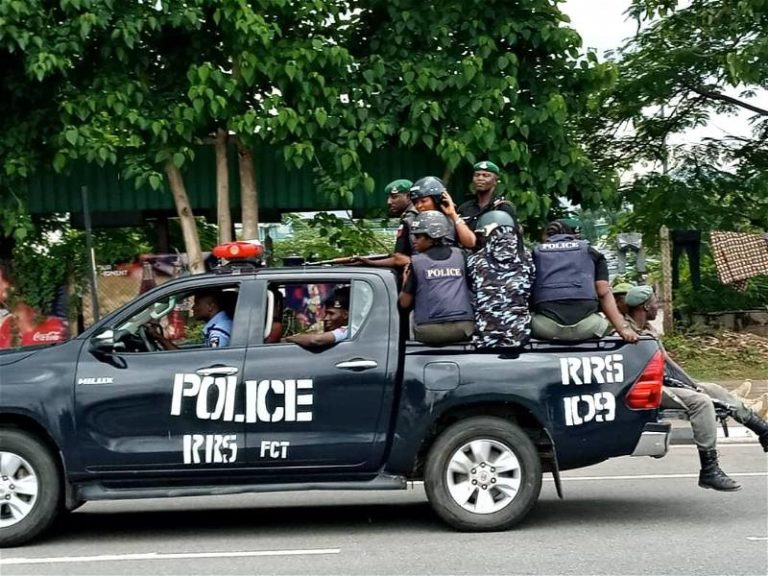
Armed military and police officers, including Mobile Police units, mounted stop-and-search operations, while Armoured Personnel Carriers were strategically stationed in key areas, such as Kubwa, Maraba and parts of the City Centre to prevent breakdown of law and order.

The Federal Capital Territory (FCT) Police Command had confirmed it beefed up security following intelligence reports of the planned protest. 

The Police Public Relations Officer, SP Josephine Adeh, said the FCT Commissioner of Police, Miller Dantawaye, on Tuesday addressed and deployed officers to ensure public safety, urging them to protect lives and property while respecting citizens’ rights.

However, as of press time, after 4:pm, the protest failed to hold, an indication that the IMN might have put the demonstration on hold due to the heavy security. 

The group had protested in Niger, Sokoto, Kaduna, Yobe, Bauchi, Gombe and Lagos states, condemning what it described as joint US–Israel aggression against Iran. During a procession in Niger State on Sunday, led by IMN leader Ibrahim El-Zakzaky, demonstrators waved Iranian flags and chanted solidarity slogans, vowing continued resistance.

US Embassy issues security alert, cancels visa appointments

Amid the planned protest, the United States Embassy in Abuja earlier on Wednesday warned its citizens in Nigeria of a “high potential for protests” in the nation’s capital over the Middle East conflict.

The embassy noted that previous protests by some groups had resulted in violent clashes between demonstrators and Nigerian security forces. It advised US citizens in Abuja to remain in their residences and avoid areas where protests might take place.

In its advisory, the embassy urged citizens to avoid crowds, monitor local media for updates, exercise caution around large gatherings, keep a low profile, carry proper identification, and review personal security plans. 

It also encouraged US nationals to enrol in the Smart Traveler Enrollment Program (STEP) to receive security updates.

The alert followed the embassy’s earlier decision to cancel visa appointments scheduled for Wednesday as a precautionary measure.

“Due to the potential for protests in Abuja, the U.S. Embassy in Abuja has cancelled all visa appointments on Wednesday, March 4, 2026. Applicants will be contacted with information on how to reschedule. Please monitor our website and social media channels for further updates,” the statement read.

History of confrontations

The IMN has a history of confrontations with Nigerian security forces, particularly in Abuja and parts of northern Nigeria.

Clashes between security forces and the IMN intensified after the 2015 massacre, in which soldiers killed over 300 of its members.

Their leaders were later arrested and detained for years under the late President Muhammadu Buhari administration. 

Several legal disputes trailed the detention of the group’s leader, Ibrahim El-Zakzaky, and his wife, as the Nigerian government refused to release them after courts had granted him bail.

In 2019, the Buhari government officially proscribed the group following a court ruling that labelled it as being involved in “acts of terrorism and illegality.”

Tensions between the IMN and security agencies were again highlighted on March 30, 2025, following a violent confrontation in Abuja.

The ICIR reported how a clash broke out during an IMN procession marking International Quds Day near the Banex Roundabout in Wuse 2.

The police confirmed the death of one officer and the arrest of 19 suspected IMN members. 

FCT Police spokesperson, Josephine Adeh, alleged that members of the group attacked security operatives with firearms, cutlasses, catapults, sticks, stones and petrol bombs, leading to an exchange of gunfire in which two officers were severely injured, and one later died at the National Hospital.

However, the IMN disputed the police account. At a press briefing in Abuja, the group’s Resource Forum, led by Abdullahi Danladi, claimed that six of its members were killed and that as many as 380 protesters, including women and children, were arrested.

Danladi further alleged that security agents were concealing the bodies of those killed during the clash and demanded their unconditional release, as well as the prosecution of officers responsible for the alleged deaths. He rejected police claims that the group was armed, describing the allegations as a cover-up.

MRA condemns police summons of activist over FOI request, calls action abuse of power

0

MEDIA Rights Agenda (MRA) has condemned the summons issued by the Delta State Police Command to Victor Ojie, leader of the Young Nigerian Rights Organization (YNRO), following a Freedom of Information (FOI) request submitted by the group to the Delta State Ministry of Lands and Survey.

In a press statement issued in Lagos on Wednesday, March 4, MRA described the police action as a gross misuse of power and a blatant attempt to intimidate and harass a citizen for lawfully exercising his right to request information under the Freedom of Information Act, 2011.

According to the organisation, the YNRO had filed an FOI request with the Delta State Ministry of Lands and Survey seeking access to petitions and official records relating to land disputes in Aniocha South Local Government Area of Delta State.

MRA said that rather than comply with the provisions of the FOI Act by providing the requested information within the statutory seven days or formally refusing the request based on legally permissible grounds, the ministry involved the police, leading to the issuance of a summons against Ojie.

It said that in a “Letter of Invitation” with Ref. No.: CB:3422/SID/DTS/VOL 3/153, dated March 3, 2026, signed by Ojokoh Julius, Deputy Superintendent of Police and Second-in-Command of the State Intelligence Department (SID) in Asaba, Ojie was directed to report to the Assistant Commissioner of Police, SID.

The letter stated that the invitation was issued on the directive of the command’s commissioner of police, referencing Ojie’s FOI letter titled, “Freedom of Information Request Pursuant to the Freedom of Information Act, 2011, Request for Access to Petitions and Records Relating to Land Disputes in Aniocha South LGA.”

The officer further instructed that upon arrival, Ojie should contact Njoku Belden, an assistant superintendent of police to facilitate the meeting with the assistant commissioner of police, scheduled for Monday, March 9, at 10:00 a.m.

In a statement signed by Ayode Longe, Deputy Executive Director of MRA, the organisation described the police action as deeply troubling and reflective of a growing pattern of abuse.

“It is an alarming trend that the Nigeria Police Force, which is tasked with enforcing the law, has become the instrument for violating the rights of citizens under the law,” Longe said, adding that “the FOI Act is a national law that grants every person a legal right to access information in the custody of any public institution.”

The MRA added that for the Delta State Police Command to treat a civil FOI request made to a public institution as a criminal matter warranting police summons represents “not only an act of professional ignorance but a deliberate assault on the legal and constitutional rights of Nigerians.”

it further noted that Section 1(2) of the FOI Act explicitly states that an applicant does not need to demonstrate any specific interest in the information being requested, stressing that there was therefore no legal basis for interrogating Ojie over the request.

The organisation also pointed out that the FOI Act clearly outlines the circumstances under which a public institution may deny access to information and the procedures to be followed in doing so, adding that issuing police invitations to information requesters is not among the mechanisms permitted by the law.

Describing the incident as a classic example of police impunity, MRA warned that the summons sent a chilling message to citizens that requesting information on land disputes or other public matters could be treated as a crime.

“This is an attempt to protect potentially corrupt interests under the guise of police procedure,” MRA said.

The organisation called on the Delta State Commissioner of Police and the Inspector-General of Police to immediately withdraw the summons and ensure that neither Ojie nor any official of the YNRO is subjected to further harassment.

MRA also urged the Attorney-General of the Federation to intervene in the matter, citing his statutory responsibility as the principal legal adviser to the Federal Government and the official mandated to oversee the implementation of the FOI Act and ensure compliance by all public institutions.

It stressed that wrongful denial of access to information constitutes an offence under the FOI Act and maintained that the police, as an institution charged with enforcing the law, have both a legal and moral obligation to ensure compliance with the Act rather than undermine it.

US-Iran war: devastation, death toll rise across Middle East

THE ongoing war between Iran, Israel and the United States entered its fifth day on Wednesday, March 3, with reported casualties mounting across the Middle East.

Fresh strikes are also widening the conflict beyond the original battle lines.

The Iranian Red Crescent Society said that at least 787 people had been killed, including 165 schoolgirls and staff in a strike on a primary school in Minab, southern Iran, on the first day of the war.

It noted that it remained unclear whether the toll included members of the Islamic Revolutionary Guard Corps (IRGC).

According to ambulance service Magen David Adom, ten civilians have been killed in Israel including nine in an Iranian missile strike on Beit Shemesh near Jerusalem on March 1. The Israel Defense Forces said it had reported no military casualties so far.

Lebanon’s Health Ministry said 50 people were killed in Israeli air strikes. An Israeli strike on Wednesday reportedly killed four people in a residential building.

The interior ministry of Bahrain said that one person was killed after a fire broke out in Salman Industrial City following a missile interception.

Kuwait Health and Foreign Ministries also said three people, including two soldiers, were killed in Iranian attacks.

In Oman, authorities said one person died after a projectile struck the Marshall Islands–flagged tanker MKD VYOM off the coast of Muscat, while the United Arab Emirates Defence Ministry said three people were killed.

Similarly, the United States Central Command confirmed that six US service members were killed in a strike on a facility in Kuwait.

According to Reuters, the conflict has increasingly spilled into strategic energy and shipping corridors.

Saudi Aramco, Saudi Arabia’s oil giant, confirmed that its Ras Tanura complex, home to its largest domestic refinery, was struck again by a drone on Wednesday. The facility was shut on Monday after a previous drone attack. Saudi authorities said an initial assessment found no damage from Wednesday’s strike.

US President Donald Trump said American ships could begin escorting tankers through the Strait of Hormuz, raising the prospect of direct US naval involvement in protecting commercial shipping.

Meanwhile, Syria’s Land and Sea Ports Authority announced it was closing its border crossing with Lebanon after receiving warnings that Israel might target the crossing. Arrivals remain open to allow Syrians fleeing Lebanon to enter.

Air-raid sirens continued to sound across parts of Israel, warning of incoming Iranian missiles, as both sides exchanged further strikes.

Iran to soon name new supreme leader

Amid the escalating war, Iran is reportedly close to naming a successor to Supreme Leader Ali Khamenei.

Ayatollah Ahmad Khatami, a member of Iran’s Assembly of Experts, the body responsible for selecting the Supreme Leader, told state television that a decision was near.

“The Supreme Leader will be identified in the closest opportunity. We are close to a conclusion, however the situation in the country is a war situation,” he said.

Iranian sources said among the figures seen as a potential successor is Khamenei’s son, Mojtaba Khamenei, noting that the 55-year-old Mojtaba had survived the ongoing US-Israeli assault.

A mid-ranking cleric holding the rank of Hojjatoleslam Mojtaba has never held formal government office but is widely regarded as one of the most influential figures within Iran’s clerical establishment. According to analysts and diplomatic sources, over the past two decades, he has cultivated close ties with the Revolutionary Guards.

The US Treasury Department sanctioned Mojtaba in 2019, accusing him of representing his father in an official capacity and working closely with senior commanders of the Revolutionary Guards’ Quds Force and the Basij militia.  

Khamenei’s possible successor remains controversial in Iran, where critics reject any suggestion of dynastic rule in a republic born out of the 1979 revolution that overthrew a US-backed monarch. Mojtaba’s clerical rank is also seen by many as being low to earn him the position of Supreme Leader.

His prospects reportedly strengthened after former President Ebrahim Raisi, once seen as a leading contender for the role, died in a helicopter crash in 2024.

Petrol sells above N1,000/litre in parts of Nigeria as US-Iran war escalates

0

THE ongoing US-Iran conflict has driven up global oil prices, with filling stations in Nigeria raising pump prices to nearly N1,000/litre.

The increase comes amid sharp rises in global crude oil benchmarks as brent crude futures surpassed $80 per barrel on Tuesday and are currently trading at around $84.2 per barrel.

Checks by The ICIR revealed that the Nigerian National Petroleum Company Limited (NNPCL) and other filling stations have effected a hike in petrol pump price.

Further findings revealed that NNPCL retail outlets in Abuja on Tuesday revealed that petrol price was adjusted upward to N960 per litre, up from N875 sold on Monday.

This means that the state-owned oil firm jerked up its pump price by N85 per litre.

The new price was implemented in NNPCL filling stations on the Kubwa Expressway, Gwarimpa, Wuse Zone 6, Zone 4, and other outlets across the city.

Similarly, other outlets increased their fuel pump price to between N950 and N980 per litre.

The National Publicity Secretary of the Independent Petroleum Marketers Association of Nigeria (IPMAN), Chinedu Ukadike, told The ICIR that petrol sold for N930 per litre in parts of the country’s South and above N1,050 in several parts of the North, including Sokoto, Katsina and Gombe states.

The ICIR reported that Nigerians would experience a hike in fuel prices as Dangote Refinery hiked its gantry price following an increase in global oil prices occasioned by hostilities in the Middle East.

Both the Independent Petroleum Marketers Association of Nigeria and the Petroleum Products Retail Outlets Owners Association of Nigeria (PETROAN) had confirmed that fuel prices would go up from Tuesday.

PETROAN’s National President, Billy Gills-Harry, warned that continued volatility in crude prices would further strain consumers and businesses already grappling with economic challenges.

NERC: 109,556 customers metered by DisCos in December

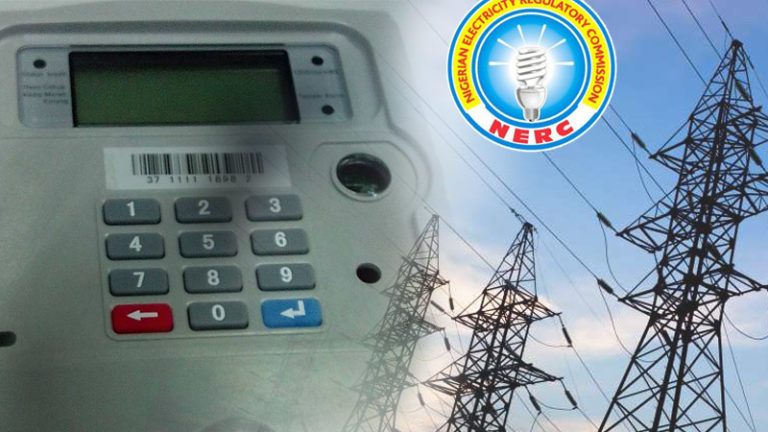
THE Nigerian Electricity Regulatory Commission (NERC) said 11 Electricity Distribution Companies (DisCos) operating in Nigeria metered 109,556 customers in December 2025.

In its latest report on metering, the Metering Factsheet for November and December 2025, released by the Commission on Tuesday, March 3, NERC provided a breakdown of metering progress across the country.

According to the report, the national metering rate rose to 57.27 per cent by the end of December 2025, up from 56.54 per cent in November 2025.

It showed that 109,556 new customers were metered in December 2025, compared to 88,592 recorded in November 2025.

The NERC report said Ikeja, Eko, and Abuja DisCos continued to lead with the highest metering rates, all maintaining levels above 76 per cent.

The breakdown revealed that the total metered customers as of December 2025 were 6,966,584 out of 12,163,412 active customers.

Recall that the Federal Government said it was perfecting plans to deliver 2.5 million prepaid meters and distribution transformer meters to bridge the identified metering gap in the Nigerian Electricity Supply Industry (NESI).

Under the Presidential Metering Initiative (PMI), the Federal Government said it provided ₦700 billion to deliver 2.5 million prepaid meters and distribution transformer meters, with the procurement process ongoing with 42 Local Meter Manufacturers and Assemblers (LMMA) to supply and install 750,000 meters within 15 months.

The ICIR reported that DisCos metered 106,822 customers in October 2025, achieving a 56.07 per cent national metering rate within the period.

The NERC’s factsheet supports transparency and keeps customers informed on the metering progress shaping Nigeria’s electricity market.

The latest report also showed that the number of active electricity customers increased from 12,030,315 million recorded in September 2025, to 12,071,018 million in October 2025.