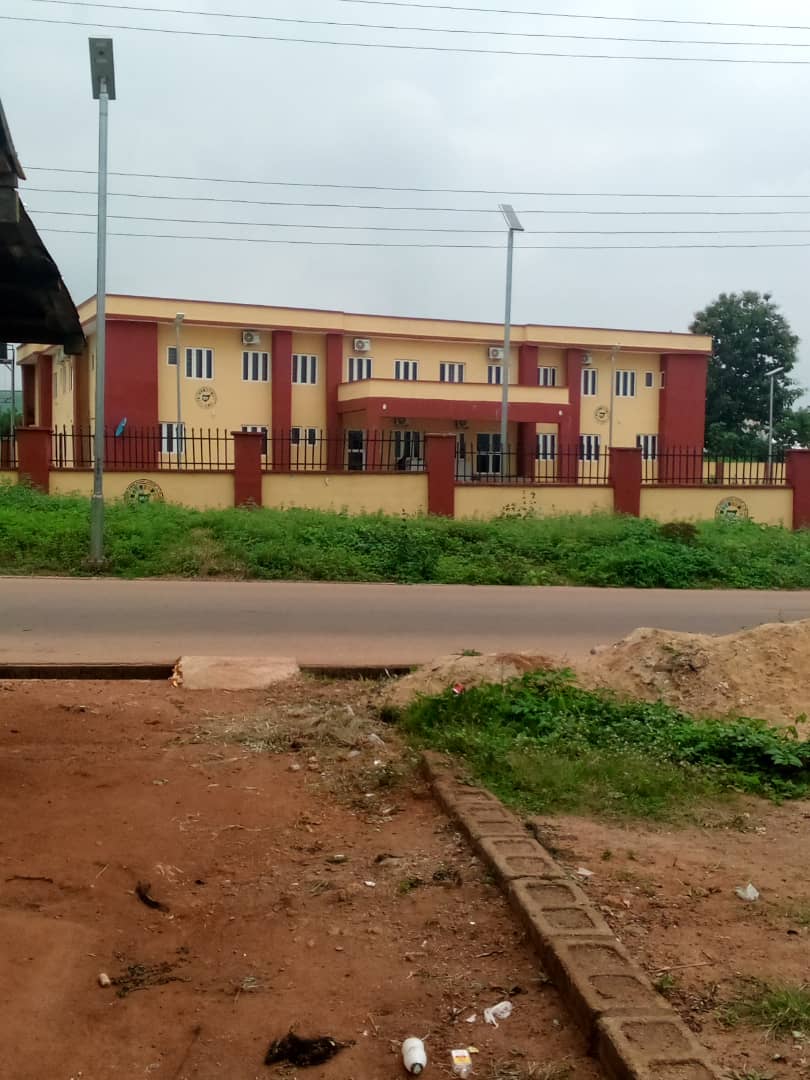
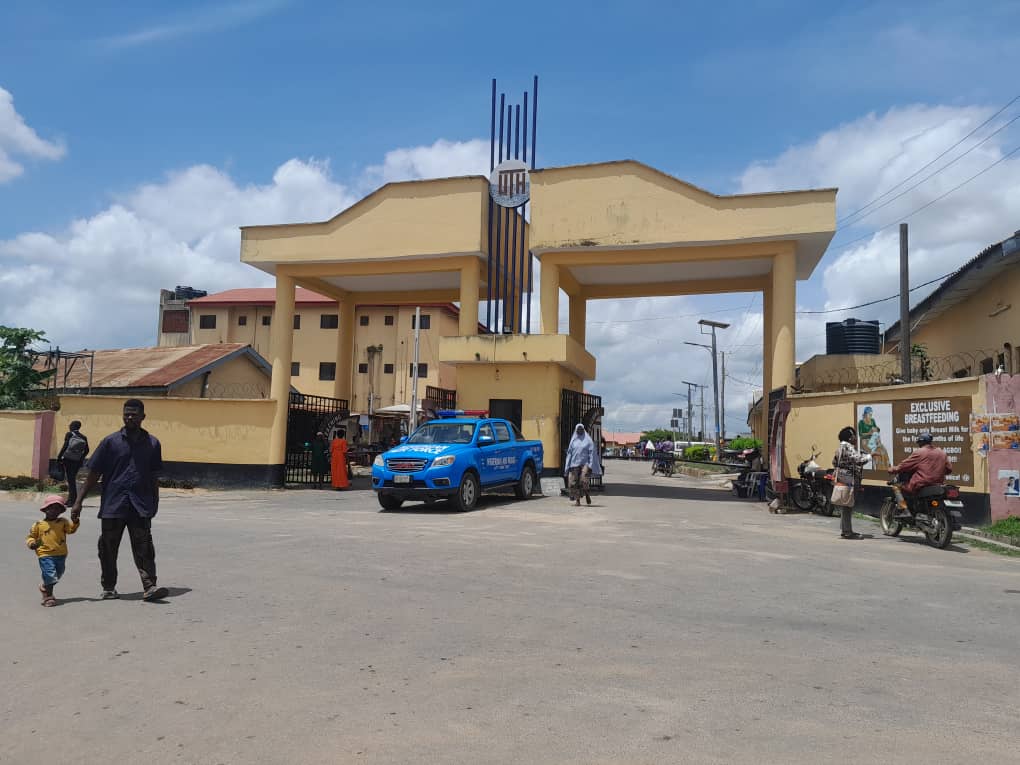
THE Federal Capital Territory Administration (FCTA) has vowed to shut down illegal motor parks operating in the nation’s capital over the menace of ‘one-chance’ robbery.
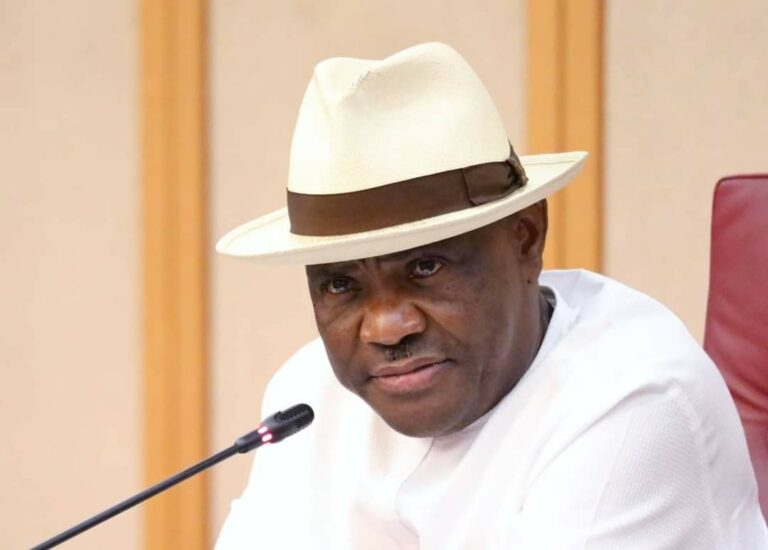
The FCT Minister, Nyesom Wike, disclosed this on Thursday, October 19, while speaking with journalists in his office in Abuja.
The minister blamed the increasing crime rate in the capital city on illegal motor parks and abandoned buildings used as hideouts by criminals.
He also noted that the FCTA had received numerous reports regarding kidnappings and ‘one-chance’ incidents recently.
Addressing the measures initiated by the FCTA to ensure the safety of lives and property in the capital city, Wike said a joint task force was formed last week to combat criminals operating as one-chance robbers.
“In most cases, we don’t even let the public know what has been done. I can tell you the security agencies have done quite a lot. If not, by now, the FCT would have been a different thing.
Wike noted that the FCTA “discovered that most of the areas that they (criminals) stay are shanties and uncompleted buildings, and that is why we say we cannot allow these uncompleted buildings where criminals have made their place of abode. Bring down all these uncompleted buildings which have turned to shanties, and they will have nowhere to hide.”
He explained that the government formed a joint task force last week to address the problem within the city.
“Just last week, we set up a task force on those states that we have borders with and one-chance. A joint security task force including the SSS, the police, the army, the navy. They have identified the way they will operate. To tell you that we are concerned, that is why we have to set up this joint task force for one-chance and border control.”
Meanwhile, the minister warned that all illegal motor parks would be closed.
The ICIRreports how ‘one chance’, a criminal group disguised as commercial drivers and commuters, dispossesses passengers of their belongings, including laptops, money, phones and other valuables. Many of them conduct their illicit business, using point-of-sale machines to empty victims’ bank accounts, using force.
Driving in cabs in groups of two, three or four, the criminals are usually armed with weapons such as guns, knives, hammers and other harmful objects.
In February, 2022, The ICIR reported how the FCT’s failing transport system worsened residents’ security challenges.
The insufficient number of commercial vehicles in the city, despite the Abuja Urban Mass Transport Company Limited (AUMTCO), leaves passengers at the mercy of private car owners who convey them to their destination for a fee.
Fake transporters (one-chance drivers) take advantage of the situation and patrol the city, picking up unsuspecting passengers and dispossessing them of valuables.
THE second-quarter report released by the Nigerian Electricity Regulatory Commission NERC showed that the distribution companies (DisCos) cumulatively received 325,898 customer complaints in the 2023 second quarter.
The figure represents an increase of 76,215 (30.52 per cent) compared to the 249,683 complaints received in 2023 in the first quarter.
“In total, the DisCos resolved 313,442 complaints corresponding to a 96.18 per cent resolution rate (91.76 per cent recorded in 2023 second quarter).
“Metering, billing, and service interruption were the prevalent issues of customer complaints, accounting for more than 75 per cent of the total complaints during the quarter”, the report said.
The regulator also disclosed that Electricity Distribution Companies (DisCos) in Nigeria collectively remitted a total sum of ₦185.36 billion in the second quarter of 2023.
NERC, in the report released on October 17, also disclosed that the cumulative upstream invoice payable by DisCos was ₦194.69 billion, consisting of ₦154.04 billion for generation costs from the Nigerian Bulk Electricity Trading (NBET) and ₦40.65 billion for transmission and administrative services by the Market Operator (MO).
The Commission said, out of this amount, the DisCos collectively remitted a total sum of ₦185.36 billion (₦152.48 billion for NBET and ₦32.88 billion for MO) with an outstanding balance of ₦9.32 billion.
“This translates to a remittance performance of 95.21 per cent in 2023 second quarter compared to the 67.43 per cent recorded in 2023 first quarter”, it said.
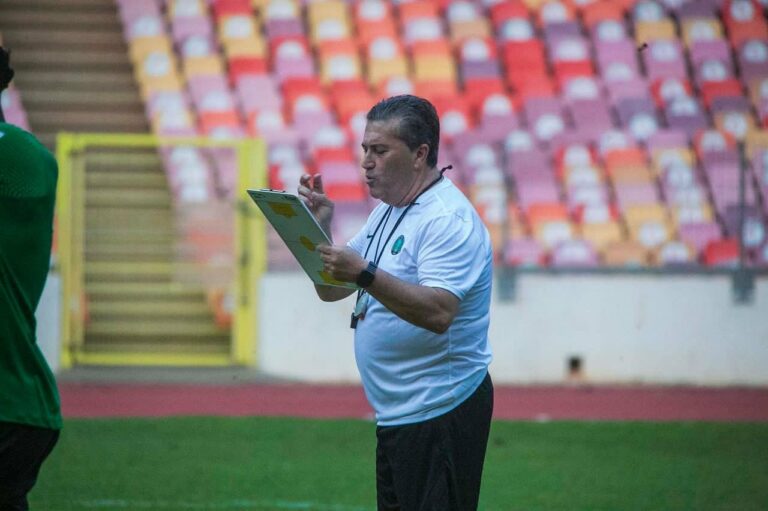
NIGERIA’S senior men’s football team, Super Eagles’ coach Jose Peseiro has revealed why he chose to extend his contract despite a 29 per cent pay cut.
The ICIR had reported the Portuguese, whose initial contract with the Nigeria Football Federation (NFF) was agreed on $70,000 a month when he was employed in 2022, later agreed to receive $50,000 after the contract expired in May 2023.
Explaining why he renewed his contract, the Super Eagles tactician said his players urged him to continue his job when talks of his contract renewal stalled in September.
“The players pushed me to stay because they believe we can win (the AFCON),” the 63-year-old Portuguese coach told SkySports.
His renewed contract with the country’s apex football administration also puts him in charge of the Eagles B team.
The Portuguese, who has been mandated to lead the Eagles to at least the semi-finals at the 2023 African Cup of Nations, AFCON, expressed optimism about winning the tournament title billed to be held in Cote d’Ivoire next January.
“We can win it. The players know it. They come with the same energy and belief to fight for the Super Eagles,” he added.
The three-time African champions last won the AFCON in 2013. led by late coach Stephen Keshi.
They are drawn against hosts Ivory Coast, Equatorial Guinea and Guinea-Bissau in the first round in group A.
AVAILABLE data from the Central Bank of Nigeria (CBN) has shown that the country’s gross official reserves fell significantly by $717 million, from $33.9 to $33.2 billion, in September 2023.
This development marked a decline compared to the previous month, which saw a modest increase of 2 million to almost $34 billion.
Except for August 2023, the gross official reserves have steadily declined for 12 consecutive months.
This year alone, the reserves have decreased by roughly $ 3.8 billion, resulting in an average monthly decline of $427 million.
The consistent decline in the gross official reserves reflects the heightened demand pressure for forex amidst a severe supply deficit.
Analysts say the government’s loss of money from oil theft and inability to meet the Organisation of Petroleum Exporting Countries (OPEC) quota are major problems affecting dollar supply in Nigeria.
“We have huge demands for dollars now in the economy; the Central Bank of Nigeria must do everything possible to increase the supply side of foreign exchange to meet demands,” a development economist, Chuka Mbonu, said.
On October 12, 2023, the CBN restored the 43 prohibited items prohibited from access to foreign exchange eight years after, a move seen to usher in a single exchange rate while putting pressure on demand for dollars.
Aminu Gwadabe, the national president of the Association of Bureaux De Change Operators of Nigeria (ABCON), said the CBN should emphasize intervention in the retail end sector to where the spike is most pervasive through the efficiency of the BDCs to enable it to close the official and parallel market rates gaps.
To enhance the buffers, the CBN should pursue a paradigm shift from demand measures to supply measures to boost the needed liquidity in the market,” he said.
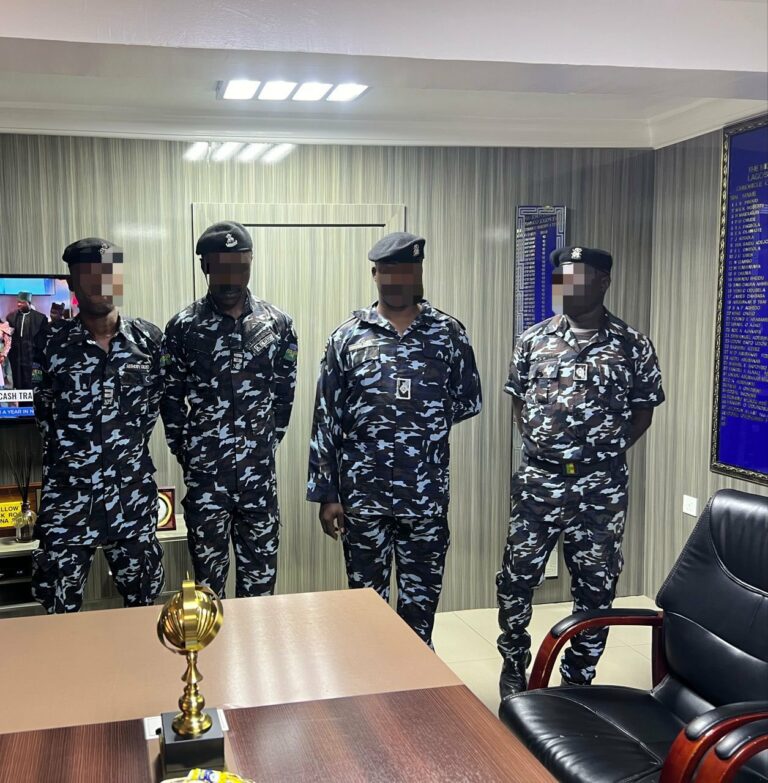
THE Lagos State Police Commissioner, Idowu Owohunwa, has ordered the immediate removal of the Divisional Police Officer of the Meiran Police Station in the state over extortion.
A statement by the command spokesperson, Ben Hundeyin, on Wednesday, October 18, accused the DPO ofinfractions summed up as “leadership dereliction and supervisory ineptitude.”
The Punch had reported that a phone engineer, Ibrahim Saliu, alleged that some policemen attached to the Meiran Police Station extorted N200,000 from him on Saturday, October 14.
Saliu recounted that the trouble began when the Police apprehended him and his brother, Olaiya Murtala, for failing to produce an identification card or receipts for the iPhones found with his brother.
Saliu said he had dispatched his brother to his store with six iPhones. However, during a random stop-and-search, the Police intercepted them and escorted them to the station.
He further alleged that the DPO and his officers connived to extort him after removing the warranty stickers on his phones.
“The DPO took the iPhones, removed the warranty stickers on them, and declared that my brother and I are thieves and armed robbers.
“The next thing I heard was the DPO giving them an order to detain us and that we would be locked up for stealing and armed robbery. We were surprised that we started begging,” he said.
Saliu added that the DPO instructed them to pay N500,000 cash before they could be released.
Despite their pleas, Salihu and his brother eventually negotiated and settled for N200,000, as demanded by the Police.
Reacting to the incident via X, the command spokesperson noted that the Lagos Police Commissioner ordered the immediate removal of the DPO for leadership dereliction and supervisory ineptitude, adding that all the officers involved had been identified and were undergoing trial.
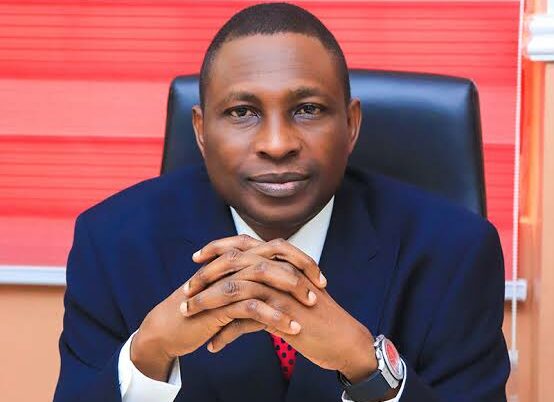
THE Nigerian Senate has confirmed the appointment of Ola Olukoyede as chairman of the Economic and Financial Crimes Commission (EFCC).
The Senate also confirmed Muhammad Hammajoda as the Commission’s secretary.
The appointments of Olukoyede, a former secretary of the Commission, and Hammajoda were confirmed after President Tinubu wrote the Senate on Tuesday to request that they be confirmed as soon as possible.
Olukoyede promised to fight corruption in Nigeria without fear or favour and in accordance with the law.
Besides, he said he would prioritize crime prevention over law enforcement.
On Wednesday, the Senate also confirmed Halima Shehu as the national coordinator and chief executive officer of the National Social Investment Programme Agency (NSIP).
The ICIRreported that President Tinubu appointed Ola Olukoyede as the EFCC chairman.
The president’s Special Adviser on Media and Publicity, Ajuri Ngelale, disclosed his appointment via a statement on Thursday, October 12.
Ngelale also disclosed that thatTinubu approved Hammajoda’s appointment as the Commission’s Secretary.
Olukoyede’s appointment follows the resignation of the suspended Executive Chairman of the EFCC, Abdulrasheed Bawa.
He is the first head of the EFCC from Nigeria’s south since its creation 20 years ago.
The ICIR reports that none of the previous five substantive Chairmen of the Commission finished their tenure. They were all sacked. The incumbent National Security Adviser, Nuhu Ribadu, is the Commission’s pioneer chairman.
Olukoyede’s appointment has drawn criticism, with many contending that he is unqualified to be the EFCC chairman.
The ICIR, in this report, highlighted the opinion of some lawyers who faulted his appointment.
THE Nigerian Army has arrested one person and recovered arms in a camp belonging to the proscribed Indigenous People of Biafra (IPOB) and its affiliate, the Eastern Security Network (IPOB/ESN).
This is according to a statement released on Tuesday, October 17, by the Director of Army Public Relations, Onyema Nwachukwu.
“Combined troops of 302 Artillery and 14 Field Engineer Regiments of the Nigerian Army, conducting operations against terrorists, have on Monday 16 October 2023 captured two locally made artillery projectile launchers from fighters of the Indigenous People of Biafra and its armed affiliate, Eastern Security Network (IPOB/ESN),” the Army statement read.
According to Onyema, the artillery weapons, armed with projectiles, were seized alongside other items as troops swooped on the dissident fighters, who fled the scene upon sighting troops’ advancement.
“In the operation, one combatant of the dissident group was arrested, and several items, including 48 rounds of 7.62 mm NATO ammunition, four mobile phones, one handheld communication radio, and a substance suspected to be cannabis, among others, were recovered by the troops.”
He said the 34 Artillery Brigade troops also conducted an offensive against oil thieves in Oguta Local Government Area of Imo State.
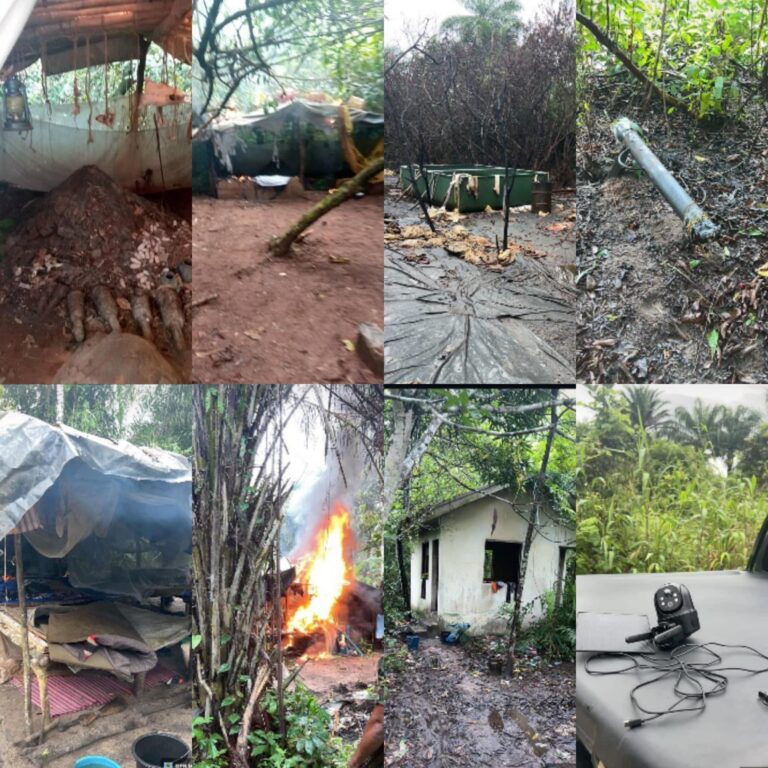
“Troops recovered several items from the camp, including one crude oil cooking oven, three reservoirs, several connecting hoses and pipes, three mobile phones, one power generating set, three pumping machines, one CCTV camera mounted on a tree top, a substance suspected to be cannabis and some fetish objects,” he said.
He added that the troops in a similar operation conducted the same day uncovered and destroyed an illegal refining site with several drums and crude oil ovens laden with stolen crude oil.
Also destroyed by the troops was a dug-out pit containing about 50,000 litres of crude oil and 57 sacks of illegally refined automation gas oil. “Surprisingly, the sacks of illegally refined products were surreptitiously concealed in a community health centre at Egbema Shell and Egbema West, respectively, in Ohaji/Egbema Local Government Area of Imo State.”
He quoted the Chief of Army Staff, Lieutenant General Taoreed Lagbaja, as reiterating the Nigerian Army’s resolve to maintain peace in the nation.
The ICIRreported how insecurity in Nigeria’s South-East region, majorly due to IPOB and its affiliates’ activities, led to the deaths of more than 1,700 people between January 2021 and June 2023.
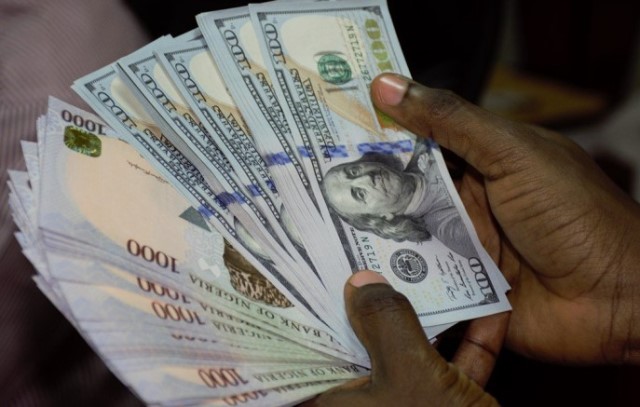
NAIRA closed at N848.12 to the dollar on Tuesday, October 17, at the official window days after the Central Bank of Nigeria (CBN) reversed its policy on 43 items to save the country’s currency from further decline.
The CBN had, on Thursday, October 12, announced, among other policy issues, the lifting of foreign exchange (FX) restrictions hitherto placed on the importation of the 43 items by the former CBN governor, Godwin Emefiele, on June 23, 2015.
The new order allows importers of the items to purchase foreign cash through official channels in the Nigerian Foreign Exchange Market (NFEM).
It will also help promote price discovery, transparency, and credibility in the FX rates, CBN said, directing all and sundry to reference the prevailing FX rates from platforms such as the CBN website, Financial Markets Dealers Quotations (FMDQ), and other recognised trading platforms.
A check by The ICIR on FX transactions at the FMDQ showed that the naira slid significantly against the dollar, depreciating by 11.71 per cent to N848.12/$1 from N759.20/$1 as of Thursday, October 12, when the CBN lifted the ban on the 43 items.
According to the apex bank, it initially placed the ban to reduce FX demand on products that could locally be produced and conserve foreign reserves, among other reasons.
However, the acute shortage of FX supply had remained amidst growing demand, causing the naira to fall to a record low against the dollar and widening the gap between the official rate and the parallel (black) market rate.
More worries are that the CBN’s periodic interventions in the exchange market have yet to yield the desired result to improve price stability in the FX market due to the weak size of the country’s external reserves.
The foreign exchange reserves had depleted significantly by $4.2 billion to $33.23 billion as of October 16, 2023, from $29.03 billion on June 23, 2015, when CBN placed the ban, a check by The ICIR on CBN’s website has shown.
Analysts had pointed out that the CBN’s recently released financial statements showed a significant percentage of foreign reserves were encumbered, even as J.P. Morgan Asset Management’s analysis of the accounts indicated that Nigeria’s net foreign reserves were significantly lower than previously estimated.
A leading global financial services firm, J.P. Morgan, had faulted the figures in the CBN’s financial statements and posited that the lousy aspect of the record lies in the decline in the country’s net FX reserves.
Although CBN had assured that removing these restrictions would eliminate the need for importers of the 43 items to go to the parallel market, reducing the pressure on the naira, experts are worried about the continuous weakening of the naira.
What should the authoritiesdo to halt thenaira crisis?
Besides removing the distortions in the FX market, analysts believe the CBN needs to boost the market.
“While we appreciate the need to eliminate the distortions in the market, we reiterate our view that the only viable solution to the current FX crisis is to boost the country’s foreign exchange revenues,” analysts at CSL Stockbrokers Limited said.
According to the CSL analysts, the first step is for the government to reduce crude oil theft and enhance oil production.
“The swift start-up of the Dangote refinery, especially the export side of the business, remains a game changer in our view as it will be a major source of foreign exchange into the country.
“We believe that more has to be done to promote the country’s exports, with the agriculture sector receiving priority in order to increase the production of many cash crops for exports,” they said.
They urged the government to have a blueprint to explore the country’s enormous untapped natural resources to increase foreign exchange earnings.
“We believe steps like these will attract foreign portfolio investments, which could help stabilise the market in the interim,” the CSL analysts added.
Meanwhile, a development economist, Kazeem Bello, had toldThe ICIR that except the government assists in bailing out the CBN by finding foreign exchange inflows into the market, the naira would inevitably continue to take a plunge.
PROTESTING youth blocked the Gusau-Kaura Namoda highway at the Sakajiki community on Tuesday, October 17, over recurring bandit attacks, killings, abductions and other insecurity issues in the state.
The ICIR gathered that bandits abducted women from the village after killing several others and setting many houses on fire. They also allegedly used a Police patrol vehicle (Hilux) they snatched to loot foodstuffs from the community.
The ICIR further reports that the community has since been deserted by its people, with houses, schools, mosques, and shops spared by the bandits’ inferno shut by owners.
Residents said bandits had attacked the village on Monday night (October 16) and allegedly killed one Mobile Police officer. They snatched a Police patrol vehicle, among other atrocities they committed, before returning two days later (on Monday).
The community youth trooped to the highway at dawn on Tuesday, preventing motorists and other road users from moving for several hours. They barricaded the road with timber logs and stones.
Some of the stranded passengers as youth blocked the Gusau-Kaura Namoda highway at the Sakajiki community on Tuesday, October 17, over insecurity.
The youth were unmoved by the arrival of Police and military officers. They shunned the security officers’ pleas to vacate the road, including repeated promises to take more drastic measures to restore peace to the state.
As the tension lingered, the state Commissioner of Police (CP), Muhammad Shehu Dalijan, arrived at the scene, accompanied by the Emir of Kaura Namoda, Sanusi Muhammad Asha, whose arrival caught the protesters’ attention.
The Emir introduced the Police Commissioner to the people of Sakajiki and urged them to shield their swords.
He said security forces were taking drastic measures to end the persistent insecurity in the village and the state.
Addressing the people, the Police Commissioner said he was at the village at the instance of the state Governor Dauda Lawal.
Youth blocked the Gusau-Kaura Namoda highway at the Sakajiki community on Tuesday, October 17, over insecurity
He explained that the governor assigned him to visit the village for assessment and restrategize to secure the area.
The CP assured them the government would deploy more security operatives and weapons to the deserted village.
The ICIR reports that Zamfara is one of the North-West states facing protracted insecurity.
The state’s immediate past governor, Bello Matalle, lost re-election in March after battling unsuccessfully throughout his four years in office to secure his state.
In August, The ICIRreported how President Tinubu appointed him a Minister of State for Defence despite failure to protect his people.
Some of the items used by the youth of the Sakajiki community as they blocked the Gusau-Kaura Namoda highway on Tuesday, October 17, over insecurity.
Zamfara has faced attacks from terrorists, lost hundreds of residents to insecurity, and had thousands of others displaced.
In October 2022, this organisation reported how 30 schools remained shut after one year because of insecurity.
IN a bid to achieve the Sustainable Development Goals (SDGs), the Nigerian government, through the Office of the Senior Special Assistant to the President on SDGs (OSSAP-SDGs), awarded contracts for several projects in Osun State, including building a 100-bed hospital in Osogbo, a transit home for abused women and an 80-bed hospital, both located in Iragbiji. Though completed and commissioned over a year ago, the multibillion-naira projects are wasting away despite the huge fortune spent to construct them.
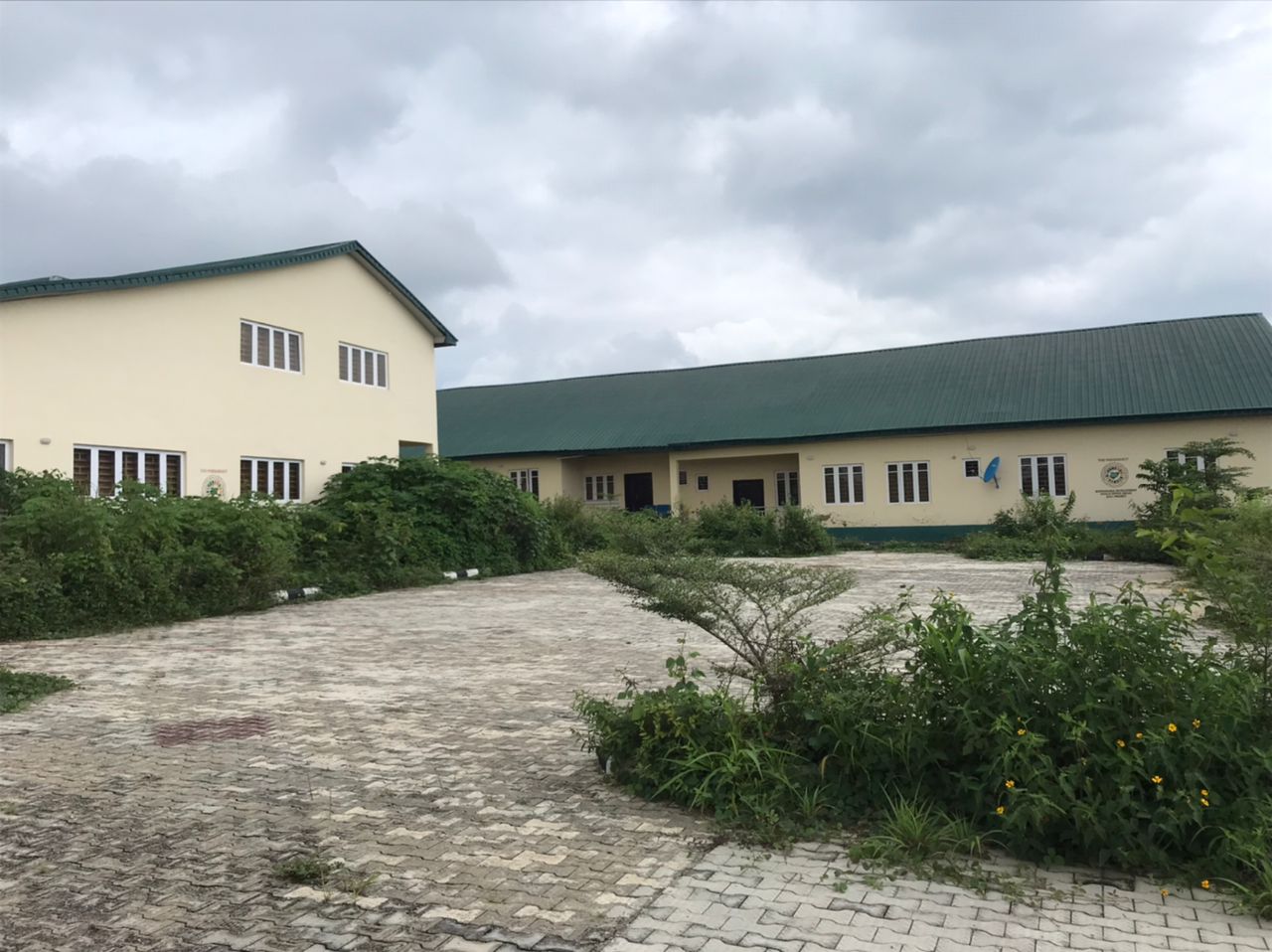
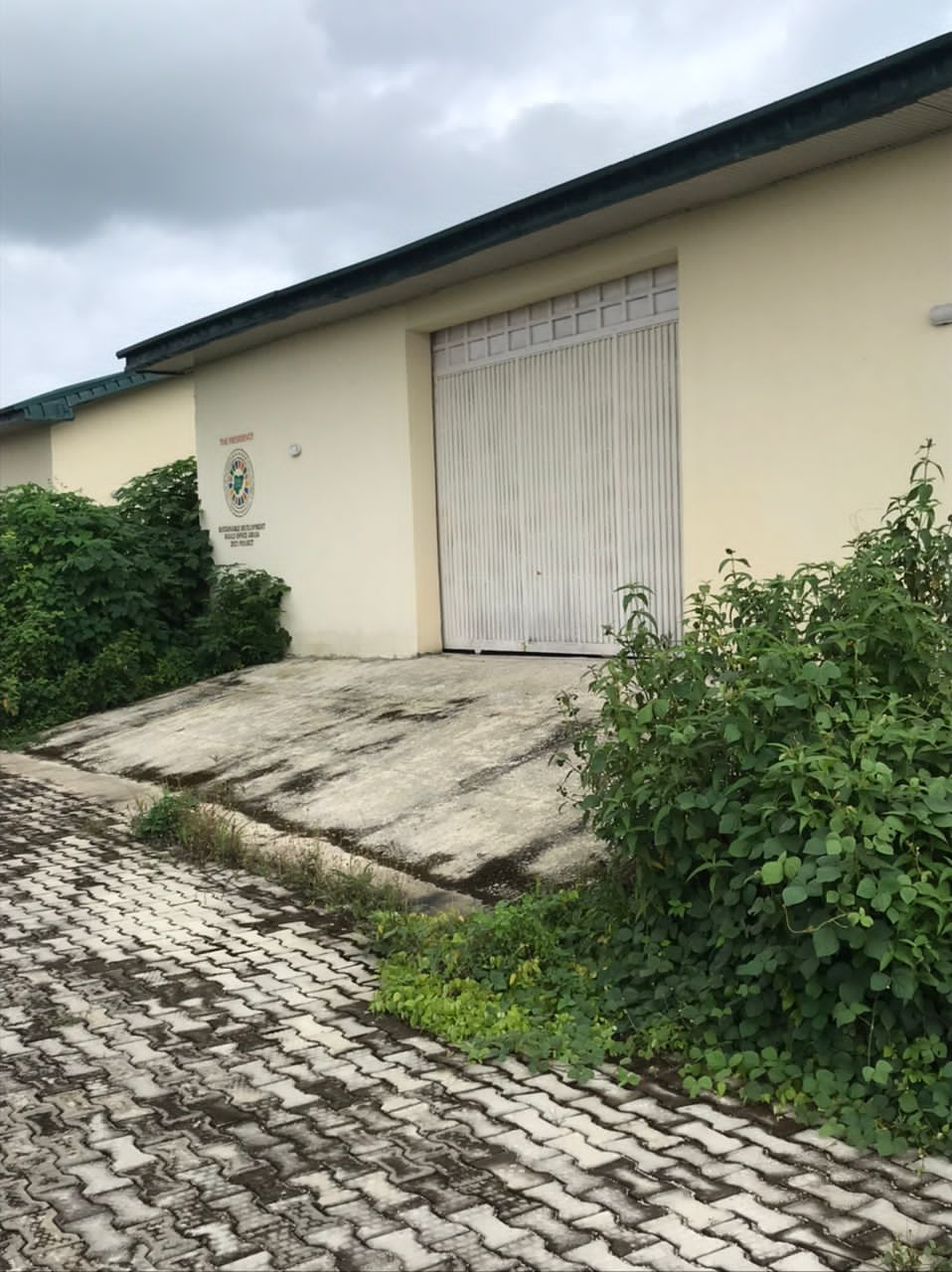
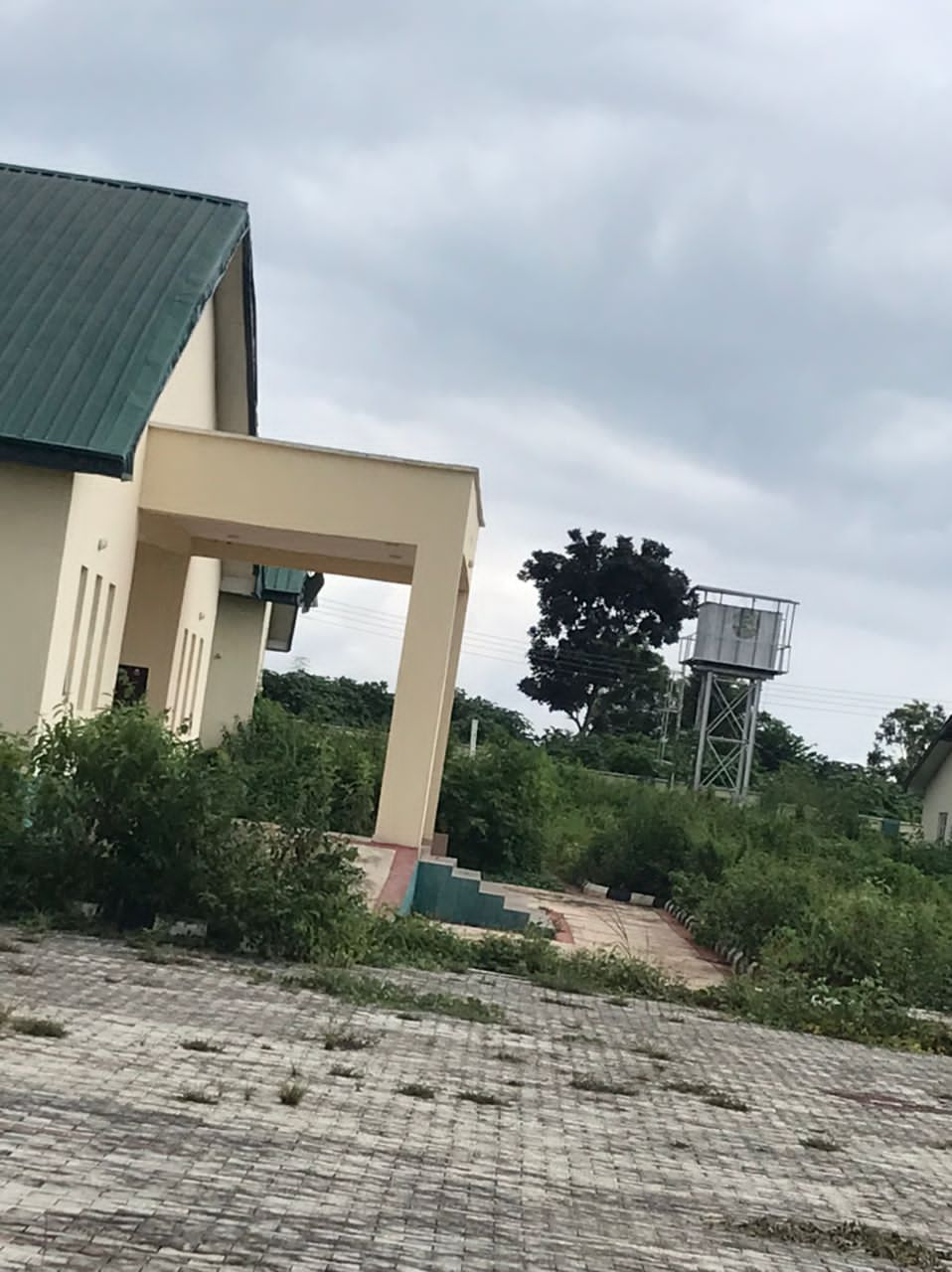
LAWAL Sofiyyat Bolanle, who visited the project sites in July 2023, reports that they are under lock and key, overtaken by bushes. There were also several issues observed regarding the award and execution of the contracts.
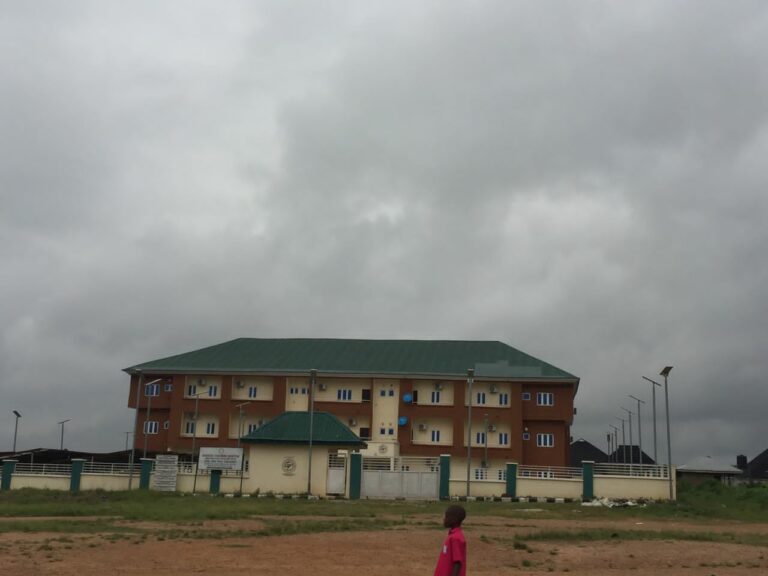
On a Thursday morning, Adebimpe Daniel, a trader whose kiosk is located adjacent to the deserted hospital building in Osogbo, Osun state, bemoaned that the project has not served the host community since it was completed and commissioned over a year ago.
“Since the hospital was commissioned last year, they have not started working there, though it seems it has been equipped. There is a maternity home at Olude, a neighbouring community, which is a bit far. There is a private hospital in this area, but it is costly.” Adebimpe stated.
Adebimpe is referring to the 100-bed capacity hospital in Osogbo, the state capital. This project is one of the projects awarded in Osun state by the Office of the Senior Special Assistant to the President on Sustainable Development Goals (OSSAP-SDGS) in 2021 under the leadership of Adejoke Orelope-Adefulire, who was recently reappointed to the same role by President Bola Tinubu.
In 2015, the United Nations adopted the 17 Sustainable Development Goals (SDGs) aimed at tackling global challenges to create a sustainable and habitable environment for people worldwide. The third of the 17 SDGs aims to ensure healthy lives and promote well-being for all. It has a number of targets, and topping the list is the reduction of the rate at which pregnant women and new mothers die after childbirth to 70 per 100,000 live births by 2030 but currently, the maternal mortality ratio in Nigeria is 1,047 per 100,000 live births.
Between 2000 and 2015, when the SDGs transformed into the Millennium Development Goals (MDGs), the Nigerian mortality rate reduced by 30.4 per cent from 1,174 deaths to 814 deaths per 100,000 live births. Even with this notable reduction, the country was unable to meet the MDGs target. According to the World Health Organization (WHO), the maternal death rate, which revolves around post-abortions, childbirths, postnatal and prenatal care, is 1 in 22 in Nigeria, unlike developed countries with 1 in 4900. Globally, Nigeria is among the countries with the highest maternal death rate of nearly 20 per cent.
In a bid to achieve the SDG in Osun state, the federal government, through the OSSAP-SDGs, awarded contracts for the provision of:
a 100-bed mother and child hospital in Osogbo,
an 80-bed hospital located in Iragbiji,
and a Transit Home for abused women.
The Transit Home, which has an admin block, a skill acquisition centre and a 100-seater canteen, is located beside the 80-bed hospital in Iragbiji. The projects have been completed but are, curiously, currently locked up and left to rot away.
According to information on Govspend, a website that provides data on Federal Government expenditures, the sum of N2.53 billion was released for the projects between 2021 and 2022. The projects were commissioned on June 29, 2022, and have since been handed over to the Osun state government.
Ineffective multimillion-naira hospitals: 100-bed hospital at Oke Oni-tea
Visits to the sites of the projects in July revealed the ineffective state of some of the facilities, as they had not been put to use over a year after they were commissioned.
During a visit to the 100-bed hospital at Oke Oni-tea, residents and shop owners in the area lamented the ineffectiveness of the hospital a year after it had been commissioned for use. Adebimpe mentioned earlier, a trader in the area, believes the hospital is affiliated to University of Osun Teaching Hospital (UTH), which “is meant to refer their patients here in case of insufficient space at their main hospital.”
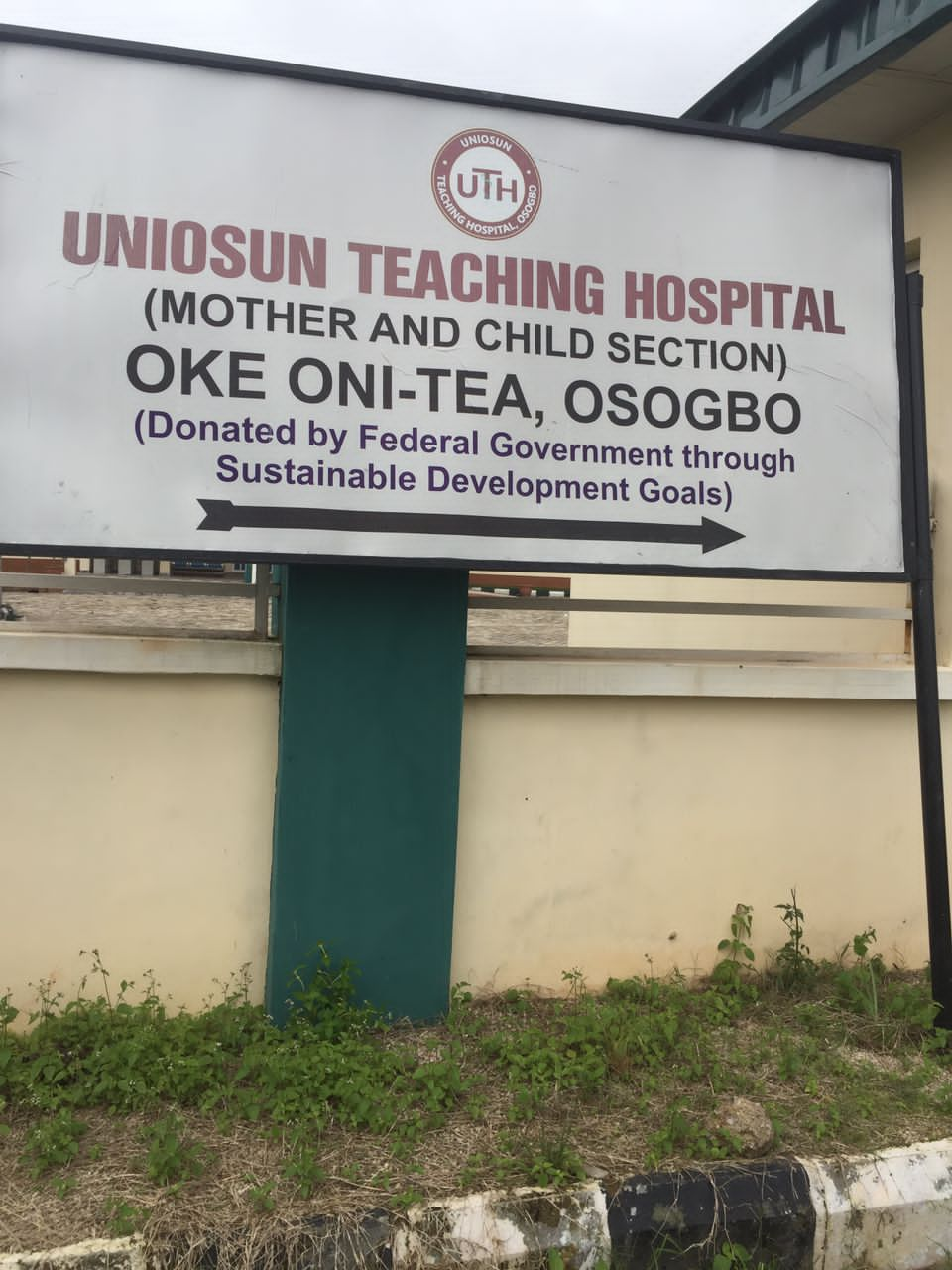
The hospital signboard has UniOsun Teaching Hospital – mother and child section, written on it.
A signage indicating that the 100-bed is under UTH management. Credit: LAWAL Sofiyyat Bolanle, PEN PRESS
Two security officers guarding the project site, who refused to identify themselves, refused the reporter access to the building. They said that they do not open the gate to anybody unless there is a directive from their boss. They also refused to disclose their identity or give out their boss’ phone number when asked by the reporter.
“We have been here for the past four months, and we do not grant anybody entrance, not even the management of UTH, unless we get a call from our boss. It is not within my power to grant you access and it would have been a different case if the hospital is functional. You would have been free to enter,” one of them said.
The securities also declined the request of the reporter to share their boss’ contact.
Ineffective multimillion-naira hospitals: 80-bed hospital located at Oke-Iragbiji
While the contract for the construction of an 80-bed hospital located at Oke-Iragbiji in Iragbiji was similarly awarded by OSSAP-SDGs at the same time as the Osogbo hospital, to Wallbridge Global Impact Limited at the cost of N161.69 million, the construction of the 100-bed Mother and Child Hospital located beside Islahudeen Grammar School at Oke-Onitea in Osogbo was awarded to Mularabs Investment Limited at the cost of N205.63 million.
According to the CAC site, Mularabs Investment Limited, was registered on May 2, 2014 and is located at No 7, Enjema Road Ankpa, Kogi State, with one Aminu Isa Yahaya as the director of the company.
Checks on the website of the Corporate Affairs Commission (CAC) shows that Wallbridge Global Impact Limited, which executed the Iragbiji hospital project, was registered March 28, 2019 for general contract and merchandise and is currently inactive. The signage at the project site showed Ibukun’s House, No 637, Floor 1, Adetokunbo Ademola Street, Victoria Island, Lagos State, as the address of the company. Checks at the location, however, revealed that no company with the name exists there.
An Okada rider, Sesan Akinyemi, who identified himself as an indigene of Iragbiji lamented the non–use of the projects executed in the town. “I do not understand why the government chose to waste money. Why will they execute projects when they know they would not bring in people to work there?” he queried.
‘Previous administration did not properly hand over Transit Home to us‘
Another project of the OSSAP-SDGs in Iragbiji is a Transit Home for Abused Women, which shares a fence with the 80-bed hospital. Despite the whooping sum of 699.4 million paid to contractors for the construction and equipping of the transit home, the home’s compound was seen to have been outgrown with bush. One could spot budding weeds sprouting out from the interlocking floor.
The transit home for abused women. Credit: LAWAL Sofiyyat Bolanle, PEN PRESS
Located at the extreme of the Transit Home is a solar-powered borehole. An administrative block is adjacent to the security post. Besides the skill acquisition centre, a 250KVA Generator was sighted on the left side from the gate.
The spokesperson of Osun State Governor, Olawale Rasheed, said the past administration failed to do proper handing-over of the Transit Home to the new government.
“The previous administration did not properly hand over the Transit Home to us. Our team only took possession last month. Inspection was conducted by three commissioners and the Special Adviser on SDGs. Though it is still ongoing, the team is taking inventory of equipment at the complex, and it was noticed that the skill acquisition centre is well equipped. The equipment are not in bad shape, though they have been locked up for a long time,” he said.
Bushes competing with the Skill Acquisition Centre. Credit: LAWAL Sofiyyat Bolanle, PEN PRESS
When asked when work will start at the Transit Home, he told PEN PRESS that the place will be ready for use in no time. “There are beds, computer sets among other equipment at the place and the centre is being prepared for usage.” He concluded.
Flaws in the procurement process
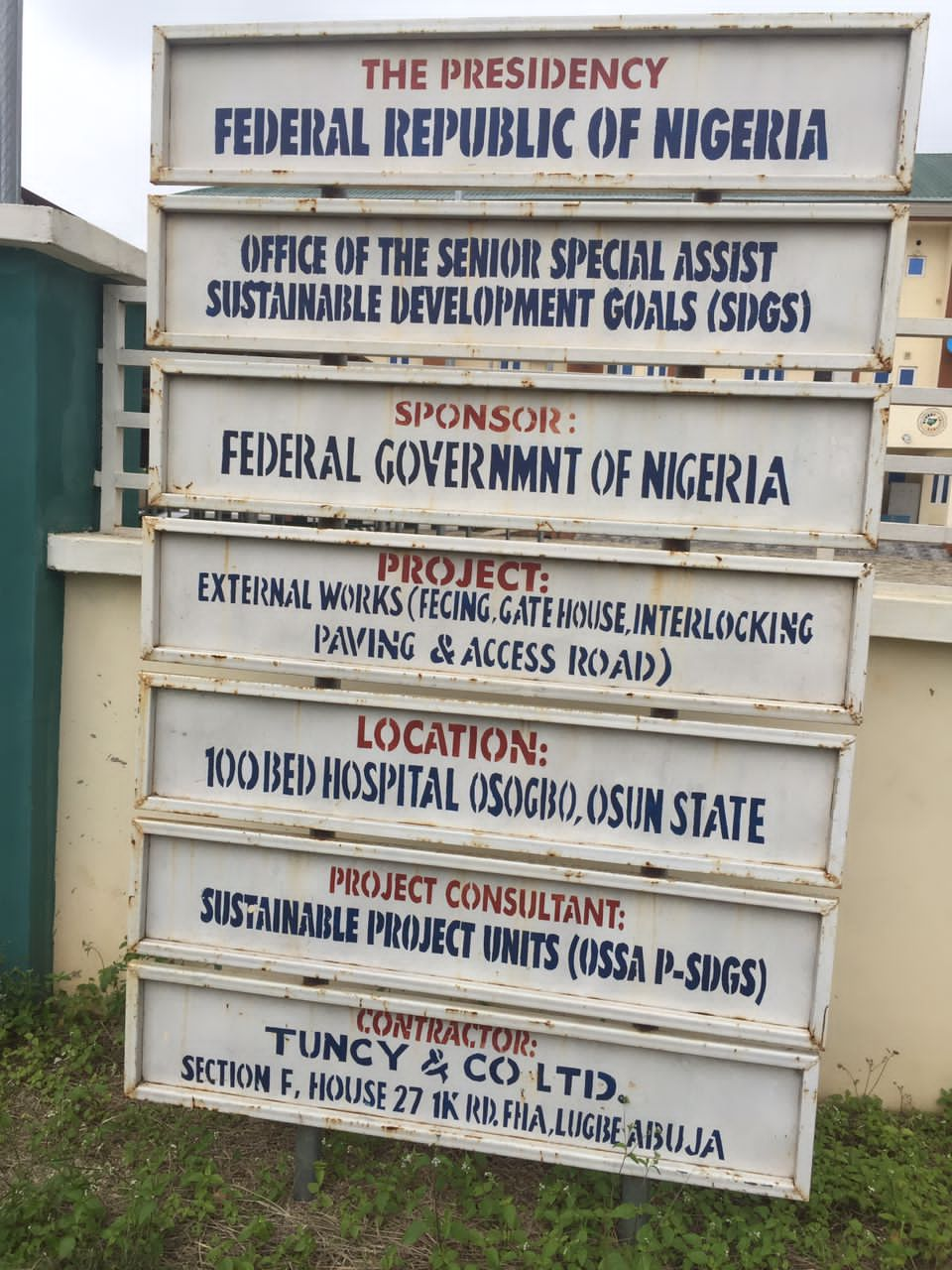
Contract for fencing, interlocking, gate and access road to the 100-bed hospital were awarded to Tuncy & Co Limited at the cost of N160.35 million. The company was registered on October 8, 2020 for general contracts and merchandise. It got its first interim payment of N115,928,508 March 13, 2022, which is a year and seven months after the registration date, and hereby could not have tendered a tax clearance certificate which is obtainable three years after the assessment of a company according to section 85(1) of the Personal Income Tax (PIT) Act.
Tuncy & Co signage at the 100-bed hospital. Credit: LAWAL Sofiyyat Bolanle, PEN PRESS
According to the CAC portal, Tuncy & Co Limited is located at Section F, House 27, 1k Road, Federal Housing Estate, Lugbe, Abuja. However, findings show that the address is either a home or a church.
Attempt to speak with the inhabitants was futile as the repeated knocks on the gate were left unanswered during a visit to the location. Prior to the visitation, an email sent to the company’s email address provided on the CAC portal was not replied to.
It was observed that the access road that links the main road to the hospital had not been constructed despite paying the contractor for it.
Furthermore, the contract for the 200-capacity transit home was awarded to Bay-mage Consults Limited at N214,639,865. Bay-mage Consults Limited was registered on August 24, 2020, specifically for computer programming, consultancy and related activities. The company got the first interim payment on December 18, 2021, just a year and four months after its registration, and, thus, would have violated the same section of the PIT Act as Tuncy & Co Limited. Unfortunately, the address on the CAC portal was under renovation when visited, and the residents of the area could not identify the owners or where they relocated to.
The sum of N21.23 million was paid to Kaffog Industrial Company Limited to construct two solar-powered boreholes at the Transit Home and the 100-bed hospital. The firm was registered on October 5, 2020, purposely for general contracts and merchandise. However, the boreholes have been dug but have not been put to use.
These companies might have violated section 16(6d) of the Public Procurement Law (2007), which states that: “All bidders, in addition to the requirements contained in the solicitation documents, shall fulfil all its obligation to pay taxes, pensions and social security contributions.
Unregistered entity awarded contract
Arhos Nigeria Limited, a non-registered company under CAC, was found to have been paid a sum of N46.52 million for the supply of furniture to the 100-bed hospital. Checks on the CAC portal, Ng-Check and B2BHint showed other companies with very similar names including Arho Nigeria Limited and Arhos and Sons International Nigeria Limited, but nothing on Arhos Nigeria Limited.
The construction and installation of 100 solar street lights, 50 each to the 100-bed hospital and 80-bed hospital was awarded to CWM Contracting at the sum of N101.50 million.
Though the street lights could be sighted at the project’s sites, CWM is a registered and inactive company under CAC. Mails have been sent to the persons in control, Mr Anjorin Adebayo and Afolabi Samson Olatunji, which are yet to be replied.
Jls Brothers Limited, an Abuja-based company was contracted and paid to do the fencing, interlocking pavement and walkway at the Transit Home for a sum of N51,086,539. However, the place is partly interlocked and the home was seen to have been outgrown with bushes. The same company was also awarded the construction of a 100-seater canteen in the home at the cost of N60.33 million.
The admin block of the transit home. Credit: LAWAL Sofiyyat Bolanle, PEN PRESS
According to the CAC website, Jls Brothers Limited was registered on October 24, 2017, specifically for general contracts and is located at Plot 333, Airport Road. A search to trace the company is futile as it is not located at the said address.
Other contracts awarded as part of the project include Huzaimas Nigeria Limited, registered on August 20, 2017, which was paid N46.35 million to supply furniture. According to the information on the CAC portal, the company is inactive, and the persons in control of the company, Aminu Abdullahi and Ibrahim Muhammad, failed to provide their email addresses.
The construction and installation of 140KVA hybrid Solar inverter at a 100-bed hospital was awarded to 25th Investment Ltd. The company, registered on April 30, 2019 is inactive. Also, 80KVA hybrid solar inverter construction and installation contract for the Iragbiji facility was awarded to Bmo-tech Services Limited at N117.61 million, a company registered on October 8, 2020, and contracted for this project February 2, 2022.
Tru3 Nigeria Limited and Mba & Company Limited were paid the sum of N166.27 million each to supply and install theatre equipment to the 80-bed and 100-bed hospitals, respectively. Also, Tappago Engineering Limited was paid a sum of N36.35 million to supply 208 laminated 4 by 4 boarded beds with mattresses, pillows and lockers to the Transit Home for Abused Women.
Equipping of the acquisition centre with fashion designing, salon, refrigeration and building trade was done by Olu-omo Integrated Services Limited at a sum of 52.35 million. The company, which is controlled by Idris Balogun and Funke Balogun, was registered on the 15th of October, 2008 and is currently inactive under CAC.
In all, the total sum for the construction and equipping of the 80-bed hospital was evaluated to be about 748.45 million, while 1.059 billion was released for the construction and equipping of the 100-bed hospital.
Desmond Utomwen, an aide to Senior Special Assistant to the President on Sustainable Development Goals Orelope-Adefulire, while responding to the findings, said the companies were duly registered. “You may want to reach out to them. I can assure you that there is no cause for alarm. From all the available records in the office, the companies were duly registered.”
He however declined to answer further enquiry on the status of the companies that were awarded contracts by the OSSAP-SDGs and the bidding process.
Budget splitting and inflation
A sum of N31.43 million was paid to Corredor Business Network Limited for the provision and installation of 15 incubating equipment – 10 to the 100-bed hospital in Osogbo and 5 to the 80-bed hospital in Iragbiji. Investigations show that only ten of these were supplied. However, a similar contract for the provision and installation of 15 incubating equipment with the same sharing formula was awarded to Telefonica Blizzard Company Limited at the cost of N11.98 million. The company is located at No 2, Ikeja Close, off OYO Street, Garki Area 2. Aretta Anah and Debate Egbede are listed as directors of the company which is currently inactive on the CAC portal.
The wide difference in both contract amounts (Corredor Business Network Limited got the same Contract for almost thrice the same amount as Telefonica Blizzard Company Limited) also points to possible inflation to the contract awarded to Corredor Business Network Limited. Both contractors were paid on August 31, 2022, according to information on Govspend.
In another case of contract splitting, three different companies were awarded the same contract to supply the hospitals in Osogbo and Iragbiji with automated beds. The contract for the supply of 50 specialized automated beds – with a distribution ratio of 40:10 between a 100-bed hospital and an 80-bed hospital – was awarded to Tafskad All Round Service Limited at N43.25 million.
Another contract for the supply of 50 complete sets of specialised hospital beds with mattresses, pillows and bedside lockers to the 80-bed hospital at Oke-iragbiji was awarded to Sukeem Nigeria Limited at the same N43.25 million.
A third contract for the provision of 50 complete specialized automated hospital beds with mattresses, pillows and lockers to the 100-bed hospital was awarded to Covenant Plus Engineering Limited at N43.25 million. The contract splitting of these project is obvious as the three companies were paid the same amount, with two of them getting paid on the same date while the third company got its payment a day after.
This obvious contract splitting is contrary to the provisions of the Public Procurement Act (2007). Section 58(4d) of the Public Procurement states that: “The following shall also constitute offenses under this Act; splitting of tenders to enable the evasion of monetary thresholds set.”
Possible inflation of contract?
Bmo-tech Services Limited was paid to supply and install two 250KVA sound-proof generators at the cost of N107.20 million, in which one is meant to be supplied to the 100-bed hospital. Similarly, another company, Grand Performer Limited, was awarded a contract to provide and install three 250 KVA sound-proof generators at N160.53 million, from which a generator is meant to be at the 80-bed hospital in Iragbiji.
When asked about the designated location of the second generator, the director of the Bmo-tech Services Limited, Olojotuyi Bamidele Segun, declined to answer and directed the reporter to OSSAP-SDGS.
“OSSAP-SDG awarded these contracts, provided the locations/end users and supervised the execution. Concerning our eligibility to be awarded a contract, I will suggest you visit the procurement unit of OSSAP-SDGS to obtain our tender documents, which I know will put a rest to your questions and enquire,” he stated.
No information could be obtained from Grand Performer Limited Directors on the generators it supplies as the company failed to respond to an email sent to its listed email address.
Aside from that the locations of the other three generators are unknown. Checks showed that the market value of a 250KVA sound-proof generator (Perkins model) is N15.5 million, according to Jumia. This shows an inflation in the amount these projects were contracted.
What is the use of an open, visionless eye?
The Baale of Oke Iragbiji, Gbadebo Abolarinwa, noted that work on the 80–bed hospital and abused women’s home was completed almost two years ago and that they had been equipped with state-of-the-art facilities before the projects were commissioned last year. He lamented the unproductive state of the hospital that could have been useful for the residents.
“I was there when they were commissioned. They were well equipped with good facilities and equipment, which included sewing machines, hospital beds and many more. There are many hospitals in town, though the SDGs projects would have been of great benefit to the residents of Iragbiji if they were functioning, but it is currently useless. What is the use of an open visionless eye?” The local chief asked rhetorically.
He stated that a new private health facility in the area has been tending to the health needs of residents of the town. He urged the Government to bring in professionals so the facilities could be useful to his community and save the equipment in the facilities from wasting away.
“As it is now, the hospital is not useful and it would be better if medical practitioners were mobilized to the hospitals. There is no way residents will not patronize even if they are meant to pay a token. I hope the equipment are still in good condition,” he concluded.
Hospitals inefficient due to bad structures
Utomwen, the media aide to Orelope-Adefulire, said the projects have since been completed and handed over to the state government.
“The projects in question have since been completed, commissioned and handed over to the state for use in the interest of the people in Osun.” Utomwen stated in a chat with PEN PRESS.
The UNIOSUN Teaching Hospital does not dispute that two of the facilities have been handed to it. Its position is that the facilities do not have what it takes to make them function.
The Chief Medical Director of UNIOSUN Teaching Hospital, a professor, Peter Olaitan, confirmed that the two hospitals have been handed over to UTH since August 2022. He, however, added that the transit home for abused women project was not handed over to UTH.
While responding to enquiries on what has been holding UTH back from working in the hospitals, he attributed it to the bad structure of the building and the lack of electricity in the new facilities.
“Two hospitals were actually handed over to us, that is, the 80-bed hospital in Iragbiji and the 100-bed hospital in Osogbo. There are quite a number of things that will make a hospital work. For example, there was no link to the electricity source. The only thing we have there are generators and solar inverters. Also, the laboratory at the Oke Oni-tea in Osogbo is too small to accommodate pathologists, microbiologists and even blood bank. There is no laundry room, no kitchen and no ambulance.” Professor Olaitan said during the interview.
He added that there was a time when the roof of the 100-bed hospital was blown off and that the hospital had to use its own money to fix it after the contractor failed to respond to their calls.
“The thing was getting worse and worse, and the equipment was getting spoilt, so we decided to fix it.” He added.
“Due to the non-functional state of the hospital, the solar batteries and panels were destroyed. The solar batteries were bad, and they were quite heavy batteries that needed a lot of money. And solar panels too, a lot of them were already removed by a rainstorm. As for the hospital in Iragbiji, the roof was terribly leaking, so we couldn’t use it until last week when it was fixed.” Olaitan stated.
In order to make the hospitals efficient and effective, Professor Olaitan said UTH reached out to the state government about the challenges faced at the new facilities. “Though it’s not enough, we got some funds from the government. We have gotten an ambulance and some laboratory equipment. We also look forward to providing a waiting room for patients and their relatives, as well as a kitchen and laundry room.” He concluded.
“To get the hospitals working, a sum of ₦ 400 million will be needed.” He said when asked to estimate the amount it would cost to get the hospitals functioning.
Health Expert Reacts
Dr Solomon Ilori, a Chief Registrar at the Department of Obstetrics and Gynecology at UNIOSUN Teaching Hospital, likened the state of the projects to a good-for-nothing car. He added that the management of UNIOSUN Teaching Hospital is working effortlessly to achieve the purpose of the hospital.
While speaking on the slow response of the management, Dr Ilori told PEN PRESS that the management is challenged with insufficient personnel and the structure of the building, which they are still trying to adapt to, since it was not suitable enough.
“I am aware of the projects at Oke Oni-tea and Iragbiji. I followed the management as the Chief Registrar of the Department to check the infrastructures that are there. Good buildings but no health care professionals. A car is as good as nothing when it has no driver,” Ilori said.
He added that the effects of the redundant facilities are borne by the citizens.
“The buildings cannot serve the immediate environment so it is useless. Imagine someone from Iragbiji has an Obstetrics & Gynecology emergency, like a case of bleeding after childbirth or heavy menstrual bleeding, instead of the facilities to serve such patients, they would have to be rushed down to Osogbo. There have been times when people with such conditions are brought in dead,” he added.
While commenting on the way forward in the Nigerian health sector, he charged the Federal Government to implement sustainable healthcare policies. “The abandoned structures are not the issue but the commitment of the government towards healthcare. The healthcare policies are summarily unbearable.” The gynaecologist stated.
CSOs React
Olarenwaju Suraju, the Chairman of HEDA Resource Centre, an organization with the mandate on anti-corruption, good governance, accountability, environmental justice and human rights, said a company should only be awarded contracts based on its diligent records.
“Any company with the evidence of payment of taxes as and when due, with proven competence and capacity to execute a contract should get it if they meet the requirements,” Mr Suraju stated in an interview with PEN PRESS.
He, however, faulted the CAC agents that registered a company without a traceable address.
“Many companies get registered presenting fake proof of address and the registering authorities are compromised or lack capacity to verify documents.”
He concluded by enjoining the enforcement of the law and prosecution of the perpetrators. “The Corporate Affairs Commission needs to do background checks on the registered companies from time to time.” He stated and concluded by suggesting that the punishment for lawbreakers should be enforced.
*This investigation republished from Pen Press is supported by the John D. and Catherine T. MacArthur Foundation and the International Centre for Investigative Reporting.