Home Blog Page 82

In Niger, small businesses choke under multiple taxation amid poor accountability

0
By Olarenwaju OYEDEJI
FEAR of government officials’ and of speaking up to avoid further intimidation, that the government meant to protect them now haunts small scale business owners in Niger State with different forms of taxes. The ICIR findings show that shop closures and dissatisfaction that promises made by the government to harmonise taxes, reduce burden on them haave failed to provide reief.
Hannah Osifeso used to own a Point-of-Sale (POS) stall in Suleja area of Niger State. Her hopes were high when the business started, even though she struggled to raise little capital. She thought that doing the business would offer support to her struggling business.
Seven months into the business, she shut down, because she couldn’t cope with the myriads of taxes.
“The taxes were burdening, I only did business with a small amount, and I was usually asked to pay different taxes. I had to shut down because it was no longer profitable,” she noted.
Niger State Waste Management Levy Issued at Bida
Her case is not isolated. Other respondents spoken to from different parts of the State, including, Bida, Lapai, Madalla, Suleja and Tunga low cost, Kure Ultra Modern market, Chanchaga area, in Minna, the state capital, shared similar concerns.

Government promises on tax harmonisation fail

In January 2024, in a much-publicised statement the Niger State government announced that as part of efforts to block leakages and boost revenue generation, the State Internal Revenue Service (NGSIRS) had flagged off harmonisation of revenue collection aimed at reducing the multiplicity of taxes between tiers of government.
Chairman of the Niger State Internal Revenue Generation, Mohammed Madami Etsu, said at the official flag-off in Suleja that the efforts were to block leakages and boost revenue generation for the state.
He was quoted as saying the efforts were to make the collection process less cumbersome and consolidate it to attract more investors.
Tax receipt issued
“The practice in the past was that the state government would come and collect taxes, levies, and charges, and the local government staff would also come to collect their own.”
“At the end of the day, you will see so much uncertainty in the system on who is paying what and who is responsible for what.”
“Tax harmonisation will give a consolidated back notice containing all taxes, levies, and charges that business owners are to pay to the state and local governments in a year,” he said.
He added that henceforth, all tax collections will be done through ICT platforms and Points of Sale (POS) terminals to give taxpayers confidence that their monies are going directly into state government funds.
Findings, however, indicate that the claims of the government are far from reality, about two years since it made the declaration.
In the Madalla area of Suleja, State government officials in April, 2025 gave a bill of N24,000 to different shops under the label “environmental sanitation levy”. The payment was tagged under “Demand notice for Harmonised Local Government.”
The payment was said to have been demanded by Suleja local government council area of the state. The shop owners were given two days to pay the tax with the date of collection listed as April 25, 2025.
“When they came, irrespective of what you do, you got the same bill, even new shops and existing ones,” a shop owner simply identified as Faith told this reporter.
Another shop owner recounted the threats that came with the payment. “If tax officials come around, you get a short notice to pay and this is regardless of whether you make sales or not.”
“While the officials came for enforcement, many traders were not issued receipts, paying without receipts is a norm for the shop owners,” said the shop owner who sought identity protection.
“When they came for enforcement, they collected N10,000 with begging. Some persons paid N5000, but these monies were paid so we didn’t get a receipt,” another respondent said.
“The most important thing for us is that they do not lock our shops, we really don’t know how they go about accountability,” a trader noted.
As against the government claims of POS terminals or ICT for terminals, the officials collect cash from the business owners, another trader said.

Deceptive environmental protection levy 

Despite claims of harmonisation, in September 2025, barely five months after a N24,000 environmental sanitation levy was brought, another bill of N100,800 was brought again to shops around Kwata, Madalla all in Suleja area. This time it was issued by the Niger State Environmental Protection Agency (NISEPA), it was gathered.
It was also quoted as “Demand notice for Harmonised levies.” This time businesses were given one month to pay the N100,800.
Environmental protection agency levy of N100, 800 demanded in Bida
Traders narrated how officials of the State government came to their shops, dropped the payment demand and threatened to lock up shops if they refused to pay.
“It was like a film for us; the officials came and dropped the demand for payment notice. When we complained about how much we were asked to pay, they refused to listen to us. How do you ask businesses to pay N100, 800 for the same thing you brought a bill of N24,000 months earlier,” a business owner who does not want to be mentioned told this reporter.
Another business owner simply identified as Daniel lamented the constant bills the state government brings regardless of whether they make sales or not.
“Nobody even asks us if we have sold anything, nobody actually cares about the state of the shop. They just demand payments using their own discretion. It is killing business in Niger State,” he lamented.
Soon after there were agitations against the payment, the State government denied ever asking business owners to pay such an amount.
The General Manager, Niger State Environmental Protection Agency, Abubakar Muhammad, denied that any fee of N100,800, while briefing journalists in his office in Minna.
The general manager claimed that the agency has an “established system of categorising businesses and defining levies that have not been arbitrarily created but rather exist as part of a historical framework.”
He said, “NISEPA has introduced a ‘pay-as-you-throw’ initiative designed to support petty traders. Launched on October 10, 2024, this programme allows owners of small businesses to purchase a litter bag for only N150.”
The transaction number of one of the documents issued to shops was subjected to checks on the NISEPA website. It confirmed that the demand for payment of N100,800 was truly issued by the Niger State government. The government listed the transaction number and put N100,800 against it as unpaid, expecting the business to pay the amount on January 6,2026.
Similarly, a check on the phone number listed on one of the documents shared to traders demanding N100,800 showed that the contact is that of a NISEPA official whose name is withheld to protect traders and avoid victimisation by tracking shops where the official took the letters.
The  N100,800 demanded by the state is also alien to the Niger State tax administration and consolidation law, 2022 reviewed during the course of this investigation.
The claim of the government on “pay-as-you” throw initiative was also scrutinised. However, none of the petty traders spoken to during the course of this report were aware of any such initiatives or effectiveness.

Multiple taxation increases cost of doing business

A business owner identified as Ahmed close to Etsu Yahaya Complex in Bida, lamented the activities of tax officials in Niger State.
“Tax collectors do come with different types of taxes which we pay such as Fire Service Tax, Environment Tax. Local governments have different tax collectors and state governments also have different tax collectors.”
He noted that despite the frustration suffered in the hands of the government, what is paid as tax is unaccounted for.
Tax receipt issued
“We don’t feel the impact of using our tax money to make provision for streetlights or drainage or something that will have greater developments to the community.”
He also lamented that the activities of the government officials affect what “they are supposed to have to pay for our yearly shop rent” because of the multiple taxes “we are compelled to pay.”
“The officials usually collect cash or sometimes demand for transfer using their own personal account, sometimes not government accounts. This simply means they would be the one to use the money not reporting to the government,” he said.
Another business owner at Gbangbara area of Bida also lamented the increase in the number of taxes. He recalled how NISEPA issued him N180,000 tax demand to dispose environmental refuse, adding that sometimes when he opens his business at the start of the year, the people he sees are tax collectors instead of real customers.
The respondent who wouldn’t want his name in print for fear of victimisation, said: “I have a patent store and I’m a regular taxpayer. I paid a lot of taxes such as board of internal revenue from local government, fire service and other tax too that accumulated to a lot of money. If I want to make an analysis, the tax we pay cannot even be counted.
“This year we have been mandated to register our business under local government for security purposes, and we paid N3000 for it again. As a taxpayer if you default, they lock up your shop, especially that of the state. If you are supposed to pay and you fail in time an extra key would be added to your shop.
“You have to go to their office and clear it up. Since coming on board of this administration there has been much more tax compared to previous ones such as the fire service. This year NISEPA even served me one hundred and eighty thousand for packing of refuse which most times is done by us the shop owners.”
“The major challenges small scale businesses like mine own have is the government itself. Instead of government empowerment they end up suffocating them with unbearable taxes. Sometimes, in a new year, you discover that your first customer is the tax collector instead of a real customer that would buy your goods.”
These lamentations come even as there are over one million micro businesses in Niger State with only 2121 small and medium scale enterprises in the state according to data published by National Bureau of Statistics-SMEDAN business survey.
In October, 2025, the Niger State government, issued another N10,000 as Niger State Fire Service levy. However, what was rampant afterwards was collection of different amounts from small businesses with no documentation.

Threats of shops closure

A business owner in the Suleja area narrated how the officials threatened to close shops, but suspicion was raised when they collected money with no receipts issued. “How do your account for money when there is no documentation whatsoever.”
Salisu Fatima, a foodstuffs seller in Kure Ultra-Modern market, Minna noted that the cost of her food would have been cheaper if not for the extent of taxes they are expected to pay.
“The taxes we are asked to pay are outrageous and we have to add them to what we sell, if not we won’t survive.”
James Ephraim, a POS Operator in the Chanchaga area of Minna, also lamented about finding it hard to survive due to a plethora of taxes.
“In Niger State, there are many people who want to do business but cannot, including me doing this POS. I am considering quitting because of too much expenditure from the state.”
One thing was constant; traders now pay without expecting evidence of payments as Niger State officials refuse to issue such after collection.

Zero accountability

Another business owner in Anguwa Husawa area of Lapai, Khalid, also narrated what they face in the hands of Niger State tax officials.
”I have been doing business here for up to three years. Tax collectors usually come. Local government tax collectors do come. State government tax collectors also come.  Sincerely if I’m asked what they are using the tax to do I don’t know. We always have to pay and it is increasing every day. We are pleading with the government to look into it.”
Tax receipt issued
Another trader, Abdullahi Musa, who sells provisions in Lapai narrated how they are asked to pay into personal accounts.
“I sell provisions like biscuits, seasonings and other things.  This year, revenue collectors from state and fire service all came. The way they collect these taxes is not helping matters for us because if we increase the prices goods in our shop our customers would not be happy and revenue people don’t pity our situation.”
“Sometimes if they come, instead of giving us an official account they give us their personal account for payment. This makes us doubt the sincerity and we don’t even want to pay because we feel our money is going into personal pockets not government accounts. We want people to raise this concern for us. The government should assist us in reducing the taxes to help our small business.”
Some of the taxes small businesses were asked to pay and evidence obtained during this investigation include; Niger State Fire Service fee, Niger State NISEPA environmental levy, business premises permit, Niger State local government environmental levy, personal income taxes. Others mentioned by traders include business registration, maintenance fee among others that traders say they cannot recall.
Business owners closing shops, others Planning Relocation
In different areas of Niger State, shop owners while expressing frustration kept noting that they may be forced to close businesses.
In Suleja area, a trader noted that with the persistent taxes and unfavourable business climate, he is considering shutting down his business and moving back to his village.
“My rent will be due in January 2026, and I have not even made substantial sales, yet the government keeps frustrating me. Imagine my shop rent which is huge and the thousands I pay as taxes. I have to feed my family also. I am sincerely planning relocation because surviving here is hard and if you talk you will face victimisation,” he told this reporter.
Data on small businesses in Niger state
His case is similar to that of a female tader, Hannah who shut down her Point-of-Sale business due to the weight of taxes.
Many business owners who spoke during this investigation echoed the same sentiments. While officials of Niger State revenue board ‘harass’ shop owners for different forms of taxes, government presence is rarely felt.
“When they come to collect money for environmental sanitation, you would expect to see them come for such, but we take care of our sanitation needs ourselves,” a business owner told this reporter.
Echoing similar sentiments, Zayanu Iliya in the low-cost business area of Minna, noted that while different taxes are paid, the government presence is not felt.
In Suleja, business owners also shared the same sentiments.

Niger government threatens traders with jail, fine

It was gathered that not only do officials of the state government forcibly demand payments of taxes, even without any accountability, traders are also threatened with court action.
Documents seen during this investigation show that the state government does threaten traders with imprisonment or fines, citing state laws.
For instance, when the bill of N100,800 was given to the traders under the guise of “environmental Sanitation tax” it came with a threat.
Bill of N100,800 was given to the traders under the guise of “environmental Sanitation tax”
A section of the document reads: “It is an offence for any person/facility not to pay to the agency such rates/charges as contained in this invoice pursuant to section 33 of the Niger State Environmental Sanitation and Waste Control Regulations of 2025. Failure to comply may lead to a fine not exceeding N100,000 or an imprisonment not exceeding one month or to both such fine and imprisonment, in addition to the  payment of any amount which has been due.
“Failure to pay fire service levy will result in arraignment before the mobile court and possible seal off of premises in accordance with the law. Your prompt response is highly subscribed,” a part of the document read in part.

Niger government denies multiple taxation

On October 17, 2025, Niger State government through NISEPA denied high or multiple taxation.
According to the General Manager, Niger State Environmental Protection Agency, Abubakar Muhammad, such allegations were unfounded. He referred to reports about high taxation as “misinformation’ and unfounded.”

Lagos council withhods contracts details, offers flimsy excuses

0

THE Ejigbo Local Council Development Area (LCDA) in Lagos State has refused to disclose details of ten projects executed between 2024 and 2025, citing “vague and overbreadth (sic) of the request,” “protection of confidential and commercial information,” and an ongoing ICPC investigation.

None of these reasons is a justifiable cause for refusing to grant request for information under the Freedom for Information Act (FOIA) of 2011.

In a letter dated February 12, 2025, and signed by the Deputy Director of Legal, Okoya A. Adegoke, the council said that it could not comply with The ICIR’s FOIA request.

The ICIR had sent a formal FOIA request seeking comprehensive information on the award of contracts for selected roads, drainage, and other infrastructure projects executed by the council between 2024 and 2025, including project timelines, contract details, releases and procurement procedures.

The FOIA request specifically asked for information on the purchase of vehicles, construction of roads drainages, and sand filing and grading of some roads in the council area.

The request was intended to provide insight into how contracts were awarded, executed, and monitored by the local government council.

However, the council claimed the request was “broad and sweeping” and therefore “administratively impracticable and legally unsustainable.”

“The request as presented lacks sufficient specificity as to the particulars of projects, documents, timelines, or categories of information sought. The broad and sweeping nature of the request renders it administratively impracticable and legally unsustainable in its current form,” it claimed in its response.

The council further claimed that some of the requested documents, contracts, financial statements, and procurement records are protected as confidential and commercially sensitive.

It also added that the projects are under investigation by the Independent Corrupt Practices and Other Related Offences Commission (ICPC), maintaining that disclosure could interfere with ongoing proceedings.

Response violates FOI law

Under the Freedom of Information Act, individuals or organisations have the right to access information from government ministries, agencies and departments.

Apart from making proactive disclosures about inormation in their possession, public institutions are legally mandated to provide requested information within seven days or issue a clear, written denial citing the relevant legal sections of the access to information law.

Section 1(1) of the FOI Act guarantees the right of any person to access information in the custody of any public official or agency, while Sections 4 and 5 spell out strict timelines for response and transfer of requests.

Also, Section 2, subsection 4, of the Act mandates public institutions to ensure that information requested by an individual or organisation is widely disseminated and made readily available to members of the public through various means, including print, electronic and online sources, and at the offices of such Public institutions.

The council’s claim of “confidentiality” is without legal basis, as FOIA explicitly states in Sections 11 and 12 that information related to contracts, project implementation, and procurement funded by public money cannot be withheld on commercial confidentiality grounds unless it would lead to actual harm to third parties, which is clearly not the case here.

The ICIR  reports that contracts, project budgets, timelines, and procurement documents do not fall under Act’s exemptions clauses.

Section 11 permits withholding information only if its disclosure could harm international affairs or national defence.

Section 12 permits denial of information in law enforcement or security matters if disclosure would interfere with investigations or compromise security.

Section 11, subsection 1, states “a public institution may deny an application for any information the disclosure of which may be injurious to the conduct of international Affair and the defence of the Federal Republic of Nigeria.”

Subsection 2 adds “Notwithstanding subsection (1), an application for information shall not be denied where the public interest in  disclosing the information outweighs whatever injury that disclosure would cause.”

El-Rufai demands explanation from NSA over toxic chemical procurement

0

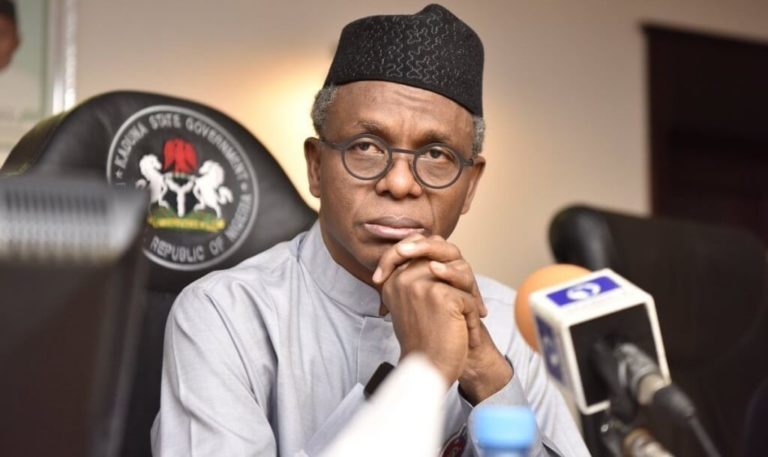
FORMER Governor of Kaduna State, Nasir El-Rufai has written to the Office of the National Security Adviser seeking clarification over the reported procurement of about 10 kilograms of thallium sulphate, a highly toxic chemical substance.

In the letter dated January 30, 2026, and addressed to the National Security Adviser in Abuja, El-Rufai said the information, allegedly linked to the opposition leadership, raised serious public safety and accountability concerns.

He noted that thallium salts are tightly controlled due to their extreme toxicity and urged authorities to disclose key details surrounding the purchase, including the intended use, supplier identity, quantity and concentration, storage arrangements, and regulatory oversight.

The former governor also requested clarity on whether the chemical was imported under appropriate defence or chemical permits and if any public health risk assessments had been carried out to mitigate potential dangers.

He asked for clarity on “the total quantity and specific form or concentration being procured or already procured, the storage and security arrangements for the material upon arrival, the regulatory oversight and coordination in place with NAFDAC, NCDC, and relevant public-health and environmental agencies.

“Whether any public-health risk assessments or hazard-mitigation plans have been developed, given the compound’s extreme toxicity.”

He said conflicting reports surrounding sensitive procurements could erode public trust if not openly addressed by relevant authorities.

Recall that El-Rufai is facing backlash over his claim that the phone of the National Security Adviser, Nuhu Ribadu, was bugged.

Aides of the President and politicians, including former Kano State governor, Abdullahi Ganduje, as well as legal practitioners and security experts, called for El-Rufai’s probe over the claim, arguing that his confession on national television was sufficient grounds for prosecution.

El-Rufai, who appeared on Arise TV on Friday, disclosed that he learnt of an alleged plan to arrest him upon his return to the country on Thursday through a leaked conversation from the NSA’s phone.

“Ribadu made the call because we listened to their calls. The government thinks that they’re the only ones that listen to calls. But we also have our ways. He made the call. He gave the order that they should arrest me,” he said.

Kwara Governor under fire for vowing to deliver FCT to APC amid insecurity at home

0

THE Governor of Kwara State, AbdulRahman AbdulRazaq has come under intense public criticism after a viral video surfaced where he spoke about securing victory for the All Progressives Congress in the Federal Capital Territory council election, despite worsening insecurity in parts of Kwara State.

In the widely shared clip from a recent political meeting, the governor addressed party members and reaffirmed his determination to deliver electoral success for the ruling party in Abuja.

“On behalf of the excellencies and many other esteemed colleagues on the committee, I assure Mr President and our party leaders that we will work as a team with local stakeholders and community influencers to deliver FCT to the All Progressives Congress.

“I’m confident that the good people of the Federal Capital Territory across the six council areas will come out to align with our party and show truly that APC is not just the party of now but also the reliable vessel to Nigeria’s progress and sustainable future,” AbdulRasaq said.

His comments have since sparked widespread reactions online, with many Nigerians questioning the timing and focus of the remarks as the state grapples with deadly attacks, kidnappings, and rising fear in rural areas.

The criticism intensified following the circulation of a disturbing video by suspected terrorists, reportedly showing victims of the February 3 attack on Woro community in Kaiama Local Government Area.

Responding on Saturday, the Kwara State Government said it was working closely with security agencies and community leaders to review the footage and confirm the identities of those involved.

The statement, issued by Commissioner for Communications Bolanle Olukoju, noted:

“The Kwara State Government is deeply concerned over the disturbing video released by terrorists earlier today, allegedly showing some persons taken during the tragic February 3 attack on Woro community.

“Government officials and security agencies are carefully analysing the video to establish the identities of the individuals shown.”

Authorities added that conflicting reports on the number of abducted persons had made official confirmation difficult.

“Since the incident, there have been varying accounts regarding the number of persons abducted. For this reason, neither the State Government nor security agencies have announced a definitive figure.

“Our priority remains the safe rescue of every affected citizen and ensuring that those responsible are brought to justice.”

Despite this response, the governor’s FCT remarks have continued to stir controversy, with critics describing them as detached from the security realities facing communities in Kwara.

On X, numerous users voiced their outrage, openly condemning the governor’s statement.

One account, Lola Okunrin, wrote:

“Deliver Kwara from the shackles of insecurity. You owe the people of Kwara, not Bola Tinubu. Tinubu will be fine.

It’s like APC engine room is being an Apoda. E shey wa ya werey bayi nau?”

Another user, Morris Monye, posted:

“His state is being ransacked by terrorist. Mass killing, destruction of lives and properties.

But look at him. His concern is to deliver FCT for APC.

APC is a bloodsucking vagabond group.”

A separate post by @bamskyee read:

“Your job to Tinubu is to deliver FCT for APC from Governor AbdulRazaq in this same Kwara state where Boko Haram paraded over 100 abducted victims in a community & accused Nigerian Government of spreading propaganda???”

The user concluded, “To these men our lives are nothing.. it’s all about election.”

Reps to convene emergency sitting over election-Ramadan clash

0

THE House of Representatives is set to reconvene on Tuesday, February 17, for an emergency sitting to consider electoral issues stemming from the recently released timetable for the 2027 General Elections.

Recall that the Chairman of the Independent National Electoral Commission, Joash Amupitan, announced on Friday that the presidential and National Assembly elections will be held on February 20, 2027, while governorship and state House of Assembly elections are scheduled for March 6, 2027.

Speaking to political parties, civil society groups, and journalists at the Commission’s headquarters in Abuja, Amupitan stated that the announcement complies with constitutional provisions and Section 28(1) of the Electoral Act, 2022, which requires INEC to publish the election notice no later than 360 days before polling day.

Lawmakers were notified of the emergency sitting through an internal memorandum issued late Friday by the Office of the Speaker.

The development was confirmed in a statement signed by Akin Rotimi Jr., Spokesman of the House of Representatives.

According to the memo, the emergency session demonstrates the House’s determination to respond swiftly to matters with significant implications for Nigeria’s democratic system.

Discussions during the sitting are expected to address legislative issues linked to the INEC announcement, consistent with the constitutional duties of the National Assembly.

The memo further indicated that all legislative work connected to the matter will be handled promptly, with members strongly encouraged to attend due to the importance of the issues involved.

The House also reaffirmed its dedication to reinforcing Nigeria’s democratic institutions through responsible and responsive lawmaking in the public interest.

Similarly, in a statement signed by the Chief of Staff to the Speaker of the House of Representatives, Prof Jake Dan-Azumi explained that the emergency sitting is intended to enable lawmakers rescind their earlier decision on the Electoral Amendment Bill, particularly to address the timeline for INEC’s publication of election notices.

“This follows the release earlier today by the Independent National Electoral Commission (INEC) of the 2027 General Election Timetable.

“As has been observed, the proposed dates for the Presidential and National Assembly elections coincide with the period of Ramadan, a development likely to affect participation.

“Accordingly, it has become necessary to undertake a recision and recommittal of the Electoral Act (Repeal and Re-Enactment) Bill earlier passed by the House. Among other matters, the recommittal is intended to review and adjust the statutory notice period for elections by INEC from 360 days to 300 days, in order to ensure greater flexibility in the scheduling of elections and alignment with prevailing national considerations.

“All legislative processes relating to the Bill are expected to be concluded the same day to enable Members proceed with other scheduled political engagements, including the forthcoming APC Ward Congresses.

“Given the constitutional and national importance of this matter, all Honourable Members are strongly advised to prioritise attendance”, the statement said.

The timetable released by the INEC quickly drew attention because the February 20, 2027 presidential and National Assembly elections fall within the holy month of Ramadan, when Muslims observe daily fasting from dawn to sunset.

Some religious leaders and public figures warned that the overlap could affect voter turnout in many parts of Nigeria, particularly in states with large Muslim populations, where movement and public engagement tend to reduce during fasting hours.

For instance, former Vice President Atiku Abubakar called on the commission to urgently reconsider the date.

In a statement shared on his Facebook page on Friday, Atiku noted that the scheduled date falls within Ramadan, which is a sacred period of fasting, reflection, and devotion for millions of Nigerian Muslims.

Retaliatory attack by armed herdsmen triggers brutal massacre at Oyo park

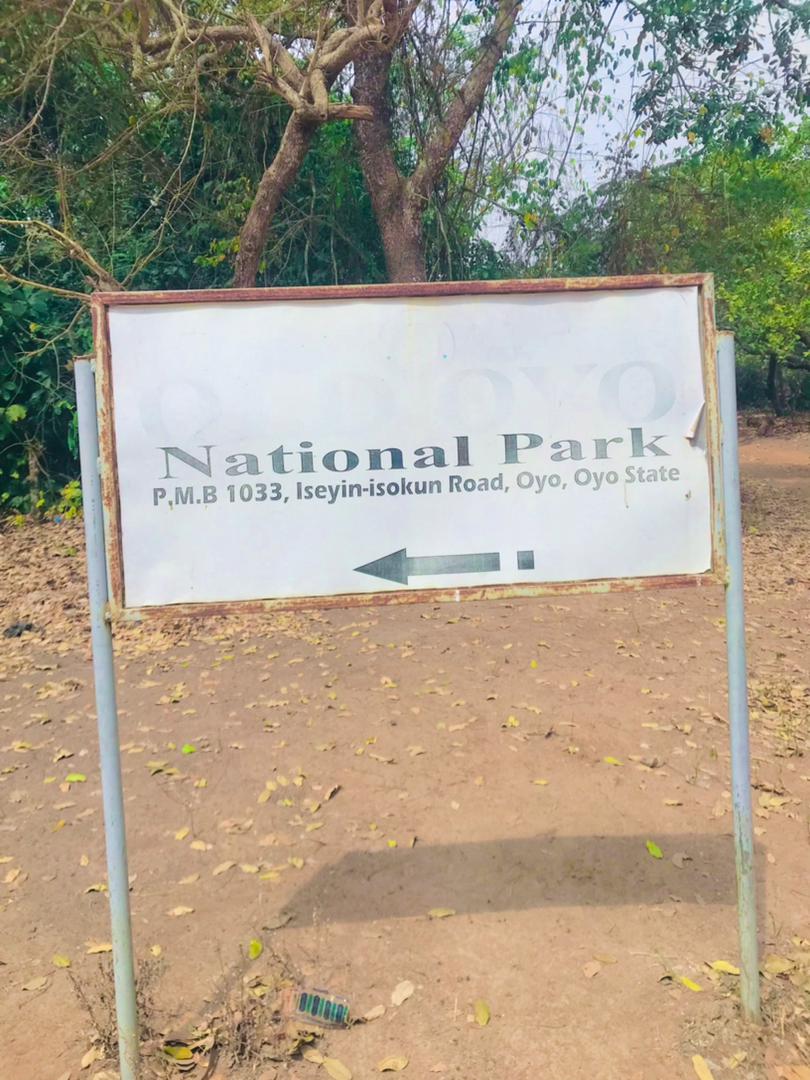
ON January 6, 2026, armed attackers launched a deadly assault on Old Oyo National Park, killing five forest guards and sending shockwaves through surrounding communities. In this report, The ICIR uncovers what led to the attack, the identities of the victims, and how the violence has reshaped life within the park and neighbouring towns.


Titi Hassan last saw her husband, Ololade Hassan, on the evening of January 6 when he went to work at the National Park Service office in Oloka, a remote community in Oyo State. 

The 32-year-old said Ololade, a forest guard for 12 years, had told her he might return home that night if the situation allowed. It was a familiar promise, one he often made after long shifts guarding the forest corridors of the Park.

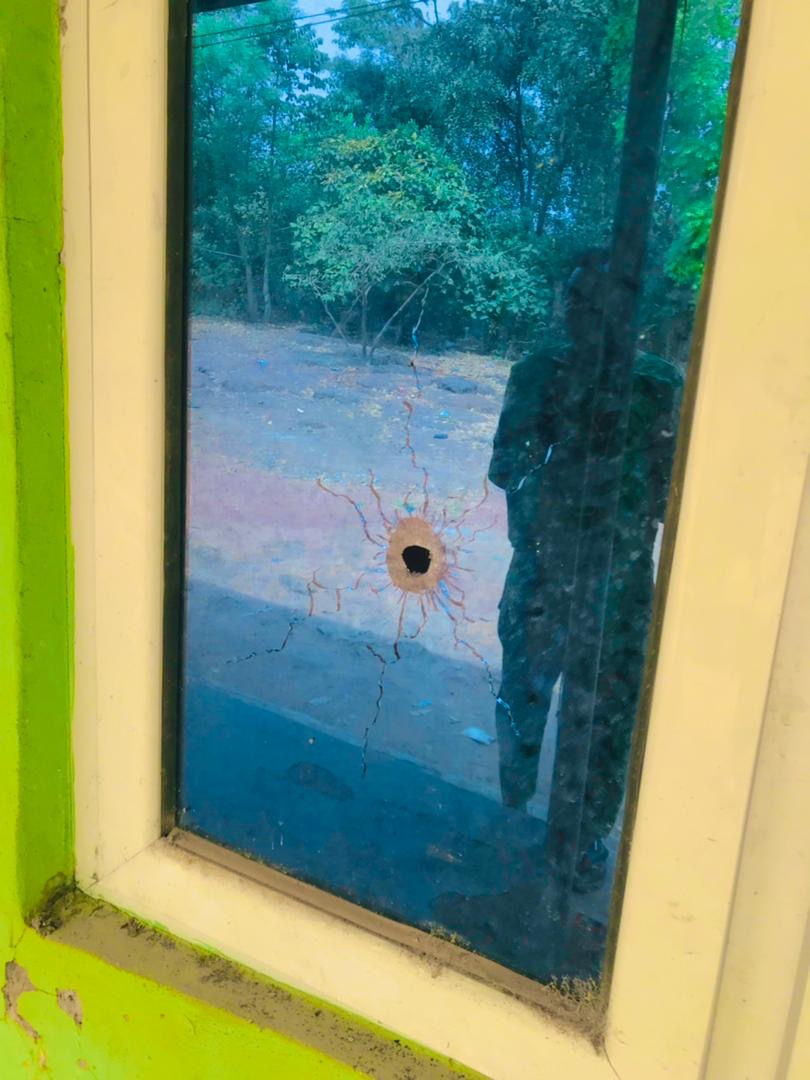
Not long after 10 p.m., the sound of gunshots rang out from the direction of the park office.

Panic travelled through the community. With her two-month-old baby pressed to her chest, Titi ran alongside other residents, fear driving them into the forest amid the darkness. No one stopped to look back.

Titi Hassan, wife of deceased Ololade Hassan

“When we heard the gunshots, everybody started running,” she said. “I carried my baby and ran.”

Many residents spent the night hiding in nearby bushes, too afraid to return home. Earlier that day, Titi and her husband had exchanged farewell, unaware it would be their last.

“We greeted each other and said goodbye,” she said quietly. “I never knew he would not come back.”

By morning, the mood in the community had changed. News spread from house to house. When the confirmation finally came that Ololade was among the forest guards killed in the attack, Titi said her strength left her.

“I couldn’t stand again,” she recalled. “I fell to the ground and started crying.”

Neighbours rushed to hold her as she wept, her baby still in her arms. The promise of his return had ended in silence.

The loss has since left her struggling to raise their family of seven children alone. She described Ololade as a responsible and gentle man, adding that their home was peaceful and built on mutual respect.

“He was a very good man. We didn’t fight. He took care of us,” she said.

Late Ololade Hassan, a forest guard, shot by armed gangs

To cope with the grief, neighbours encouraged her not to remain indoors mourning. She now survives on small trading, locally known as kòró, while trying to cater for the children.

Ezekiel Ajala, a resident of the community who witnessed the incident, said he was at home on that fateful Tuesday night, preparing to eat after the day’s work, when the first gunshots rang out. The sudden noise shattered the calm and sent him scrambling indoors. In his panic, he forgot to close the door behind him. Sleep never came that night as fear tightened its grip on the community.

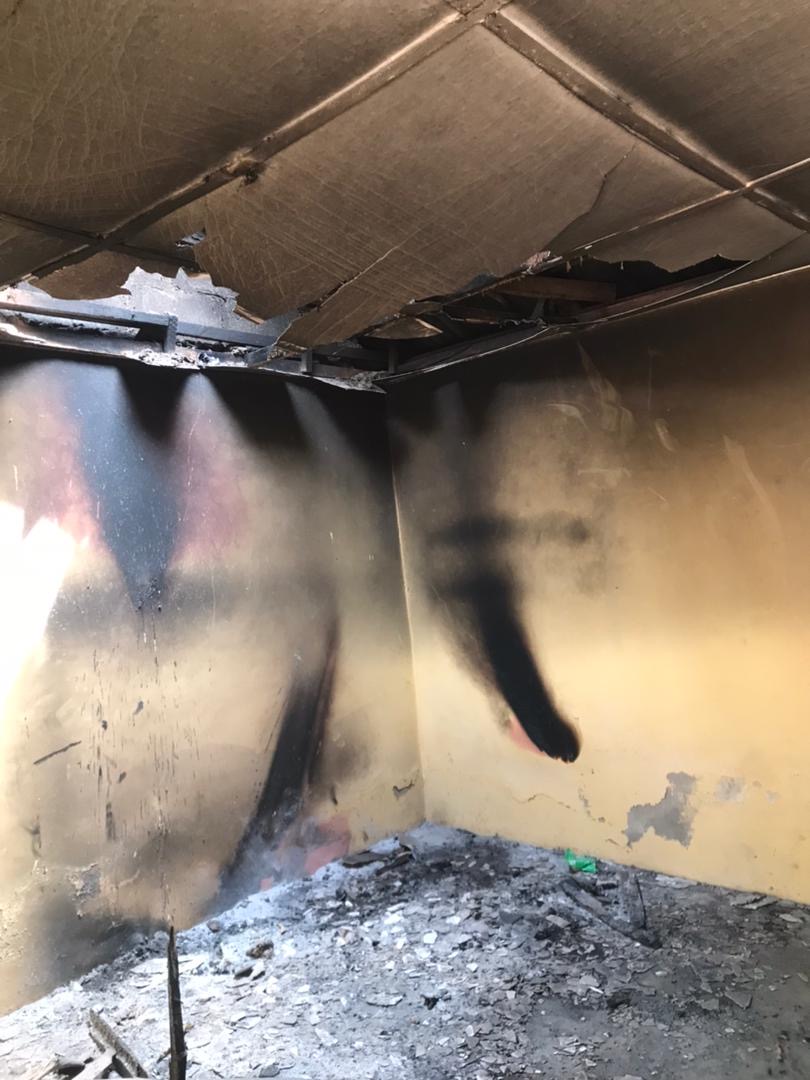
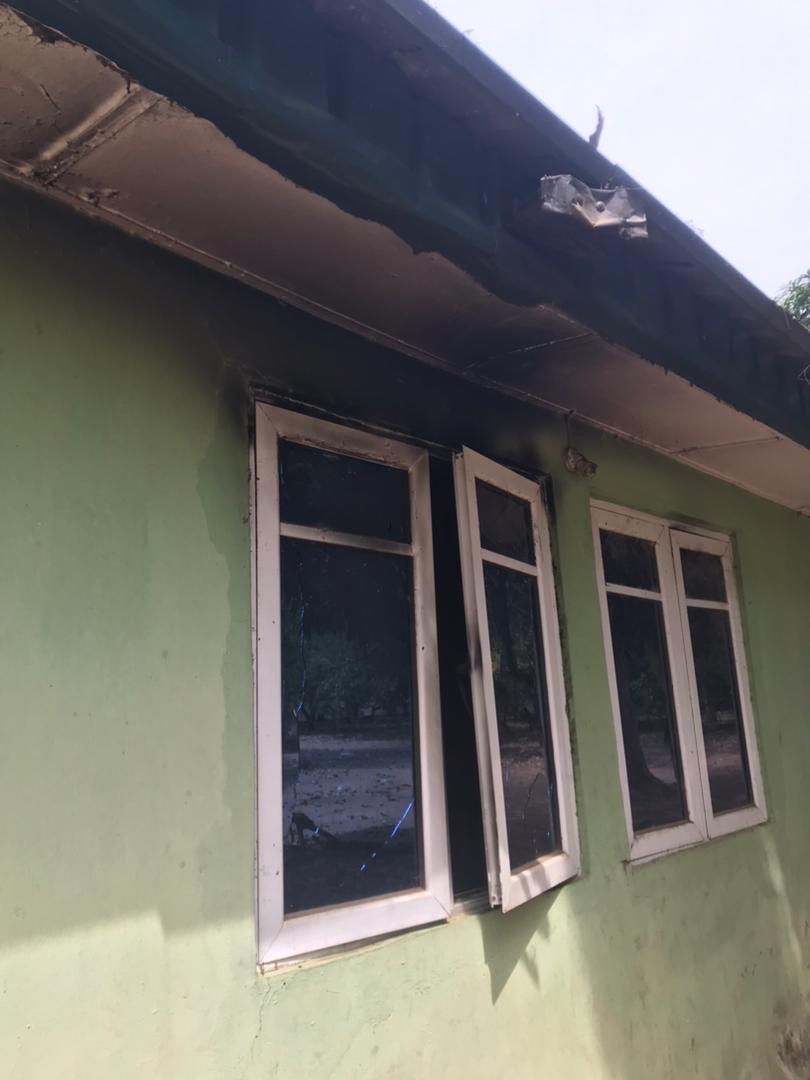
Office of forest guards set ablaze by armed gangs

The gunfire eventually faded, but the fear did not. Hours later, close to midnight, Ajala and other residents cautiously stepped outside, unsure of what they would find. When a friend called out to him, he stayed silent, afraid the attackers might still be nearby. 

It was only after the village fell completely quiet that he ventured further out. That was when the news reached him: people had been killed at the Awogun office, a National Park Service outpost on the edge of the Old Oyo National Park.

Ezekiel Ajala

By morning, the scale of the attack became clear. Several forest guards lay dead, and motorcycles had been destroyed, and shock rippled through Oloka. For Ajala and many others in the community, it was an unthinkable tragedy.

Fear quickly emptied the village. Residents fled in different directions—some to Ogbomosho, others to neighbouring towns. Ajala sought refuge with his brother. Weeks later, he says Oloka has not recovered. Normal life remains suspended, and fear still hangs over the community. Many residents believe the attackers never truly left, but instead melted back into the surrounding forest.

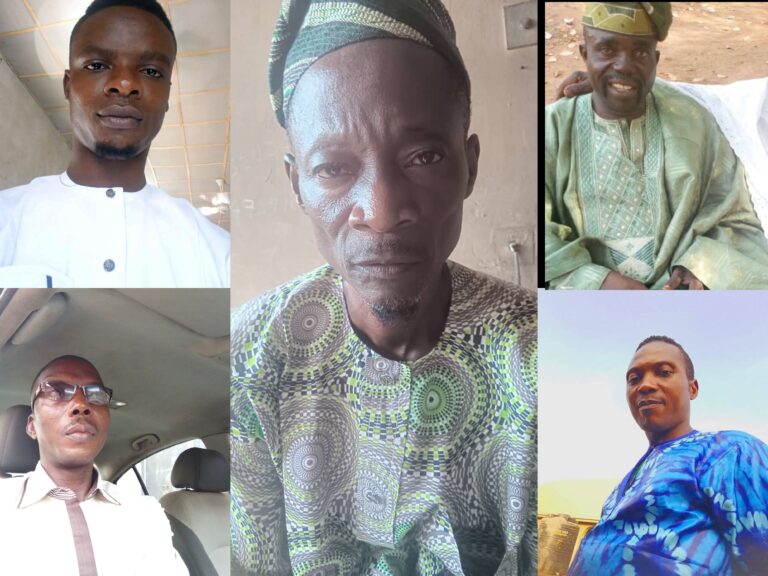
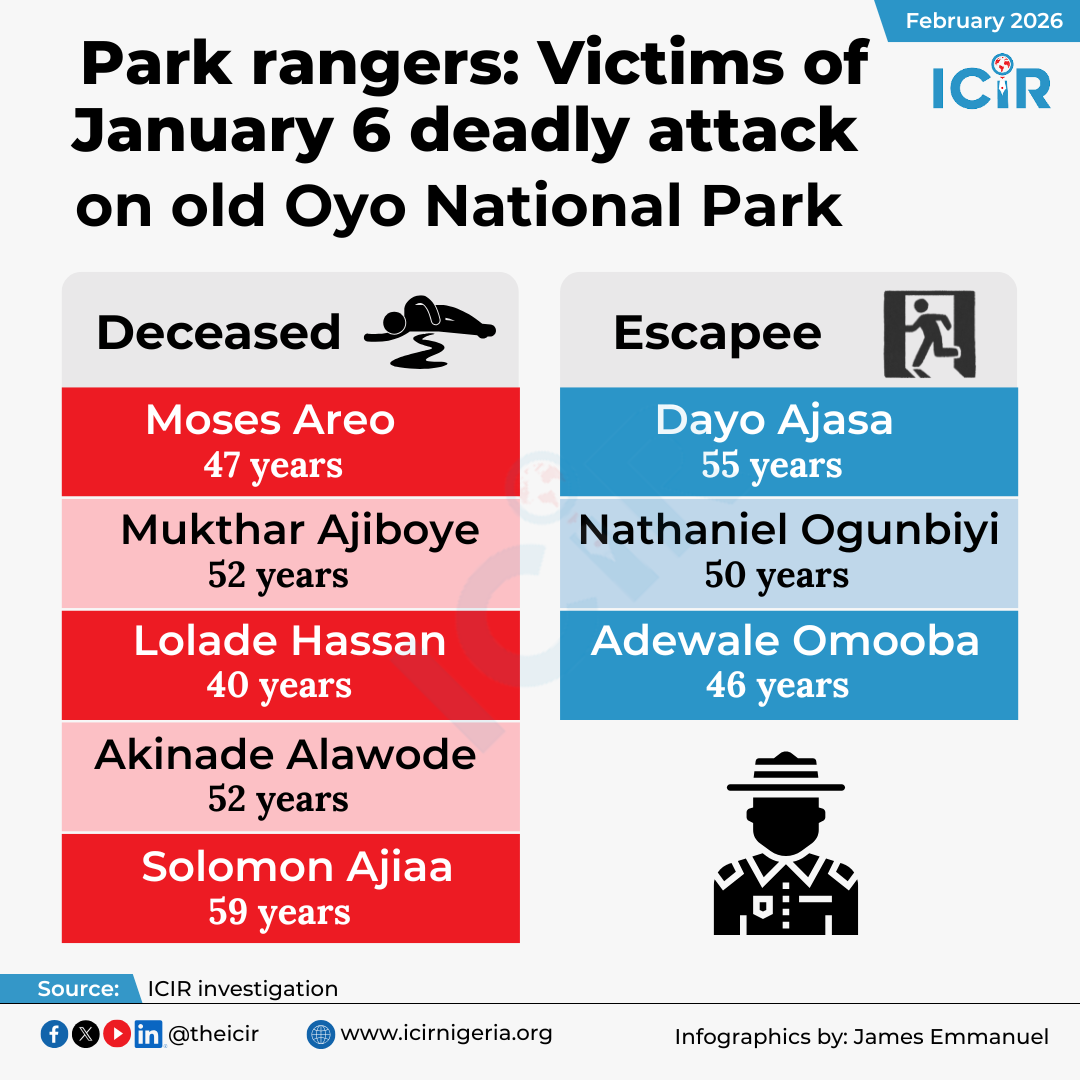
The ICIR exclusively obtained the names of the deceased forest guards: Moses Areo (47), Mukthar Ajiboye (52), Ololade Hassan (40), Akinade Alawode (52), and Solomon Ajiaa (59), who was nearing retirement.

The survivors of the attack include Dayo Ajasa (55), Nathaniel Ogunbiyi (50), and Adewale Omooba (46).

The attack was the most violent expression yet of a long-simmering security crisis linked to the Old Oyo National Park, a vast forest reserve stretching across Oyo State and bordering Kwara, Niger, and Kebbi states.

Residents of Igbeti, Igboho, Saki, and surrounding communities say criminal gangs now use the forest as a launchpad for kidnappings, farm invasions, and deadly raids, retreating into the park after each operation.

How the attack unfolded

Earlier that day, Adewale Omooba and other forest guards on patrol inside the Old Oyo National Park noticed a group of herdsmen encroaching into restricted sections of the reserve — areas where grazing and movement were prohibited.

According to Omooba, the men had pushed deeper into the forest than allowed, prompting the guards to confront them.

They arrested about five of the herdsmen and took them to the park office in Oloka for questioning.

The detainees were asked to contact their elders to resolve the issue peacefully. Instead, Omooba said, they attempted to bribe the officers.

“When we refused, they left angrily,” he recalled.

Not long after, the guards had just finished eating at the office when the calm was shattered.

Trail of attacks by armed gangs

Omooba said he was resting by the nearby well when the sound of gunfire suddenly erupted from the direction of the building.  They arrived in large numbers on motorcycles and were armed with sophisticated firearms. They invaded the park and launched a violent attack.

Realising they were under attack, he wriggled his way into the surrounding bushes as bullets rang through the night. Even while hiding, the gunshots continued — loud, rapid, and relentless.

Victims of deadly attack on Old Oyo park

He survived. Several of his colleagues did not.

The escapee described the fallen forest guards as dedicated men who shared everything — work, meals, and daily risks inside the park.

“We lived like a family,” he said. “They were brave and hardworking. They did their duties well.”

Their deaths, he added, have plunged families into grief and left surviving officers traumatised.

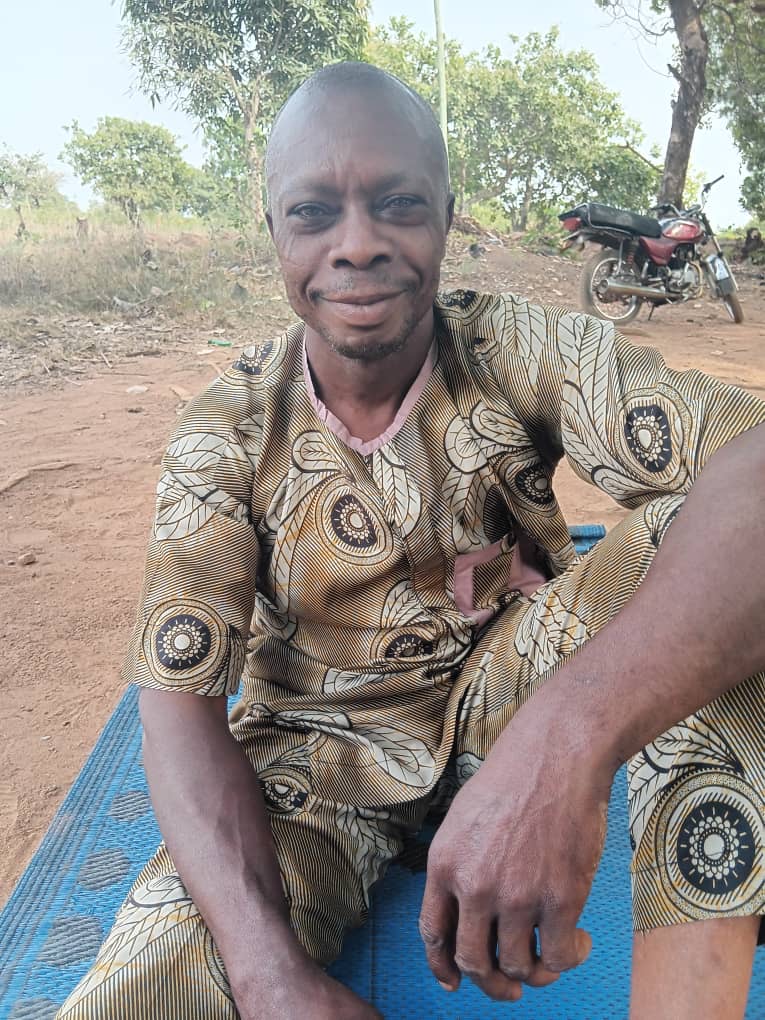
The Baale of Oloka town, Alagbe Olatunde,  also confirmed that the attack was a retaliation following the arrest of herdsmen who encroached on the reserve area.  According to him, the group’s leaders later approached the community to secure their release, and negotiations were held.

He said the men assured the community that they would leave peacefully, but the situation later deteriorated. When they returned that night, gunshots were fired, and before residents could fully grasp what was happening, five people had been killed.

Olatunde said the community was powerless during the attack, as panic spread and residents fled in different directions to escape the violence. He added that many people ran to neighbouring towns for safety, leaving Oloka largely deserted.

After the incident was reported to the Commissioner of Police and the Assistant Inspector General (AIG), the Baale said security officials assured residents of their safety and urged those who had fled to return. Following these assurances, he said, people began returning to the community gradually and are still doing so.

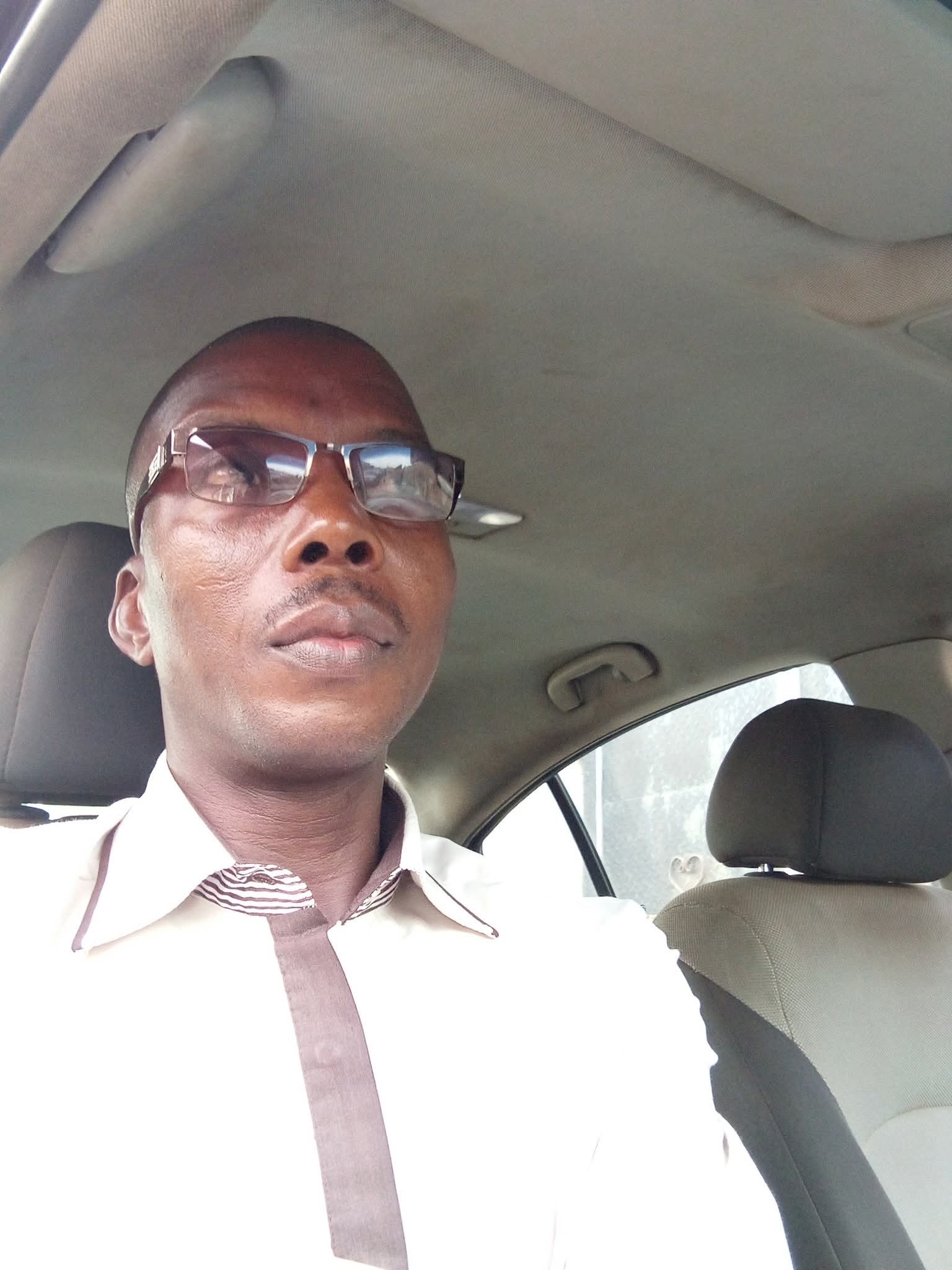
Late officer Moses Areo, one of the officers shot dead by the attackers

He noted that he was not in the community when the attack occurred, explaining that he was in Ogbomosho at the time. Upon receiving information that something serious was happening in the village, he said he made several calls to alert others and returned to Oloka the following morning at about 6:30 a.m.

The Baale appealed to the government to deploy permanent security personnel to Oloka rather than short-term deployments, which he said have proven insufficient. 

“‎As a community, we are also being security-conscious and vigilant. We promptly report strange or suspicious individuals in our village to prevent a recurrence of such an incident.”

The deadly cost of protecting the wild

The night attack on the National Park Service outpost in Oloka village, along the Old Oyo National Park corridor, marked yet another deadly chapter in the growing dangers faced by Nigeria’s forest guards. 

The Park covers about 2,512 km² of land across northern Oyo State and southern Kwara State as one of Nigeria’s federal national parks, and it is a home to diverse wildlife and cultural heritage, including remnants of the historic Oyo Empire, and is surrounded by multiple local government areas that historically engaged in tourism and conservation. 

The tragedy which has turned the park into the shadow of its old self, however, is part of a much wider pattern of violence targeting rangers across Nigeria’s protected lands.

Old Oyo Park

In 2021, armed bandits invaded Kainji Lake National Park, killing a ranger during a patrol and injuring others as they burned patrol vehicles and forced staff to retreat from sections of the reserve. Civil society groups and residents later reported that armed camps had sprung up inside the park’s forests, turning the conservation area into a staging ground for raids on nearby villages and highways.

The International Rangers Federation has consistently ranked Africa among the world’s deadliest regions for conservation workers, with dozens of rangers killed annually.

The IRF data shows that as of May 2025, 462 forest guardshave been killed, with Africa accounting for 174.  Data obtained from the National Park Service (NPS), Nigeria, recorded 20 ranger deaths between June 2023 and July 2024. Most of them were killed by armed criminals.

What connects these attacks is violence and geography. Nigeria’s forest reserves and national parks are increasingly being exploited as sanctuaries by armed groups who take advantage of weak surveillance, porous boundaries and limited ranger manpower.

In the northeast, the Sambisa forest and adjoining game reserve areas remain the most notorious example. Once protected ecological zones, they became the main stronghold of Boko Haram after 2013. Even after years of military campaigns, factions of Boko Haram and ISWAP continue to use the dense forest terrain to regroup, train fighters and plan attacks.

Trail of bullets

In the northwest, Kamuku National Park in Kaduna State has repeatedly been identified by security agencies as a hideout for armed bandits responsible for mass kidnappings and village raids. Military operations have been launched specifically to clear criminal camps inside the park’s forest corridors.

Further west, Kainji Lake National Park has also been repeatedly linked to predatory armed groups, with communities tracing attacks back to camps hidden within the reserve.

And in the northeast, The ICIR reported how Yankari Game Reserve in Bauchi State, once a thriving eco-tourism hub,  has suffered persistent infiltration by terrorists, armed intruders and poachers, forcing sharp declines in tourism and leaving staff exposed to danger.

Rangers trained to protect wildlife like the ones stationed at Old Oyo park increasingly find themselves confronting heavily armed groups far beyond their mandate.

Globally, the profession has become increasingly lethal. The International Fund for Animal Welfare estimates that at least 150 rangers die each year worldwide.

Resident by day, IDPs at night 

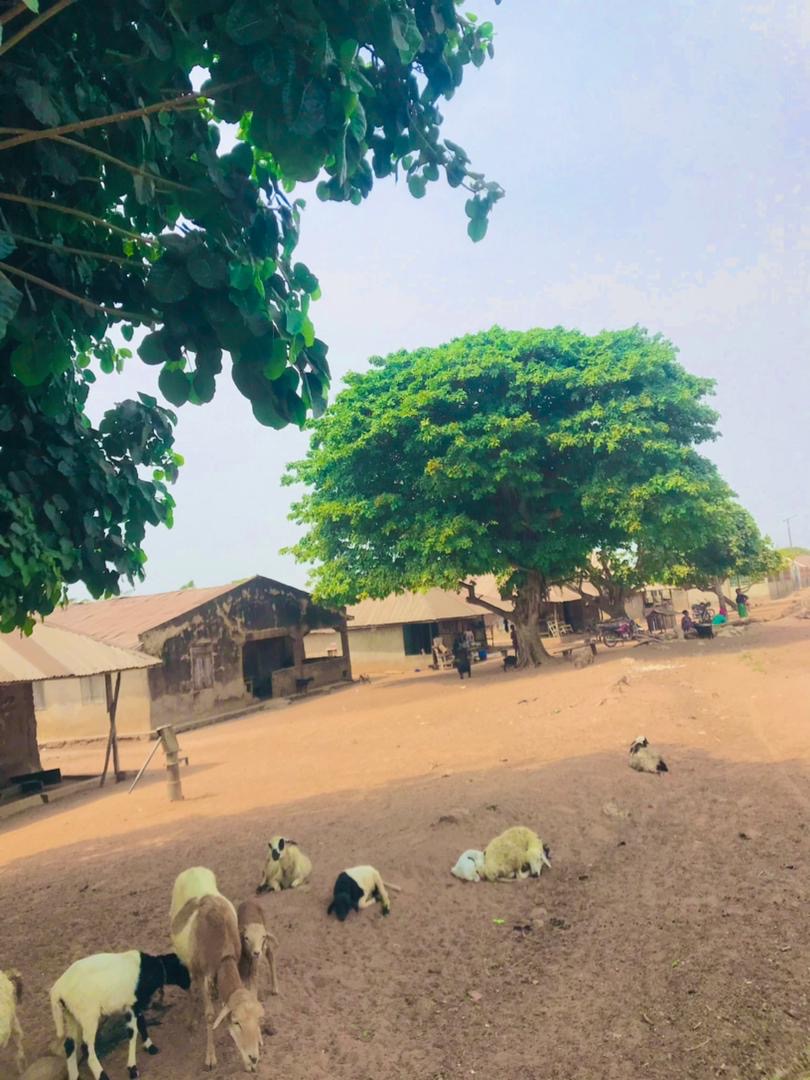
Oloka’s location has long been both a blessing and a risk. The community sits beside the Old Oyo National Park, a vast forest reserve that protects wildlife and preserves history. For years, residents maintained a working relationship with park rangers, hunters, and neighbouring settlements.

For many residents, the attack did not end with the gunfire. Its aftershocks reshaped daily life. Residents who spoke with The ICIR late January said they only come to attend to their means of livelihood during and by night, they find a way to sleep somewhere outside the community. 

Some residents had already fled to Ogbomosho. Others sought refuge with relatives in nearby towns. Even those who returned did so cautiously.

“We are still not staying overnight in our homes,” Michael Damilola, a resident of the community, said.

On how she escaped on the night of the incident, she said, “We fled through the bush and entered another part of the town. We remained in the bush throughout the night.”

At dawn, survivors regrouped at Olokiti, a nearby community before moving to Ogbomosho, where news of the deaths reached them.

Damilola

“‎What we are requesting from the government is the provision of maximum security in our village. The police advised that the bushes around my area should be cleared so that there will be better visibility and early detection of any threats. Without clearing the bushes, the area remains unsafe for residents.

For Funmilayo Oyetoro, the trauma was deeply personal.

“We ran into the bush in panic,” she said. “We could not even properly watch over our children who were running behind us.”

She told The ICIR late January that she and her family no longer sleep in Oloka.

“We come in the morning and return in the evening to Ikoyi-Ile,” she said.

Rumours that the attackers planned to return have only intensified anxiety.

Beyond the loss of lives, the attack has crippled Oloka’s economy. Farming, the backbone of the community, came to a standstill.

Yau, a Togolese national who had lived in the community for two years, said the impact has been devastating.

Oloka community, Oyo State

“There is no work, no income, and I am currently facing serious hunger,” he said.

According to him, many migrant workers fled after the attack, leaving fields unattended and harvests uncertain.

He said ‎before the attack, he supported residents by helping them with farm work and other agricultural activities. 

‎He said the incident disrupted the entire community. While many people scattered,  some also fled the area after the attack.

“‎Despite the intervention of the police, we are still afraid and living in constant fear. For now, we are unable to resume our normal activities.”

Seven suspects arrested as government reacts 

Following the deadly attack, the Oyo State Government moved quickly to address the crisis and reassure worried residents.

Governor Seyi Makinde confirmed the attack, describing it as a “devastating loss” of personnel carrying out their lawful duties and condemning the violence in strong terms. 

Oyo State governor, Seyi Makinde Questions Umahi over Secrecy in Lagos-Calabar Coastal Highway Cost
Governor Seyi Makinde of Oyo State

He said preliminary findings pointed to the assault being carried out by suspected cross-border bandits, and urged people in the area to remain calm as security agencies worked to restore order and prevent further attacks.

In the immediate aftermath, state security operatives, including the police command deployed tactical teams, mobile units and intelligence personnel to the affected axis to reinforce security and prevent a breakdown of law and order. 

The Commissioner of Police personally led an on-the-spot assessment and held discussions with community leaders as part of efforts to reassure residents.

Governor Makinde later visited the village, where he met local leaders and families affected by the attack. During the visit, he promised to compensate the families of the slain forest guards, including financial support and educational scholarships for their children, signalling the government’s intent to support victims’ families.

As part of broader security commitments, Makinde also pledged infrastructure improvements for the community, including the rehabilitation of the road leading to Oloka, the installation of boreholes and solar-powered street lights, and improved telecommunications services to aid both security and development.

On the security front, the governor said he intended to write to military authorities in Abuja to advocate for a permanent military base in Oloka, aiming to strengthen long-term security presence in the area. 

He reiterated the need for sustained joint security efforts and called on residents to remain vigilant and cooperate with security agencies.

Meanwhile, the Oyo State Police Command arrested seven suspected members of an armed bandit gang linked to the incident.

The command’s spokesperson, Ayanlade Olayinka, described the operation as a major breakthrough in the investigation into the deadly assault.

According to the police, the suspects are part of a 10-man gang allegedly led by one of those now in custody, identified as the mastermind behind the attack.

It added that in the aftermath of the attack, the Commissioner of Police in the state, Femi Haruna, ordered the immediate deployment of operational assets to the area and directed the Command Monitoring Unit to take over the investigation.

Police said the directive triggered an intelligence-led operation that led to the arrest of three initial suspects—Mohammed Dangi; Abubakar Abdullahi; and Sheu Usman, before four more suspects were picked up days later.

During interrogation, the suspects allegedly confessed to participating in the attack and disclosed that the gang consisted of 10 members operating on five motorcycles.

Police investigation also confirmed that the primary motive behind the assault was to forcefully free members of the gang who had earlier been arrested and held by forest guards.

On January 25, police arrested four additional suspects identified as Toro Malami, 43; Usman Alhaji Ummaru; Laolo Muhammadu, 22; and Usman Alhaji Isah, 32.

He reassured residents of the state of the police command’s commitment to protecting lives and property, warning against the spread of unverified information capable of causing panic.

According to him, the command remains resolute that Oyo State will not be allowed to become a safe haven for criminal elements.

Despite these responses and assurances, fear and uncertainty linger in surrounding communities, with many residents calling for consistent, long-term protection rather than temporary deployments, and urging state and federal authorities to translate promises into sustained action that can prevent a repeat of the violence. 


El-Rufai alleges Ribadu ordered his arrest, claims he learnt through tapped call

1

FORMER Kaduna State governor, Nasir El‑Rufai, has alleged that Nigeria’s National Security Adviser, Nuhu Ribadu, personally ordered that he be arrested and taken into custody upon arrival in the country.

Speaking during an interview on Arise TV on Friday night, February 13, El-Rufai claimed that the Independent Corrupt Practices and Other Related Offences Commission (ICPC) used the State Security Services (SSS) to attempt to ‘abduct’ him, describing the development as part of a recurring pattern.

“The DDS was procured to abduct me by the ICPC. The ICPC that has never communicated with me ever,” he said, clarifying that the Economic and Financial Crimes Commission (EFCC) had only written to invite him for a meeting while he was abroad.

El-Rufai stated that his lawyers had responded to the EFCC, informing the agency of his trip and his decision to honour the invitation on February 16, which coincides with his birthday.

He emphasised that the EFCC’s conduct in the matter appeared “more professional.”

According to him, about 50 SSS waited at the airport with instructions from the ICPC to abduct and detain him.

“I asked for a letter of invitation, and none of them had a letter of invitation to present. I refused to follow them without this invitation, and they tried to force me to go with them. One of my aides was beaten up, and my passport was seized from him,” he said.

The former governor further alleged that ICPC officials later delivered a letter inviting him for questioning on February 13, adding that his legal team indicated willingness to honour the invitation after meeting with the EFCC.

While claiming that Ribadu authorised the attempted arrest. he said, “Nuhu made the call and made the order that I must be in custody.”

When asked how he knew about the call, he said, “the government thinks that they’re the only ones that listen to calls.”

“But we also have our ways. He made the call, he gave the order…Someone tapped his phone,” he said.

He acknowledged that tapping phone calls without court authorisation is illegal but argued that government agencies routinely monitor communications without judicial approval.

The allegation followed an incident on Thursday in which security operatives attempted to arrest El-Rufai at the Nnamdi Azikiwe International Airport, Abuja, upon his arrival from Cairo, according to his media aide, Muyiwa Adekeye.

Adekeye said the former governor refused to accompany the operatives because they did not present any warrant or formal invitation, adding that officials seized his international passport from an aide during the encounter.

Videos circulating online showed a brief scuffle involving men in green jackets, while El-Rufai insisted that due process must be followed. Other clips captured supporters surrounding him and escorting him away.

Immunisation funds trapped in service-wide vote, says coalition

1

THE Health Sector Reform Coalition has expressed regret over difficulties in accessing health sector funds trapped in the service-wide vote (appropriation that covers expenditures of multiple government agencies often controlled by the Presidency)

The coalition said immunisation funds of about N168 billion and several counterpart funds for donor-related health sector programmes were warehoused at service-wide vote, thereby creating difficulties in accessing them.

The Chairman of the Health Sector Reform Coalition, Muhammed Mustafa Lecky, disclosed this on Friday, February 13, in Abuja and stressed the importance of a disaggregated federal budget funding model to fund key sectoral projects in the health sector.

“The service-wide vote, even by its name services almost everything in service and creates lots of bottlenecks. On the flipside, it promotes discretion and corruption in its spending.

“How can something that belongs to the health ministry, such as immunisation, be warehoused in the service-wide vote?” That is not a way to fund a disaggregated federal institution budget,” Lecky added.

He explained that the coalition had engaged the legislature on the importance of aligning the health sector budget to ministries and agencies of the government for easier releases.

He noted, however, that the legislature had been unable to address the matter.

The ICIR reports that the Minister of Health, Muhammed Ali Pate, a professor, recently disclosed that the ministry was only able to access N35 million of its N218 billion capital budget in 2025.

Lecky expressed regret over this. He said “almost all the vaccine procurement in Nigeria comes from donor sources”, adding that, “What we do is to provide counterpart funds. So, if releases are slow, it becomes severe for immunisation and community services.”

According to Lecky, immunisation is at the heart of primary health care funding and creates numerous maternal and infant problems if budget releases are not made early enough.

“If our immunisation, which is at the core of our primary health care centre, is largely funded by donors, that will tell you where our priority is.”

He stressed that budget appropriations without corresponding cash backing undermined the credibility of Nigeria’s planning frameworks, foretelling grave danger for the ongoing Health Sector Strategic Blueprint under the Nigeria Health Sector Renewal Investment Initiative.

In his submission, the Lead Director for the Centre for Social Justice (CSJ), Eze Onyekpere, a member of the coalition, told The ICIR that the discretionary handling of health funds warehoused in the service-wide vote created problems for health sector funding.

“If the Health Ministry is not responsible for the funds allotted to health, how will it take blame for the underfunding of the health sector-related projects? Not just the immunisation fund, GAVI and other counterpart funds are warehoused at the service-wide vote and at the discretion of the Presidency. We must ensure that these funds are captured in the ministry’s budget to know who to hold responsible when a health programme fails, “Onyekpere said.

The ICIR reports that the Ministry of Health and Social Welfare got N2.19 trillion allocation in the 2026 budget proposal, representing 4.98 per cent of the budget. This is also inclusive of the N214.9 billion provided for the basic health care provision.

INEC seeks over N1trn for 2027 elections

1

THE Independent National Electoral Commission (INEC) has presented over N1 trillion budget for the 2027 elections and all its operations in 2026.

INEC chairman, Joash Amupitan, a professor, announced this while tabling the 2026 budget proposal and expected cost for the 2027 general before the National Assembly Joint committee on Electoral matters.

The commission is demanding N171 billion to provide funding for its activities in the 2026 fiscal year. For the 2027 polls, it proposed N873.78 billion, a major increase from the N313.4 billion allocated for the 2023 general elections.

The ICIR reported that the commission received N313.48 billion from the Federal Government to conduct of the 2023 general elections – an amount it said fell short of the N355.298 billion approved by the National Assembly.

Nigeria will have general elections in 2027, and this year (2026) will see governorship polls in Ekiti and Osun states, along with the Federal Capital Territory (FCT) Area Council poll scheduled for February 21, and a few by-elections in some states.

Amupitan itemised the election budget into five key areas, namely operational costs, N379.748 billion; administrative costs, N92.317 billion; technological costs, N209.206 billion; election capital costs, N154.905 billion; and miscellaneous expenses, N42.608 billion.

He stated that the budget conformed to Section 3(3) of the Electoral Act 2022, demanding that the commission compiles its election budget at least a year before the general polls.

After ICIR report, Plateau College of Health replaces indicted department head

0

THE Plateau State College of Health and Technology, Pankshin, has removed Yusuf Dalyop as the Head of Public Health Department, and issued admission to Chogkon Midah, a student who was disengaged after it was discovered that he had studied for months without a valid admission letter.

This development follows an investigation by The ICIR, which exposed allegations of admission racketeering, extortion, and systemic irregularities in the institution.

Mida’s father, Alpha Dubagari Isaac, a widower who alleged that Dalyop, demanded illegal payments in exchange for securing admission for his child, confirmed that his son resumed school on February 12, 2026, after months of staying at home despite having paid more than N350,000 in tuition and other fees for an admission that never materialised.

“Early January, the provost told me to ask my son to resume school. He said that he should come so that they can know what to do about his admission. That was why I sent him. He went there and met the provost who received him very well. He asked him to go and meet the HOD of their department,” Isaac told The ICIR.

Thee ICIR investigation that triggered action

The provost of the institution, Josiah Emmanuel, confirmed to the ICIR that Midah has resumed and will be issued an admission letter , marking a corrective action by the management of the school after our investigation.

“I will issue him with the admission letter on Monday by his grace. I will give a directive to the registrar to issue the admission letter with immediate effect,” the provost said. “We will give him admission for this year. He will only show evidence of the payments he had already made.”

The provost added that the case would be treated as a deferment, recognising that the student had already paid and attempted to study in the previous academic session.

Isaac said that the development brings relief after months of uncertainty.

“My son has been at home for a long time. Now he has resumed school, and I’m trusting God that everything will be completed, including the admission letter,” he said.

The provost also confirmed that Dalyop, the former HOD of Public Health has been removed and replaced.

“He is no longer the HOD. We have dismissed him from that office.” the provost said, adding: “The new HOD is Ezra Gomos.”

This leadership change aligns with findings from the investigative panel, which indicted the former HOD over irregular admissions and financial improprieties.

The ICIR reported in December 2025, that Isaac alleged that Dalyop, his former lecturer, demanded and received money to facilitate his son’s admission, and despite paying various sums, including N35,000 in cash and over N300,000 in tuition and departmental charges, his son’s  name never appeared on any official admission list.

A panel set up by the college later confirmed that Midah paid N212,700 in tuition fees without possessing an admission letter, including 29 students across departments lacking basic admission requirements.

The internal panel report earlier obtained by The ICIR had established that although Midah and other dismissed students were issued matriculation numbers and paid school fees, but had no admission letter and should not have been allowed to participate in academic activities in the first place.