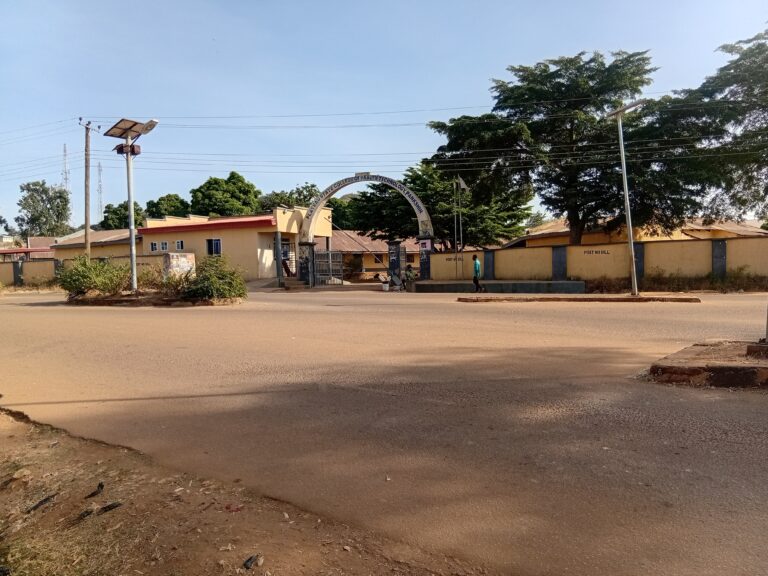
ON January 6, 2026, armed attackers launched a deadly assault on Old Oyo National Park, killing five forest guards and sending shockwaves through surrounding communities. In this report, The ICIR uncovers what led to the attack, the identities of the victims, and how the violence has reshaped life within the park and neighbouring towns.
Titi Hassan last saw her husband, Ololade Hassan, on the evening of January 6 when he went to work at the National Park Service office in Oloka, a remote community in Oyo State.
The 32-year-old said Ololade, a forest guard for 12 years, had told her he might return home that night if the situation allowed. It was a familiar promise, one he often made after long shifts guarding the forest corridors of the Park.
Not long after 10 p.m., the sound of gunshots rang out from the direction of the park office.
Panic travelled through the community. With her two-month-old baby pressed to her chest, Titi ran alongside other residents, fear driving them into the forest amid the darkness. No one stopped to look back.

“When we heard the gunshots, everybody started running,” she said. “I carried my baby and ran.”
Many residents spent the night hiding in nearby bushes, too afraid to return home. Earlier that day, Titi and her husband had exchanged farewell, unaware it would be their last.
“We greeted each other and said goodbye,” she said quietly. “I never knew he would not come back.”
By morning, the mood in the community had changed. News spread from house to house. When the confirmation finally came that Ololade was among the forest guards killed in the attack, Titi said her strength left her.
“I couldn’t stand again,” she recalled. “I fell to the ground and started crying.”
Neighbours rushed to hold her as she wept, her baby still in her arms. The promise of his return had ended in silence.
The loss has since left her struggling to raise their family of seven children alone. She described Ololade as a responsible and gentle man, adding that their home was peaceful and built on mutual respect.
“He was a very good man. We didn’t fight. He took care of us,” she said.

To cope with the grief, neighbours encouraged her not to remain indoors mourning. She now survives on small trading, locally known as kòró, while trying to cater for the children.
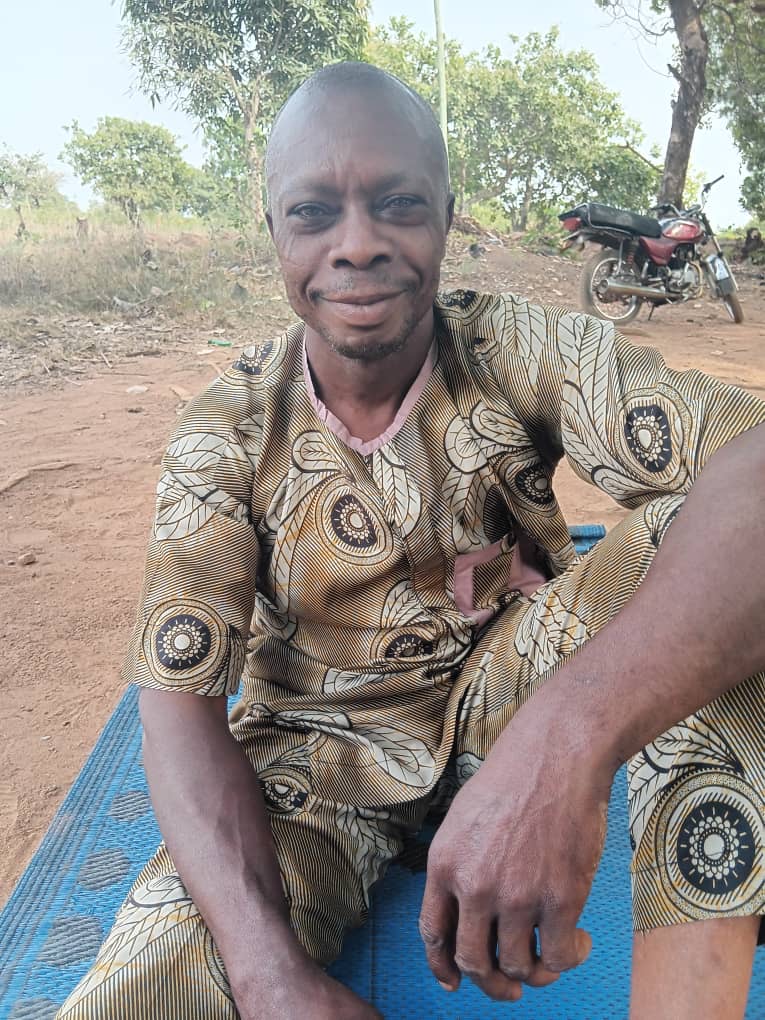
Ezekiel Ajala, a resident of the community who witnessed the incident, said he was at home on that fateful Tuesday night, preparing to eat after the day’s work, when the first gunshots rang out. The sudden noise shattered the calm and sent him scrambling indoors. In his panic, he forgot to close the door behind him. Sleep never came that night as fear tightened its grip on the community.
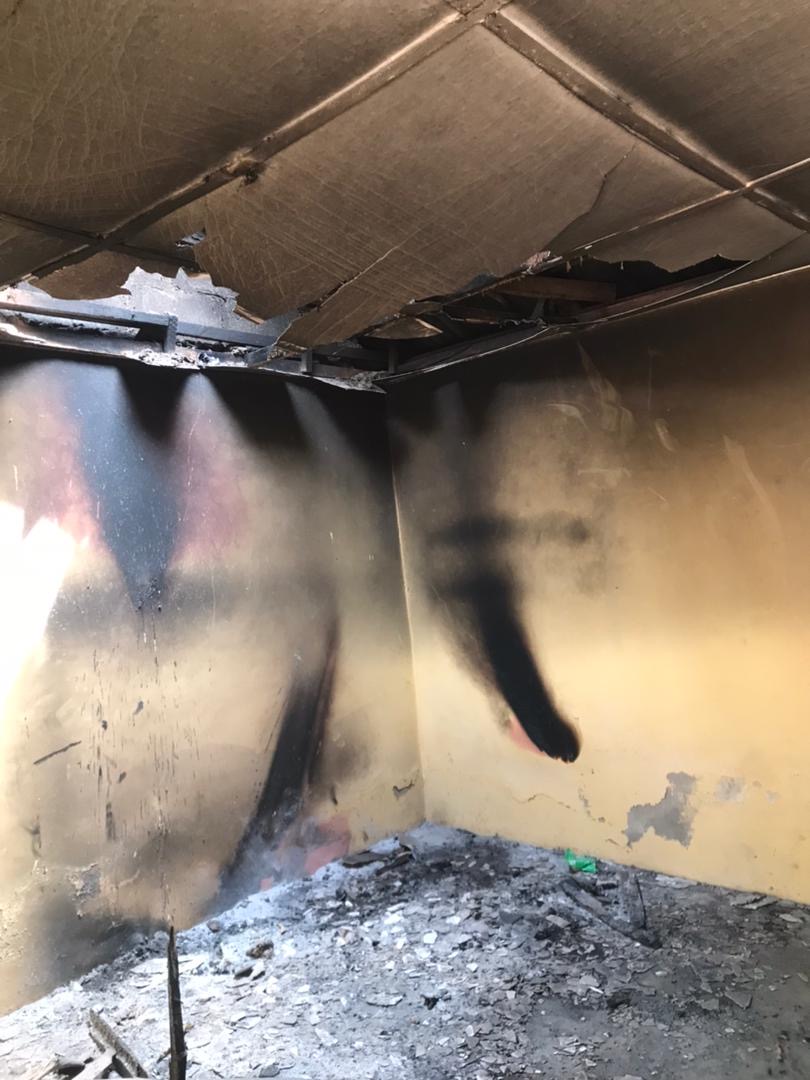
The gunfire eventually faded, but the fear did not. Hours later, close to midnight, Ajala and other residents cautiously stepped outside, unsure of what they would find. When a friend called out to him, he stayed silent, afraid the attackers might still be nearby.
It was only after the village fell completely quiet that he ventured further out. That was when the news reached him: people had been killed at the Awogun office, a National Park Service outpost on the edge of the Old Oyo National Park.
By morning, the scale of the attack became clear. Several forest guards lay dead, and motorcycles had been destroyed, and shock rippled through Oloka. For Ajala and many others in the community, it was an unthinkable tragedy.
Fear quickly emptied the village. Residents fled in different directions—some to Ogbomosho, others to neighbouring towns. Ajala sought refuge with his brother. Weeks later, he says Oloka has not recovered. Normal life remains suspended, and fear still hangs over the community. Many residents believe the attackers never truly left, but instead melted back into the surrounding forest.
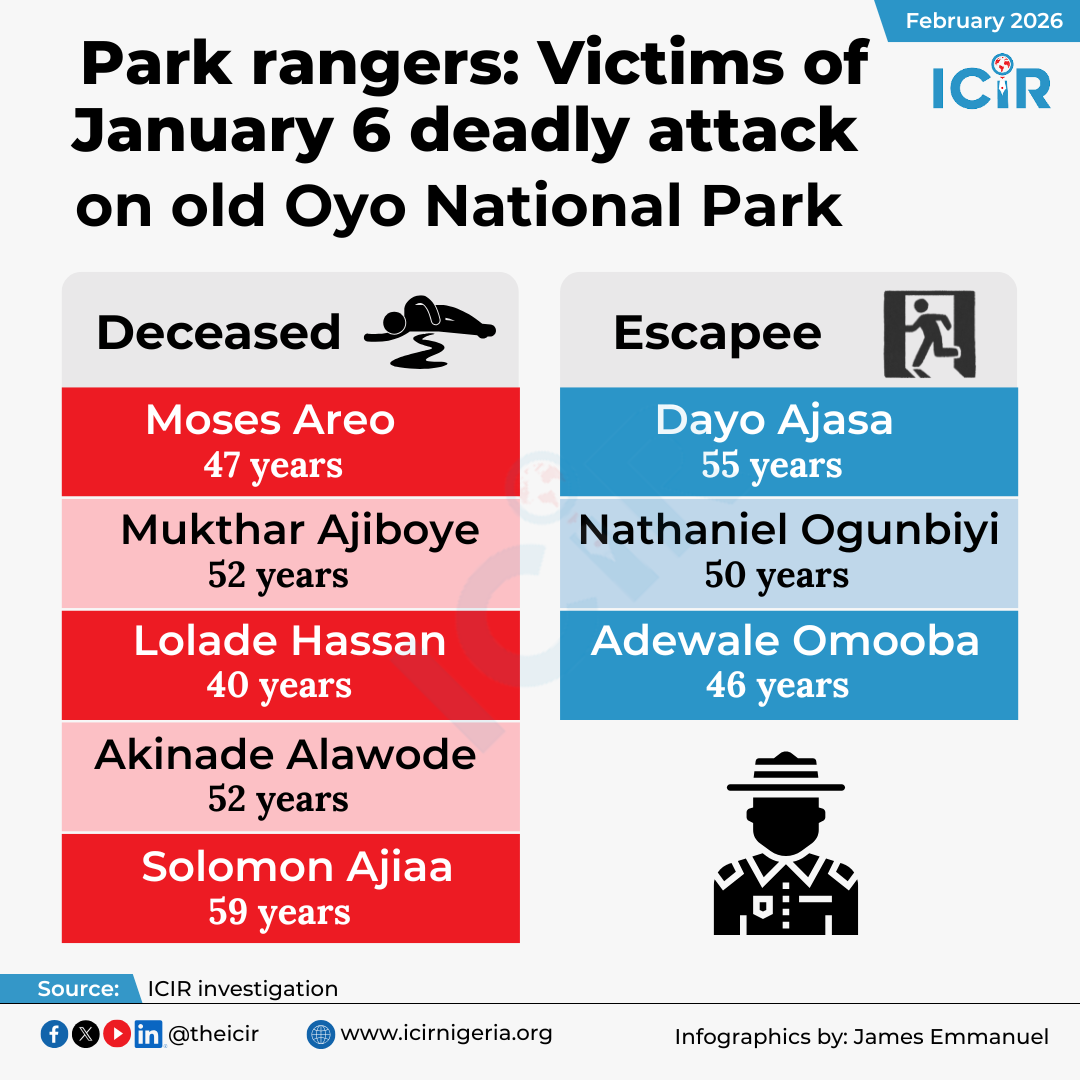
The ICIR exclusively obtained the names of the deceased forest guards: Moses Areo (47), Mukthar Ajiboye (52), Ololade Hassan (40), Akinade Alawode (52), and Solomon Ajiaa (59), who was nearing retirement.
The survivors of the attack include Dayo Ajasa (55), Nathaniel Ogunbiyi (50), and Adewale Omooba (46).
The attack was the most violent expression yet of a long-simmering security crisis linked to the Old Oyo National Park, a vast forest reserve stretching across Oyo State and bordering Kwara, Niger, and Kebbi states.
Residents of Igbeti, Igboho, Saki, and surrounding communities say criminal gangs now use the forest as a launchpad for kidnappings, farm invasions, and deadly raids, retreating into the park after each operation.
How the attack unfolded
Earlier that day, Adewale Omooba and other forest guards on patrol inside the Old Oyo National Park noticed a group of herdsmen encroaching into restricted sections of the reserve — areas where grazing and movement were prohibited.
According to Omooba, the men had pushed deeper into the forest than allowed, prompting the guards to confront them.
They arrested about five of the herdsmen and took them to the park office in Oloka for questioning.
The detainees were asked to contact their elders to resolve the issue peacefully. Instead, Omooba said, they attempted to bribe the officers.
“When we refused, they left angrily,” he recalled.
Not long after, the guards had just finished eating at the office when the calm was shattered.
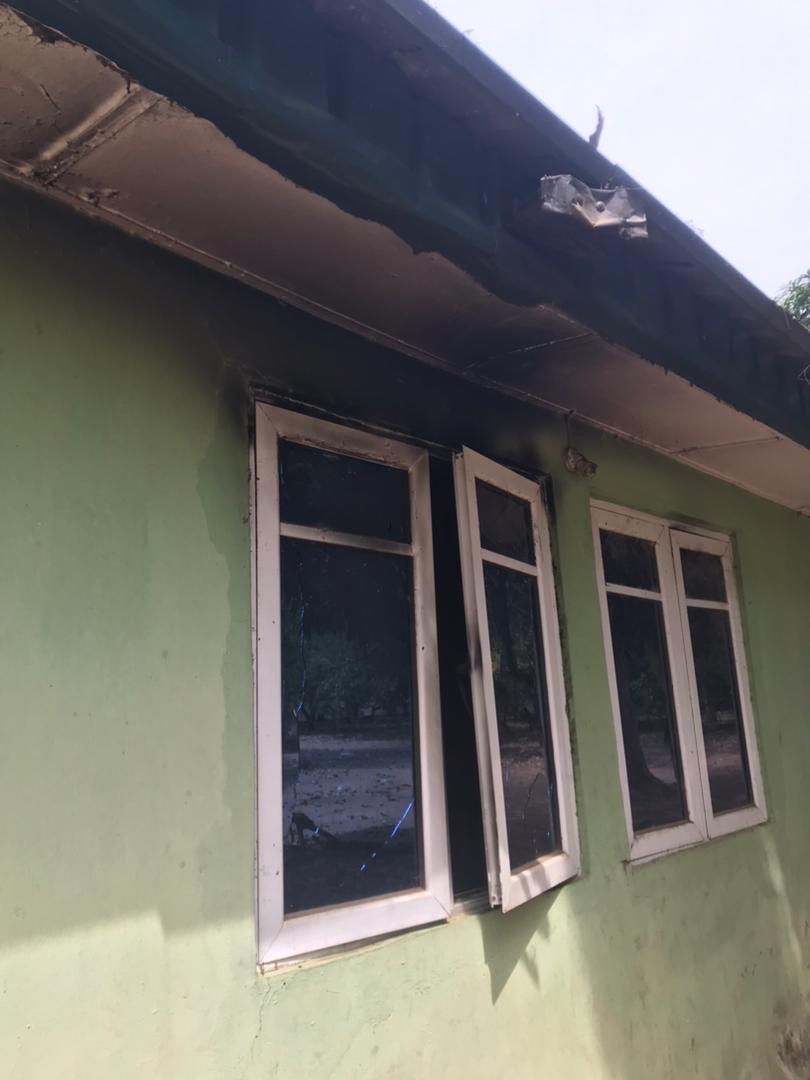
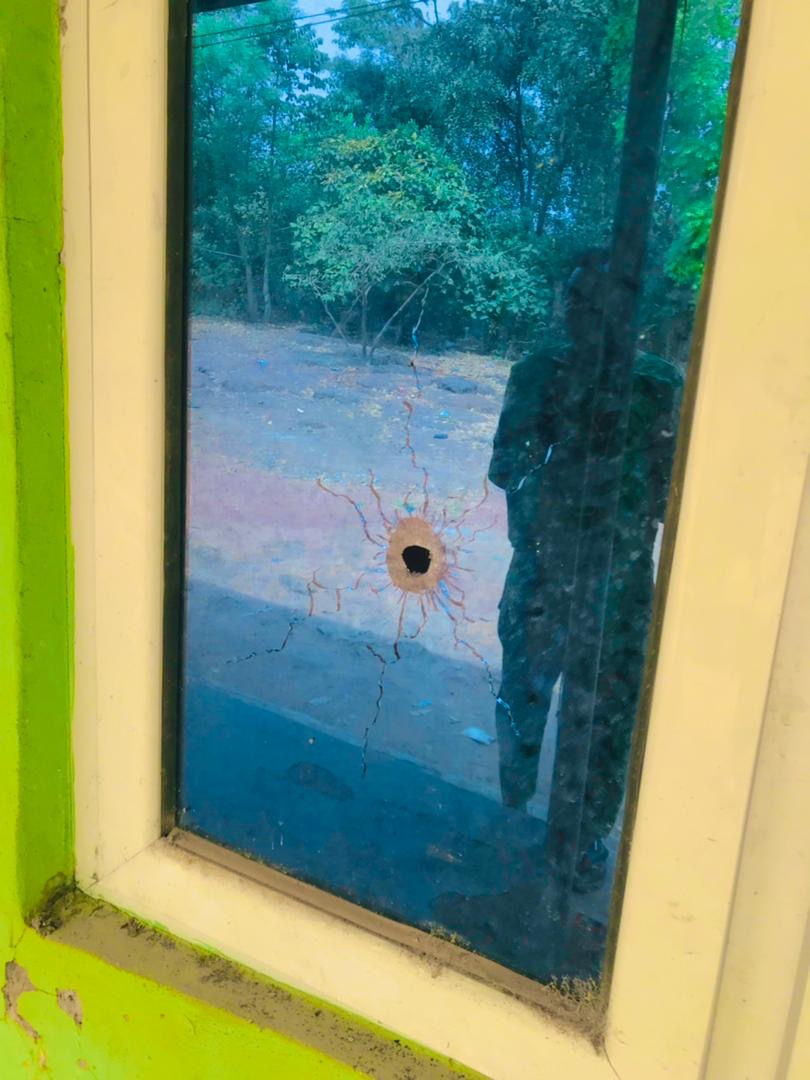
Omooba said he was resting by the nearby well when the sound of gunfire suddenly erupted from the direction of the building. They arrived in large numbers on motorcycles and were armed with sophisticated firearms. They invaded the park and launched a violent attack.
Realising they were under attack, he wriggled his way into the surrounding bushes as bullets rang through the night. Even while hiding, the gunshots continued — loud, rapid, and relentless.
He survived. Several of his colleagues did not.
The escapee described the fallen forest guards as dedicated men who shared everything — work, meals, and daily risks inside the park.
“We lived like a family,” he said. “They were brave and hardworking. They did their duties well.”
Their deaths, he added, have plunged families into grief and left surviving officers traumatised.
The Baale of Oloka town, Alagbe Olatunde, also confirmed that the attack was a retaliation following the arrest of herdsmen who encroached on the reserve area. According to him, the group’s leaders later approached the community to secure their release, and negotiations were held.
He said the men assured the community that they would leave peacefully, but the situation later deteriorated. When they returned that night, gunshots were fired, and before residents could fully grasp what was happening, five people had been killed.
Olatunde said the community was powerless during the attack, as panic spread and residents fled in different directions to escape the violence. He added that many people ran to neighbouring towns for safety, leaving Oloka largely deserted.
After the incident was reported to the Commissioner of Police and the Assistant Inspector General (AIG), the Baale said security officials assured residents of their safety and urged those who had fled to return. Following these assurances, he said, people began returning to the community gradually and are still doing so.

He noted that he was not in the community when the attack occurred, explaining that he was in Ogbomosho at the time. Upon receiving information that something serious was happening in the village, he said he made several calls to alert others and returned to Oloka the following morning at about 6:30 a.m.
The Baale appealed to the government to deploy permanent security personnel to Oloka rather than short-term deployments, which he said have proven insufficient.
“As a community, we are also being security-conscious and vigilant. We promptly report strange or suspicious individuals in our village to prevent a recurrence of such an incident.”
The deadly cost of protecting the wild
The night attack on the National Park Service outpost in Oloka village, along the Old Oyo National Park corridor, marked yet another deadly chapter in the growing dangers faced by Nigeria’s forest guards.
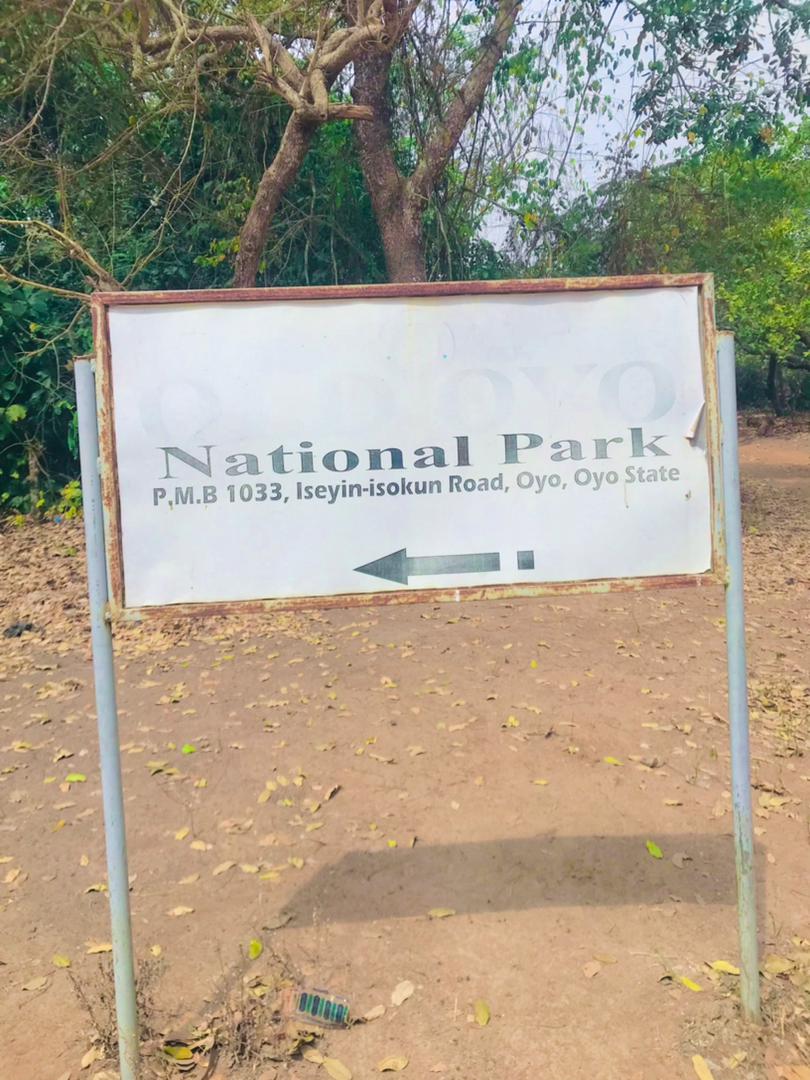
The Park covers about 2,512 km² of land across northern Oyo State and southern Kwara State as one of Nigeria’s federal national parks, and it is a home to diverse wildlife and cultural heritage, including remnants of the historic Oyo Empire, and is surrounded by multiple local government areas that historically engaged in tourism and conservation.
The tragedy which has turned the park into the shadow of its old self, however, is part of a much wider pattern of violence targeting rangers across Nigeria’s protected lands.
In 2021, armed bandits invaded Kainji Lake National Park, killing a ranger during a patrol and injuring others as they burned patrol vehicles and forced staff to retreat from sections of the reserve. Civil society groups and residents later reported that armed camps had sprung up inside the park’s forests, turning the conservation area into a staging ground for raids on nearby villages and highways.
The International Rangers Federation has consistently ranked Africa among the world’s deadliest regions for conservation workers, with dozens of rangers killed annually.
The IRF data shows that as of May 2025, 462 forest guardshave been killed, with Africa accounting for 174. Data obtained from the National Park Service (NPS), Nigeria, recorded 20 ranger deaths between June 2023 and July 2024. Most of them were killed by armed criminals.
What connects these attacks is violence and geography. Nigeria’s forest reserves and national parks are increasingly being exploited as sanctuaries by armed groups who take advantage of weak surveillance, porous boundaries and limited ranger manpower.
In the northeast, the Sambisa forest and adjoining game reserve areas remain the most notorious example. Once protected ecological zones, they became the main stronghold of Boko Haram after 2013. Even after years of military campaigns, factions of Boko Haram and ISWAP continue to use the dense forest terrain to regroup, train fighters and plan attacks.
In the northwest, Kamuku National Park in Kaduna State has repeatedly been identified by security agencies as a hideout for armed bandits responsible for mass kidnappings and village raids. Military operations have been launched specifically to clear criminal camps inside the park’s forest corridors.
Further west, Kainji Lake National Park has also been repeatedly linked to predatory armed groups, with communities tracing attacks back to camps hidden within the reserve.
And in the northeast, The ICIR reported how Yankari Game Reserve in Bauchi State, once a thriving eco-tourism hub, has suffered persistent infiltration by terrorists, armed intruders and poachers, forcing sharp declines in tourism and leaving staff exposed to danger.
Rangers trained to protect wildlife like the ones stationed at Old Oyo park increasingly find themselves confronting heavily armed groups far beyond their mandate.
Globally, the profession has become increasingly lethal. The International Fund for Animal Welfare estimates that at least 150 rangers die each year worldwide.
Resident by day, IDPs at night
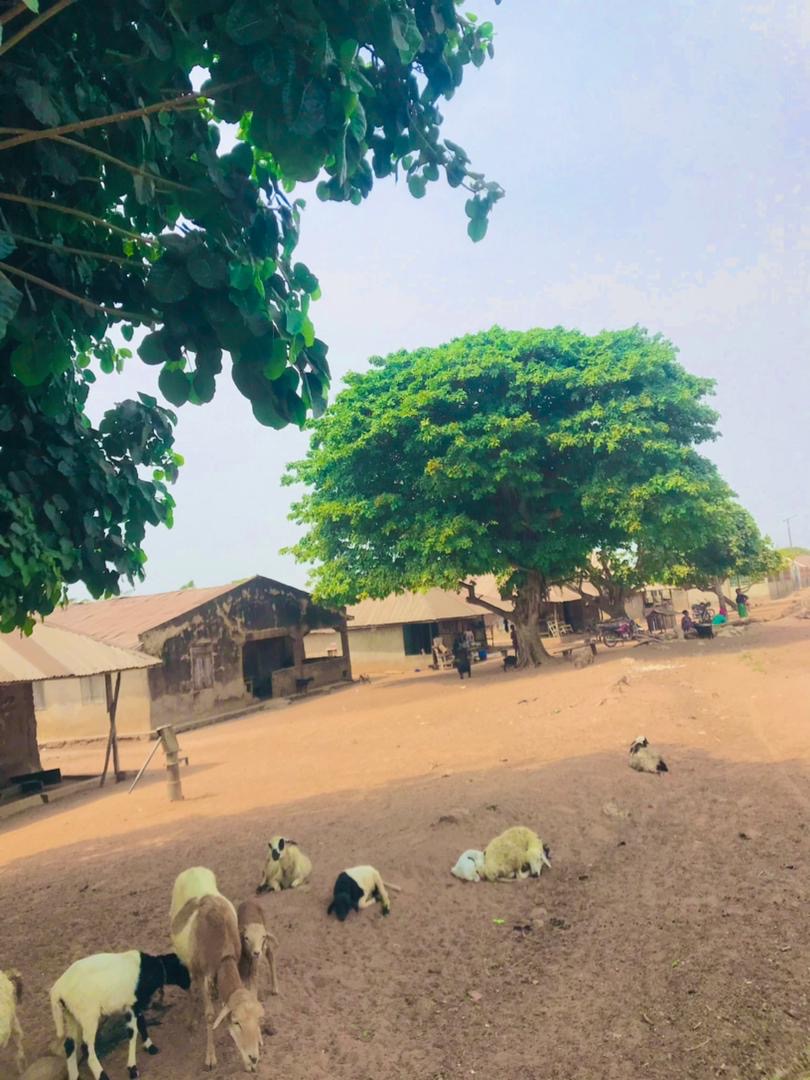
Oloka’s location has long been both a blessing and a risk. The community sits beside the Old Oyo National Park, a vast forest reserve that protects wildlife and preserves history. For years, residents maintained a working relationship with park rangers, hunters, and neighbouring settlements.
For many residents, the attack did not end with the gunfire. Its aftershocks reshaped daily life. Residents who spoke with The ICIR late January said they only come to attend to their means of livelihood during and by night, they find a way to sleep somewhere outside the community.
Some residents had already fled to Ogbomosho. Others sought refuge with relatives in nearby towns. Even those who returned did so cautiously.
“We are still not staying overnight in our homes,” Michael Damilola, a resident of the community, said.
On how she escaped on the night of the incident, she said, “We fled through the bush and entered another part of the town. We remained in the bush throughout the night.”
At dawn, survivors regrouped at Olokiti, a nearby community before moving to Ogbomosho, where news of the deaths reached them.

“What we are requesting from the government is the provision of maximum security in our village. The police advised that the bushes around my area should be cleared so that there will be better visibility and early detection of any threats. Without clearing the bushes, the area remains unsafe for residents.
For Funmilayo Oyetoro, the trauma was deeply personal.
“We ran into the bush in panic,” she said. “We could not even properly watch over our children who were running behind us.”
She told The ICIR late January that she and her family no longer sleep in Oloka.
“We come in the morning and return in the evening to Ikoyi-Ile,” she said.
Rumours that the attackers planned to return have only intensified anxiety.
Beyond the loss of lives, the attack has crippled Oloka’s economy. Farming, the backbone of the community, came to a standstill.
Yau, a Togolese national who had lived in the community for two years, said the impact has been devastating.
“There is no work, no income, and I am currently facing serious hunger,” he said.
According to him, many migrant workers fled after the attack, leaving fields unattended and harvests uncertain.
He said before the attack, he supported residents by helping them with farm work and other agricultural activities.
He said the incident disrupted the entire community. While many people scattered, some also fled the area after the attack.
“Despite the intervention of the police, we are still afraid and living in constant fear. For now, we are unable to resume our normal activities.”
Seven suspects arrested as government reacts
Following the deadly attack, the Oyo State Government moved quickly to address the crisis and reassure worried residents.
Governor Seyi Makinde confirmed the attack, describing it as a “devastating loss” of personnel carrying out their lawful duties and condemning the violence in strong terms.

He said preliminary findings pointed to the assault being carried out by suspected cross-border bandits, and urged people in the area to remain calm as security agencies worked to restore order and prevent further attacks.
In the immediate aftermath, state security operatives, including the police command deployed tactical teams, mobile units and intelligence personnel to the affected axis to reinforce security and prevent a breakdown of law and order.
The Commissioner of Police personally led an on-the-spot assessment and held discussions with community leaders as part of efforts to reassure residents.
Governor Makinde later visited the village, where he met local leaders and families affected by the attack. During the visit, he promised to compensate the families of the slain forest guards, including financial support and educational scholarships for their children, signalling the government’s intent to support victims’ families.
As part of broader security commitments, Makinde also pledged infrastructure improvements for the community, including the rehabilitation of the road leading to Oloka, the installation of boreholes and solar-powered street lights, and improved telecommunications services to aid both security and development.
On the security front, the governor said he intended to write to military authorities in Abuja to advocate for a permanent military base in Oloka, aiming to strengthen long-term security presence in the area.
He reiterated the need for sustained joint security efforts and called on residents to remain vigilant and cooperate with security agencies.
Meanwhile, the Oyo State Police Command arrested seven suspected members of an armed bandit gang linked to the incident.
The command’s spokesperson, Ayanlade Olayinka, described the operation as a major breakthrough in the investigation into the deadly assault.
According to the police, the suspects are part of a 10-man gang allegedly led by one of those now in custody, identified as the mastermind behind the attack.
It added that in the aftermath of the attack, the Commissioner of Police in the state, Femi Haruna, ordered the immediate deployment of operational assets to the area and directed the Command Monitoring Unit to take over the investigation.
Police said the directive triggered an intelligence-led operation that led to the arrest of three initial suspects—Mohammed Dangi; Abubakar Abdullahi; and Sheu Usman, before four more suspects were picked up days later.
During interrogation, the suspects allegedly confessed to participating in the attack and disclosed that the gang consisted of 10 members operating on five motorcycles.
Police investigation also confirmed that the primary motive behind the assault was to forcefully free members of the gang who had earlier been arrested and held by forest guards.
On January 25, police arrested four additional suspects identified as Toro Malami, 43; Usman Alhaji Ummaru; Laolo Muhammadu, 22; and Usman Alhaji Isah, 32.
He reassured residents of the state of the police command’s commitment to protecting lives and property, warning against the spread of unverified information capable of causing panic.
According to him, the command remains resolute that Oyo State will not be allowed to become a safe haven for criminal elements.
Despite these responses and assurances, fear and uncertainty linger in surrounding communities, with many residents calling for consistent, long-term protection rather than temporary deployments, and urging state and federal authorities to translate promises into sustained action that can prevent a repeat of the violence.